

 Ambitious recovery programme launched as unprecedented decline in pearl mussel highlights fragile River Dee
 DeeWatch December
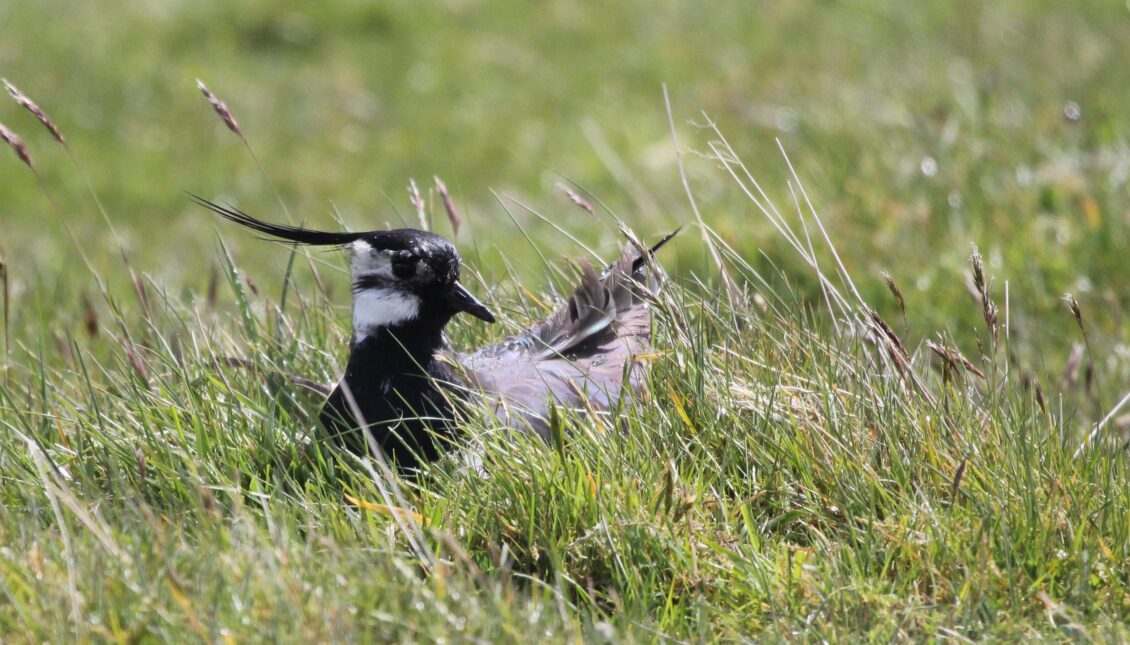
The Tarland Wetlands Group was set up in 2018 to address the decline of breeding birds, particularly waders, in the Howe of Cromar. Its vision is to develop a set of natural wetlands within the local farming system, for the benefit of wildlife, the environment and people. The Tarland Wetlands Group is a sub-group of the Tarland Development Group, comprising Tarland residents, and representatives of The MacRobert Trust, The Royal Society for the Protection of Birds and the Dee Catchment Partnership.
Introduction
The catchment of the Tarland Burn drains through low-lying land between Tarland and Coull, then further to the River Dee at Aboyne. A natural depression in the landscape, floodwater accumulates here at times, though deep drains take much of it away quickly through the central, straightened channel of the Tarland burn. The project is looking at ways to create a softer system of drainage and floodwater storage that creates more varied wetland habitats within the farming landscape.
The project is investigating the potential for a network of wetlands, mostly near burns or in natural hollows. These would form a ‘string of pearls’ across the catchment, providing wildlife habitats, water quality improvements, water retention, and carbon storage. In the longer term, establishing some large wetlands is possible. These could be a mixture of permanent water, seasonally-wet grassland, reed beds and marshes, managed in various ways while still being used for agriculture in many places.
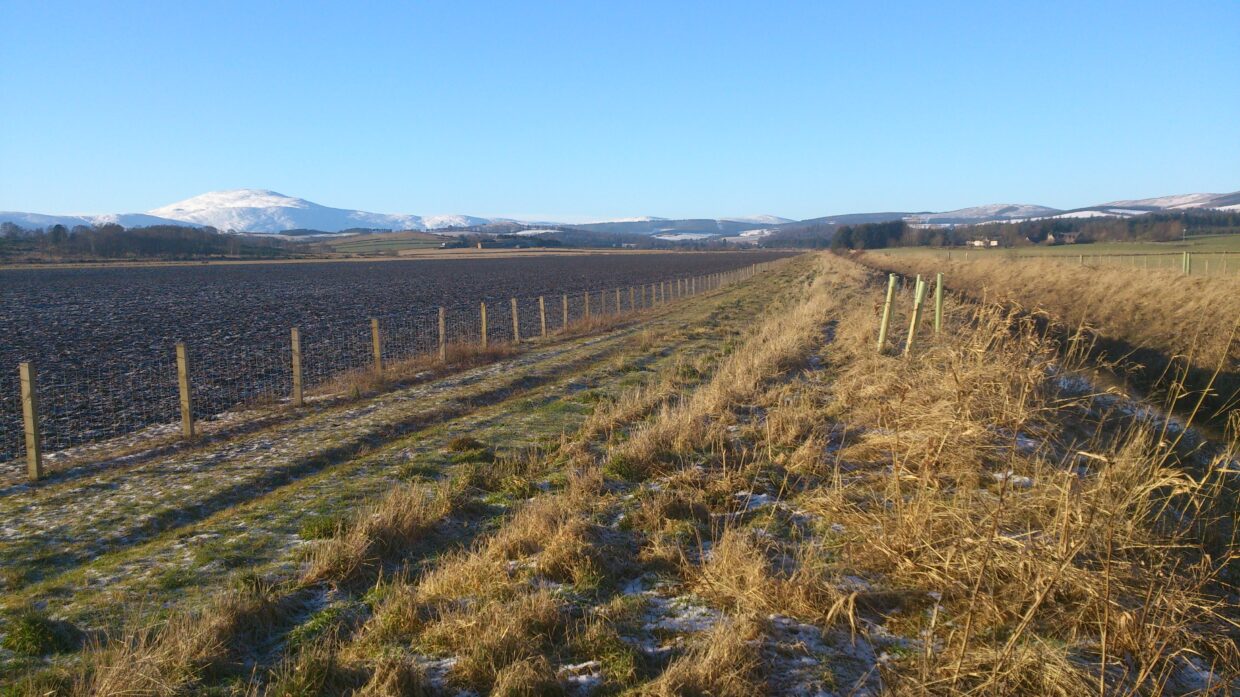
Wide water margin on the Tarland Burn create by the Pearls in Peril project 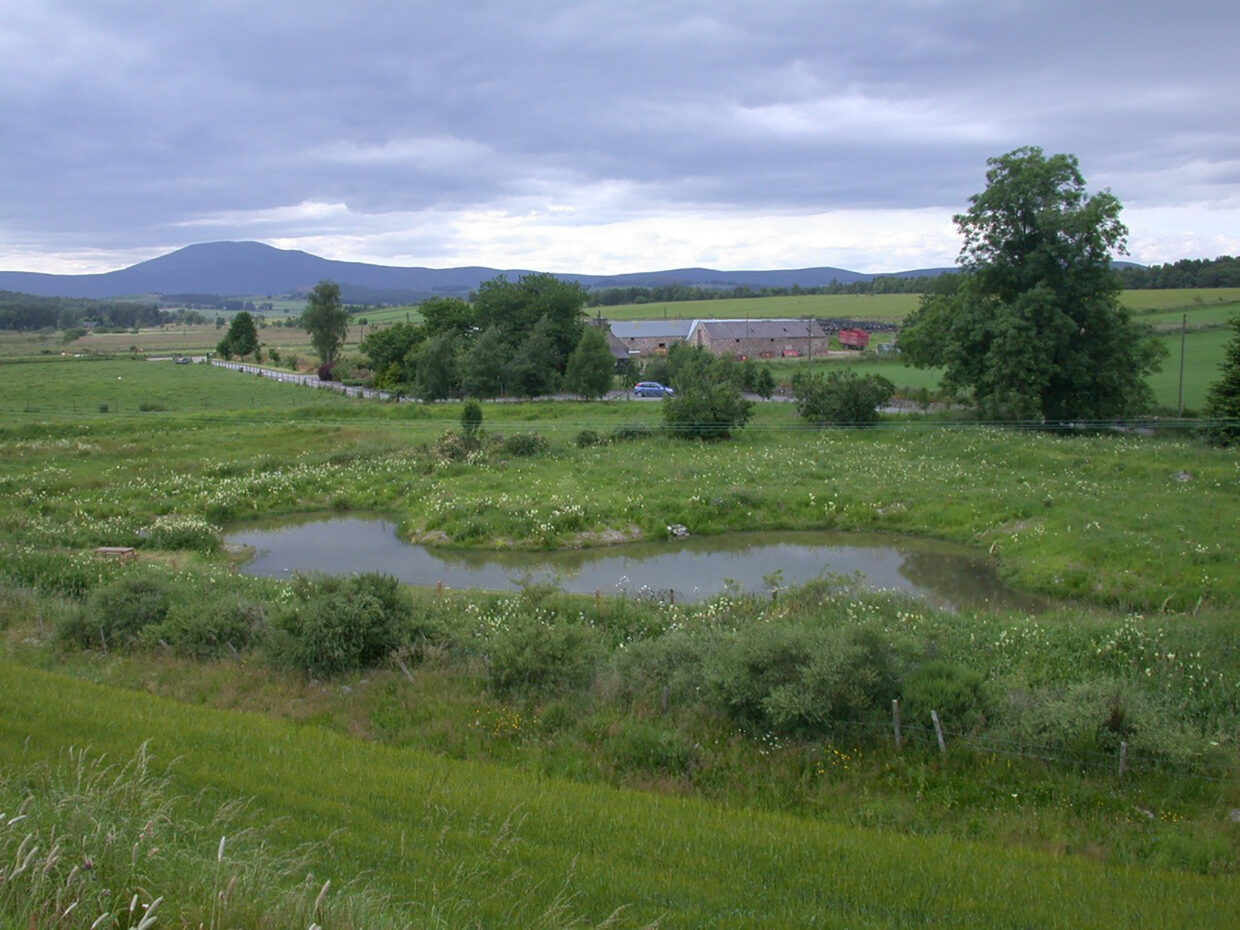
Pond at Mill of Gellan, Tarland
Background study
A report was produced in 2019 to collate the many studies that have taken place in Tarland. These include studies on
- Water quality improvements
- Flood alleviation, flood storage and Natural Flood Management
- Biodiversity improvements
- Monitoring and research.
Awareness event
An awareness-raising event was held in Tarland in March 2020 to discuss these ideas, and gauge the community views towards possible projects.
Next steps
Current work:
- Management of the wetland in the village of Tarland
- Management of the Sewage Treatment Works wetland just outside Tarland
- Discussing the potential for natural flood management and wetland creation and management with landowners and the farming community in the Howe
- Investigating natural flood management measures to deliver on the ground based on previous research
- Investigating the feasibility of restoring some of Tarland’s historic mill ponds with Cromar History Group
- A wetlands art project to be exhibited during September and October 2020
- Creating still and video footage of wetlands and wildlife from trail cameras and drones for publicity and outreach
Here is footage from the Tarland Burn captured by Ian Francis (RSPB) – turn up the volume to hear the otters chattering to each other!
Short term aspirations:
- Draw up a short report for land managers in the Howe of Cromar on wetland creation and management
- Write up case studies
- Organise visits to demonstration sites
- Produce plans indicating potential locations for NFM and wetland management/creation
- Advise local residents on garden pond creation and management for wildlife
Bigger aspirations:
- Restore the wetlands between Tarland and Coull, de-canalise the Tarland Burn and create diversity of habitats, including pools, reedbeds, grazed areas and meadows with access for the public
The Tarland Wetlands Project has an email mailing list and a presence on Facebook . For further information please contact Megan Albon, TDG Development Officer, at [email protected].
News articles related to this project:
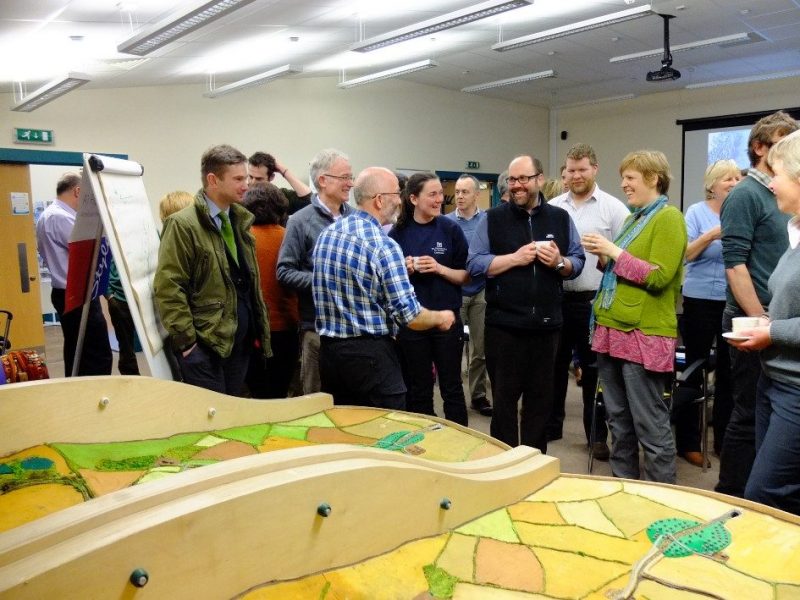
Tarland river restoration drop in event
A drop-in event about the ongoing restoration studies on the Tarland Burn is taking place on 30 March , 2pm – 8pm in the Upper […]