

 Ambitious recovery programme launched as unprecedented decline in pearl mussel highlights fragile River Dee
 DeeWatch December
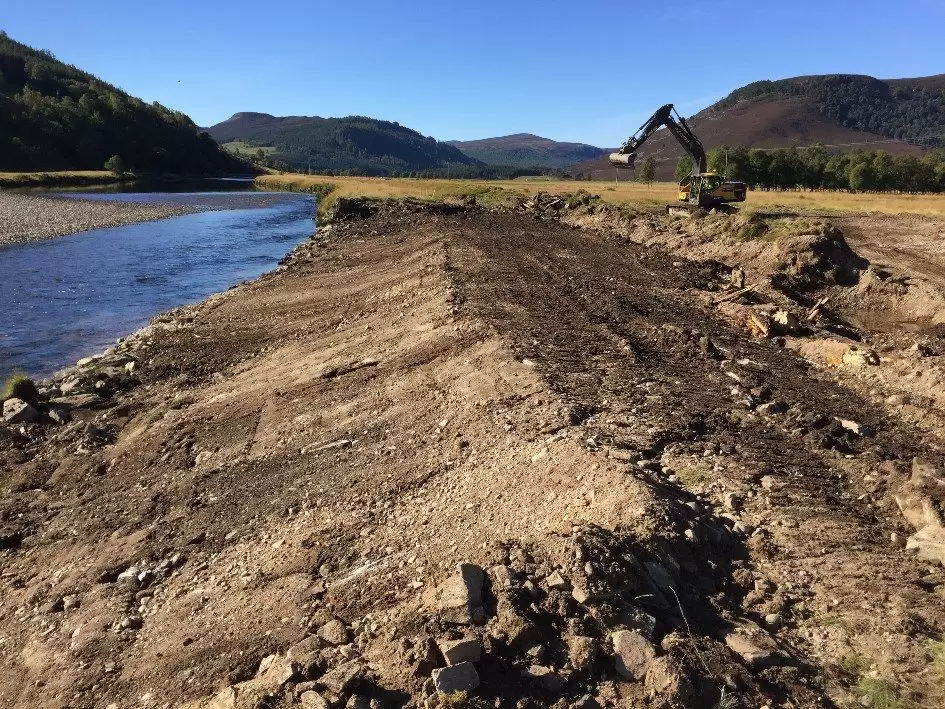
Over the centuries the River Dee and its tributaries have been extensively engineered to improve land for farming, make space for development, and manage the fishery. These benefits have come at a cost to the overall health of the river, causing widespread damage to the catchment’s hydrology and habitats. Our river restoration projects help to create a healthier river system that’s more resilient to the changing climate, while also providing space for nature and the river itself.
Re-meandering projects
Many of the Dee’s tributaries have been straightened, embanked and dredged. Over time they have become overly-deep, silted and disconnected from their floodplains, leading to poor and uniform habitat. These streams are vital spawning grounds but in their constrained state have limited value to wildlife. Where possible we are giving streams a helping hand to recover their natural path through the landscape. These ‘remeandering’ projects have many benefits. Flows are slowed, the river can spill onto its floodplain, store floodwaters and deposit silt, and the twists and turns in the river create many different habitats, from fast-flowing riffles to deep pools, providing food and shelter for a wide range of plants and animals.
Removing obstructions
Obstructions in the river can prevent fish from migrating to their natural spawning grounds. Since 2007, the Dee District Salmon Fishery Board and the River Dee Trust have been working with Aberdeenshire Council and SEPA to ease or remove these obstructions. Examples include weirs, bridges, vehicle fords and culverts. Some are completely impassable to fish, closing off whole areas of the river system. Others are impassable during lower flows, resulting in delayed migration and making fish vulnerable to predators and stress. In 2007, the River Dee Trust mapped man-made obstructions in the river and prioritised them for easement (by installing a fish pass), or complete removal, based on the area of river upstream that is affected. For example, removing an obstruction located on a tributary with poor habitat for salmon, or one located close to the headwater source, offers a lot less potential for increasing fish production than removing an obstruction that is low down on a prime-quality tributary.
Adding large woody material
Tributaries to the Dee such as the Muick and the Gairn were once part of a wooded landscape, where trees in the river would have formed a huge part of its overall habitat structure. Extensive deforestation over decades has left much of Scotland without these trees, but by adding large wood structures to rivers today, we can help to create the complex and diverse habitats that salmon and other aquatic species need to thrive. Various sites on the Gairn and Muick tributes have been restored with the installation of large wind-blown trees, transported several miles by heavy machinery to specific locations which are identified beforehand by a designer, in a strategic process which identifies the optimal sites – those places where the river is trying to create some complexity by itself, where shingle has been deposited by the river and is beginning to make small islands and bars. The added wood then gives the river that material to accentuate those shingle bars and islands. In this way the trees are like the building blocks of the river structure, bringing widespread benefits for biodiversity.
Our projects that are restoring beds and banks:
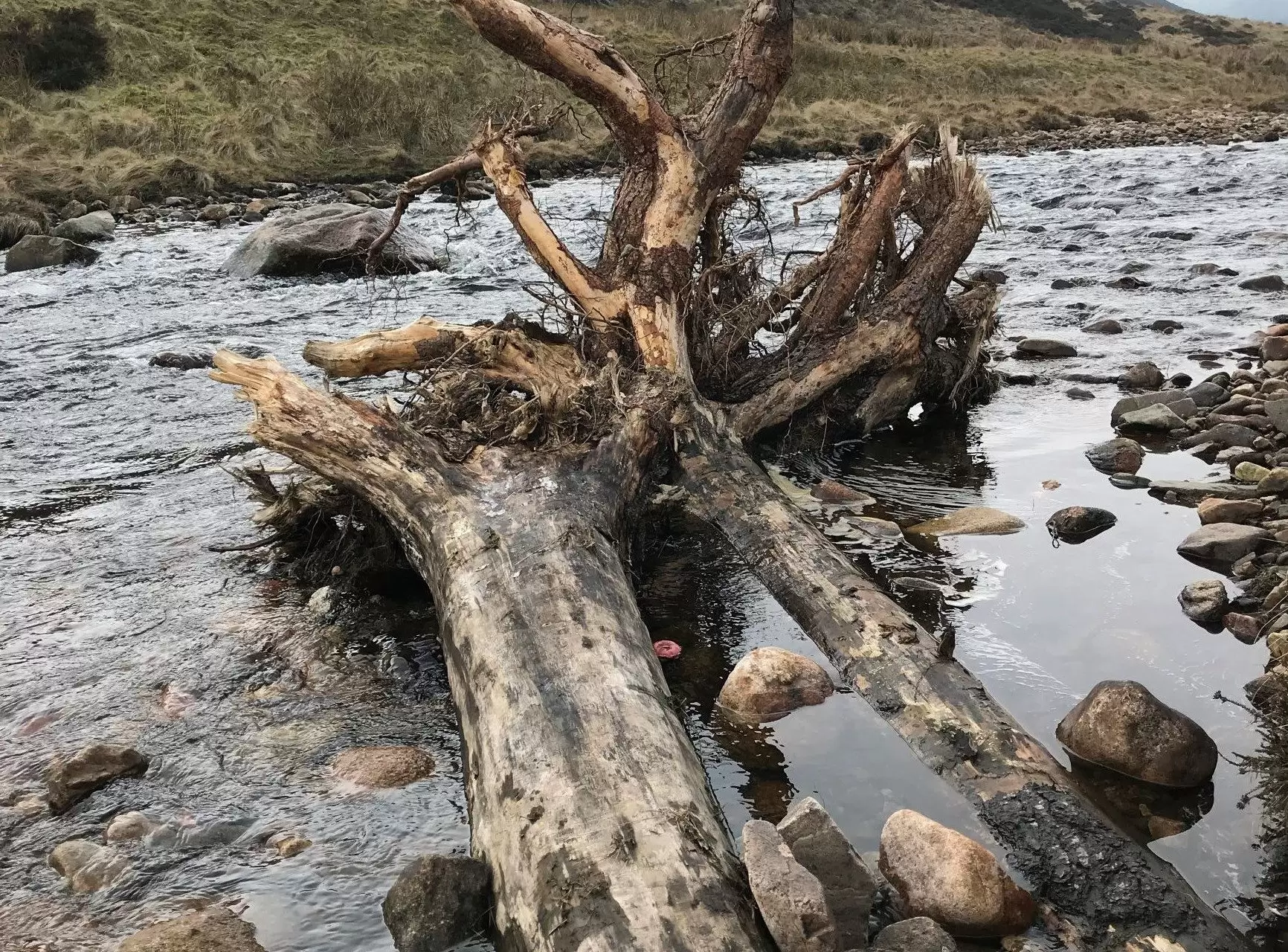
Using wood to improve habitats
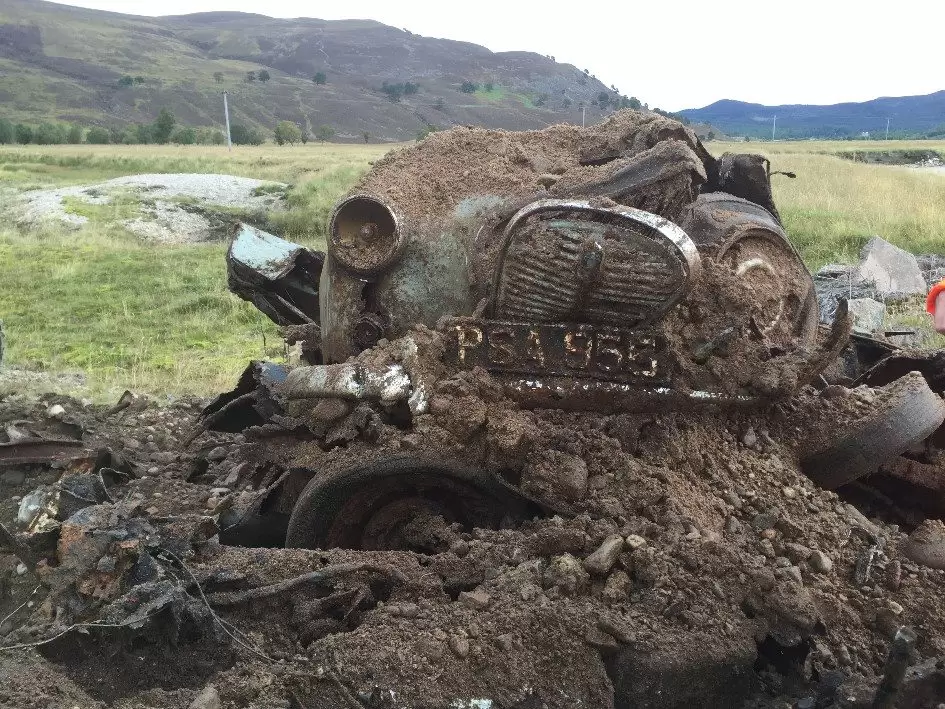
Removing a 31-year old eyesore and pollutant from the River Dee’s banks
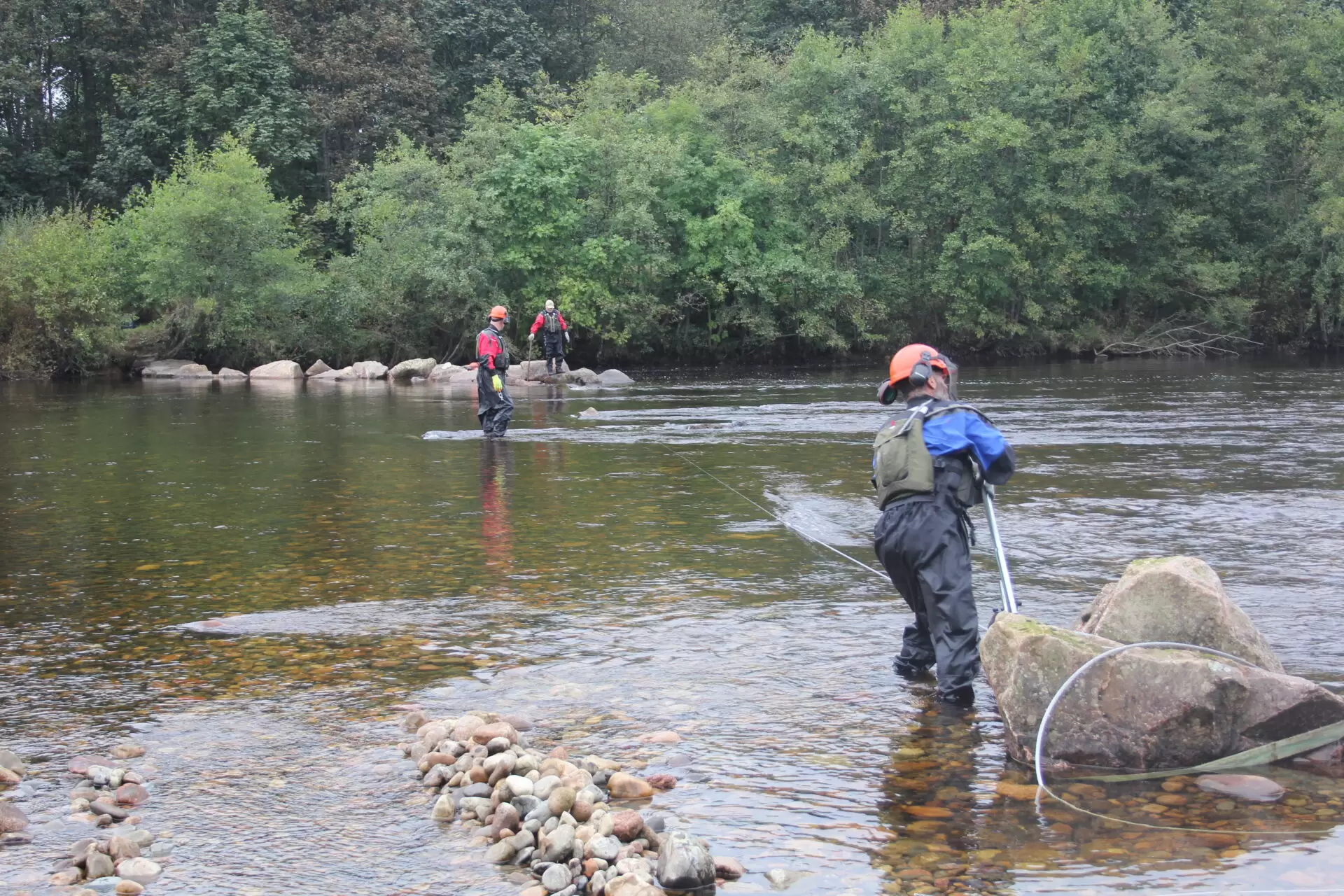
Removing in-stream flow deflectors
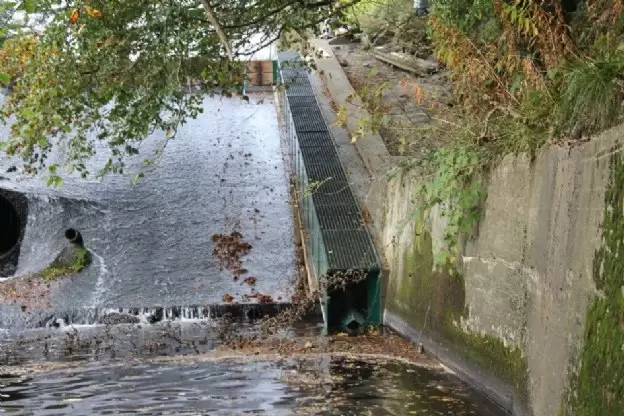
Opening up the Dee for salmon and trout with the Culter Dam Fish Pass
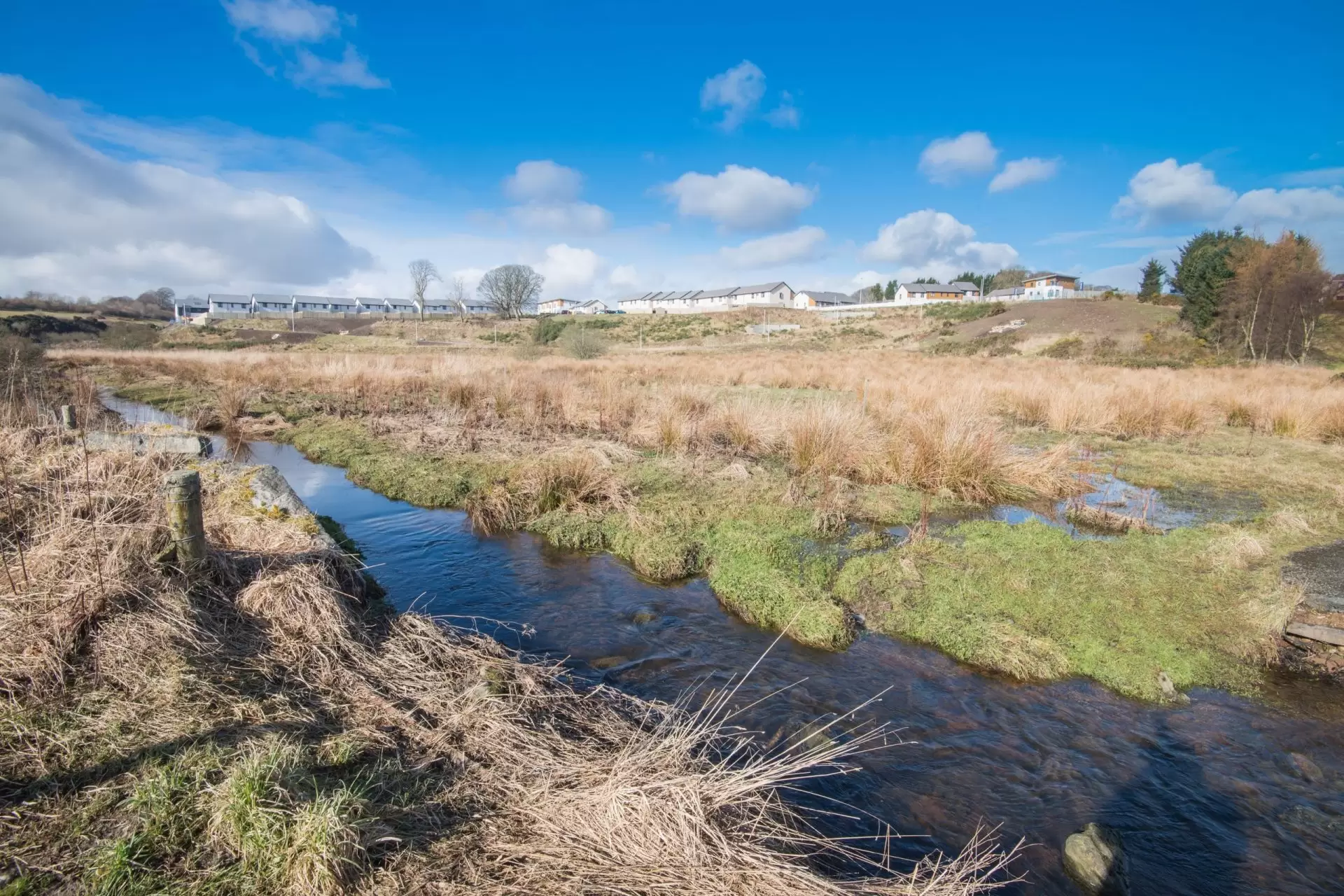
The Den Burn restoration project aims to enhance habitats for wildlife, improve water quality, and create a more attractive and accessible green space for people to enjoy.
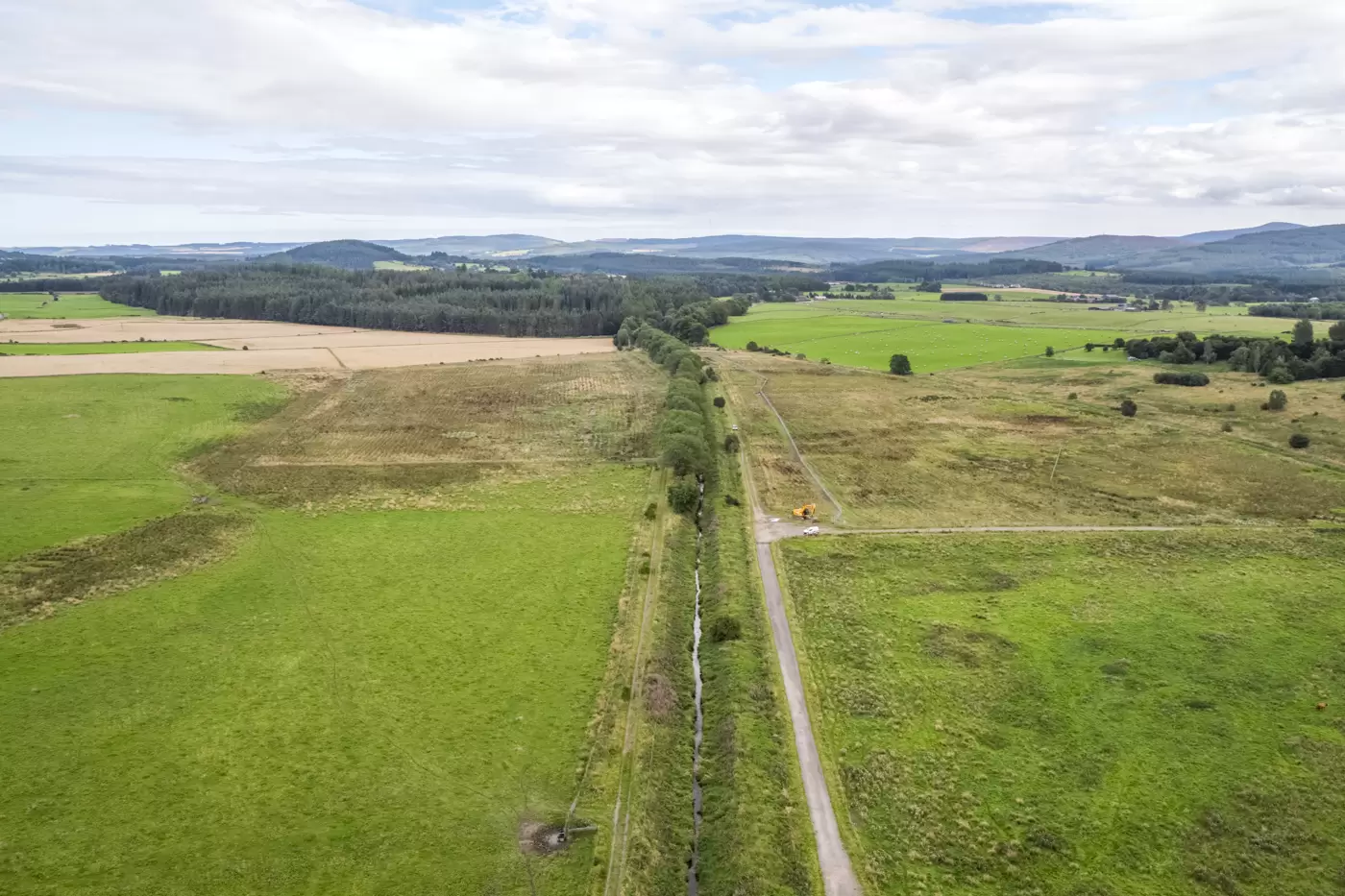
This large-scale river valley restoration is returning a straightened agricultural stream to a natural meaning course, running through extensive wetlands and fully reconnected to its floodplain.
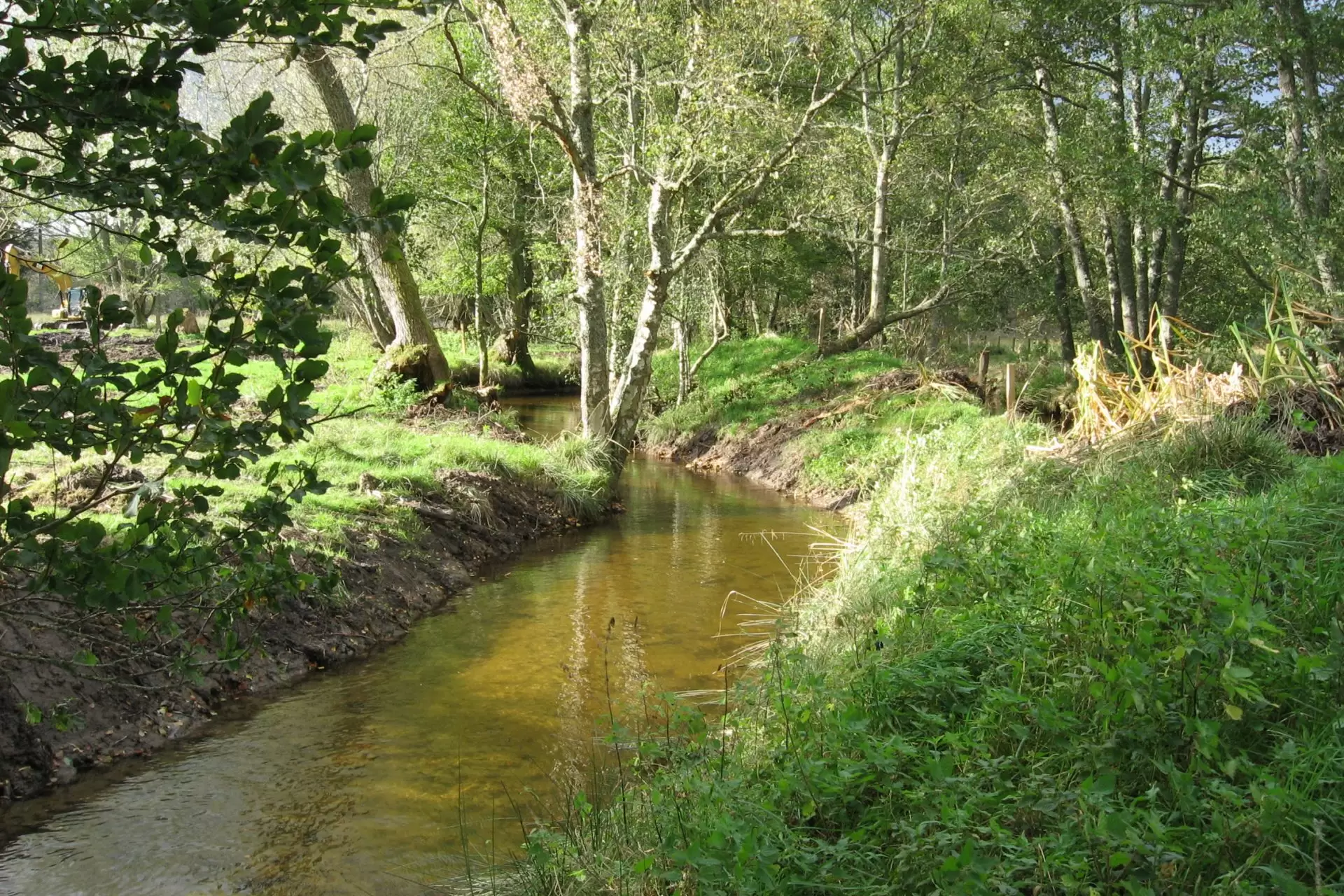
Returning a burn in the catchment to its former meandering glory

Establishing unfenced woodland
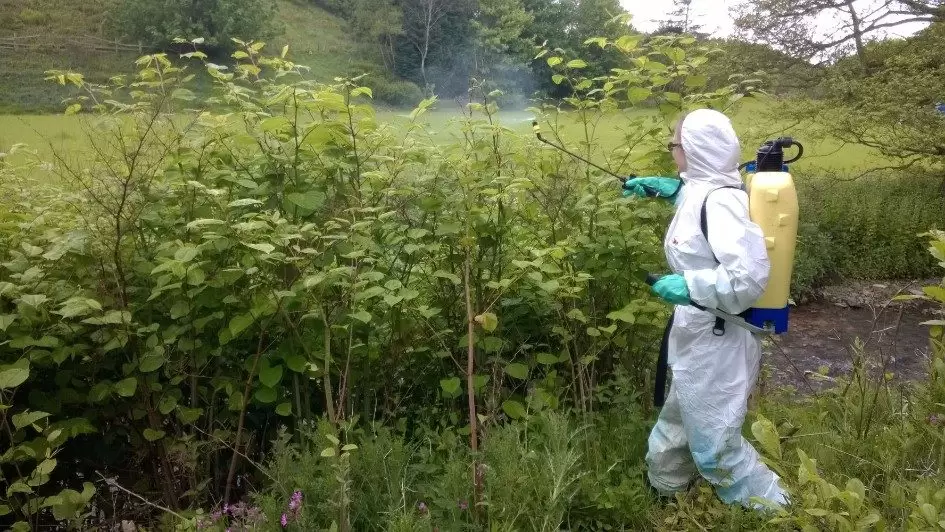
North East Non Native Invasive Species Project
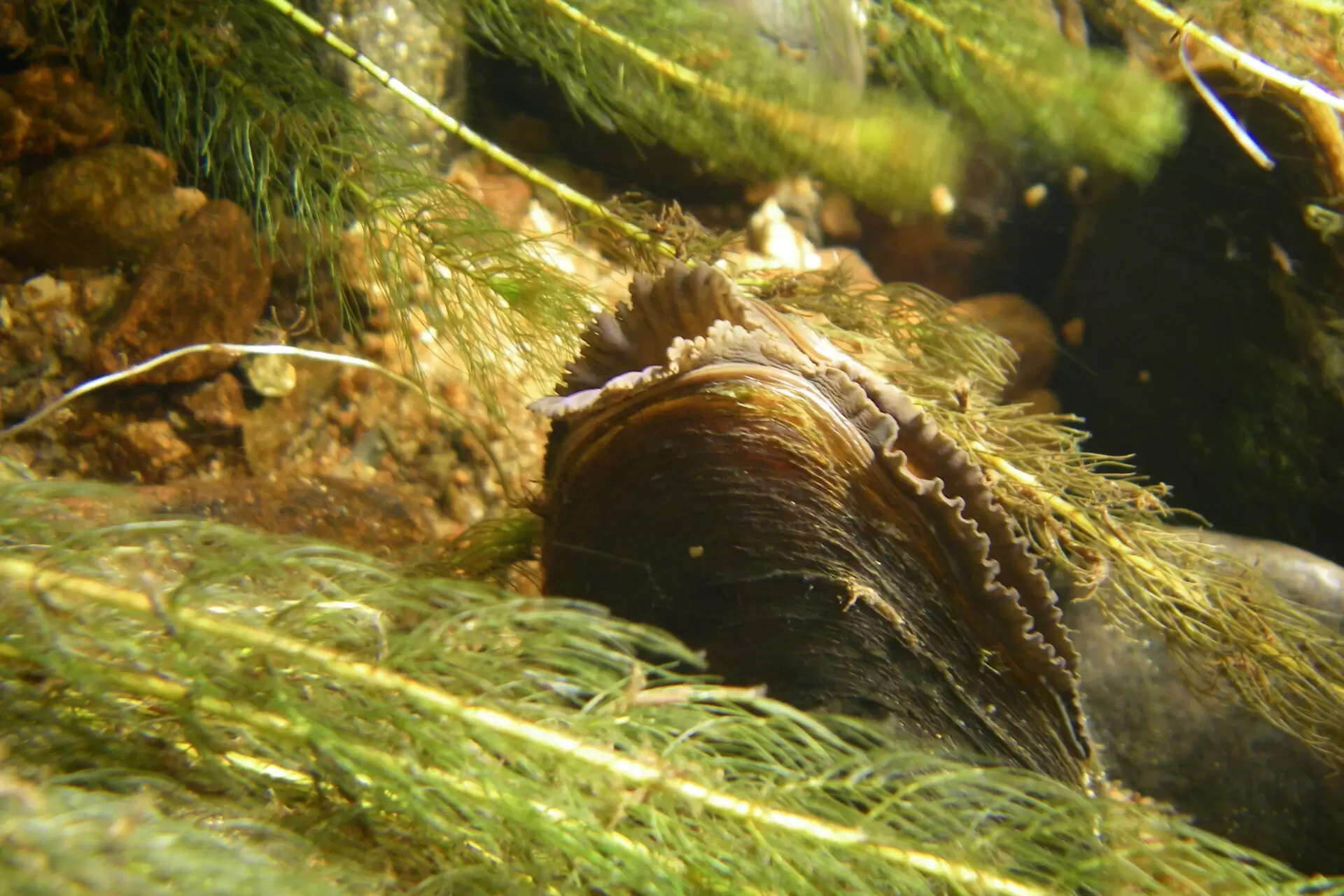
A nationwide project to safeguard important freshwater pearl mussel populations
The story of the Beltie Burn restoration
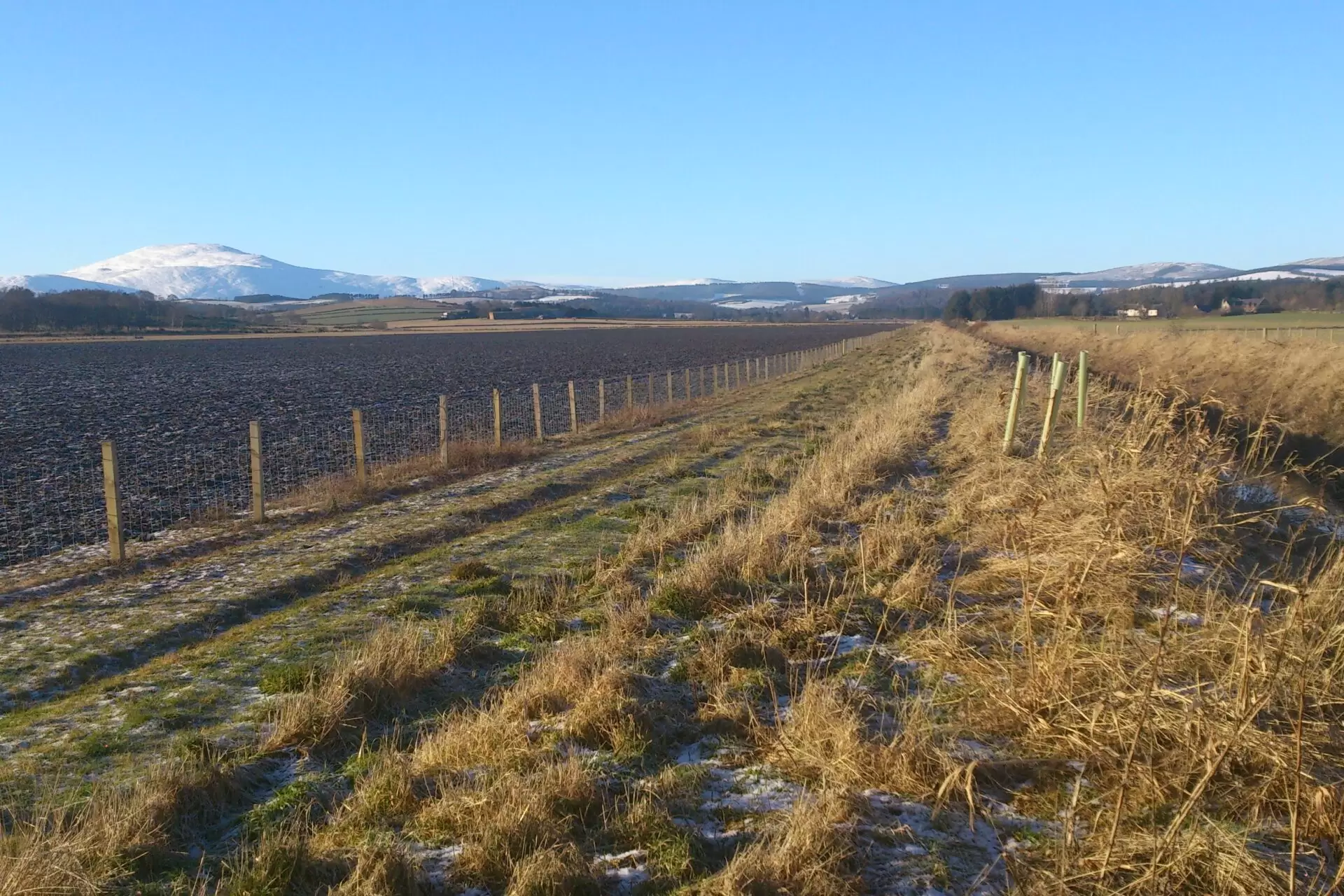
A design for stream and wetland restoration
How we are returning trees to the riverbank