

 Ambitious recovery programme launched as unprecedented decline in pearl mussel highlights fragile River Dee
 DeeWatch December
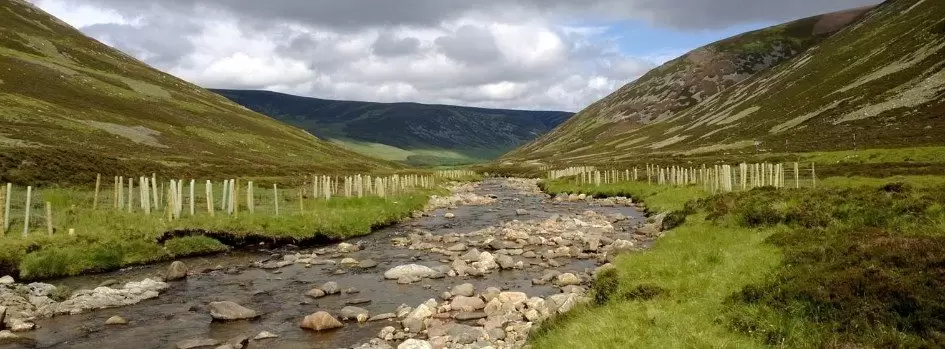
Water margins
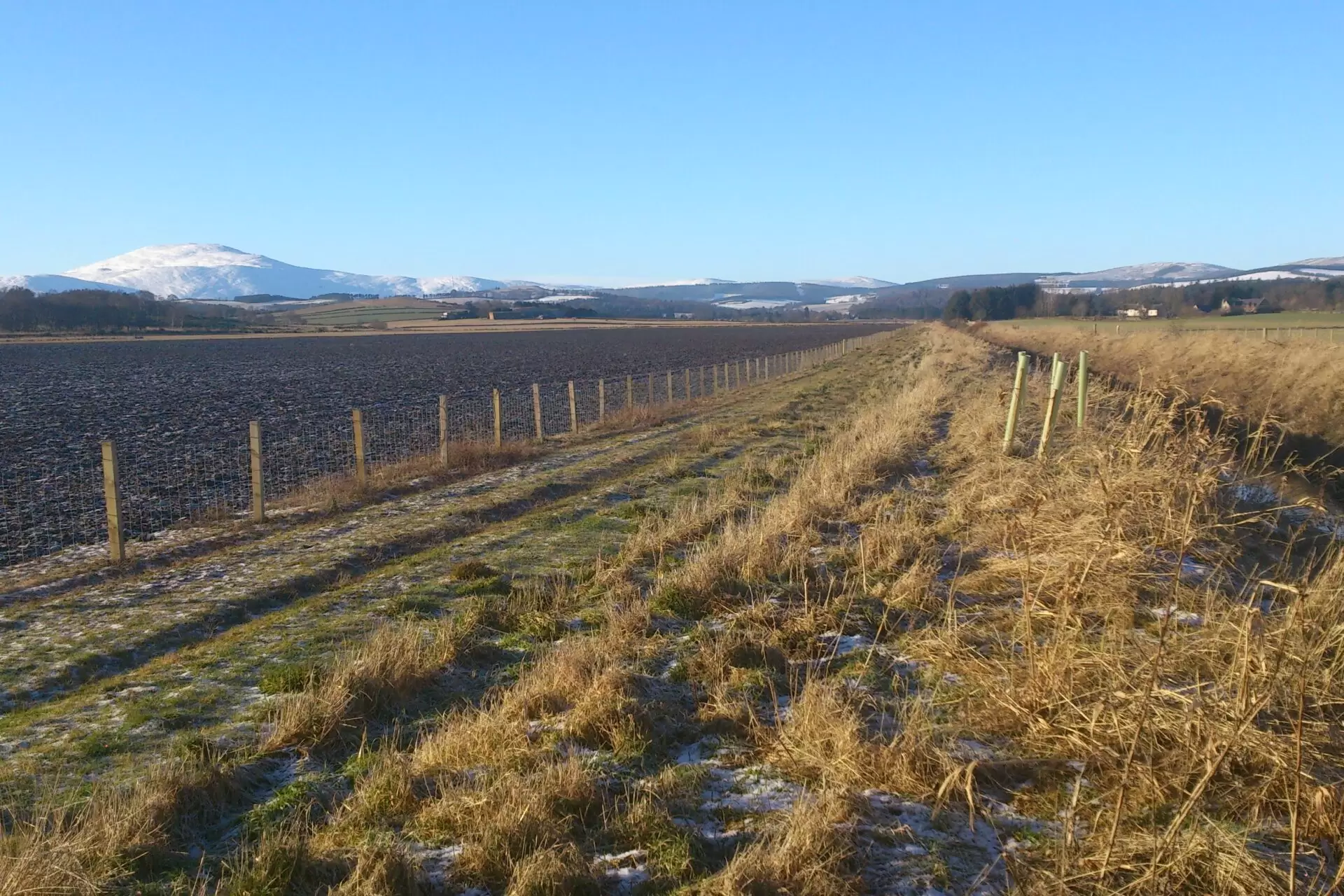
We can reduce pollution in the Dee by planting vegetation alongside the cathcment’s rivers and streams. These water margins or ‘buffer strips’ help to protect the water from the impact of activities nearby, and have become standard frontline protection for watercourses. There are now well over 300km of buffer strips in the Dee catchment, with a rolling programme to increase coverage year on year. A combination of funding secured through SRDP and the EU LIFE Pearls in Peril project created over 45km of water margins in the middle catchment, including some 10m-wide examples on the Tarland Burn.
Creating buffer strips by fencing off the riverbank is a well-established technique, but they are developing into more sophisticated water treatment systems. The James Hutton Institute is trialling new ‘Intelligent’ or ‘BufferTech’ water margins that intercept and treat the runoff from field drains and provide biomass from vegetation growth.
Buffer strips during development
Water margins provide valuable protection from a wide range of impacts other than farming. We have pioneered their use to protect watercourses from the impact of development and this approach has been adopted as Supplementary Planning Guidance by Aberdeen City and Aberdeenshire Councils.
Septic tanks and drains
We produced new guidance on Septic Tank Management and Drain Care. Our Septic Tank Guidance Leaflet is now UK standard guidance and has been translated into Welsh. We ‘ve run numerous septic tank campaigns with stands at events, schools and youth group projects. To further educate on Drain Care we developed a Yellow Fish Project to raise awareness of water quality issues in Aberdeen Harbour, which was extended to Westhill, Torphins and Banchory.
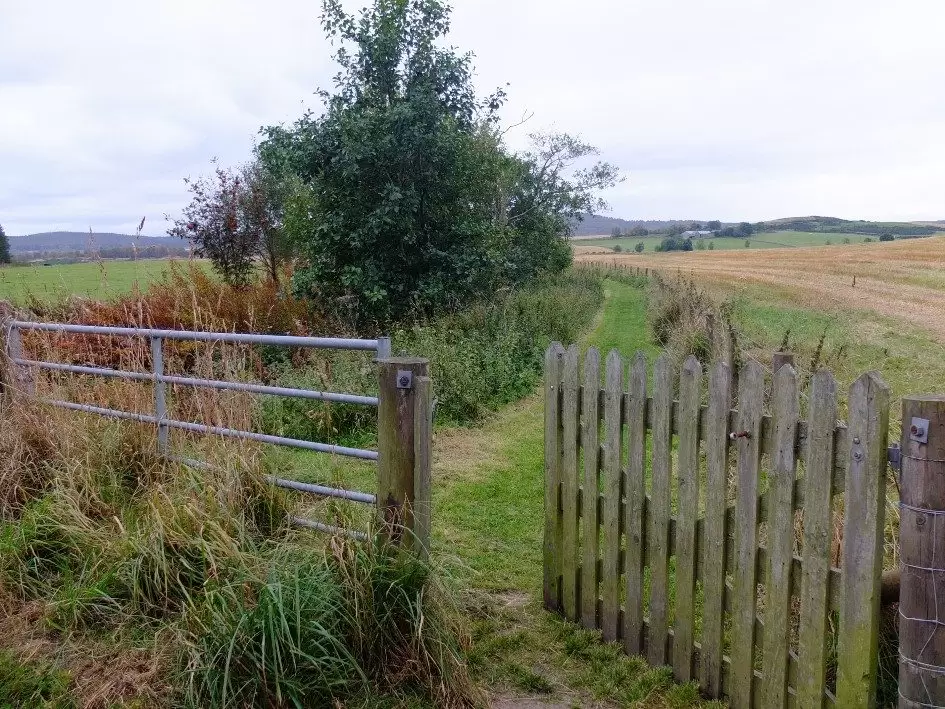
Improving water quality, flood protection and biodiversity in three sub-catchments

Removing a 31-year old eyesore and pollutant from the River Dee’s banks
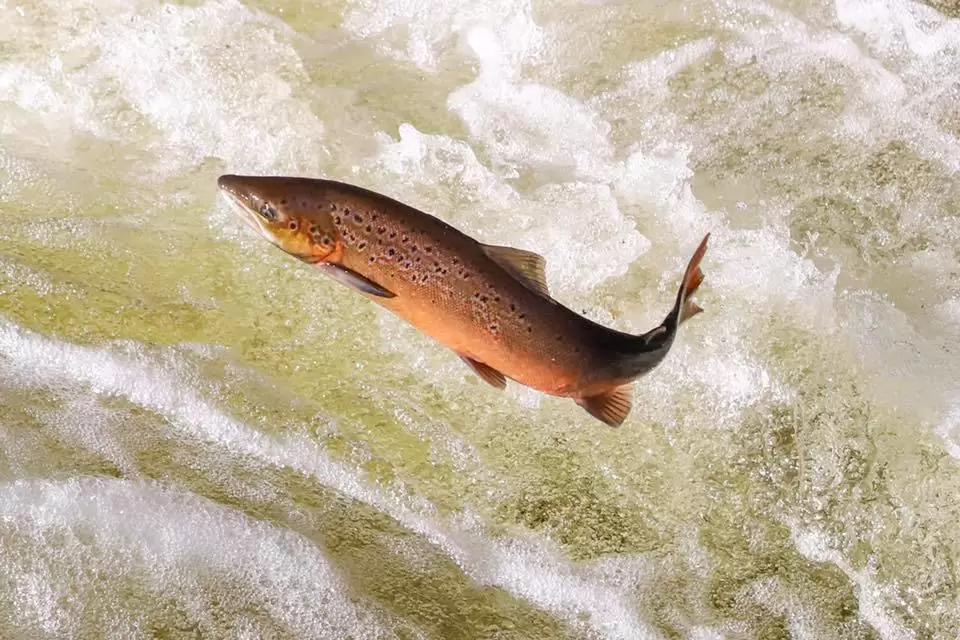
EU LIFE Project for salmon conservation and awareness

Improving water quality through drain care
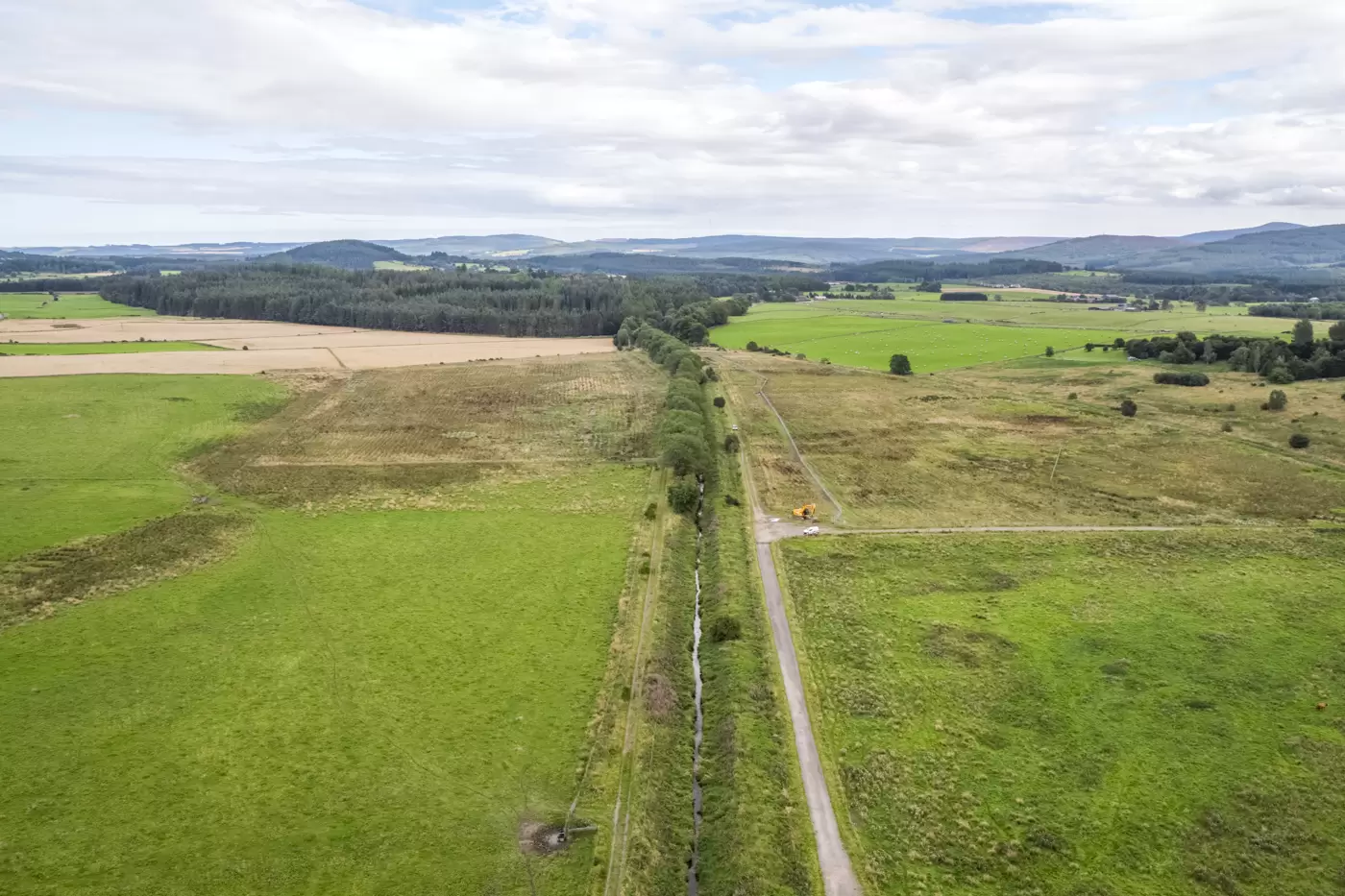
This large-scale river valley restoration is returning a straightened agricultural stream to a natural meaning course, running through extensive wetlands and fully reconnected to its floodplain.
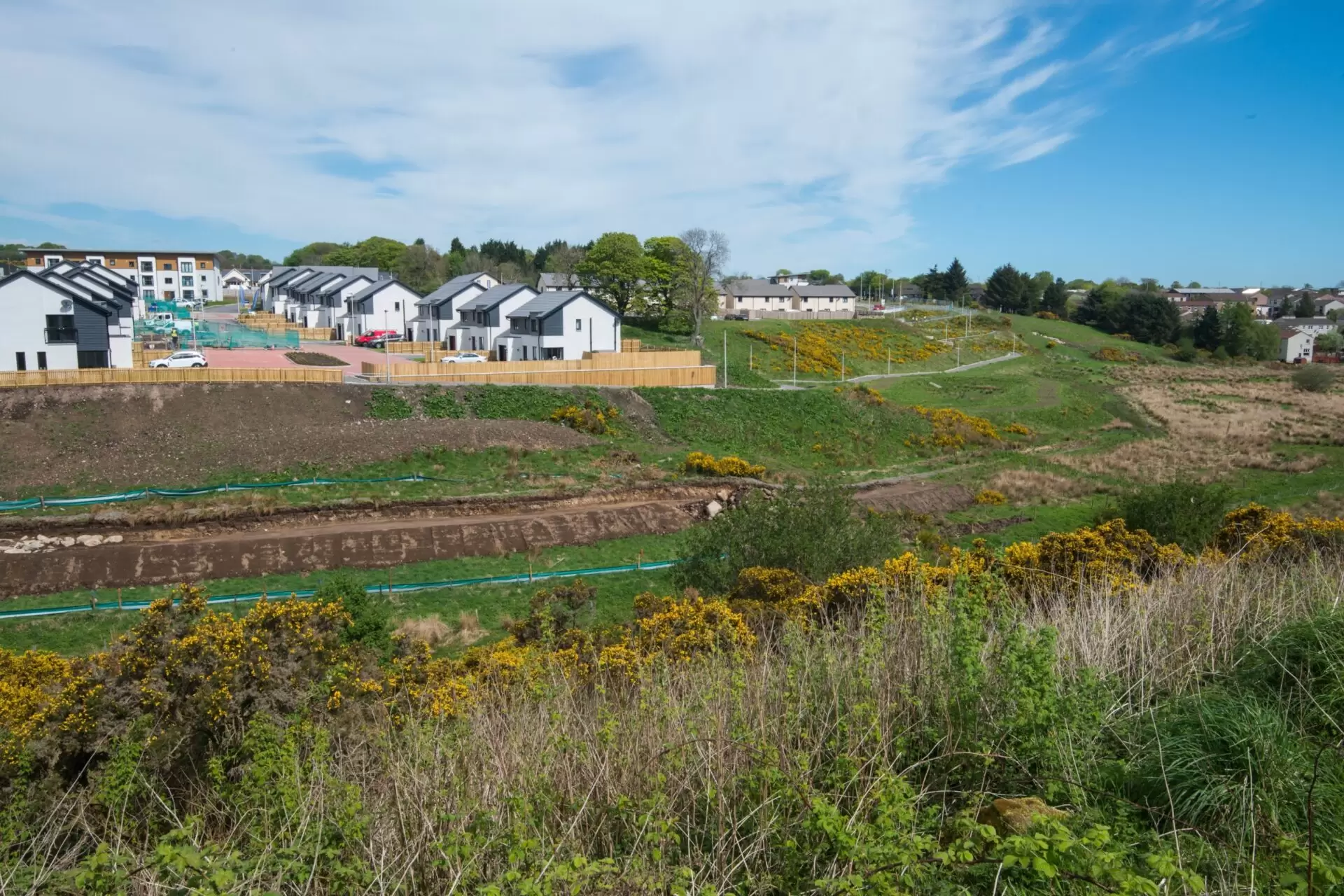
New planning guidance to protect watercourses from pollution during development works

Establishing unfenced woodland
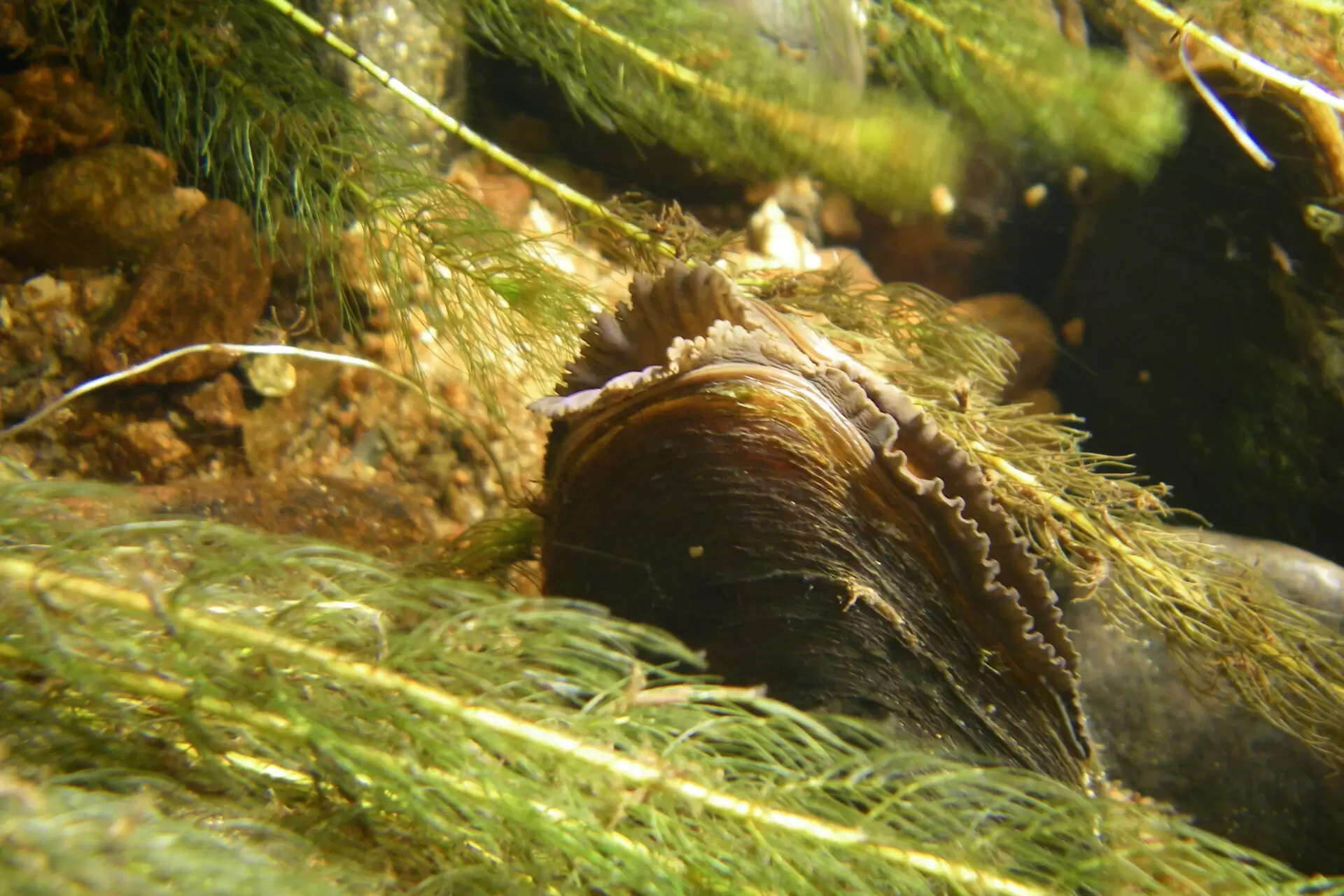
A nationwide project to safeguard important freshwater pearl mussel populations
Trialling different water protection measures under different climate change scenarios in the Dee catchment
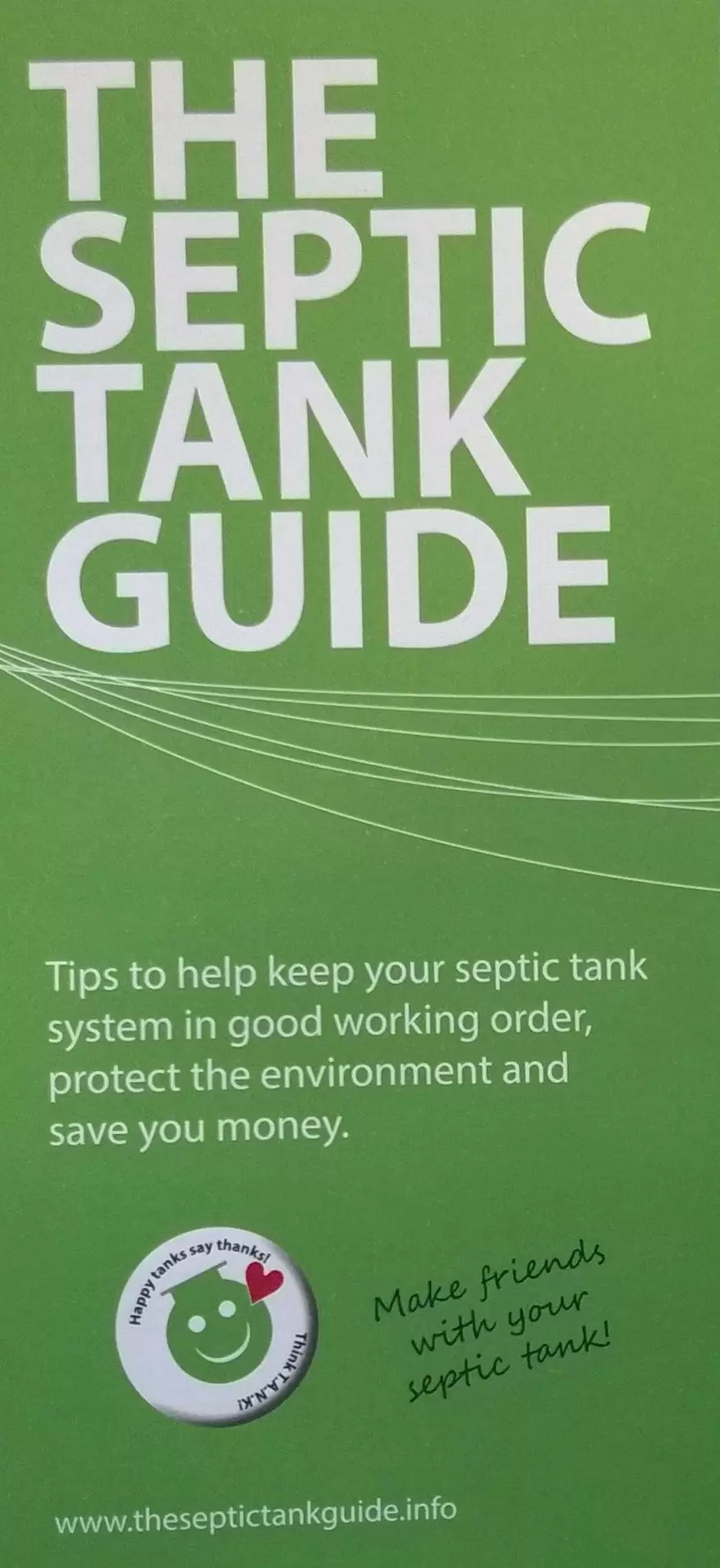
Promoting responsible septic tank ownership
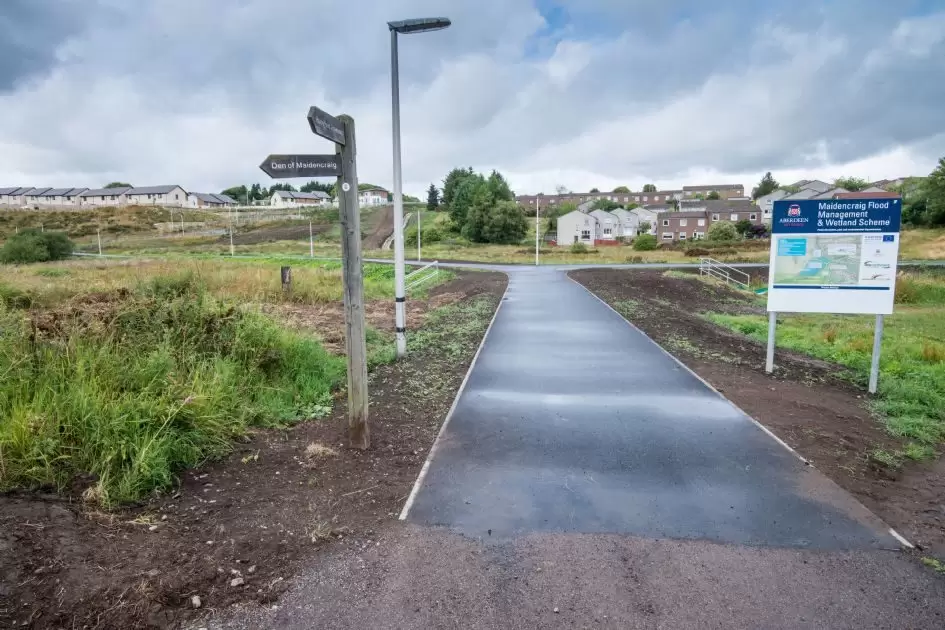
Designing SuDS into a new housing scheme
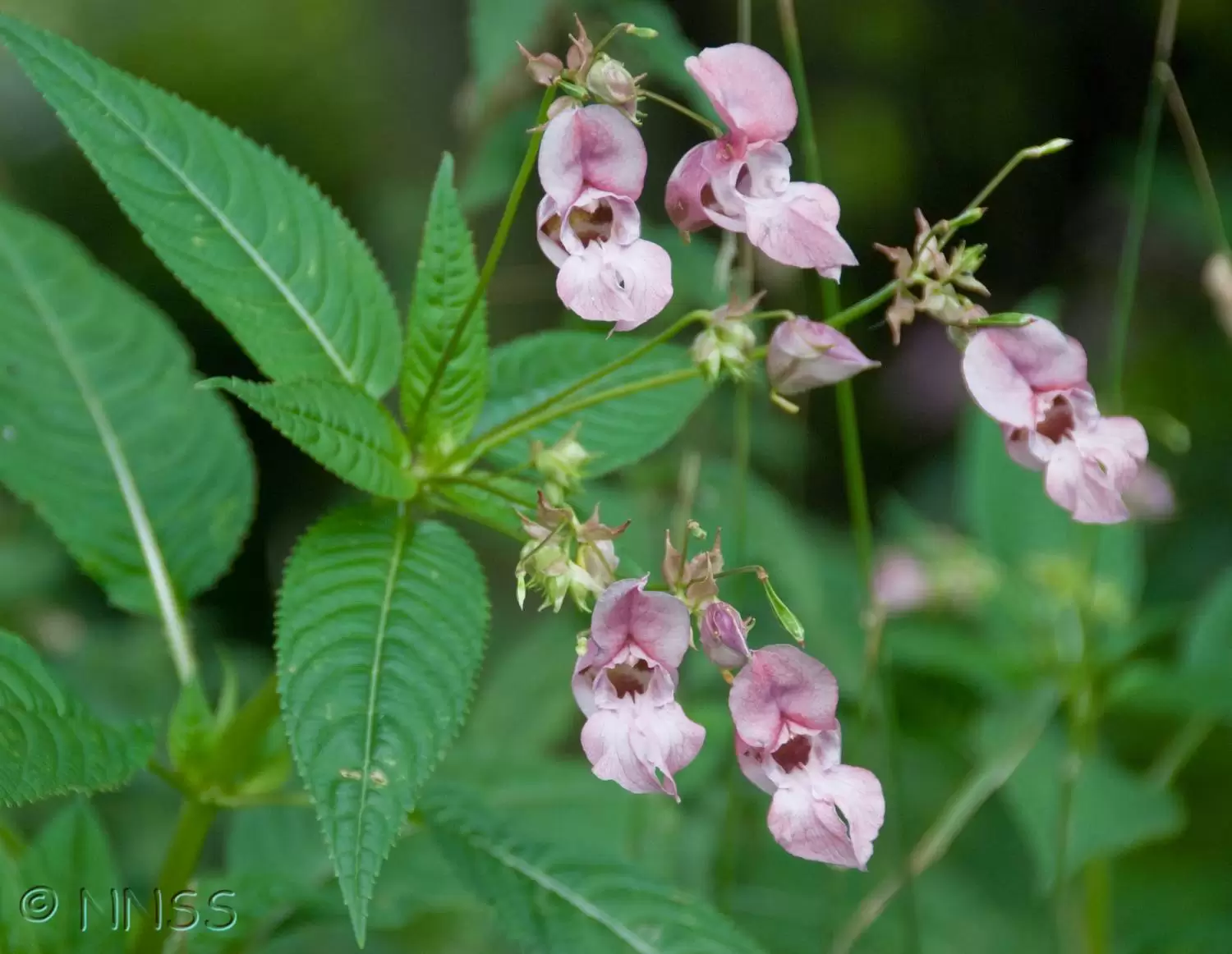
A long-term control programme
A design for stream and wetland restoration
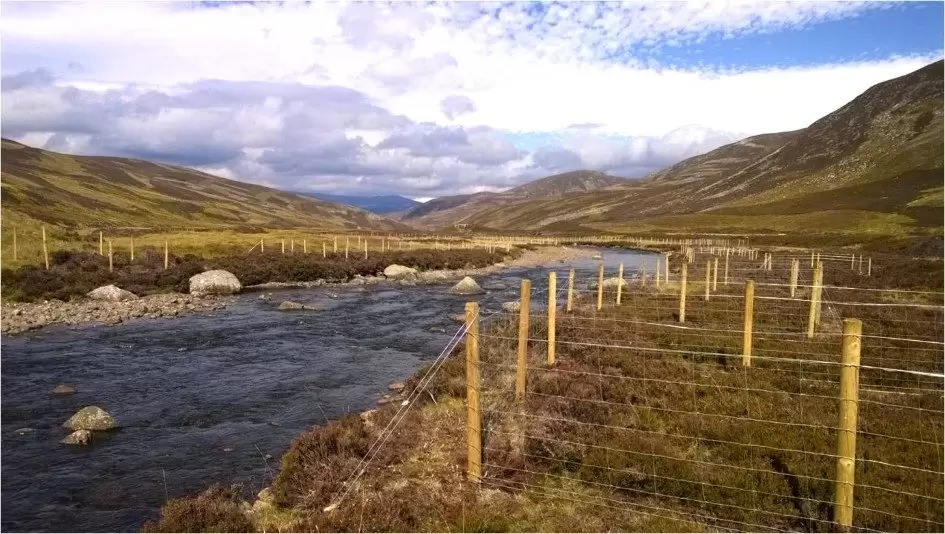
How we are returning trees to the riverbank
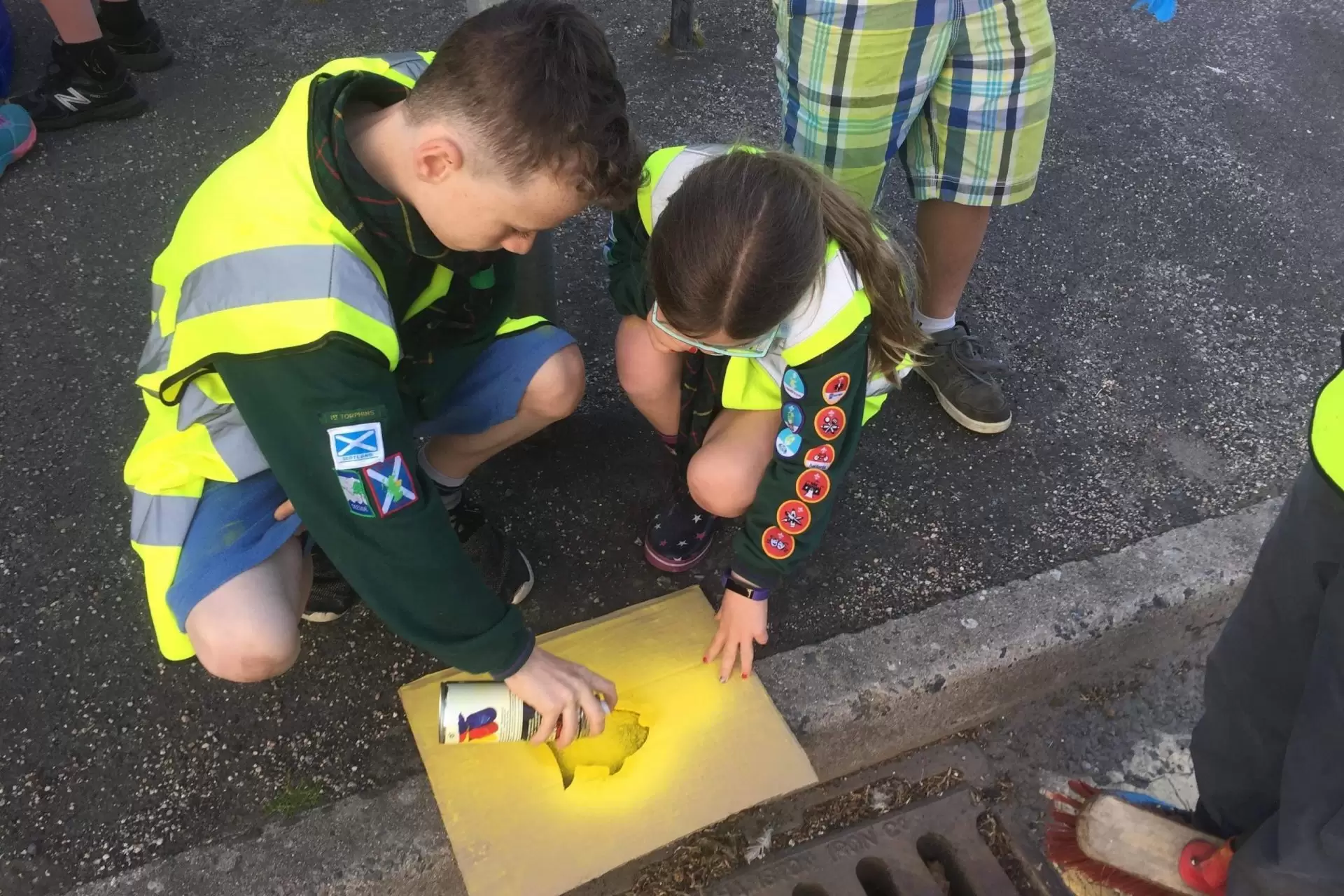
A UK-wide initiative promoting good household drain care