

 Ambitious recovery programme launched as unprecedented decline in pearl mussel highlights fragile River Dee
 DeeWatch December
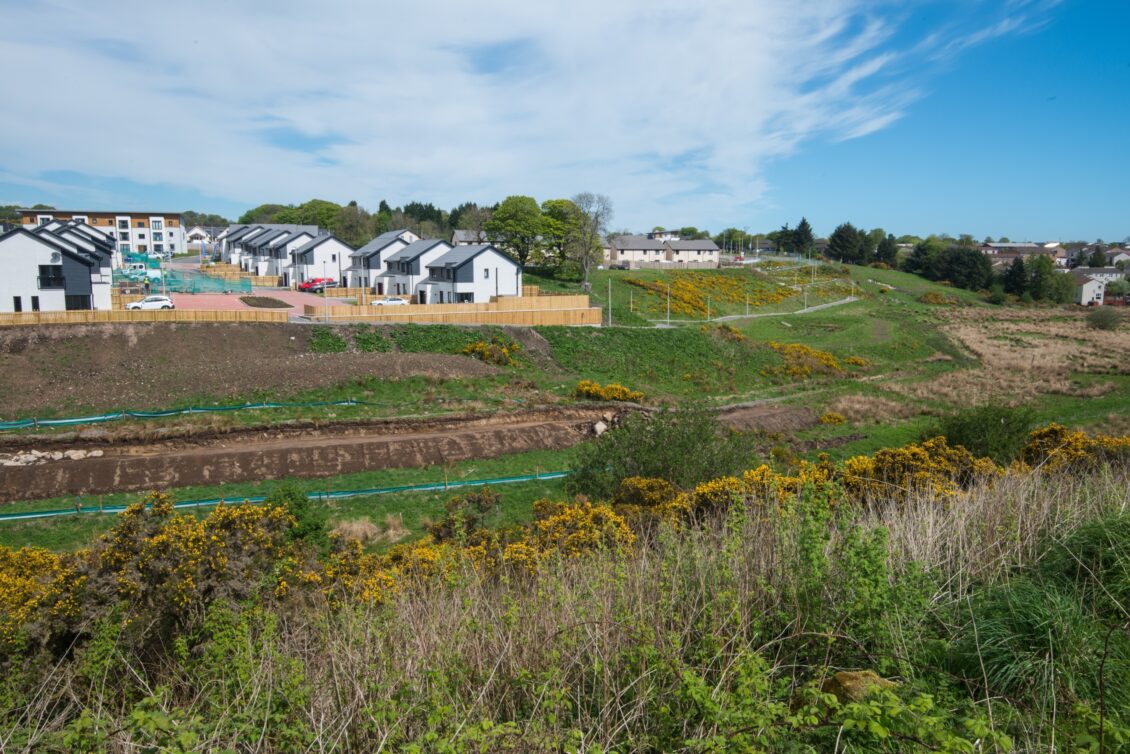
In partnership with Aberdeen City Council, Aberdeenshire Council and SEPA, we have compiled planning guidance to protect watercourses during development works. Where a water body is located within or close to a proposed development, both Aberdeen City and Aberdeenshire Councils now require that a buffer strip is planted on either side of the water body. These buffer strips are areas of land that are permanently planted, to protect nearby waters from sediment runoff and any pollutants they may contain.
- Buffer strips must be protected during the construction period and thereafter
- Buffer strips must be in proportion to the scale of the watercourse. Clarification on the actual width of a buffer strip should be sought from the council, but it is likely to be at least 6m on either side of the water body
- Areas at risk of disturbance by river processes will require a geomorphological assessment in order to assess the appropriate buffer strip
- Buffer strip requirements are a separate matter from floodplain requirements. Scottish Planning Policy states that development must not take place within the functional floodplain and the need to protect the whole of these areas will override the buffer width guidelines suggested below
Best practice advice:
Supplementary Planning guidance (Natural Heritage) (Aberdeen City Council)
Planning Advice Number 9 Buffer Strip Guidance (Aberdeenshire Council)
Riparian Vegetation Management (SEPA)
| Lead Partners | Aberdeenshire Council |
|---|---|
| Project Type | Dee Catchment Management Plan Habitats Species Water Quality Managing water in towns Reducing pollution |
| Project Status | Completed |
| Partner Organisations | Aberdeen City Council Aberdeenshire Council James Hutton Institute SEPA |
| Funders | Dee Catchment Partnership |