Ambitious recovery programme launched as unprecedented decline in pearl mussel highlights fragile River Dee
 DeeWatch December
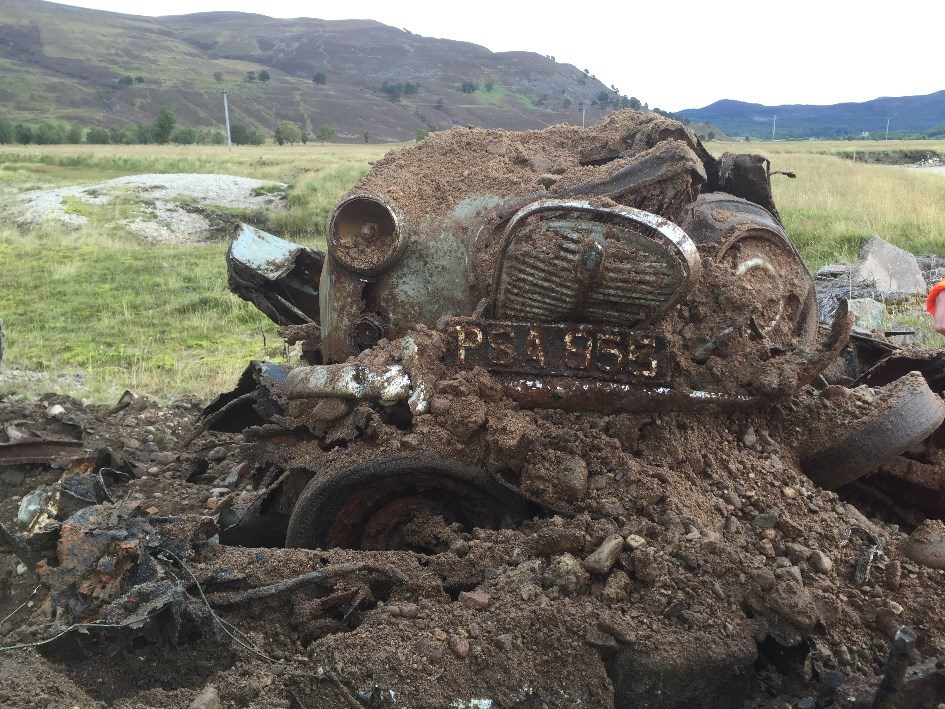
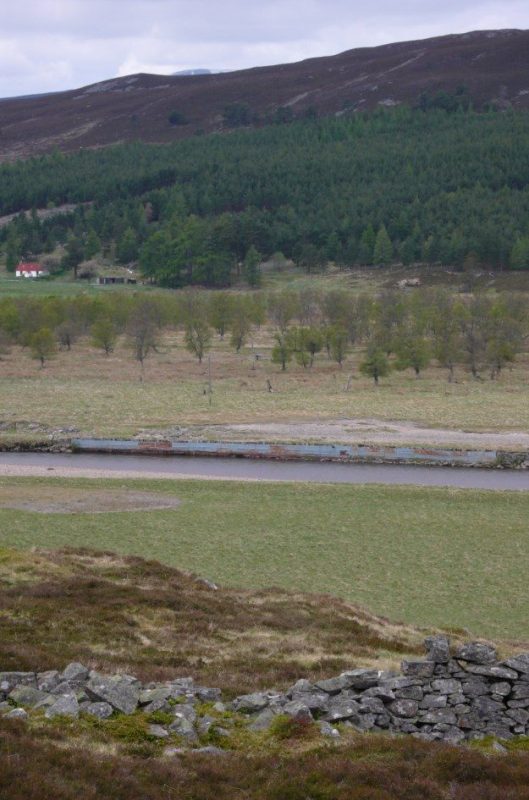
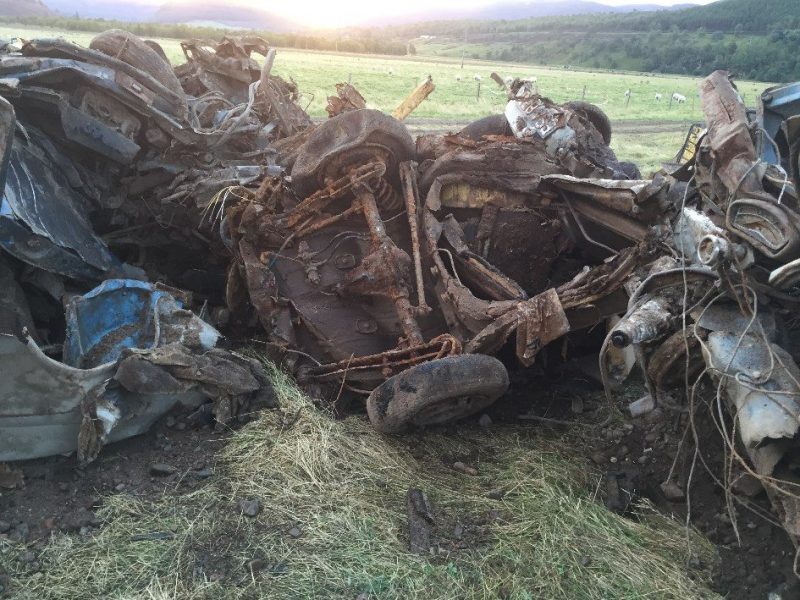
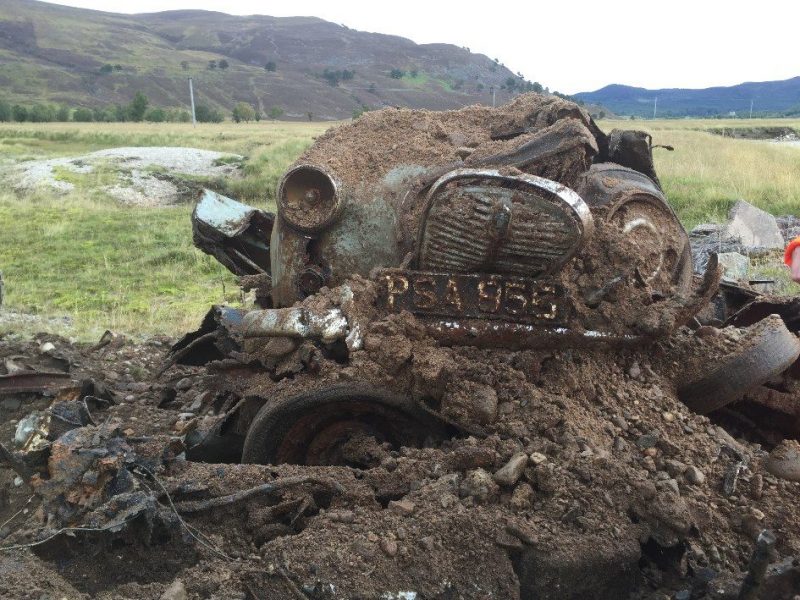
In 2015, a total of 31 old cars, tonnes of concrete, boulders and railway sleepers were removed from the banks of the Dee. Built in 1984, the corrugated-iron structure was put in place to repair the embankments built in the 1700s between Mar Lodge Estate and Braemar, to protect deer calving grounds from flooding. In 1937 a flood broke through the embankment and this breach remained open for 50 years – until it was eventually filled with the car-concrete structure.
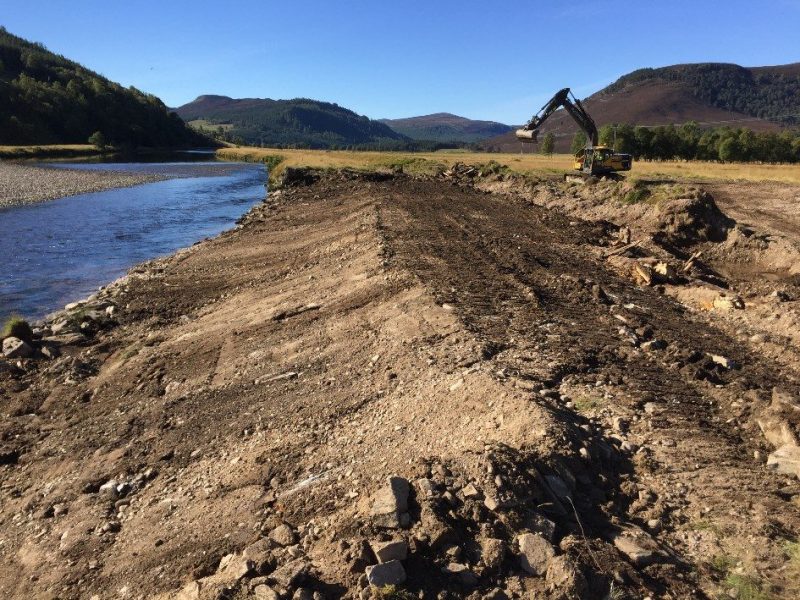
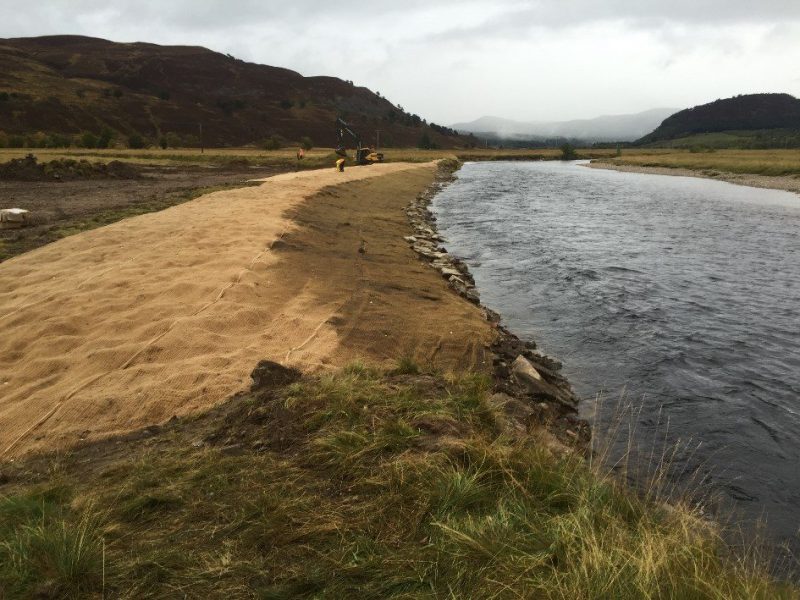
The structure was breaking down, risking the release of waste into the river, and the erosion around the structure was worsening, damaging river habitats by releasing soil into the clean gravels that are home to many species, including salmon and freshwater pearl mussel. The new bank, rebuilt using natural materials, is lower and has a gently sloping face, which will allow the area to flood more often. This will benefit natural floodplain habitats, which need to be wetted regularly.
On completion of the removal, high flows nearly overtopped the embankment and we look forward to seeing this happen more often in future. Many of our partners worked together to remove the waste: Aberdeenshire Council, the Cairngorms National Park Authority, the James Hutton Institute, the Dee District Salmon Fishery Board, River and Fishery Trusts Scotland, RSPB and Mar Lodge Estate all played key roles. The waste was removed as part of the EU LIFE Pearls in Peril project, which targeted rivers across the UK to restore freshwater pearl mussel populations. If you remember the vehicles going up to the site, have photographs, or even recognise your car, please get in touch as we would love to hear from you.