

 Ambitious recovery programme launched as unprecedented decline in pearl mussel highlights fragile River Dee
 DeeWatch December
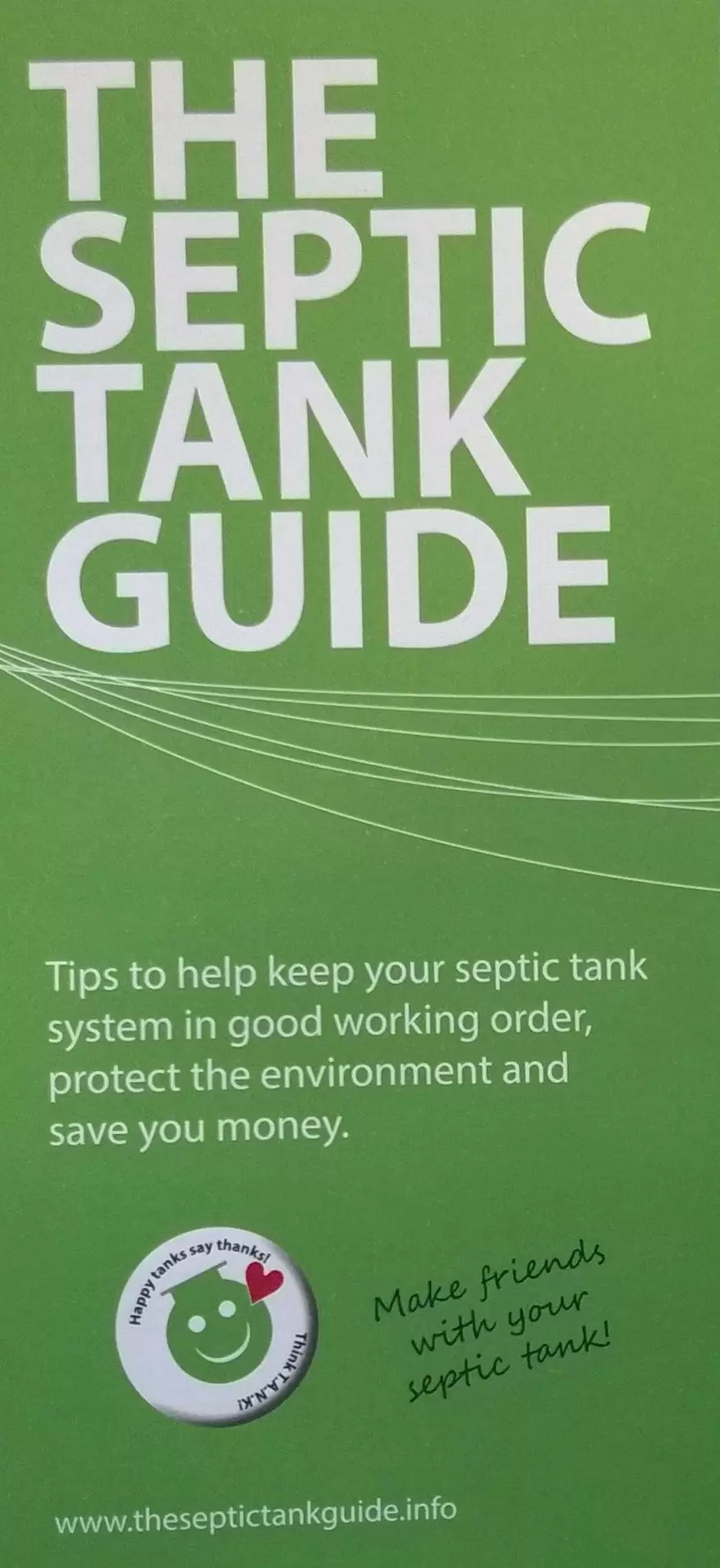
Badly-managed septic tanks are a serious pollutant threat to a healthy catchment and its inhabitants. Our local River Dee Septic Tank Guide explains why they must be properly managed, and the corresponding benefits of a well-managed tank.
Our UK Septic Tank Guide explains how to find your septic tank, how your septic tank works and why you need to look after it. It outlines how to keep your septic tank in good working order, thus reducing the number of times it needs emptying, and protecting the environment as well as saving unnecessary expense. The UK Septic Tank Guide has been so successful it is now used as guidance across the UK.
Septic Tanks in the Dee Catchment
Aberdeenshire has one of the highest numbers of private septic tanks in the UK, with over 4,000 households using a septic tank to treat wastewater from baths, sinks and toilets. When working properly, these are very effective treatment systems, with helpful bacteria doing the work of digesting waste.
But if a septic tank isn’t working properly it can cause odour nuisance, flooding, pollution, serious health risks and considerable expense for the owner to meet legal requirements. The liquid that drains away from the tank (effluent) can cause a number of problems. If a system is failing, the effluent may contain high levels of harmful bacteria and pose a serious health risk to families and communities. The effluent from all tanks (even those that are well-maintained) contains chemical residues (called phosphates) from household cleaning products. Phosphates are a serious pollutant of watercourses so it’s important that septic tank owners only use products that are labelled ‘phosphate free’ or ‘septic friendly’, especially where a tank discharges directly to a burn, river, loch or the sea.
Legal responsibilities
Septic tank owners have a number of legal responsibilities. They must ensure the tank is maintained and working properly in order to prevent risks to public health and to protect the environment. All new septic tanks require authorisation before installation, and all existing septic tanks must be registered with SEPA. This can be done at any time, but will be a requirement when the house is next sold. To register your septic tank, visit SEPA or call 0800 80 70 60.
| Project Type | Reducing pollution Dee Catchment Management Plan Water Quality Habitats Sub Catchments Research on key issues Student projects Working for nature |
|---|---|
| Funders | Dee Catchment Partnership SEPA |