

 Ambitious recovery programme launched as unprecedented decline in pearl mussel highlights fragile River Dee
 DeeWatch December
Welcome to the November edition of DeeWatch, a month-by-month guide to nature-spotting across our diverse and beautiful catchment. Brought to you by the rangers who take care of Deeside’s nature reserves, our DeeWatch diary includes sightings from the field as well as suggestions on what to look out for at a given time of year.
In November . . .
November is usually a no-longer-Autumn-and-not-quite-Winter sort of a month. The weather – especially the temperature – can speed things up or slow them down. 2019 has been relatively kind so far weather-wise, and most wildlife are not yet struggling to find food. The clock-change too, triggers changes in nature, with the shorter days affecting the behavior of many plants and animals.
Look out and listen for:
Birds
With the abundant crops of rowan and other berries across Deeside this year, a few birds like redwing are still here, able to find enough food before having to move on. Many of the birds we haven’t seen for some time like robin, greenfinch, goldfinch and siskin are becoming common sights again – especially if you put up bird feeders. This year may even bring some of our more exotic winter visitors such as waxwing – with their flashy plumage, they fit right in during trick-or-treating season!
In November, some of the wildlife we usually see out in the woods and elsewhere start to make more frequent visits to our farms, school grounds and gardens, looking for food. Having a bird feeder is a great way of getting a closer look, so you will get better at recognising them. When you see them up close you begin to appreciate just how colourful some of them are – like this great spotted woodpecker or these goldfinches.
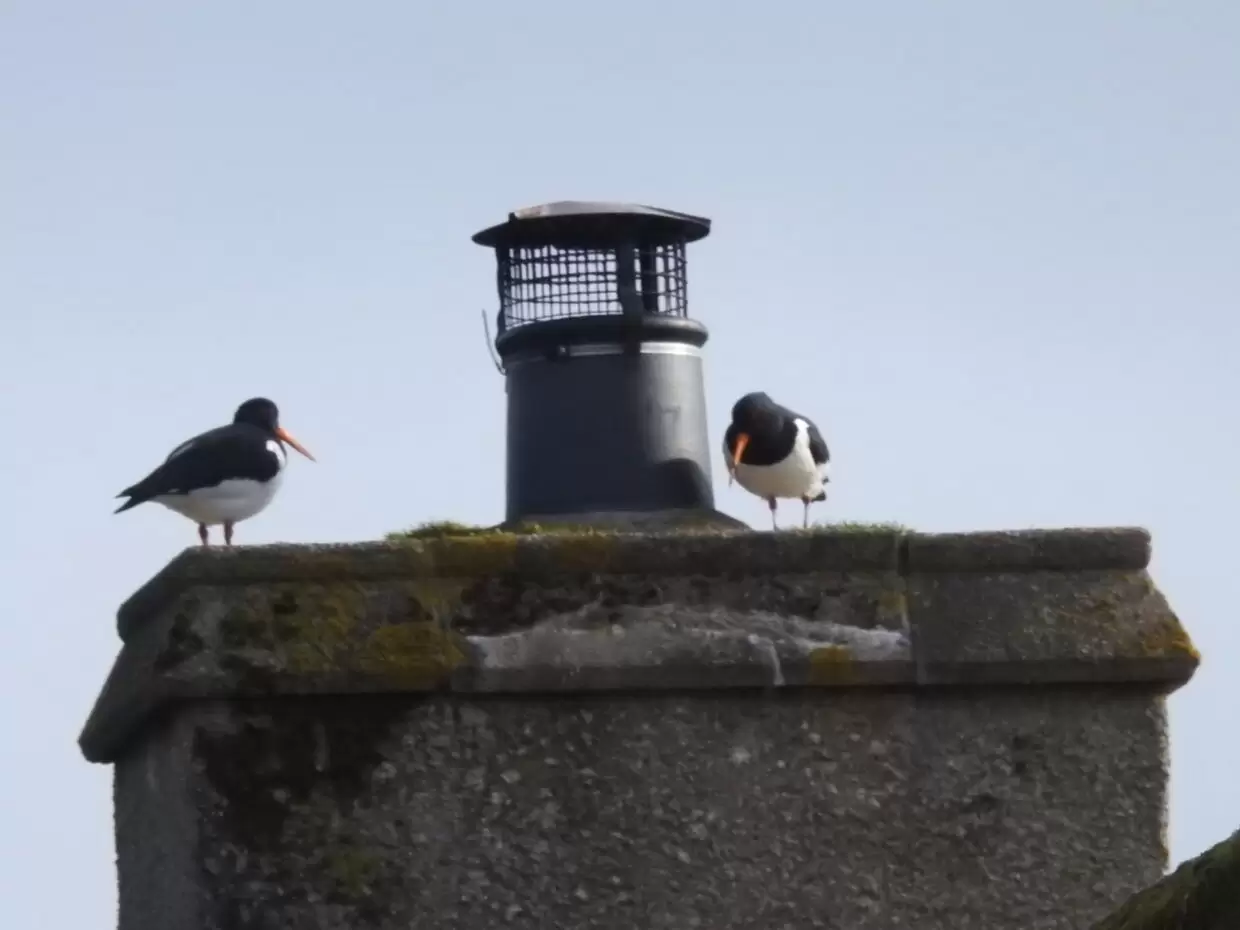
Oystercatchers 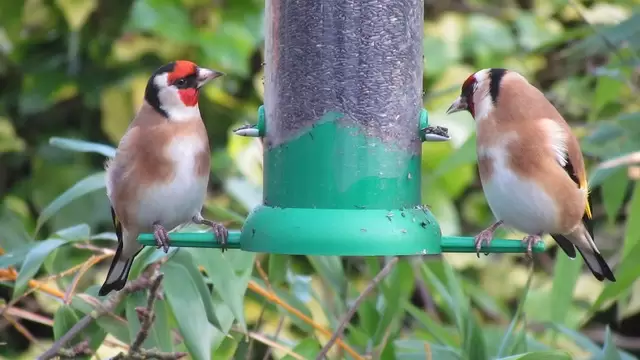
Goldfinches on feeder 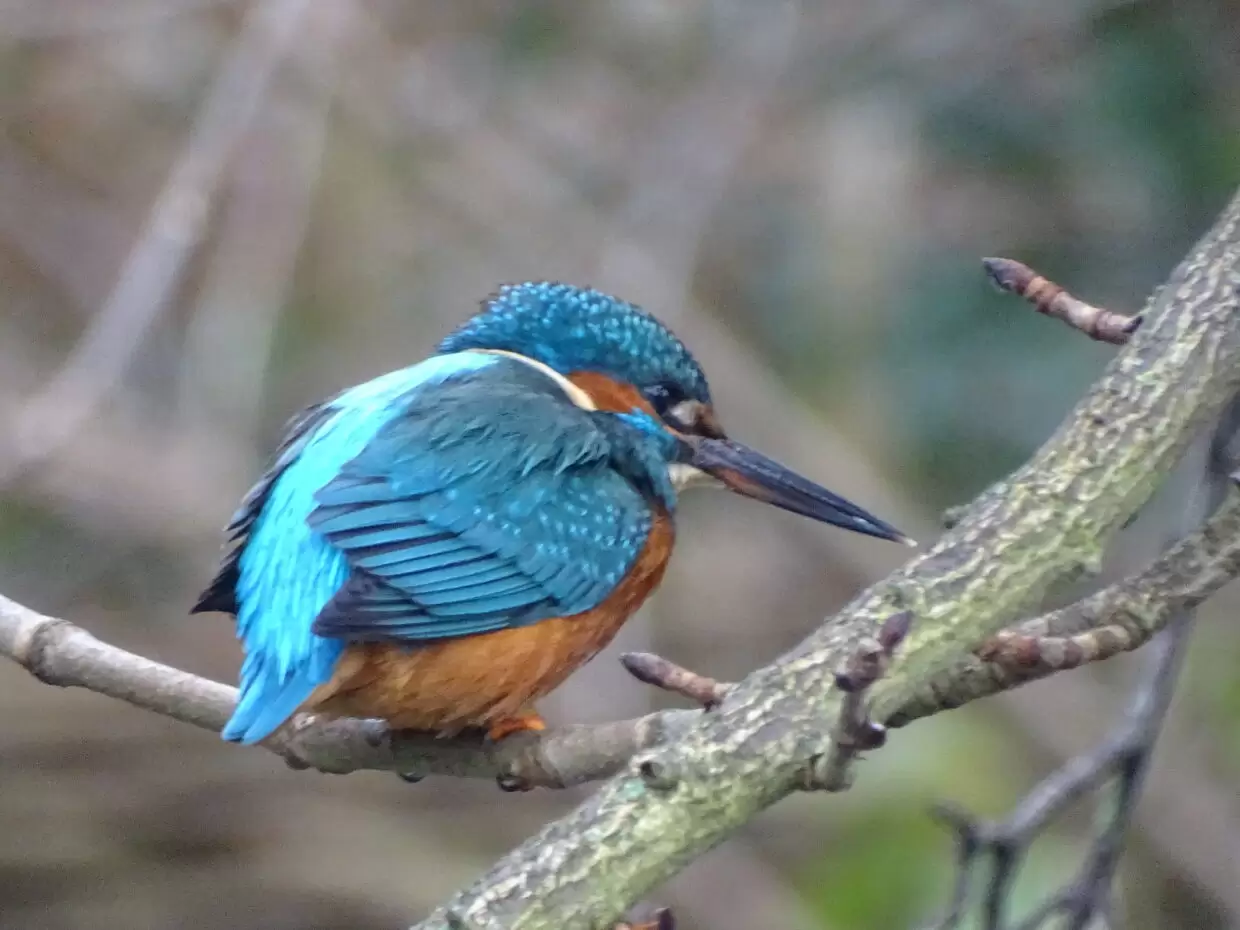
Kingfisher 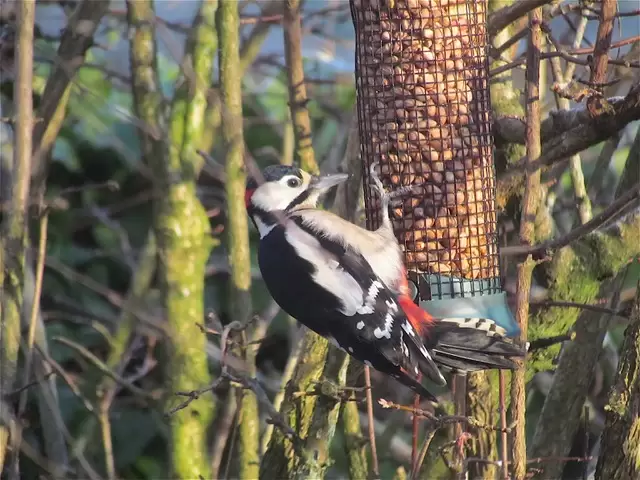
Great spotted woodpecker
You may hear the hoot of a tawny owl or two this month – during autumn, they make more noise than all the other owl species put together! The extra hooting, or ‘kee-wick’-ing is down to territory – young birds are reaching maturity and looking for new homes, while older birds are fighting to hold on to their patch.
Butterflies, moths & insects
Fewer moths are on the wing in November, though some that overwinter as adults can be active in mild weather, such as the stick-camouflaged sword-grass or the intricately patterned autumn green carpet. Some others are only around in autumn, such as the appropriately named Autumnal moth, and in very similar shades of grey, the November moth (more commonly spotted in October, despite its name).
This species, along with the mottled and scarce umbers that are also around now, have flightless females with stunted wings, so don’t travel far to conserve energy, relying on their pheromones – a cocktail of chemical scents – to attract males and lay their eggs on various broadleaved trees. Look out for the male mottled umbers with their variety of colour variations, some with very beautiful forms. Scarce umbers are paradoxically quite common, but no less attractive, with their golden-yellow wings.
Many late autumn moths do not feed as adults since there is little in the way of nectar or fruit to feed on, so with only the energy store retained from the caterpillar stage, they have to find a mate in the few days they have before their ‘batteries’ run out.
Ladybirds begin to hibernate this month – so look out for them in large numbers! Orange ladybirds typically hibernate on tree trunks at about head height or lower, and some years you see masses of them on the shady side of old sycamore trees, tucked into crevices in the scaly bark. Seven-spot ladybirds are also easy to see, and tend to hibernate on exposed fence posts, tucked into crevices in the wood.
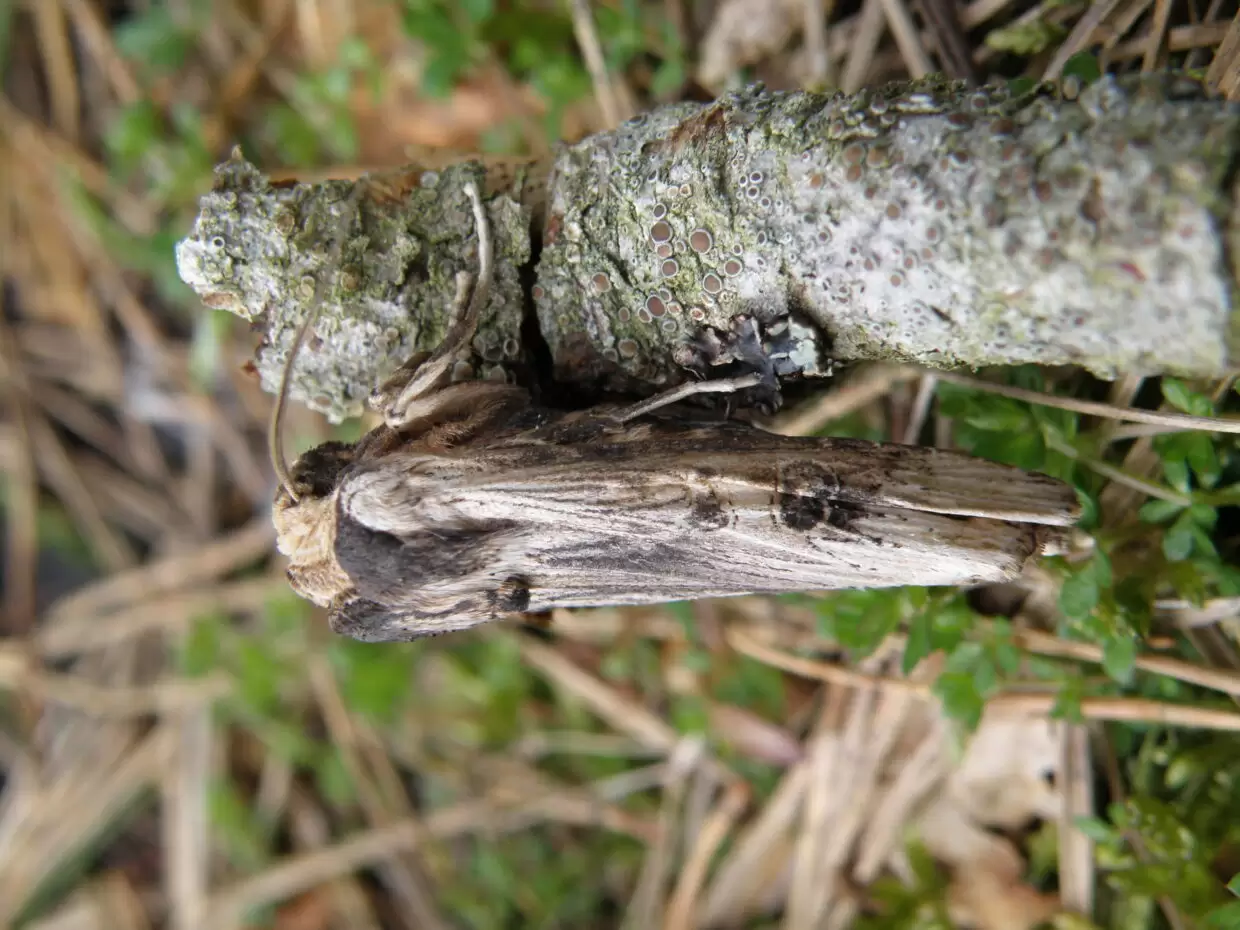
Sword grass 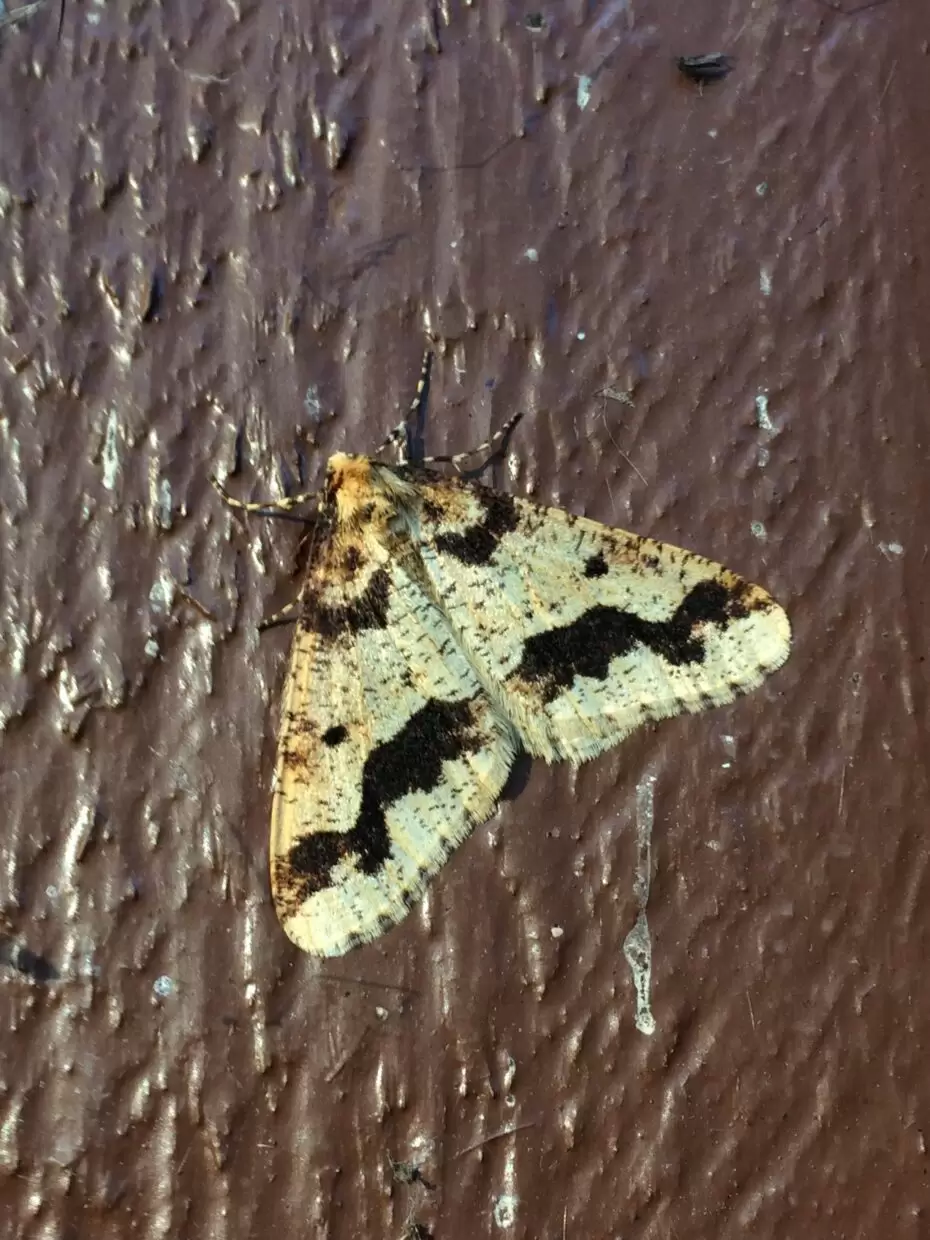
Mottled umber 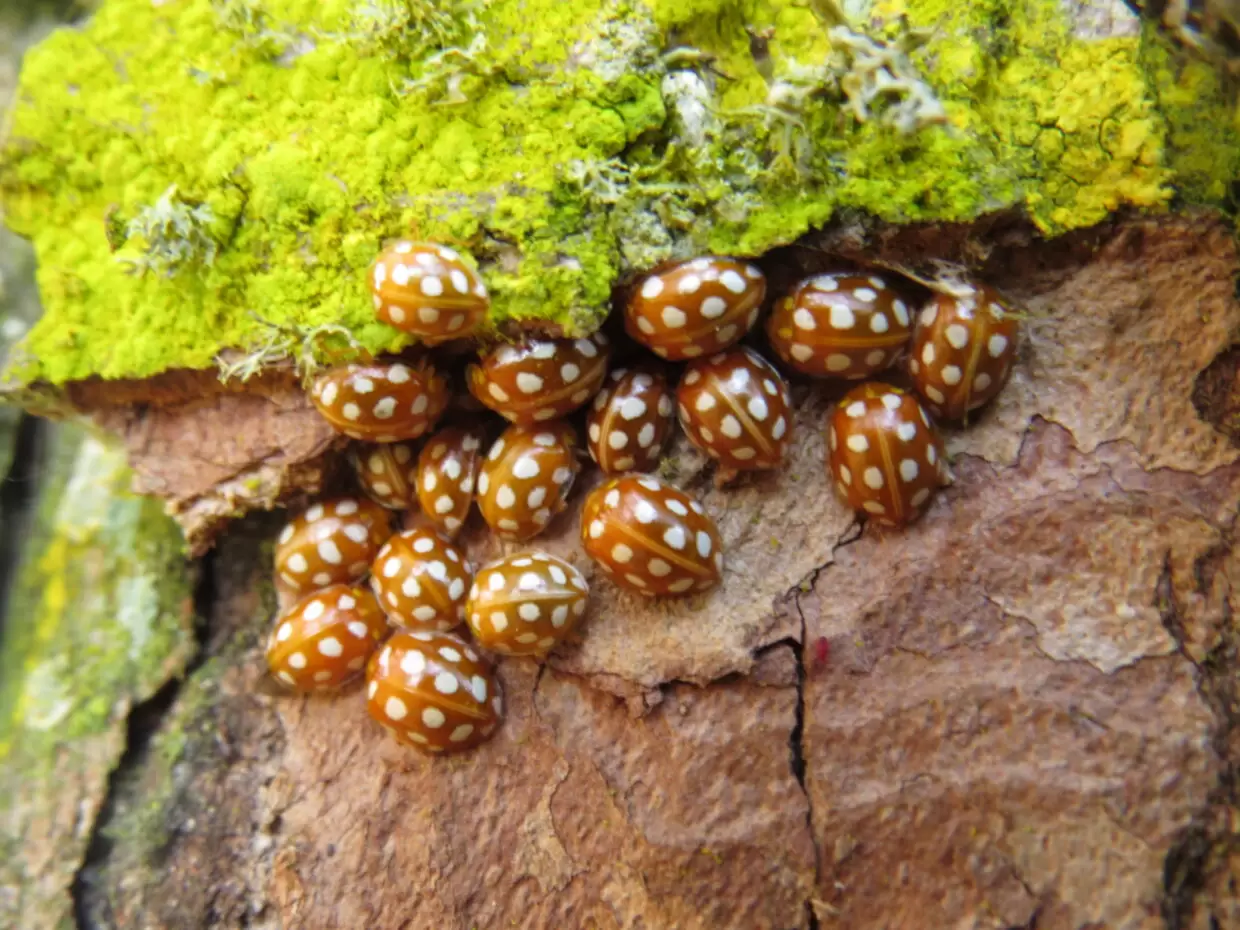
Hibernating orange ladybirds
Larger animals
As the season changes from autumn to winter, wildlife are busy preparing. Voles have been piling on some extra pounds by eating the seeds inside wild cherry stones. Keep your eyes peeled for other signs of animals feeding, like this cone whose scales have most likely been chewed off by a squirrel, keen to get at the seeds. When mice remove the scales, they usually make a neater job of it!
Look out for the tufts on red squirrels’ ears this month – although present most of the year, they are moulted in late summer and regrow in early autumn, and most obvious in winter months.
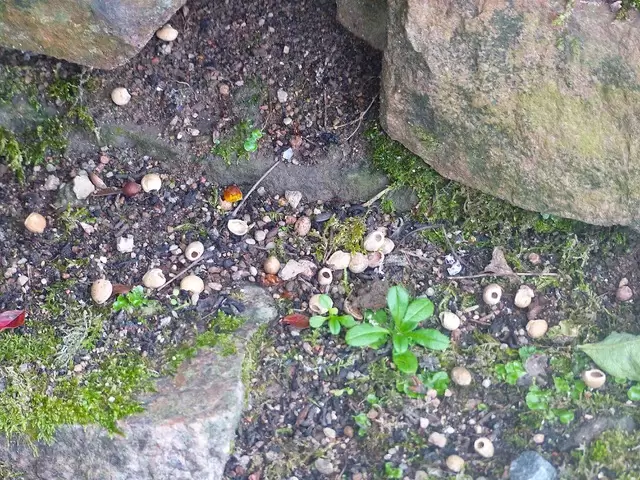
Bank vole signs 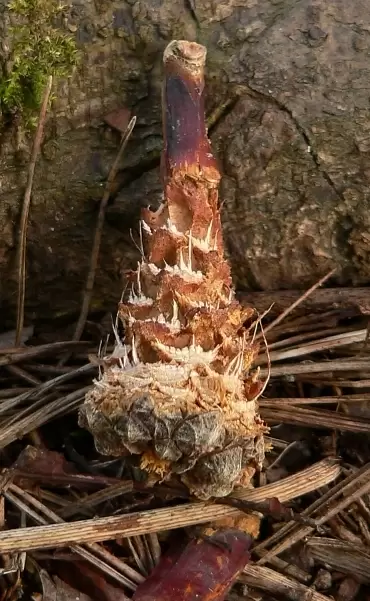
Pine cone eaten by red squirrel
Trees, flowers, fruits & fungi
Deciduous trees are beginning to lose their leaves this month – grab the opportunity for some artistic autumn photos! Higher up the catchment, larch trees are a blaze of glorious gold, before finally dropping the last of their needles for the winter. The evergreens now become an even more important source of food for birds and animals.
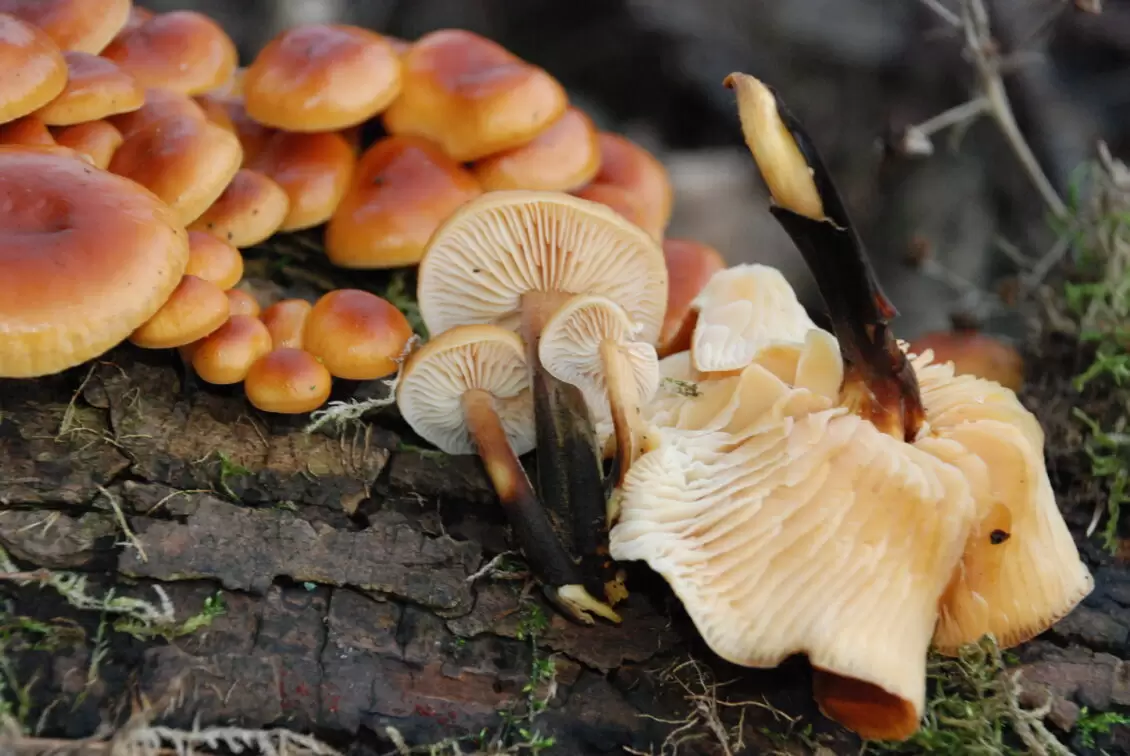
There are still fungi around in November – some can survive freezing, and carry on growing when the weather turns milder again. Look out for the velvet shank, a lovely yellow orange fungus that typically grows in a cluster on dead wood (with a stem covered in tiny hairs, giving it a velvety appearance), and the jelly ear fungus – also found on dead wood such as elm, sycamore and elder, and looks like a pinkish coloured ear. This can often be found in large troops over the winter.
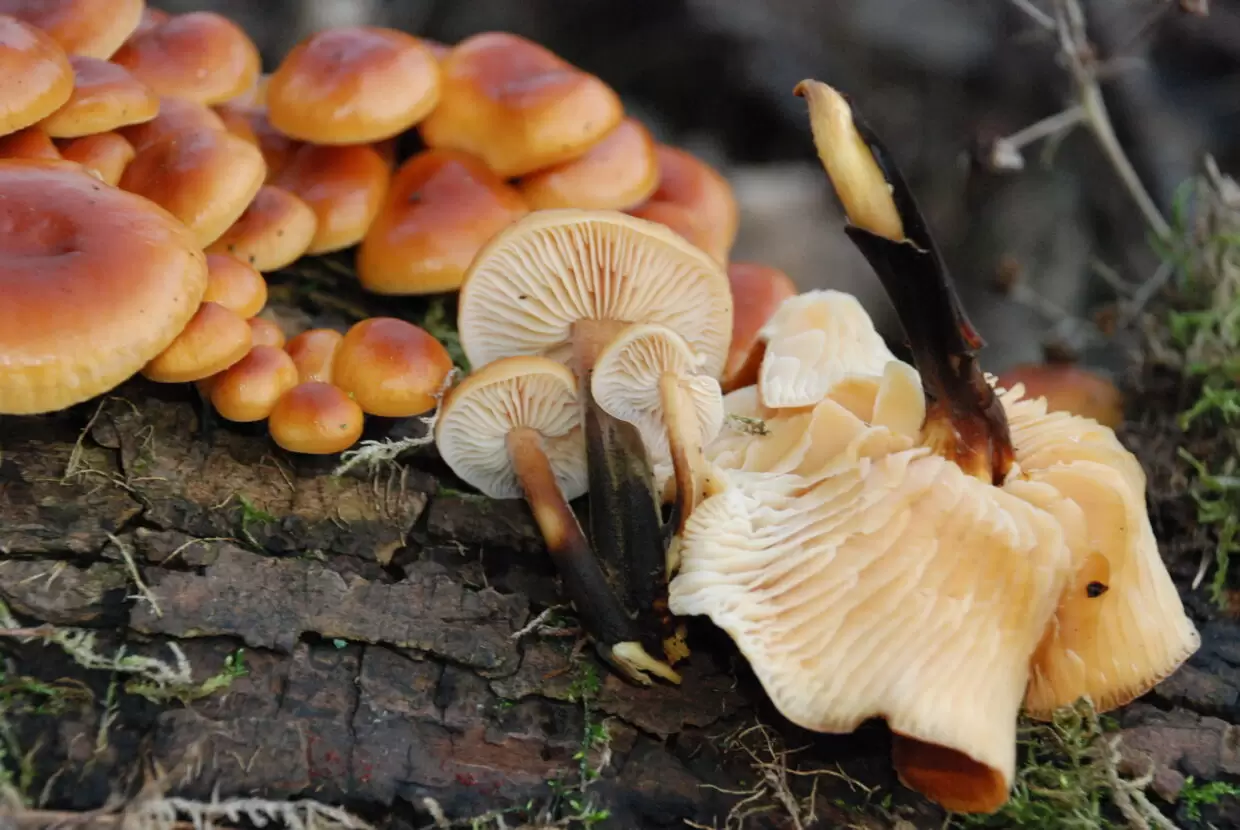
On the river
Salmon are spawning this month, triggered by falling water temperatures, which drop first in the upper catchment. Look out for them near Polhollick Bridge, west of Ballater. By now, males have developed a hooked ‘kype’ at the tip of their lower jaw, partly for display and partly to help them jostle for position to fertilise females’ eggs as they are laid in ‘redds’ – pits they dig in the river’s gravelly bed. You can find out more about their fascinating life cycle here.
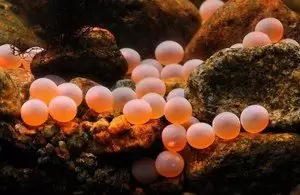
Atlantic Salmon eggs 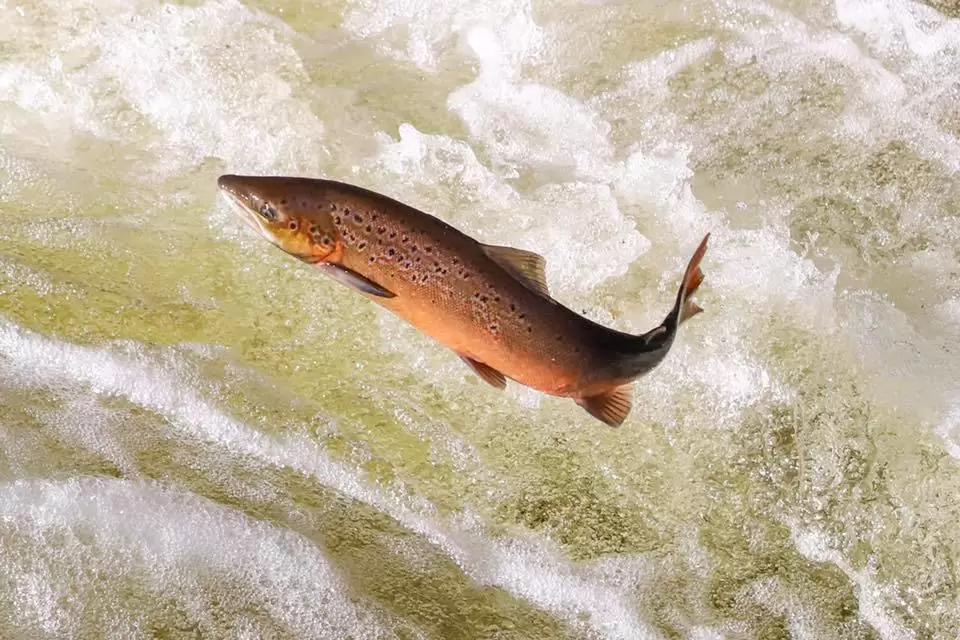
Atlantic Salmon
What’s on?
Scottish Tree Festival: Old Wood of Drum Castle on Saturday 2nd November, 10:30-12:30pm. Join the rangers for a walk around the wonderful Old Wood of Drum and spend some time with ancient trees. Find out why this Site of Special Scientific Interest is so important for wildlife. Suitable for adults and children, £5 per person, booking essential. www.nts.org.uk
Linked projects:
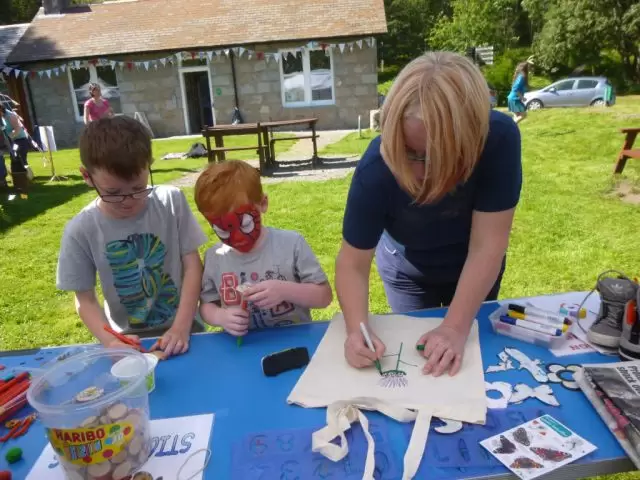
Deeside ranger services
Countryside rangers work through the catchment to engage communities in nature