Easter Beltie restoration: Week 7

Image by: Susan Cooksleyimg_2637
img_2563
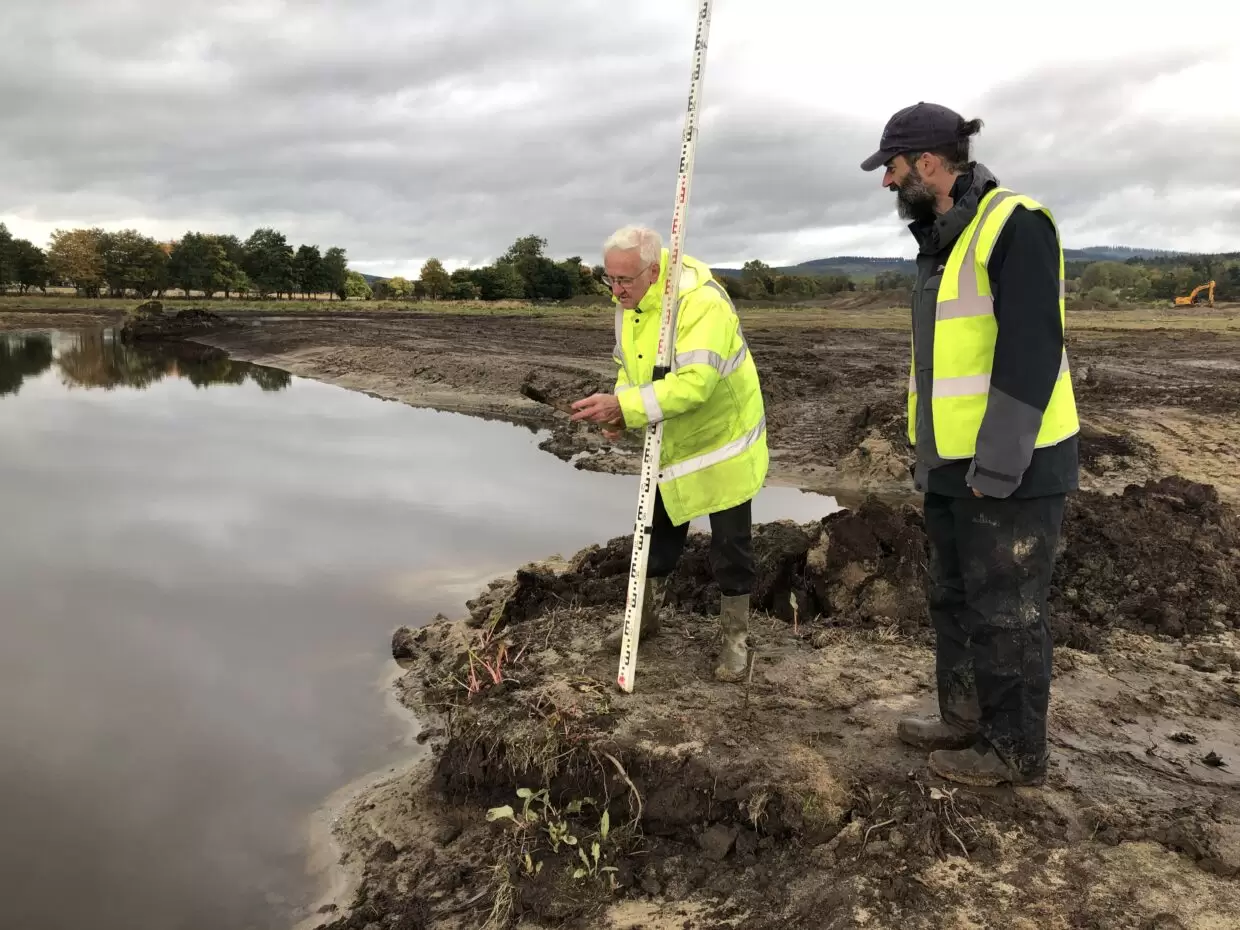
The week started with more careful checking of the levels with our designers, ready for letting a small amount of flow through the whole system for the first time.
img_2828
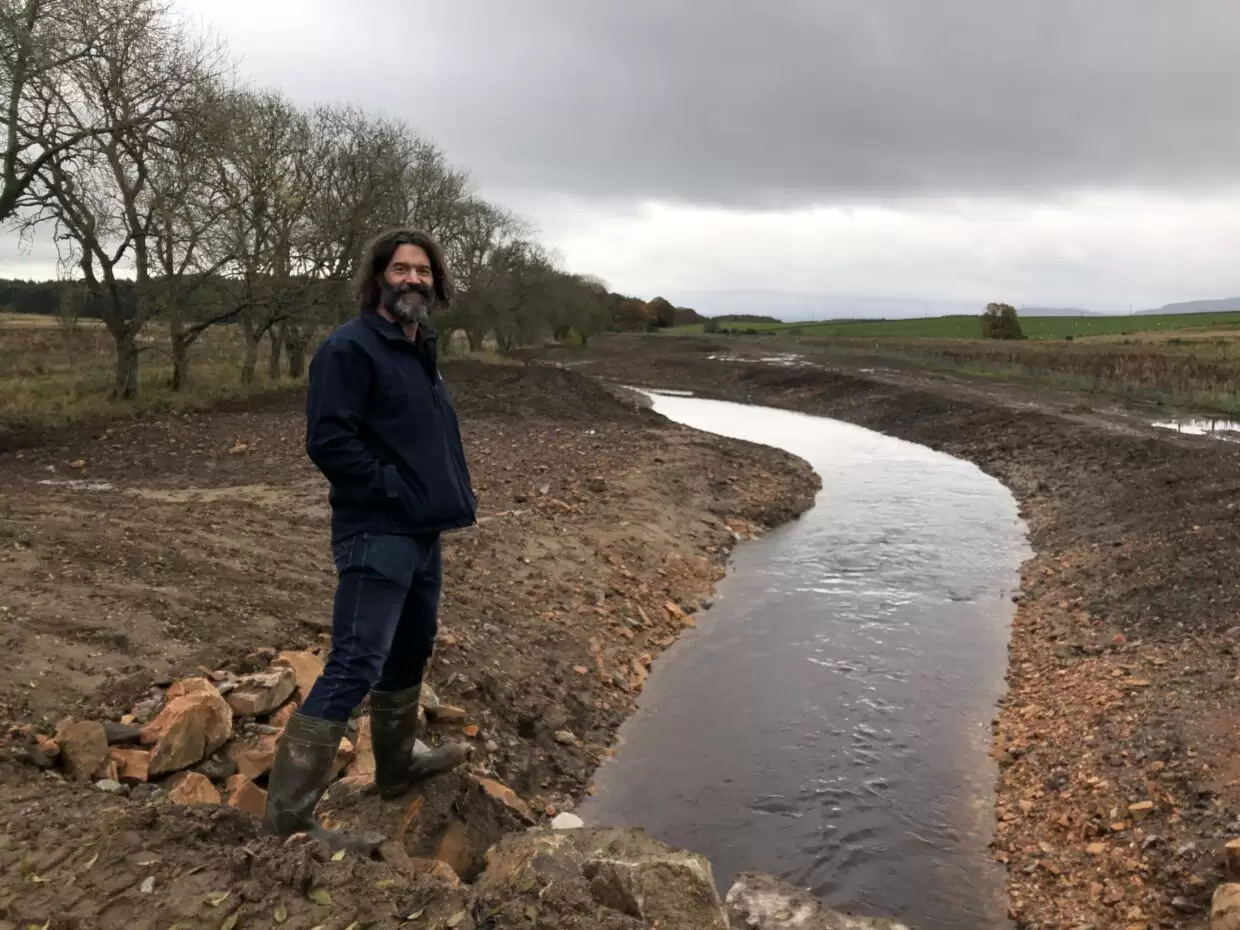
Hamish Moir from cbec Eco Engineering has every reason to be smiling, their design is working well, having survived a major storm unscathed and attracting all sorts of wildlife.
img_2795
The outflow from the wetlands is a key point, the levels and design here affects the rest of the upstream area.
img_2577
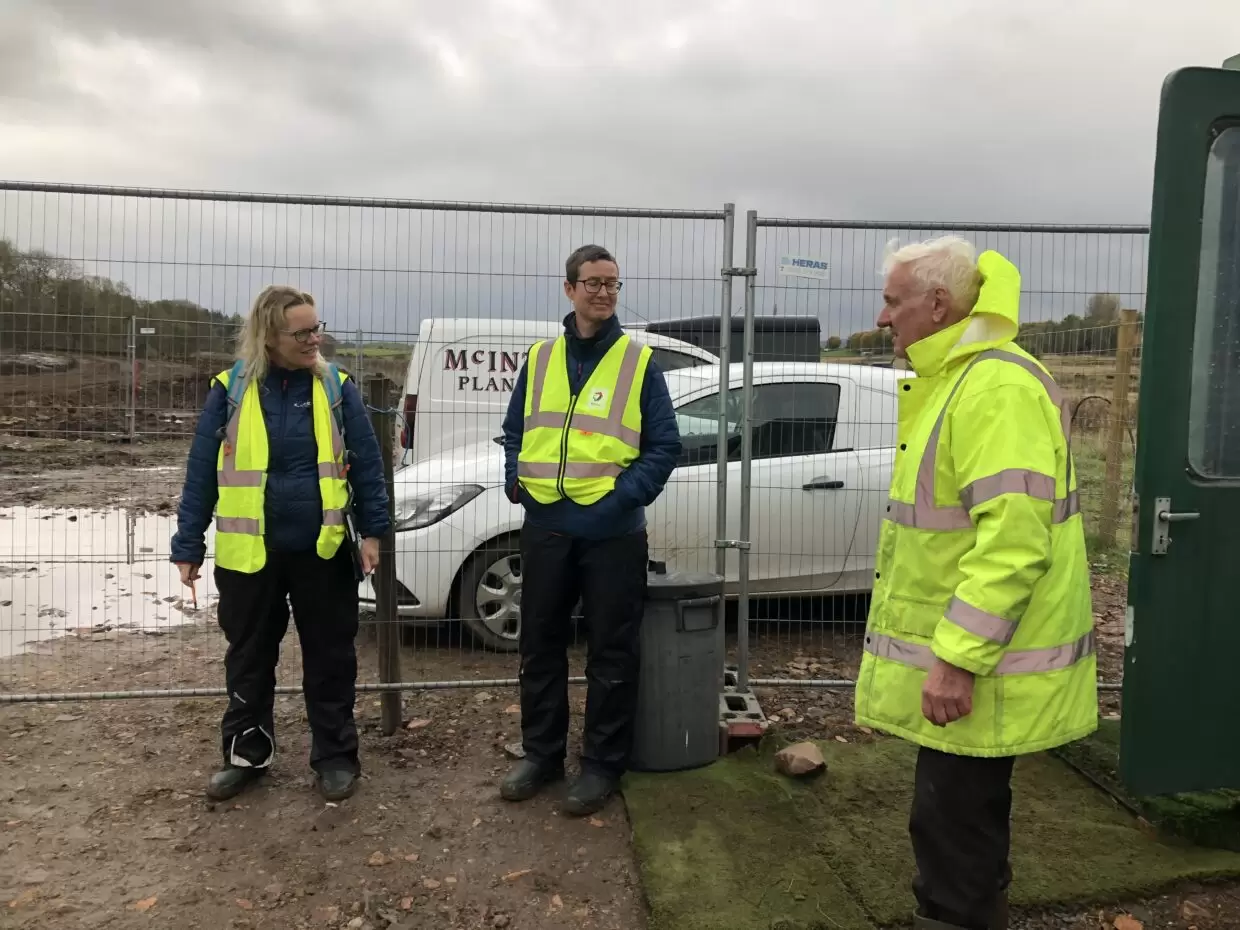
Flora Grigor-Taylor and Steff Ferguson from the River Dee Trust visited to assess options for woodland creation.
img_2611
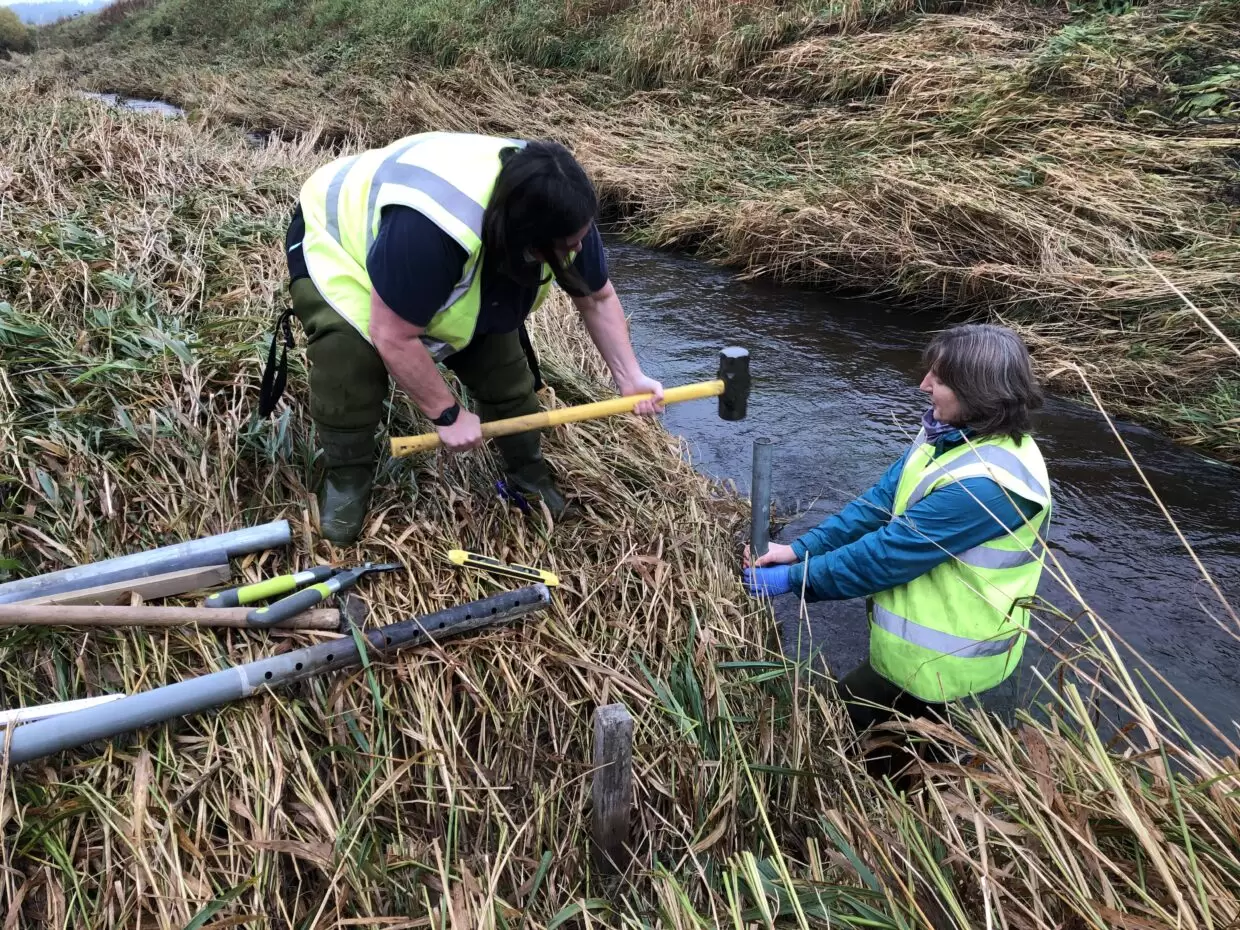
We put in water level monitoring upstream of the site (we already have this in place downstream). This will show the affect of the restoration on water levels.
img_2582
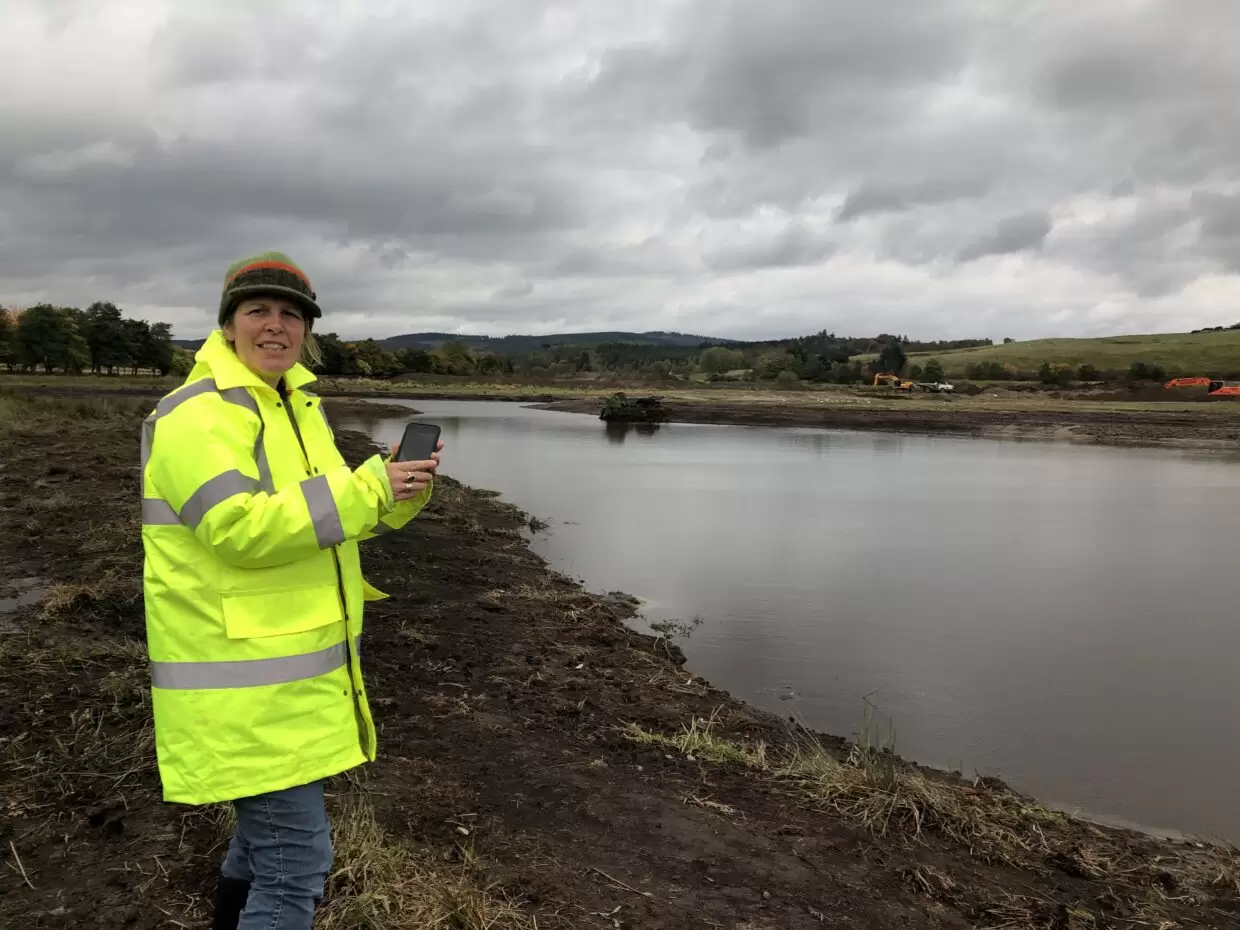
Sally Mackenzie, an ecologist from the Cairngorms National Park Authority, advised on the management of Wetland 4. The plan agreed was to disrupt the ground, breaking up some areas to make pools that will attract wading birds.
img_2633
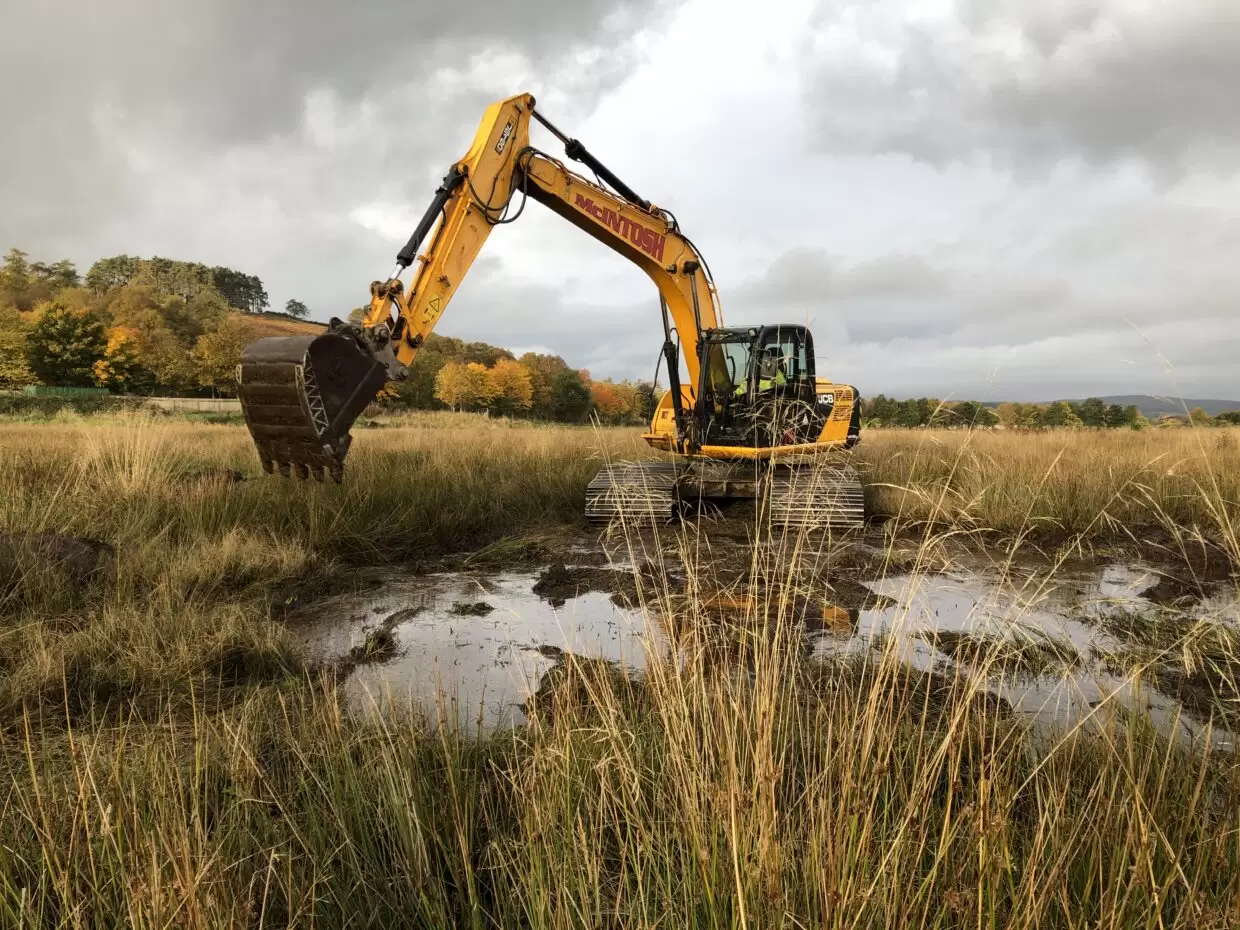
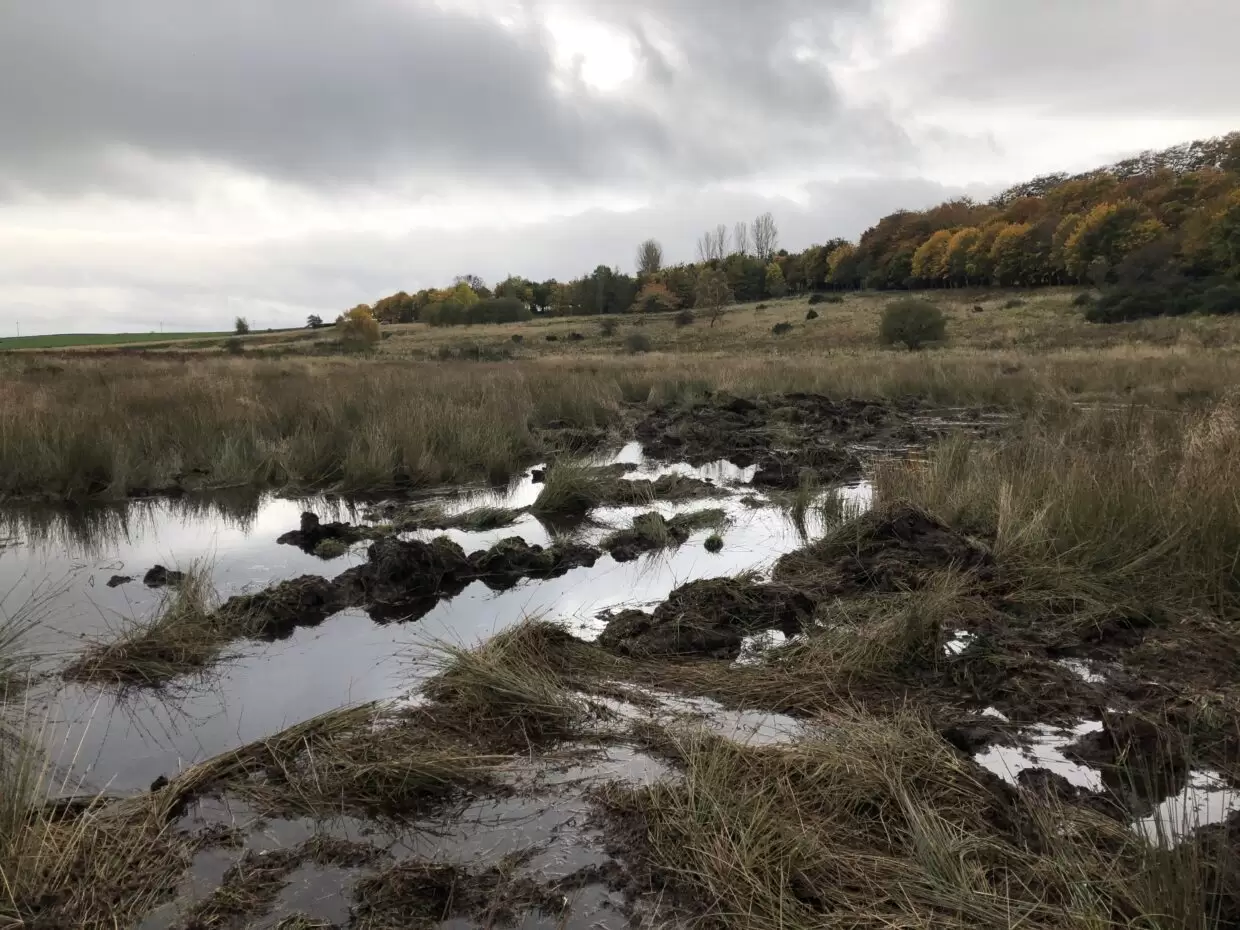
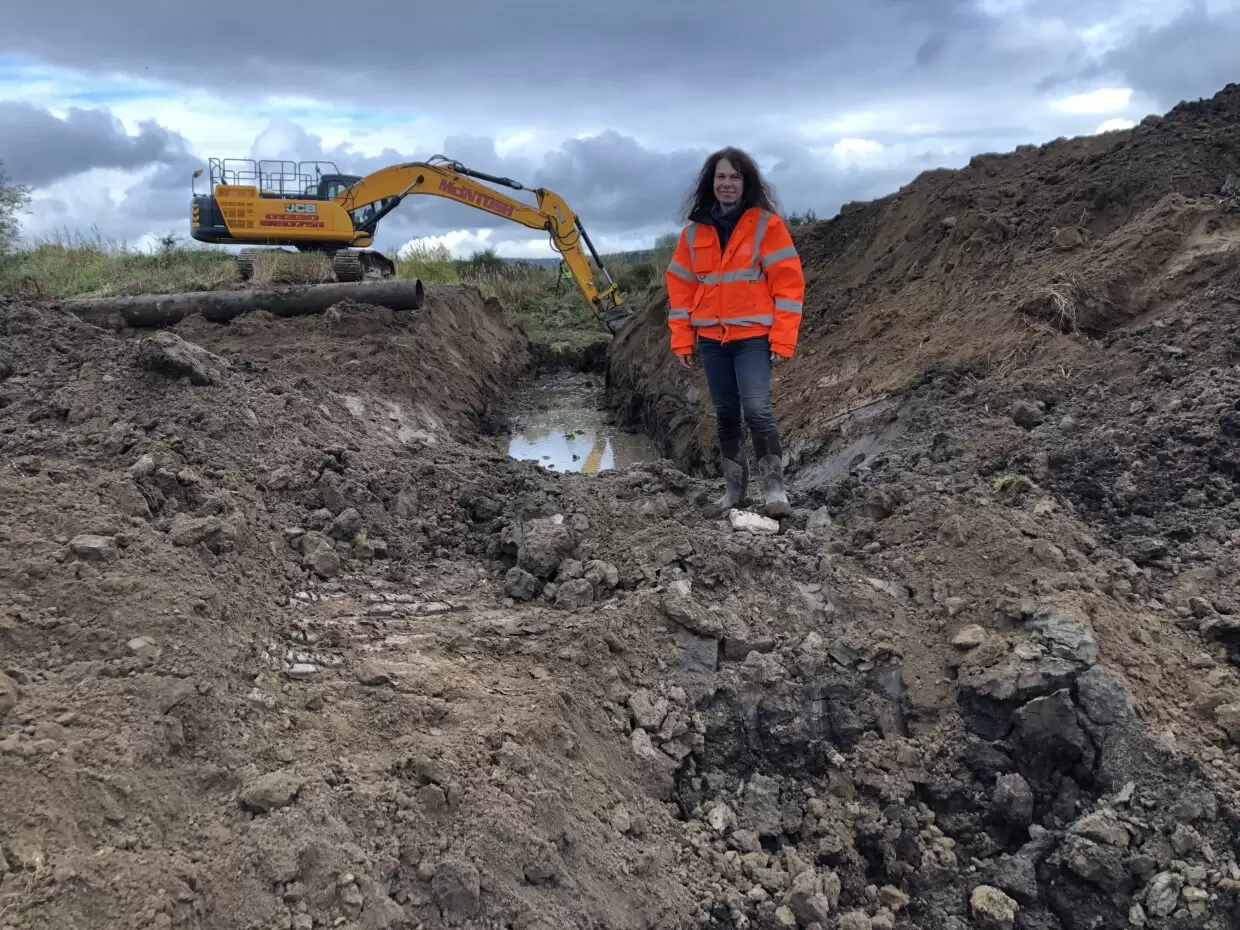
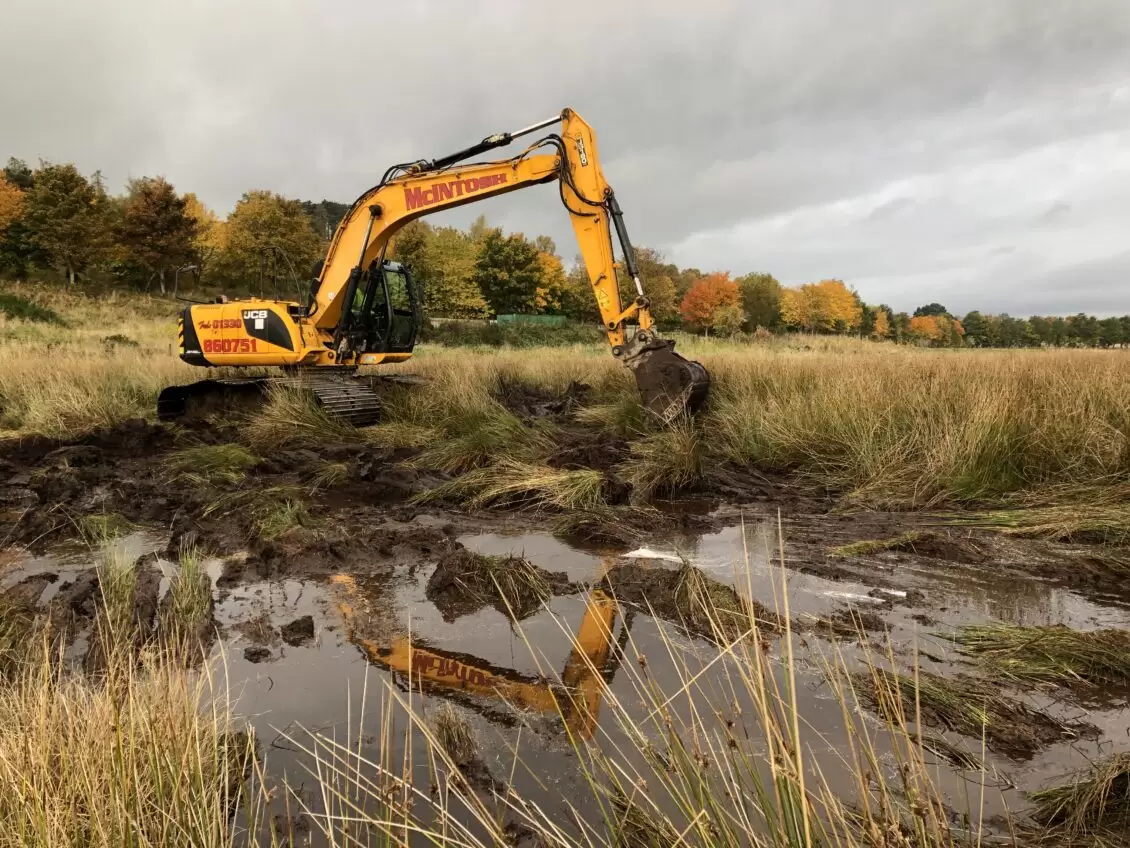
In Wetland 4 the diggers carefully created shallow scrapes, that quickly filled with water in this boggy area.
img_2825
This light-touch intervention will enhance the wetland but leave plenty of the established habitat that snipe are already using.
img_2651
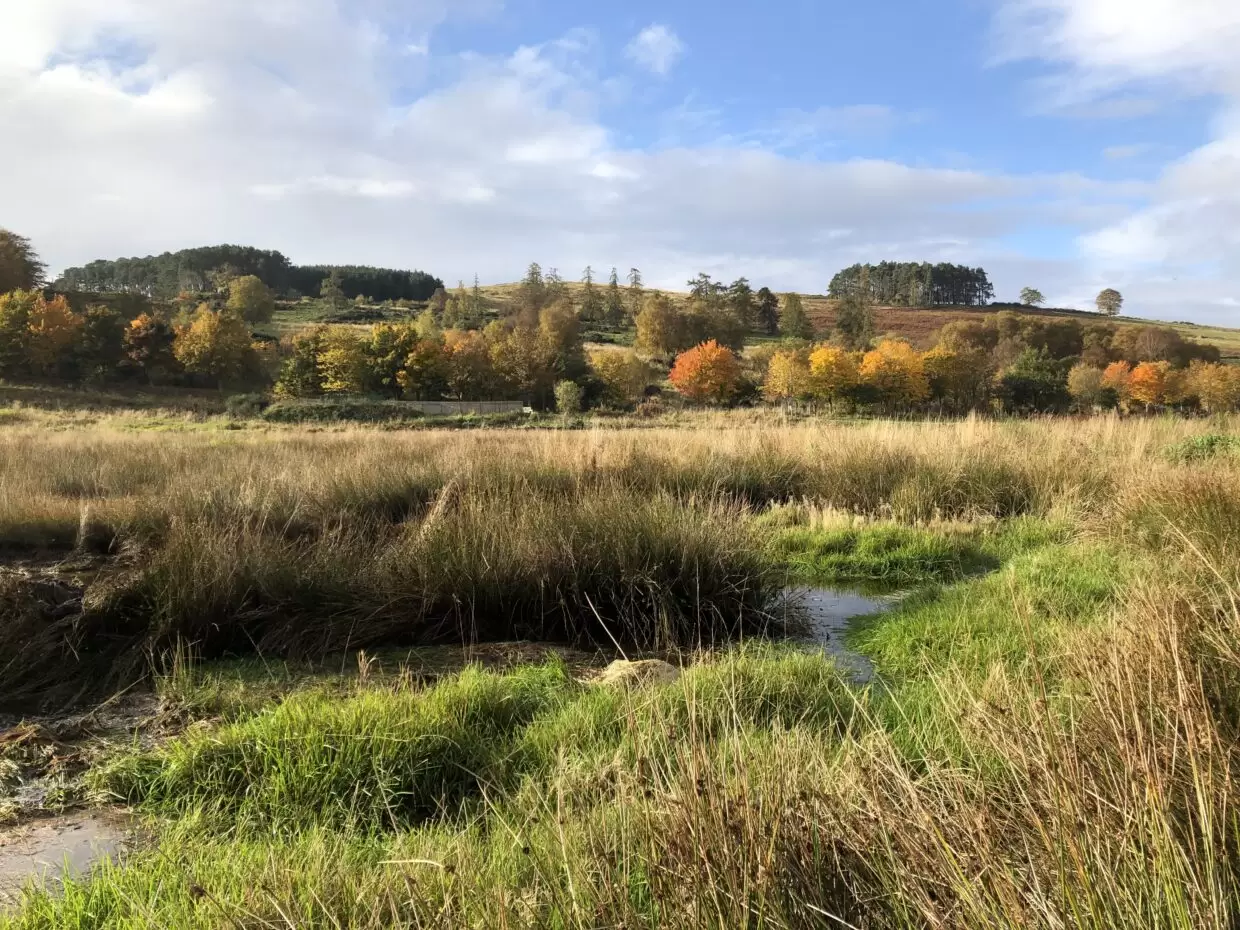
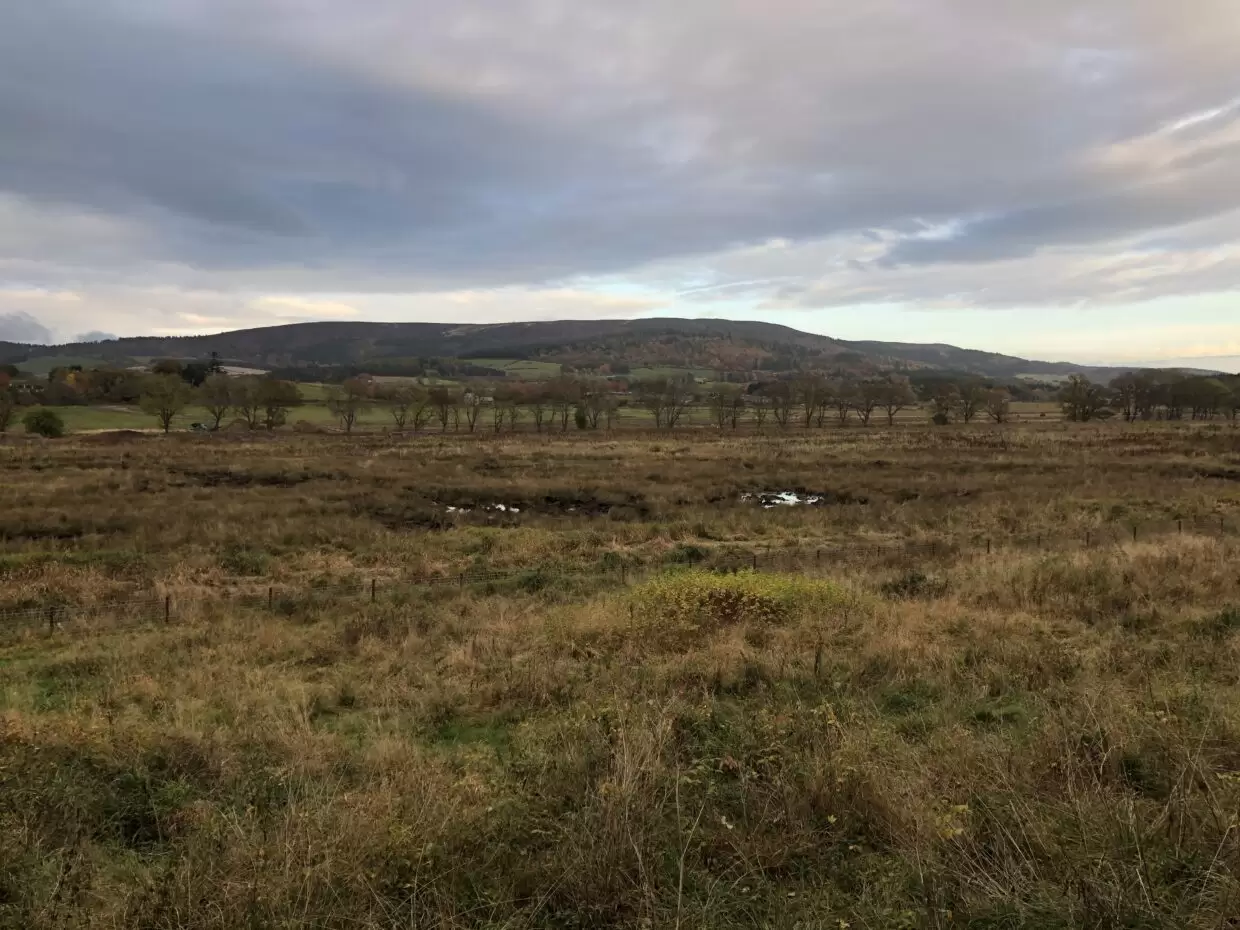
There is lots of variety in Wetland 4, from boggy ground to very deep pools with floating vegetation.
img_2761
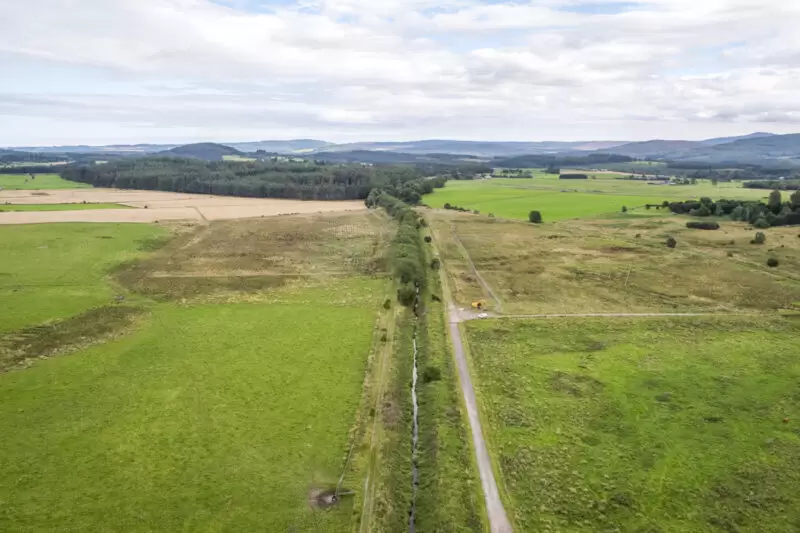
From above the mosaic of habitats is more apparent, but will soon heal over.
img_2575
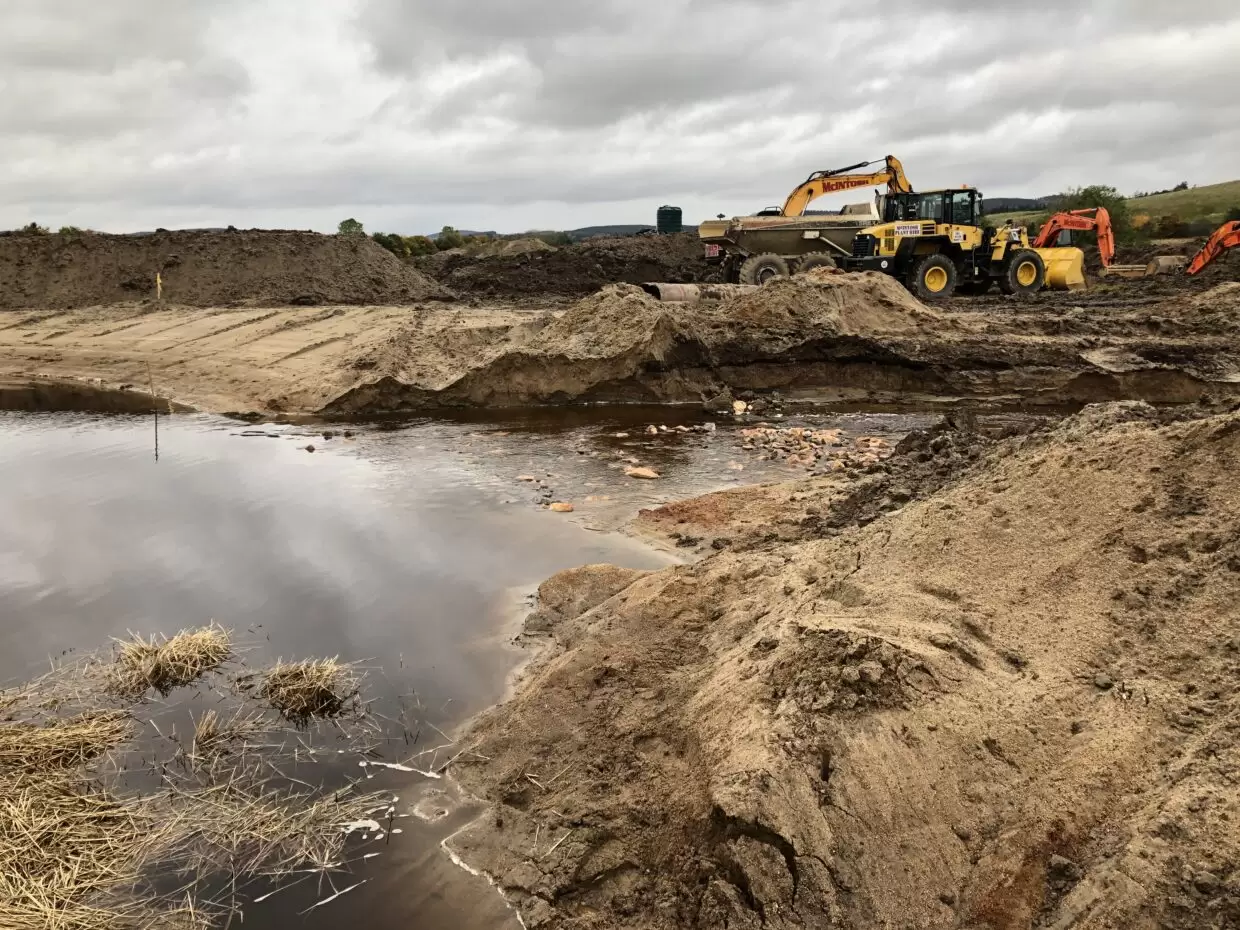
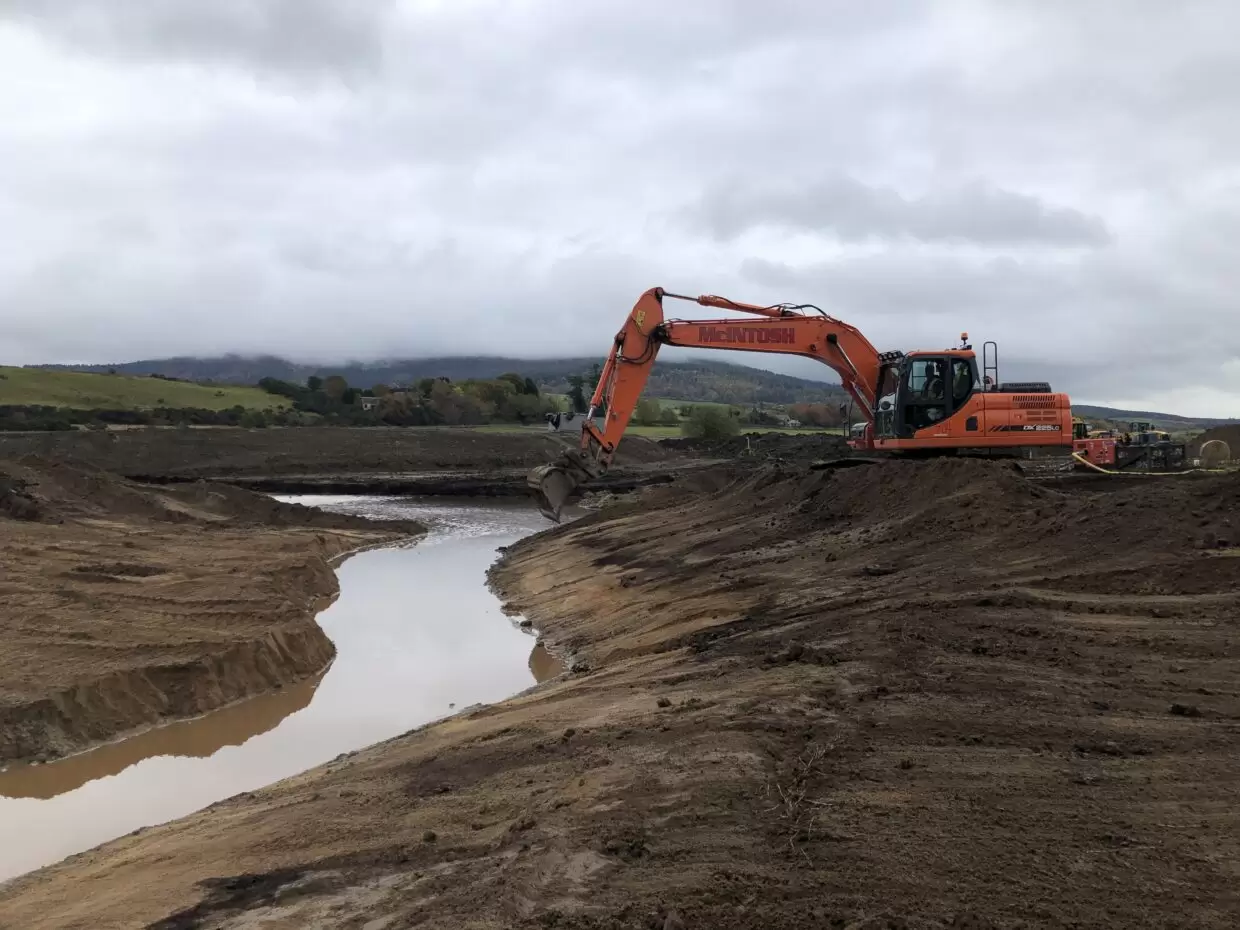
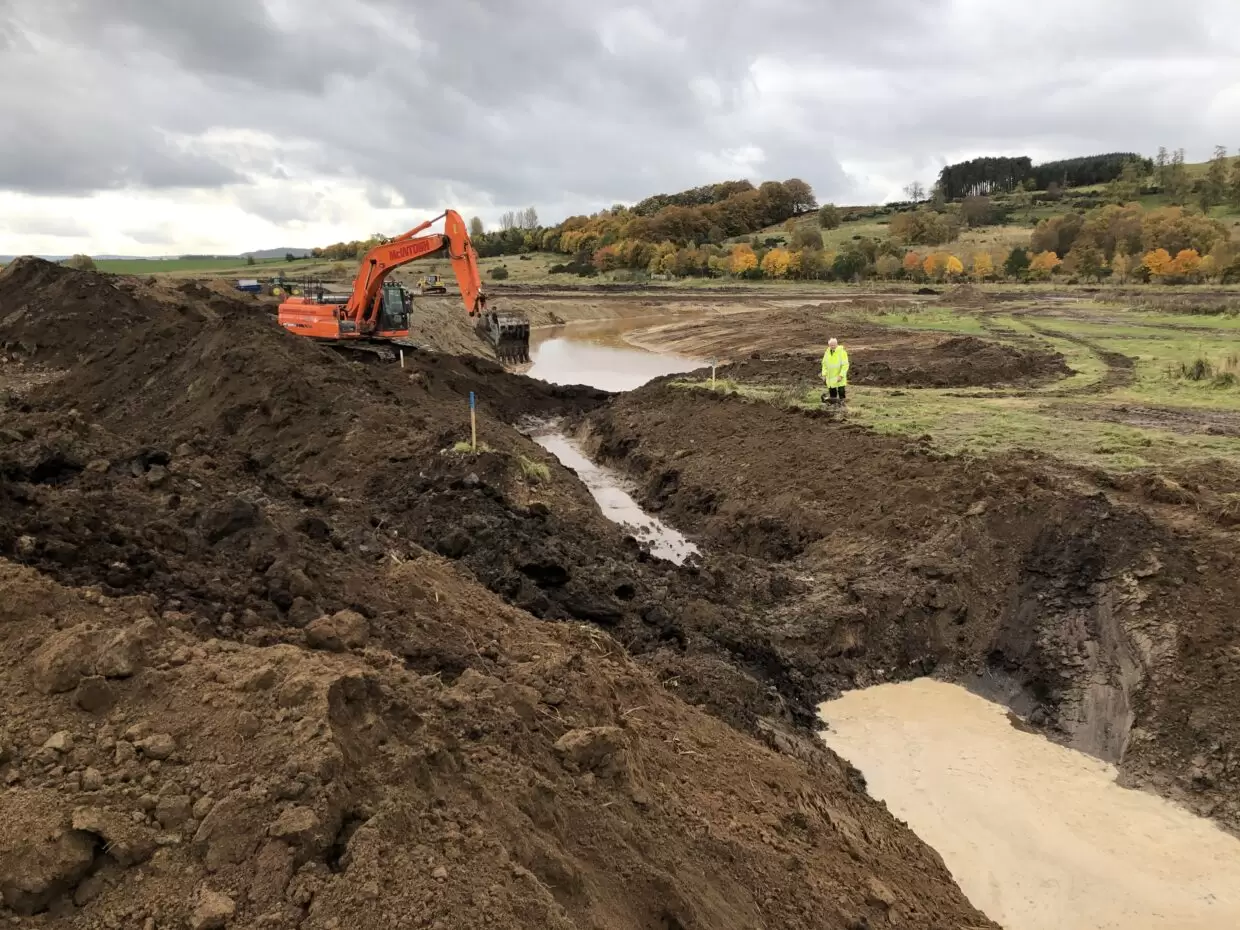
We were building up to the milestone of connecting a small amount of flow through the wetlands. Here the inlet channel is being shaped ready for connection.
img_2675
Soon we were left with just two small dams holding the water back from entering the wetlands.
img_2706
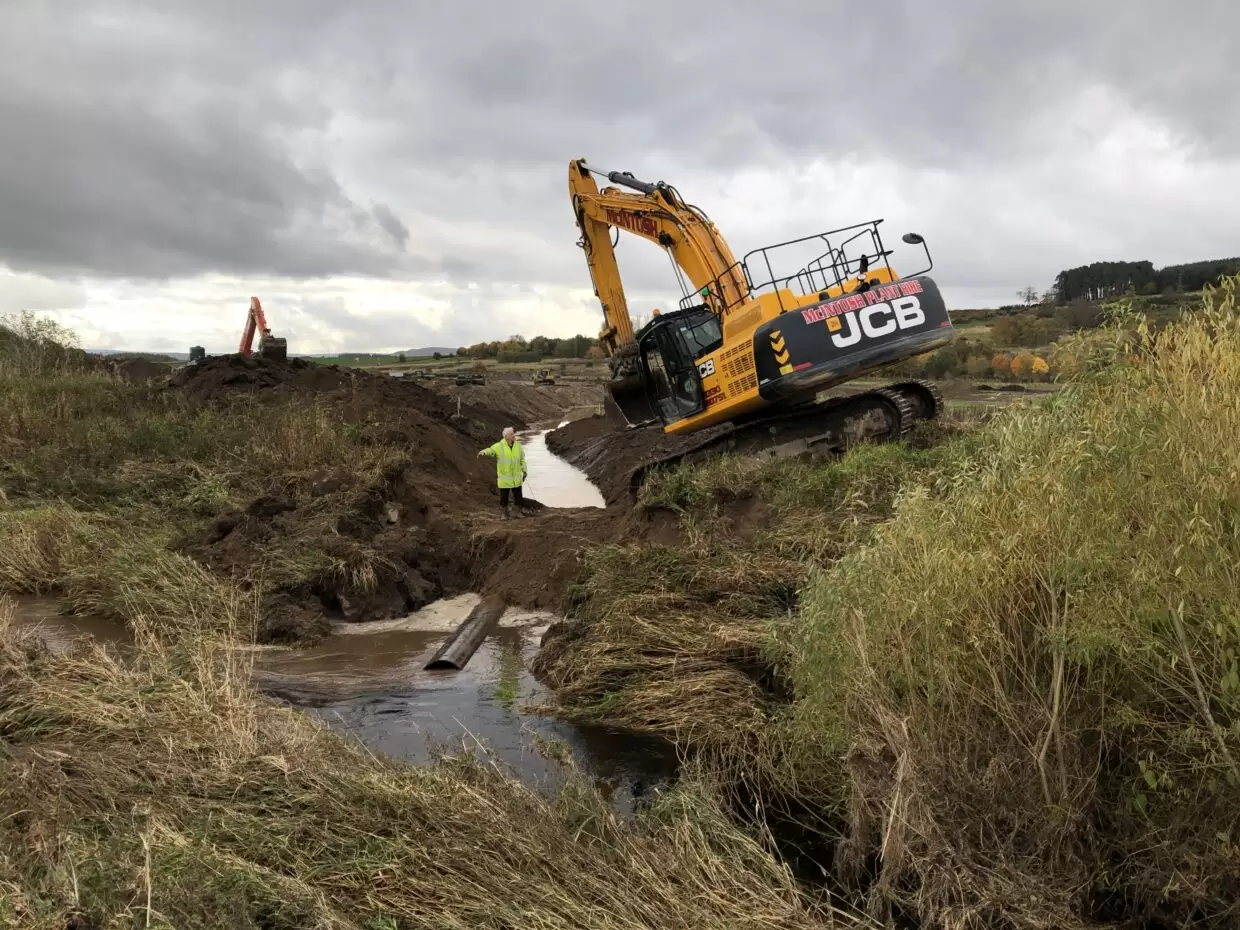
The downstream dam was removed with the top dam left in place.
img_2710
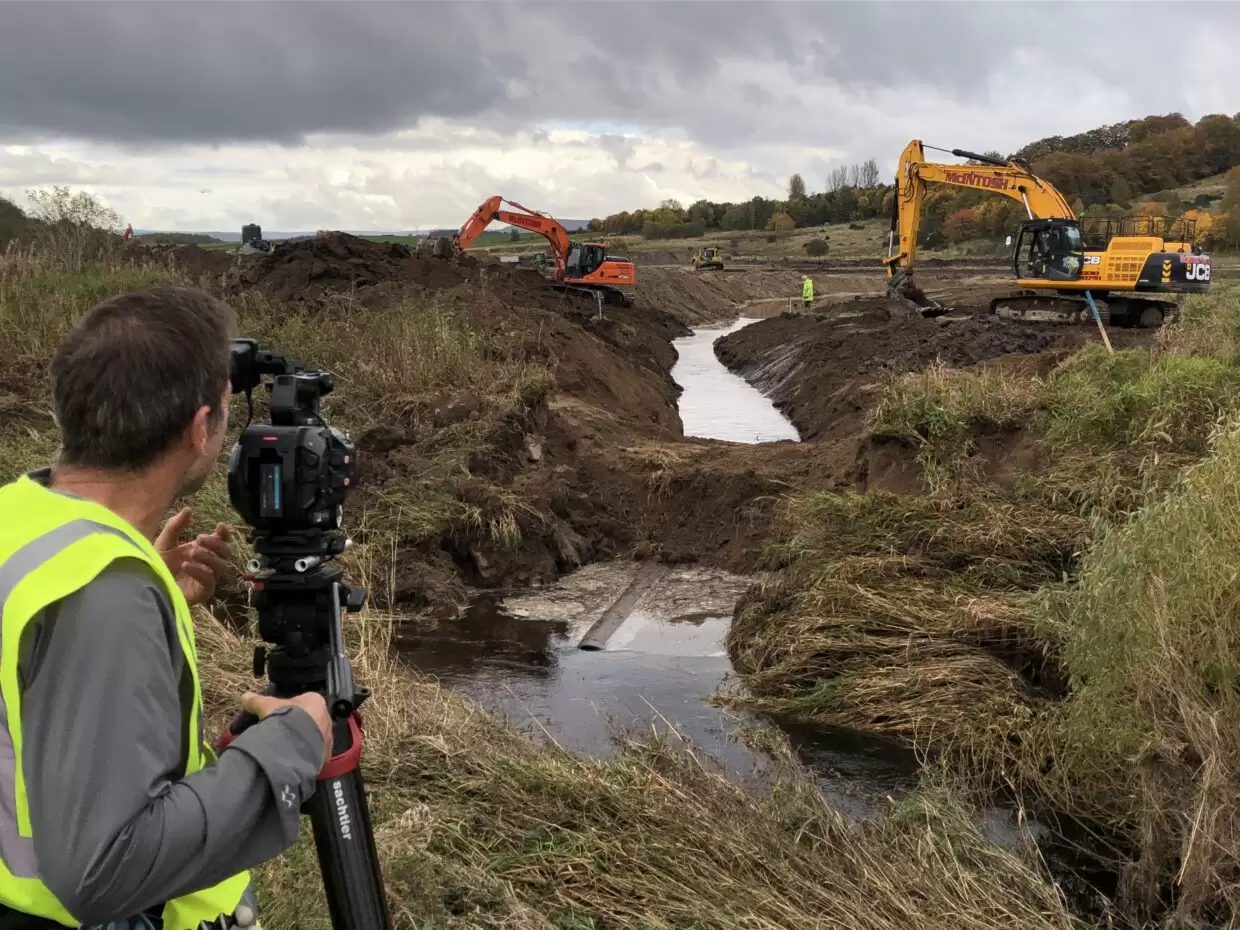
Mark Hamblin from Scotland the Big Picture was back to capture this milestone in the project.
img_2717
To make the connection a pipe was set into the top dam, allowing a controlled amount of water to gently enter the wetlands and start the flow of water through the system for the first time. Its important to start things off gently to allow loose sands to find their levels.
img_2774
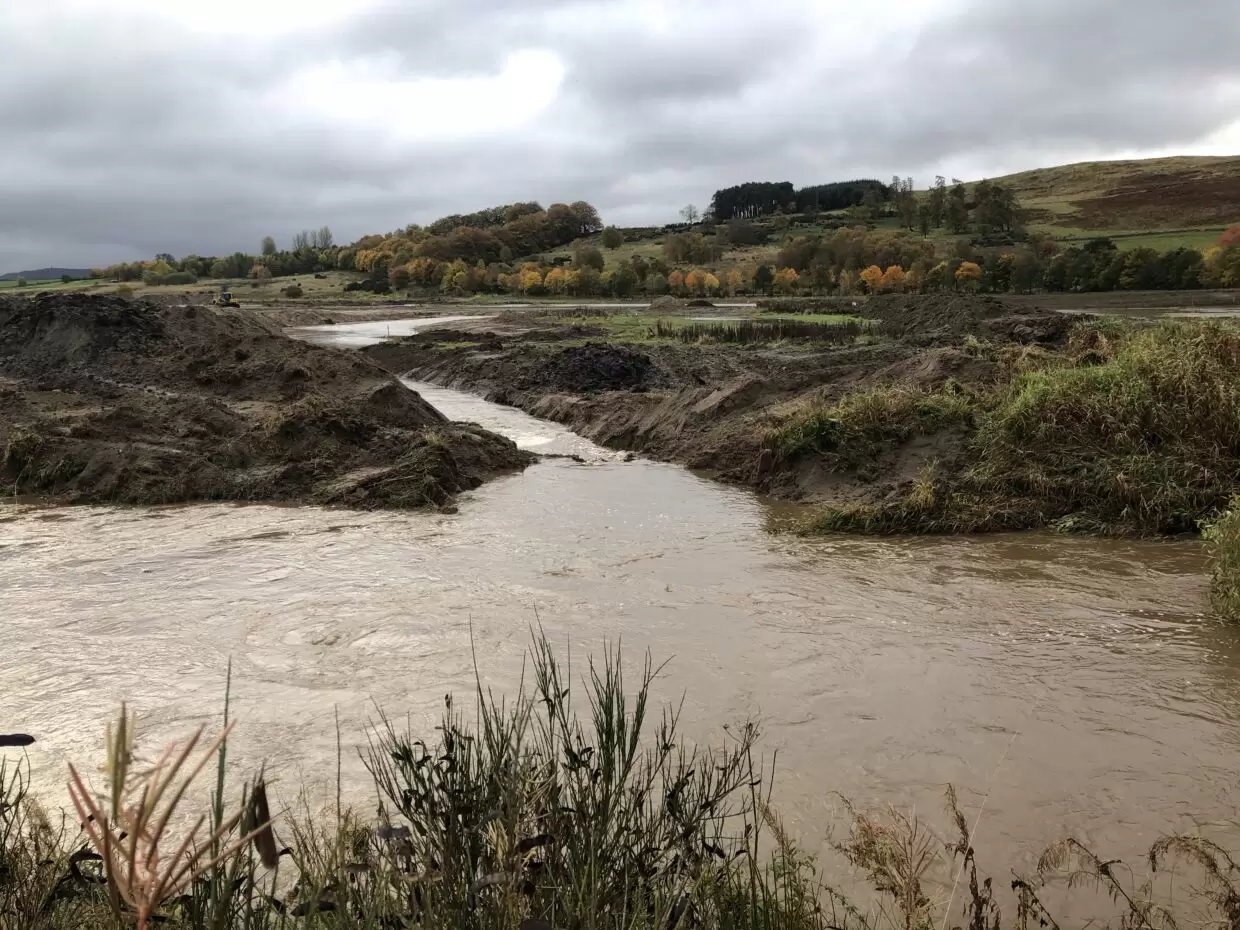
Mother Nature had other ideas however, and heavy rain overnight overspilled our pipe and increased the flow through the wetlands considerably. But there had been plenty of time for flows to settle and we were happy to see thing working well. It was a good test for the system.
img_2780
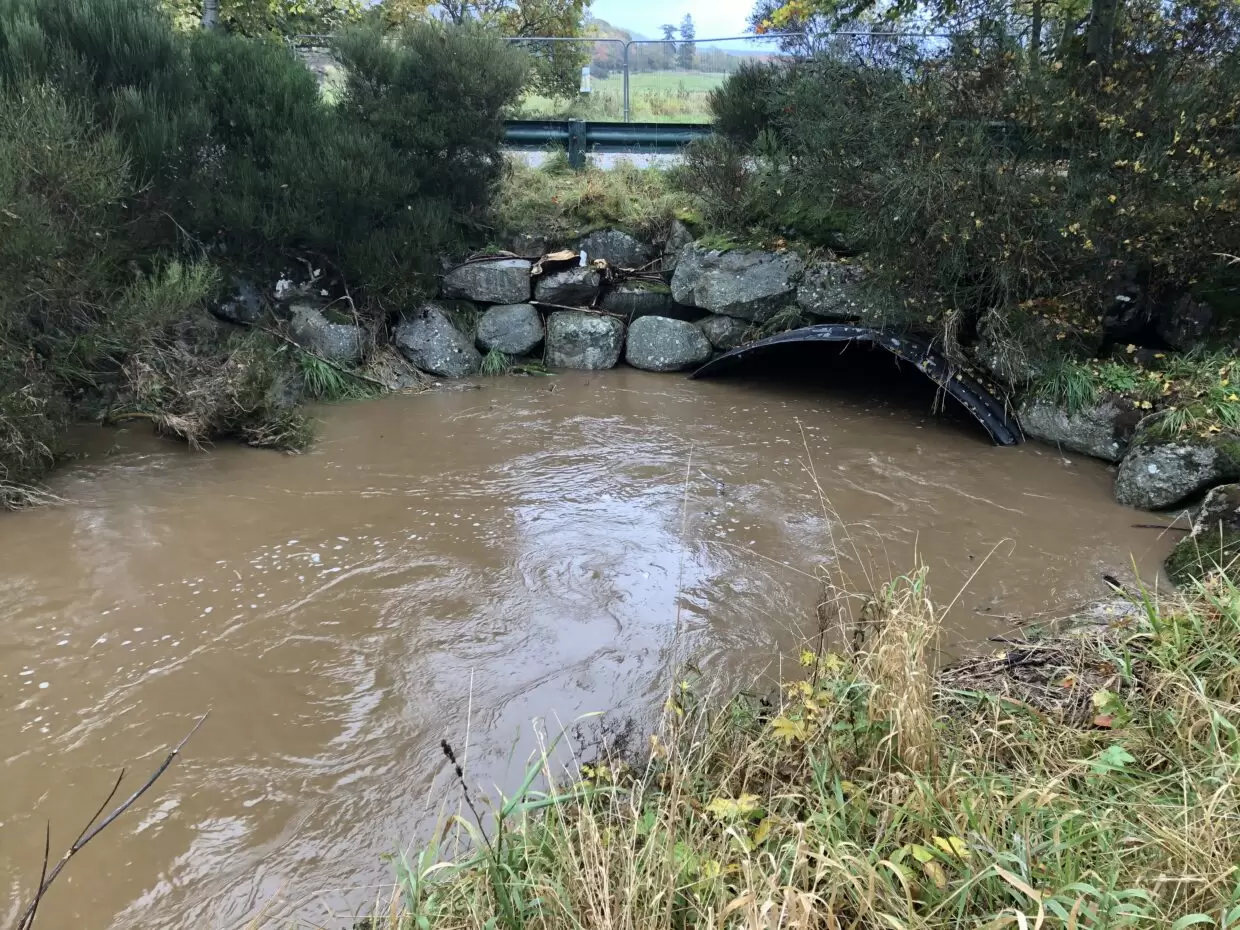
Upstream of the site, bridges were only just coping with the water levels.
img_2806
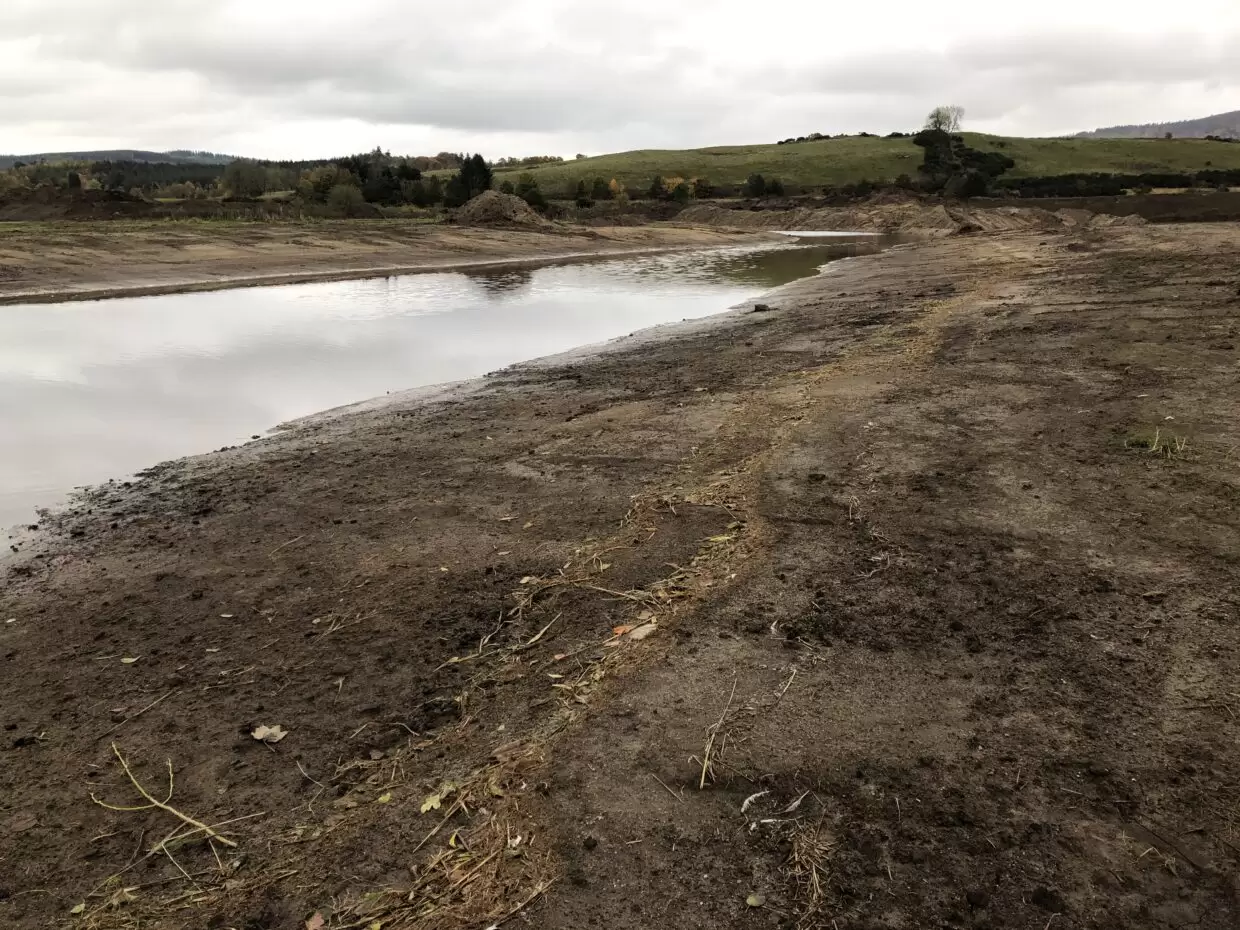
The tide line shows how the wetlands have been designed to absorb floodwaters -this is what takes the energy out of flows downstream during storms.
img_2800
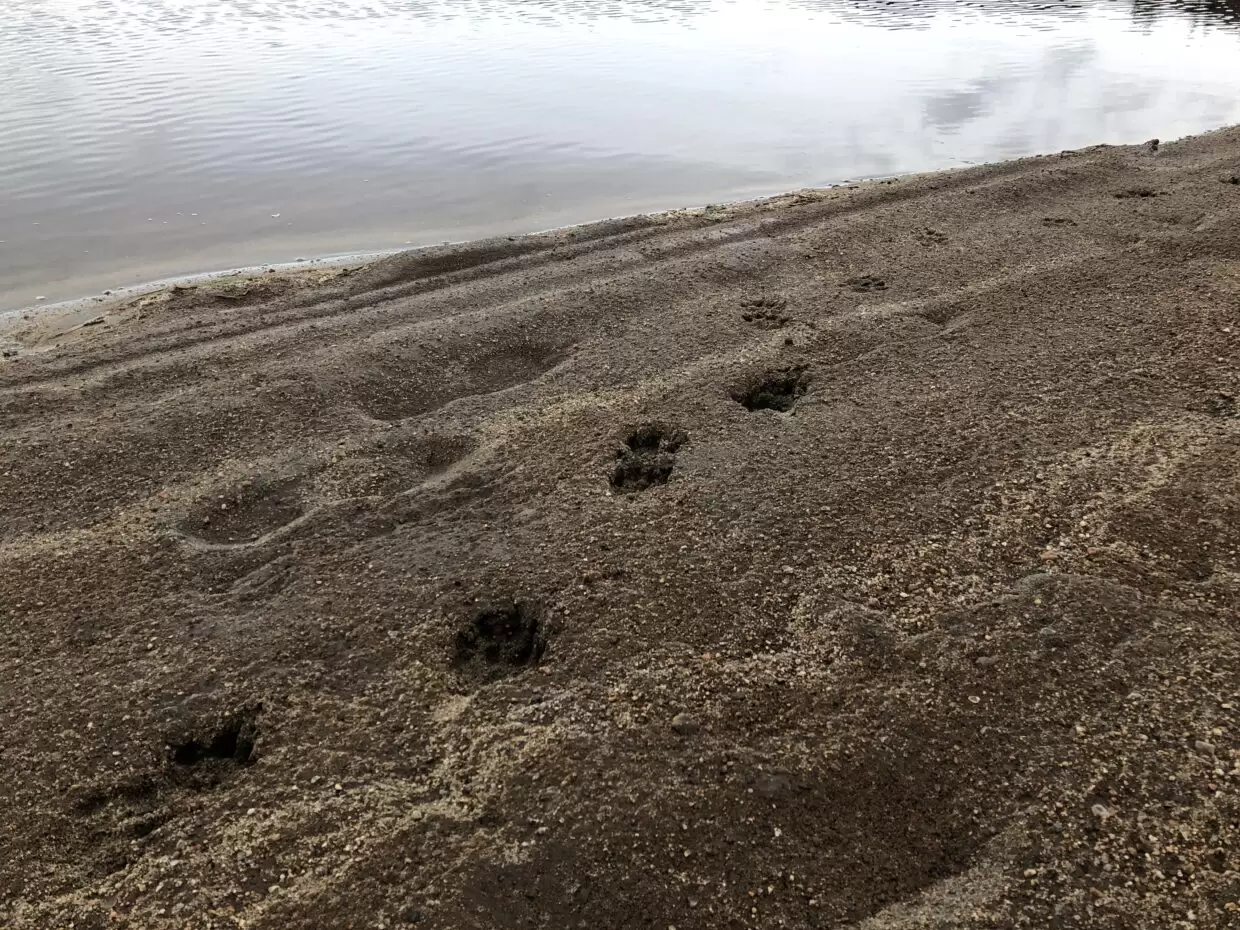
We were thrilled to discover that otters are already exploring the wetlands, finding these tracks has spurred us on and all our focus is now on achieving full connection through the wetlands early next week.

Linked projects:

Easter Beltie restoration

This large-scale river valley restoration is returning a straightened agricultural stream to a natural meaning course, running through extensive wetlands…

More