Easter Beltie restoration: Week 8

Image by: Susan Cooksleyimg_2931
img_2875
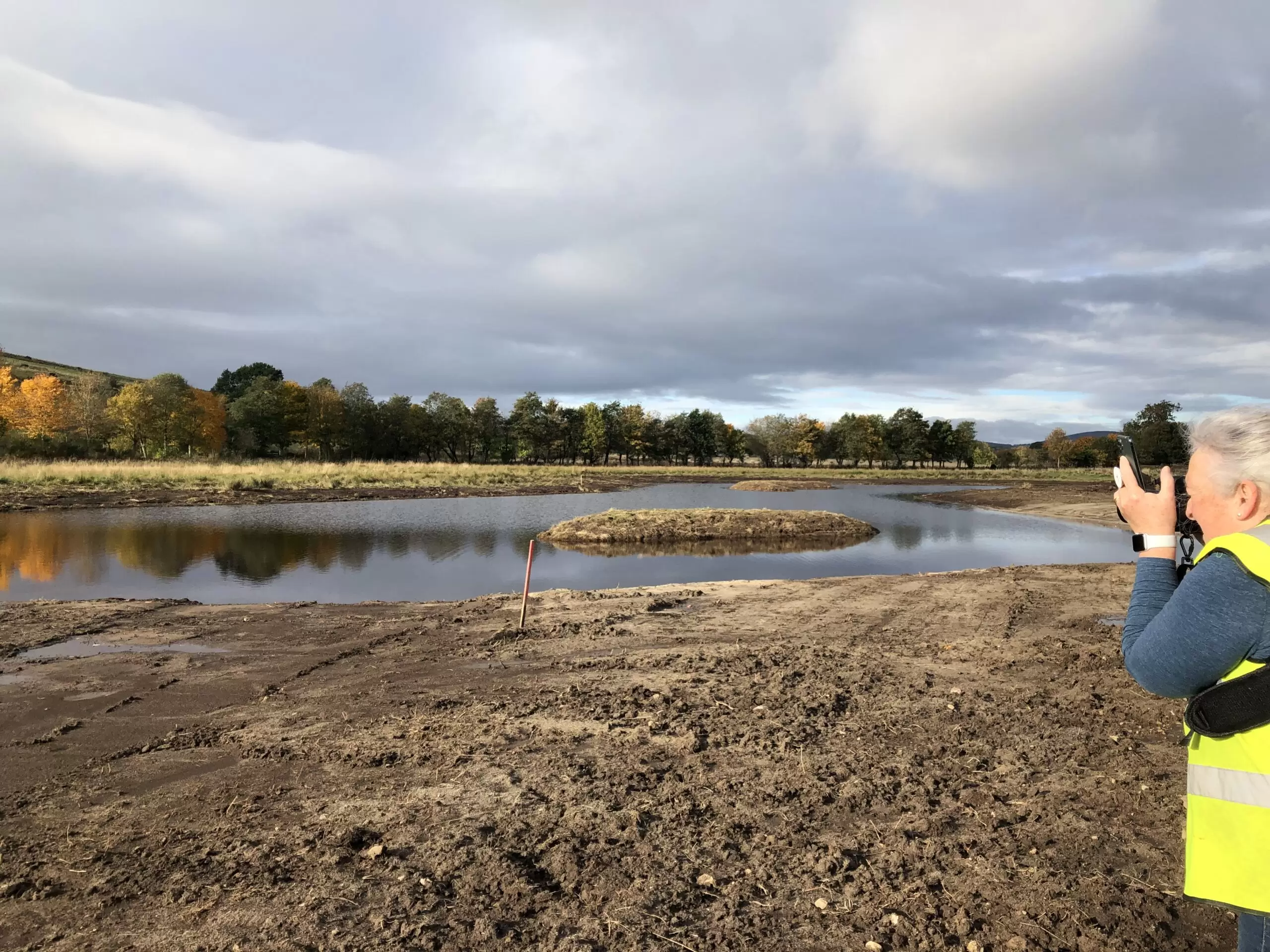
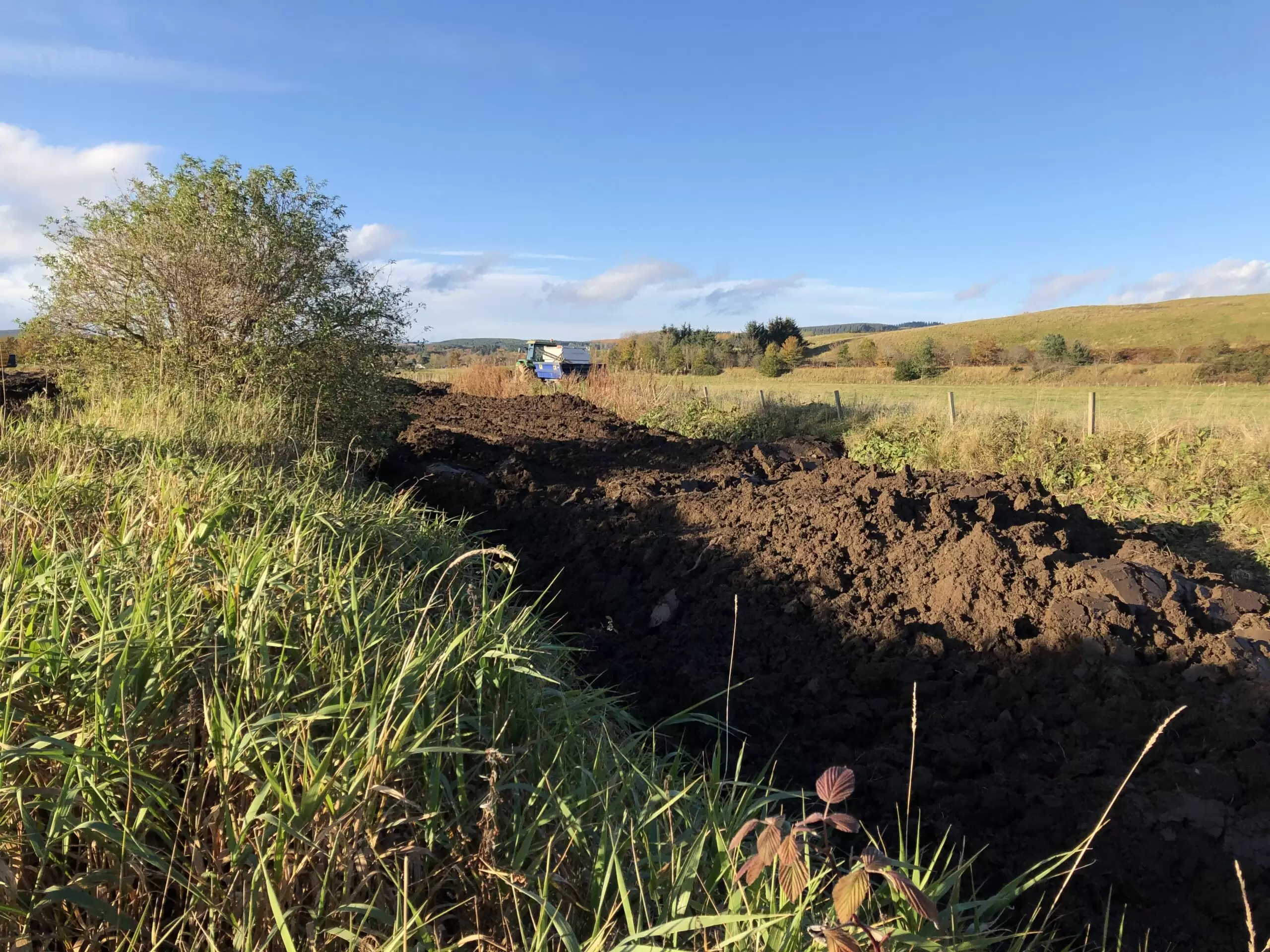
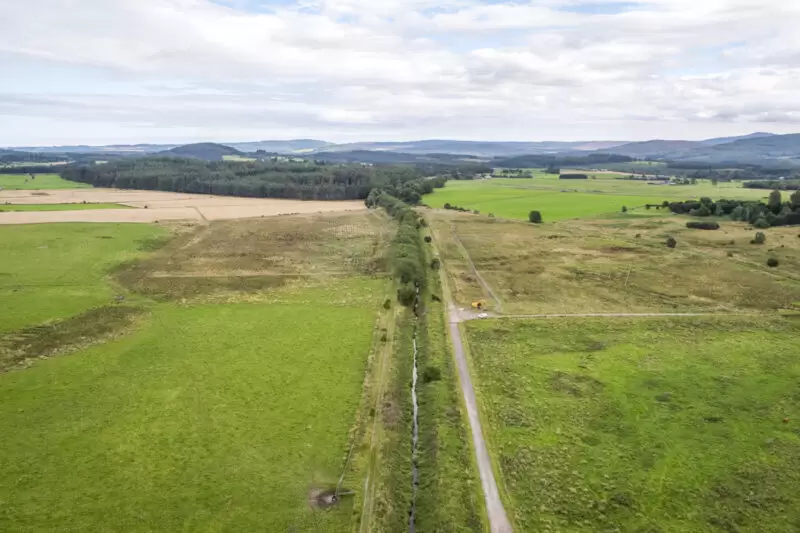
The glorious weather at the beginning of the week was the perfect opportunity for Mel Shand, River Dee Trustee, to visit and photograph the autumn colours.
img_2868
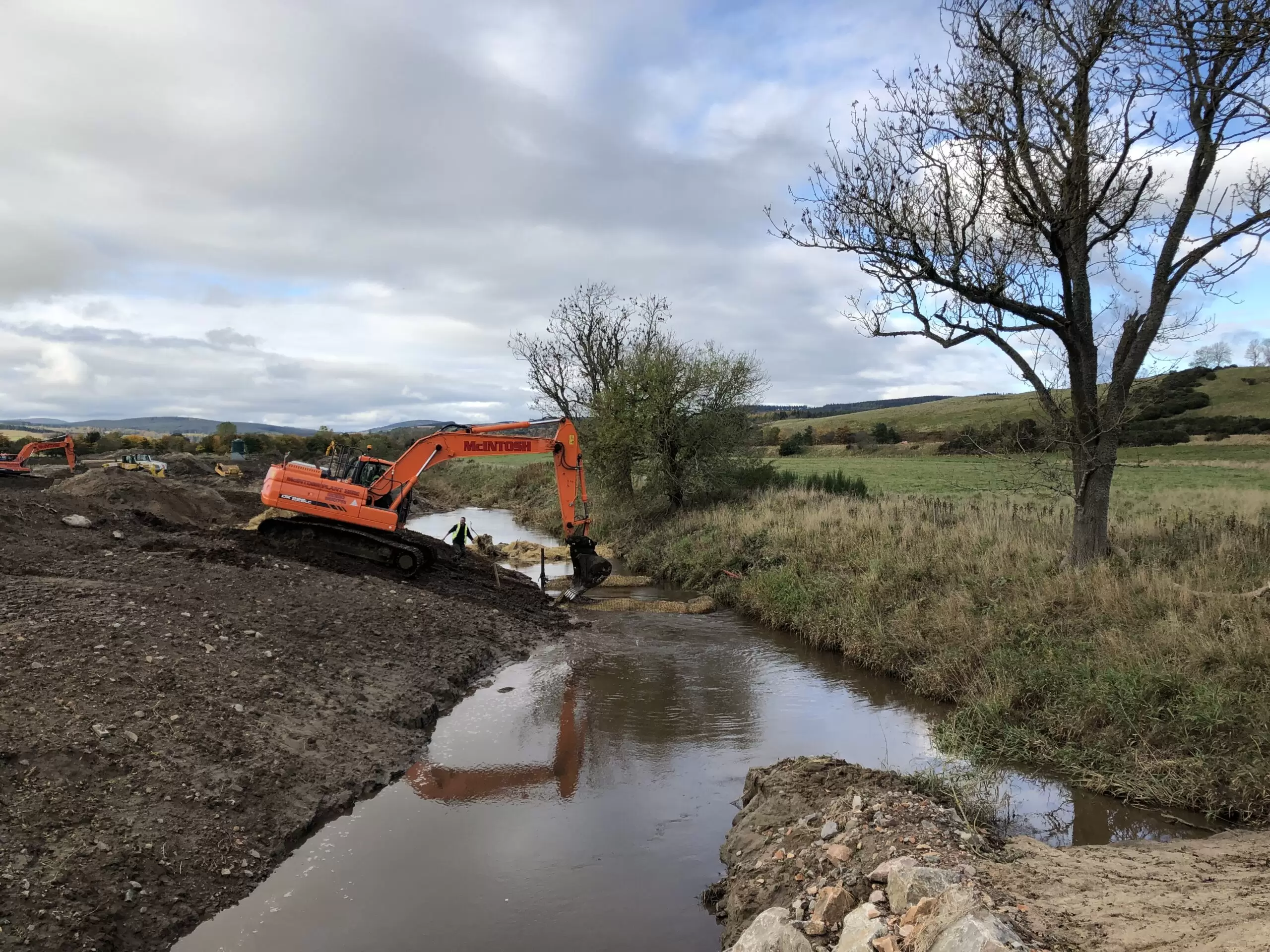
But there was little time to enjoy the views, as this was the week we have been waiting for: full and final connection of the burn through the wetlands.
img_2885
To prepare for the connection we removed the silt traps from the bottom of the site. These served us well in the earlier stages of excavation, causing sediment to deposit so it could be removed, but now we needed them further upstream. The tide line shows how the silt traps had been backing up flow.
buqb4752
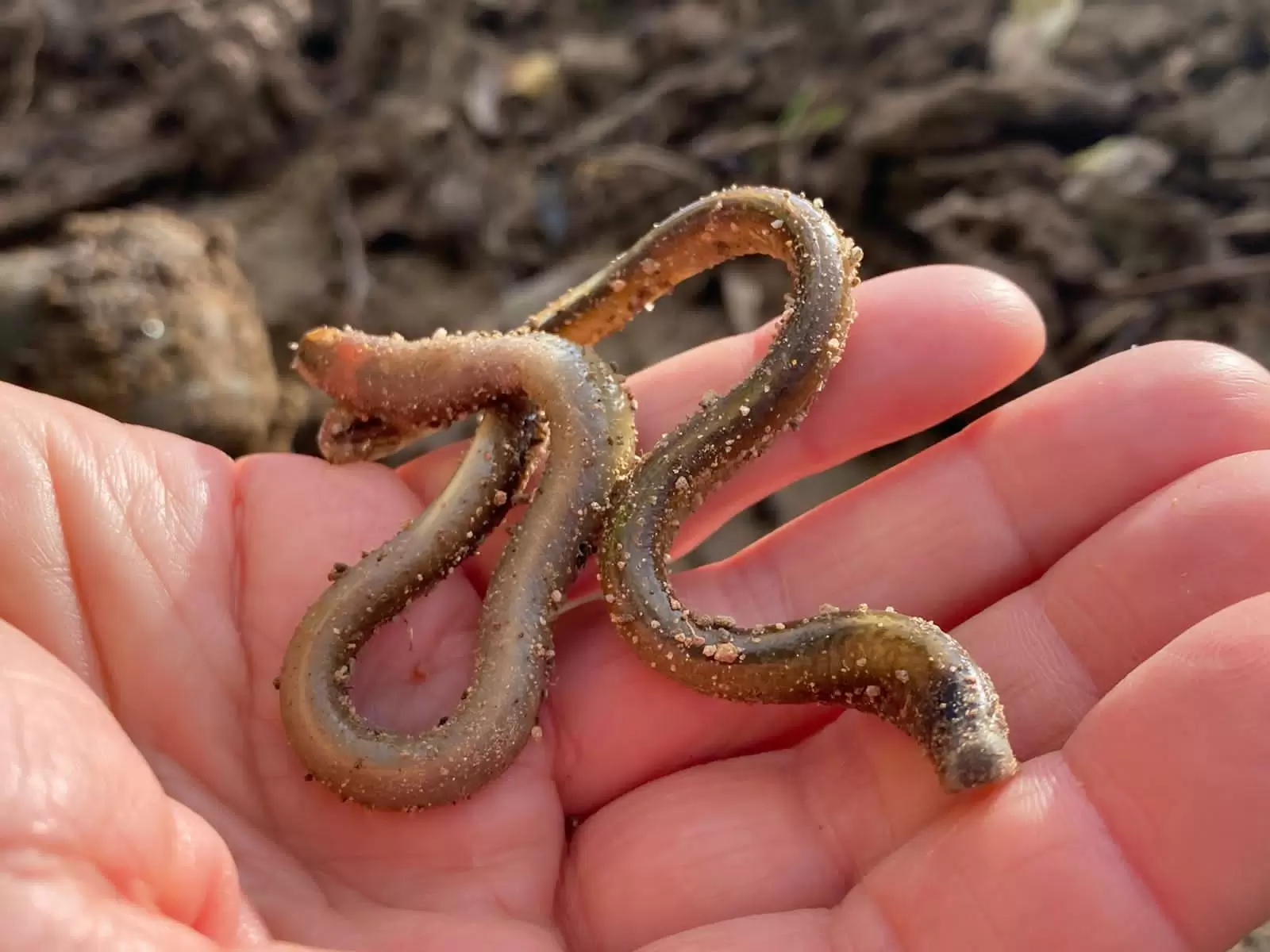
The silt traps – large nets filled with straw – provide a great place for lamprey to hide. After the silt traps had been removed we found stranded lampreys that must have taken up residence. We popped them back in the burn.
img_2900
Three new silt traps were set up below the outflow of the wetlands. Accumulated silt was removed daily.
img_2860
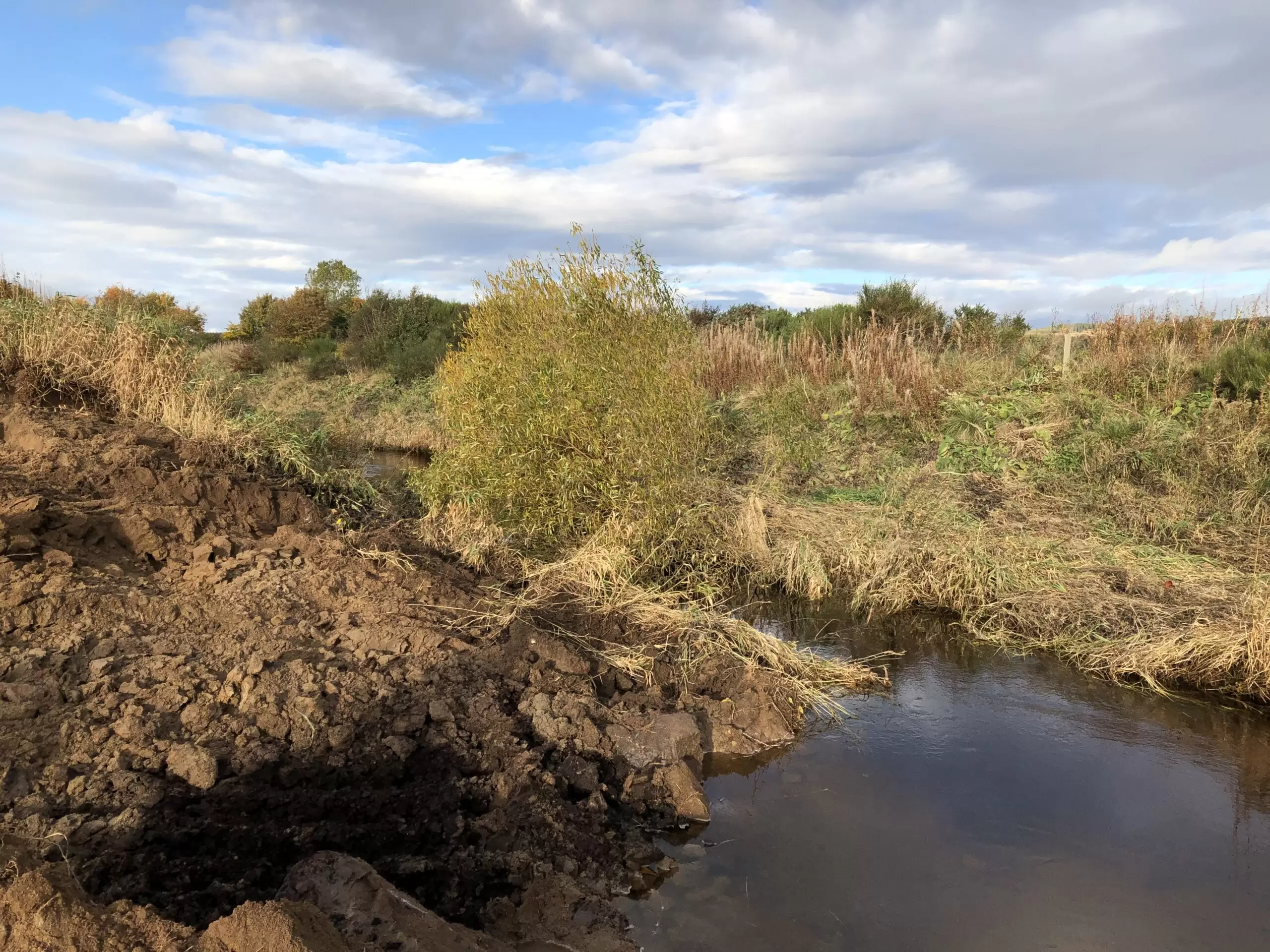
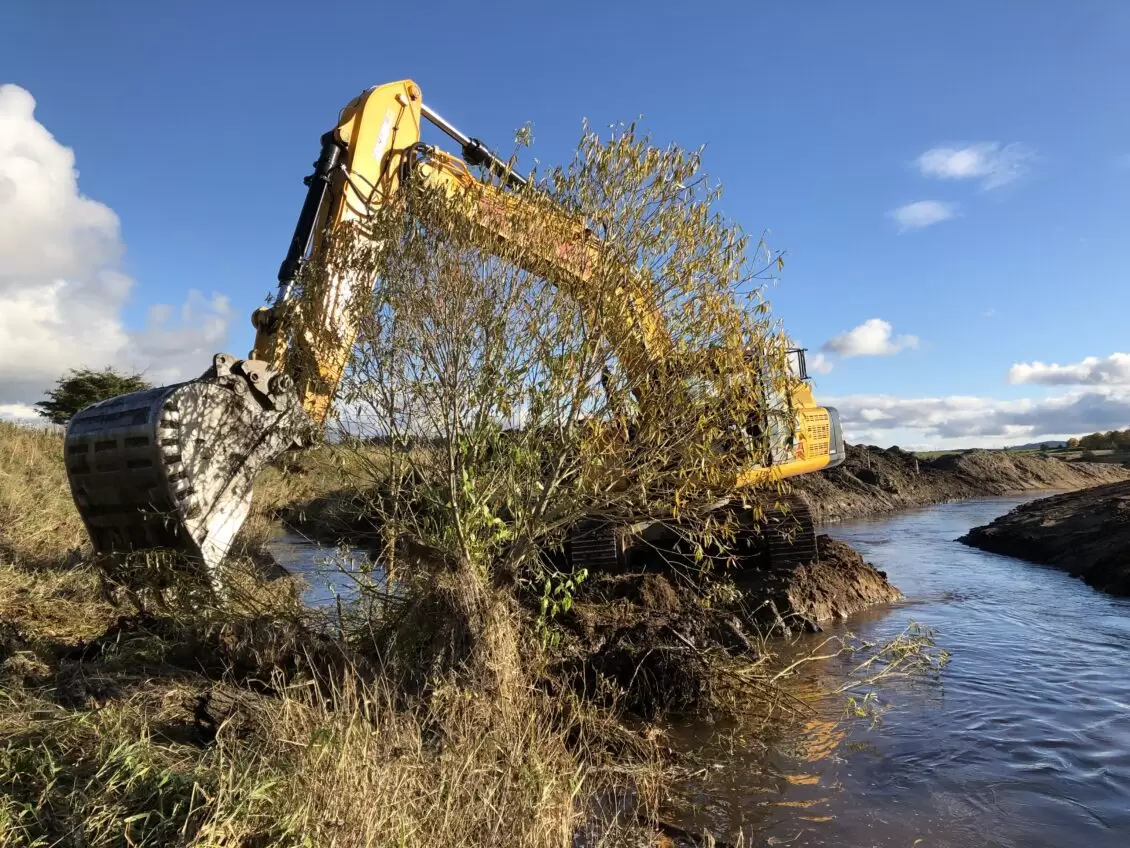
Connecting the burn through the wetlands involved cutting off the corner to create an smooth curve for the entry point. An established willow set the point of connection.
img_2918
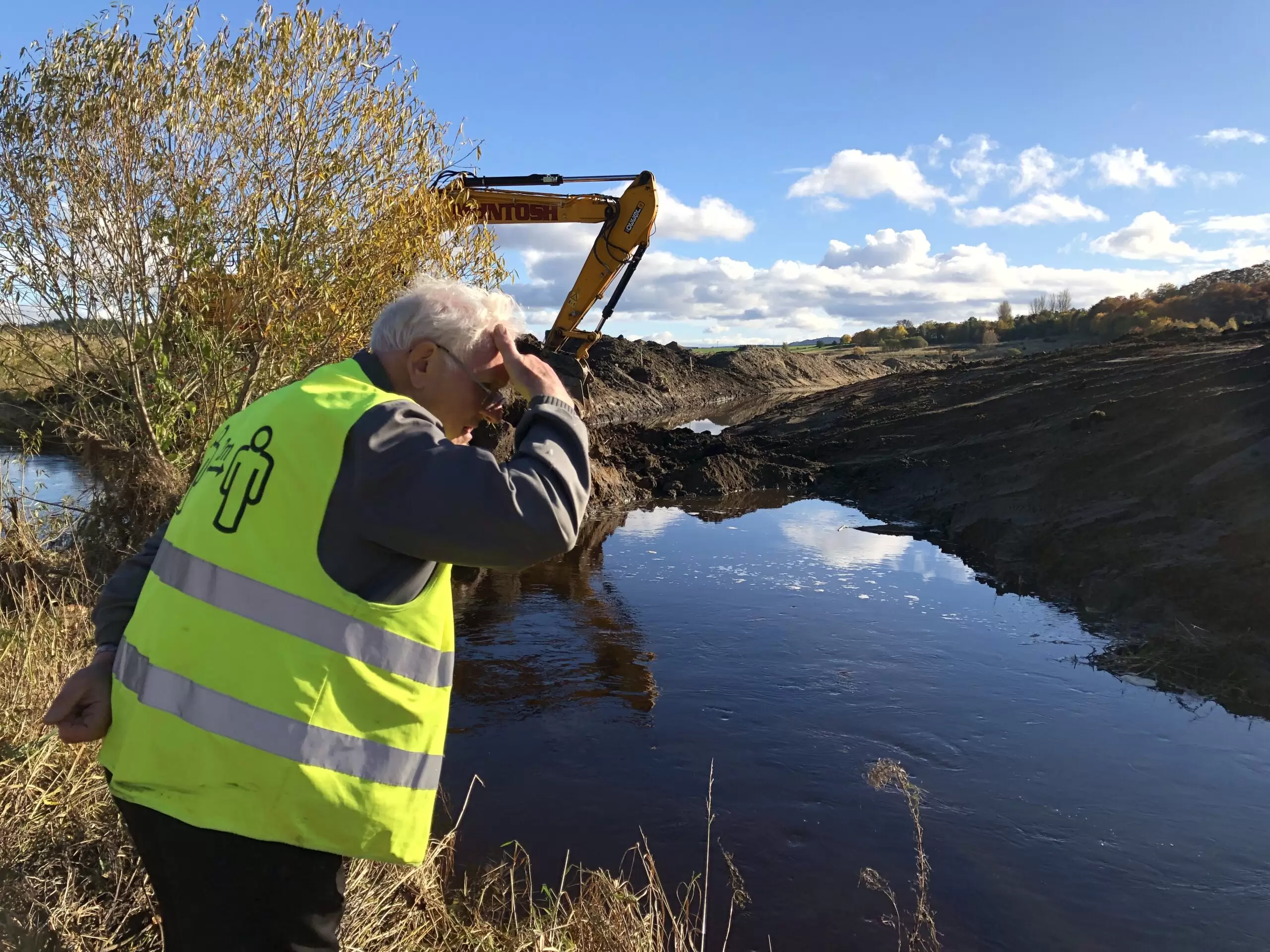
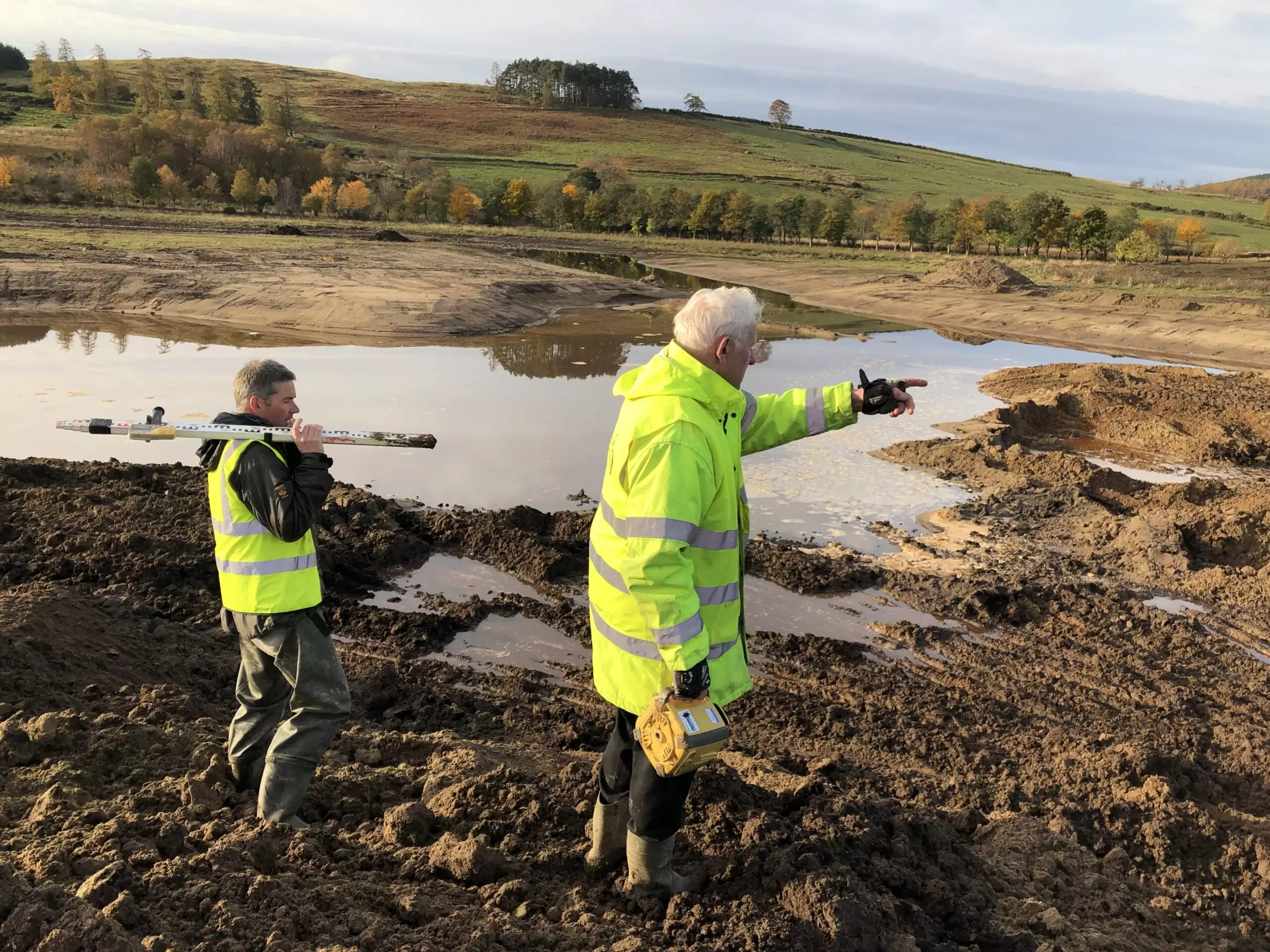
Bert McIntosh directed operations as the Beltie Burn was set on its new course through the wetlands. A historic moment.
img_2940
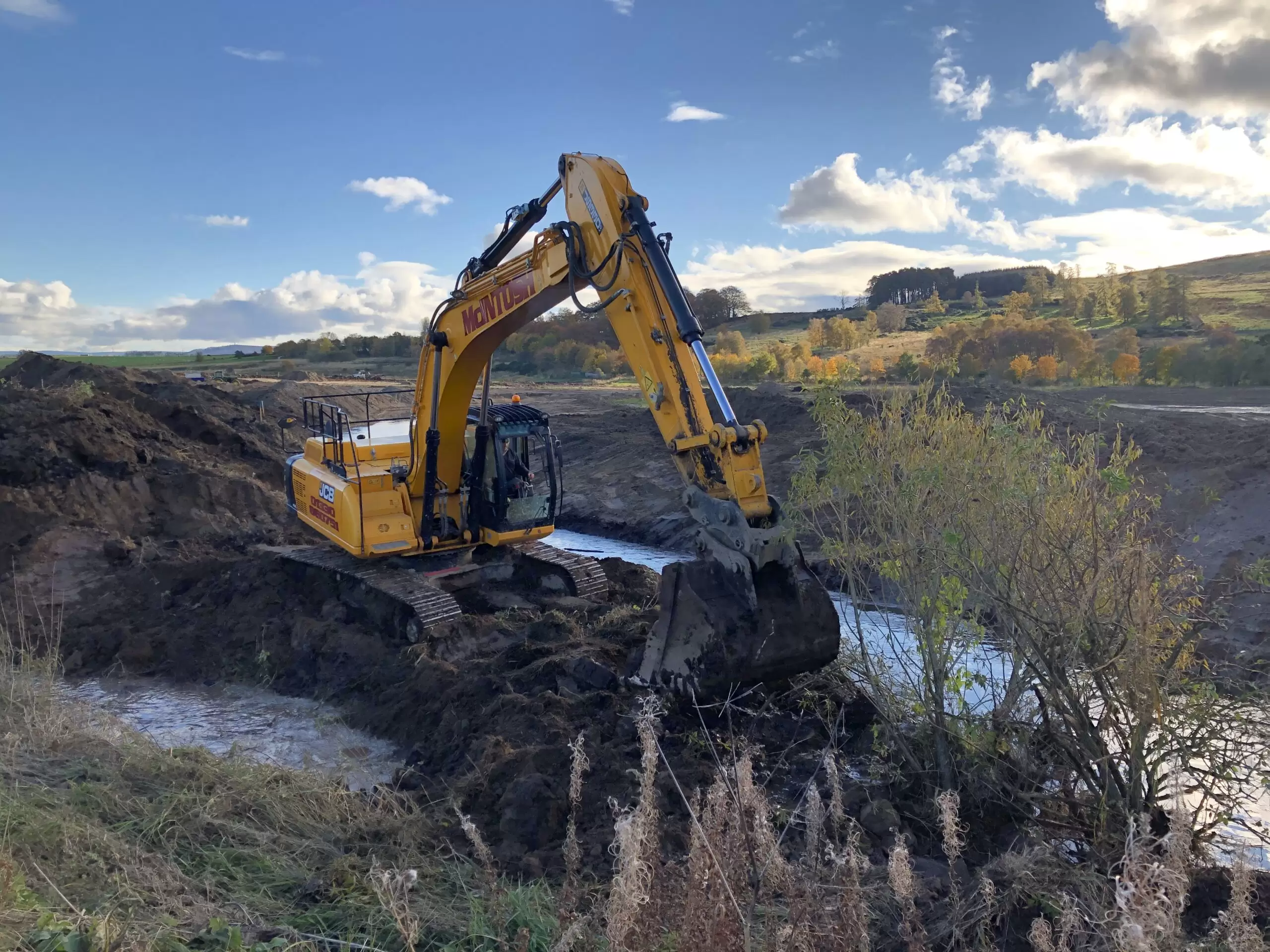
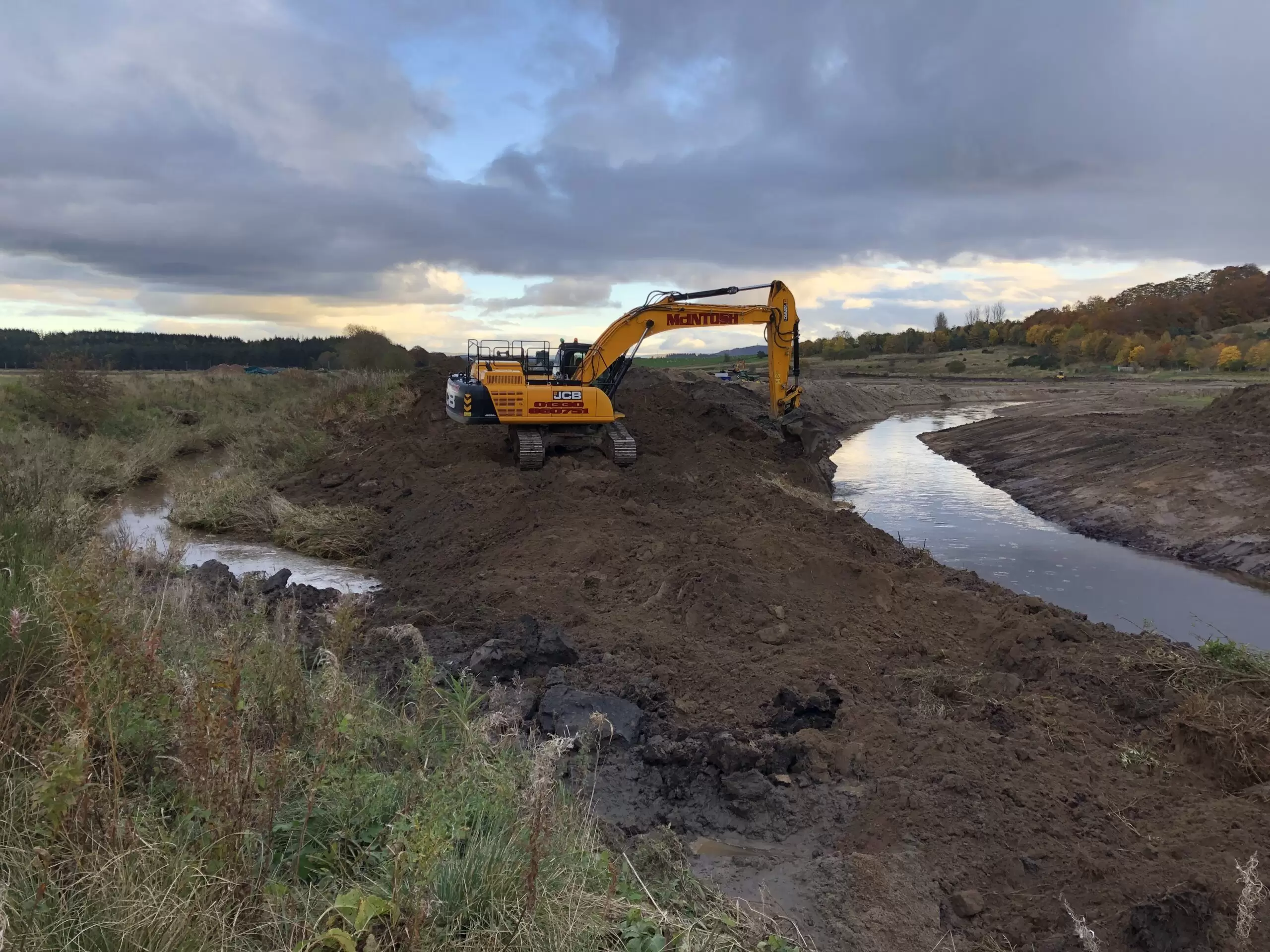
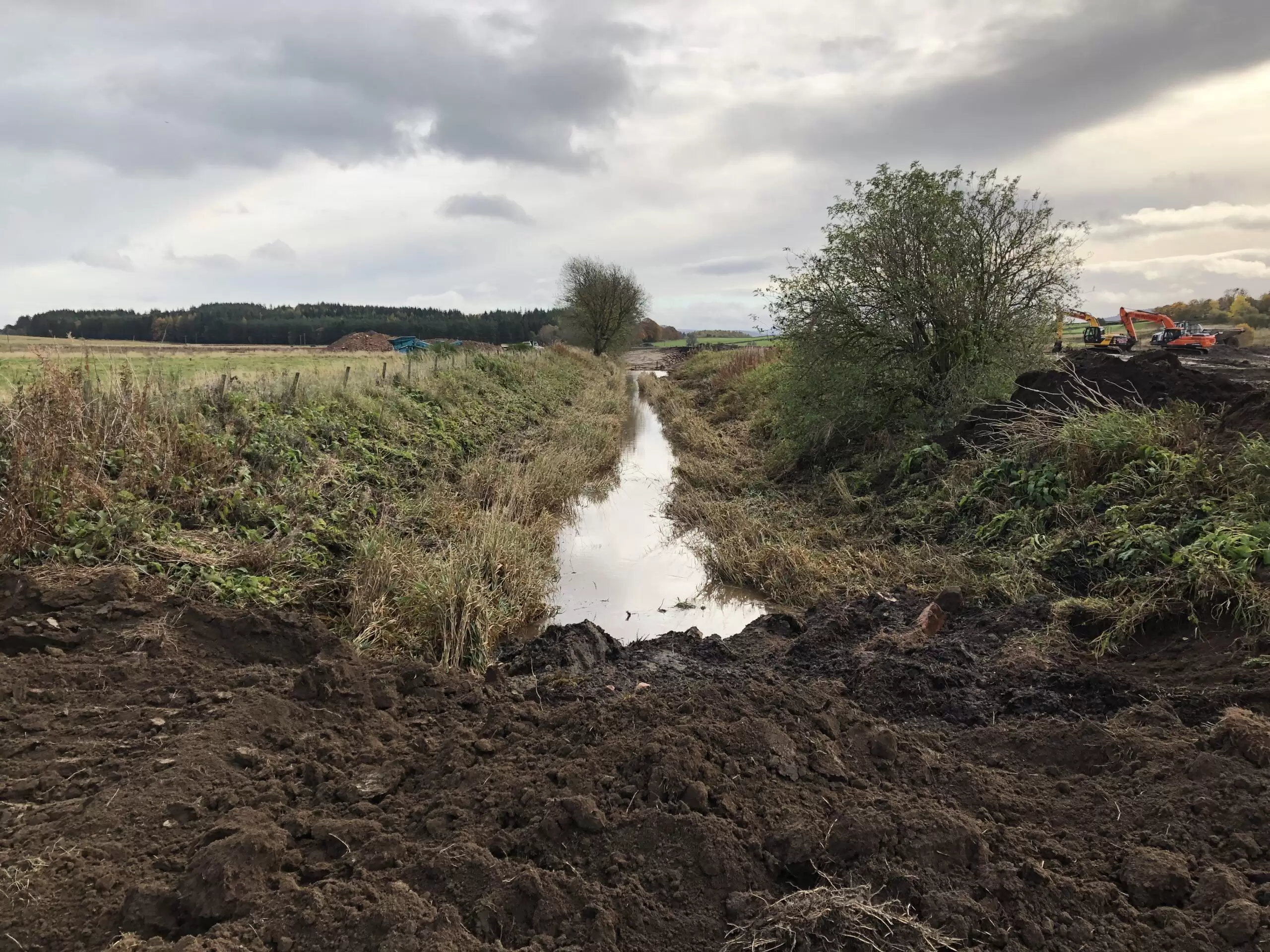
The old channel was swiftly dammed, using as much wood as we could find to make a front wall that will absorb the energy of floodwaters. With boulders and then soil behind we formed a strong barrier that will withstand high flows while the new course beds in.
img_2958
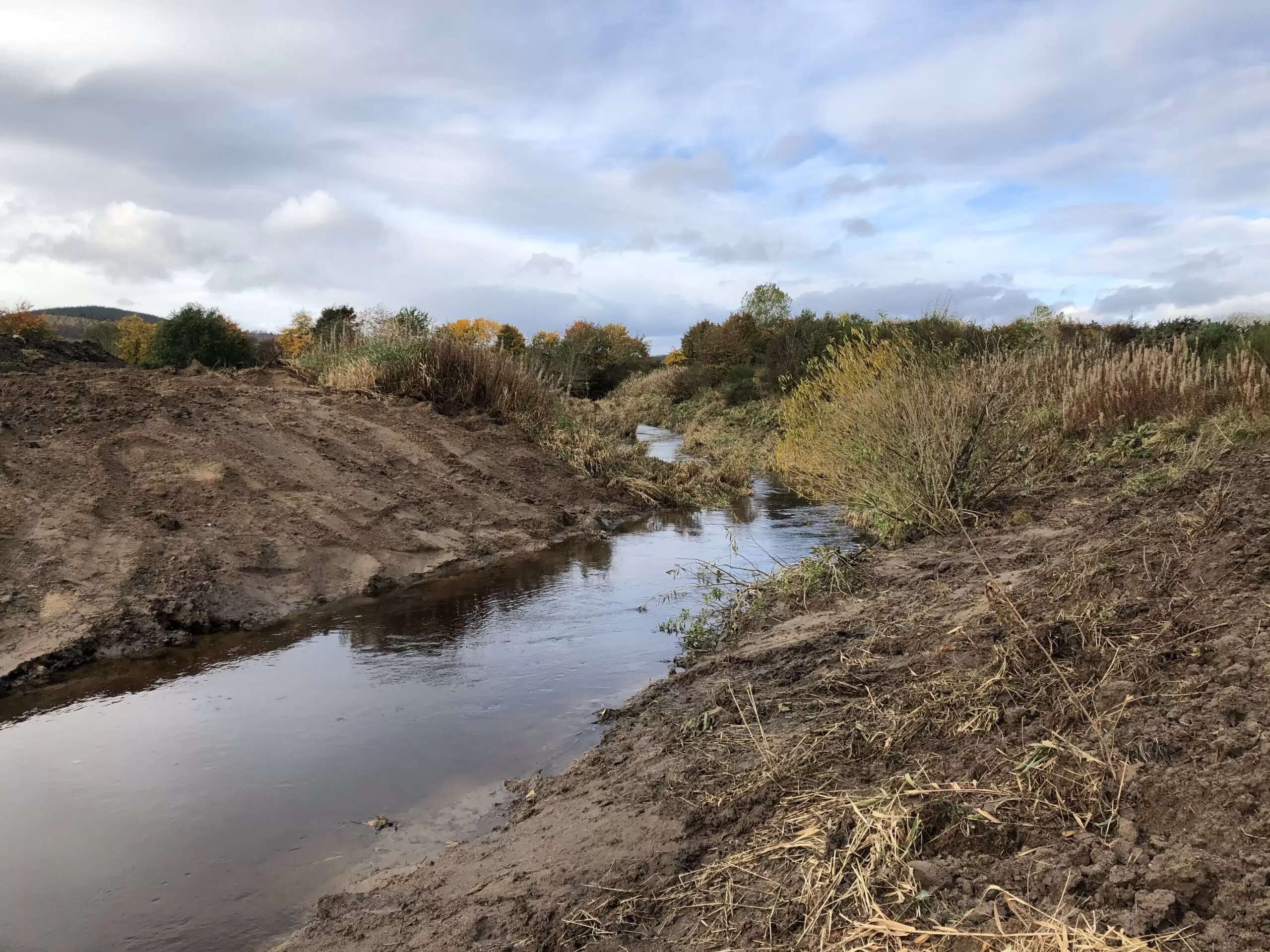
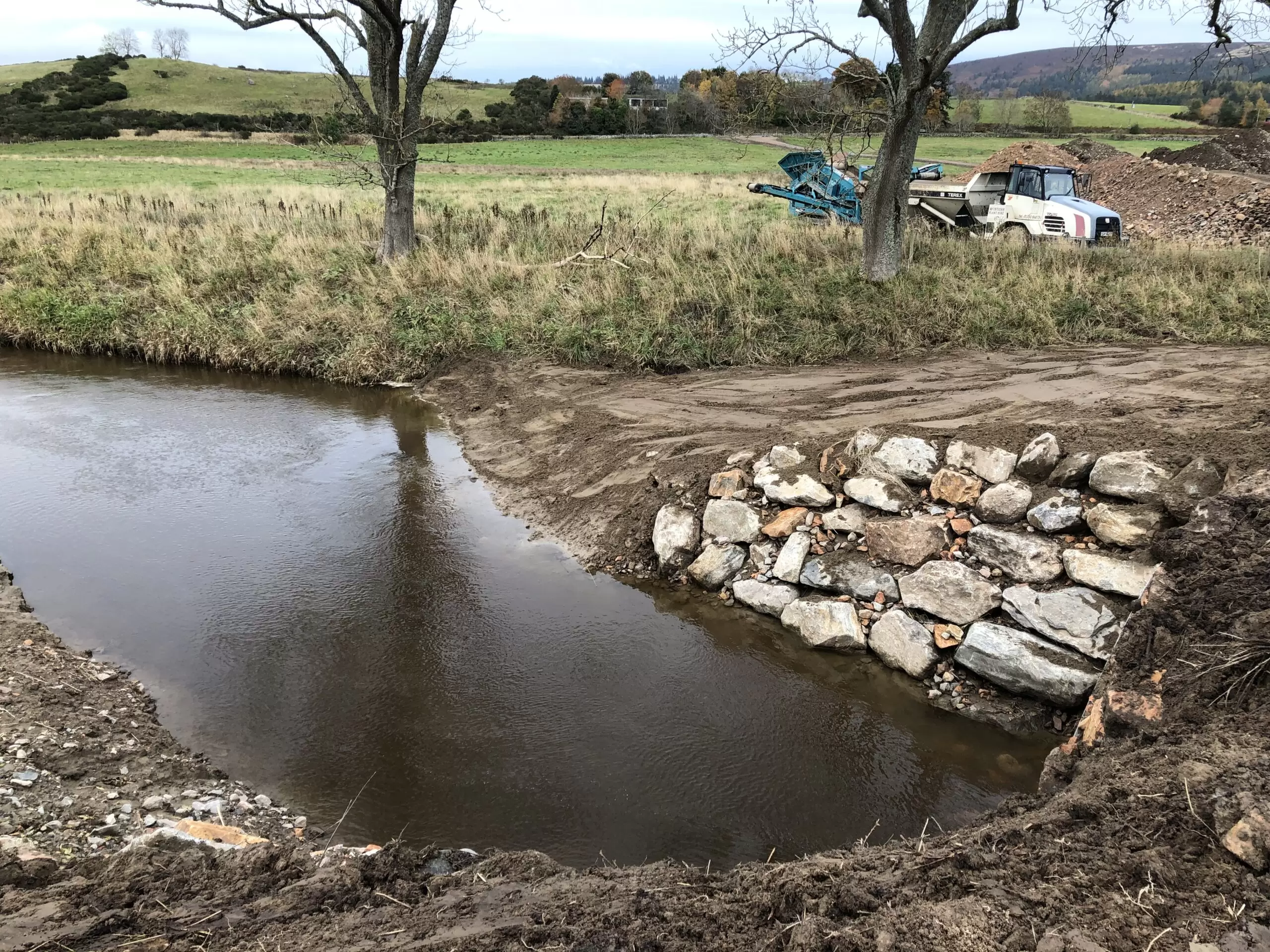
With the new channel flowing its banks could be shaped, completing works at the inflow.
img_3013
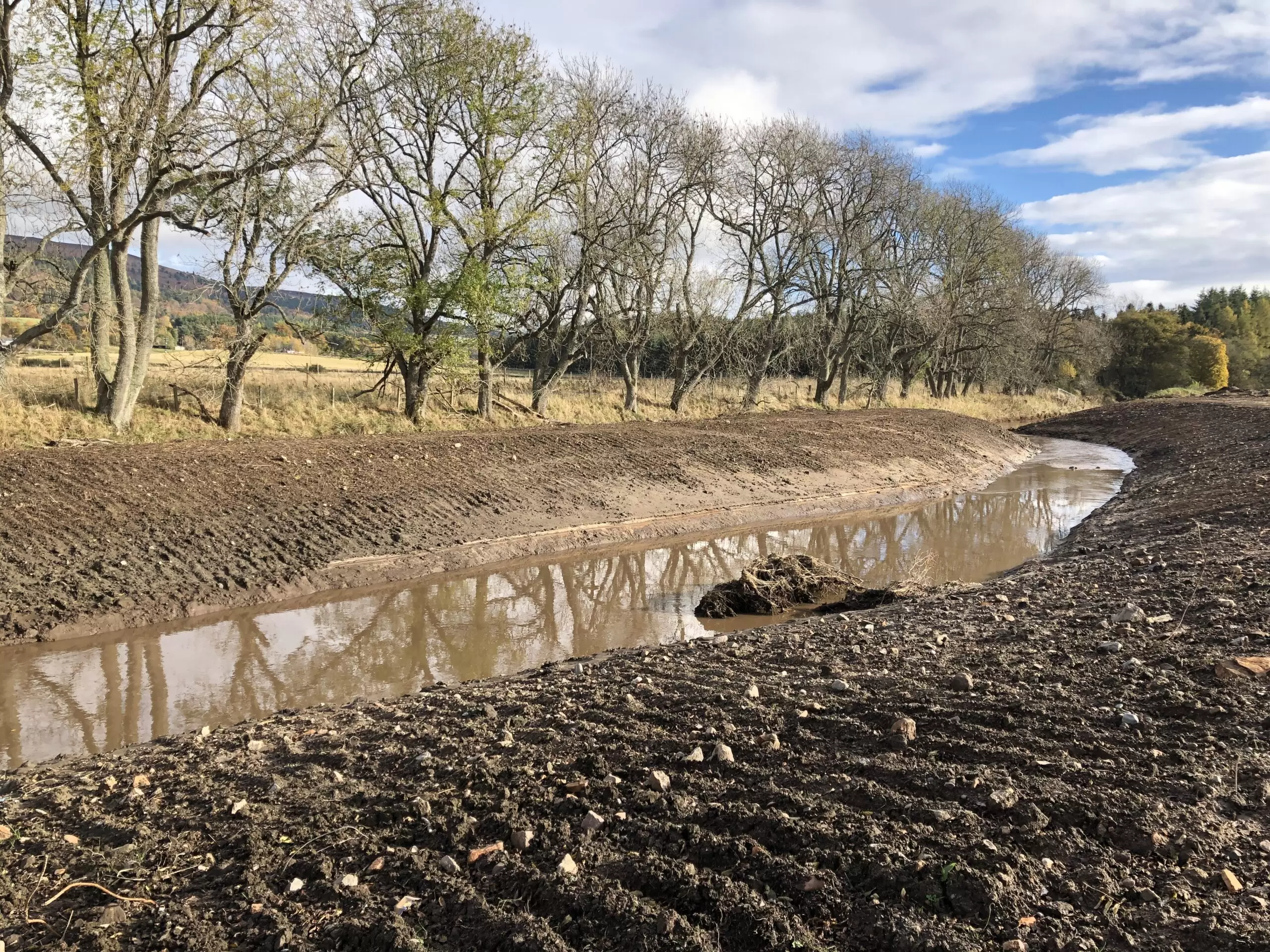
The new inflow channel looks very natural already. You can see the willow that marks the diversion point.
img_2968
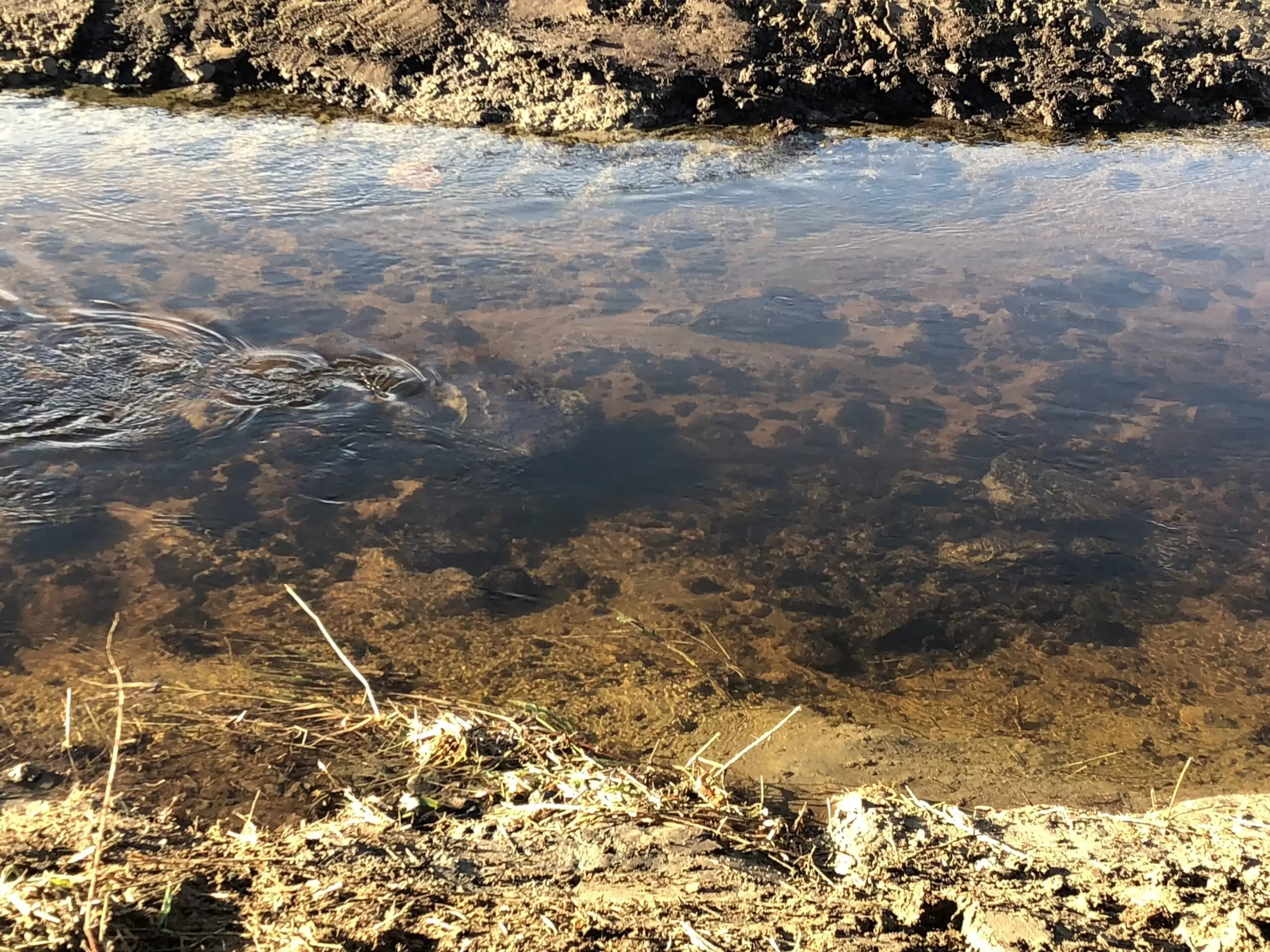
The next day we spotted a sea trout in this part of the channel. This fish may have been the first to navigate the wetlands on its way upstream to spawn. Although hard to make out there is a good sized fish just to the right of the centre of this photo!
img_3048
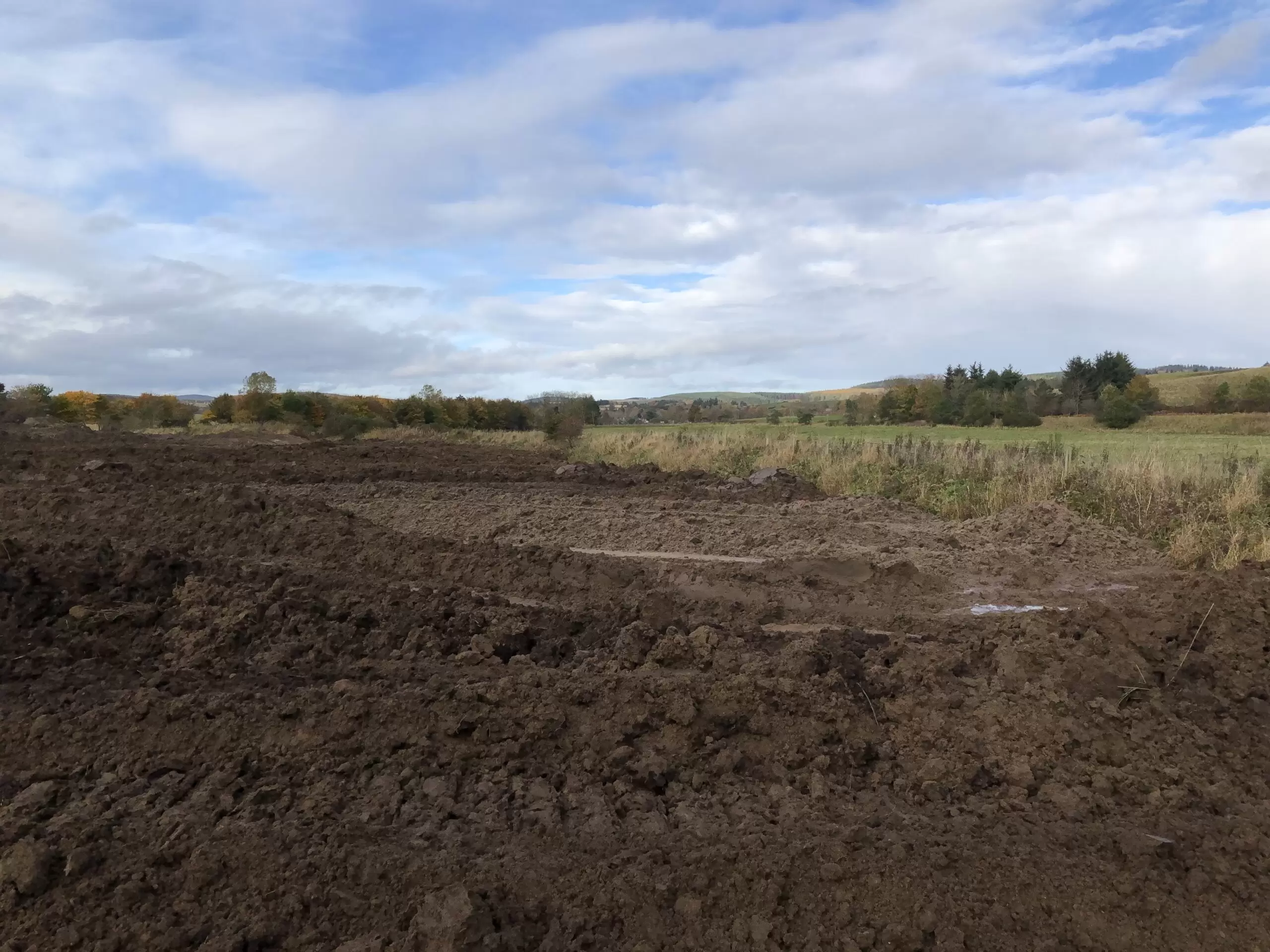
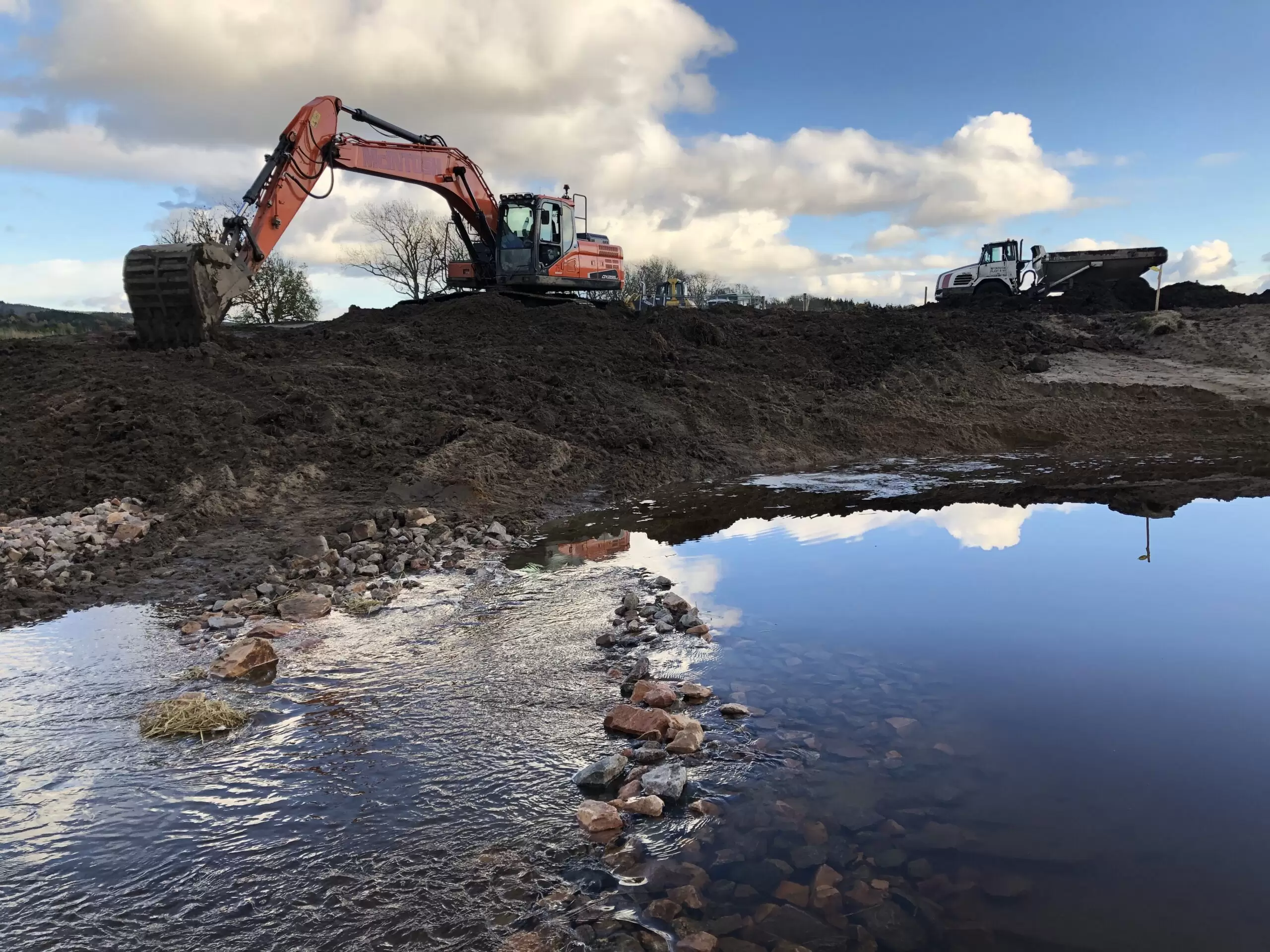
Up to this point, Wetland 1 couldn’t be dug as we had nowhere to put the soil. Now that the old channel was cut off we had a large space available to fill and the final wetland began to take shape.
img_3219
Here is the old channel being filled in.
img_3003
Very soon it was hard to imagine that the old channel had ever been there.
img_3212
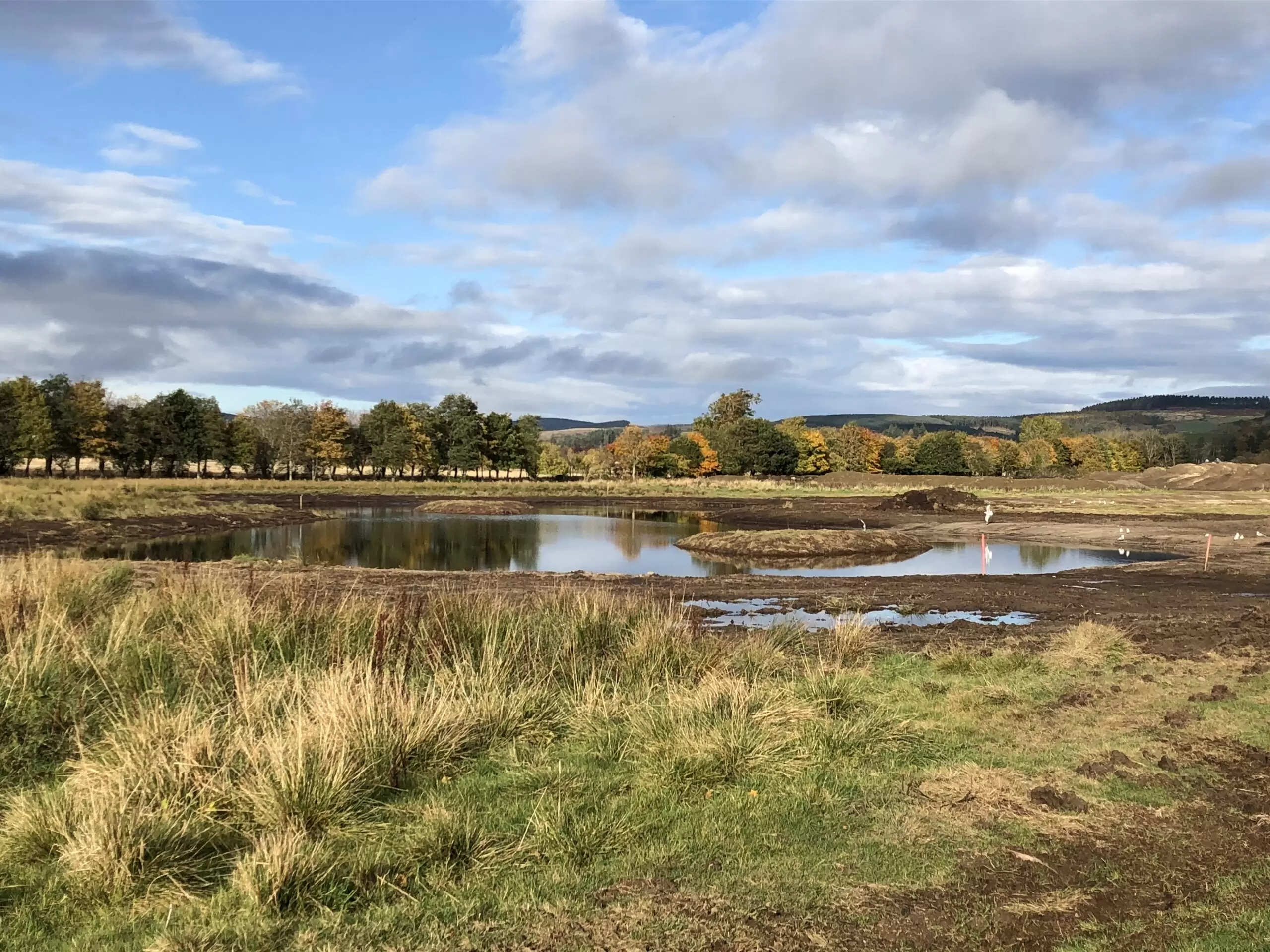
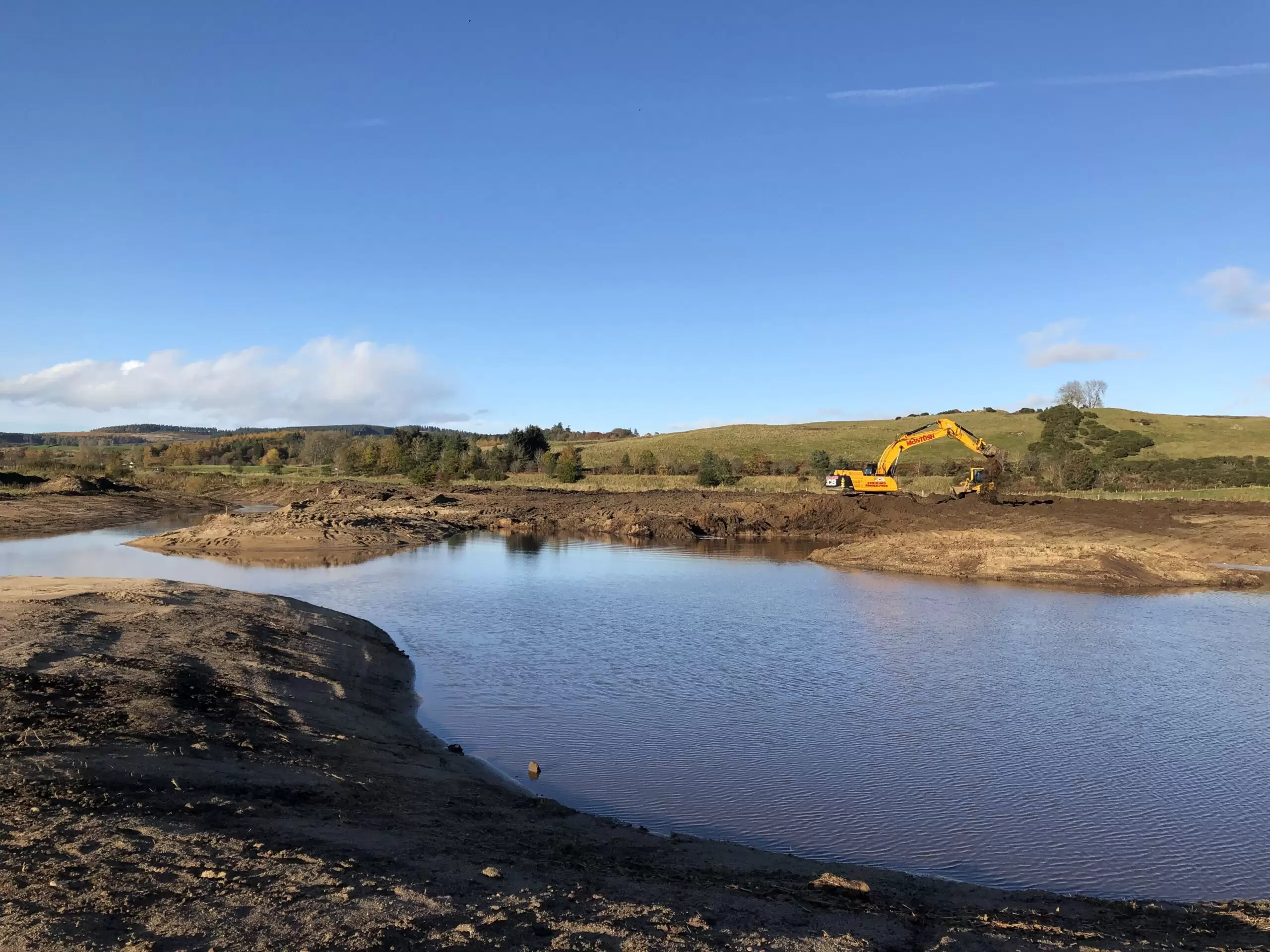
There is work to do on the two islands in Wetland 1 but already it’s looking really good.
img_3001
We are leaving some of the old channel open as a backwater habitat to attract animals such as dragonflies.
img_2985
However, the little backwater by the bridge has been changed to a gently sloping sand bank as we could tell it wasn’t going to withstand high flows.
img_2975
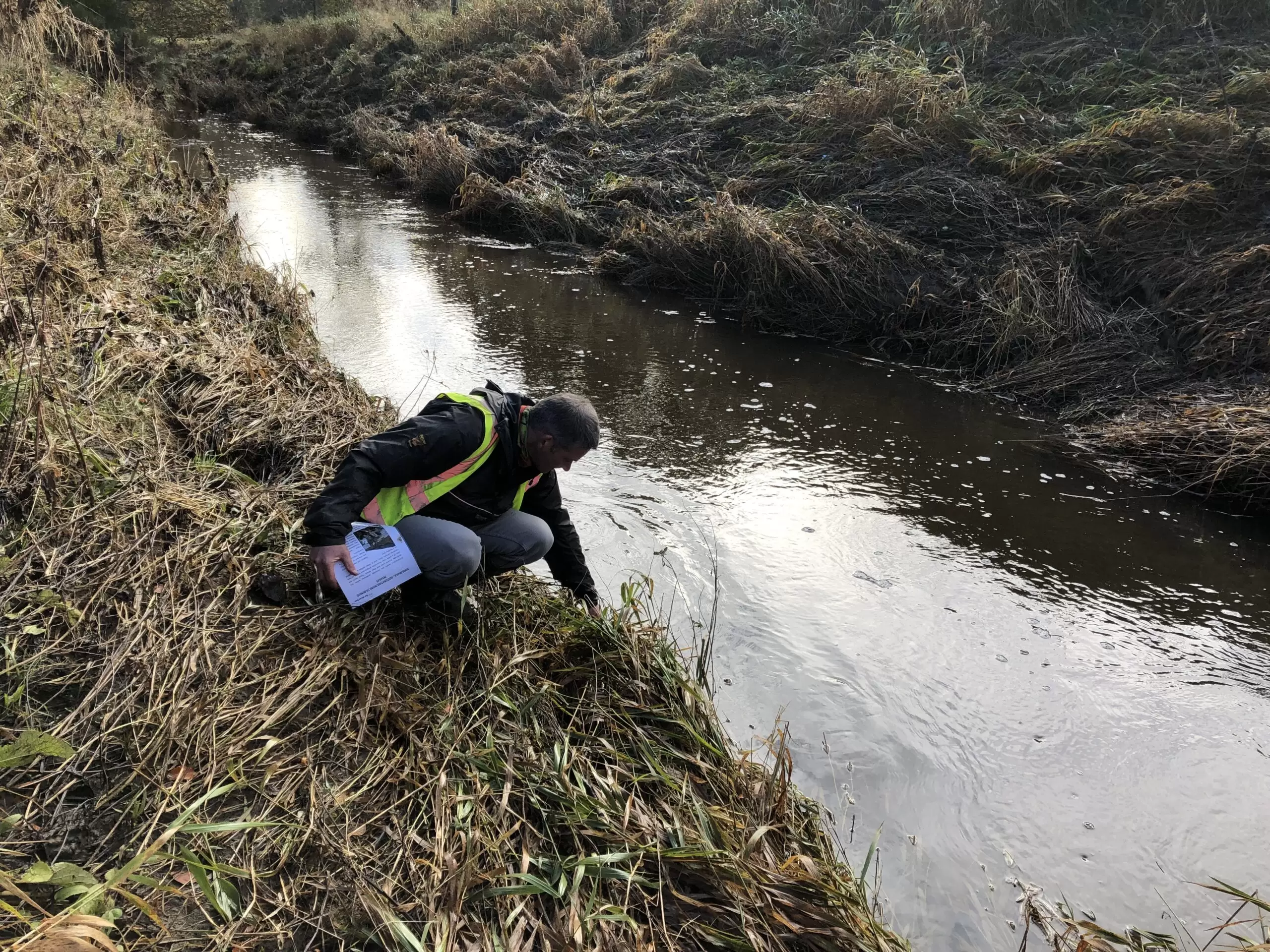
The completion of the works will be on a live channel and inevitably there will be soil entering the water. Twice a day we take water samples to keep a close eye on water quality.
img_e3210
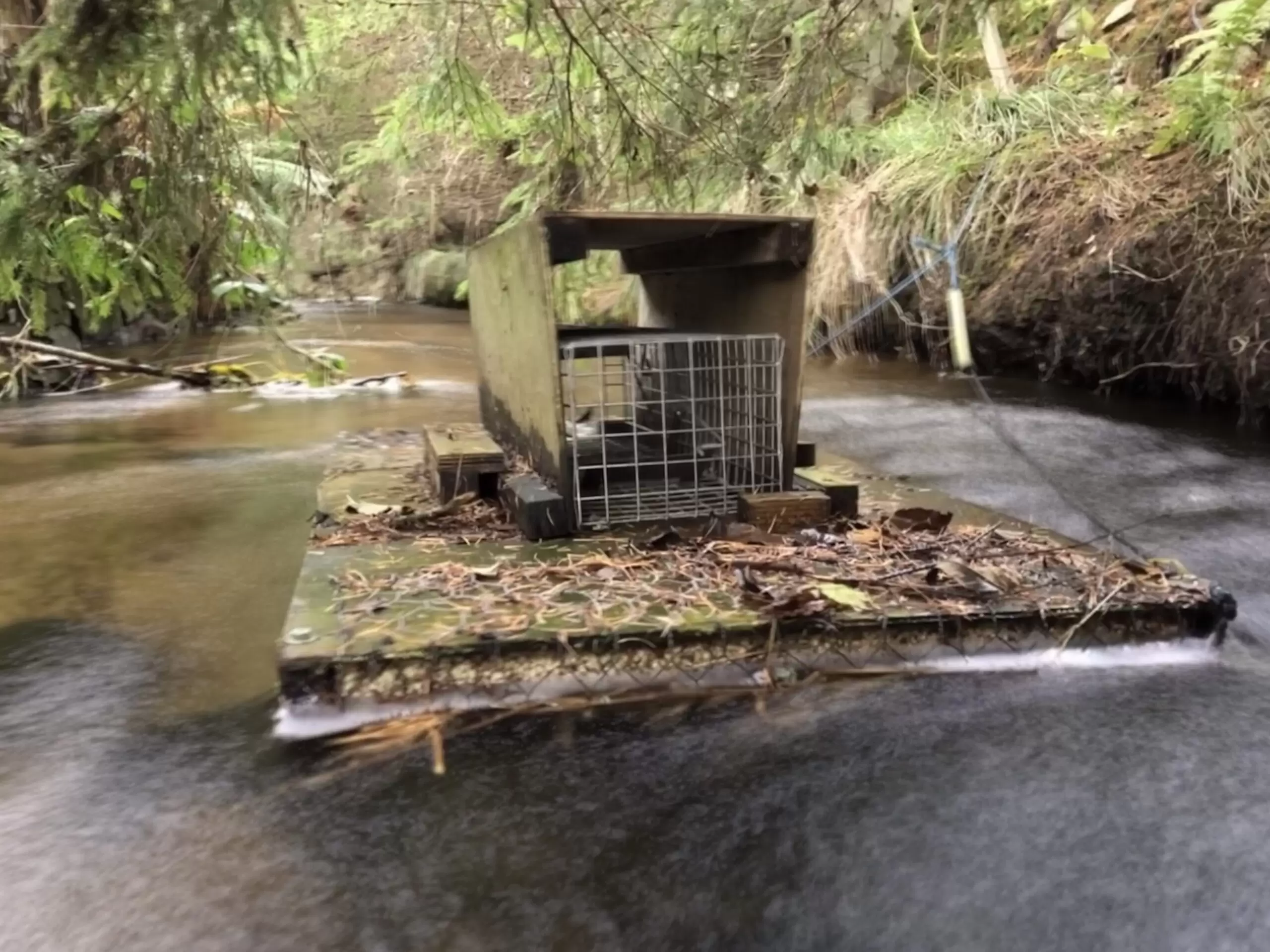
We spotted mink on the site so this trap has been deployed. While we have mink, water voles won’t be able to set up home so we will be controlling them as part of the programme of wider coordinated mink work in the north east.
img_2946
Now that the inflow to the wetlands is complete, all attention turned to the outflow. This has the potential to provide great spawning habitat for Atlantic Salmon, so next week we will be putting all our efforts into creating the right riverbed conditions in this short but important section of the channel.

Linked projects:

Easter Beltie restoration

This large-scale river valley restoration is returning a straightened agricultural stream to a natural meaning course, running through extensive wetlands…

More