

 Ambitious recovery programme launched as unprecedented decline in pearl mussel highlights fragile River Dee
 DeeWatch December
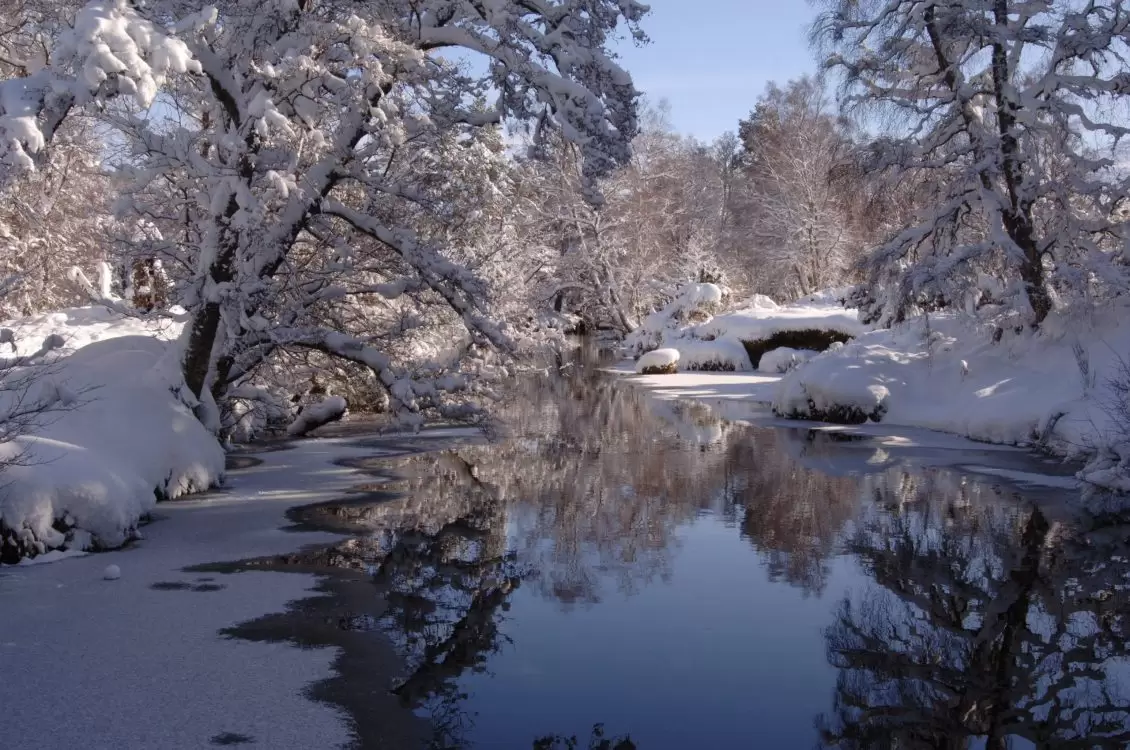
Welcome to the December edition of DeeWatch, a month-by-month guide to nature-spotting across our diverse and beautiful catchment. Brought to you by the rangers and other wildlife enthusiasts who take care of Deeside’s nature reserves and countryside, our DeeWatch diary includes sightings from the field as well as suggestions on what to look out for at a given time of year.
In December…
It’s been an extraordinary year, and we’re not out of the woods. For many, the year has provided a reminder of what nature and being outside really means to them. Fresh air and exercise aside, the great outdoors have far reaching benefits for our mental health too, particularly during restricted times. December days are short, so we have a better chance of seeing a sunrise or a sunset. Look out for clear skies, wrap up warm and enjoy the yellow glow of low, winter sun. When night falls, try stargazing – you might even see the northern lights if you’re really lucky, and you should spot a full moon on the 29th!
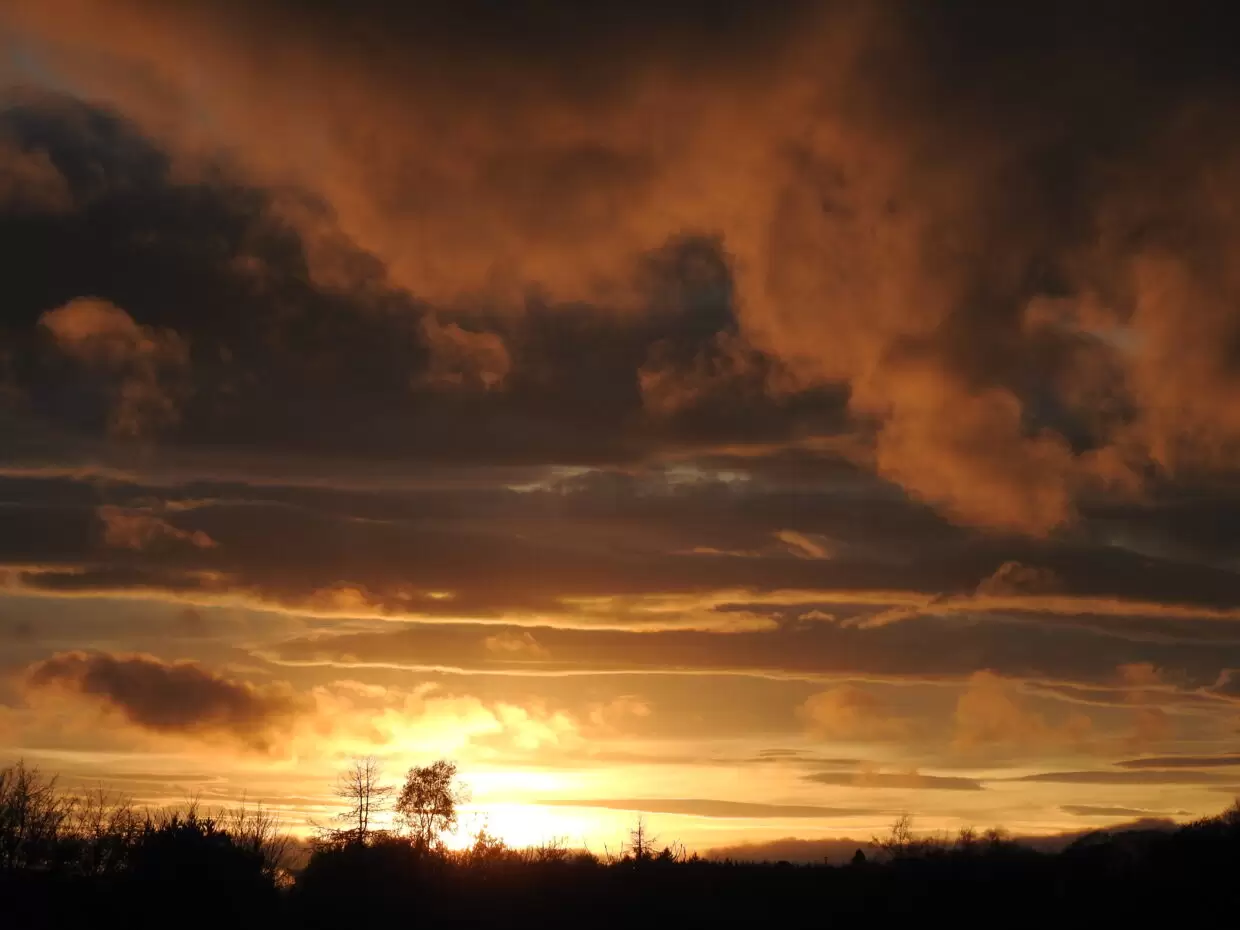
Low winter sun
Look out and listen for:
Birds
December can be a good time to see birds in gardens, when they’re hungry and more confiding. Put out a variety of foods including kitchen scraps (but avoid salted food), suited and accessible to different species – only some can cling to hanging feeders. Remember to put out water – you may attract thrushes, woodpeckers, goldfinches, or even waxwings. In the last month or so, small numbers of these winter visitors from Scandinavia have been reported in the Aberdeen area, often feeding on cultivated rowan berries – larger ‘irruptions’ of waxwings occur in years with a poor berry crop near their home breeding range. They like apples too, like some members of the thrush family. Other berries also become more palatable to birds after a frost that softens them – they’re not normally favoured by blue tits, but some were recently seen tucking into garden cotoneasters. Insects are still around and fast-moving flocks of long-tailed tits and other small birds foraging from tree to tree can be easier to follow now most leaves have fallen. Year-round seed-eaters like goldfinches love nyger seed from bird feeders, but are still finding natural food like sycamore seeds on trees – the first clue they are there may be their musical chatter high in the branches, or discarded seedcases fluttering down.
On the river itself, you might also be lucky enough to hear a dipper, with a song that can lift the spirits on the dullest of winter days. Look out for a dumpy, short-tailed bird flying low and fast over fast-flowing sections of the Dee, such as Potarch. And listen for this sweet song, which they sing throughout the year, to keep rivals off their patch: https://www.birdguides.com/articles/species-profiles/dipper/
Look out for the spectacular sight of a starling murmuration, especially at dusk. They tend to peak in December and January, when more birds fly over from Europe to join our resident birds.
You may be lucky enough to spot a ptarmigan in the higher catchment this month, in a speckled mix of colours to match the grasses, lichens and mosses – or with a newly-white plumage if snow arrives, blending in with the colour of its mountain-top home.
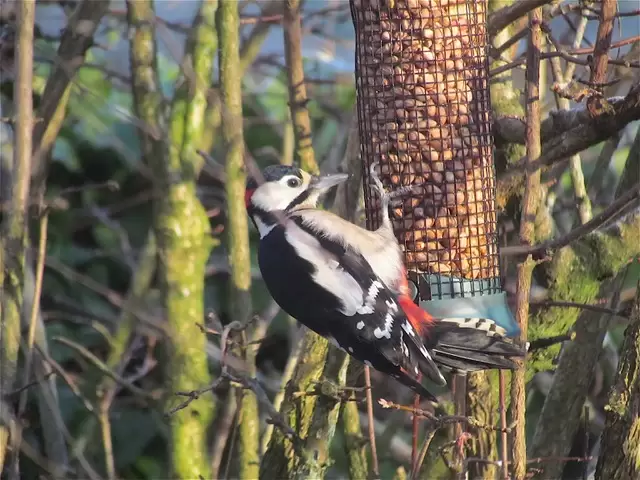
Great spotted woodpecker 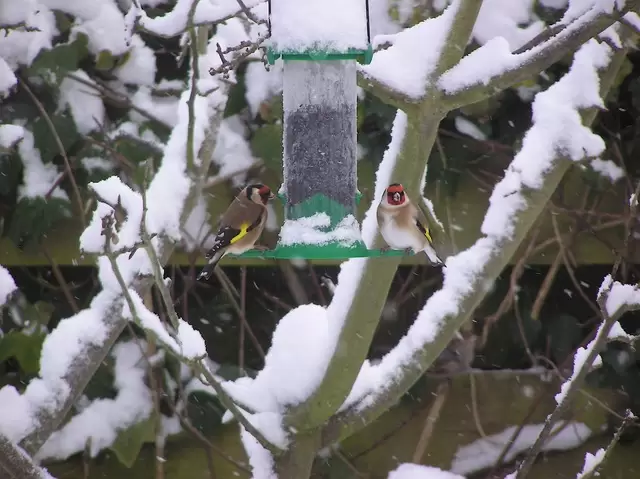
Goldfinches on feeder 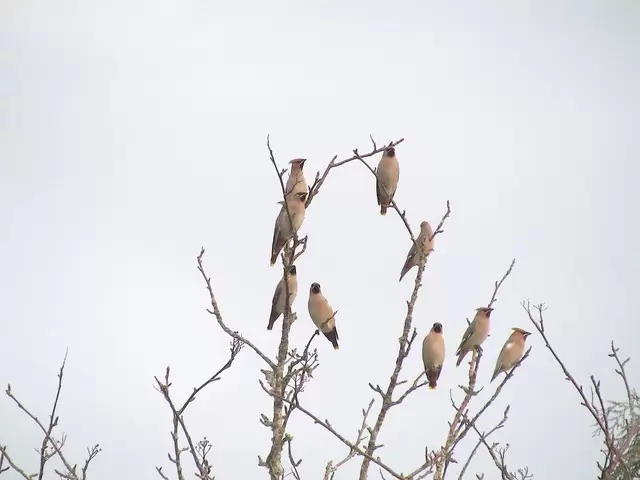
Waxwings 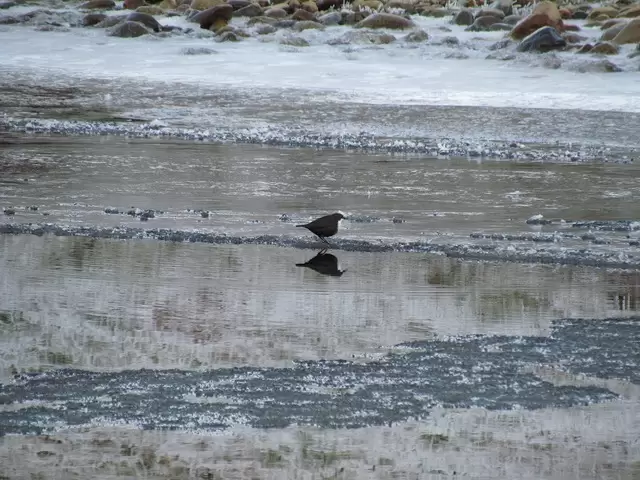
Dipper on the icy Dee 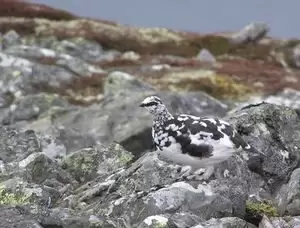
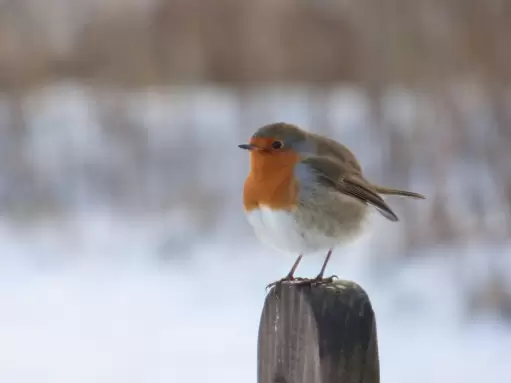
Winter robin 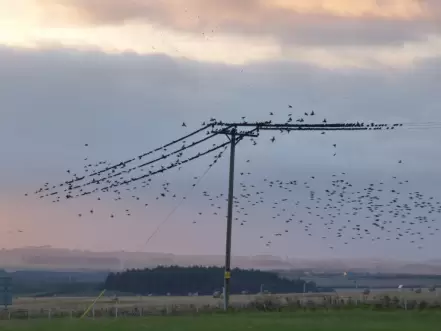
Starlings 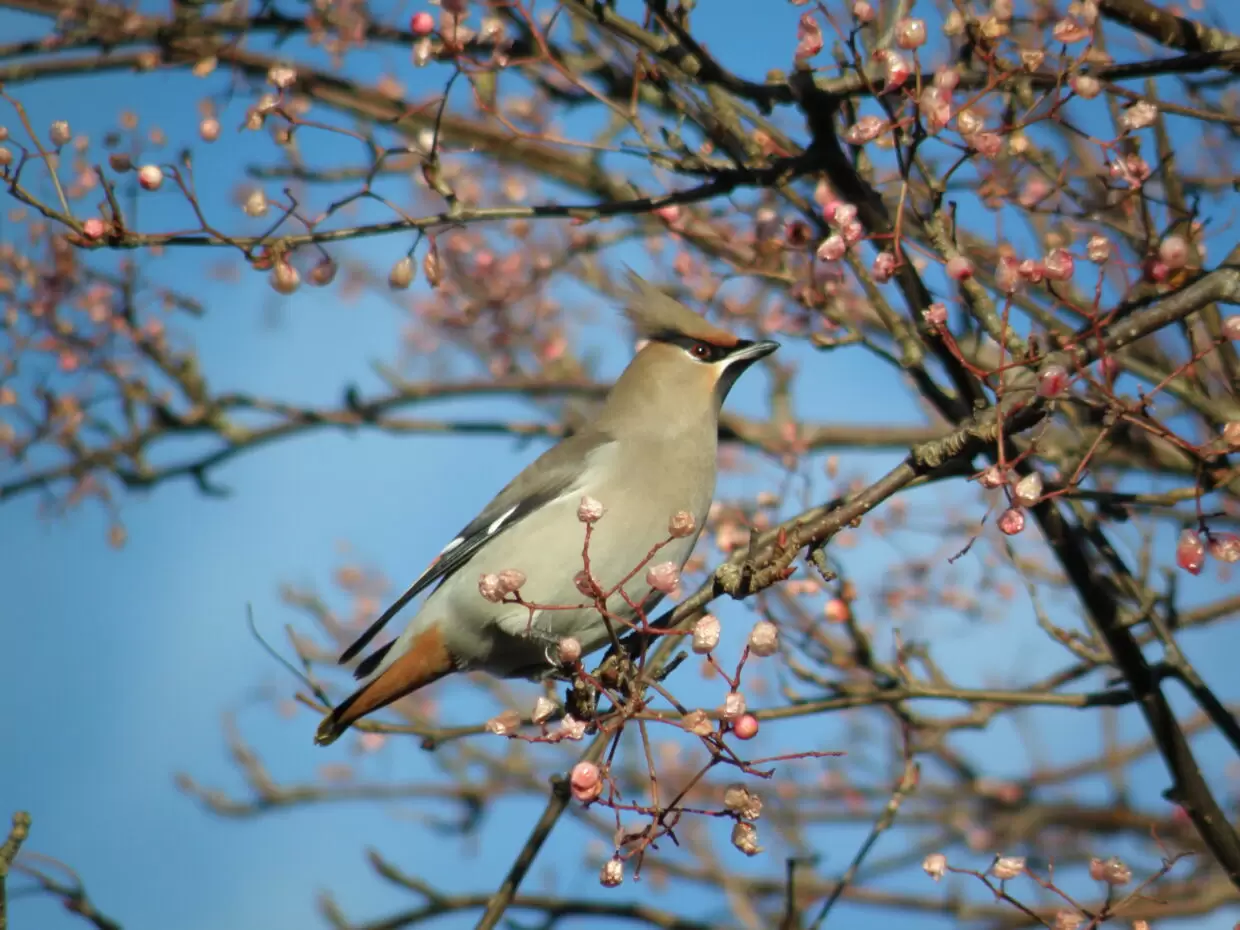
Waxwing with pink rowan berries 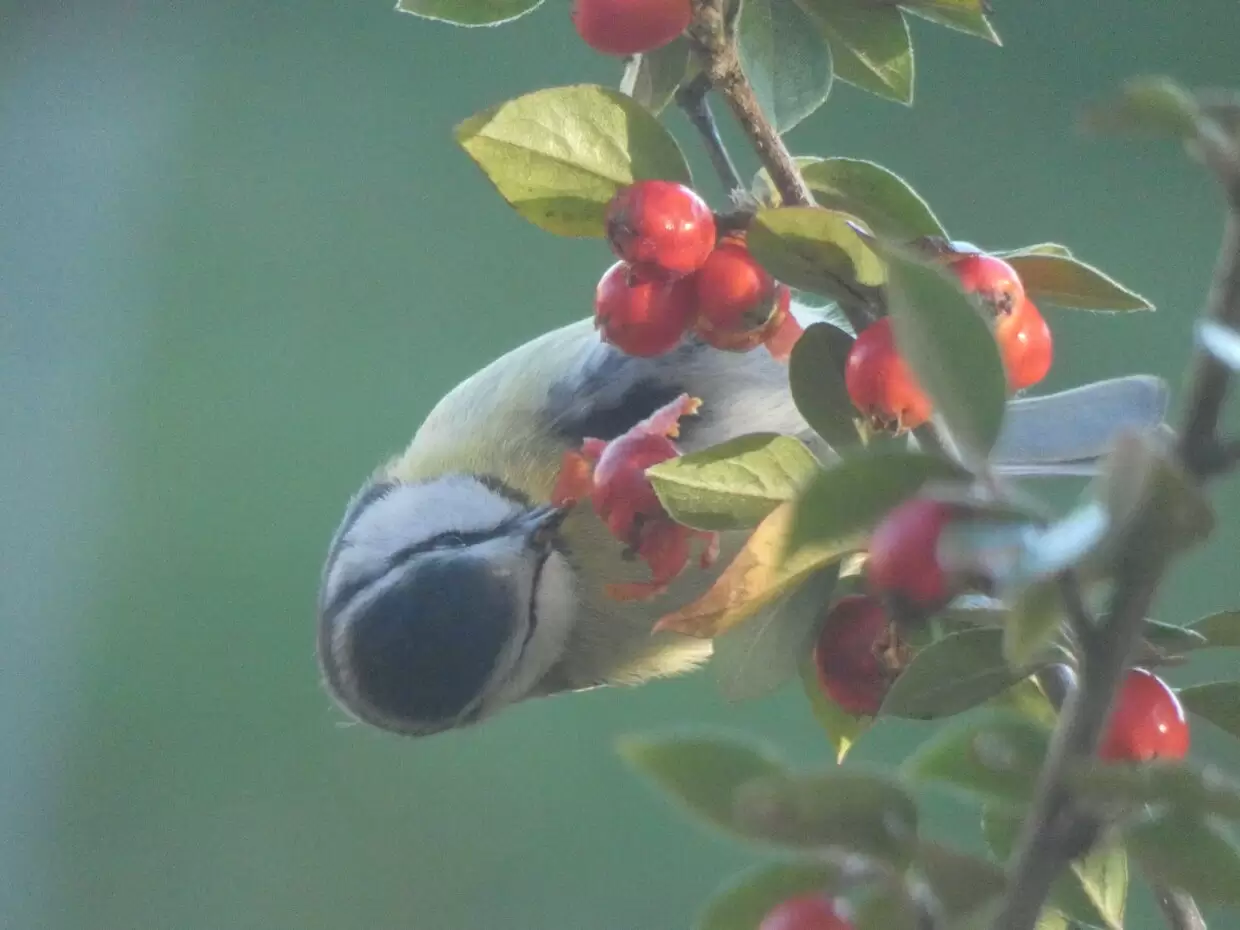
Blue tit eating cotoneaster berries 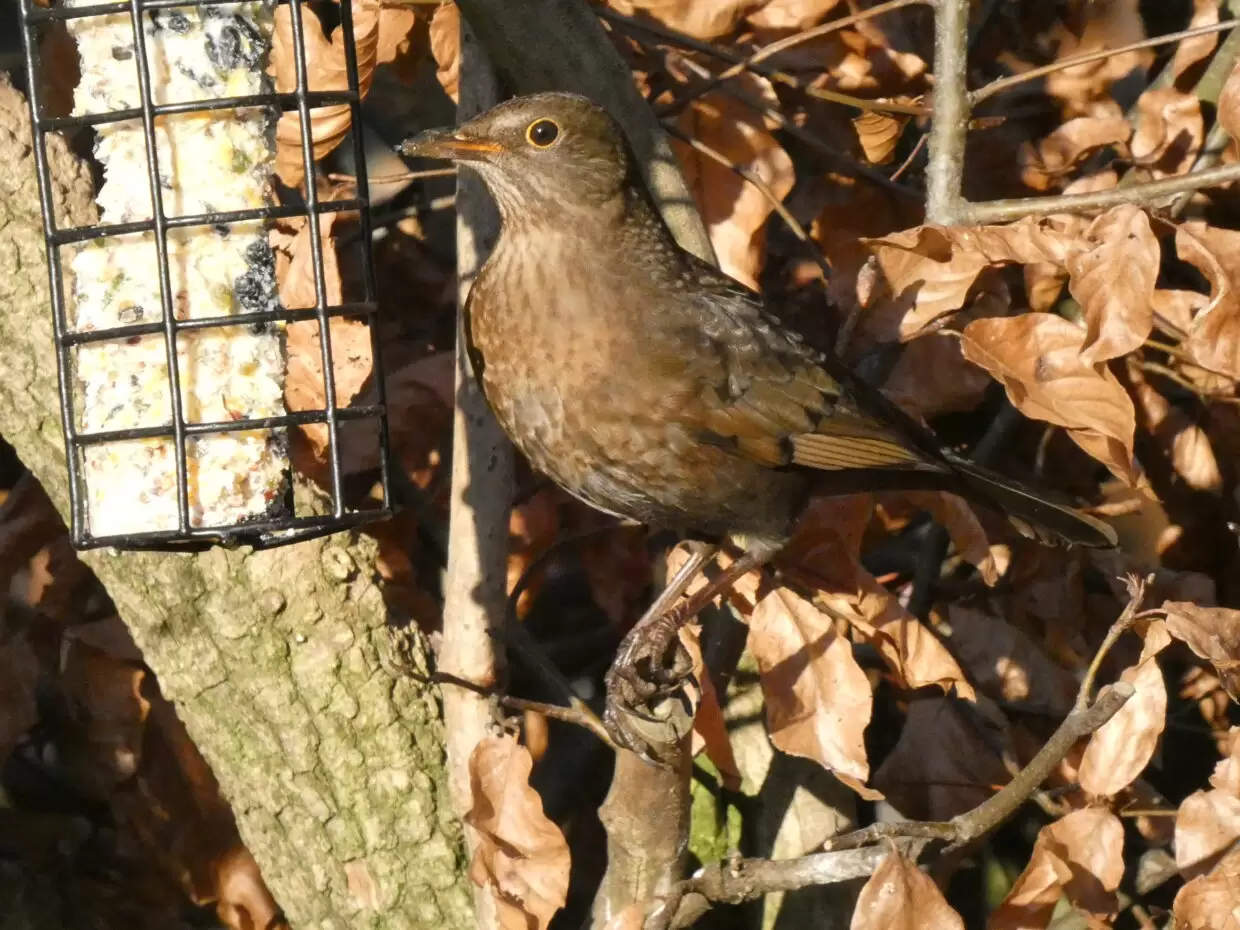
Female blackbird 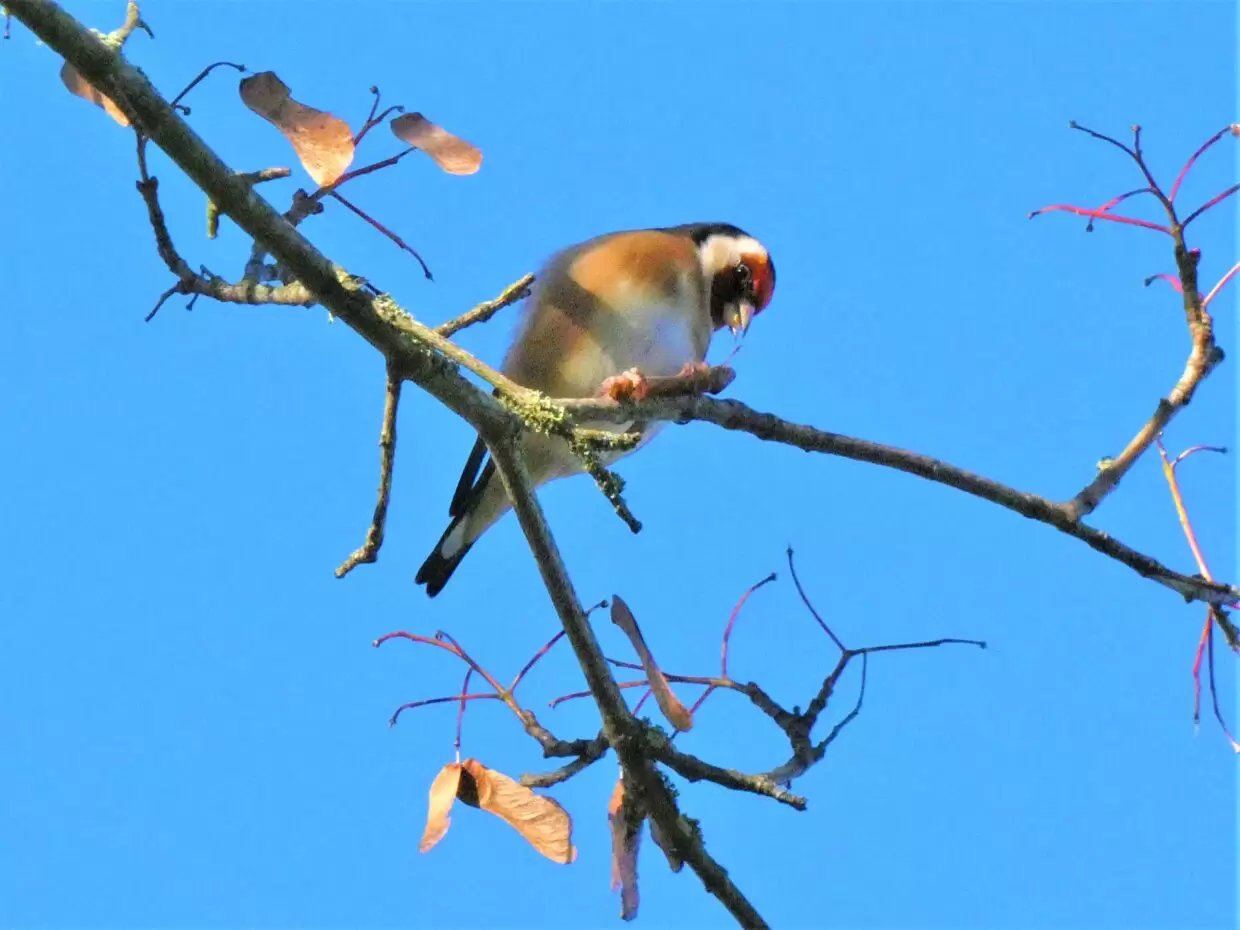
Goldfinch feeding on sycamore
Butterflies, moths & other minibeasts
Few moths are hardy enough to be active in December, but on milder nights the small ghostly forms of male winter and northern winter moths are commonly attracted to light, distracted from their duty to seek out flightless females that aren’t much more than a bag of eggs on legs. The females attract the males with pheromones – each species has its own special scent mix, undetectable to human noses. Winter moth caterpillars are sometimes considered garden pests on various trees and shrubs, but they’re among many moths that are an important food source for birds feeding hungry broods come springtime. Studies have shown they can form an importantpart of the diet of young Capercaillie chicks, which search for them among blaeberry leaves.
The aptly-named December moth is also around, though in our northern climes they first appear in October and usually peak inNovember. This moth has quite a thick ‘fur coat’ of hairs covering its body and legs, and, like all moths and butterflies, its wings are covered with tiny overlapping scales that rub off like dust with wear and tear. The male has feathery antennae to help him find a female.
On sunny days, look out for swarms of male winter gnats dancing in warmer, sheltered spots – sometimes they even follow body heat given off by people, but don’t bite! This is a form of lekking where several males display to attract females – as they fly up and down they space and pace themselves to avoid colliding with others in the swarm. The low winter sunshine reflecting off their wings can make them seem like ghostly apparitions. Small birds are attracted to these swarms of tiny flies to snatch a high-protein snack. Mated females lay their eggs in decaying vegetation for the larvae to eat when they hatch.
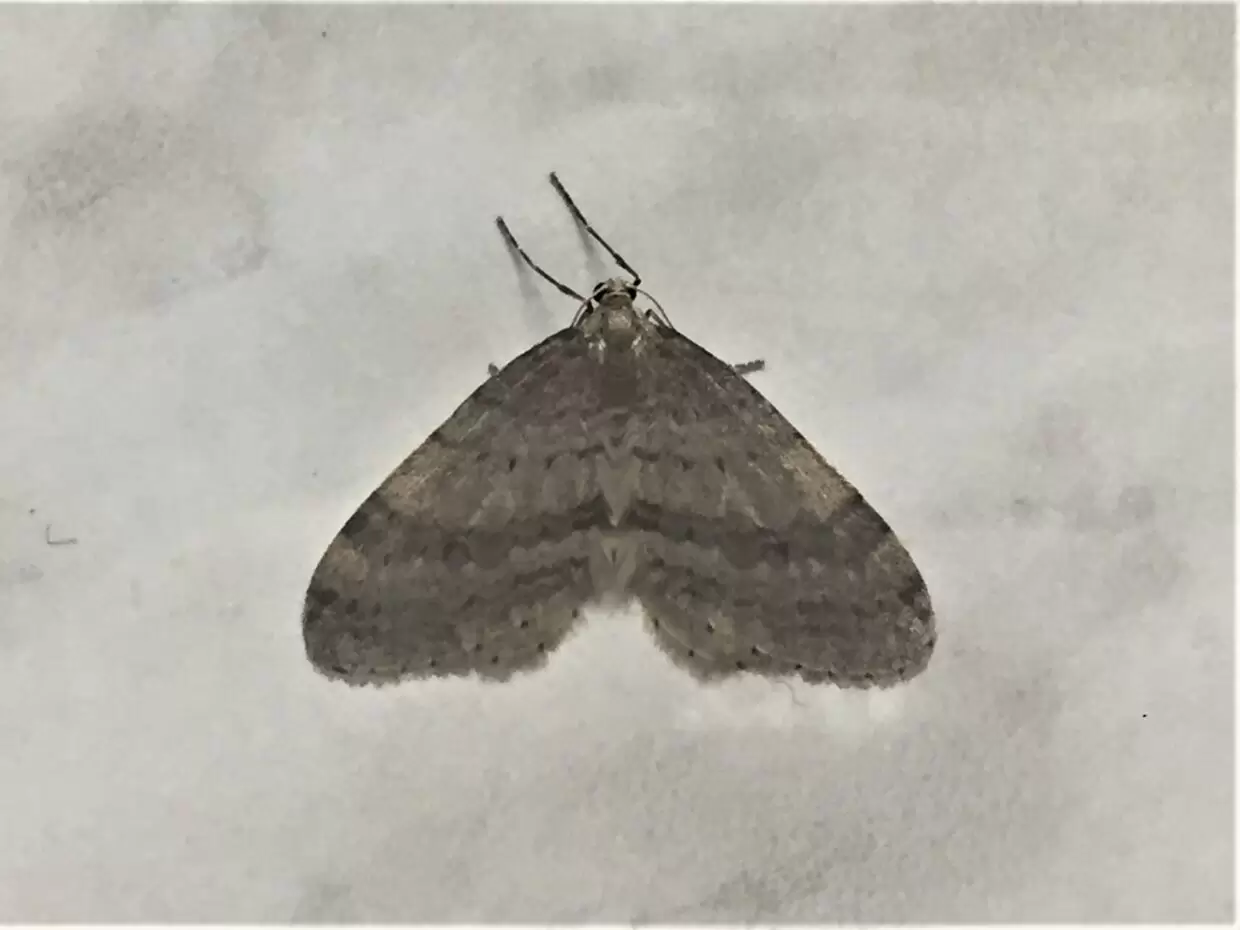
Male winter moth 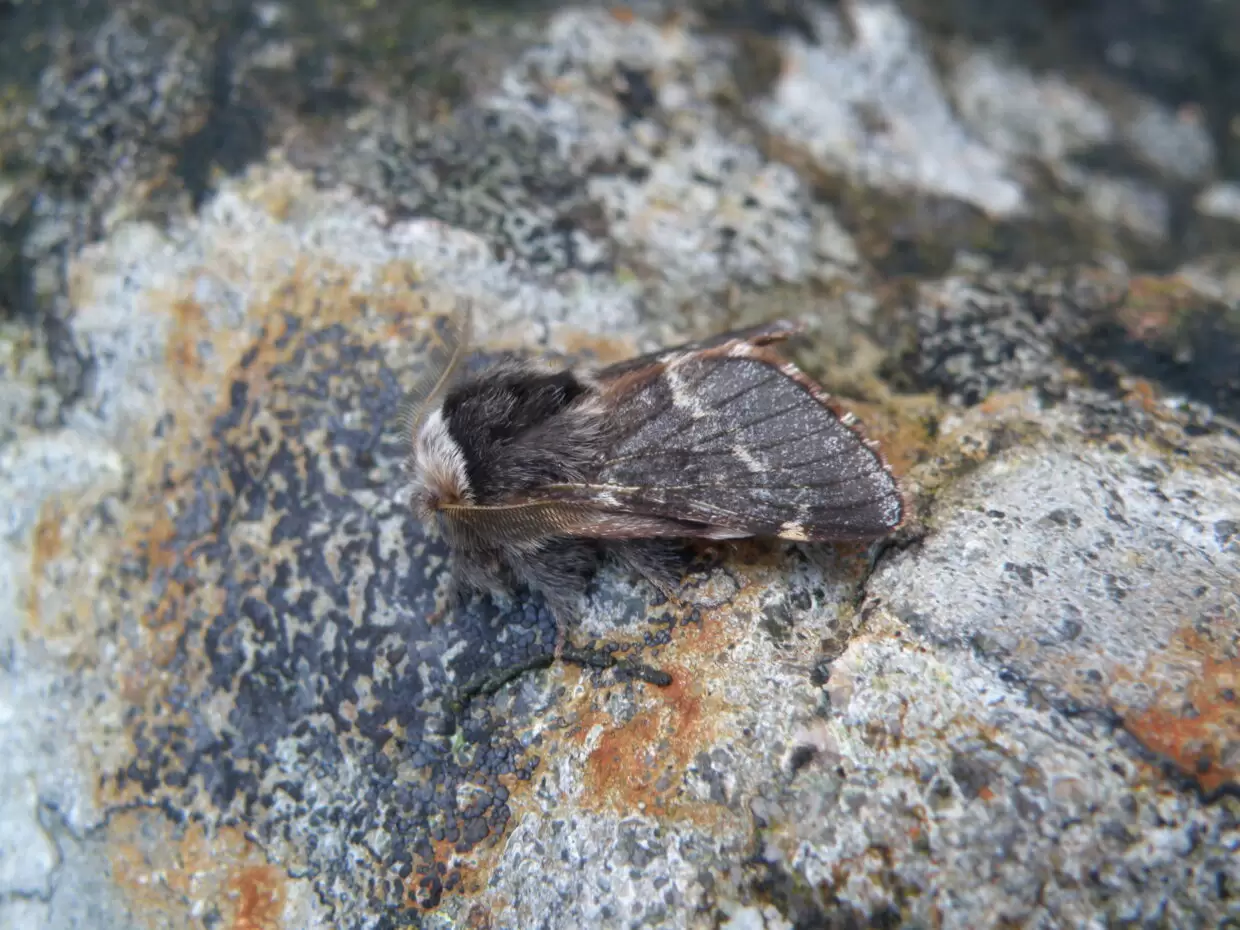
December moth
Mammals & other larger animals
Look out for deer this month as they head for lower ground for their grazing as winter snow arrives higher in the catchment. The brownish coat of the stoat turns fully white apart from a black tip on its tail, and the greyish mountain hare turns white to make it less visible to its eagle-eyed predator. If there’s a light fall of snow overnight, try to head out early – animal tracks are much clearer in shallow snow, and before it thaws.
Winter can be a good time to see otters – active at dawn and dusk. They have been spotted on the southern shore of Loch Davan on the Muir of Dinnet Nature Reserve, and on the River Dee around Crathes, Park and Drum. Foxes and badgers extend their ranges to forage for food through winter. Tracks in the snow or wet mud in the winter are a great way to identify the mammals that may be going around – you could even download the Mammal Mapper app, which allows you to map tracks on a ‘survey’.
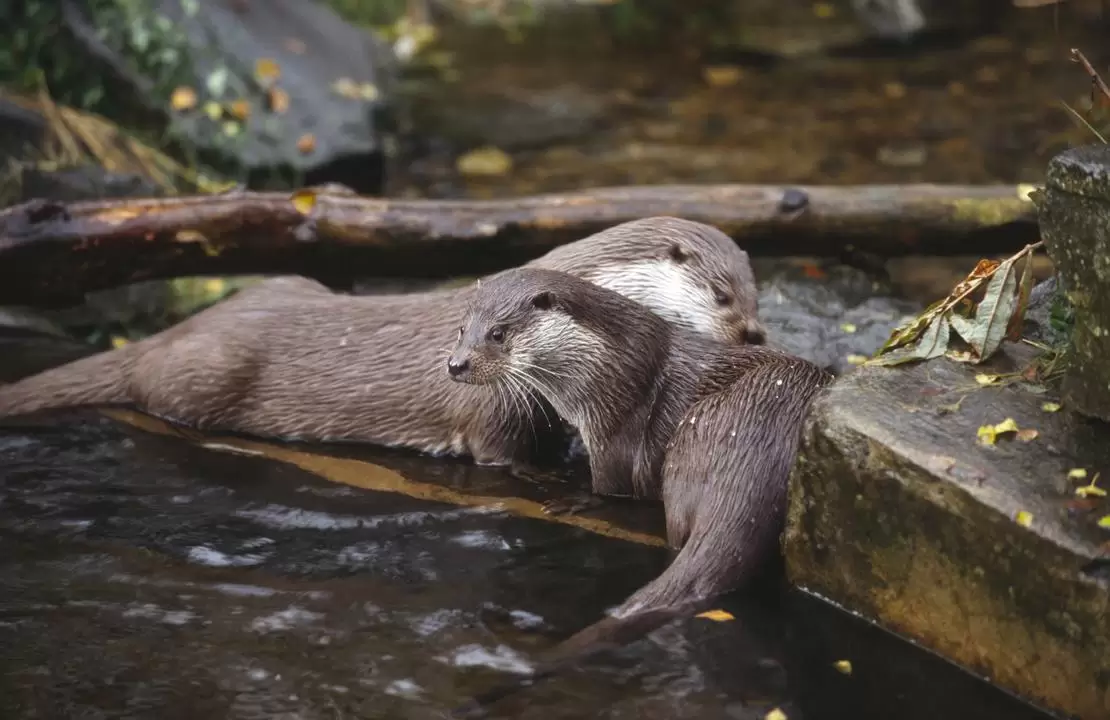
Otter 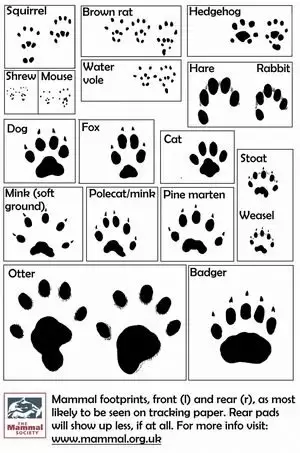
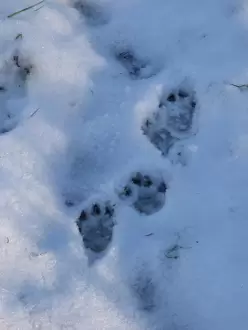
Otter prints in snow
Trees, flowers, fruits & fungi
There are still a few plants like harebell and even corn marigold flowering away in sheltered spots, thanks to an unseasonably mild November, with the temperature in Aboyne reaching as high as 15 degrees C. On trees such as this birch, you can see both the raggedy seedheads and leaves of Autumn 2020, and the fattening catkins of 2021. These seeds are a great source of food for birds – and you can help them by replenishing stocks at a bird table or feeder, and remember water for them too, particularly in icy weather.
Some acorns look as if they’re germinating almost as soon as they fall off the trees. This kind of ‘seasonal confusion’ is widespread and you’ll see the same kind of thing in your garden. This viburnum was sown for its late winter and early spring flowers, to help out the earliest emerging nectar-feeding insects – but it’s been in flower for three weeks already.
If December is as mild as November, there will still be fungi around. This is a good time to see the winter fruiting velvet shank, an orange brown fungus which grows in clumps on dead wood and log piles, with a velvety stem as its name implies. Look closely through a hand lens and you’ll see it’s furry. Jelly ears are abundant at this time of year as well, fruiting on dead elms and elder, and looking just like pinkish brown, floppy ears.
Look out for black earth tongues in short grassland! These small fungi are hard to spot at first but once you see them they appear all over, in lawns, rabbit “mown” grass and sand dunes, and are quite special if you take the time to look at them close up. There are many different sorts, some hairy, and some with a textured lumpy stem.
The long-lasting fruit bodies of the parasitic hoof fungus are obvious on dying and dead birches – they kill the trees, but are an essential part of the ecosystem and contribute to dead-wood habitat, breaking down the wood to make it available as food for other organisms such as invertebrates and in turn, birds such as woodpeckers. After a fungus-ridden tree falls, the fruit bodies gradually rotate so the porous underside from which the spores are shed, faces downwards again.
Many types of lichen – a fungus and alga growing together in symbiotic (mutually beneficial) relationship – are prolific year-round on both dead and living trees, while others occur on soil or rocks, sometimes depending on whether the substrate is acid or alkaline. One striking example is the devil’s matchstick or British soldier lichen, with bright red-capped branches, which likes dead wood, or well-drained peaty soil and can also colonise bare ground.
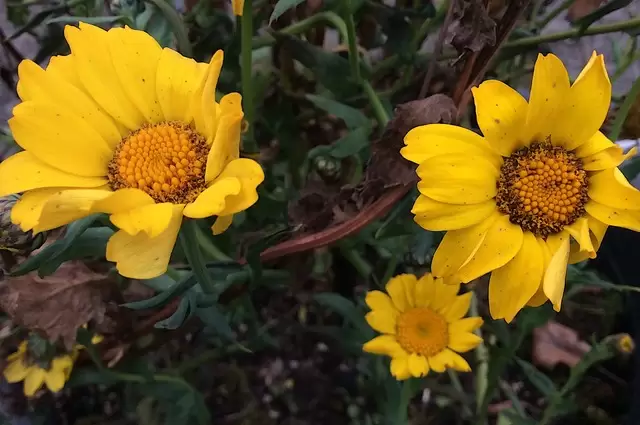
Corn marigold 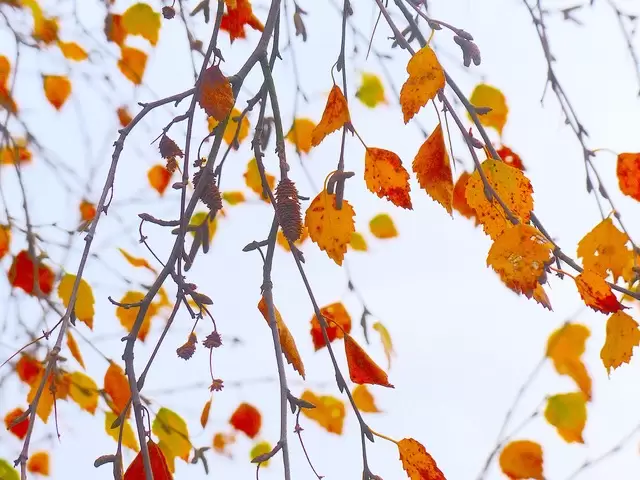
Autumn birch 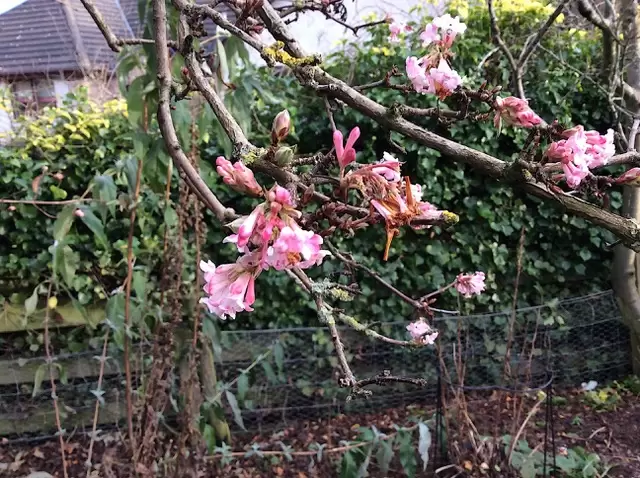
Viburnum 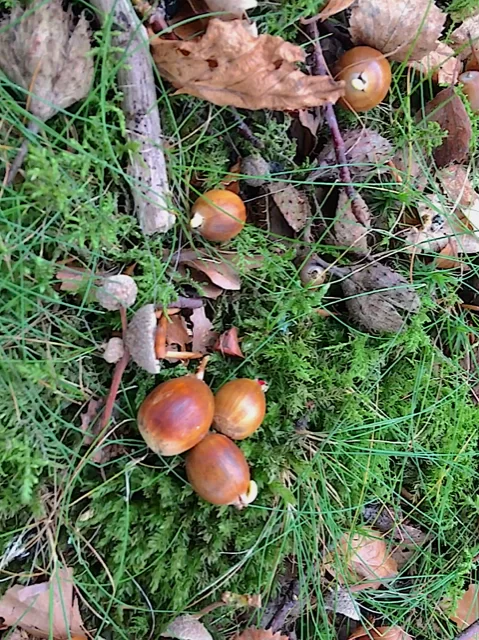
Germinating acorns 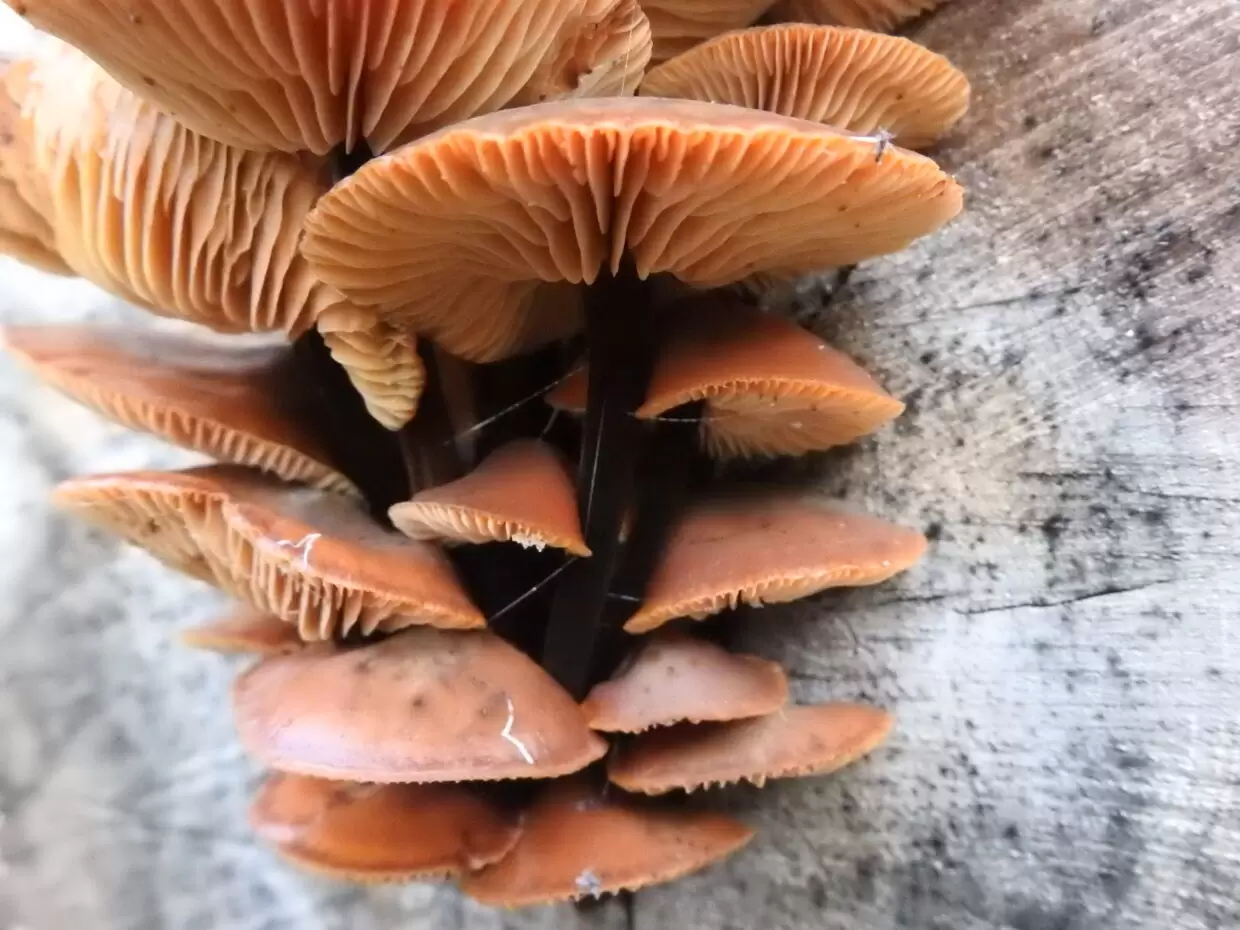
Velvet shank 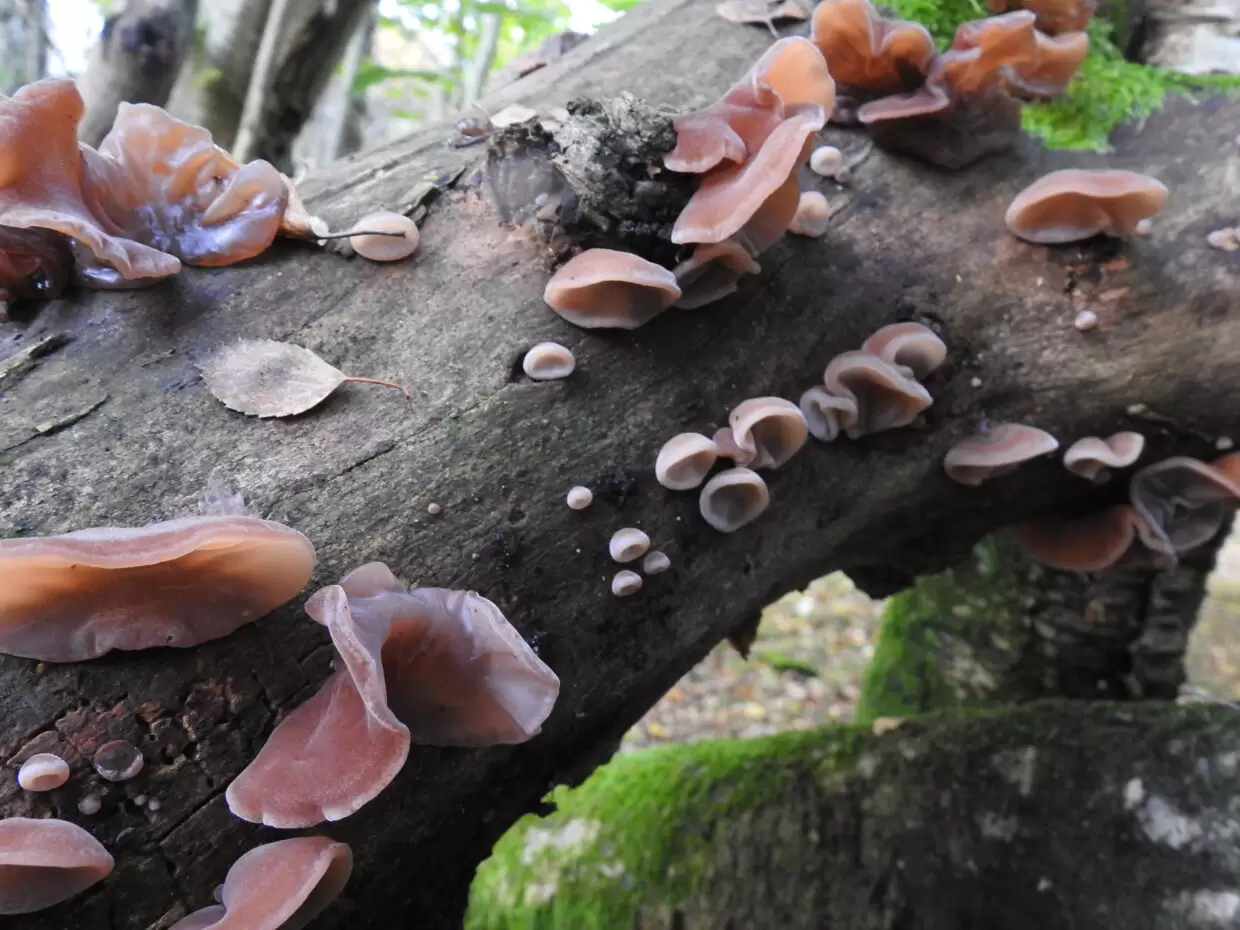
Jelly ears 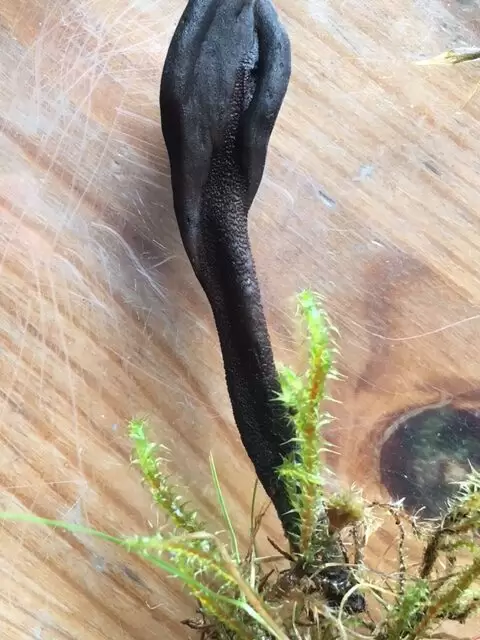
Earth tongue 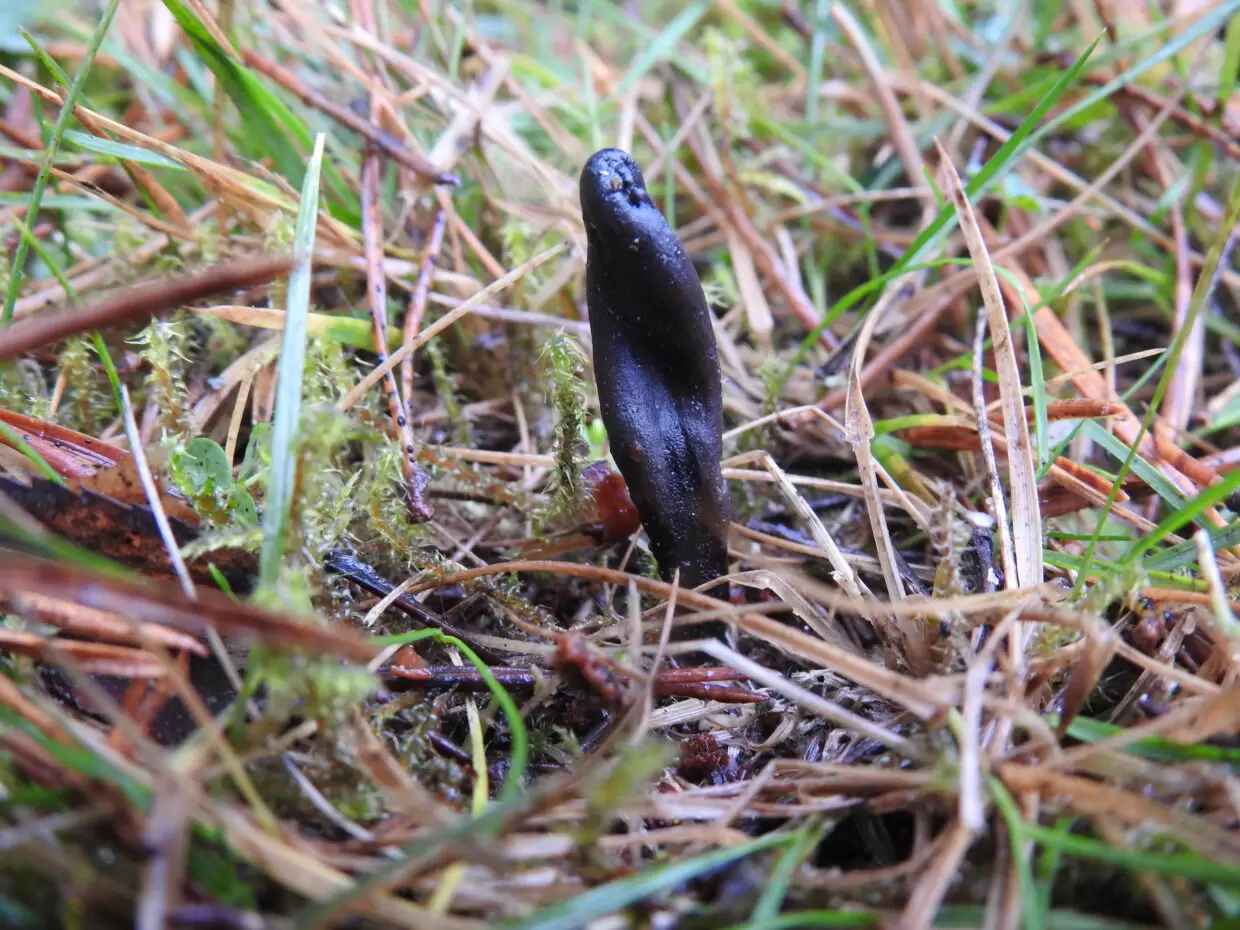
Earth tongue 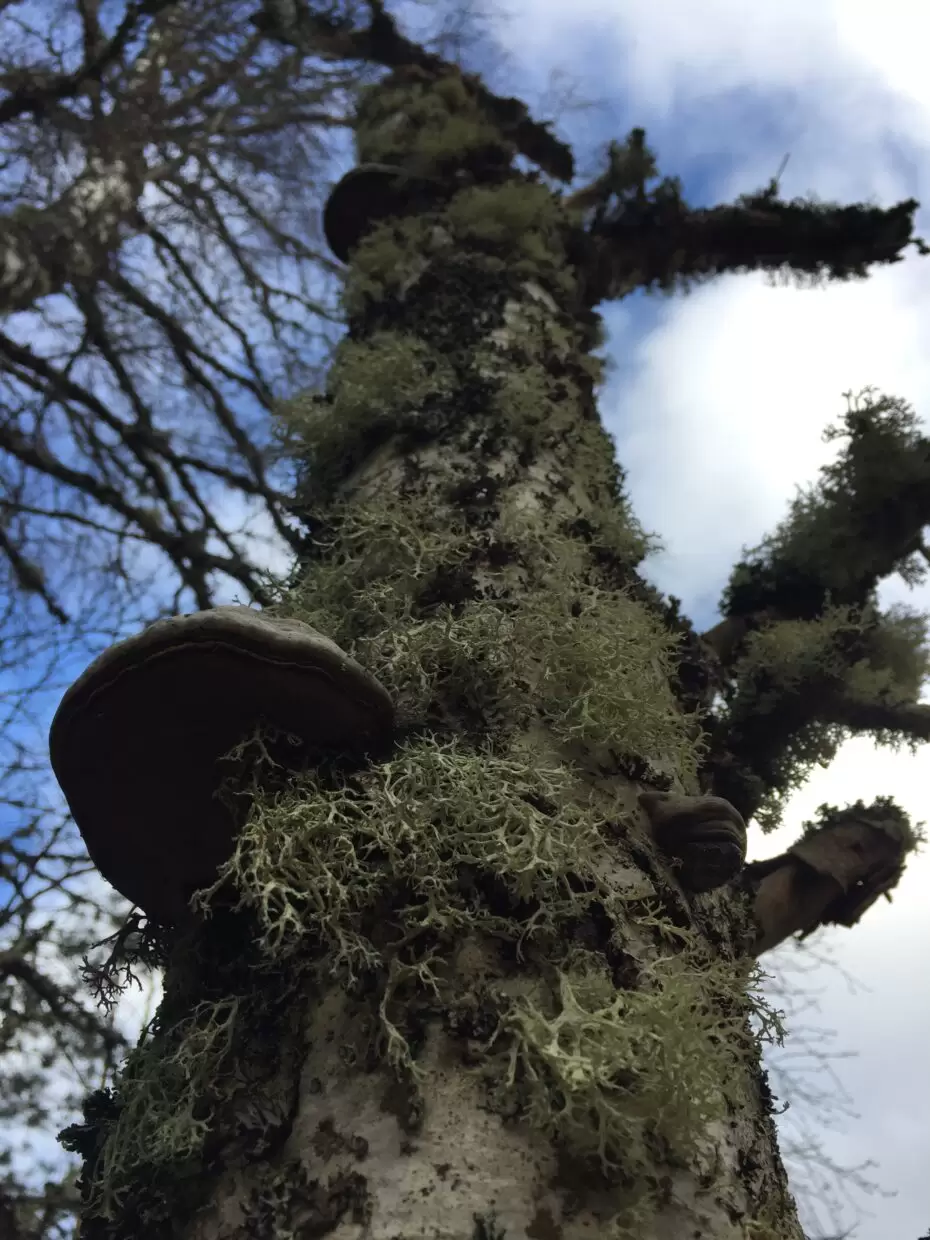
Birch with hoof fungus & lichens
On the River
Great news for salmon this month with the recently completed Beltie burn restoration near Torphins – the diggers have scarcely left the site and already some 15 salmon redds have been counted in the newly-routed burn! The site will be open for access later next year. If we get more prolonged freezing conditions this month, look out for beautiful ice formations along the catchment’s river and burns.
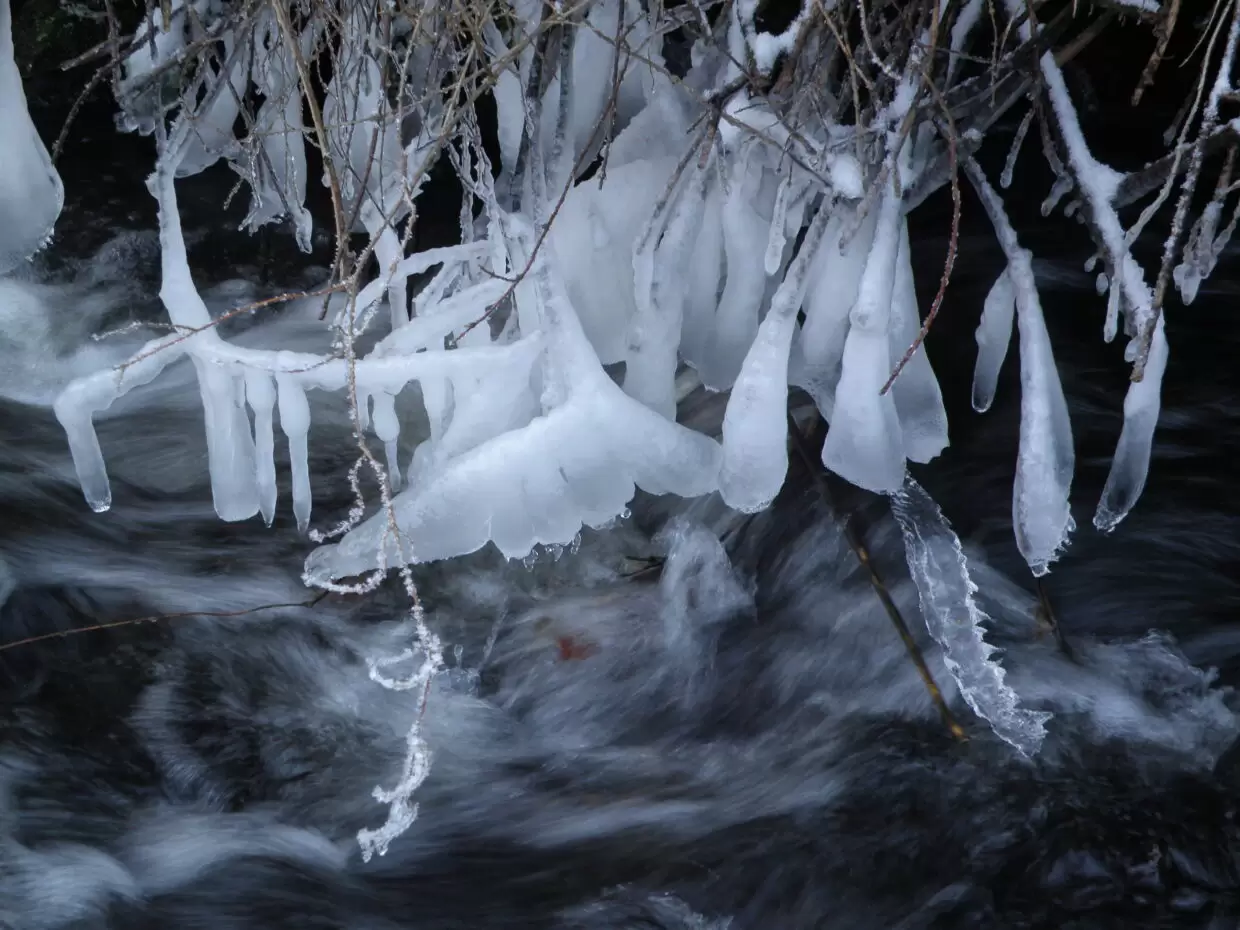
Icicles over burn
What’s on?
- With fewer festive events to attend this year, make the most of time off over Christmas to explore your local patch in winter. Find out as much as you can by tracking, listening and taking photos. On the cold, still days you’ll be amazed what you can hear. We’re so lucky here in the northeast with the geese flying over almost daily – make this the year you fully appreciate them!
- If you can’t be with family and friends this year, why not have a mini back garden / local park bird watch competition to see who can see the most birds in their area on Christmas day. Then compare findings and share photos!
- For up to the minute bird news in Aberdeenshire, check out the Bird News for Aberdeenshire and North East Camera Trapping pages on Facebook. The latter gives an idea of the sort of places where the most amazing wildlife action can turn up – but you have to be patient, quiet and sit still. A camera trap (sometimes called a trail camera) could make an excellent Christmas gift – just put it up in your garden and you’ll be amazed at what goes on when you’re sitting in front of the fire or tucked up in bed
- NESBReC is running two online wildlife recording workshops this month – the first is already fully-booked but if you are quick you may get a place on the second!: http://www.nesbrec.org.uk/recording-wildlife-for-nesbrec-online-workshops-on-9-dec-and-16-dec-2020/
- Keep an eye on the Facebook pages below for event updates and more information about what’s going on in nature – and remember there may be virtual events if face-to-face events aren’t going ahead.
https://www.facebook.com/Aberdeen-City-Council-Countryside-Ranger-Service-280078812133223/
https://www.facebook.com/AberdeenshireCouncilRangerService/
https://www.facebook.com/muirofdinnetnnr/
https://www.facebook.com/GlenTanarRangerService/
https://www.facebook.com/balmoralcastle/
https://www.facebook.com/MarLodgeEstate/
https://www.facebook.com/NorthEastRangerService/
The North East Scotland Biodiversity Partnership (NESBiP) shares nature news relevant to our area on its Facebook page https://www.facebook.com/NorthEastScotlandBiodiversityPartnership/?ref=br_rs
and its wildlife gardening group https://www.facebook.com/groups/NorthEastScotlandWildlifeGardening/?source_id=223346527809314
has some ideas for attracting wildlife you might like to try out yourself.
And consider helping to make a valuable contribution to our wildlife records by sending any of your sightings to http://www.nesbrec.org.uk/recording-services/