

 Ambitious recovery programme launched as unprecedented decline in pearl mussel highlights fragile River Dee
 DeeWatch December
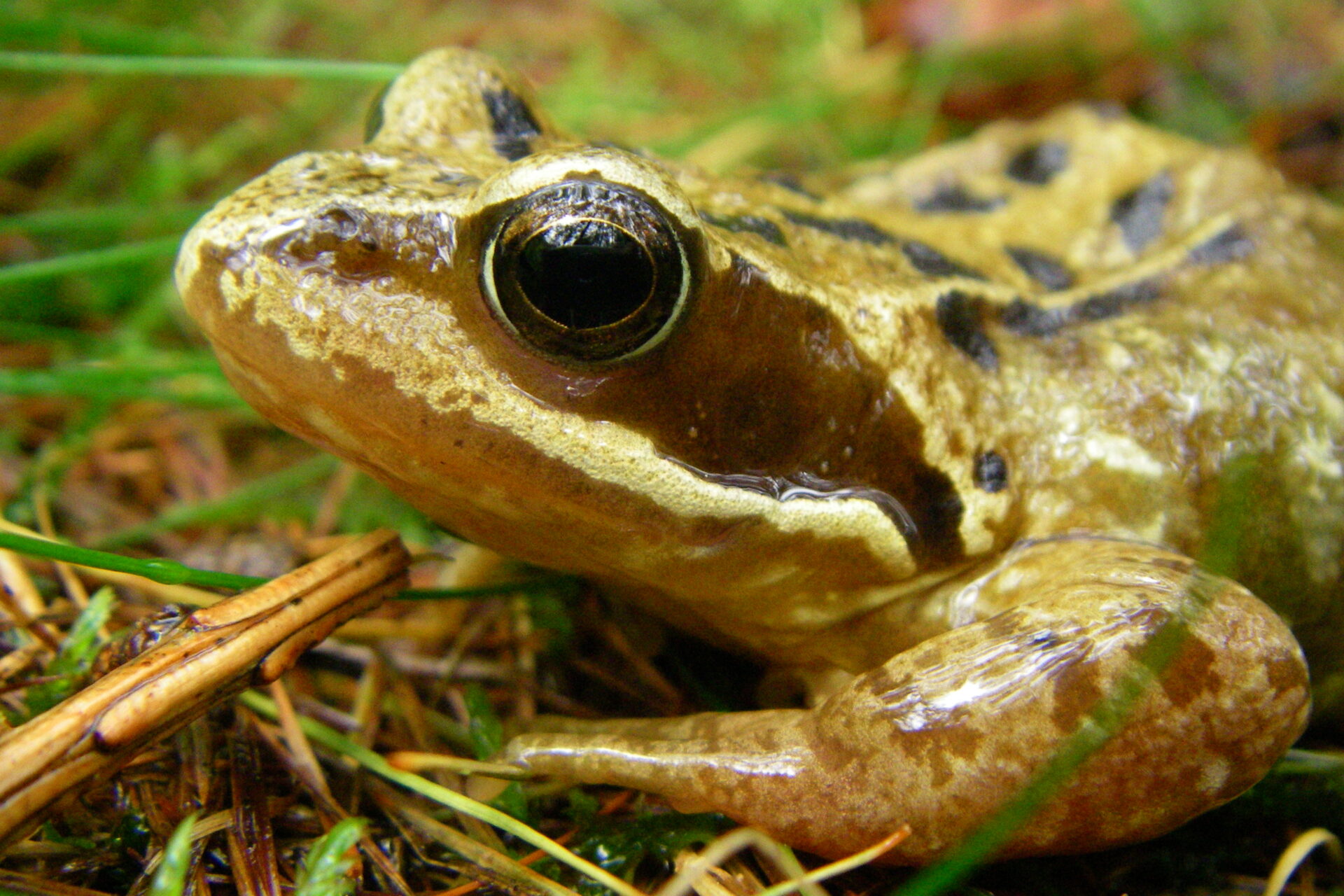
Do your bit to look after the River Dee by following these tips and suggestions. Some of them may save you money too.
Reduce water use
- Turn off the tap when you brush your teeth – don’t leave it running.
- Fix dripping taps – a tap that drips once a second wastes 33 litres a day.
- Use a large barrel or water butt to collect the rainwater from your shed or greenhouse roof – use this to water your garden.
- Put a Save-A-Flush sachet in your toilet cistern – save an estimated 4.5 litres of water per day for every person in your household (flushing the toilet accounts for about one third of the water used in the average home).
See Scottish Water’s leaflet for more water saving tips for the home and garden
To order a Save-A-Flush sachet, go to Scottish Water’s website or call their customer helpline on 0845 601 8855.
Care for your drains
Avoid blocked drains, prevent harm to water suppplies and save money by caring for your drains.
- Don’t dispose of grease, cooking or frier oil down a drain as it can block them and is responsible for 55% of sewer blockages – instead wipe out pans, pour fat into a container and put in a bin.
- Bag and bin cotton buds, cotton wool, plasters and nappies, as putting them down the toilet blocks drains and wastewater treatment works.
- Bag and bin any type of wipes. Even if they say ‘flushable’, they will not remain in the sewer system long enough to break down.
- Keep garden products and weed killers away from drains and use them sparingly and according to instructions.
See the DCP Drain Care Guide for more useful advice.
Care for your septic tank
Keep your septic tank in good working order, reduce the number of times your tank has to be emptied, protect the environment and save unnecessary expense by caring for your septic tank.
Think T.A.N.K! – four simple steps to help keep your septic tank in good health:
- Tidy the site. Locate and check the tank, pipes and outfall, making sure pipes are not blocked or broken and the areas around the tank and soakaway are accessible.
- Avoid putting harsh chemicals (such as bleach, disinfectant or caustic soda) down the drain, and use eco-friendly cleaners and disinfectants, preferably those labelled ‘suitable for septic tanks’.
- Never allow rainwater to enter the system. Make sure surface water drainage is not connected to the septic tank and keep the cover sealed.
- Keep the system maintained and have your tank emptied regularly.
See the DCP Septic Tank Guide for more useful advice.
Encourage native wildlife
- Create a small pond in your garden to create a great environment for wildlife while adding a pretty and interesting addition to your garden. Some great guidance material is available from Pond Conservation or Aberdeenshire Council.
- Invasive plant species are causing problems right across Britain. By planting native species you create a more valuable and productive habitat for our wildlife. If you have seen or know about invasive plant species in your garden or local area, contact NatureScot and RAFTS (River and Fisheries Trusts for Scotland) for guidance on what to do next.
- Stop using pesticides and herbicides completely, or at least avoid using them in all but the most extreme cases. Even the small amounts of herbicides and pesticides used in gardens can have an effect cumulatively. Many of the harmful effects of pesticides in particular are only just becoming apparent and are being blamed for declining populations of animals like bees and amphibians.
Take part in community projects
Many of Scotland’s villages, cities and towns were built next to rivers and burns. They have been important sources of local water for household use, transportation links and to help provide irrigation for crops and drinking water for farm animals.
Many businesses and industries have developed as a result of local water supply; a good example is the whisky industry that relies on pure clear water for the production of the “dram”.
How important is the local river and its tributaries to your community?
Is it as important today as it has been in the past?
What can your community do to help protect and improve your local river or burn?.
Local projects within the River Dee catchment include:
Tarland Community Wetland
The Tarland Development Group created a community wetland in the village of Tarland that is used as an educational resource for local schools.
Weather Monitoring
Pupils from Tarland, Aboyne and Kincardine O’Neil Primary Schools monitored weather conditions to support James Hutton Institute research into the Tarland and River Dee catchments.
River Mural
The children of Tarland Primary School created a painted mural depicting the ‘River Dee – Source to Sea’ in the grounds of their school.
Arnhall Moss
The Arnhall Moss Management Group are improving the Local Nature Reserve at Arnhall Moss. To date they have installed a number of interpretive boards explaining how the Moss developed and the associated wildlife.
More information
North East Scotland Local Biodiversity Action Plan
The Conservation Volunteers – Funding update
Keep Scotland Beautiful is an organisation which works to improve the quality of local environments in Scotland.
