

 Ambitious recovery programme launched as unprecedented decline in pearl mussel highlights fragile River Dee
 DeeWatch December
We’re all hoping May brings some warmer weather after the coldest April in 60 years! But it’s certainly been a chilly start to the month here in the middle catchment, with snow showers and hailstorms a regular occurrence in the hills and valley bottoms. It’s “No Mow May” this month – so try to avoid cutting your grass for the whole of May! Changing your mowing routine and allowing plants to flower can create enough nectar for ten times more bees and other pollinators. You’re also more likely to spot a greater variety of flowers popping up in your garden. Other dates to look out for this month are Water Saving Week from 11-16th, World Bee Day on the 20th, National Invasive Species Week from the 24th, and National Children’s Gardening Week from 29th May.
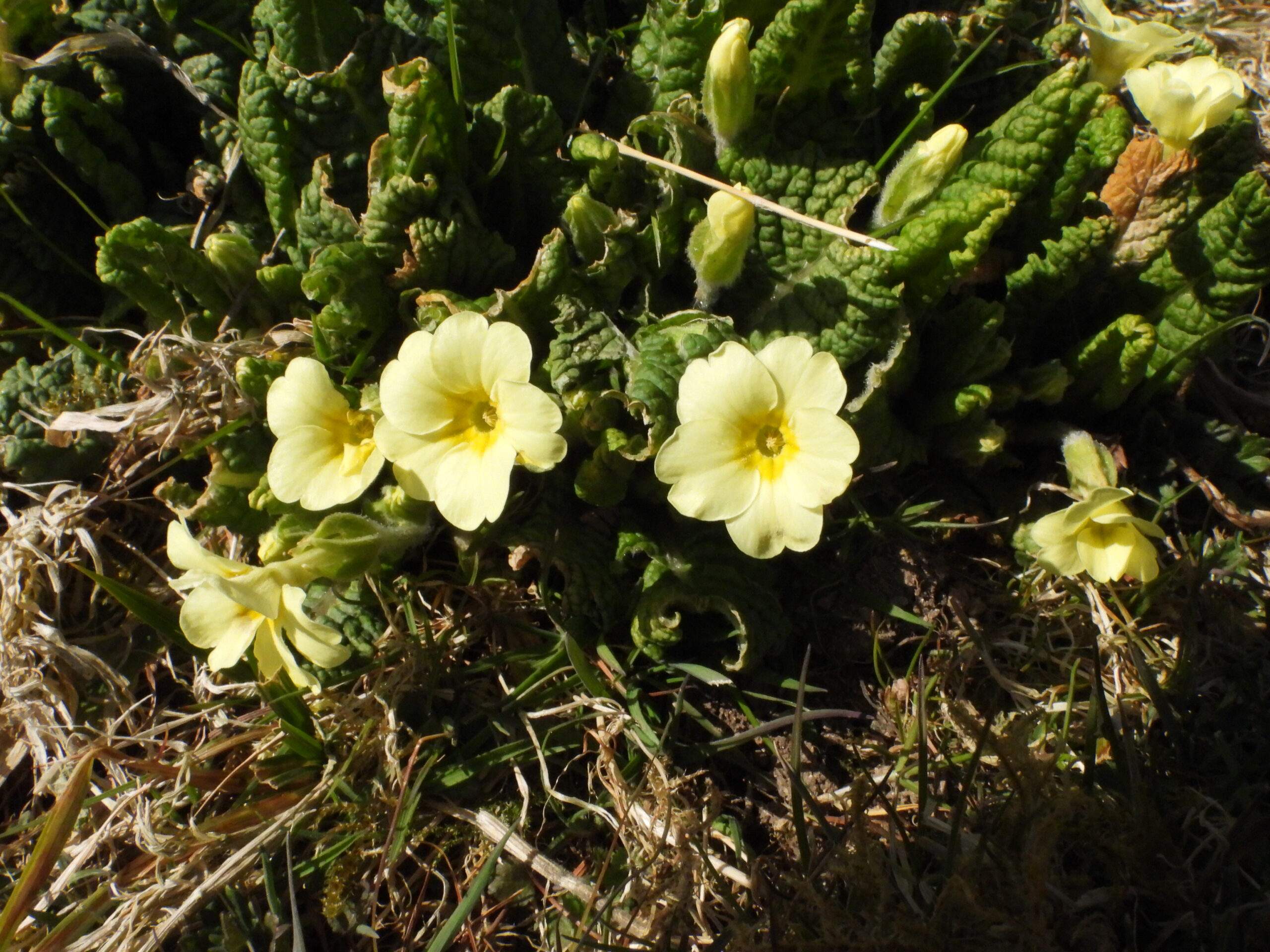
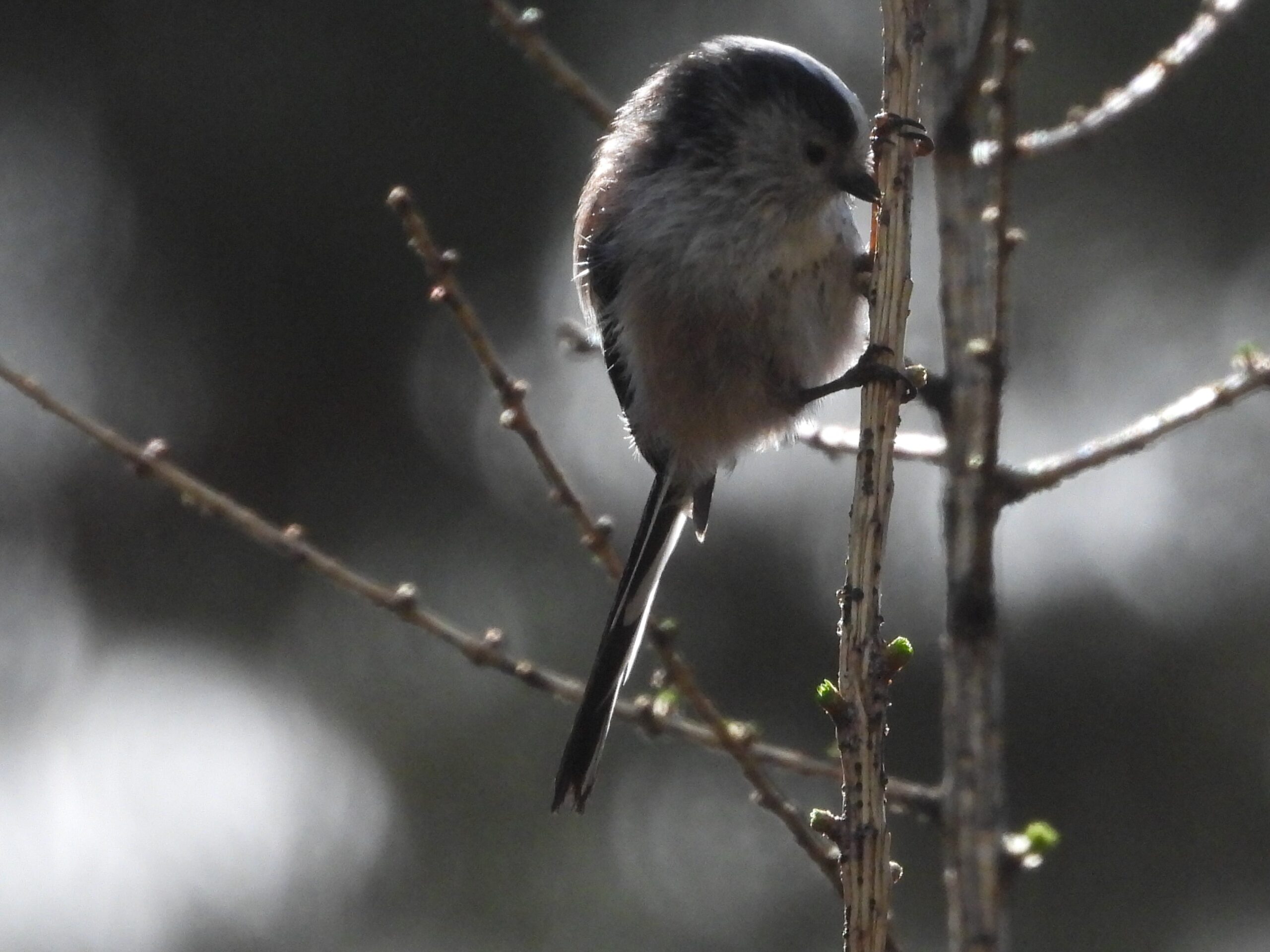
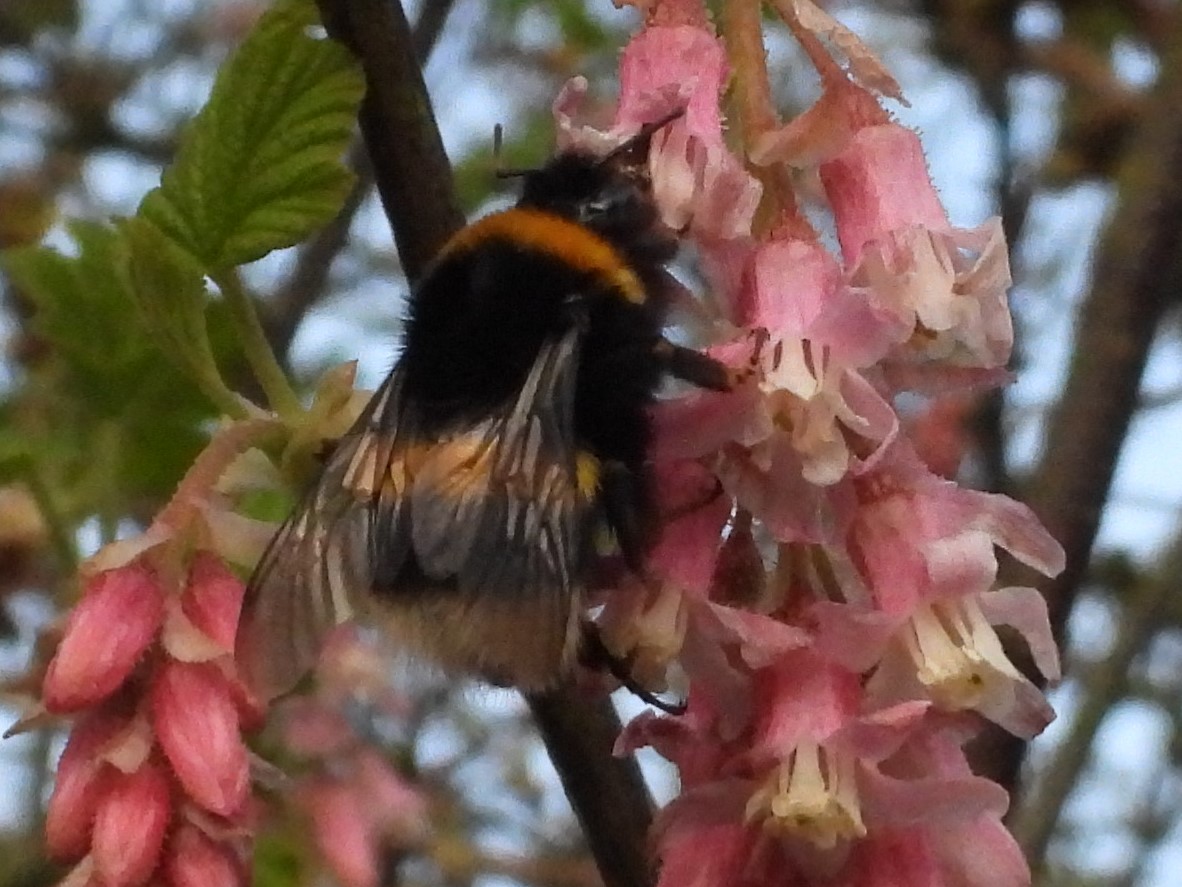
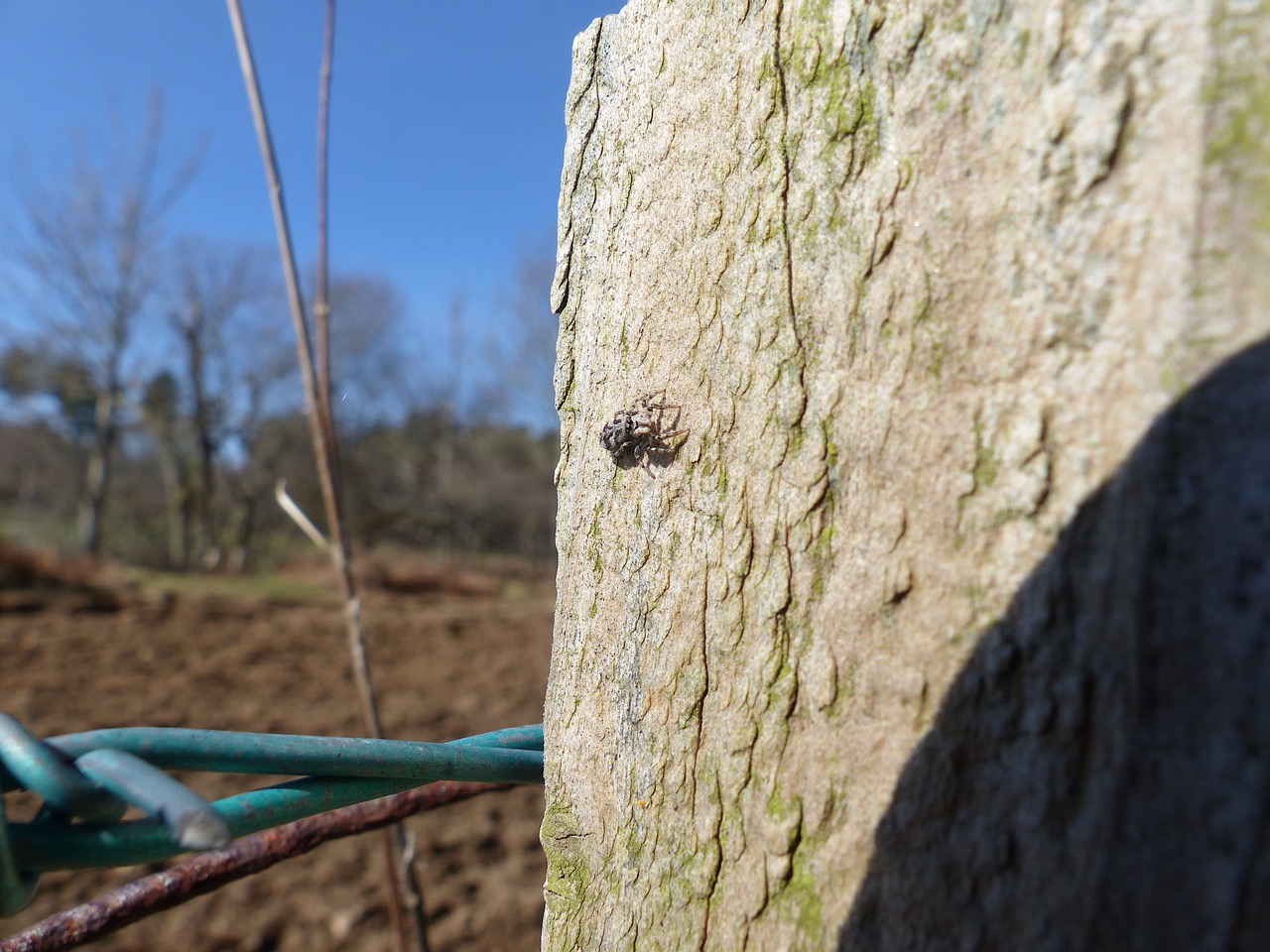
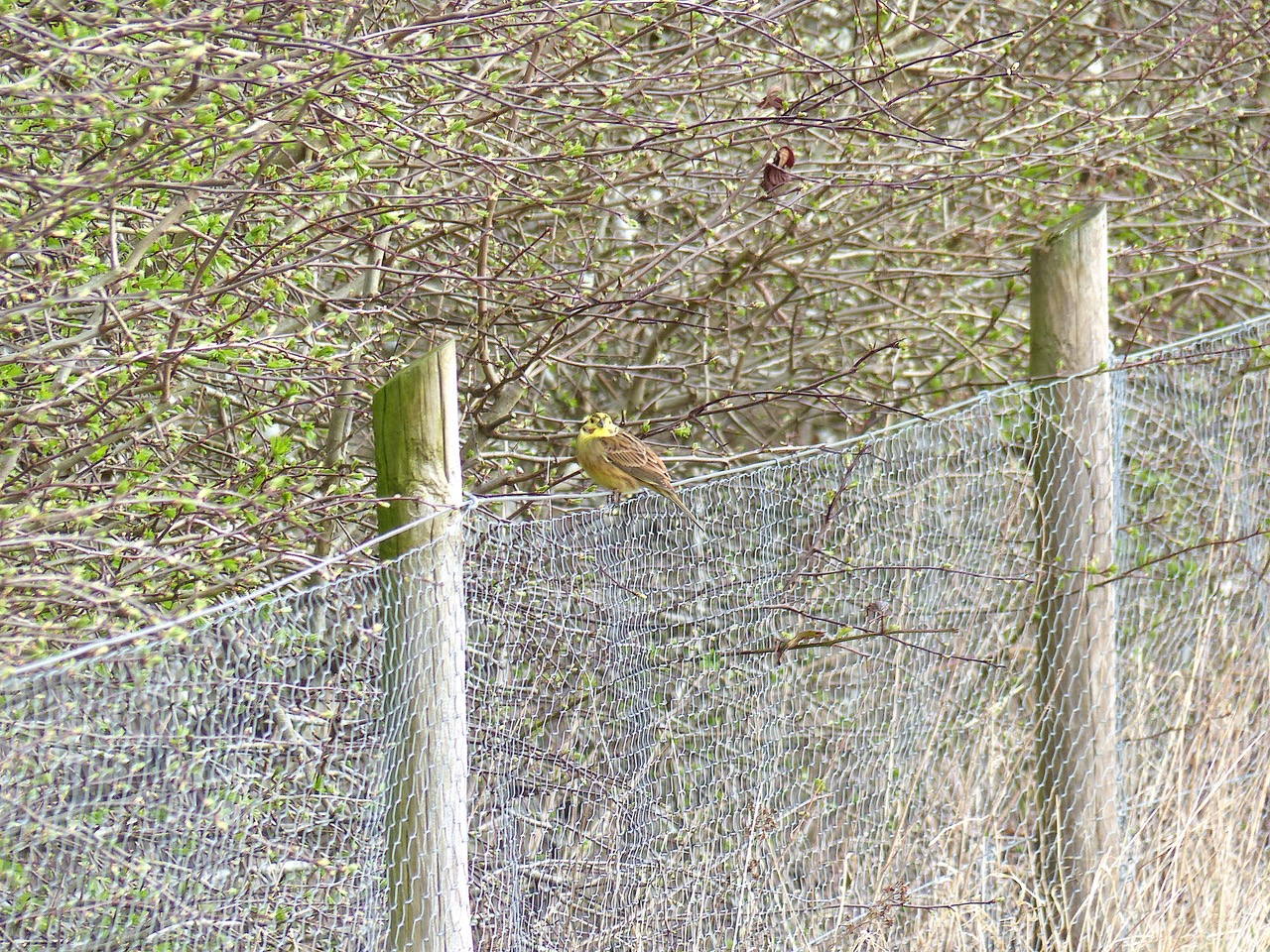
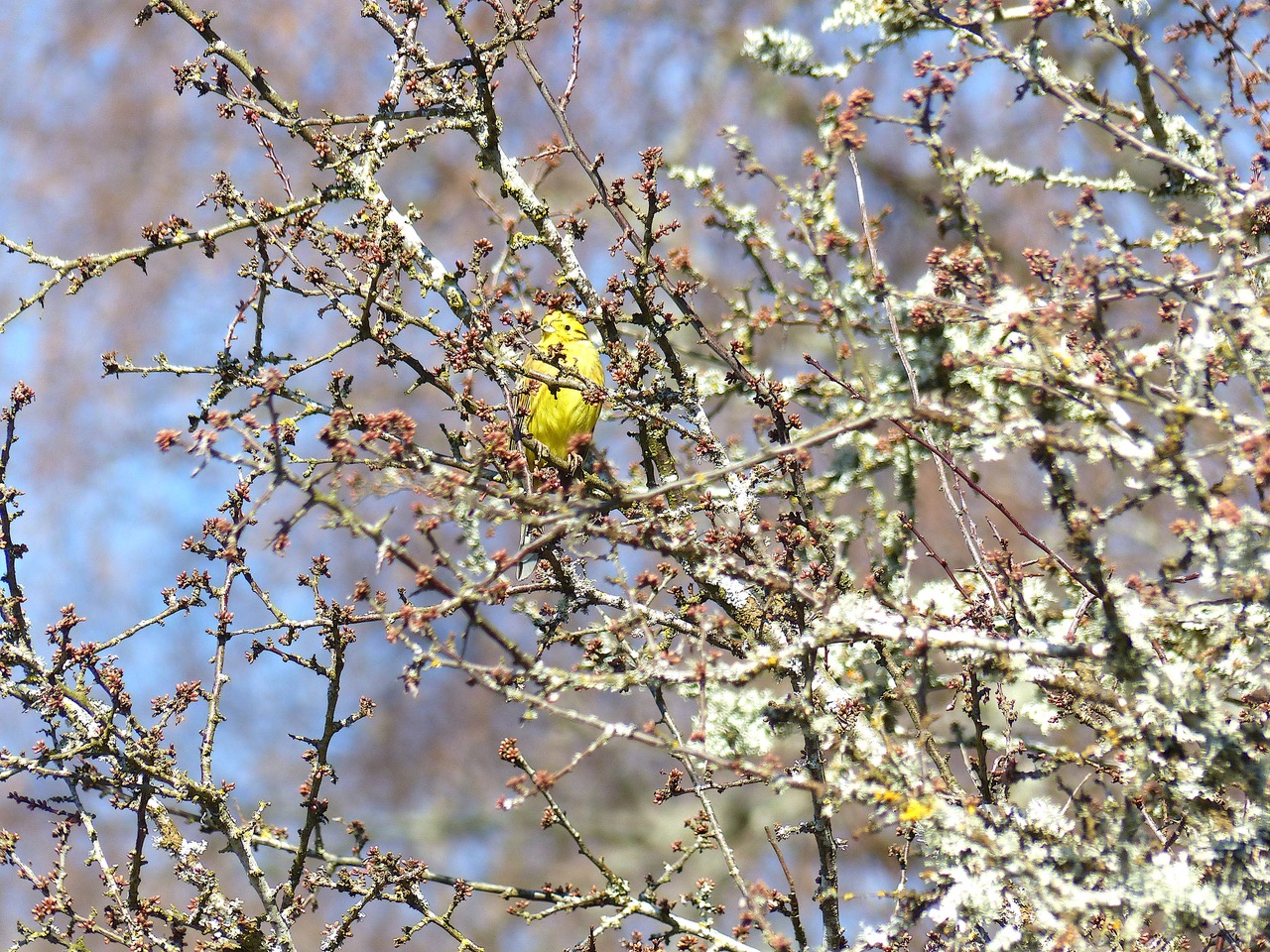
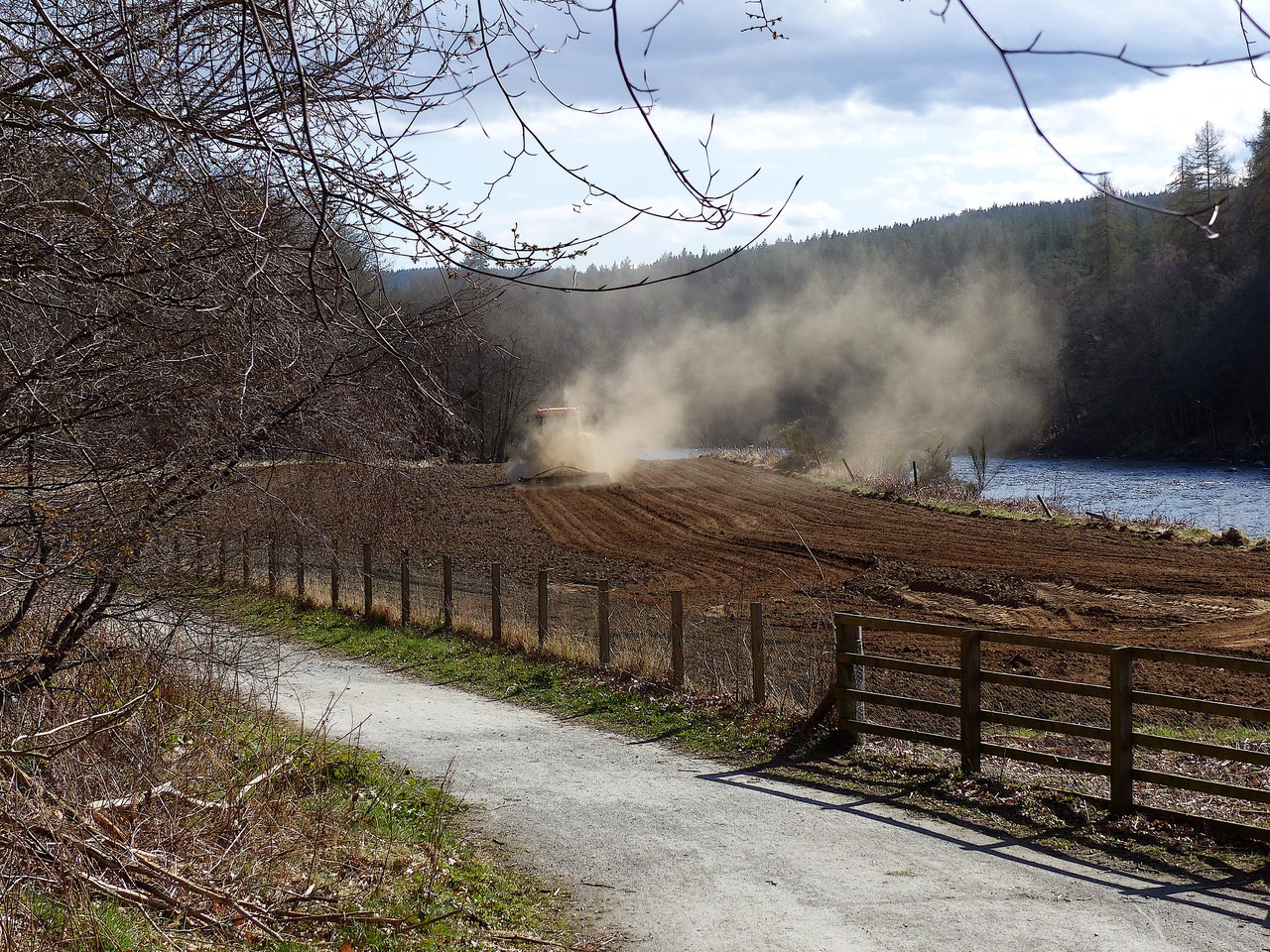
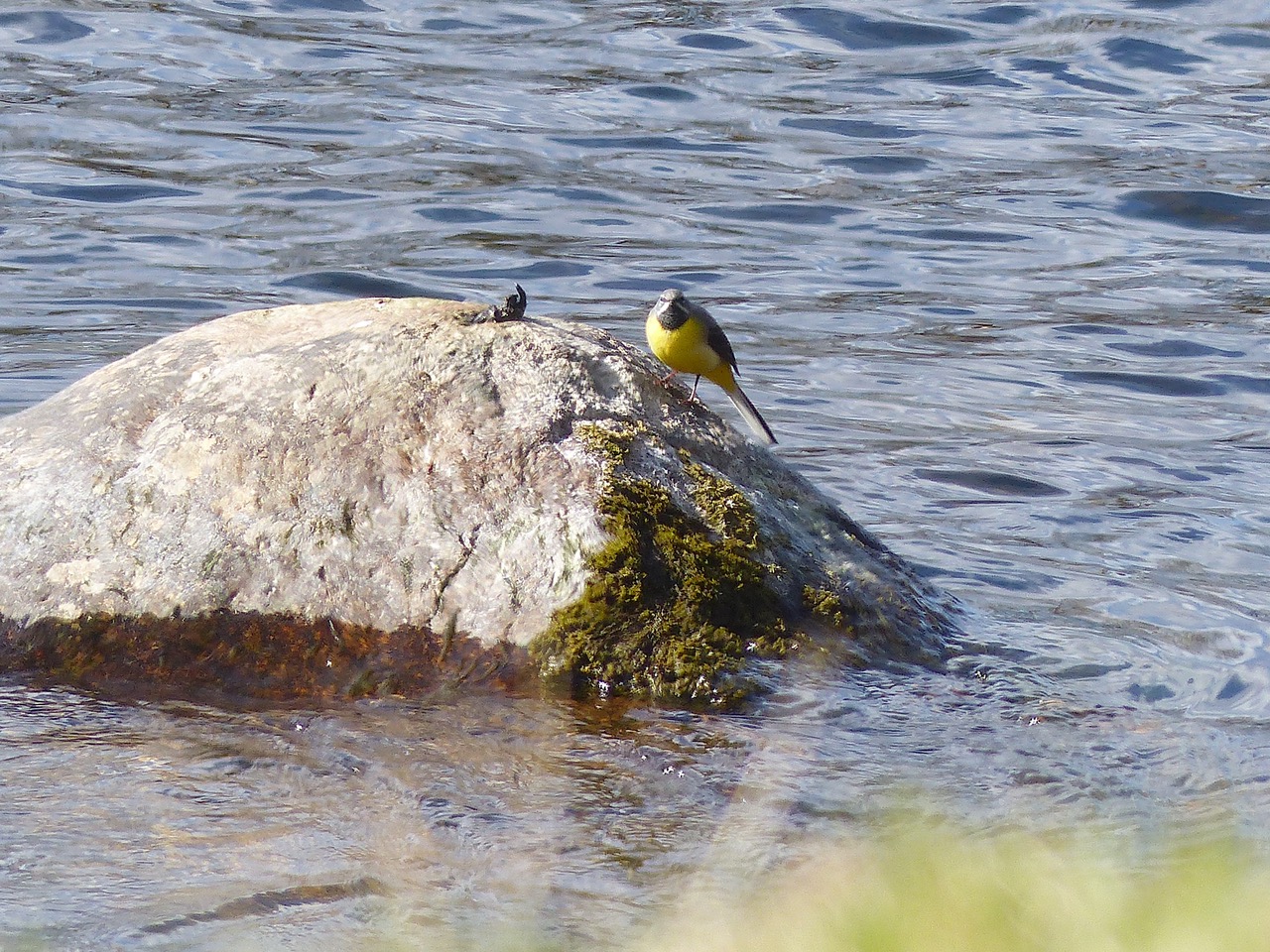
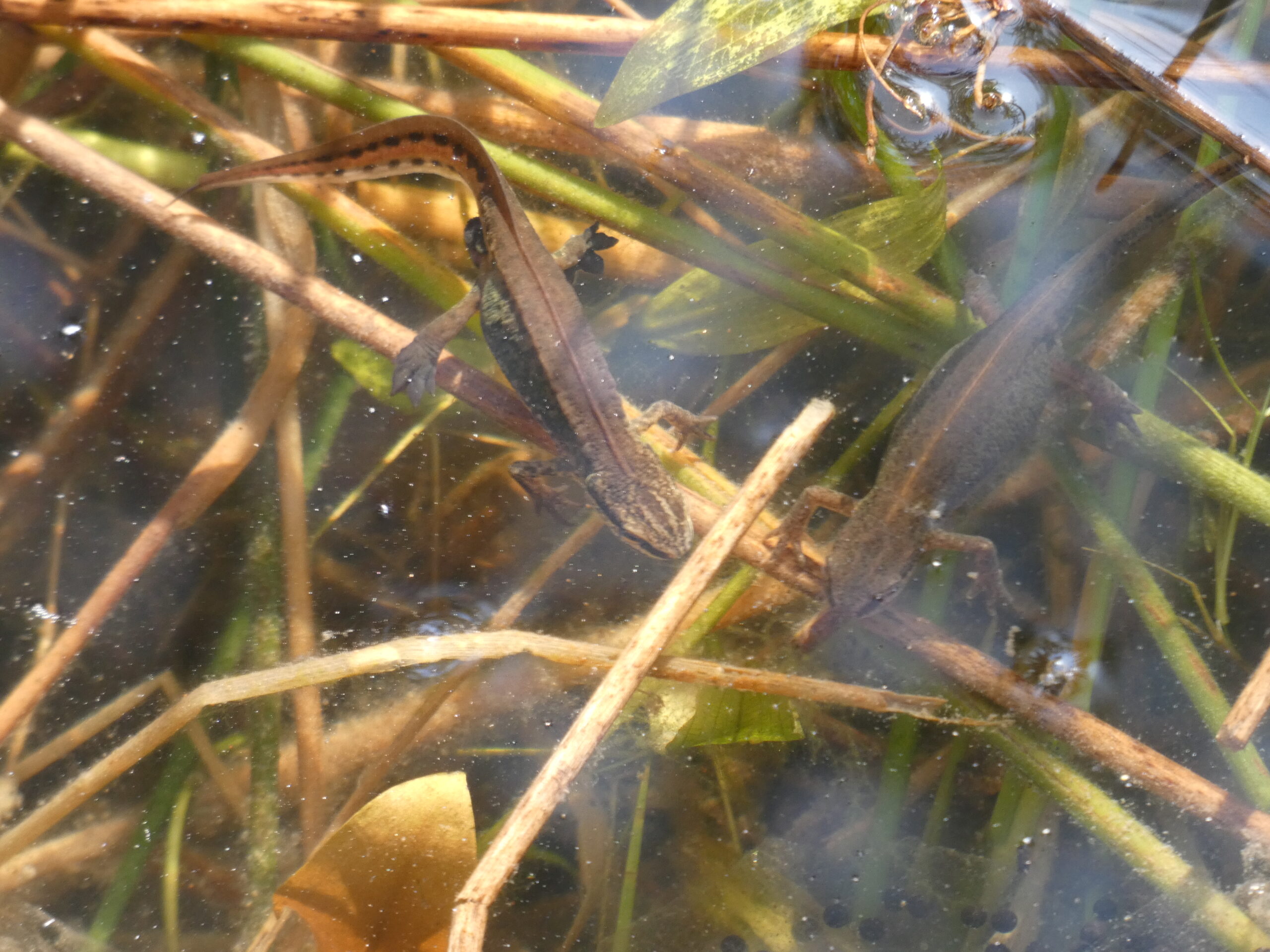
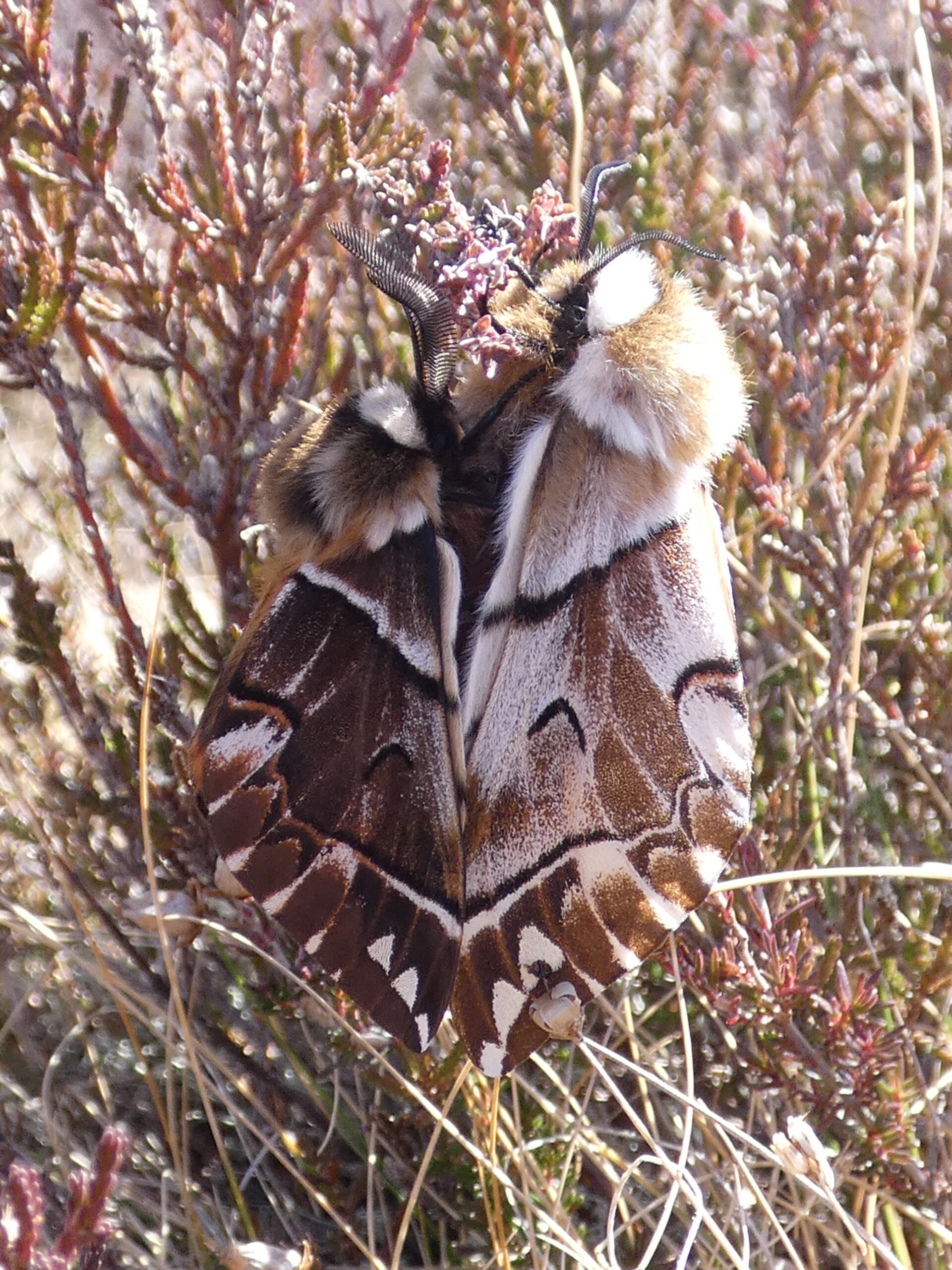
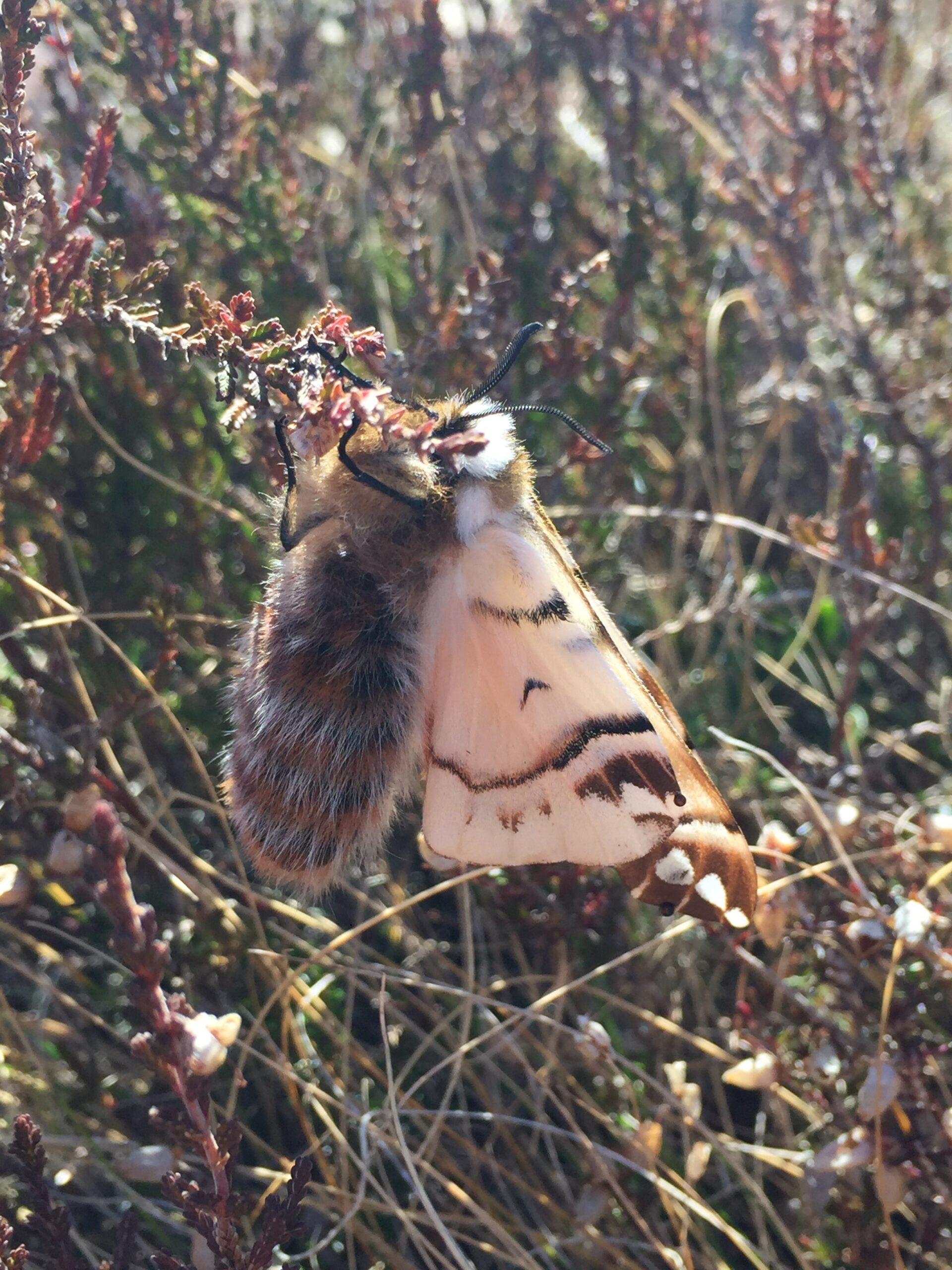
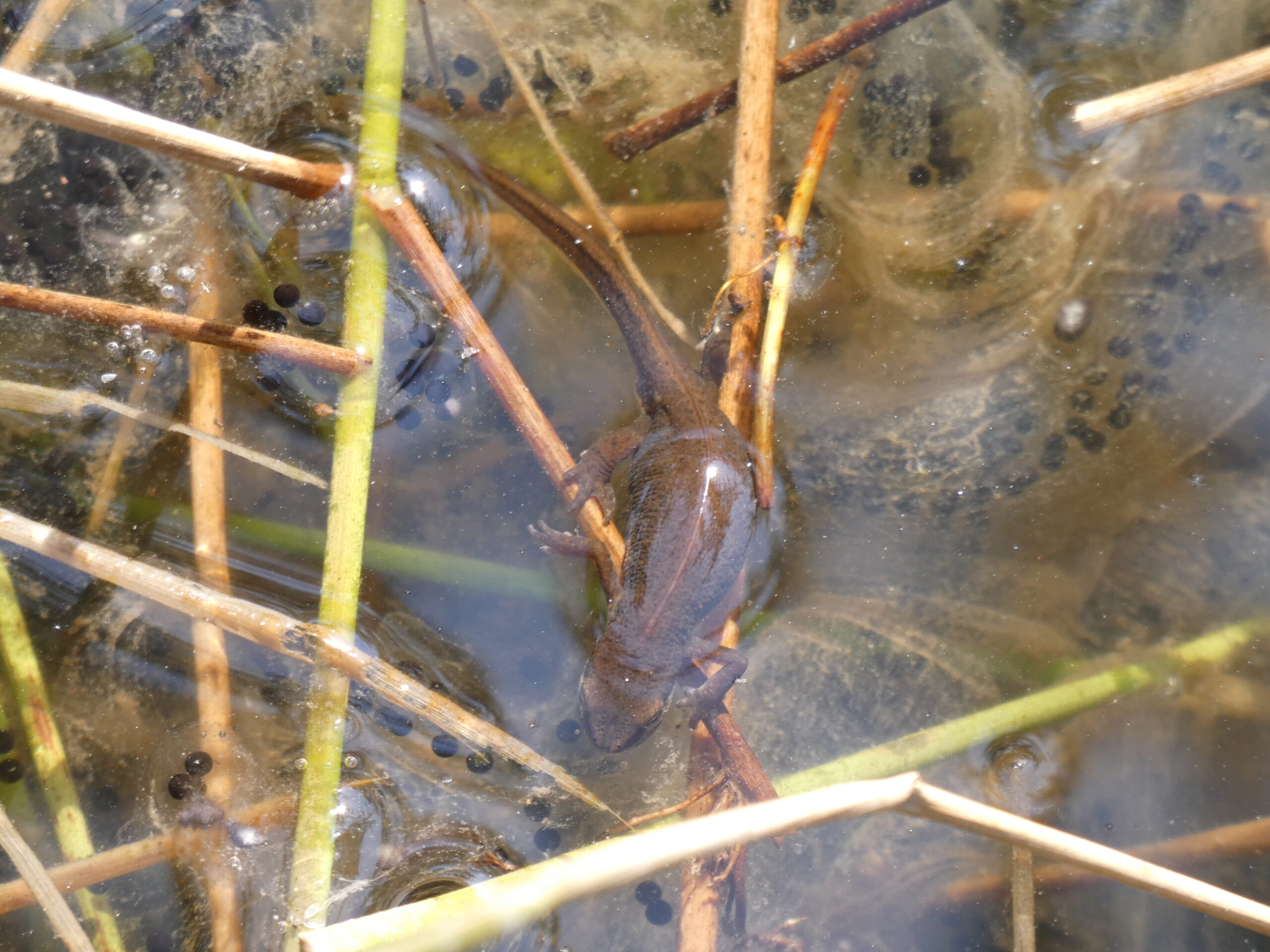
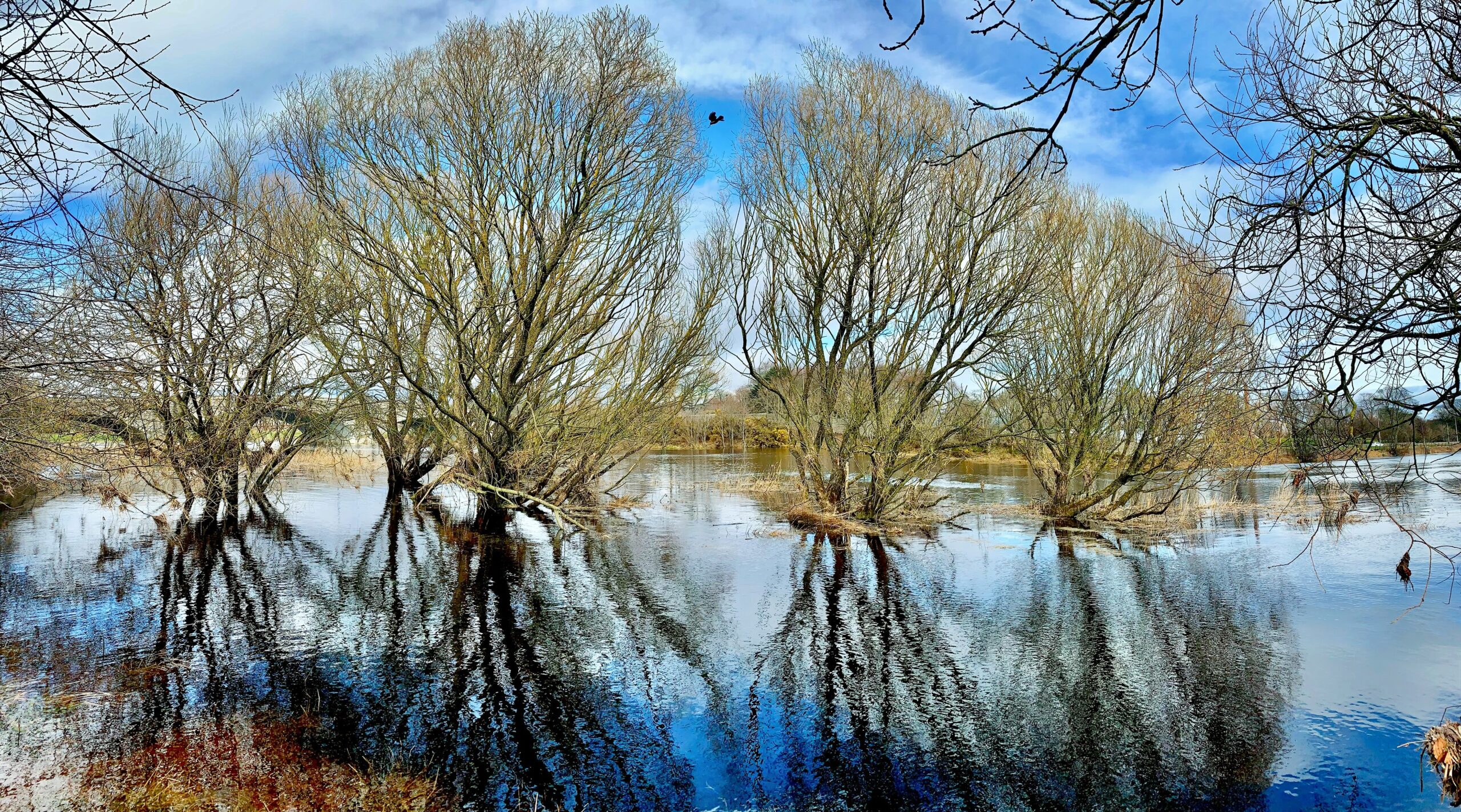
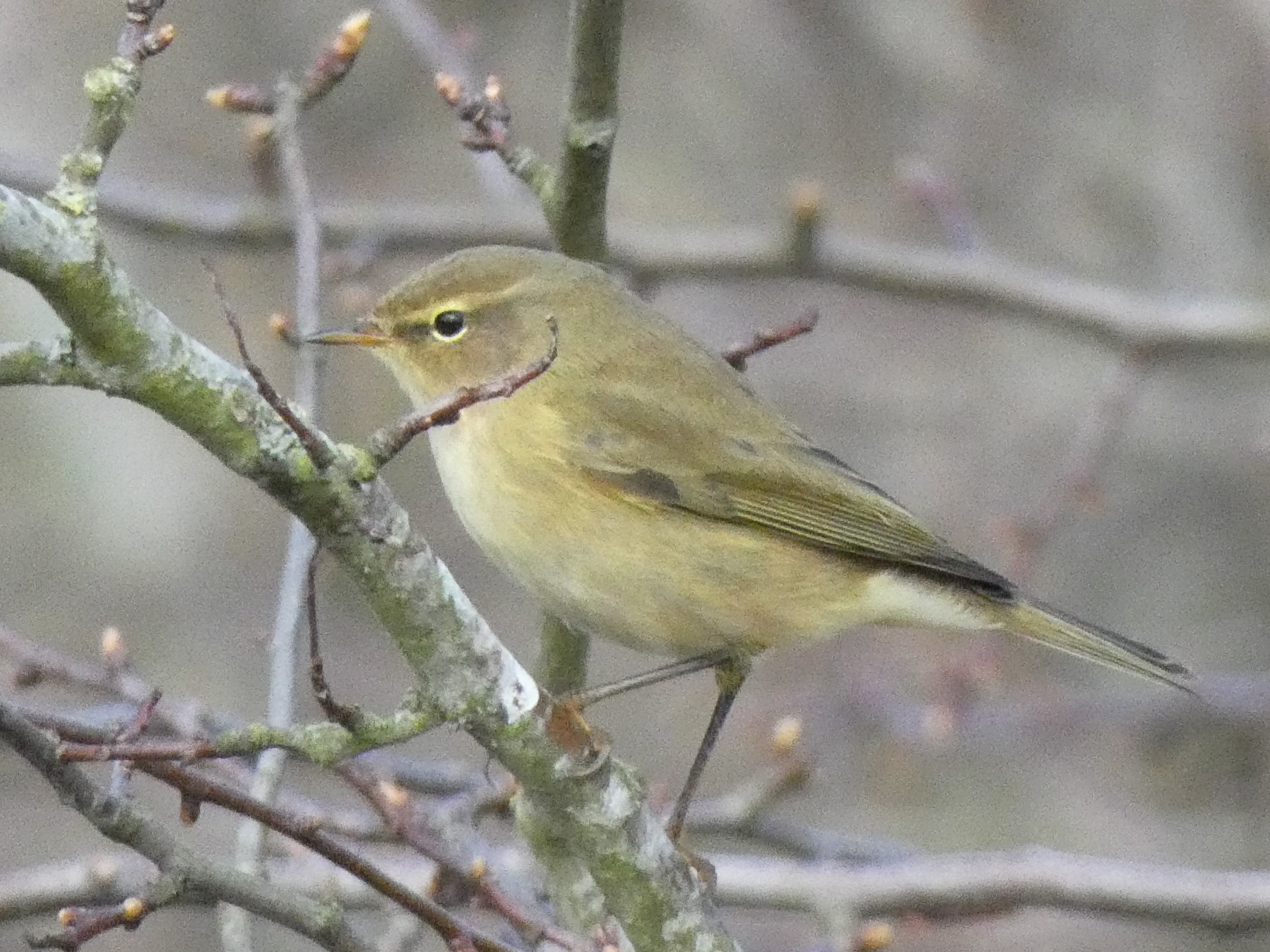
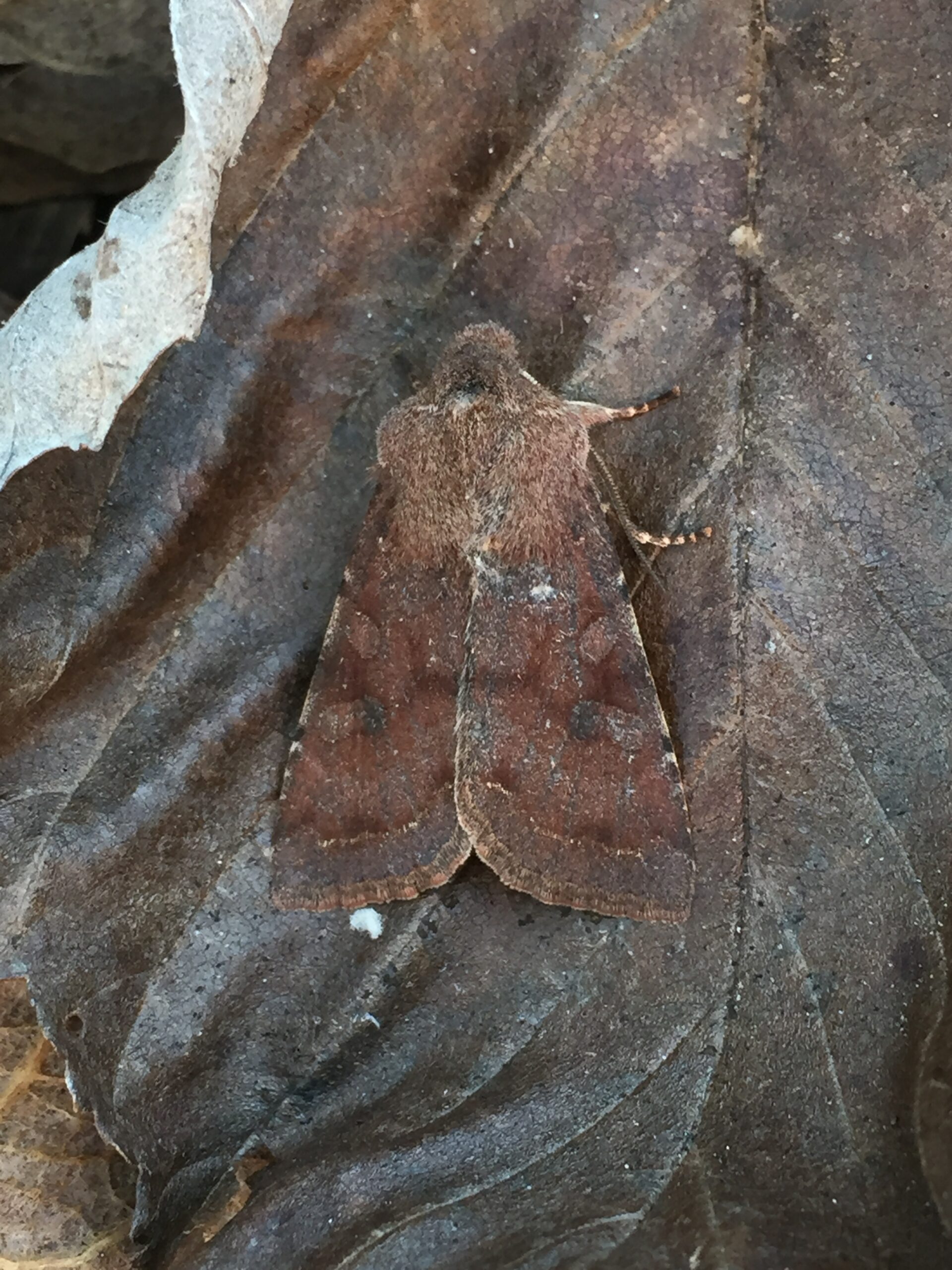
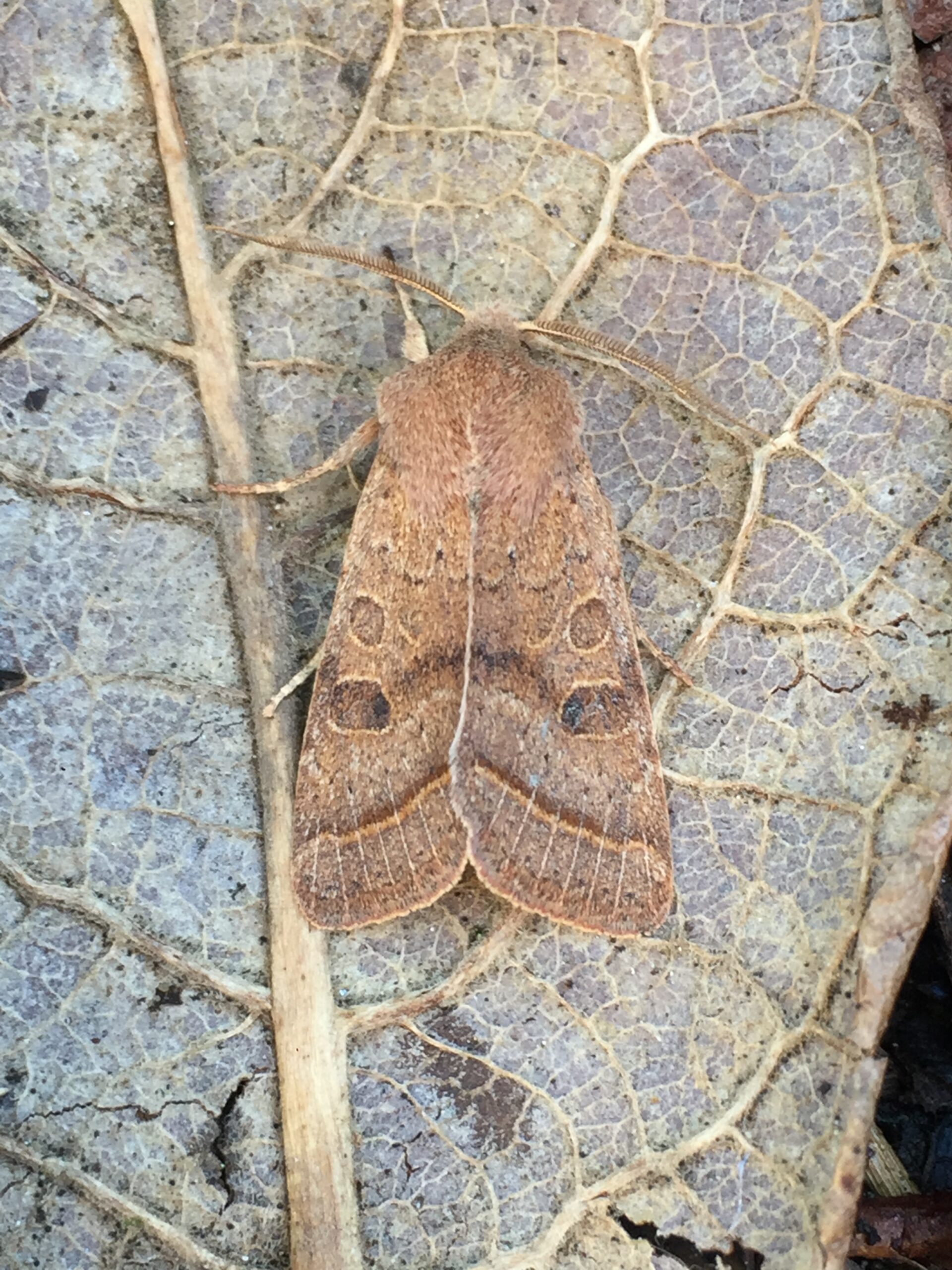
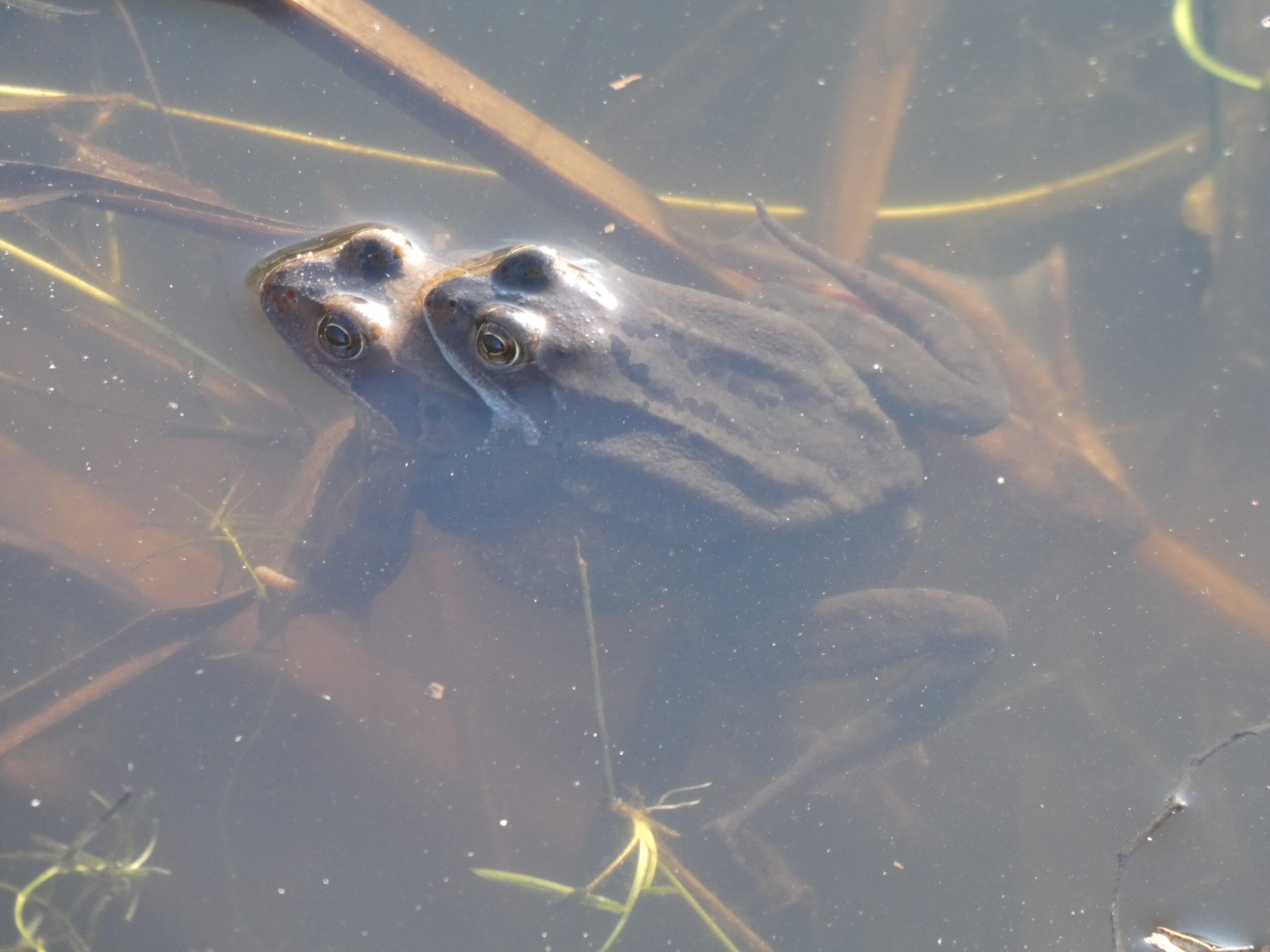
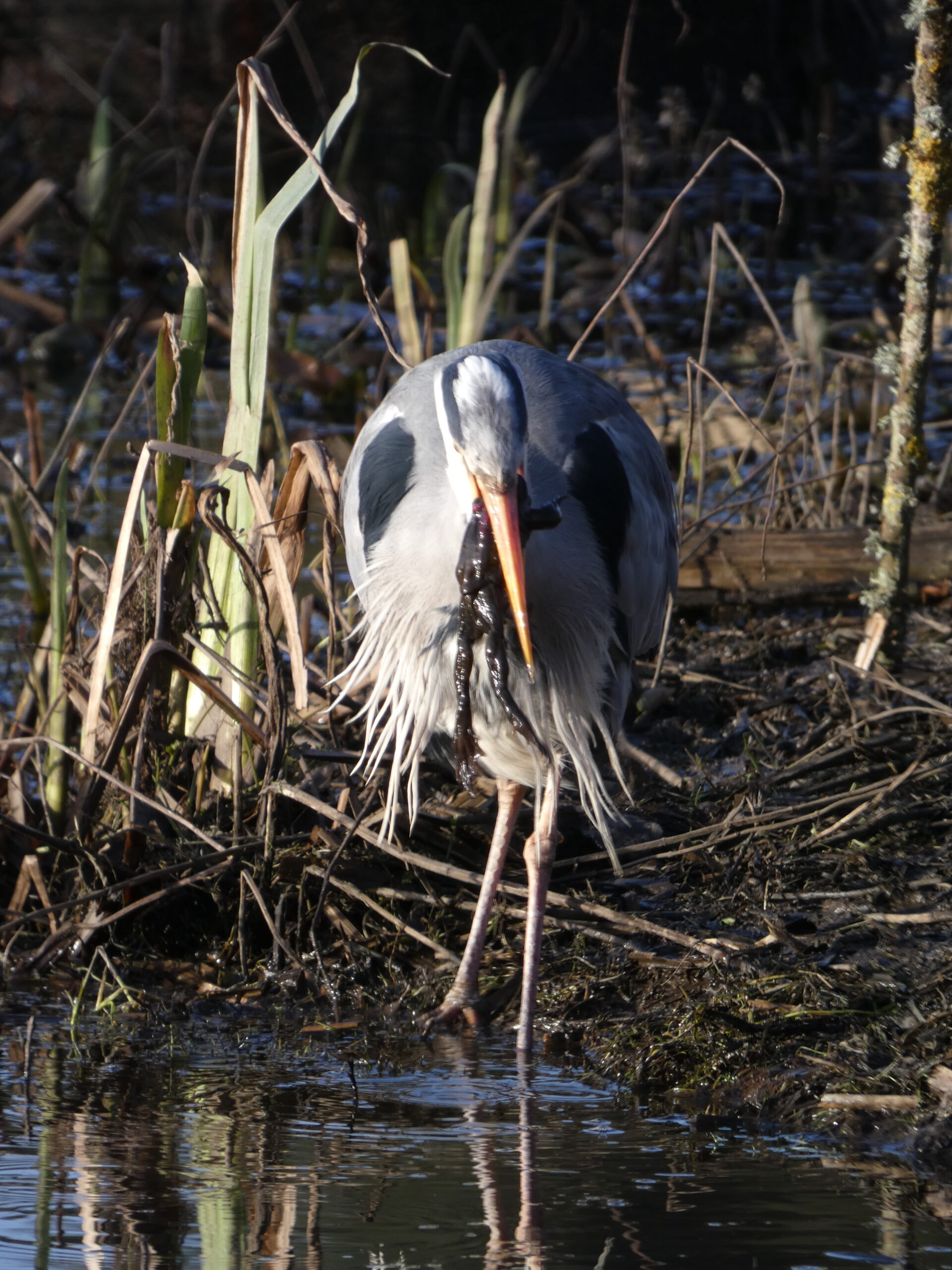
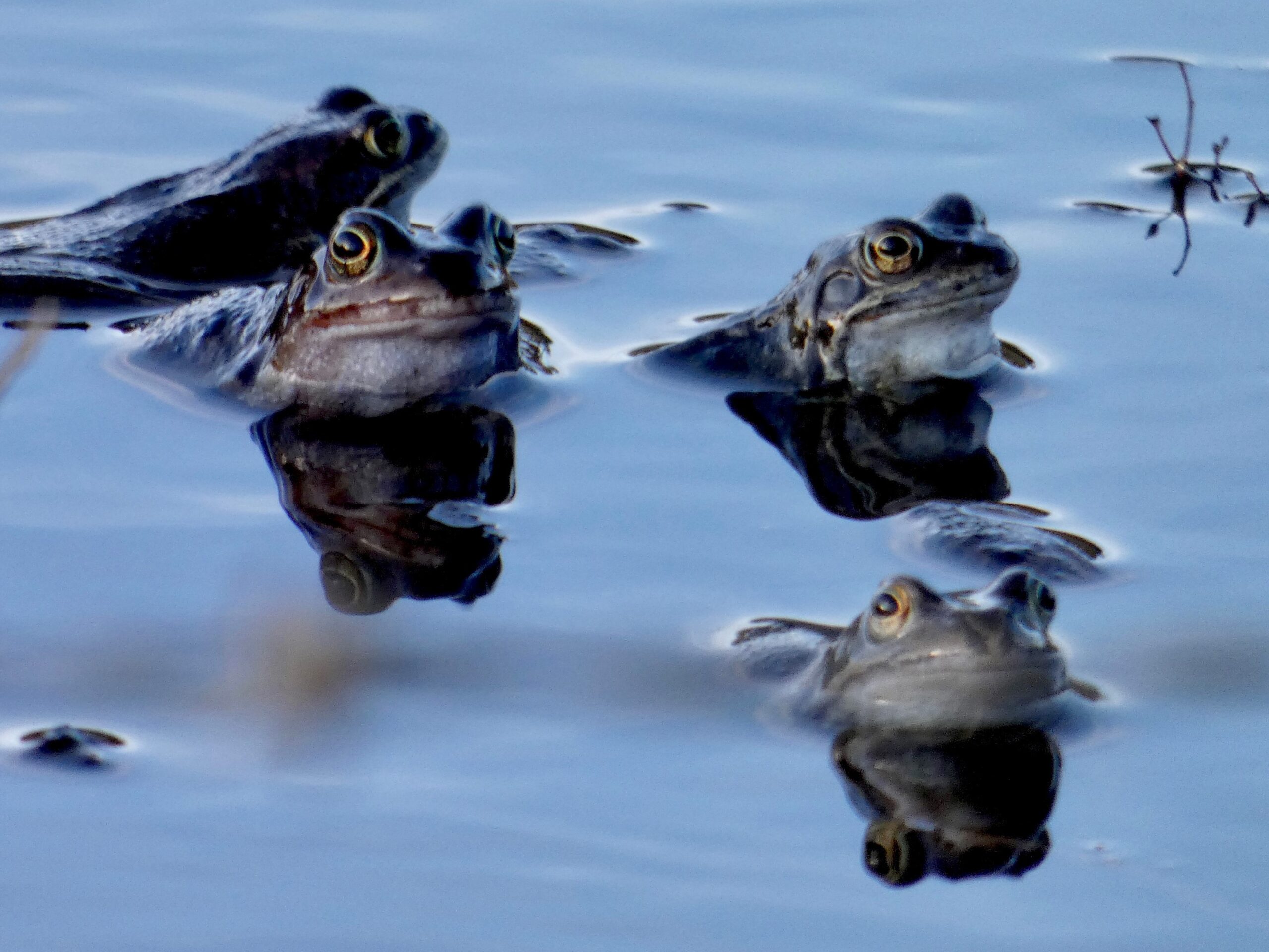
Here are a few of the things we’ve seen recently while out and about in the Dee catchment:
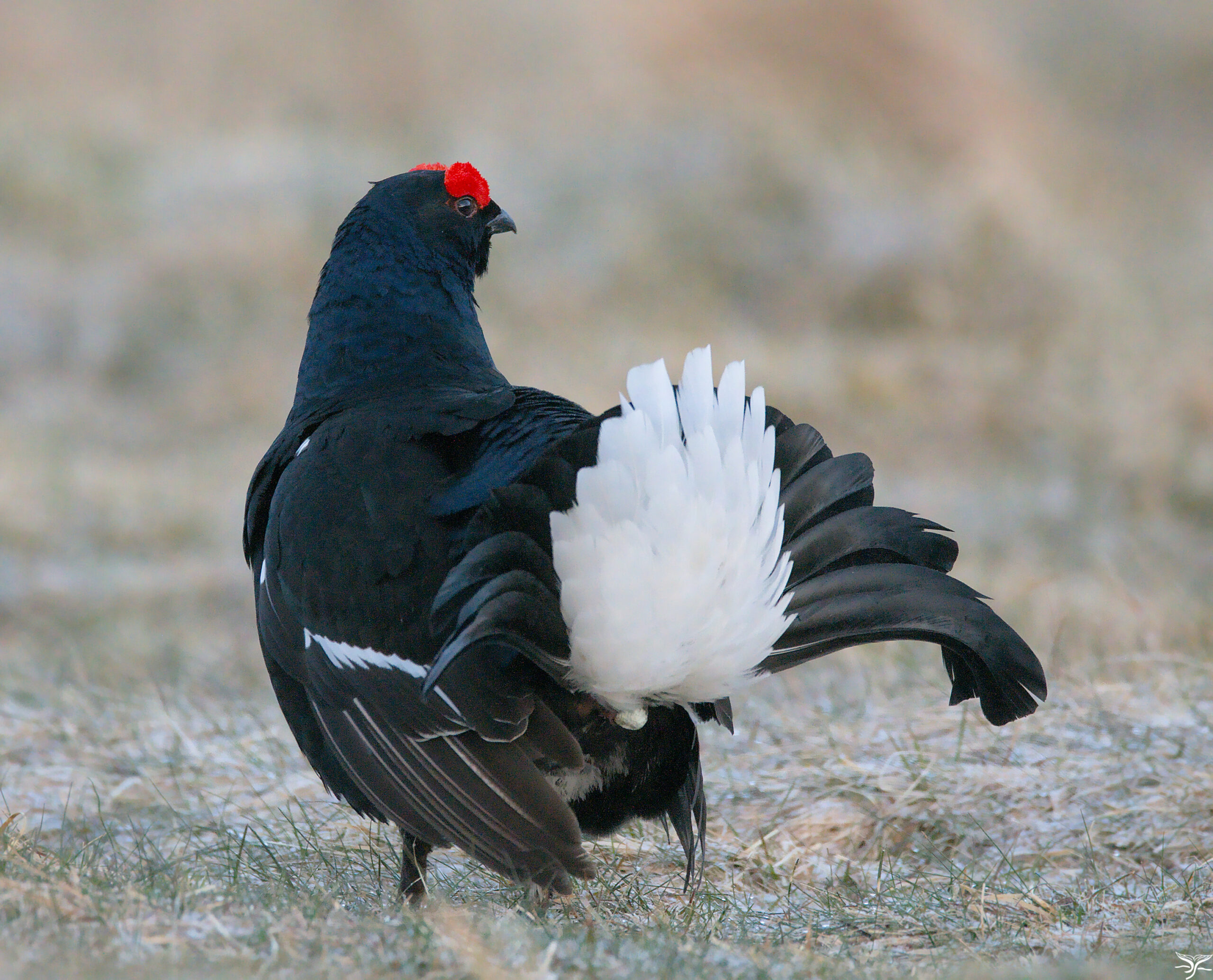
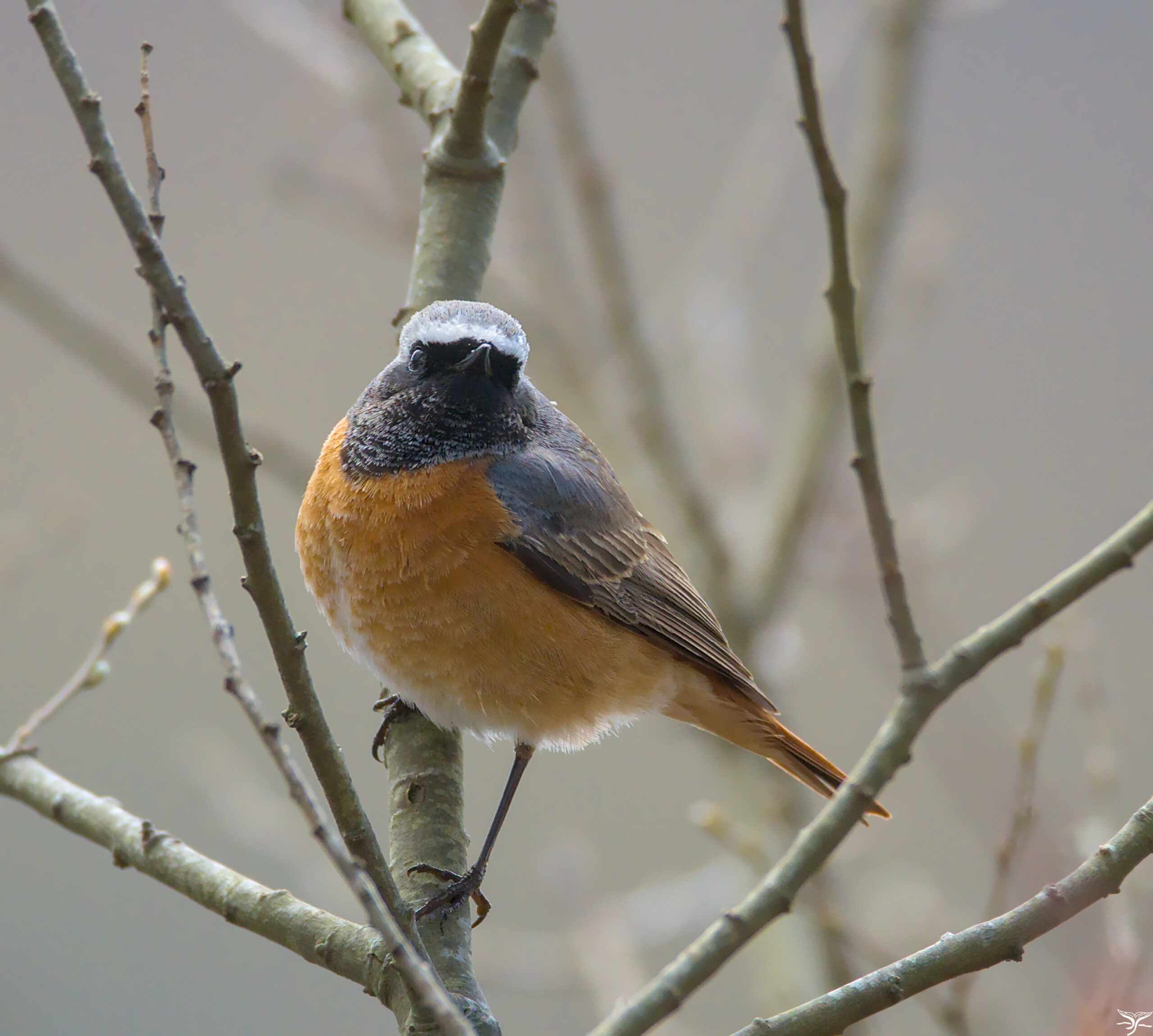
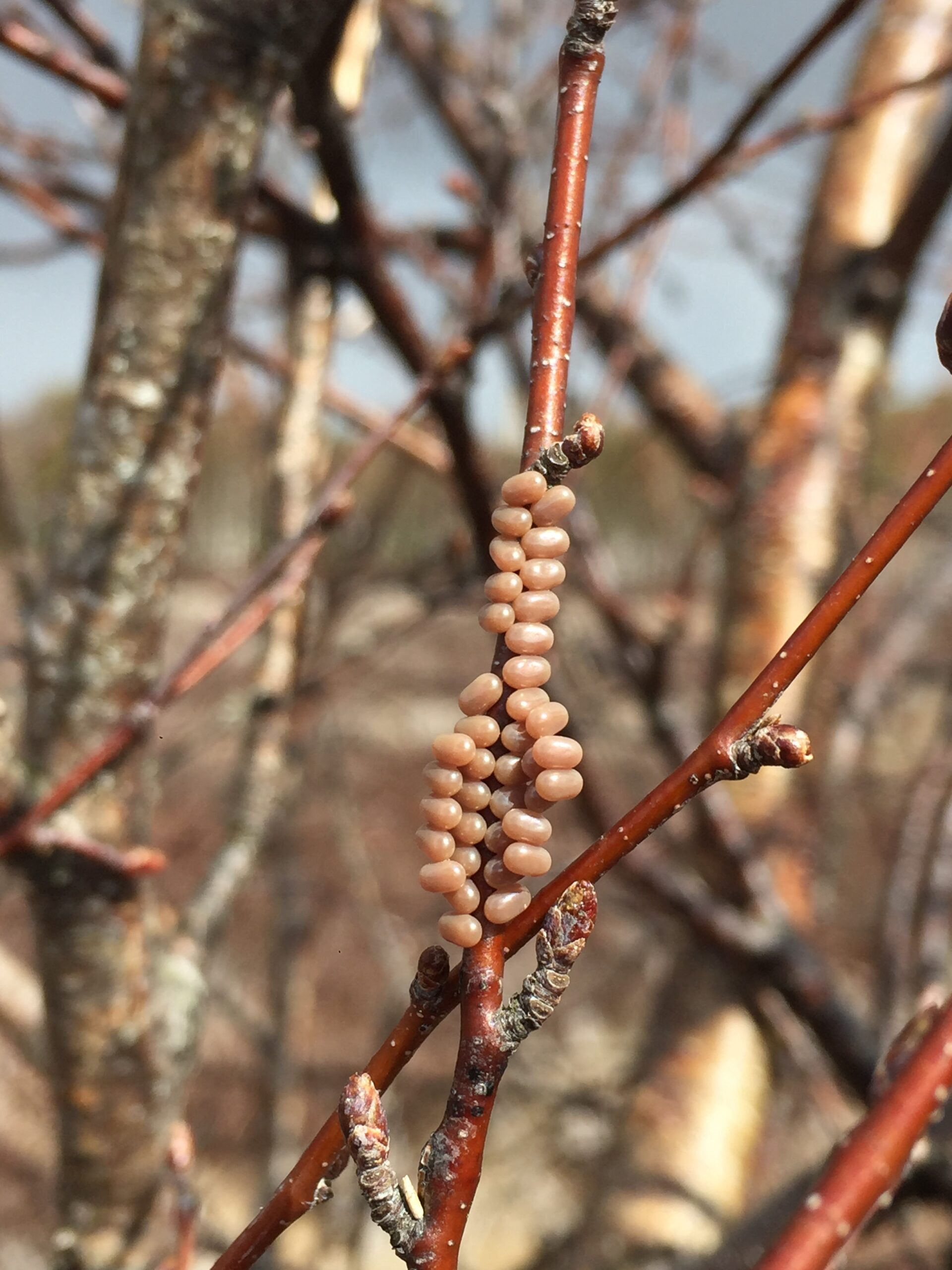
This month, look out and listen for:
Birds
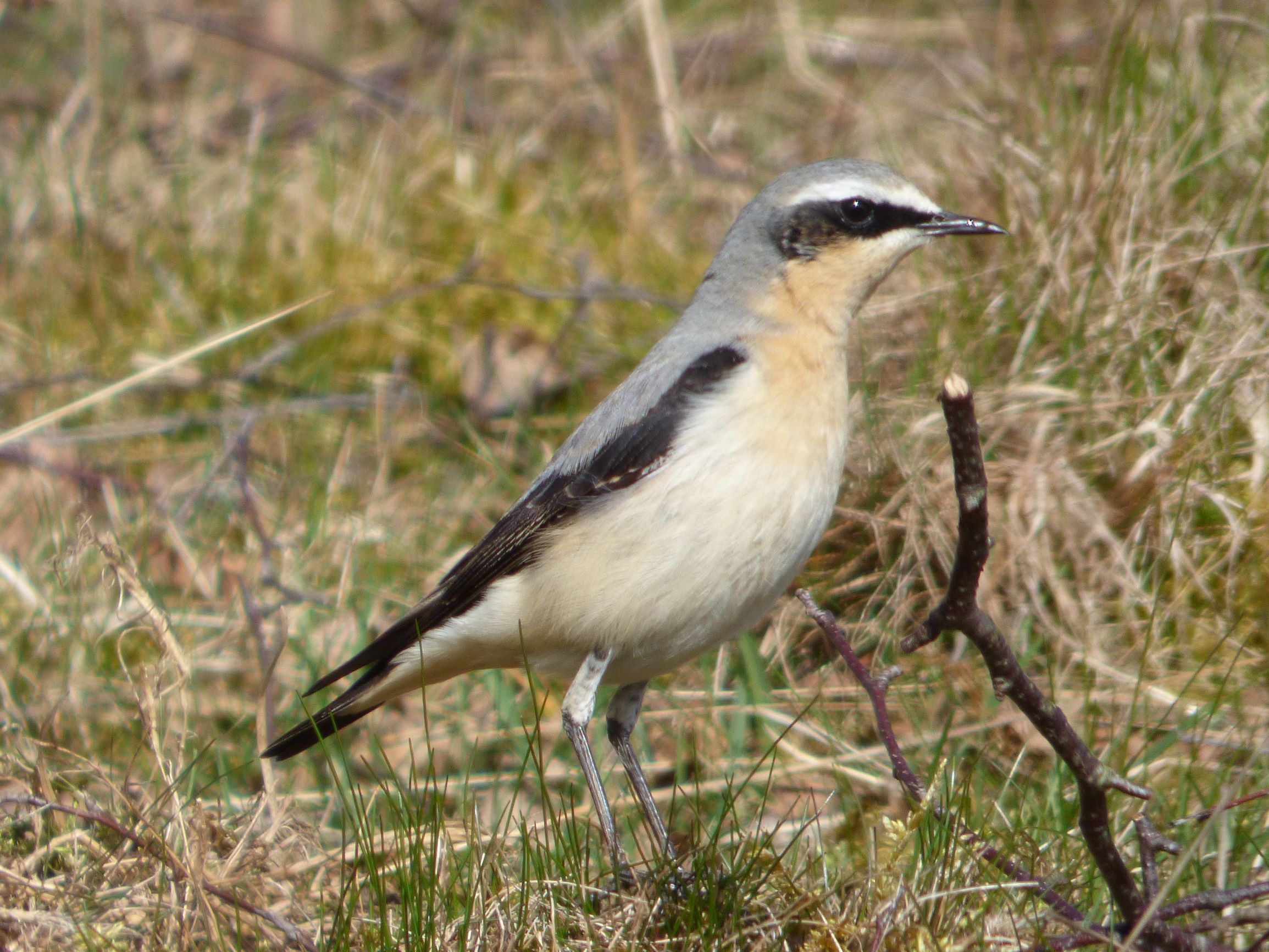
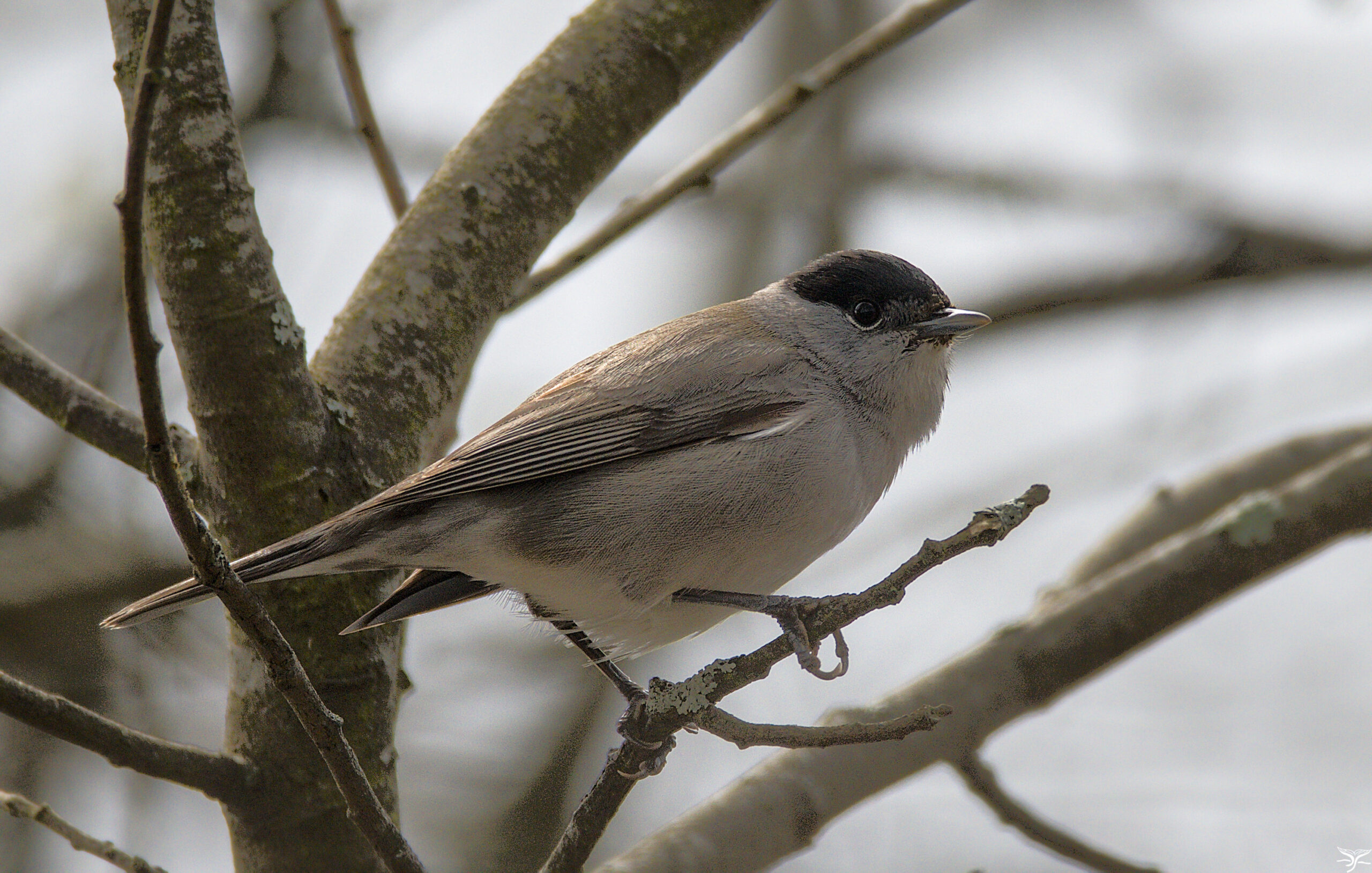
Many summer visiting birds that flew south for the winter return this month. The earliest swallows started appearing around mid April and the earliest arrivals will be prospecting for nesting sites or may even have started building. Blackcaps and whitethroats also begin to appear and it won’t be too long before we start hearing the unmistakable call of the cuckoo. Resident birds like blackbirds and house sparrows are busy feeding young and even the more secretive ones like dunnock and wren are in the early stages of producing the next generation. One of our smallest birds, an adult wren weighs about the same as a £1 coin.
Look out for sand martins flying low over the Dee in the Cults area, looking for nesting spots. You’ll spot them in Aberdeen too, flying in and out of their burrows in the cliff at the mouth of the Dee in Torry – they arrive just in time for many insects hatching and are making the most of longer days to hunt them. To the east of Inchgarth reservoir in Cults, listen out for black caps and willow warblers singing in the trees along the riverbanks, and look out for the first swallows and common sandpipers on and over the river. Willow warblers look very similar to chiff-chaffs, but have a completely different song.
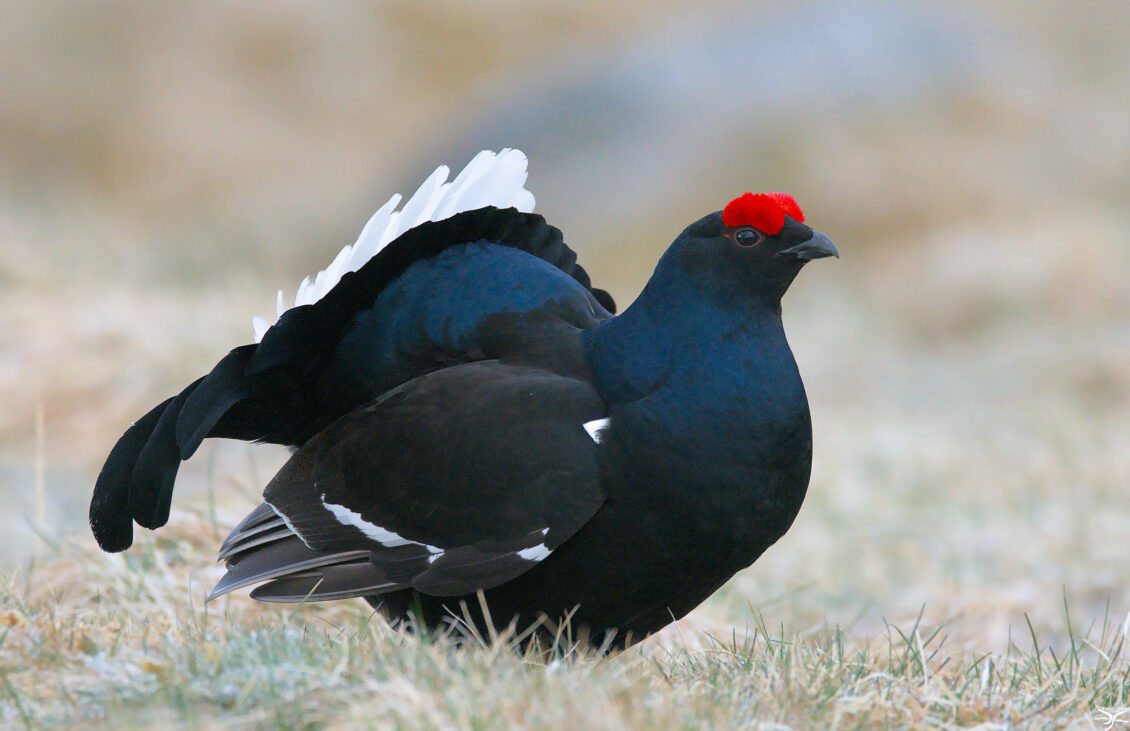
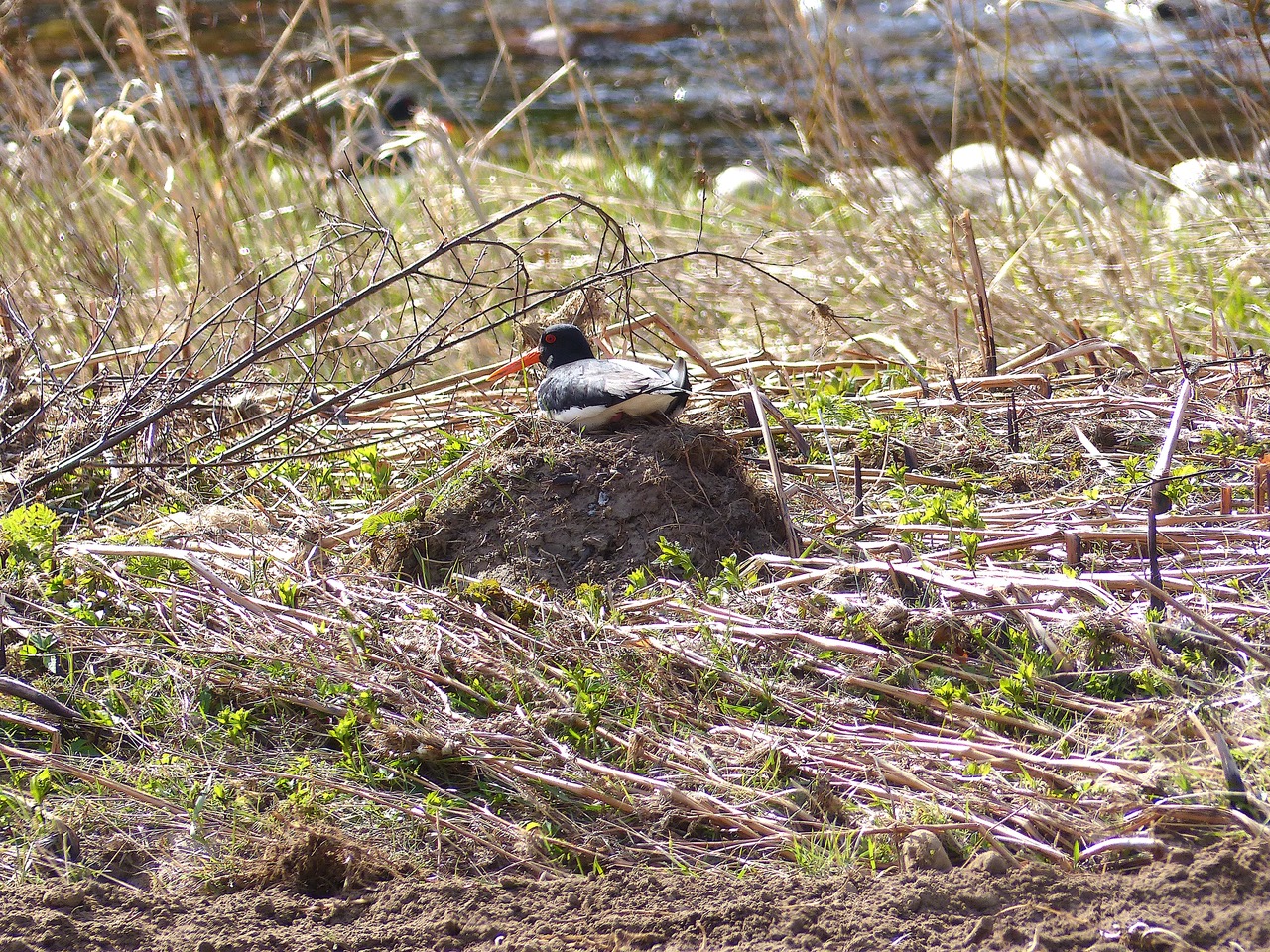
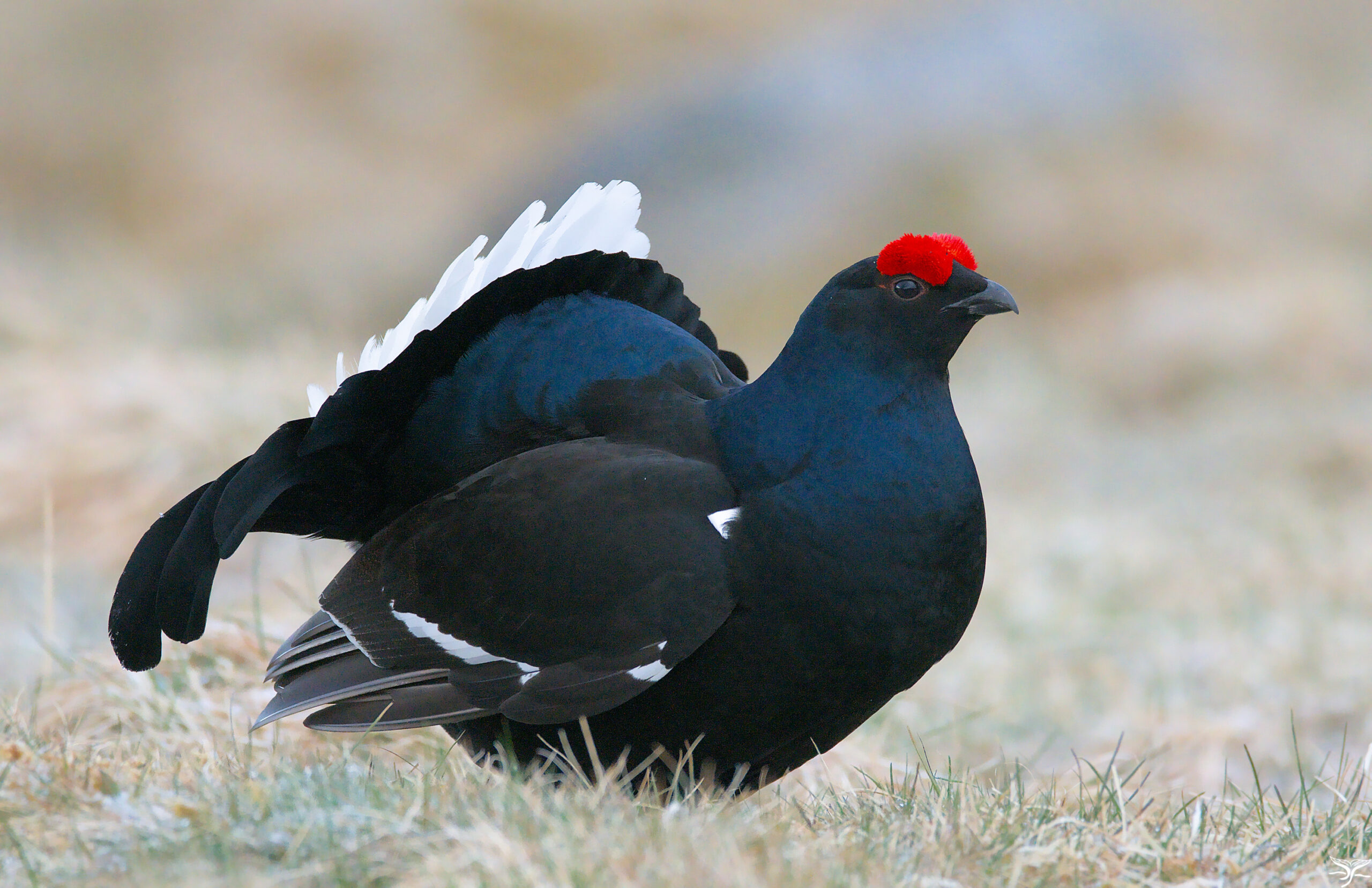
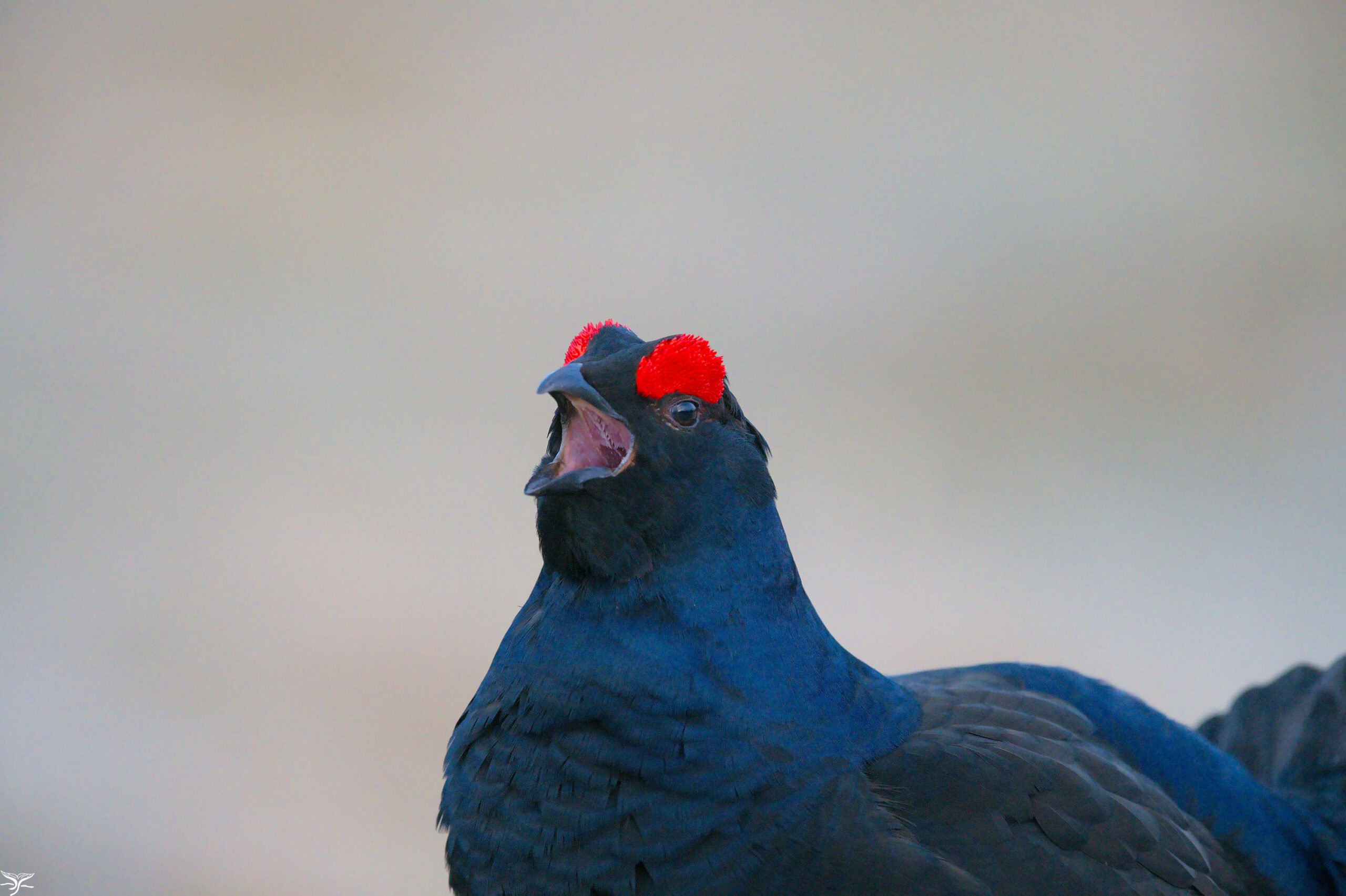
You may spot a capercaillie in Glen Tanar. The females are looking for the increasingly elusive male and are very vulnerable. If she’s successful, and lays eggs, she’s at high risk as a ground-nesting bird – please remember to keep dogs on leads at all times in this area. Newly-hatched chicks will also be susceptible to predation until they can fly. From oystercatchers and common sandpipers to tawny owls and wrens, ground-nesting birds are especially vulnerable to predation, and need all the help they can get to survive.
Butterflies, moths & other minbeasts
Some of our most colourful butterflies start to appear this month. Orange tip butterflies can often be foundin damper habitats where they lay eggs on lady’s smock (or cuckoo flower), the favoured food plant of their caterpillars.
Many of the common names of plants show their historical connections. Cuckooflower is so calledbecause it usually flowers at the same time of year as we hear the first cuckoos. One butterfly that was unknown in the north east until relatively recently is the comma, but they’re now much more common and on the wing just now. Climate change may be drawing them further north.
Other butterflies to look for this month include the small copper.
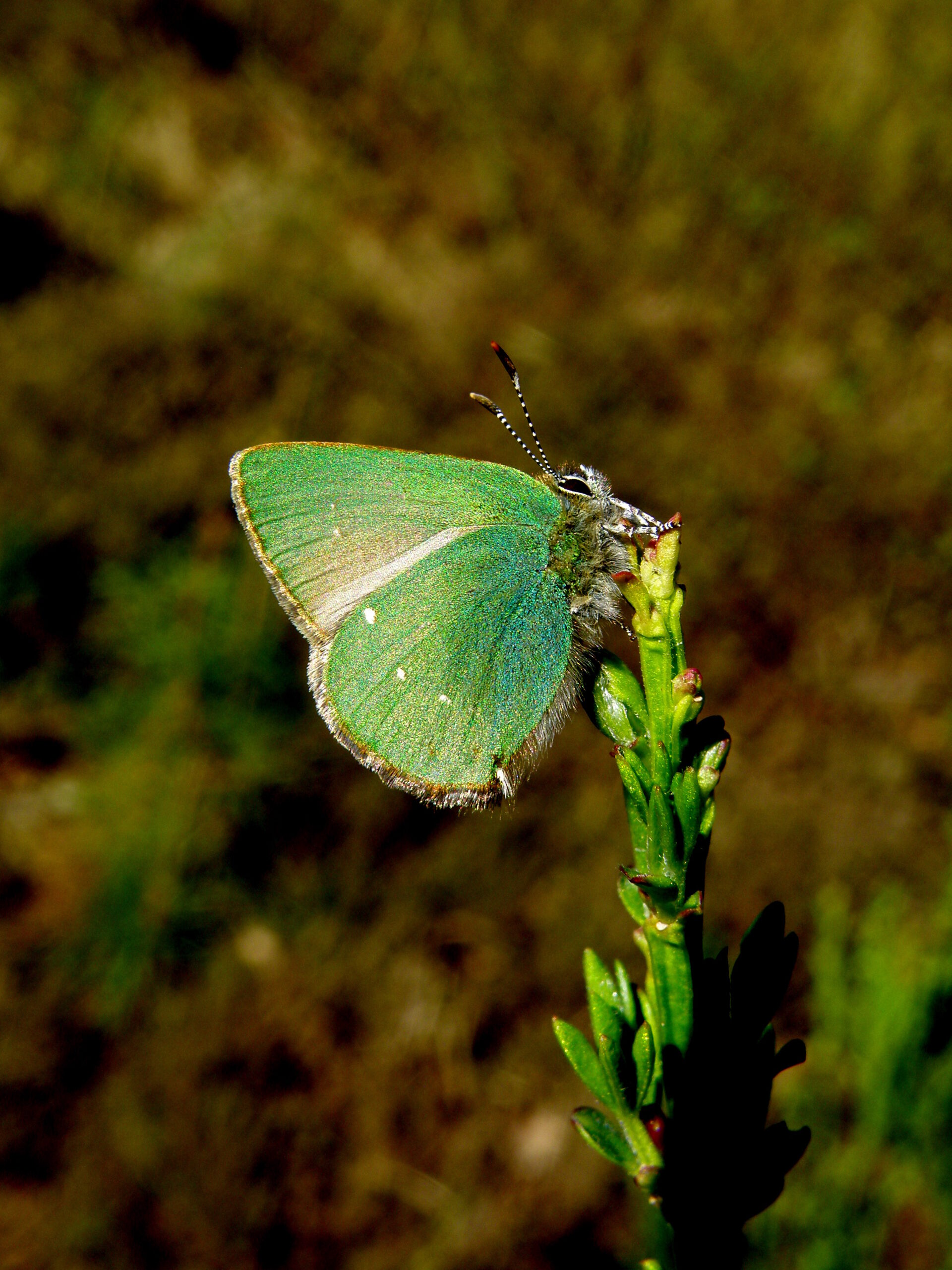
Green hairstreaks are also on the wing – you might spot them near patches of blueberry, their usual larval food plant in this area, though their colour makes them hard to spot until they move. Territorial males will fly up from favoured perches to counter any intruders to their patch.
Speckled Woods also emerge this month – like the comma, they were rare here until recently, but are now spreading and can be found in woodlands, especially along mid-Deeside.
By mid-May, the pearl-bordered fritillary butterfly should be emerging. They are a speciality of Deeside from the Potarch area all theway up to Mar Lodge Estate, and can occur in large numbers. They are quite a fussy species however, favouring sheltered, south facing slopes, with bare ground and/or leaf litter, often bracken, for the caterpillars to bask on in early spring to warm up, which aids their digestion! They only eat violets and the adults need nectar plants such as bugle and dandelion, so all these ingredients are needed to support a colony.
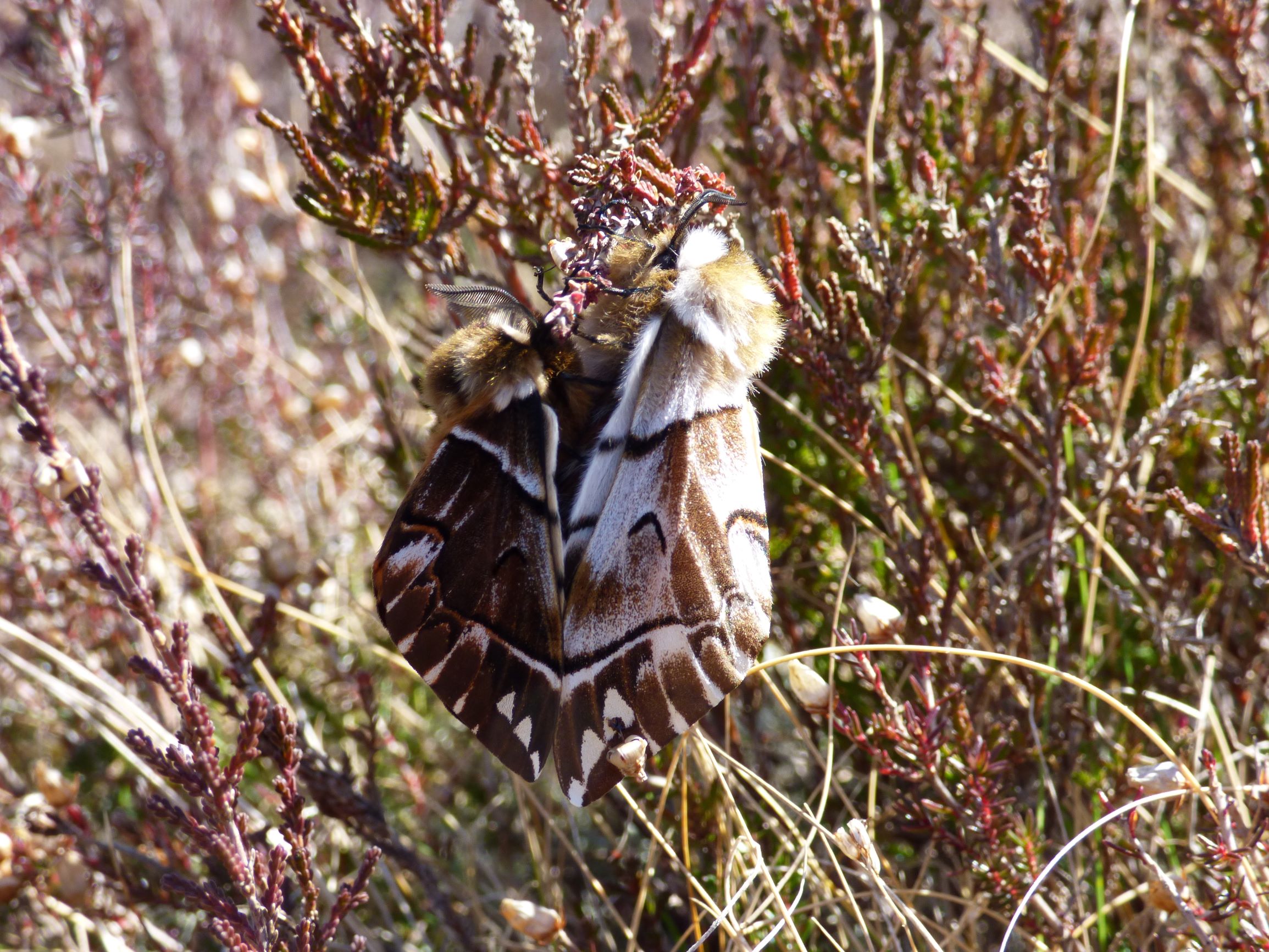
By day, you might spot a male emperor moth, with its feathery antennae, whizzing around moorland and open woodland to detect the trails of female scent. Their caterpillars eat various plants, but are often on heather in the highlands. Another mainly diurnal moth out now is the ruby tiger – as well as having reddish wings, its body and parts of its legs are red underneath as an ‘I taste nasty’ warning to would-be predators.
The early thorn moth is a nocturnal species you may spot in May. Camouflaged like a dead leaf, they are so-called because their caterpillars have spiky protuberances to look like the twigs of the trees they feed on.
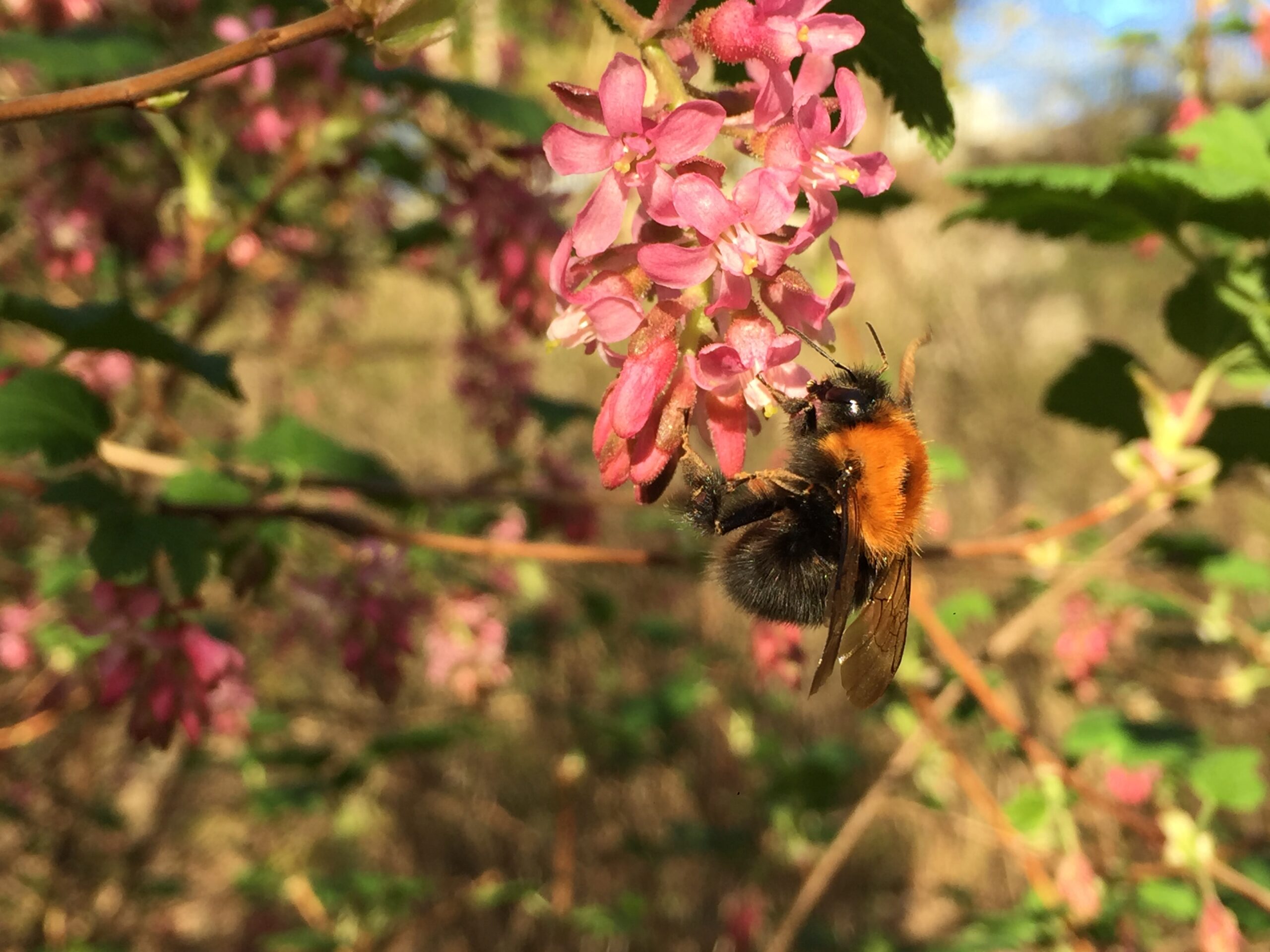
Listen out for the buzzing of bumblebees! Along with hoverflies, our wild bumblebees are fantastic pollinators that are crucial for giving farmers good yields of the crops we all depend on – despite all the sophisticated technology of modern farming! From peas and beans to tomatoes and a whole host of fruits, without the pollinators, very little of this would be available. Look out especially for the tree bumblebee, a recent arrival to north east Scotland. One of the easiest species to identify with a ginger thorax, black abdomen and white tail, this bumblebee nests in tree cavities, but queens will also use holes in buildings or unoccupied bird boxes.
Garden ponds are teeming with life just now – tadpoles growing, whirligig beetles whirling, caddisflies creeping, dragonfly and diving beetle larvae lurking. There is a whole universe of life in a garden pond, or even a quiet puddle – and you might even find palmate newts in a quiet puddle!
Mammals & other larger animals
Roe deer have their young this month –the females usually give birth to twins, but sometimes to single kids or triplets. Newborn fawns suckle within a few hours of birth. They are regularly left alone, lying still amongst vegetation. Their dappled coats last for around six weeks, helping to camouflage them. If there are twins they are left separately. Roe deer are the only hoofed animal in which delayed implantation occurs – although the egg is fertilised at the time of mating it doesn’t begin to develop inside the female’s uterus until several months later, in early January.
Trees, flowers, fruits & fungi
At this time of year it sometimes seems as though plants are in a race – and in a way they are. They need to grow above the surrounding vegetation to allow their leaves to get enough sunlight so that pollinating insects sees their flowers, giving them time to produce enough seeds for next year. If you’re out and about in woodland you’ll enjoy the mats of primroses, wood anemones and wood sorrel carpeting the ground.
In Cults, the fresh green leaves of water crowfoot in the river look striking in the sunlight. Willow catkins look equally stunningin May. The less welcome, non-native invasive species of American Skunk Cabbage is also flowering, easy to spot with its distinctive yellow leaves.
For a truly Spring-like display, look out for wild cherry blossom at the Muir of Dinnet National Nature Reserve.
On the River
Certain species of mayfly emerge as adults this month, as their name suggests, though many appear later in the year. The larvae or nymphs feed on algae in rivers for up to two years, then have only a few hours as adults to reproduce before they die, depending on the species:
Sweet Cicely comes into flower along riverbanks – this edible plant has a distinct aniseed scent, but beware of lookalikes that may be poisonous.