Ambitious recovery programme launched as unprecedented decline in pearl mussel highlights fragile River Dee
 DeeWatch December
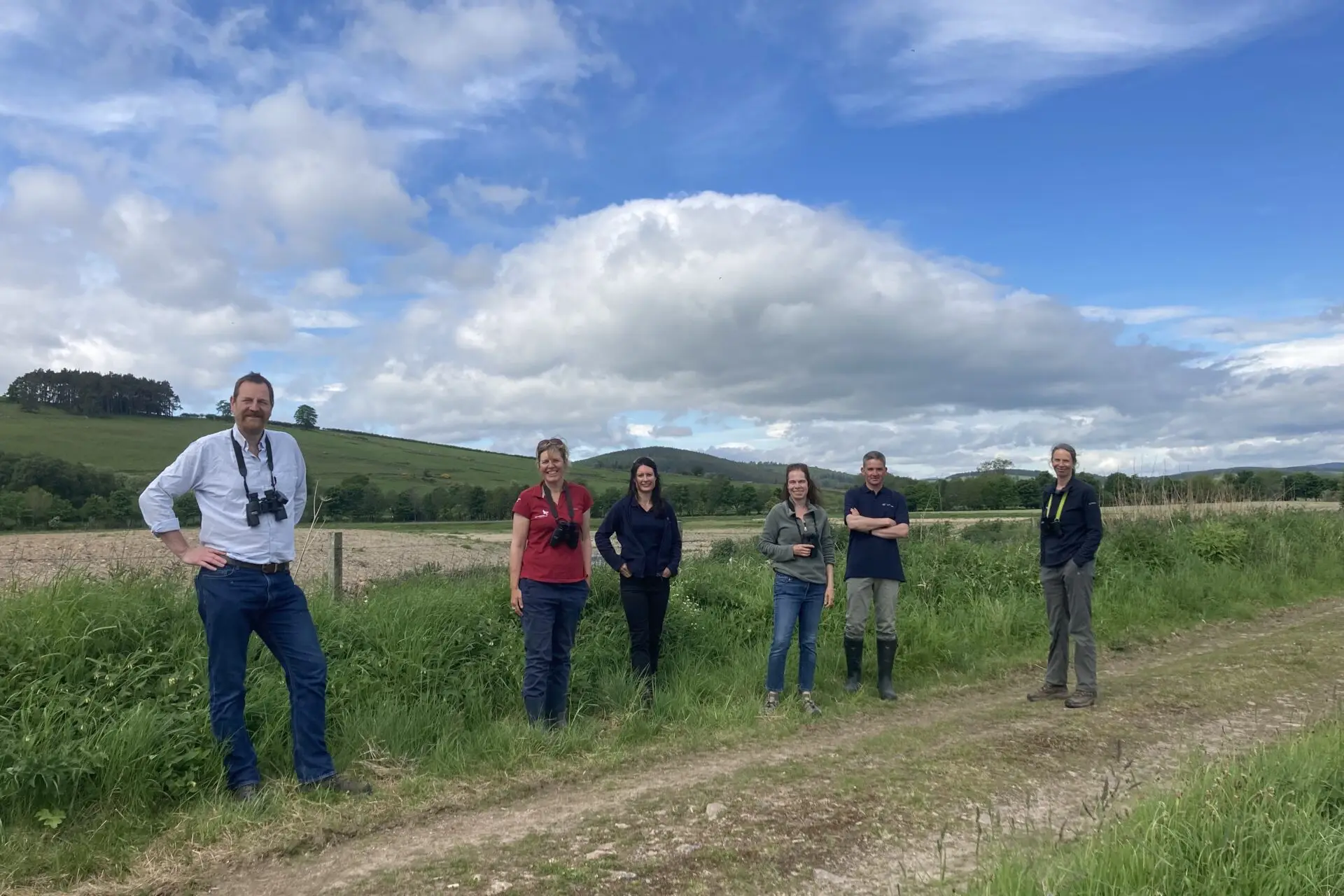
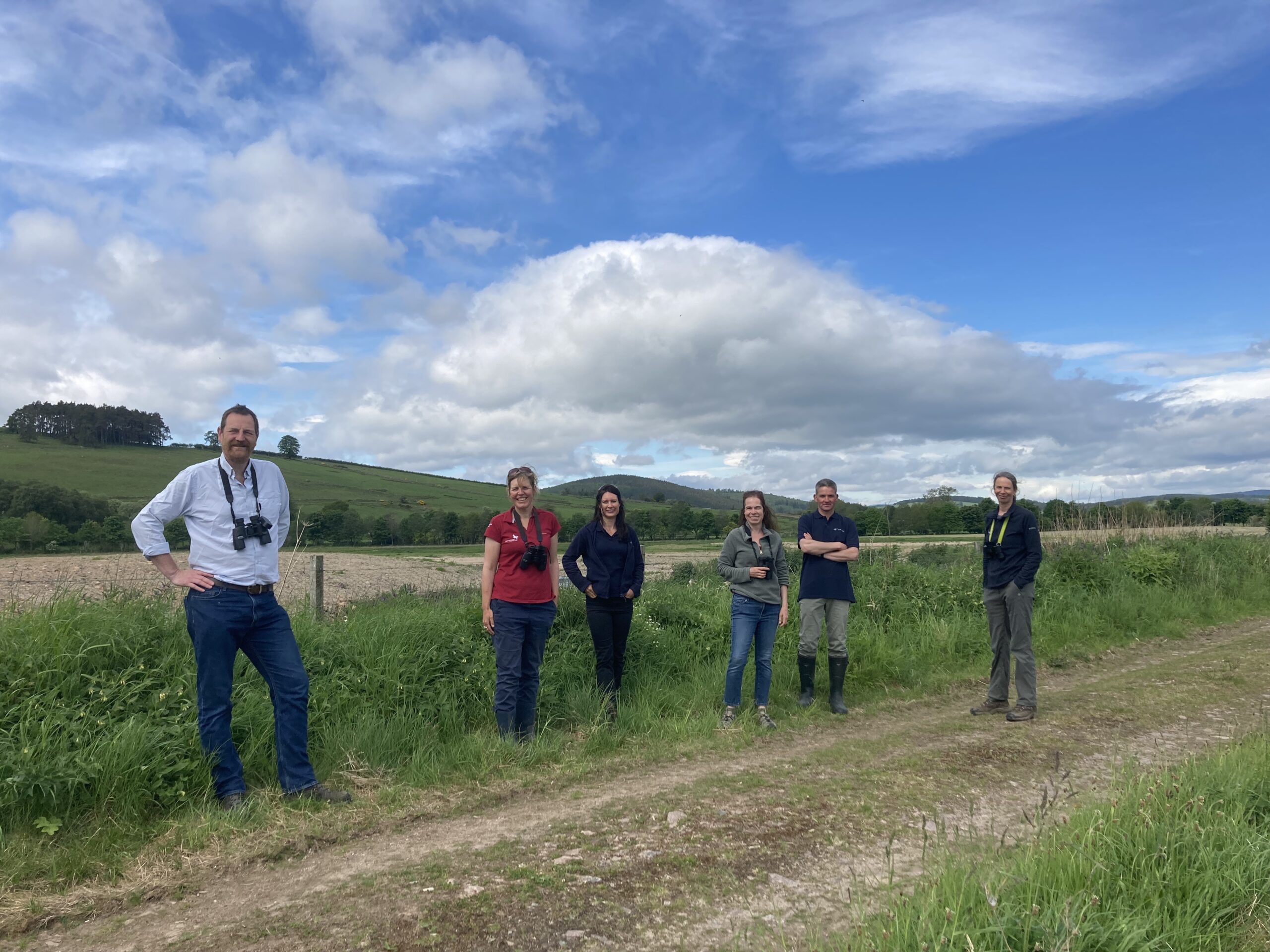
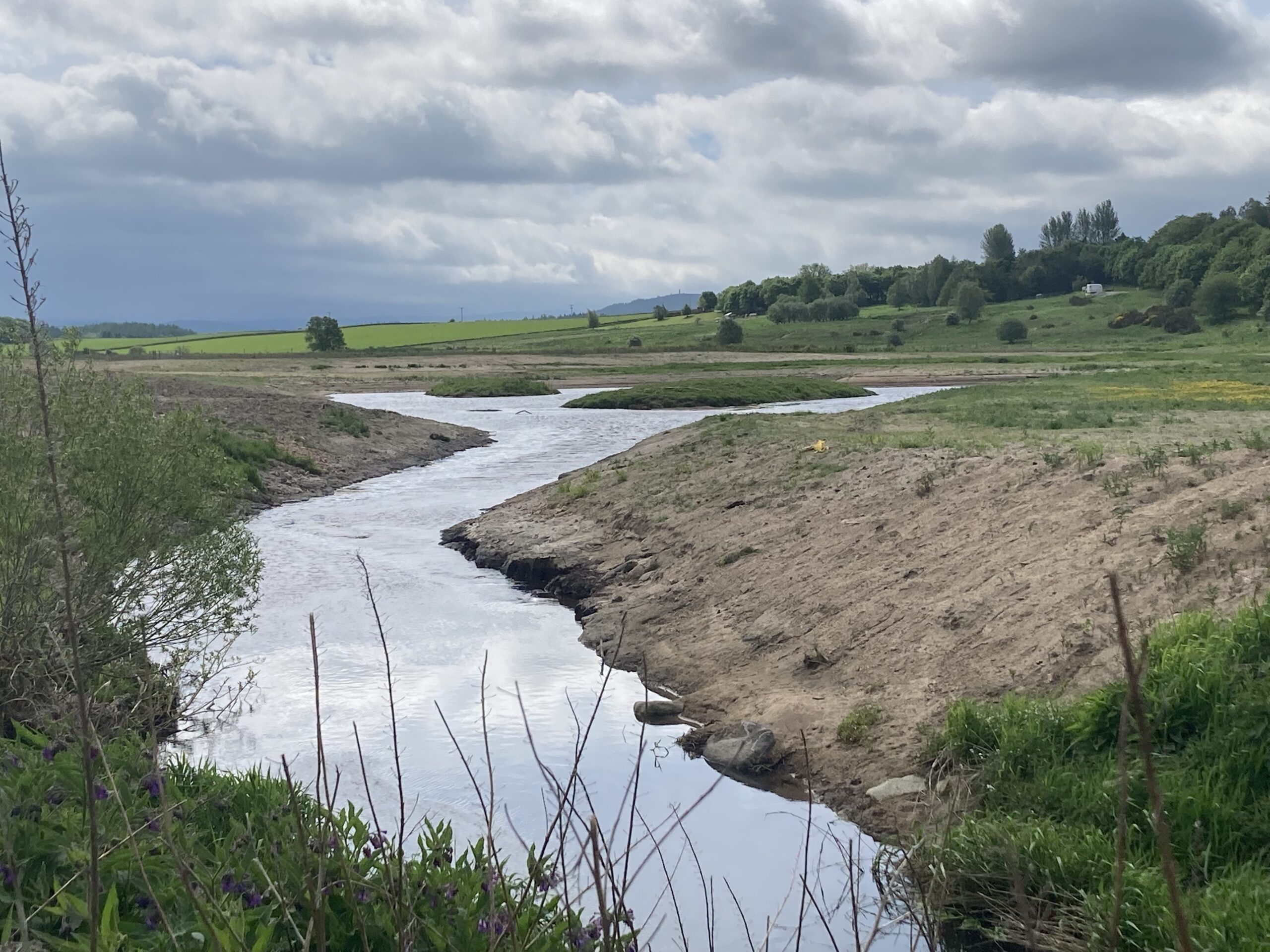
We toured three of the catchment’s most recent restoration sites this week with partners from the Cairngorms National Park Authority and the River Dee Trust. First stop was the Easter Beltie restoration, where under sunny skies, project managers Susan Cooksley and Edwin Third, explained the process of re-meandering part of a previously straightened burn, to benefit the catchment’s biodiversity and resilience to climate change.
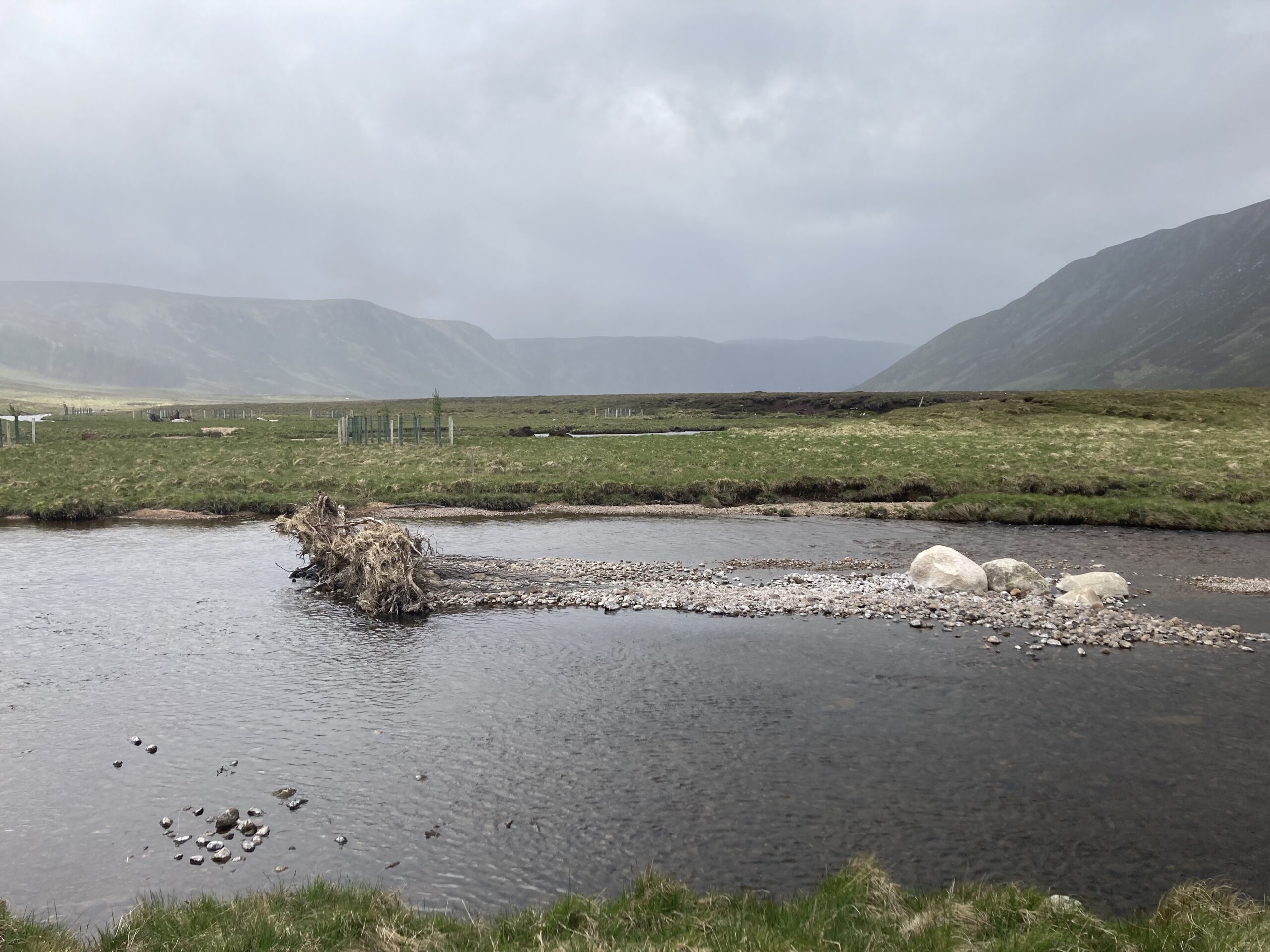
We then headed west to Glen Muick, where in driving wind and rain, Edwin showed off the large trees that have been added to the Muick tributary, to create a variety of habitat for Atlantic salmon. Shingle bars and gravel islands were already clearly visible around the large woody debris, which create opportunities for all the native wildlife in the river, interrupting and trapping vegetation and boosting aquatic insects.
Our final and western-most stop was at the Garbh Alt tributary, where the sun returned, and Edwin showed us where he and his team have reconnected a previously embanked river with its floodplain through the creation of a naturalised alluvial fan, reducing flooding problems and boosting wildlife.
Head of Conservation at the Cairngorms National Park Authority, Andy Ford, commented: “It was fantastic to see first hand the range and breadth of restoration work that went on in the catchment in 2020. Nature-based approaches are fundamental to tackling the twin challenges of biodiversity loss and climate change. Projects like these are exactly the kind we need to see more of at both sub catchment and catchment scales. The Cairngorms National Park and Dee catchment are internationally important for the unique species and landscapes they support, and their continued restoration is vital to the green recovery of both people and nature as we emerge from the global pandemic.”
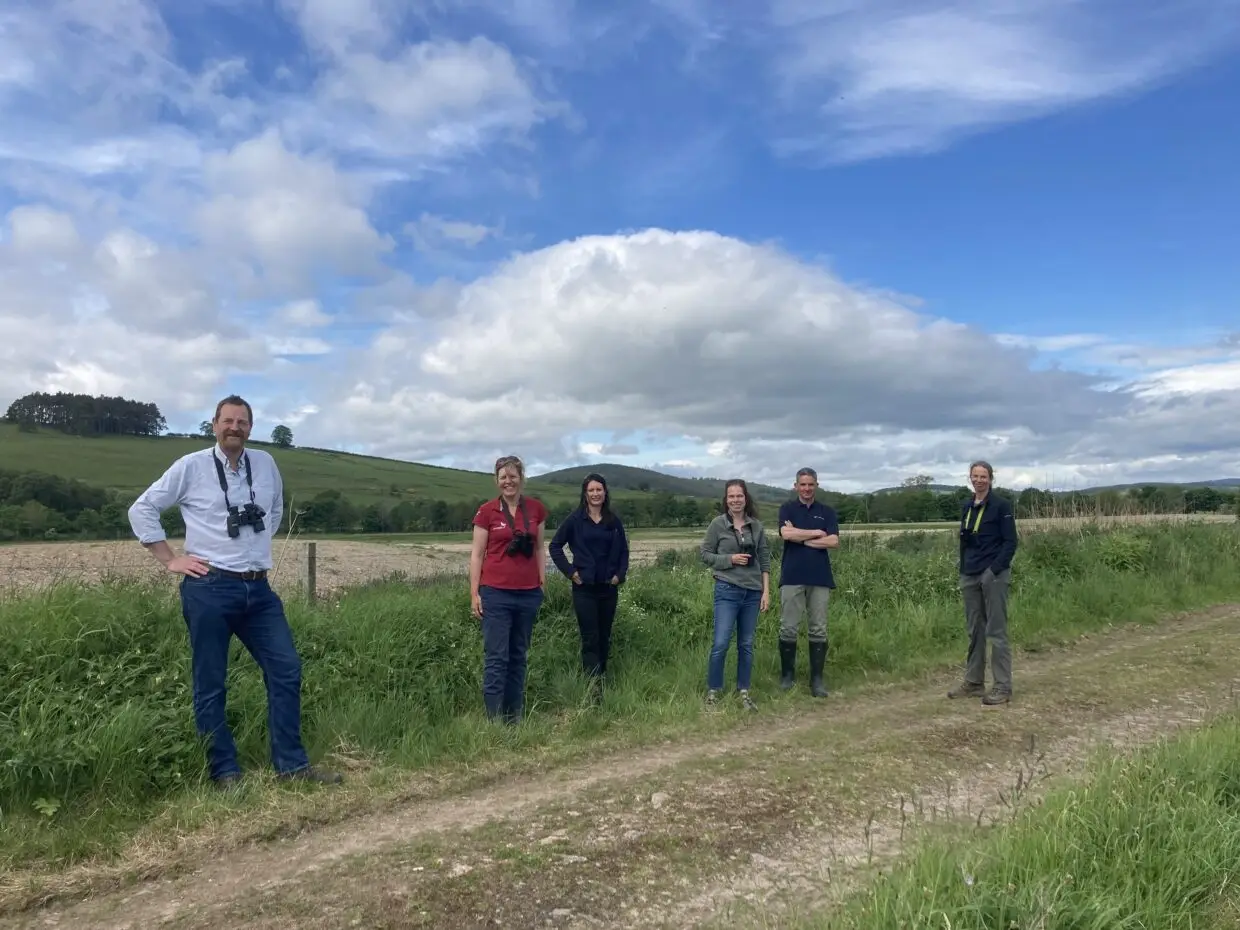
Partners from Cairngorms National Park Authority and River Dee Trust at the new Beltie burn 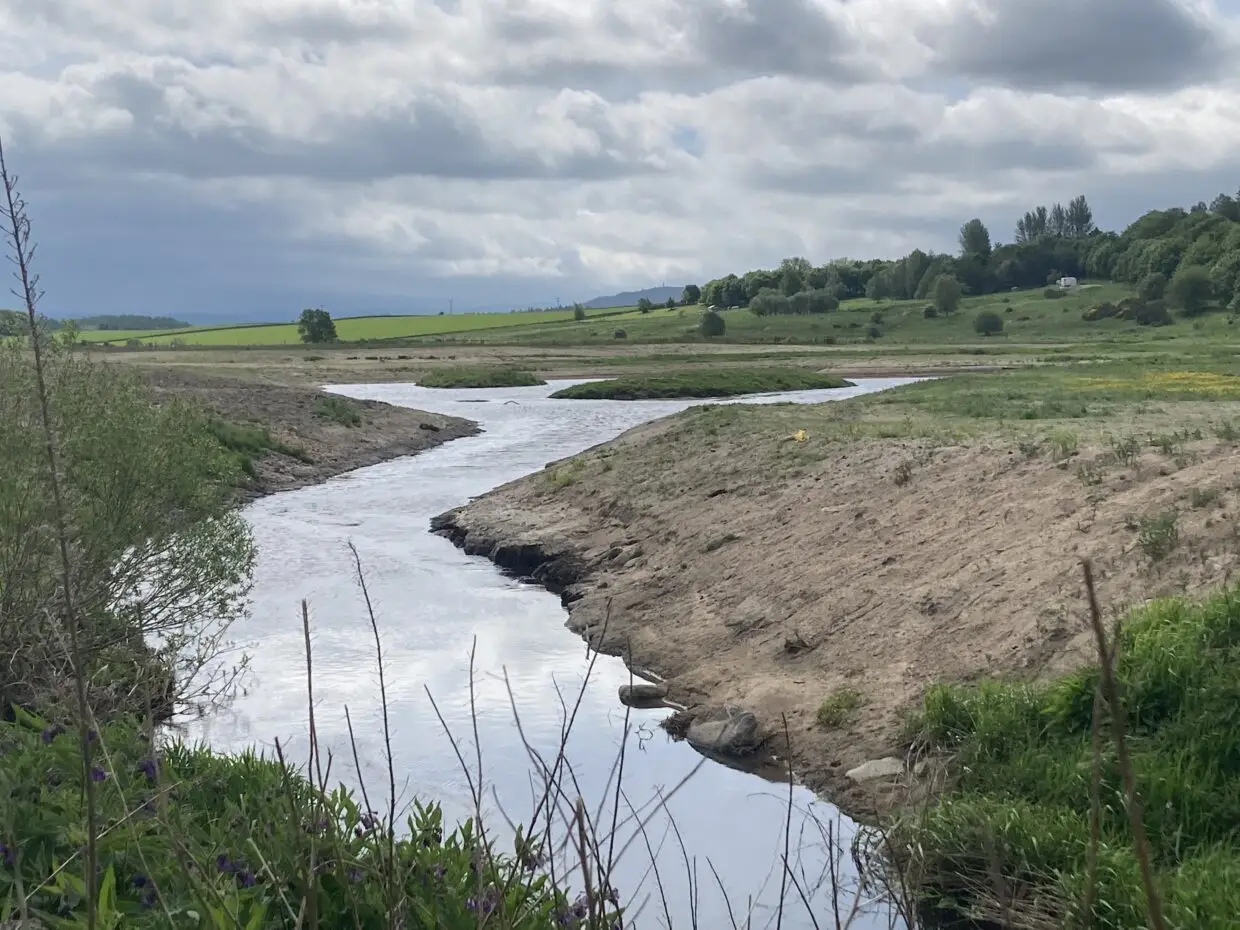
Re-meandered Beltie burn, upper section 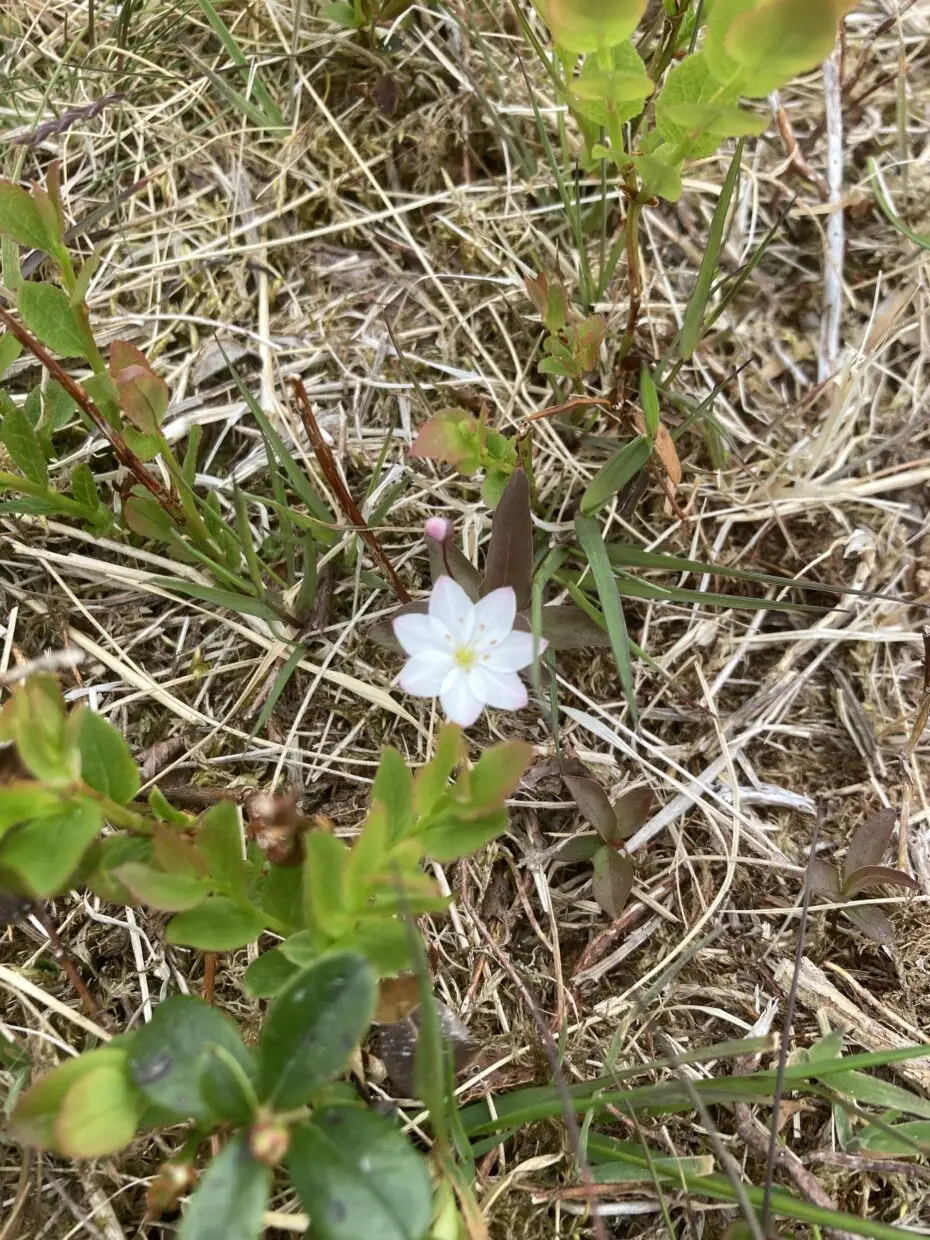
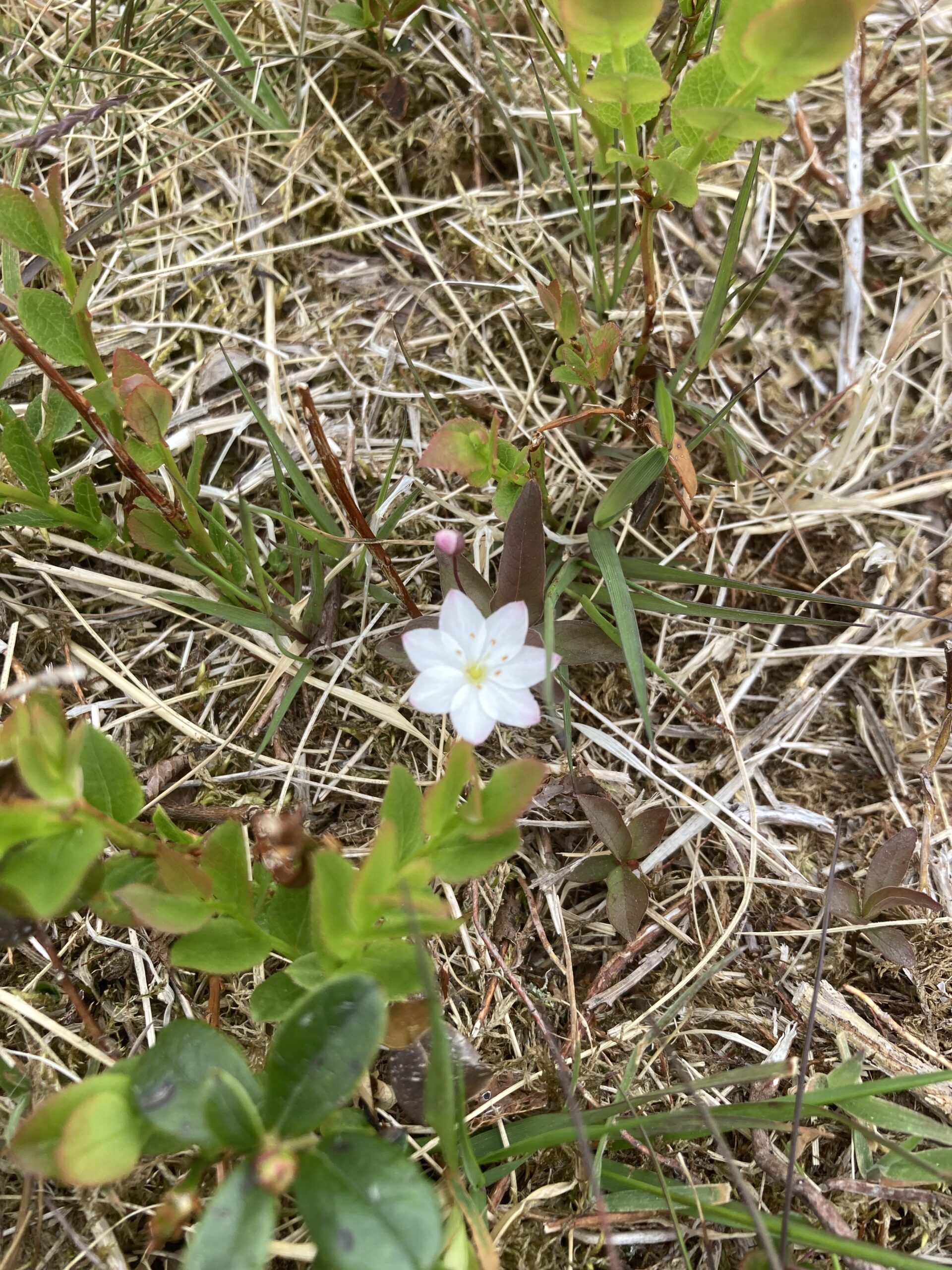
Chickweed wintergreen, Muick catchment 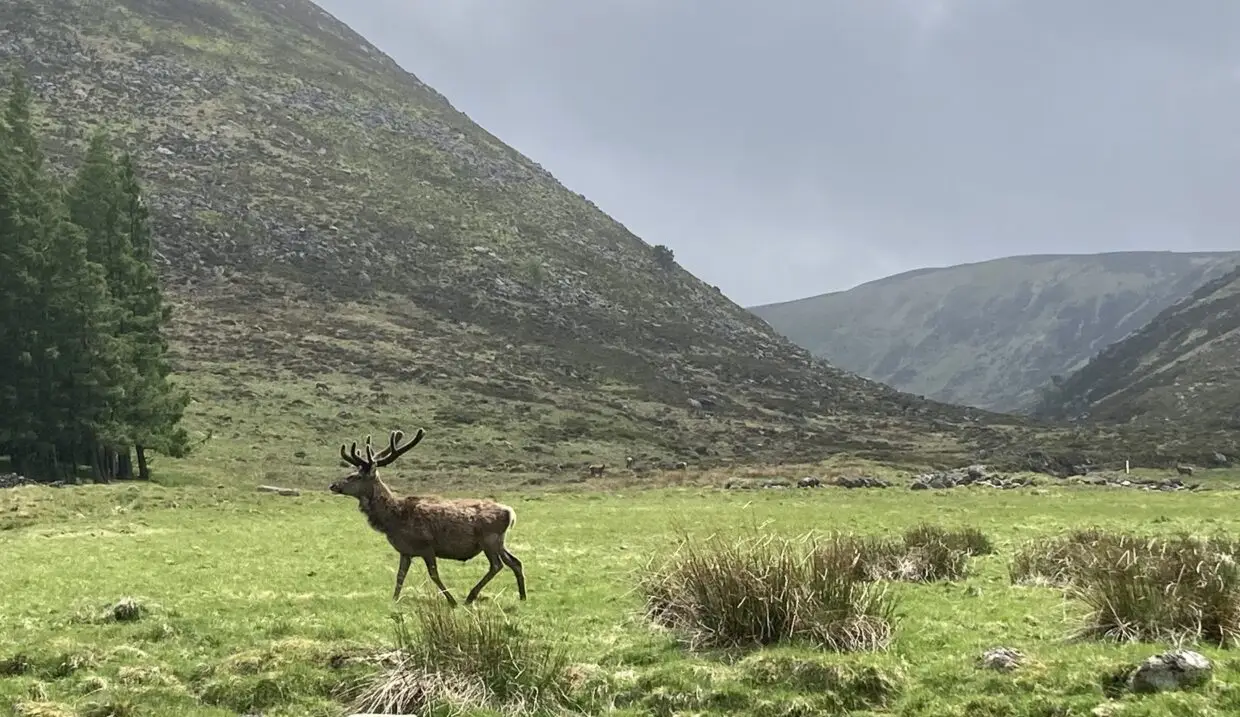
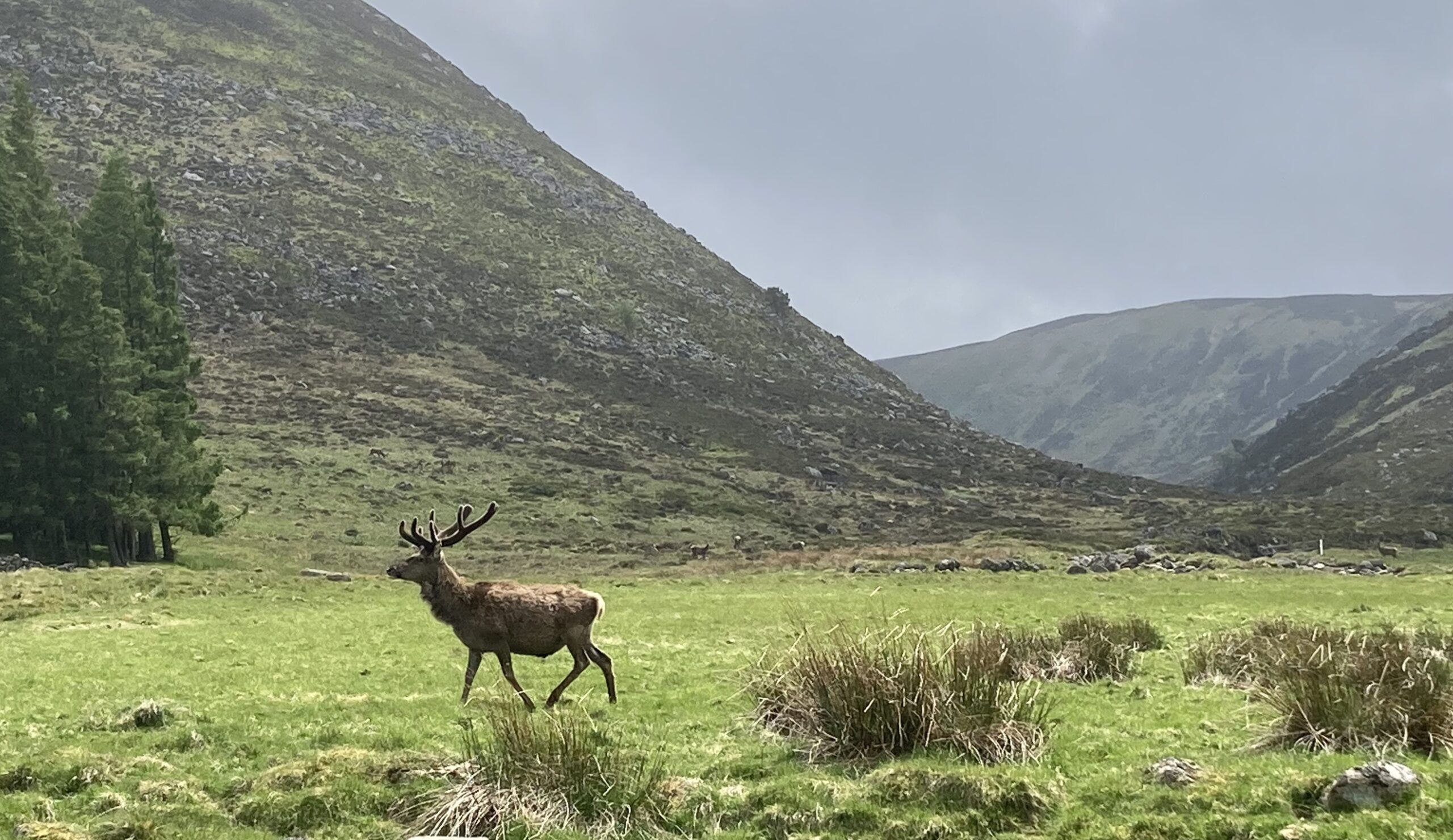
Deer, Loch Muick 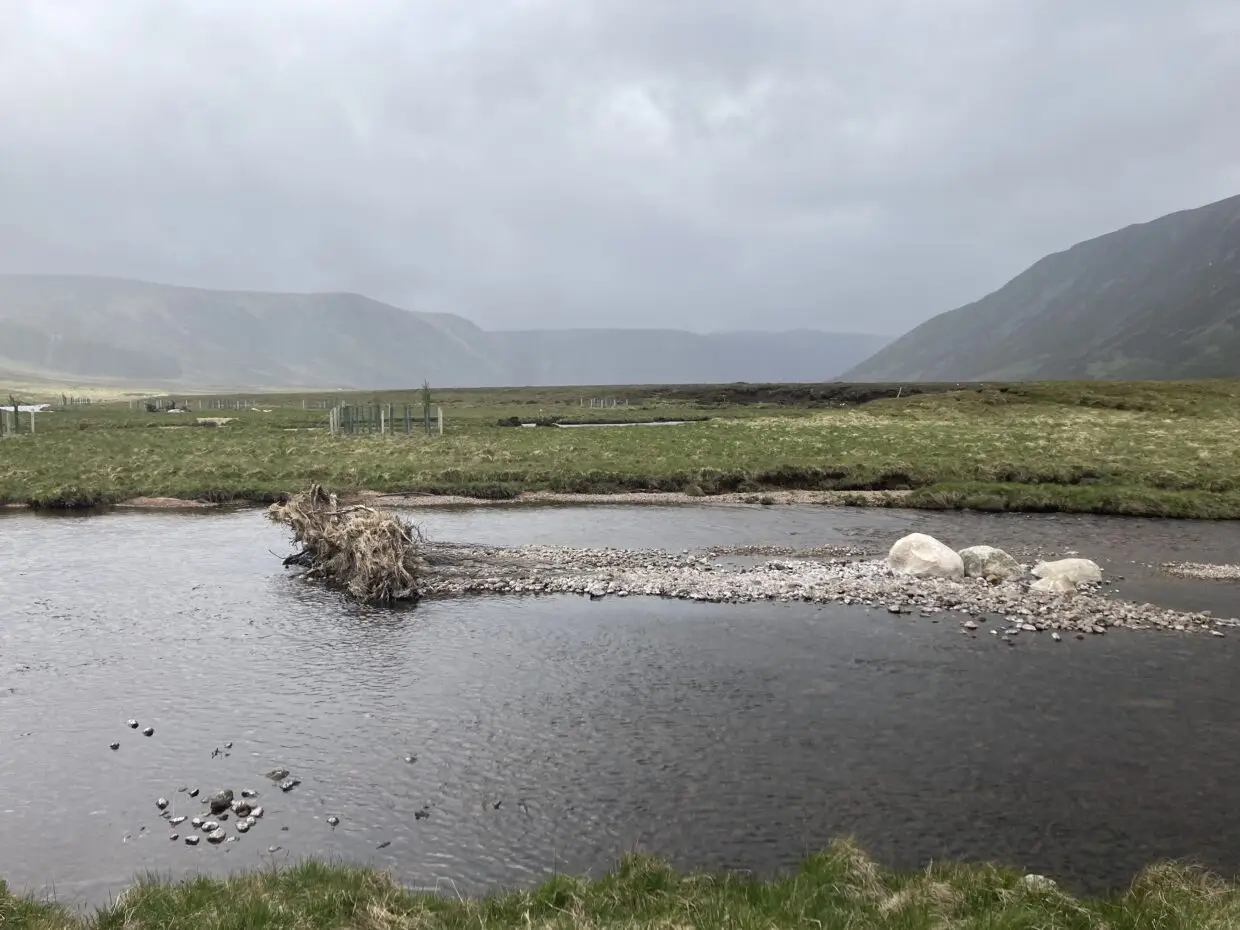
Large woody debris, Muick catchment 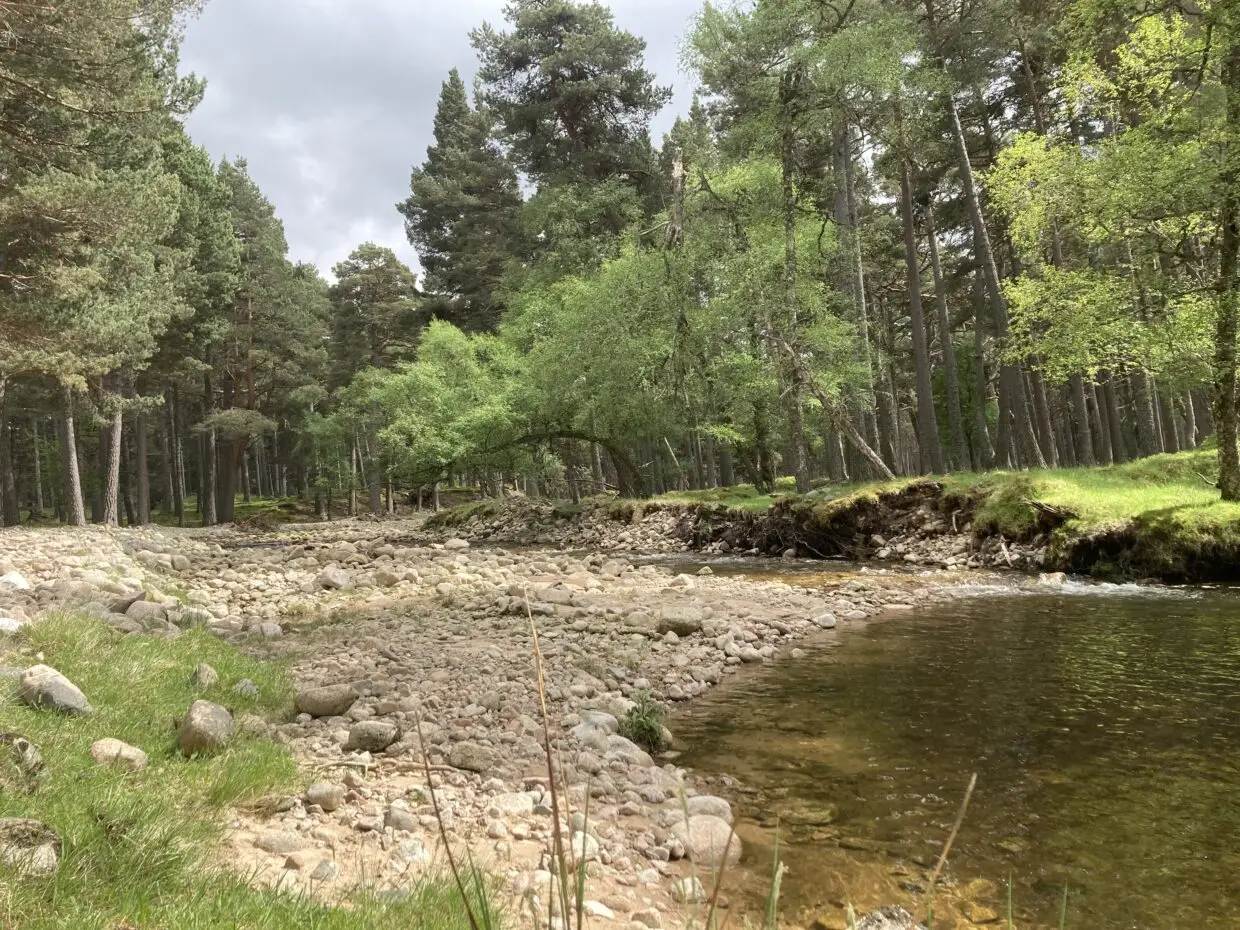
Garbh Alt restoration 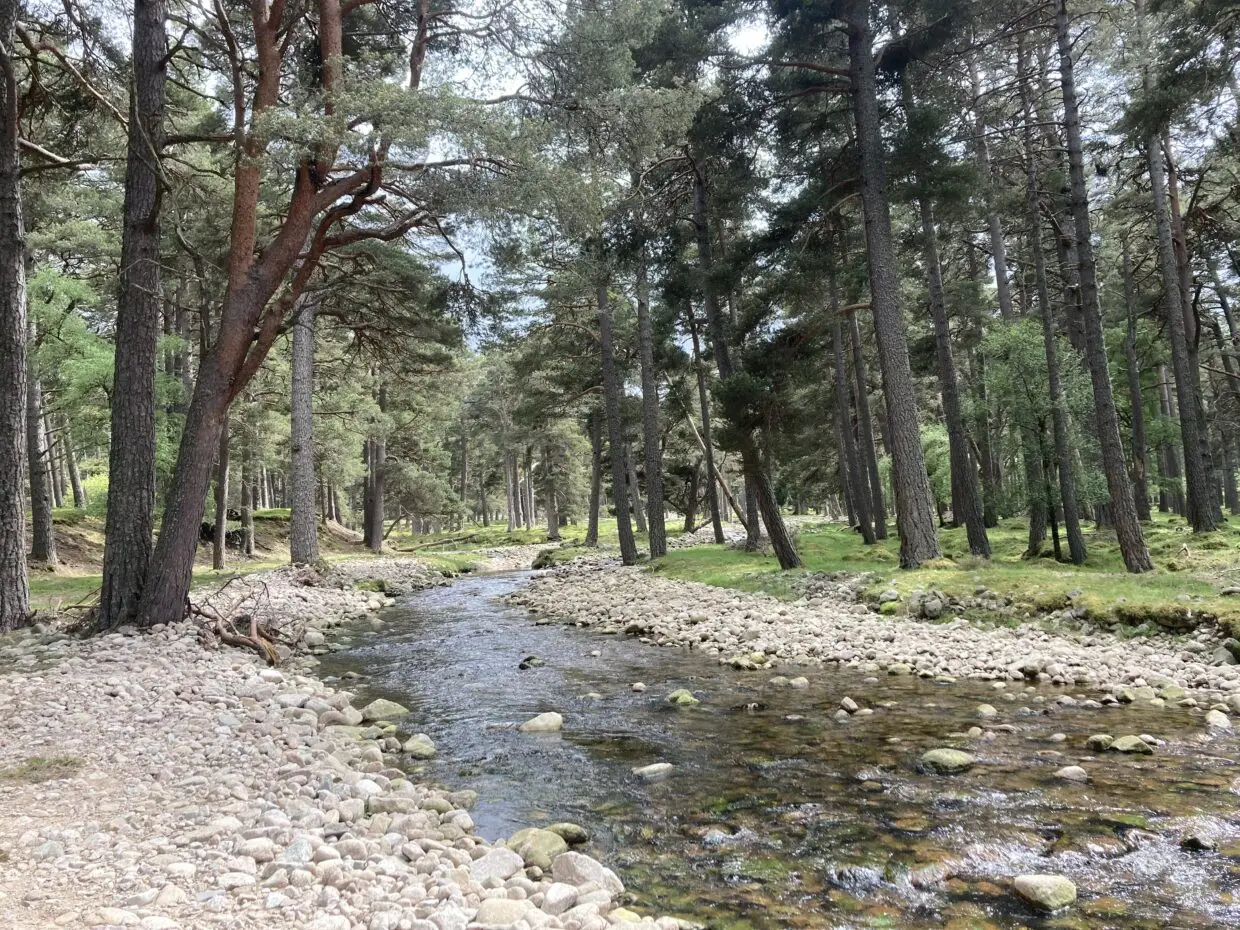
Garbh Alt restored alluvial fan