

 Ambitious recovery programme launched as unprecedented decline in pearl mussel highlights fragile River Dee
 DeeWatch December
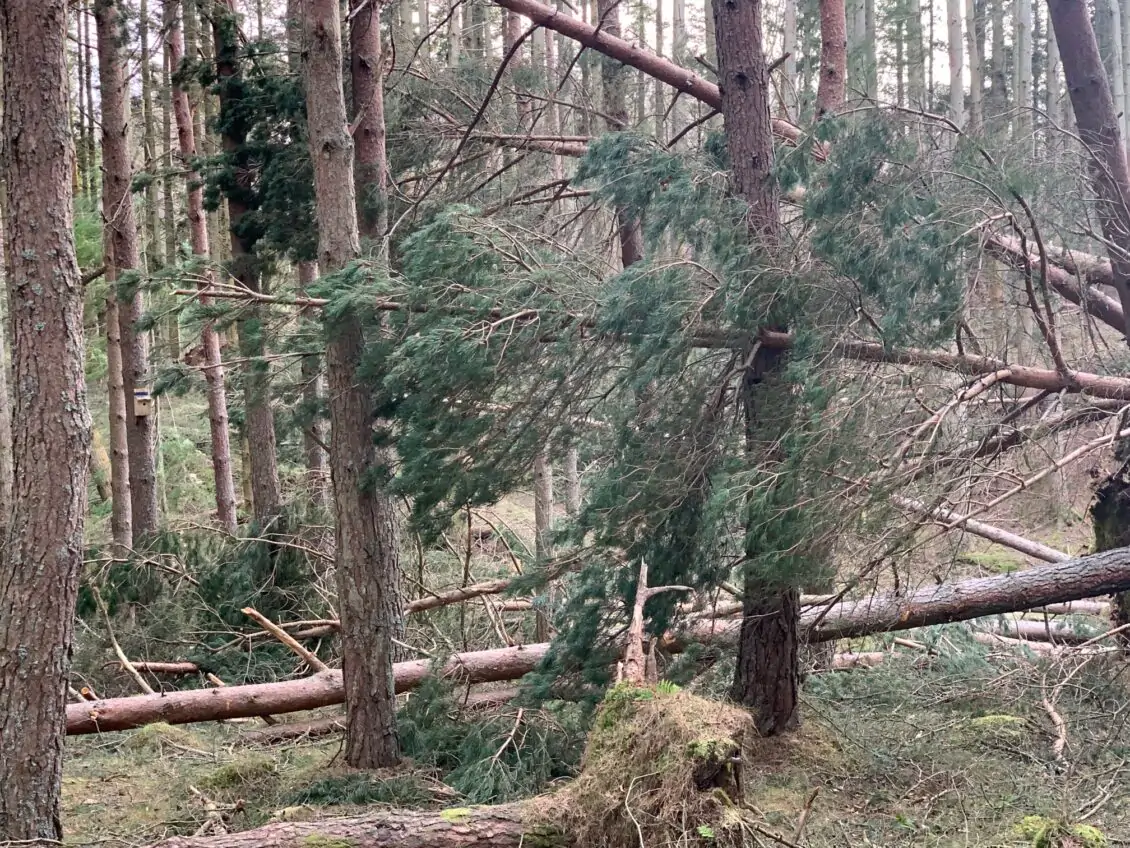
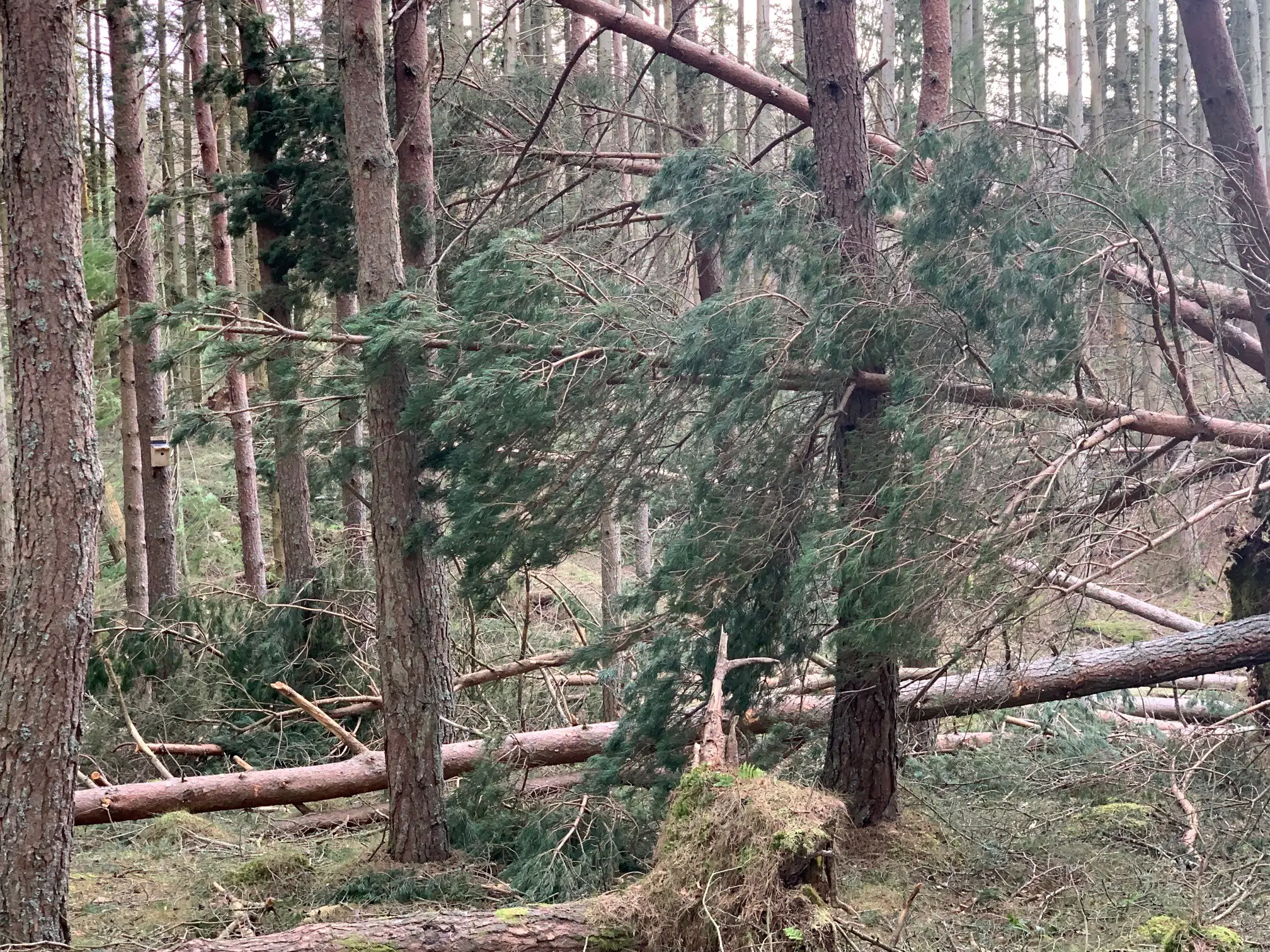
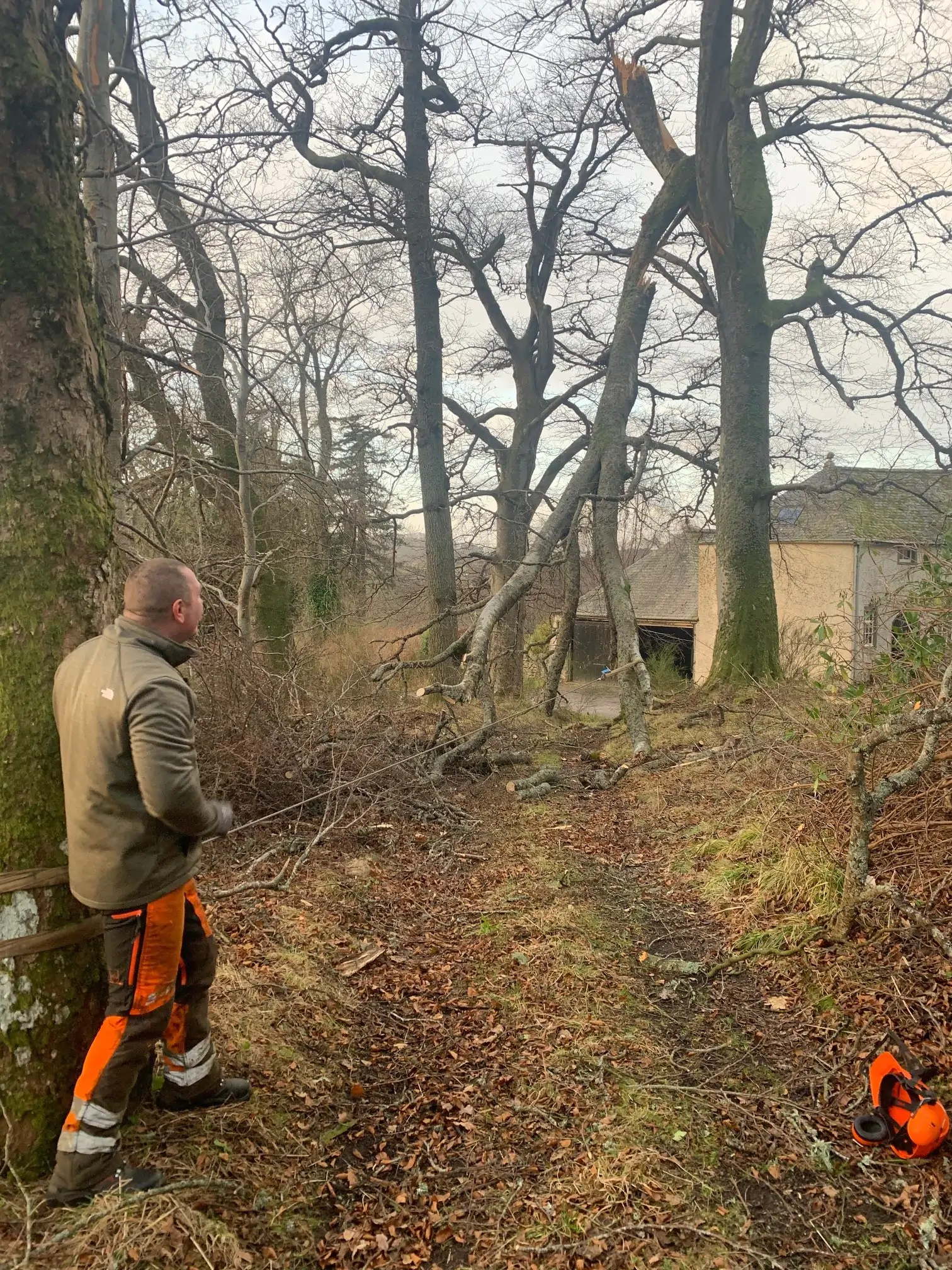
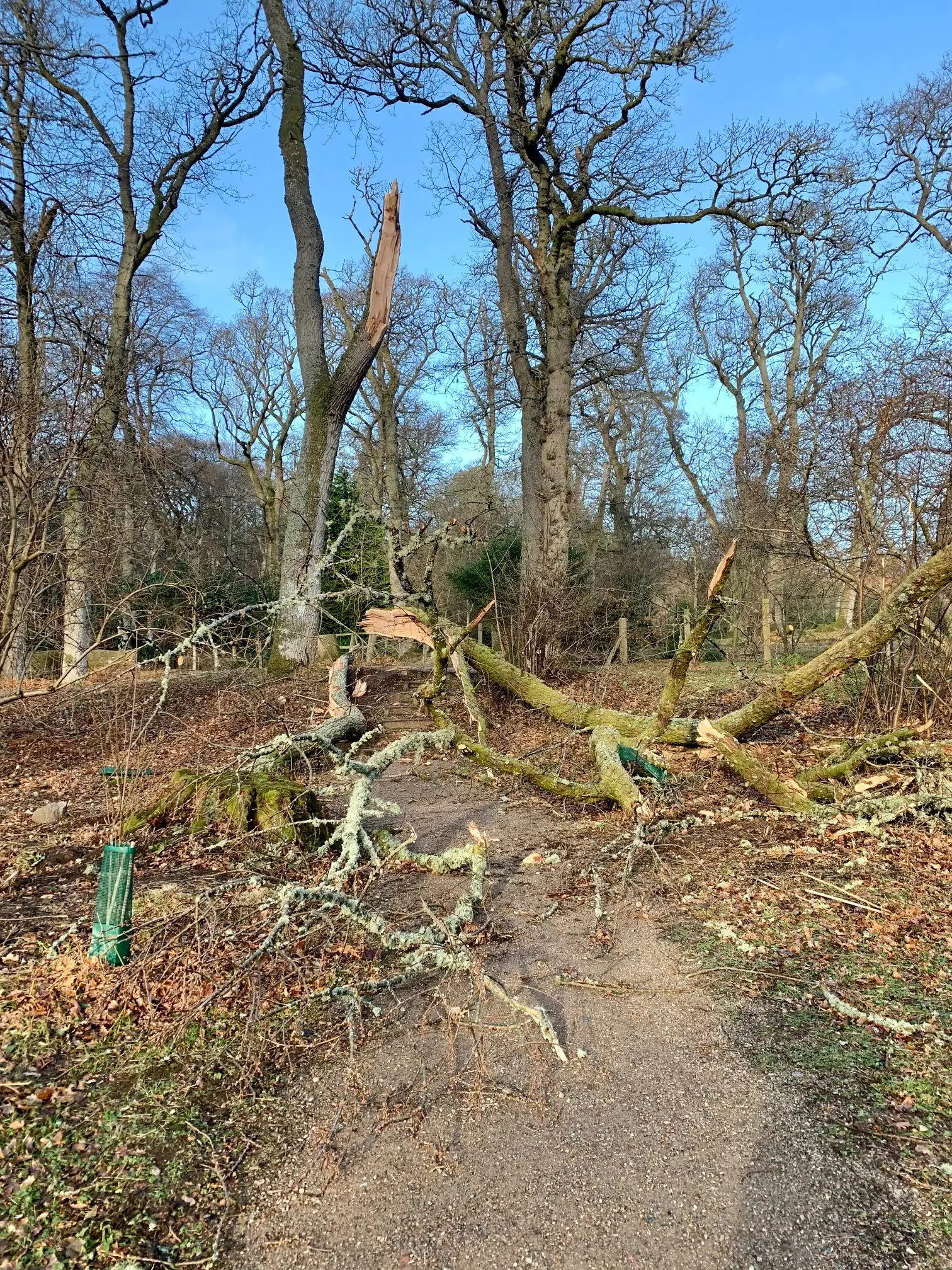
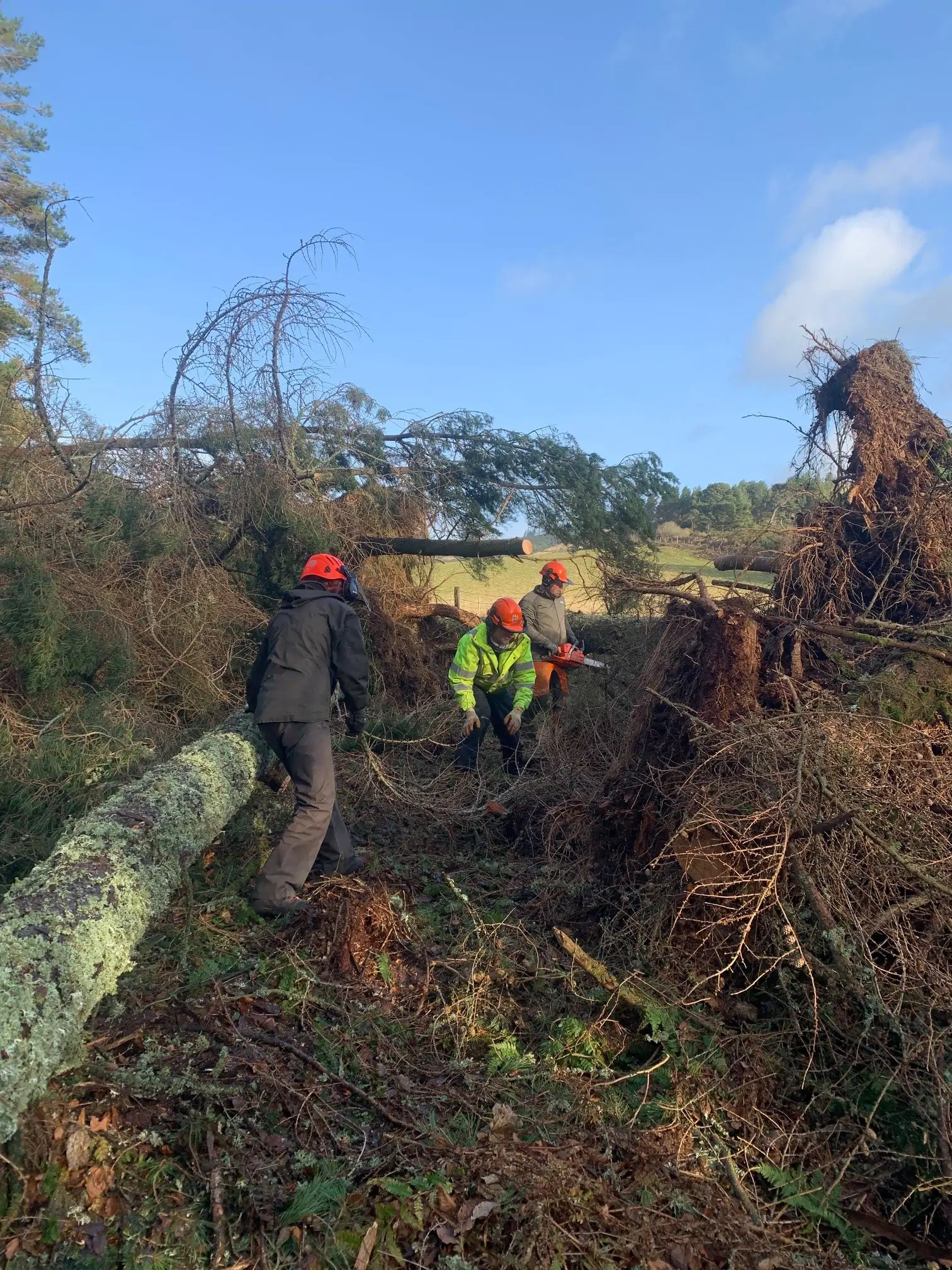
It’s fair to say that Storms Malik and Corrie have left us on the back foot so we’re a little late with our February DeeWatch post…but it’s very nice to have power and water back after four days without! And boy how these winds have affected our lives – thousands of trees down across Deeside and beyond, leaving widespread destruction and chaos in their wake, and creating an entirely different landscape across many of our forests.
Here’s what our rangers have seen recently…
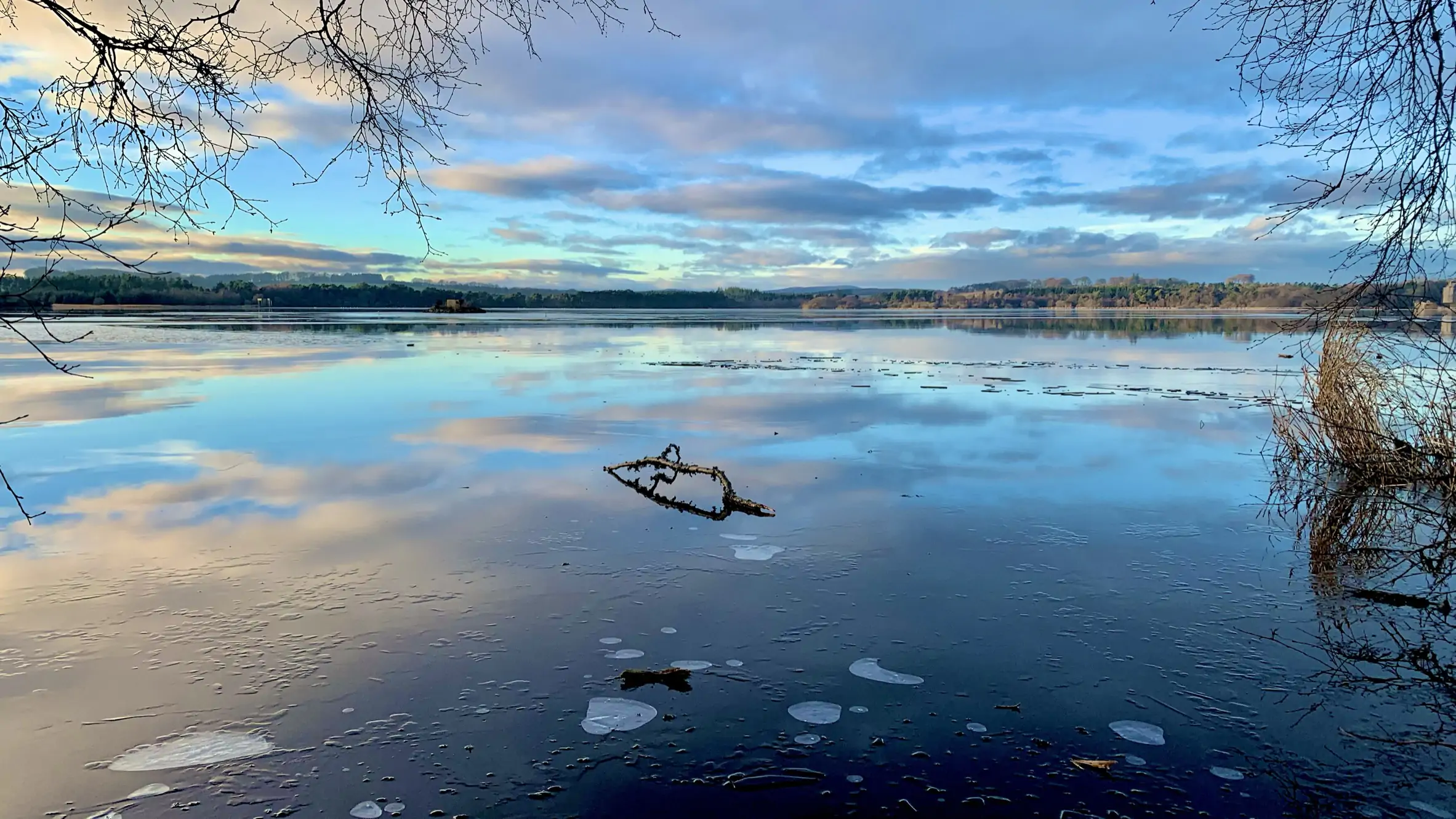
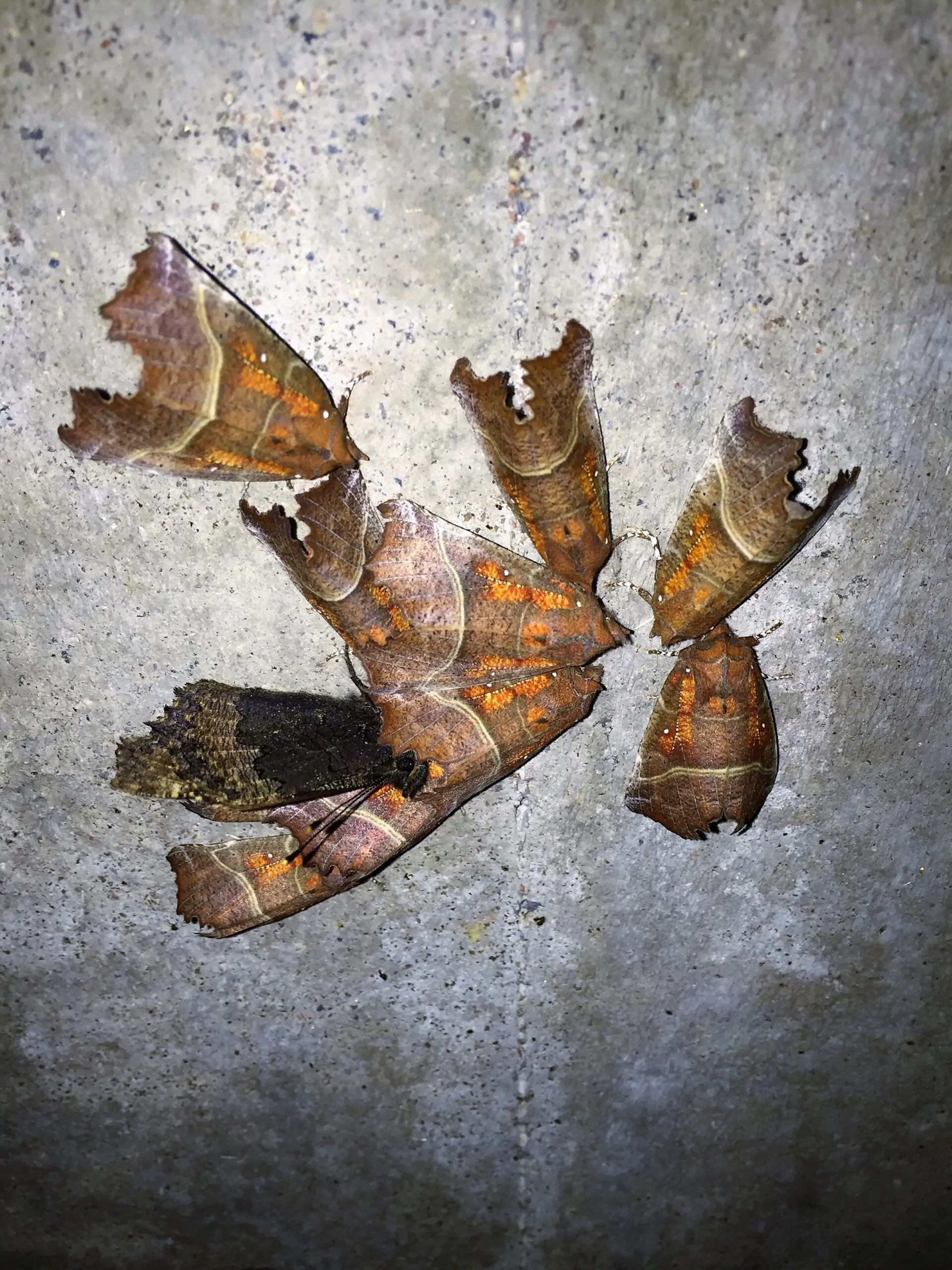
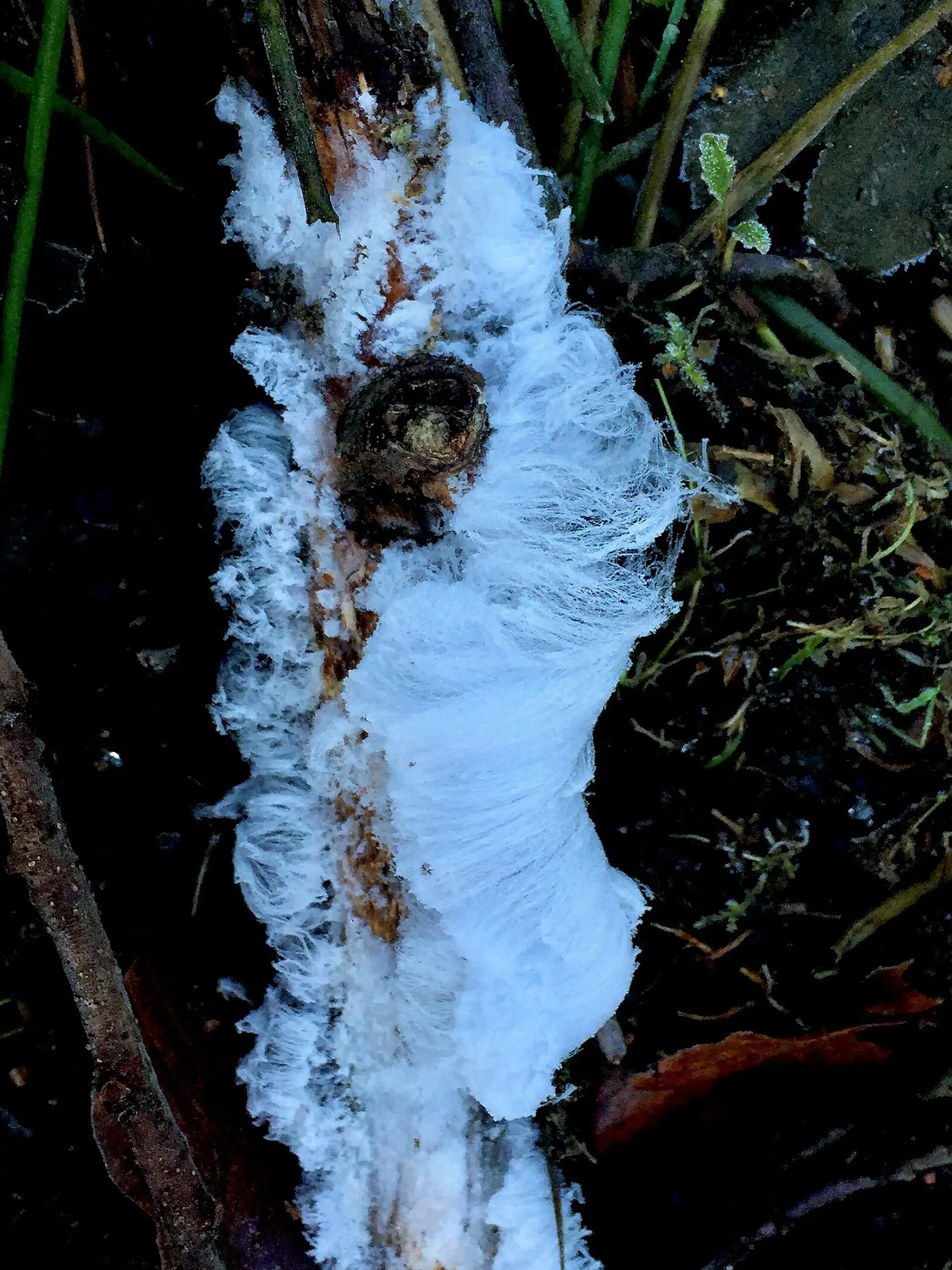
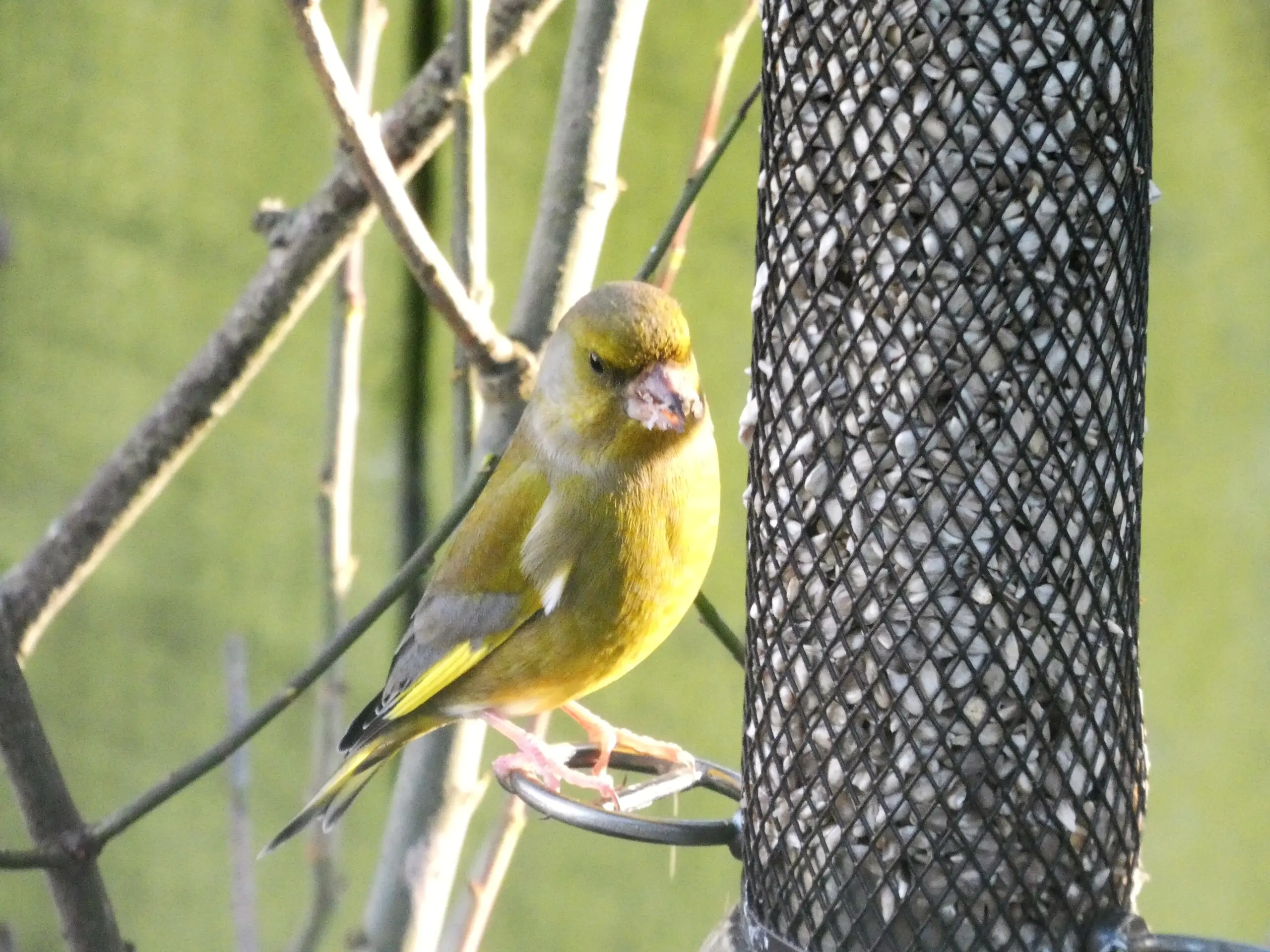
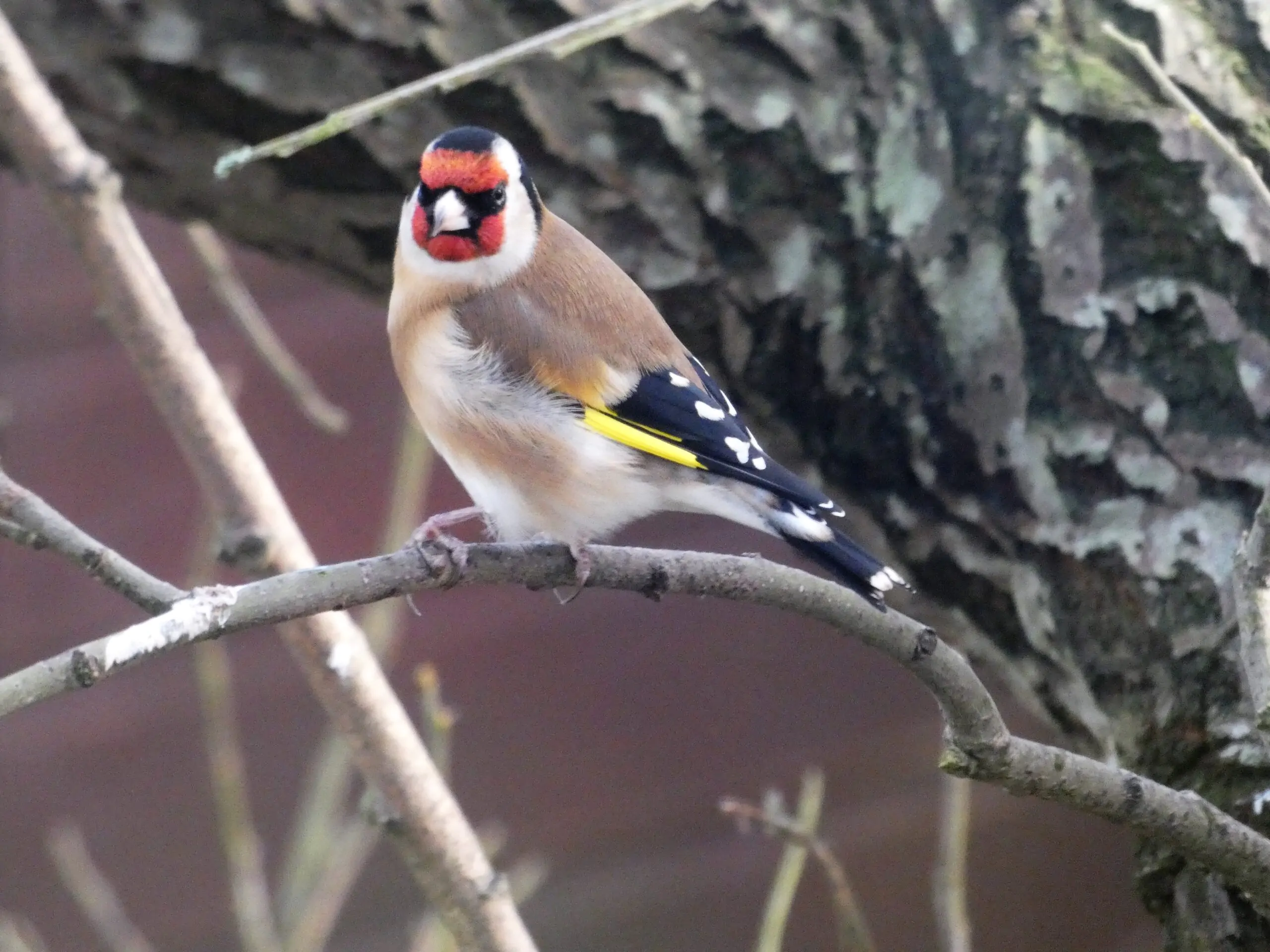
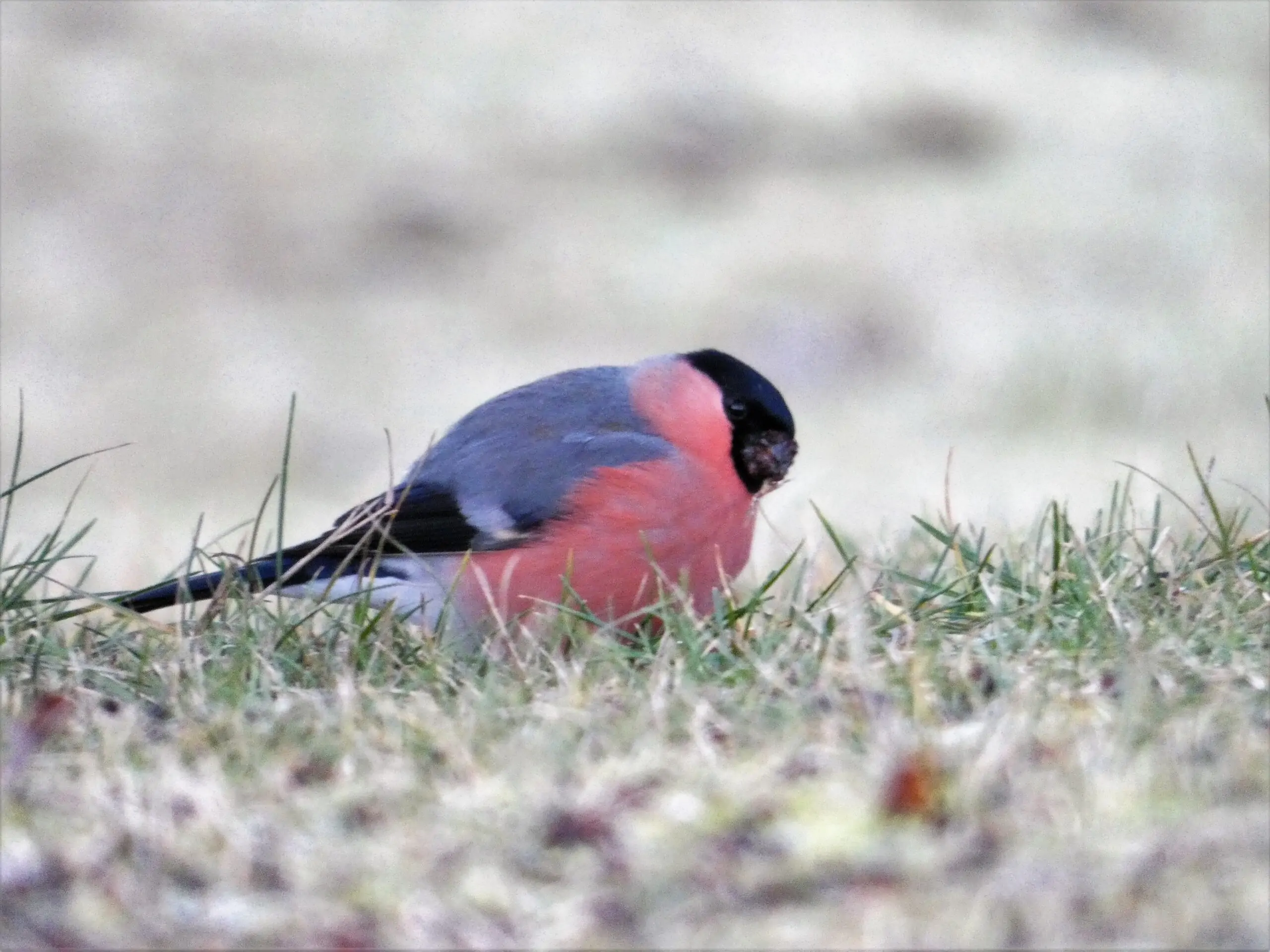
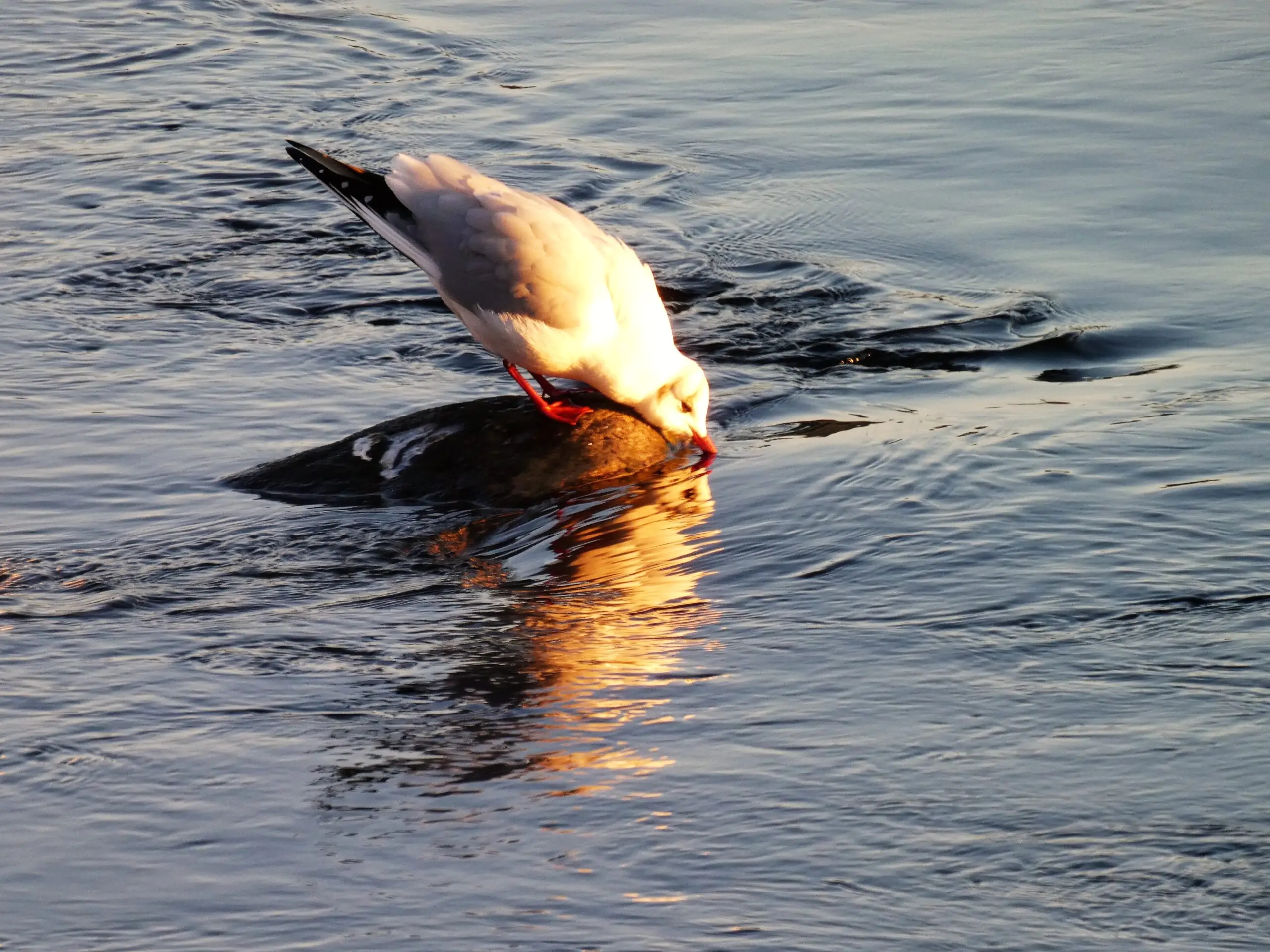
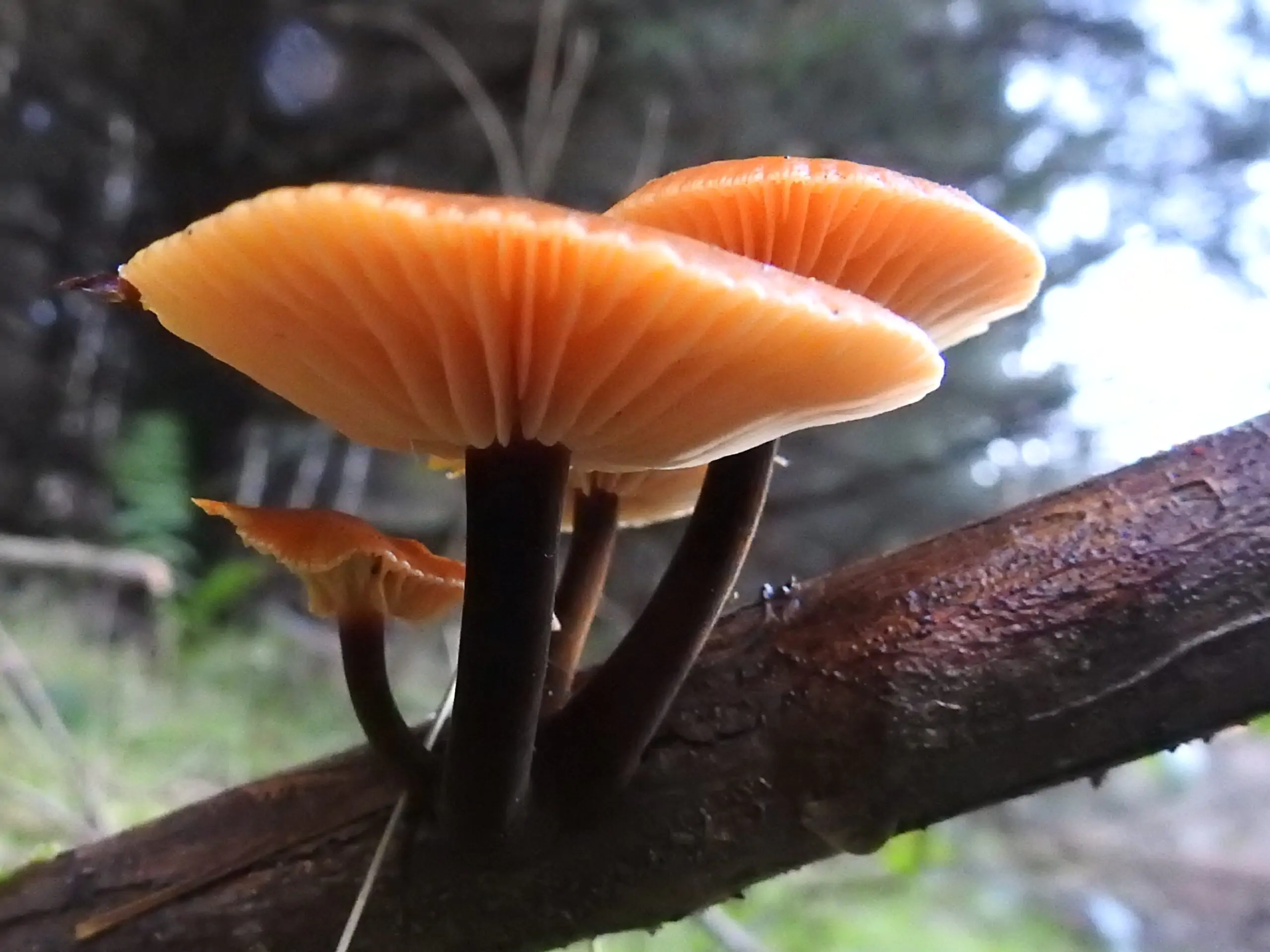
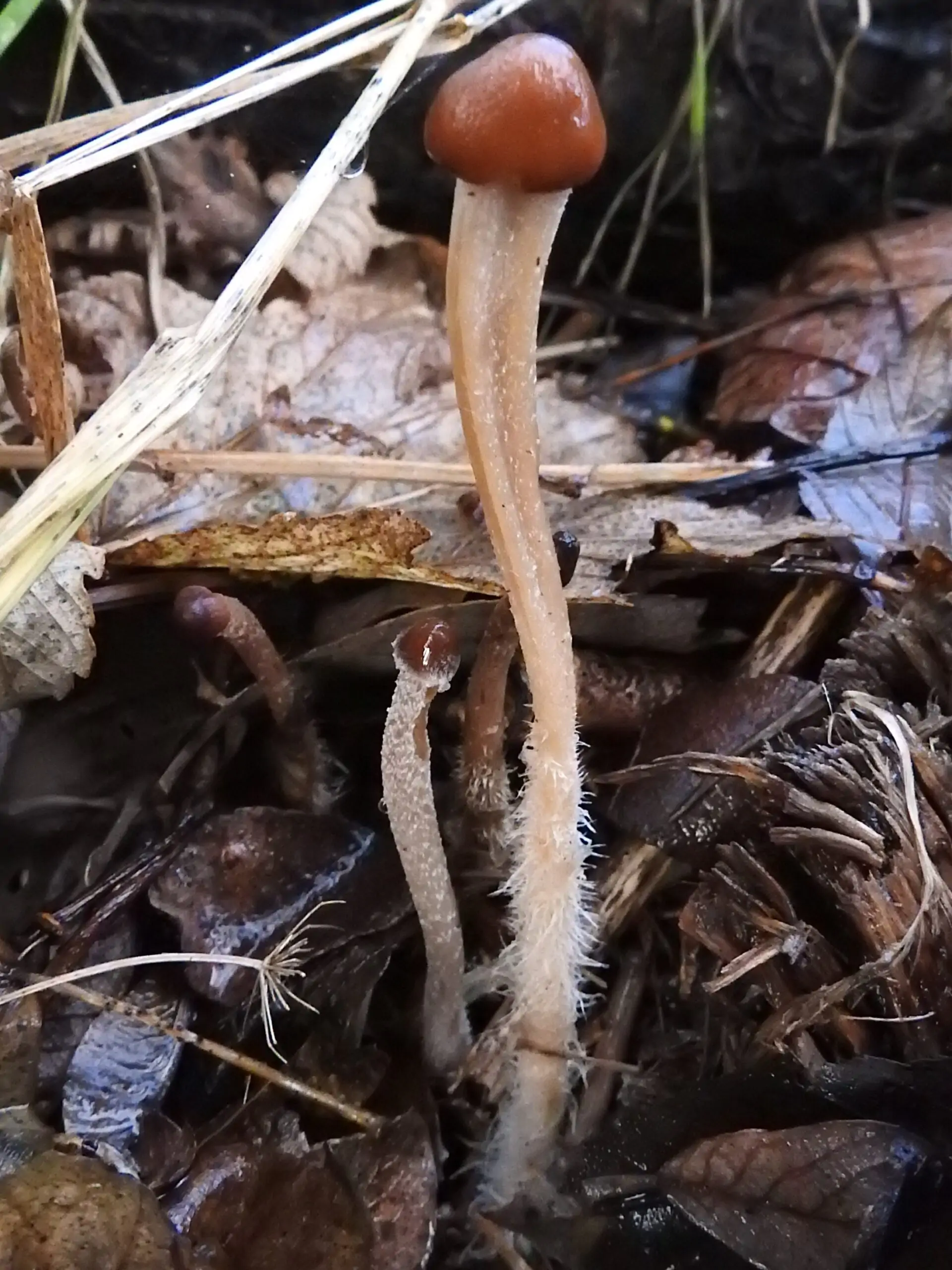
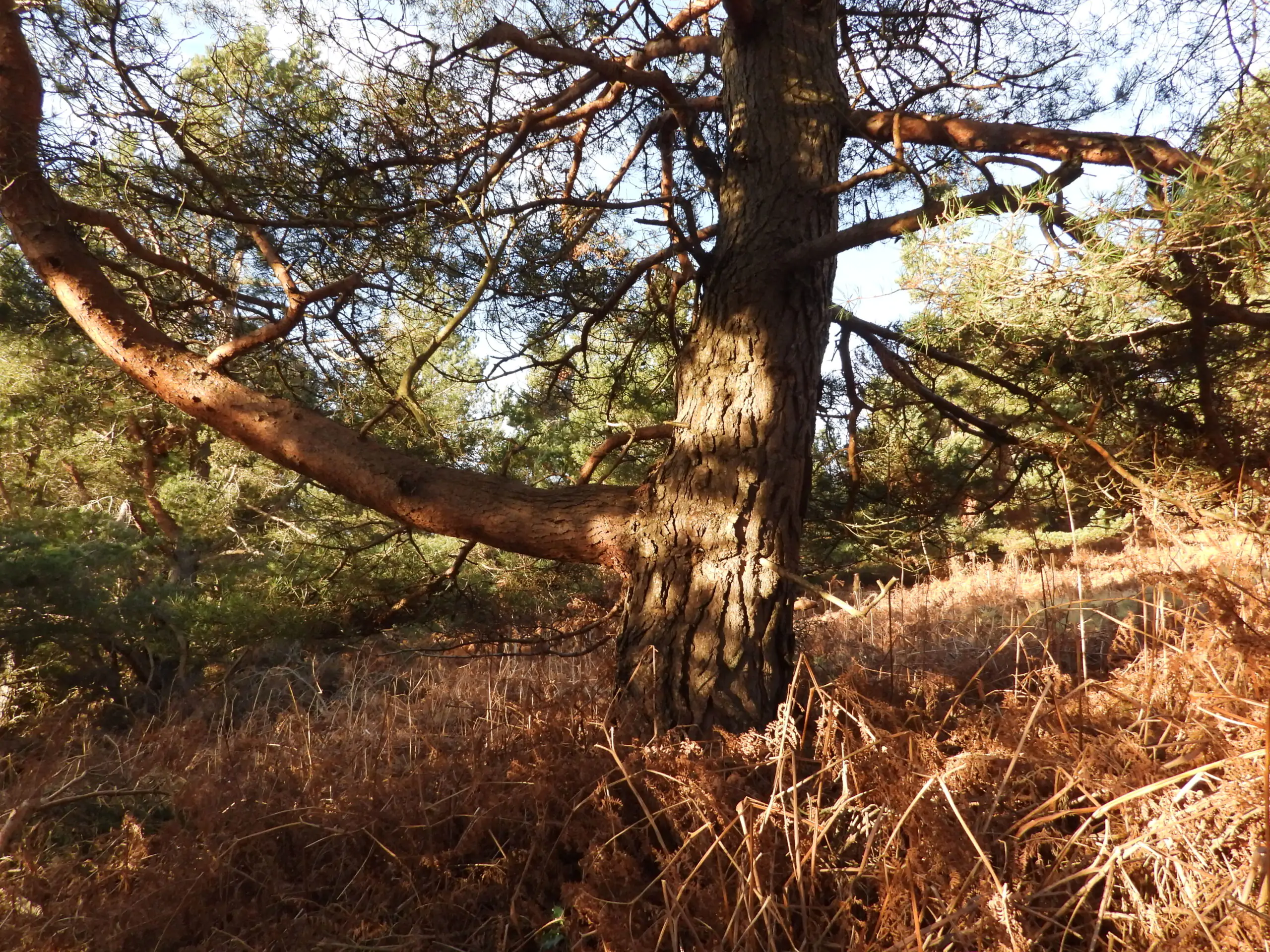
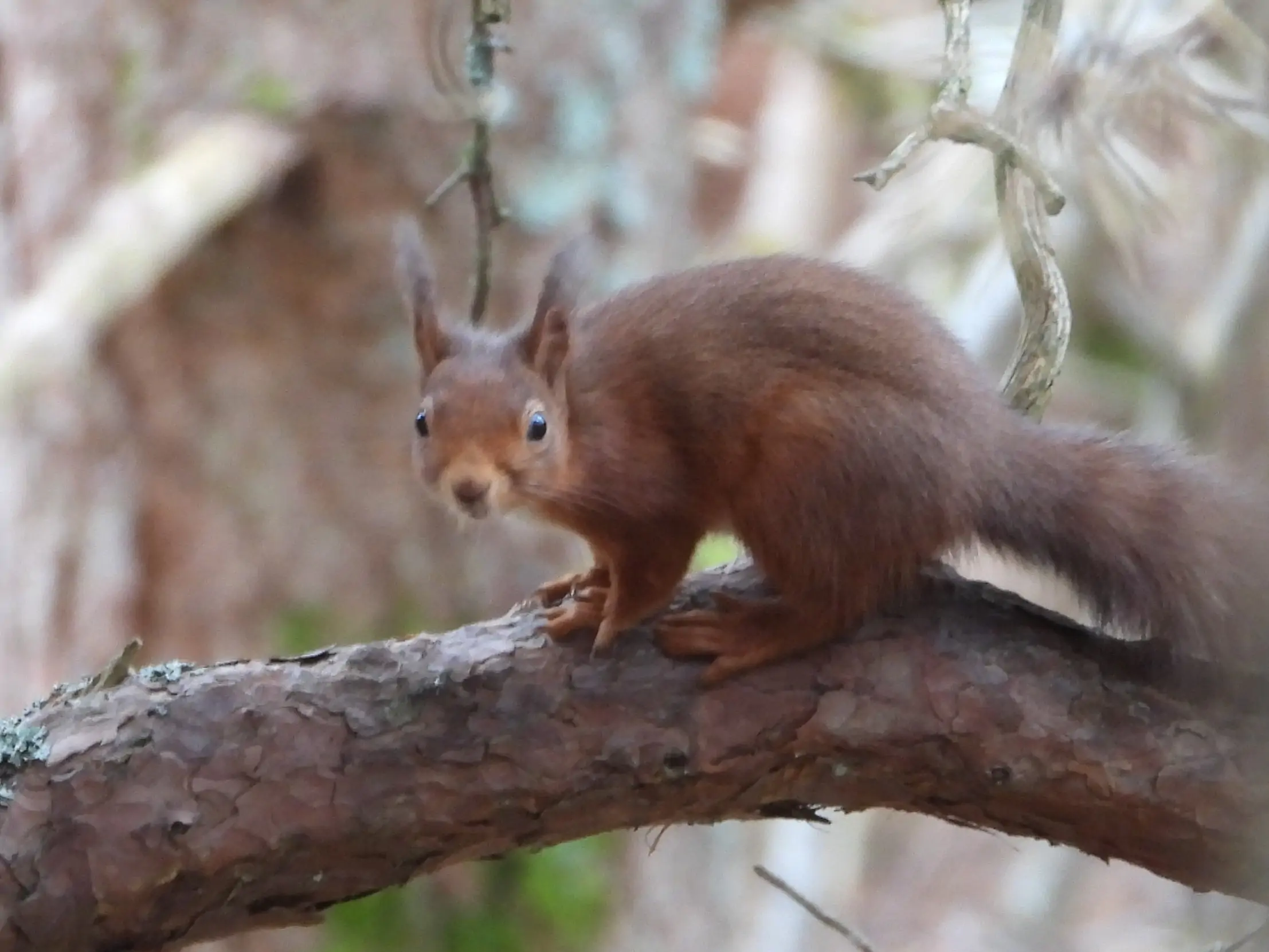
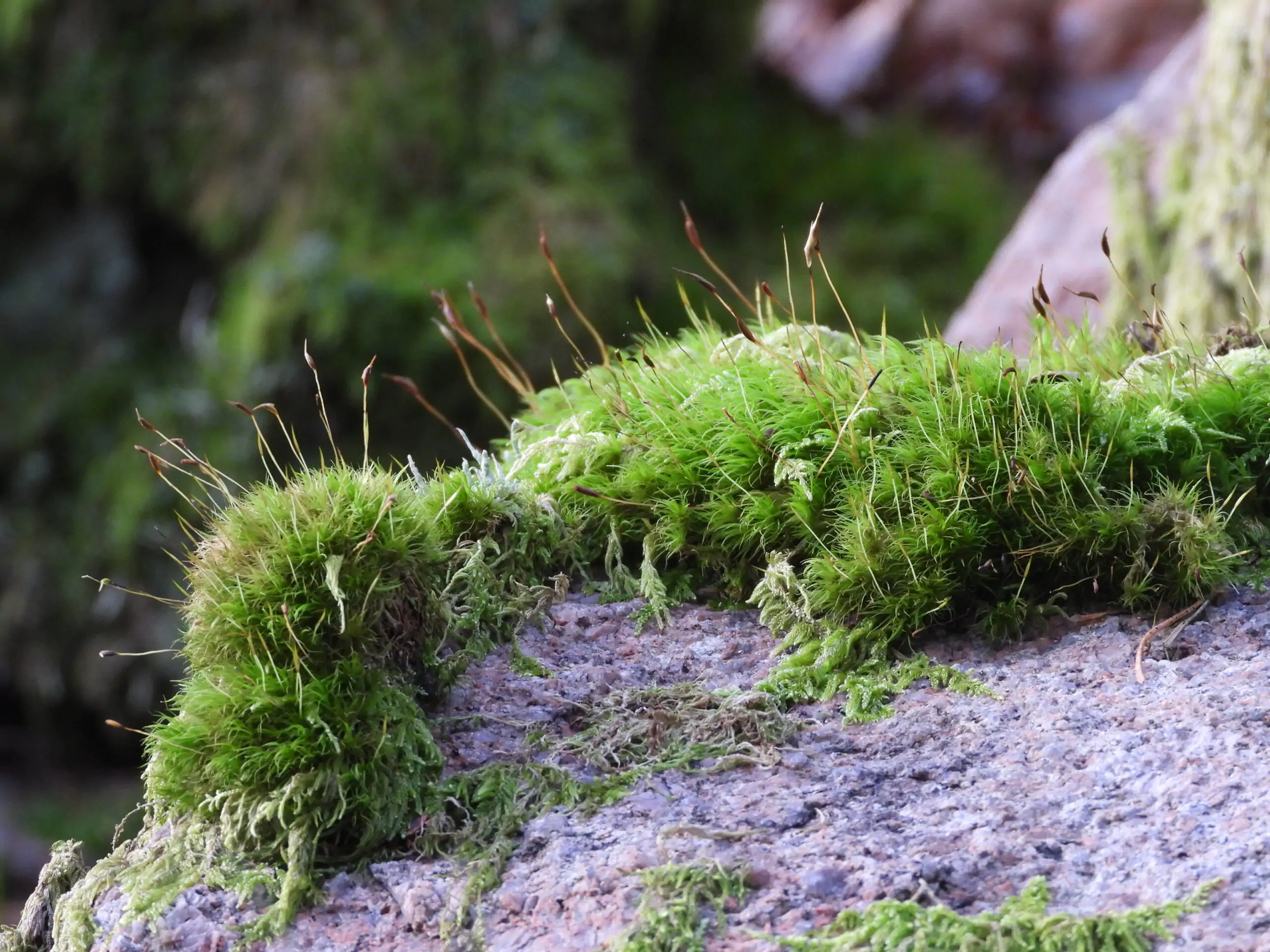
A silver lining to storms…
Regulations and Development Manager for the Grampian Conservancy of Scottish Forestry, John Mackie, explains the impact the storms have had on our forests: “Storms Arwen, Malik and Corrie have brought about unexpected and significant changes to the structure of many forests and woodlands across Scotland. To date, Scottish Forestry has received over 250 tree-felling permission applications as a result of the storm damage. The permission applications cover an area of over 3,000 hectares which equates to at least 1,000,000 cubic metres of timber. These areas will need to be cleared and replanted to maintain forest cover. As a result of the storm, opportunities now exist to improve forest structures, especially in sensitive areas such as the River Dee catchment.”
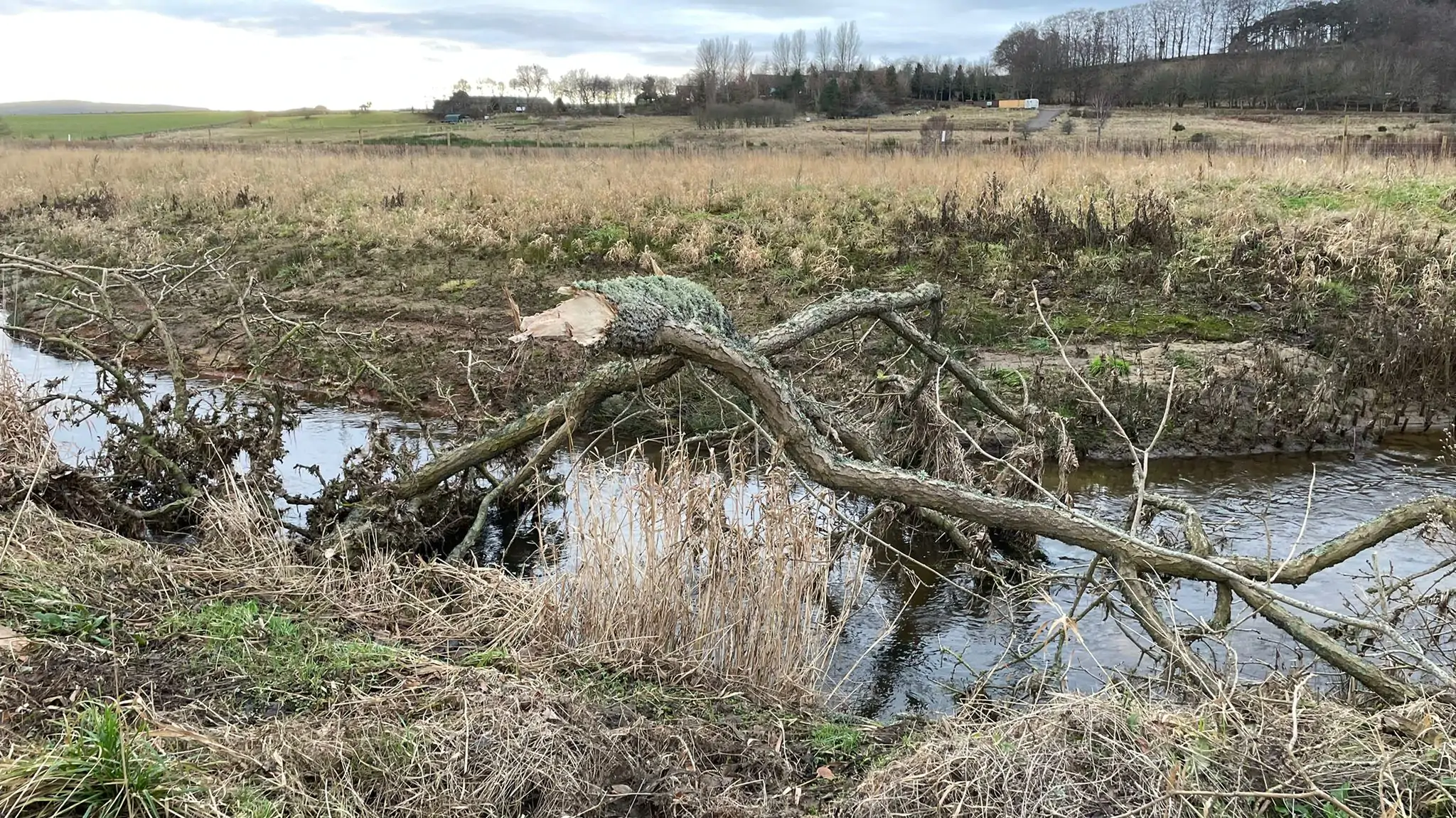
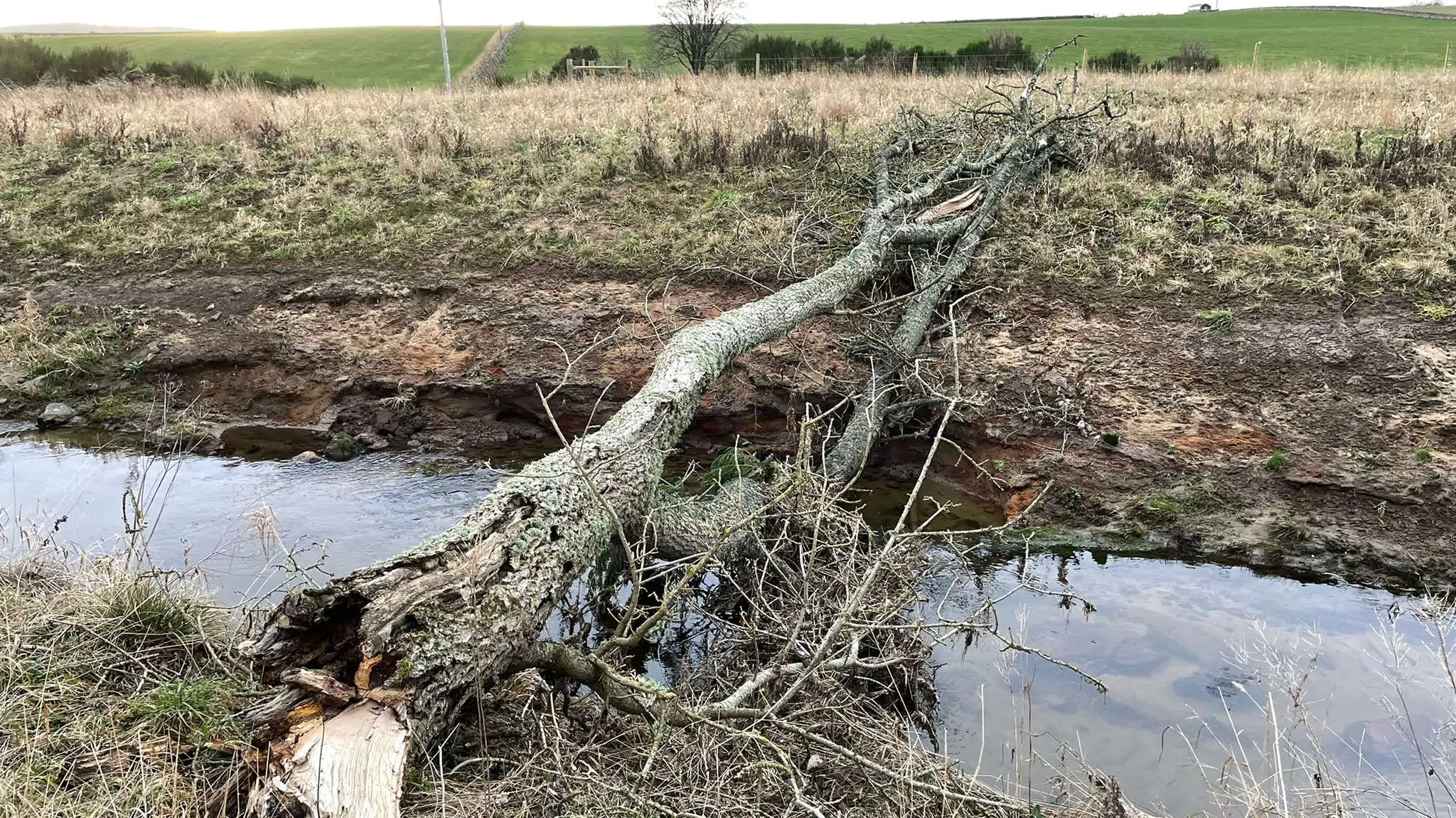
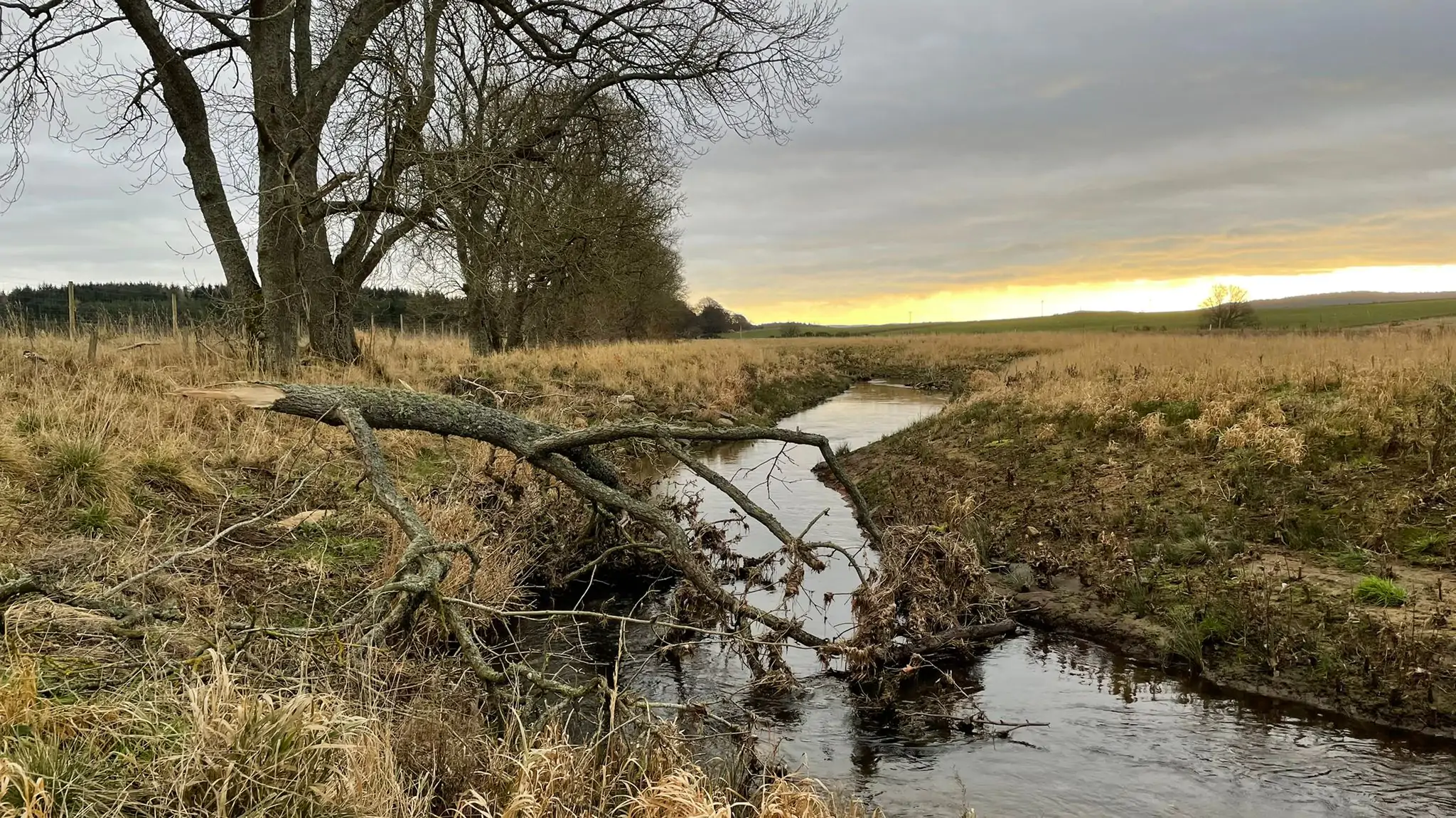
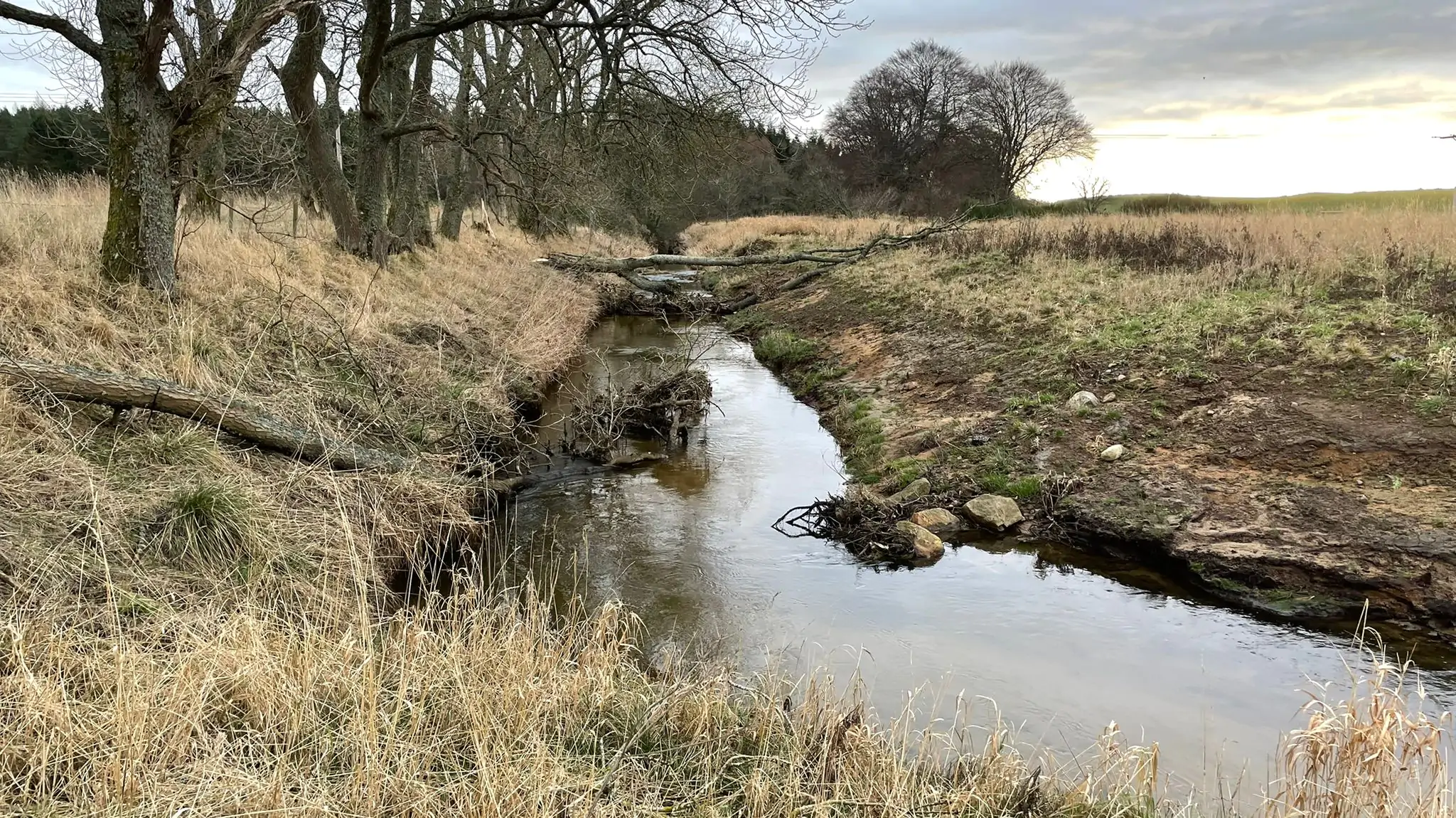
While it’s sad to lose these trees, many of which were hundreds of years old, it’s not all doom and gloom for nature, as John continues: “Storm events like these bring about succession – the patterns of change in ecosystems when a new environment is formed, or after an existing environment is disturbed. Viewed in this way, wind-felled trees are less an exceptional, catastrophic phenomenon and more a recurrent, natural disturbance that drives ecosystem patterns and processes. The resulting gaps in the forest canopy mean that new areas of the forest floor receive sunlight, bringing a variety of new plants and habitats, and the fallen trees which have ended up in our catchment’s watercourses make a welcome addition to the Dee and its tributaries, complementing the vast amount of work already underway across Aberdeenshire to add large woody structures to rivers and create spawning habitats for fish.”
Reserve Manager for the Muir of Dinnet National Nature Reserves, Catriona Reid, who is currently on secondment to the Forvie Nature Reserve, adds: “Storms and the resulting dead wood help to increase the ‘naturalness’ of woodland, leading to a more mixed and biodiverse age structure, creating gaps for regeneration. And dead wood is brilliant for biodiversity, supporting insects and fungi, key components in the food chain.”
Climate change looks set to bring increasingly unpredictable weather, but the natural environment has always adapted to survive, and John remains optimistic: “Nature heals quickly and the loss of large areas of planted trees gives us a chance to adopt a more informed planting strategy, using the most recent mapping technology and species insights – considering everything from climate resilience to vulnerability to pests and disease.”