

 Ambitious recovery programme launched as unprecedented decline in pearl mussel highlights fragile River Dee
 DeeWatch December
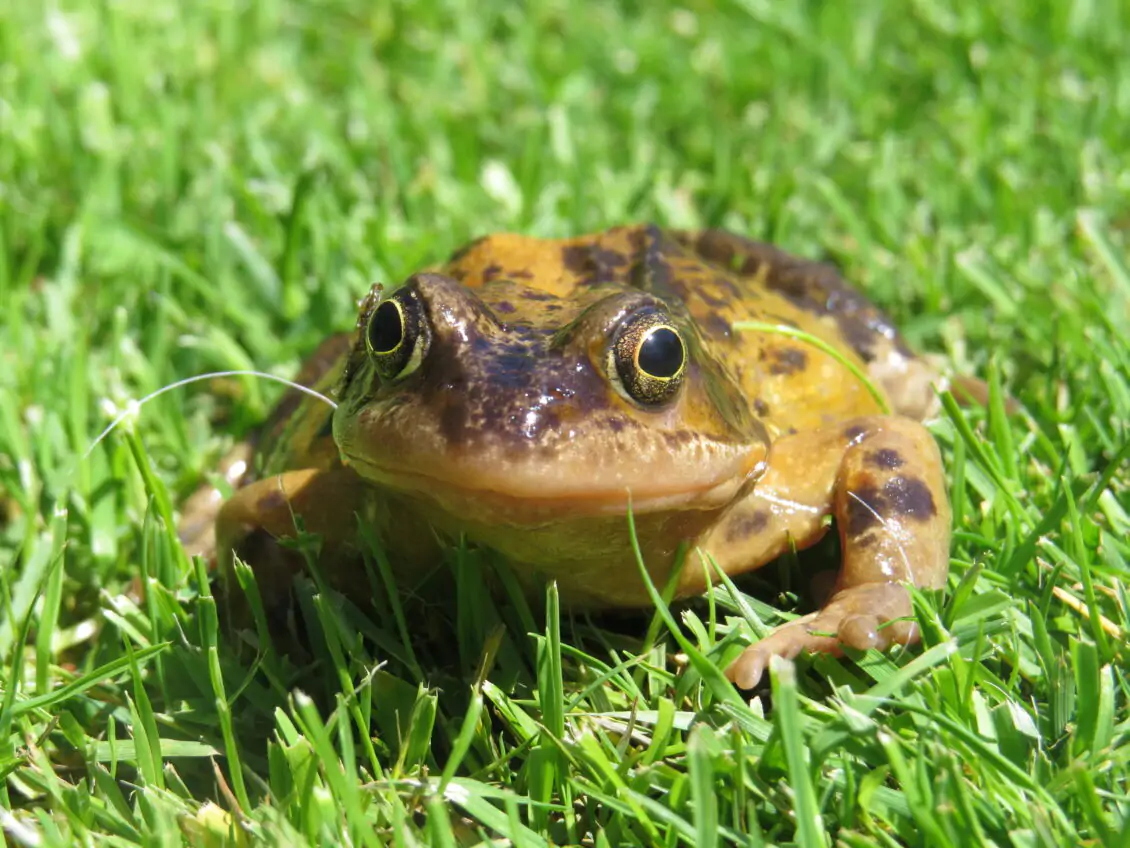
Spring is springing! Check out what our rangers and expert contributors have spied in the catchment recently, and read on to find out how you can help us count frogs!
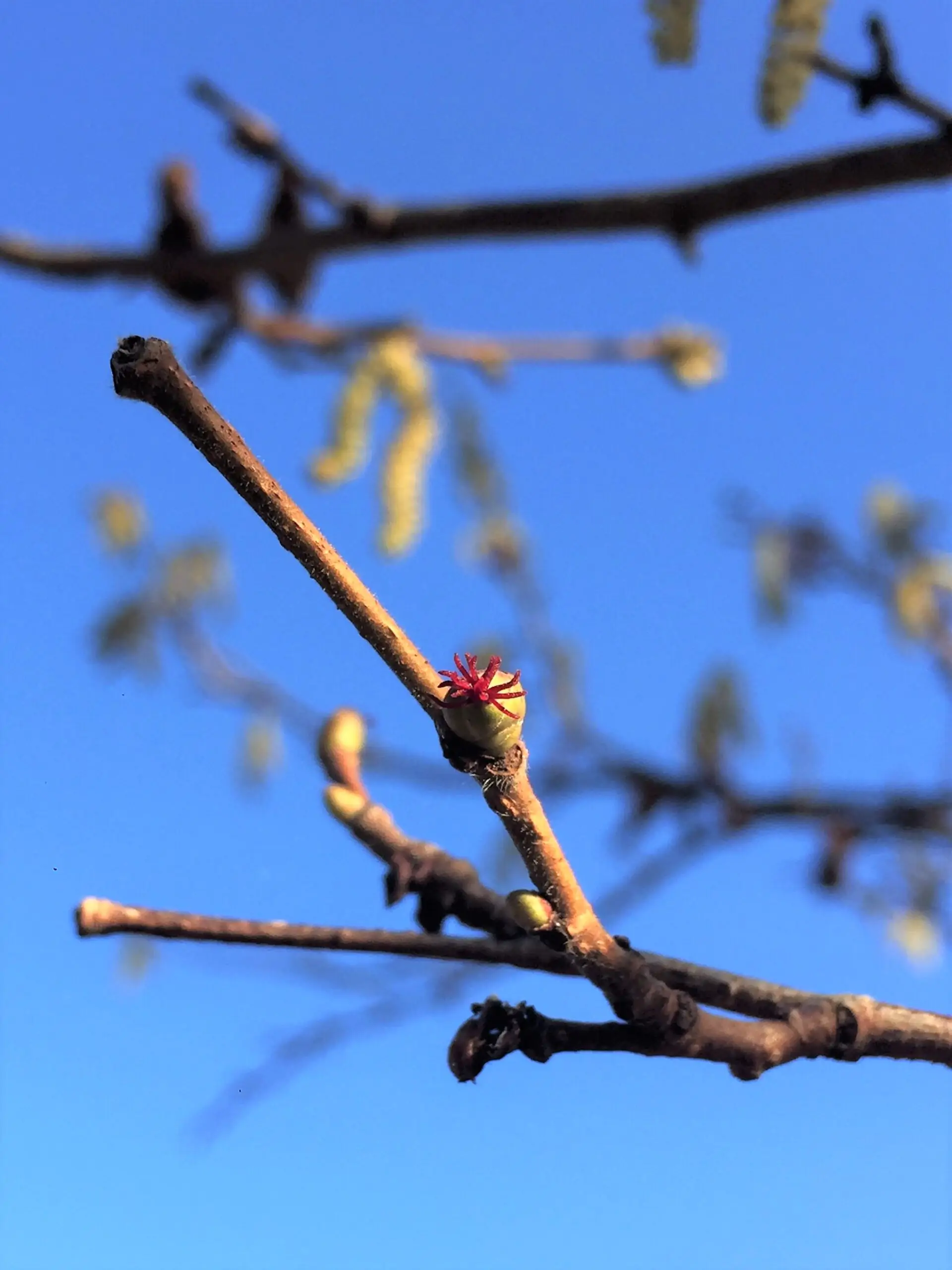
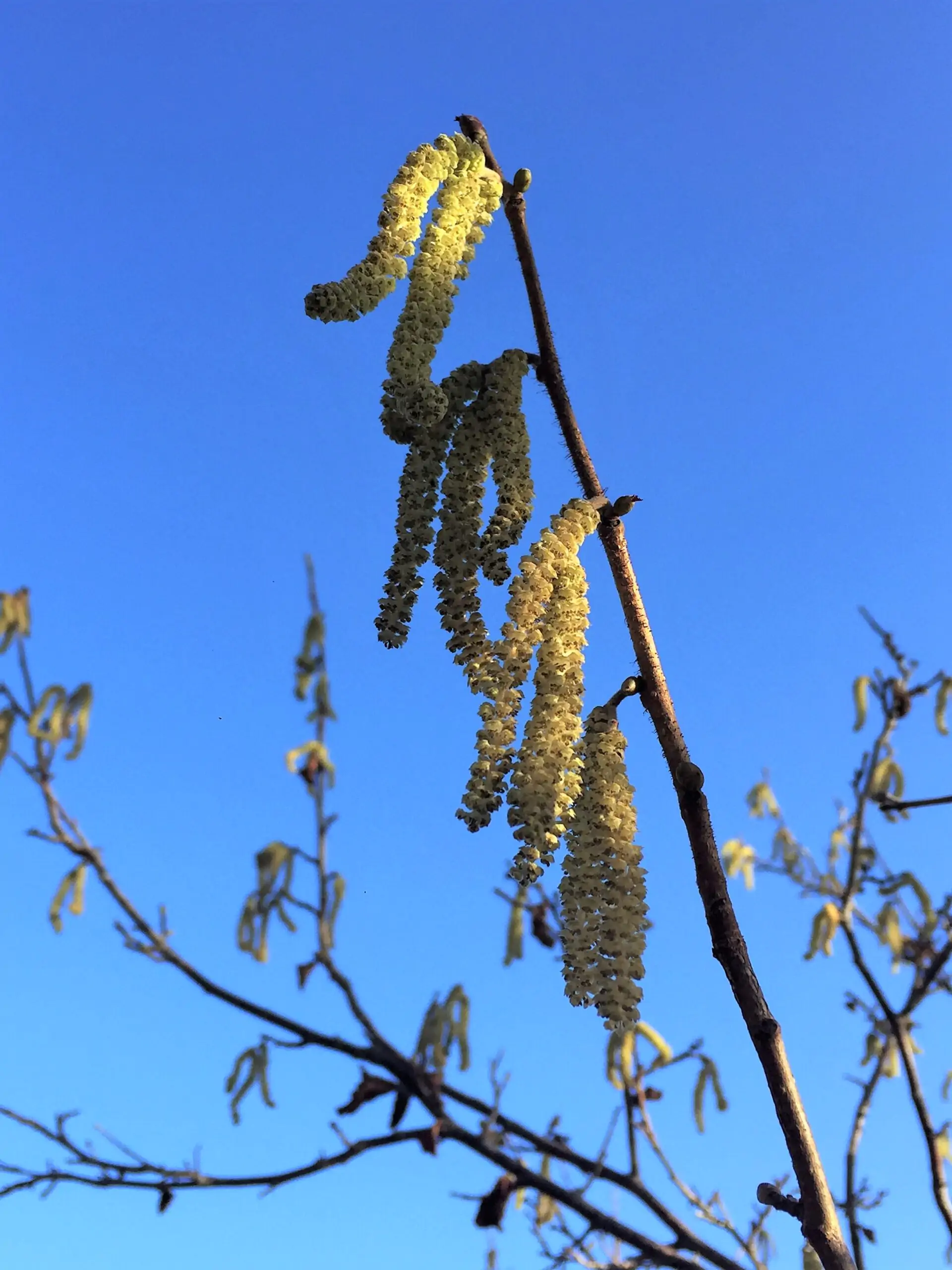
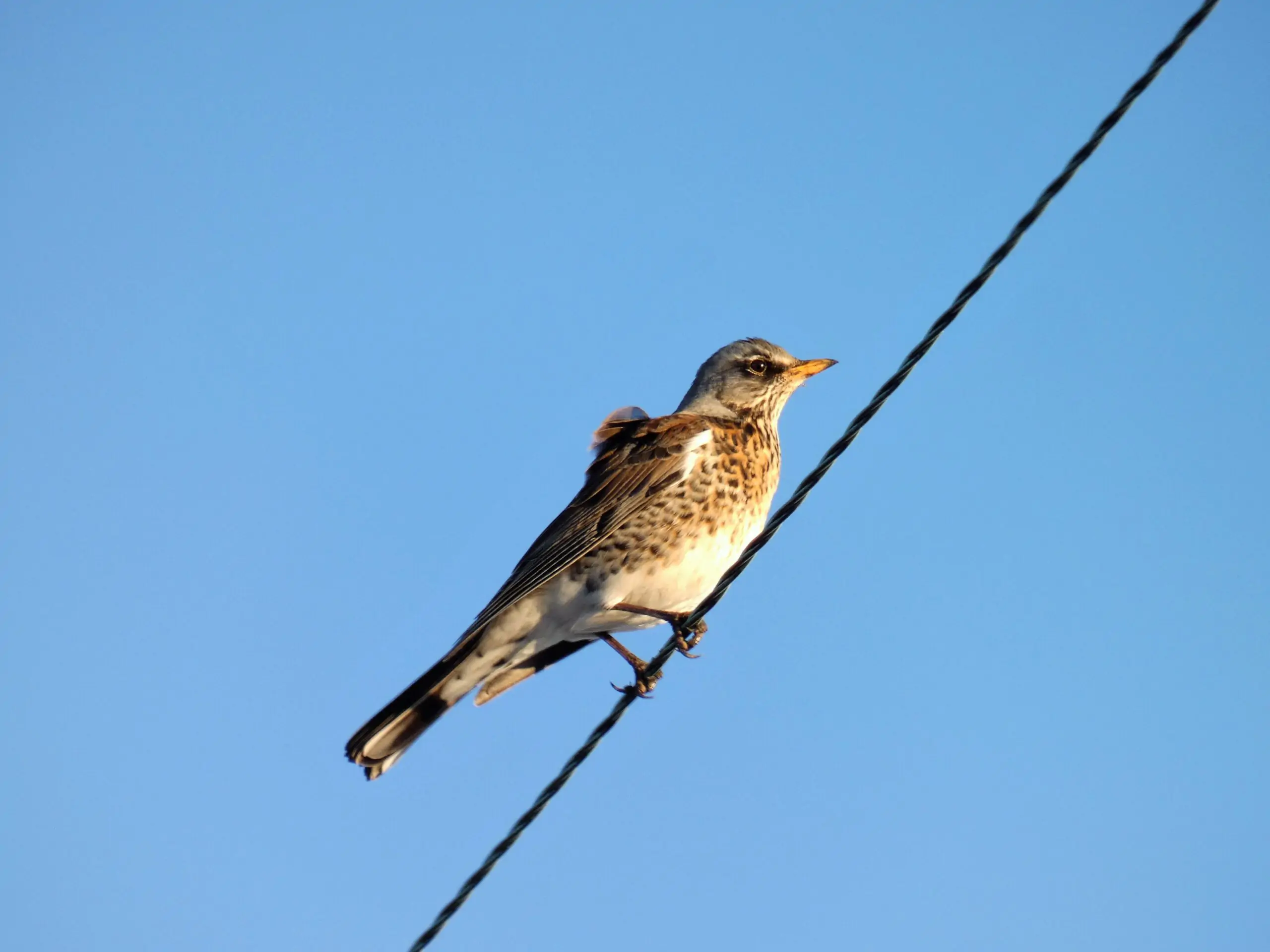
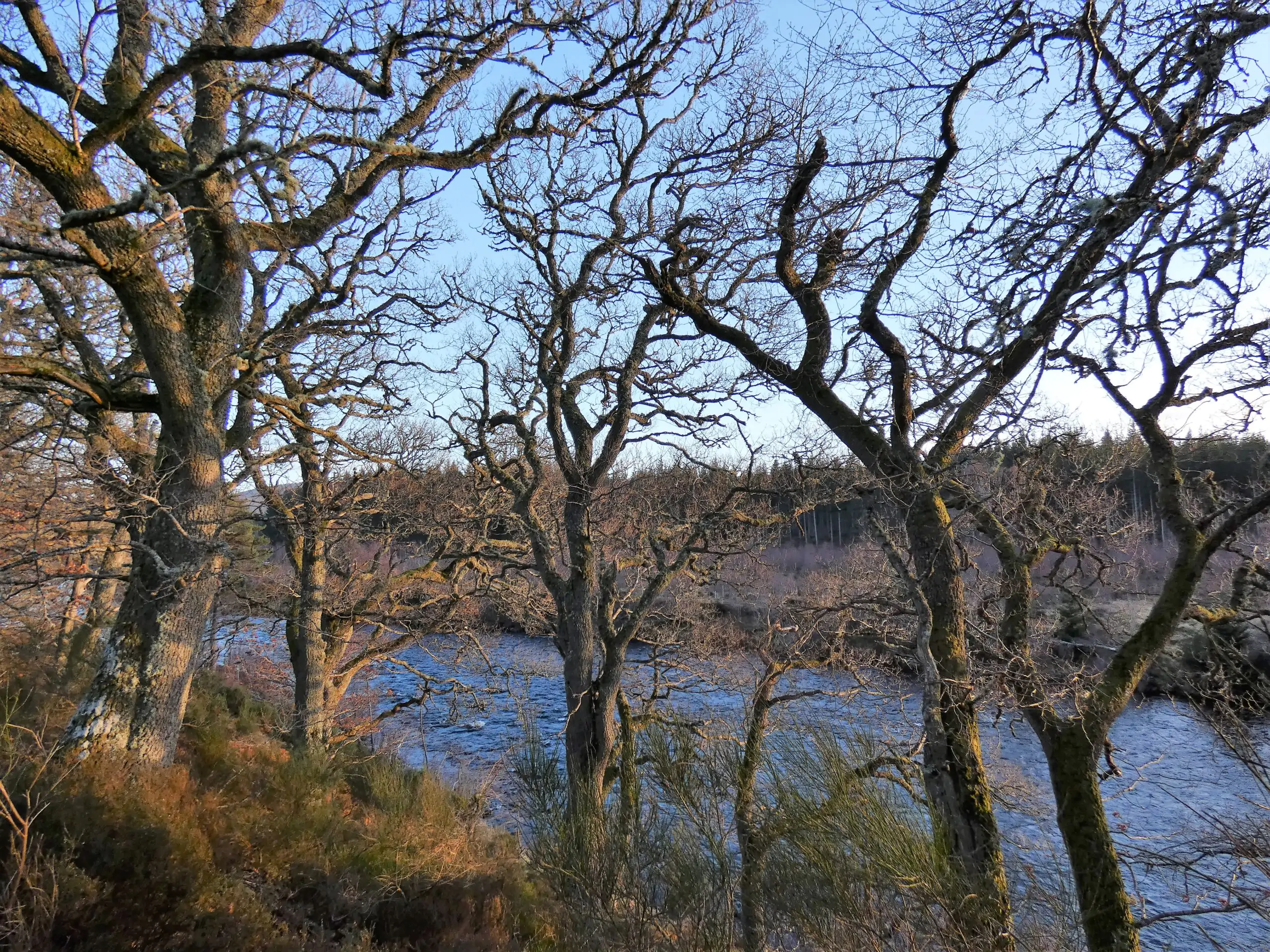
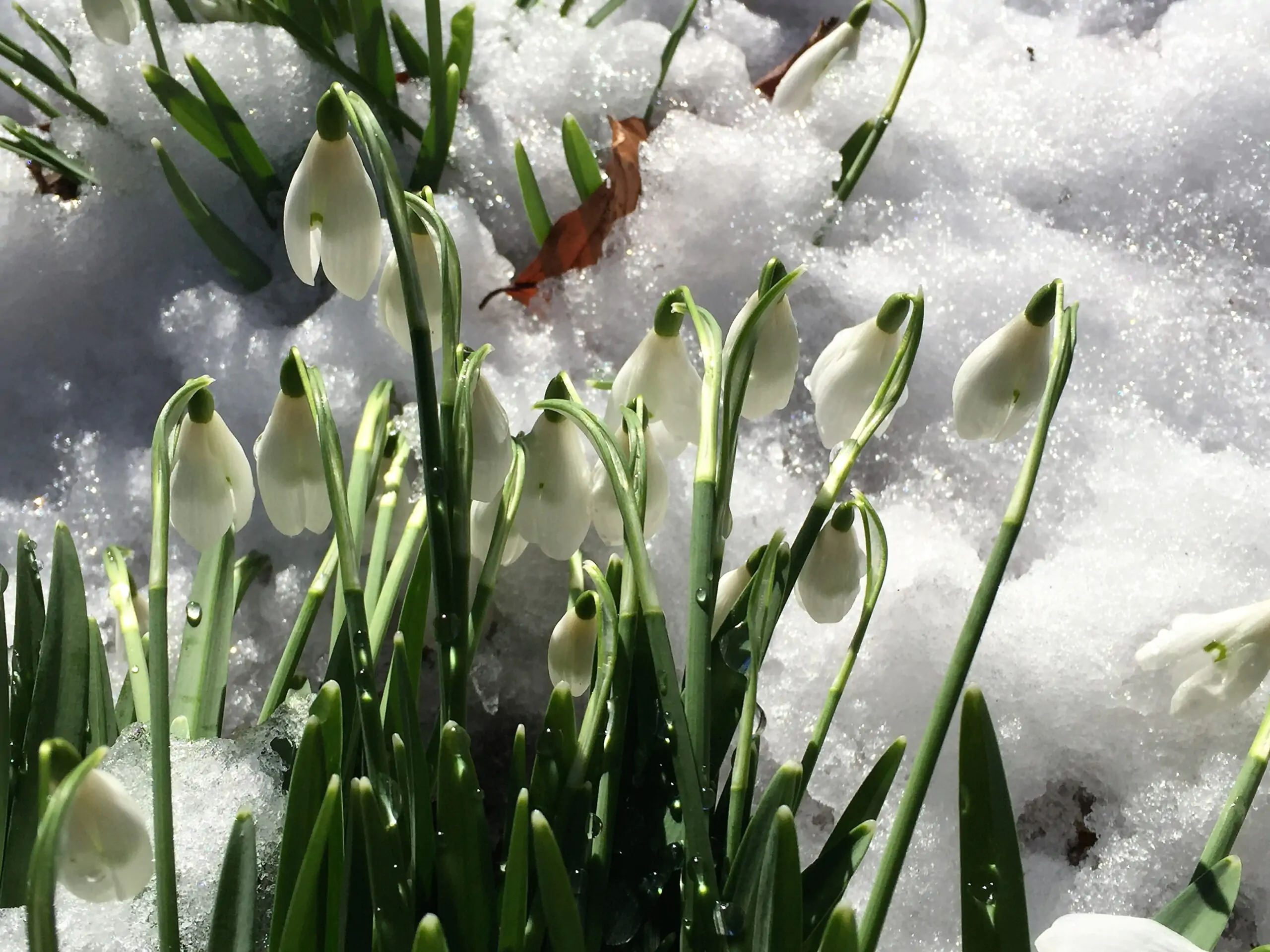
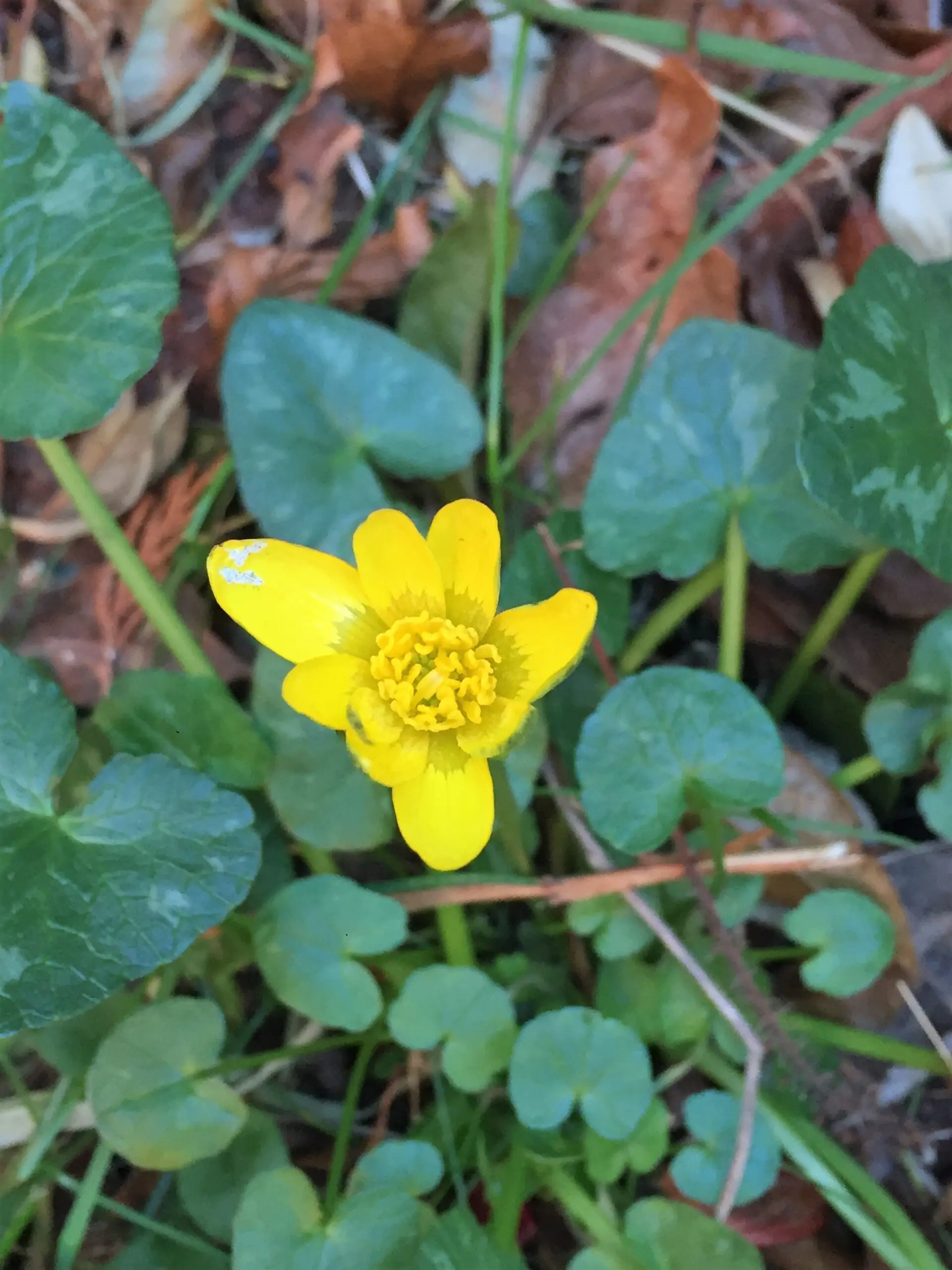
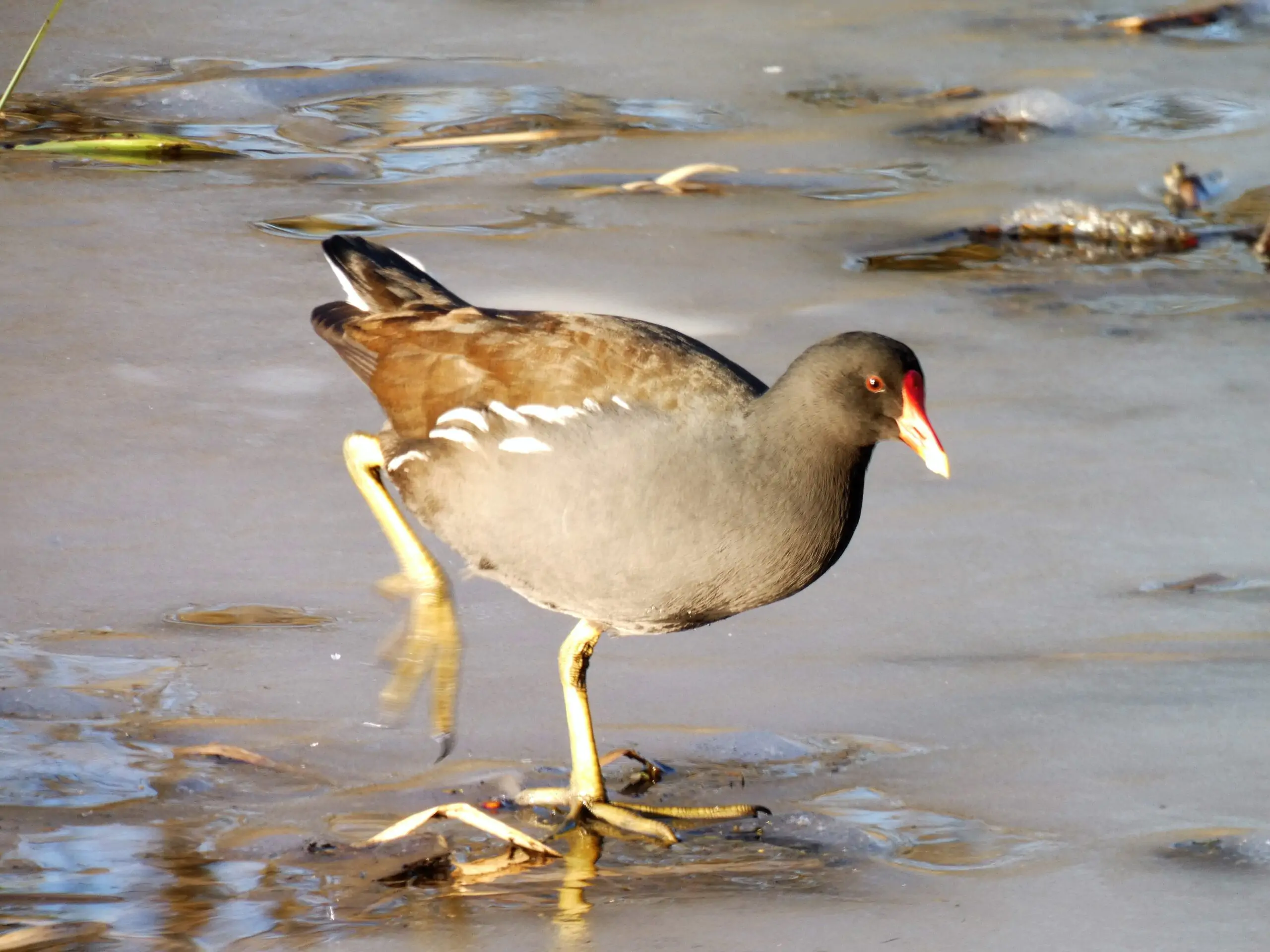
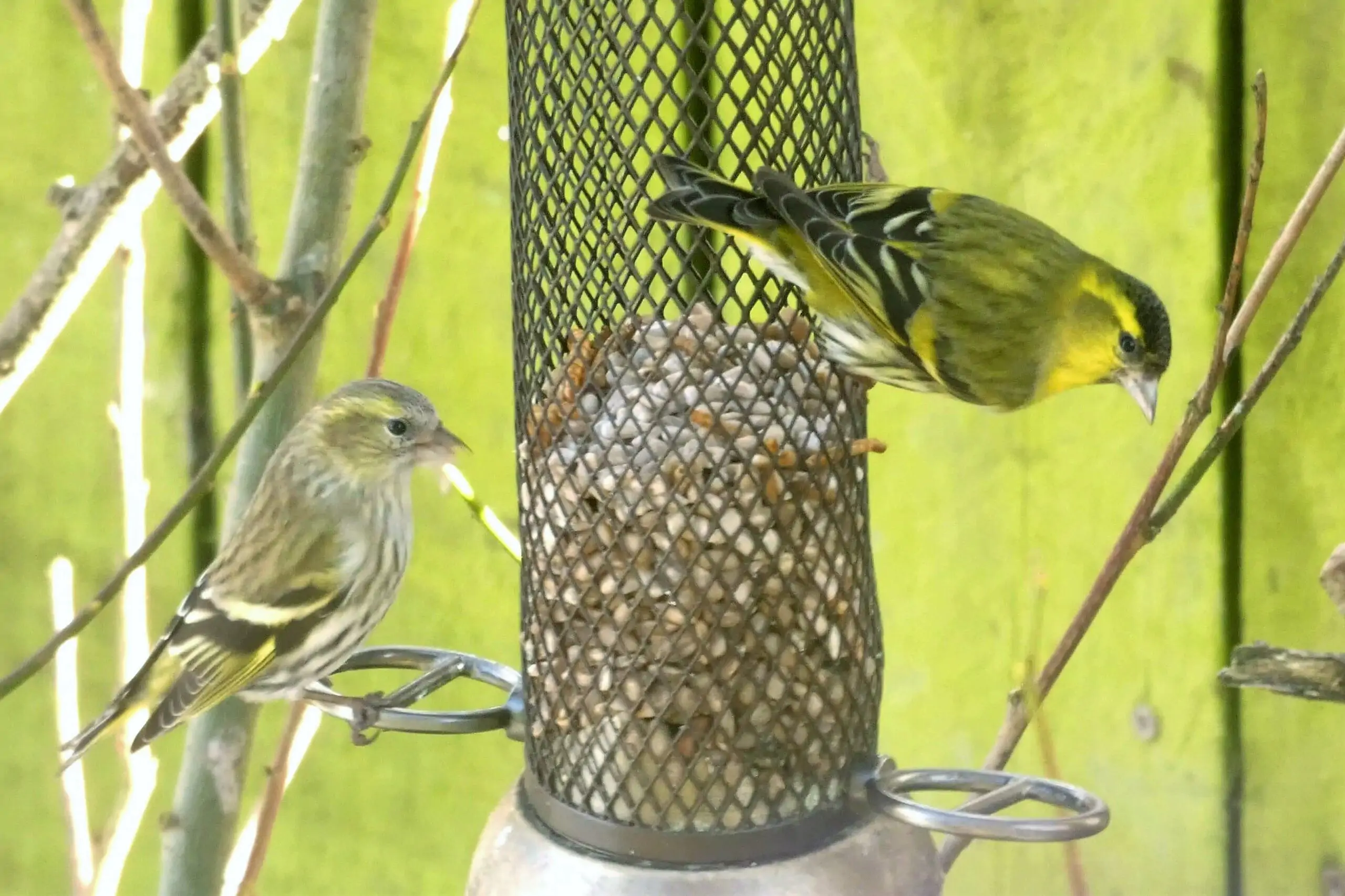
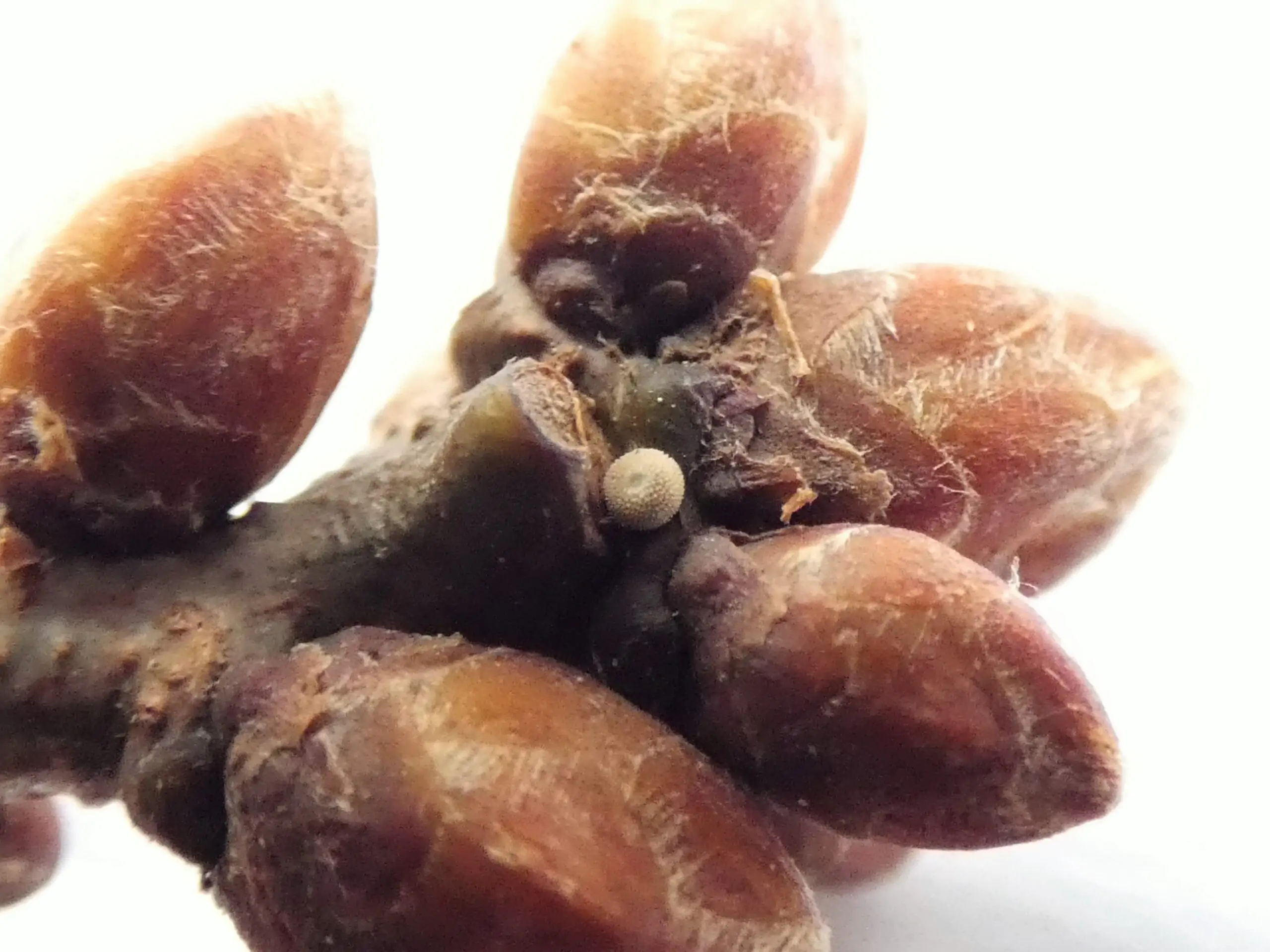
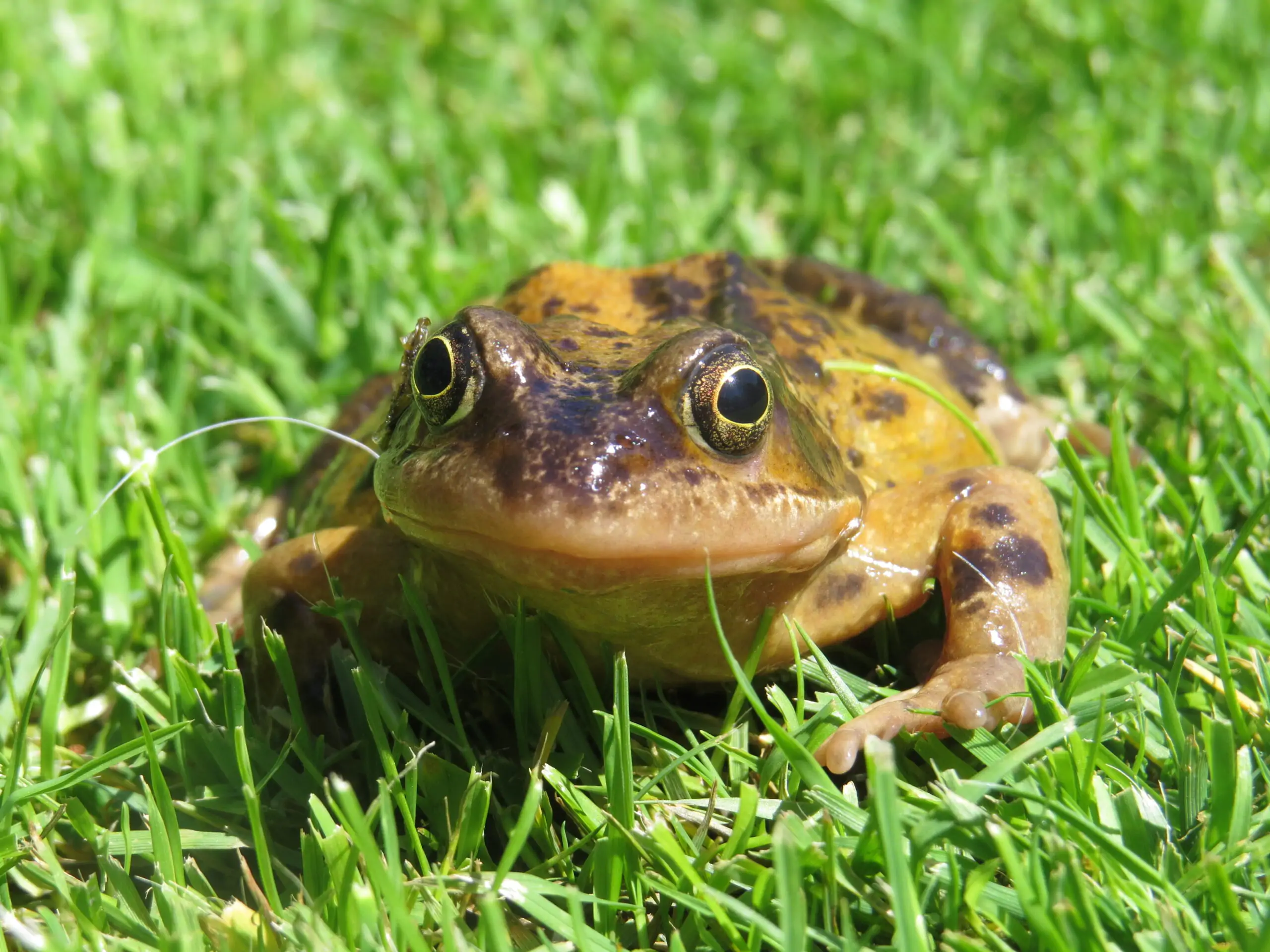
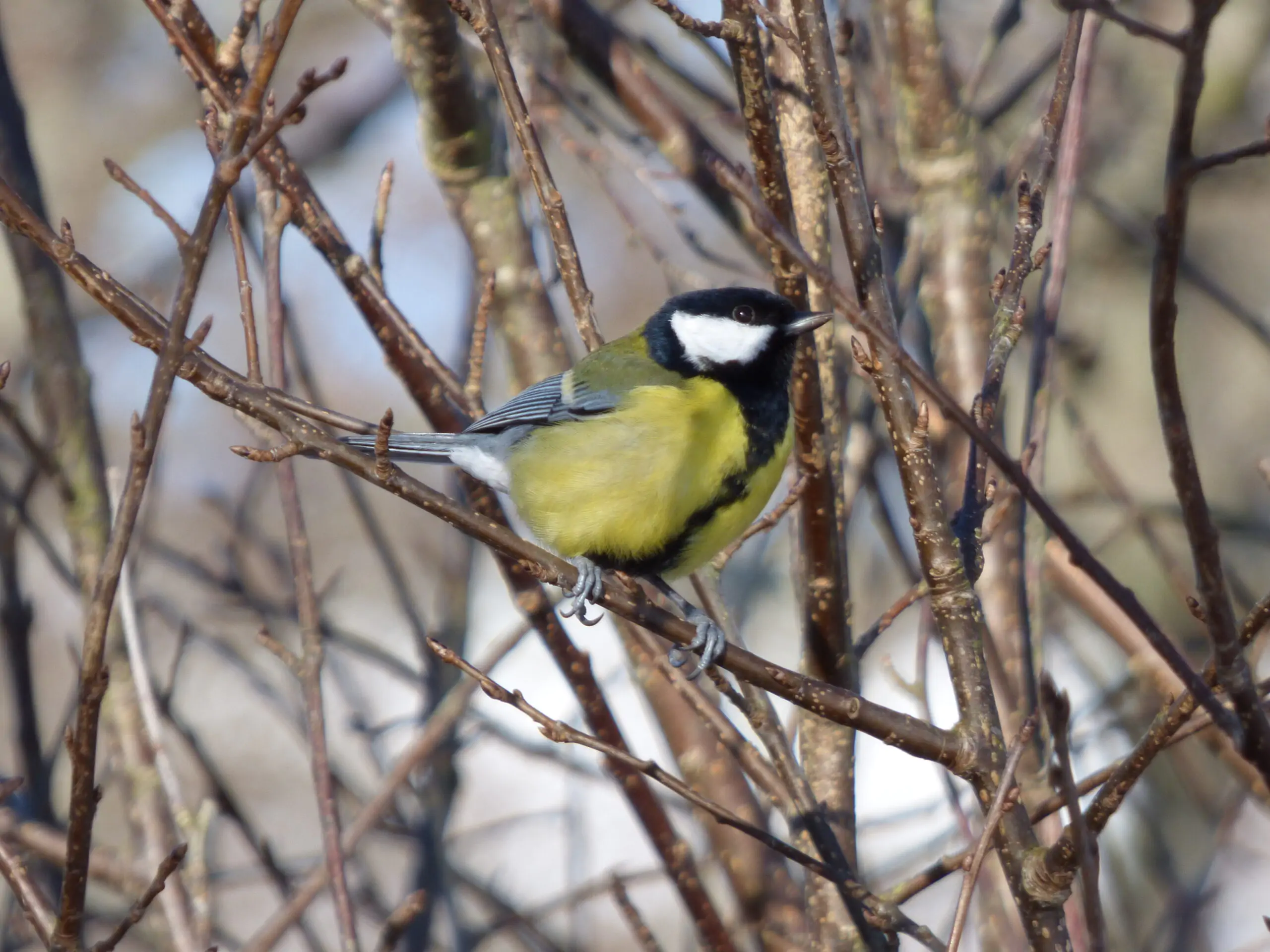
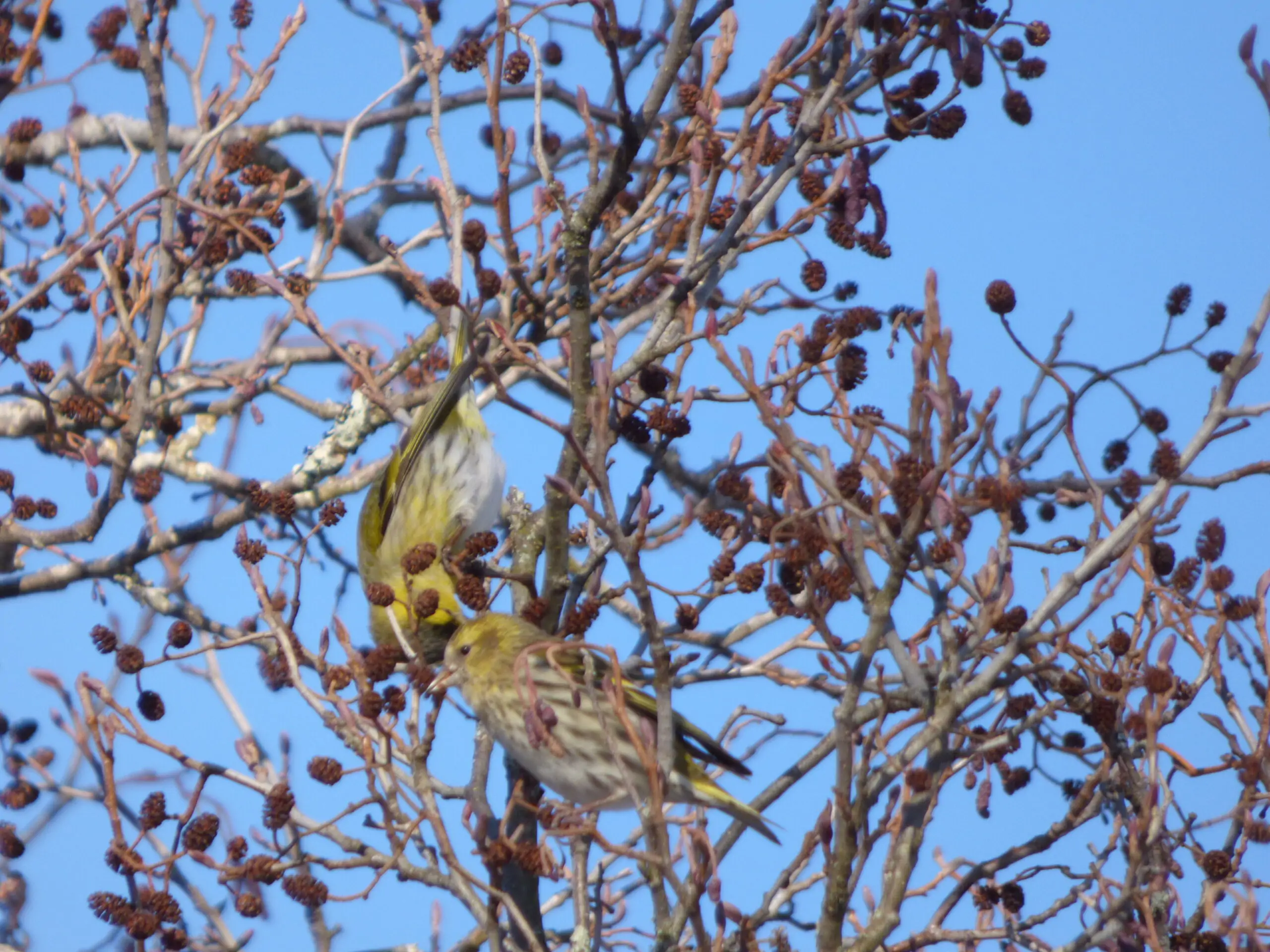
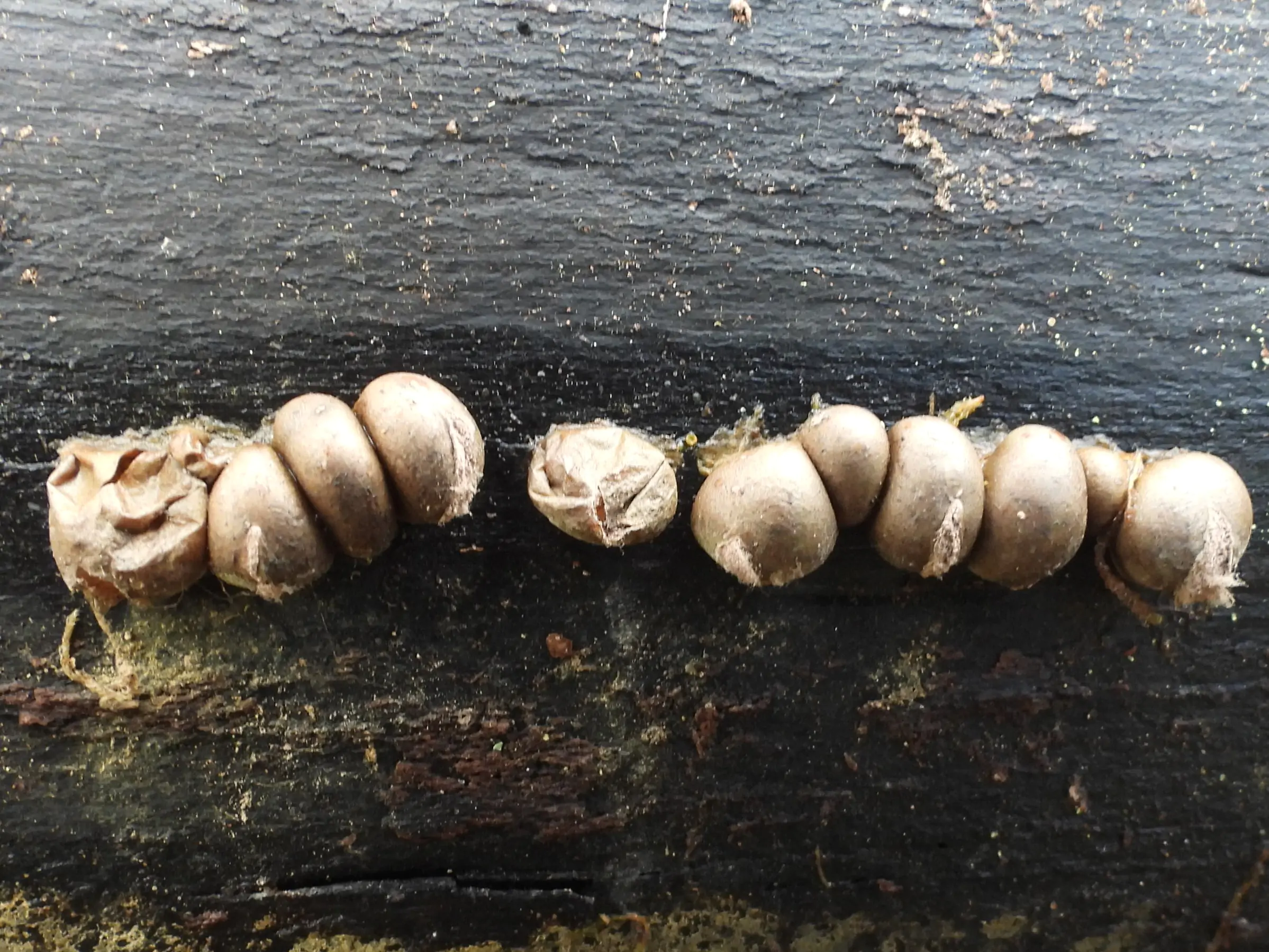
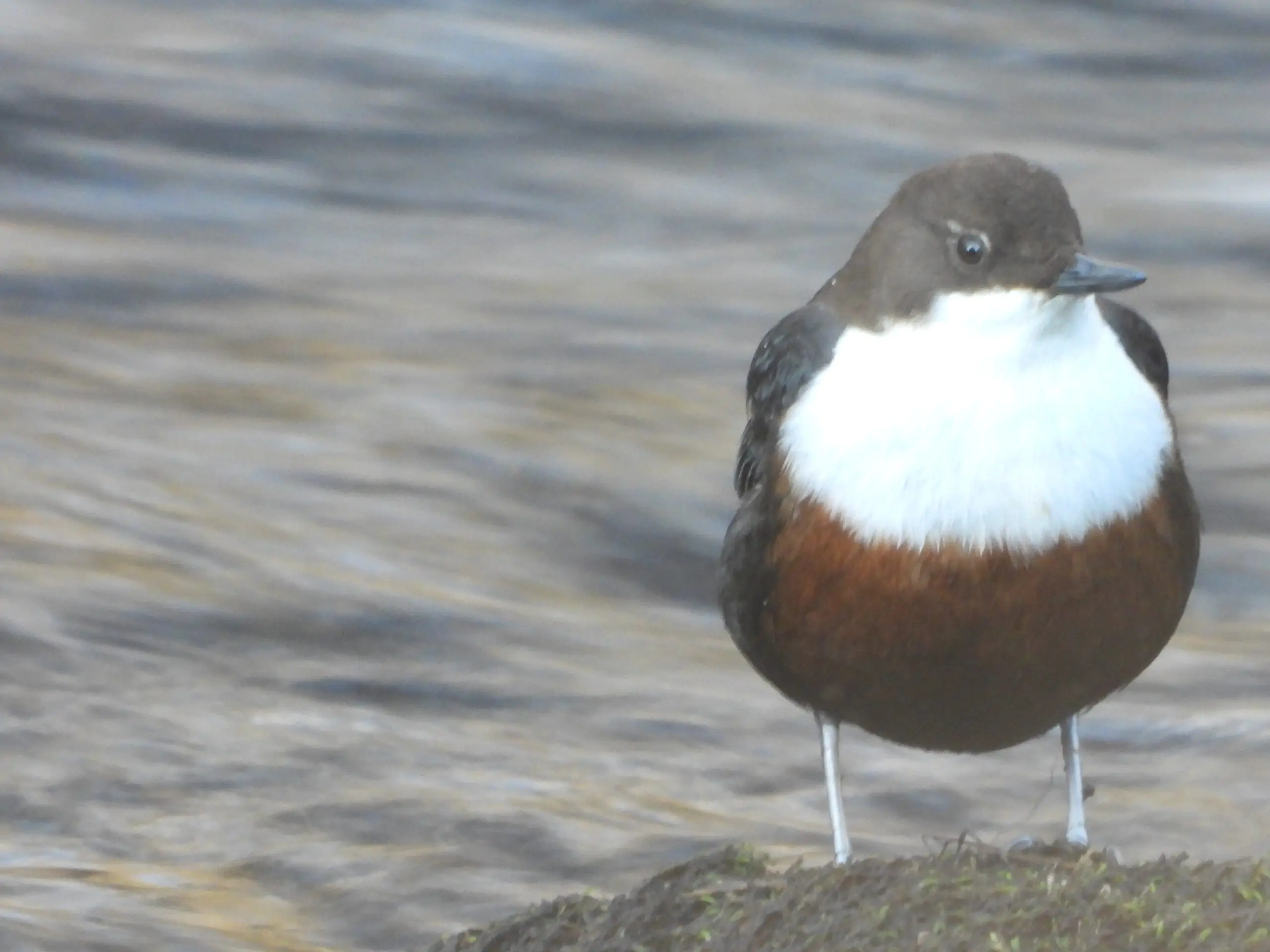
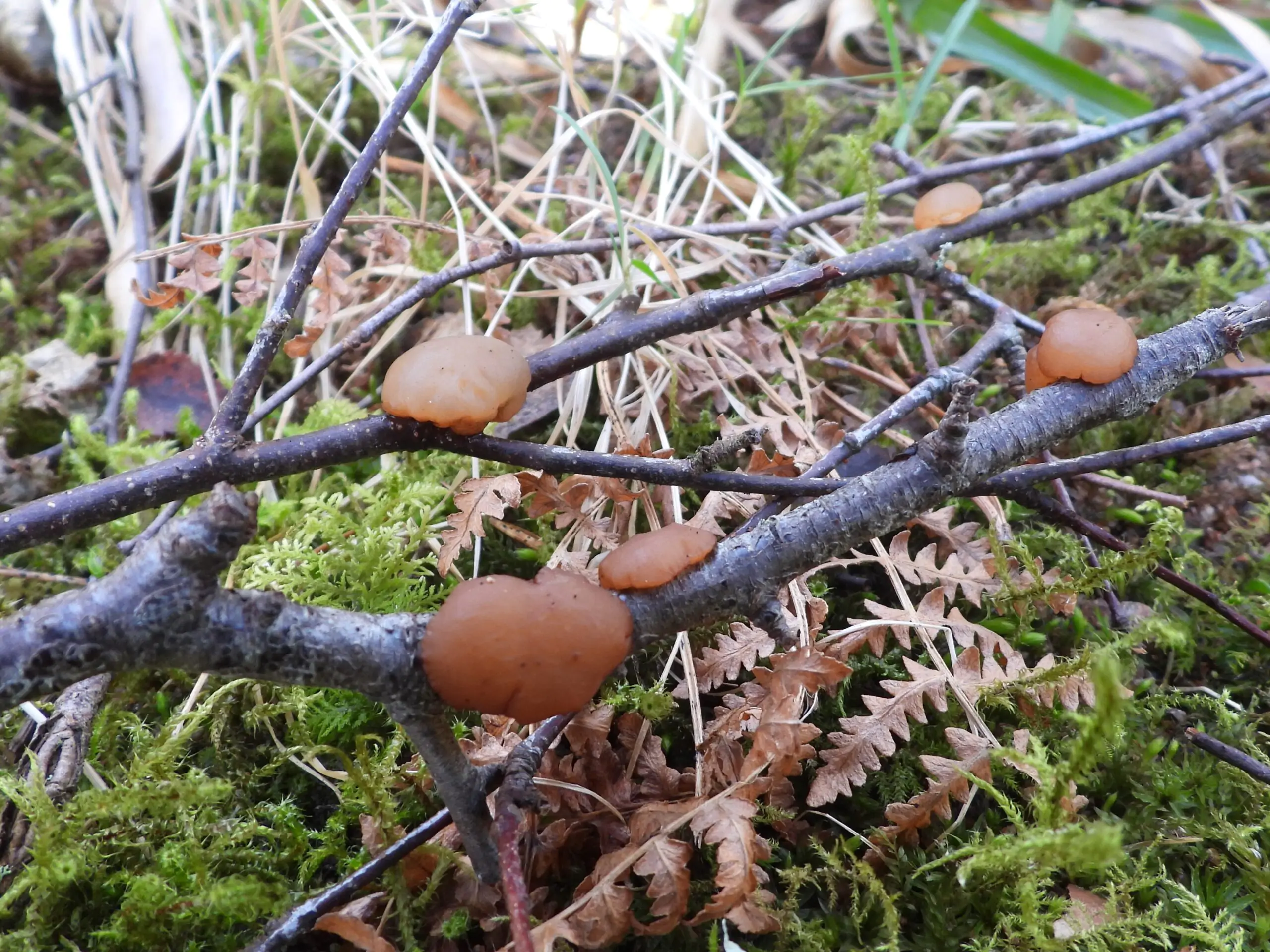
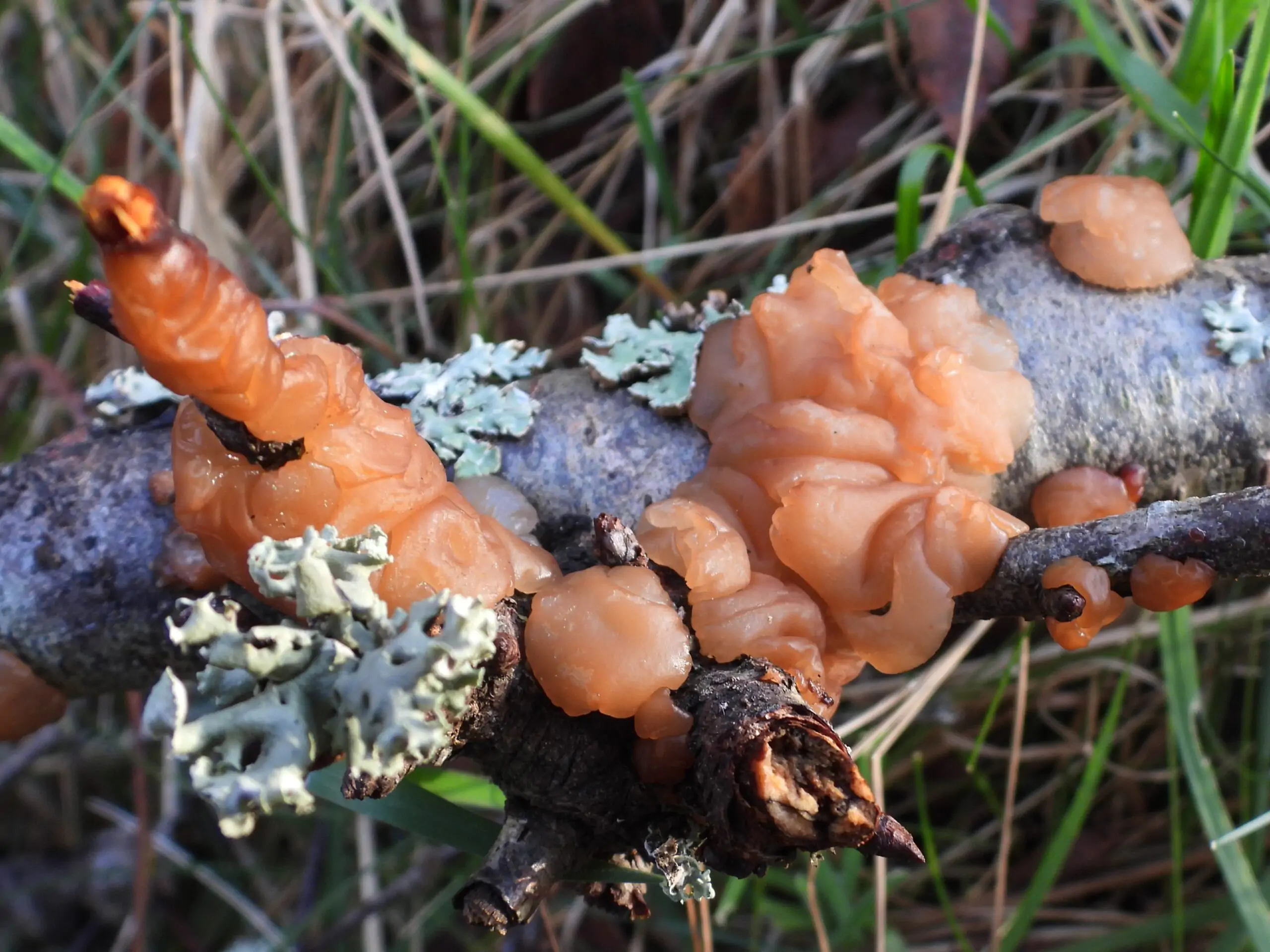
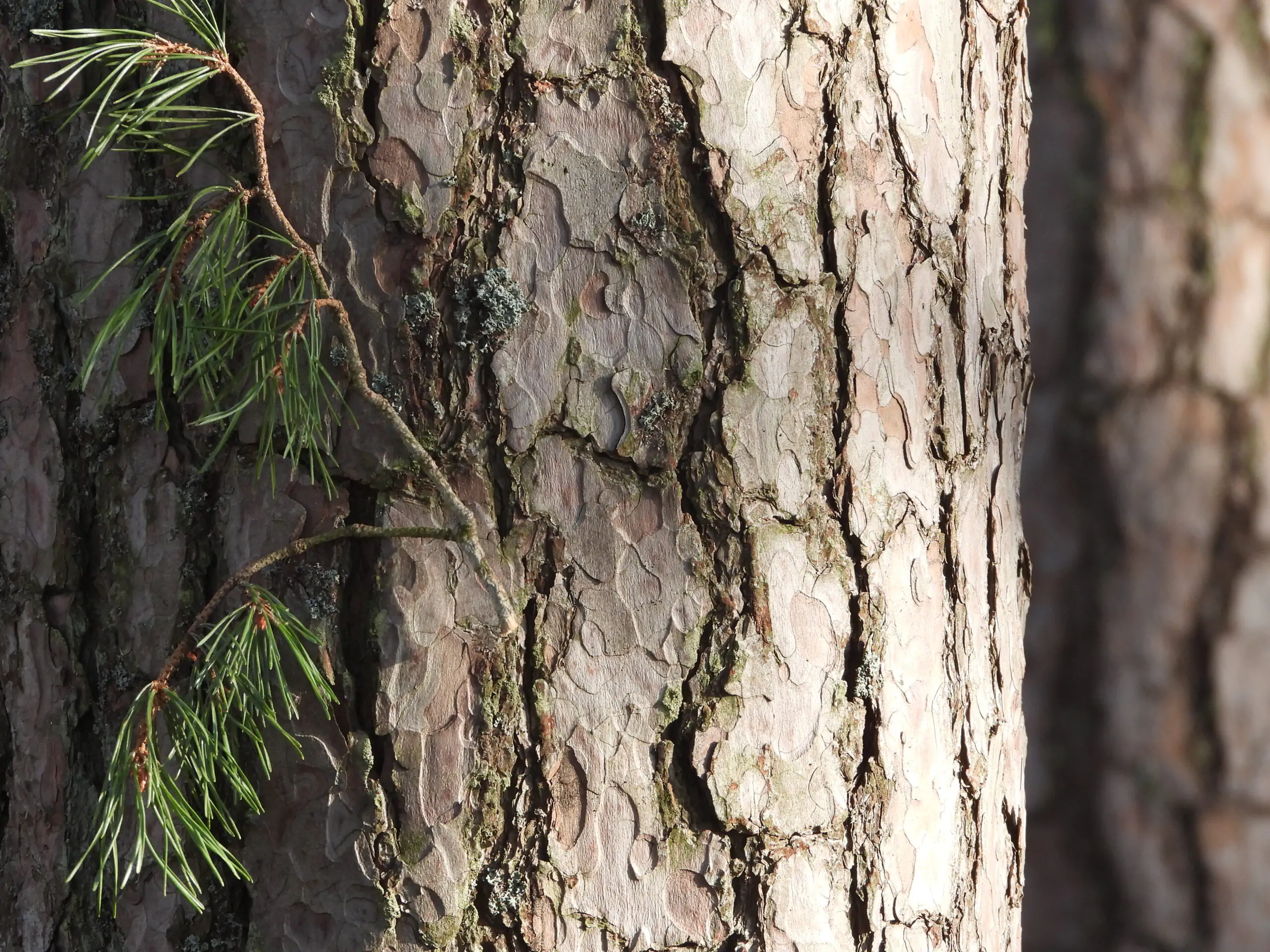
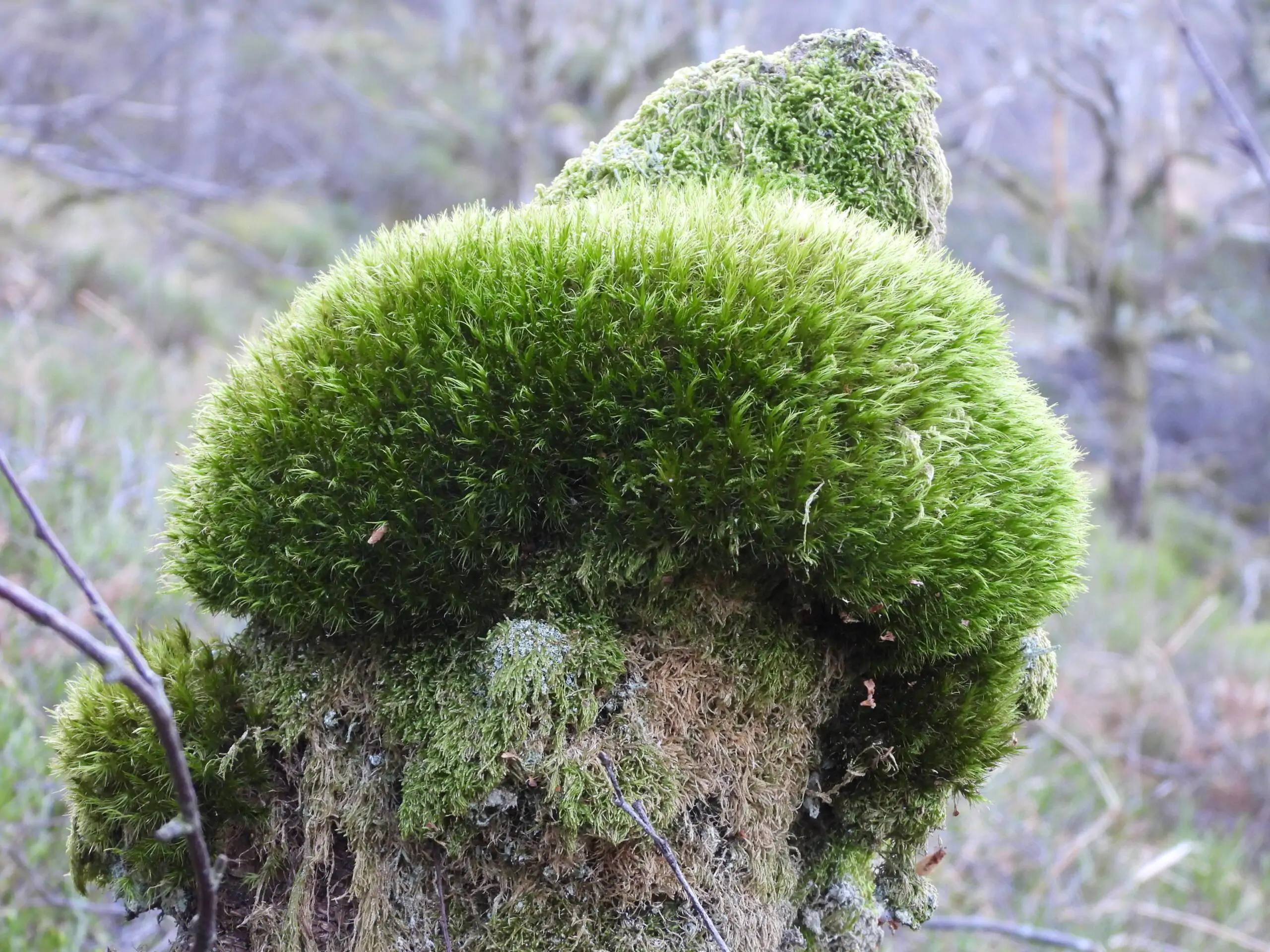
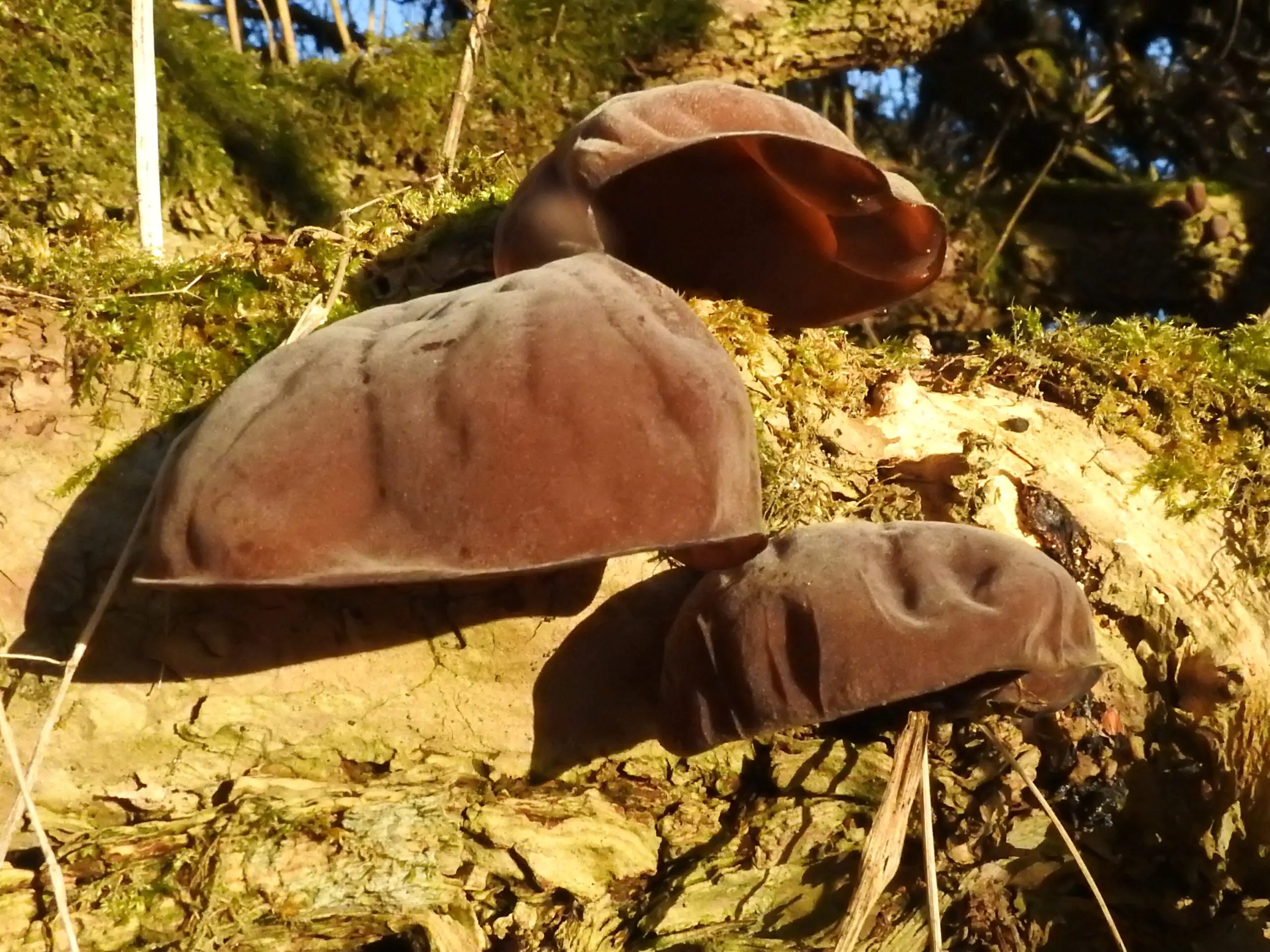
Imagine going for a walk and paying a bit more attention. Hear that? A woodpecker. Look – a red kite! Careful! Almost trod on a beetle! Wait…is that frogspawn?! Around us, nature is teeming with life, but it’s surprisingly easy to miss it all. One way to slow down and take notice is by recording what you see – and these days our camera phones and apps make it surprisingly easy to do that too. From reporting sightings of animals and plants to monitoring local weather and water quality, there are plenty of ways to help with ‘citizen science’ projects in Deeside, as Manager for the Birse Community Trust, Toni Watt, explains:
“It can be hard to think of ways to help our wildlife and habitats when there’s so much to be done, but one thing we can all do is start recording wildlife and encouraging others to do the same. March is the perfect time to start – Spring is calling and everyone wants to get outside, walking by the river, getting into the woods and discovering nature.
“It’s a good idea to start with something simple – every year we record the first date we see frogspawn in our local pond, which allows us to better understand the distribution of frogs across the northeast, and how climate change may be affecting their lifecycles. We tend to think of frogs as common, but how often do they go unrecorded, and are they as common as we assume?”
Setting local targets and challenges with friends and family is a great way to encourage people to join, as Toni explains: “We’ve set up a local group on Facebook, ‘Wild about Birse’ to promote wildlife recording locally, and we’re starting with the Great Frogspawn Survey. We’re asking locals to help us find when and where frogs are spawning in Birse this year, and we’d love toad records too! All you need to do is send your photos of frog or toad spawn with precise location details such as a grid reference, with your name, and the date, to the Wild About Birse Facebook group, or you can email them to [email protected]. Who will get the first record?”
All records and finders’ names will be submitted to the local records centre, the North East Scotland Biological Recording Centre (NESBReC), which collects records from the public of the plants and animals living in the North East of Scotland. You can submit your own records here: http://www.nesbrec.org.uk/recording-services/
For added inspiration, the NESBReC Recorders Forum will be held on Saturday 26th March, comprising a morning of talks highlighting the host of amazing wildlife here in the northeast, with advice on how to send in records of what you see: http://www.nesbrec.org.uk/recorders-forum-2021-on-27th-march-2021-2/
“You might also want to keep an eye out on the Facebook pages of NESBReC, North East Scotland Biodiversity Partnership, Wild About Birse, Aberdeenshire Council Ranger Service, Aberdeen City Council Ranger Services, Muir of Dinnet National Nature Reserve, Mar Lodge Estate, for guided walks and courses to help you identify wildlife, and local activities promoting wildlife identifying and recording,” continues Toni. “Whether it’s bugs and beasties or botany and bats, follow your passion and make this March the month you get started!”
To find out more about Citizen Science projects in Scotland visit
- NatureScot: Citizen Science: https://www.nature.scot/citizenscience
- Scottish Wildlife Trust: Citizen Science: https://scottishwildlifetrust.org.uk/tag/citizen-science/
- Scotland’s Environment Citizen Science Portal https://envscot-csportal.org.uk