

 Ambitious recovery programme launched as unprecedented decline in pearl mussel highlights fragile River Dee
 DeeWatch December
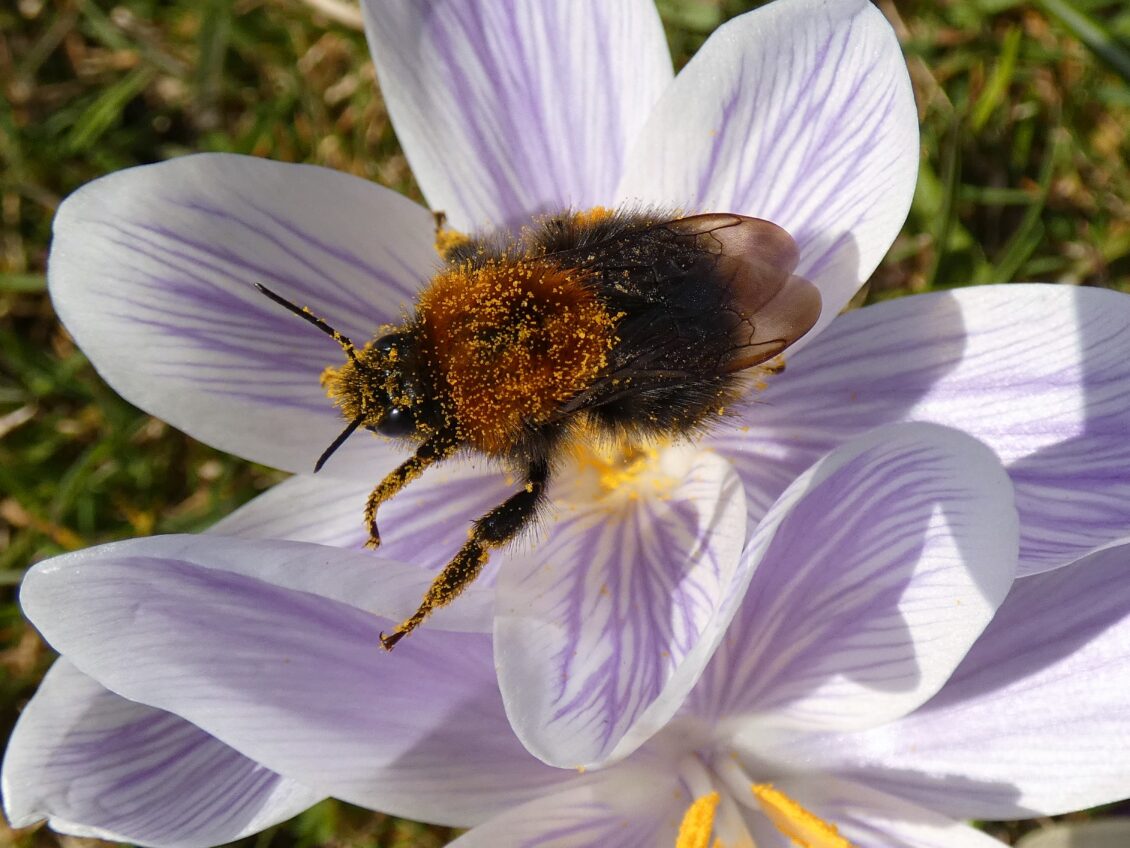
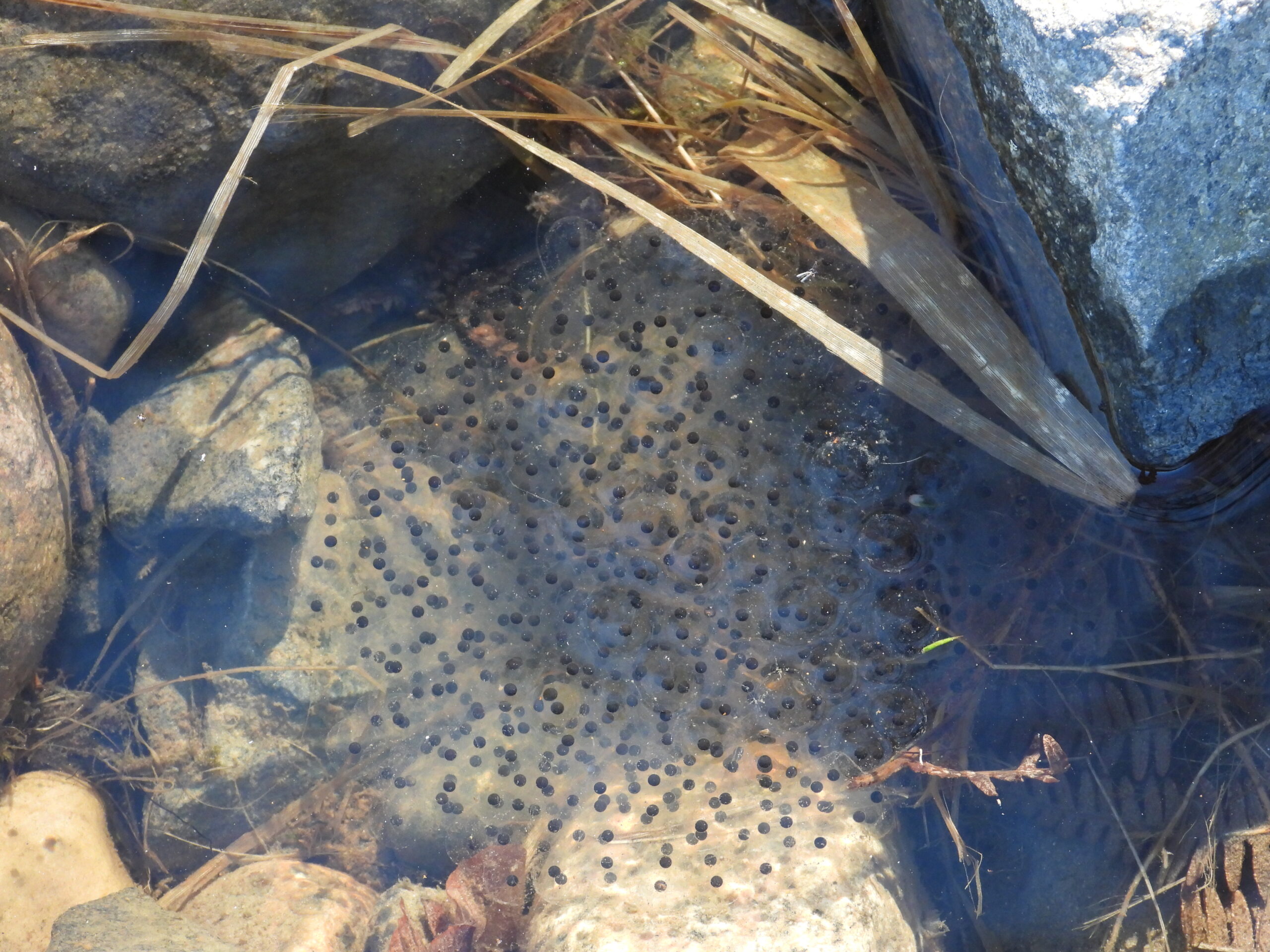
Summer one week and Winter again the next? Sounds like Springtime in Deeside! And nature is as confused as we are – those plants and insects that emerged in last week’s warm spell may be wondering what’s hit them this week as temperatures plummeted from 19 degrees C down to 2 almost overnight.
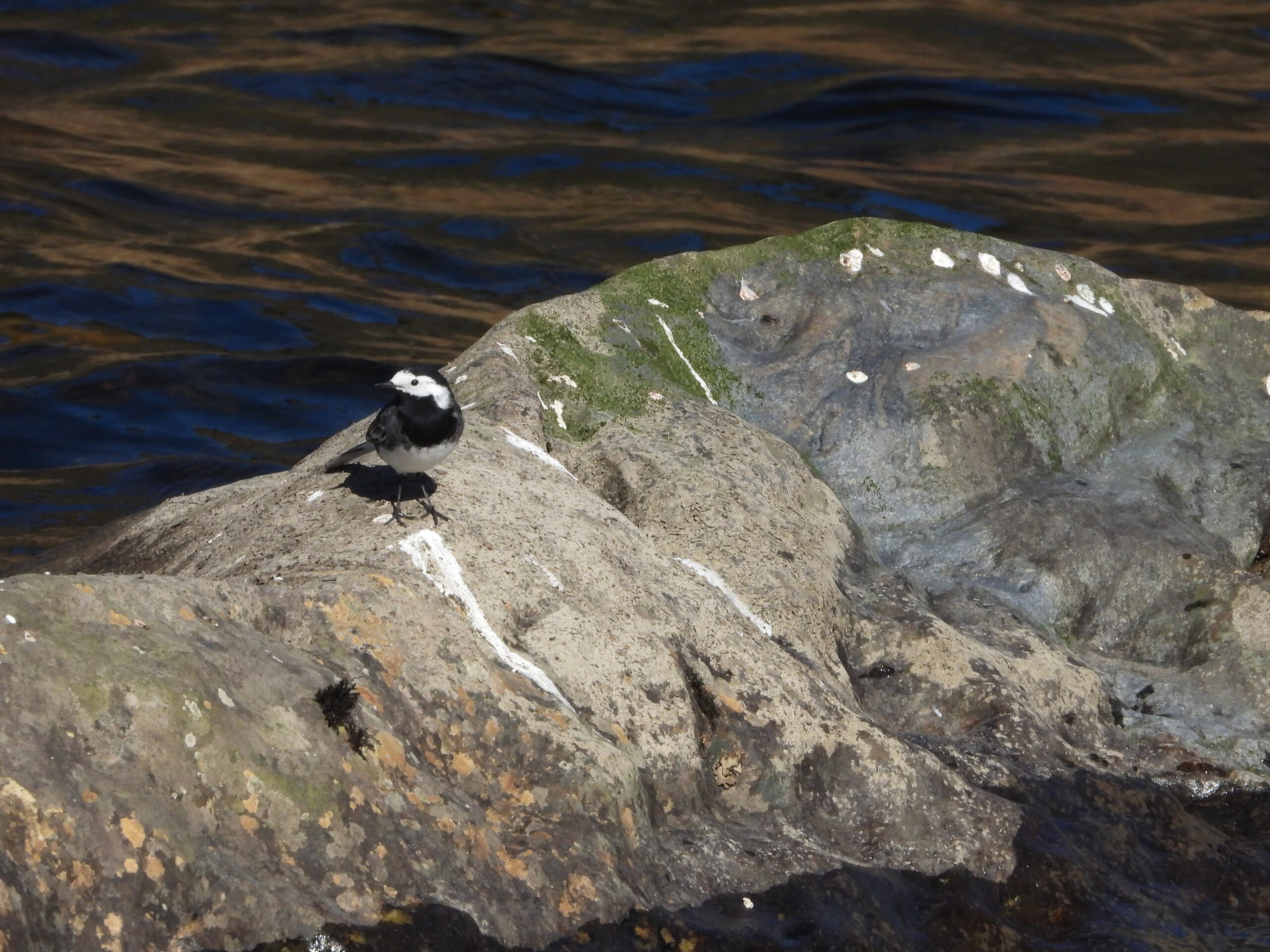
Here’s what we’ve seen out and about in the catchment recently:
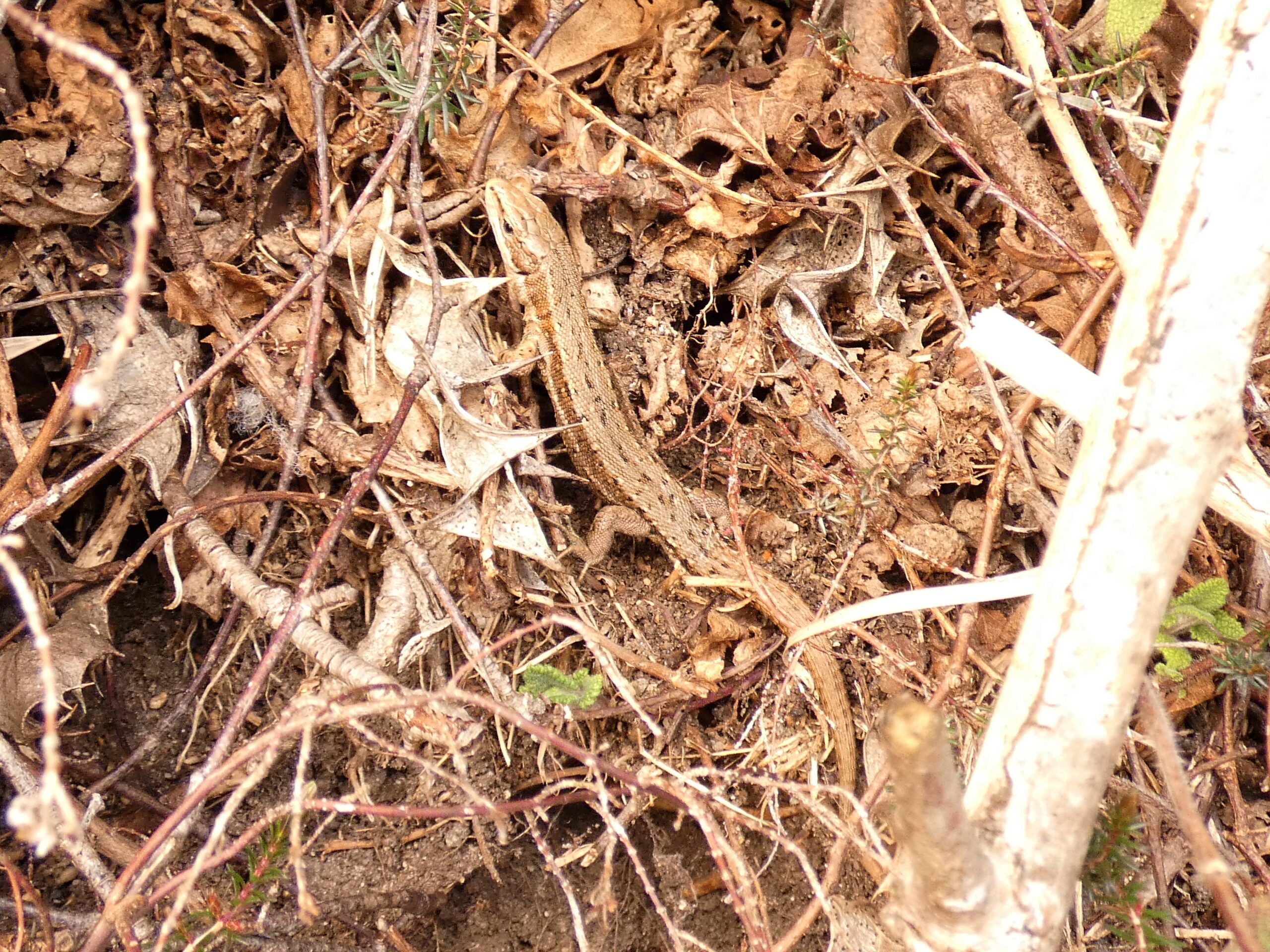
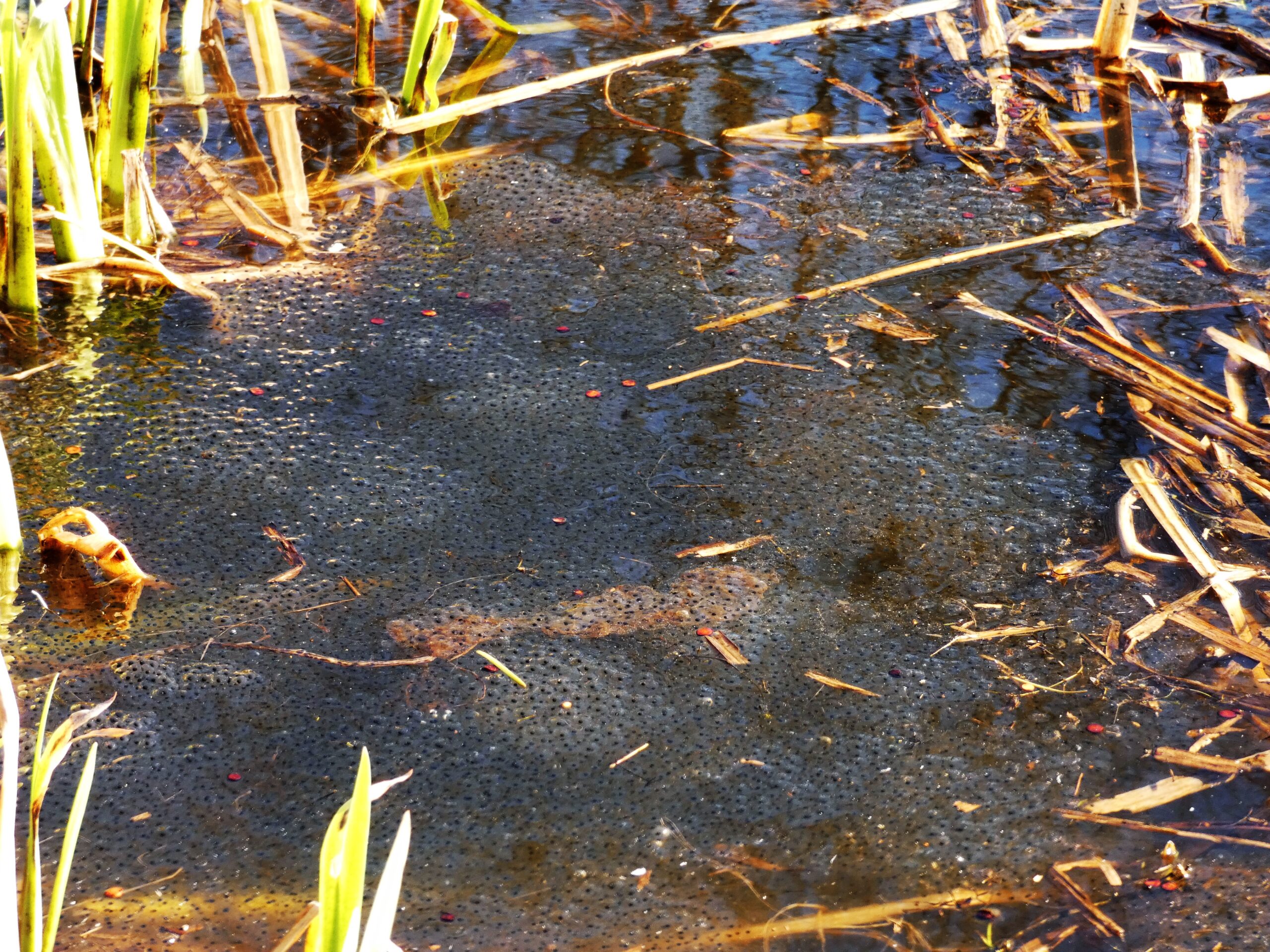
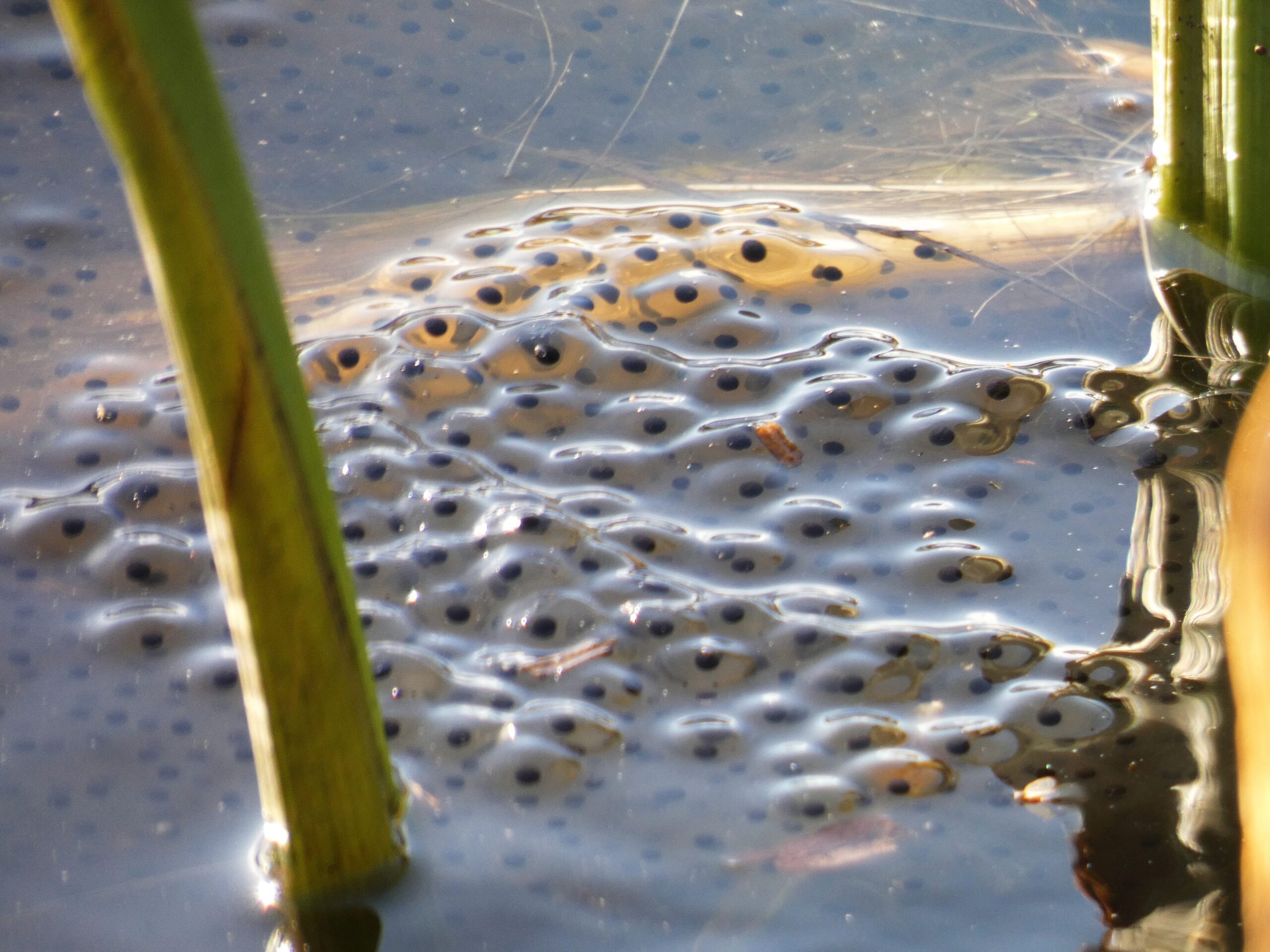
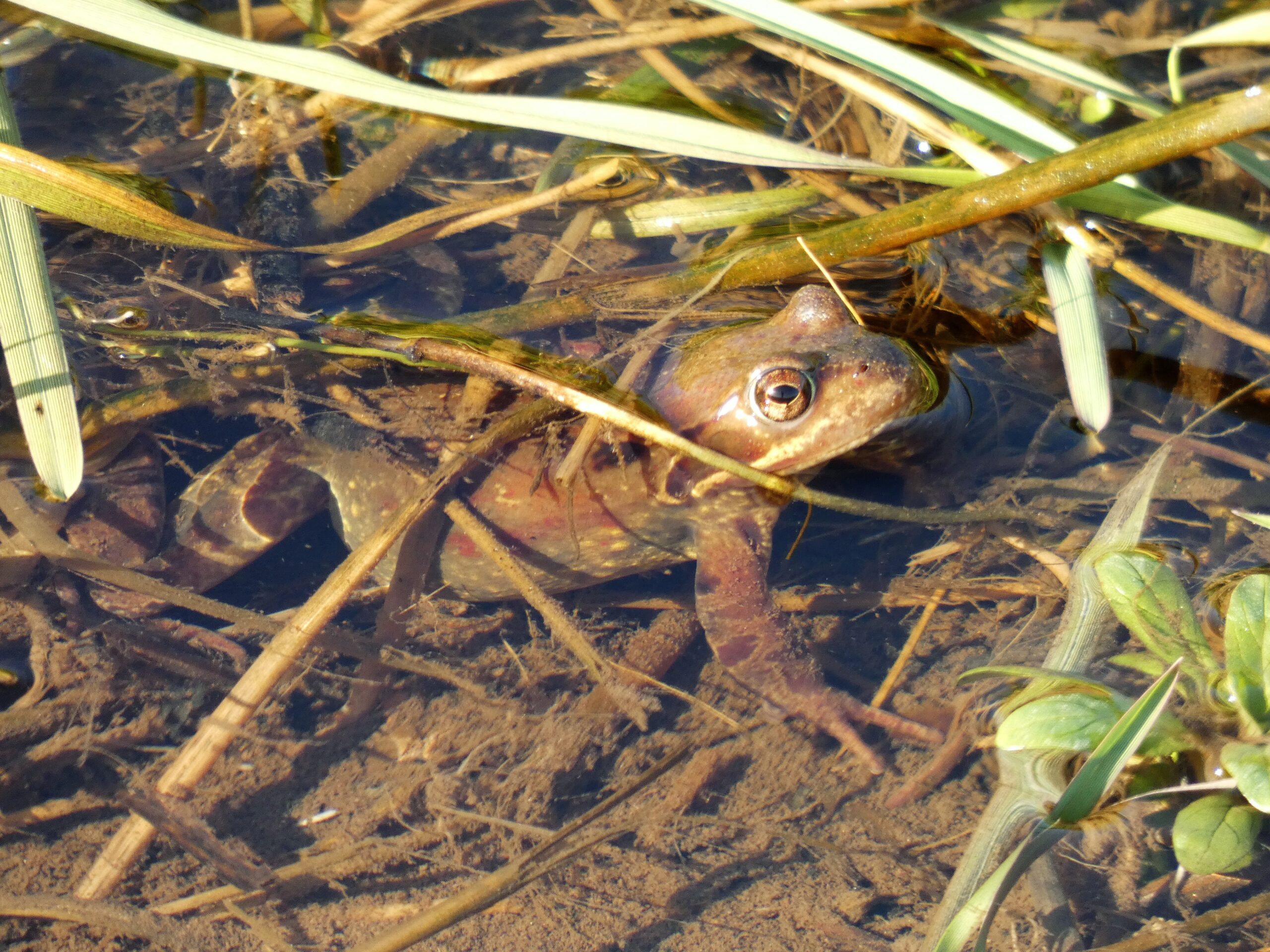
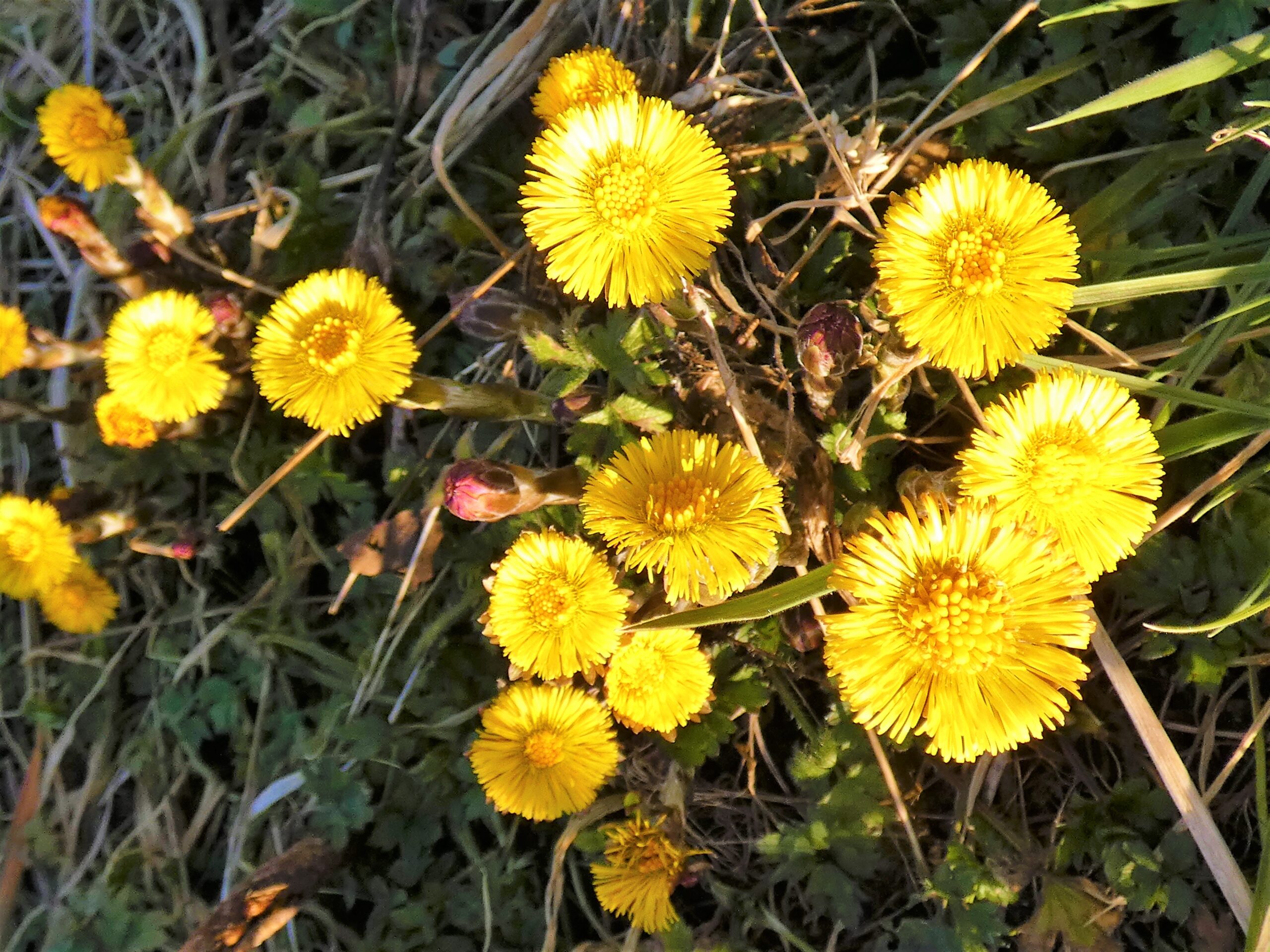
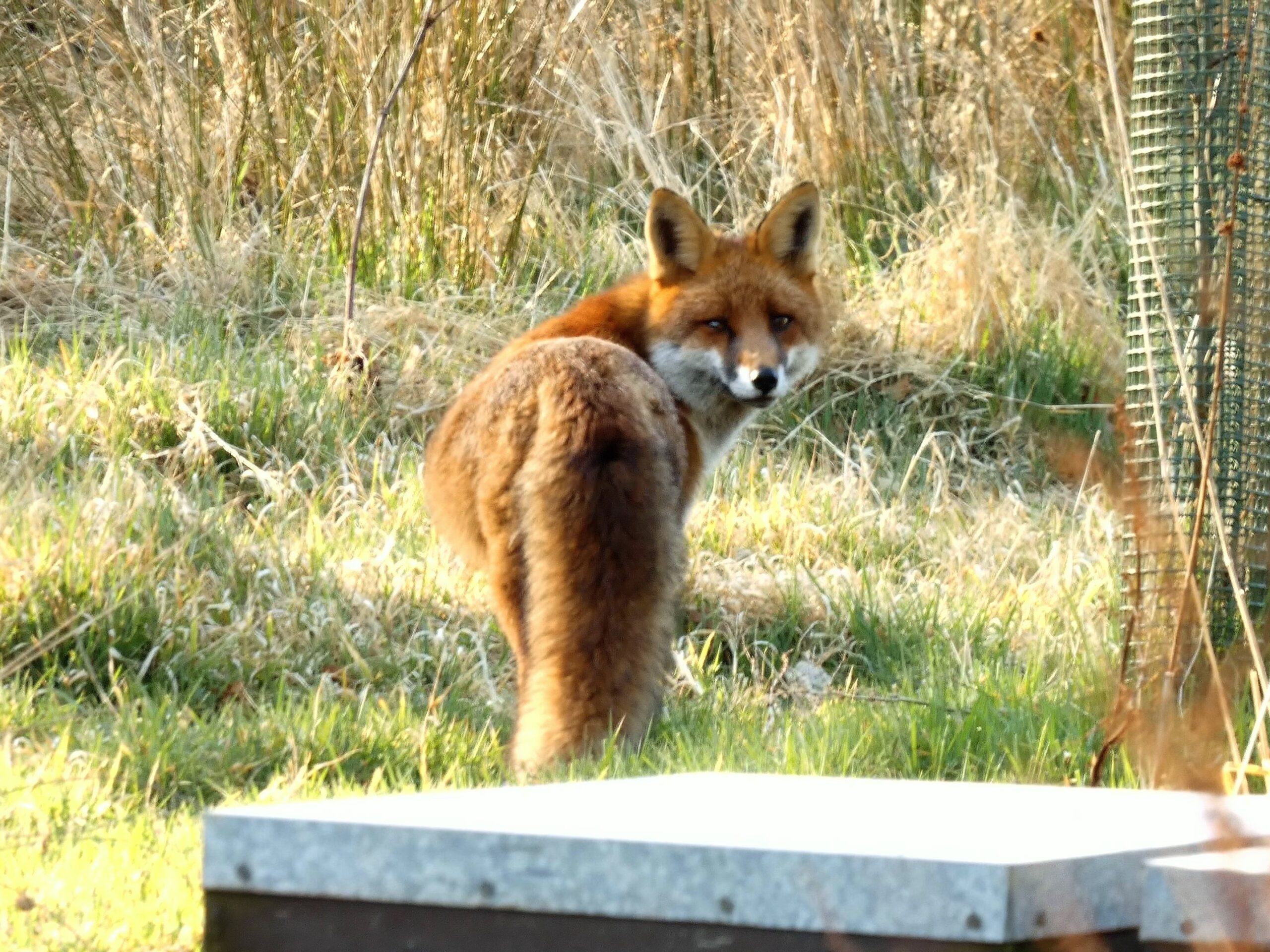
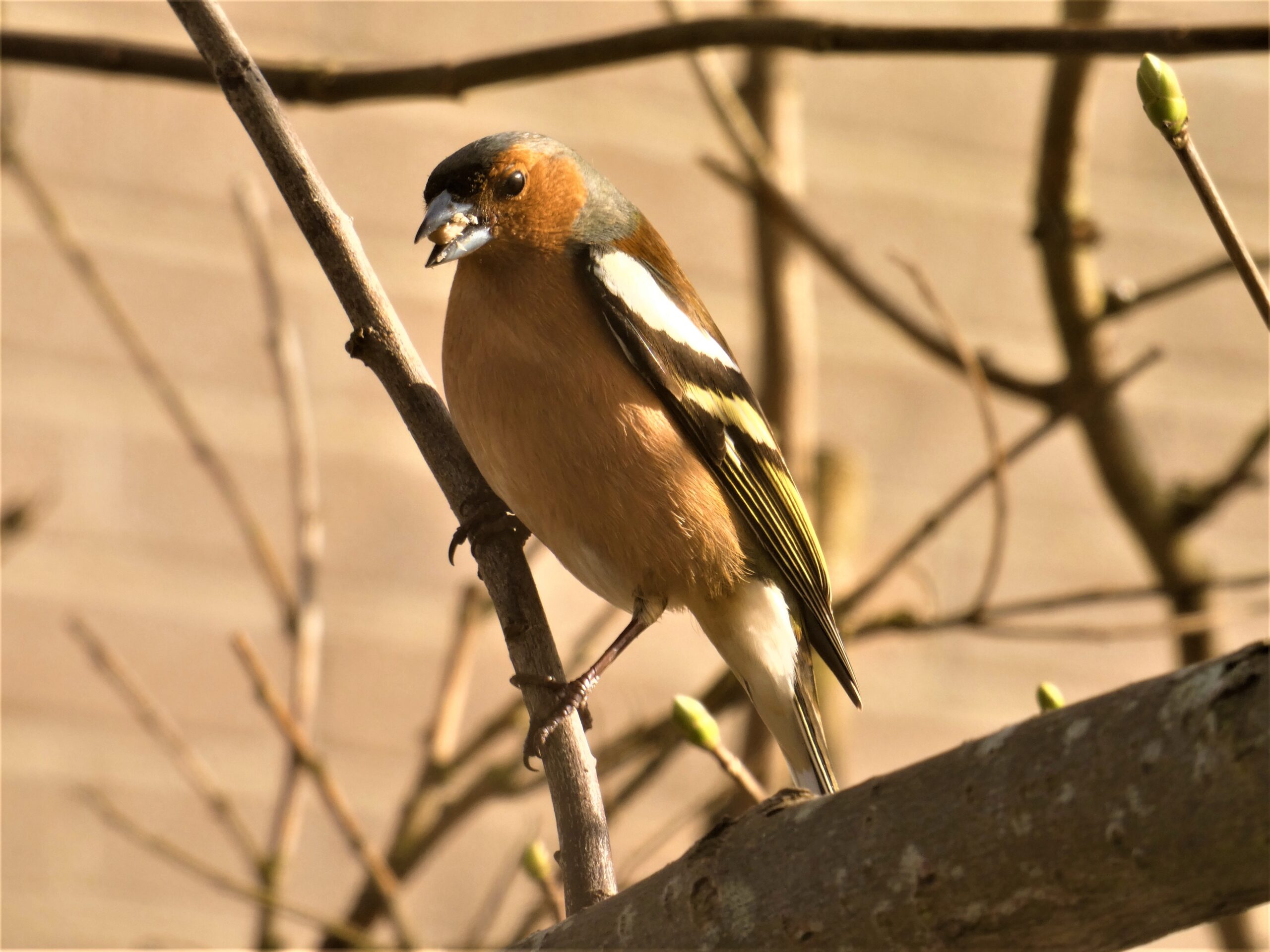
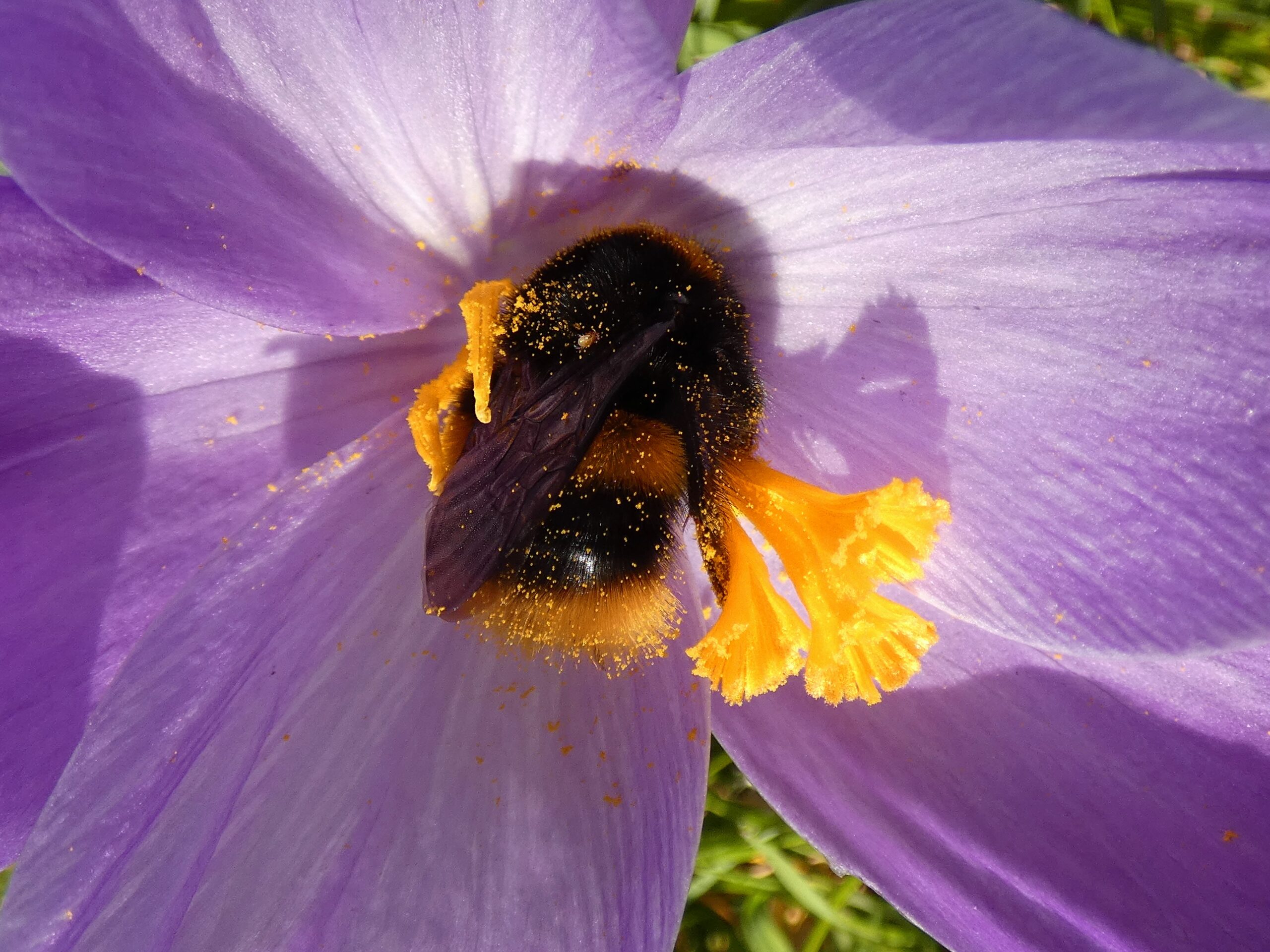
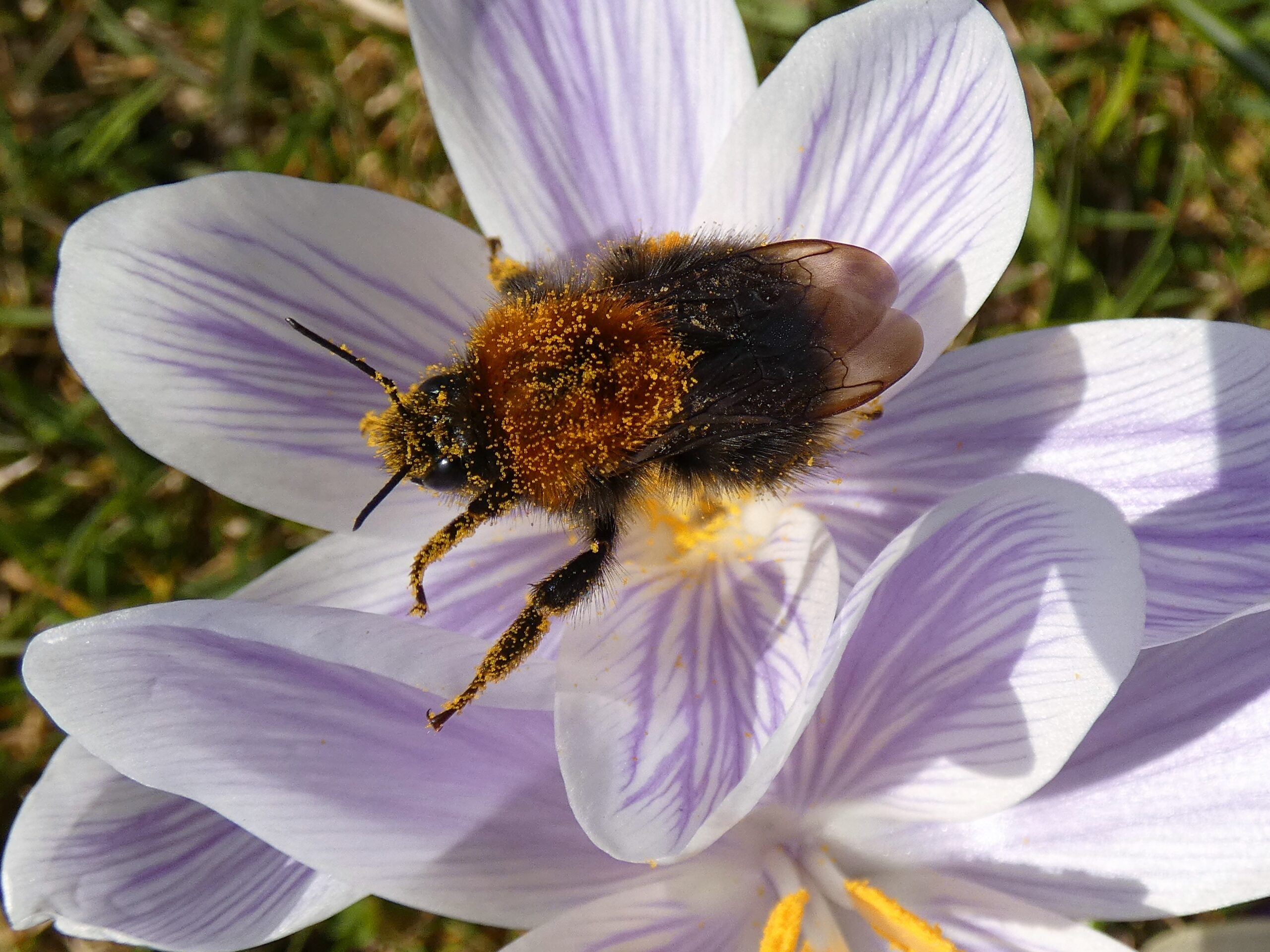
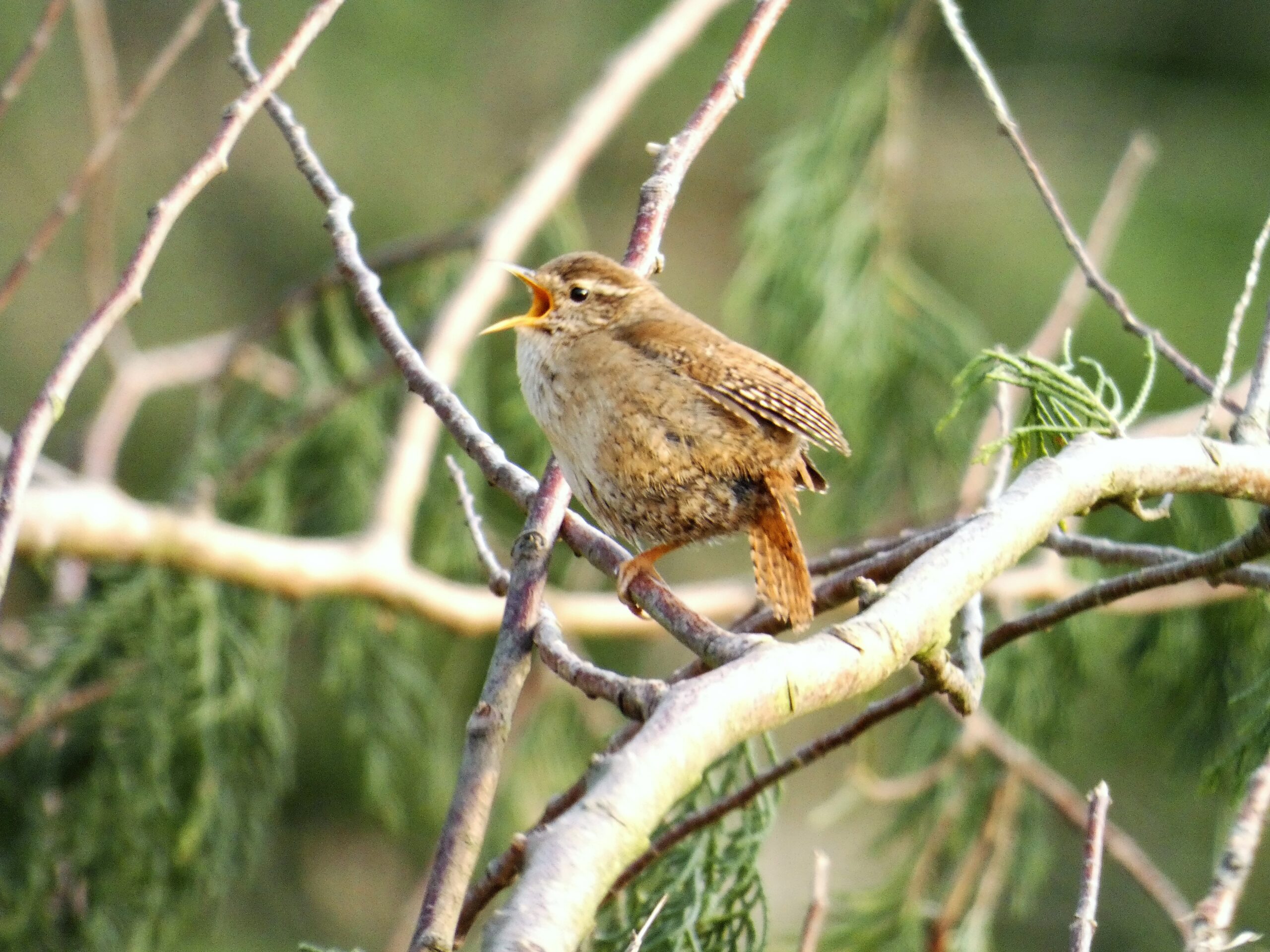
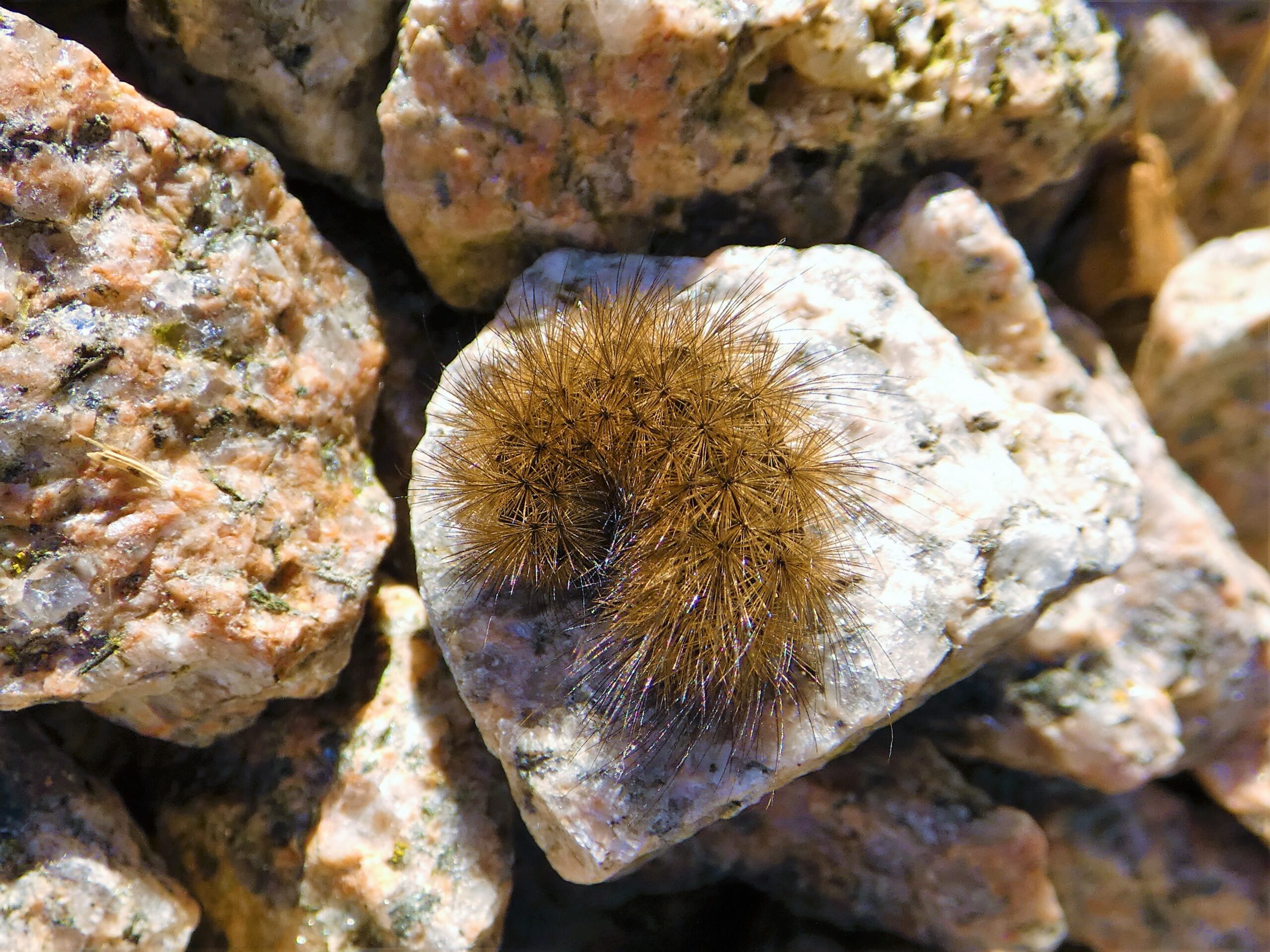
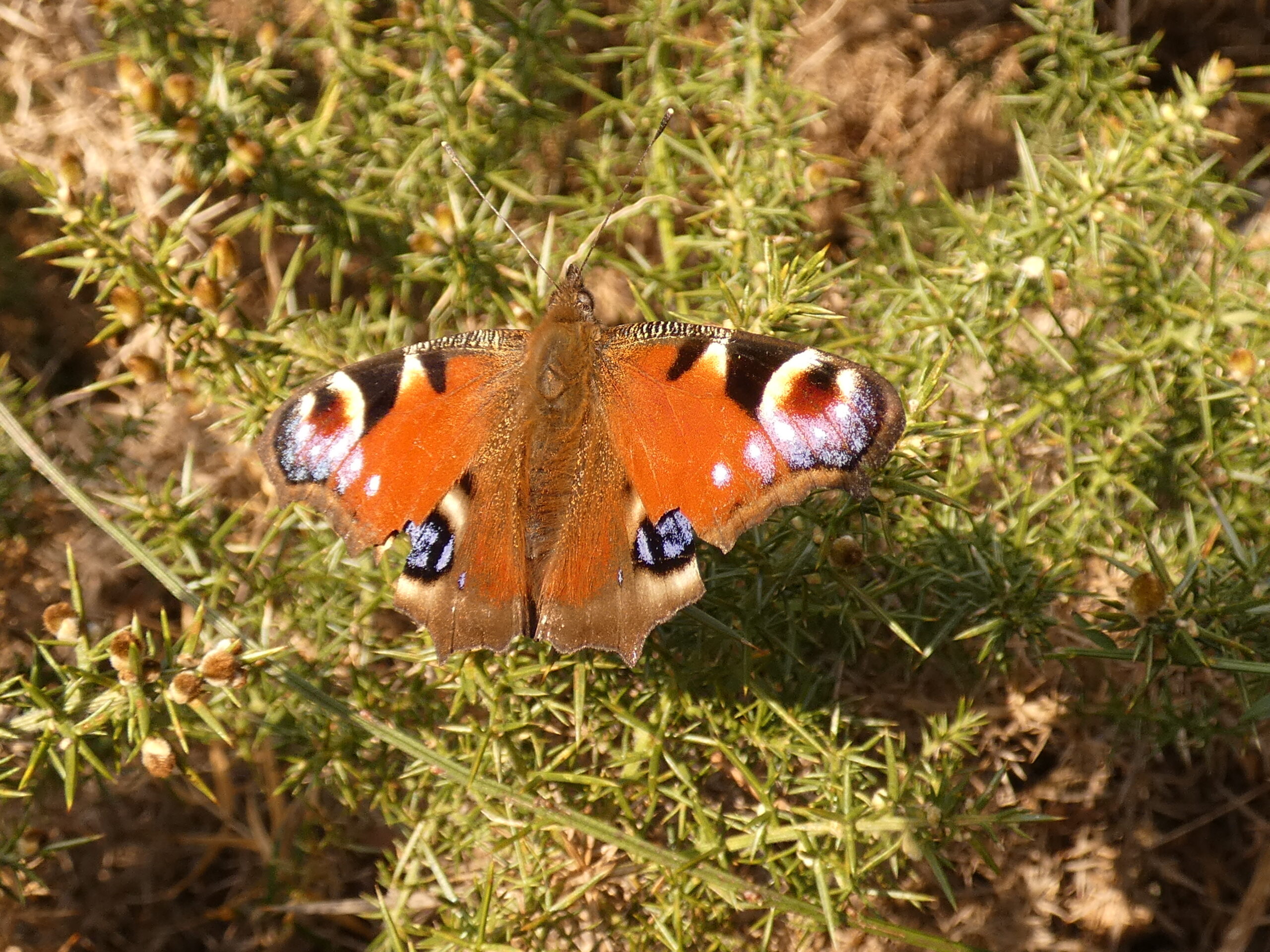
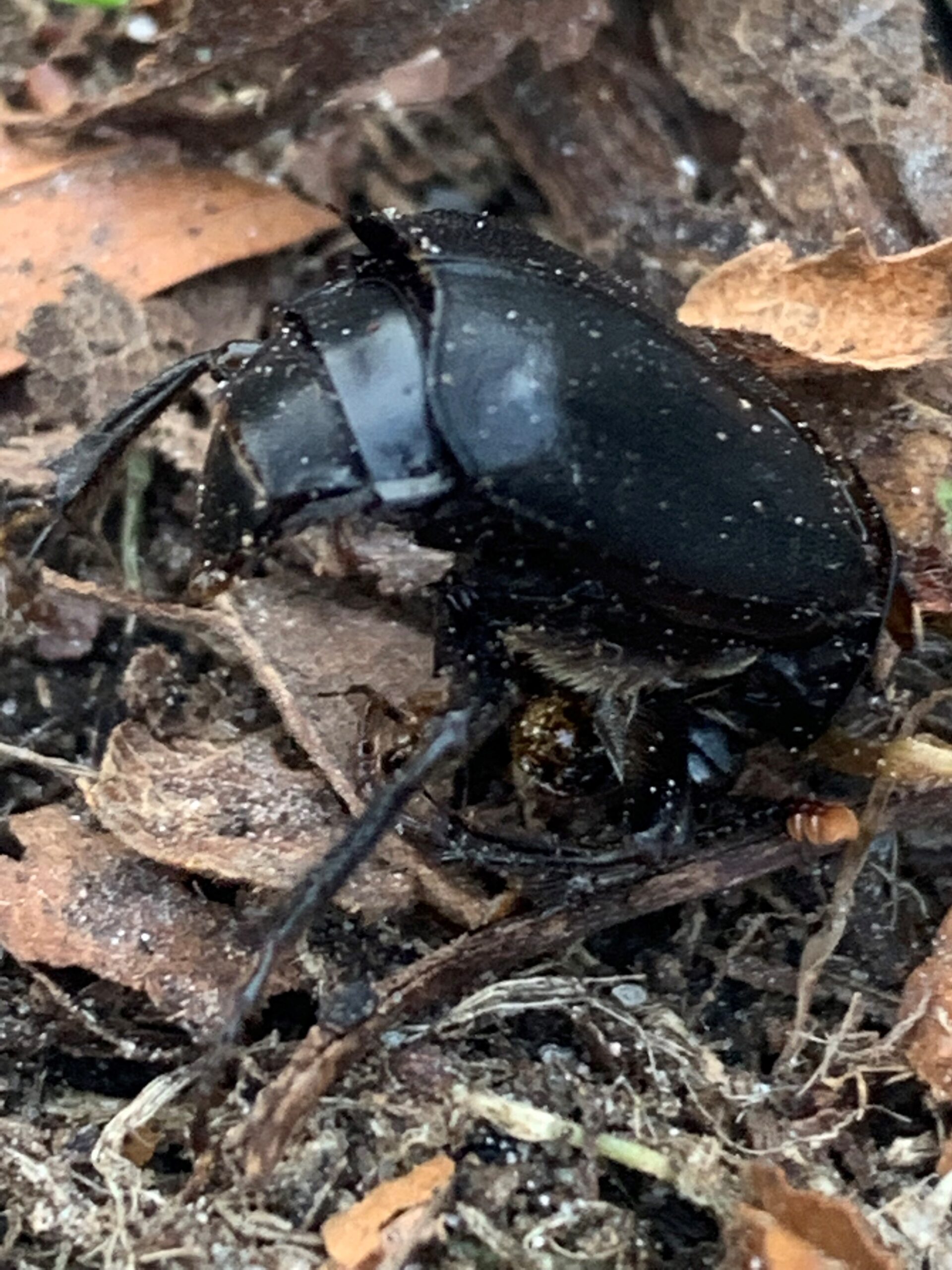
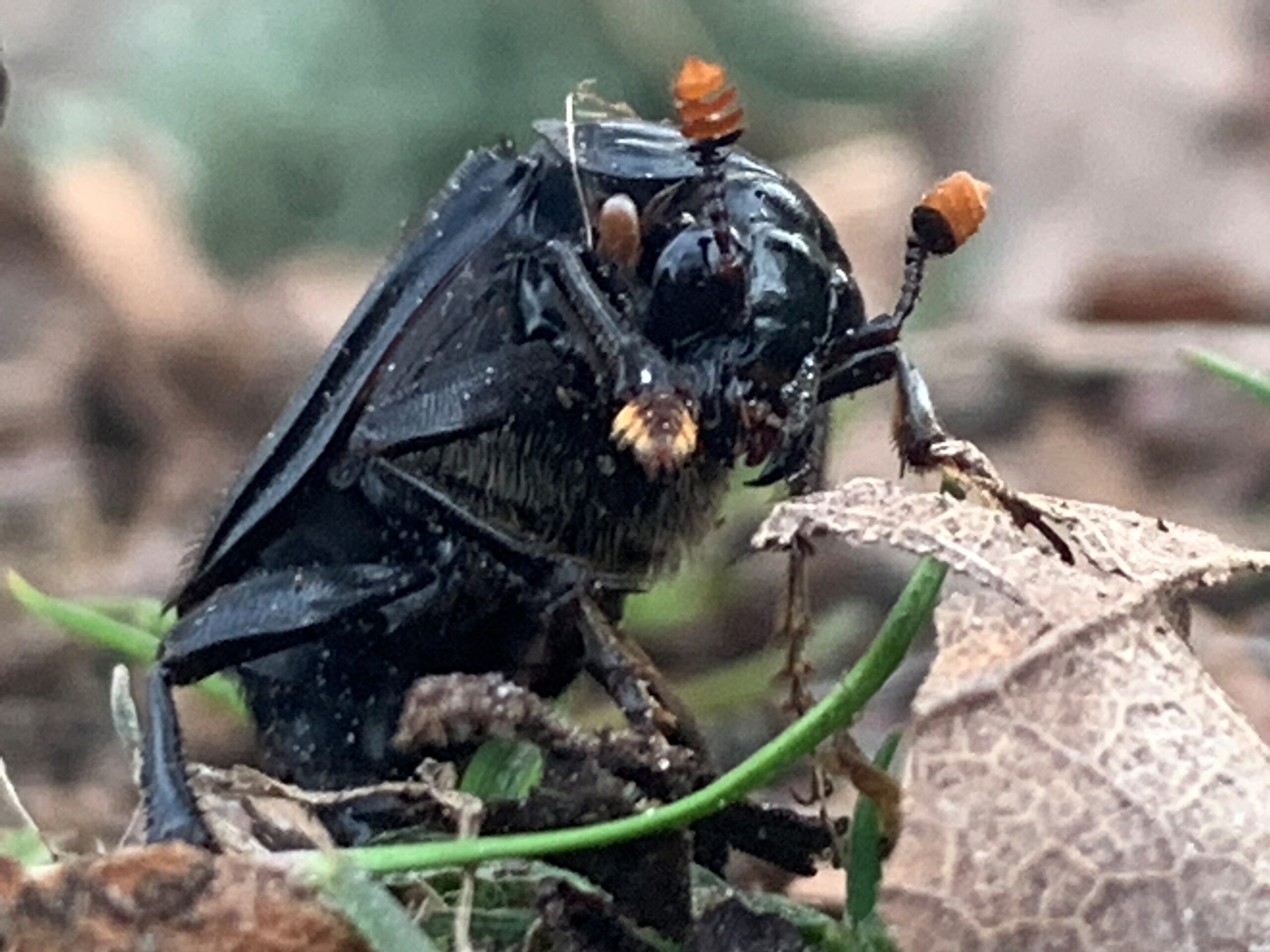
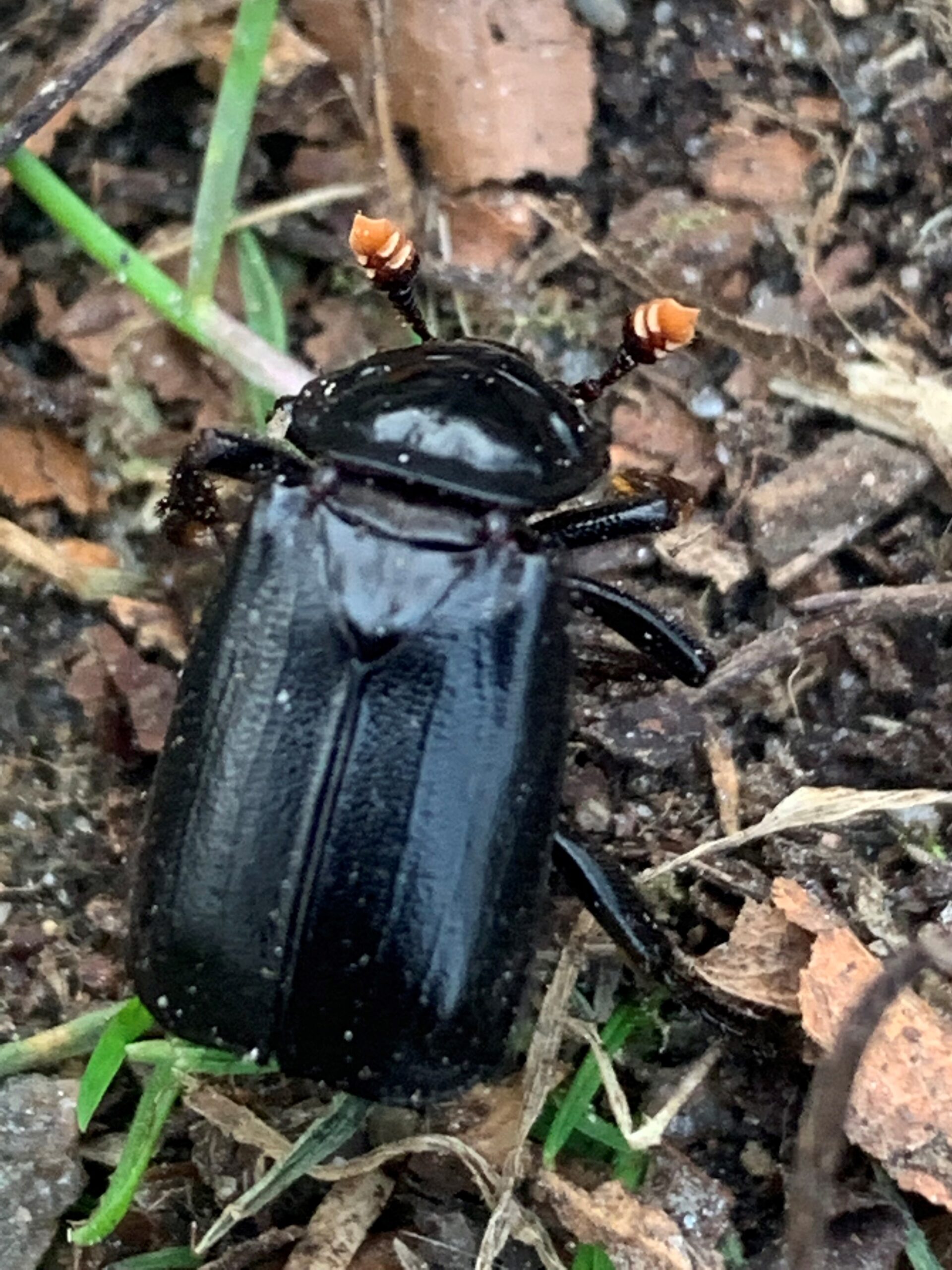
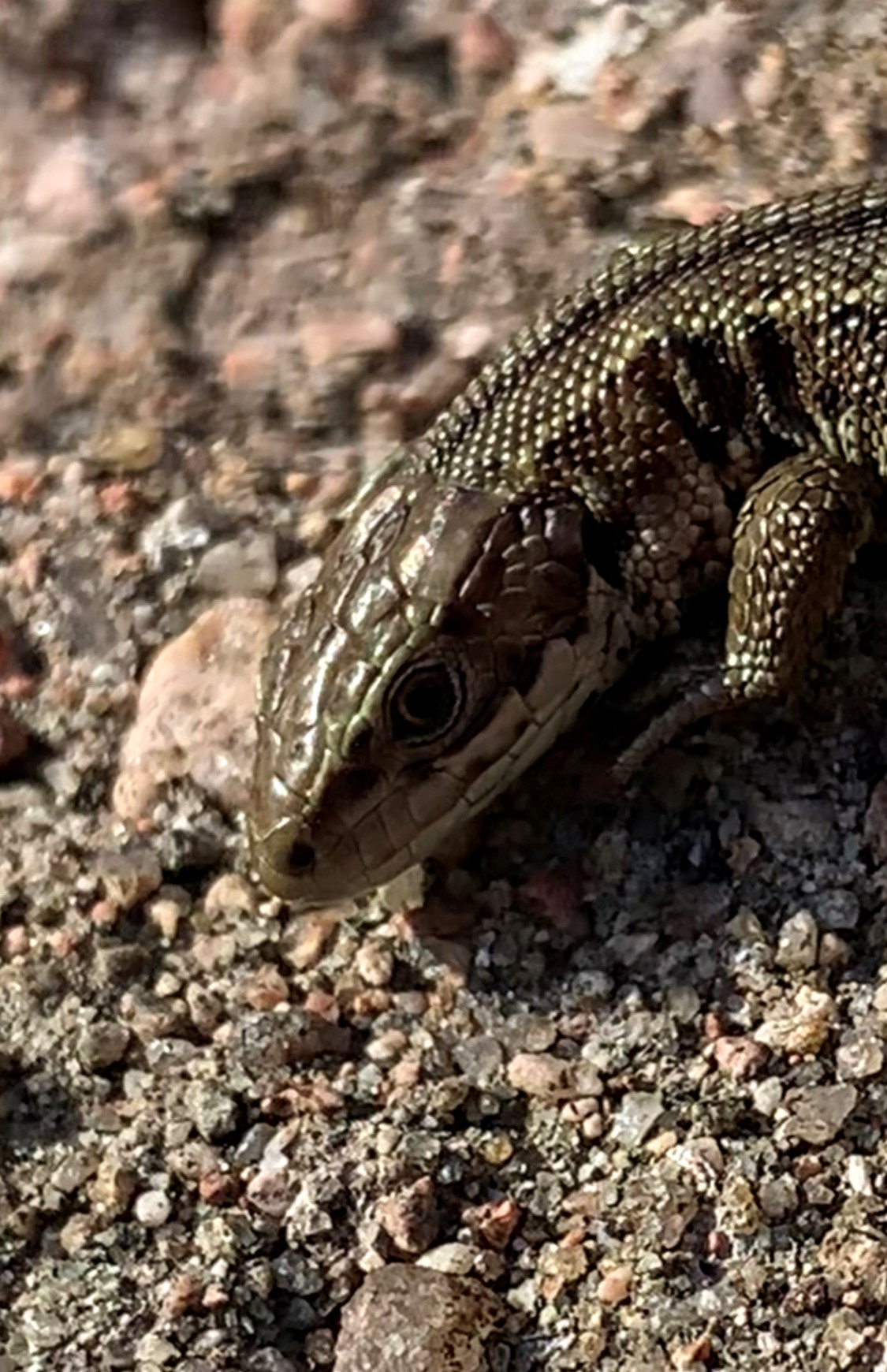
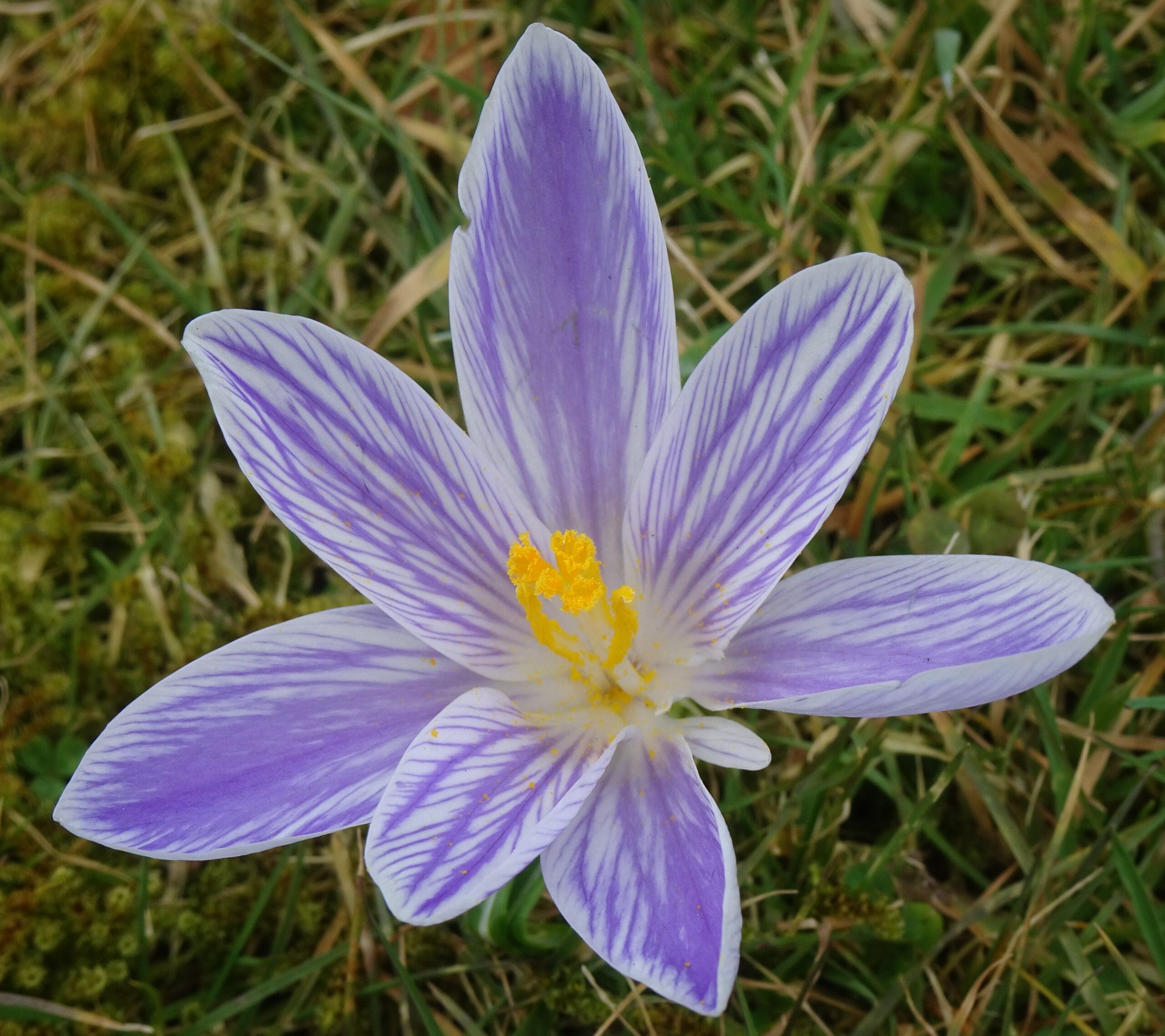
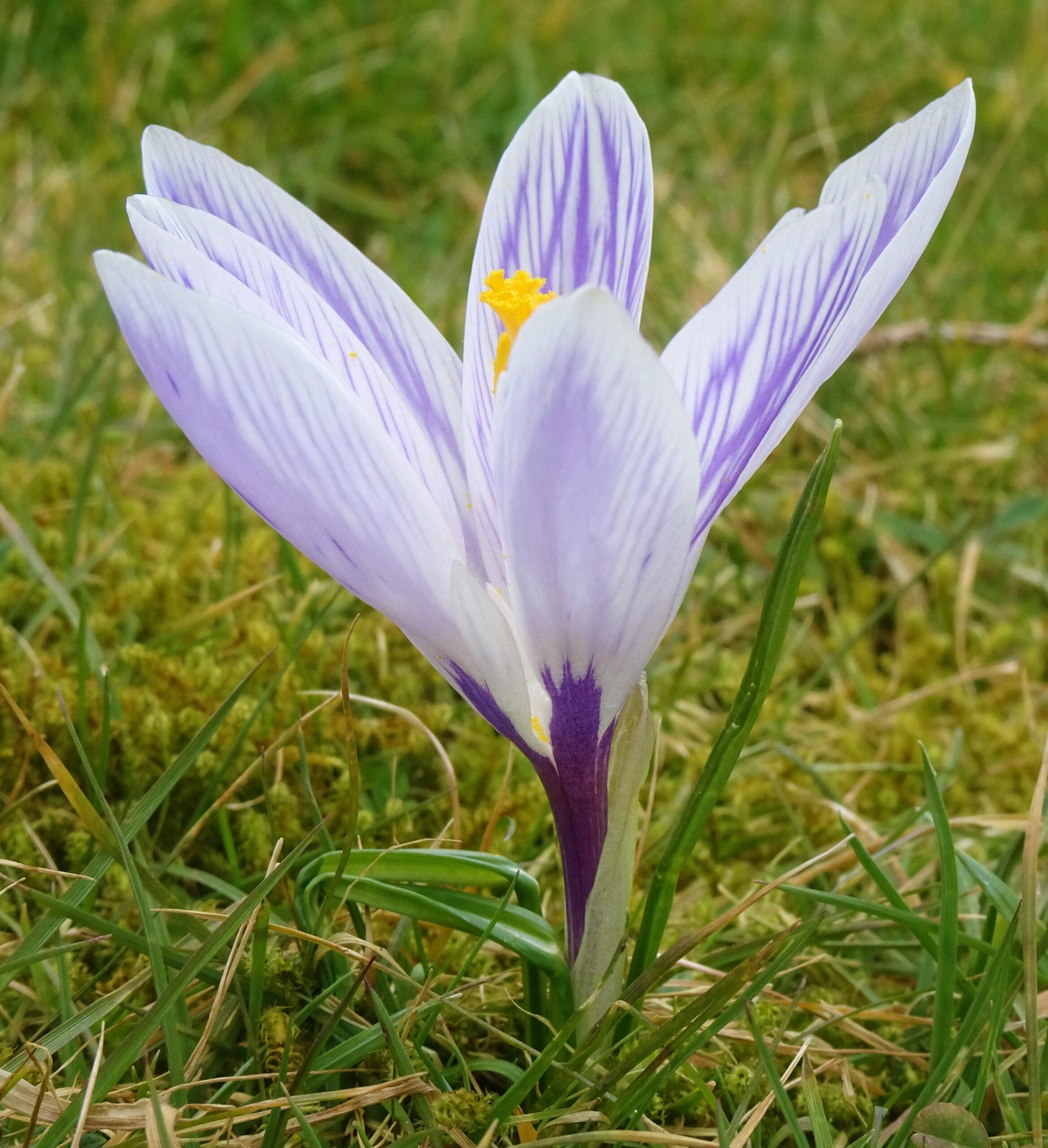
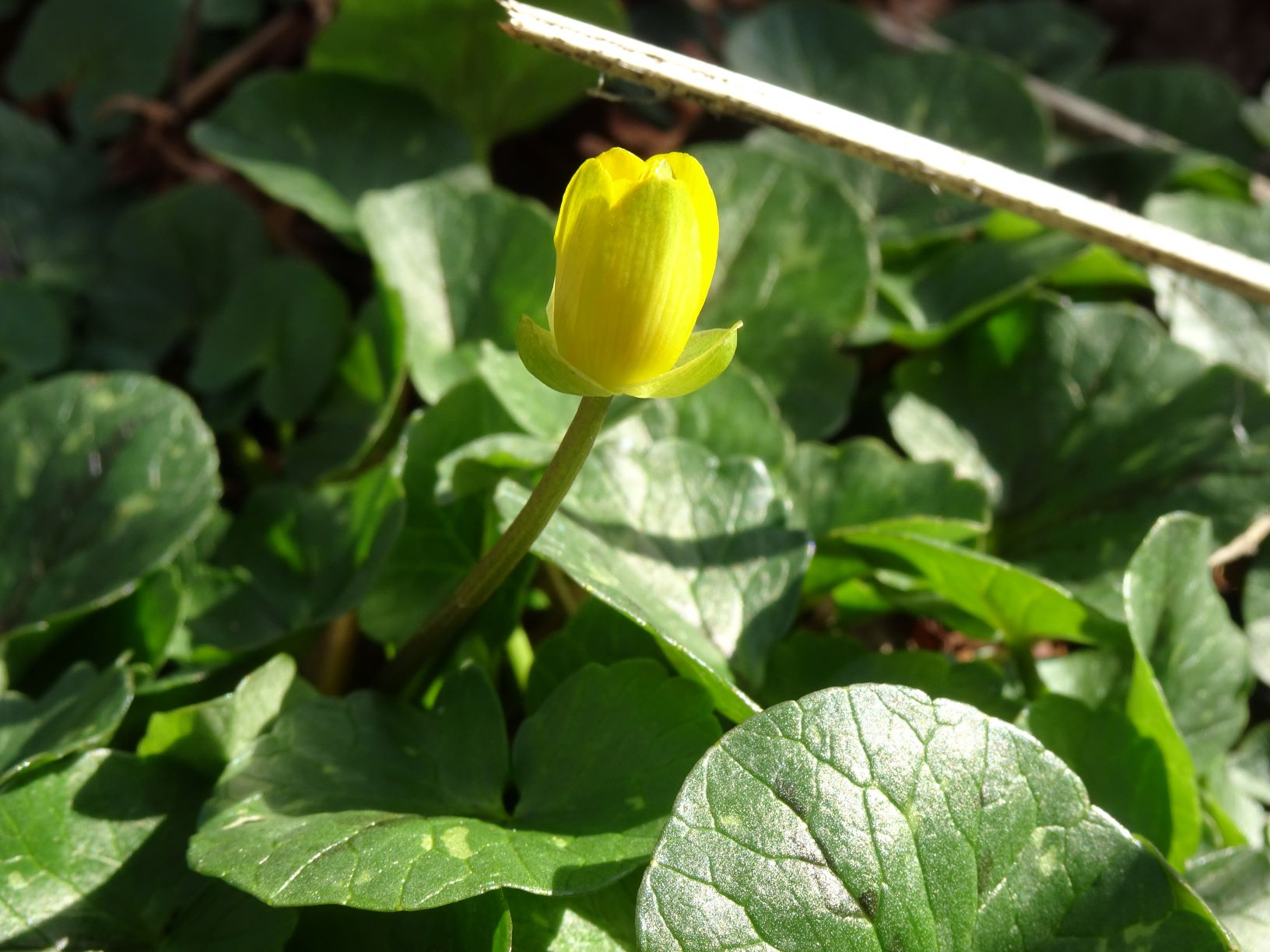
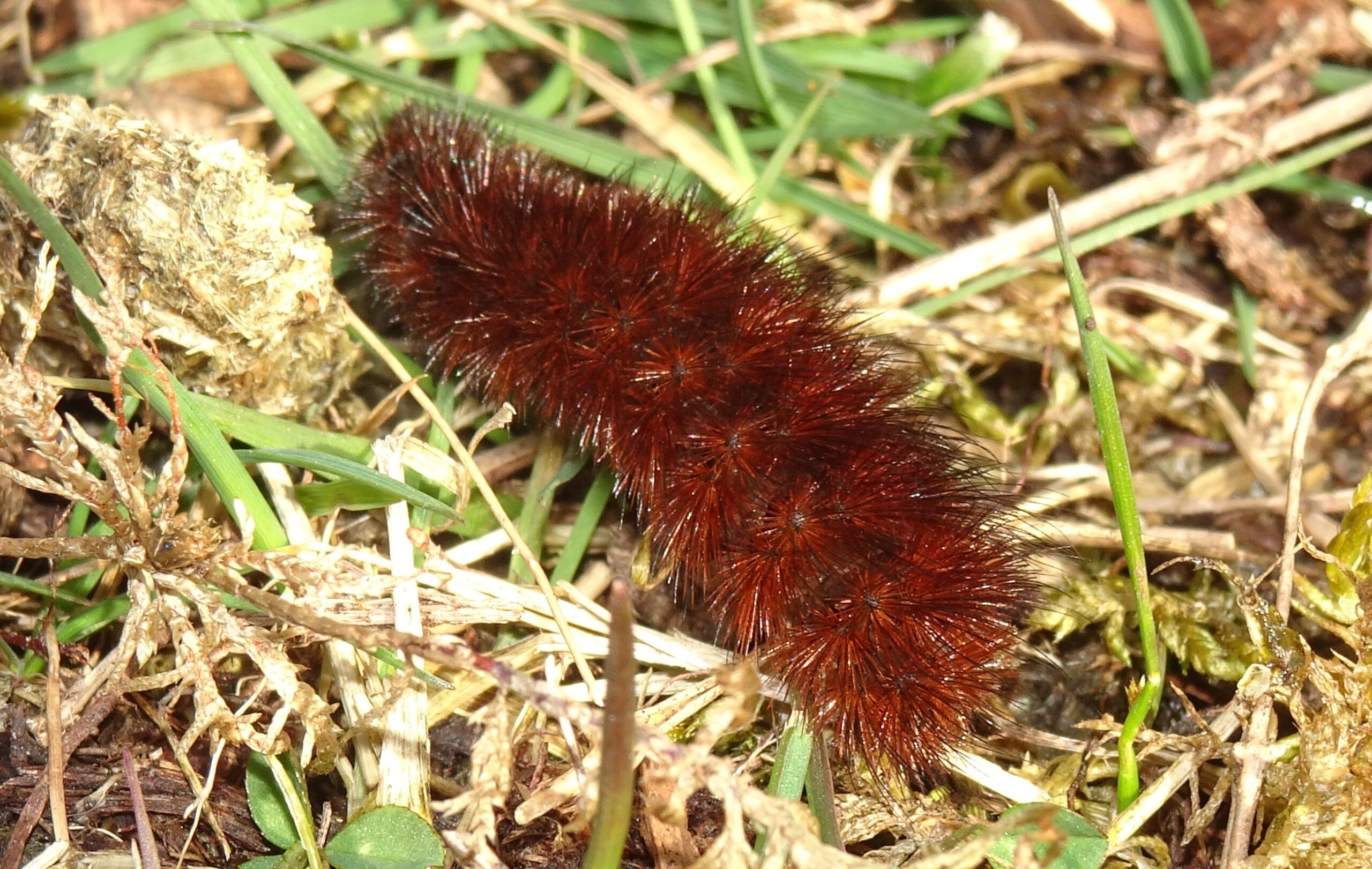
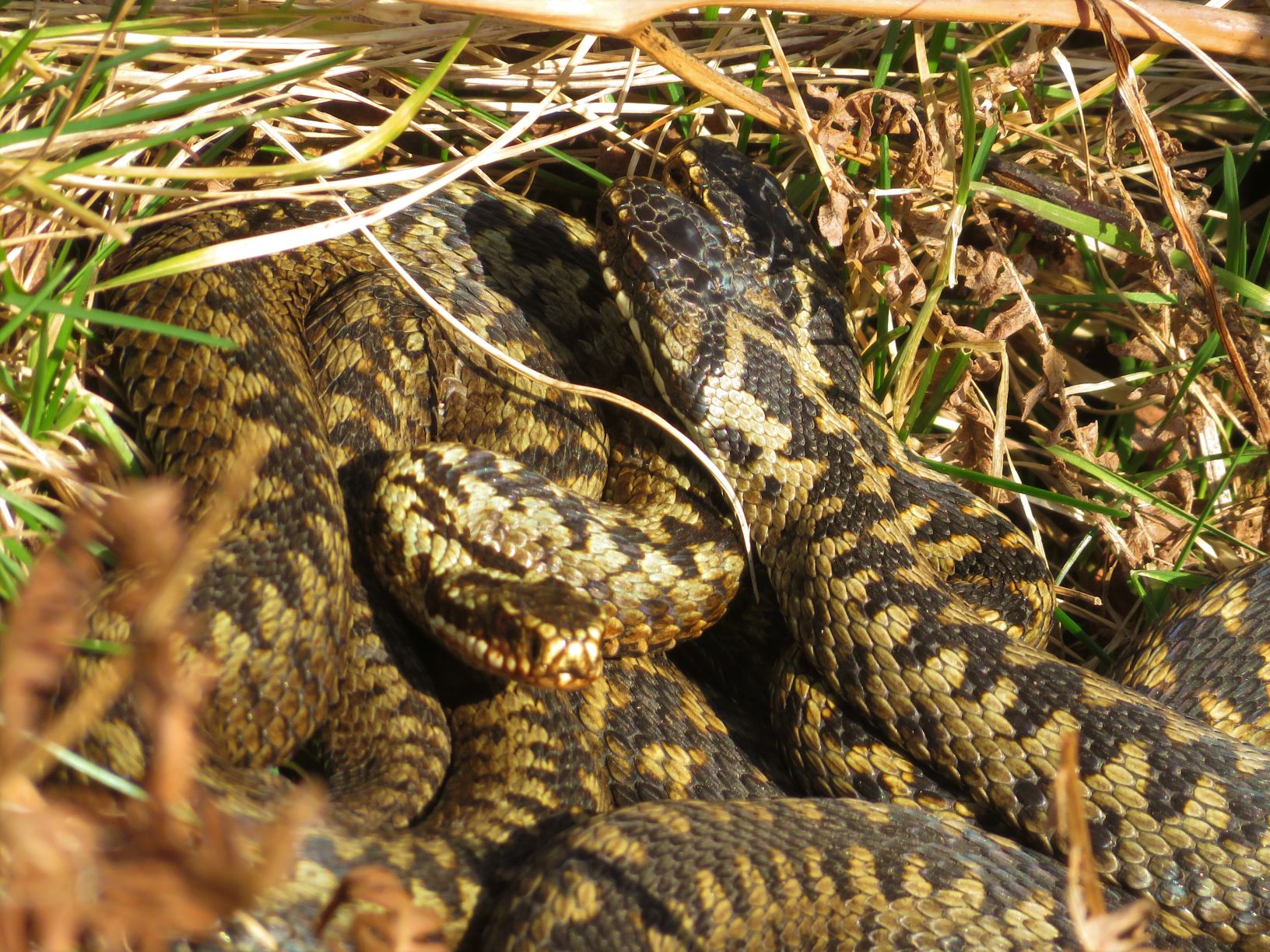
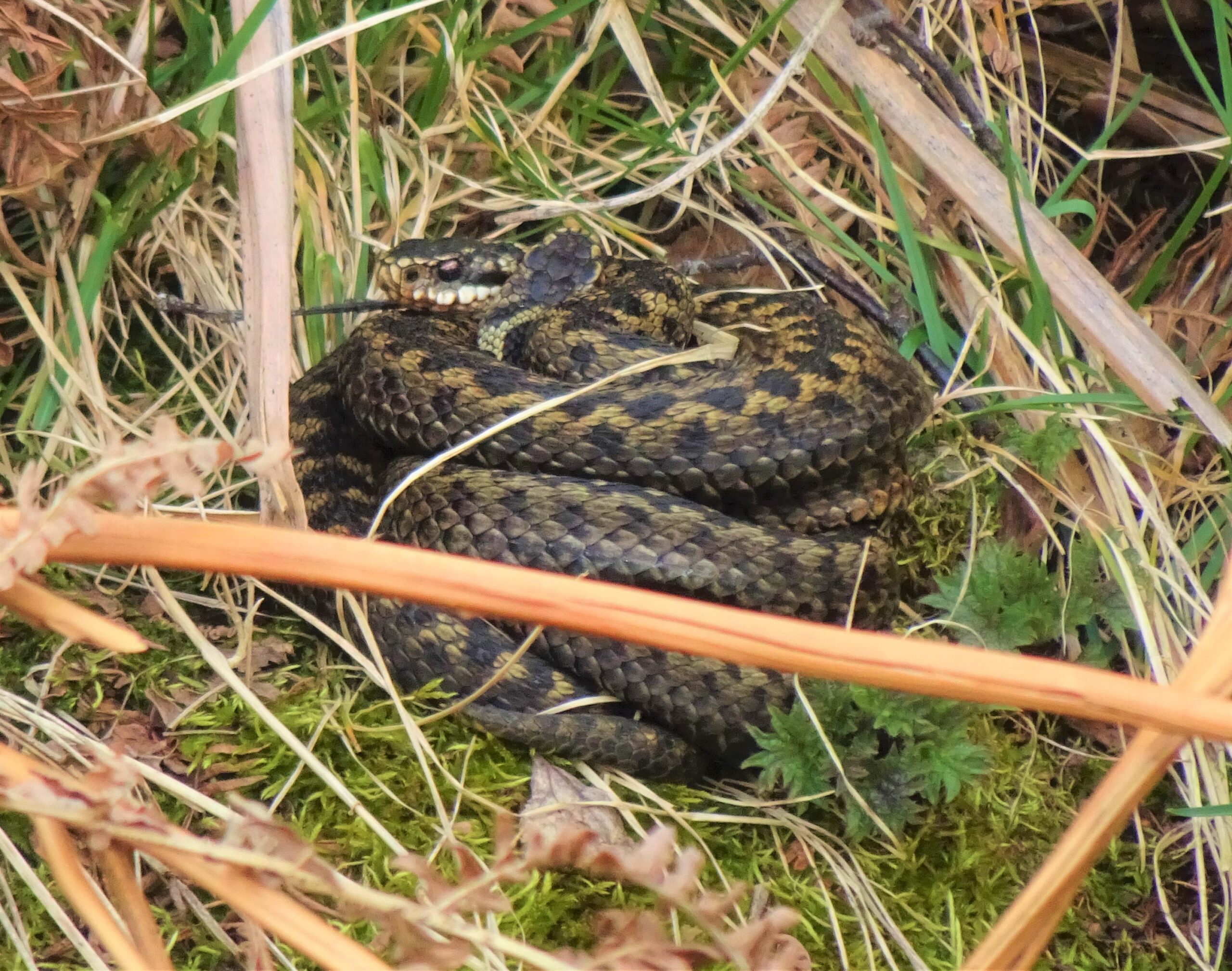
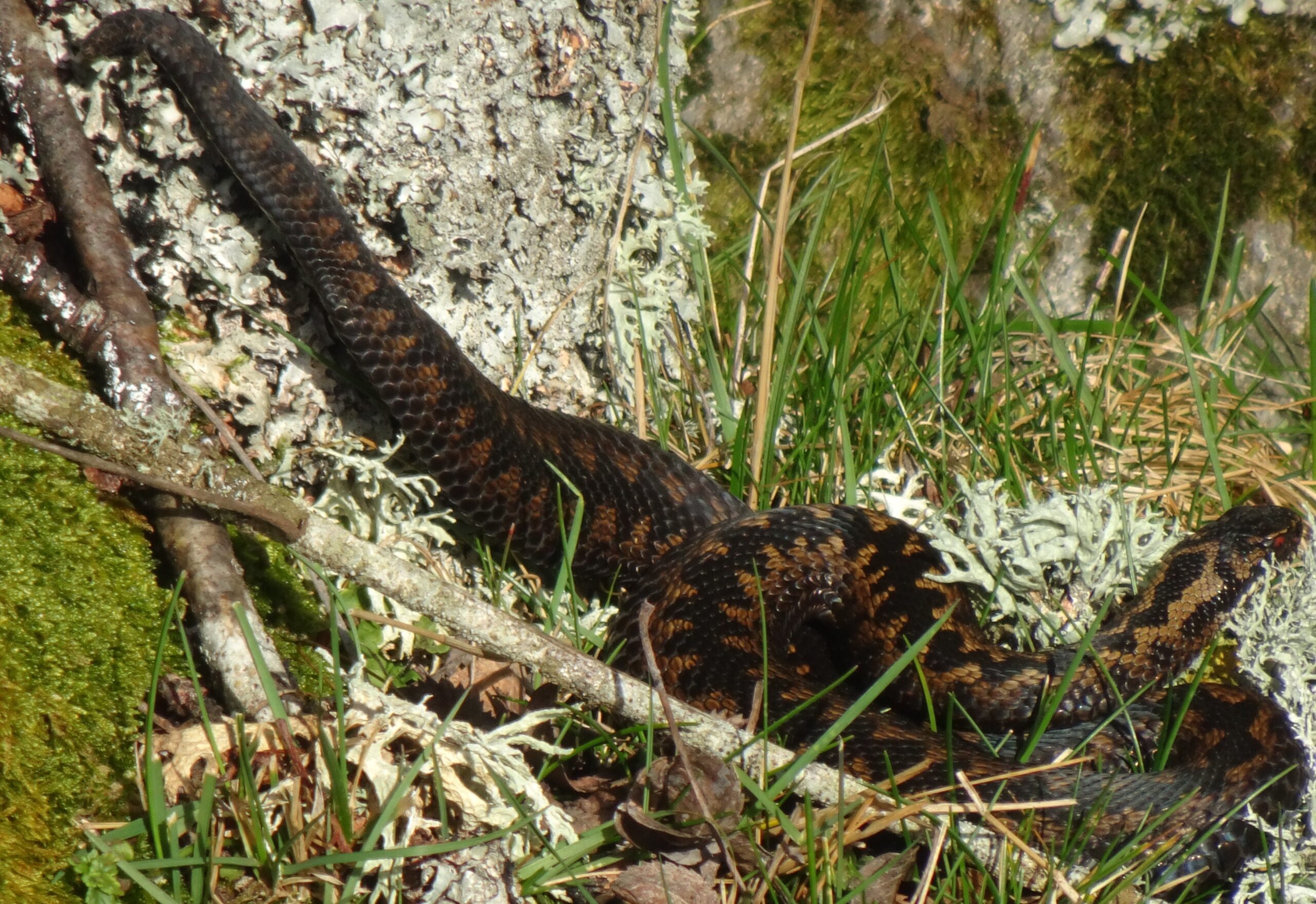
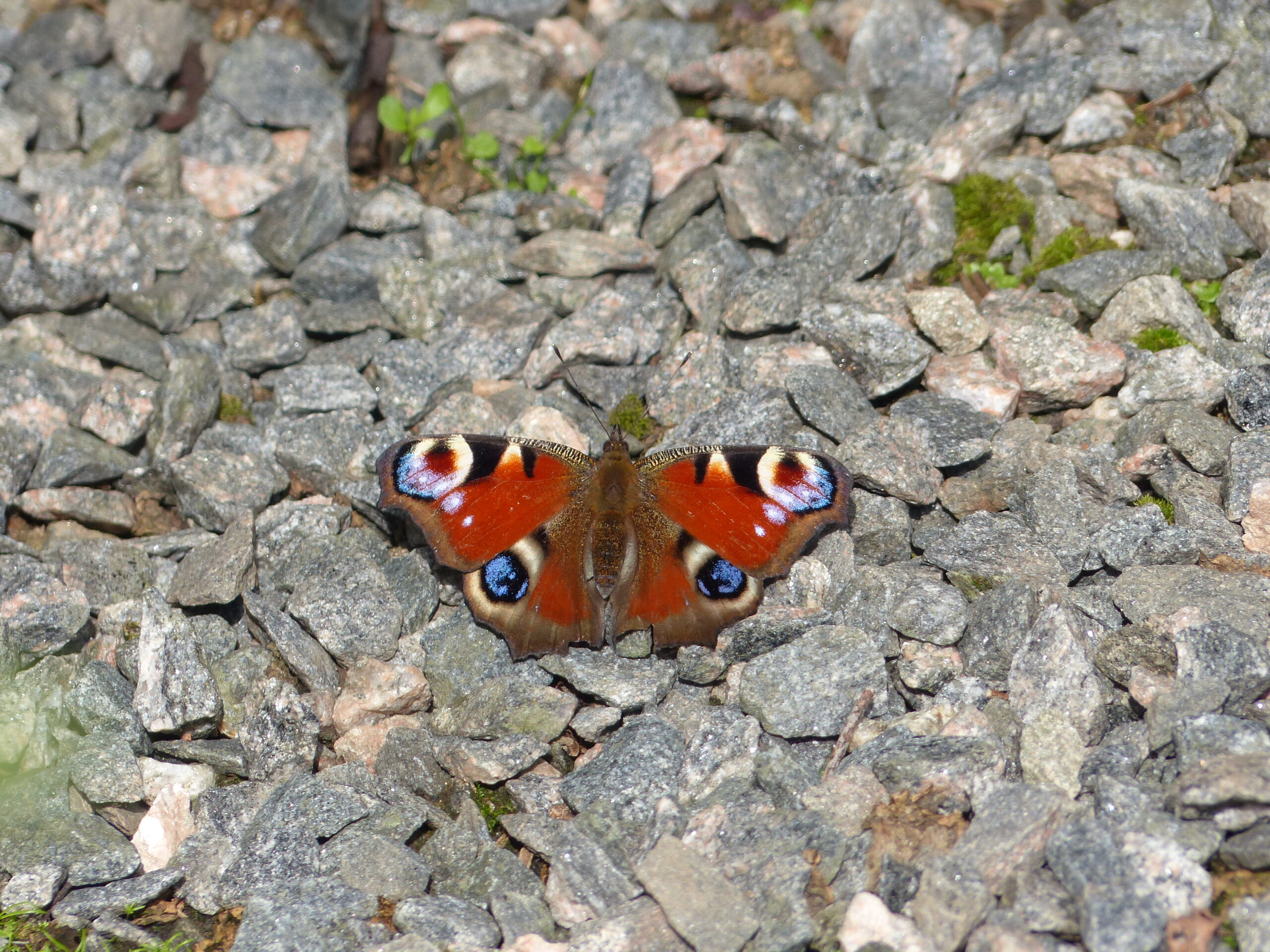
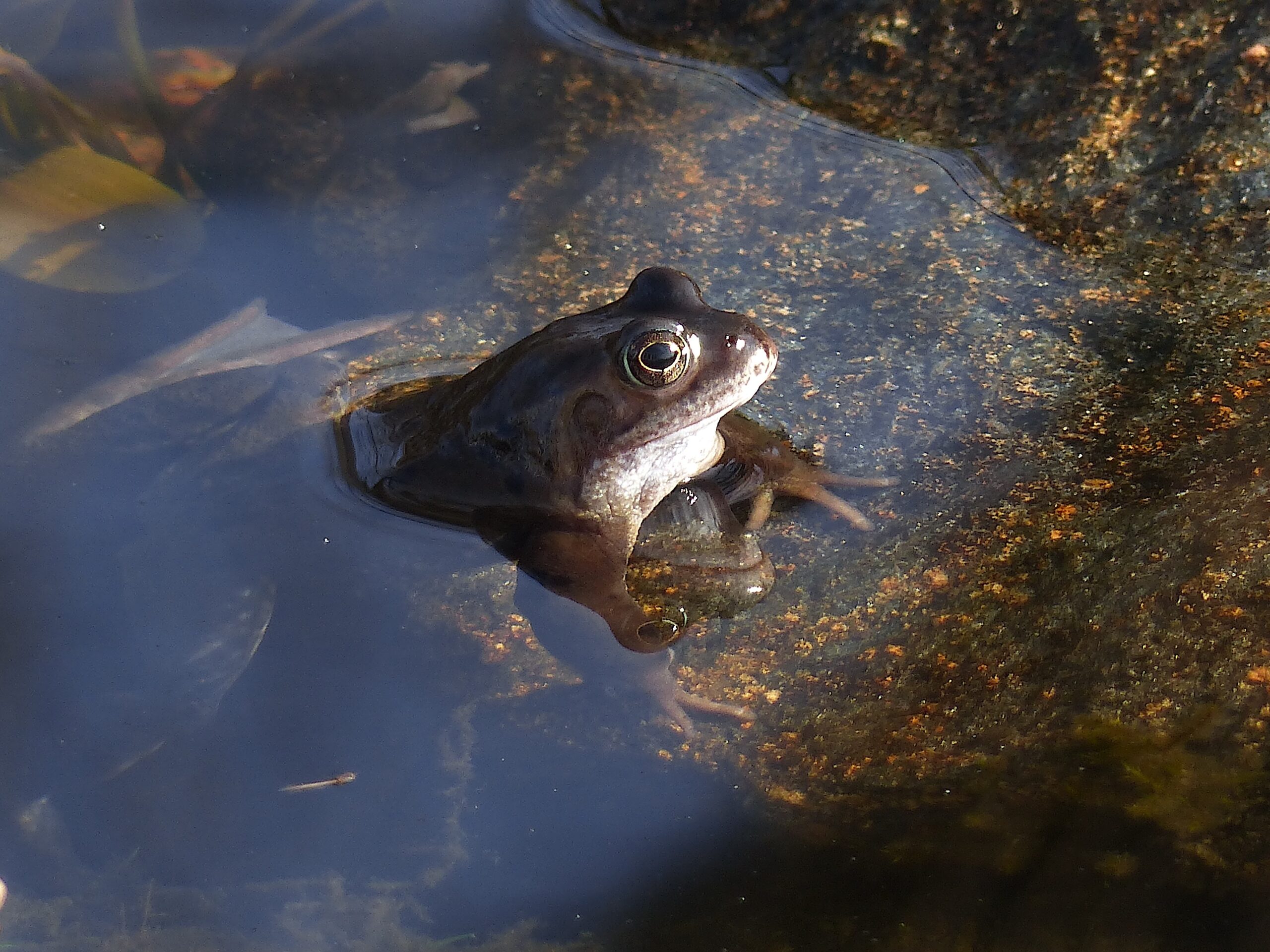
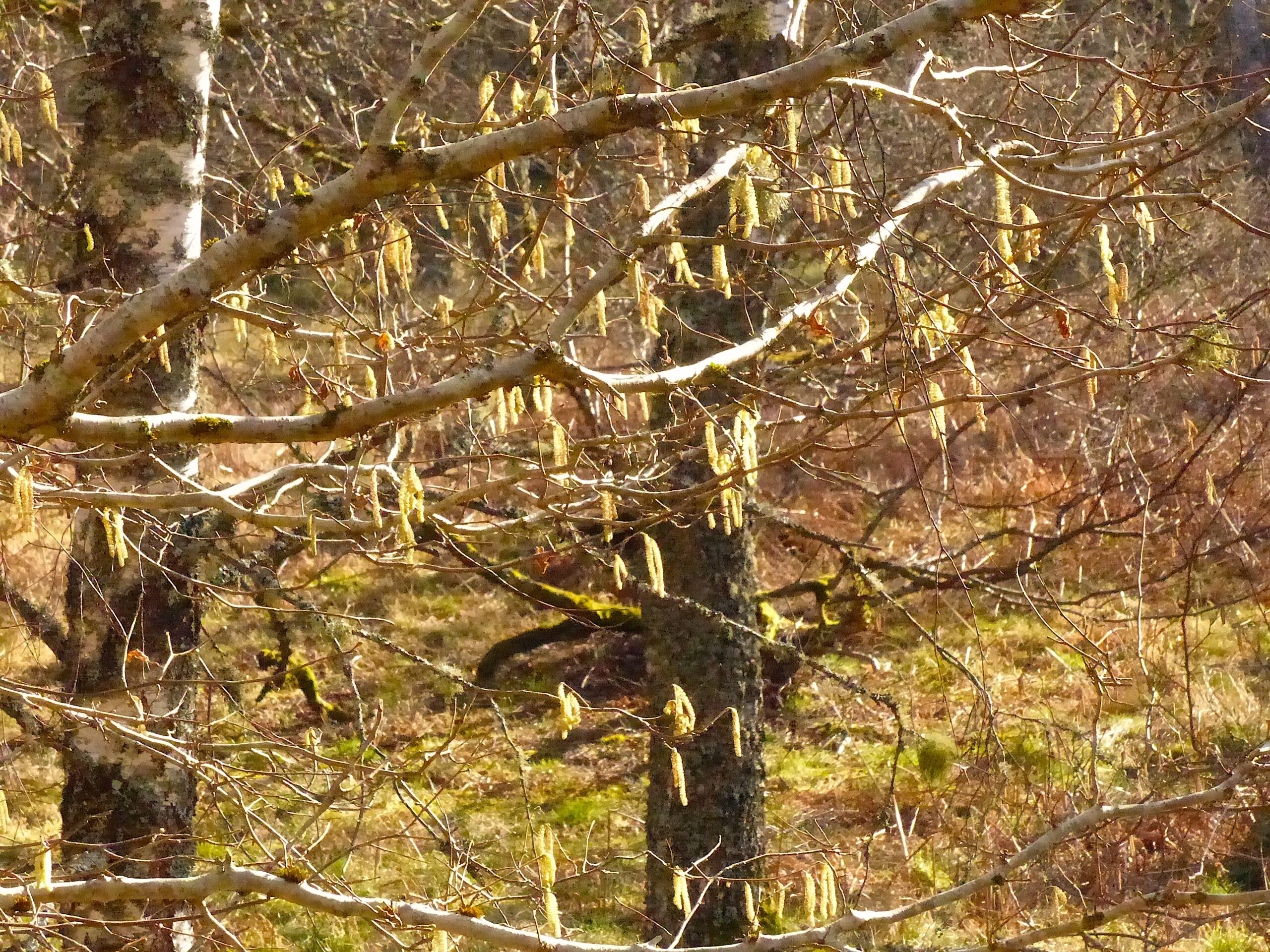
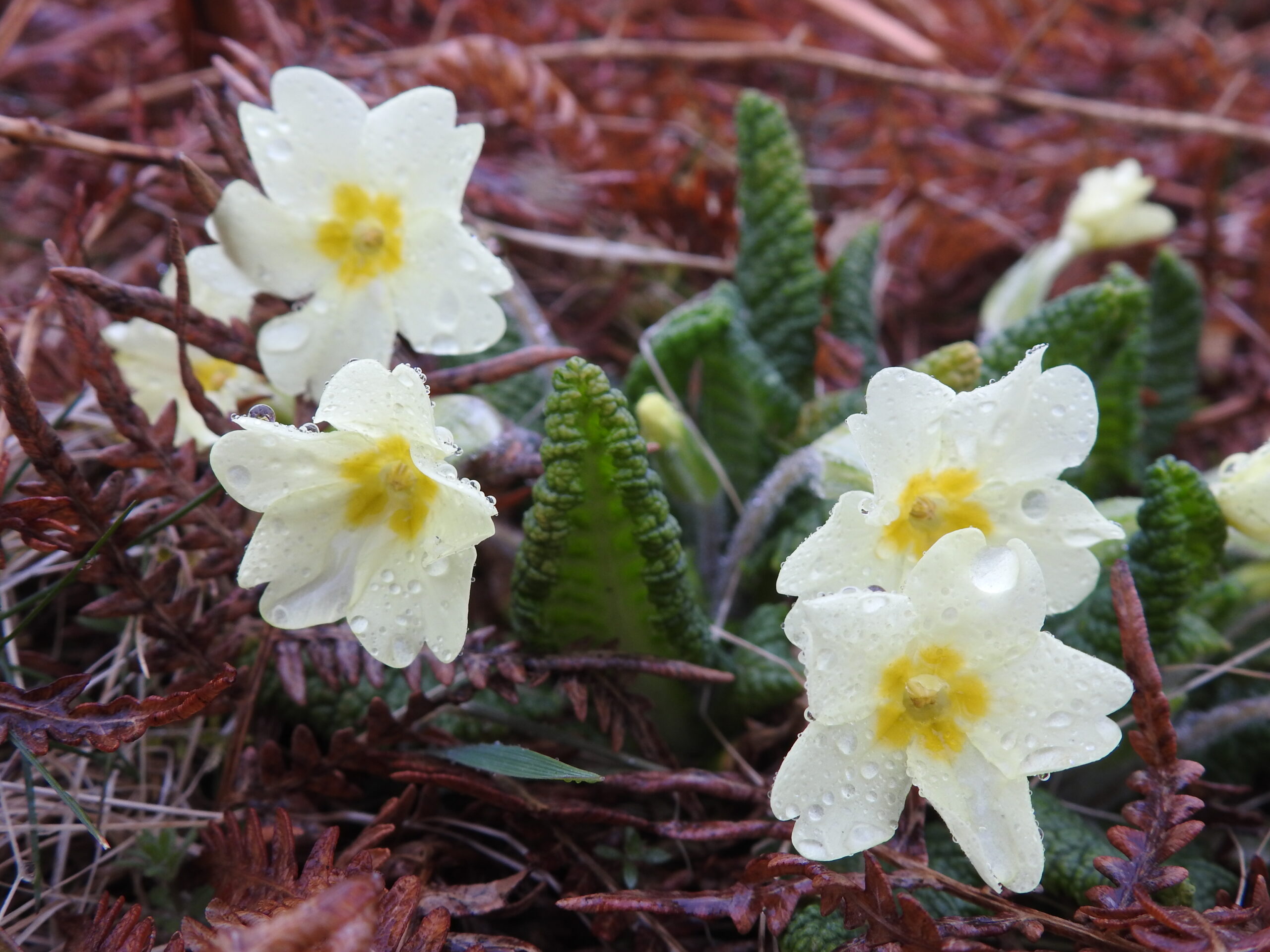
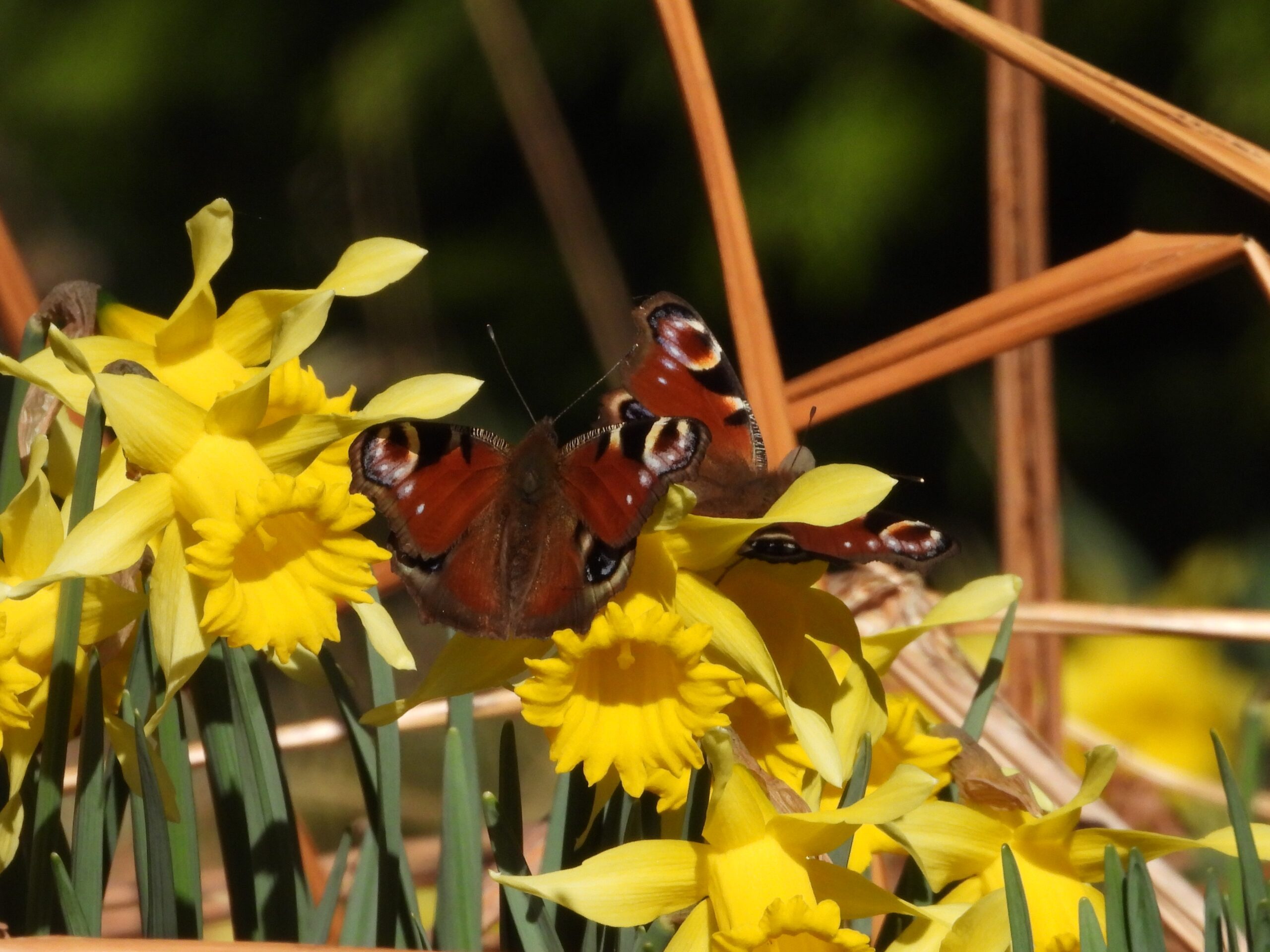
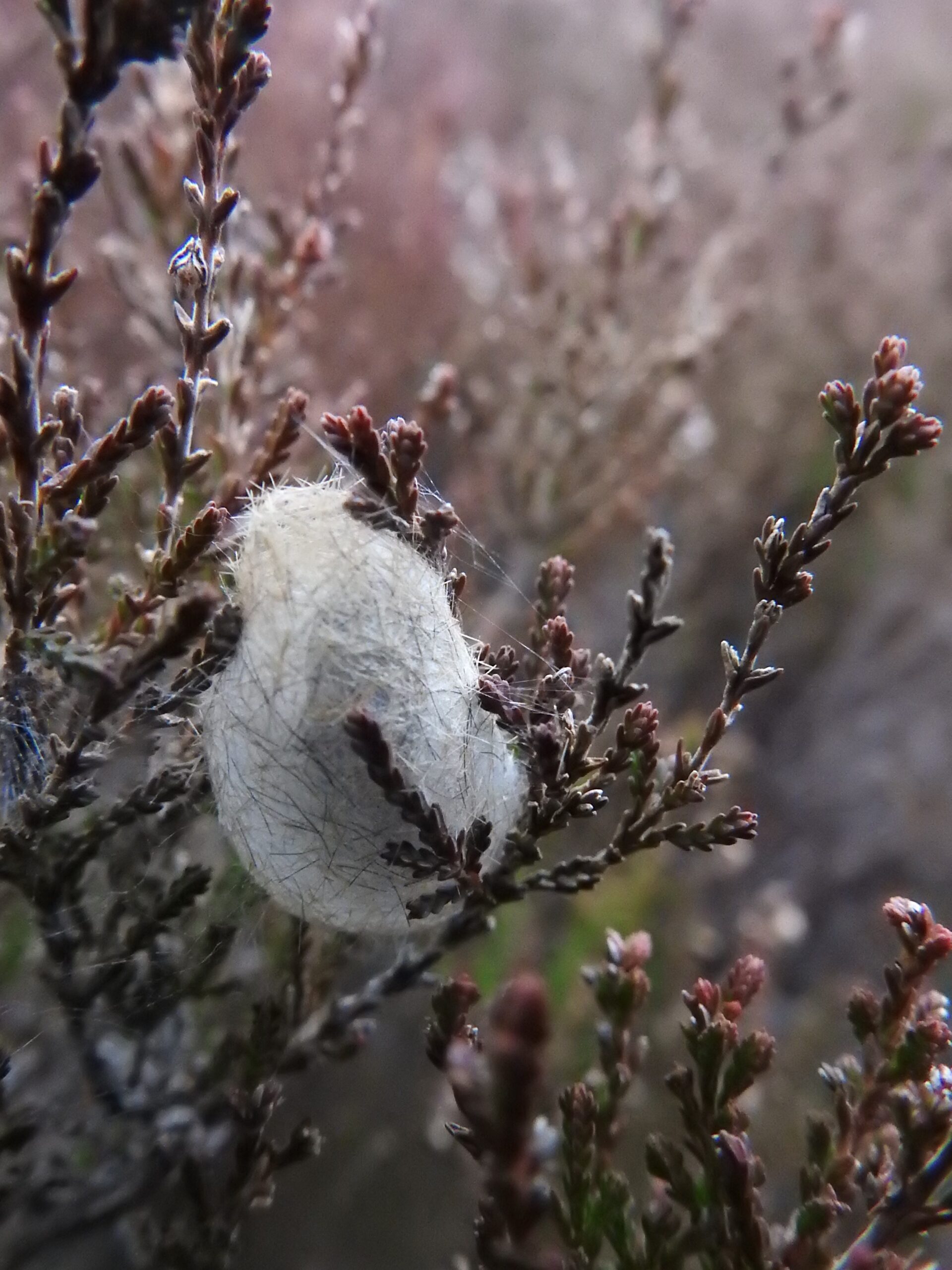
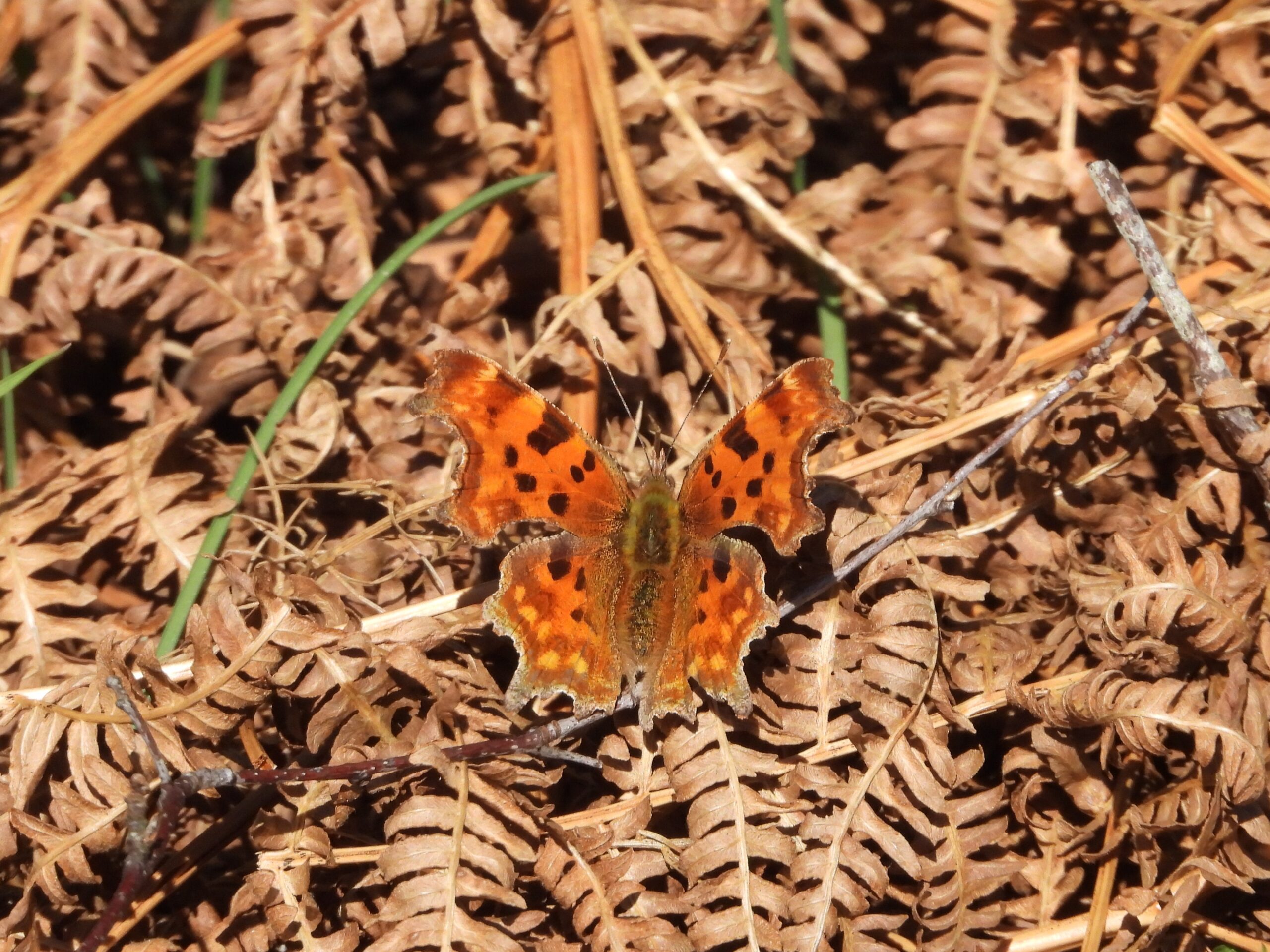
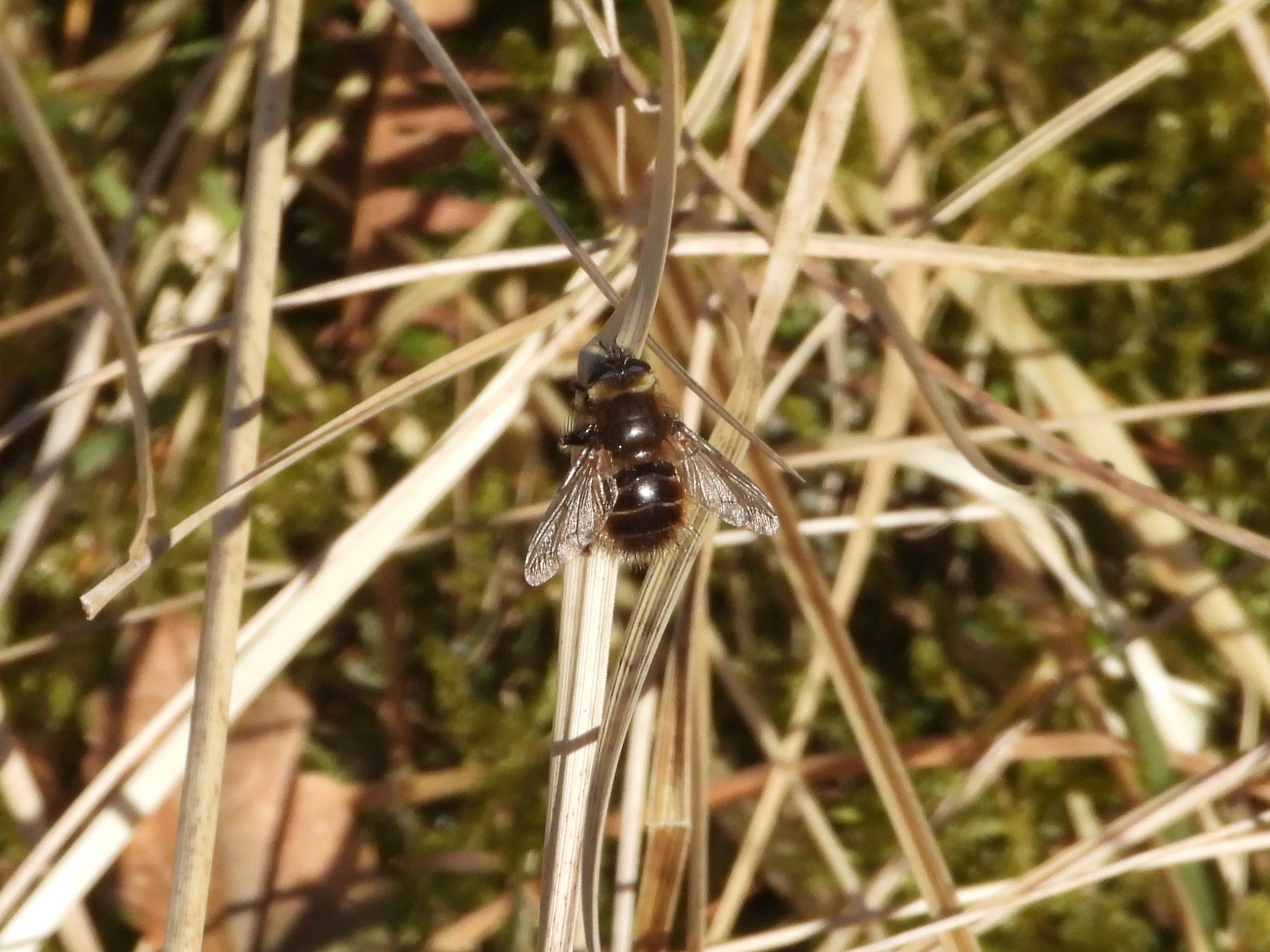
Insects are continuing to emerge from hibernation despite the recent snow, and Countryside Ranger with Aberdeenshire Council and all-round insect enthusiast, Helen Rowe, welcomes their return:
“With its variety of habitats and pockets of warm microclimates, the Dee catchment is a fantastic area for many insects – the region is even recognised as a designated High Priority Landscape by the Butterfly Conservation charity because of several nationally rare or scarce moths and butterflies found here. Each year I look forward to seeing the first ladybirds, queen bumblebees and peacock, small tortoiseshell and comma butterflies that overwinter as adults – they’re a sign of hope that spring is on its way.”
Another of Helen’s favourite findings on Deeside is the Kentish Glory moth – long since extinct from Kent due to the loss of the young birch habitat it needs, but still found in parts of the Highlands. “It truly is a glorious moth, with dead leaf camouflaged forewings covering rich orange-brown hindwings in the male,” she continues. “The adults have no functional mouthparts so rely on stored energy to find a mate and reproduce within a few days of emerging from pupae in April and May. Soon after emerging females emit an alluring cocktail of chemical scents to attract males, who can detect this perfume with their extensively feathered antennae from up to two km away. While the females fly only at night, seeking suitable birches to lay egg batches on, the males fly rapidly by day and at dusk, zigzagging to home in on the object of their desire.”
Helen caught this on camera last Spring: https://www.youtube.com/watch?v=BtUbzX8Qijc
Bumblebees are already making an appearance too, as Helen describes: “I’ve recently seen buff-tailed, early and tree bumblebee queens sunbathing and foraging on early flowers like crocus and willow. The tree bumblebee has only colonised North East Scotland in the last few years, moving up from the south, likely due to climate change. They’re recognisable by their ginger thorax, black abdomen and white tail, and mostly nest in holes in trees, buildings and bird boxes. In spring you may see big queen bumblebees searching for nest sites, often in the ground, where most species nest, such as in old rodent holes. You can tell when a queen bumblebee has started a nest if you see pollen collected in ‘baskets’ on her hind legs, which she takes into the nest to feed the first larvae hatching from her eggs. When these have developed into female worker bees they go out to forage and the queen remains in the nest laying more eggs to grow the colony through summer.”
Other bees to look out for at this time of year are mining bees: “You may see them in warm spots on sandy ground – look for little holes that they’ve excavated. If you watch carefully, you may see what looks like bees fighting on the ground but are in fact males trying to mate with females! Mining bees are solitary bees, meaning each female digs her own nest tunnel(s), but several females and different species may use the same sites. They stock the end of a tunnel with pollen and nectar, lay an egg, seal the chamber, then repeat the process until the tunnel is full. You may also see wasp-like cuckoo solitary bees sneak in to lay their own eggs in these nest tunnels – their own larvae hatch to devour the food provided by the host. Solitary bees are often overlooked due to their small size, but are important pollinators, including of some crops.”
Hoverflies and some other flies also contribute to pollination. “In late April and early May, look out for St. Mark’s Flies and similar species of these black flies with long, dangly legs,” continues Helen. “Named because they emerge around St. Mark’s Day, on the 25th April, and also known as hawthorn flies as hawthorns flower around this time too, the swarms can be annoying, but they’re harmless and help pollinate fruit trees.”
Some mayfly, stonefly and caddis fly species will be hatching soon too, after spending most of their lives in the Dee and its tributaries as larvae, an important source of food for young fish and birds such as dippers. “Huge hatches can occur on warm evenings, and clouds of males and females take nuptial flights,” says Helen. “They only live for up to a few days as adults, their purpose being to start the next generation – females return to the water to lay their eggs.”
All these insects don’t go un-noticed by other wildlife, as Helen explains: “Most resident and migrant birds need these insects as a source of protein to feed themselves and their chicks – it’s estimated that a blue tit pair has to find up to 10,000 caterpillars to rear their brood! As well as pollination, insects provide other essential services such as natural pest control by predators (e.g. wasps and ants) and waste disposal by decomposers (e.g. dung and burying beetles).”
While recent studies have shown that many insects are in trouble, with populations declining through habitat loss, climate change, pesticide use and other factors, Helen says we can all do something to help address these losses: “Citizen science surveys are a fun and helpful way to collect data that will inform conservation action. Our local biological records centre NESBReC and Aberdeenshire Council have produced leaflets to encourage recording of pollinators and actions to help them and other insects in your own gardens, and there are several surveys run by conservation organisations to take part in. Deeside has recently been designated a ‘B-Line’ as part of Buglife’s B-Lines project: B-Lines Scotland – Buglife – why not carry out your own small pollinator habitat enhancement project on a B-Line and add it to the map!”
NESBReC & Aberdeenshire Council pollinator leaflets:
pollinatorsidentificationleaflet.pdf (aberdeenshire.gov.uk)
5stepsforpollinators.pdf (aberdeenshire.gov.uk)
Butterfly Conservation surveys:
Home | Garden Butterfly Survey
Priority Species Surveys in 2022
Bumblebee Conservation Trust BeeWatch and Pollinator Monitoring Scheme surveys:
Surveys – Bumblebee Conservation Trust
Rare Invertebrates in the Cairngorms project surveys: