

 Ambitious recovery programme launched as unprecedented decline in pearl mussel highlights fragile River Dee
 DeeWatch December
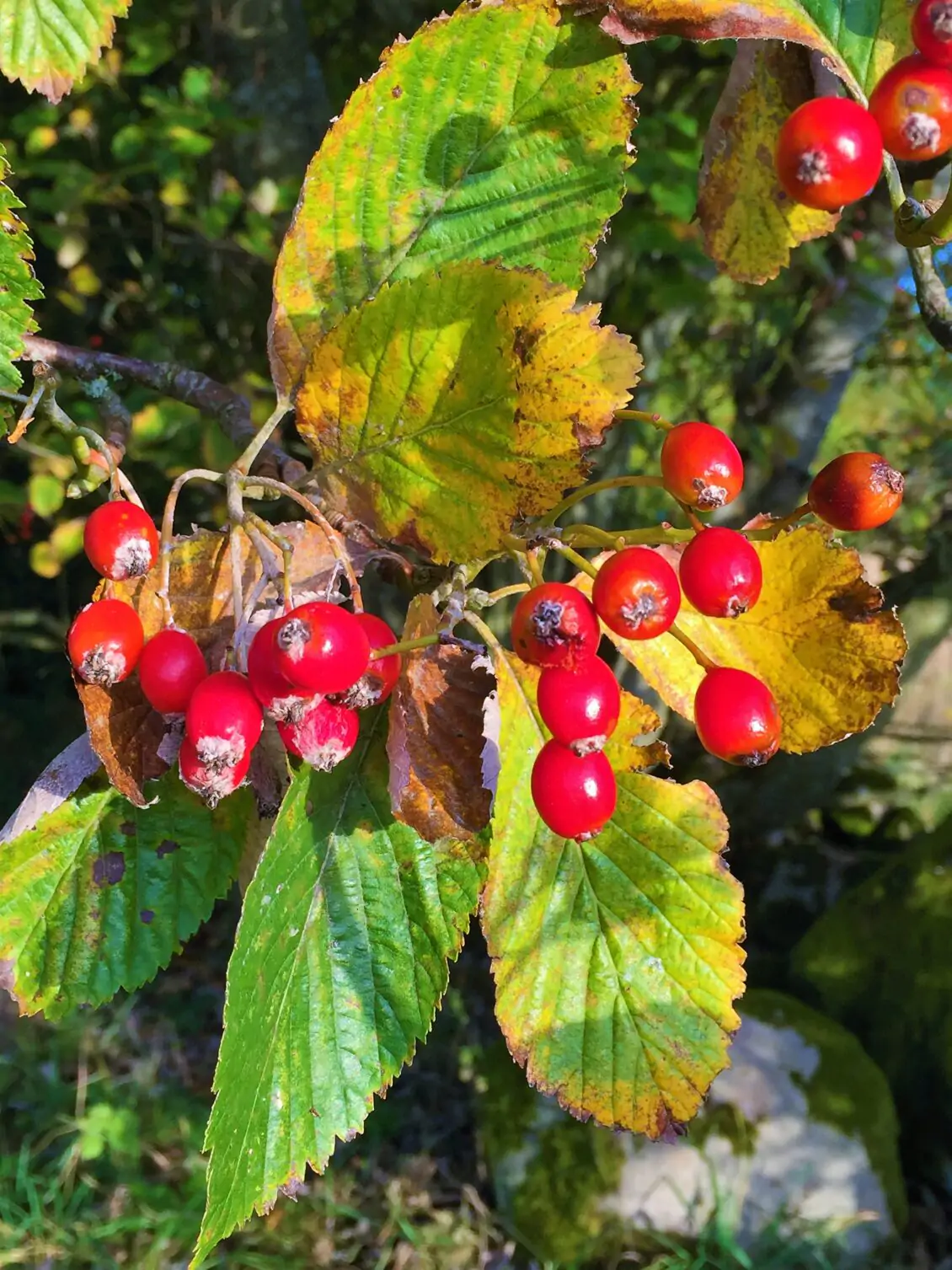
Ah, the hard frost of a November morning! Bathed in Autumnal sunshine, the Dee catchment is looking truly stunning today – and these clear skies are a welcome relief after the recent storm. At least the power stayed on this time!
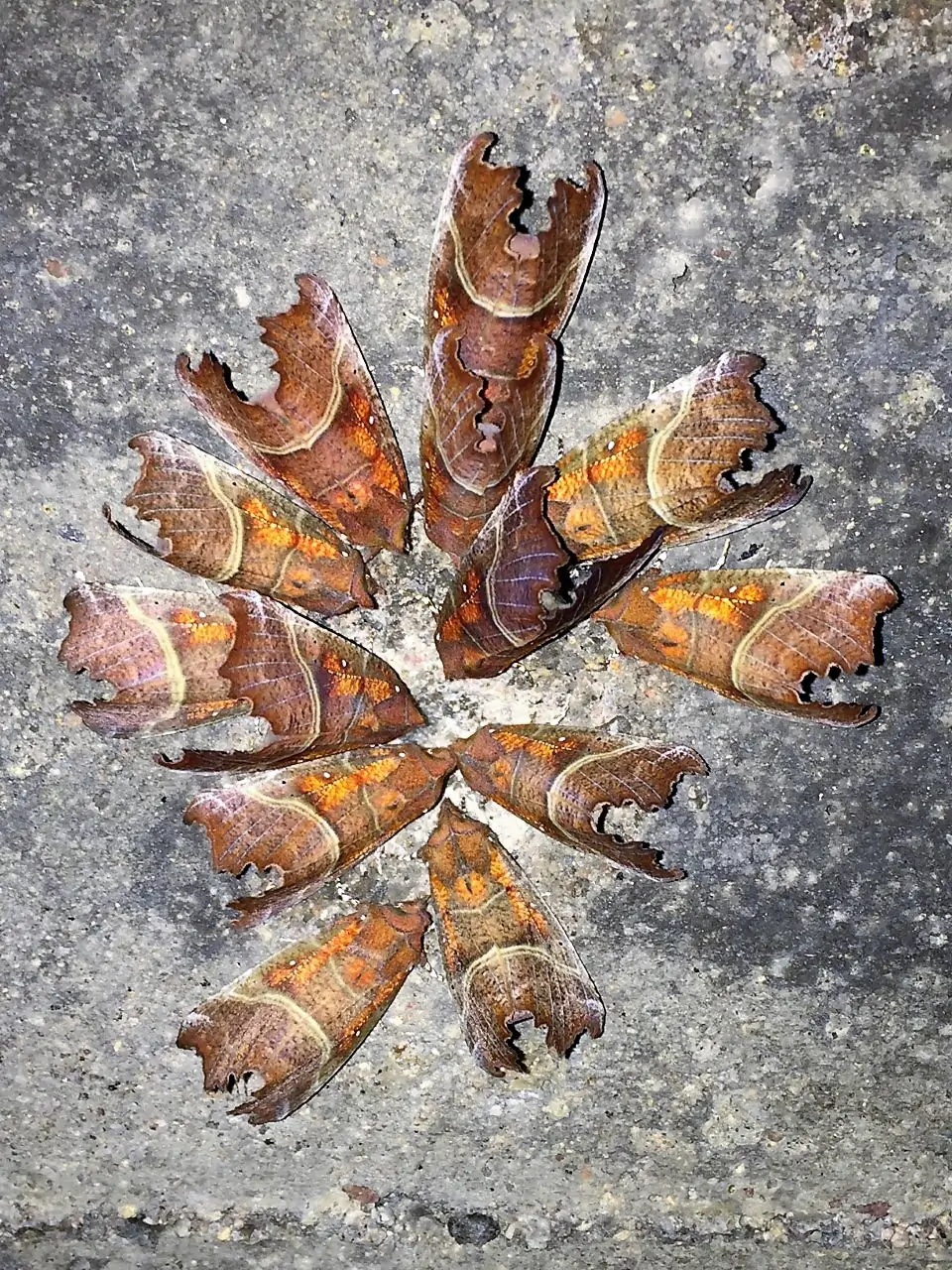
With Halloween past and Bonfire Night just round the corner, our rangers have been busy capturing all the latest tricks and treats of nature in the catchment – from hibernating herald moths to brightly coloured berries, there’s plenty to feast our eyes – and ears – on…
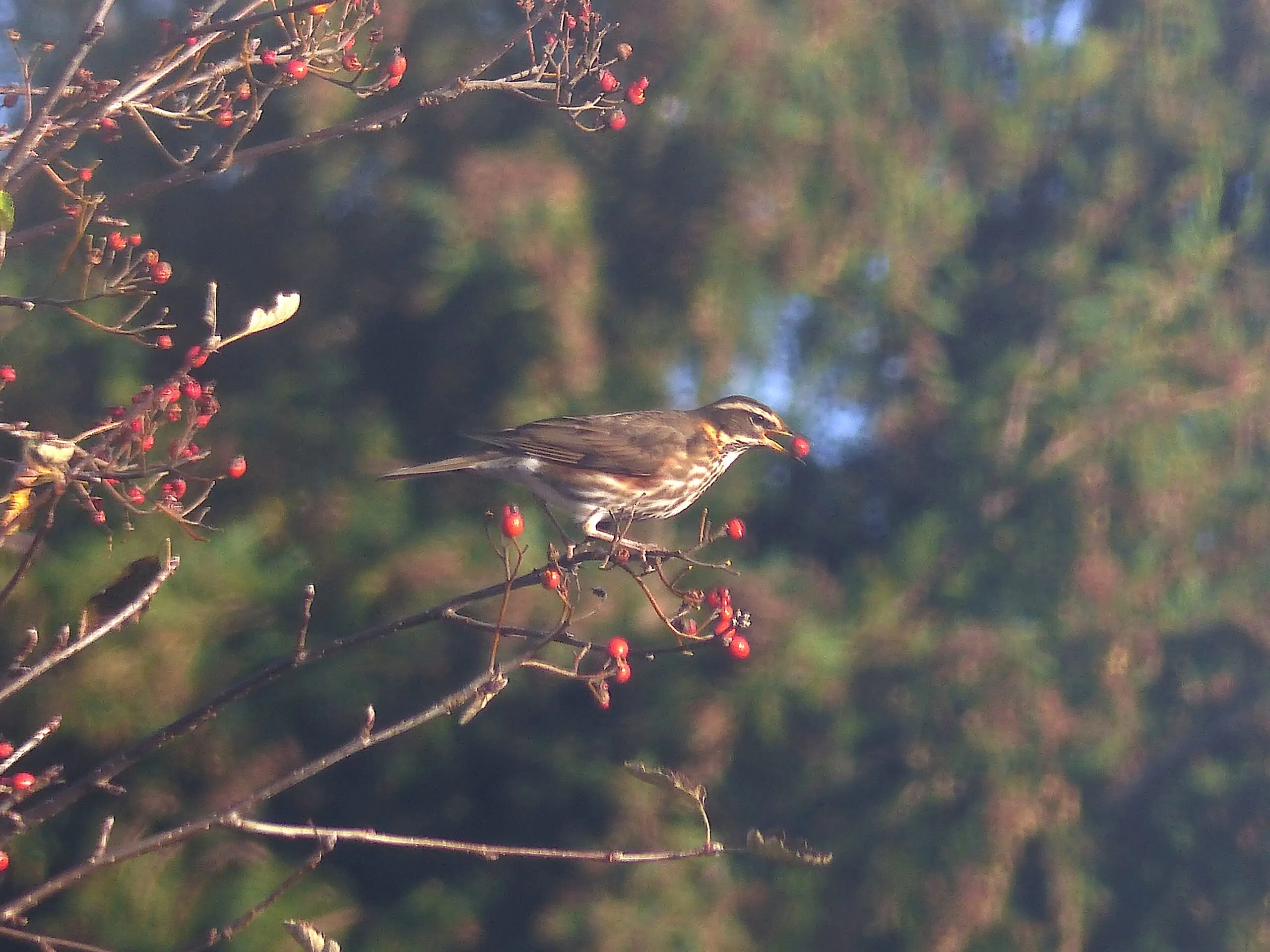
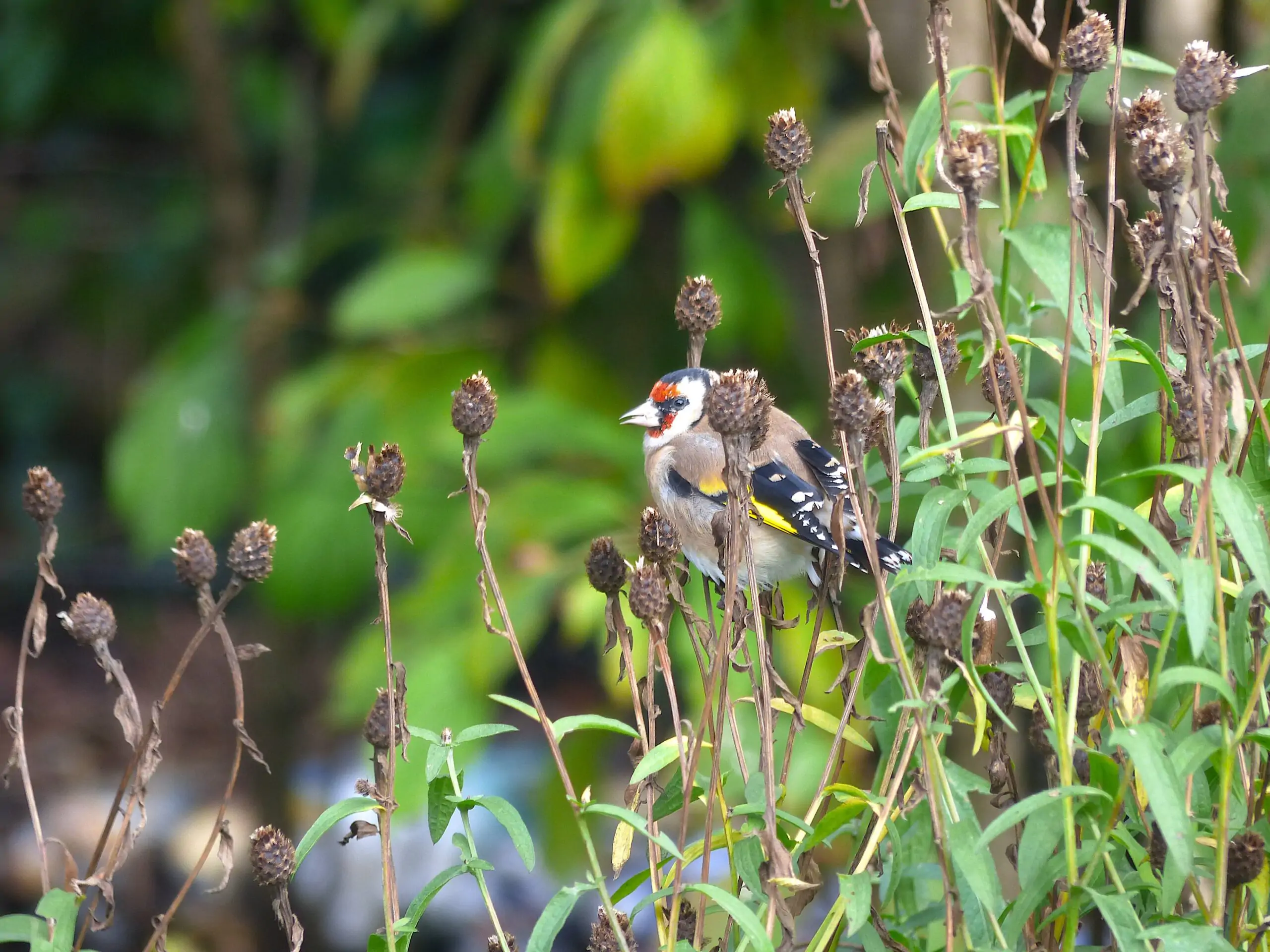
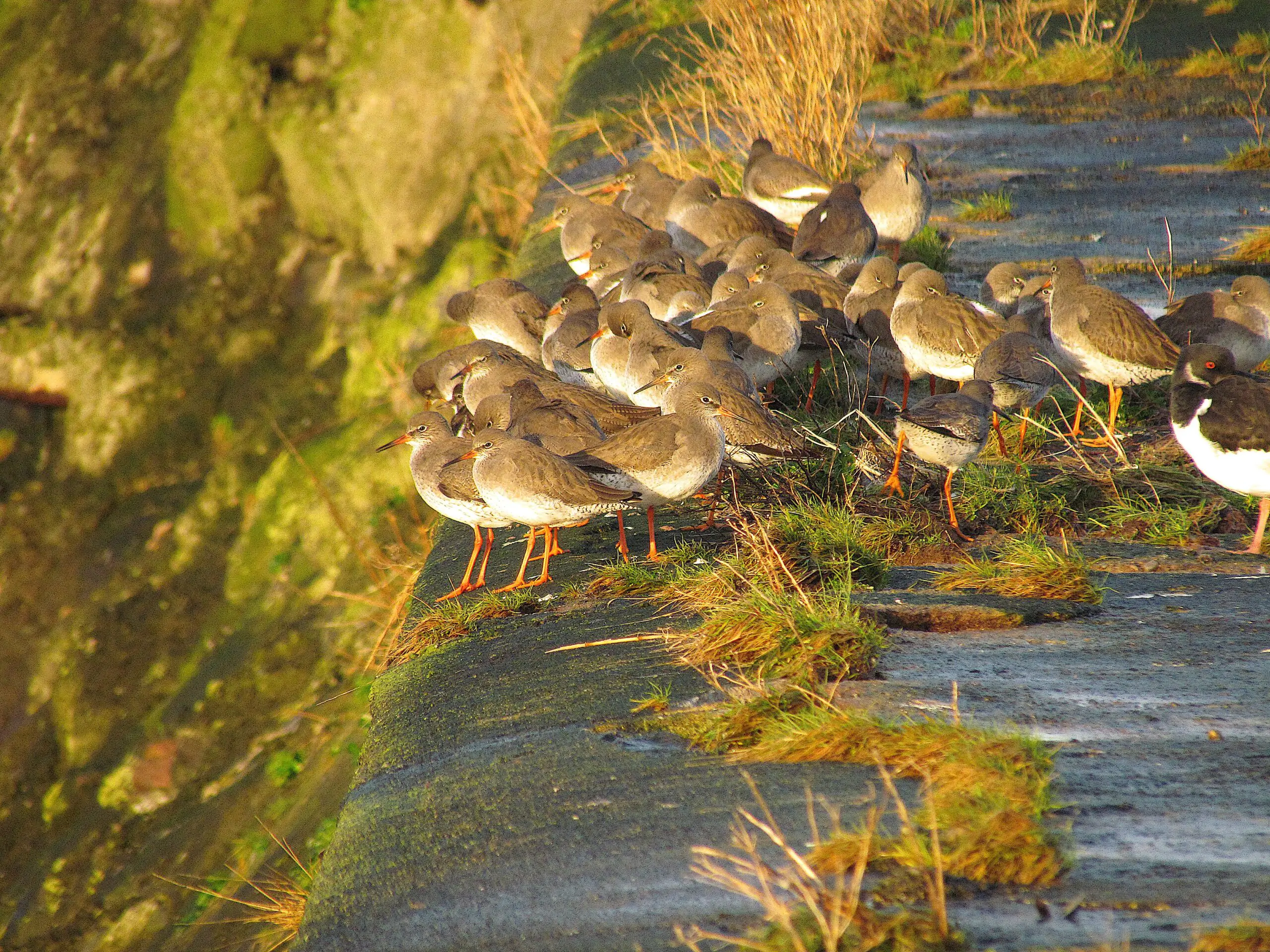
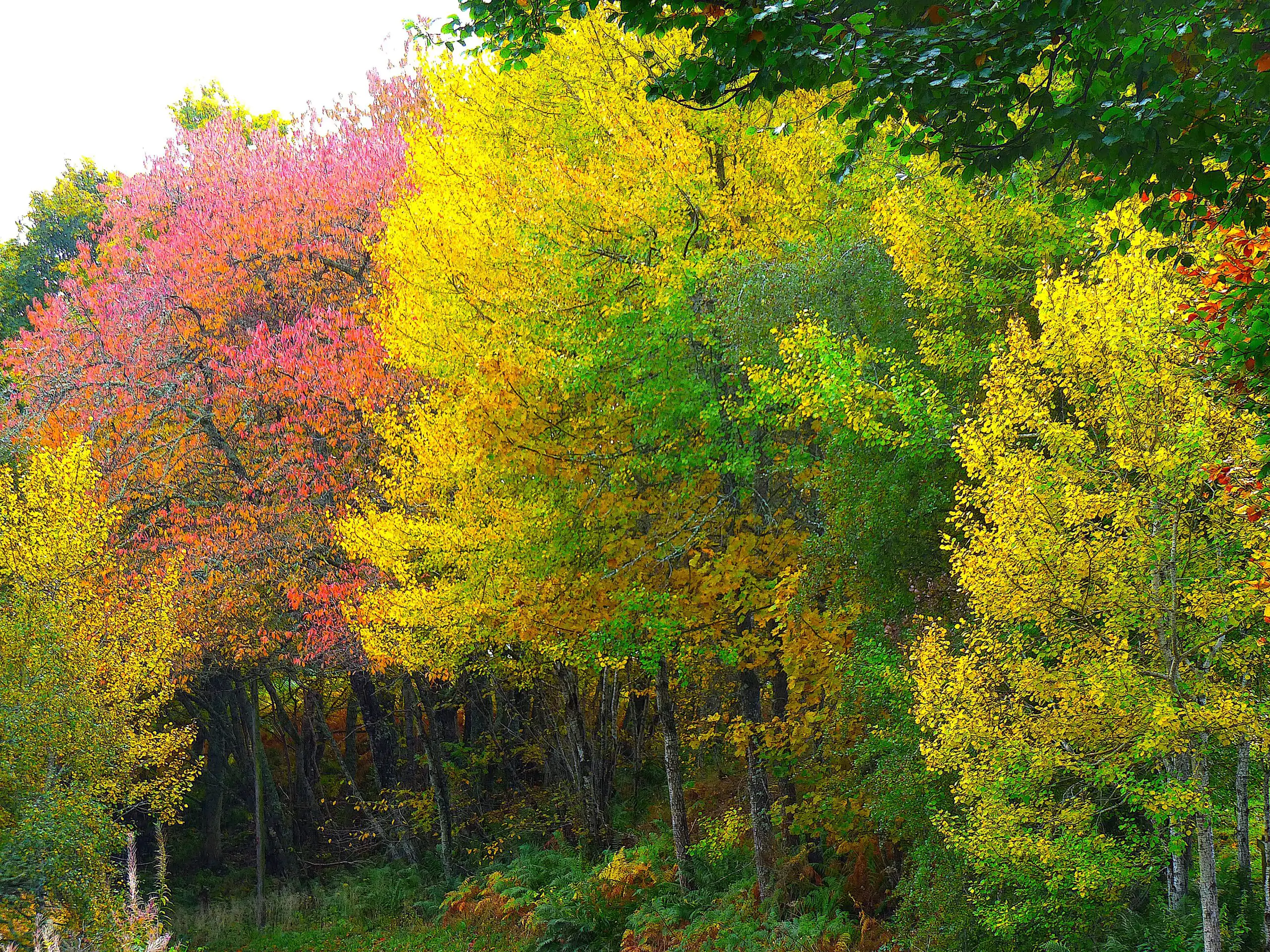
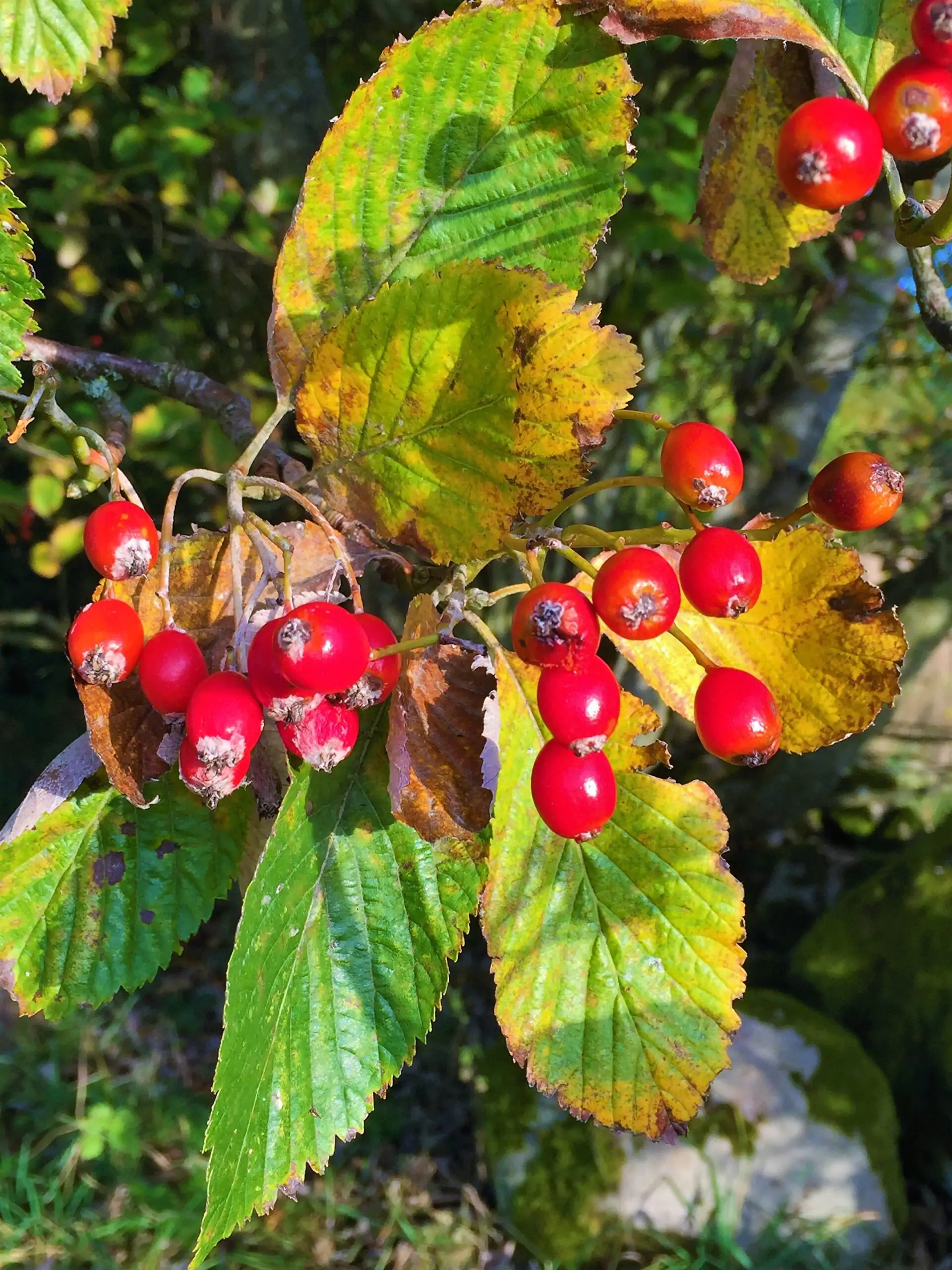
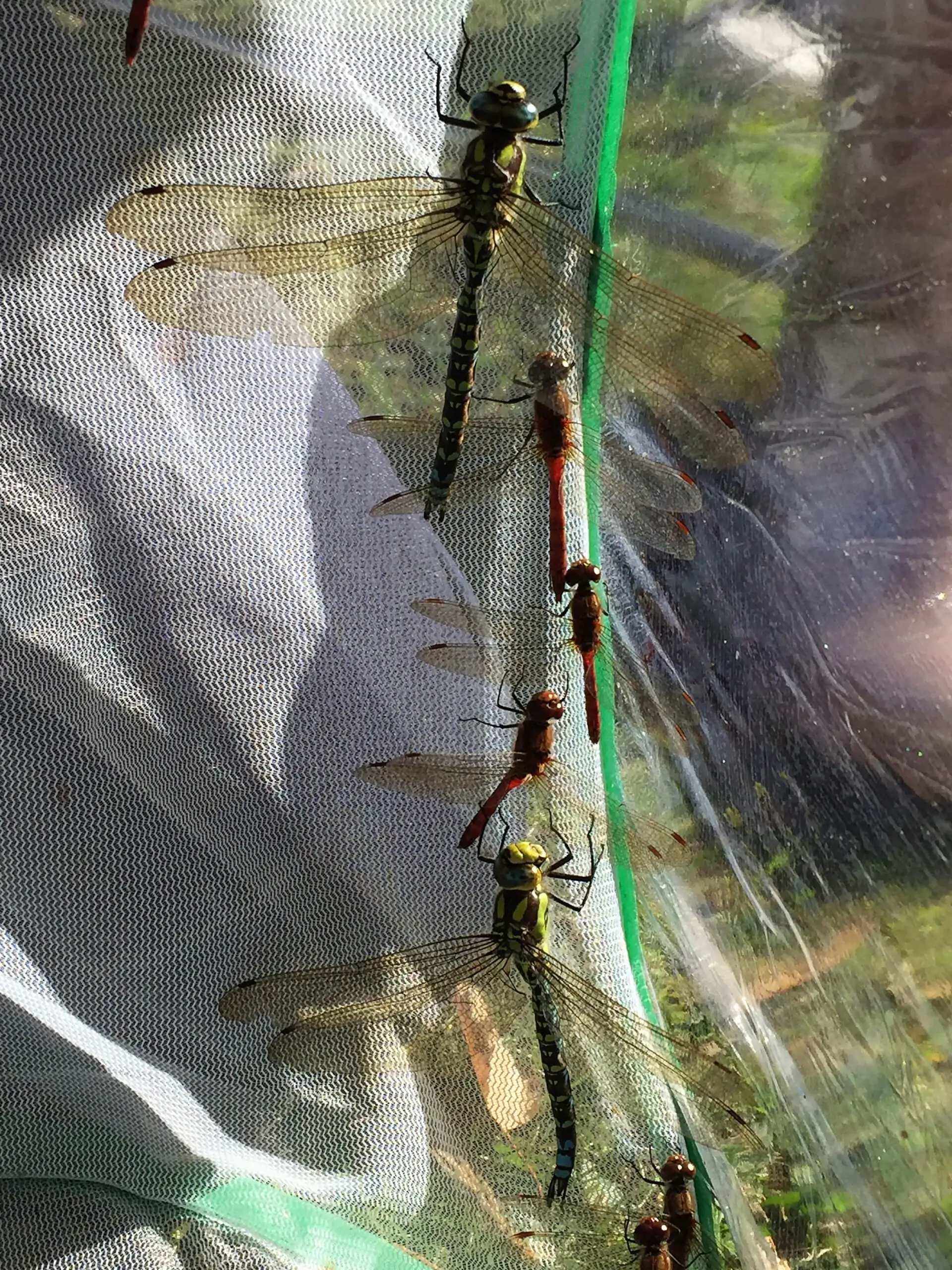
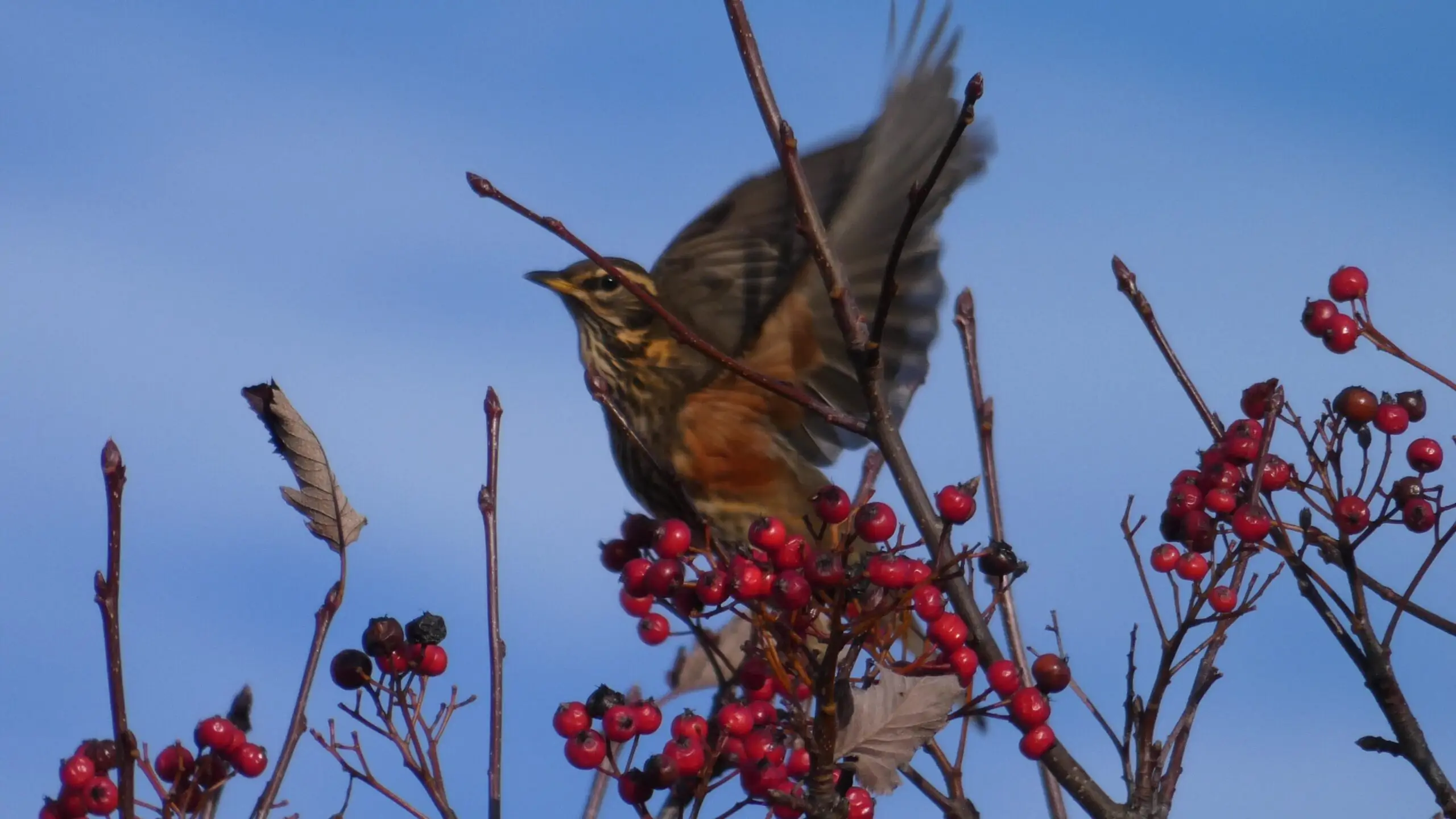
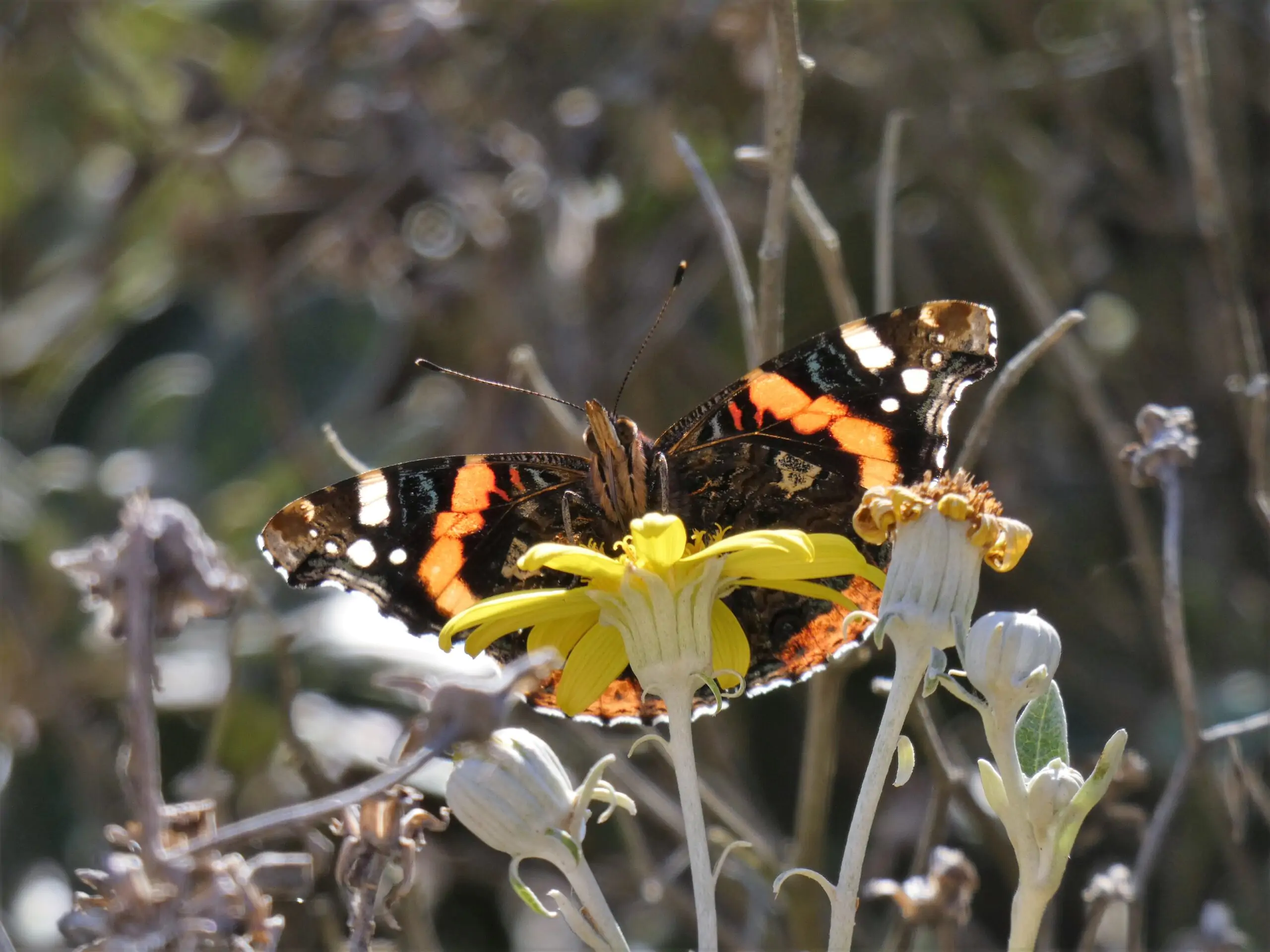
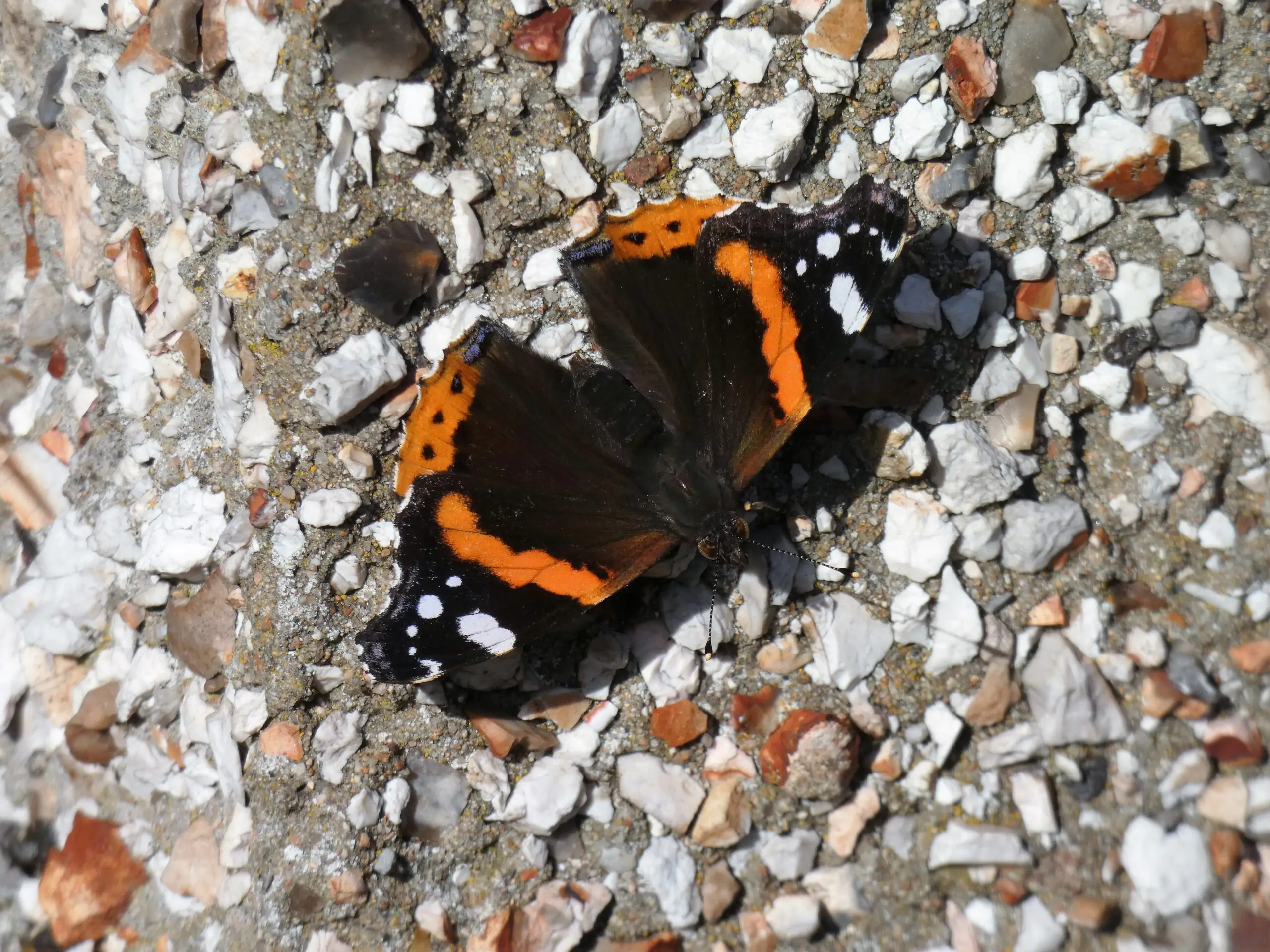
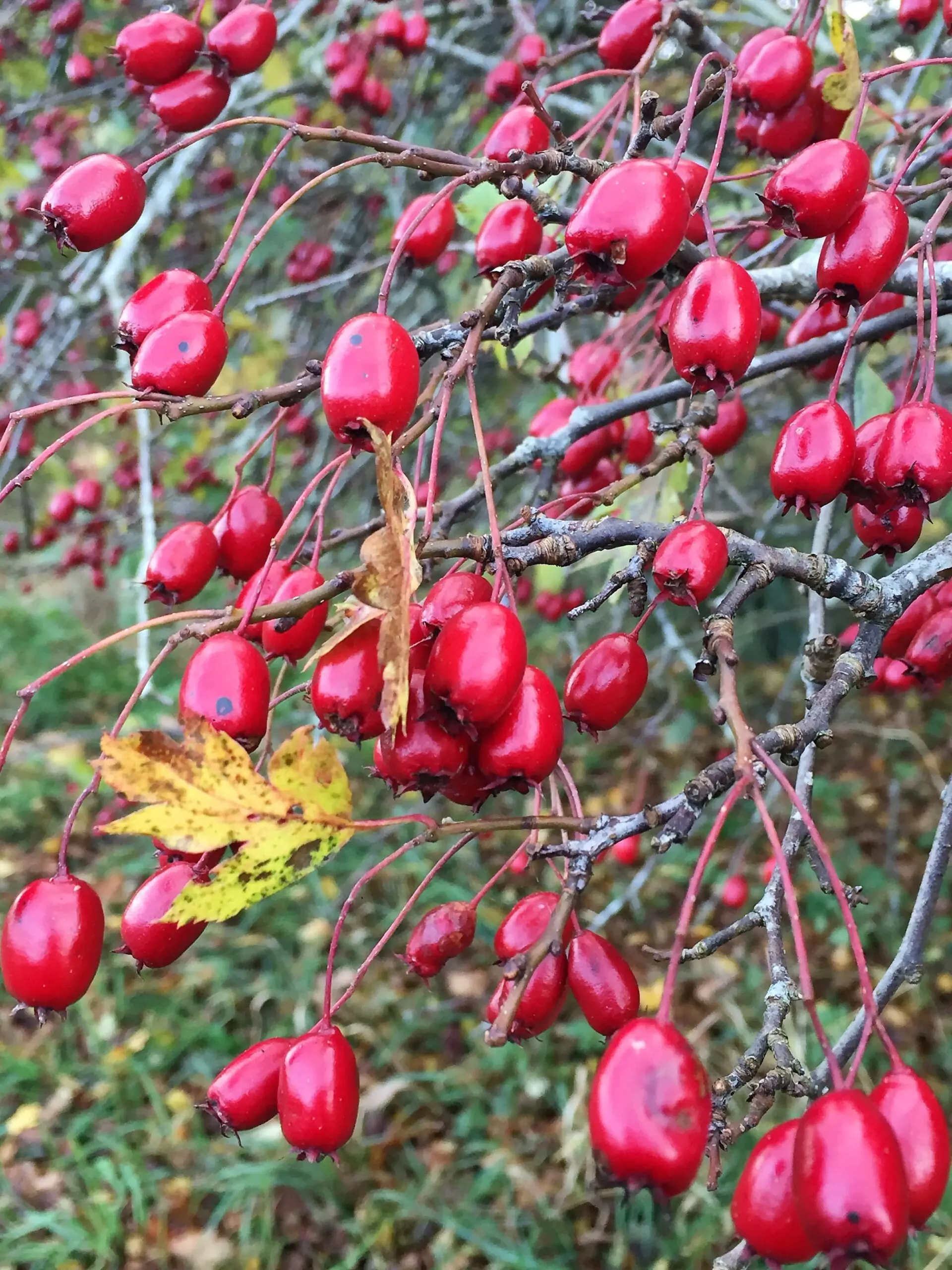
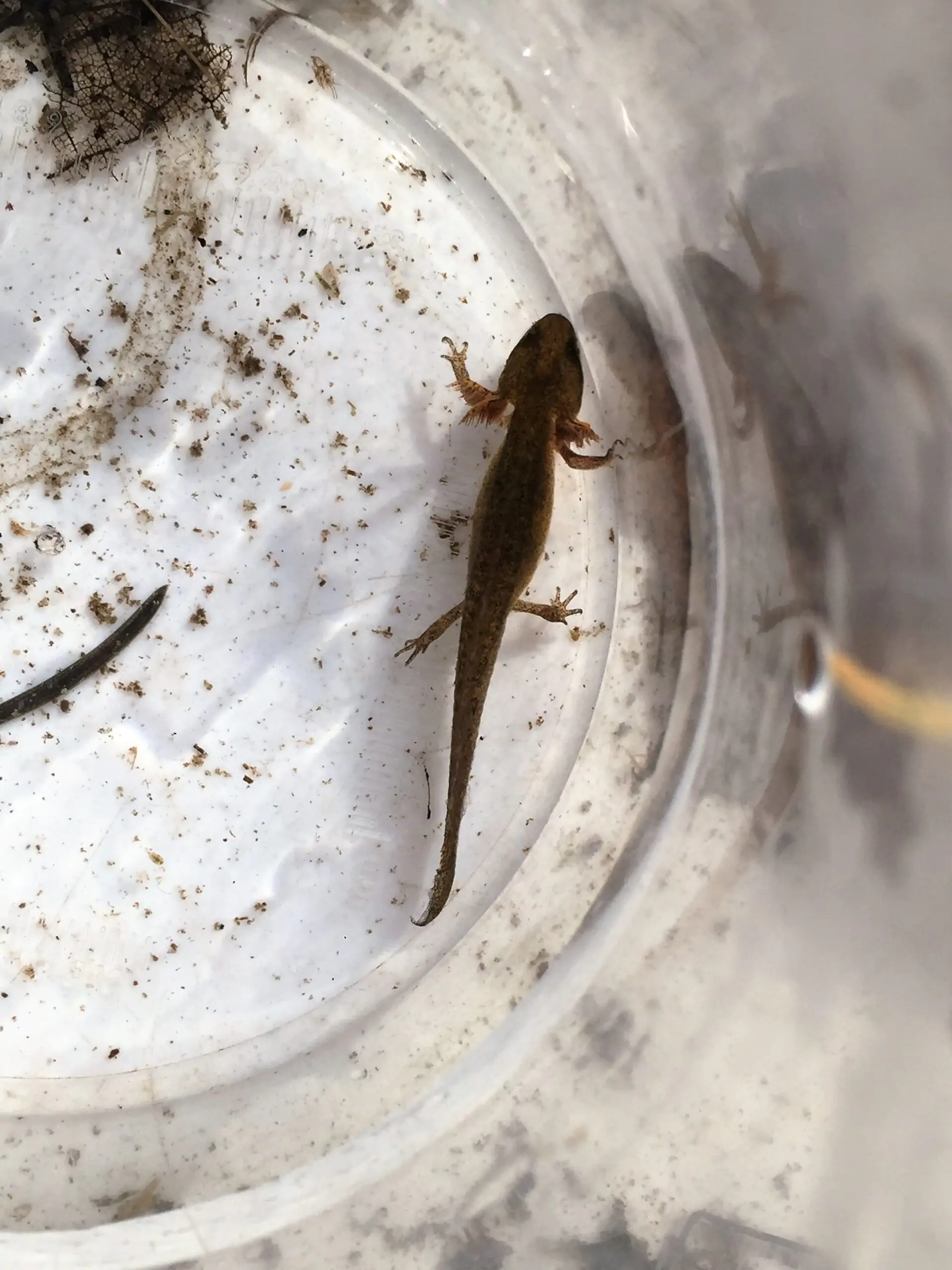
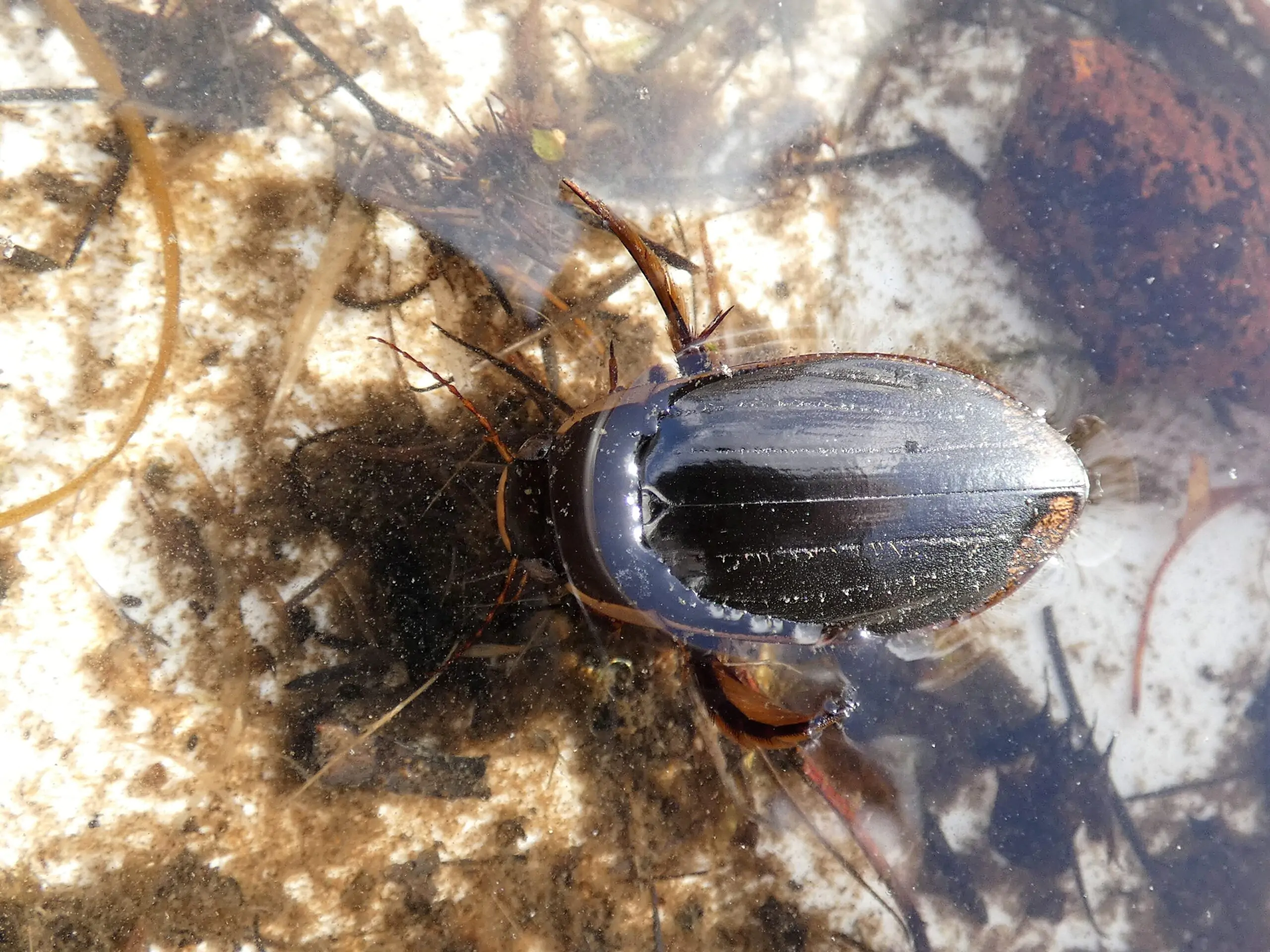
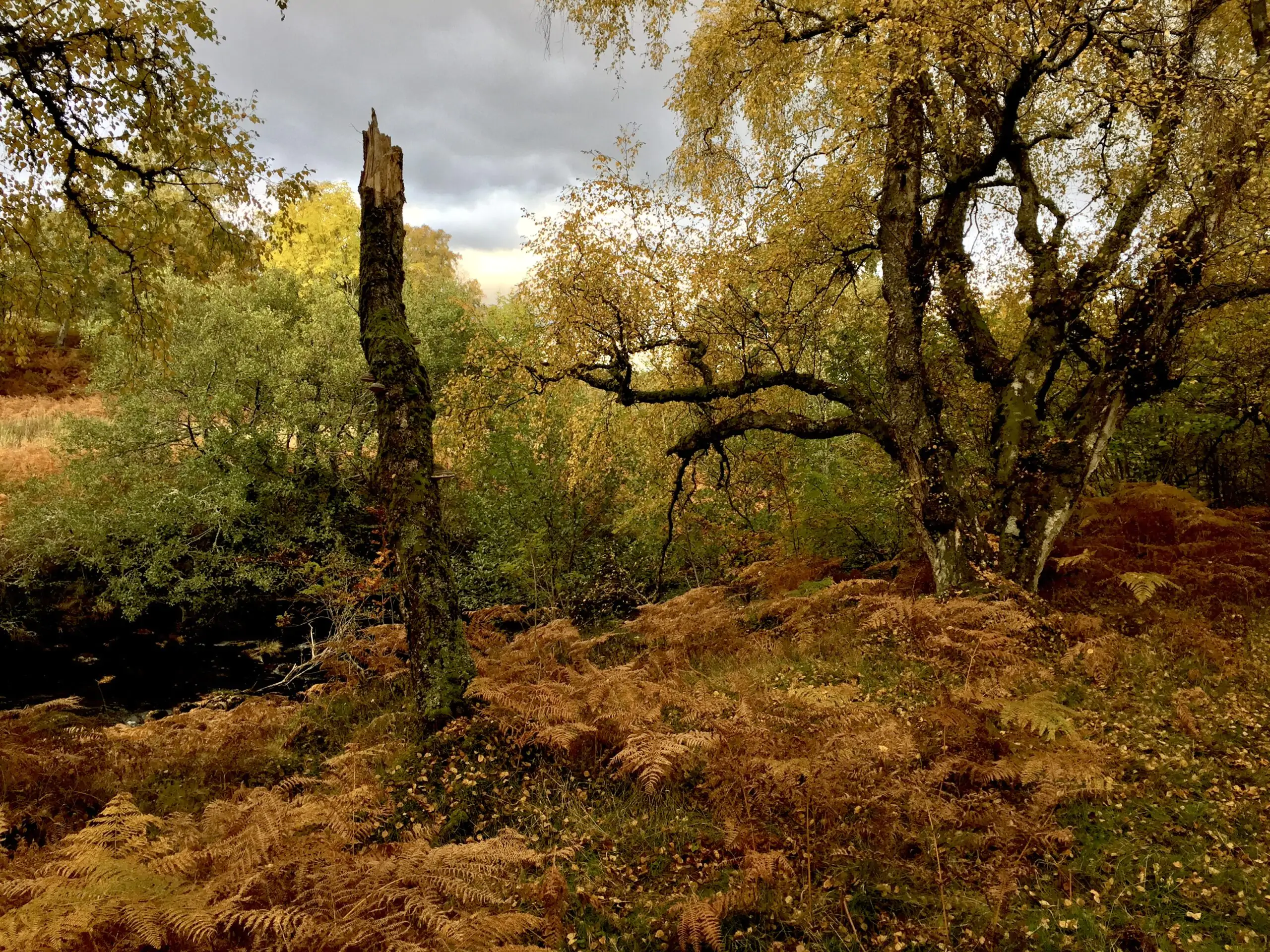
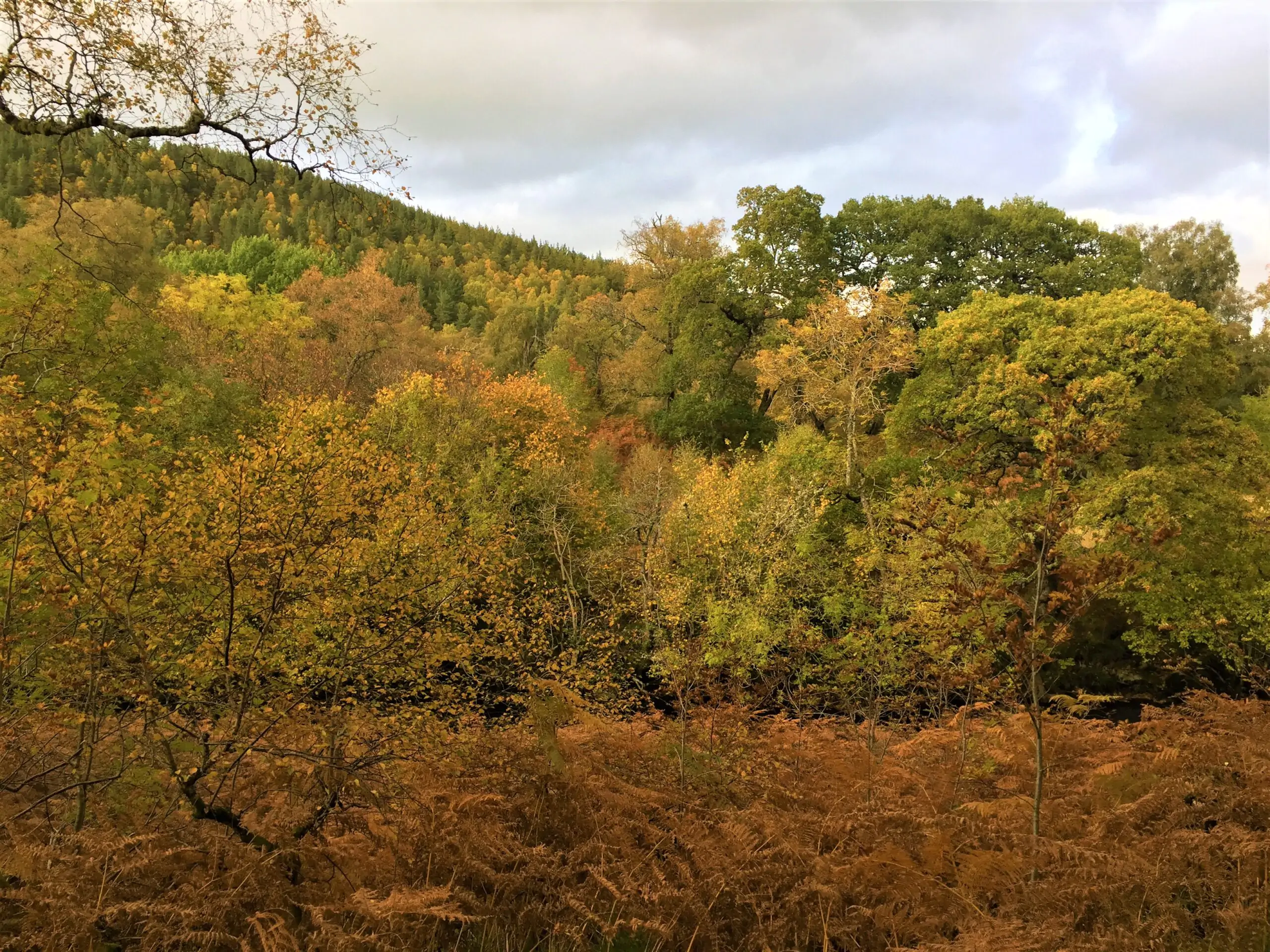
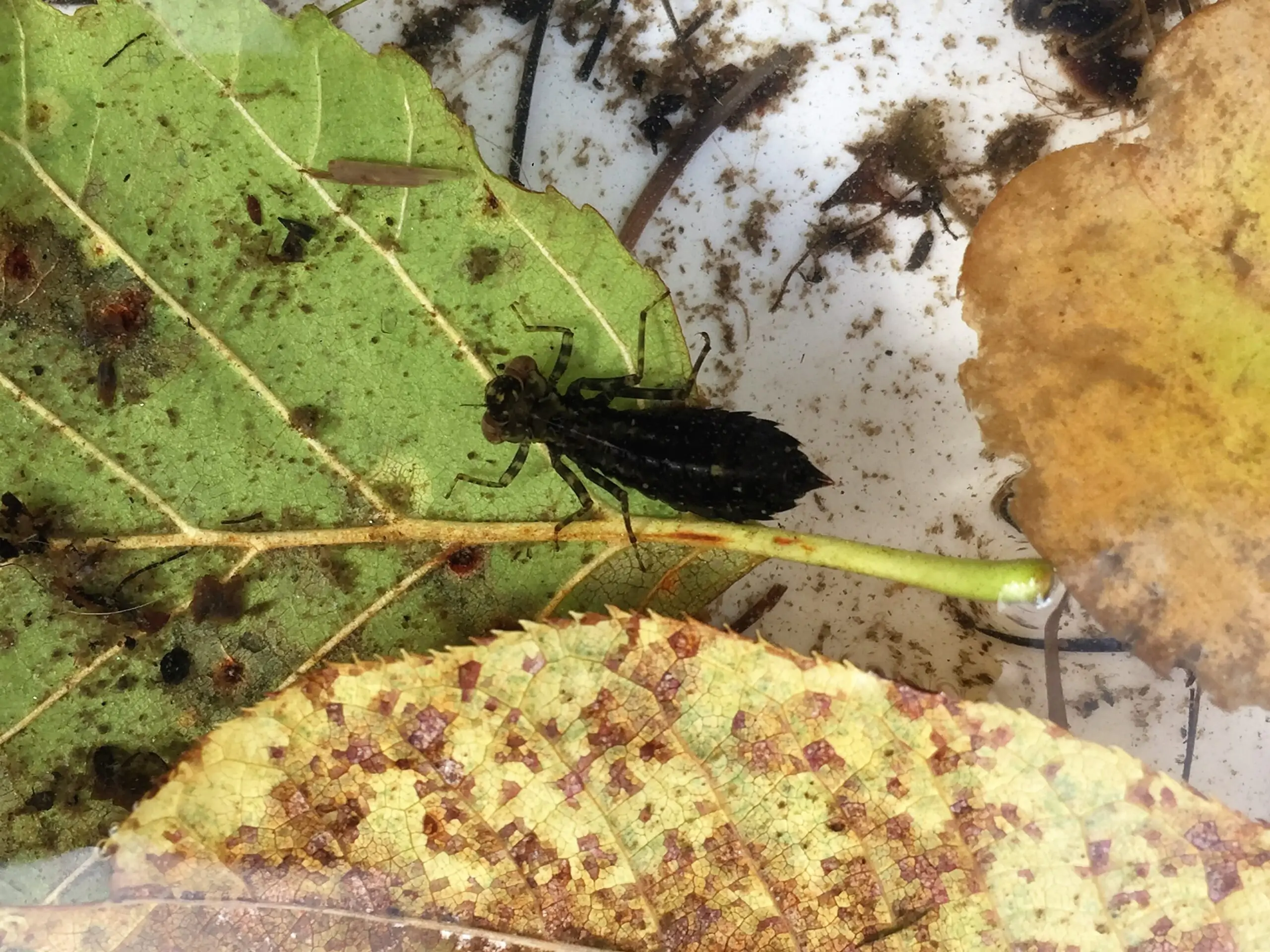
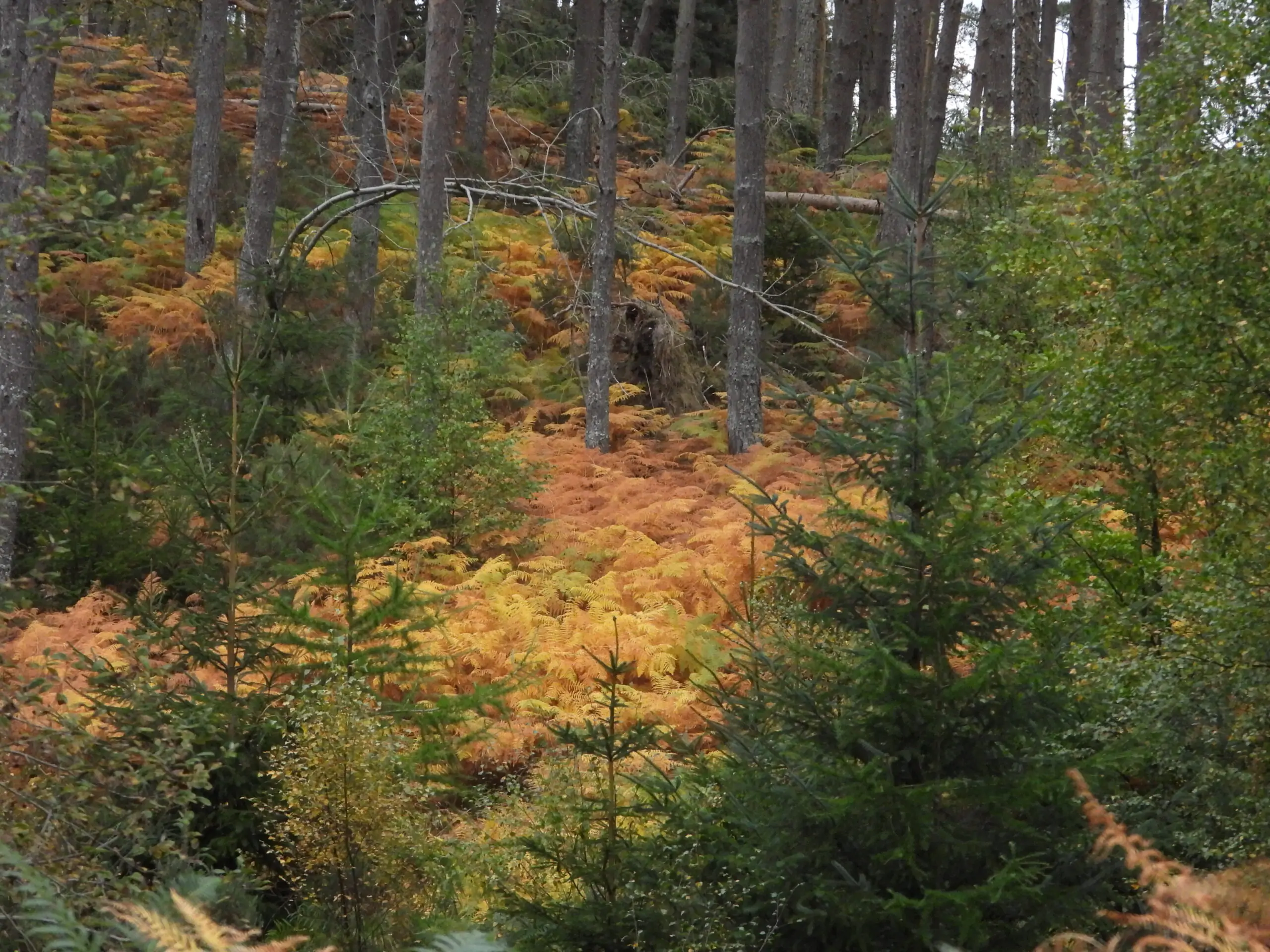
Like the temperature drop, the clock-change has also triggered changes in nature, with the shorter days affecting the behaviour of many plants and animals. Much of the wildlife we might usually see out in the woods and elsewhere start to visit farms, school grounds and gardens more, on the hunt for food. Be sure to stock up your bird feeders to get a closer look at your winged visitors! Deciduous trees are losing most of their leaves this month – so grab the last opportunity for some artistic autumn photos. Higher up the catchment, larch trees are a blaze of glorious gold, before finally dropping the last of their needles for the winter. The evergreens are more important than ever as a source of food for birds and animals.
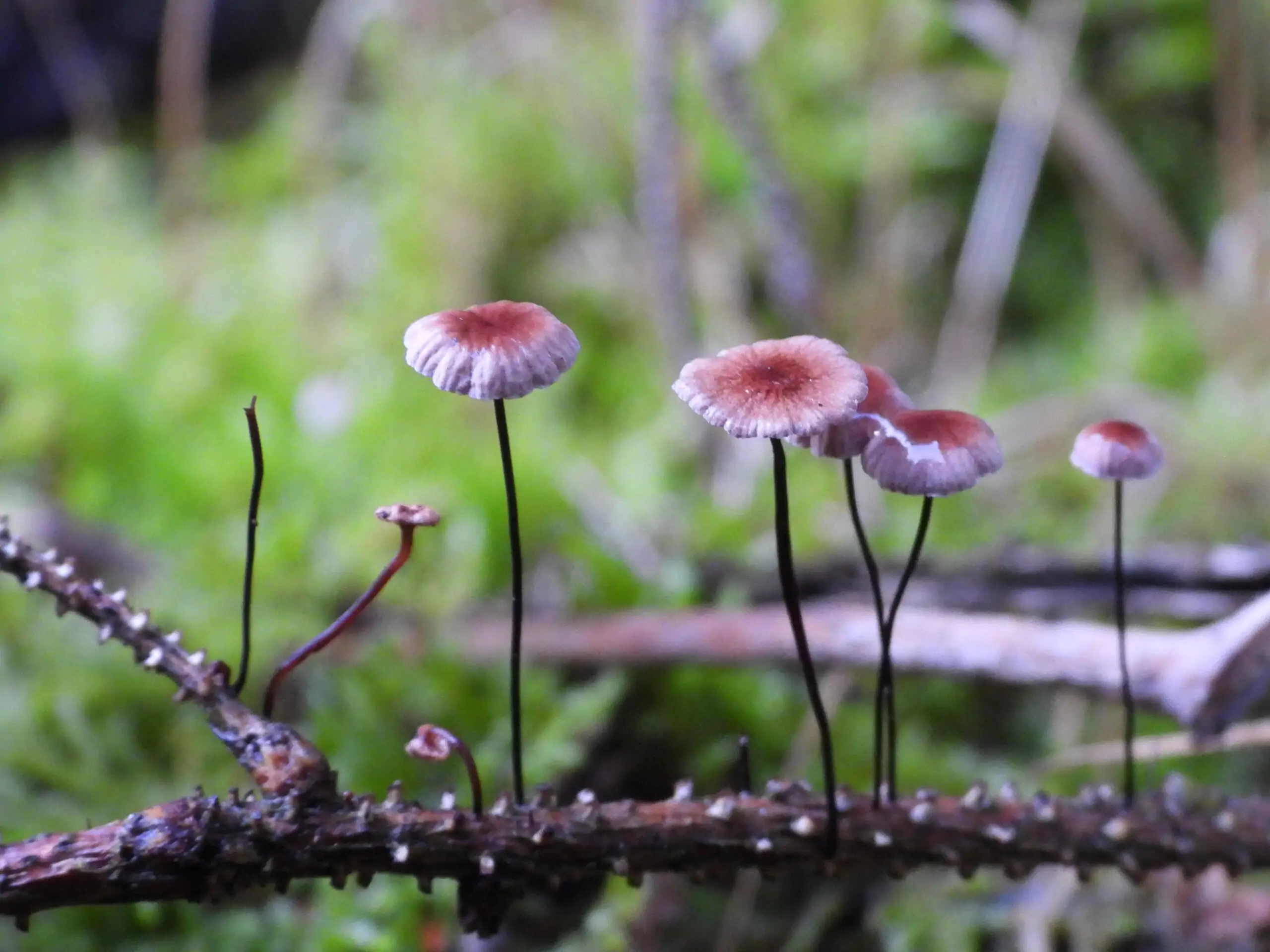
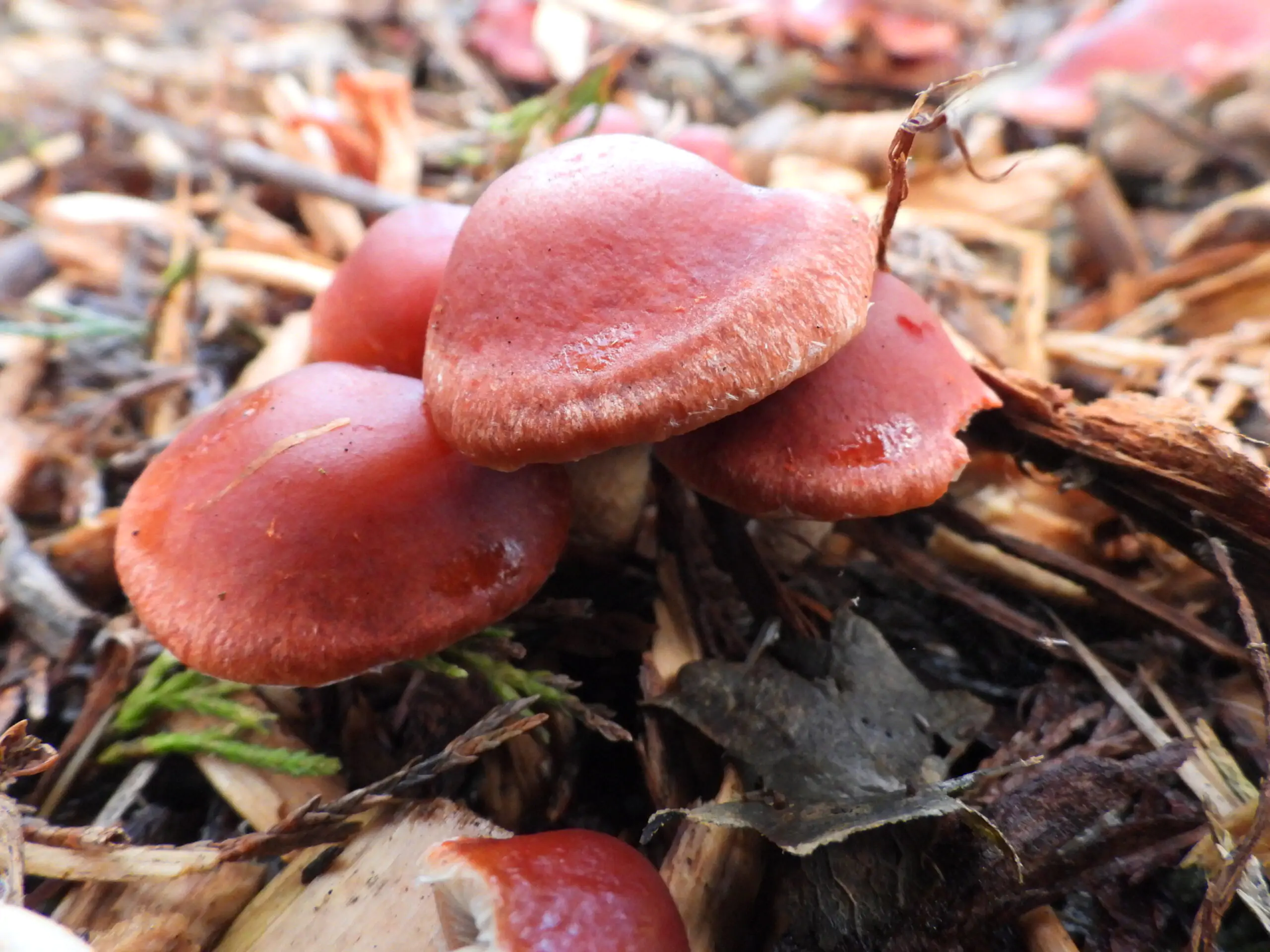
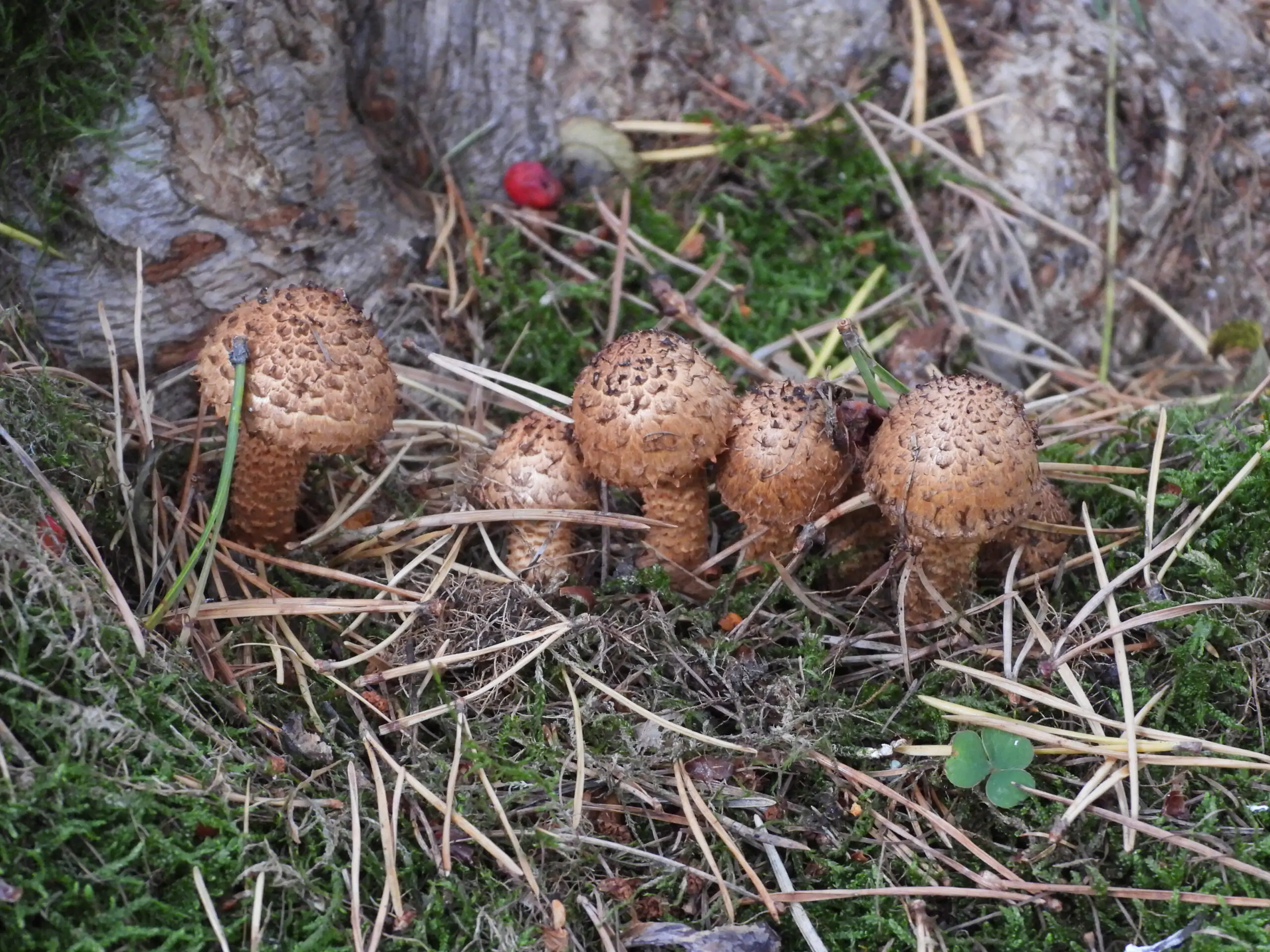
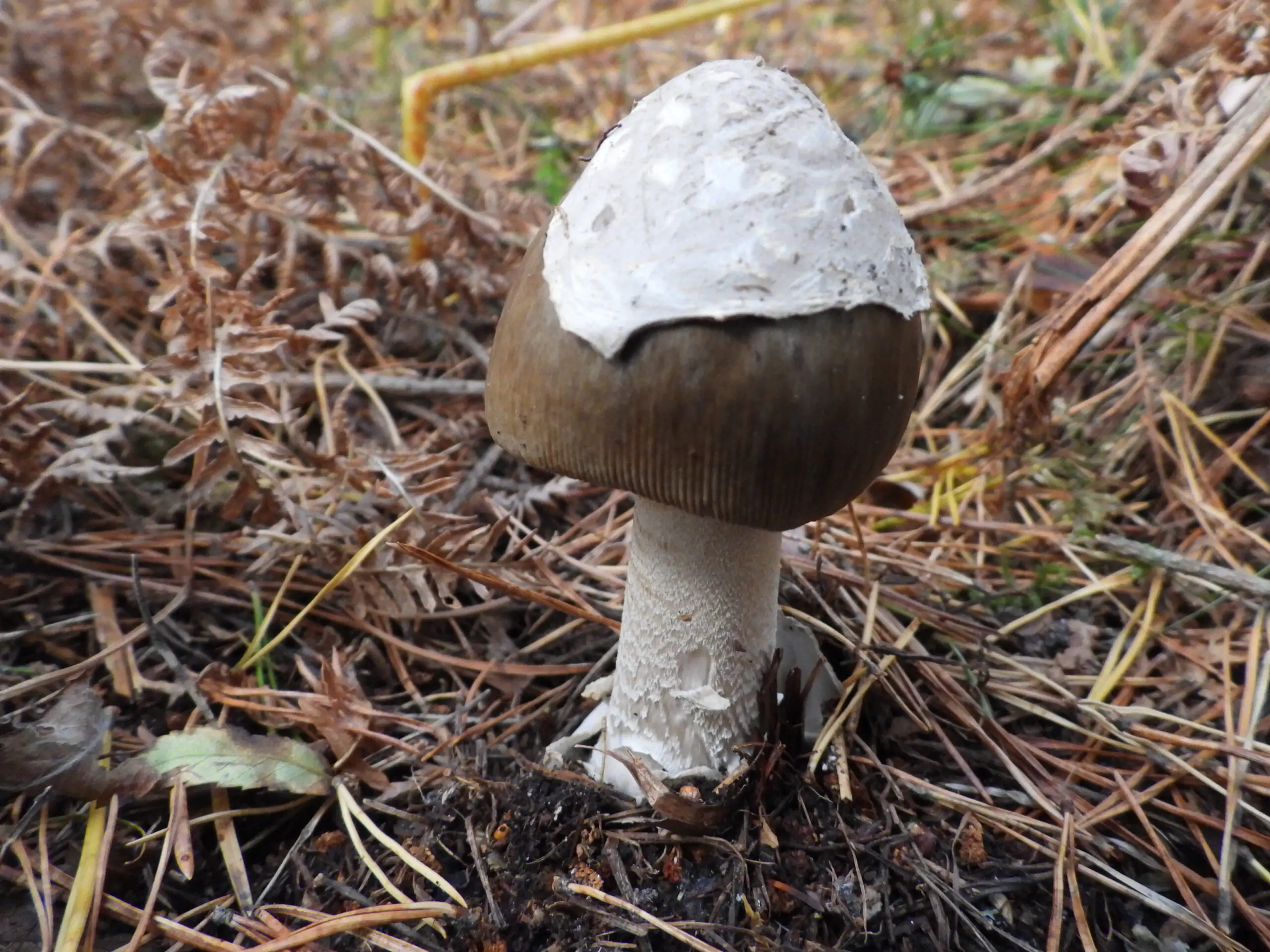
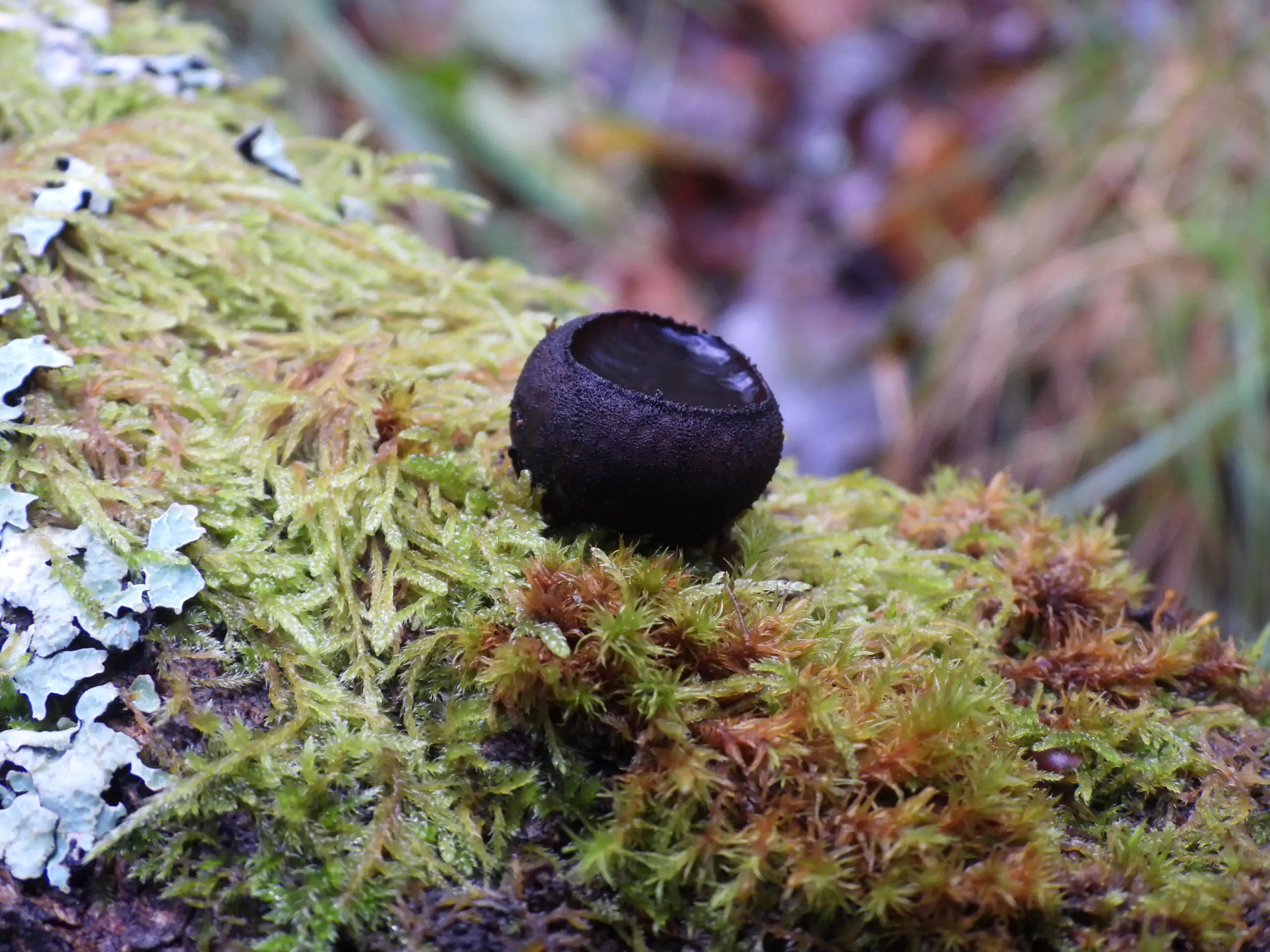
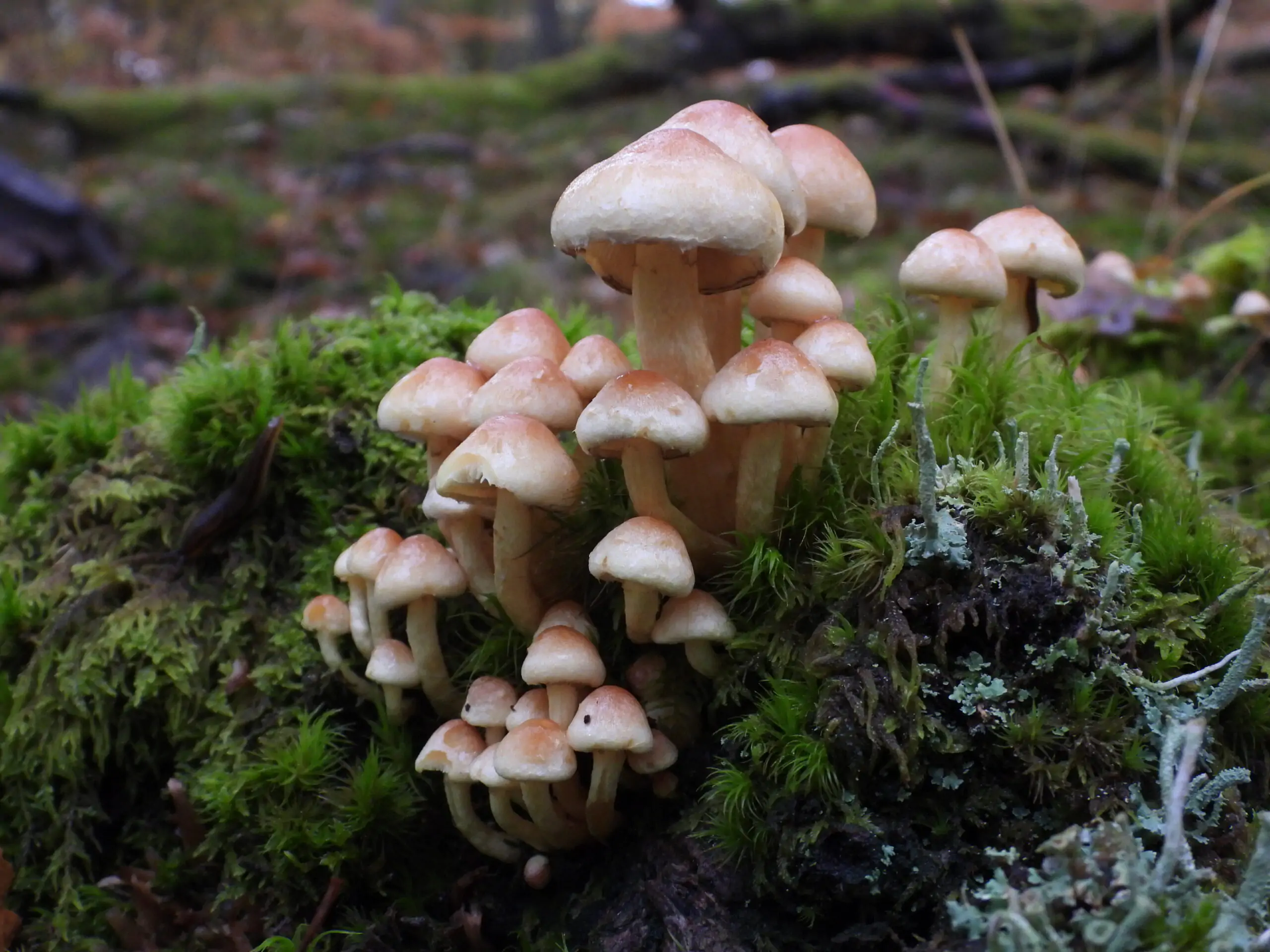
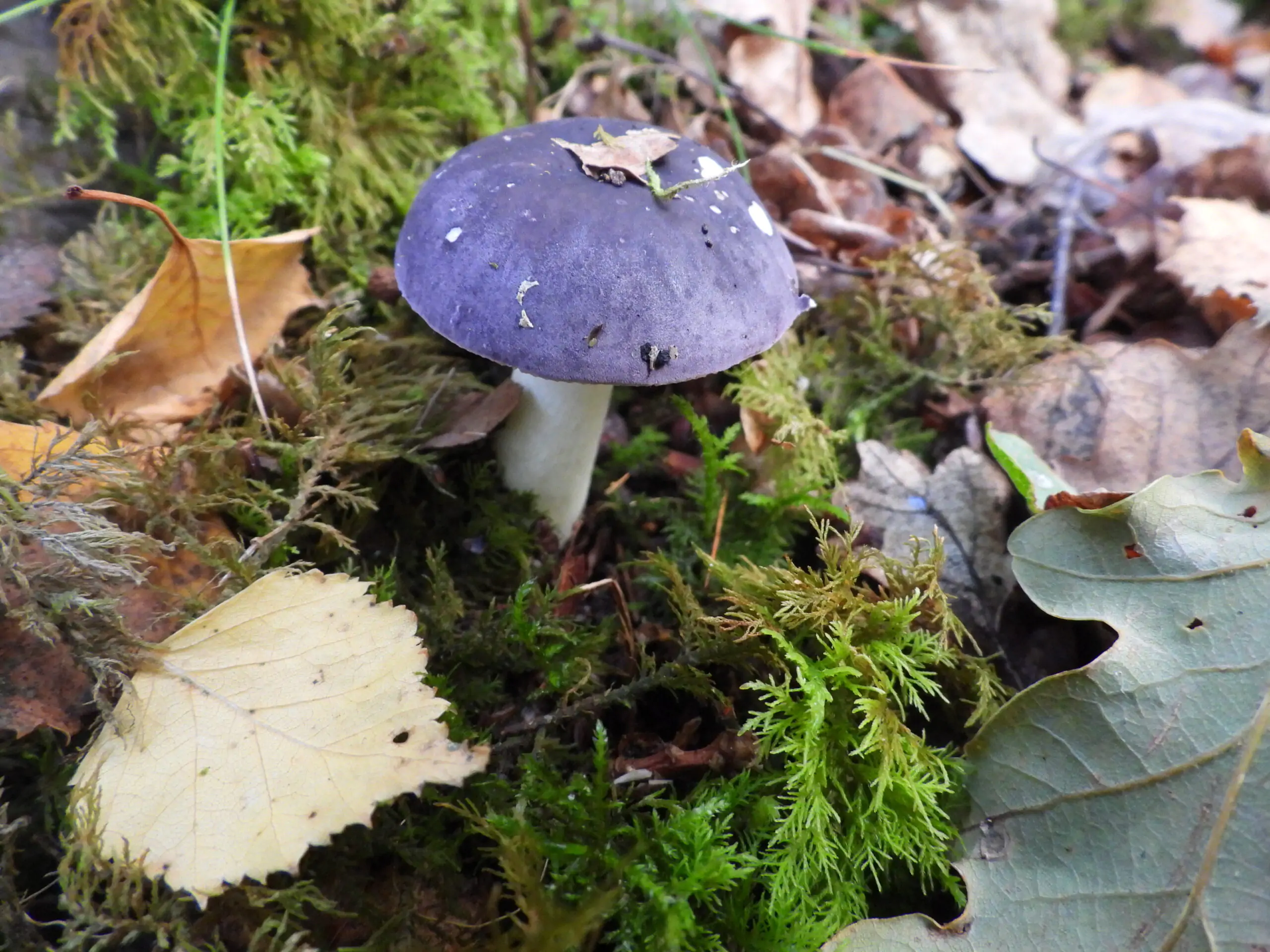
The fungi have been even more spectacular recently, thanks to the milder weather which allows them to carry on fruiting well into the winter – though they’re getting harder to spot amongst the fallen leaves. There are lots of wood rotting fungi about – the parachutes and the so called bachelor’s button, a beautiful black jelly-like fungus meant to resemble an unpolished silver coat button, and found on dead oak wood, especially fallen trunks. The shaggy scalycap lives up to its name and is found in clusters around the base of deciduous trees. It’s a weak parasite on the trees and we often find it at the base of rowans. Brittlegills are found throughout the region in beautiful colours – reds, purples, yellows and greens, easy to identify with their crumbly gills made up of spherical cells so they break apart more easily, but hard to identify to species level.
Remember to send any sightings to NESBReC – all wildlife records are valuable, and citizen science plays a key part in helping to monitor the effect of climate change.