December is on us and it’s getting chilly! The upside of these shorter days is there’s a better chance of seeing a sunrise or a sunset – look out for clear skies, wrap up warm and enjoy the yellow glow of low, winter sun. When night falls, try stargazing – you might even see the northern lights if you’re really lucky, and you might spot a full moon on Wednesday 7th!
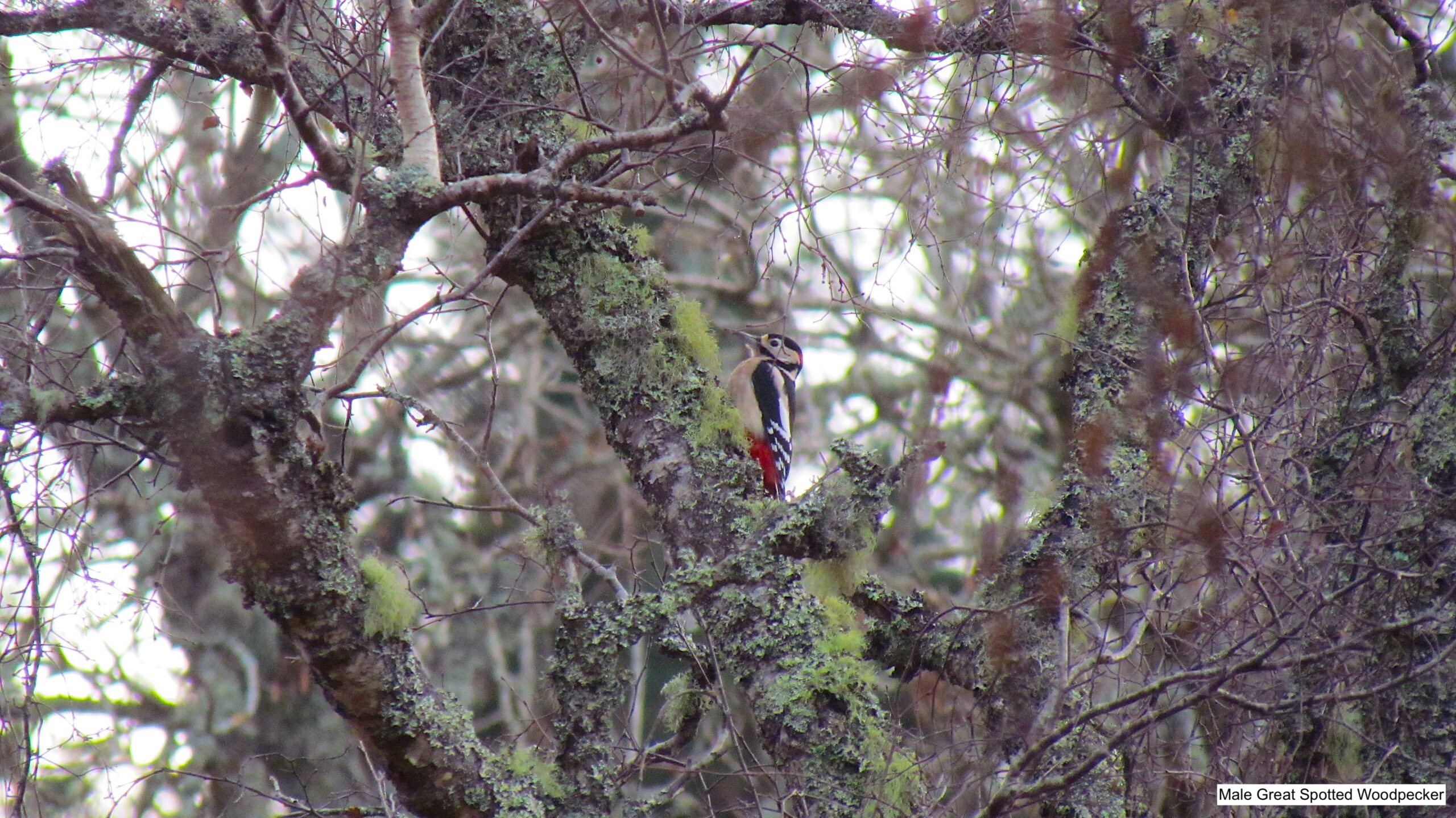
Look out for deer this month as they head for lower ground for their grazing as winter snow arrives higher in the catchment. The brownish coat of the stoat turns fully white apart from a black tip on its tail, and the greyish mountain hare turns white to make it less visible to its eagle-eyed predator. If snow falls overnight, try to head out early – animal tracks are much clearer in shallow snow, and before it thaws. December can also be a good time to see birds, when they’re hungry and more confiding. Put kitchen scraps and water out for them – you might attract a festive robin, a thrush, a woodpecker, a bullfinch or a redwing.
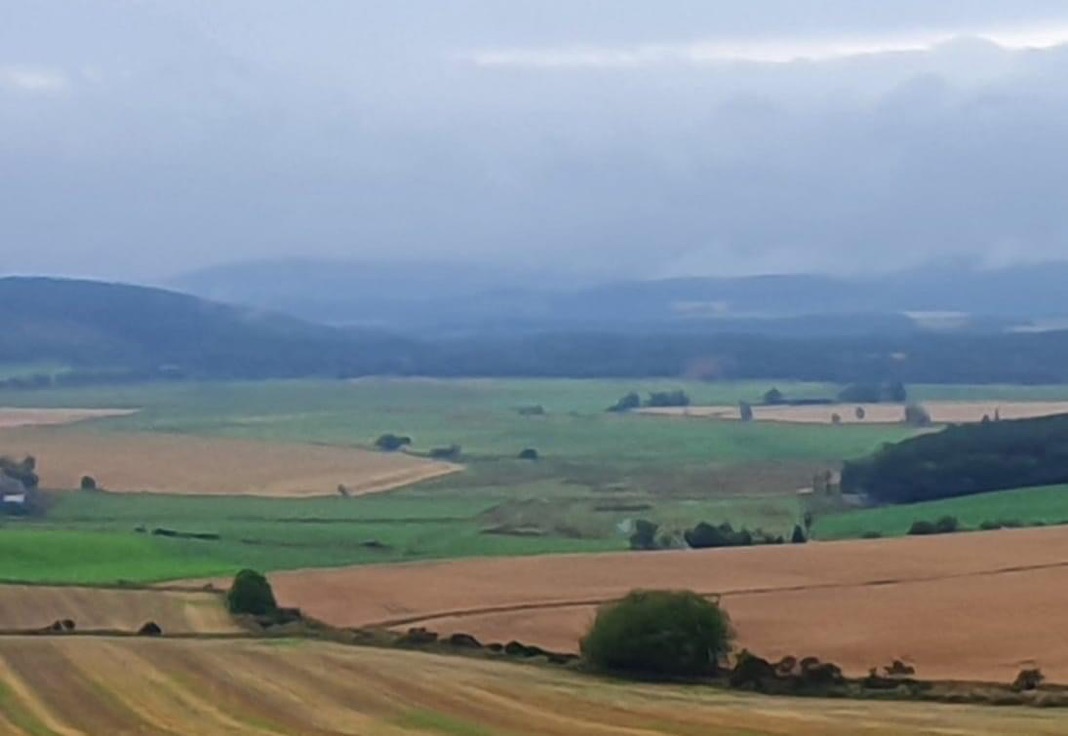
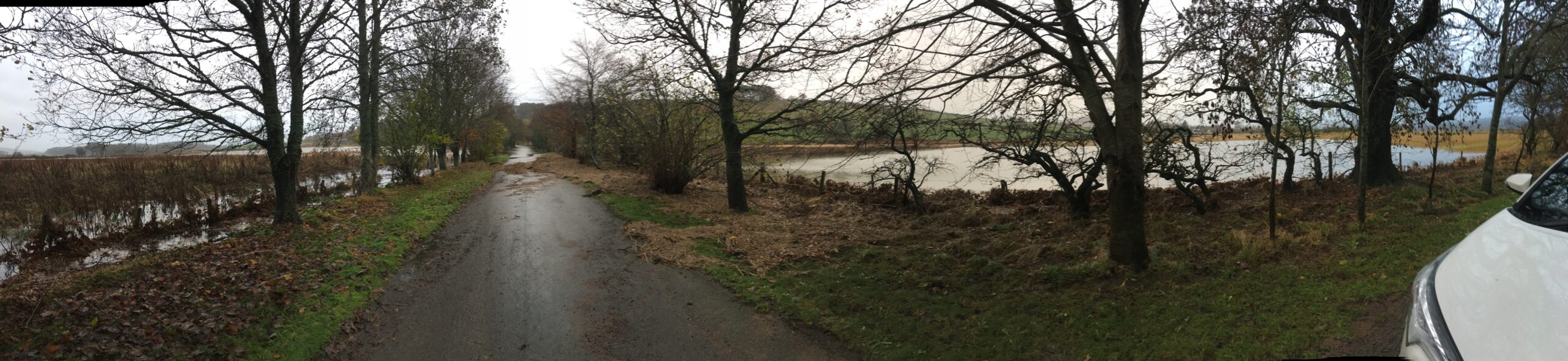
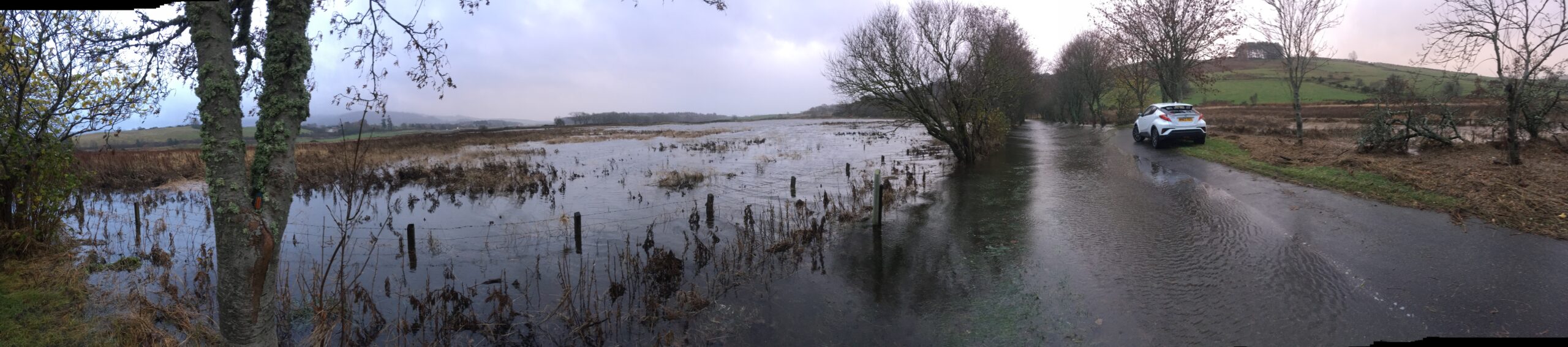
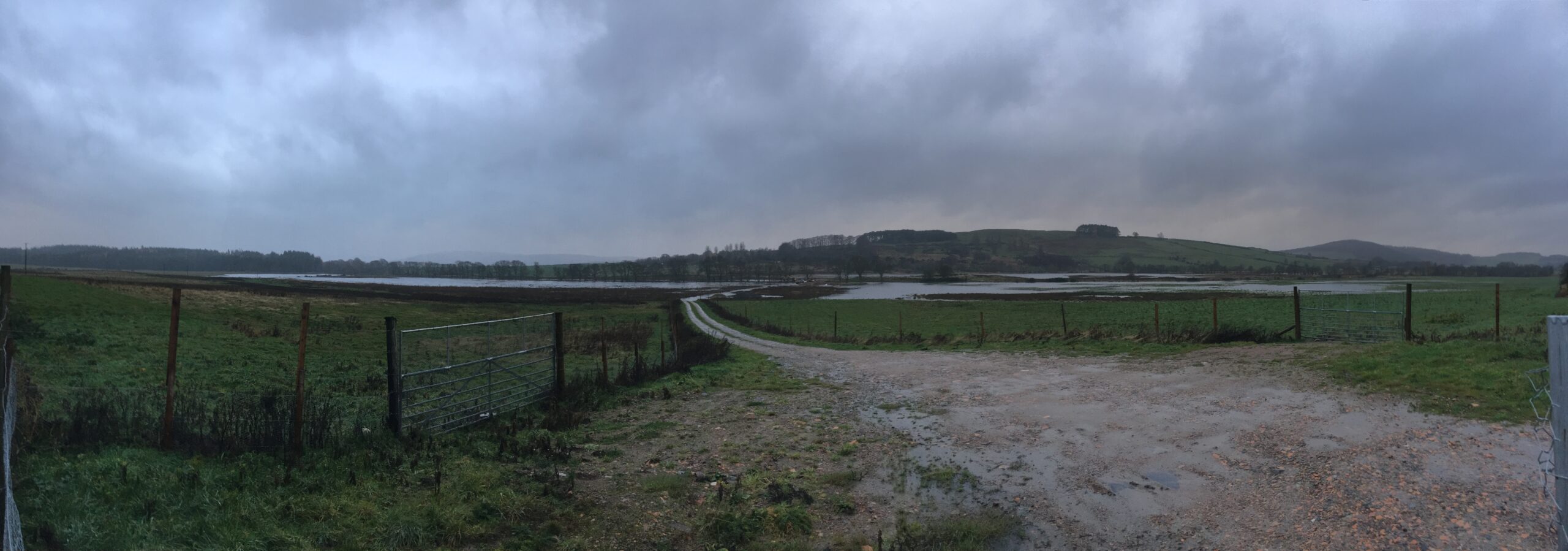
Auchlossan in drier times
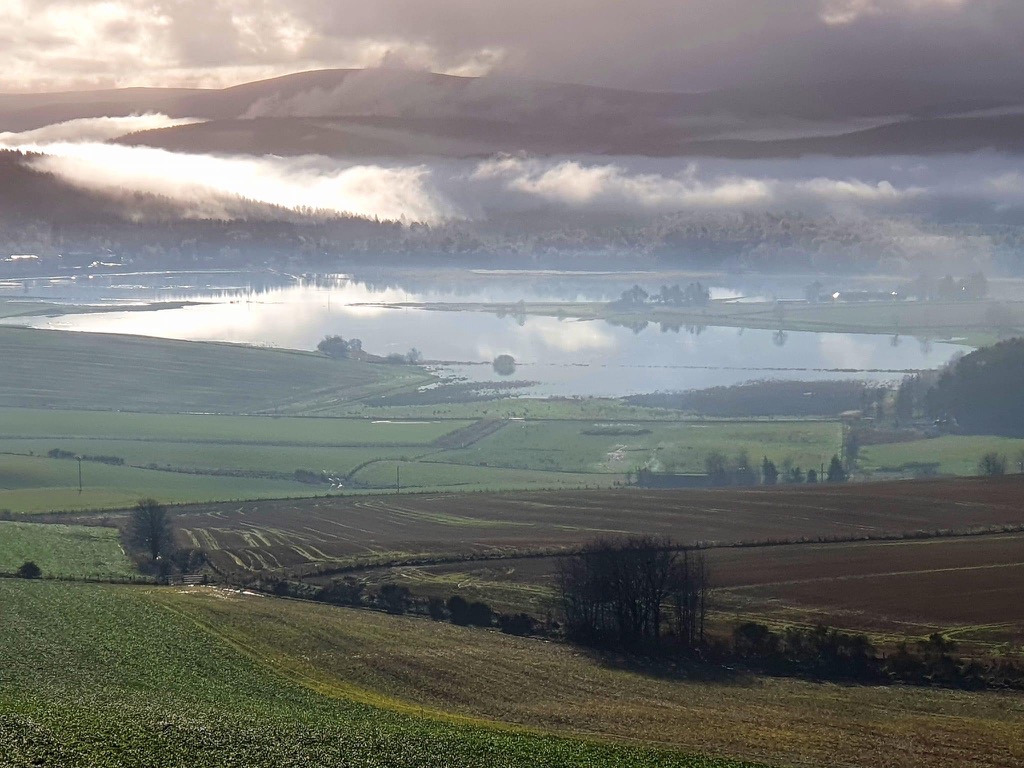
Loch of Auchlossan has returned after the floods – once a vital, nature-rich wetland, the loch has reformed after the recent floods and is now slowly releasing the floodwater to the dess Burn and the Dee
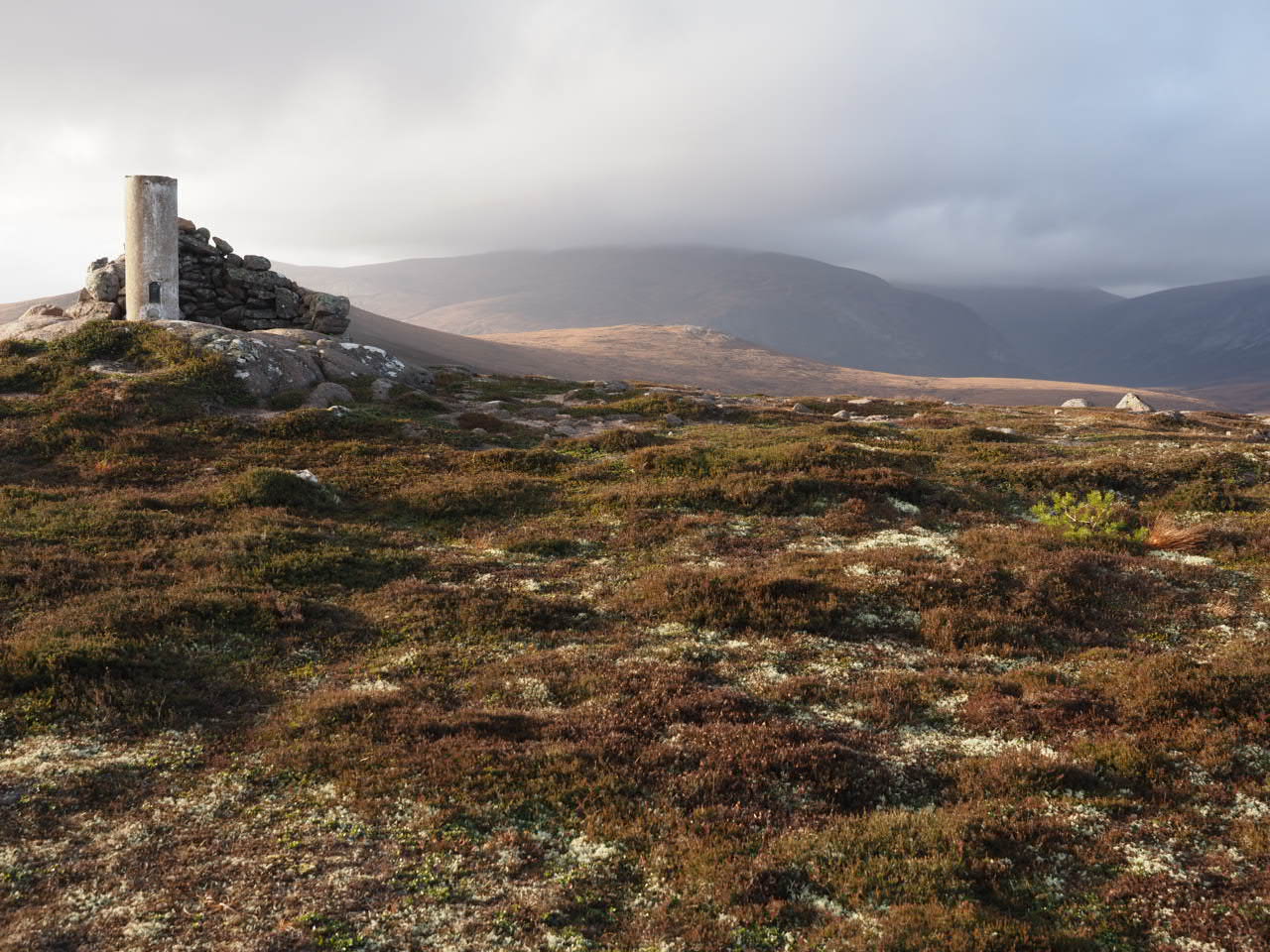
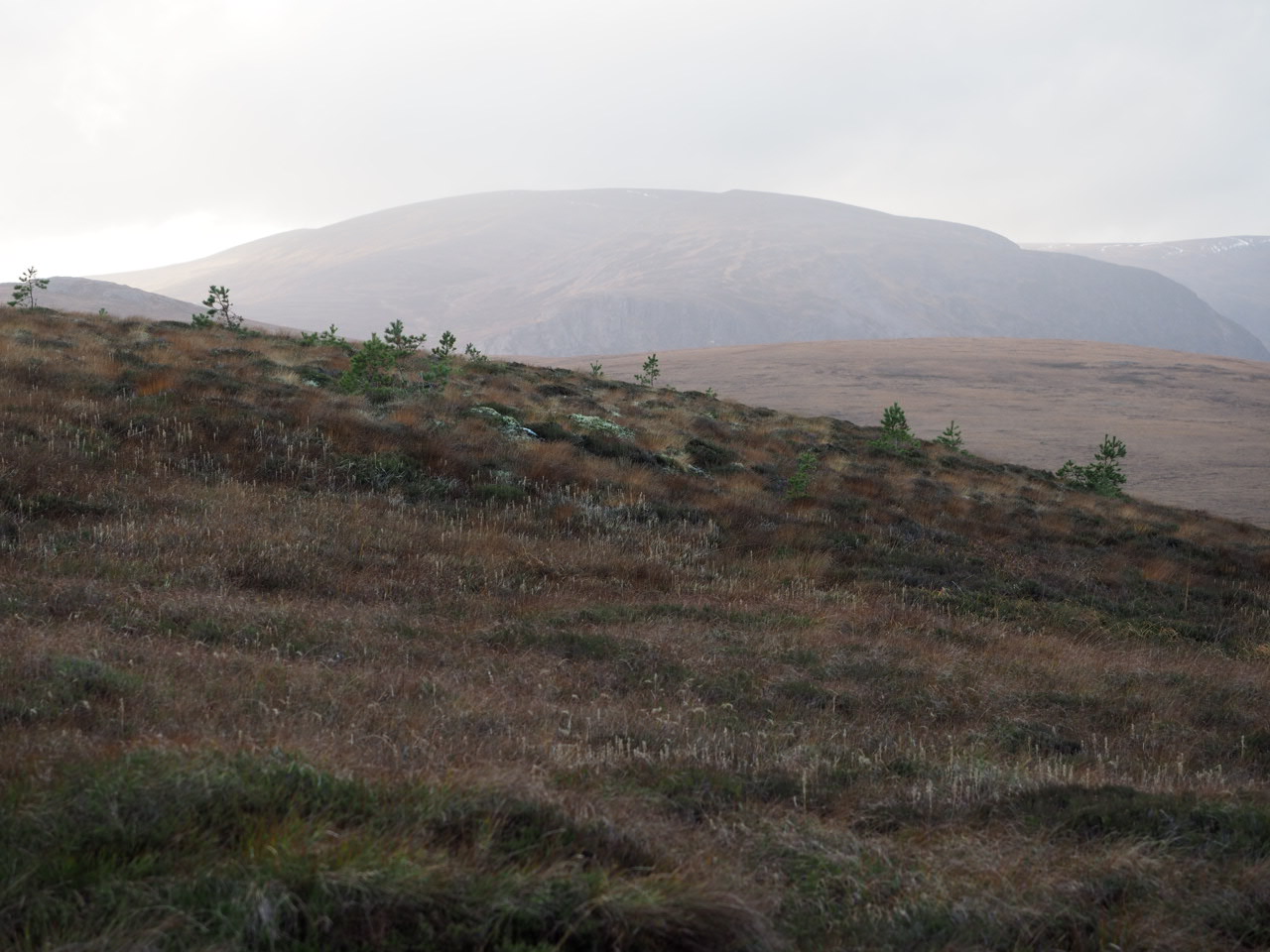
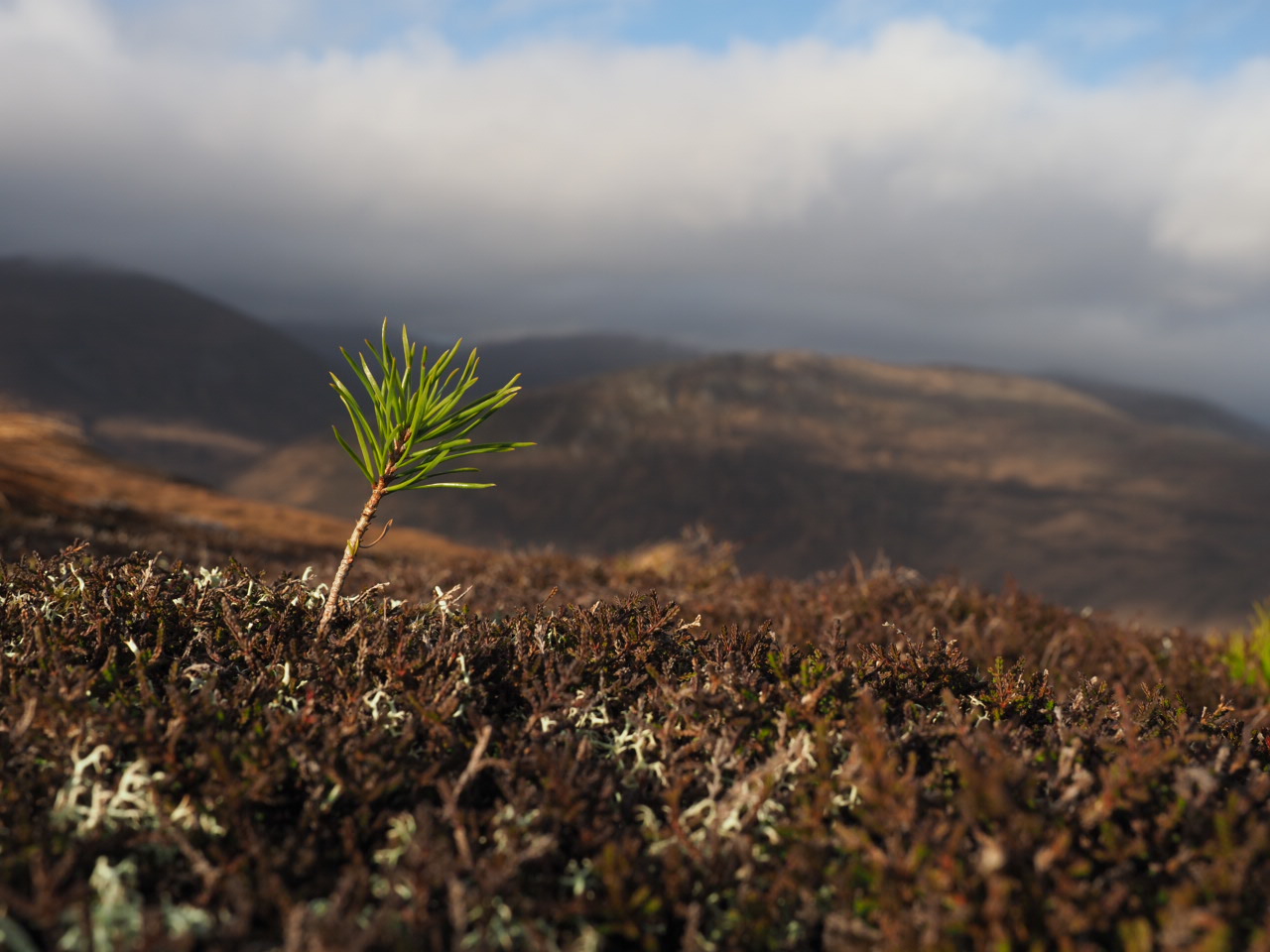
Continuous regeneration of pines all the way from the floor of Glen Derry up to the summit of Sgor Dubh (739m)
Continuous regeneration of pines all the way from the floor of Glen Derry up to the summit of Sgor Dubh (739m)
Continuous regeneration of pines all the way from the floor of Glen Derry up to the summit of Sgor Dubh (739m)
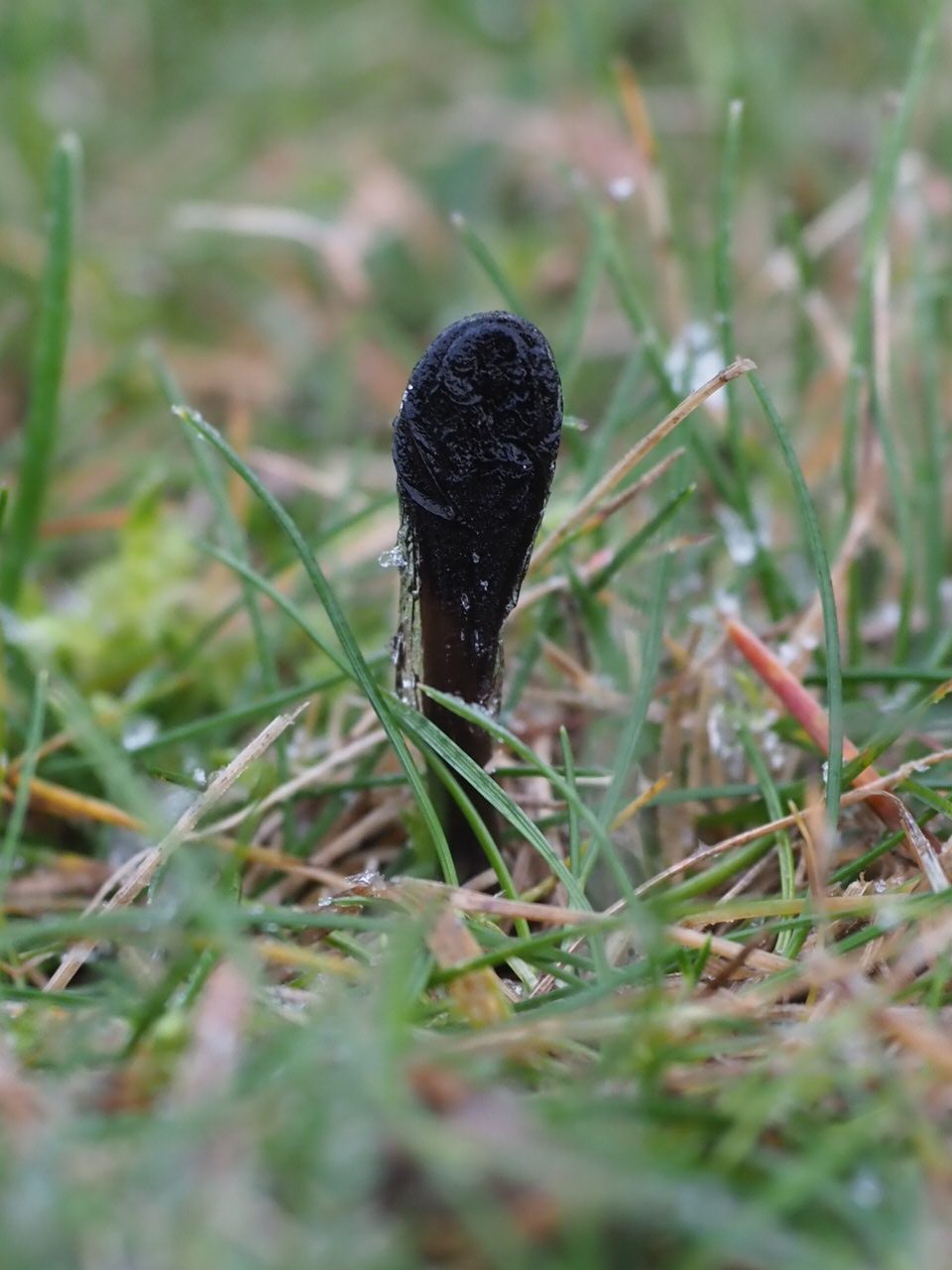
Earth tongue fungus seen on the lawn at Mar Lodge
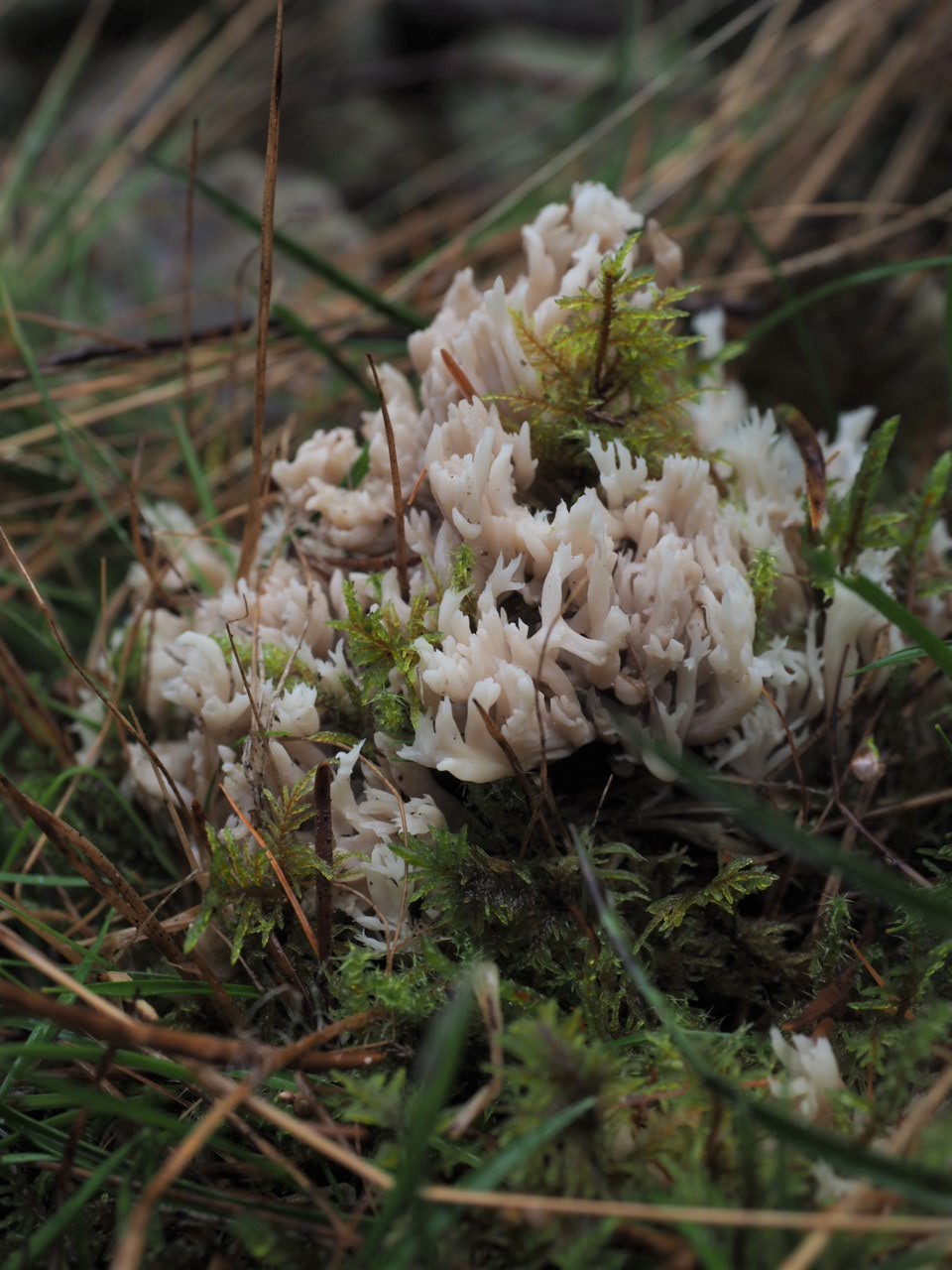
Crested coral spotted in the woodland at Glen Quoich
The restored Beltie burn pushed water onto the surrounding flood plain during the November storms, preventing all the water from surging downstream, and reducing the effects of flooding
The Beltie burn during November 2022 floods
The The re-meandered Beltie burn spilled onto the surrounding floodplain during the November storms – greatly reducing the effects of flooding downstream
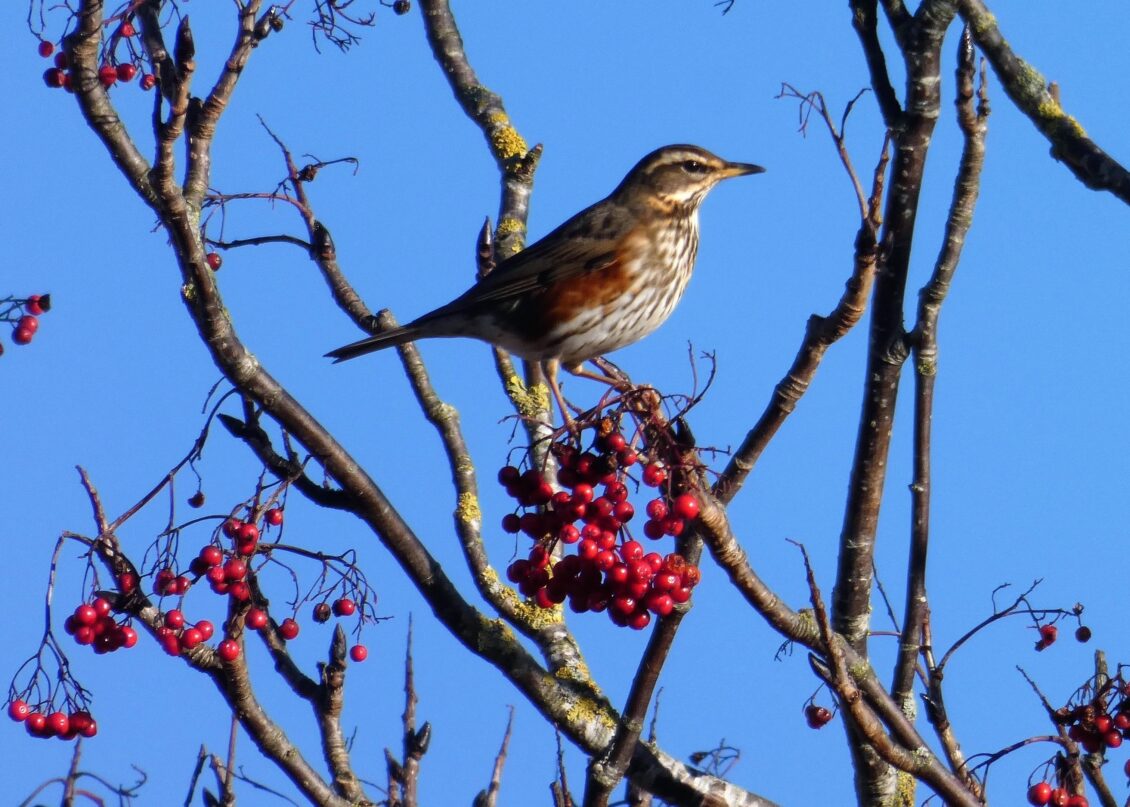
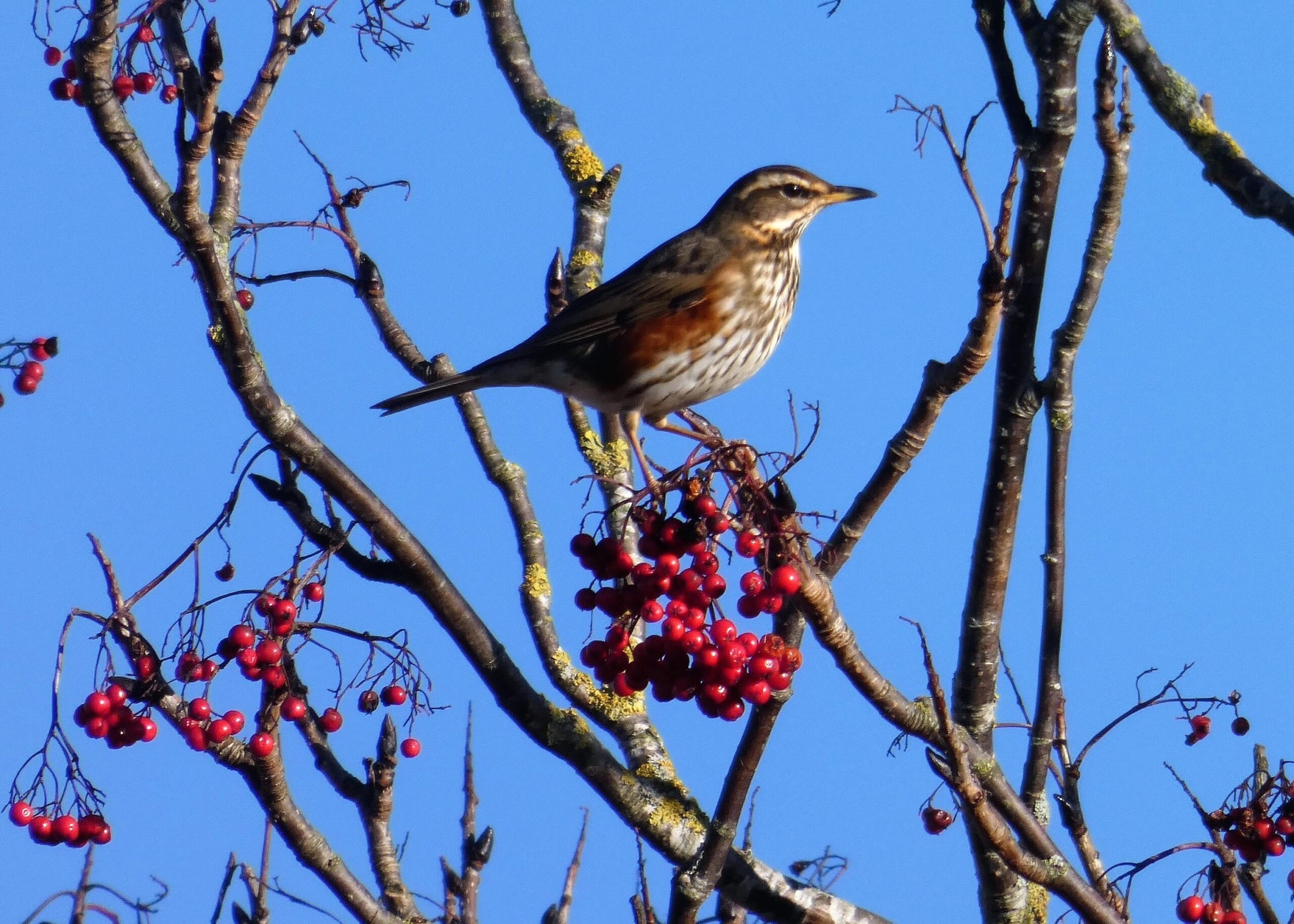
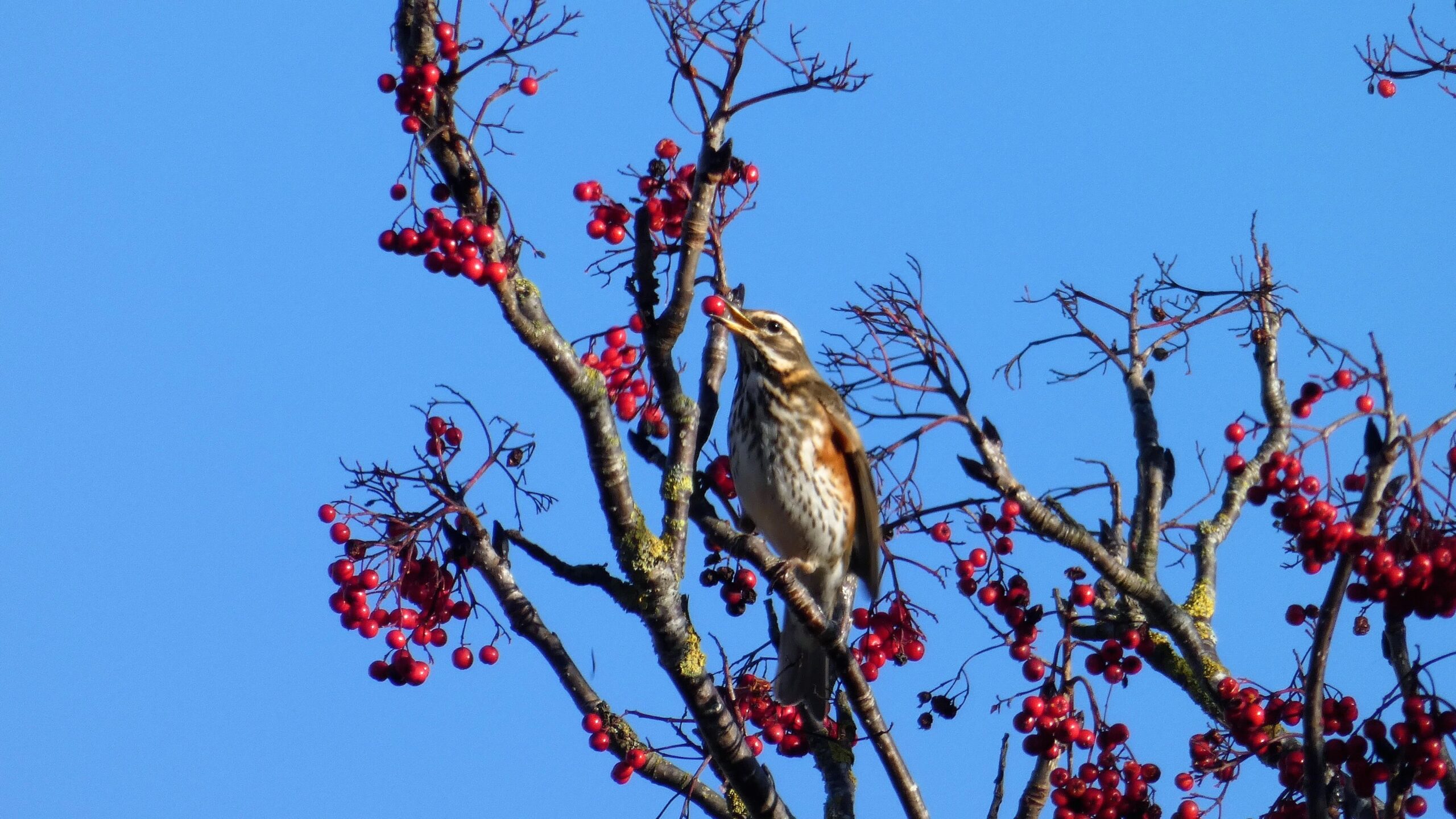
Redwing on rowan – as well as berries they also feed on invertebrates
Redwing on rowan – these Scandinavian winter visitors are making the most of our berries
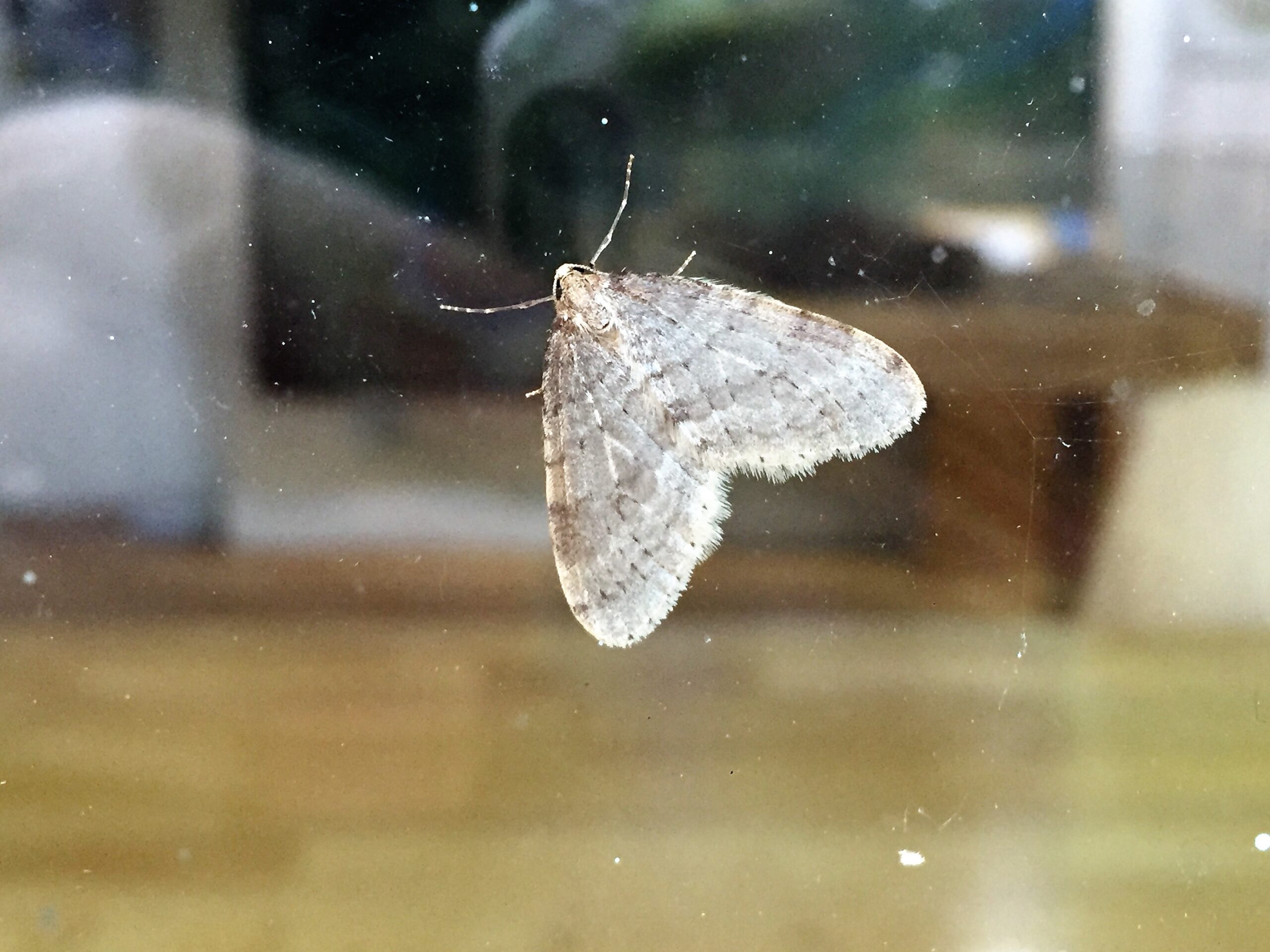
Northern winter moth (male) – these insects fly on milder winter nights, seeking wingless females by scent
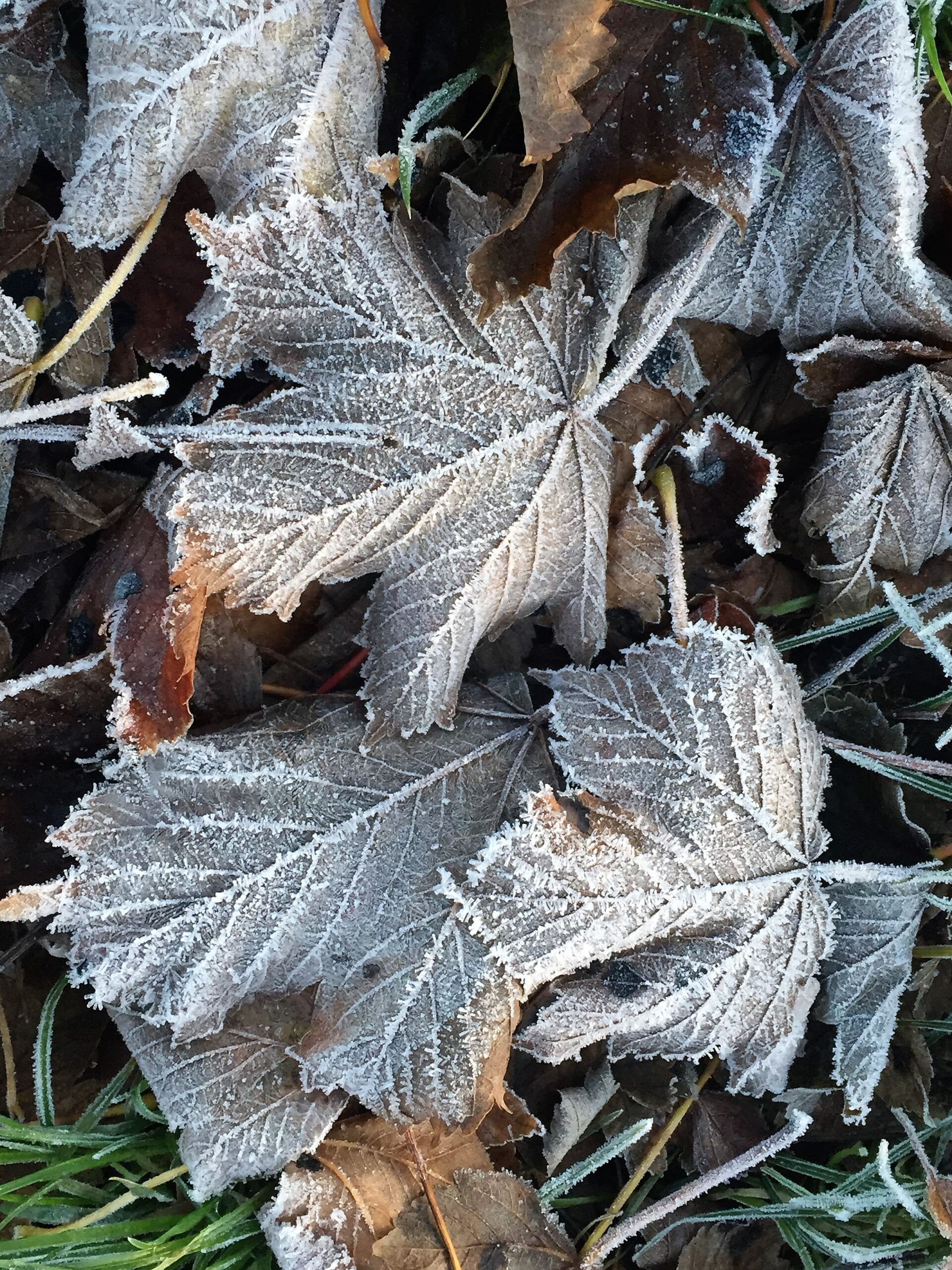
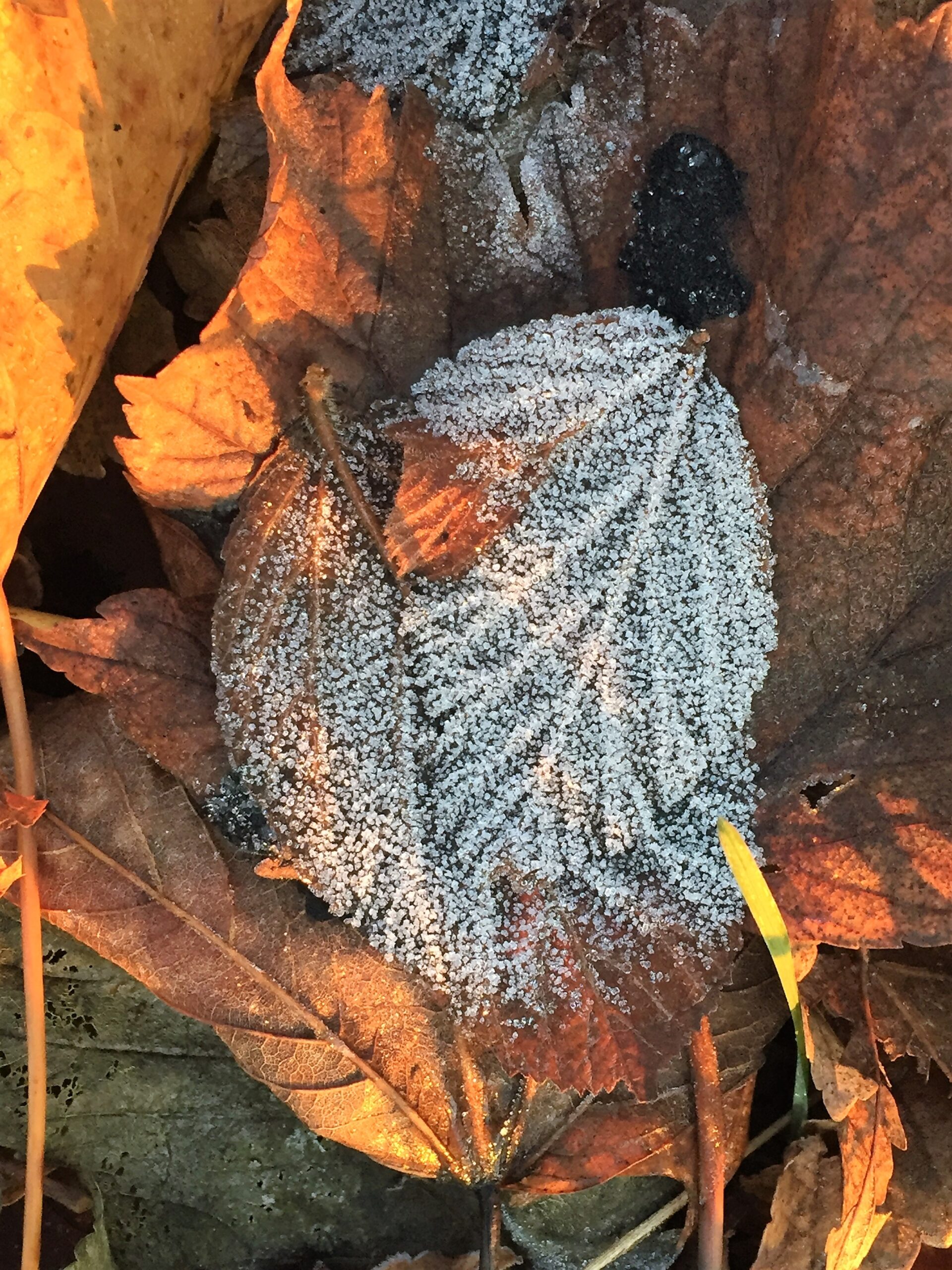
Frosted sycamore leaves
Frosted leaves – ice crystals accentuate the leaf veins
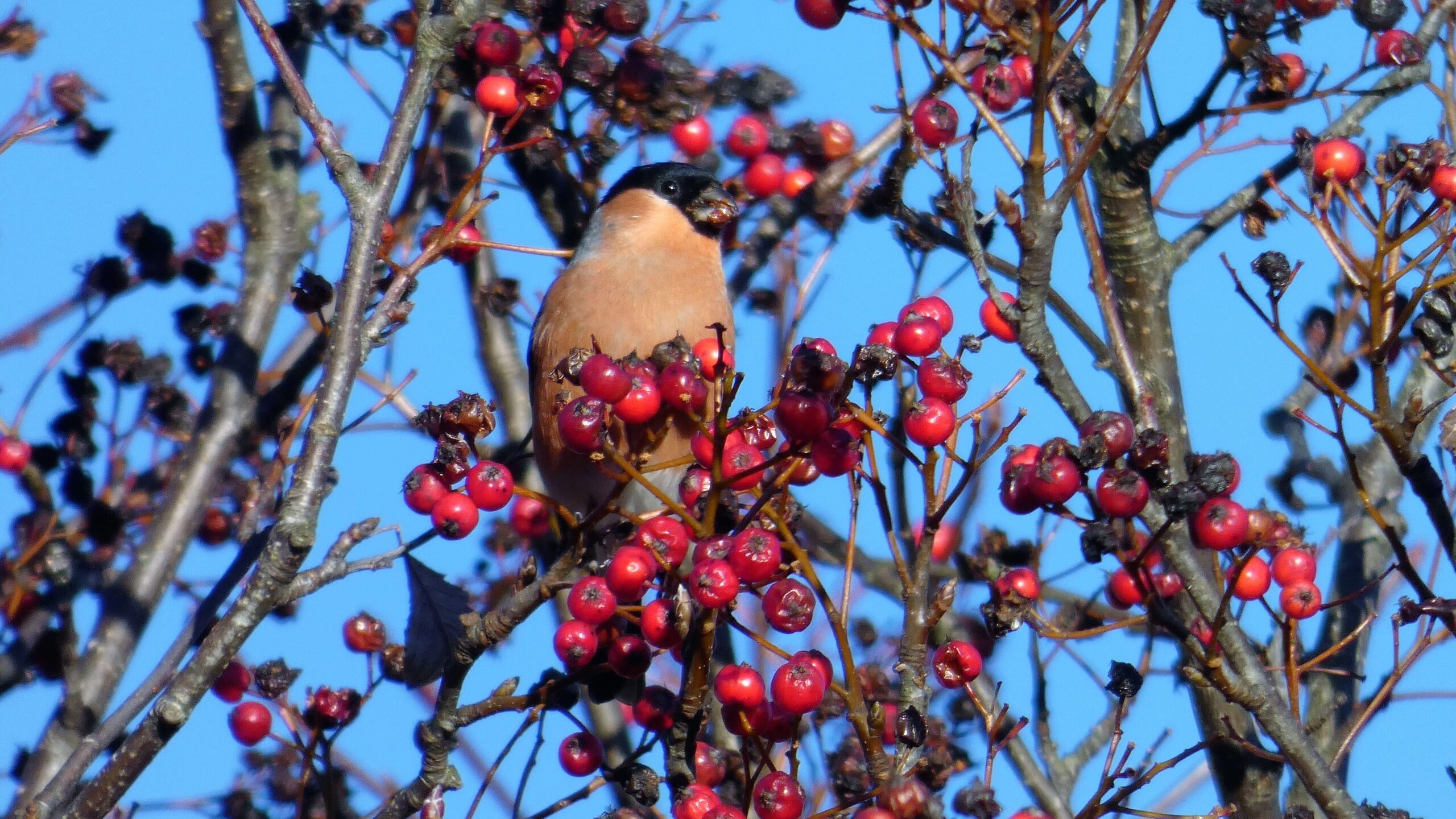
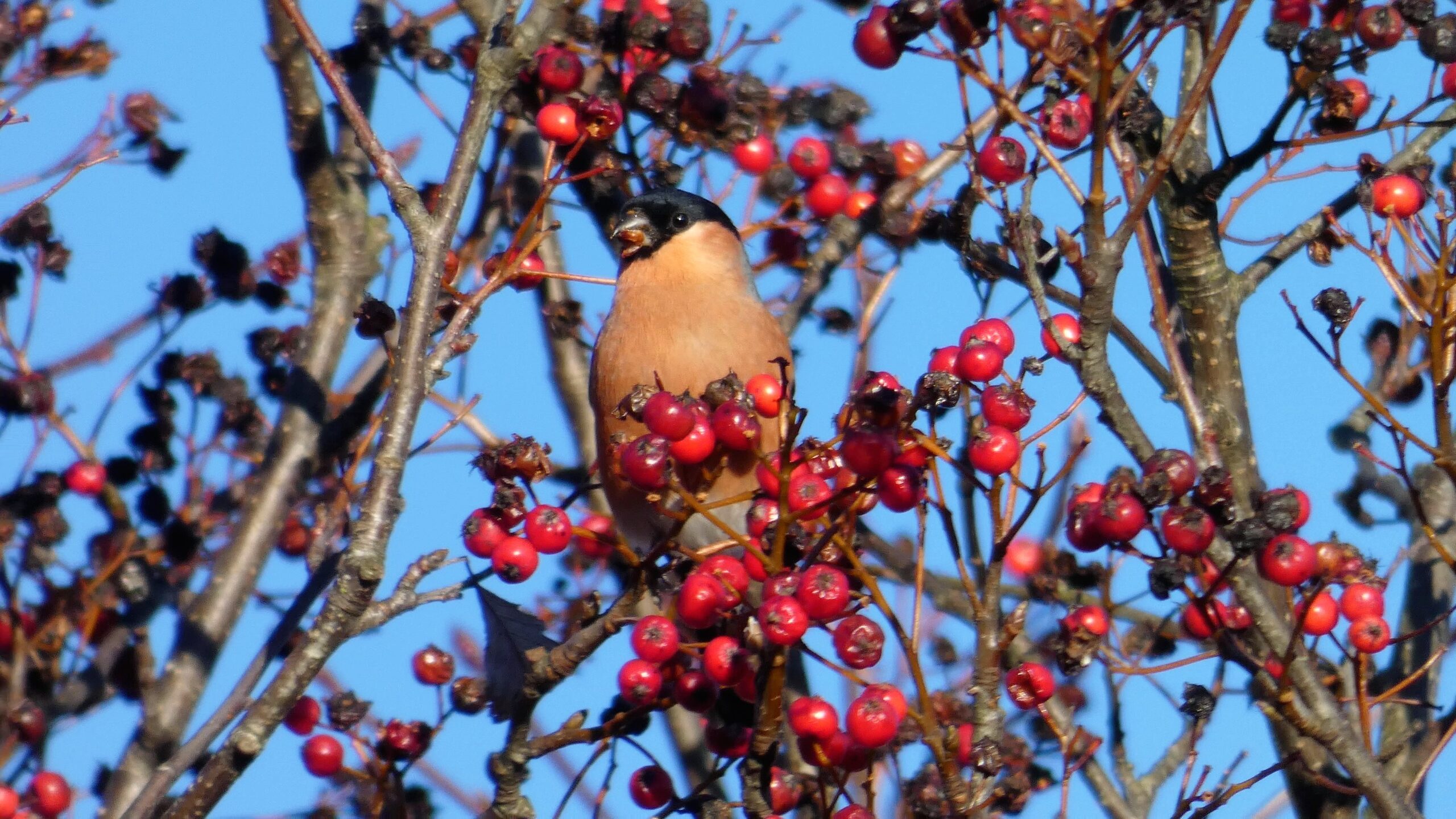
Bullfinch (male) on whitebeam – males are identifiable by their deep pink breast
Bullfinch (male) on whitebeam – they’re messy eaters, chafing flesh off berries to extract seeds
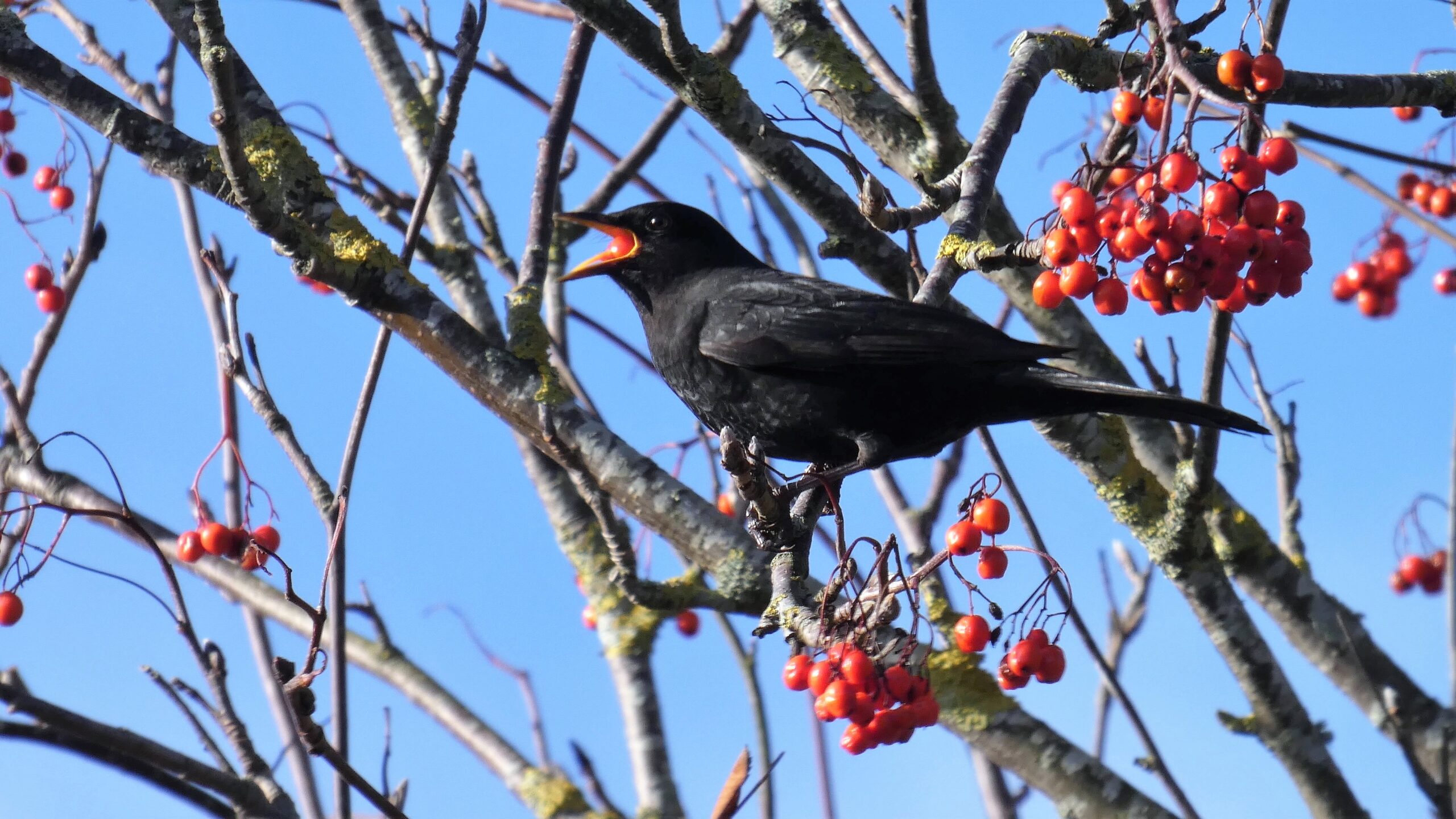
Blackbird (male) on rowan – resident birds are joined by winter visitors, attracted to food like berries
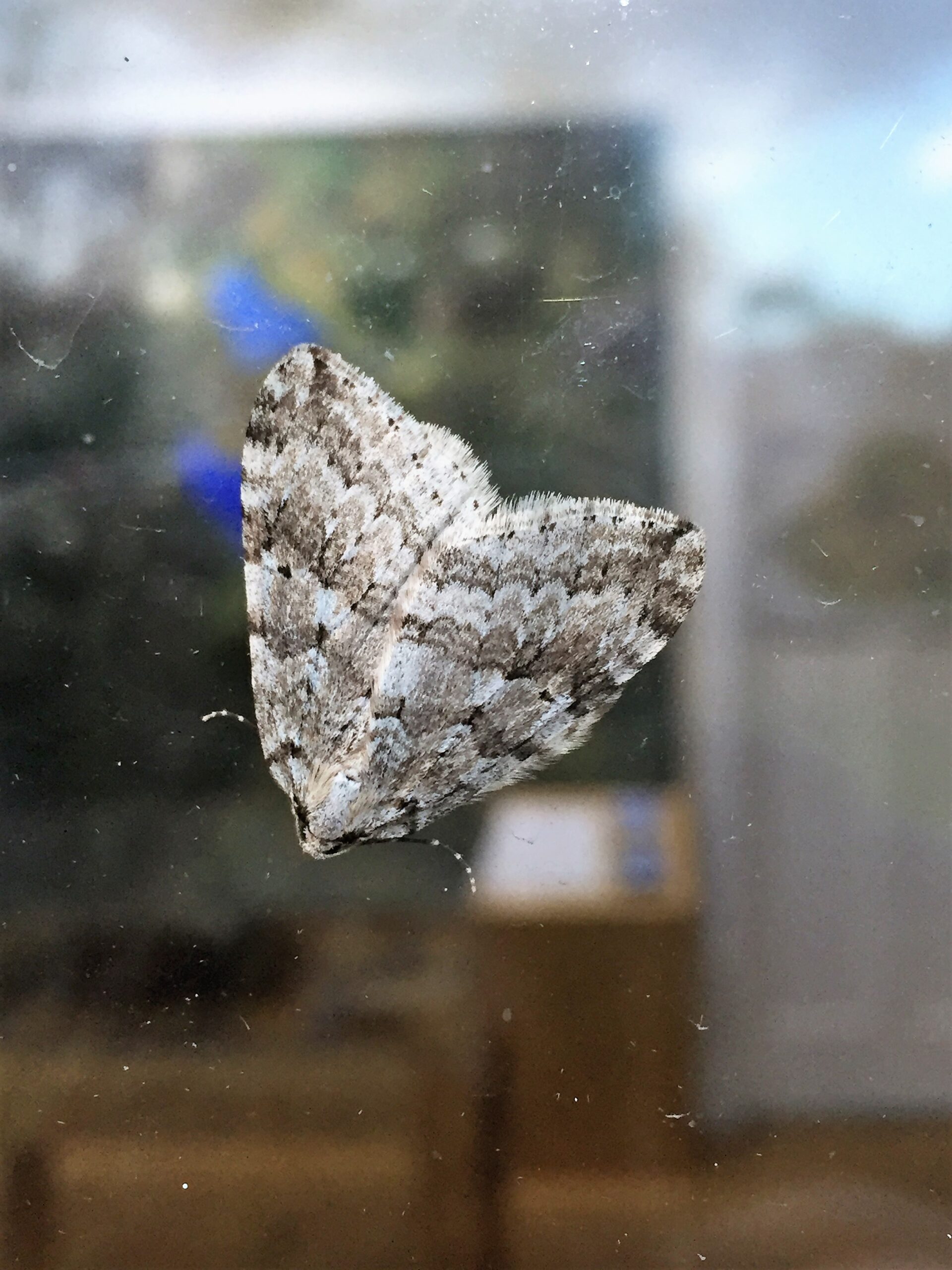
Autumnal moth – well-camouflaged on tree bark but easy to spot on lighted windows
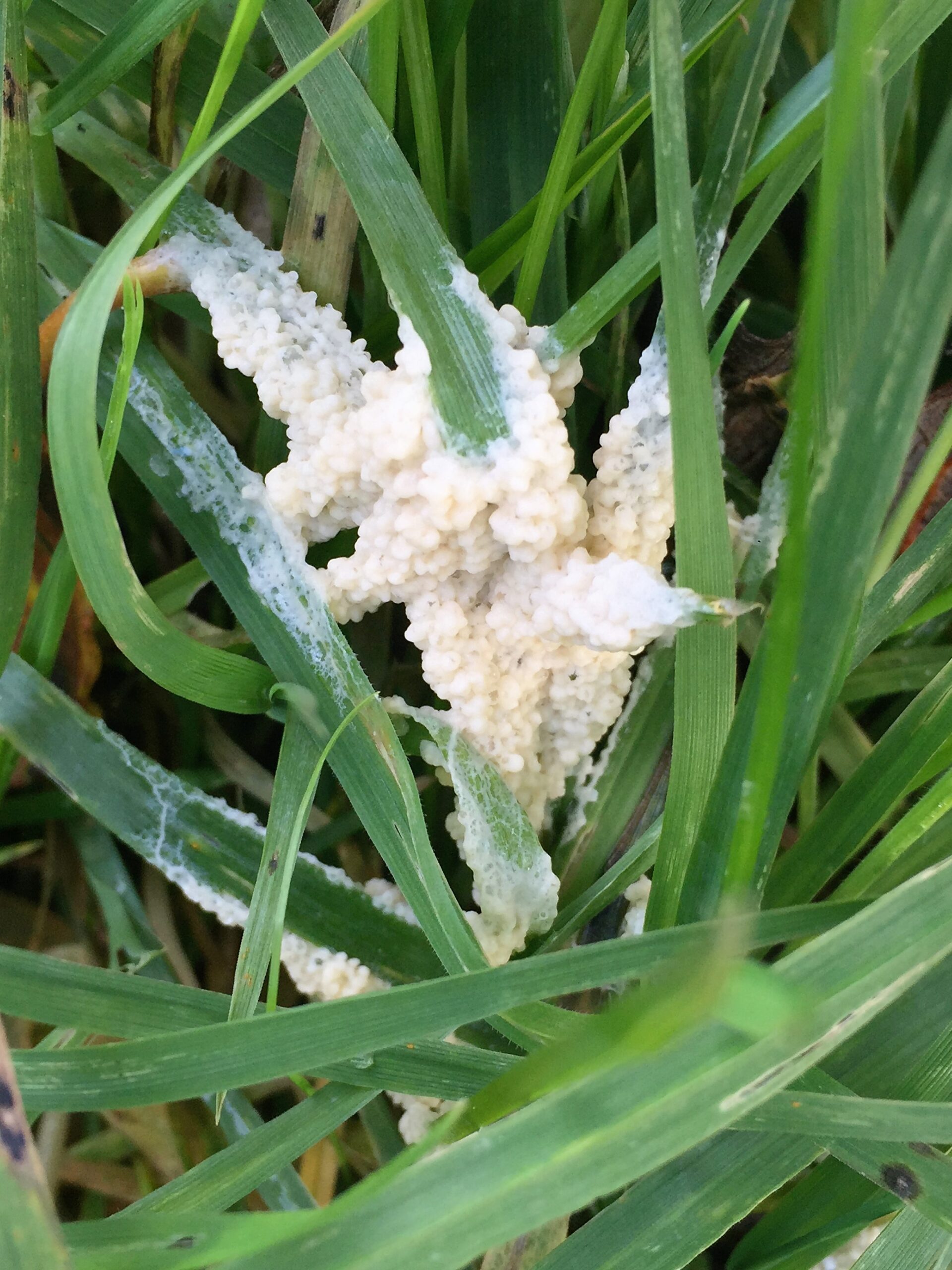
Dog sick slime mould – grows on wet grass, only lasting a day or two as spores mature to spread elsewhere


 Ambitious recovery programme launched as unprecedented decline in pearl mussel highlights fragile River Dee
 DeeWatch December