

 Ambitious recovery programme launched as unprecedented decline in pearl mussel highlights fragile River Dee
 DeeWatch December
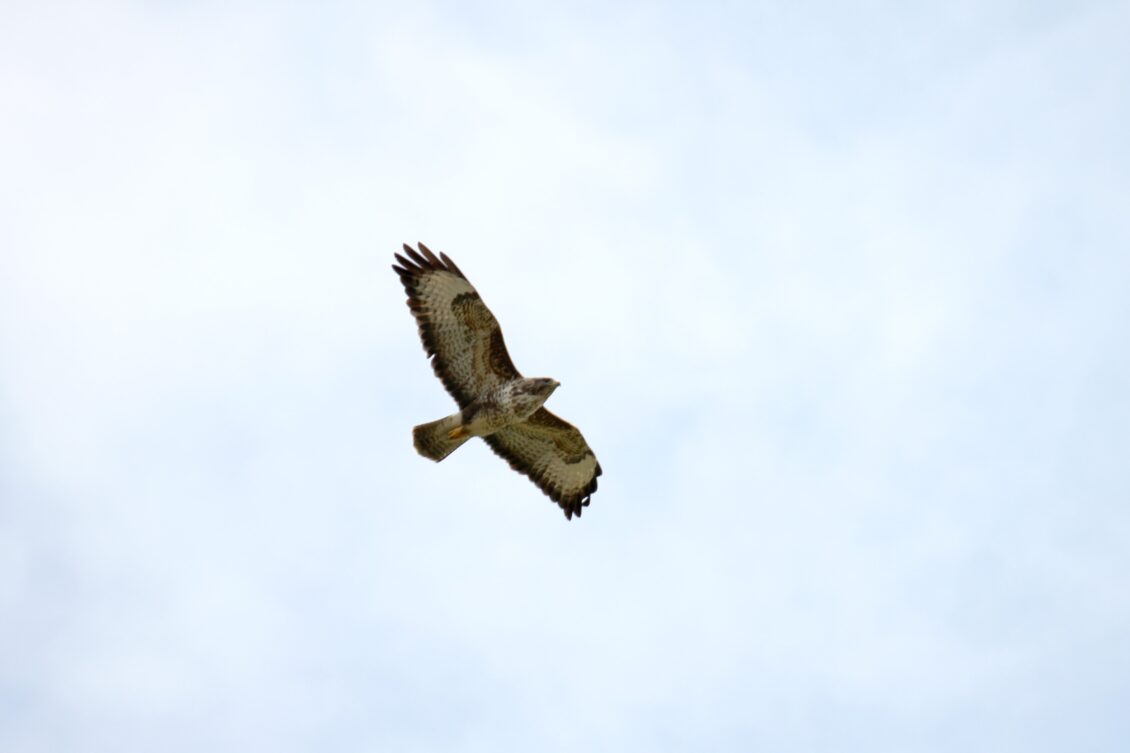
The weather usually warms in April. It may be tempting to clear up your garden and have a bonfire, but spare a thought for all the hibernating wildlife and resist!
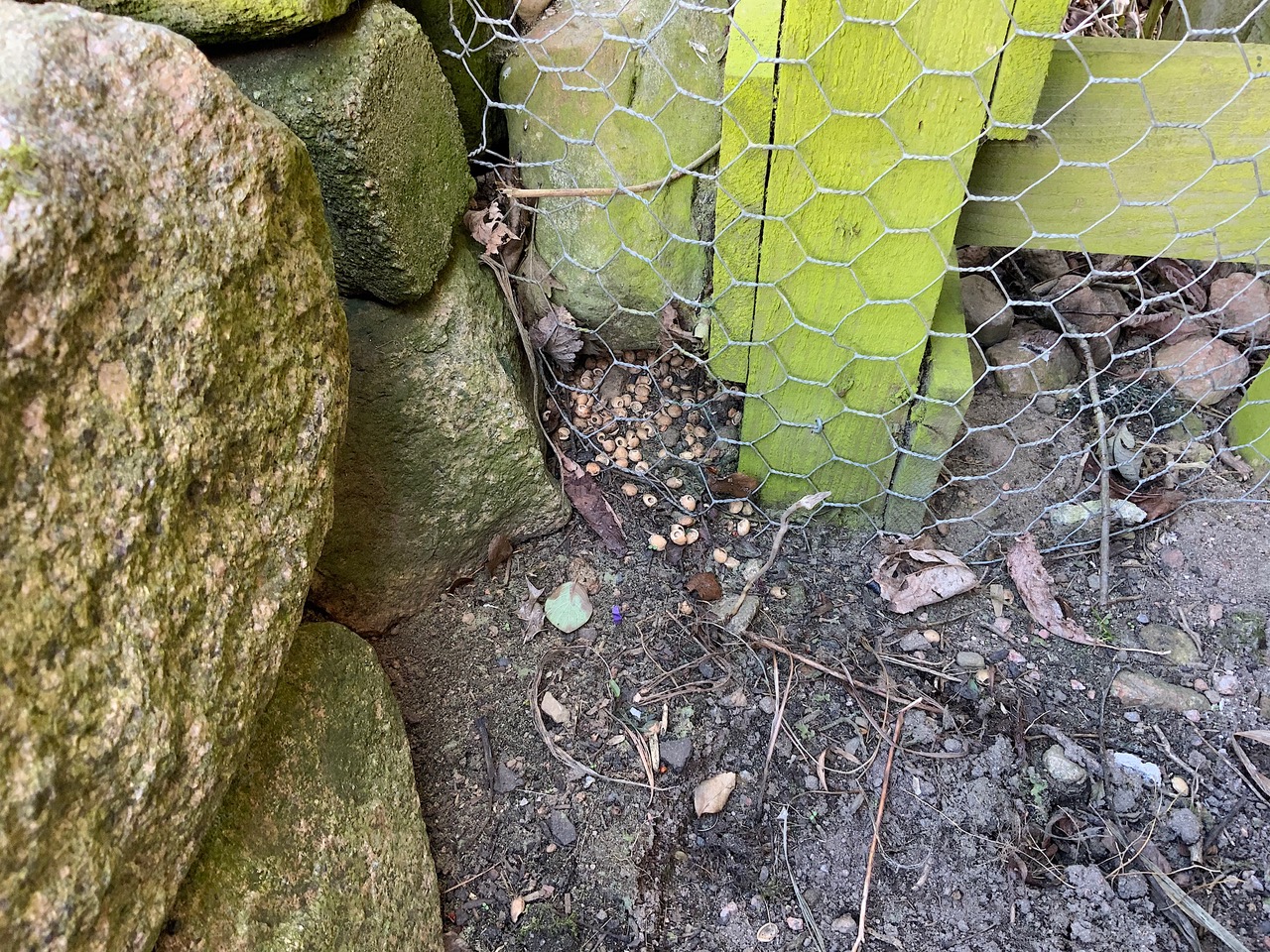
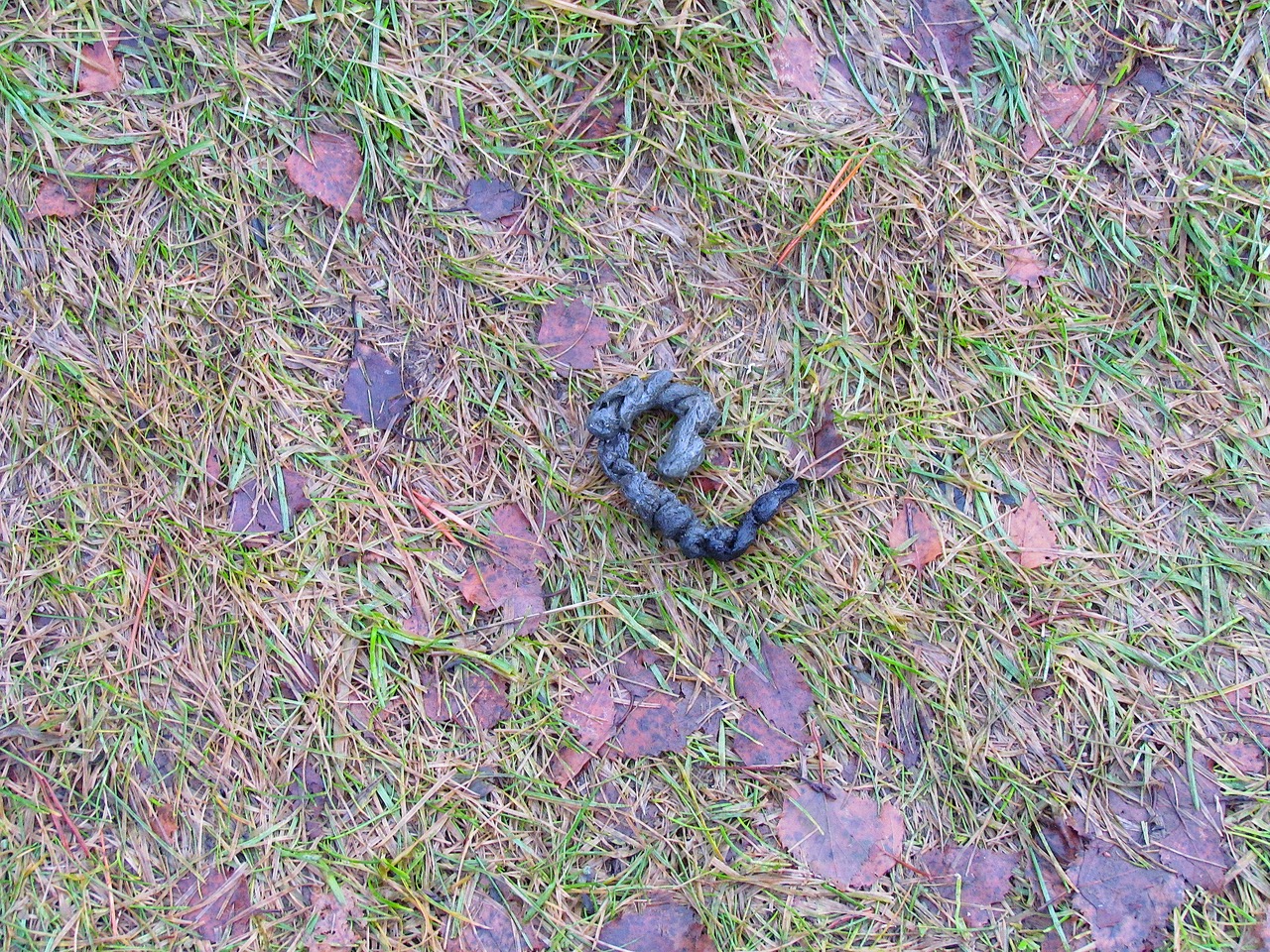
We’ve recently seen:
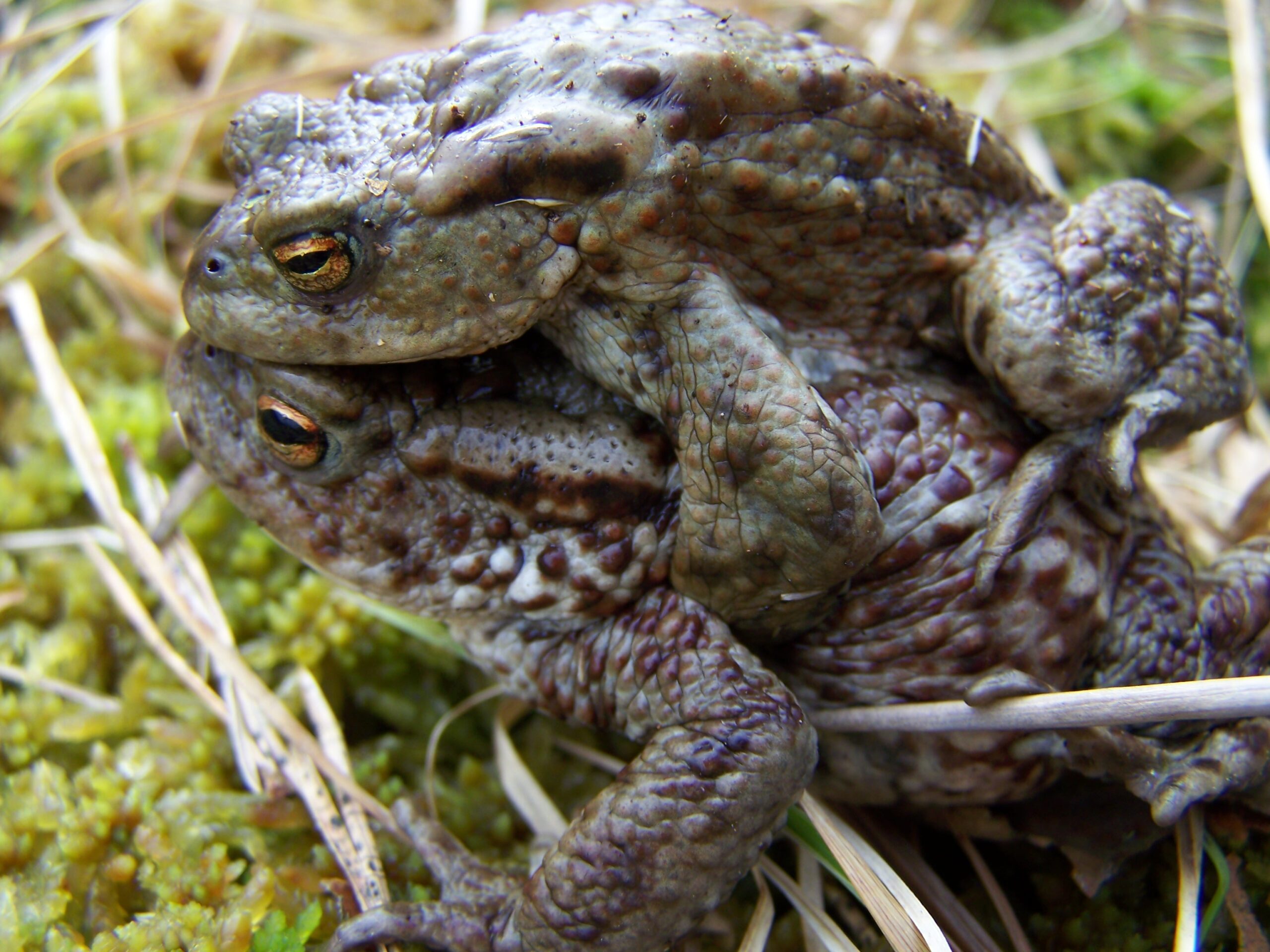
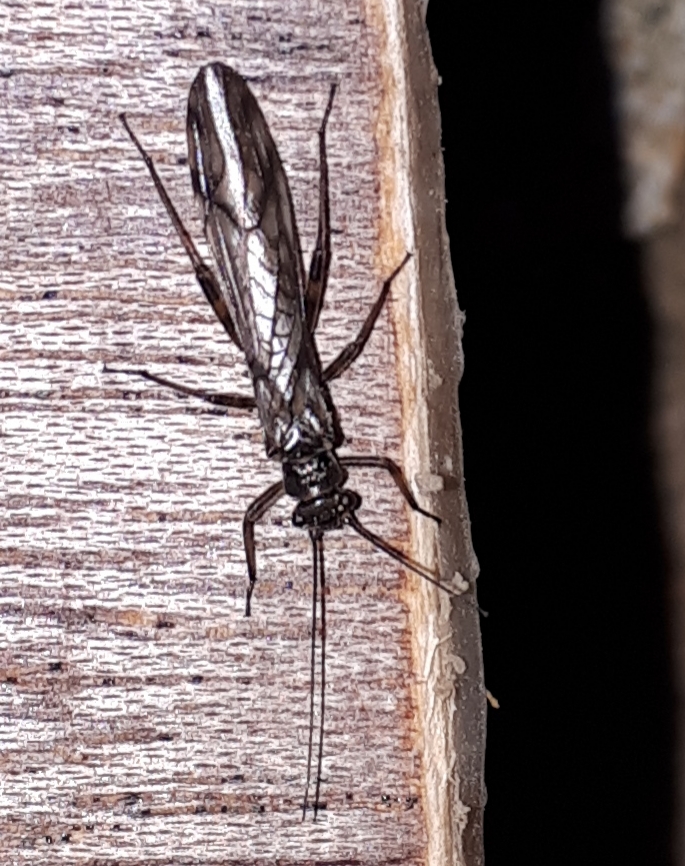
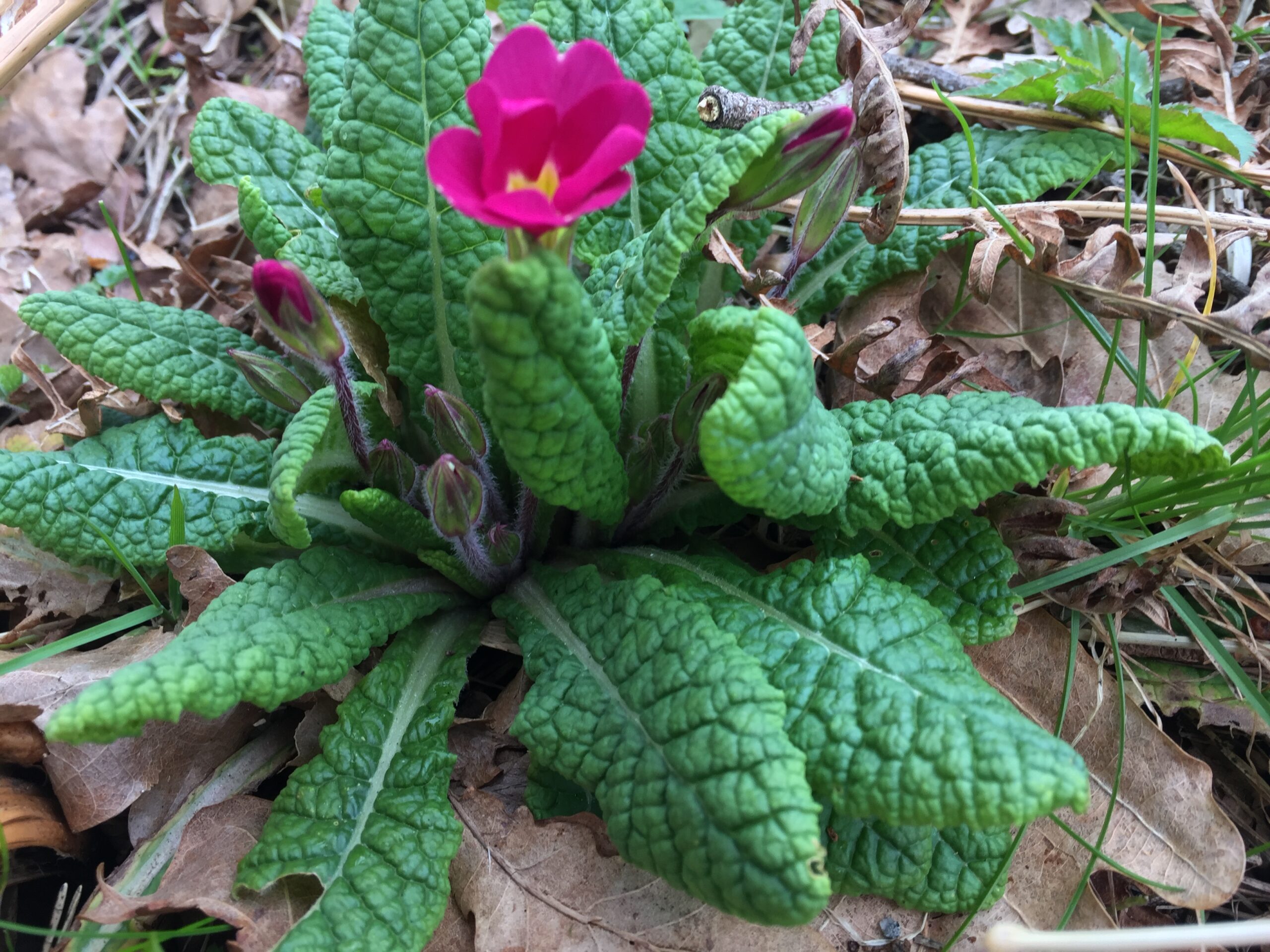
This month, look out and listen for:
Birds
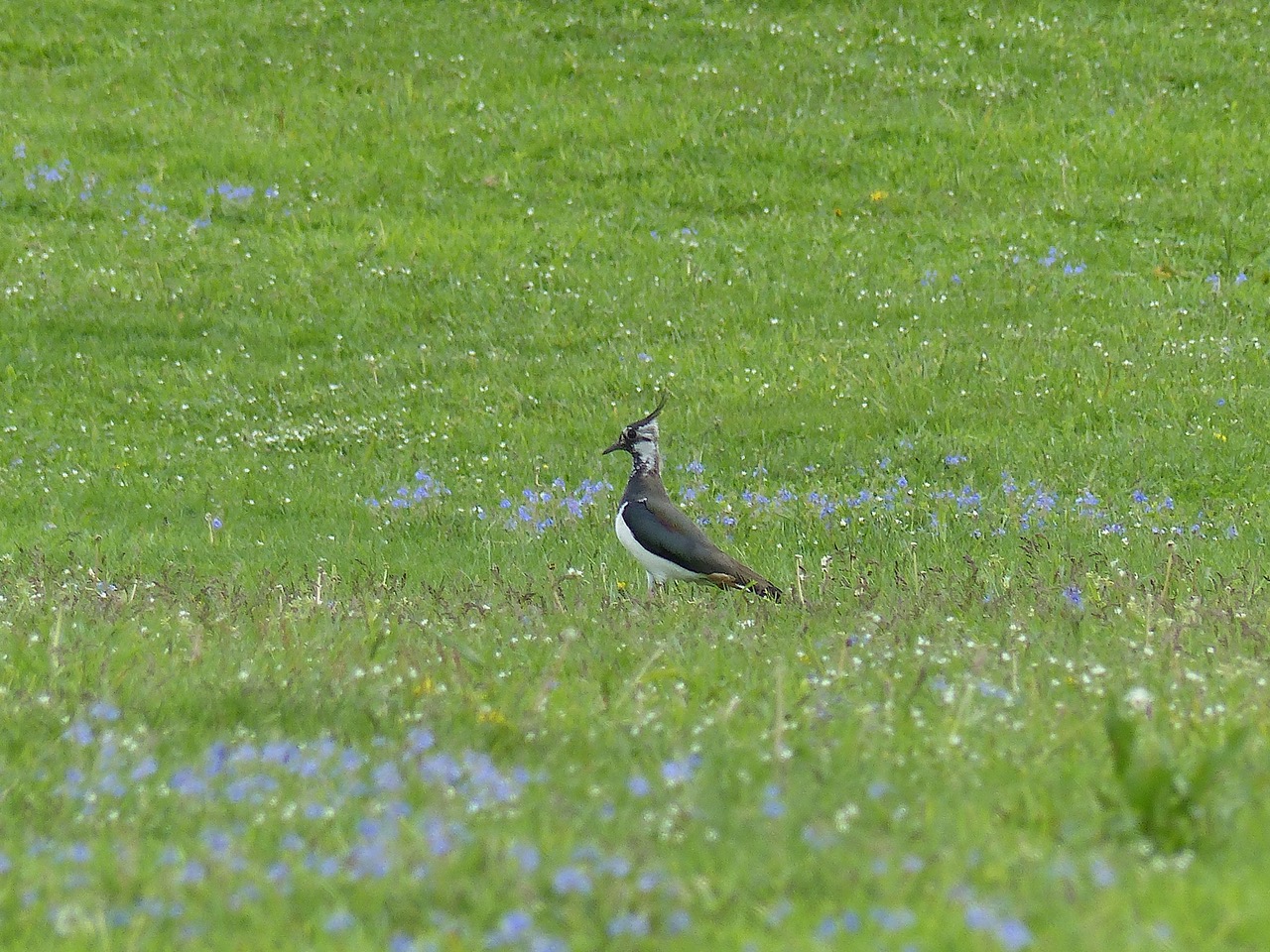
The call of an oystercatcher at night is one of the classic signs of Spring. They’ve now moved inland from wintering on the coast, and their breeding cycle is well underway. Other wading birds like lapwings can be heard and seen in fields, with their piping calls and aerial acrobatics. Blackbirds are now feeding their young in many parts of the north east.
Lower down the catchment, look out for mixed flocks of reed buntings and yellowhammers. You may notice a lot of tweeting, and if you wait and watch, you’ll see them feeding in the stubble and flying into trees when alarmed. Yellowhammers are unmistakable, with their characteristic song, “a little bit of bread and no cheese”, and the male’s yellow head shining brightly in the sun. The reed bunting is equally smart with a striking black head and white collar.
April sees the return of many migrant birds – lots we’ll see from our homes or on our daily walks. Swallows, sand martins and house martins are flying in from Africa, and you might be lucky enough to see or hear songbirds in your garden – songthrushes, chiffchaffs or blackcaps. Blackcaps will even feed at bird tables, and a real treat is to hear one sing – they have one of the best voices in the spring birdsong chorus.
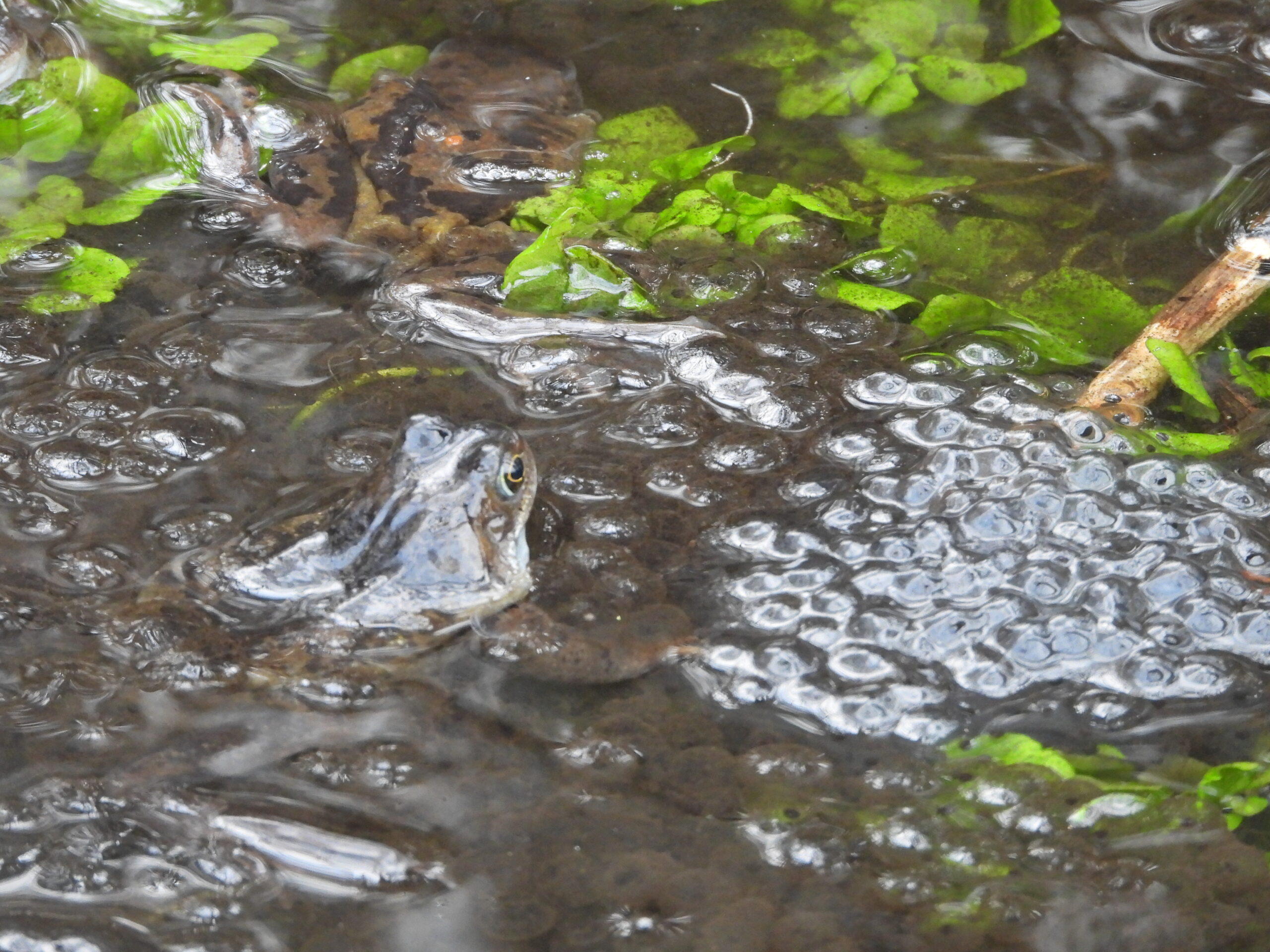
Near water, you may even see an osprey, hunting for fish. If you have a pond in your garden or nearby, look out for grey herons hunting frogs, toads and hatching tadpoles.
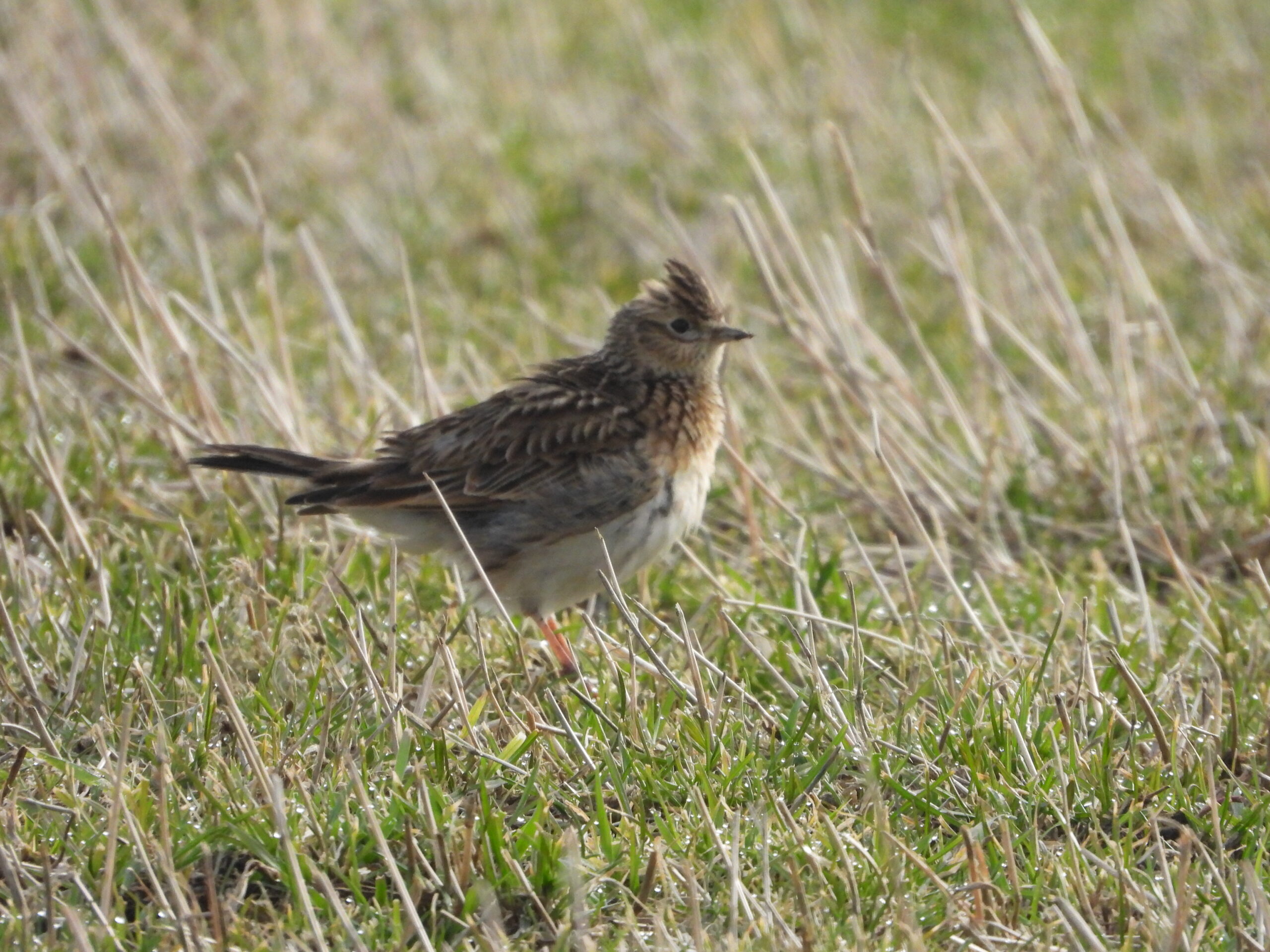
The first swallows arrive soon, and the skylarks are displaying. Look out for birds attacking their reflections in windows – from pheasants to oystercatchers, they are all trying to scare off competition! You might want to put any dog hair outside in your garden for the birds to collect for nest building. Try to resist the temptation to tidy up the garden – starlings use bits of long grass and dead plant for their nests.
Butterflies, moths & other minibeasts
Butterflies and bees feed on early flowers this month- the daffs in your garden are doing a good trade just now, and emerging insects in turn are food for breeding birds and migrants.
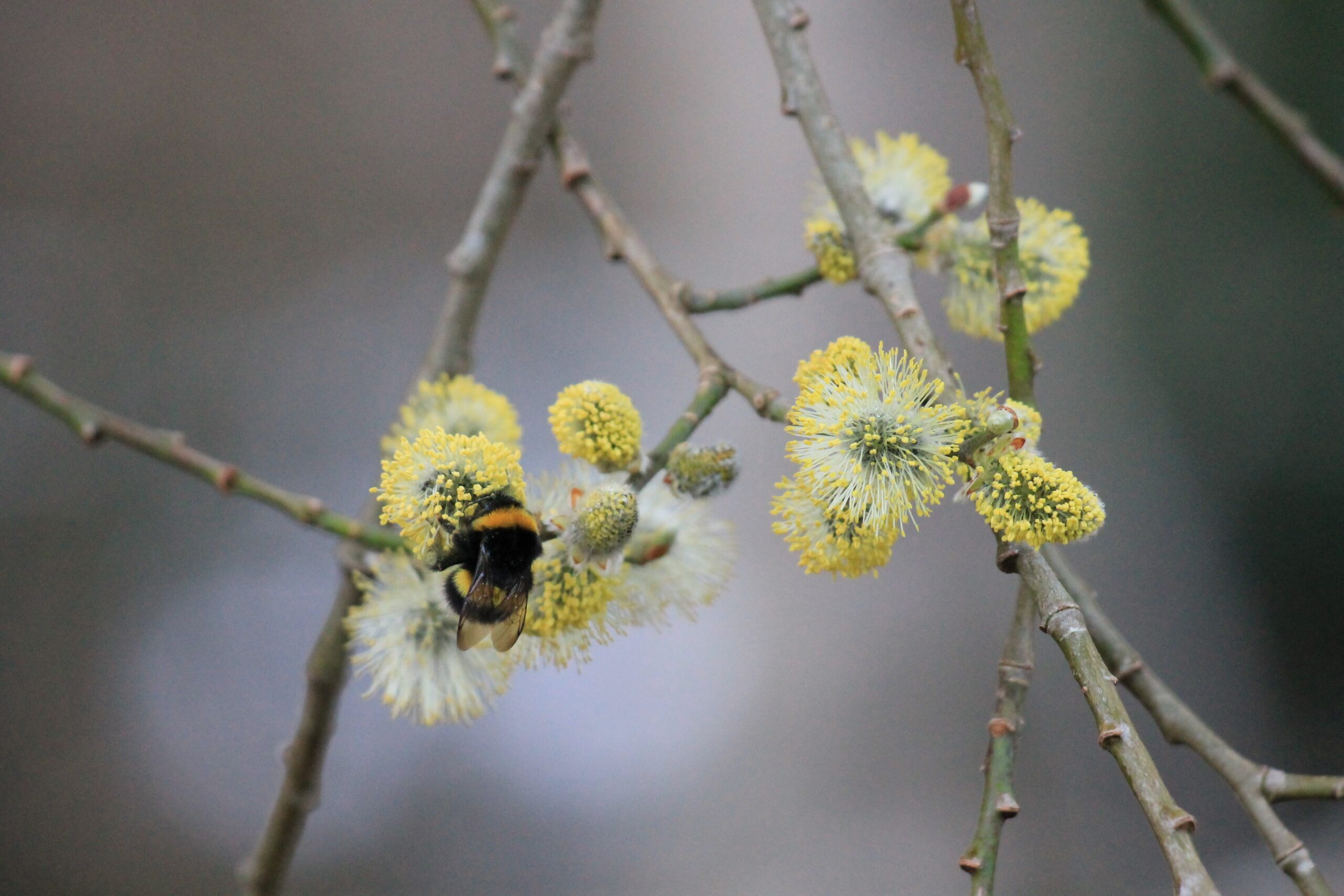
In eastern Deeside, look out for buff-tailed bumblebees flying low over tussocky ground searching for nest sites. They’re chunky things with an almost orangey-yellow colour to their tails.
Look out for fox moth caterpillars crawling across paths on heathy ground. They’re getting ready to form their cocoons, but many can be spotted in full view on a sunny day, basking in the sun.
If you creep quietly up to a pond, you may be rewarded with the sight of a pondskater. These long-legged creatures spend all their lives on the water’s surface, gliding across it and feeding on dead or dying insects that have fallen in. They have hairy undersides on the ends of their long legs that enable them to trap air, and stay on the water surface without breaking the surface film.
Many of the moths and butterflies that overwinter as adults are stirring now and small tortoiseshell and peacock butterflies can be seen fluttering around the windows of garden sheds where they’ve been hibernating. They’re emerging to stock up on nectar and find a mate – males are territorial and you may see two duelling together, spiralling upwards rapidly, then separating as the male holding his patch sees off the rival. Females of both species lay their eggs on nettle patches in sunny spots.
Look out for white butterflies towards the end of the month. The green-veined white is the most common in Deeside. You can identify it by the dark greenish speckled veins on the underside of its wings. The orange-tip is also widespread and the male has very distinctive orange wingtips, but both sexes have a beautiful marbled pattern on their hindwing undersides.
Hebrew characters, common quakers and clouded drabs are some of the commonest nocturnal moths around this month. You might see them appear at lighted windows, or head out with a torch and you could spot them feeding on pussy willow catkins.
By day, look out for the Kentish glory moth – the leaves of young birch trees are food for their offspring, so if you’re in the Banchory area or further up the Dee valley, you may see the orange-brown blur of males flying at high speed in search of females that give off their attractant pheromone scent.
You’ll see the familiar seven-spot ladybird throughout Deeside this month, as it turns up anywhere there are aphids to feed on. Adults hibernate in hollow plant stems, sometimes clustering in large numbers. It’s a migratory species – large numbers fly in from the continent every spring, boosting our native population.
Mammals & other larger animals
Roe deerbucks are now beginning to shed the ‘velvet’ from their antlers. The velvet skin covering the antlers contains the blood supply for their fairly rapid growth over a few months. Deer grow a new set of antlers every year, ready for the rut (mating season), which is summer for Roes and autumn for Reds. The red deer shed their velvet later in the year.
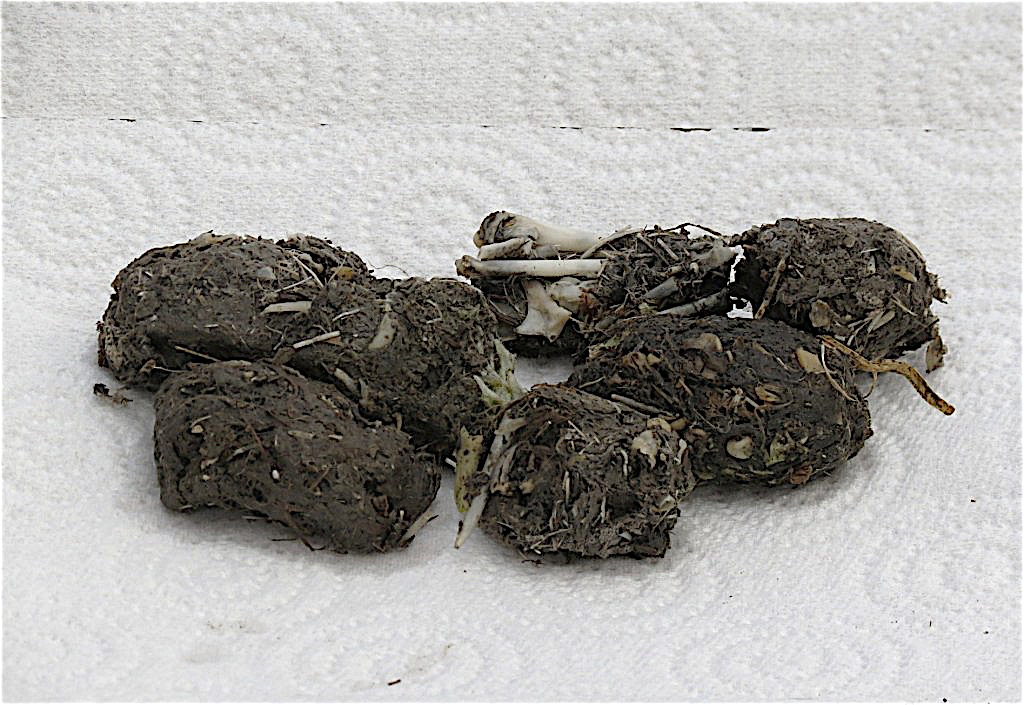
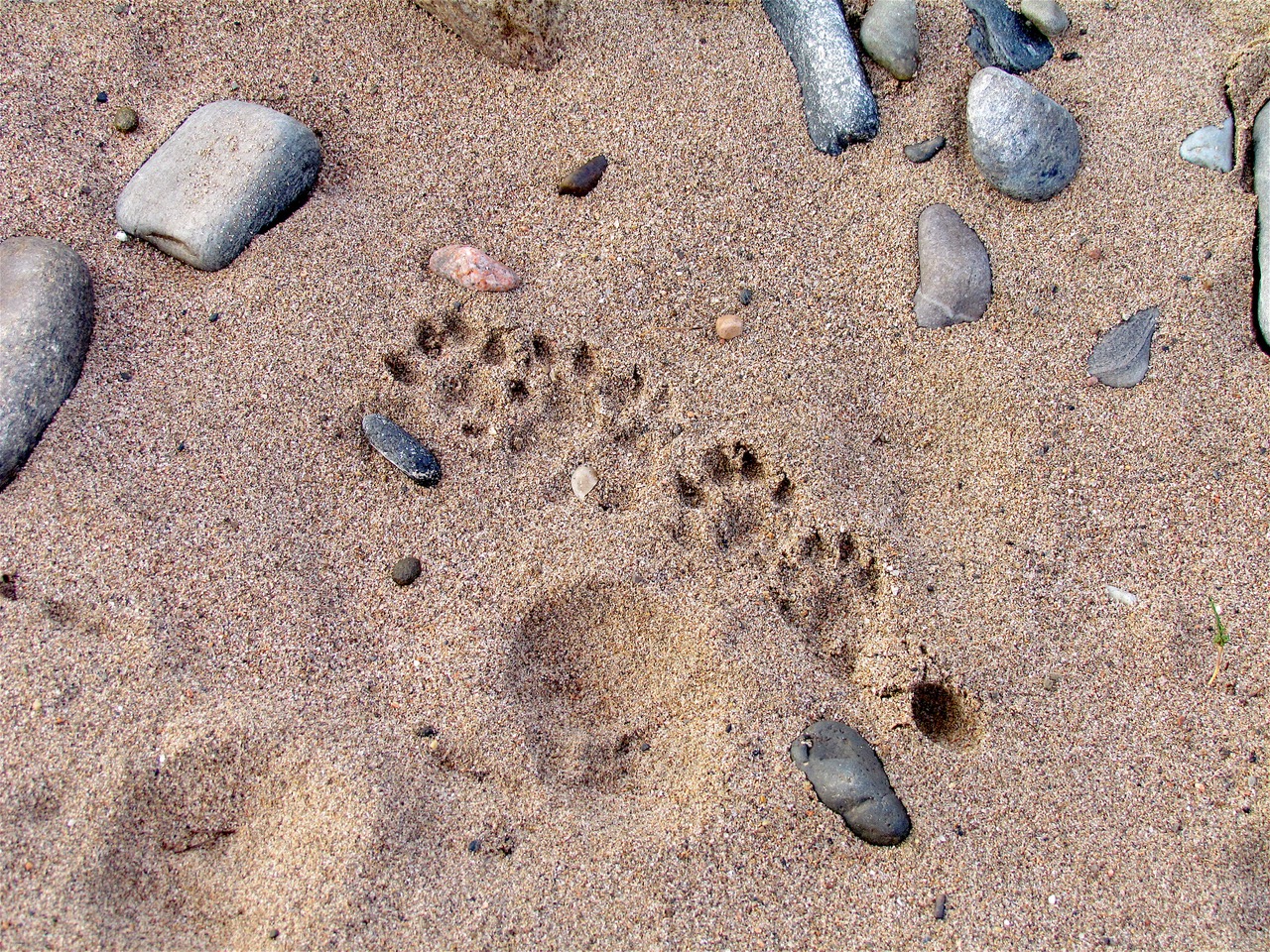
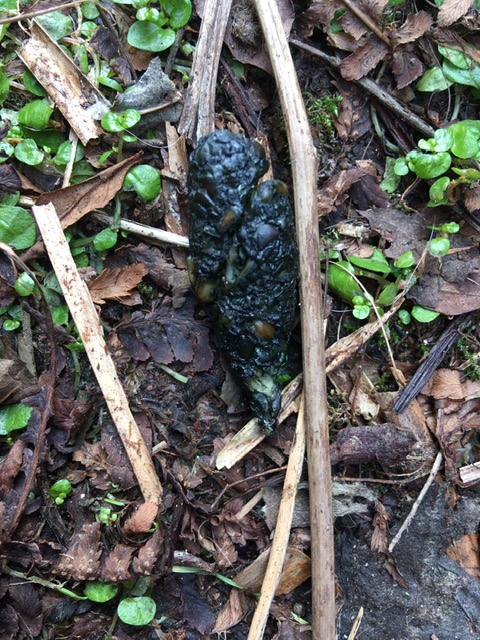
Otters will make trips to ponds and watercourses in Spring, to catch breeding frogs and toads – you may find remains of frogs or toads near water where they’ve been feeding. Loch Kinord and Loch Davan are good otter-spotting places, particularly at dusk or dawn. Badgers are emerging with the arrival of Spring – they had their cubs in January or February, and will now venture out from the sett before nightfall.
Trees, flowers, fruits & fungi
Trees are coming into leaf across the catchment, and the new leaves are super tasty to bugs as they have fewer tanins – willow catkins are a great source of early pollen for emerging insects.
Bees and insects are delighted too with the Spring-blooming flowers – across Aberdeen, the last of the crocuses fade and the daffodils come into their own along the riverside and in the parks thanks largely to David Welch, who planted 12 million daffs and 30 million crocuses over the course of 20 years!
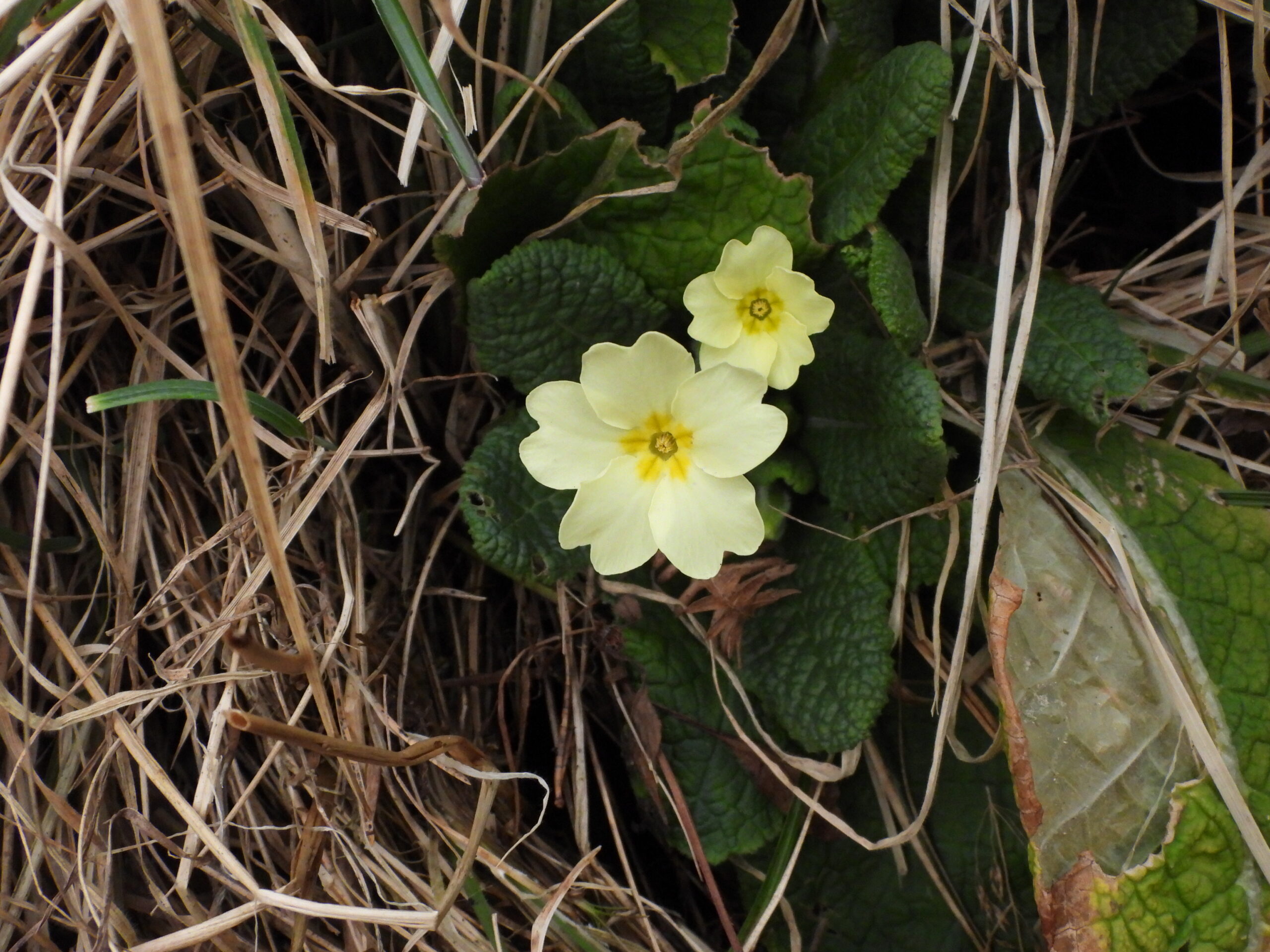
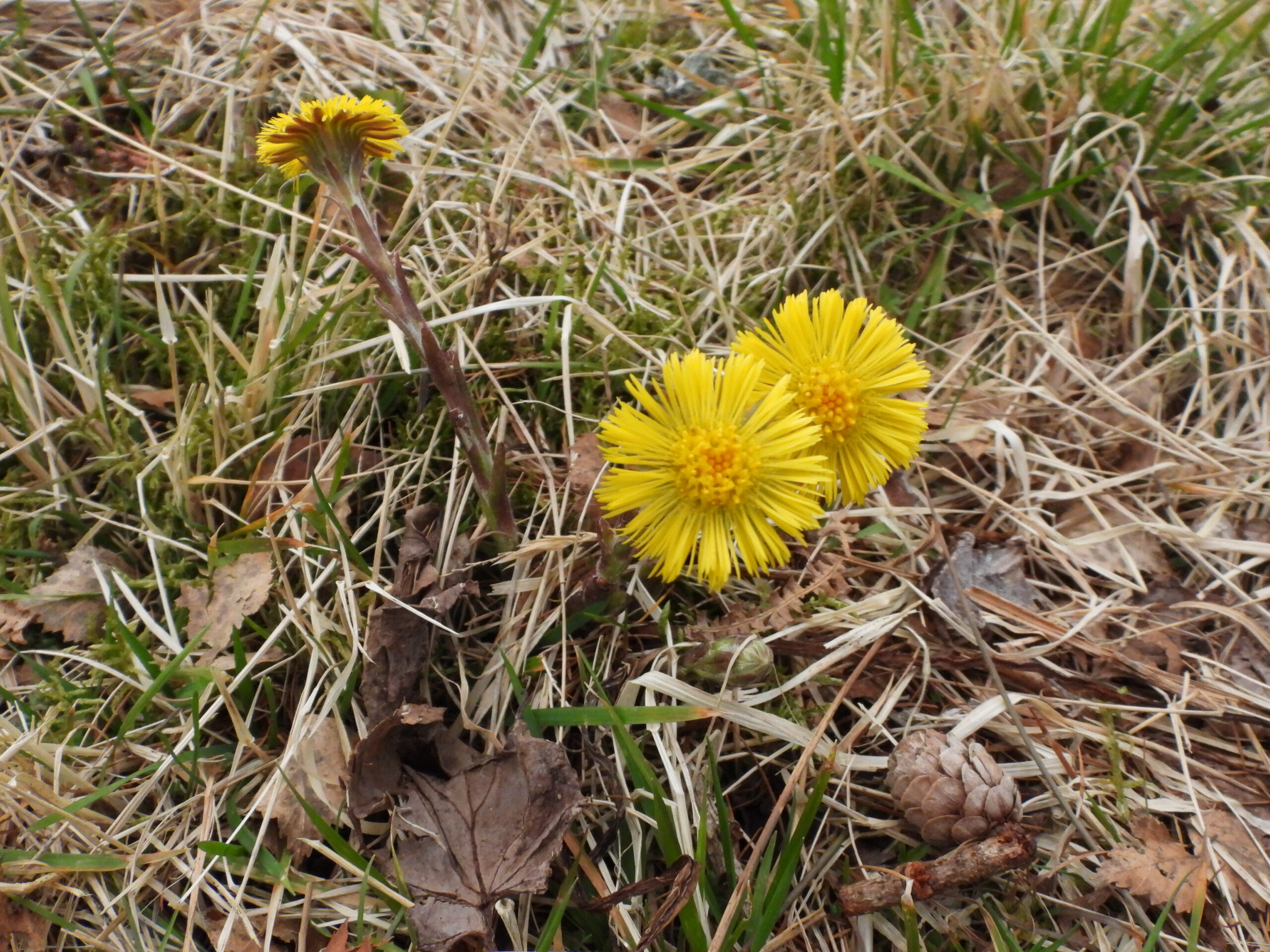
Further west in the catchment, Potarch is a great place to spot wildflowers, especially on the south-facing banks of the Dee. Look out for wood anemone, the pale yellow wild primrose, the bright buttercup-yellow lesser celandine, the poisonous green-flowered dog’s mercury, and the tiny but recognisable flowers on barren strawberry. Coltsfoot, a yellow dandelion-like flower, has been out for some time now, appearing much earlier than their horse-hoof-shaped leaves, and often very close to the water’s edge. Coltsfoot can also be seen along the Denburn near Maidencraig. You’ll spot the dandelion everywhere of course – as common as it is, it’s a valuable source of spring nectar and pollen for our insect pollinators, so please try to leave some to flower in your garden rather than mowing or weeding them all!
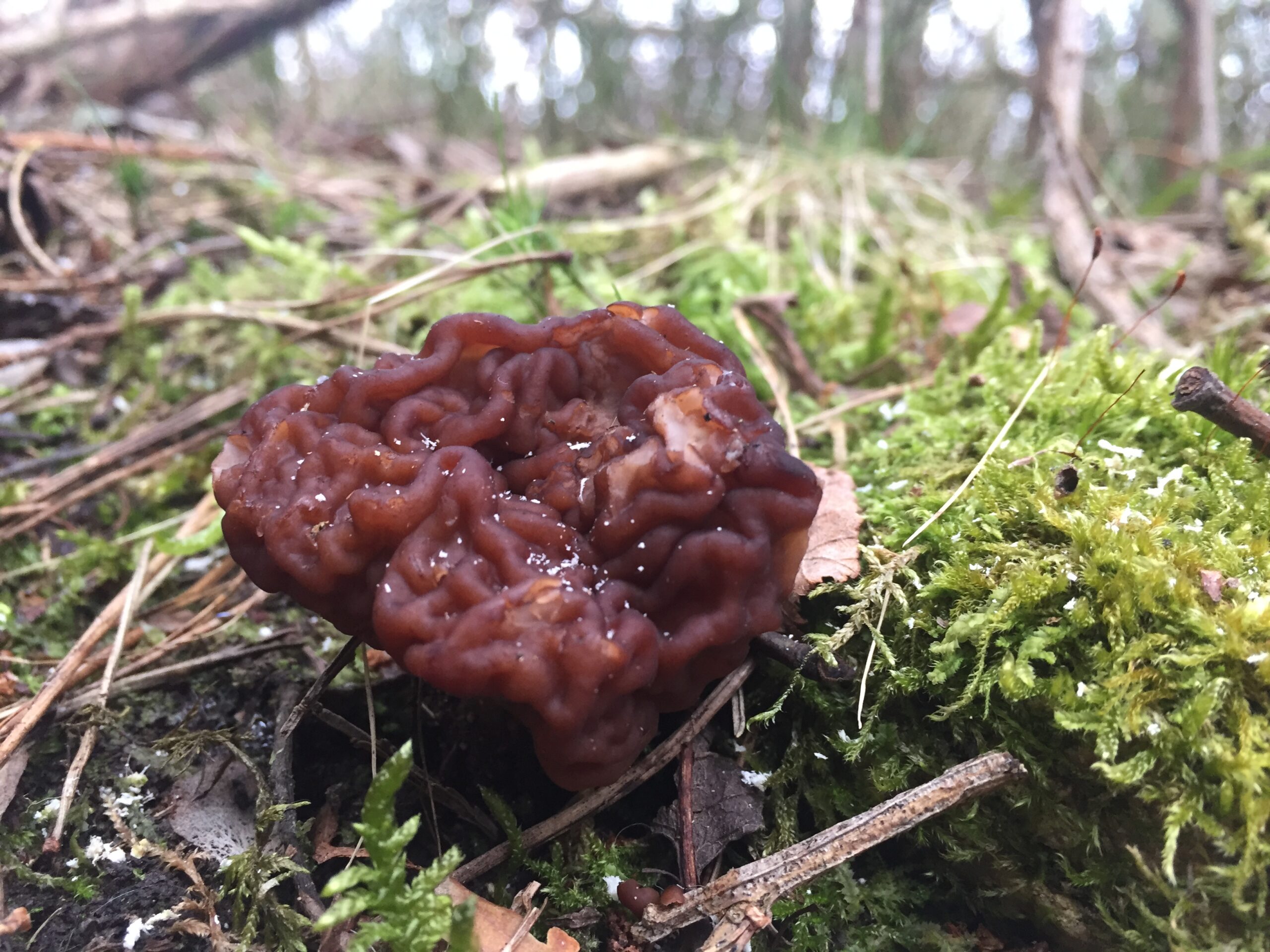
Near conifer woodlands you might see small brown mushrooms growing out of the soil around the base of trees. If you carefully dig around them you can follow the stem down to a buried cone, to which the fungus is attached. The strobilurus species of this fungus tends to appear earlier in the year, and there are different species depending on which decaying cone they’re feeding on – pine cones or spruce cones. Hard to identify without a microscope but the fun part is trying to dig out the cone with the mushroom still attached! Remember – NEVER eat them, they have a cumulative poison called gyrometrin which has a chemical composition similarto aviation fuel.
Take note! If you’re out and about trying to identify local nature, this app allows you to take pictures on the spot that it will try to identify. If it doesn’t know what the species is it gives suggestions of what has been found nearby, and saves your records. It can also look at previous pictures on your phone – handy for things that will sit still and wait for you to take a picture! Competitive kids and adults can even earn badges and achievements!