

 Ambitious recovery programme launched as unprecedented decline in pearl mussel highlights fragile River Dee
 DeeWatch December
It’s beginning to feel Autumn-y! The days are shortening, and there’s often a heavy morning dew, highlighting all the spiders’ webs in the grass.
Be alert for that indefinable smell in the air that says Autumn is just around the corner. Much of the wildlife around this month was here in July, and new life is still plentiful – from the young birds to the ripening seed on many trees and flowers, and the small frogs which have grown from this year’s tadpoles.
Here’s what we’ve seen recently:
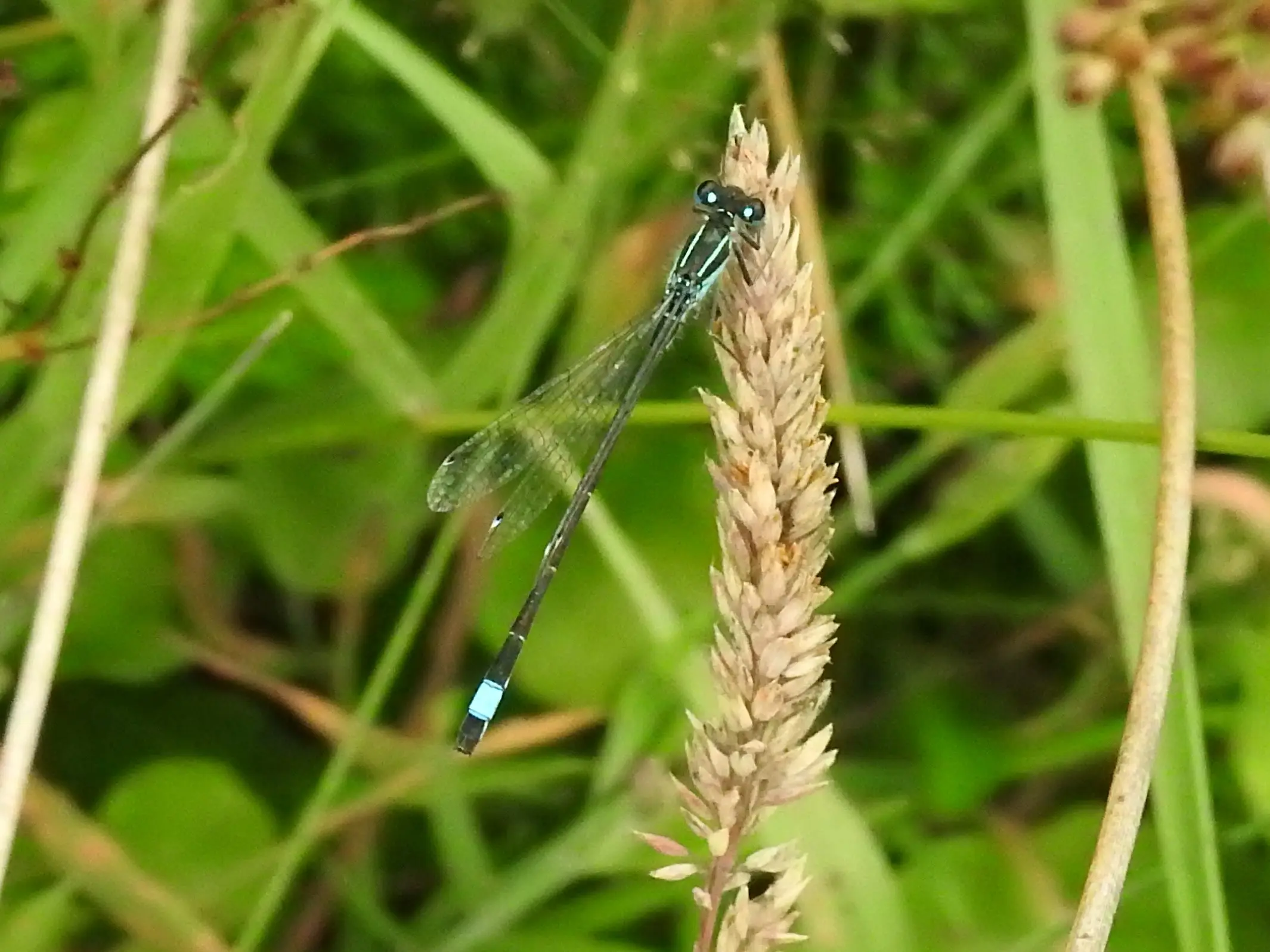
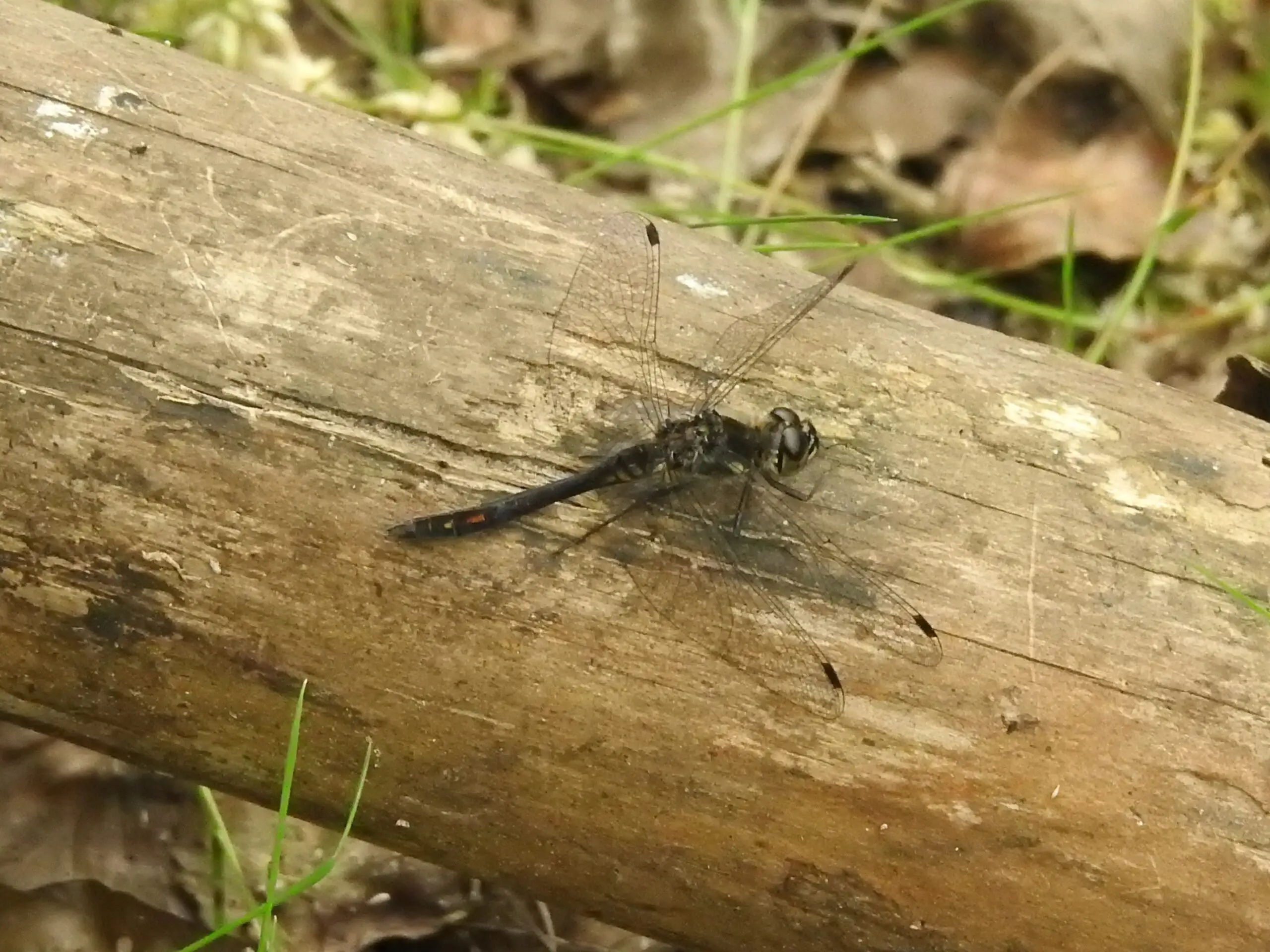
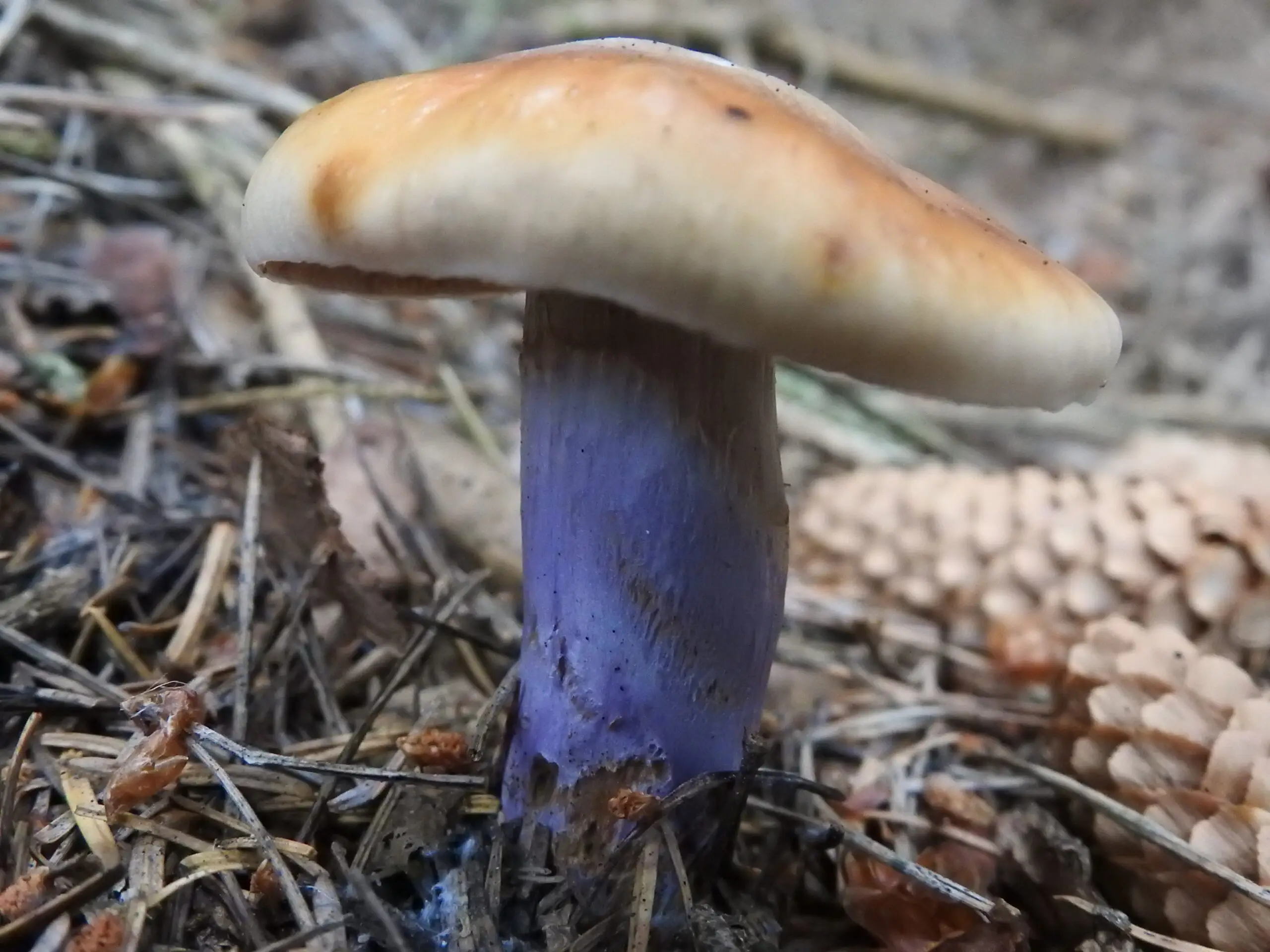
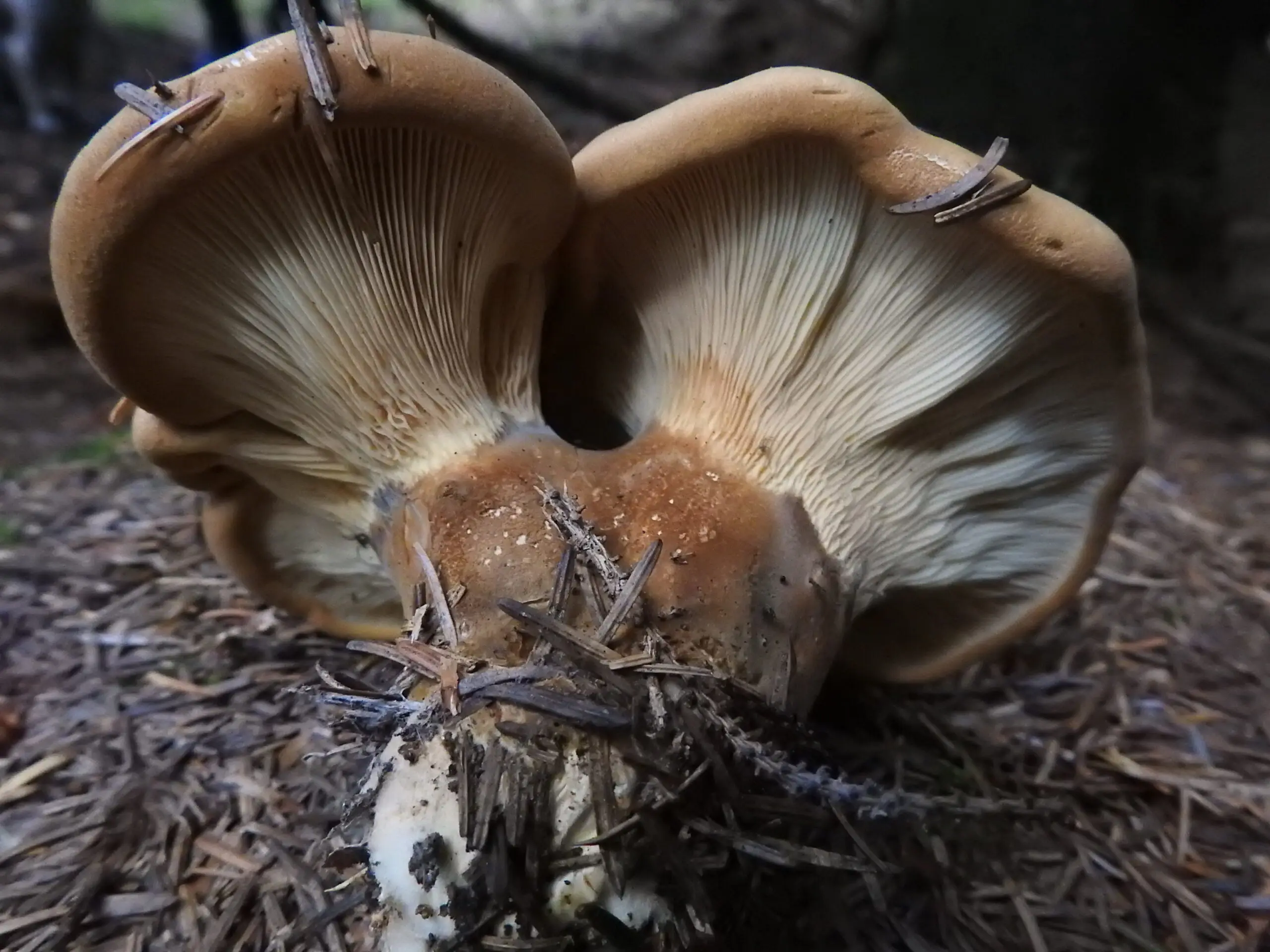
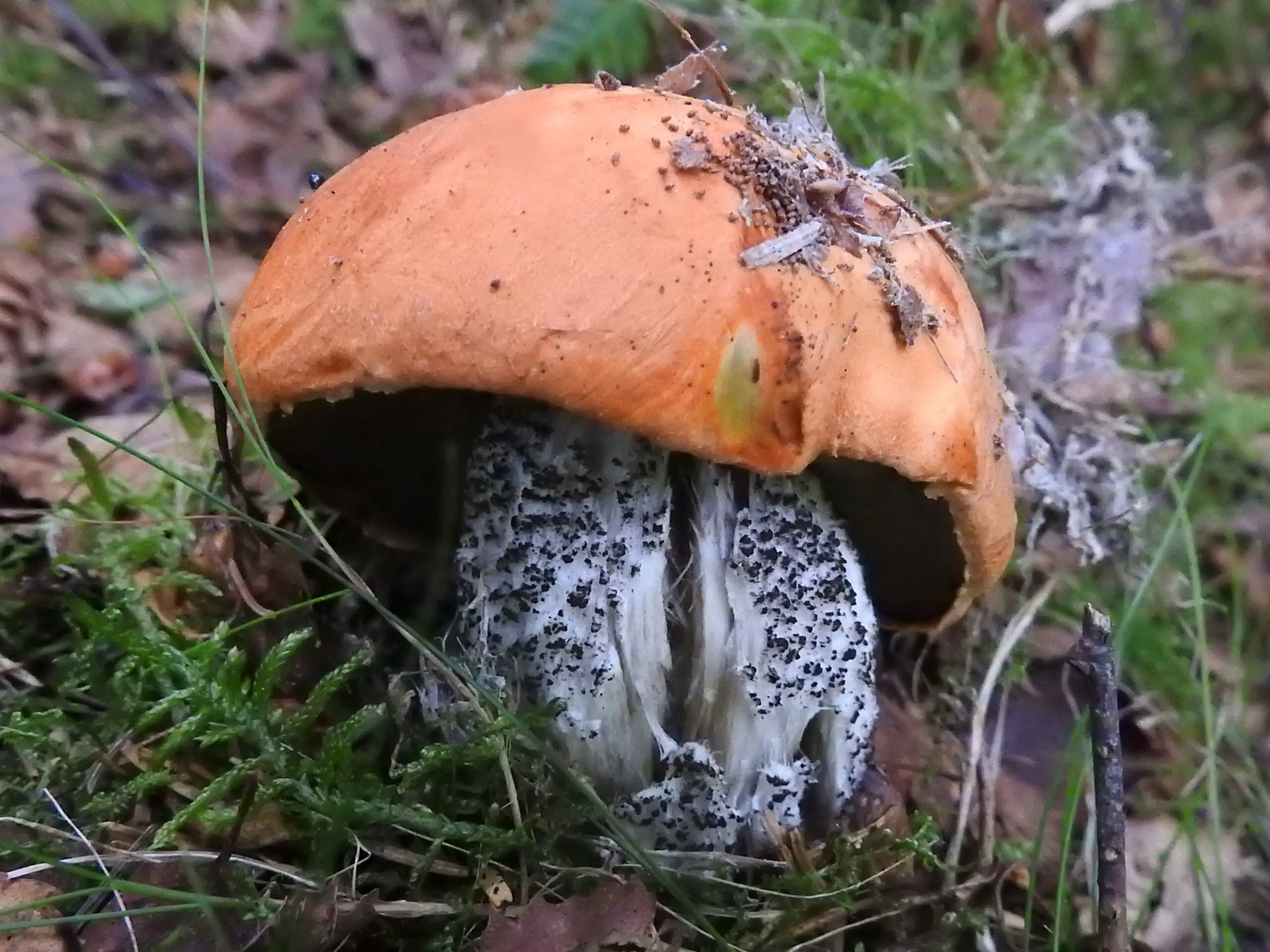
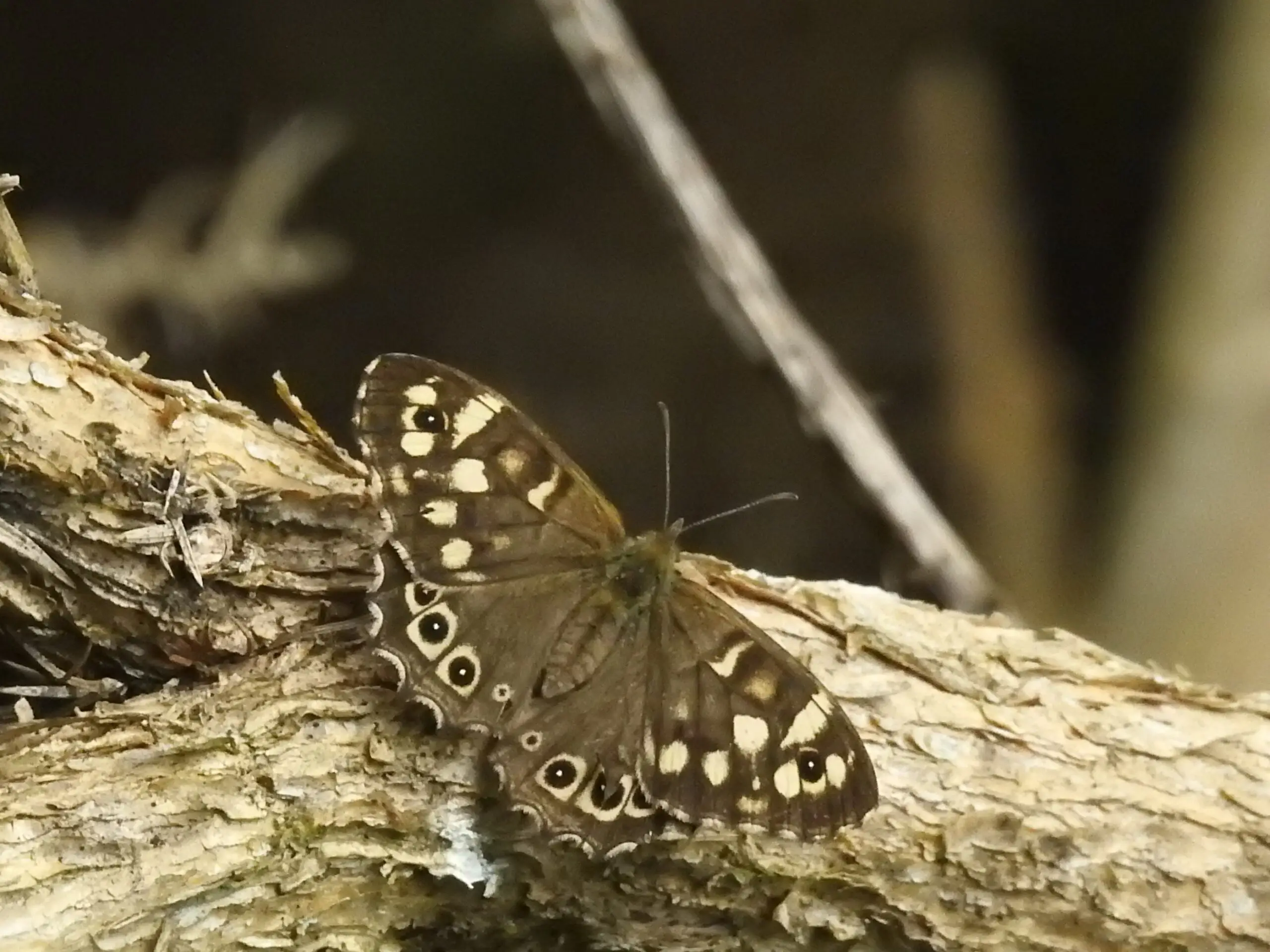
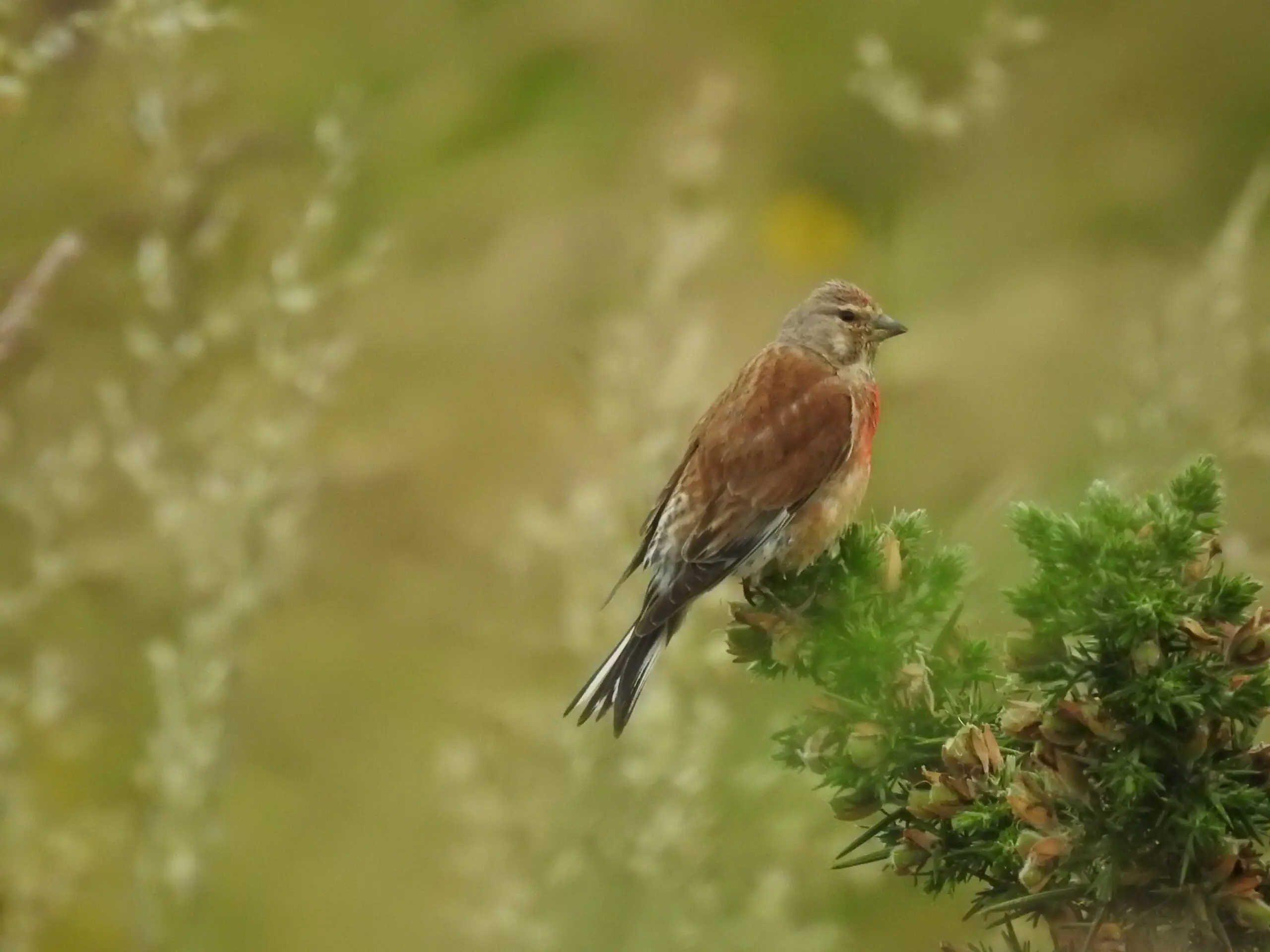
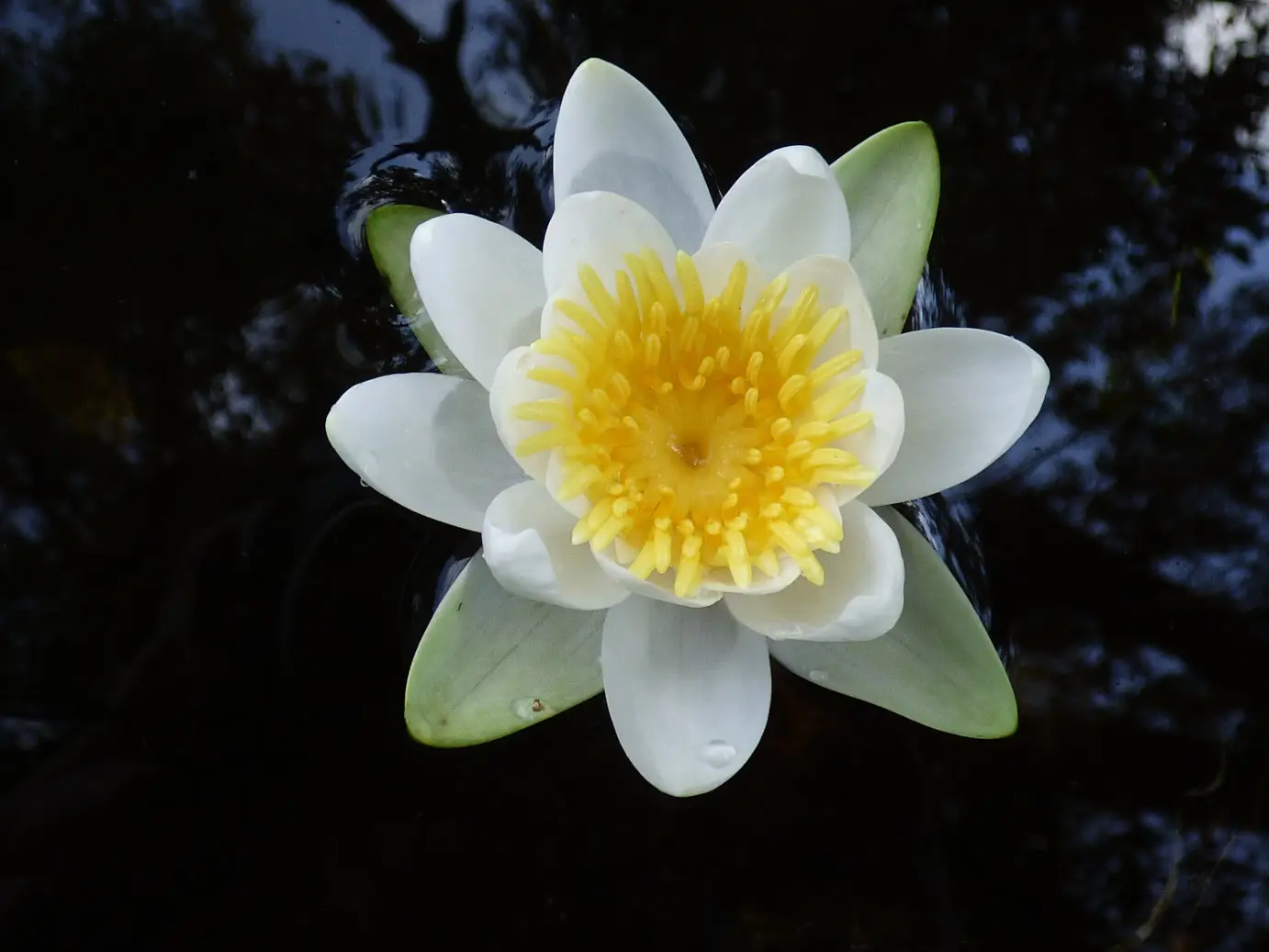
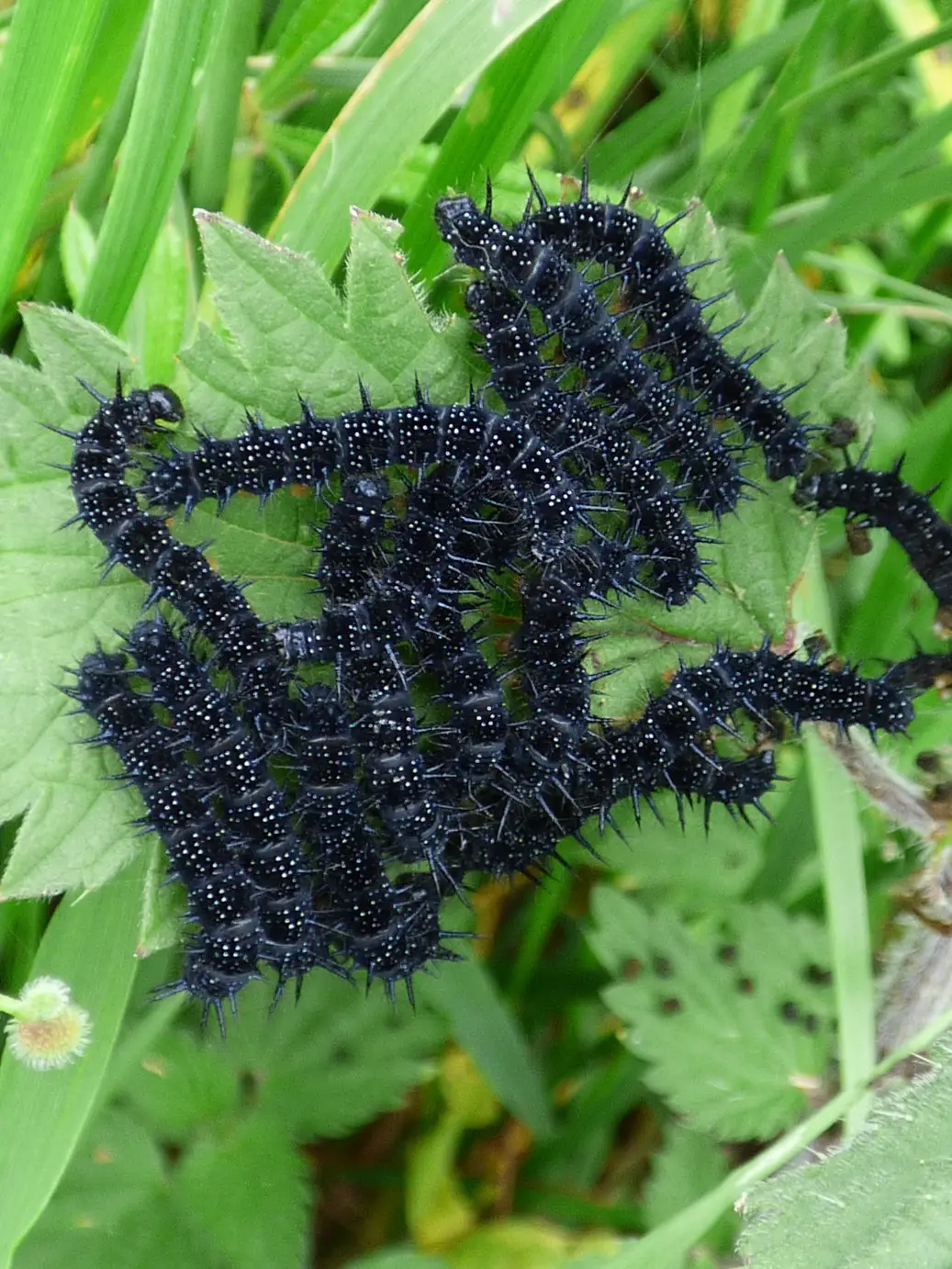
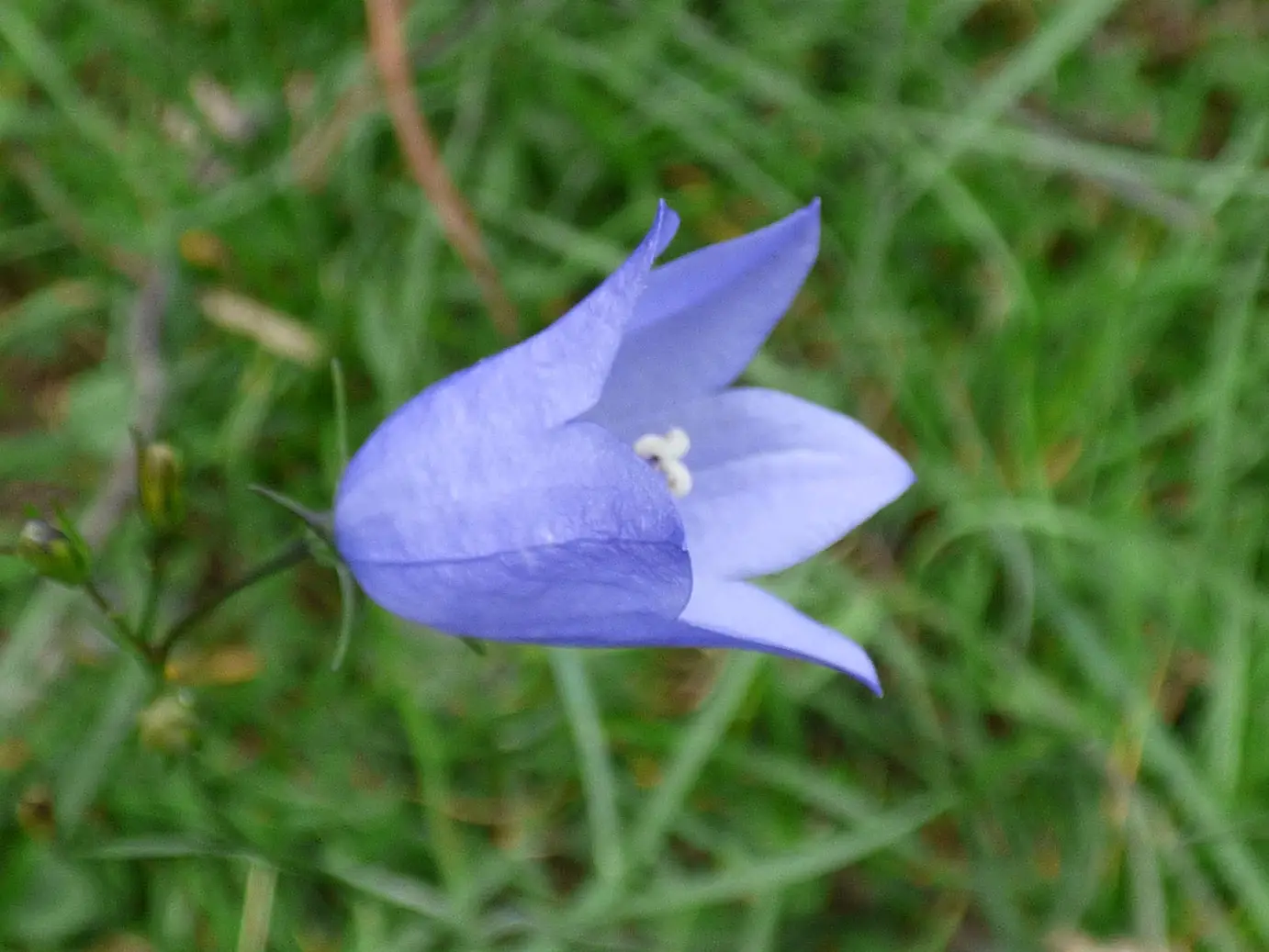
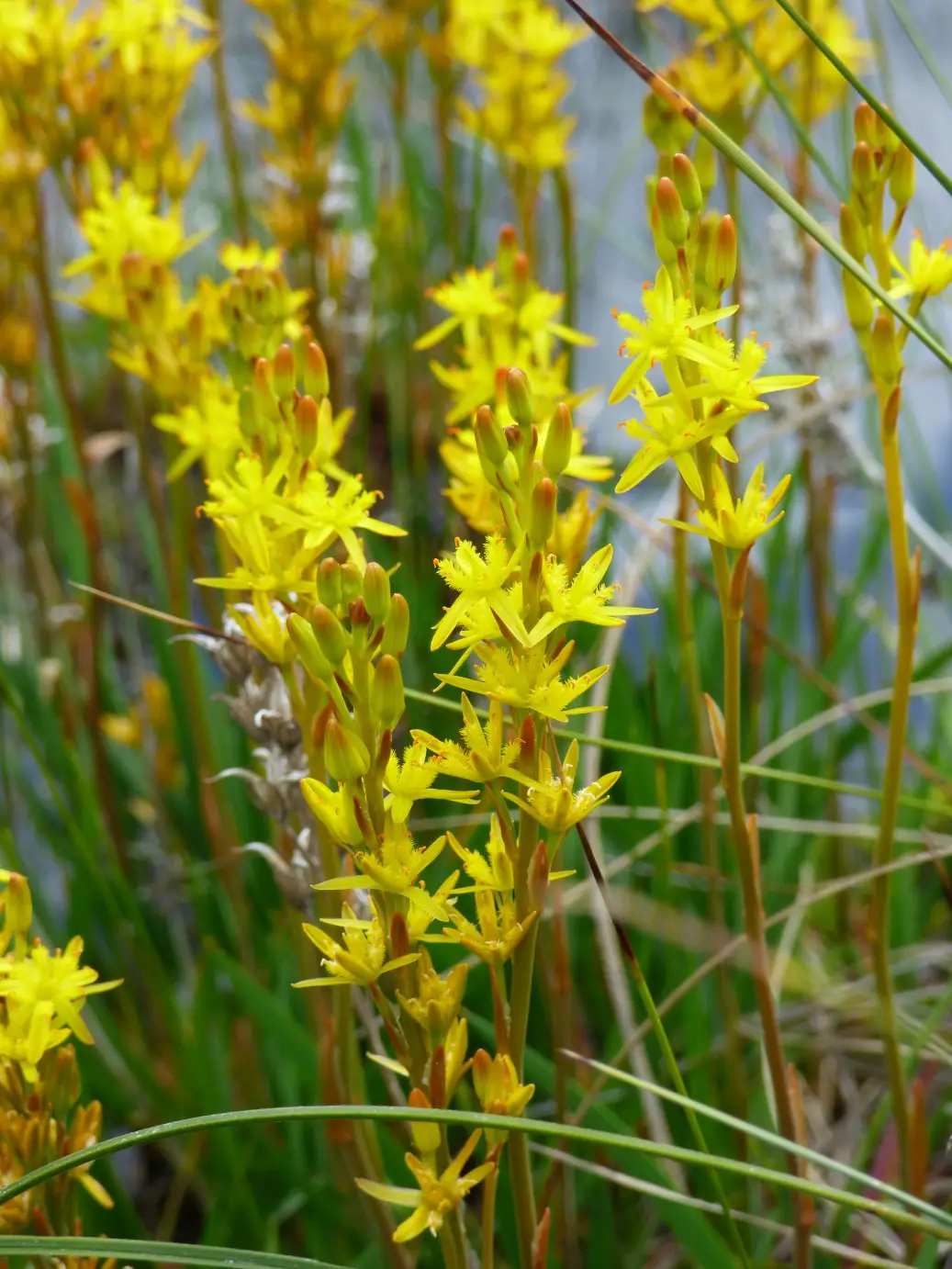
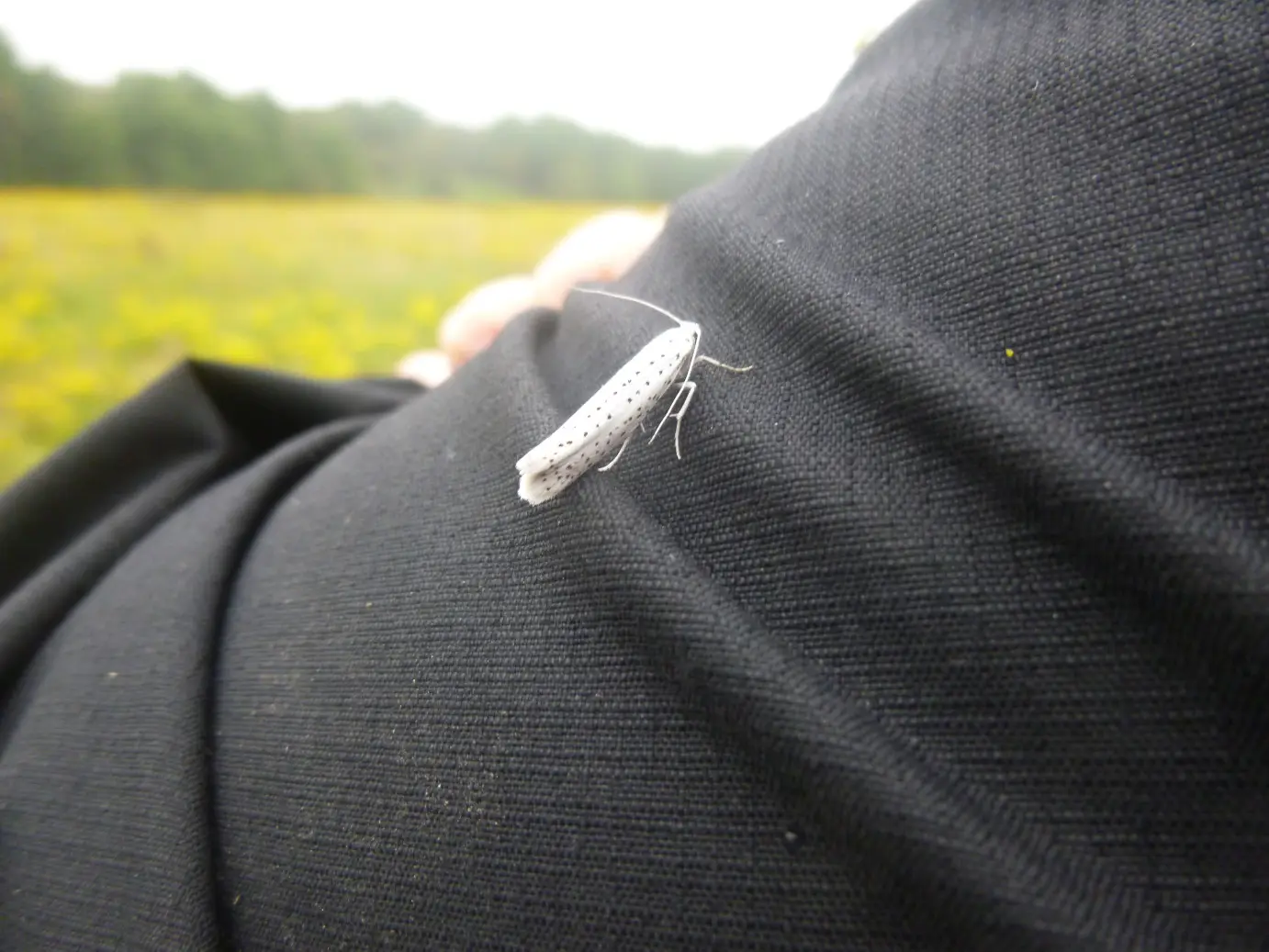
Look out and listen for:
Birds
Birds are on the move. On the coast, waders are piling through, heading south from northern breeding grounds. In the woods, mixed bird flocks have formed, often comprising four tit species –blue, great, coal and long-tailed, plus treecreeper, chaffinch and goldcrest. Willow warblers may also be among them temporarily before starting their southerly migration. These foraging flocks remain through autumn/winter as it means more eyes to spot predators – look out for them in the woods around Loch Kinord.
Young songbirds are still plentiful, but the swifts will disappear any day now, one of the first migrants to head off. It’s always harder to notice things going than arriving of course! Swallows and martins are gathering on the lines, preparing to leave, and feeding over rough grass and barley.
Butterflies, moths & other minibeasts
Scotch argus butterflies are still plentiful in the grasslands of upper Deeside, nectaring on late summer flowers such as devil’s-bit scabious.
Late summer/autumn generations of small coppers and the white butterflies are now on the wing too. If you see a small copper please report your sighting here: https://butterfly-conservation.org/in-your-area/scottish-office/scottish-small-copper-survey
Fresh peacocks and commas are also emerging now and may be seen on wild flowers such as thistles or garden buddleia bushes, along with red admirals and small tortoiseshells.
Moth numbers continue to peak this month, with many species in the adult stage of their life cycle, such as late summer generation brimstone moths, flying at dusk near rowan, their larval foodplant. Others like dark marbled carpet and lesser swallow prominent are camouflaged against tree bark.
The large yellow underwing – one of our commonest late summer moths – is named after its bright yellow underwings, which can startle predators like birds if disturbed. The antler moth – with antler-shaped marks on its wings – is common in grasslands and sometimes seen by day feeding on flowers like ragwort.
Bird-cherry ermine moths are locally abundant by bird cherry trees – as caterpillars they spin webs to protect themselves while feeding on the leaves. They may be seen nectaring on flowers such as wild angelica by day.
The mosquitoes are out in force. Only the females bite, getting a blood meal to provide protein for their eggs. They’ll cheerfully chomp through light clothing, so be prepared. Midges are also abundant – great news for swallows and bats who feed on them at dusk.
There are also lots of hoverflies around, which are important for pollination. The marmalade hoverfly is one of the commonest species, found in gardens as well as countryside, and the large wasp mimic, Sericomyia silentis, is usually found in damp habitats.
In open woodlands on upper Deeside look out for the distinctive bee beetle gorging on the nectar and pollen of various flowers – this species is mostly restricted to the Highlands, where its larvae develop in rotting birch stumps. Common red soldier beetles are much more widespread, and also pollinate flowers such as umbellifers and ragwort.
Around bog pools, dragonflies such as black darters are active, and by upland burns, especially on warm days, look out for golden-ringed dragonflies, hunting midges and other small insects on the wing.
Mammals & other larger animals
With dawn and dusk now happening at a more sociable hour, you’re more likely to spot an otter on an early morning walk–you might try the south east corner of Loch Kinord. At six weeks old, young bats begin to catch insects for themselves and no longer need their mothers’ milk. Summer maternity colonies begin to disperse and bats may move to mating roosts.
The roe deer rut continues until mid August. Courtship involves chasing between the buck and doe for some time until the doe is ready to mate. The young roe deer are losing their ‘baby’ camouflage.
Trees, flowers, fruits & fungi
The grasses are in full flower – look closely, there’s beauty and variety. The green seedpods on broom bushes have now dried out and turned black. Once dry, the natural tension in the pods makes thempop open with a spiralling motion,which flings the seeds like a catapult. Thenext plantsgrowfrom the catapulted seed a short distancefrom the original bush, which is why broom is so goodat spreading across the countryside.
Often found inroadsideditches and other damp places,the noticeable frothy white flowers of meadowsweet have a long history of use. They were strewnon house floors as an air freshener, used to flavour wine and beer,and also as atraditional cure for stomach acidity. In the late 1890s,chemicalsextracted from meadowsweet were used to create aspirin.The same damp areas that are hometo species like meadowsweet are also the favoured habitat of wild angelica, with its stems, flowers and seed heads all tinged with purple.
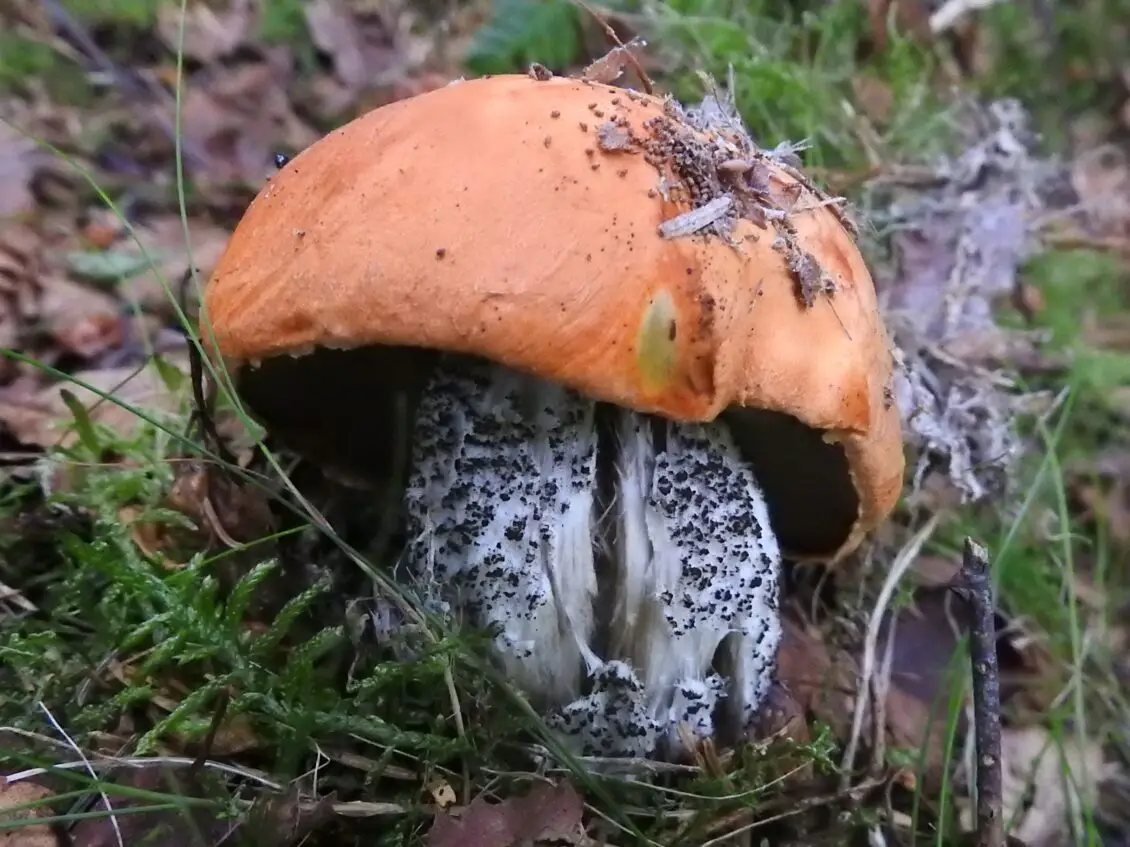
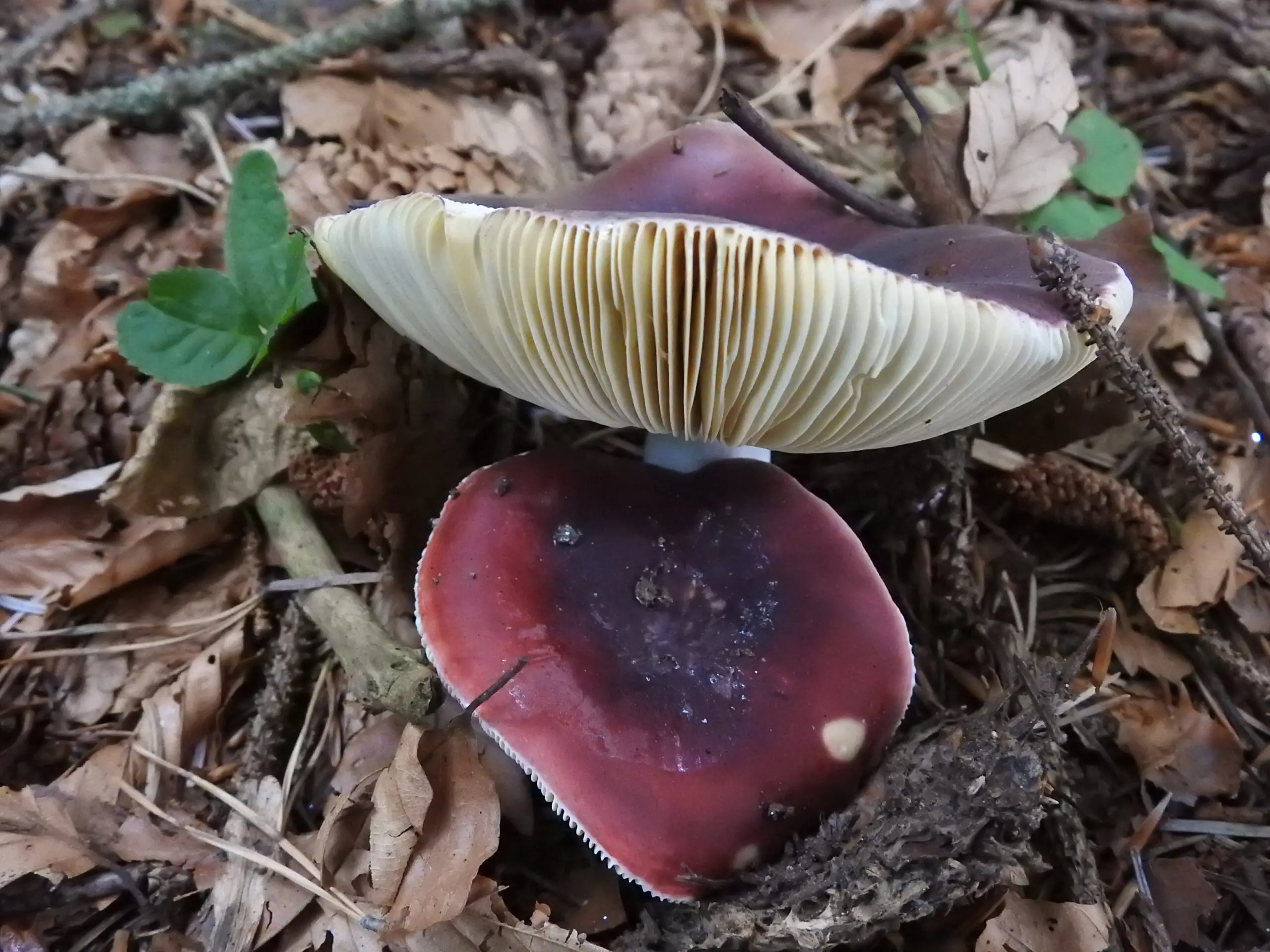
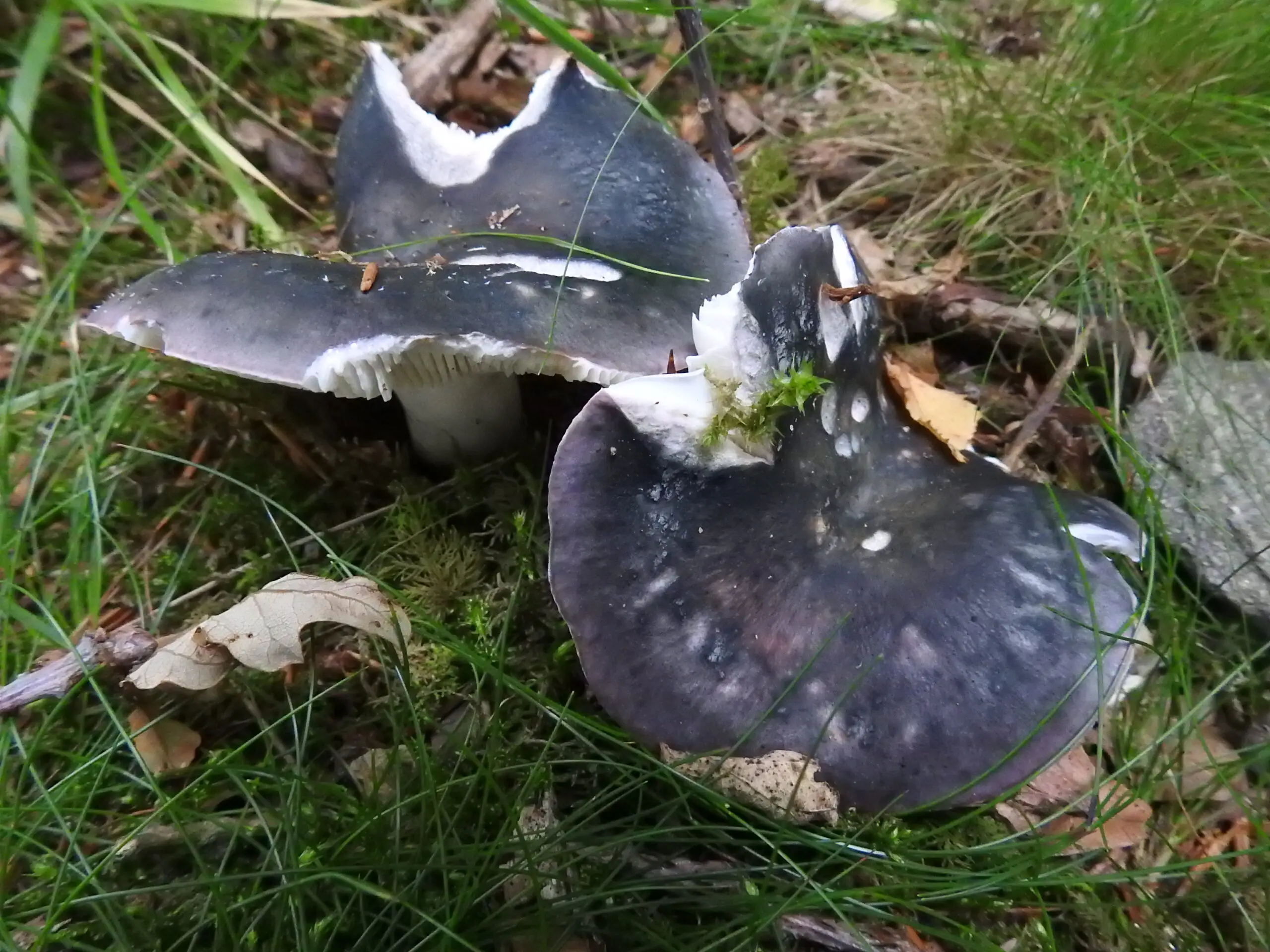
The rowan berries are rapidly ripening on the trees! They’ll soon be visited by birds such asthrushes, eager to take advantage of thefood bonanza. Wild raspberries are at their best, and fungi fruiting bodies are appearingeverywhere, from multi-coloured russulas to blackening waxcapsand puffballs.
Foragers should be aware of the Scottish Wild Mushroom Code.
A funny smell in a grassy area may signal the presence of a stinkhorn, supposed to increase sexual prowess if you eat it, but not recommended!
The pale green flowers of wood sage are still present, but less obvious are late summer flowers like creeping lady’s tresses, with its spike of tiny flowers – each one no more than 2mm across. They’re often flowering now along parts of the Deeside Way or other pinewood places, where they peep out of the mats of blaeberry. In more open grassy areas, look out for the vivid blue of newly flowering harebells, and more locally, kidney vetch, its bright yellow flowers now faded to orange-brown as they set seed.