

 Ambitious recovery programme launched as unprecedented decline in pearl mussel highlights fragile River Dee
 DeeWatch December
So much for a warmer May! The wettest on record, and a cold one too – both of which have a big impact on the nature and wildlife we see, with a trend towards later sightings of plants and species than in previous years. But June has brought some welcome hot and sunny weather, and all being well, the wildlife is at its busiest this month! On Monday 21st, we reach mid-summer and the longest day of the year. We’ve heard summer sounds, like the cuckoo’s call, since mid May and now there seems to be something new to see every day. The long days give birds more time to forage to feed their chicks, who are beginning to learn to find food for themselves after fledging. Happily for them, and thanks to this warm weather, there are suddenly plenty of insects around, so food is plentiful – this is why many migrant birds come here every summer from places like sub-Saharan Africa.
This month brings 30 Days Wild – the UK’s biggest nature challenge, organised by the Wildlife Trust. Can you do one wild thing a day throughout the month of June? That’s 30 simple, fun and exciting Random Acts of Wildness. Meanwhile World Environment Day falls on Saturday 5th June – join #GenerationRestoration and think about what you can do to revive and protect our world’s ecosystems. Wold Environment Day is swiftly followed by World Oceans Day – an opportunity for all of us to call on world leaders to protect 30% of our blue planet – by creating more highly protected areas – by 2030, to help ensure a healthy home for all of us.
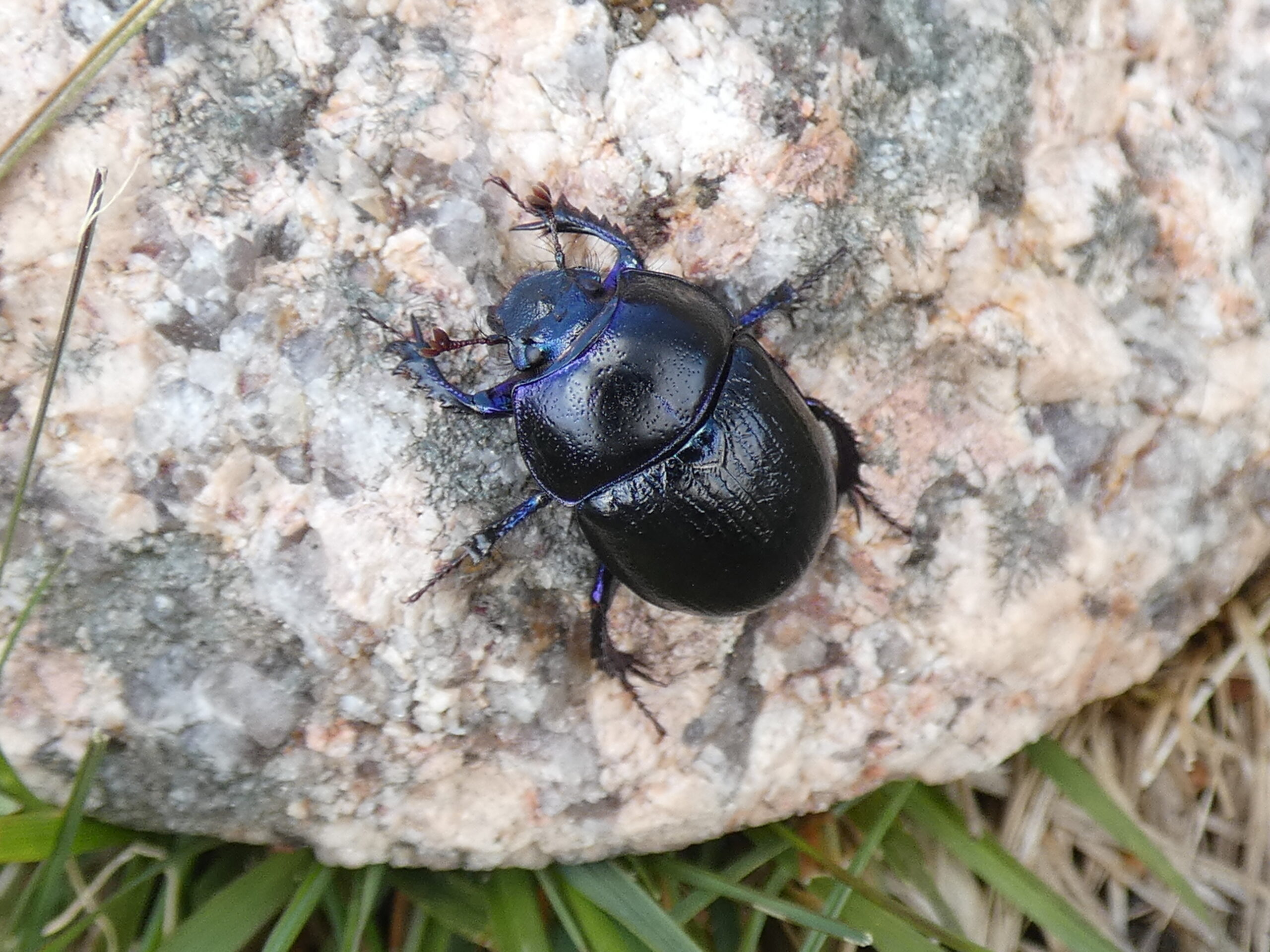
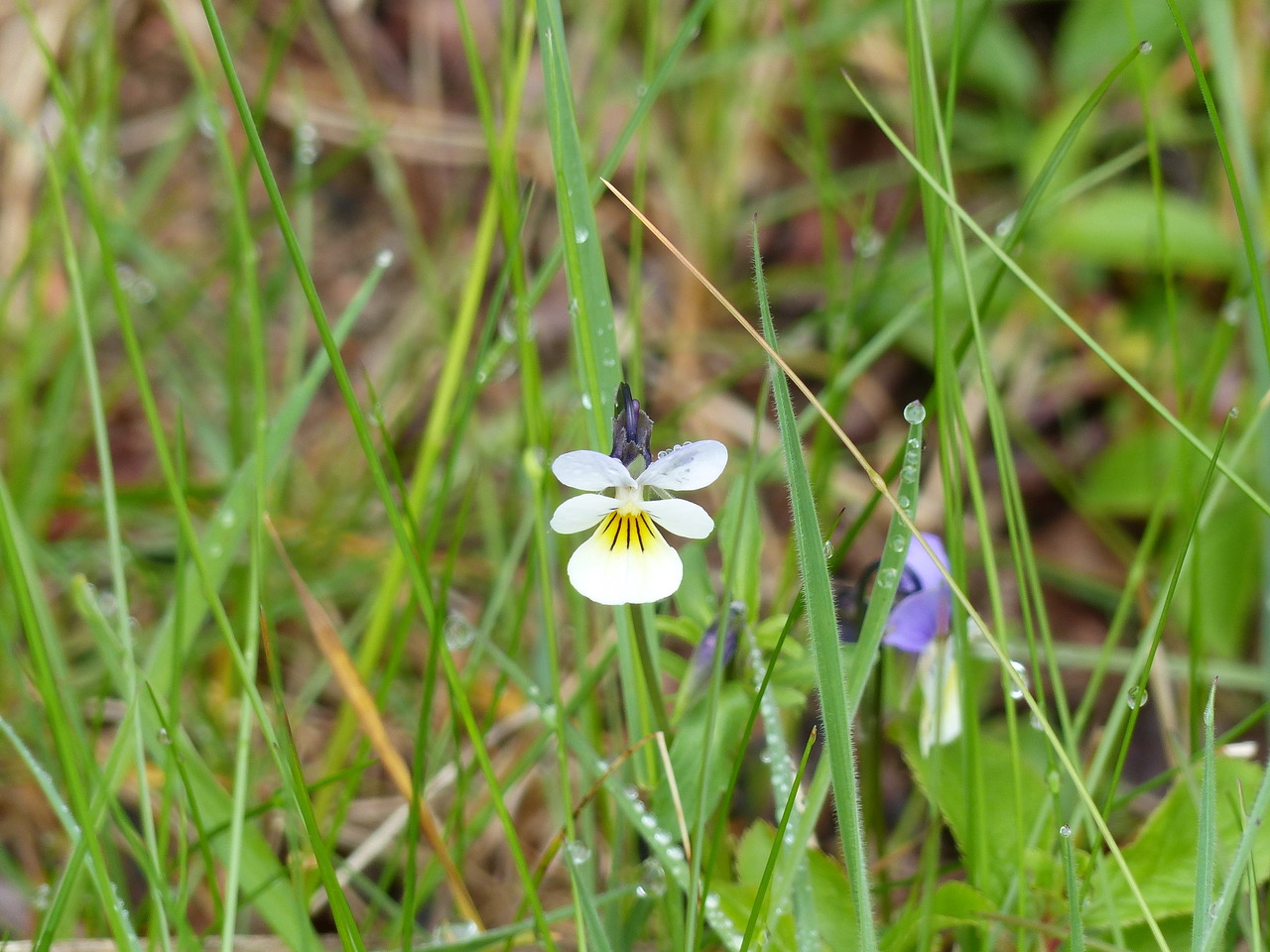
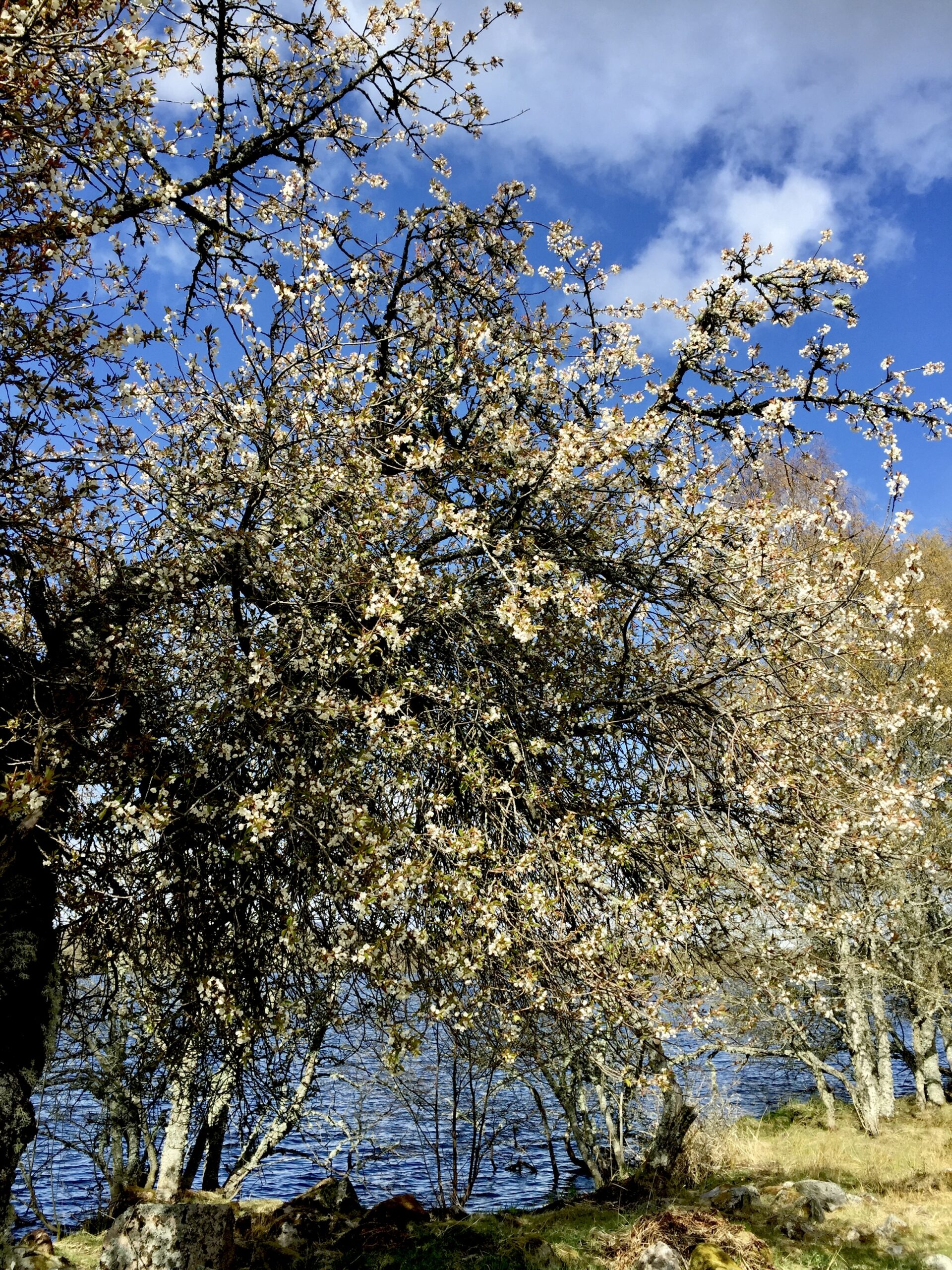
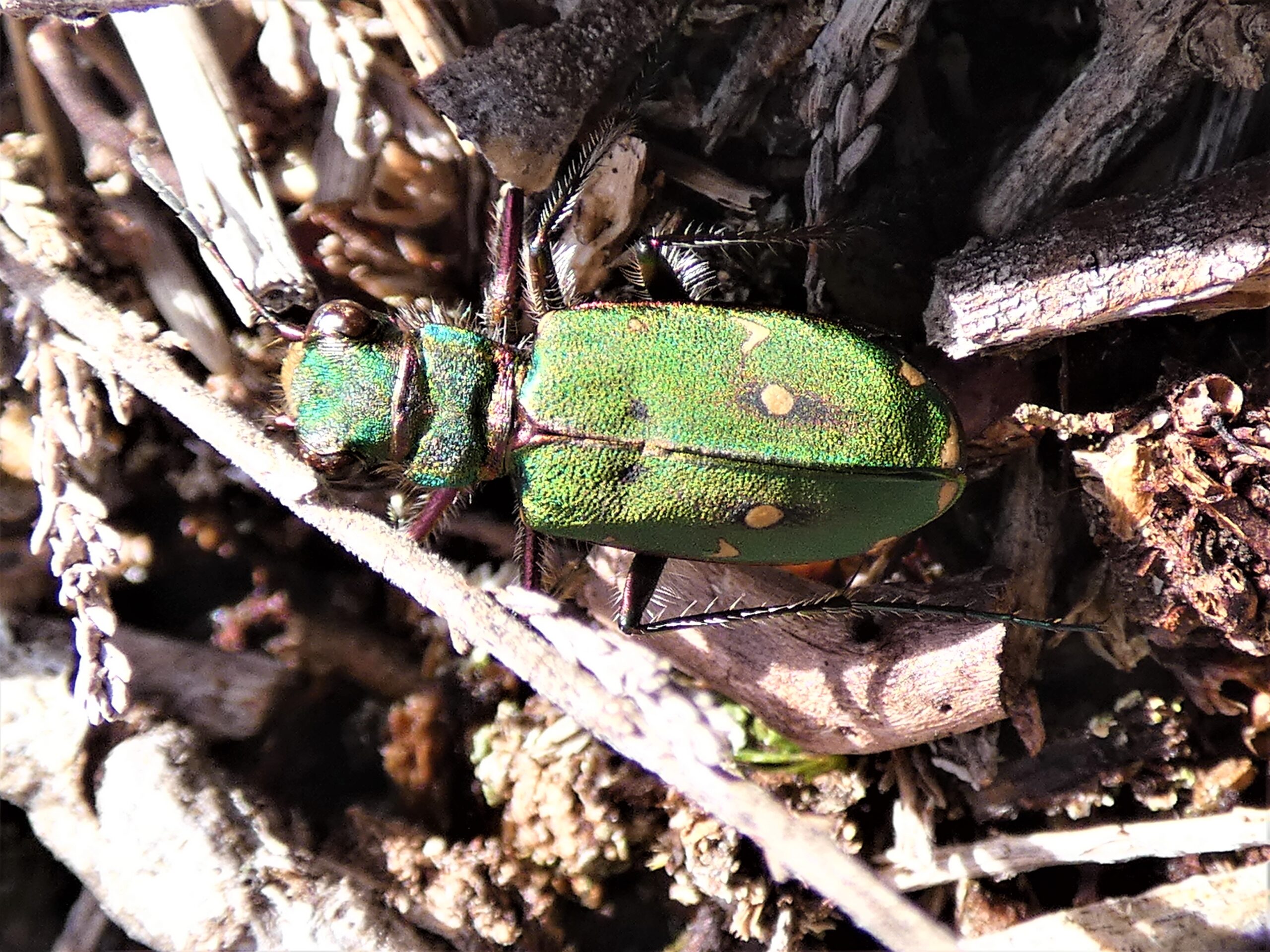
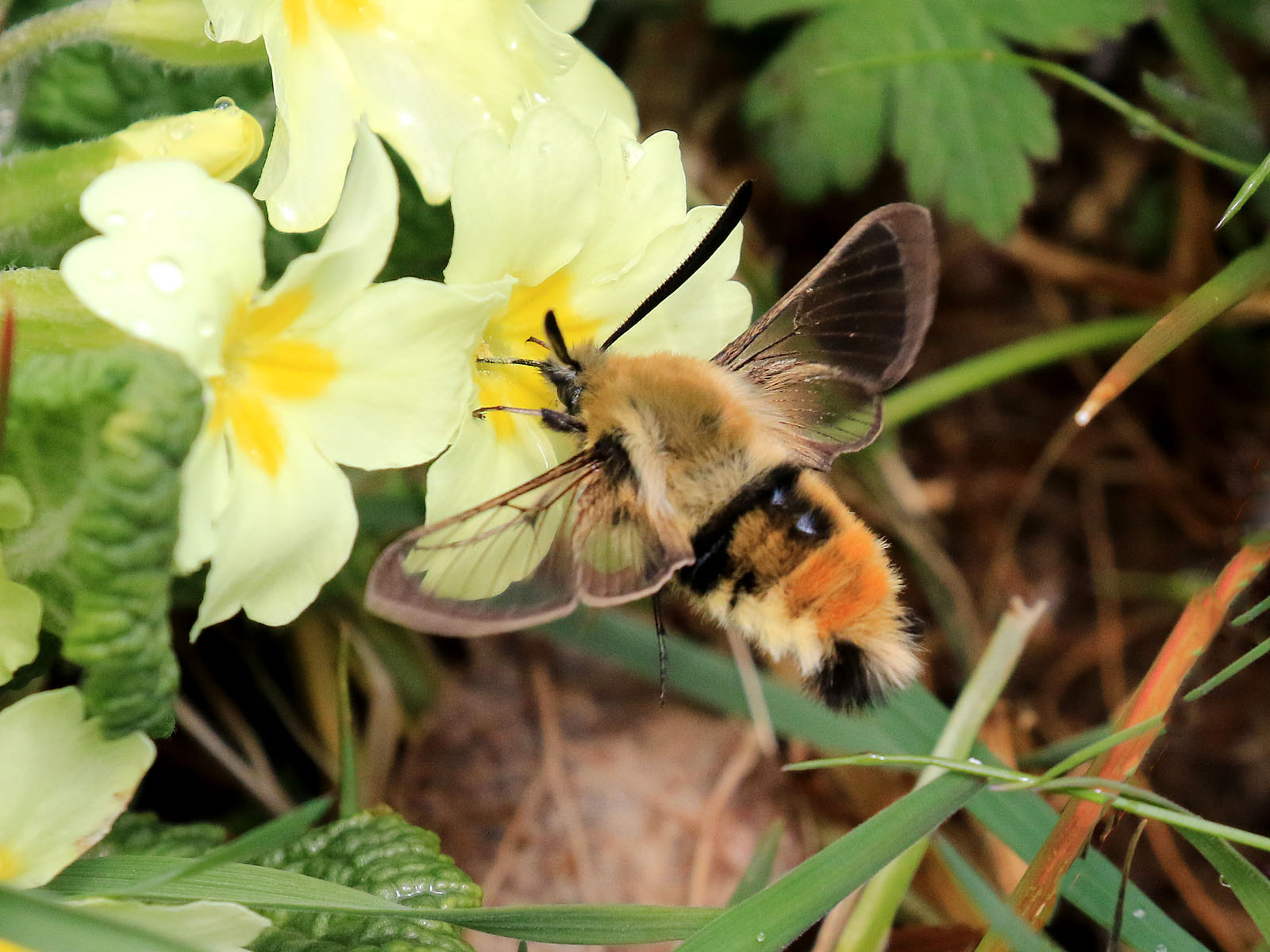
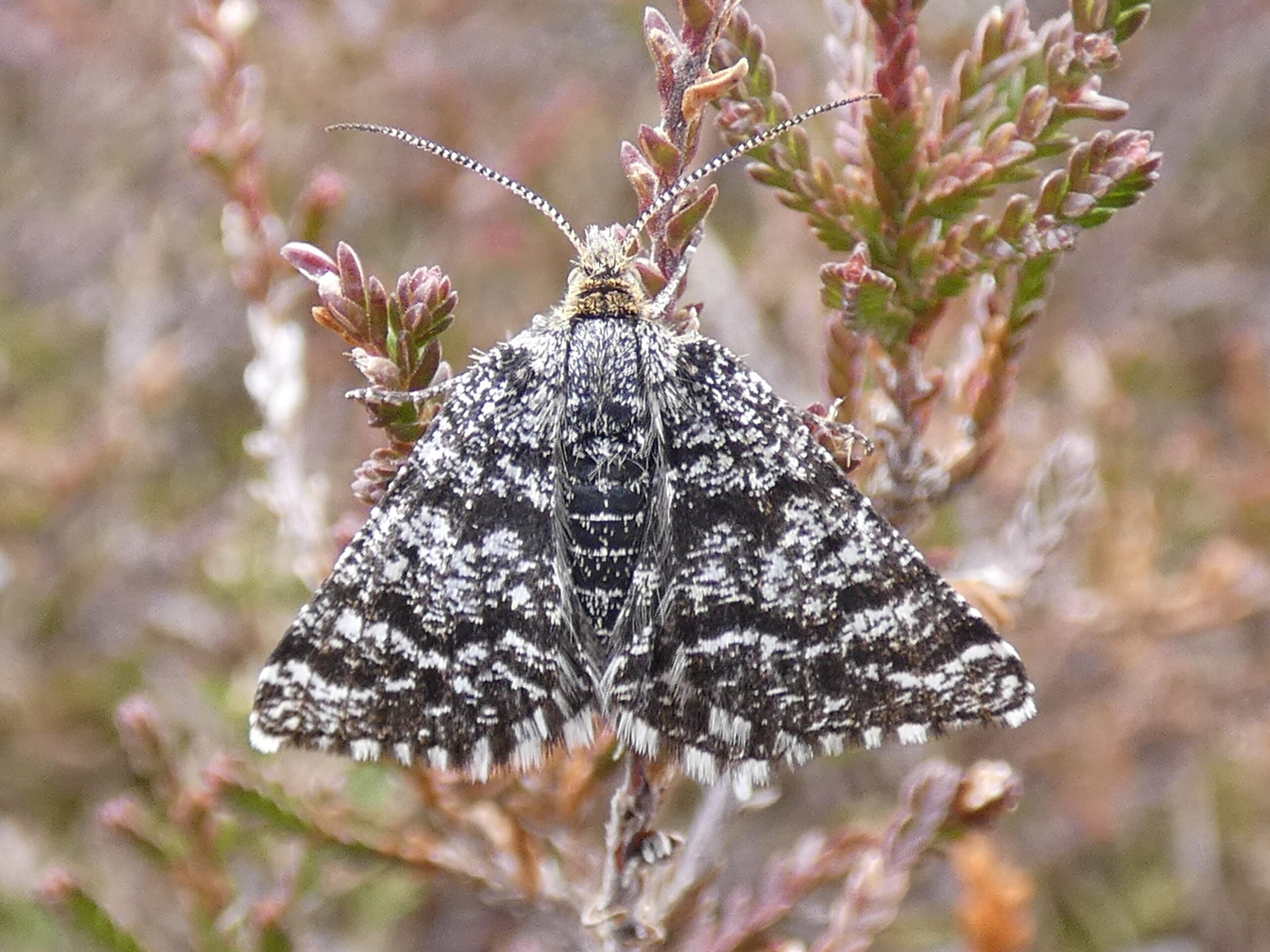
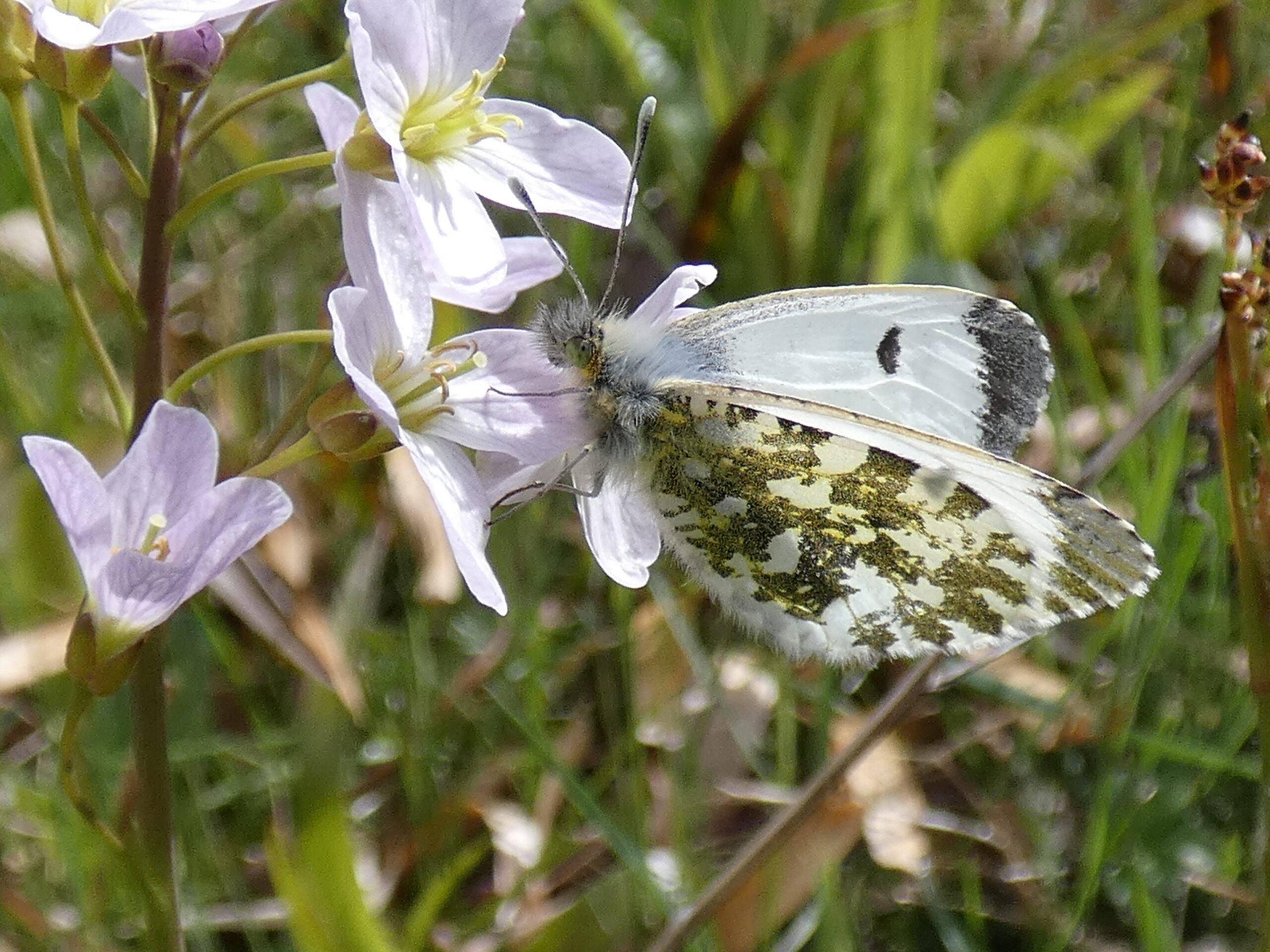
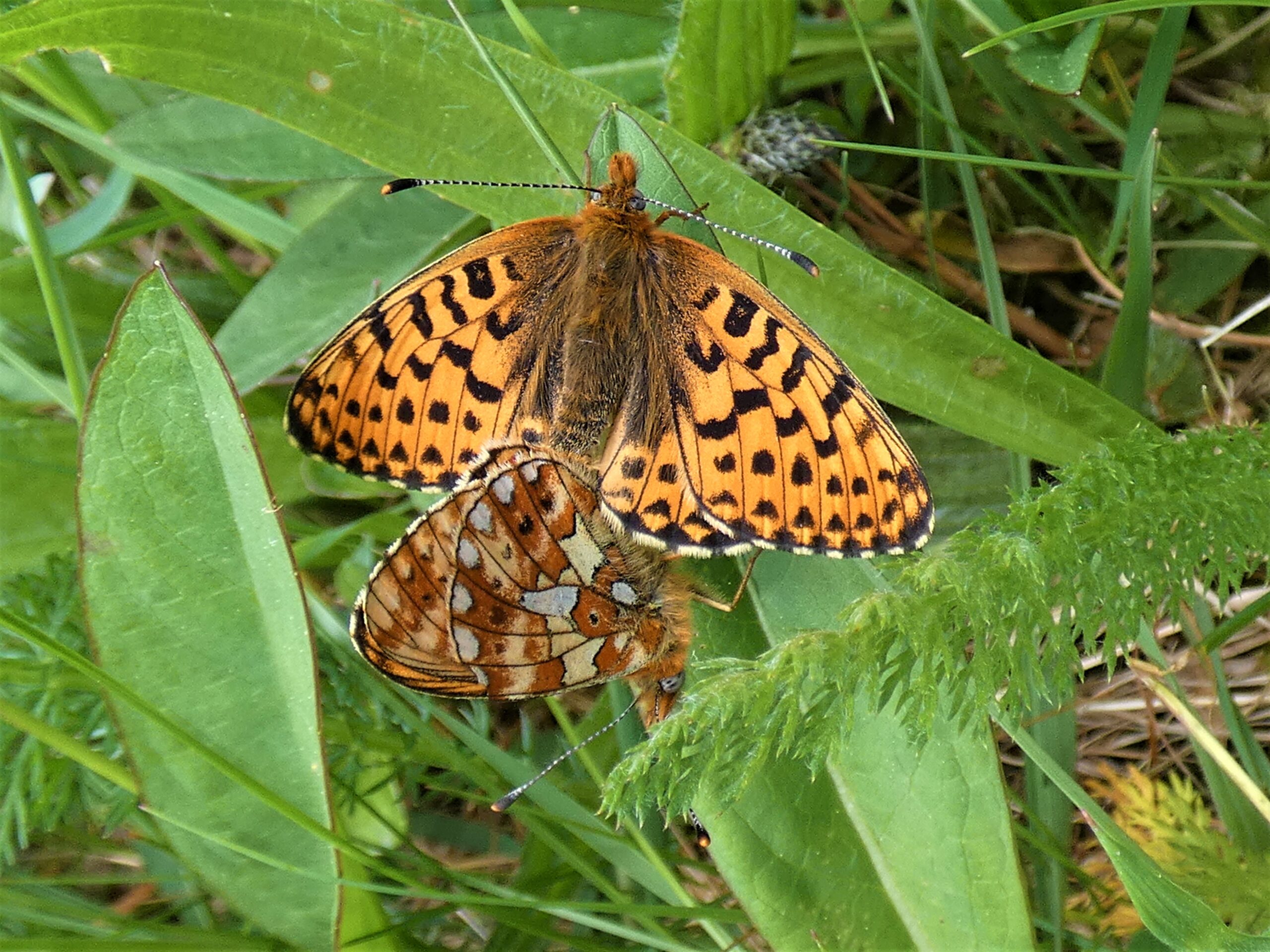
Have a look at our picture gallery to find out what we’ve seen recently in the catchment:
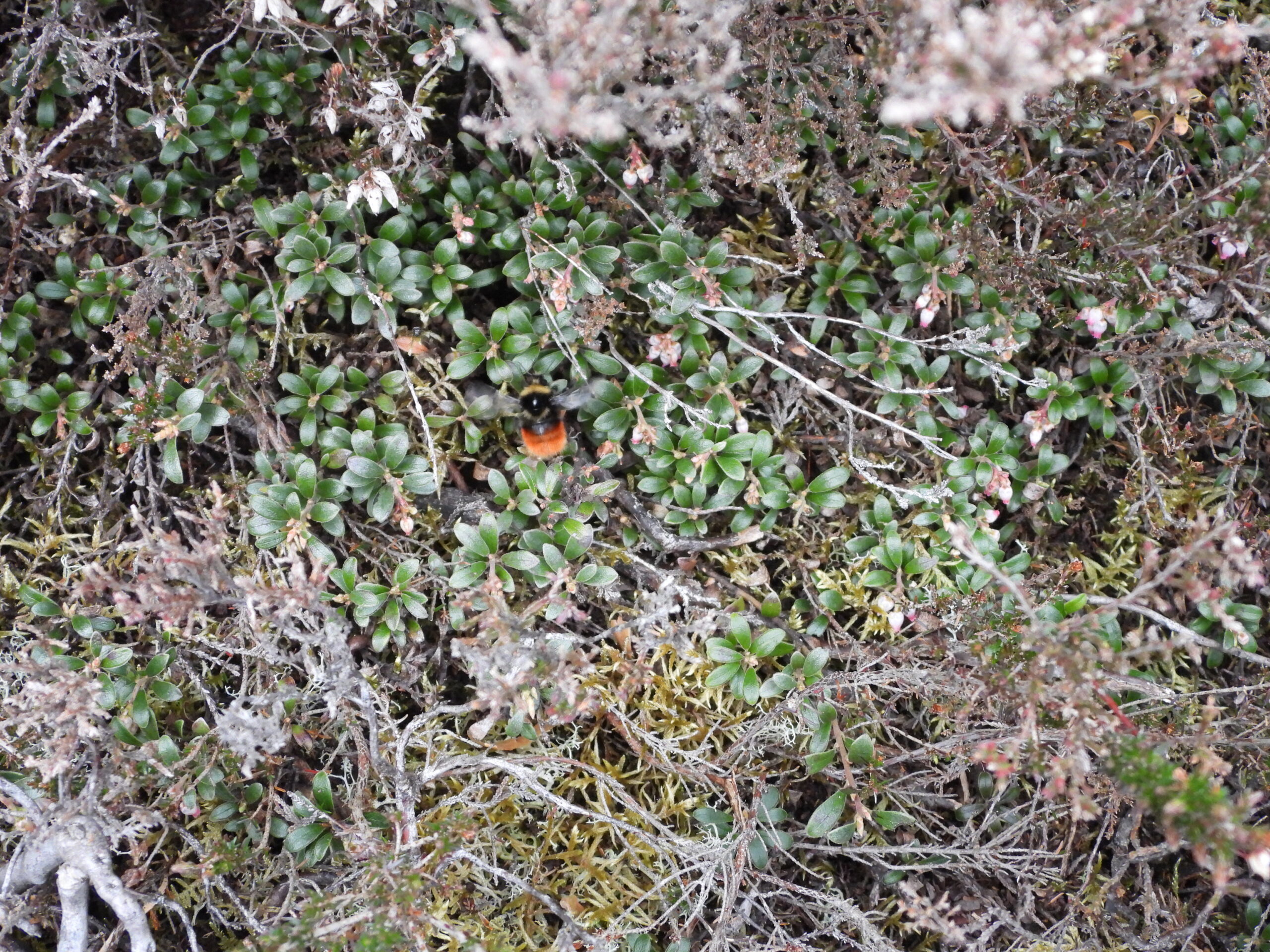
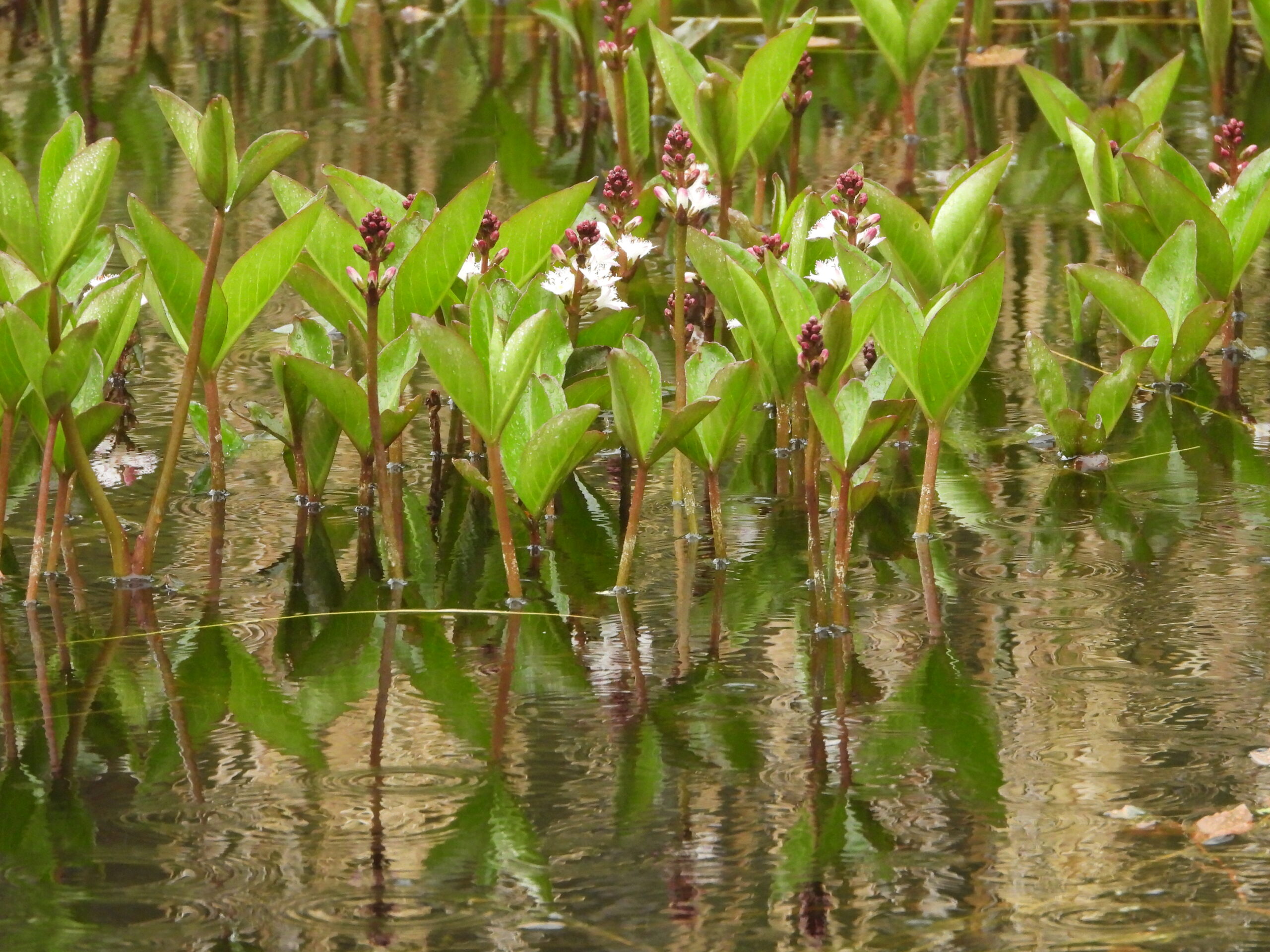
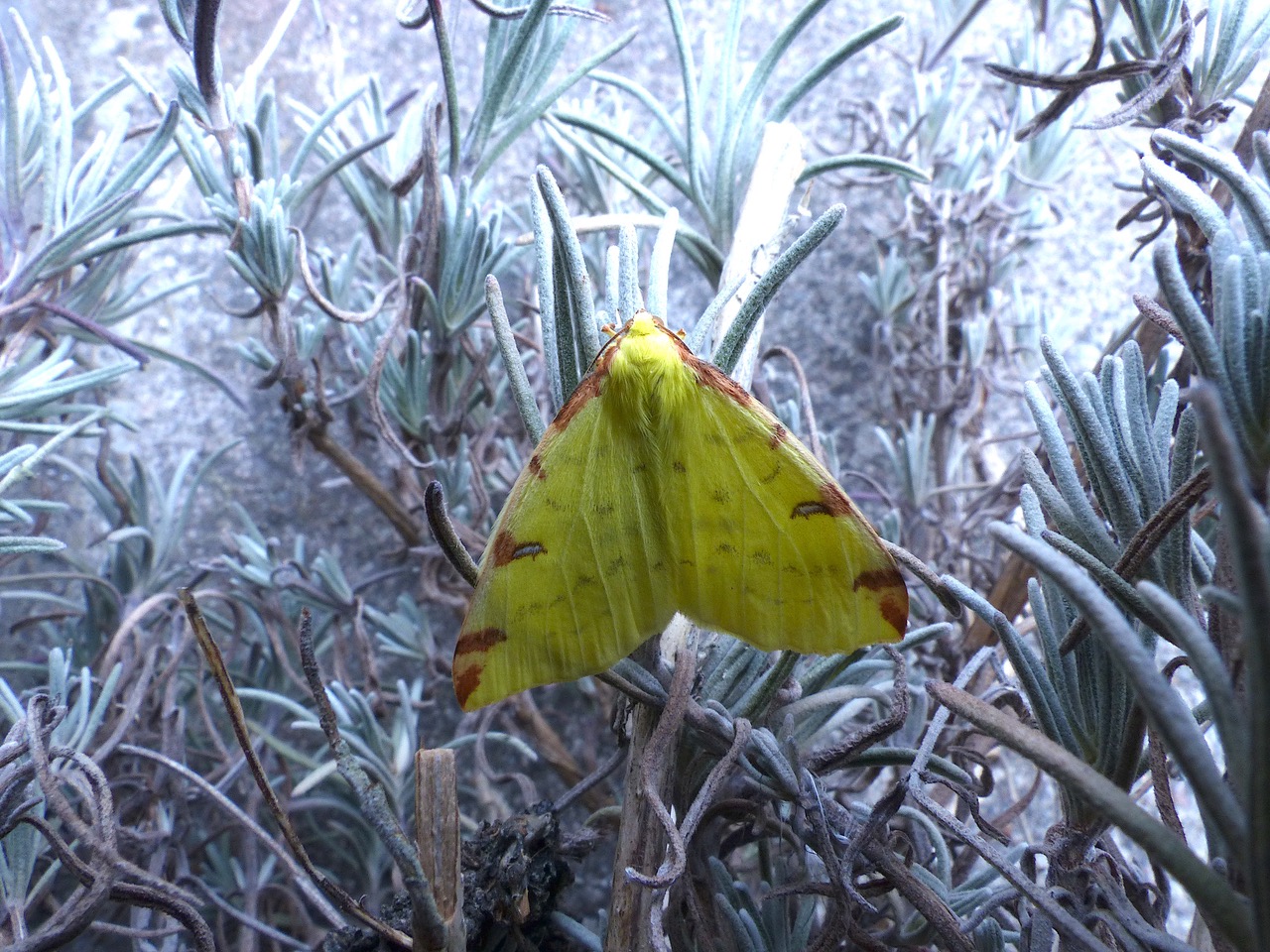
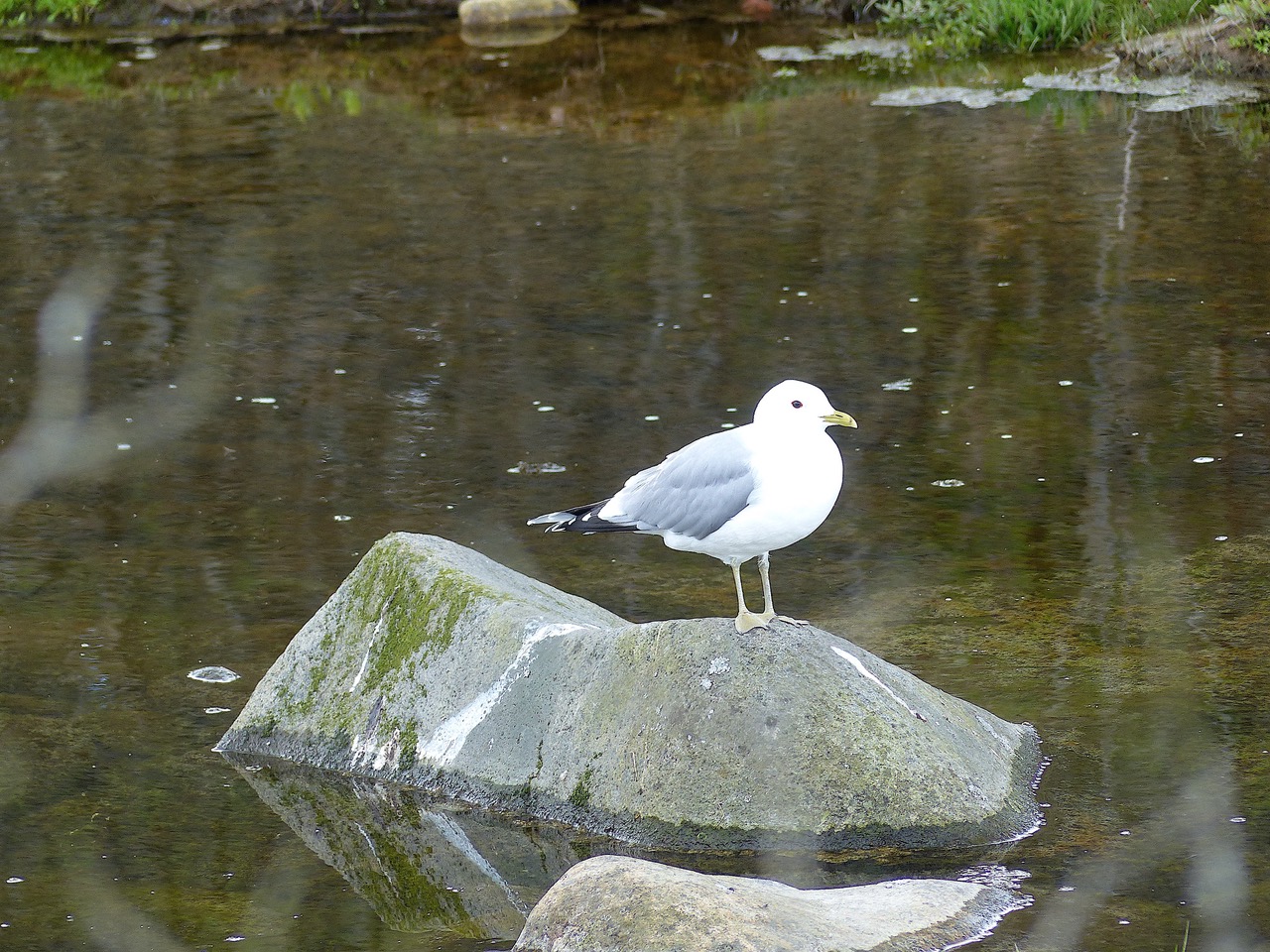
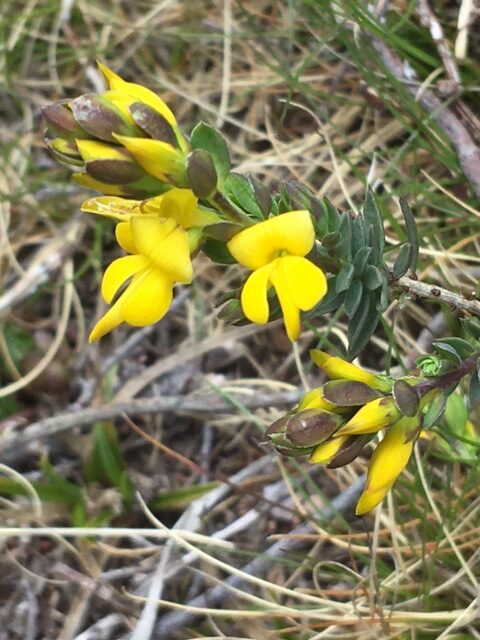
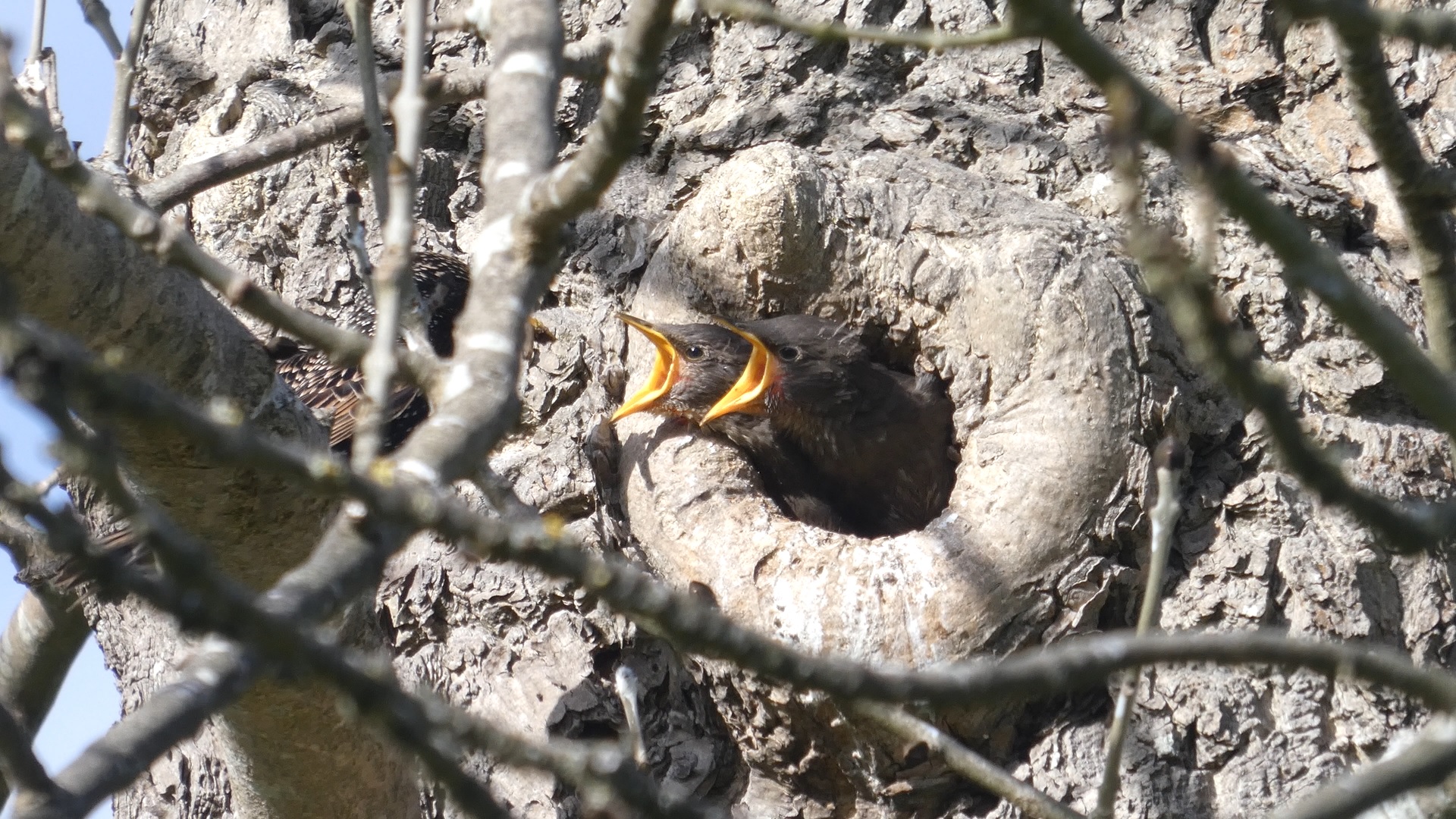
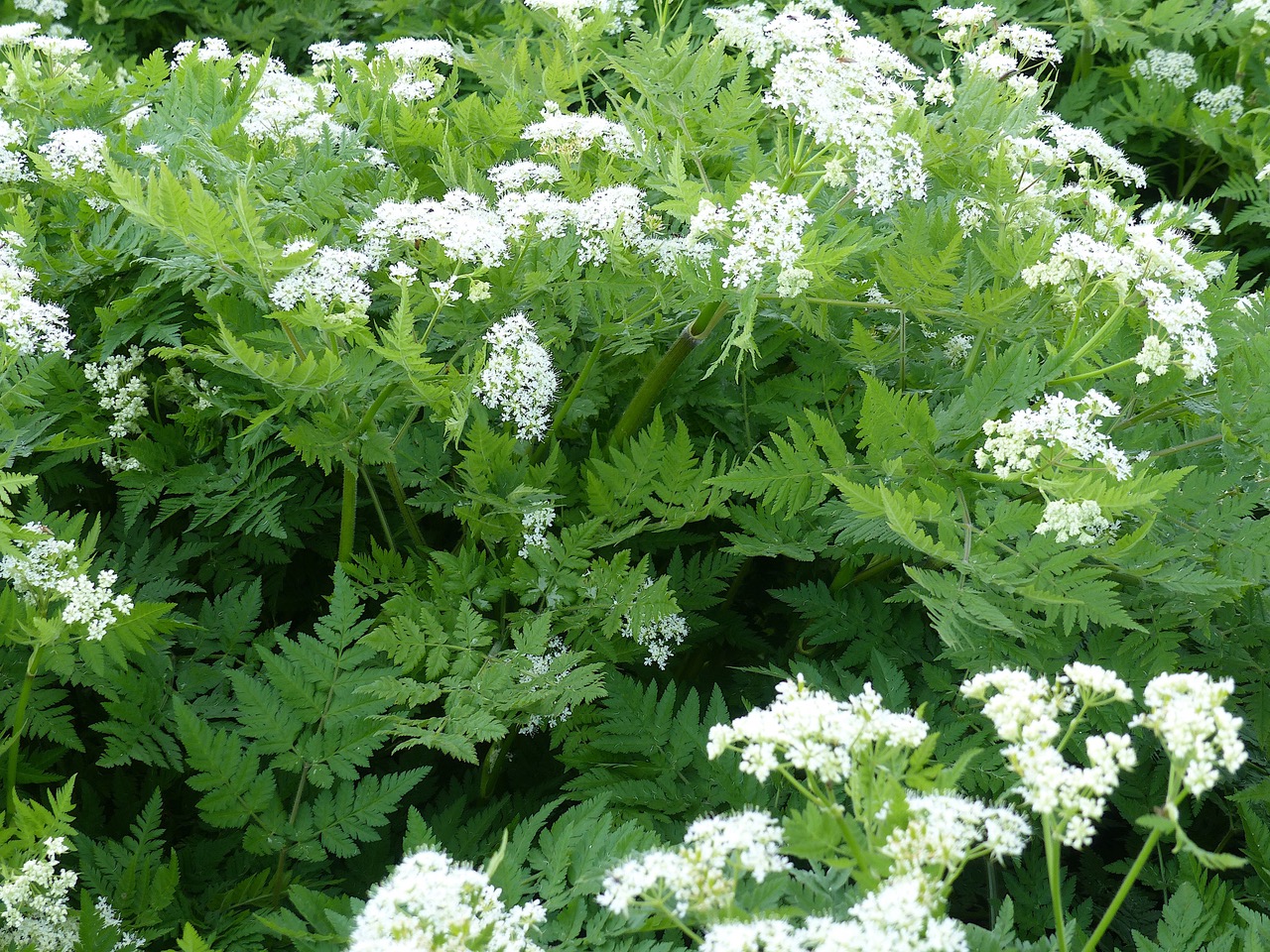
Look out and listen for:
Birds
Many birdsongs, like the skylark, bring thoughtsof Summer. Some are tricky though – if you hear what sounds like a buzzard callingfrom a bush in your garden, it’s more likely to be a starling – an excellent mimic! BirdNET is a fun and easy way to help identify birdsong.
The chicks of our many resident birds are already fledged or fledging, and some birds will have a second brood. Many migrants such as house martins, sand martins and some warbler species, are still busy at nests – you may see them sculpting mud nests onto the sides of buildings.
There’s still plenty of birdsong around as males maintain territories. You’ll hear male cuckoos in upper Deeside – they’re known to change their tune in June, having already attracted females and mated. Once the females have laid their eggs in various host birds’ nests, the adults of both sexes leave for Africa from late June onwards. At Muir of Dinnet, look out for the stunning redstart, tree pipits, and swifts -the most aerial of all birds, screaming over the reserve as they hunt for insects.
On the coast, the passage of migrant birdsis even clearer. Many of them aren’t stopping to breed, they’re just dropping in for a rest and refuel on their way somewhere else. Here in the north east of Scotland, we’re a useful staging post to Scandinavia and a steady trickle of wading birds are making their way north just now.
Butterflies, moths & other minibeasts
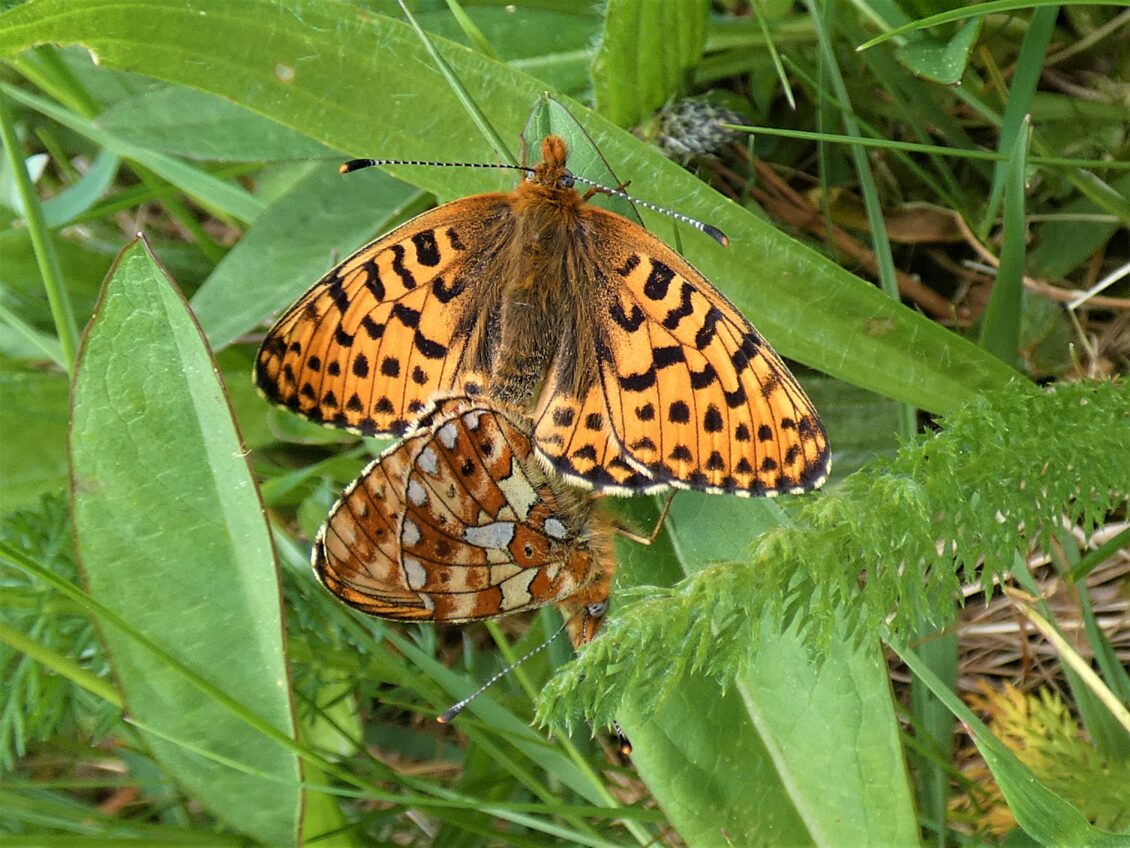
Many Spring species like the pearl-bordered fritillary are still on the wing, but their close cousins, the small pearl-bordered fritillaries, are emerging now –they’re not always smaller, but have different markings, especially on their underside, like ‘pearls’ edged in black. They’remore widespread, often seen in damp grassland with violets that their caterpillars eat. Small heath butterflies and ringlets are appearing in grassy places (their caterpillars eat grasses) – ringlets can be very common and fly even in dull weather.
Migrants such as red admirals have arrived with southerly winds. They may find a mate by ‘hill-topping’ -individual butterflies head to high ground before females seek nettles to lay eggs on. Lots of moths emerge as adults now. Day-flyers to look out for include the clouded border nearwillow, aspen or poplar, with its bird poo pattern that may appear distasteful to predators!
Another diurnal species to keep an eye out for is the red-necked footman, a recent arrival to north east Scotland, and usually found in damp areas where the caterpillar eats lichens. At dusk, you might spot swift moths such as the map-winged swift gathering to ‘lek’ – they fly low over vegetation, where males attract females by a combination of display and scent. Late at night, spectacular and streamlined poplar and elephant hawk-moths may come to lights and the latter also hover to feed at night-scented flowers such as honeysuckle (the brown form of the caterpillar looks like an elephant’s trunk!). Poplar hawk-moths do not feed as adults, relying entirely on stored energy.
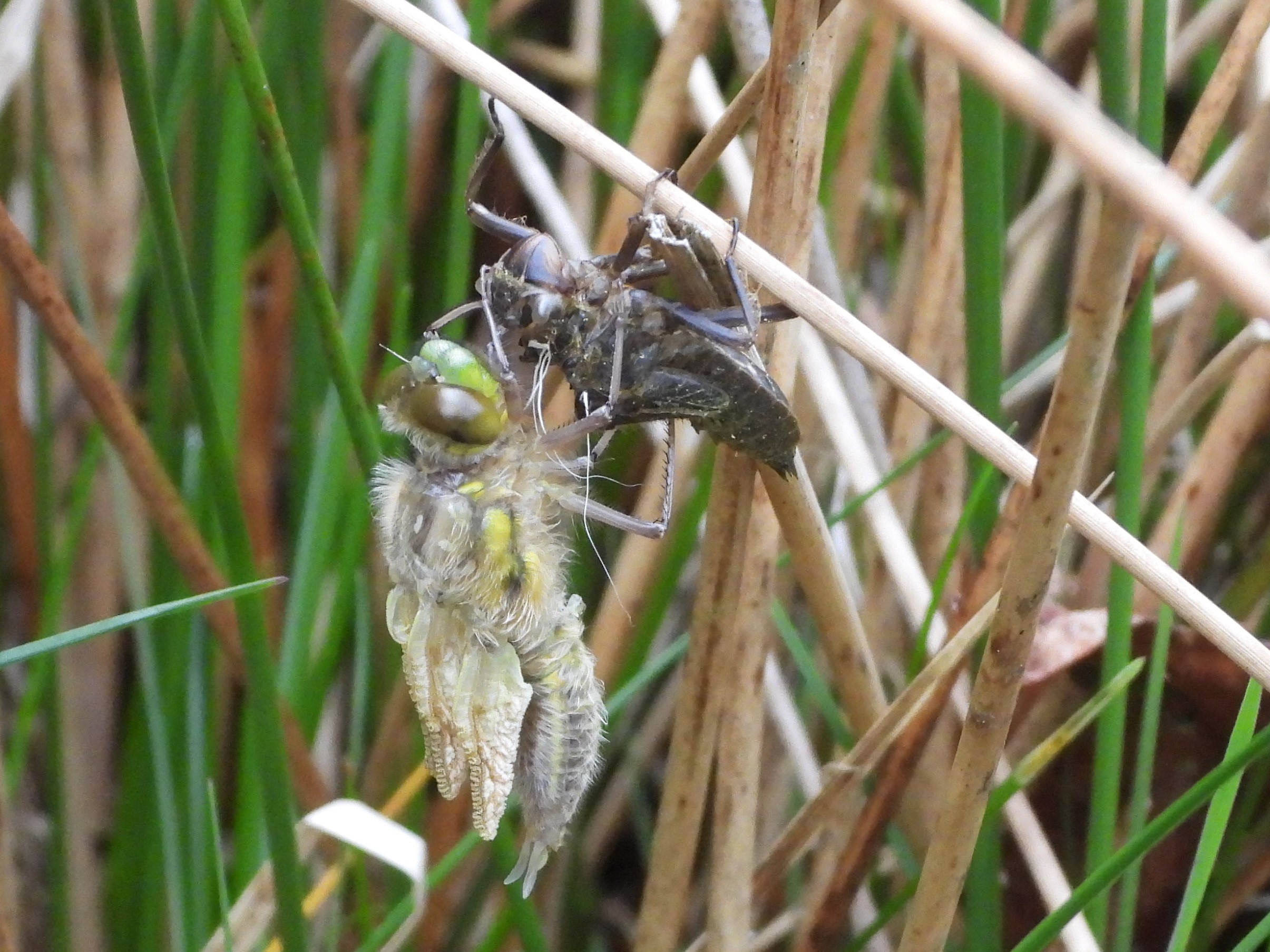
Many damselflies and dragonflies are reaching maturity now, emerging from their long aquatic nymph stages in ponds (up to a few years), to live for a few weeks as adults, hunting other insects on the wing. Large red and common blue damselflies are two of the most widespread species, but the much rarer northern damselfly occurs at some sites in Deeside. Dragonflies to spot include four-spotted chasers, black darters (especially around bog pools) and golden-ringed dragonfly (along upland burns).
Tadpoles of frogs, toads and newts are growing and some maylose their gills andleave ponds this month to live on land. If you have a garden, June is a great time of year to look under things–beneath flowerpots, logs, stones, bins, you’re sure to find lots of mini beasts. These support much of the other wildlife in your garden – they help break down dead plants and provide food for everything from birds to hedgehogs. And of course the very same mini-beasts will be doing the same thing out in the countryside. It’s a great time to head out into your garden at night with a torch and see what’s about – hedgehogs if you’re lucky, wood mice and even leopard slugs -the gardener’s friend as they eat other slugs!
Mammals & other larger animals
Roe deer bucks have lost their velvet by now, while red deer stags are still in velvet with antlers nearly fully grown. Bats give birth this month – females have already congregated in maternity roosts, where each suckles her single pup. Adult bats need to feed on a few thousand insects each night!
Trees, flowers, fruits & fungi
Most trees and other plants are in full leaf by now, using the sun’s energy to make food from carbon dioxide in the air and water by photosynthesis. Some plants adapted to nutrient-poor conditions such as bogs and rocky ground (such as can be found in the upper Dee catchment), supplement their diet by trapping and digesting insects. Butterwort has sticky leaves to trap tiny flies and shows off its purple flowers now. Red campion, bogbean and cow parsley are in full flower lower down the valley, and wild garlic with its white flowers and edible leaves can be spotted in a few lowland areas.
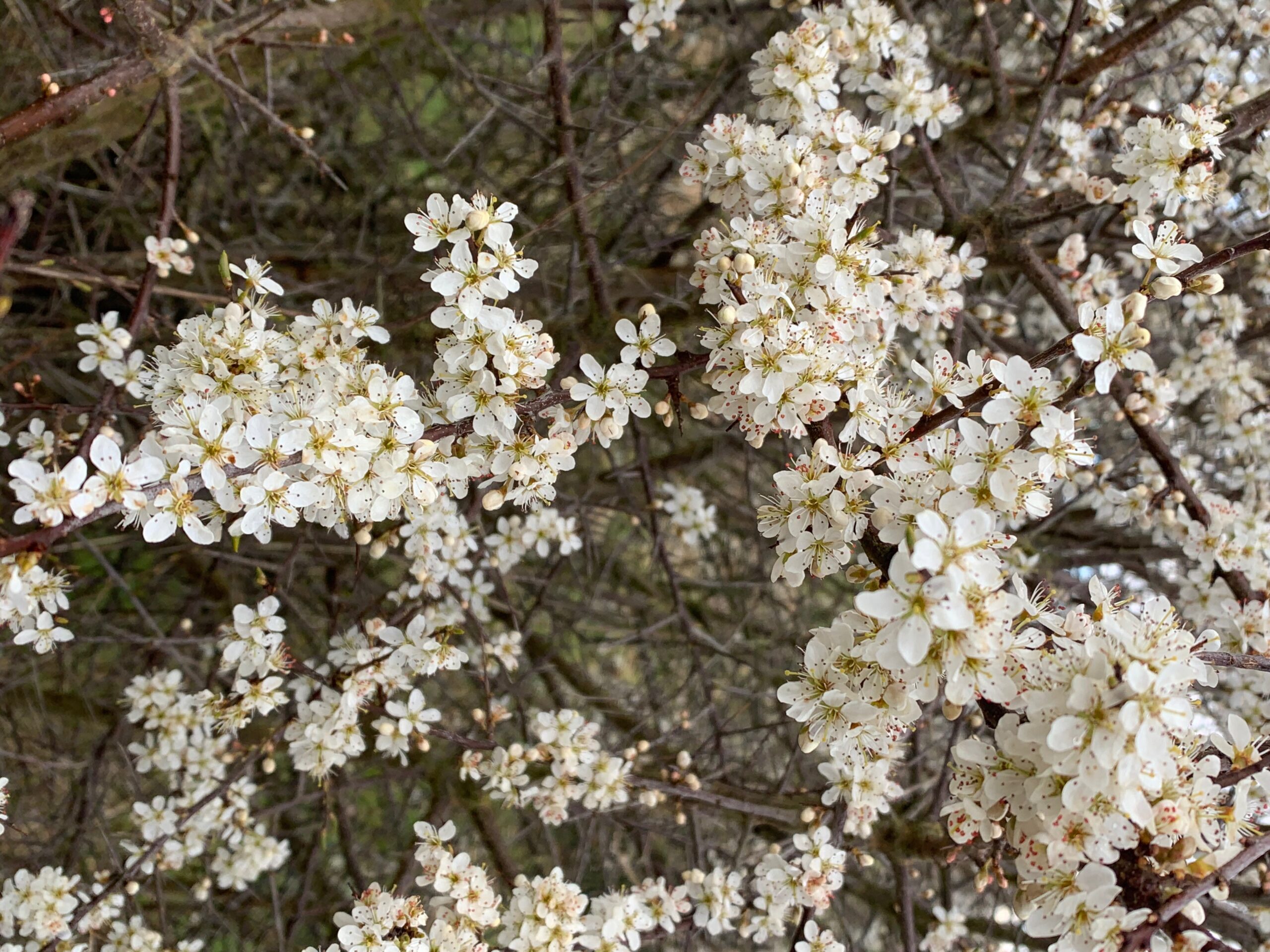
Rowan and hawthorn are flowering and successful insect pollination will help towards a good crop of berries in autumn. The first flush of dandelion flowers have become dandelion clocks- the seeds provide food for birds such as goldfinches before they disperse in the wind.
On the River
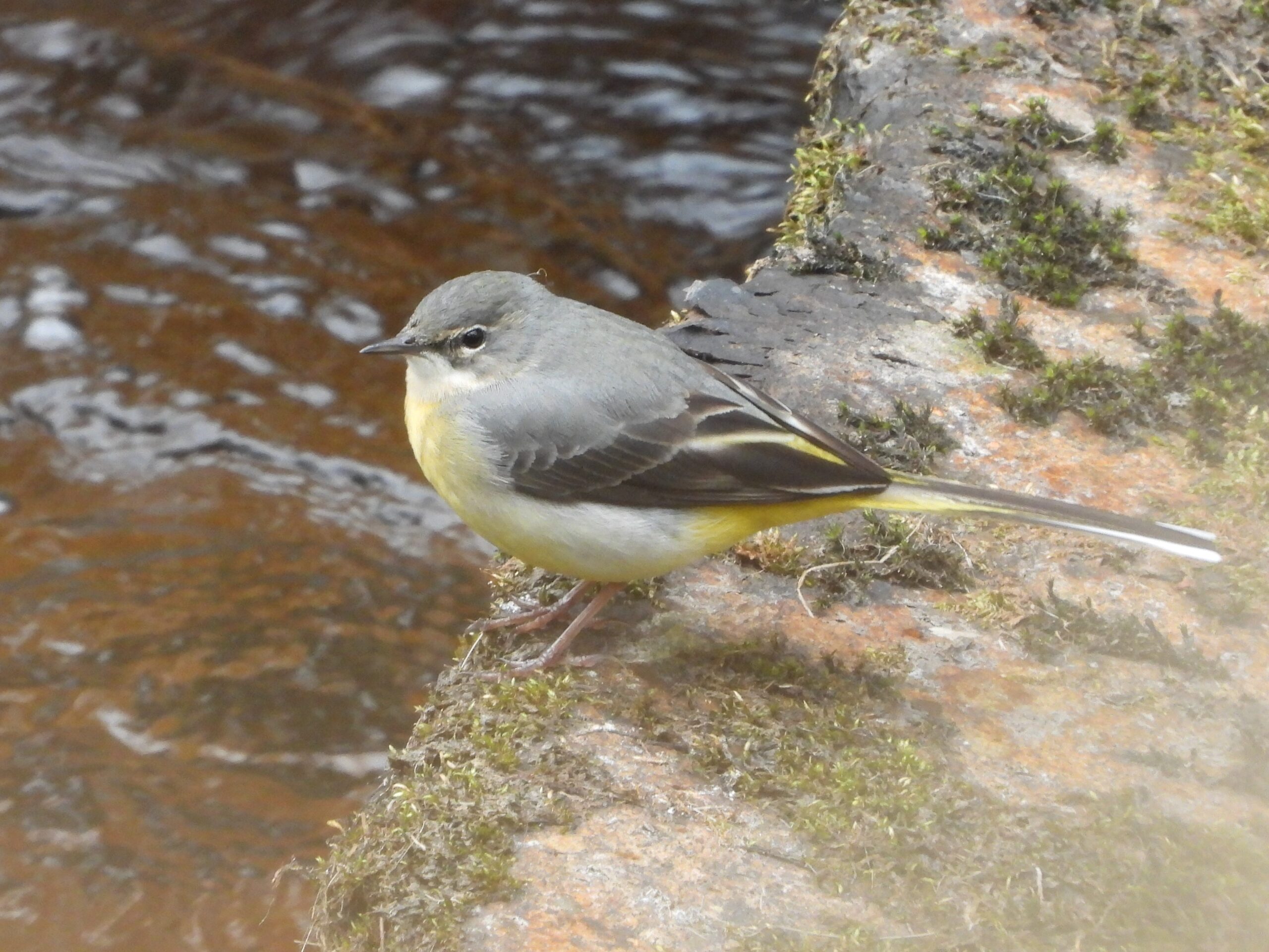
Riverflies like the mayfly, stonefly and caddisfly, are emerging from their aquatic larval stages this month, providing a feast for birds such as swallows, swifts and grey wagtails (which also feed on invertebrates in the water). Listen out for the piping of common sandpipers that nest on the ground near the water and look out for ospreys hunting for fish, though they also visit lochs and fishing ponds for an easy meal.