

 Ambitious recovery programme launched as unprecedented decline in pearl mussel highlights fragile River Dee
 DeeWatch December
The weather can still be quite unpredictable this month, but the equinox brings longer days – soon there will be more day than night. Much of our wildlife probably responds to increases in daylight rather than just to warmer weather, as a reliable sign that Spring is approaching.
Look out and listen for:
Birds
Odd as it may sound, many birds can be found ‘attacking’ windows this month. March is the month for defending territories and attracting mates, and if birds see their reflection in a window, they are actually trying to chase off what they see as their competition!
Listen out for the green woodpecker. Here in north east Scotland, it’s near the limits of its UK range, but climate change is altering this trend. Its distinctive call sounds like a cross between a cackle and a laugh, and is often seen on the ground, eating ants.
Many birds that have spent the winter on the coast will now be moving back inland to their breeding areas – birds like lapwings, with their iridescent feathers, will start to appear in grassy fields.
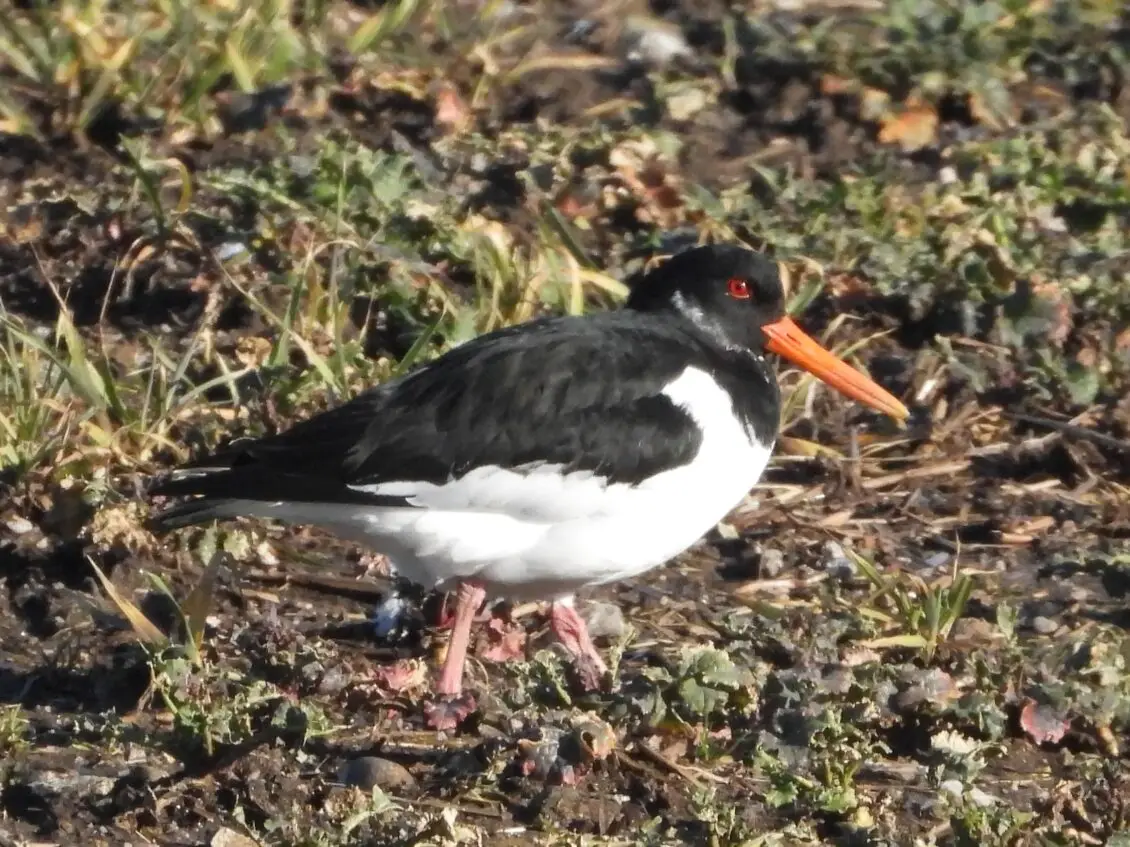
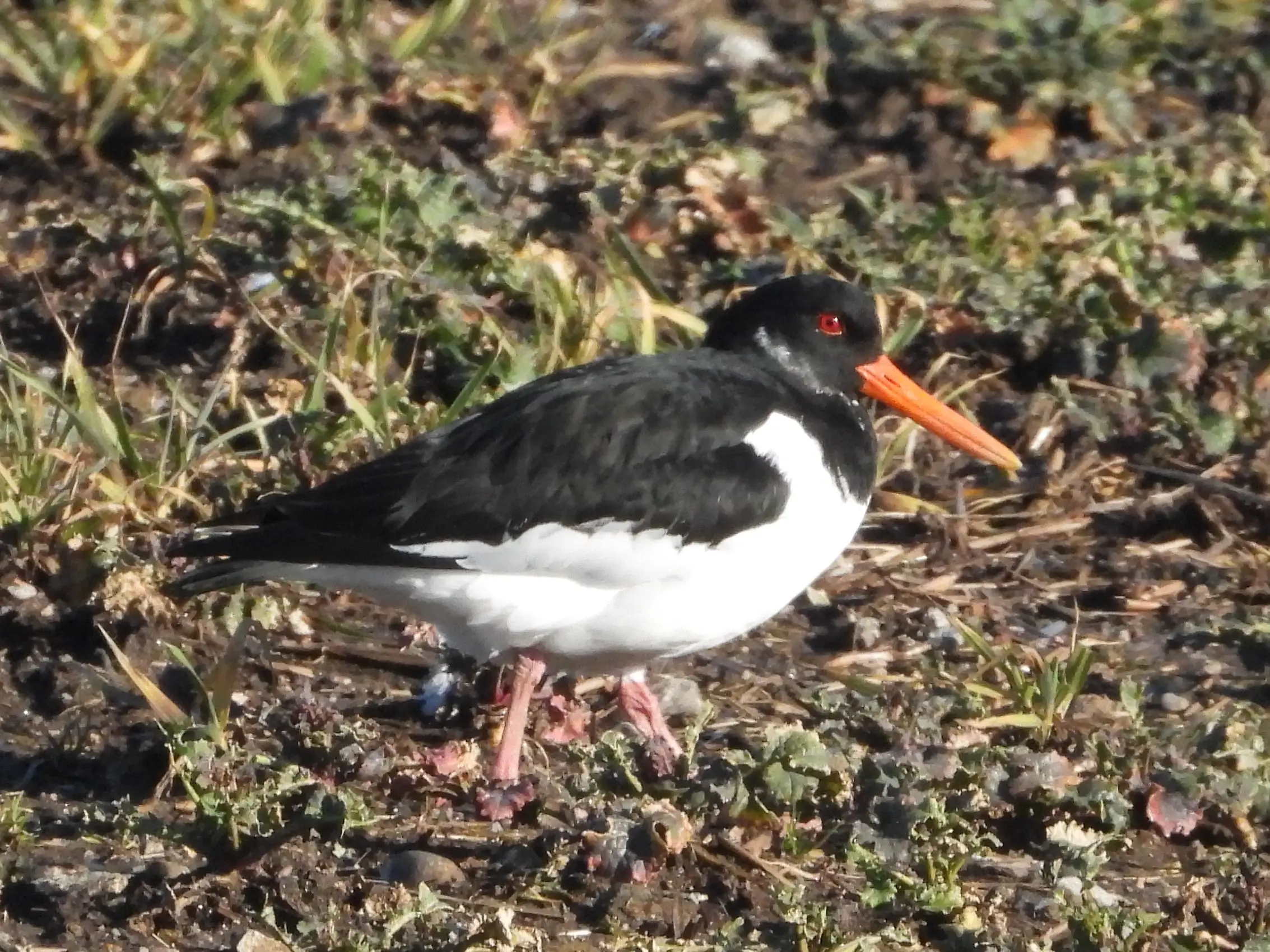
Inland, the call of an oystercatcher flying around at night is a sure sign that Spring has arrived. Perhaps even more so is the soaring flight and call of the skylark. In coastal areas, near the mouth of the Dee, skylarks will be busy prospecting for mates and nesting sites around the golf course at Balnagask, as well as other green spaces around the city. It’s often a good spot to keep an eye open for birds like the short-eared owl – and of course there are always the dolphins.
The thrushes are singing by now – listen out for the distinctive ‘repeat, repeat, repeat…everything, everything’ call of the song thrush. Look skyward and you may catch sight of a flock of whooper swans on their way North, or tits pairing up and dispersing, ready for breeding. Up on Tom’s Cairn in Finzean, you’ll see tweeting meadow pippits on the open moorland. The first sand martins are back, and can be found feeding over Lochs Kinord and Davan – you might even catch an early osprey in the higher catchment.
Butterflies, moths & other minibeasts
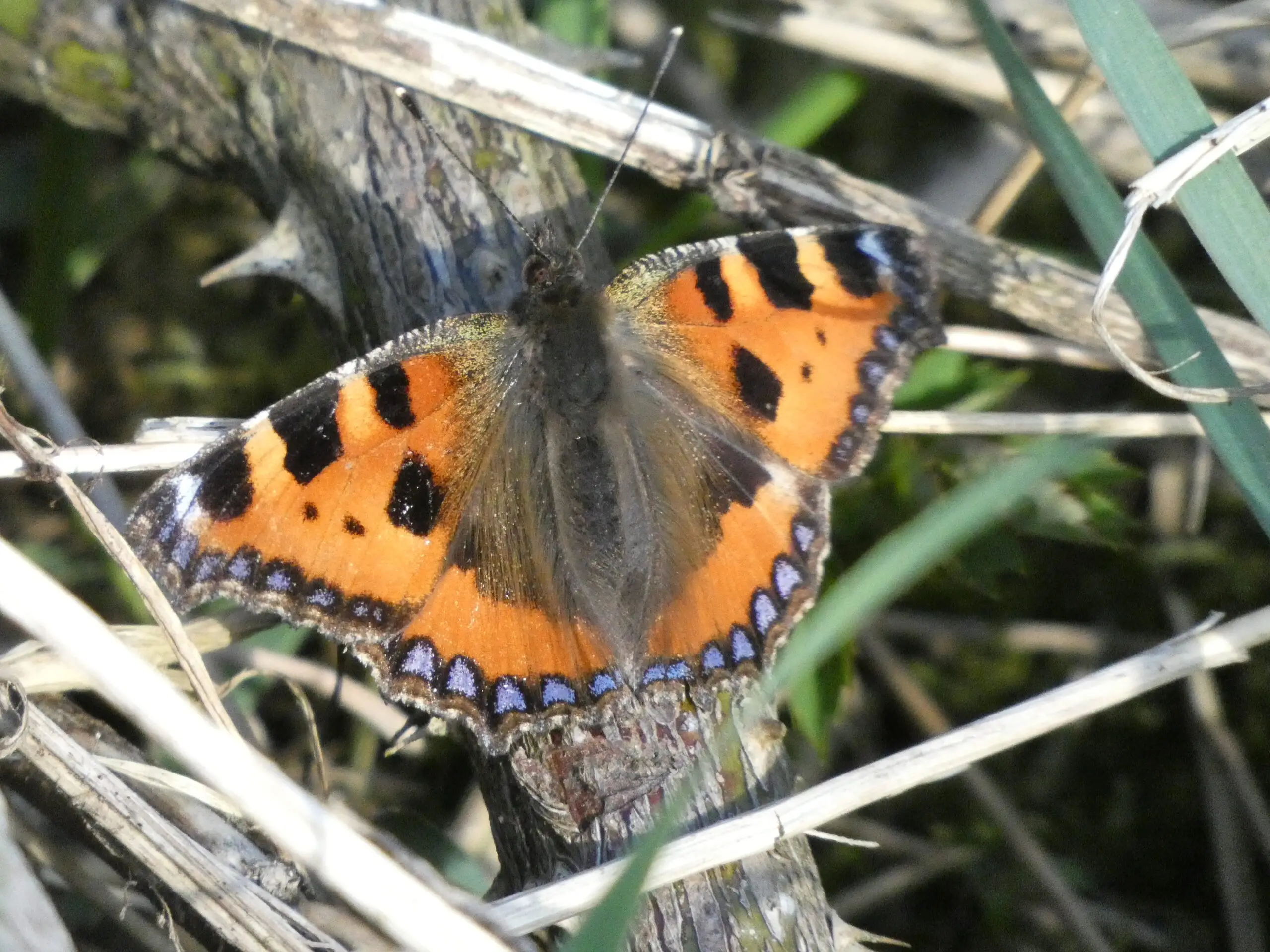
Butterflies like common tortoiseshell and peacock that overwinter in garden sheds are waking up and flying about. The first comma butterflies often appear in March – head for the Old Wood of Drum to see them basking in amongst the bracken debris.Although they’re still not common in Aberdeenshire, their number has increased here in recent years, and early Spring sightings tell us they’renow well established here, and not just an occasional summer visitor. They breed in Spring to produce a late summer-autumn generation that will hibernate next winter.
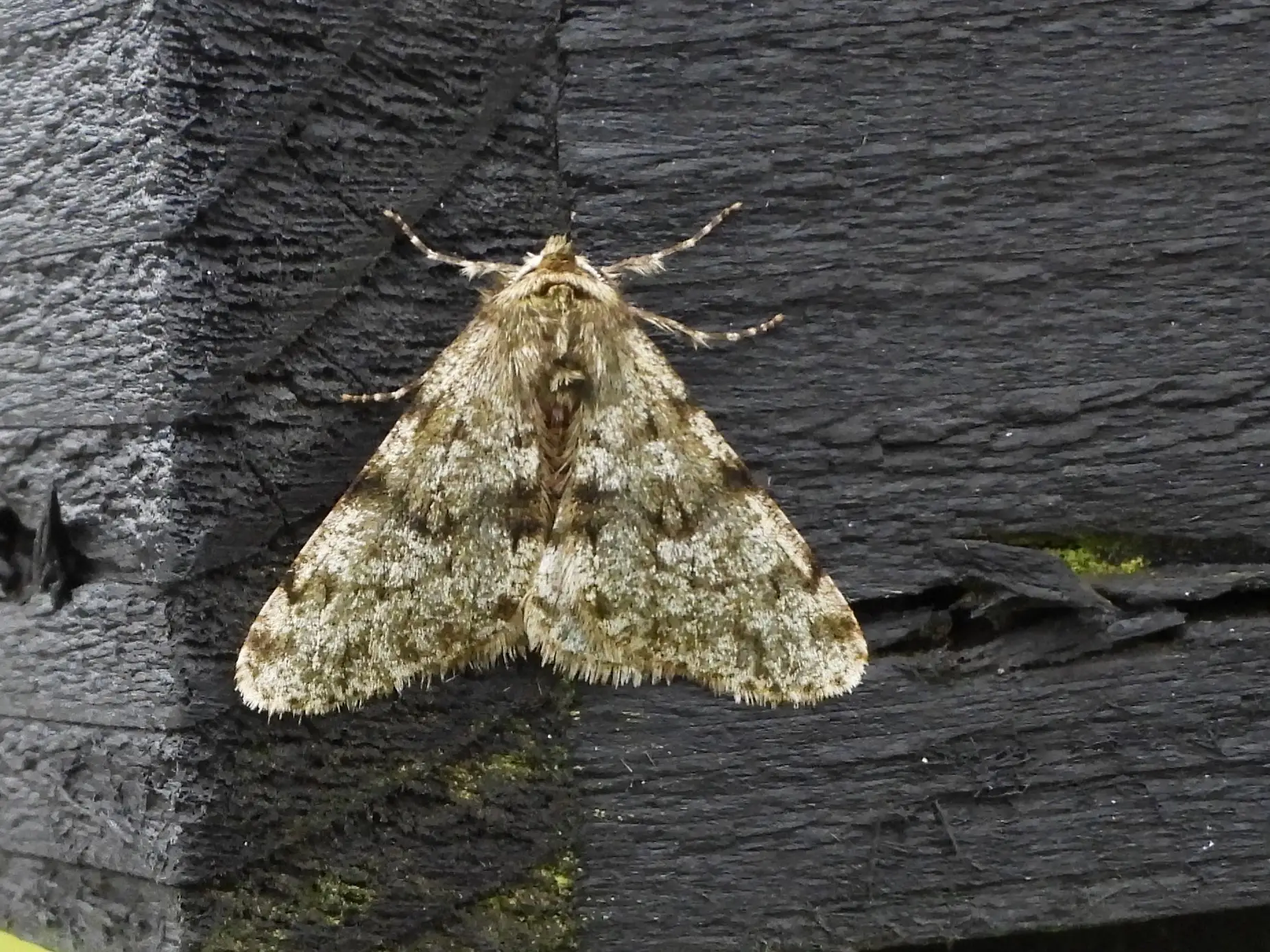
More species of moths come out of hibernation now or hatch from overwintered eggs, such as the Hebrew character – a very common spring moth named after the curved black mark on its forewing, like a Hebrew alphabet letter. The orange underwing is active by day, and is usually seen flying around birch trees that they feed on, occasionally coming to ground.
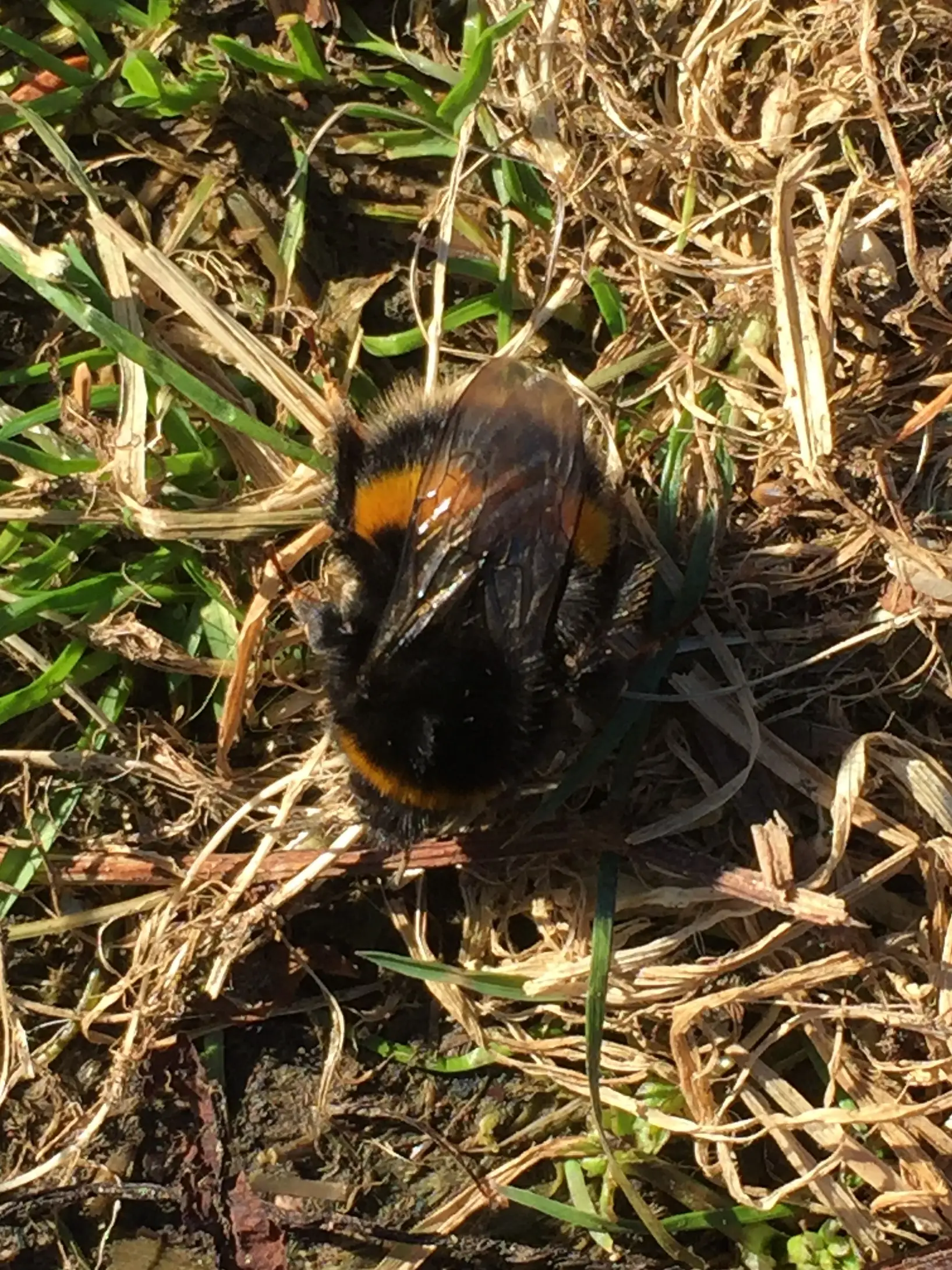
Buff-tailed bumblebees reappear towards the end ofthe month. The large,almost square queens are the first to appear onsunny days, feeding and flying low to the ground, searching for nest holes.
Mammals & other larger animals
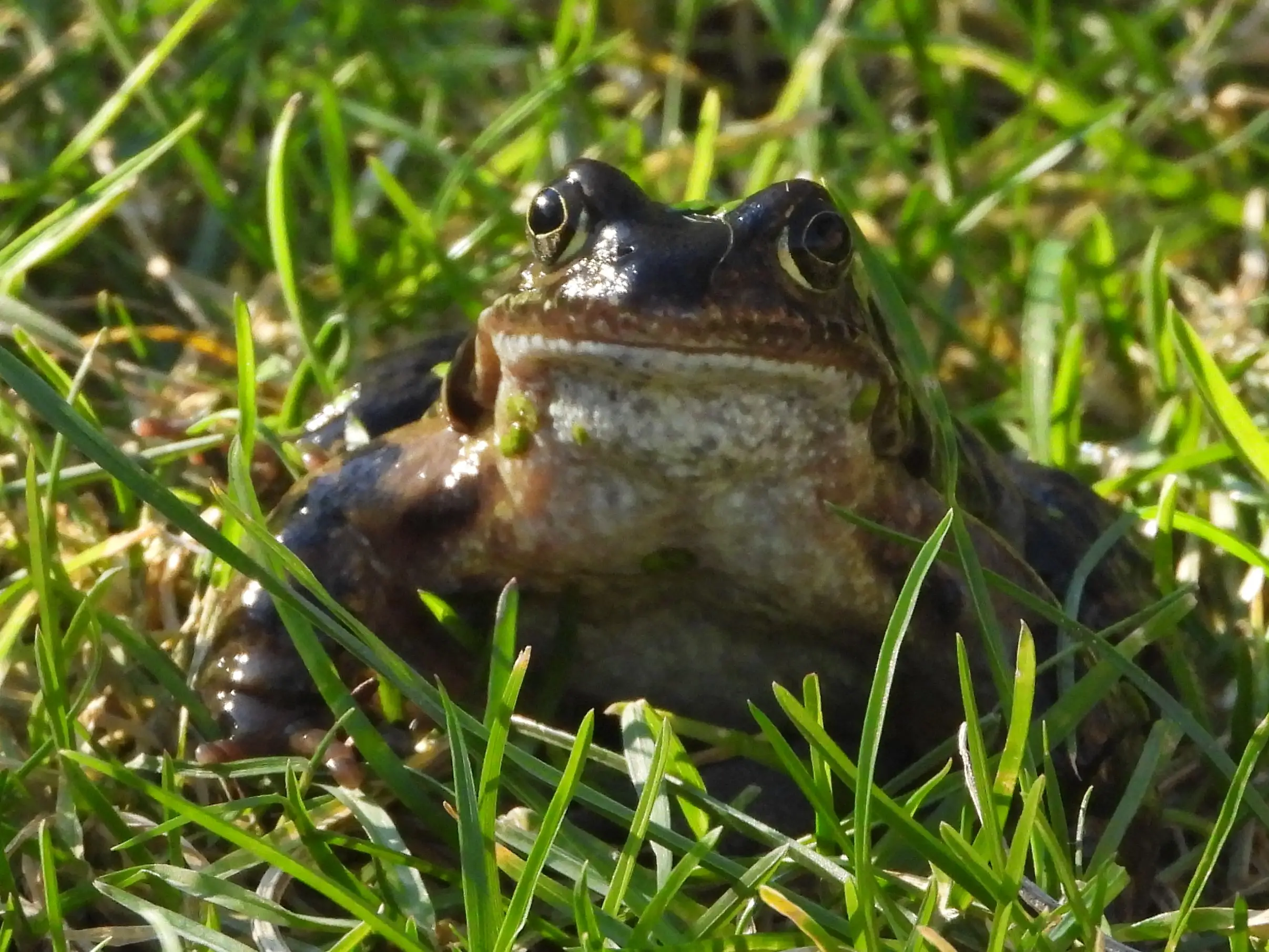
Look out for the firstfrogs and frogspawn – watch where you tread while out and about! On sunny days, look out for basking male addersaround Loch Kinord and in the upper catchment,waiting for the females to emerge.
Trees, flowers, fruits & fungi
Deeside’s woodlands gaina carpet of wood anemone and wood sorrelin March. Look out for the bright and cheerful celandine, with its shiny, buttercup yellow flowers – these are an important source of early pollen and nectar for insects. The blackthorn beginsto flower this month, and you may also spot the early leaves of elder and honeysuckle.
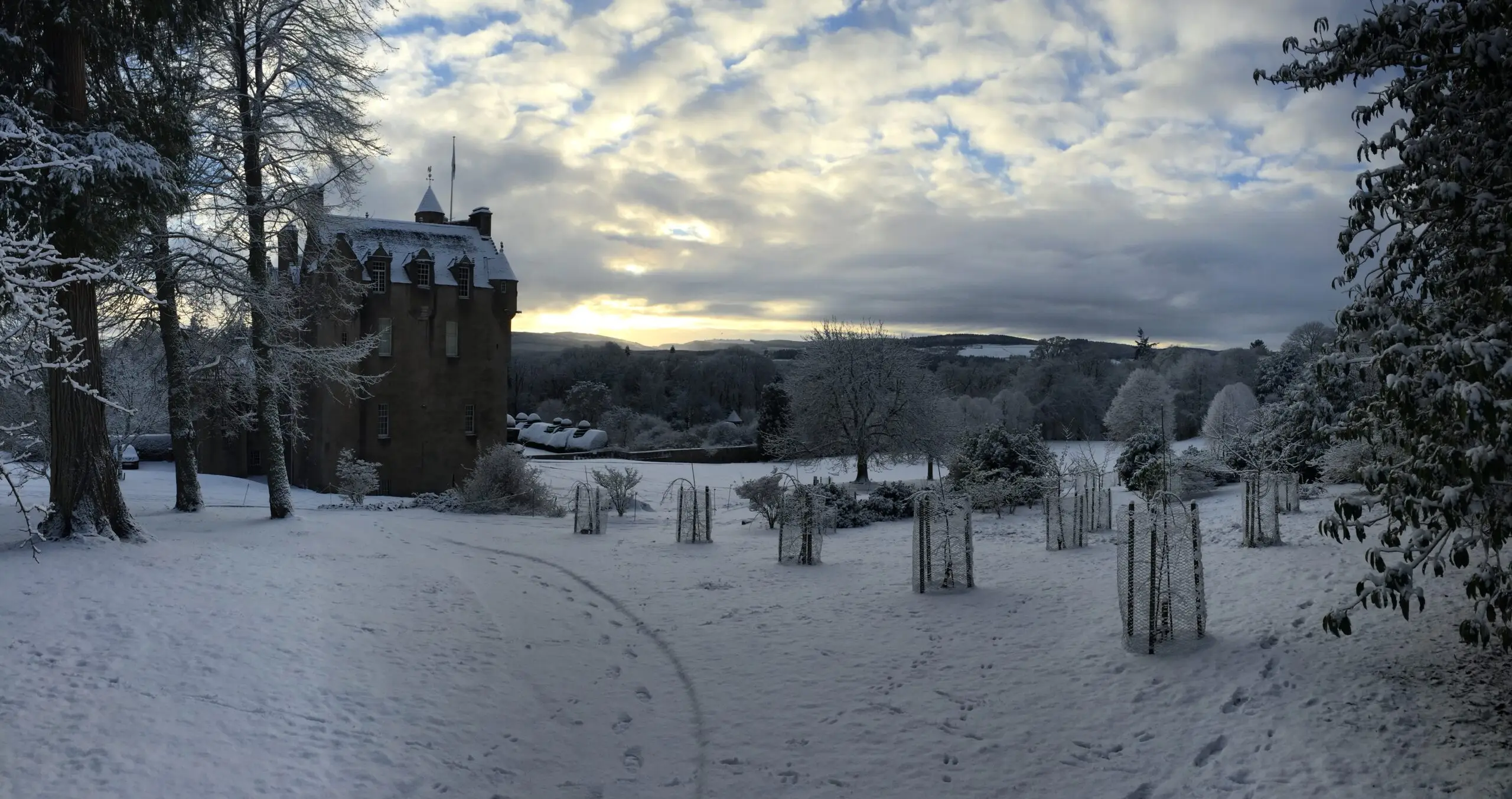
The false morel starts to fruit. A strange convoluted-shaped fungus, it’s a red-brown colour and looks a bit like a brain on a short stalk. You can spot it at Crathes Castle, under pine trees,but it also crops up in odd places, including the edges of flowerbeds. It’s deadly poisonous but, as with all poisonous fungi,you have to ingest the mushroom to be poisoned so you can still take the time to admire and photograph it.Another morel occasionally found on Deeside isthe black morel. This dark fungus has a more pitted surface and seems to be associated with woodchip mulch.You’ll findit on well-rotted woodchip mulch in flowers beds on Lower Deeside.Finding fungi is always fun but remember – never take any chances with eating them!
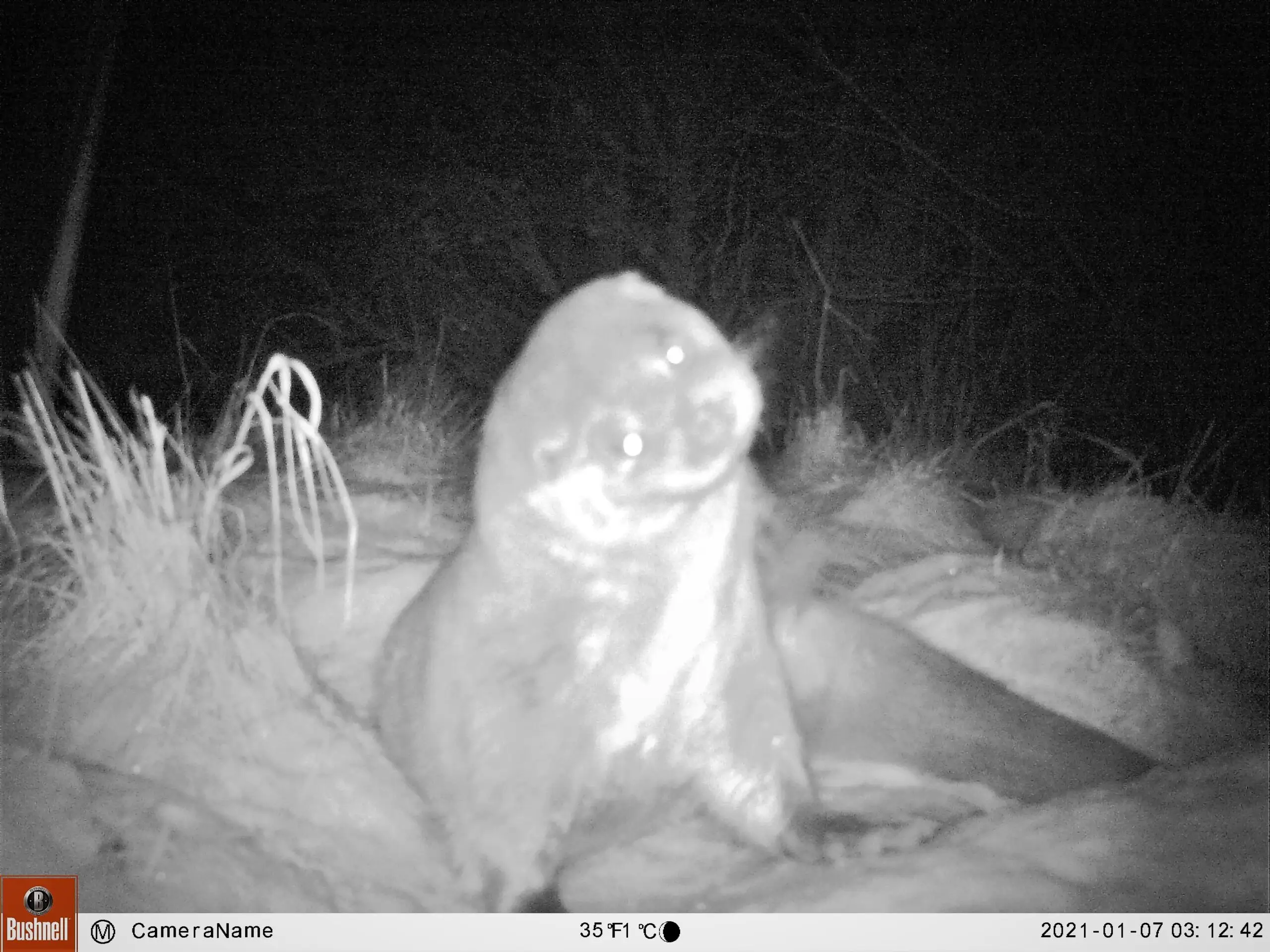
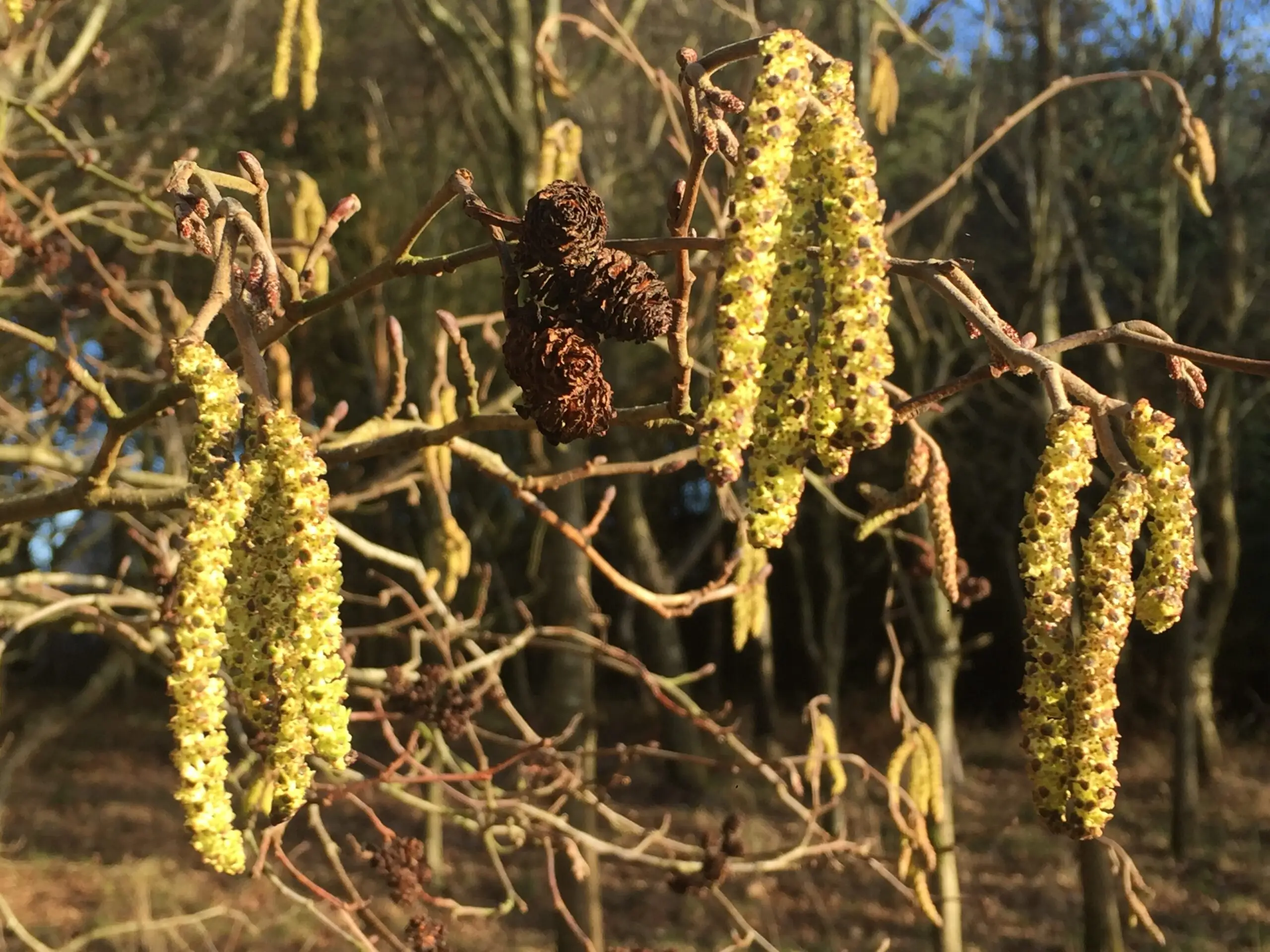
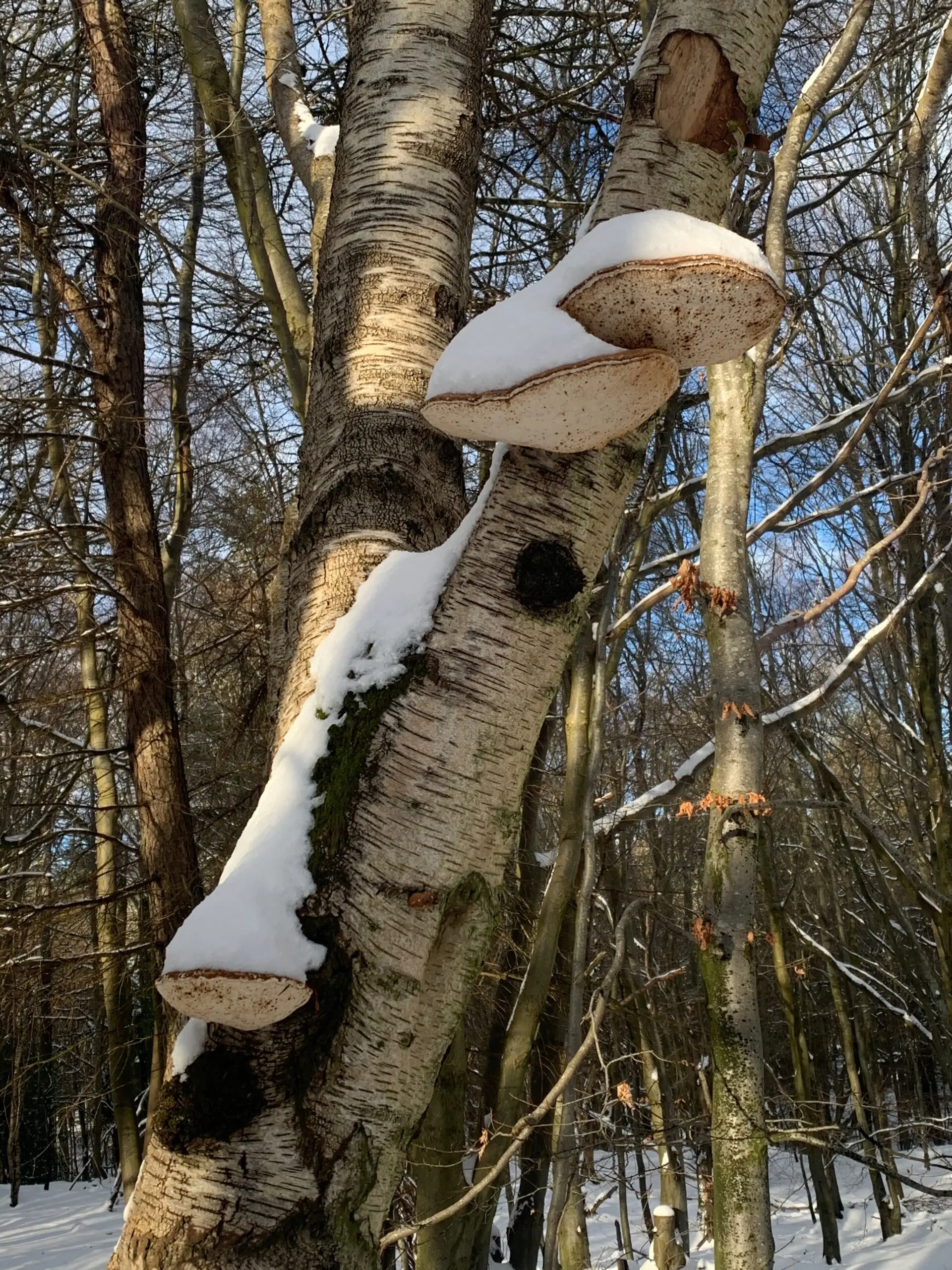
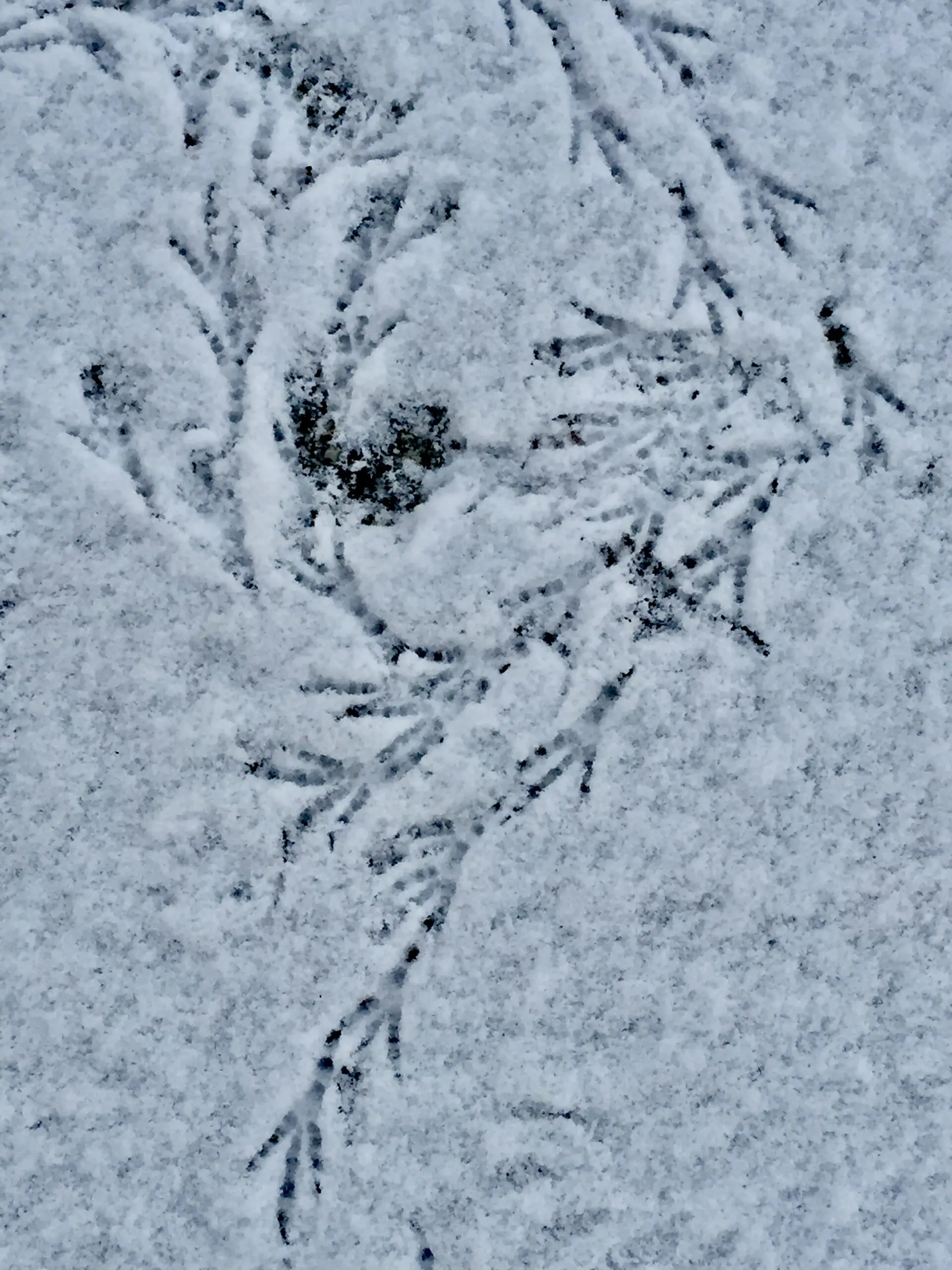
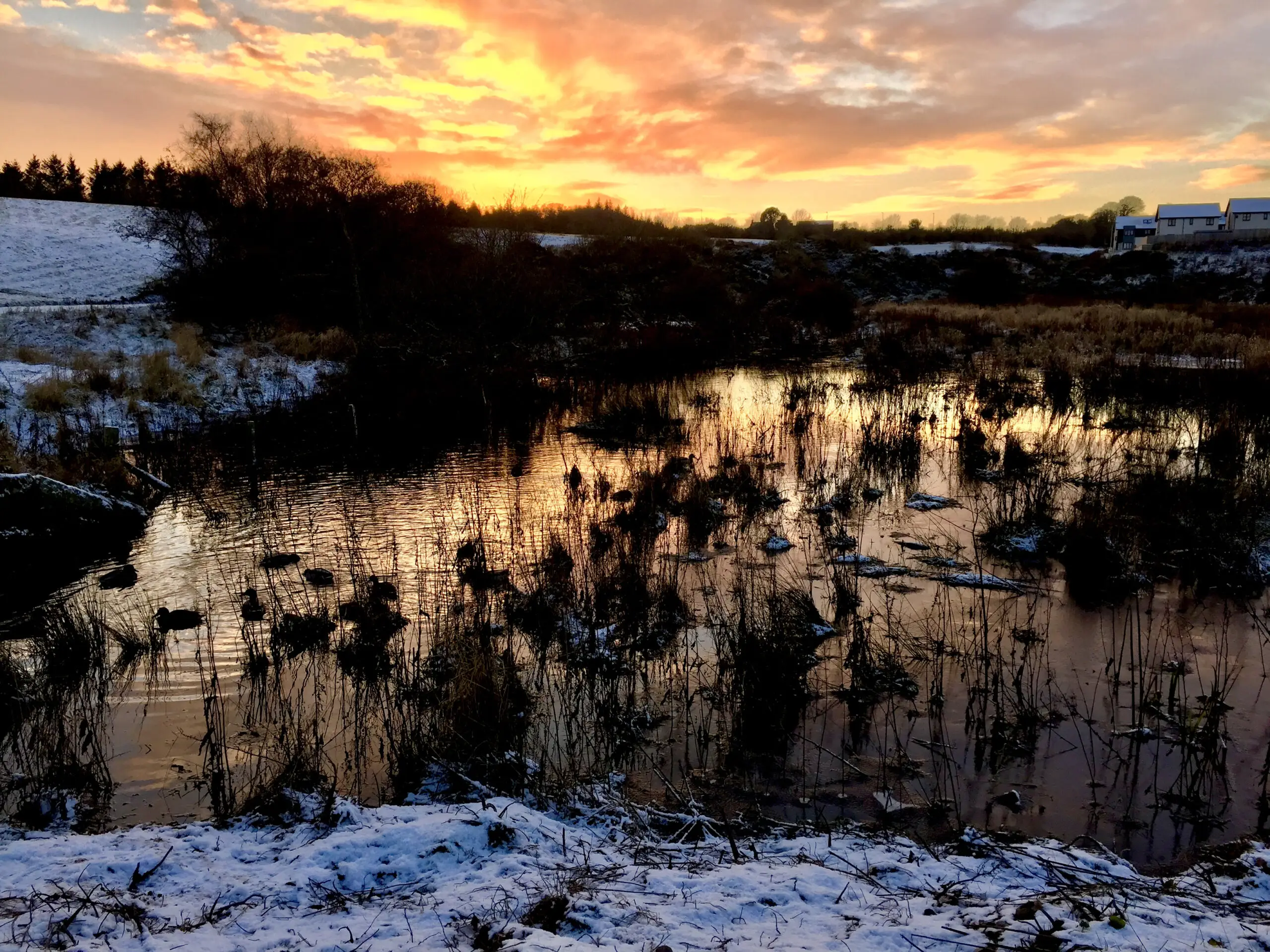
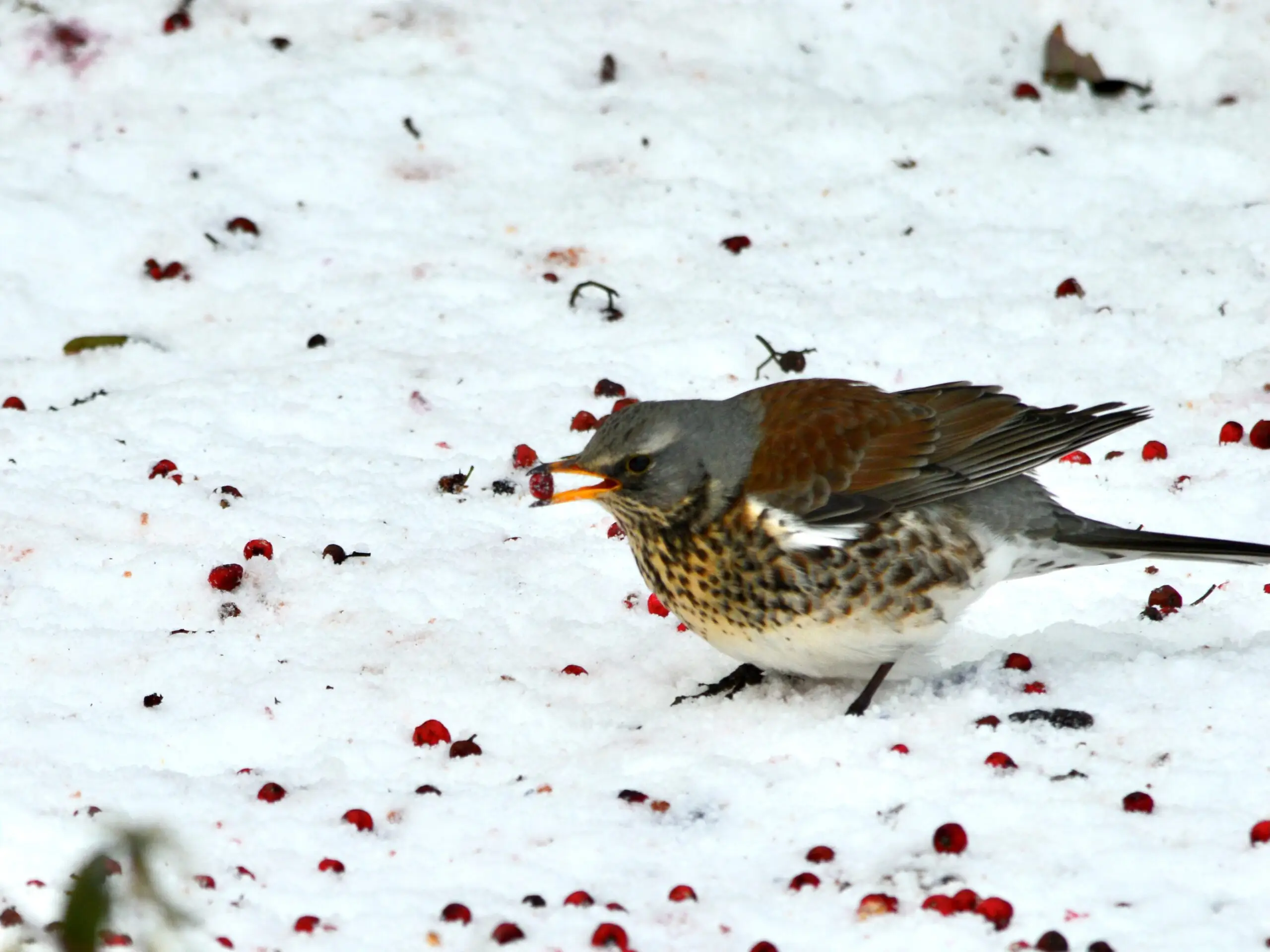
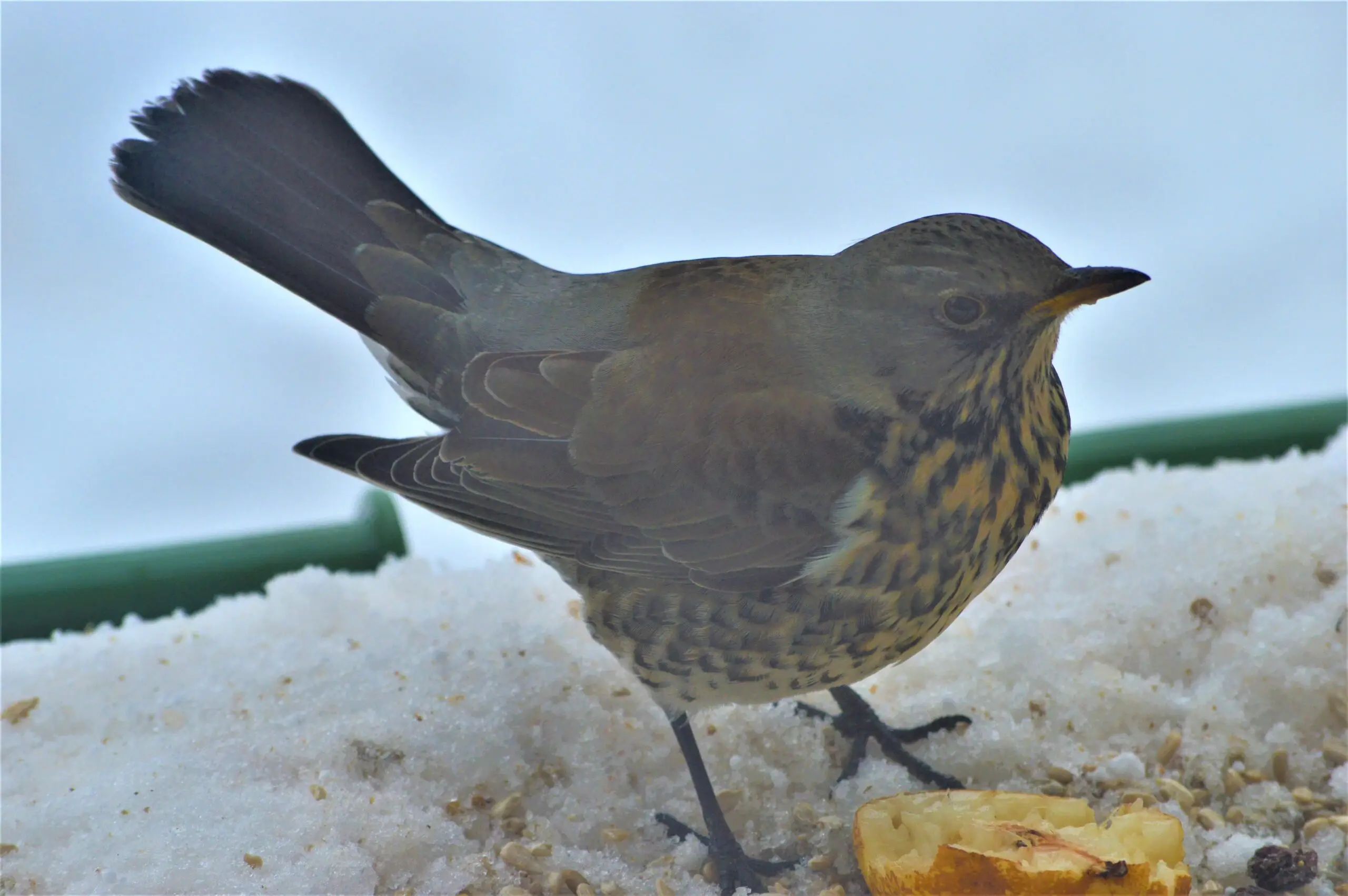
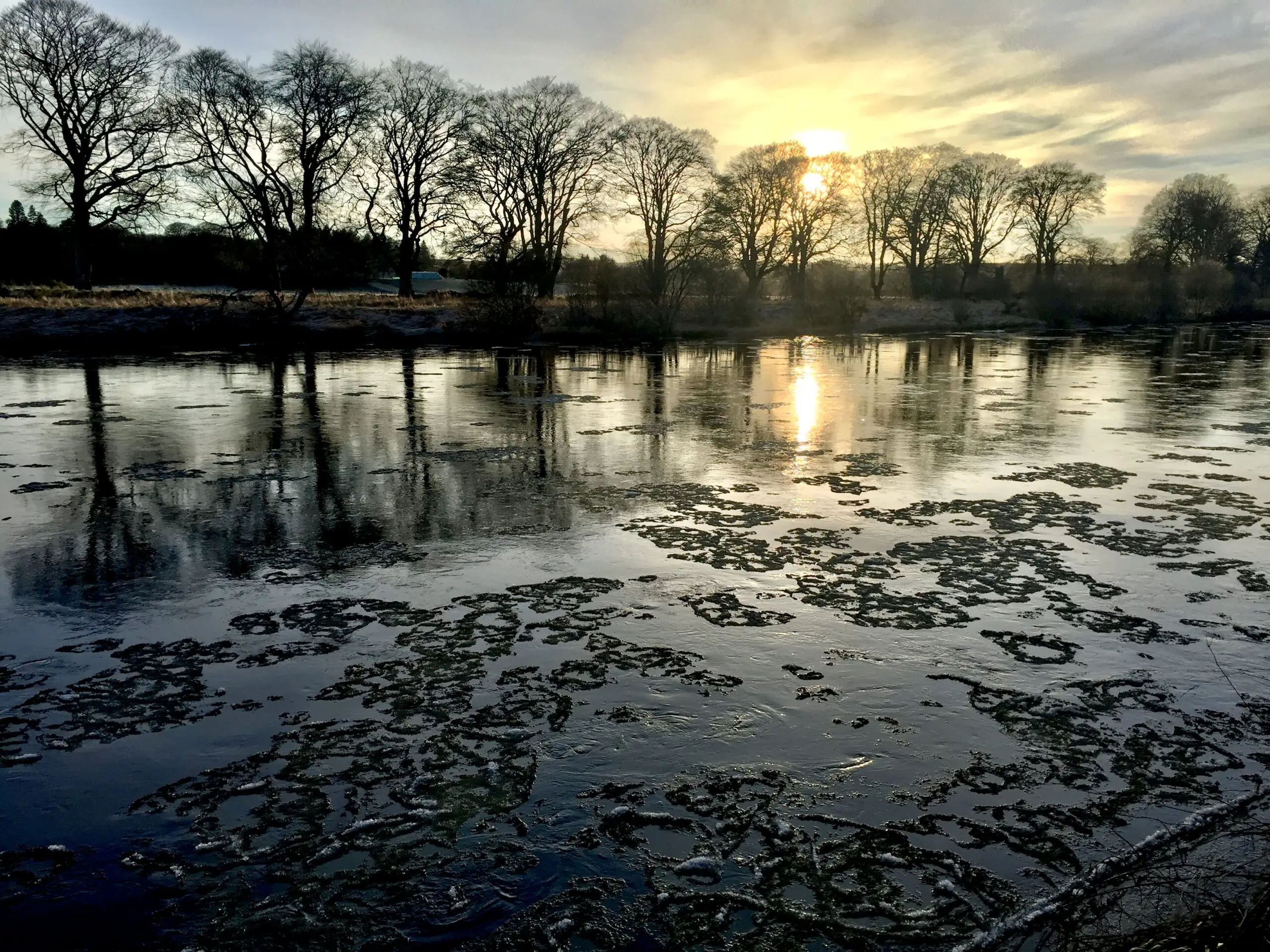
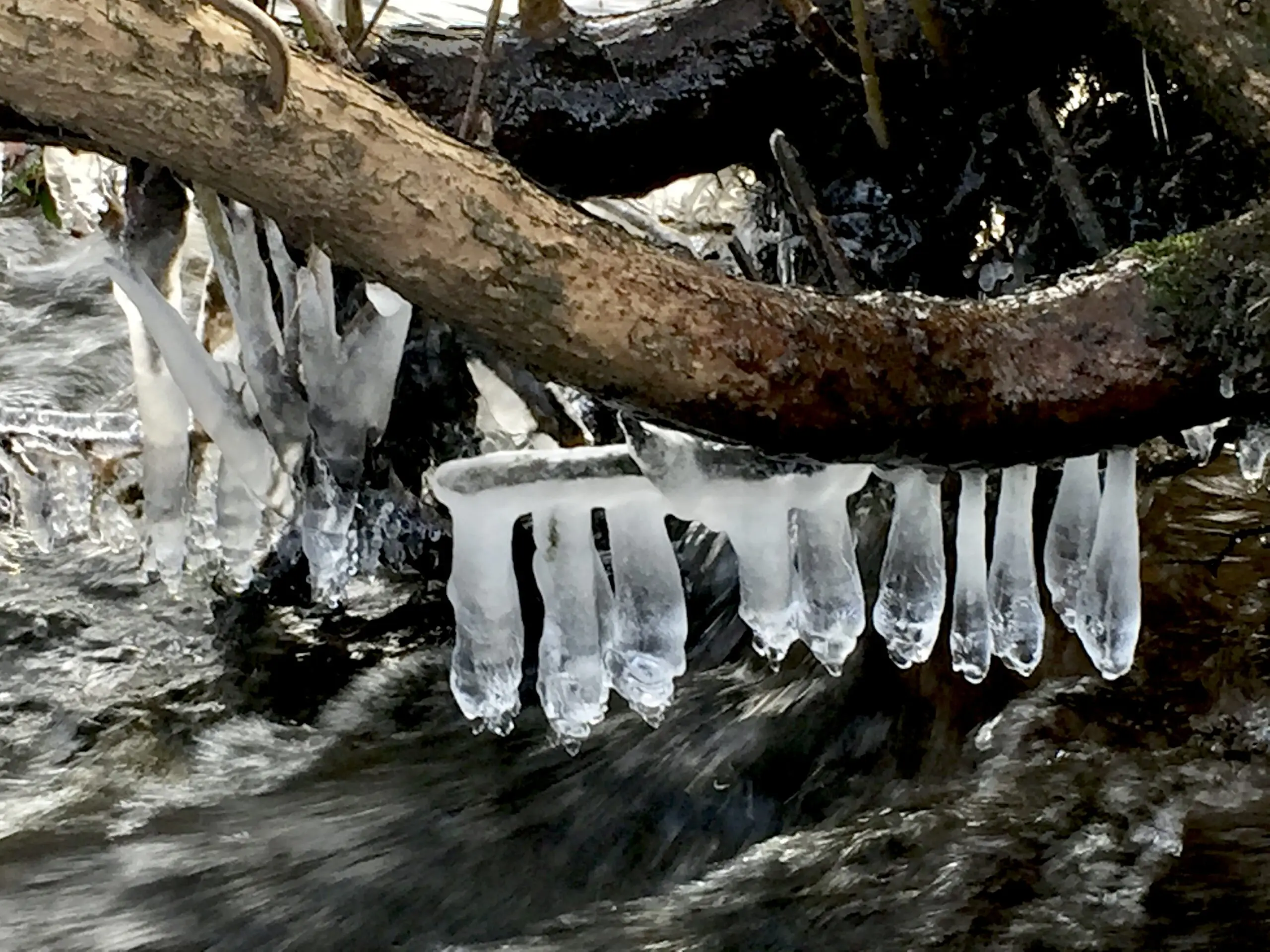
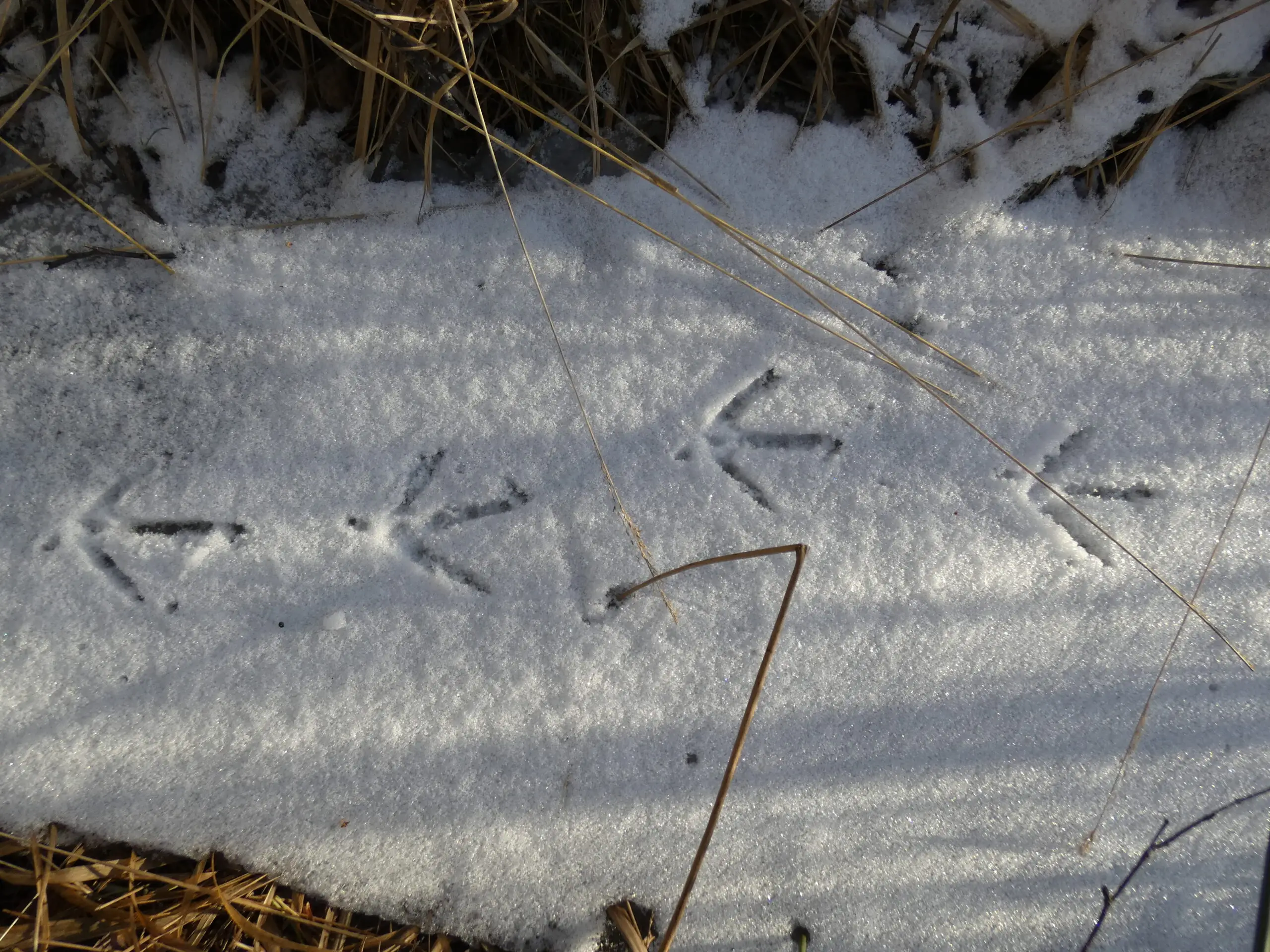
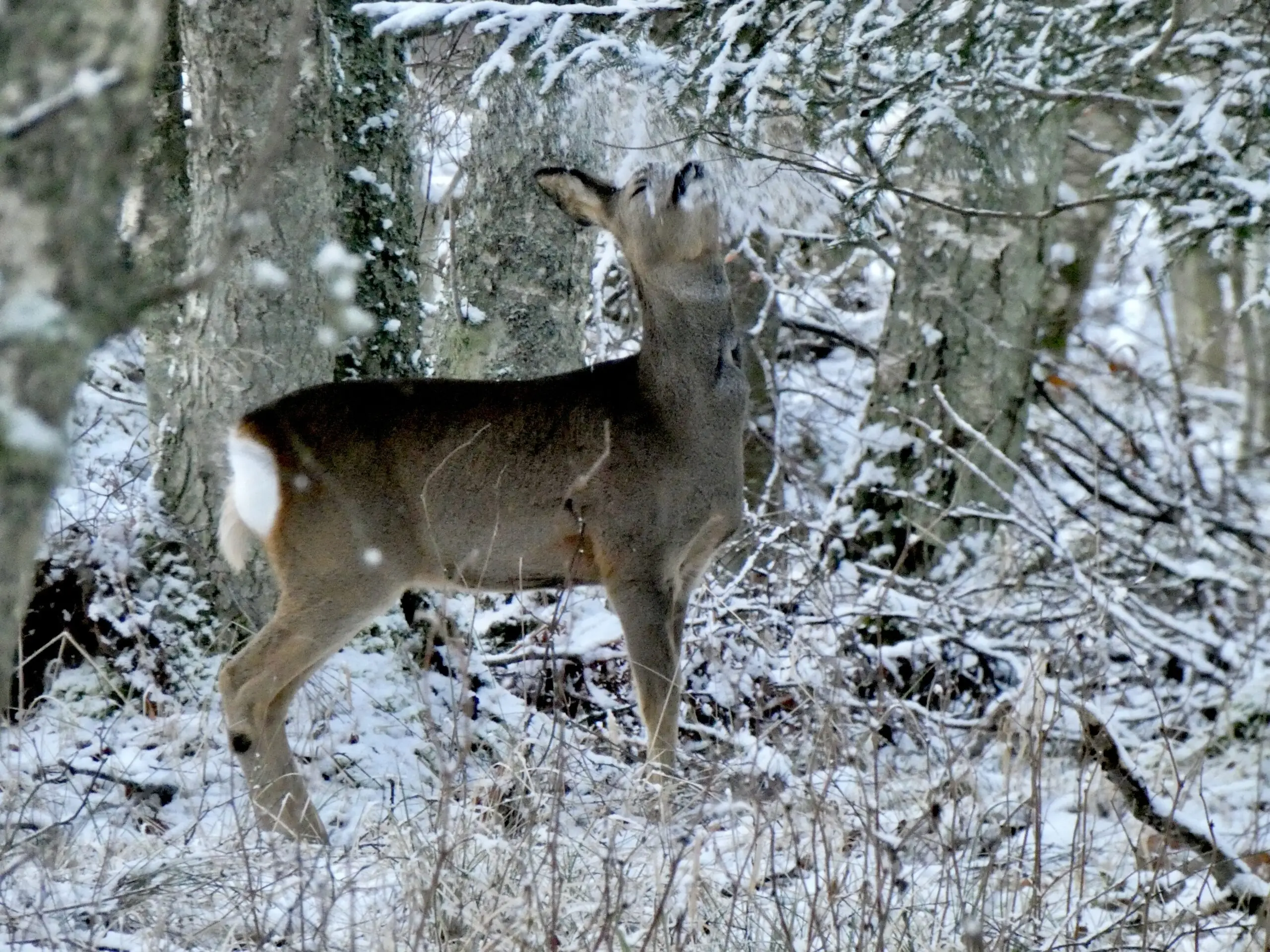
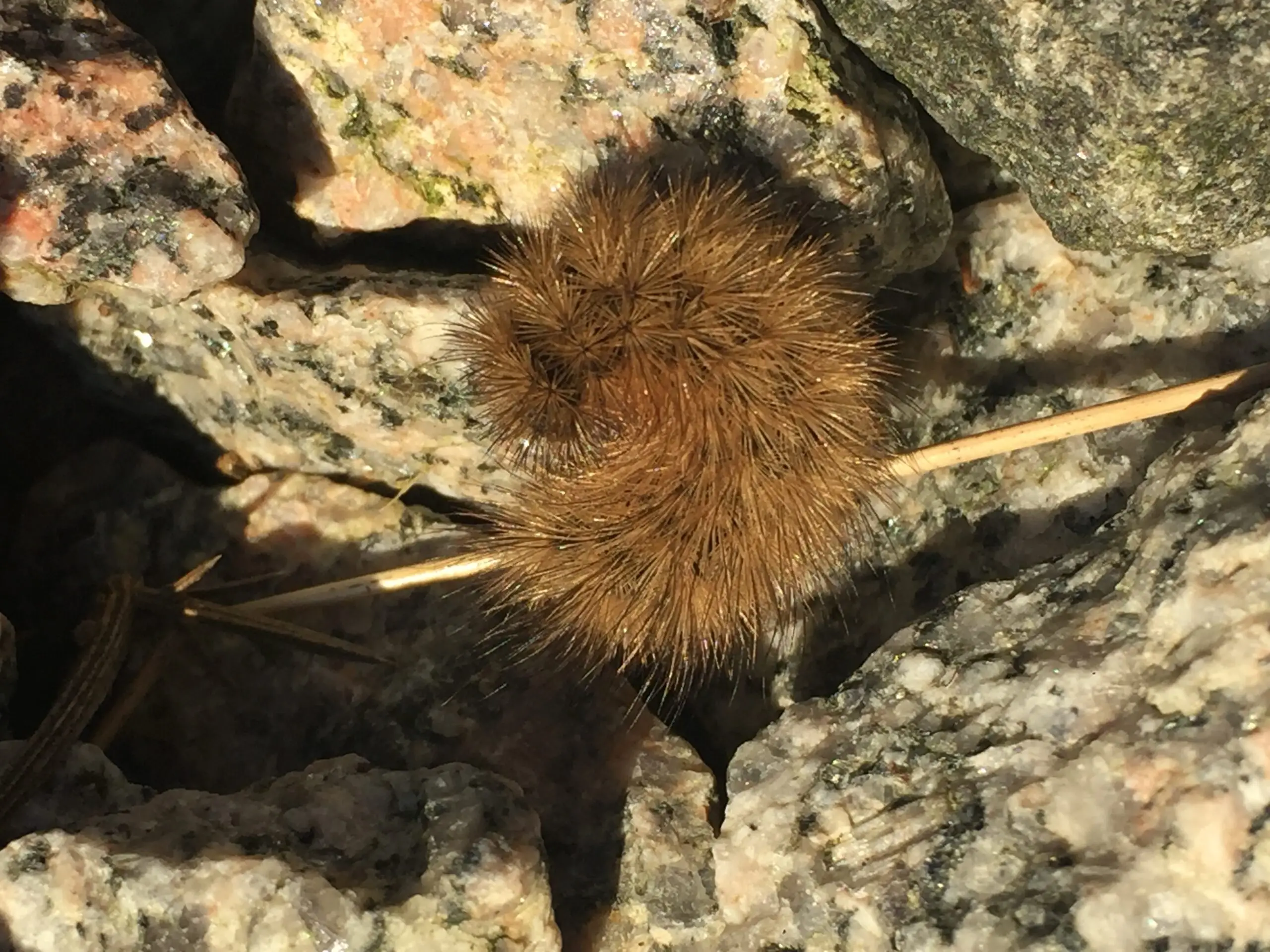
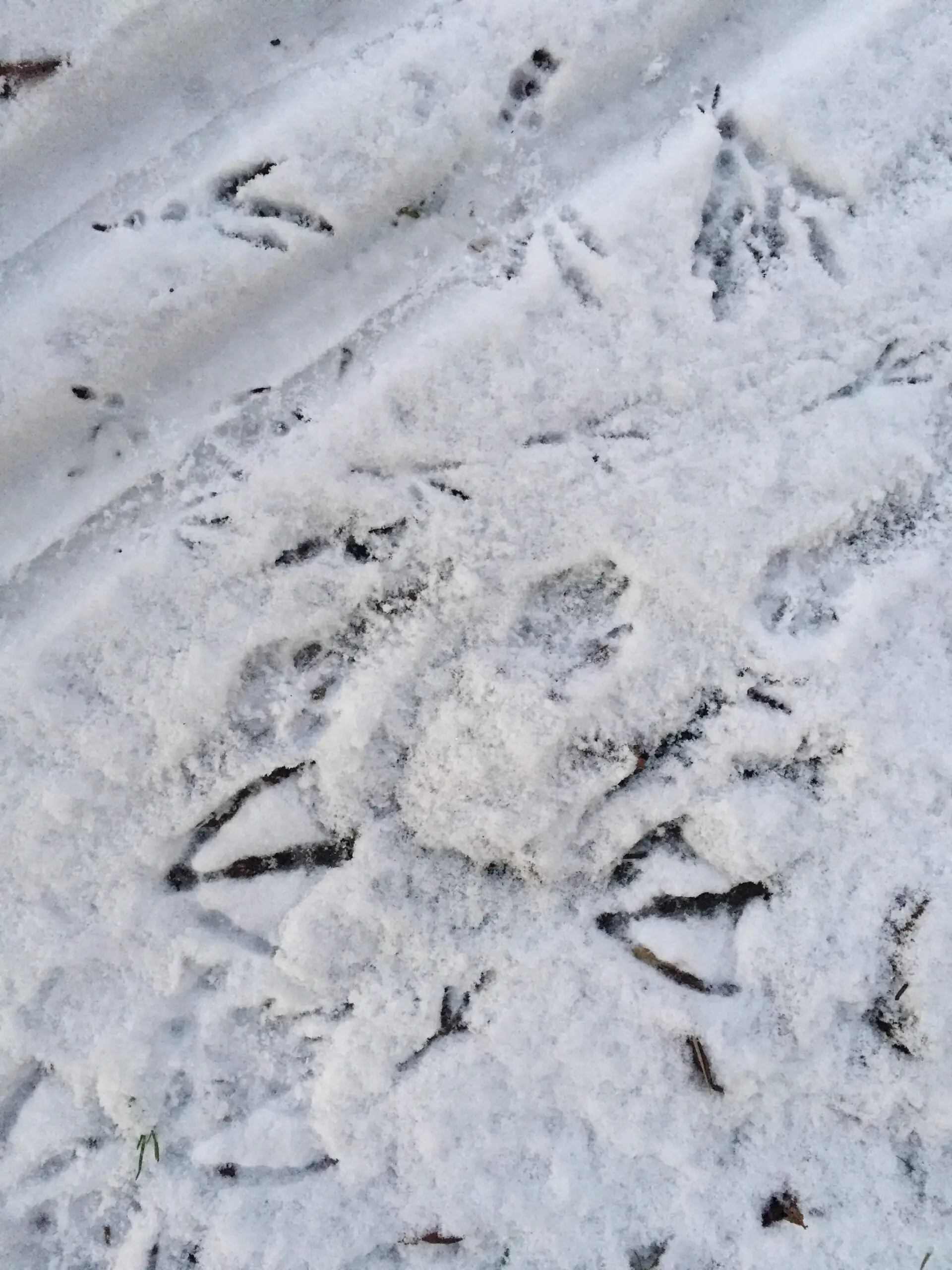
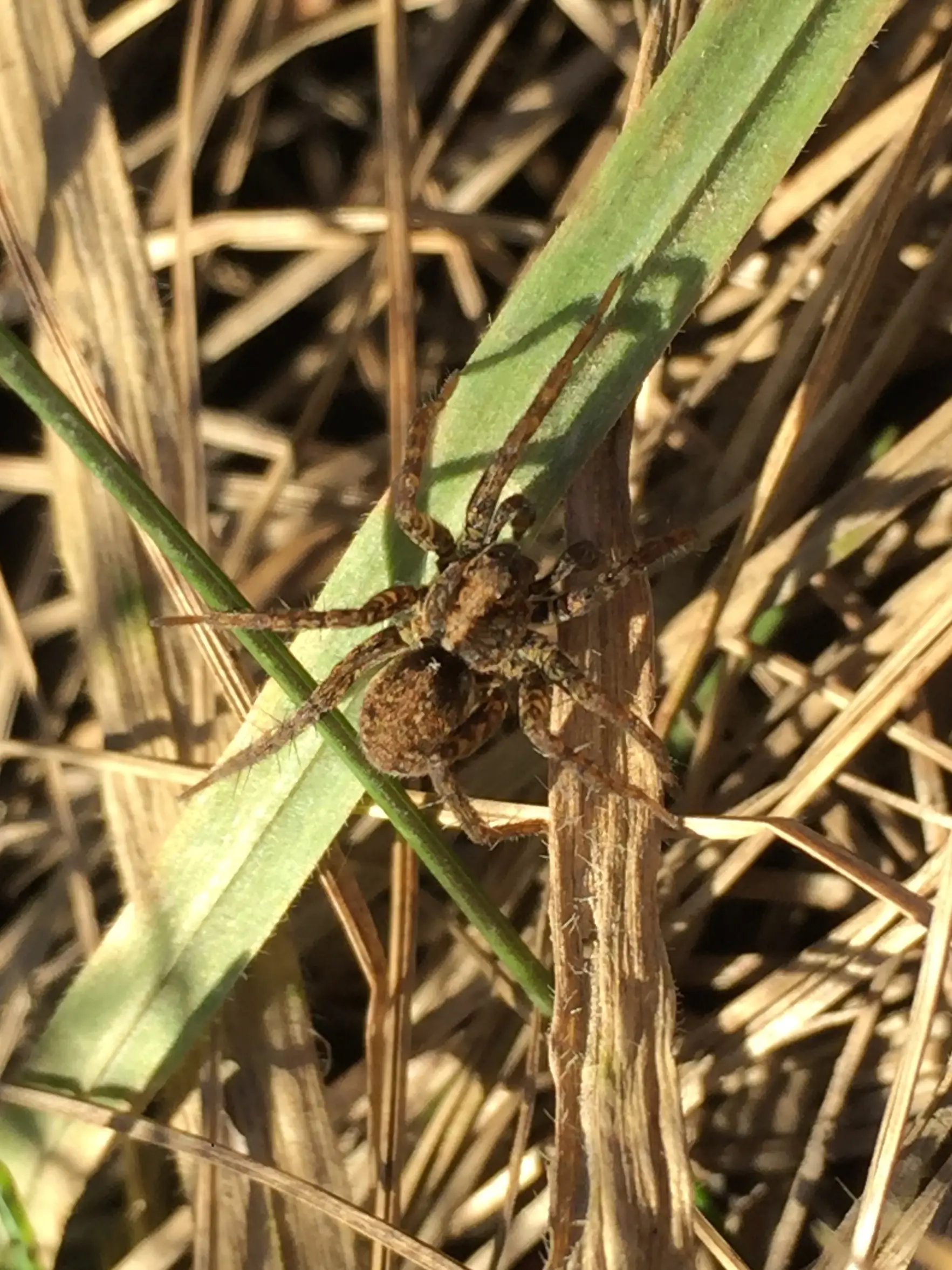
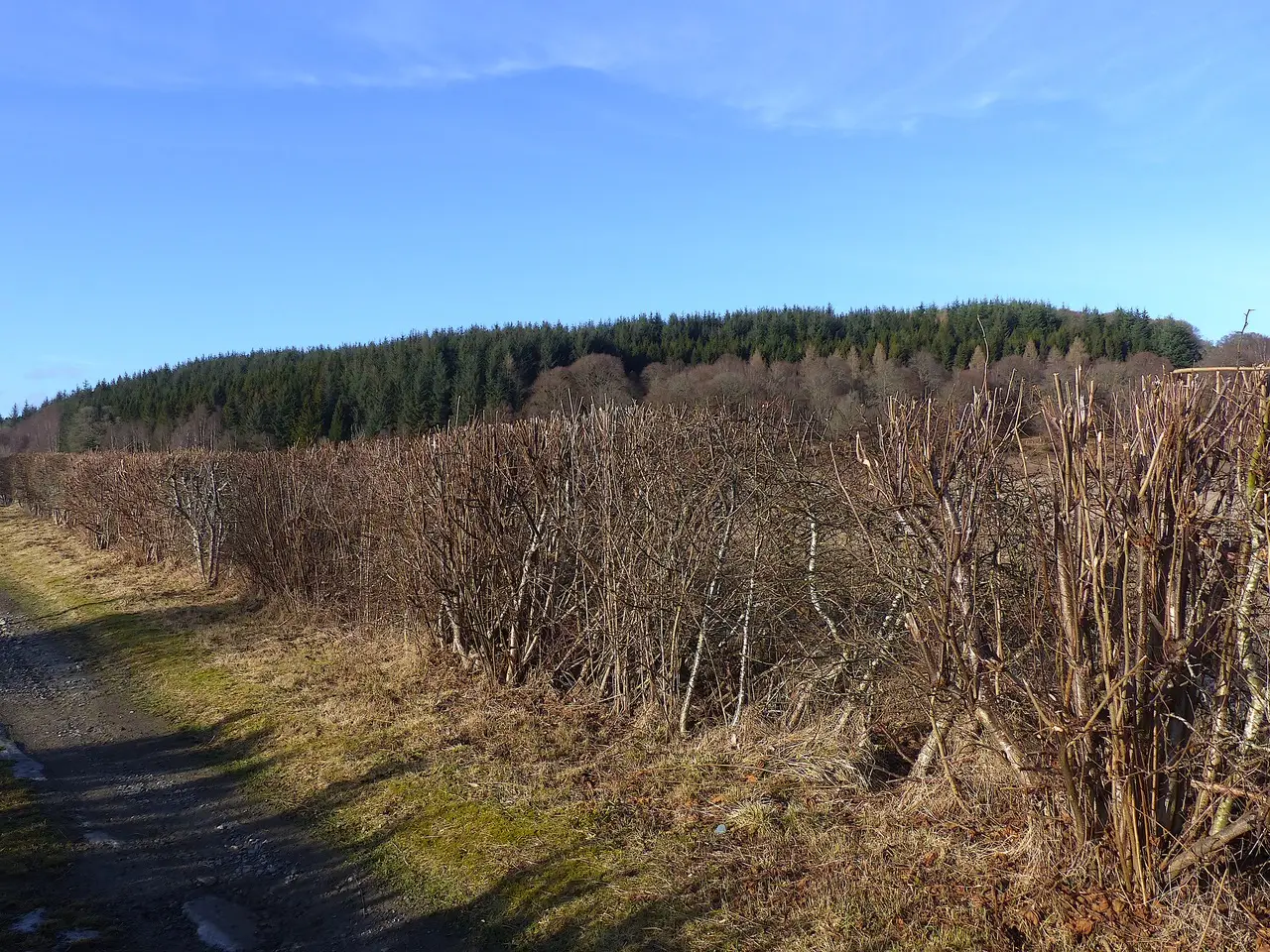
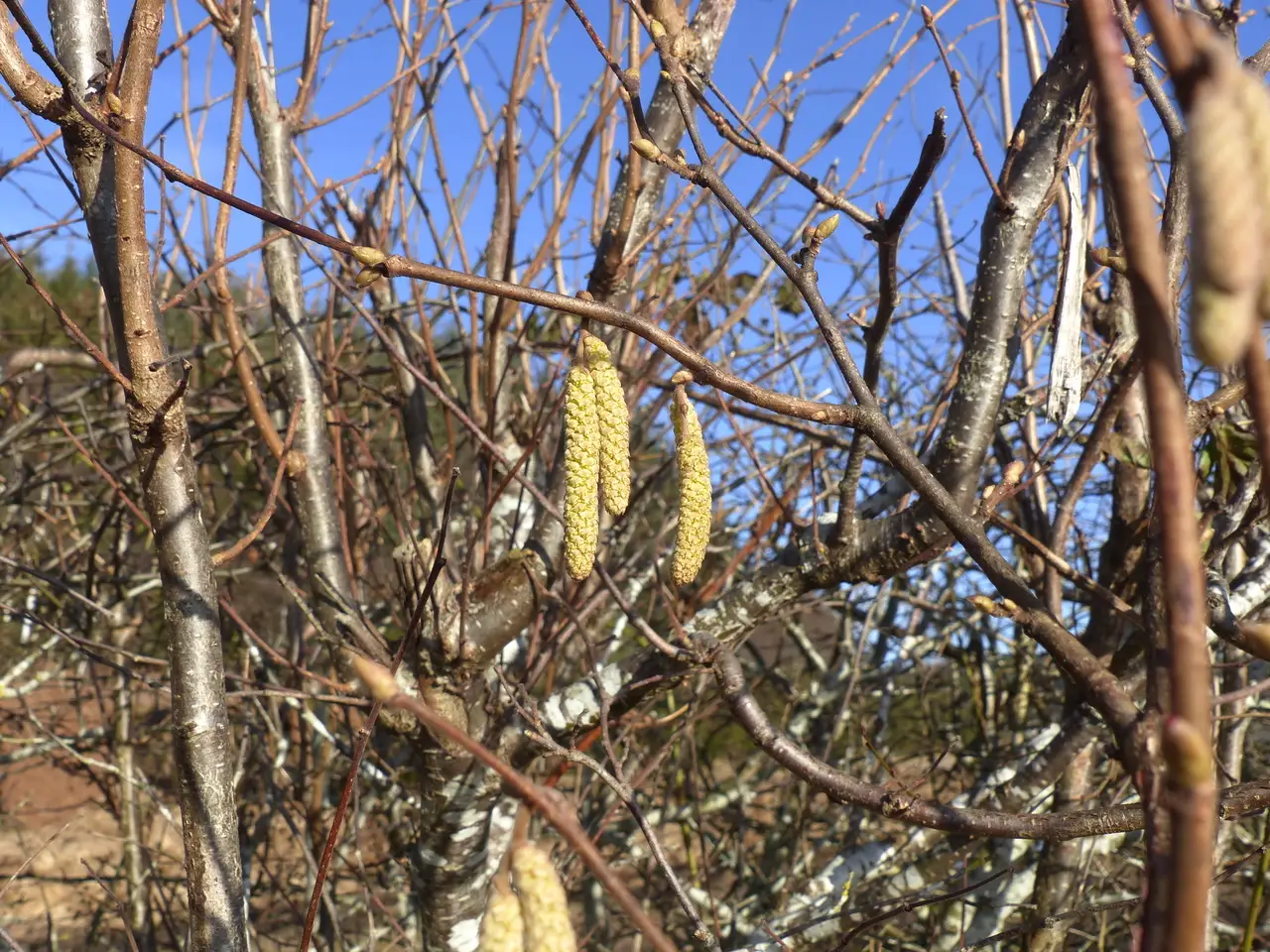
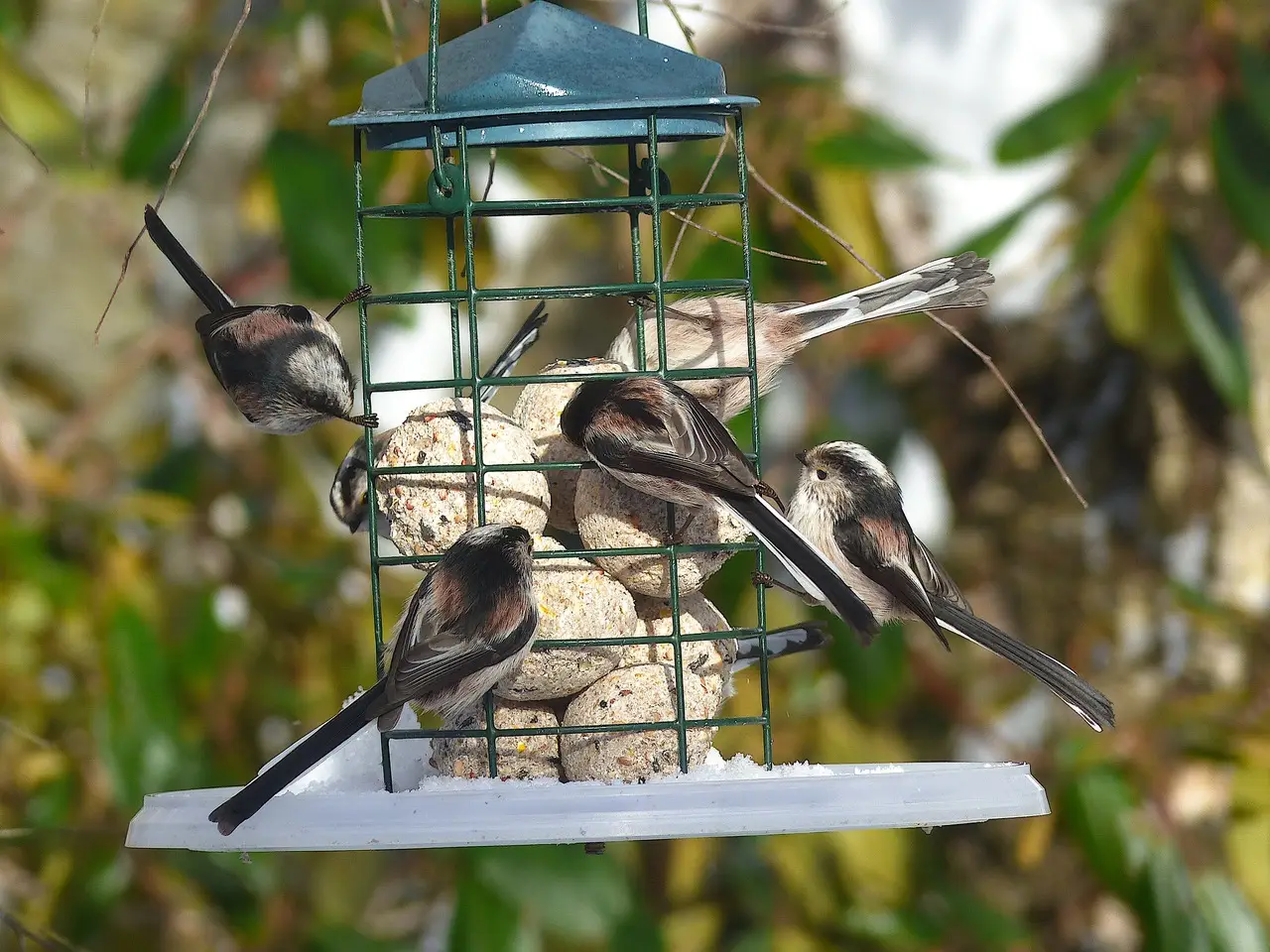
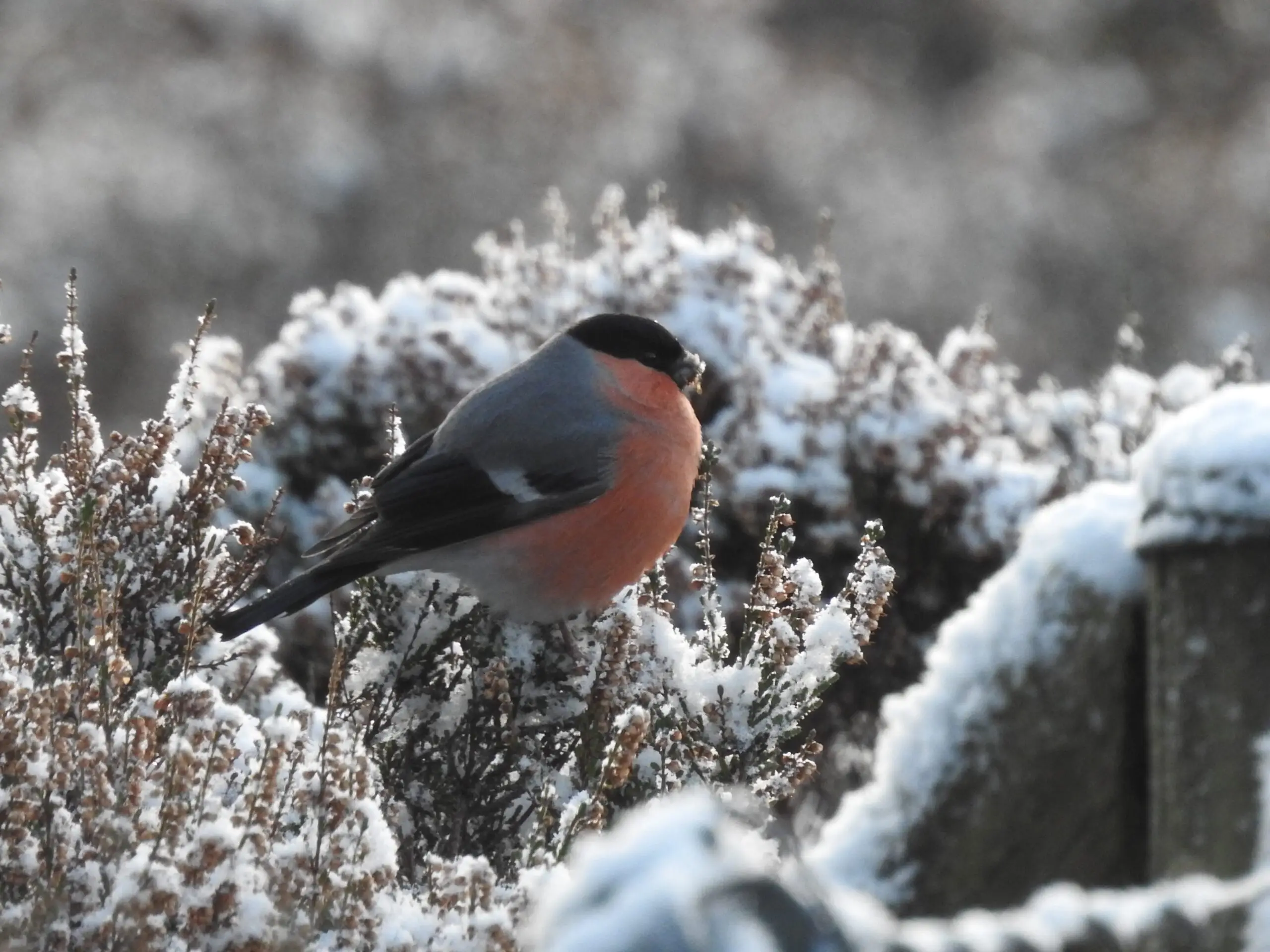
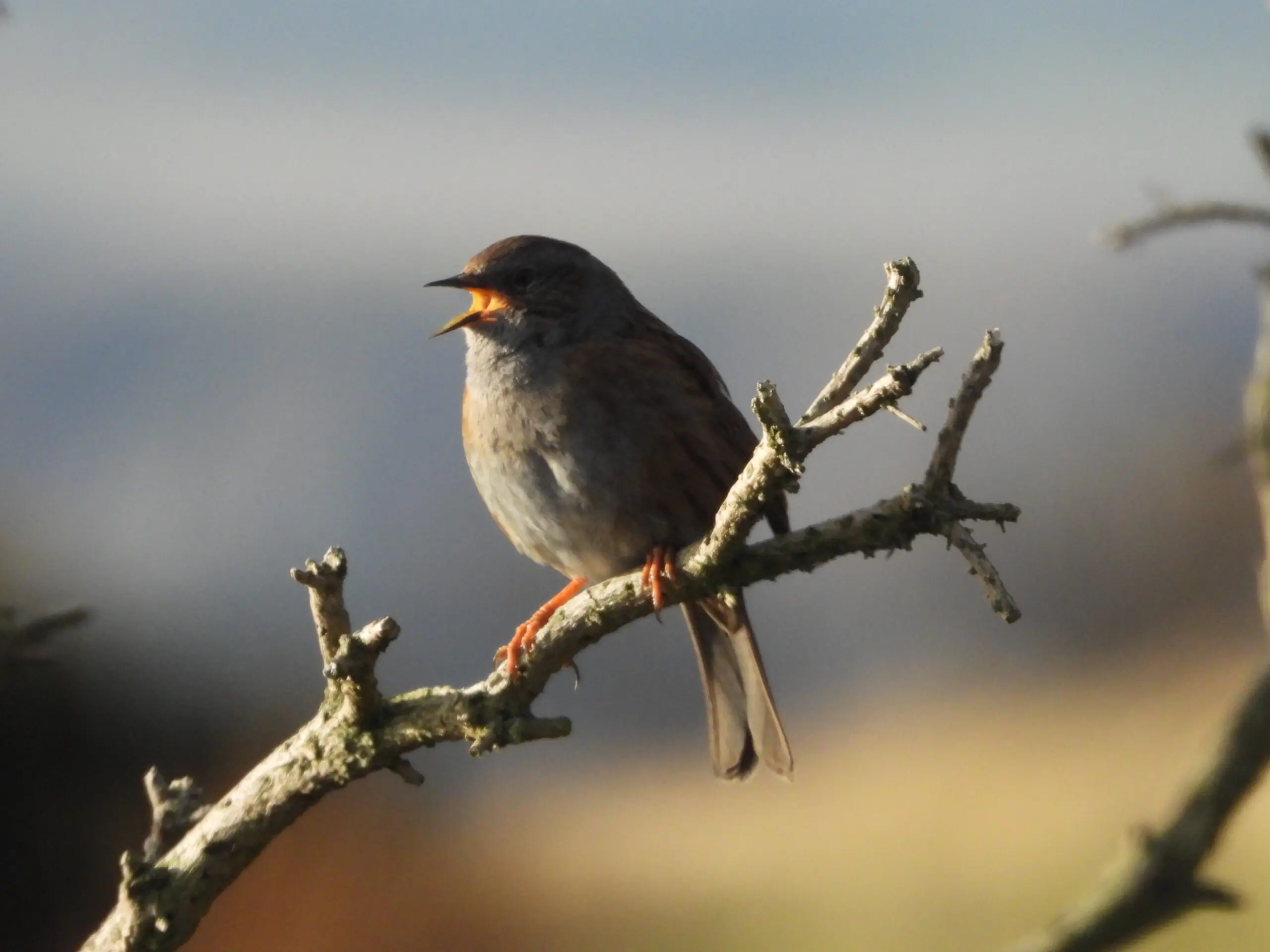
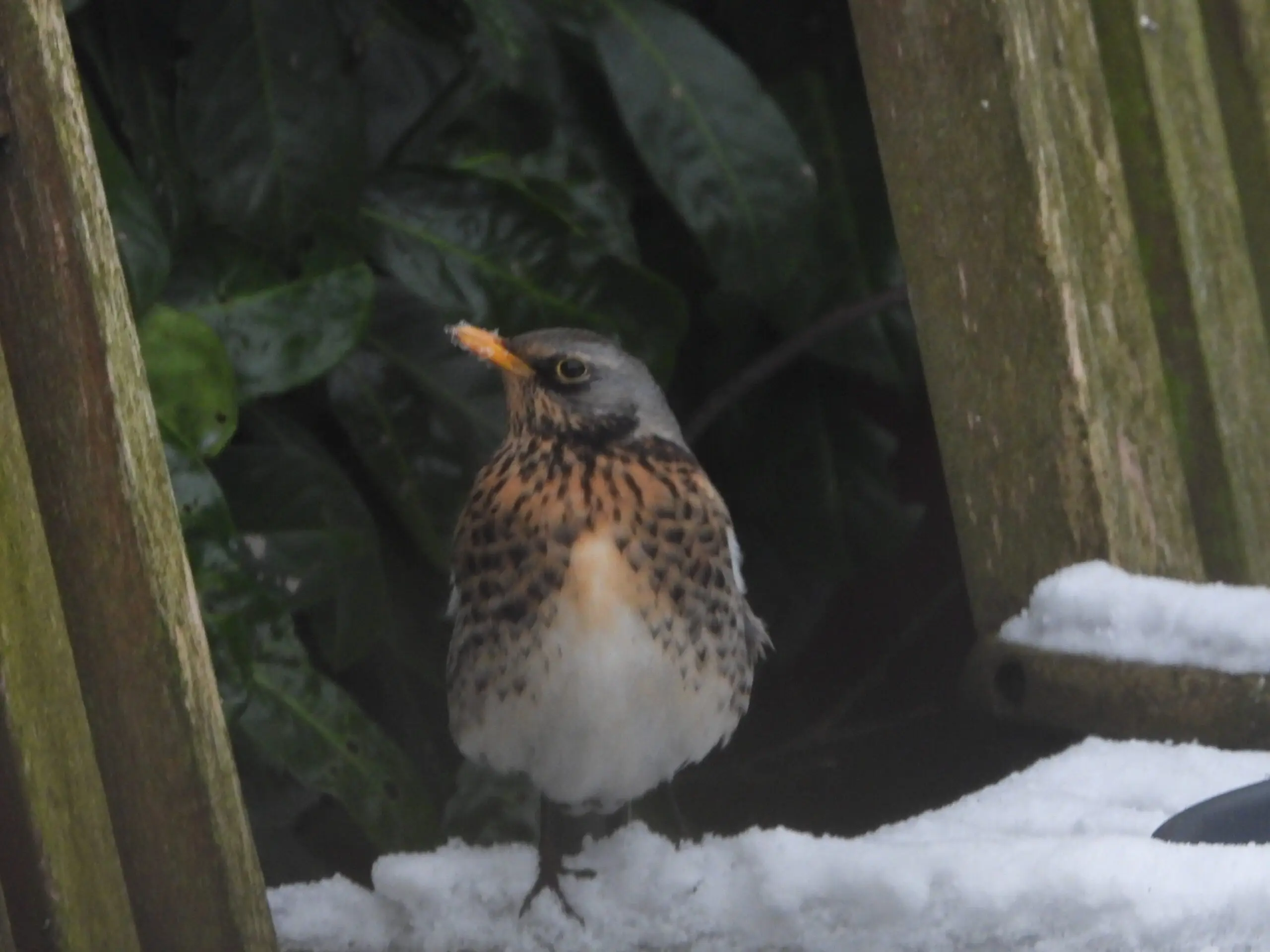
What we’ve seen recently…
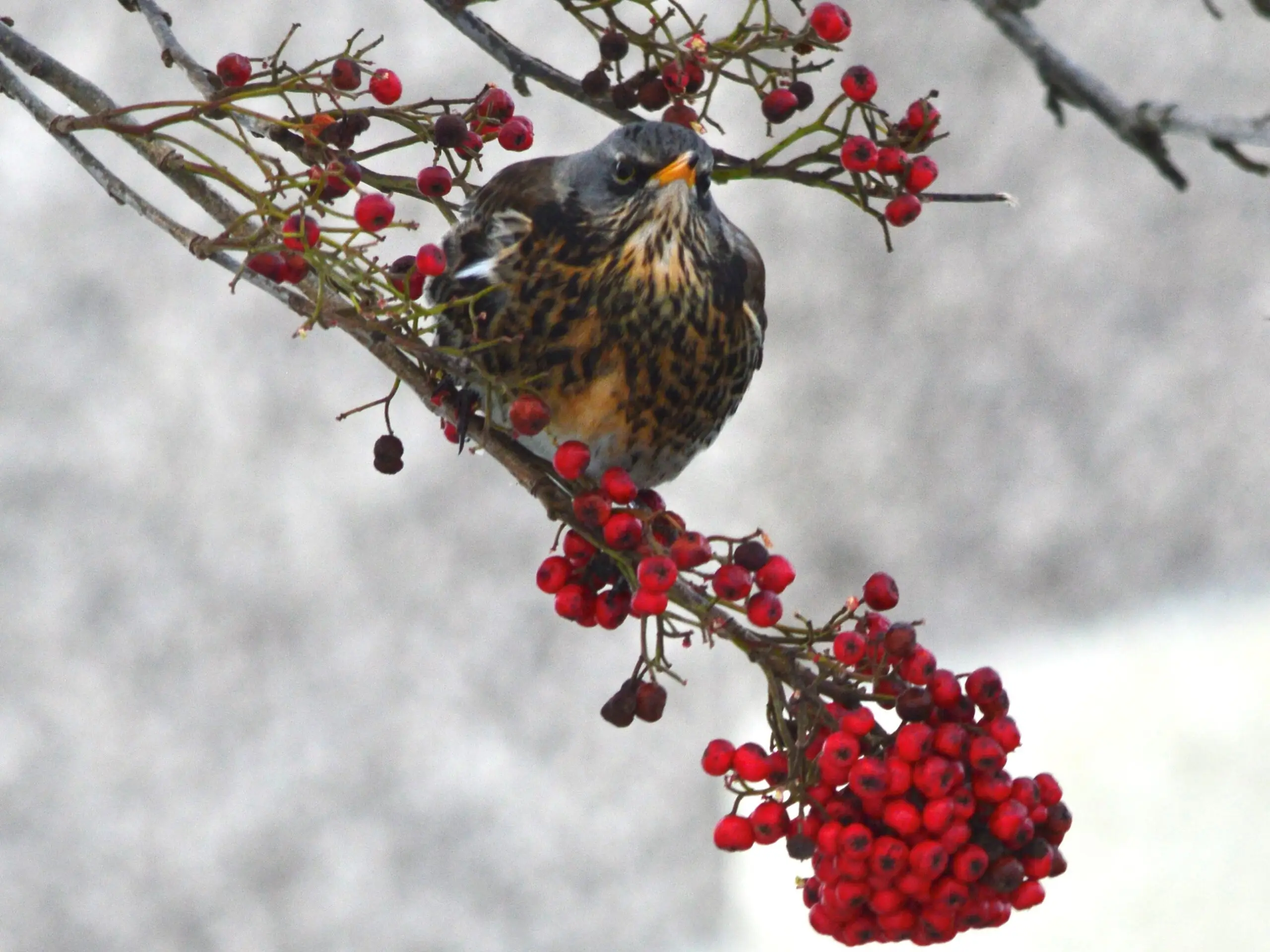
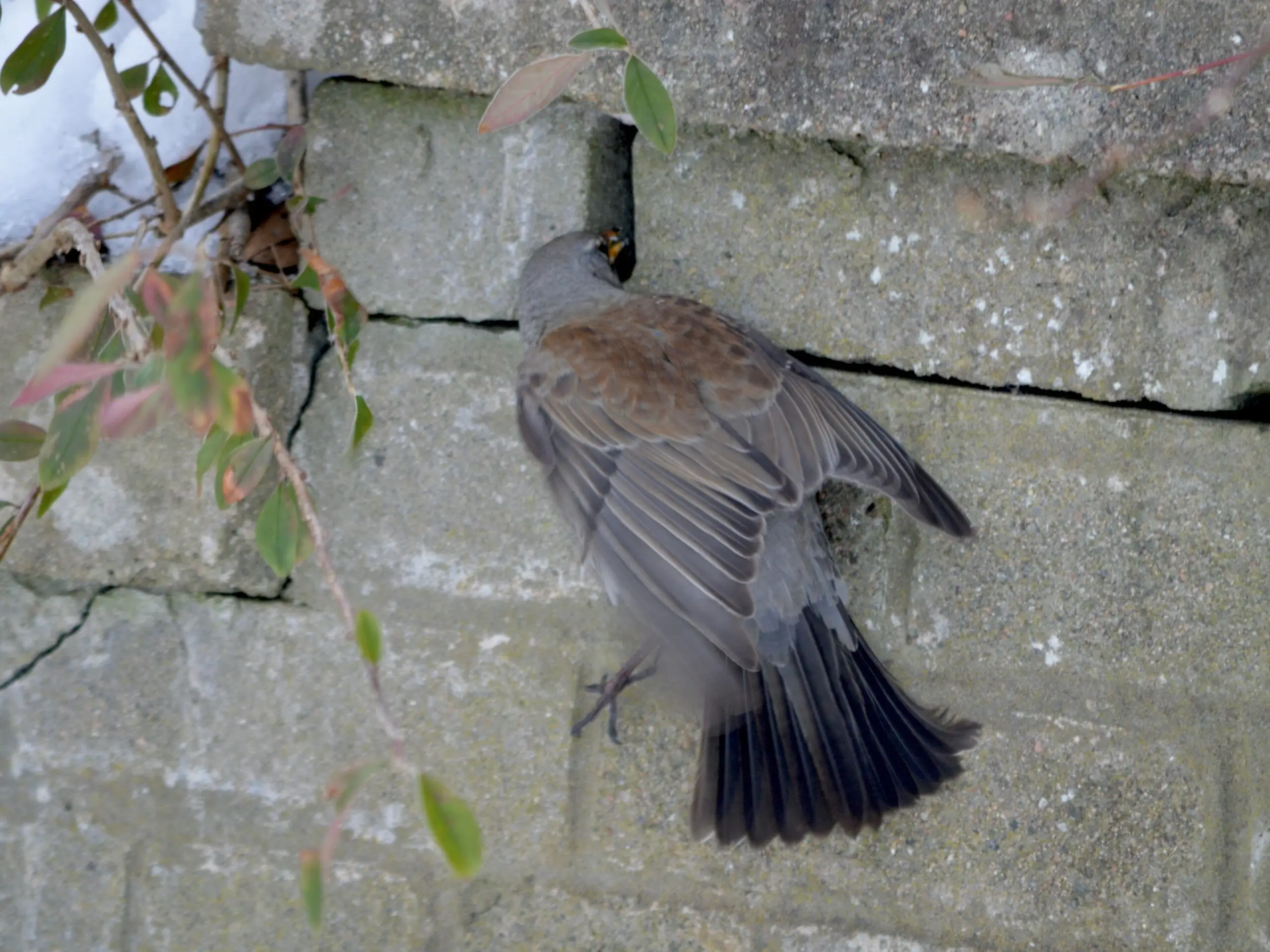
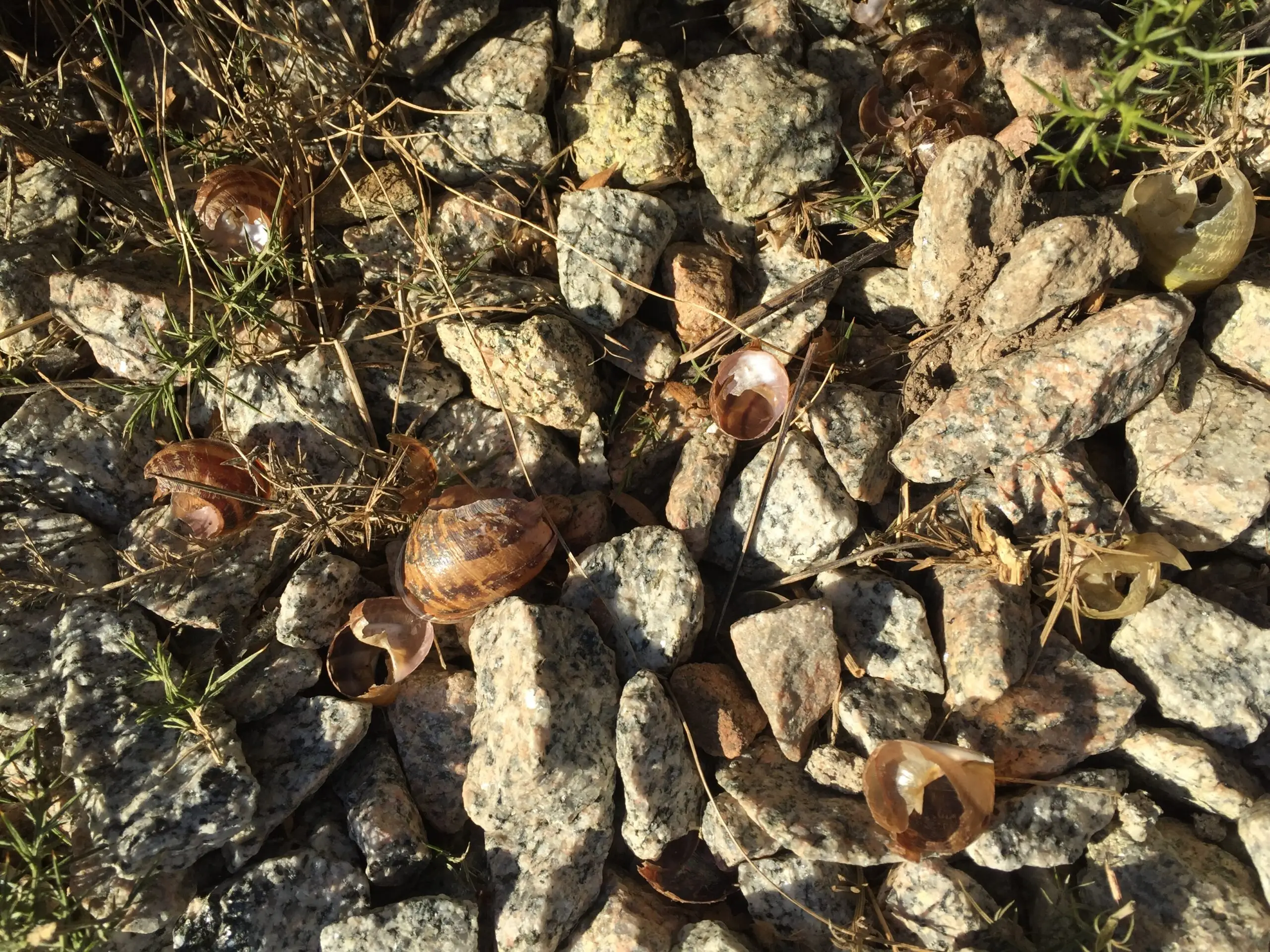
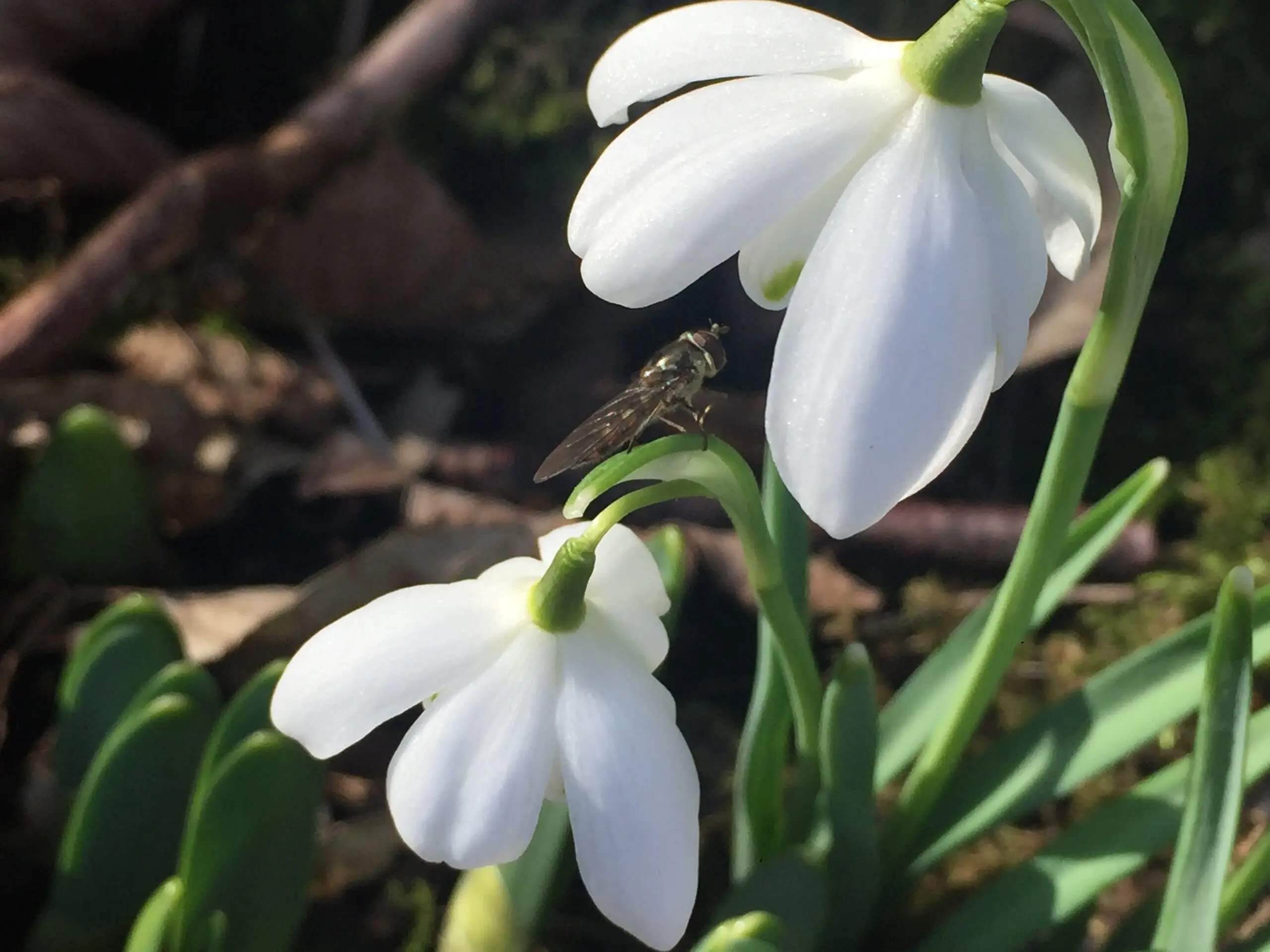
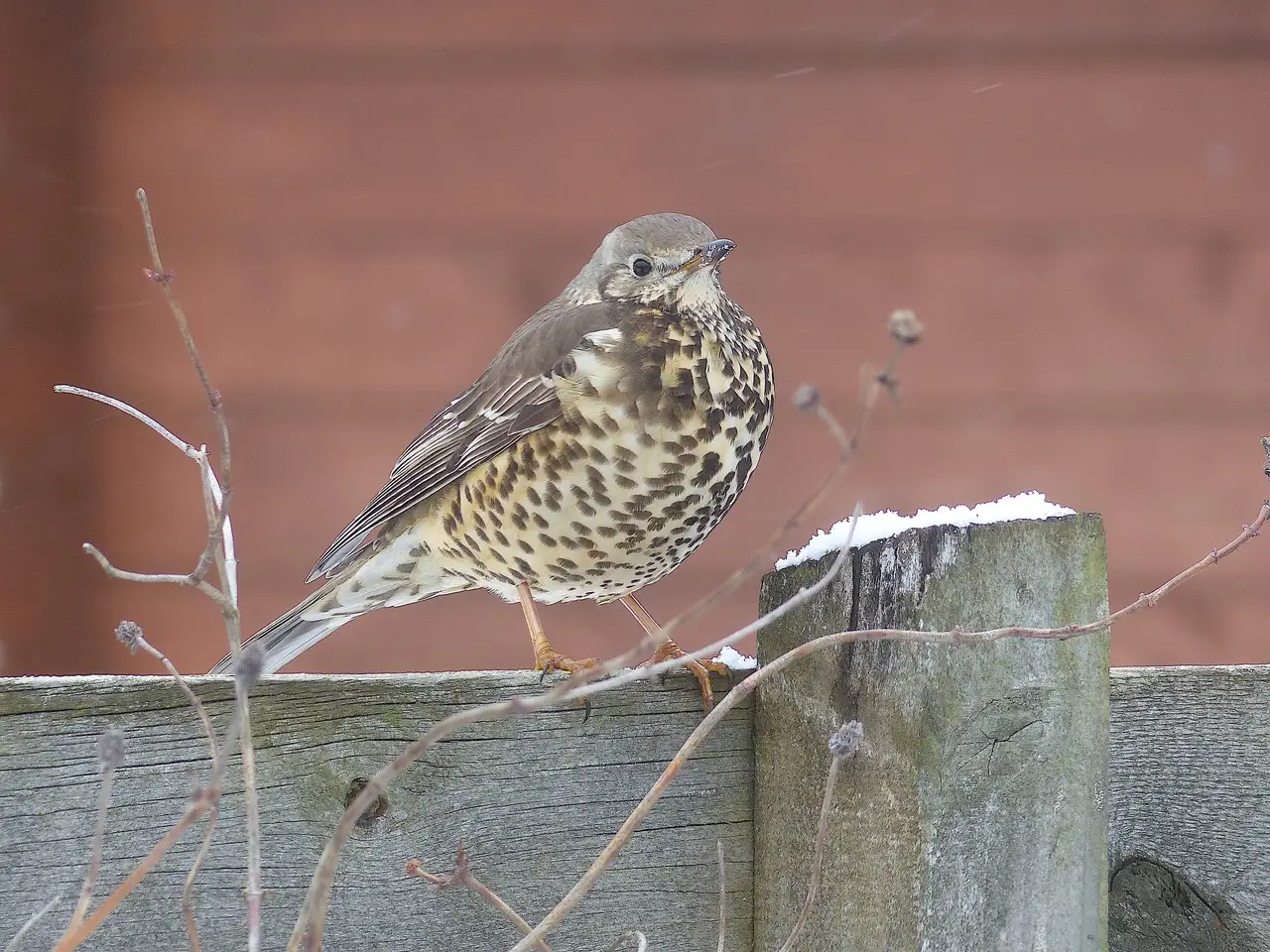
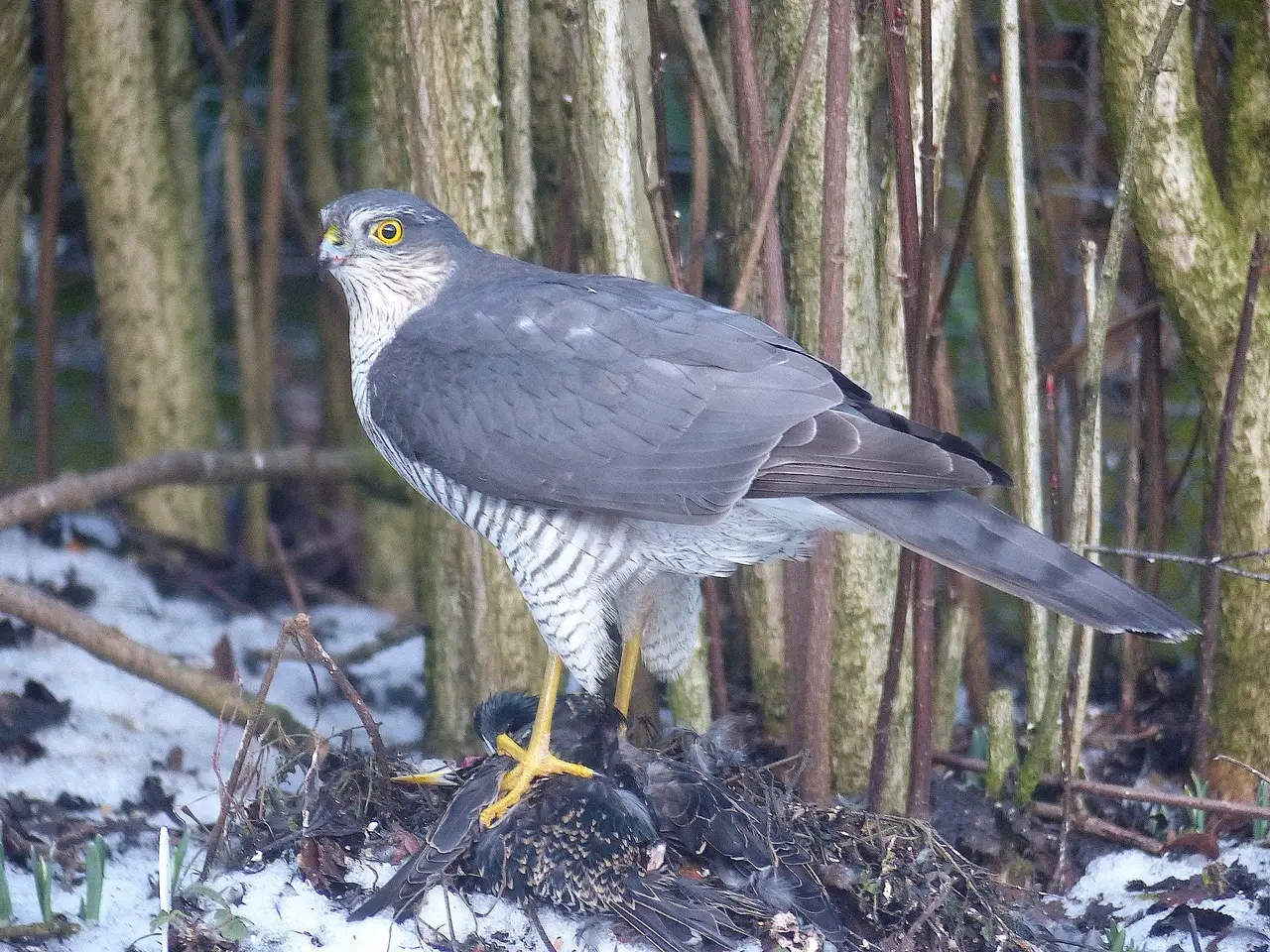
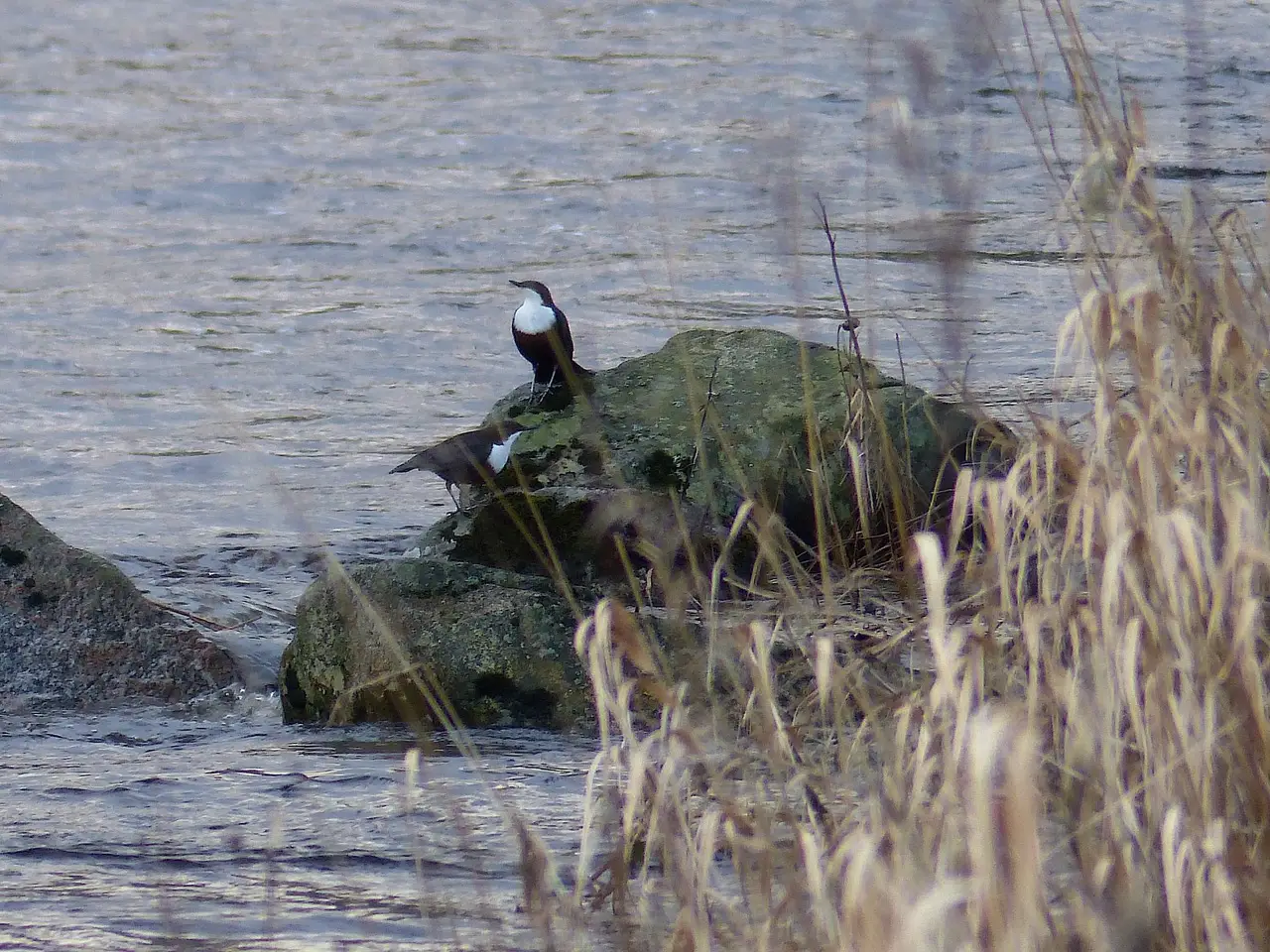
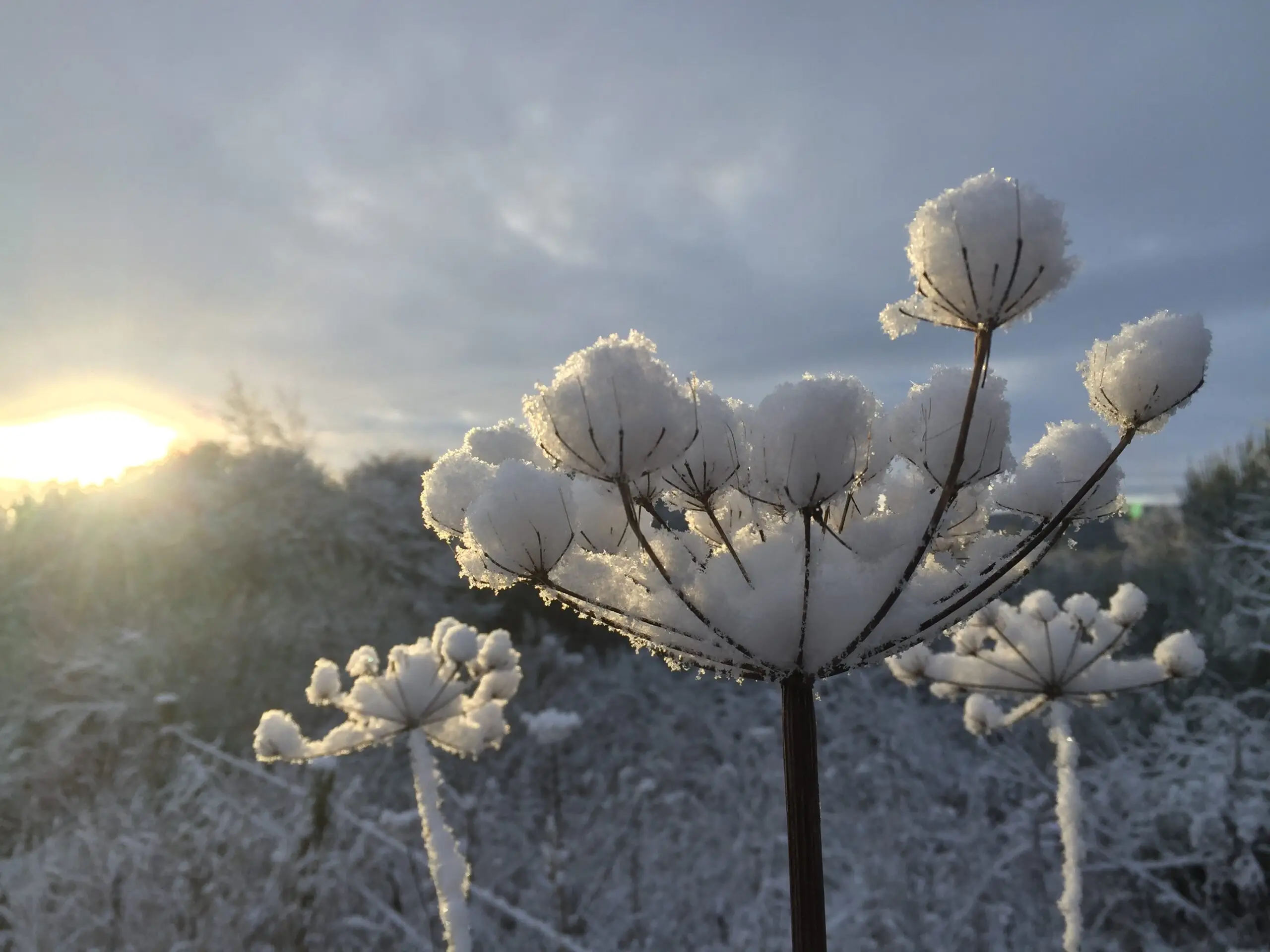
You can also check out the following links for the latest lowdown on what’s going on in Deeside’s nature:
https://www.facebook.com/Aberdeen-City-Council-Countryside-Ranger-Service-280078812133223/
https://www.facebook.com/AberdeenshireCouncilRangerService/
https://www.facebook.com/muirofdinnetnnr/
https://www.facebook.com/GlenTanarRangerService/
https://www.facebook.com/balmoralcastle/