Ambitious recovery programme launched as unprecedented decline in pearl mussel highlights fragile River Dee
 DeeWatch December
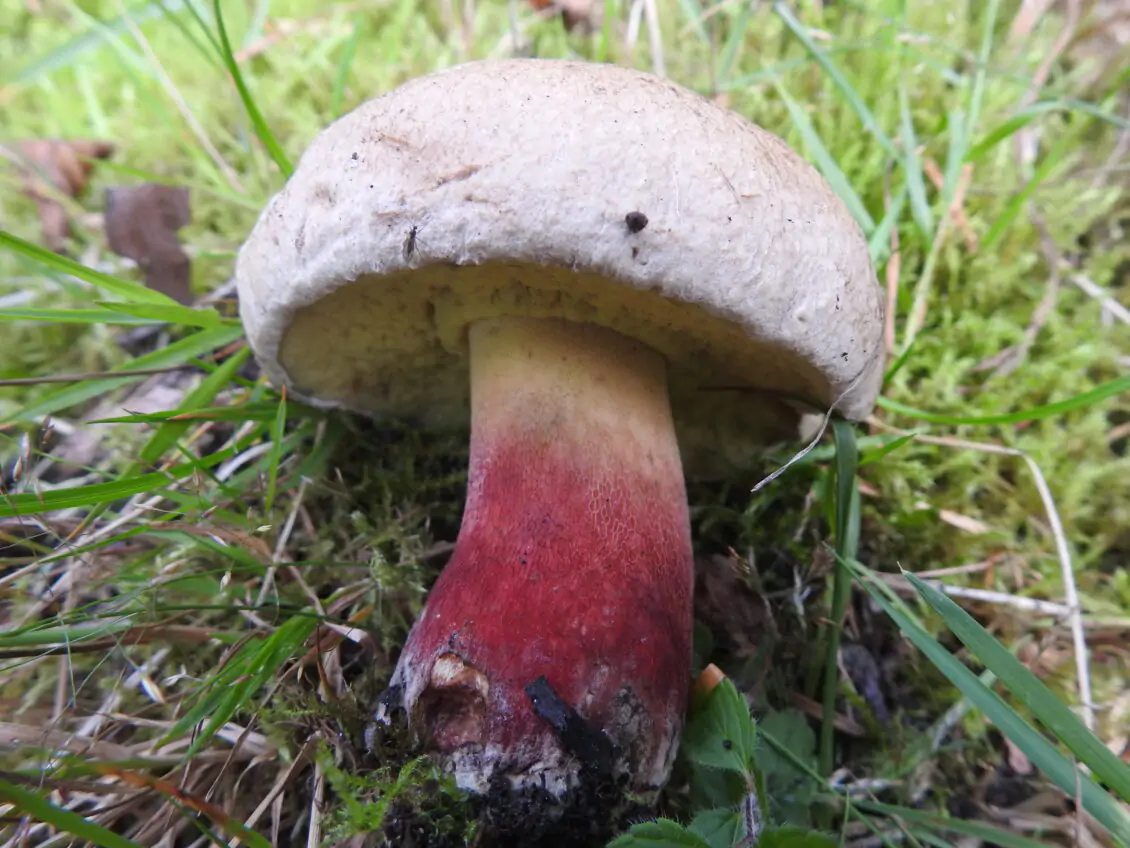
We’ve a special focus on fungi this month, thanks to experienced countryside ranger and long-standing DeeWatch contributor, Toni Watt. Now Manger of the Birse Community Trust, Toni is a self-described enthusiast for ‘all things natural history’ – and what she doesn’t know about fungi surely ain’t worth knowing!
*Don’t forget to scroll right to the end to check out what else we’ve spotted in Deeside in the last few weeks – and remember, keep your eyes and ears peeled, and camera ready to capture your own findings while out and about in nature this autumn…
They’re late this year
This beautiful, but dry, summer has taken its toll on our catchment’s fungi. Usually by mid-July the fungi are appearing in the woods, but this year they’ve only just begun to appear in the last week or so and only very slowly. After the last hot dry summer, we found some unusual species in the north east the following summer, like a date waxcap at Crathes Castle. We never really know what’s going to happen with fungi but it’s always fascinating!
Look out for…
What to spot
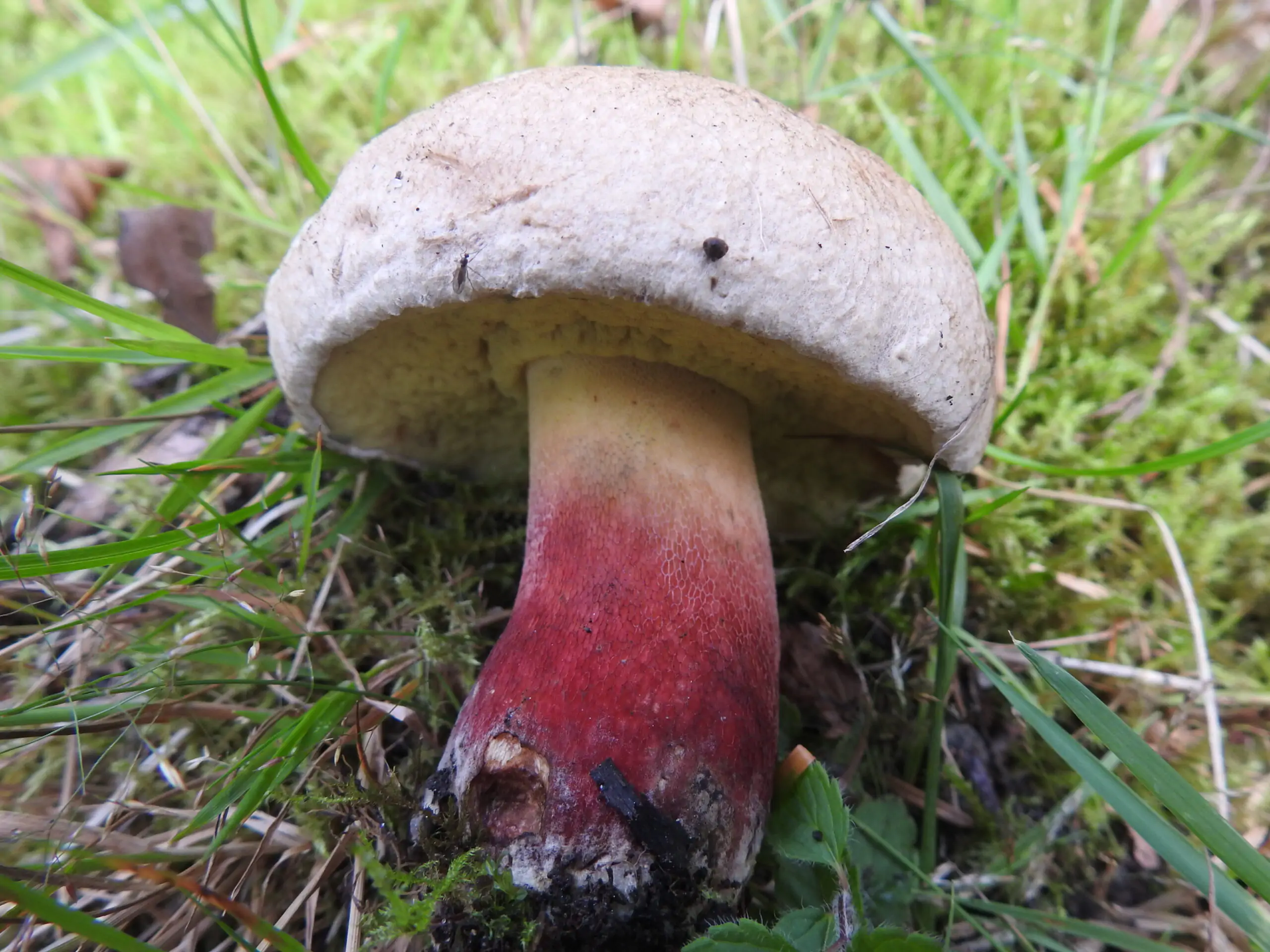
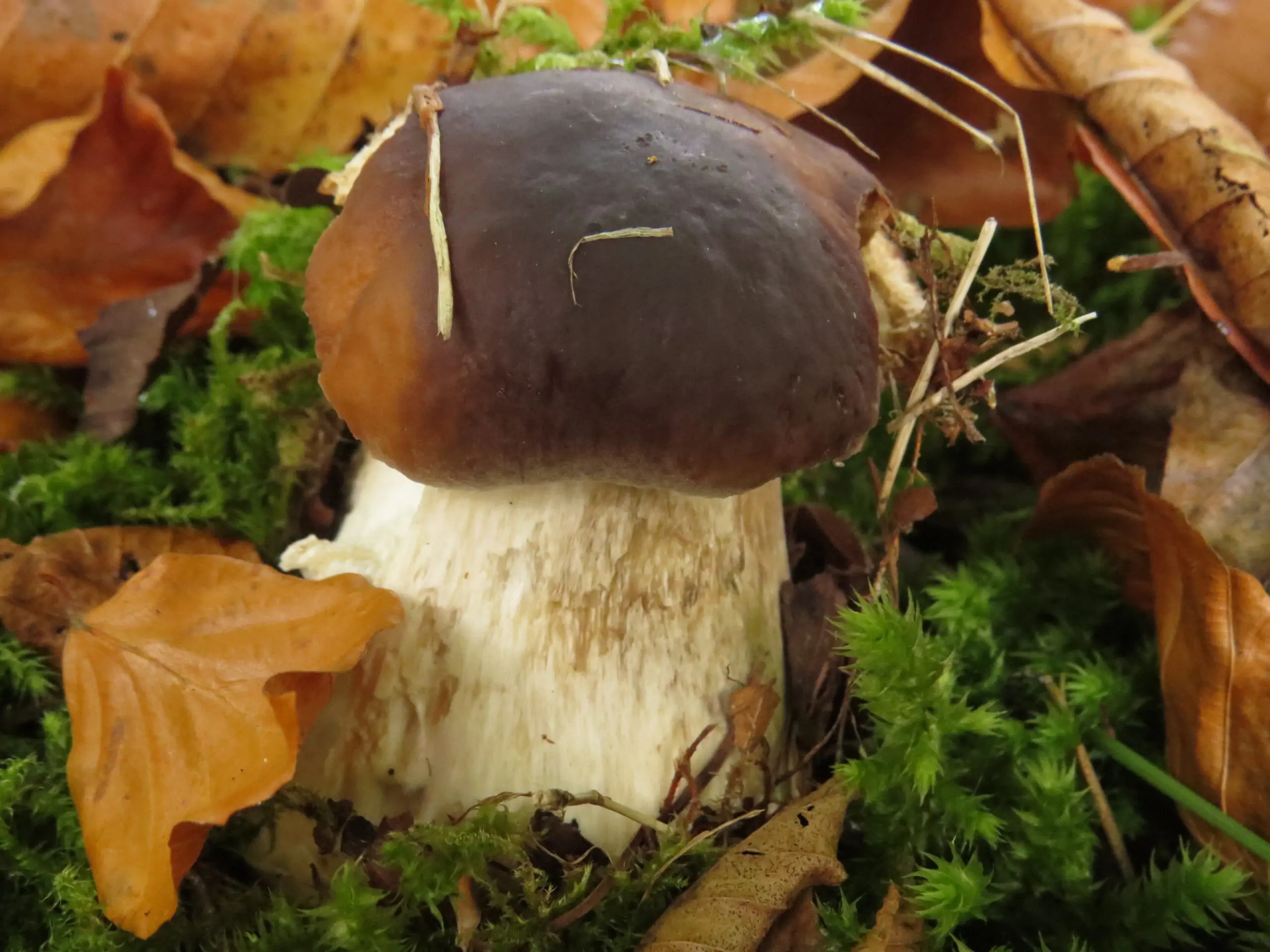
What should we look out for if the rains come? Already the first boletes are fruiting, sturdy fungi with pores instead of gills under the cap surface. These include the familiar cep or penny bun with its brown cap, pale yellow pores and white network on the stem – sometimes described as being like fishnet stockings! Other boletes change colour when bruised or cut, like the fairly common bitter birch bolete which turns a beautiful blue colour on handling or cutting. This is usually found under beech trees with a pale brown cap and a beautiful red and yellow stem, again with the network on it.
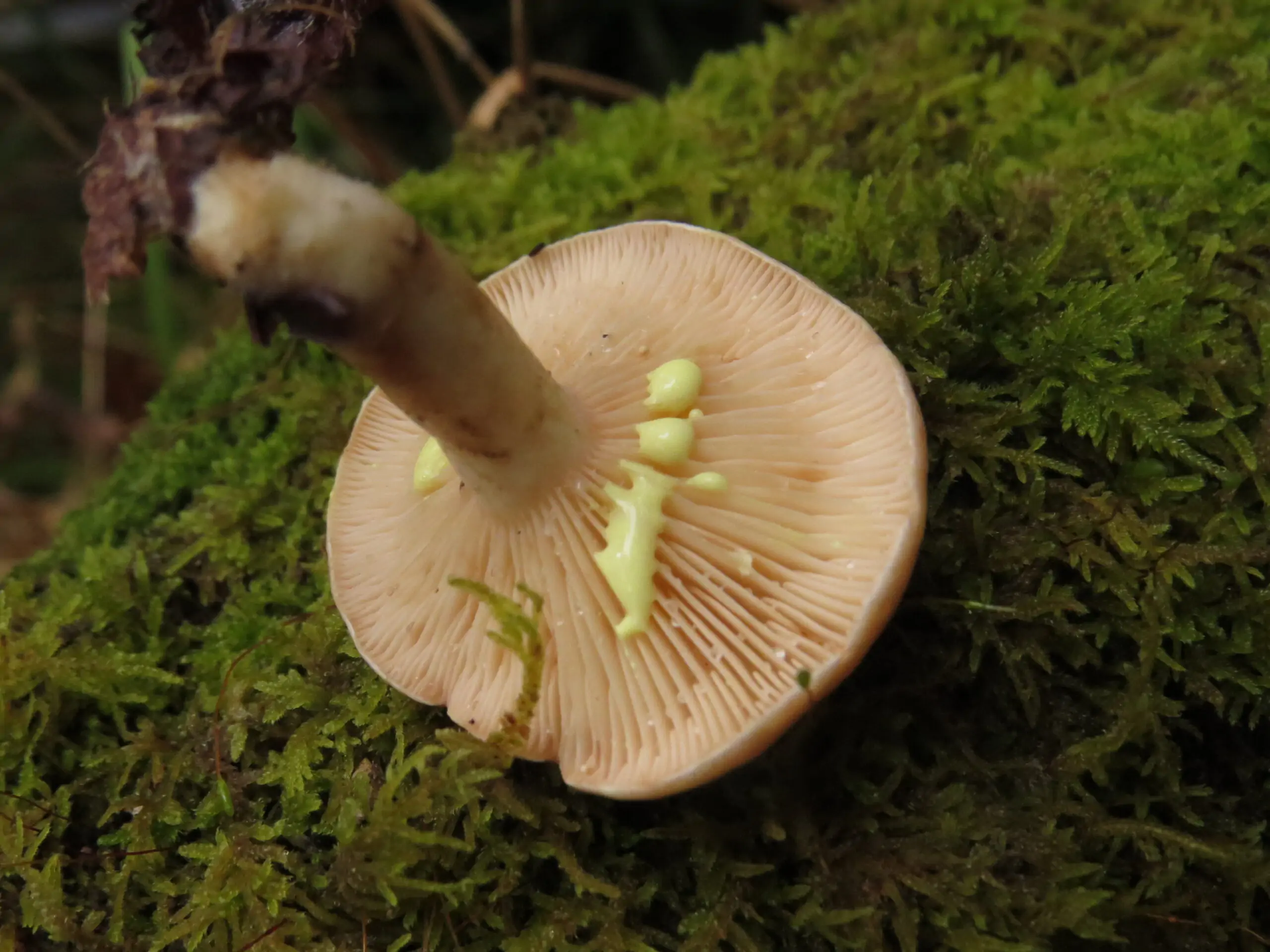
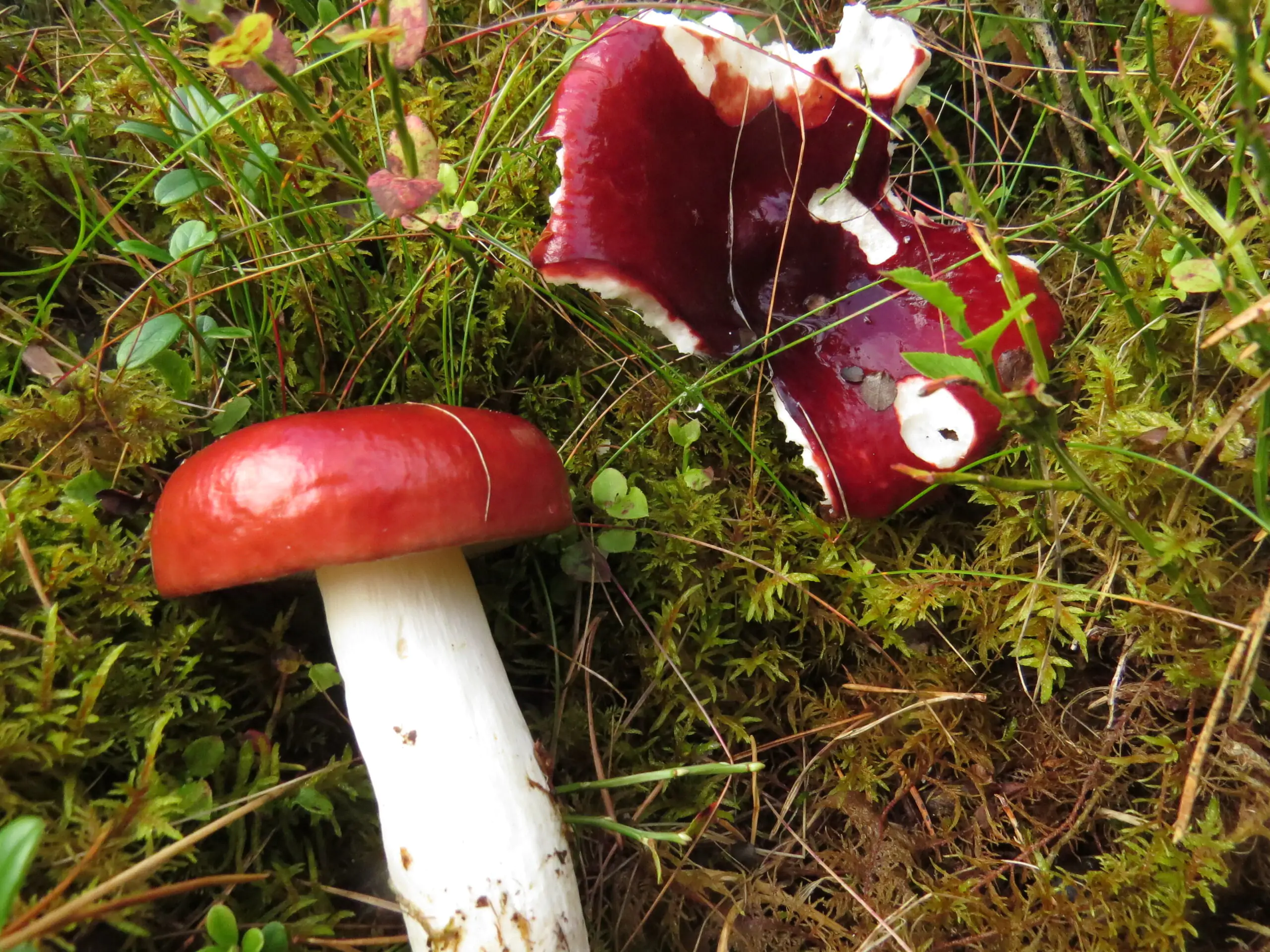
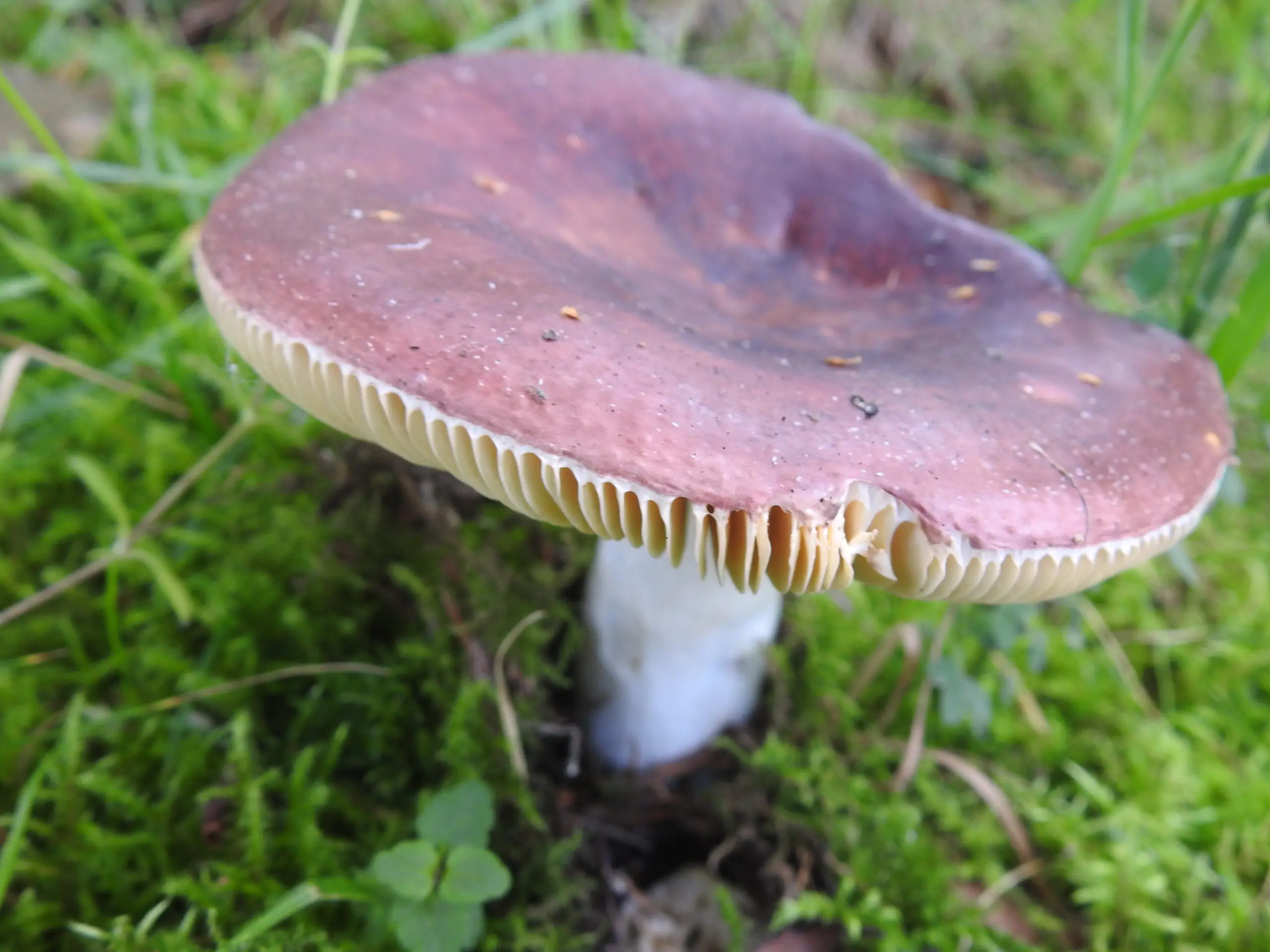
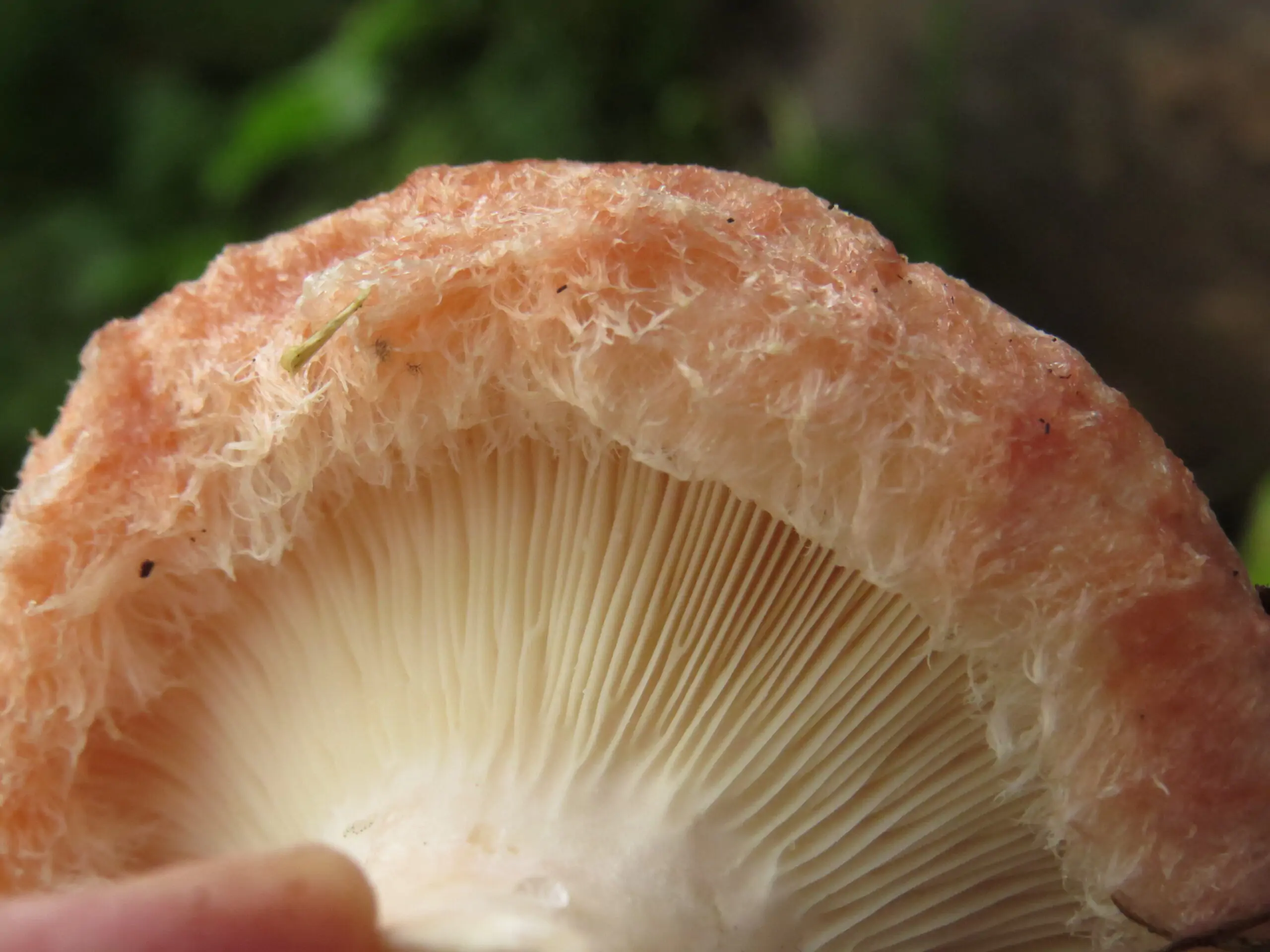
The brittlegills are starting to come up, with their beautifully coloured caps, bright reds, yellows, purples and pale neat gills under the cap, and a pale coloured or white stem. As the name suggests these have brittle gills which crumble if gently rubbed by your finger. They look easy to identify but are quite tricky with over a hundred different species in the northeast. Milkcaps are also only slowly appearing. Similar to brittlegills but more funnel shaped, they feature a beautiful range of colours and exude a milky fluid when damaged on the gills.
Chicken of the what…?
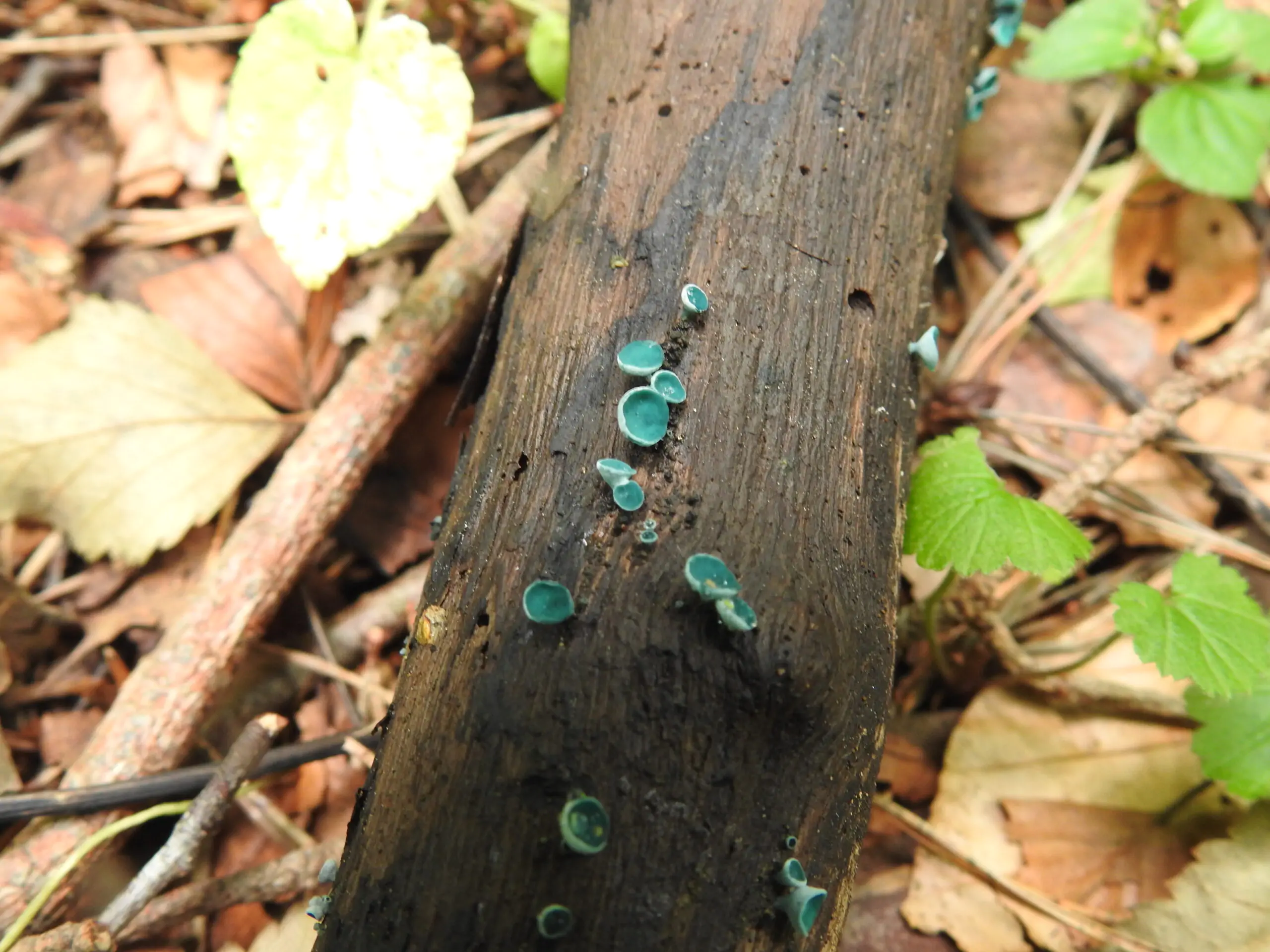
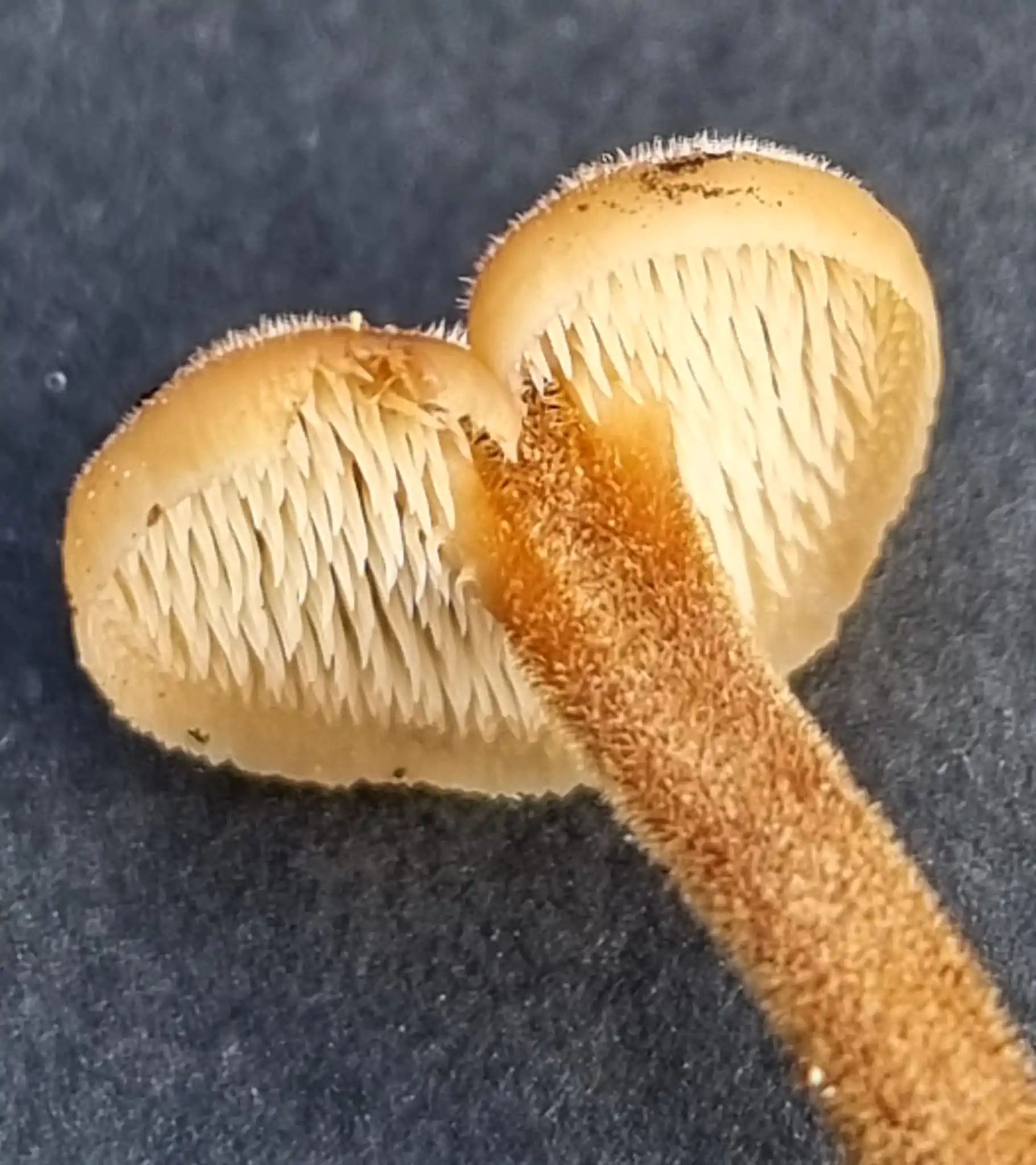
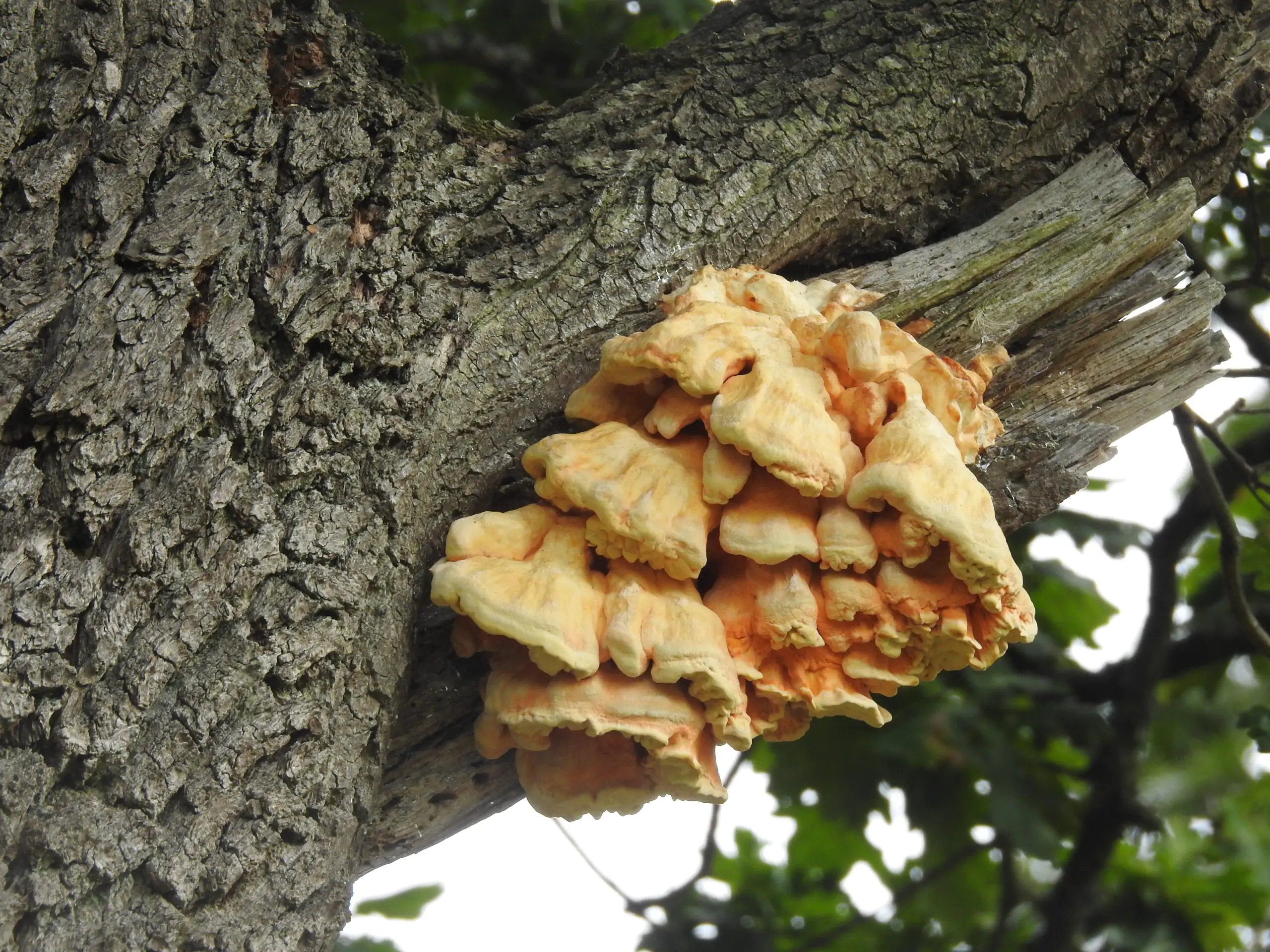
There is a huge range of fungi in Deeside, many with amazing names and stories. Plums and custard with its plum-coloured cap and custard-coloured gills; the alien-coloured turquoise green elf cup found on the underside of fallen rotting wood and staining the wood a beautiful turquoise, used in marquetry work – once you see it you’ll spot it in woods all over Deeside. The earpick fungus grows on rotting Scots pine cones and has spines instead of gills under its tiny cap. Bonnets, parachutes, chicken of the woods and so many more.
Identification
The best way to learn more about fungi is to go on a guided walk or join a group and take your time. Don’t expect to learn them all at once as there are just so many; instead, spend time and become familiar with a few at a time.
Edible?
You really do need to be absolutely sure of your identification before even thinking of eating fungi. There are deadly ones out there so you can’t get it wrong. Even the so-called edible ones like the chicken of the woods can cause gastric upset in some people. Chicken of the woods mushrooms were served at a fungus gathering once and about half the participants became ill – so take care and don’t rush into eating any.
Time to stand and stare…
Eating aside, enjoying fungi is about appreciating them for the sheer beauty and diversity they add to our woodlands and grasslands, while leaving enough for the wildlife who depend on them. Did you know that red squirrels, red deer and of course many insects and other smaller creatures, eat fungi? The edible cauliflower fungi have been found in red deer stomachs, and we’ve seen browse lines on honey fungus clusters, showing how high the roe deer can reach.
Wood-wide web
First mapped on a global scale in 2019, the ‘wood wide web’ is the underground network of fungi and bacteria that swap nutrients between soil and the roots of trees, forming a vast, interconnected web of organisms throughout the woods. Many trees and plants have a symbiotic relationship with these fungi which benefits both partners – the fungus getting sugars from the trees and the trees getting water and nutrients from the soil via the fungus. But recently this network has been discovered to be far more than just a nutrient exchange, allowing “communication” between trees -mind-blowing stuff!
Find out more
Grampian Fungus Group meets regularly on Saturdays throughout the autumn to forage in different locations throughout Aberdeenshire. GFG is not a collect to eat group but a recording group interested in identification and recording species. All are welcome from beginner to more advanced. For more information, and a 2022 programme, contact Toni Watt: [email protected]
Other sightings…
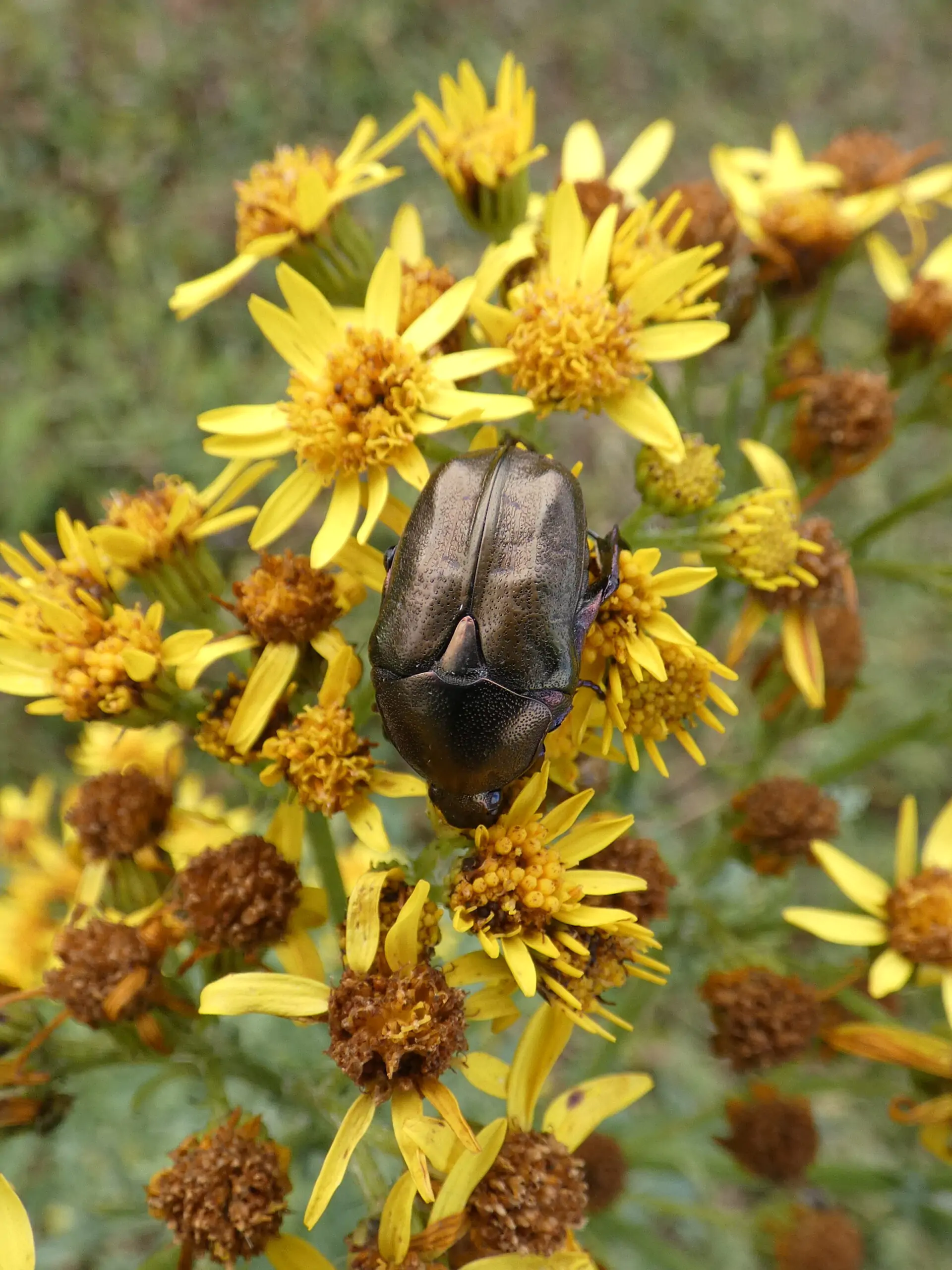
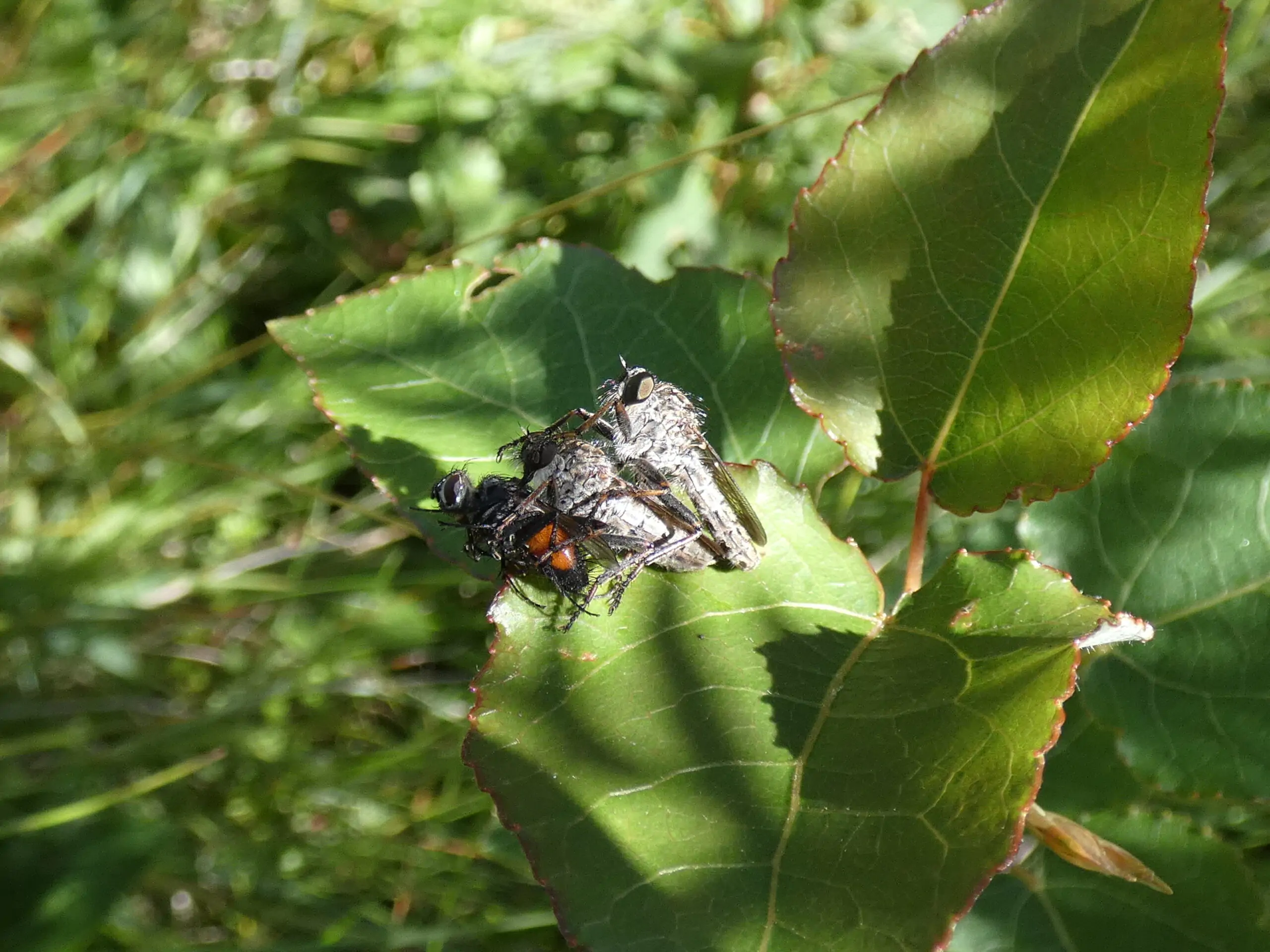
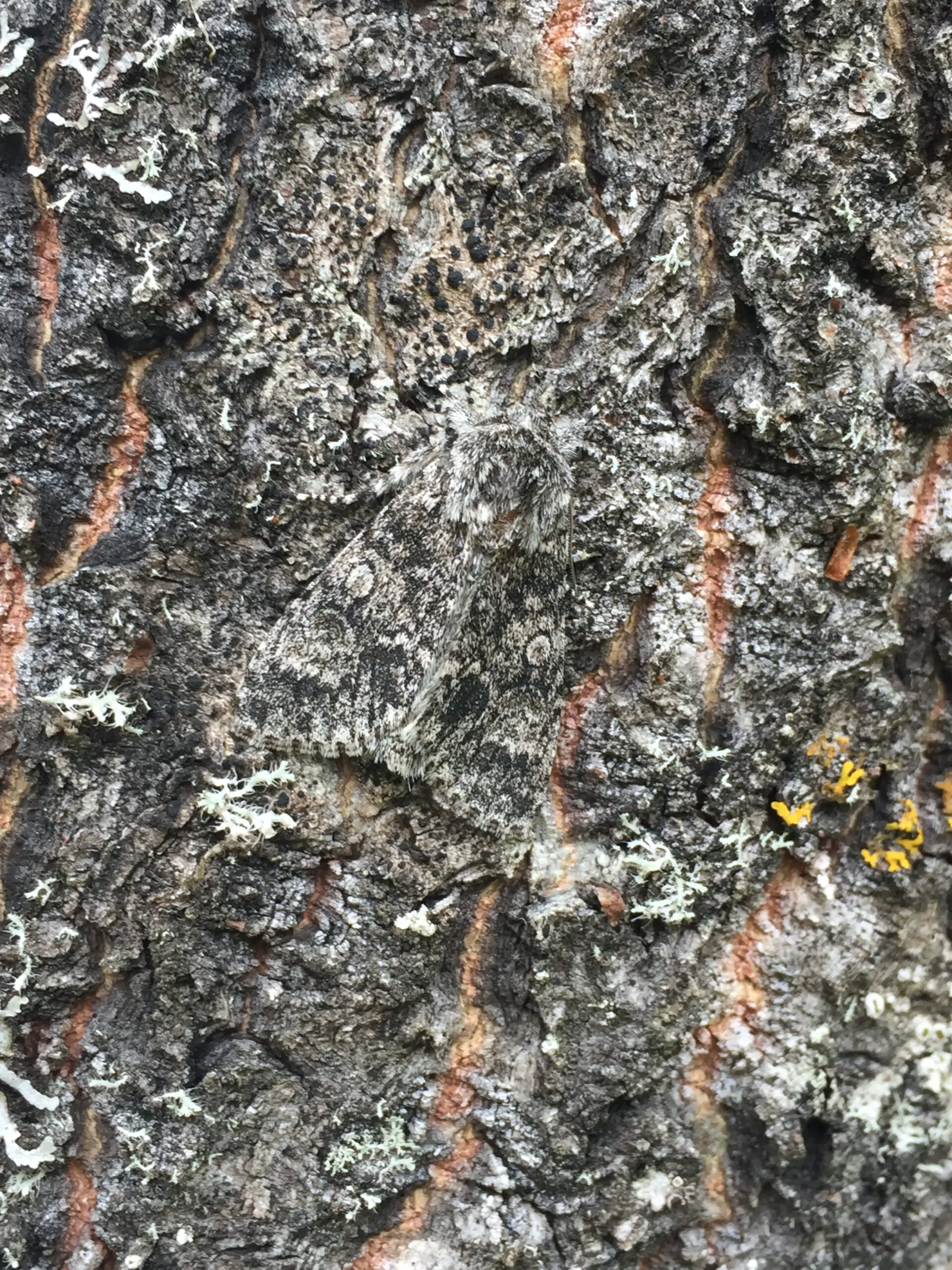
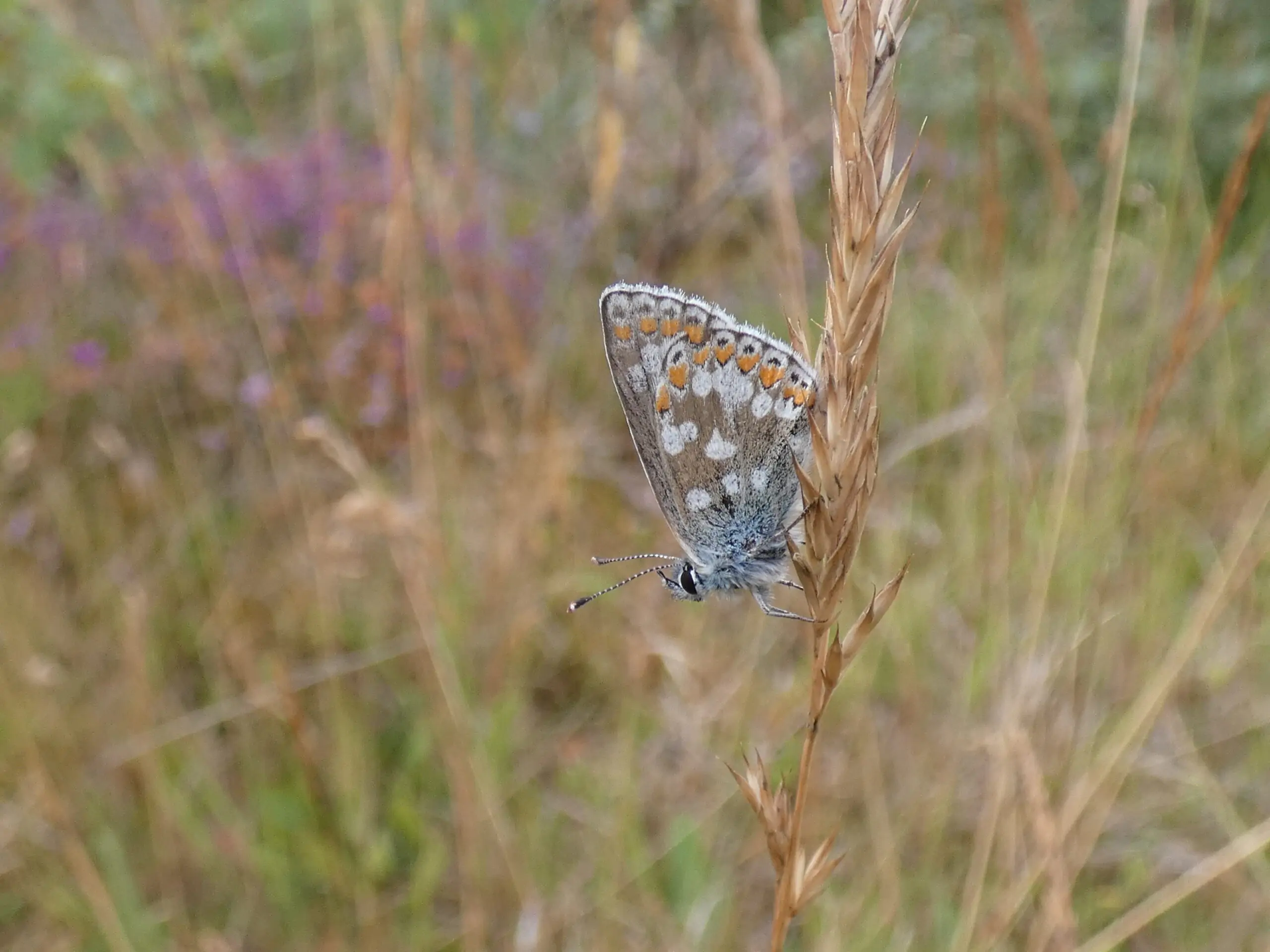
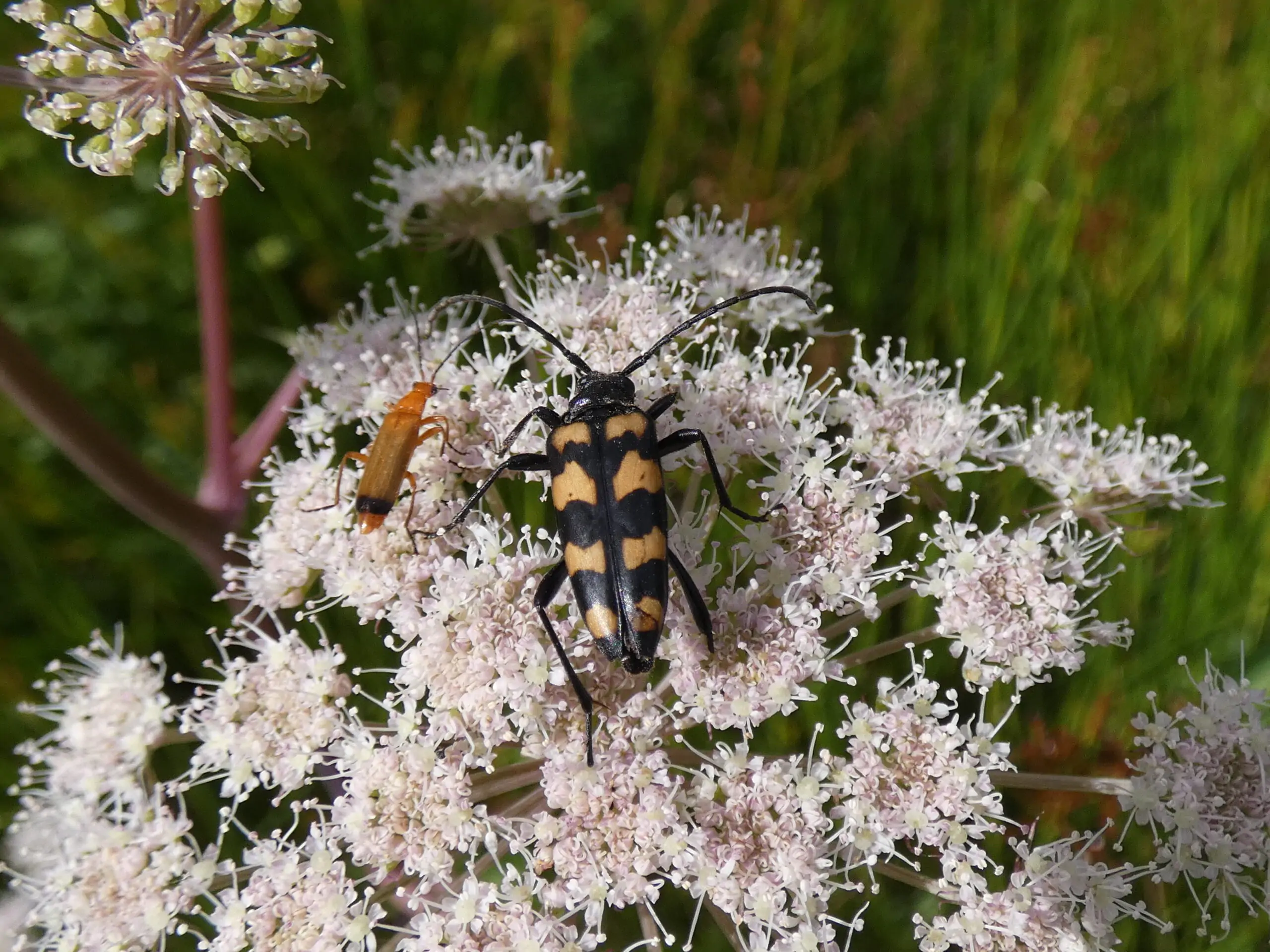
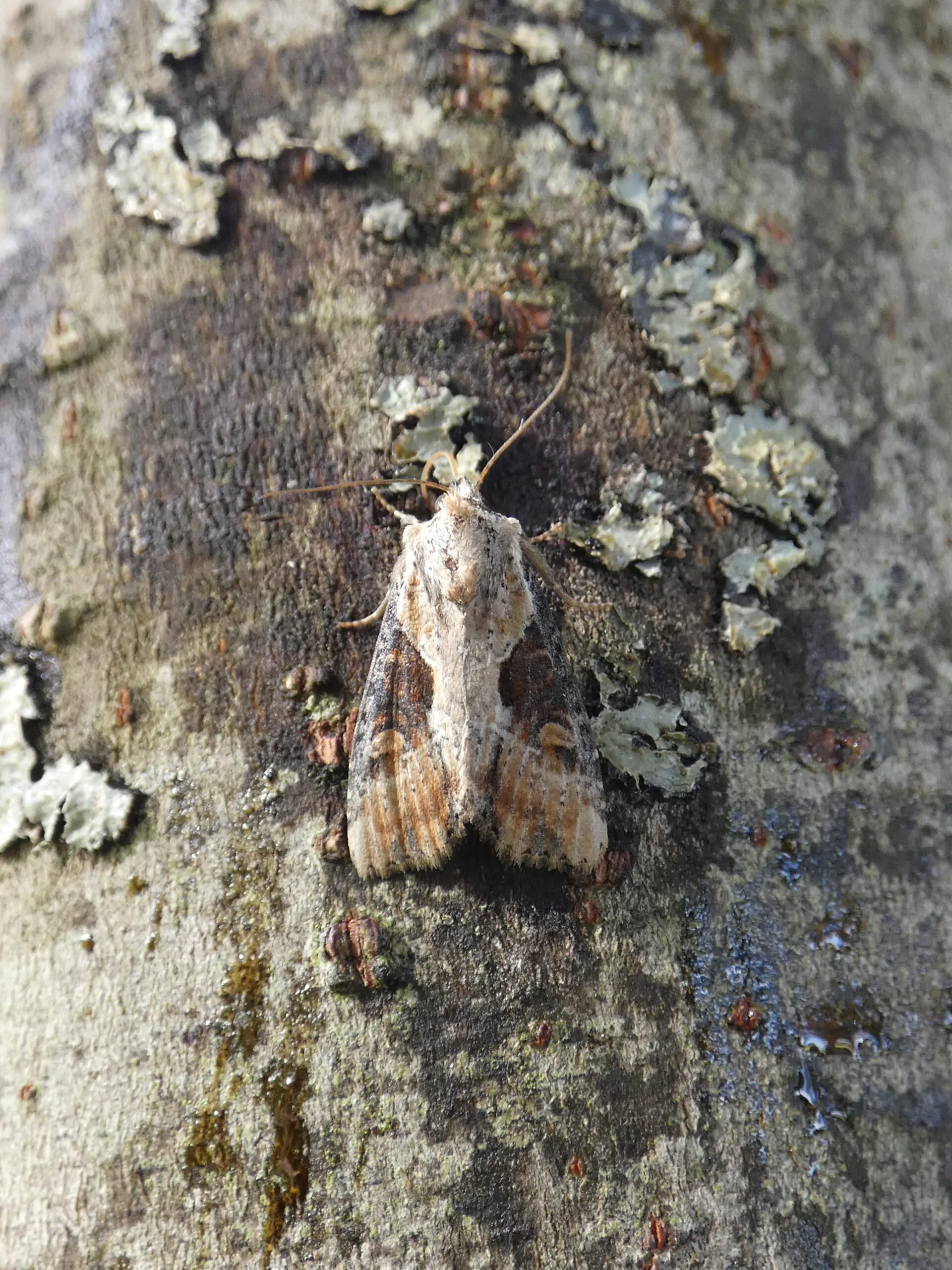
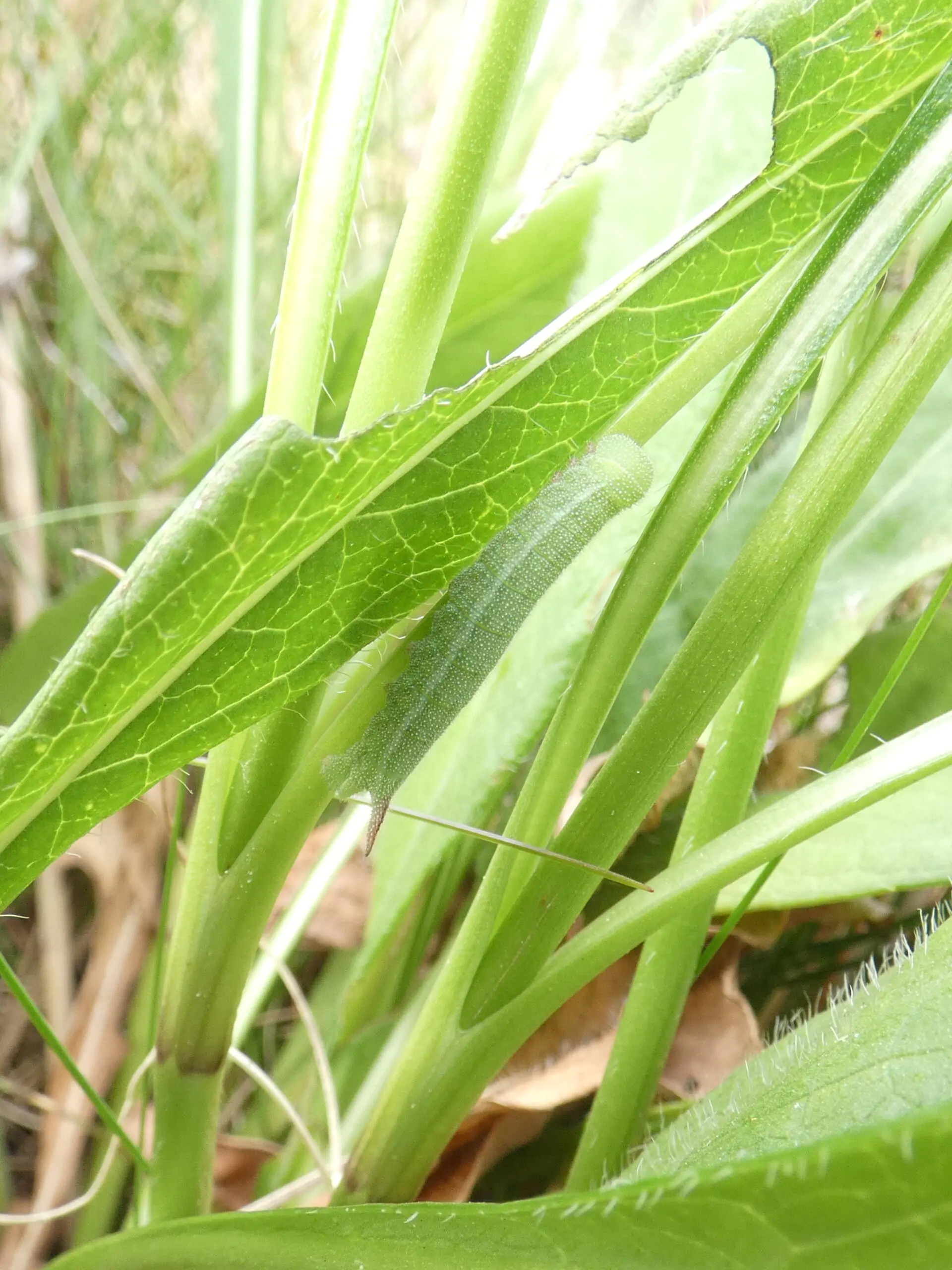
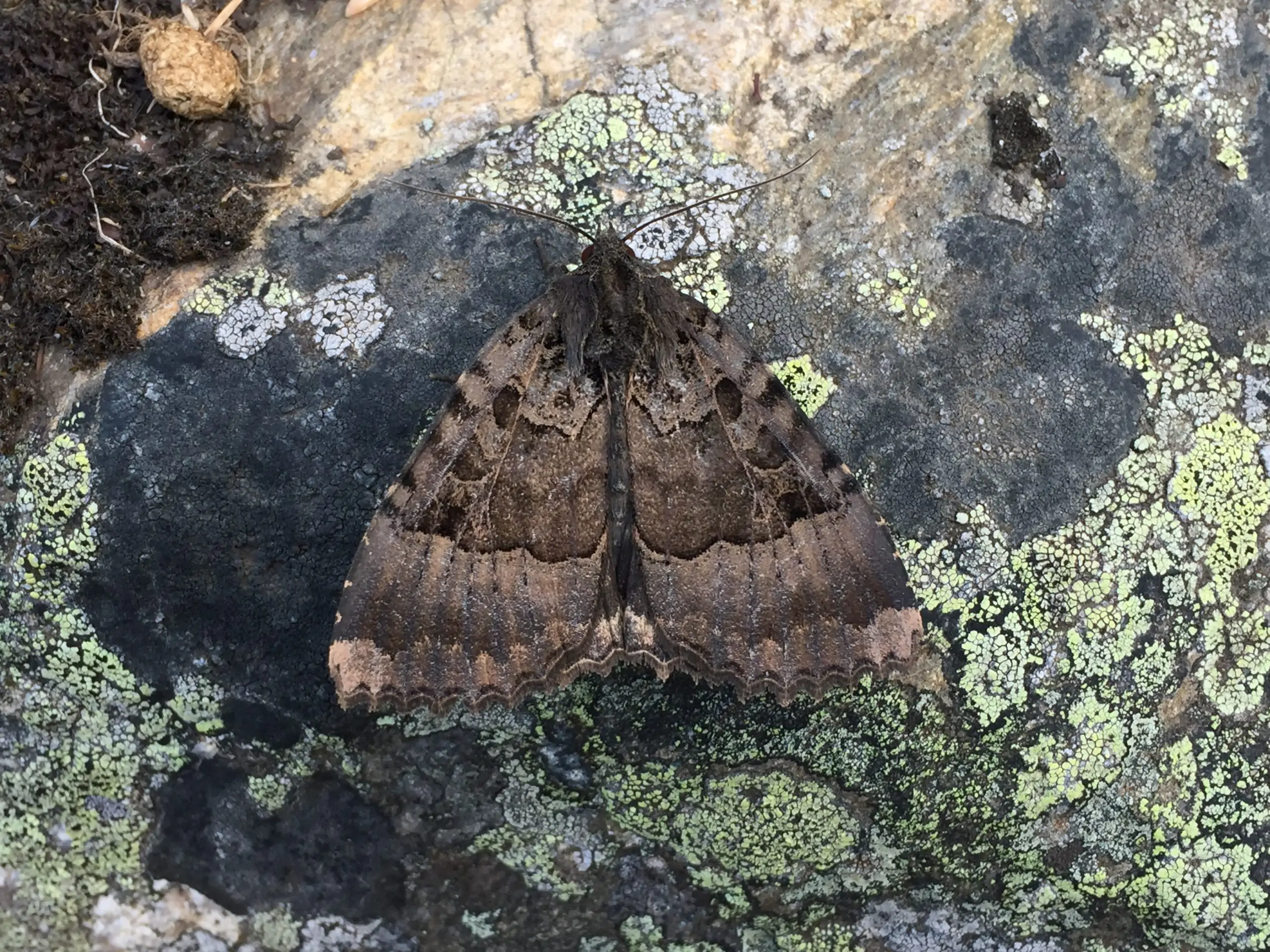
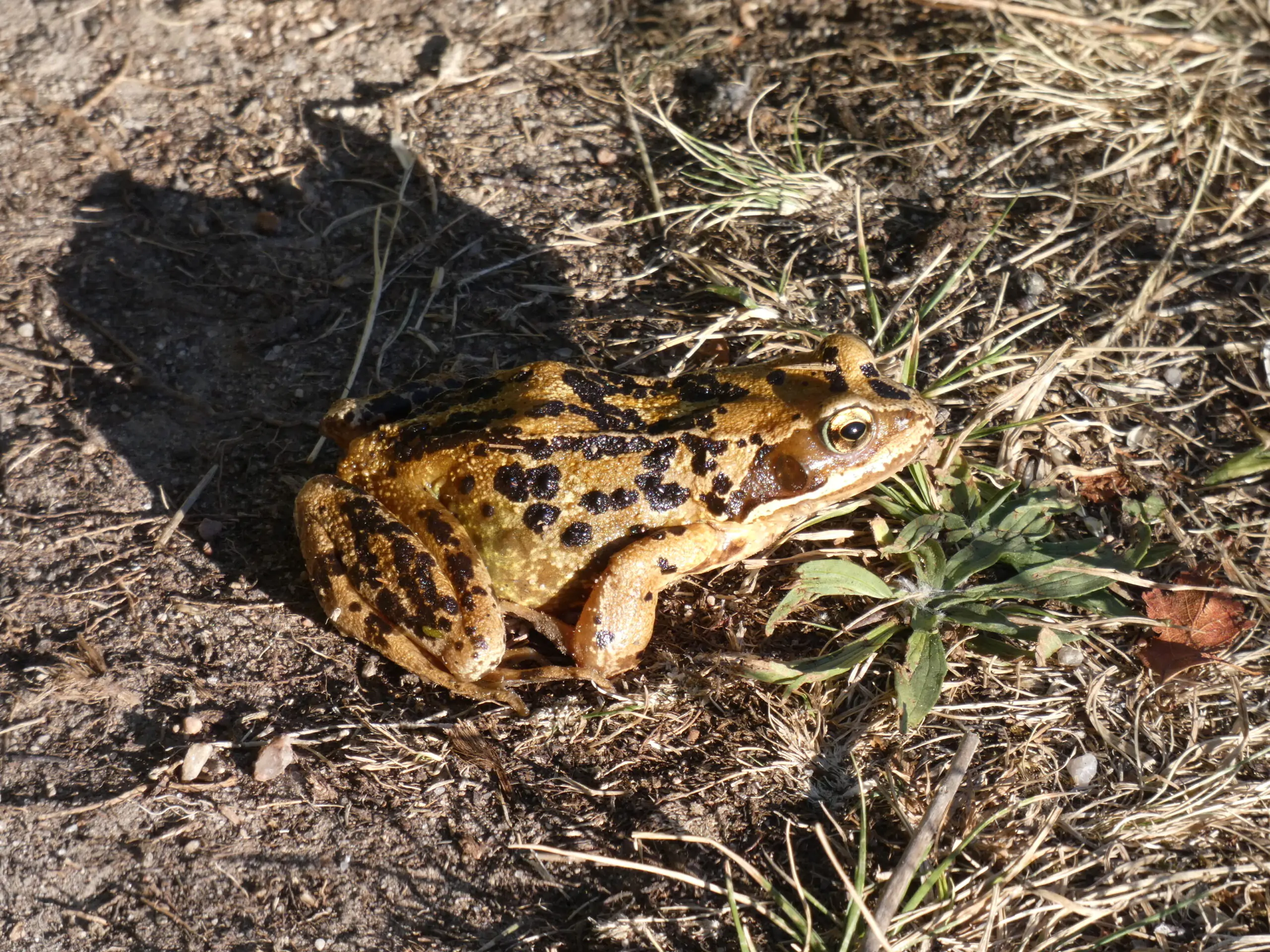
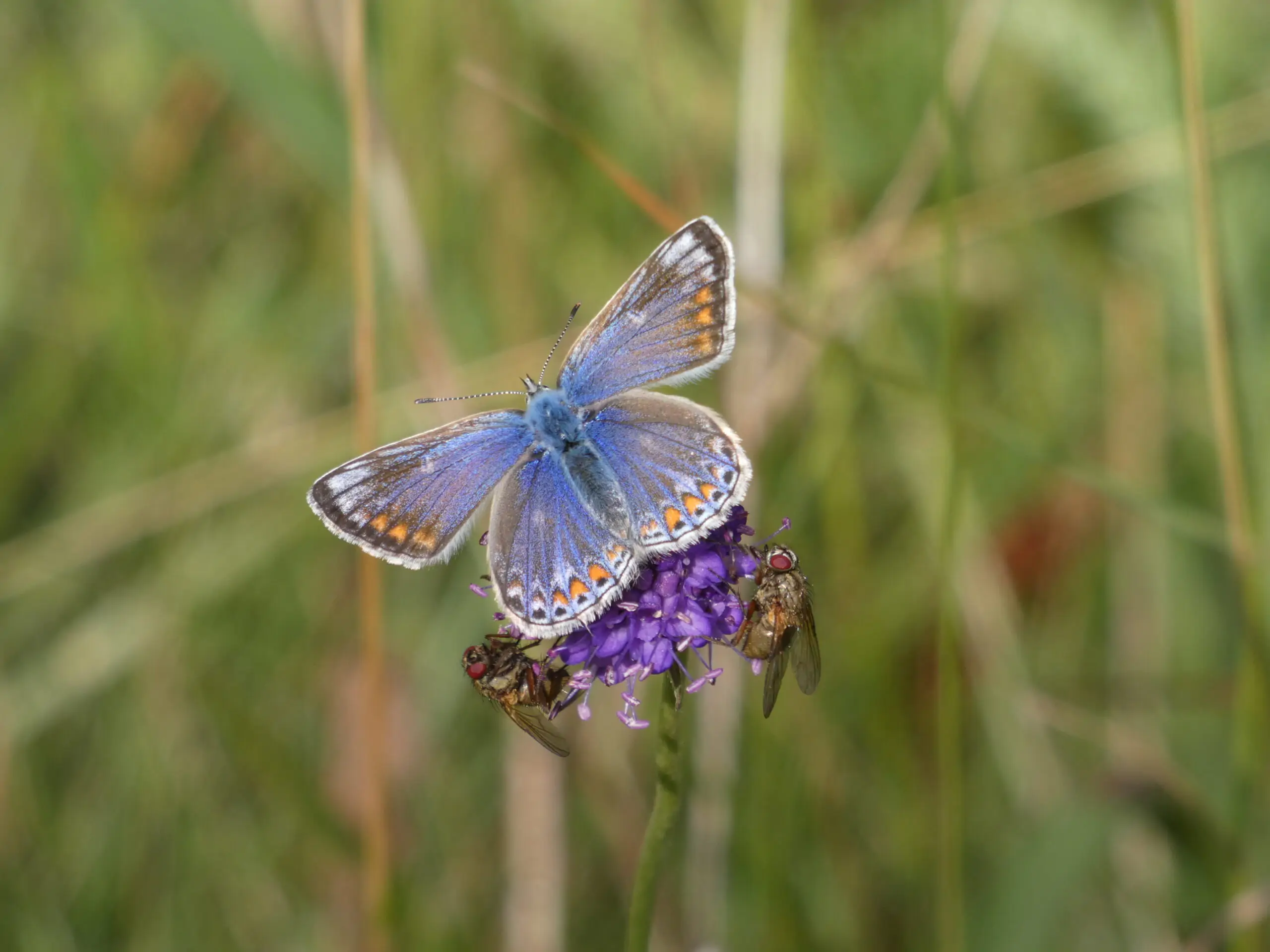
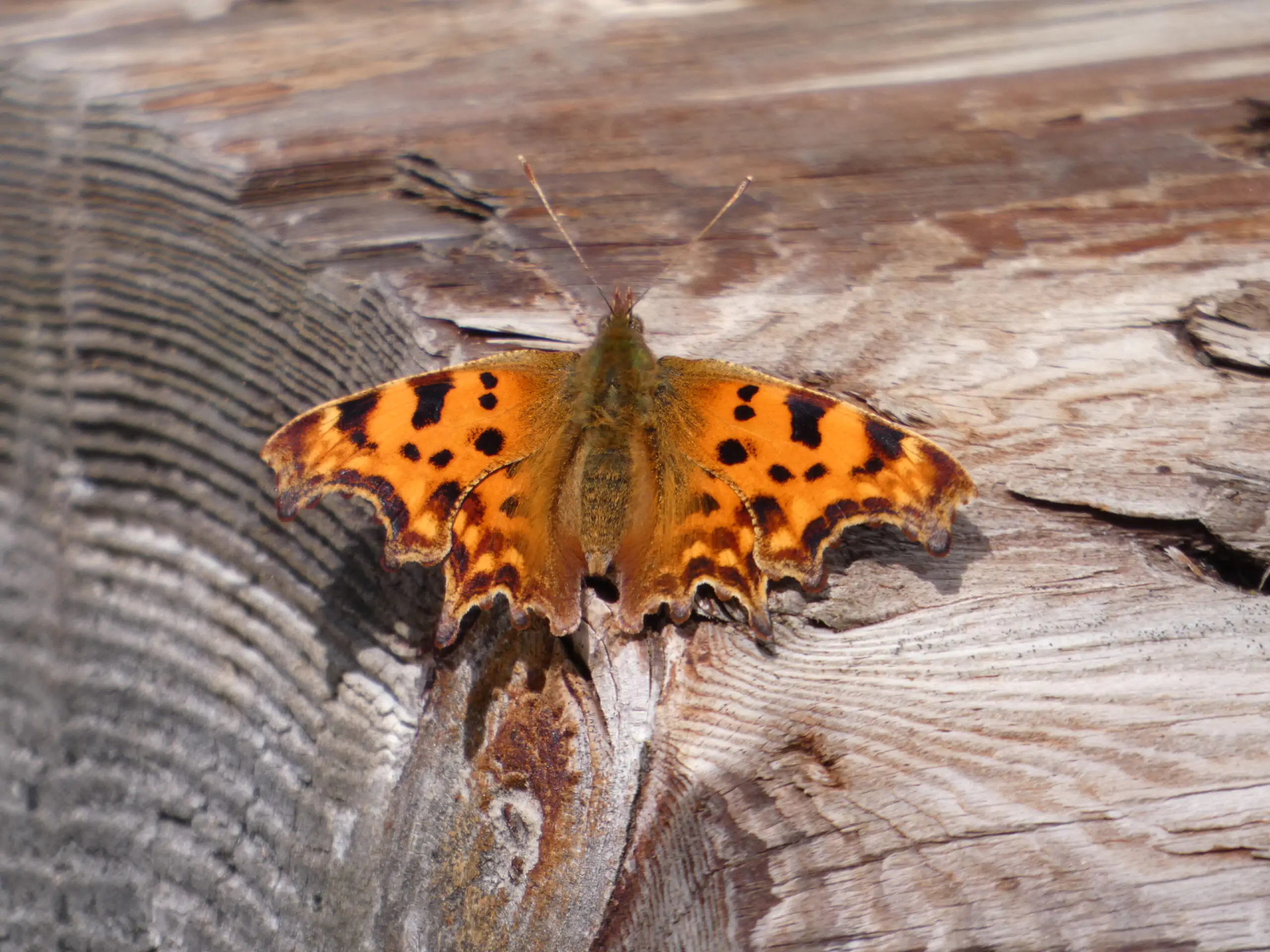
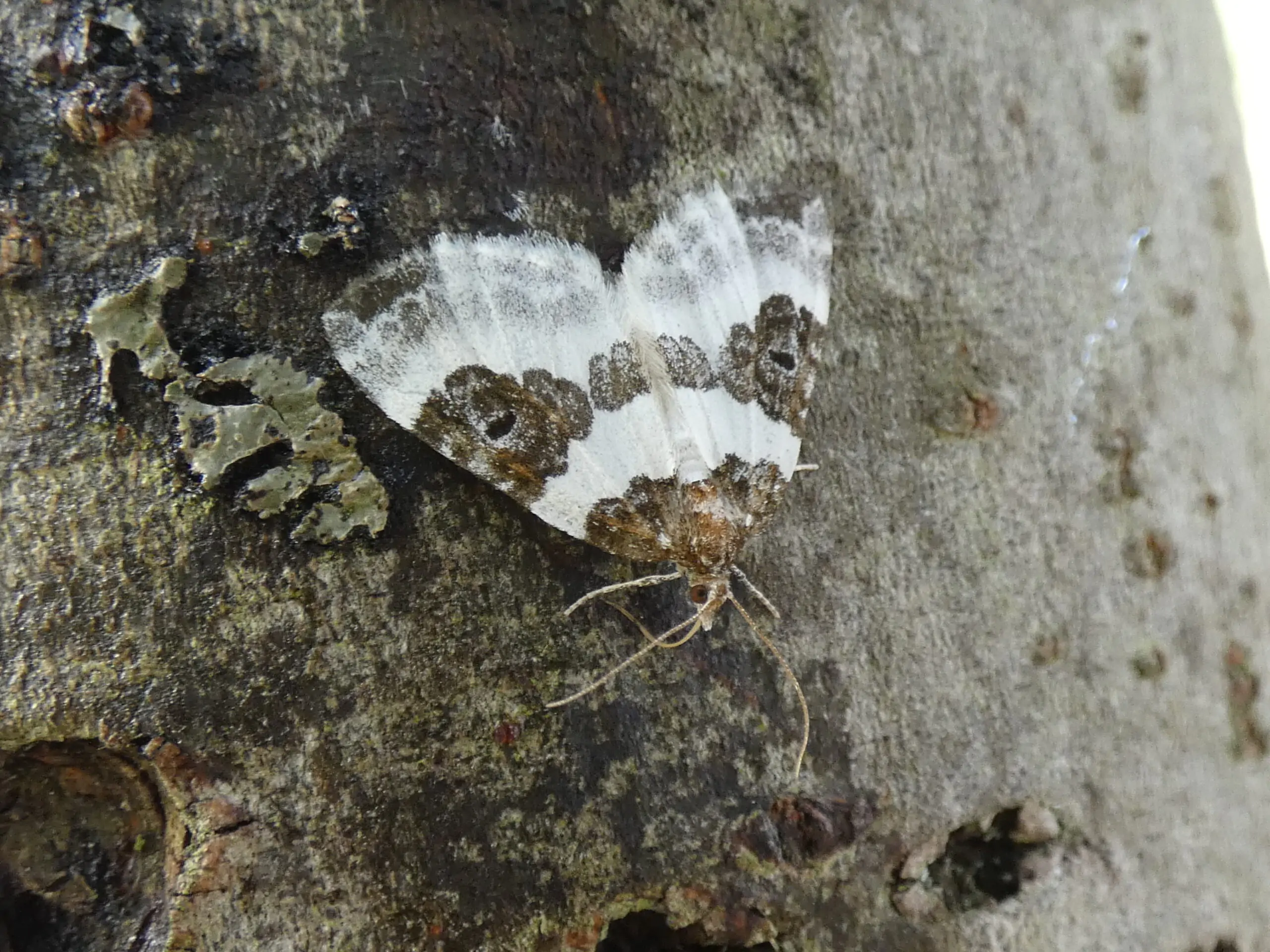
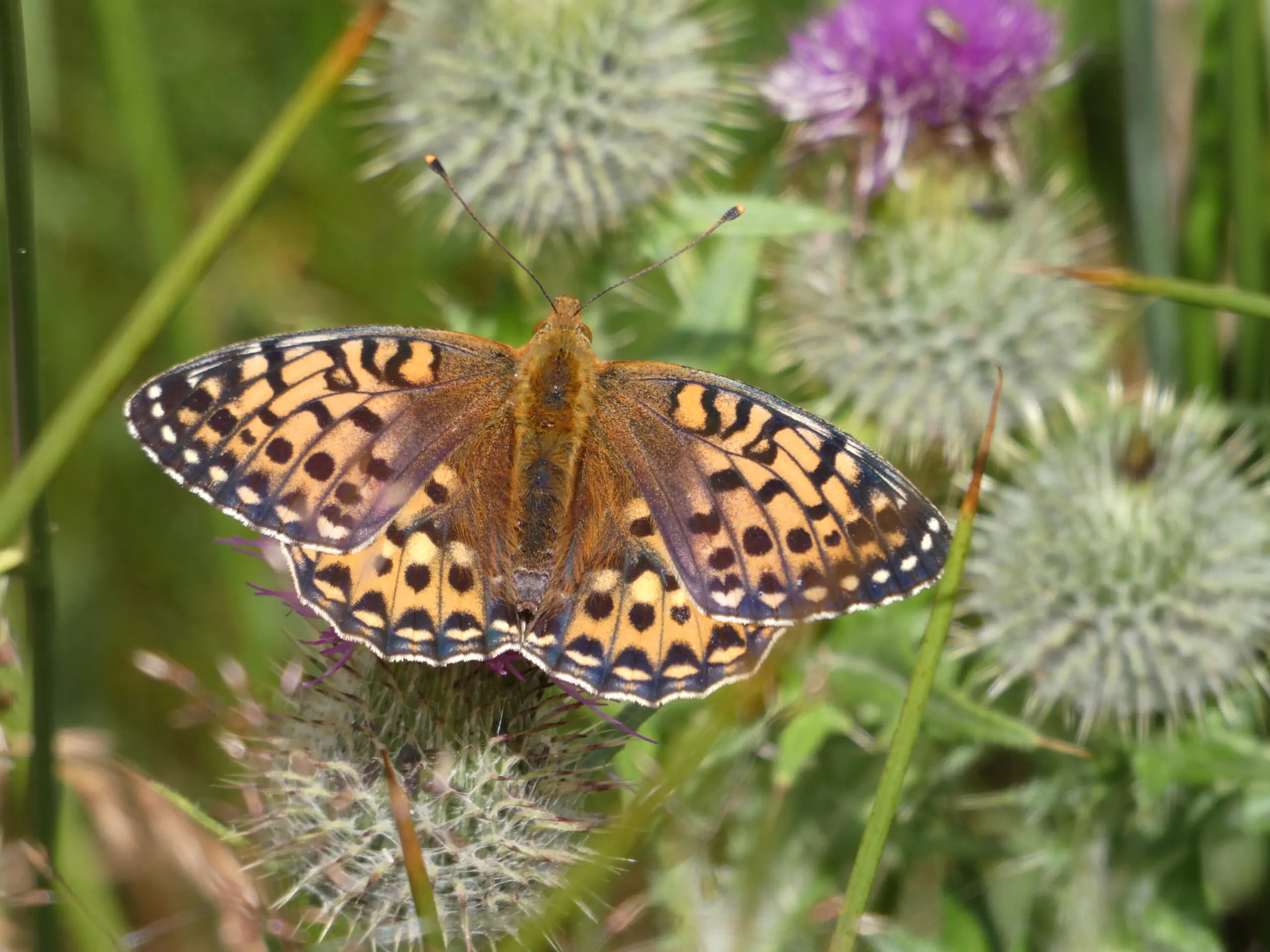
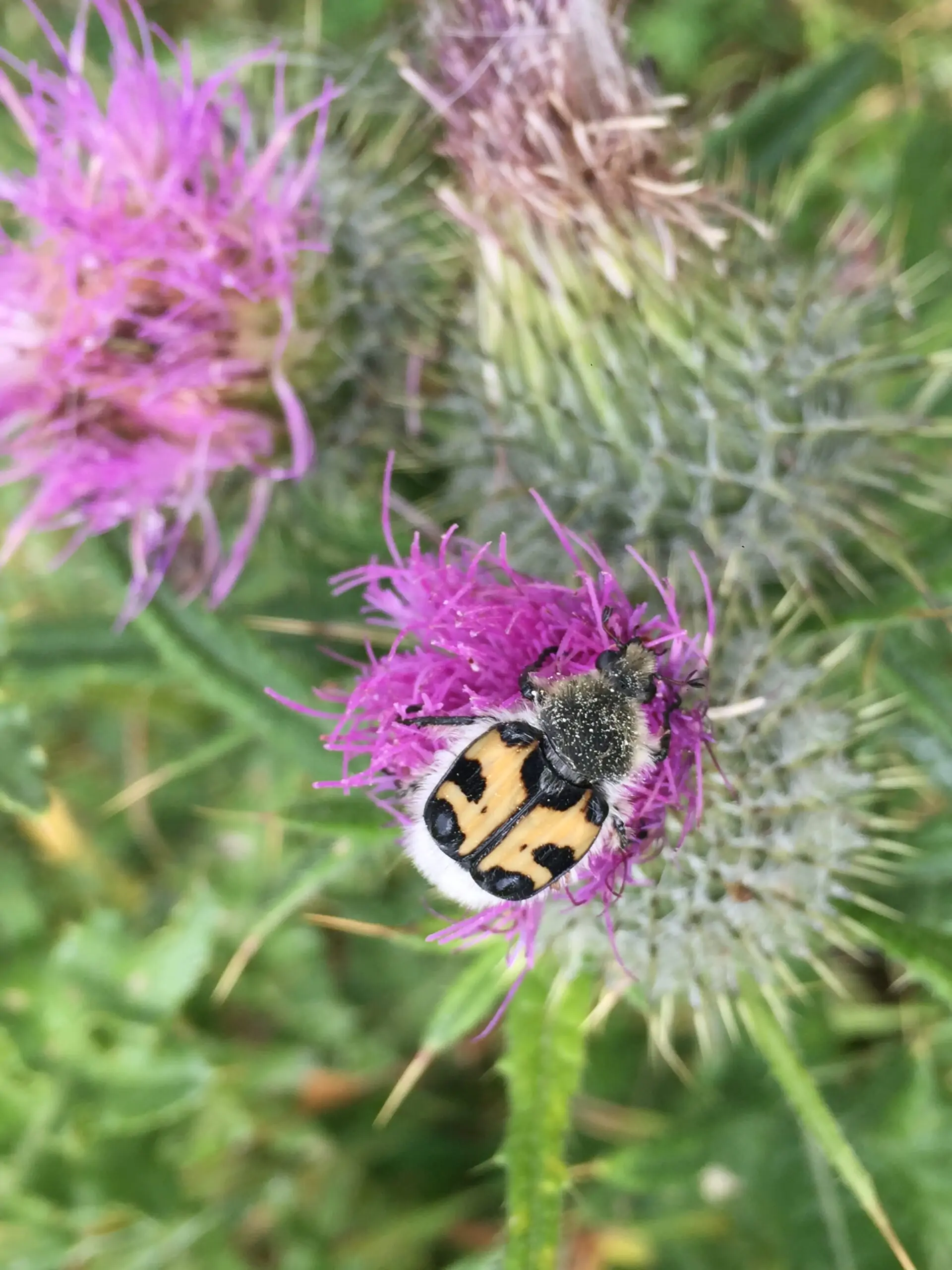
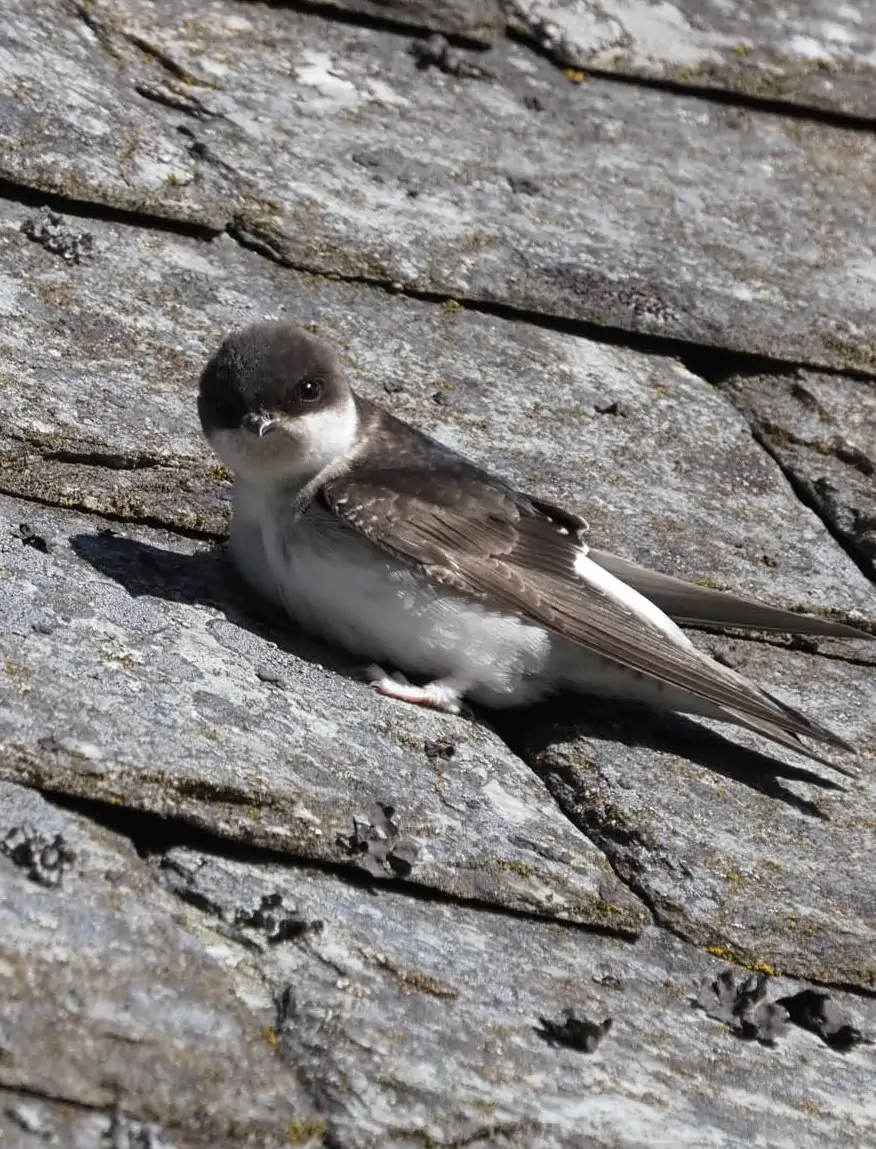
Here are a few snaps of other recent nature sightings by our rangers in the catchment – keep your eyes and ears peeled, and camera ready, to capture your own treats this autumn…