Ambitious recovery programme launched as unprecedented decline in pearl mussel highlights fragile River Dee
 DeeWatch December
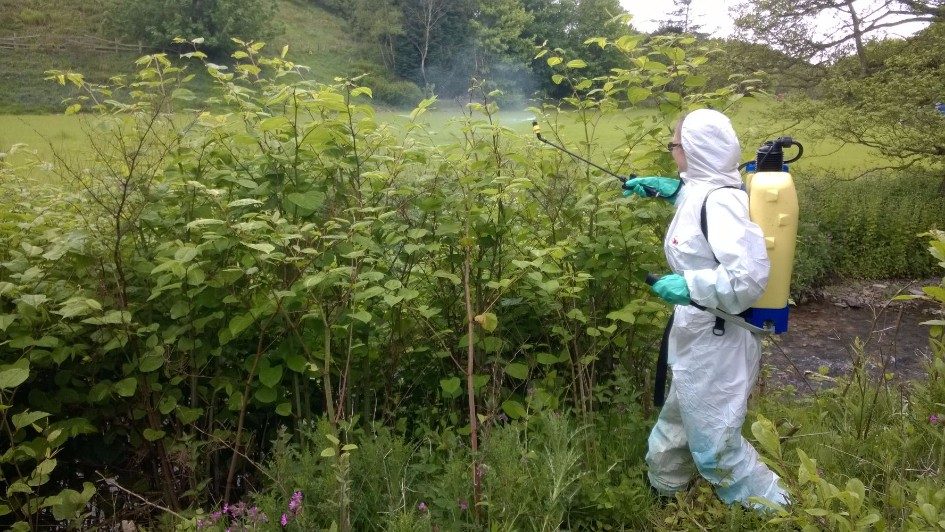
Controlling plant species will be the focus of a new control project starting this summer on the Dee. The project is being led by the River Dee Trust, in conjunction with the Dee Catchment Partnership and will focus on removing Japanese knotweed, Himalayan balsam and giant hogweed, which are spreading rapidly along the river banks. It is being funded by Aberdeen City Council, Aberdeenshire Council and Transport Scotland through the Aberdeen Western Peripheral Route mitigation fund.
While the new programme concentrates on the banks of the lower Dee, it is imperative to treat plants upstream as they continue to be a seed source to re-colonise the banks downstream. Therefore last year staff from the Dee District Salmon Fishery Board and River Dee Trust treated invasive non-native plants from Ballater to Drumoak to join up with this new project and will re-treat again this year.
Plants will be treated using a combination of herbicide and hand pulling between Drumoak and Aberdeen Harbour. A total of 26 miles of riverbank are to be treated, so at such a big scale, many hands are needed to see this project successfully restore the native vegetation and wildlife to the area.
So, over to you. Volunteering is a great way to get outdoors, get active and do something positive for the River Dee. This summer there are opportunities to be trained and certified in herbicide application as well as opportunities for untrained volunteers to help out. If you are interested in volunteering please get in touch; we would be delighted to hear from you. Email [email protected] or telephone 01339 880 411.