Ambitious recovery programme launched as unprecedented decline in pearl mussel highlights fragile River Dee
 DeeWatch December
In the fourth of our monthly articles from the Dee Catchment Partnership, we hear about how they have been working with Aberdeen City Council as part of an international initiative aimed at helping cities cope better with the effects of climate change.
The Dee Catchment Partnership and Aberdeen City Council have been working together since 2017 to alleviate the effects of heavy rainfall on Aberdeen. The four-year project known as BEGIN (Short for ‘Blue-Green Infrastructure through Social Innovation’) is the first of its kind, bringing together ten cities and six research institutes from across Europe to share experiences of their individual projects and develop best practices.
Frequent heavy rainfall due to climate change is a widespread problem for many cities, and Aberdeen is no exception.
Blue-green infrastructure is about creating attractive, sustainable green spaces within urban settings that can accommodate large volumes of water – the blue – thereby reducing the impact of flooding elsewhere in a built-up area.
These spaces can improve biodiversity and recreational access, and can take a variety of forms, from permeable paving and green corridors – thin strips of land which provide habitats for wildlife – to rainwater harvesting and purpose-built ditches called bio-swales, which are designed to slow and collect surface water run-off.
Marina Piper, Outreach Officer for the Dee Catchment Partnership
In Aberdeen, the locations of Maidencraig, Fernielea Primary School, and Summerhill were chosen as BEGIN project sites, as Aberdeen City Council public protection vice convener Councillor Lesley Dunbar explains:
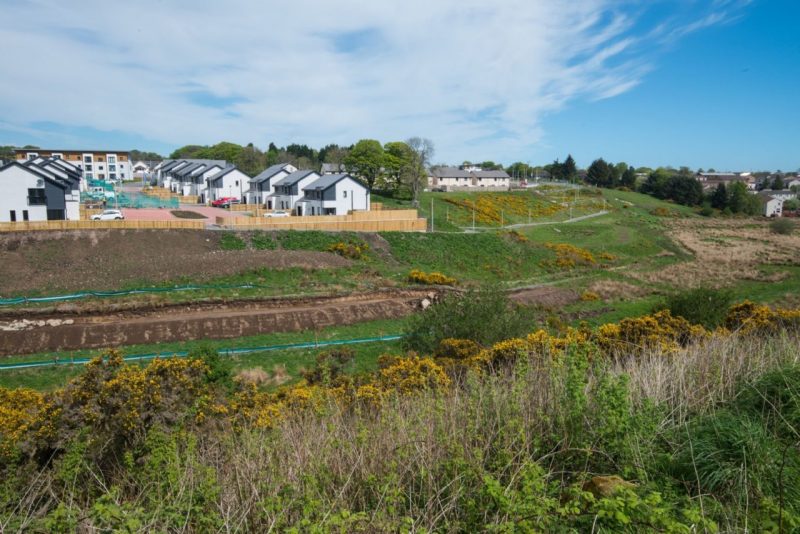
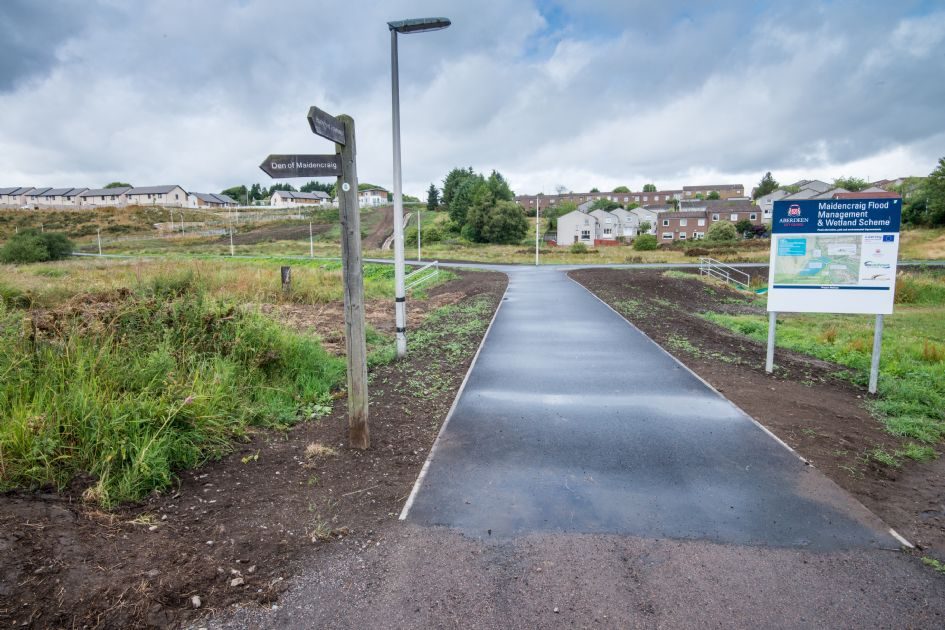
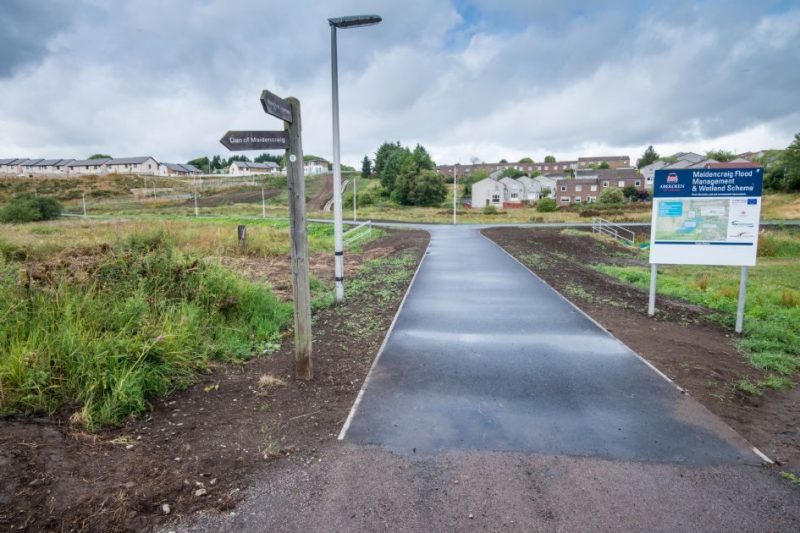
We chose Maidencraig because there was an opportunity to collaborate with Bancon Homes, who were required by planning regulations to create a ‘Safe Route to School’ from their new housing development to Hazlehead. The area is notoriously boggy and we saw it as an opportunity to make the footpath part of a broader flood management and wetlands scheme. Fernielea School was chosen because it floods regularly. The scheme at Summerhill – which will cover Stronsay Drive and Stronsay Park – is being delivered as a planning requirement of the new community housing development at the site of the former Summerhill Academy.
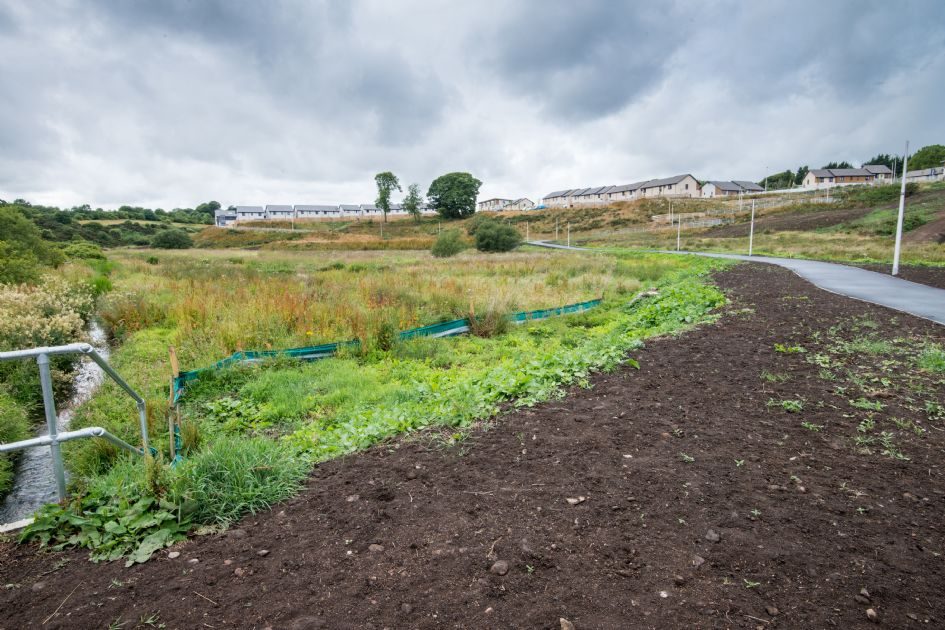
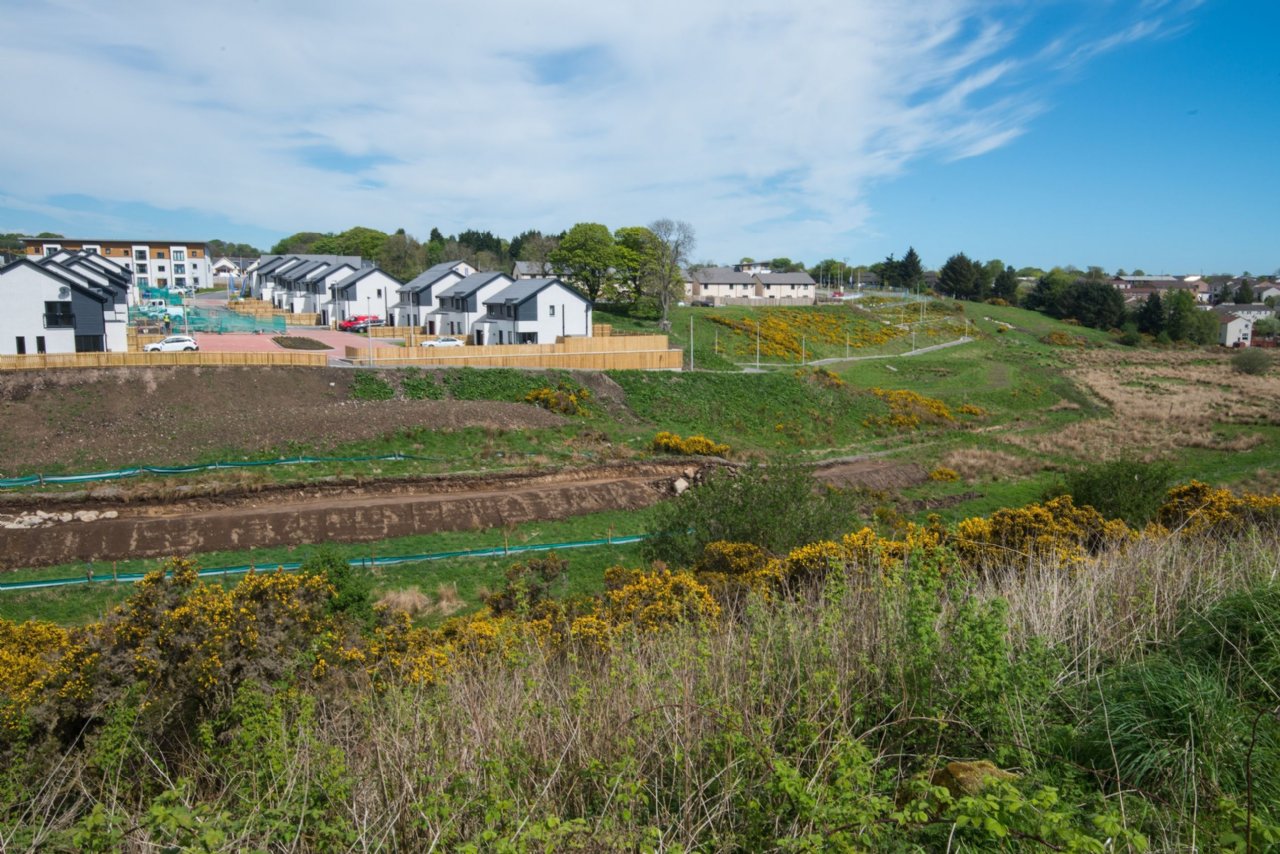
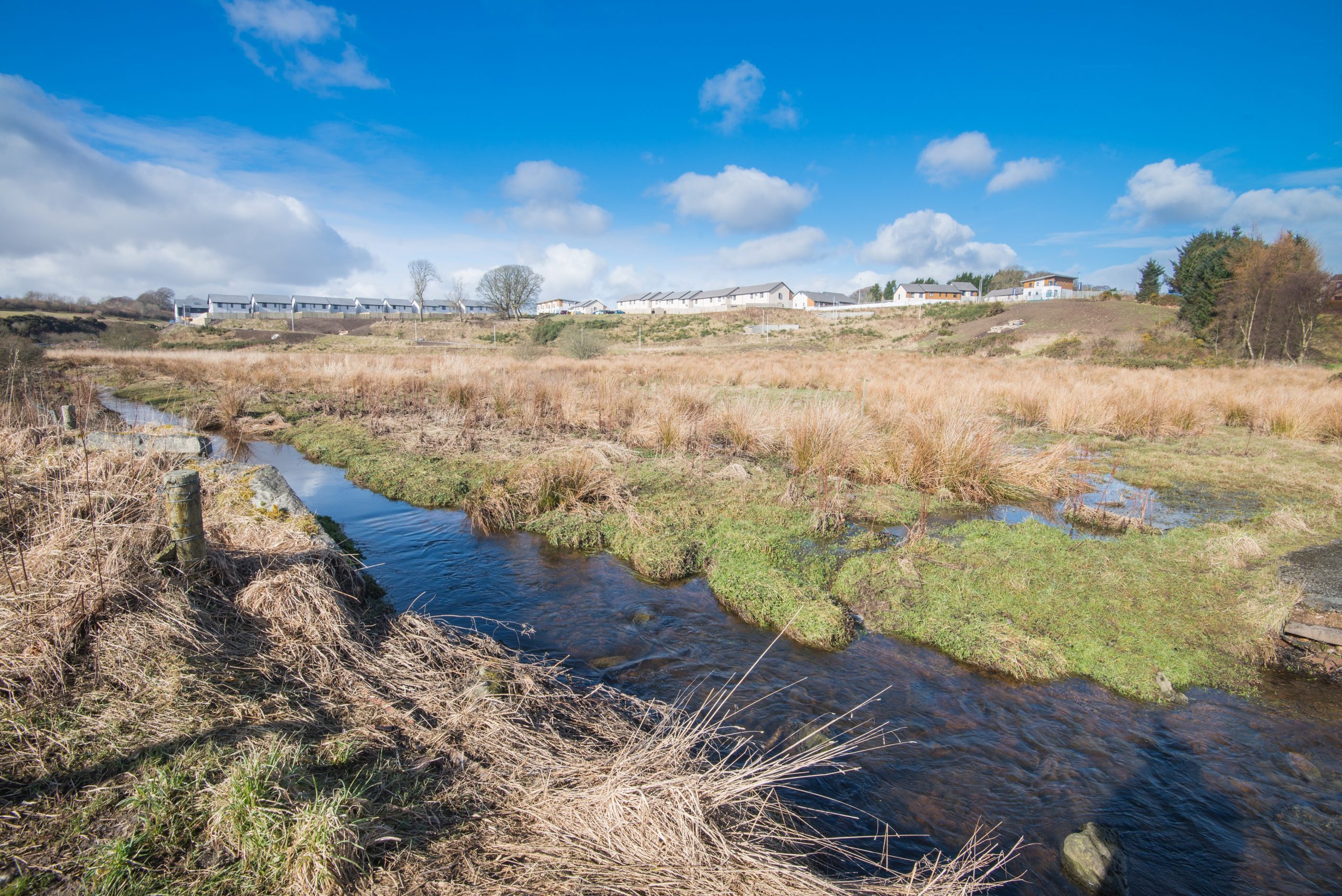
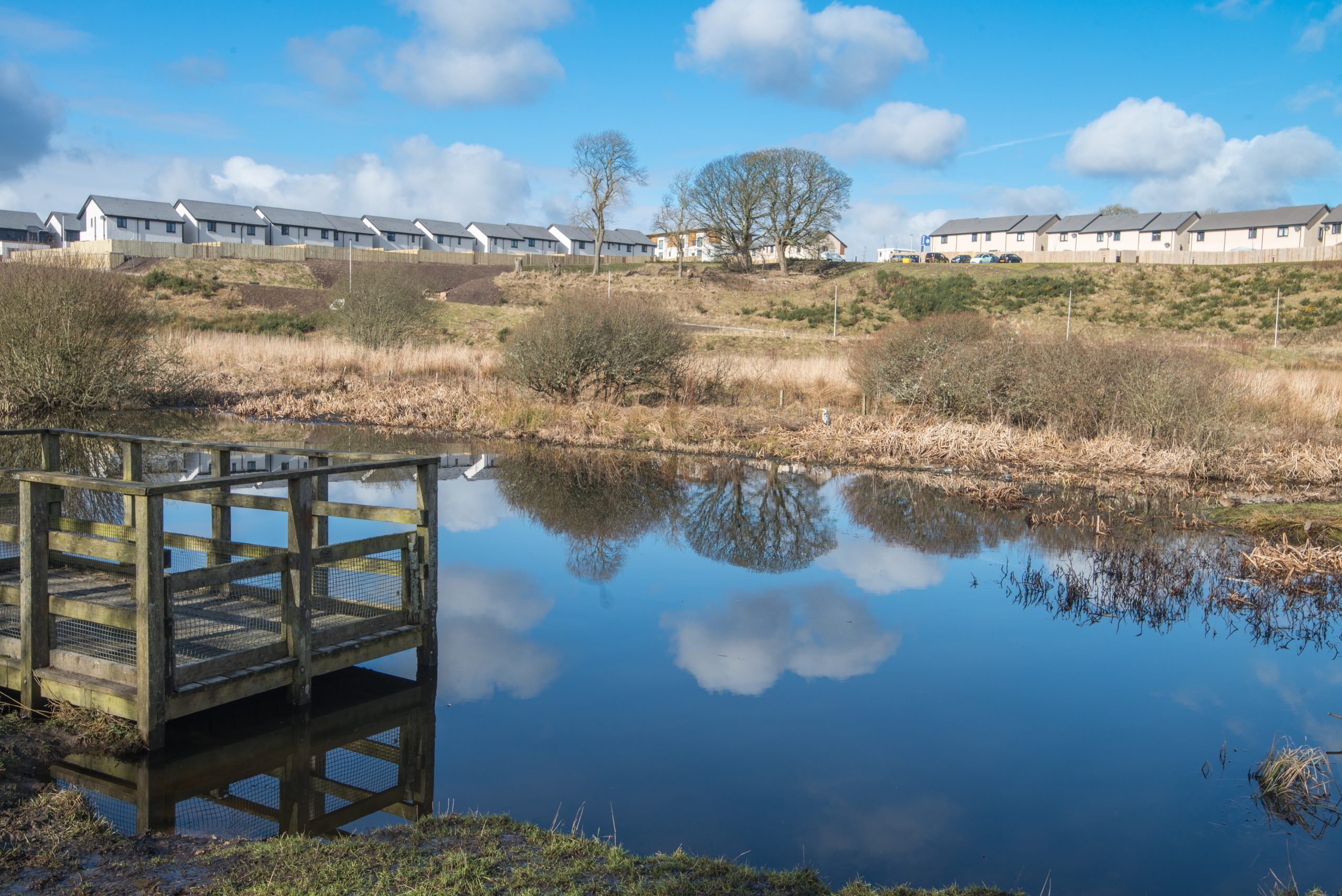
The first phase of blue-green infrastructure at Maidencraig has just been completed, as Cllr Dunbar continues: “The wetland area is now complete, a previously piped watercourse has been opened up and a new crossing over the Den Burn and path are in place. The second phase aims to address the area’s access and biodiversity, so we’ll be considering things like making the trails bike-friendly, viewing platforms, and special planting.
Councillor Lesley Dunbar
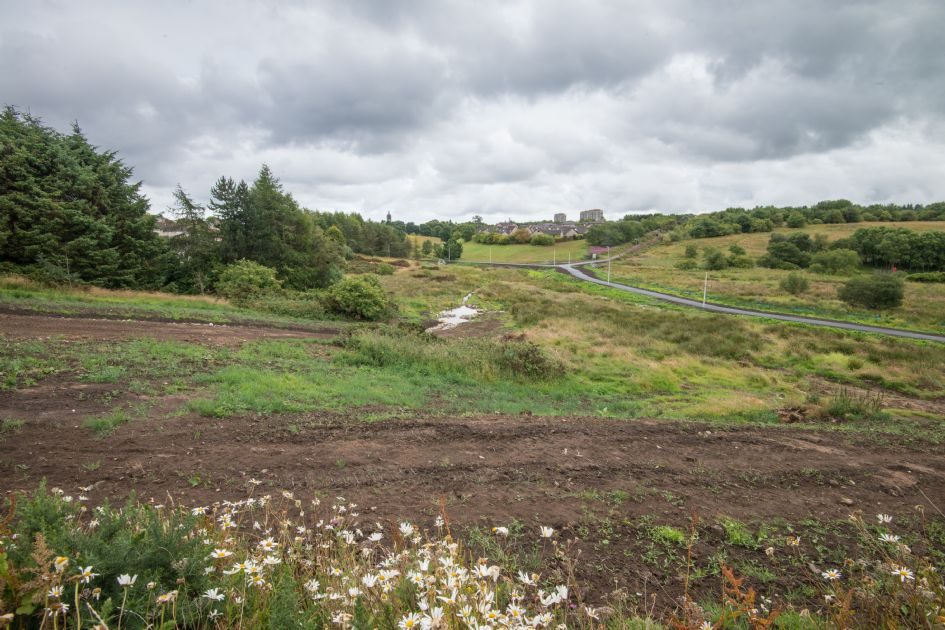
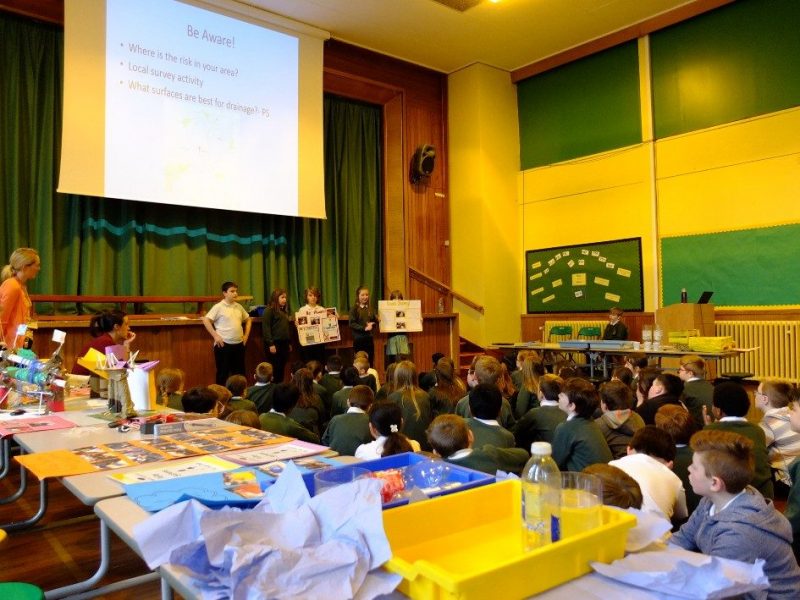
Each project aims to achieve improved consultation with the public and also with pupils at Fernielea School, as Marina explains:
“The kids have been really enthusiastic, and we collected some great feedback about the kinds of things they would like to see in their playground, from rain gardens to snake-shaped swales. We’ve also had some very positive feedback from the public about the Maidencraig site but we always welcome more – by definition BEGIN projects are intended to be driven by social innovation, which means involving local residents, entrepreneurs and communities, and finding collaborative solutions that will make our environment more attractive, better for wildlife, and more resilient to the effects of climate change.
Marina Piper,
To find out more or have your say, see deepartnership.org/blue-green-infrastructure or email [email protected]
The ten city partners of Dordrecht, Antwerp, Ghent, Gothenburg, Bergen, Aberdeen, Kent County, Enfield, Bradford and Hamburg are participating in the BEGIN project, which runs from 2016-2020, alongside the six research partners of UNESCO-IHE, Royal College of Art, CIRIA, Hamburg University of Technology, University of Sheffield and the Erasmus University of Rotterdam. The project is match-funded by the European Union’s Interreg North Sea Region Programme 2014-2020. For more information visit www.northsearegion.eu/begin.
ENDS
Suggested photo caption: Phase 1 of the BEGIN project at Maidencraig has created new dry paths through the boggy ground, erected clear signage, and extended and improved the ponds and wetland areas for wildlife. (Images: Ian Talboys, Aberdeen City Council)
Previous Deeside Piper Articles:
Linked projects:
Flood planning with Fernielea Primary School
Tackling flooding issues with SuDS at a local primary school in the catchment