

 Ambitious recovery programme launched as unprecedented decline in pearl mussel highlights fragile River Dee
 DeeWatch December
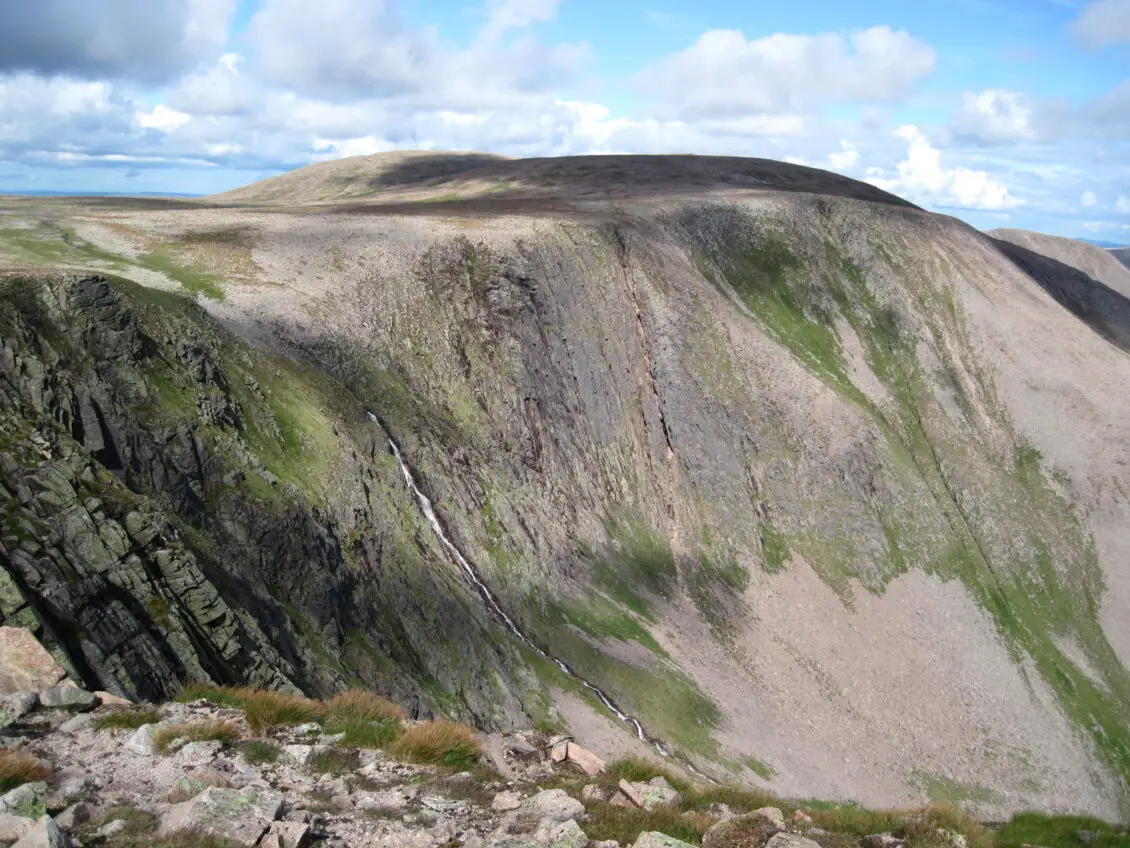
Discover National Parks Fortnight (4-18 April) celebrates all that is unique and special about the UK’s National Parks. The Cairngorms National Park here on our doorstep is the largest of them all, attracting over 570,000 visitors from across the UK in 2019 alone. Home to a quarter of Scotland’s native forest, it also boasts a quarter of the rare and endangered species in the UK, a third of the UK’s land above 600 metres, and more breeding wader birds than the whole of Wales. The source of the Dee on Braeriach, at almost 1300 metres, is the highest of any UK river.
Looked after by the Cairngorms National Park Authority (CNPA), this specially designated area gives rise to five major river catchments – the rivers Dee, Spey, North and South Esk, and Don. This means the management of the Park’s 4,528 square km has consequences for amuch wider area, as the Dee Catchment Partnership’s Manager, Dr Susan Cooksley, explains:
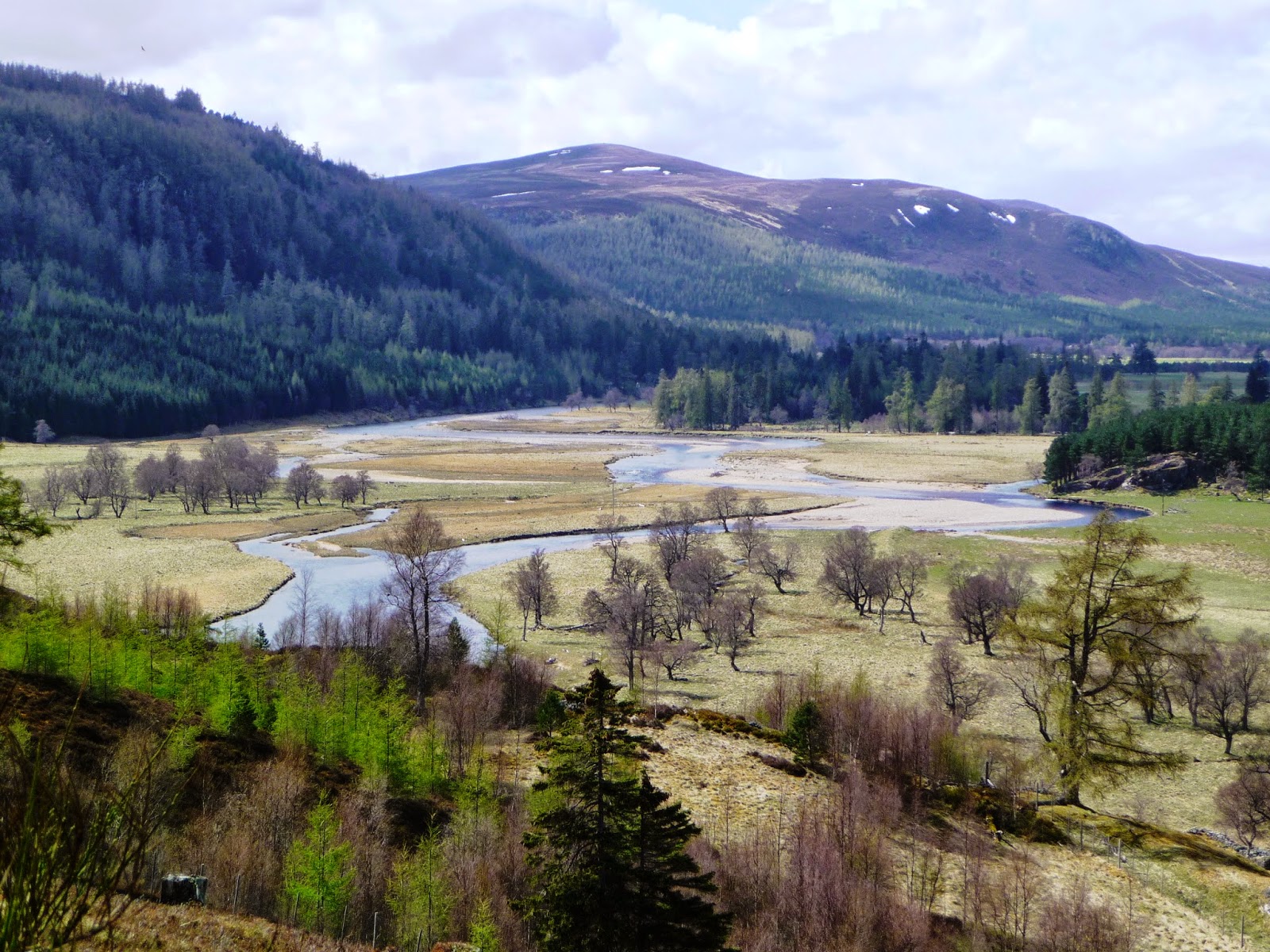
“The management of a river’s headwaters affects the whole river system. These peatlands and small streams are the beginnings of large rivers. The runoff from these upper areas of a catchment influences flooding, temperatures and erosion – so the uplands are where these issues should be tackled. Half of the Dee – from Dinnet upstream – is located within the Park, and if we don’t get headwater management right, then we will always be fire-fighting further downstream, instead of dealing with issues at their root.
Dr Sally Mackenzie, Conservation Officer in the Cairngorms Nature team at the CNPA is passionate about the Park’s role in catchment management: “Land management in the Park is absolutely crucial to achieving long term solutions to climate adaptation and resilience. The Park is home to many rare and protected habitats and species, and our rivers provide vital habitat for spawning Atlantic salmon, for example. We are in the privileged position of being able to coordinate work at the landscape scales that can make a difference – we’ve led extensive peatland restoration work for example, and recently produced a Forest Strategy to guide vital woodland creation. The Cairngorms Nature Strategy guides this work but also focuses on species conservation, and the connected theme of how best to deliver benefits for both people and wildlife.
“Joined-up thinking is essential to tackling the climate crisis and biodiversity emergency, and by uniting our catchment partnerships we make sure that great projects in one area can be a model for the others.”
Susan highlights the importance of the CNPA’s role in the Dee Catchment Partnership: “The CNPA takes the role of custodians of the whole of the River Dee very seriously. The Authority is a major and very effective partner and has been hugely supportive of our work throughout the catchment.”