

 Ambitious recovery programme launched as unprecedented decline in pearl mussel highlights fragile River Dee
 DeeWatch December
The longest day may have come and gone, but the hottest weather is probably still to come. Many of the trees and plants will now have maturing seed ready to produce the next generation of plants, and much of this seed will feed later broods of young birds and our winter visitors.
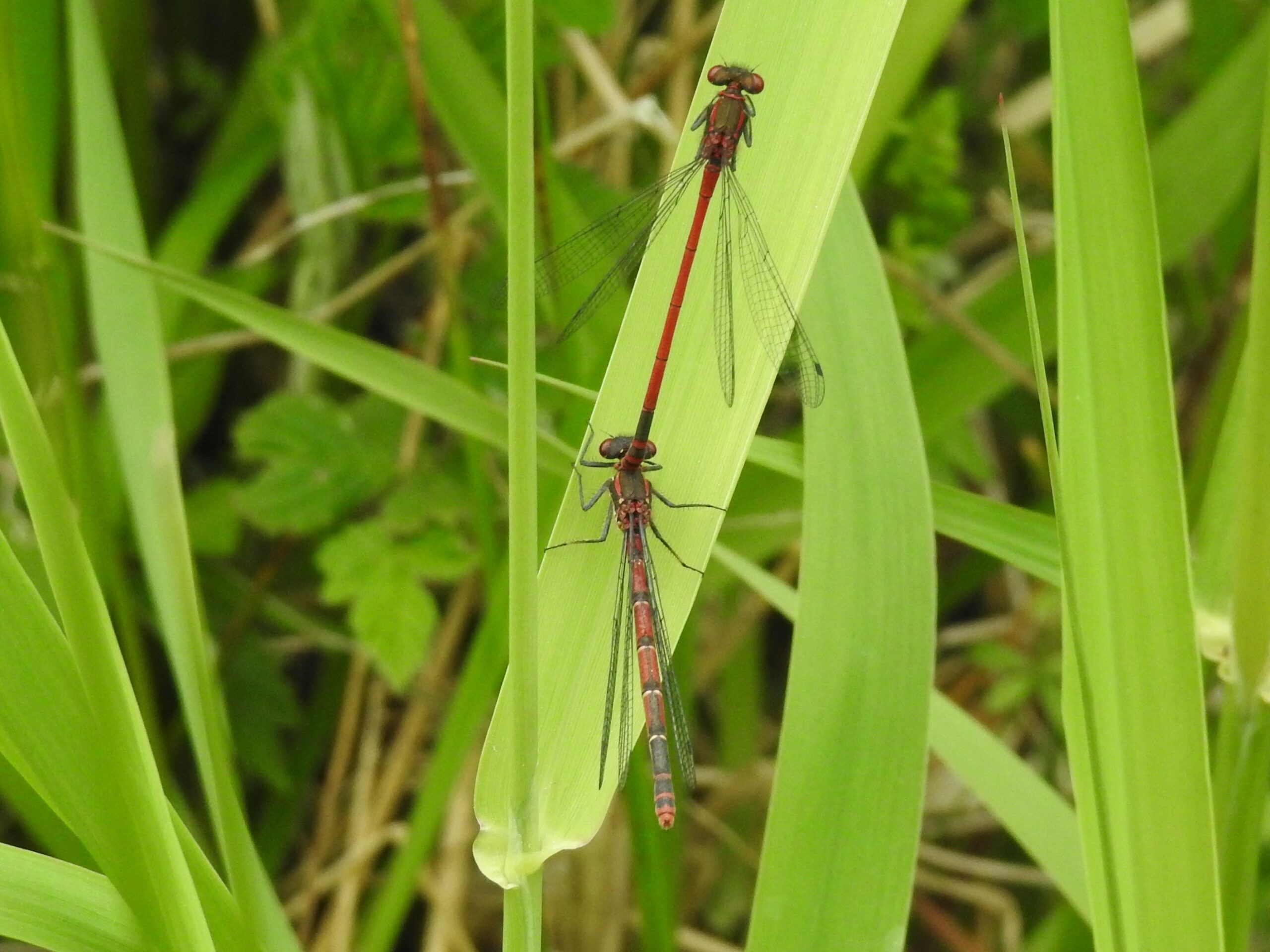
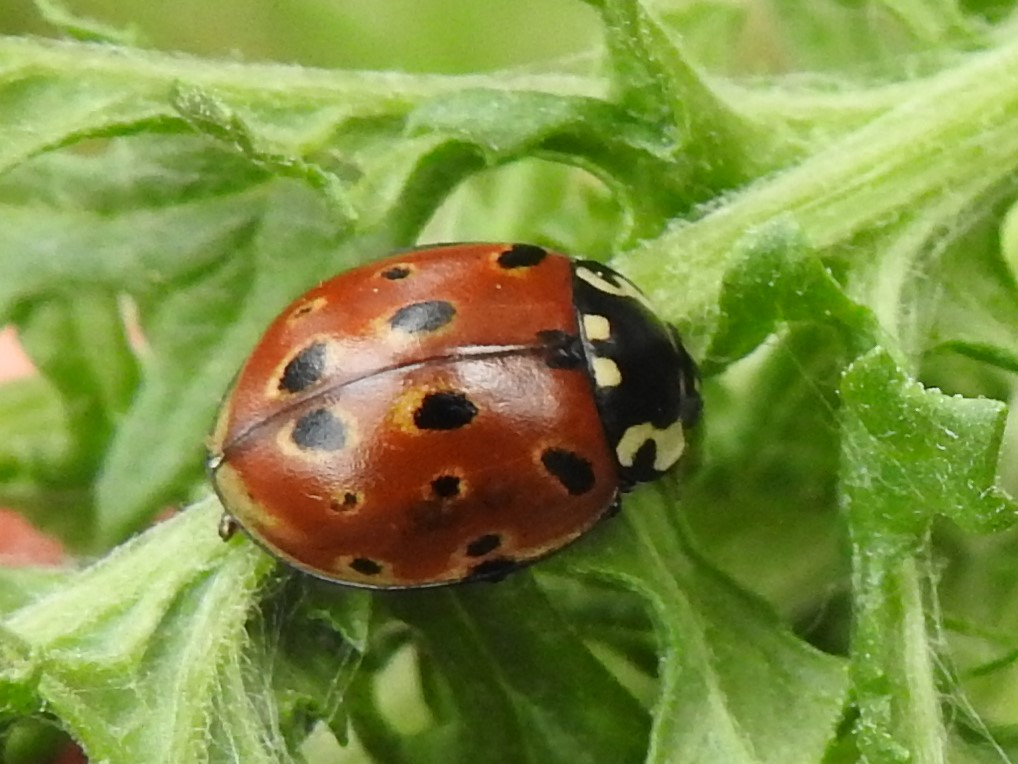
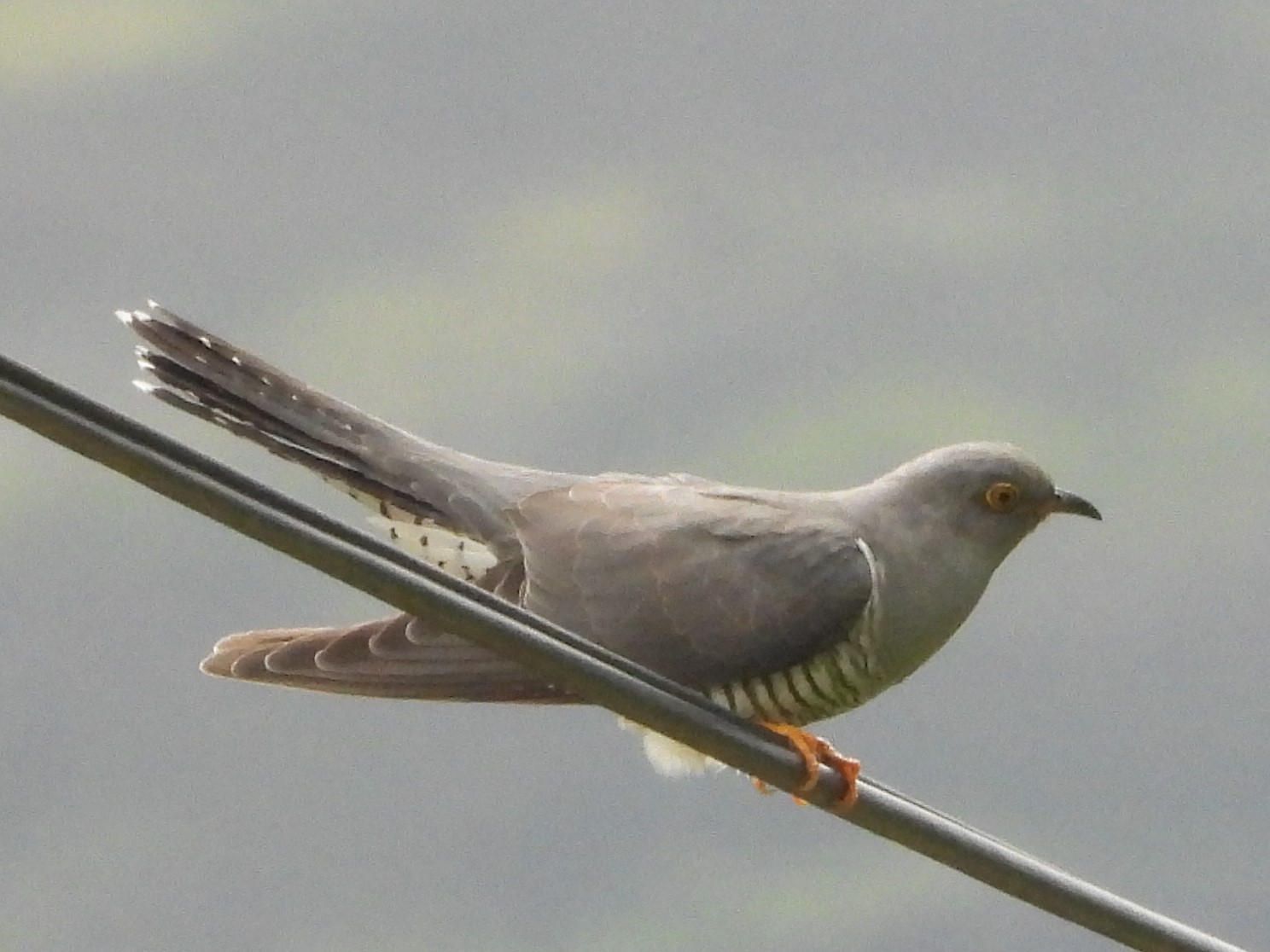
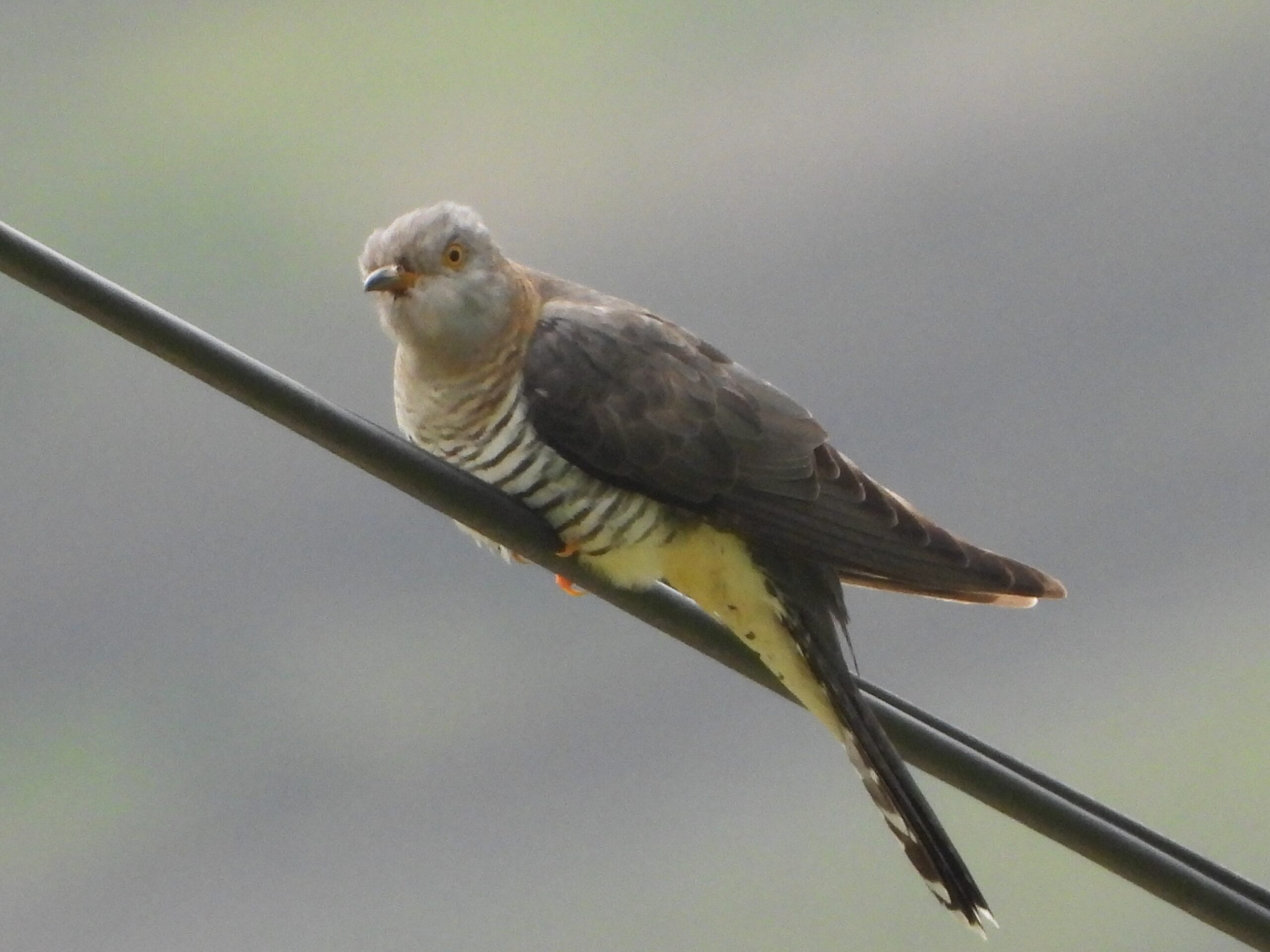
Here’s what we’ve seen recently:
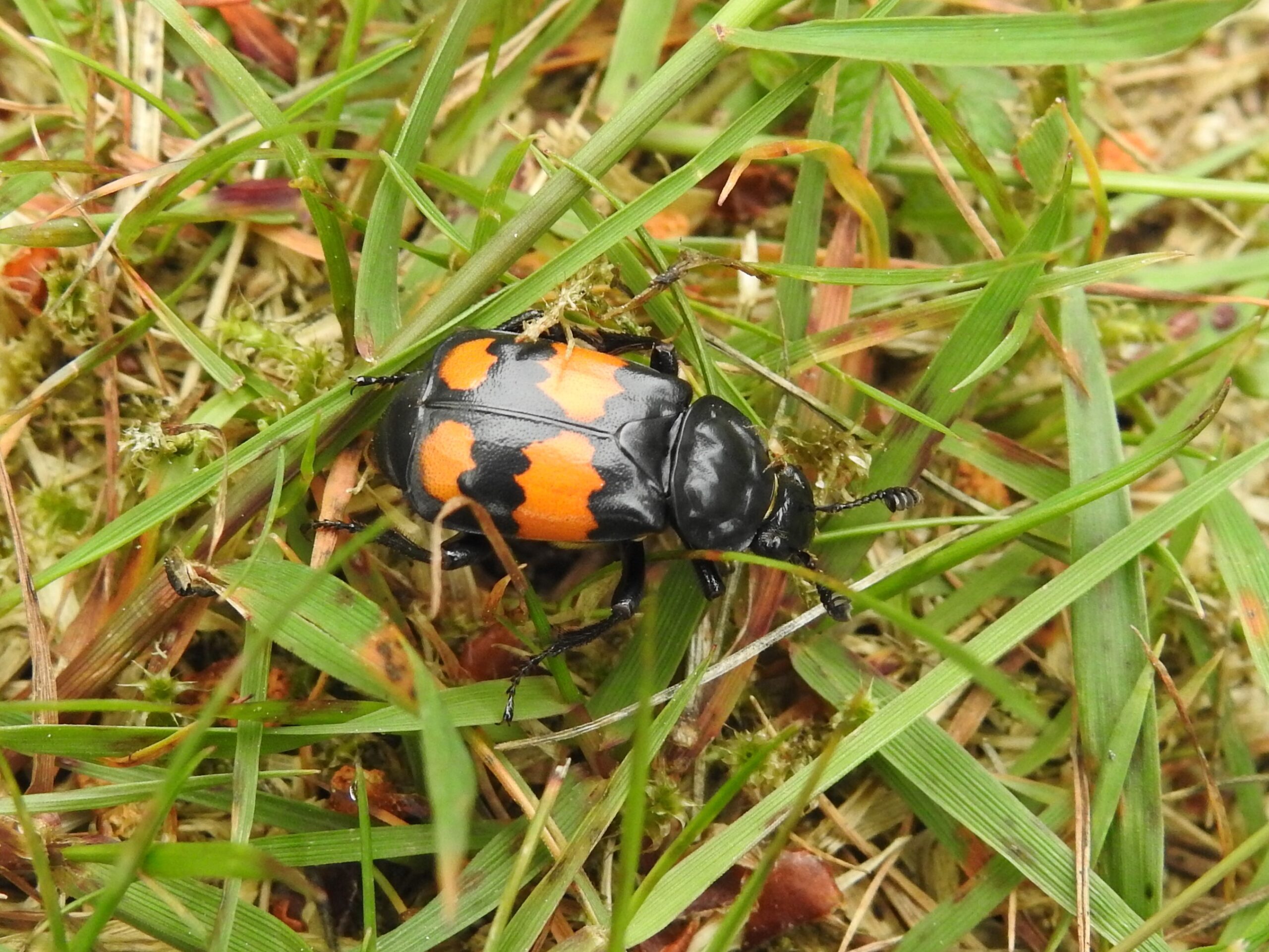
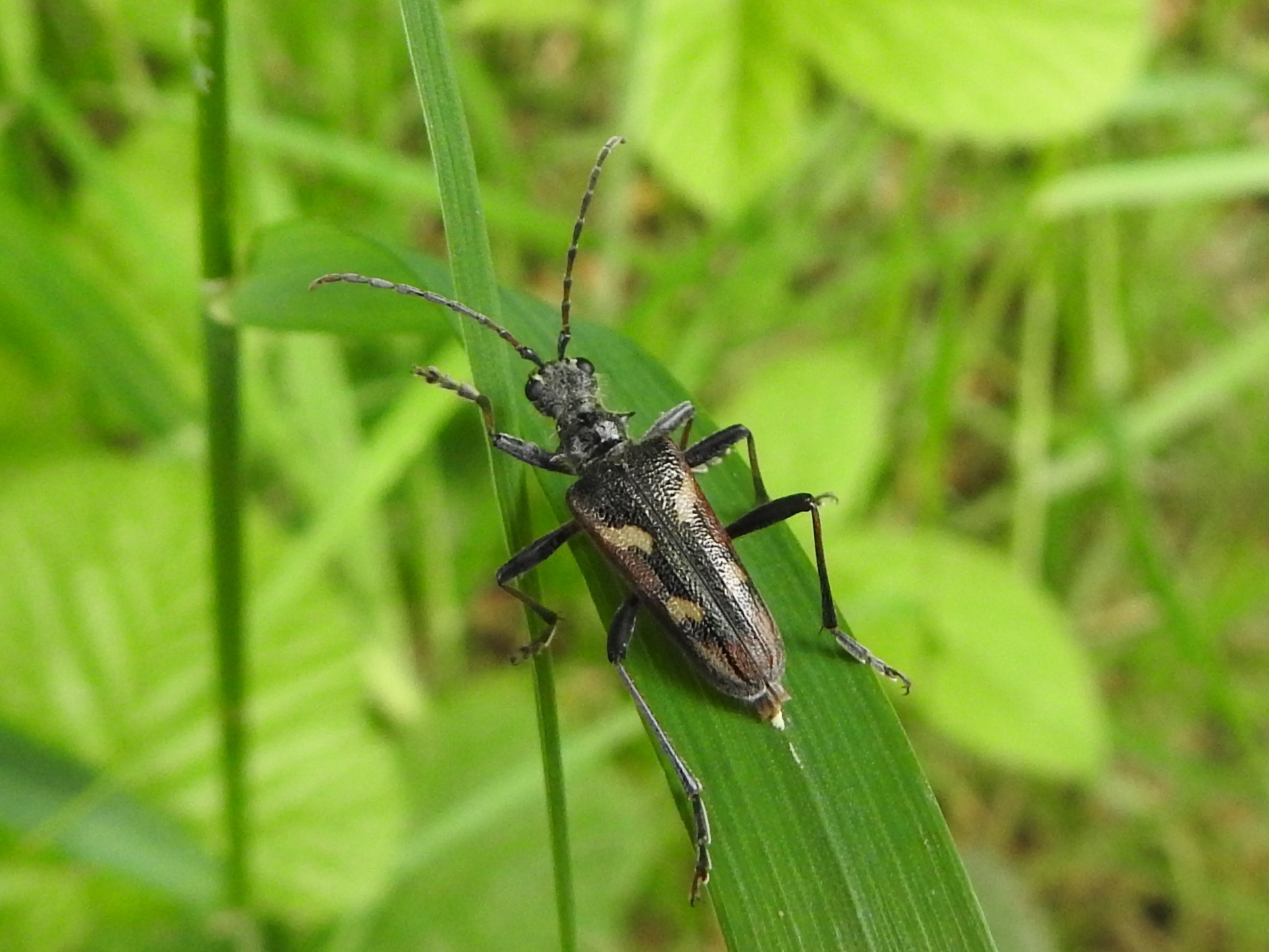
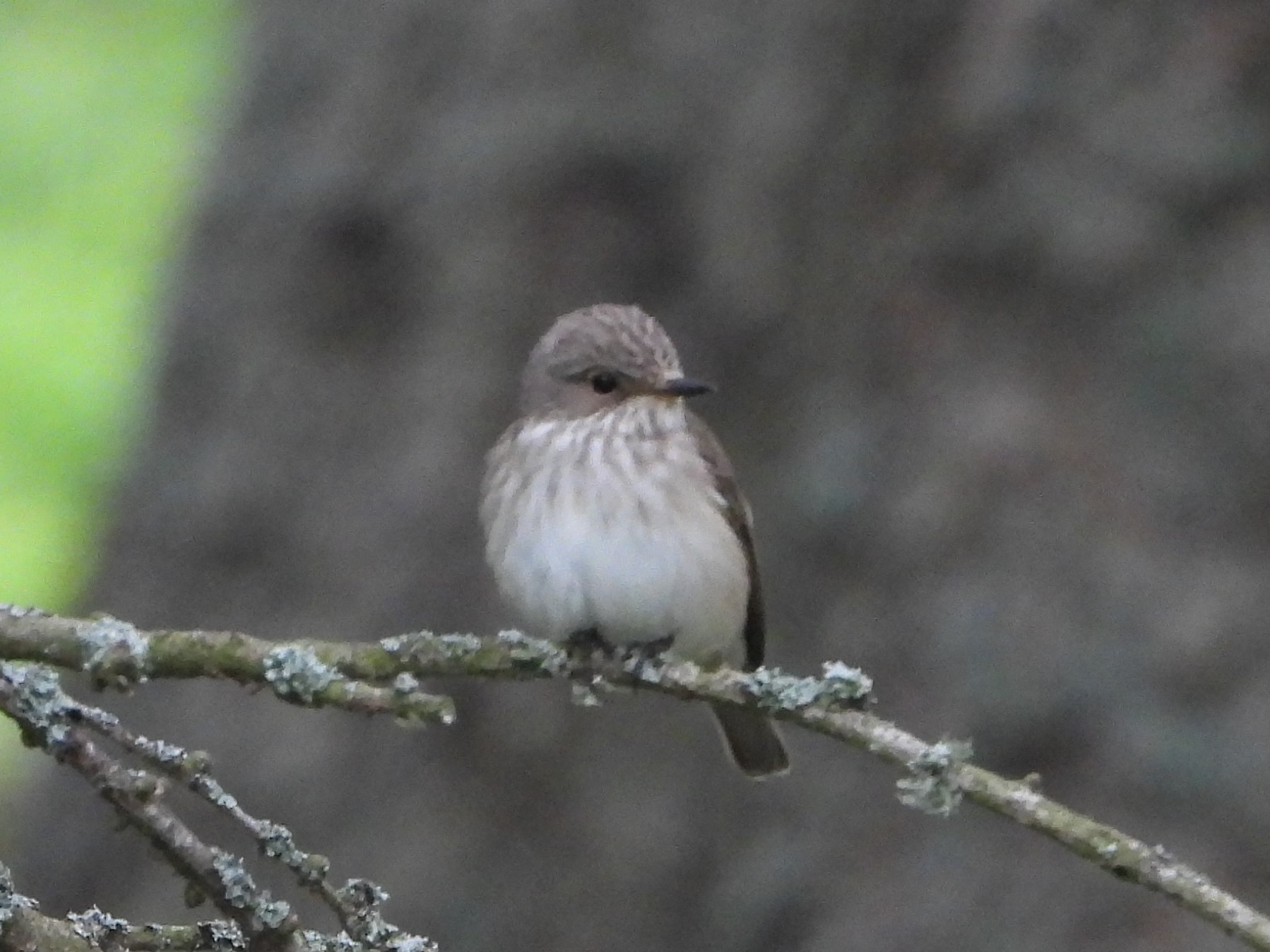
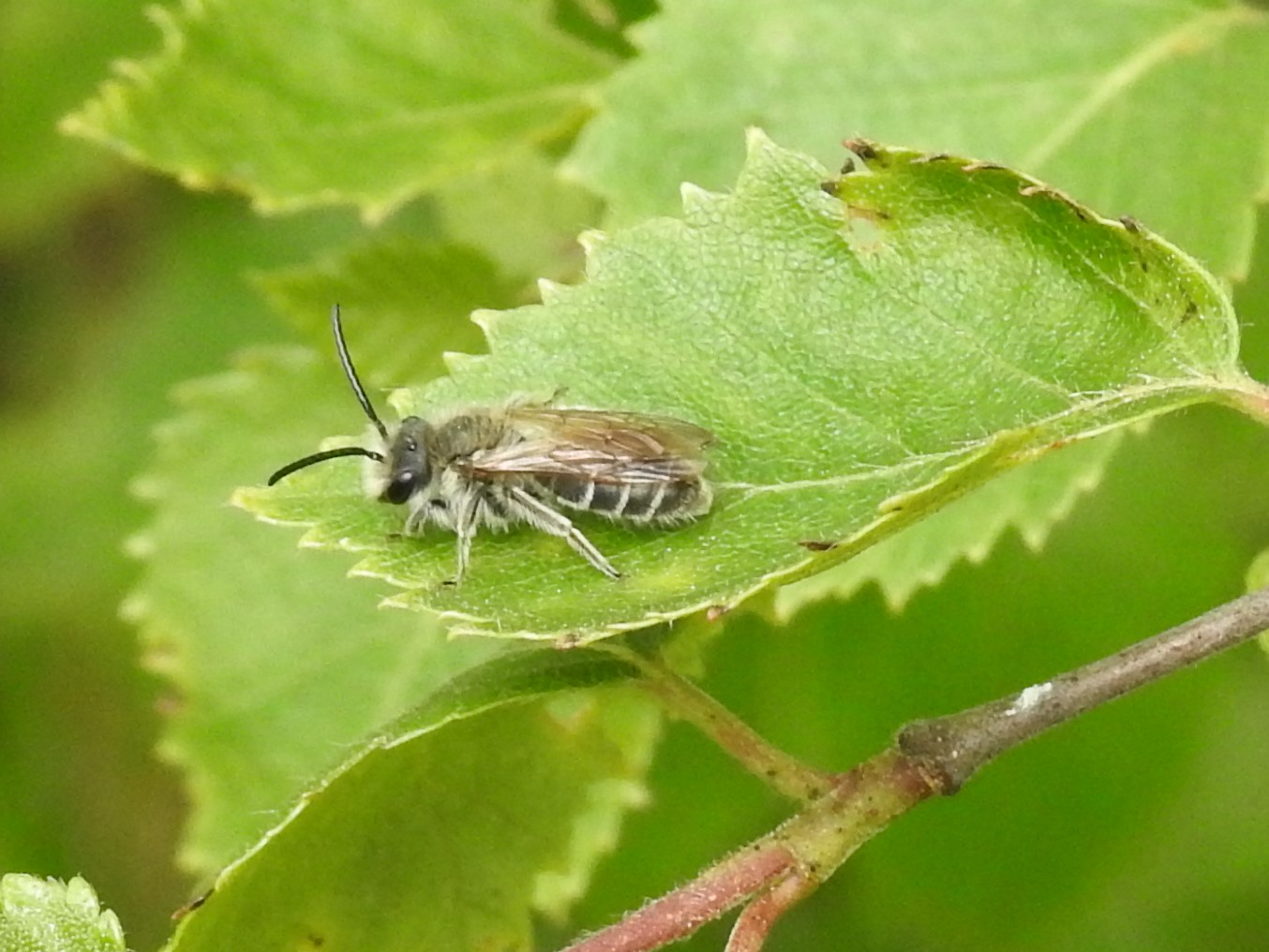
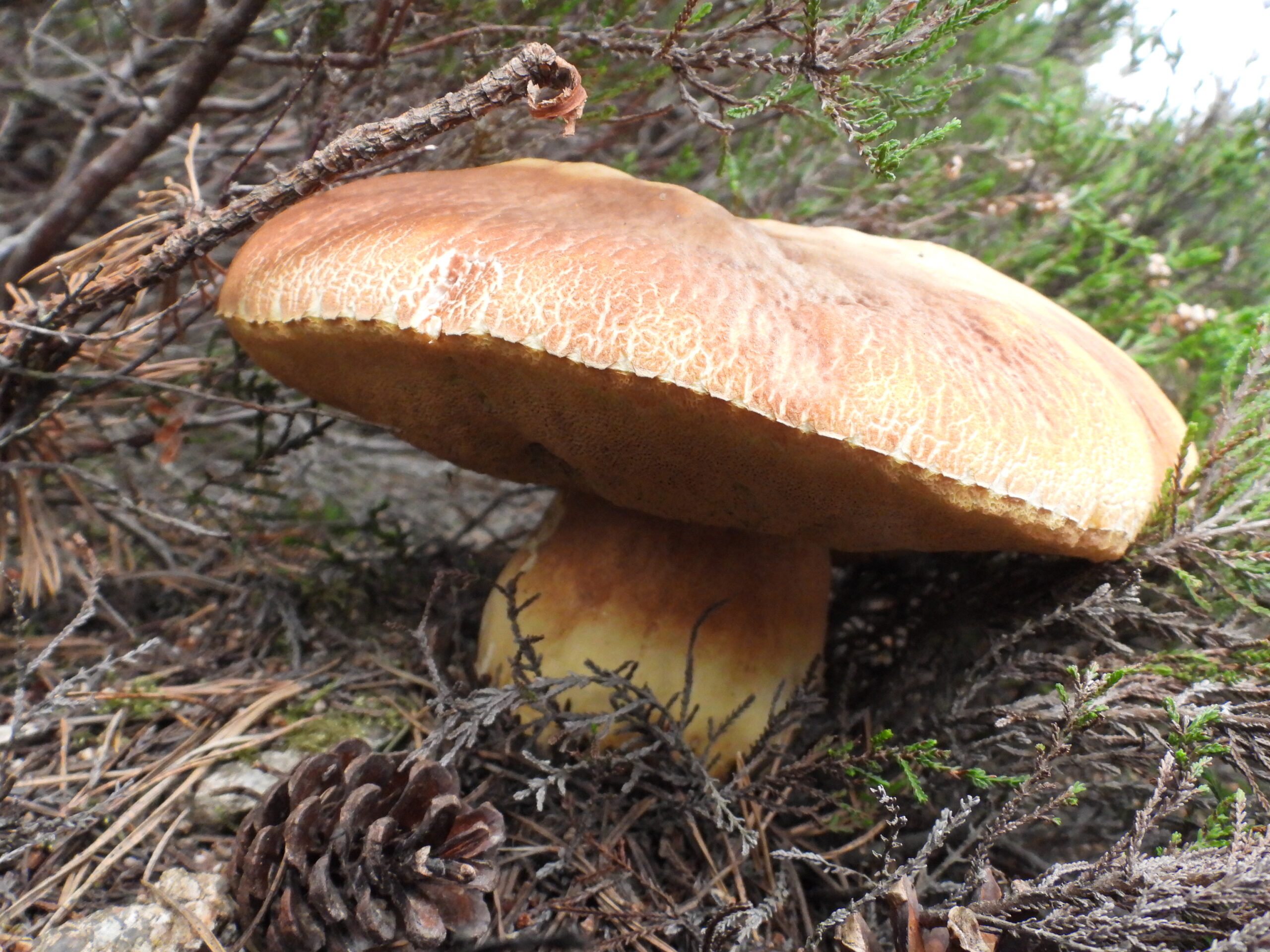
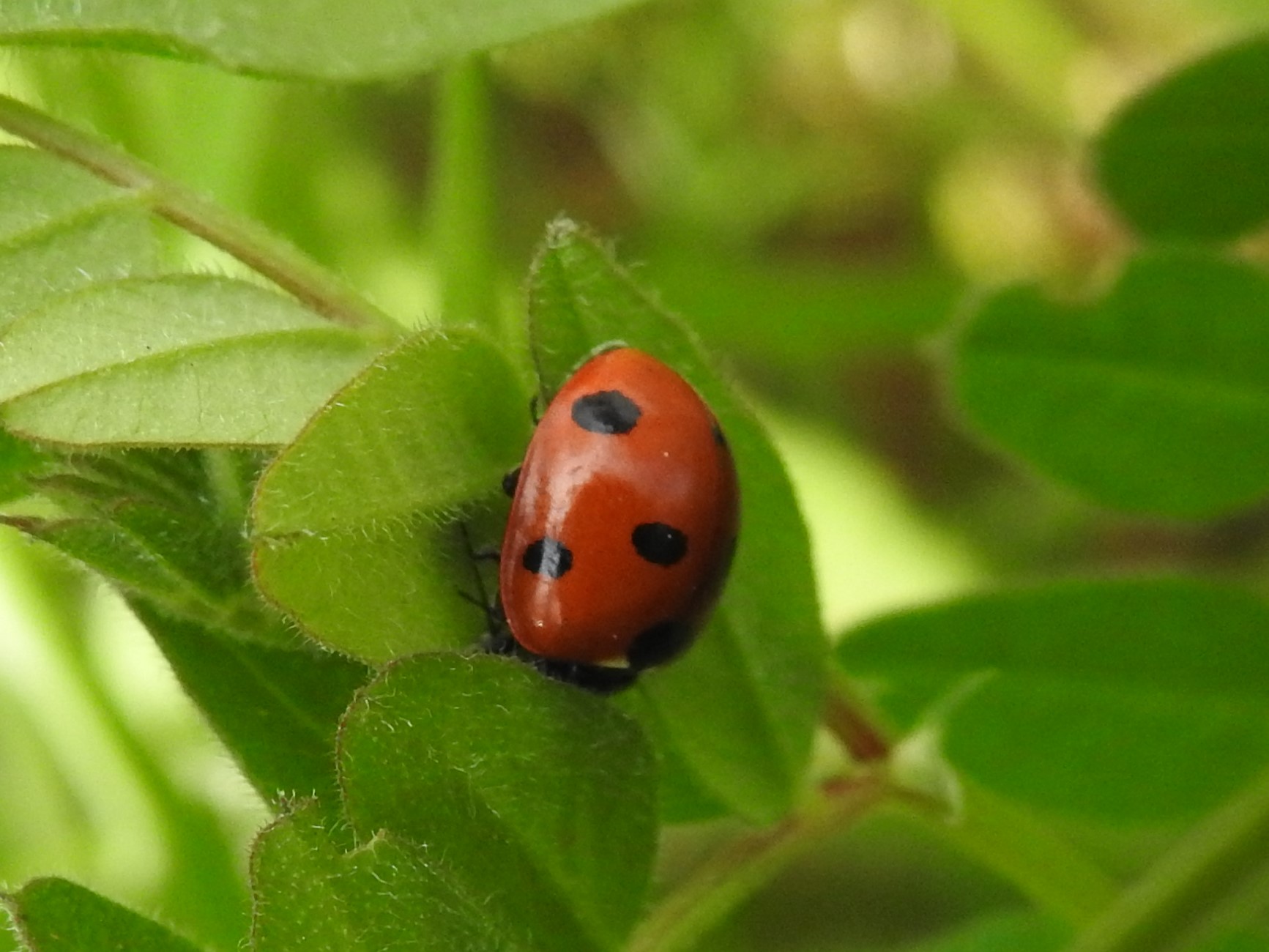
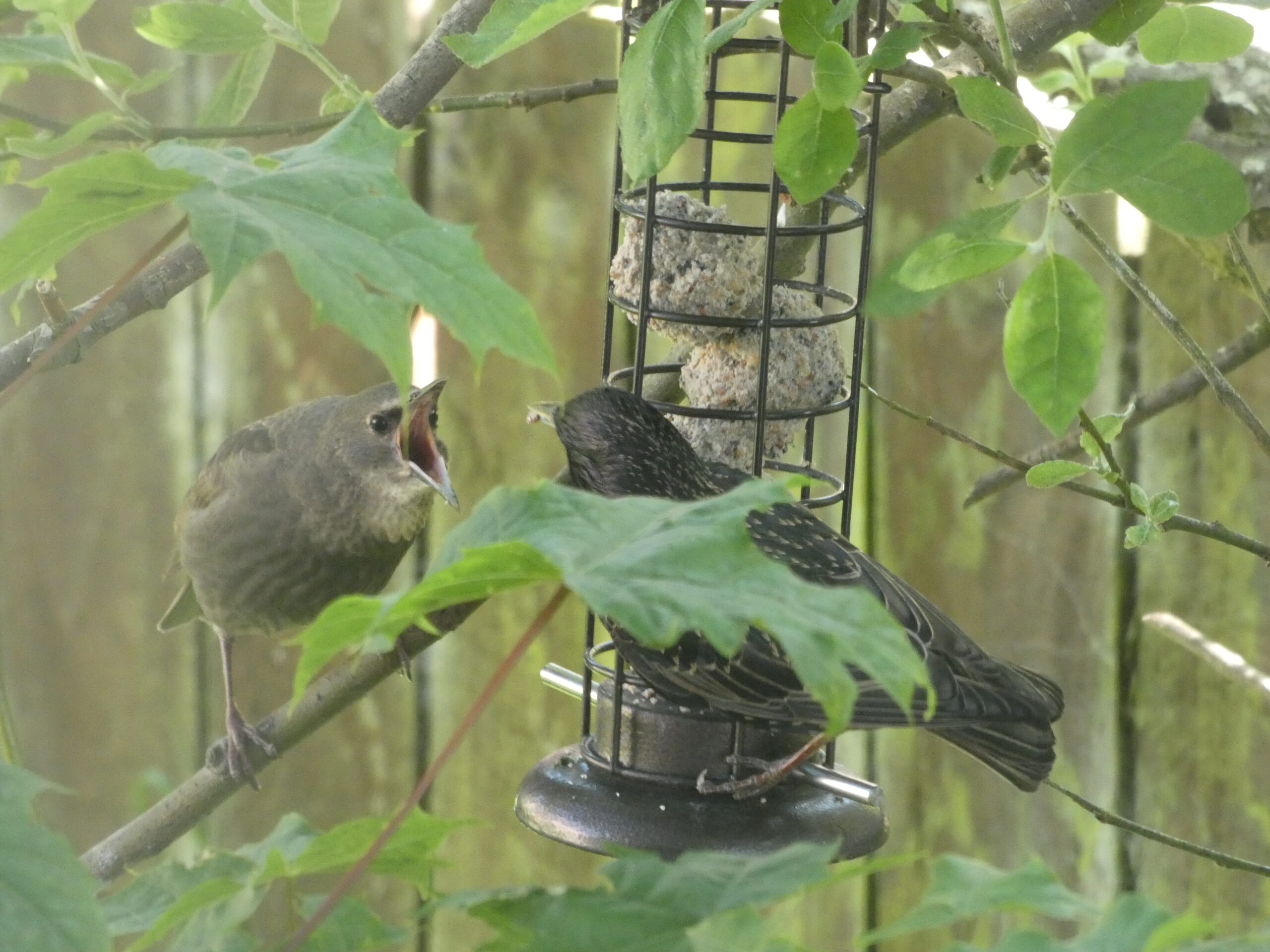
Look out and listen for:
Birds
Many birds are keeping their heads down now they’ve bred, so July can be a fairly quiet month for birdsong. At Loch Kinord, you may spot ducks like mallard, tufted duck, teal and goldeneye,moulting into “eclipse plumage” – they shed their flight feathers all at once after mating, so for about a month over the summer they can’t fly, leaving them very vulnerable to predators. The males’ brightly coloured feathers are replacedby dowdy brown ones, making them look more like females.
Some migrant birds are already heading south – you may hear curlew passing high overhead, the failed breeders from the Arctic. Cuckoos stop singing this month and head away on their long journey south to Africa. Lots of young birds are now out of the nest and foraging for food on their own, like this young great spotted woodpecker. The adults won’t be far away and both give a “contact call” as their way of keeping in touch: “Where are you?” “I’m over here – where are you?” “I’m still in the same place.”
You may spot newly-fledged blackbirds in gardens and parks – they’re trying to stay out of sight in case a sparrowhawk comes zooming in looking for the most vulnerable ones it can pick off to feedits own young.
Butterflies, moths & other minibeasts
On sunny days we see more butterflies but they’re tricky to identify as they tend to move on as you creep closer to the flower they’ve stopped to feed on, and refuse to fly in straight lines so binoculars can’t be focused on them! One easy moth to identify is the chimney sweeper. Although small, with a wingspan of 23-27 mm, many can be seen along the lush, grassy river banks especially where flowering pignut is plentiful on which the larvae feed. Chimney sweeper moths are completely black except for the white fringes at the tips of the forewings and fly in the daytime in bright sunshine.Another moth to look out for by day in grassland is the latticed heath near clover, their larval food-plants.
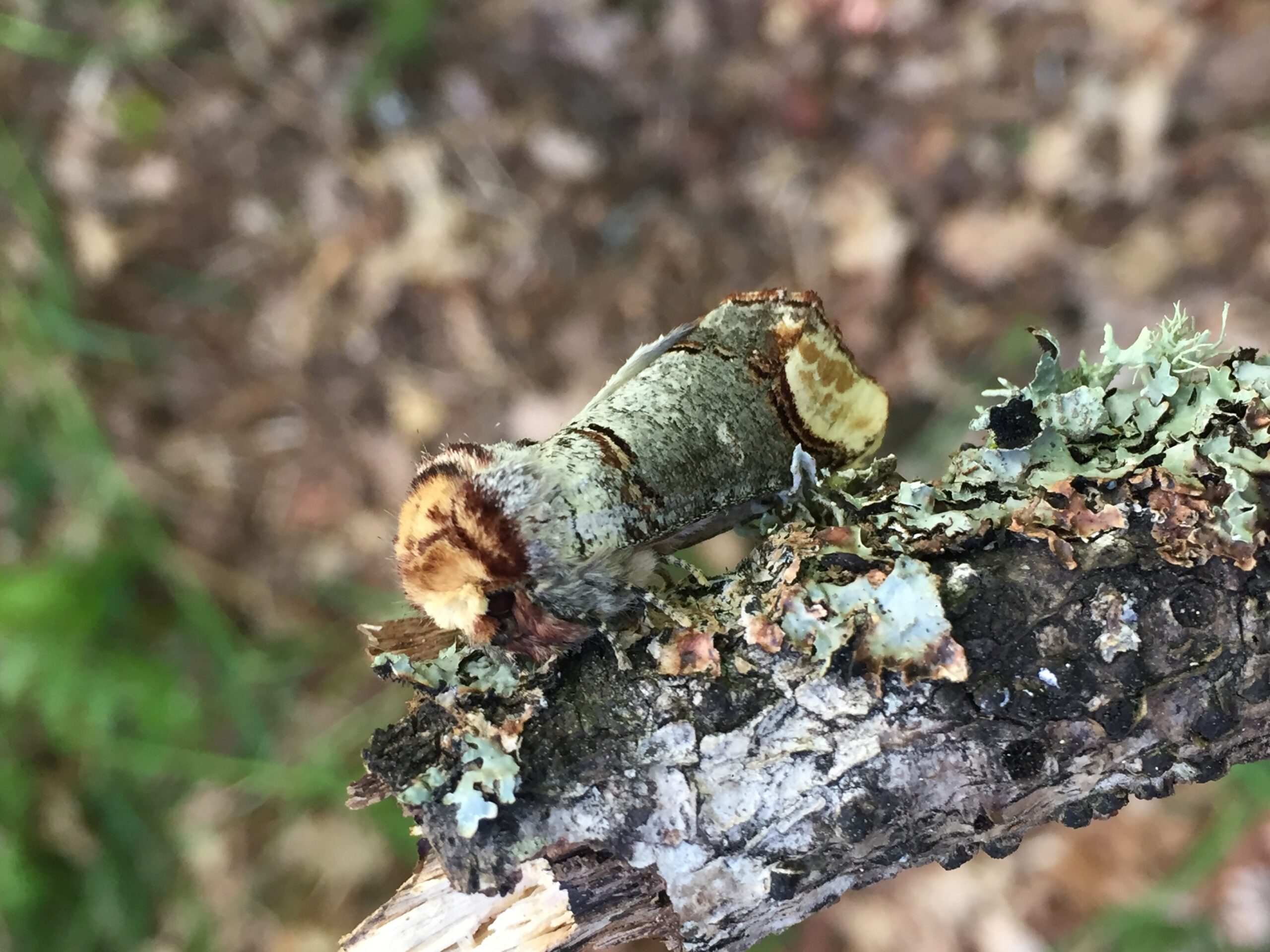
Nocturnal moths are at their peak in terms of species and numbers – a couple to look out for attracted to lights are the garden tiger, once common across the UK, but now severely declining in the south – thankfully it still seems to be thriving in our area. Its bright colours are a warning to predators that they are distasteful! The large emerald camouflages well with birch leaves that its caterpillars eat.
Common blues can be seen near their usual caterpillar food-plant, bird’s-foot trefoil. The bright blue males are unmistakable, though browner females may be mistaken at a glance for the scarcer northern brown argus, only found where its food-plant rock-rose grows. Not to be confused with the much smaller scotch argus which appears in late July in grassy areas on upper Deeside and can be locally abundant.
Small pearl-bordered fritillaries are still flying, but their similarly orange and black chequered, but larger cousins, the dark-green fritillaries, peak this month – they are olive-green on their hindwing undersides.
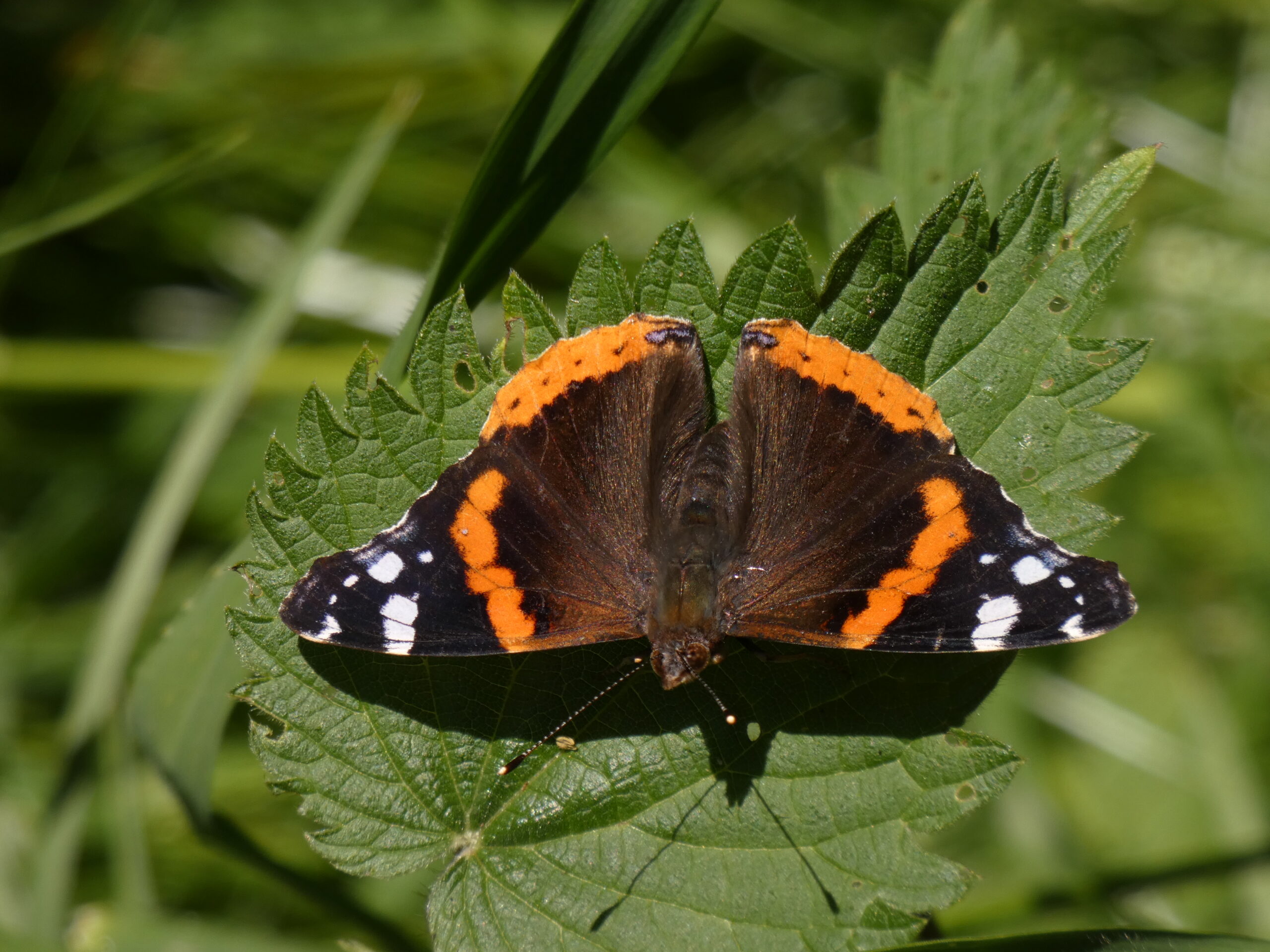
Fresh small tortoiseshells and peacocks will be emerging from the chrysalis stage and depending on weather, more migrants such as red admirals and painted ladies may arrive from the south, along with moths such as silver y and hummingbird hawk-moth.
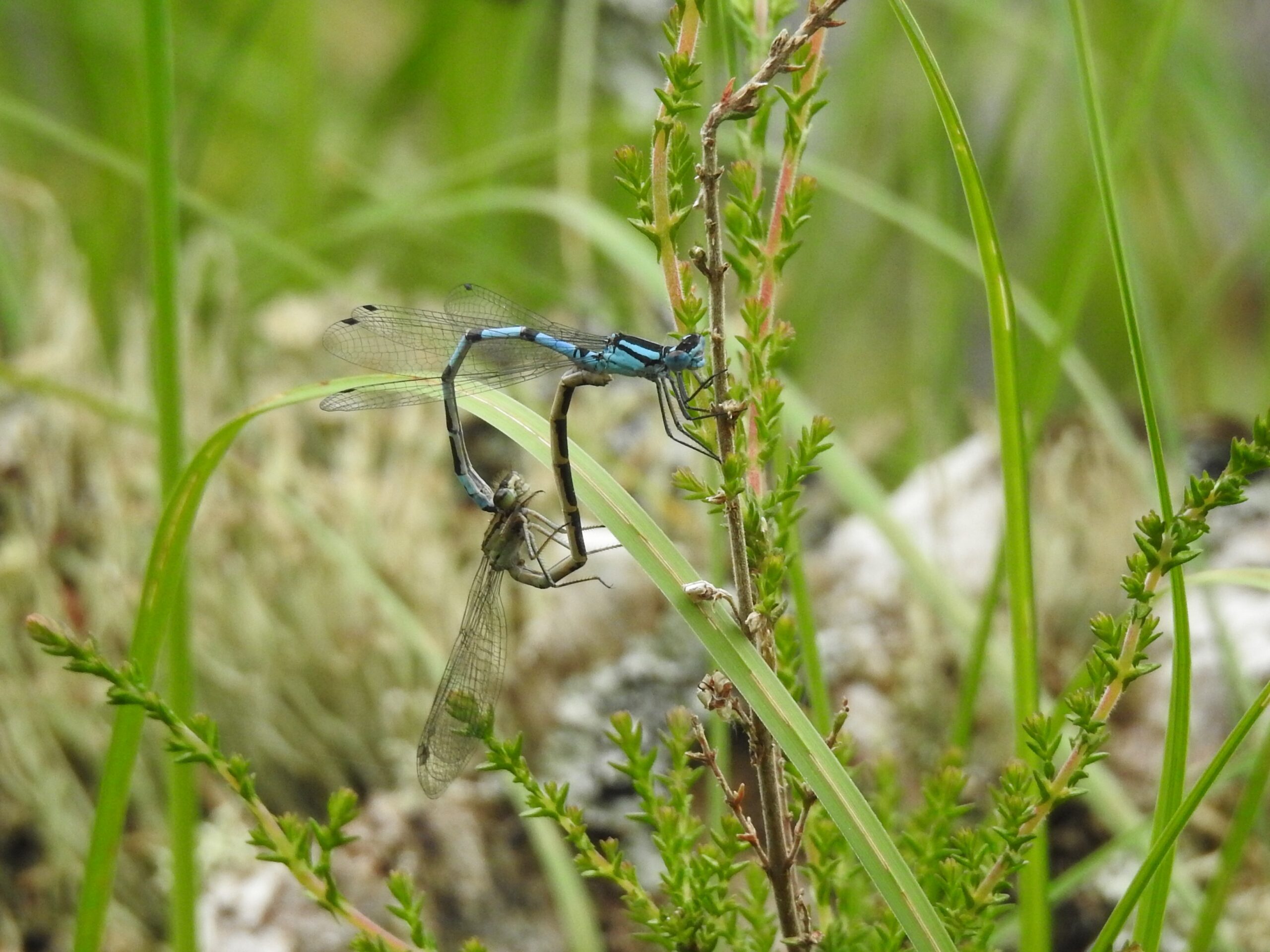
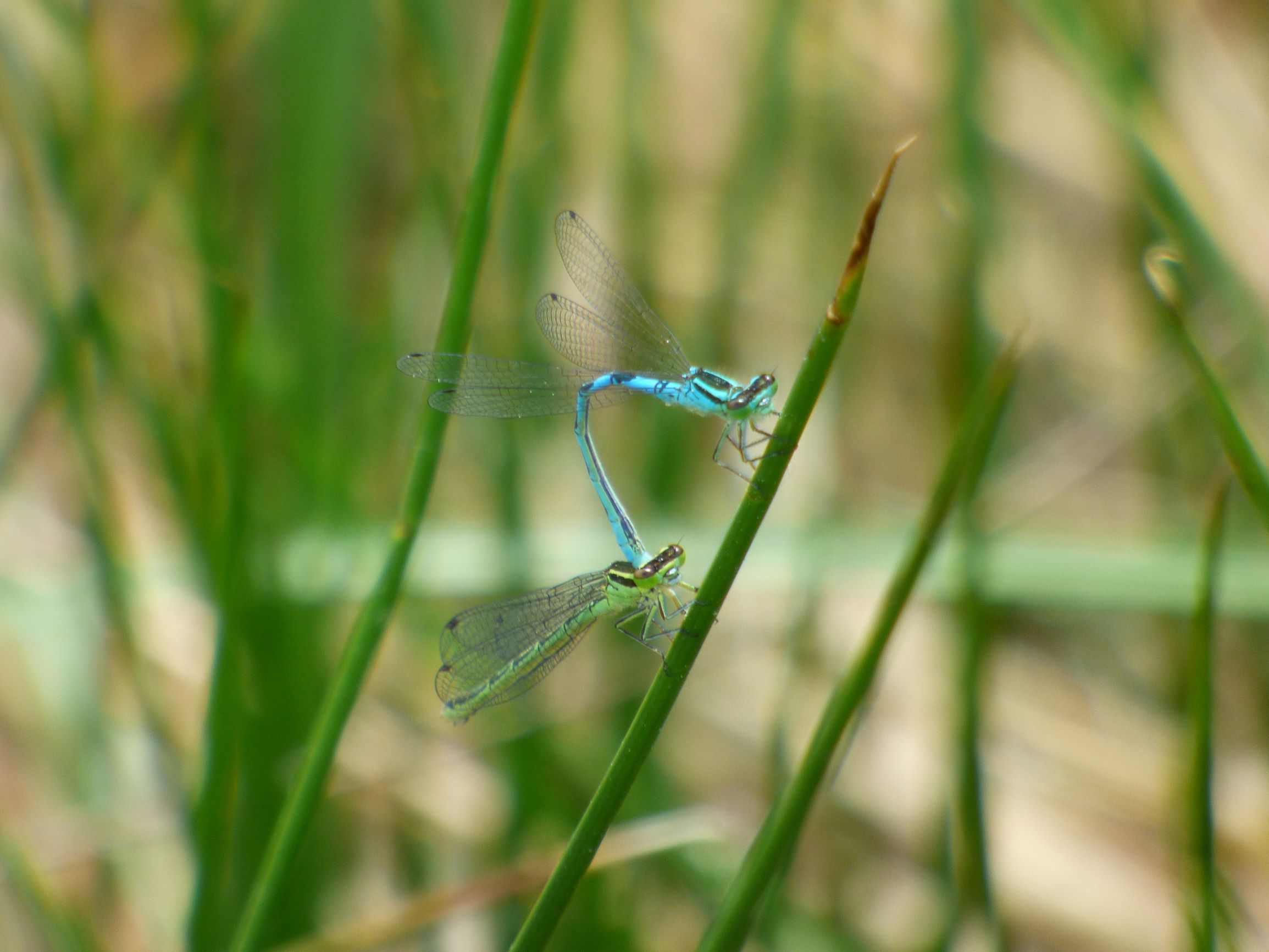
Look out for damselflies near water, in grassland or open areas between woodlands. The male is bright blue in colour, while the female has a more peppermint tone, with distinctive torpedo shapes on her abdomen.
Bumblebee nests are now producing new queens and males as well as workers – look out for the larger queens and you may also find bees not being busy collecting pollen, but sitting around flowers just refuelling on nectar – these are males waiting for a chance to mate with a new queen – they don’t usually return to the nest as they do no useful foraging work!
Mammals & other larger animals
Roe deer are in rut, and looking very red this month.Nocturnal animals such as badgers can be harder to see in summer because of the lack of ‘night time’. Adult pine martens tend to mate this month and make shrill cat-like calls. They will give birth next spring – the young kits are only emerging now for the first time from their dens. Bats are on ‘maternity leave’ with mothers continuing to suckle their young. Bat pups will be learning to fly and sometimes get grounded – if you find a bat, follow this advice.
Trees, flowers, fruits & fungi
‘Tisthe season for grass – and sympathy to all hay feversufferers! Grass is ‘flowering’ and setting seed, and it’s almost impossible to keep track of all the flower species coming into flower in July, from big showy foxgloves to the easily missed single flowered wintergreen.
Fruits on gean (or wild cherry) are showing the first tinges of the deep red could that will attract birds and people alike, and you can hardly miss all the dog roses out byroad sides just now. The other shrub you can’t help noticing isthe broom. Its yellow flowers are a brighter, more lemony yellow than gorse, which is a deeper gold colour. The other bonus of broom is that, unlike gorse, it isn’t covered in vicious spikes! It’s a member of the pea family and you can actually eat the flowers when they’re in bud – but not too many, as they’re a diuretic.
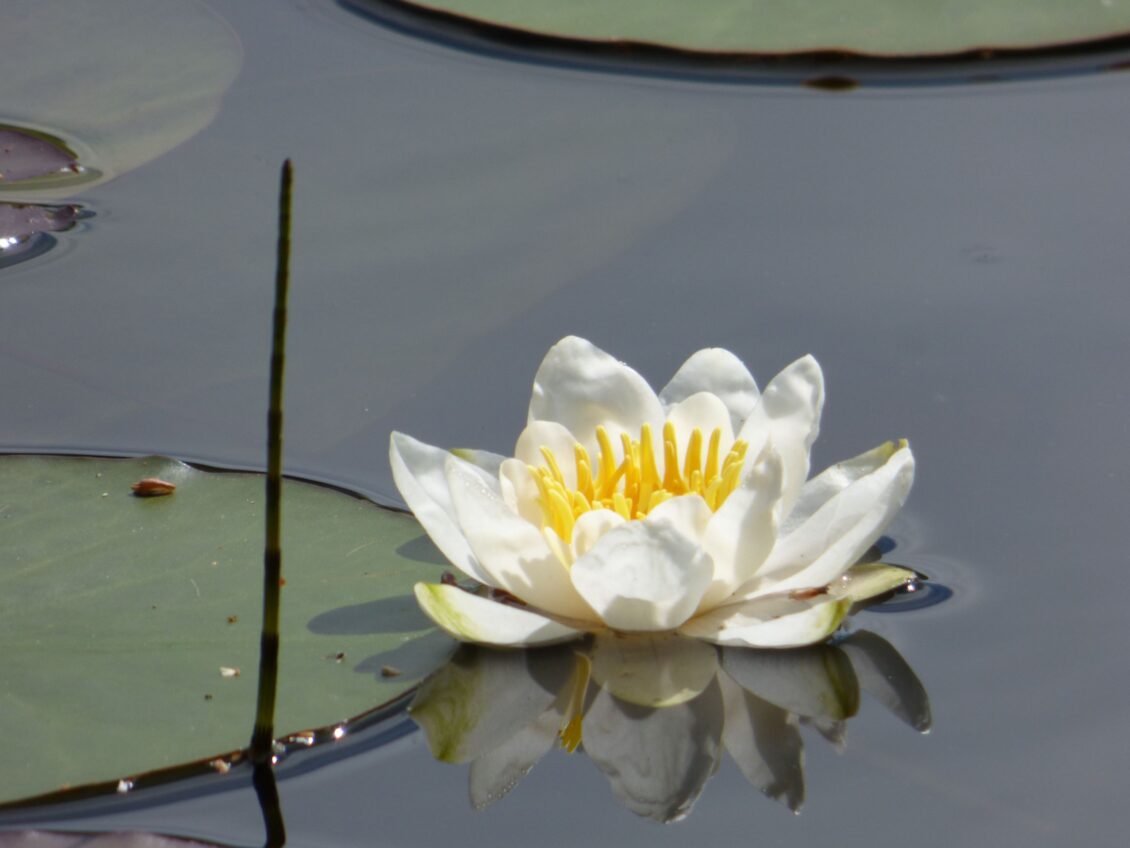
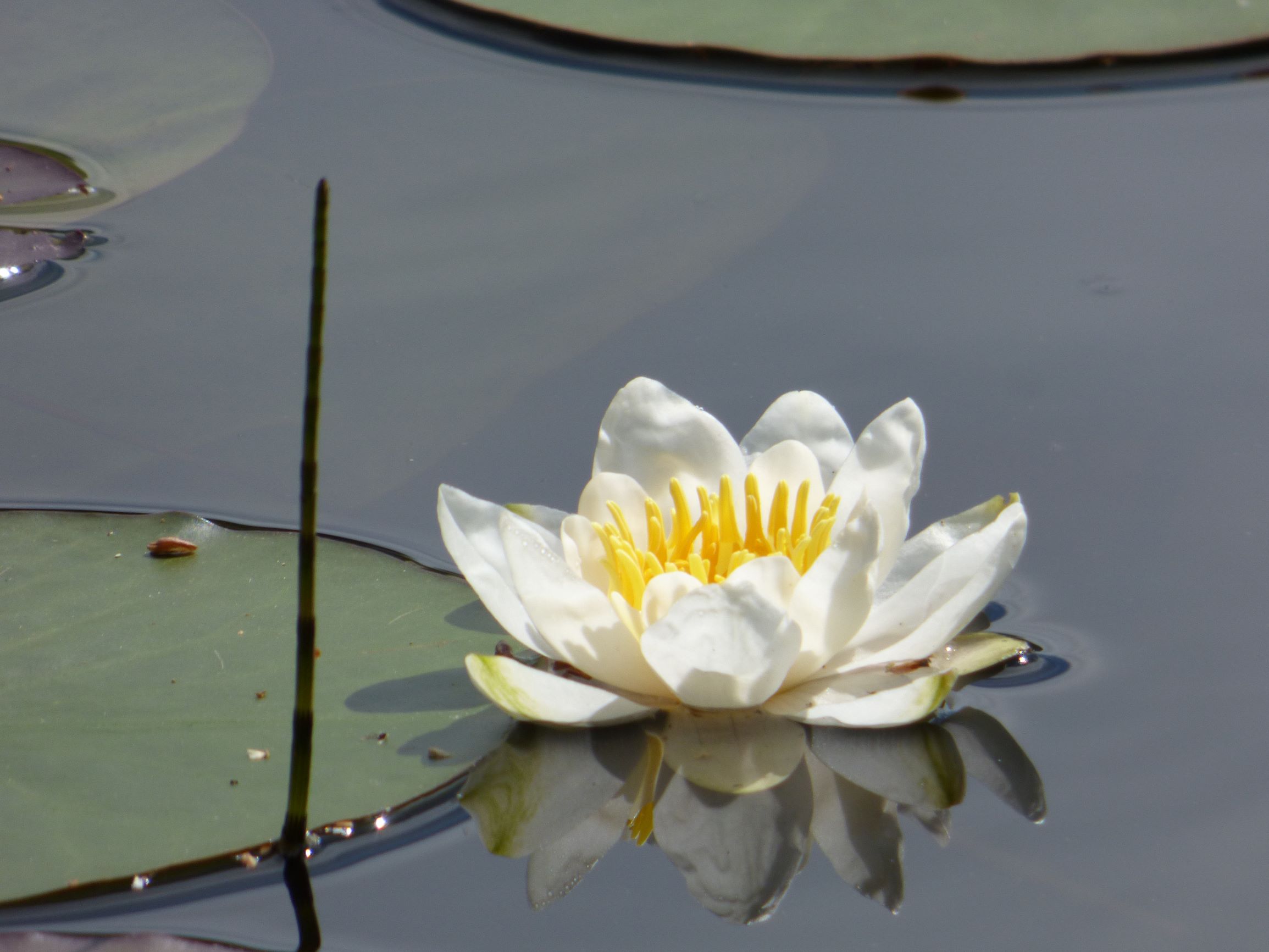
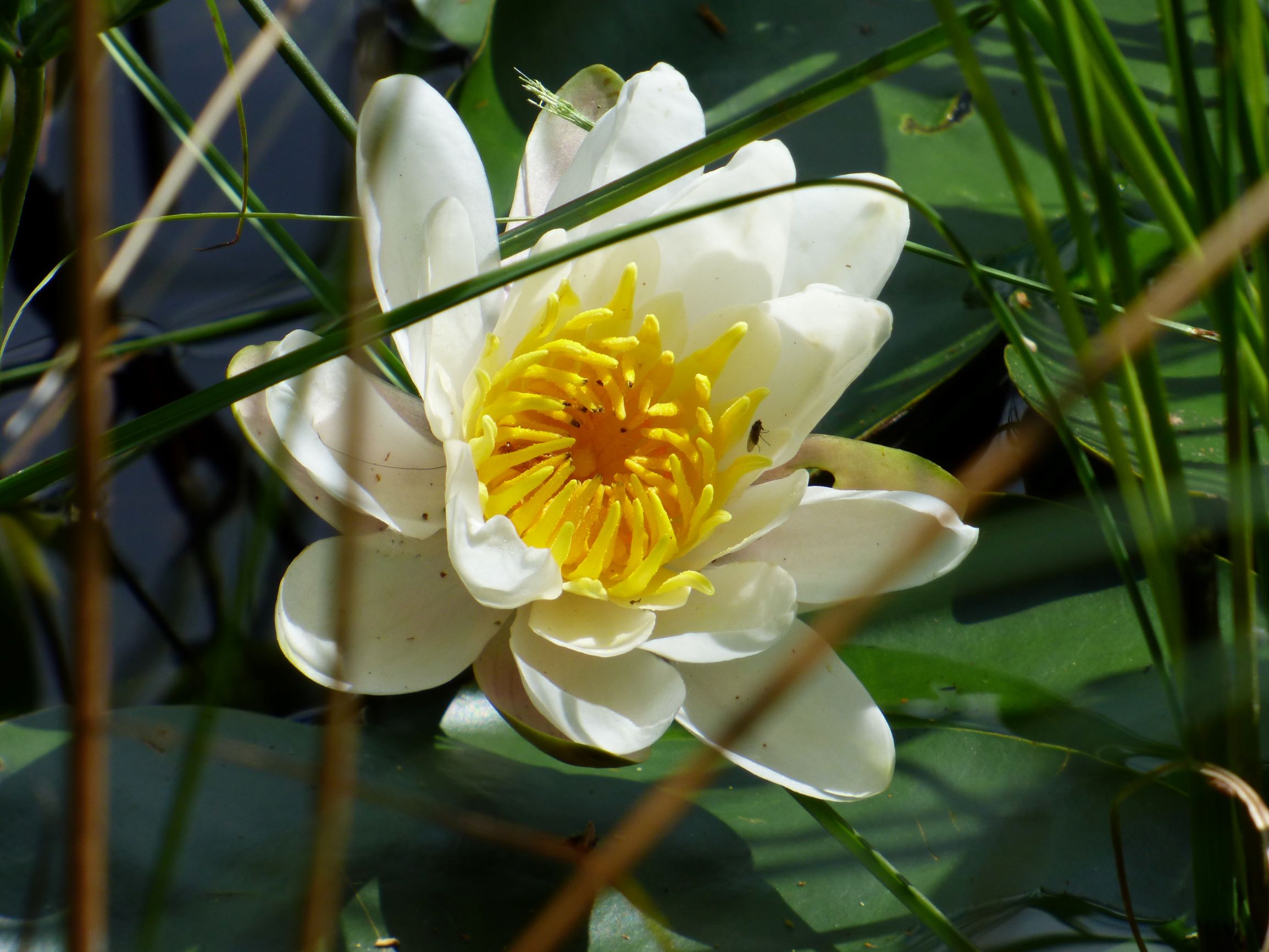
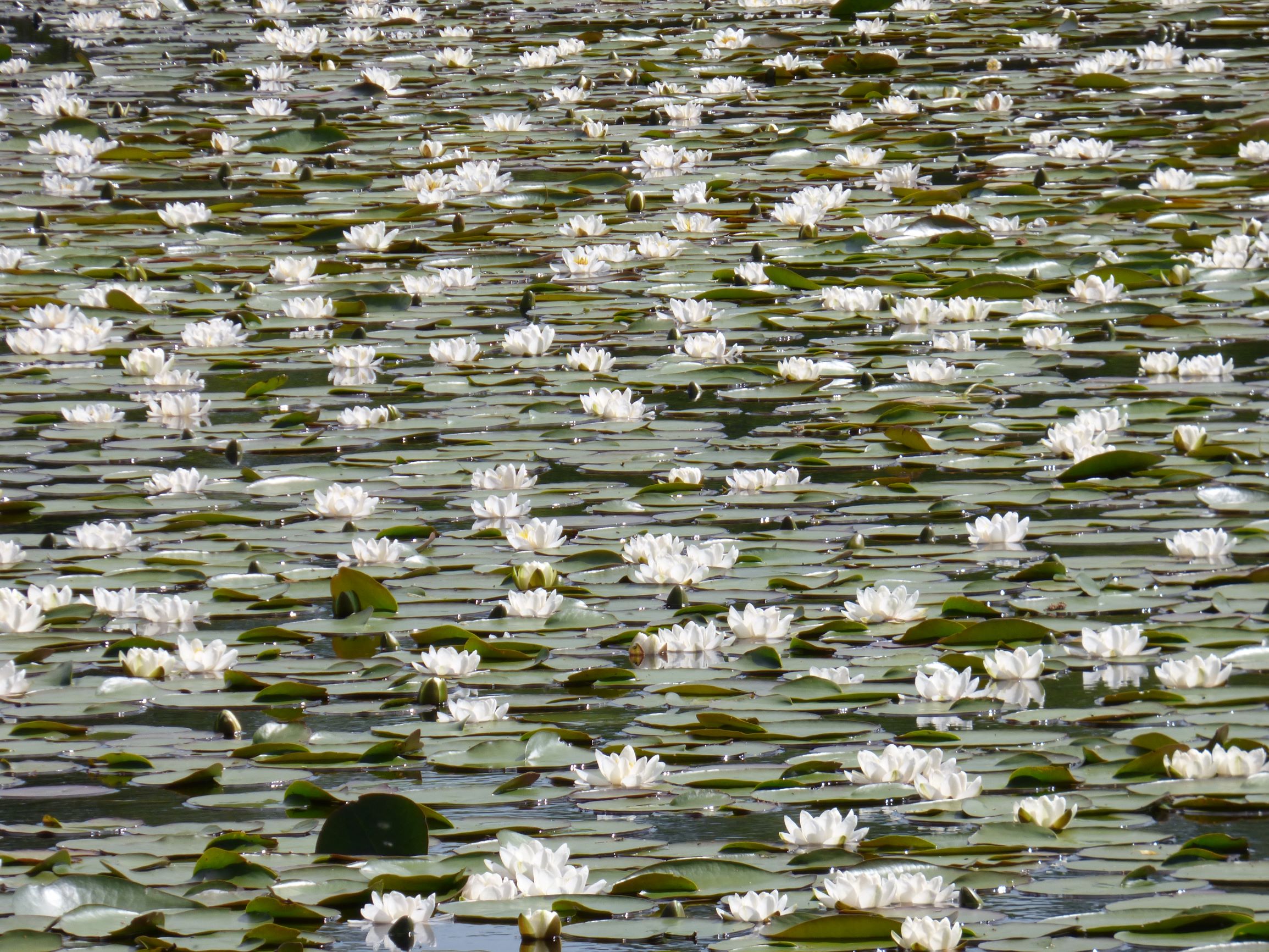
Look out for the star-shaped white petals of the water lilly – they are looking their best this month. They fill every small bay on Loch Kinord and provide great habitat for invertebrates, which, in turn, feed birds like goldeneye.
Another flower currently in bloom is the thistle. There are actually several species of thistle, from the prolific creeping thistle to the emblematic spear thistle. Also loved by insects, you soon know if you brush past these…they are one flower that demands attention!
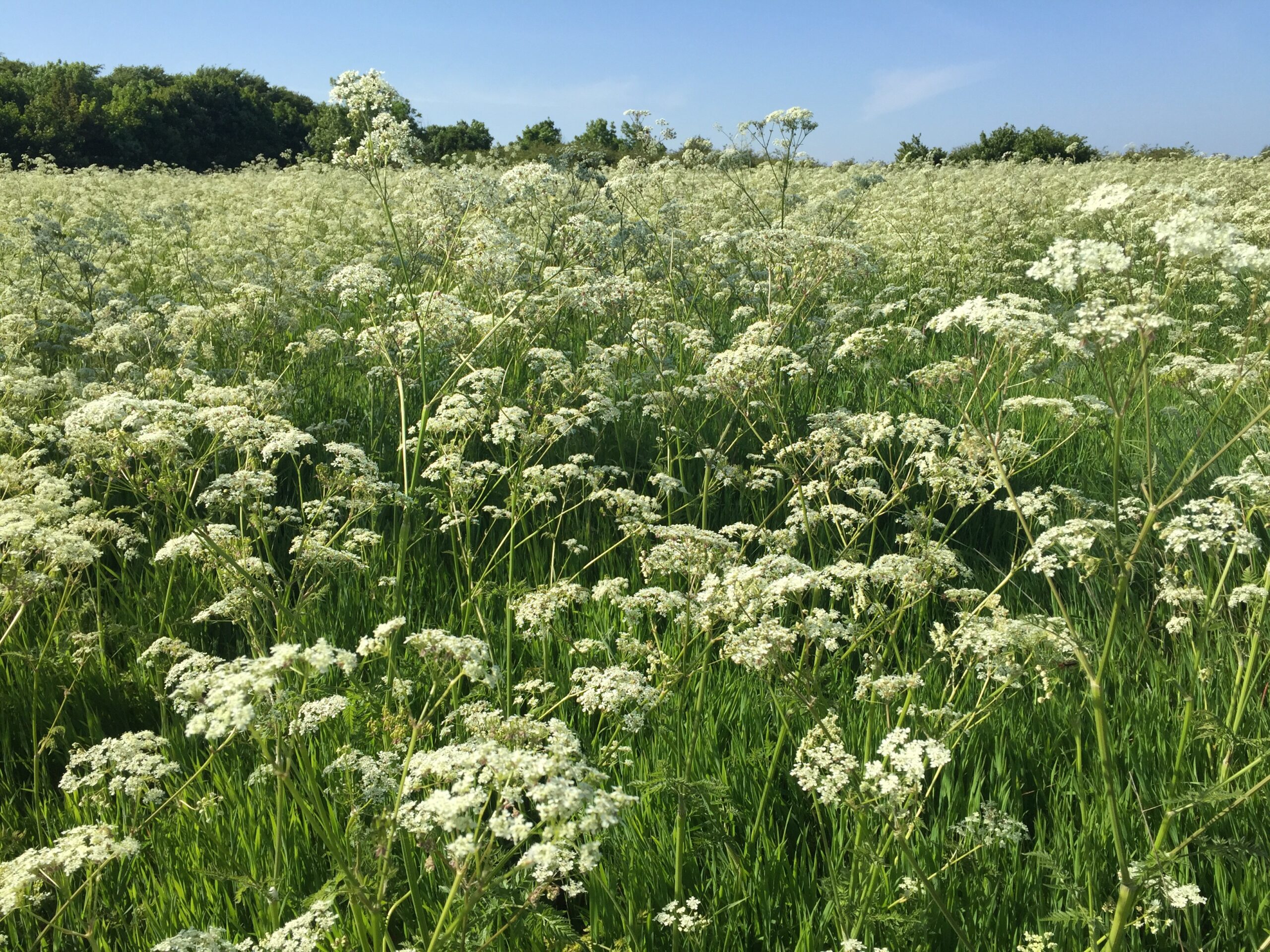
Other flowers to look out for along the Dee’s banks include wood anemone, lady’s bedstraw, hogweed and umbellifers.
The small yellow flowers of common tormentil are often seen in grassy and moorland areas at this time of year. Although they look like small buttercups, they only have four petals while the buttercups have five. July is also a time of year to see some of our native orchids at their best – like the intensely purple north marsh orchid. Although often found on the coast near the mouth of the Dee in the rough grassland around the margins of Balnagask Golf Course, it’s also in wet grassy areas further upstream.
On the River
If you’re still up at dusk, look out for Daubenton’s bats huntinglow over calm stretches of water, where there are lots of flies to catch.