We’ve a special focus on wildflowers this month, thanks to local wildflower enthusiast and longstanding DeeWatch contributor, Aileen Meek. But first, check out what else we’ve spotted in Deeside in the last few weeks – and remember, keep your eyes peeled and camera ready to capture your own findings while out and about in nature this summer!
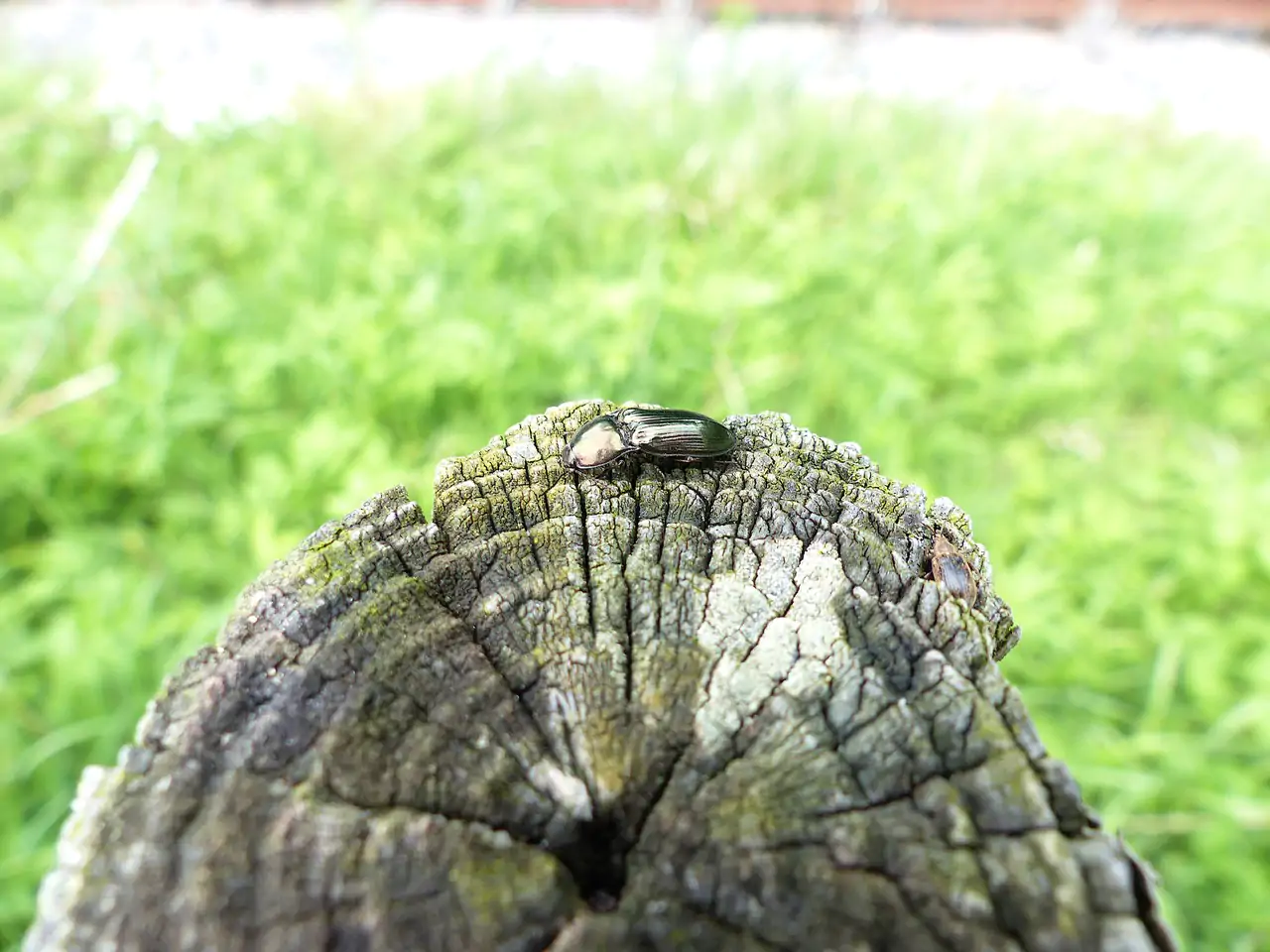
There are over 60 species of click beetle in the UK, named for their click mechanism that will “throw” them backwards, possibly as a defence mechanism or to get them “back on their feet” if they end up on their backs.
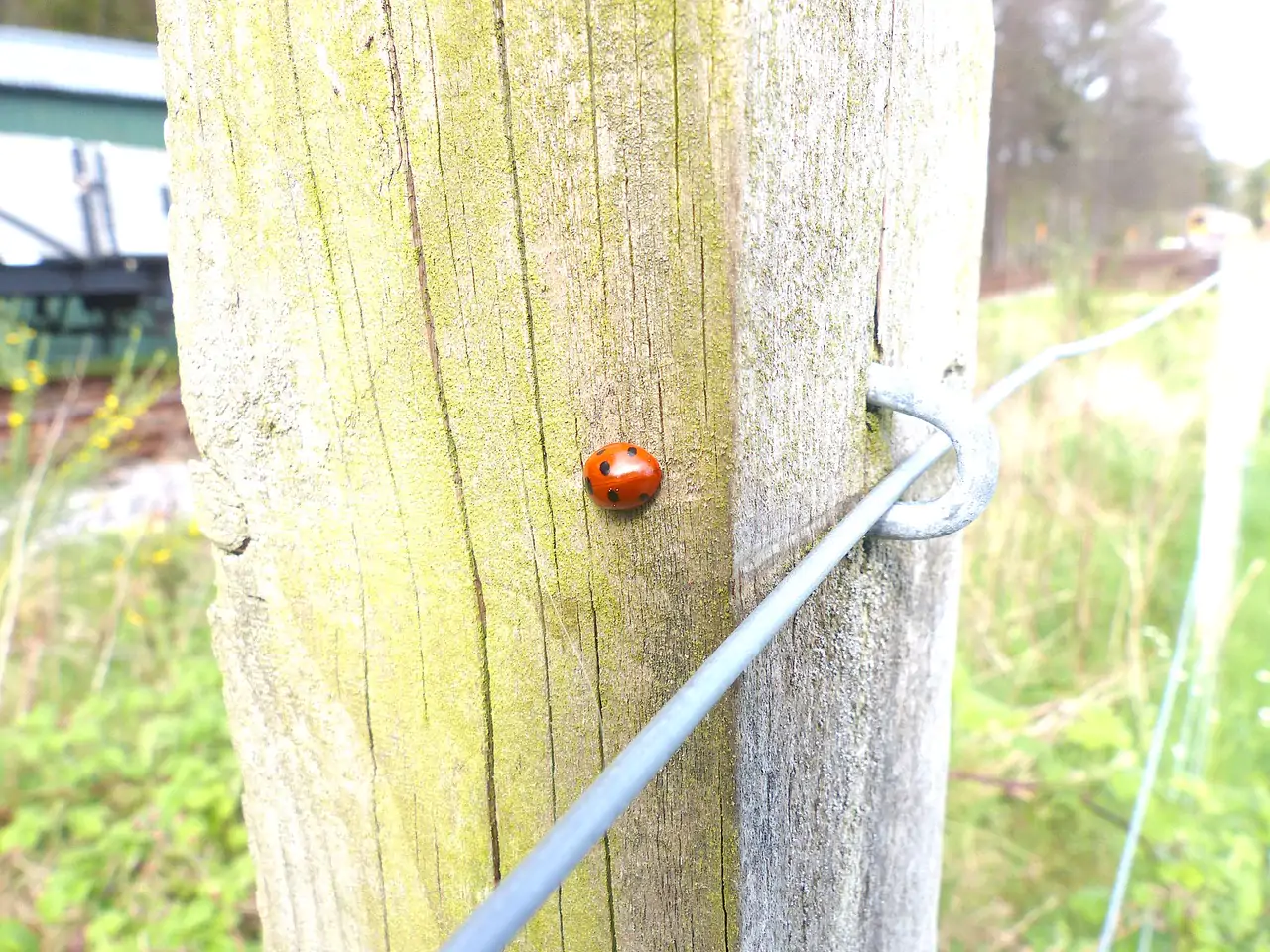
7 spot ladybird. 3 spots on each side and 1 in the middle. Much rarer on Deeside is the 5 spot ladybird, so keep your eyes open and do tell NESBReC if you see one
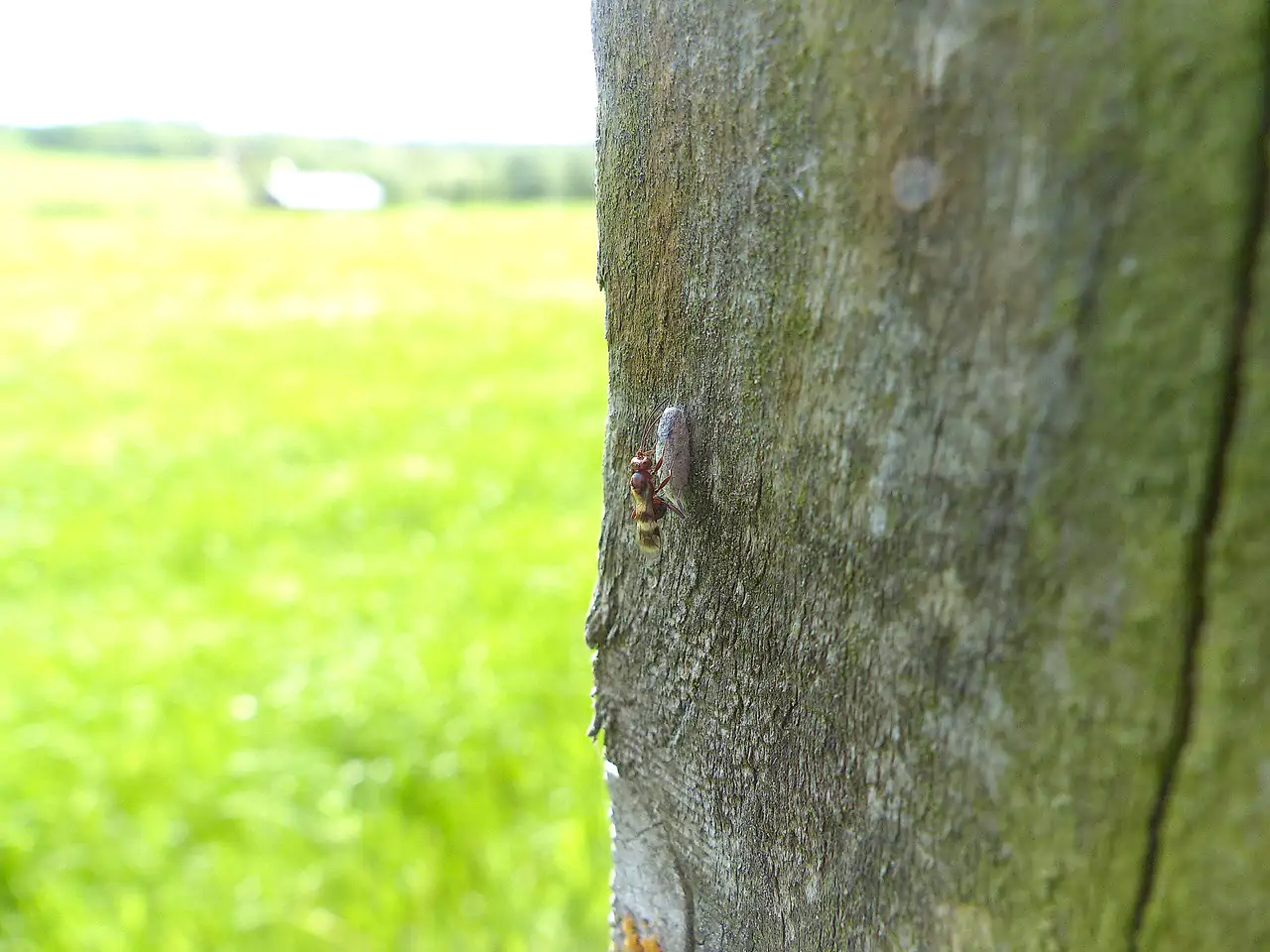
here are many species of parasitic insect in the UK. This one is laying an egg inside the pupae of another insect it has found. When the egg hatches, it will be inside its food supply until it is ready to emerge. This parasitic behaviour is especially beneficial to farmers, growers and gardeners.
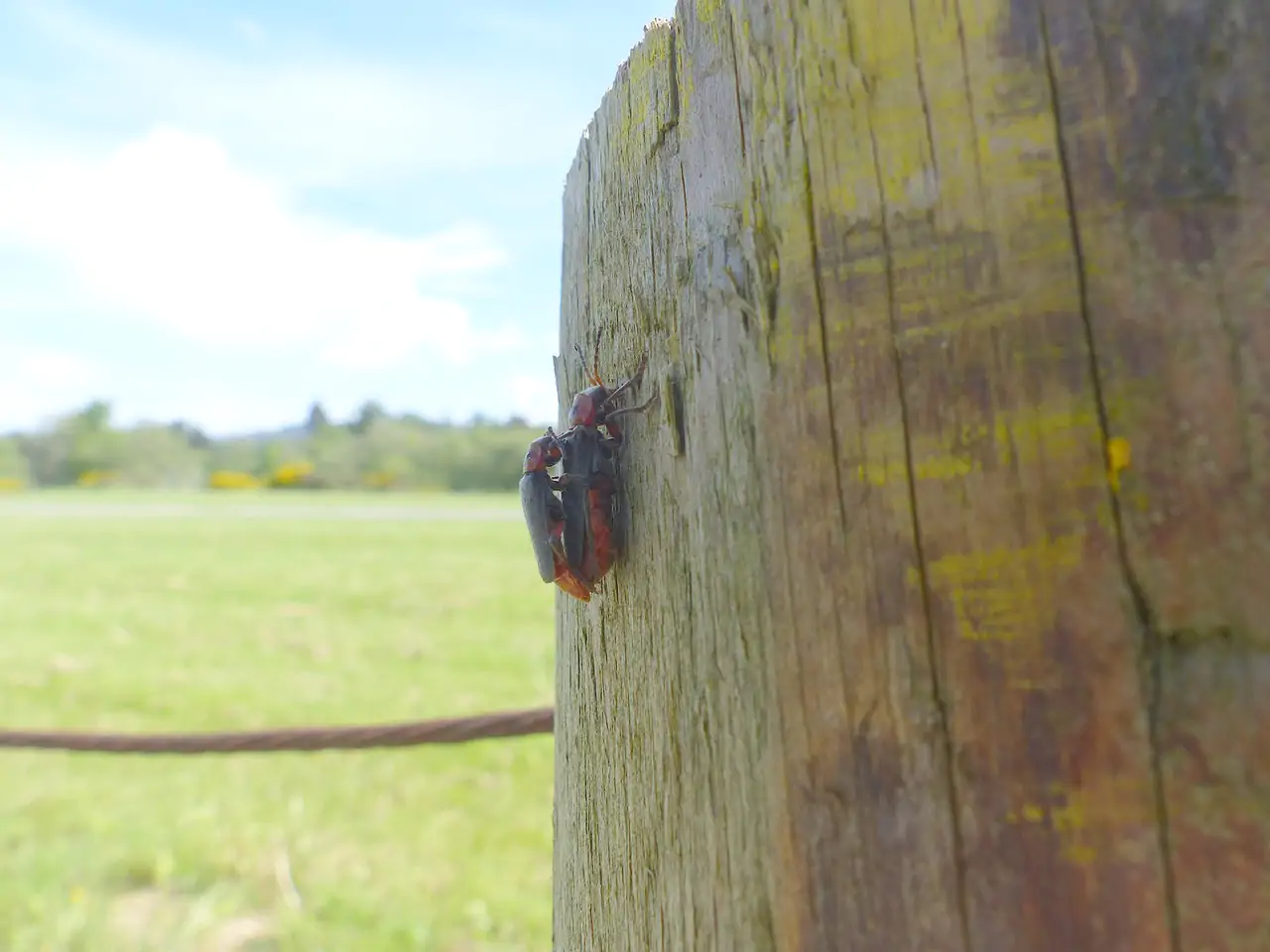
Many female insects are larger than males – like this mating pair of beetles. There are lots of theories why this should be, such as utilising different foods, the need to produce and carry large numbers of eggs
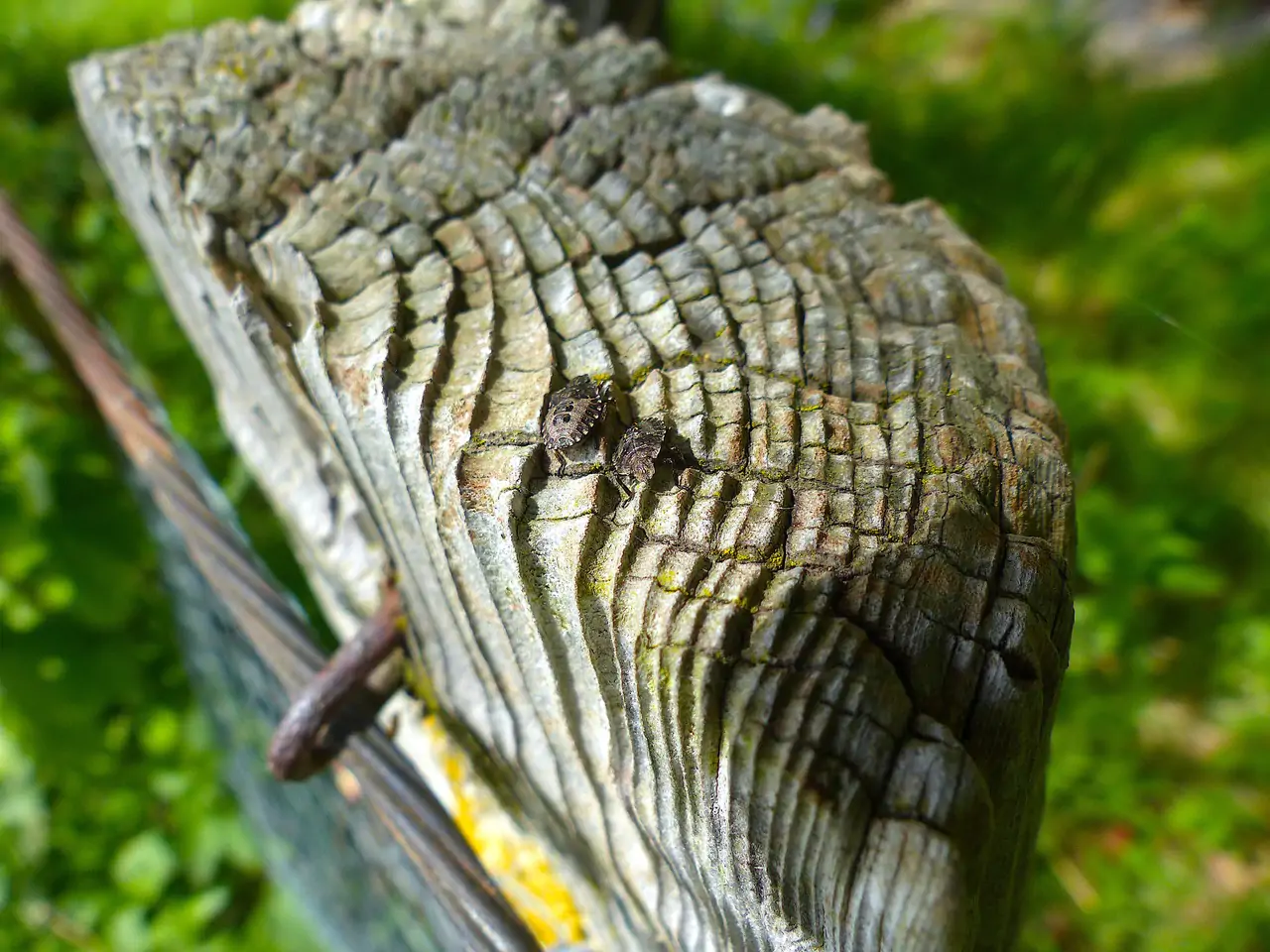
Because they have a hard, external “skeleton” many animals like crabs, spiders and insects will shed theirs several times to allow them to grow. These red-legged shield bugs are probably at one of their last growth stages before they are fully mature and ready to breed
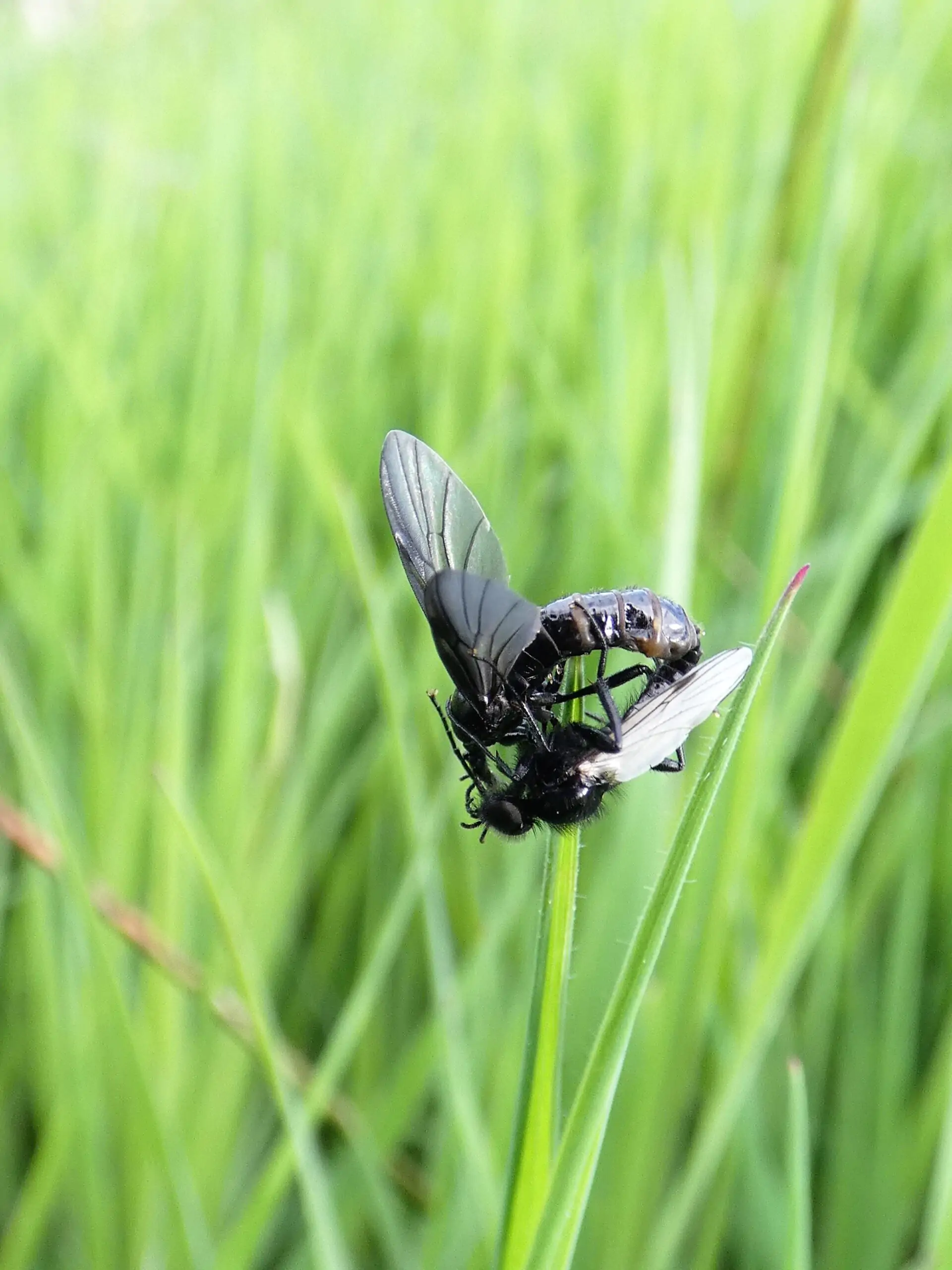
St. Mark’s Flies pair – swarms appear in spring, and are useful pollinators
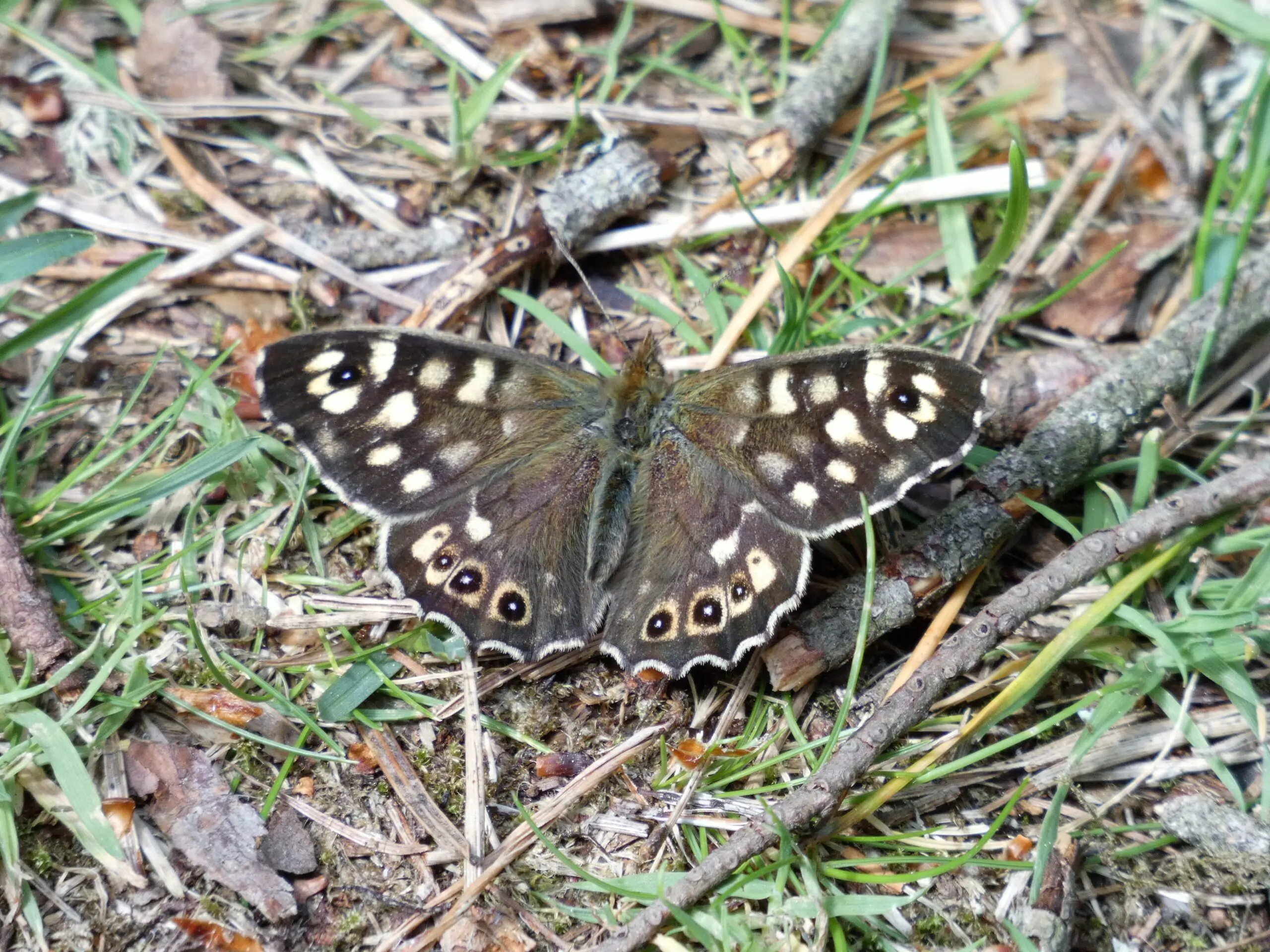
Speckled Woods have spread up Deeside in recent years, now common in woods
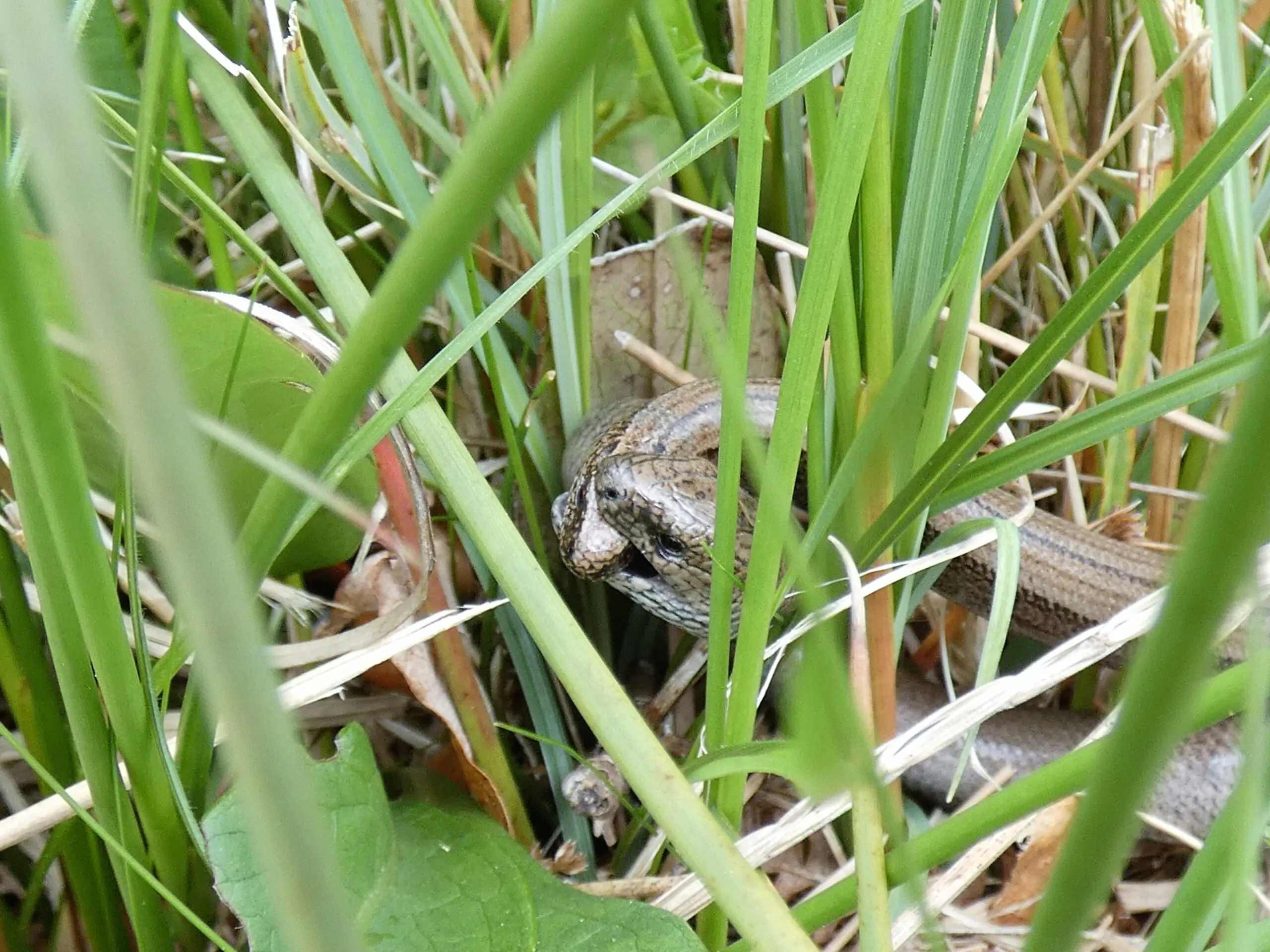
Slow-worms – male bites the female’s head or neck in mating that can last 10 hours!
Trichiosoma lucorum sawfly lays its eggs on birch or willow for larvae to feed on
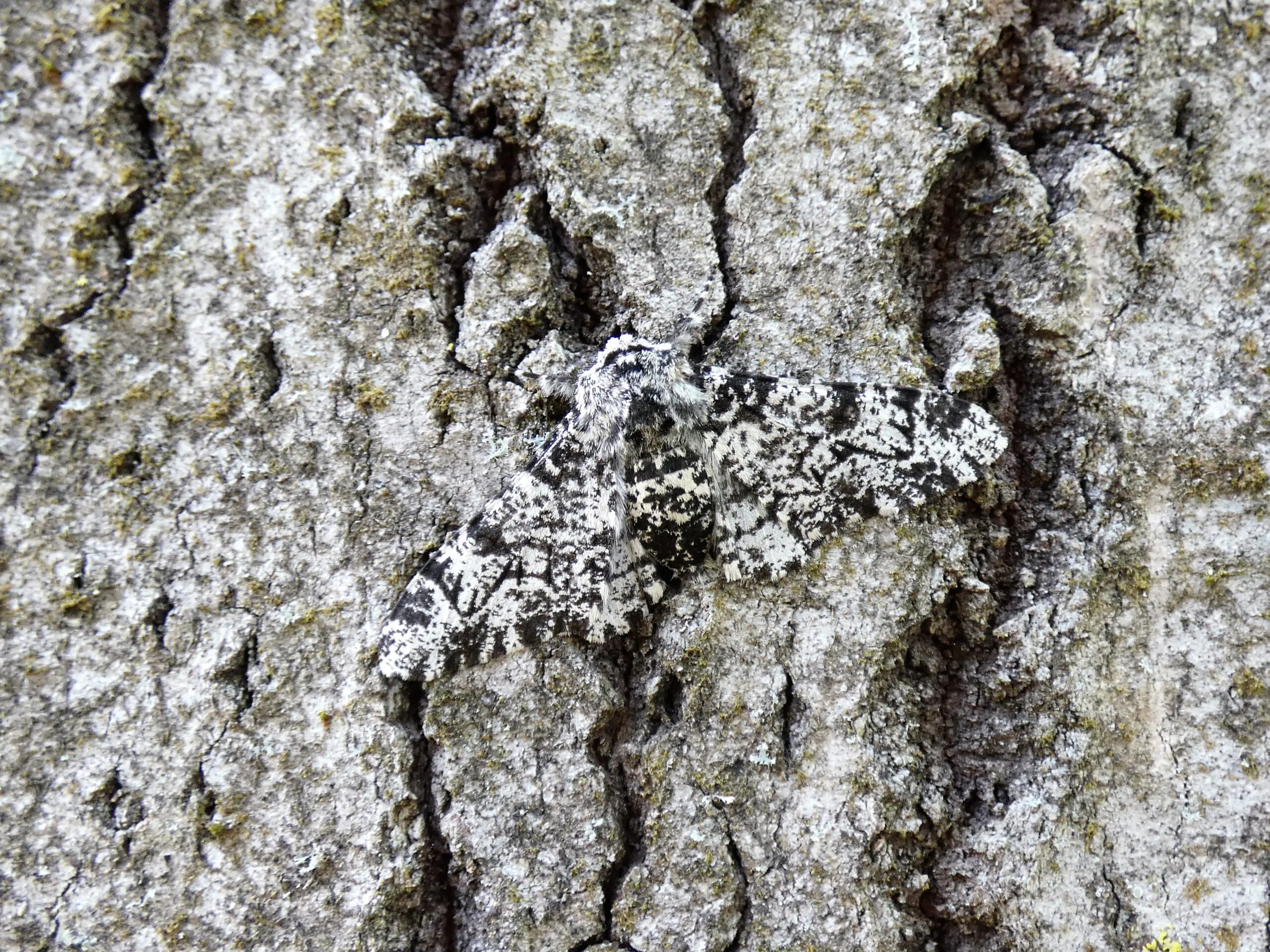
Peppered Moth – brilliantly camouflaged on tree bark
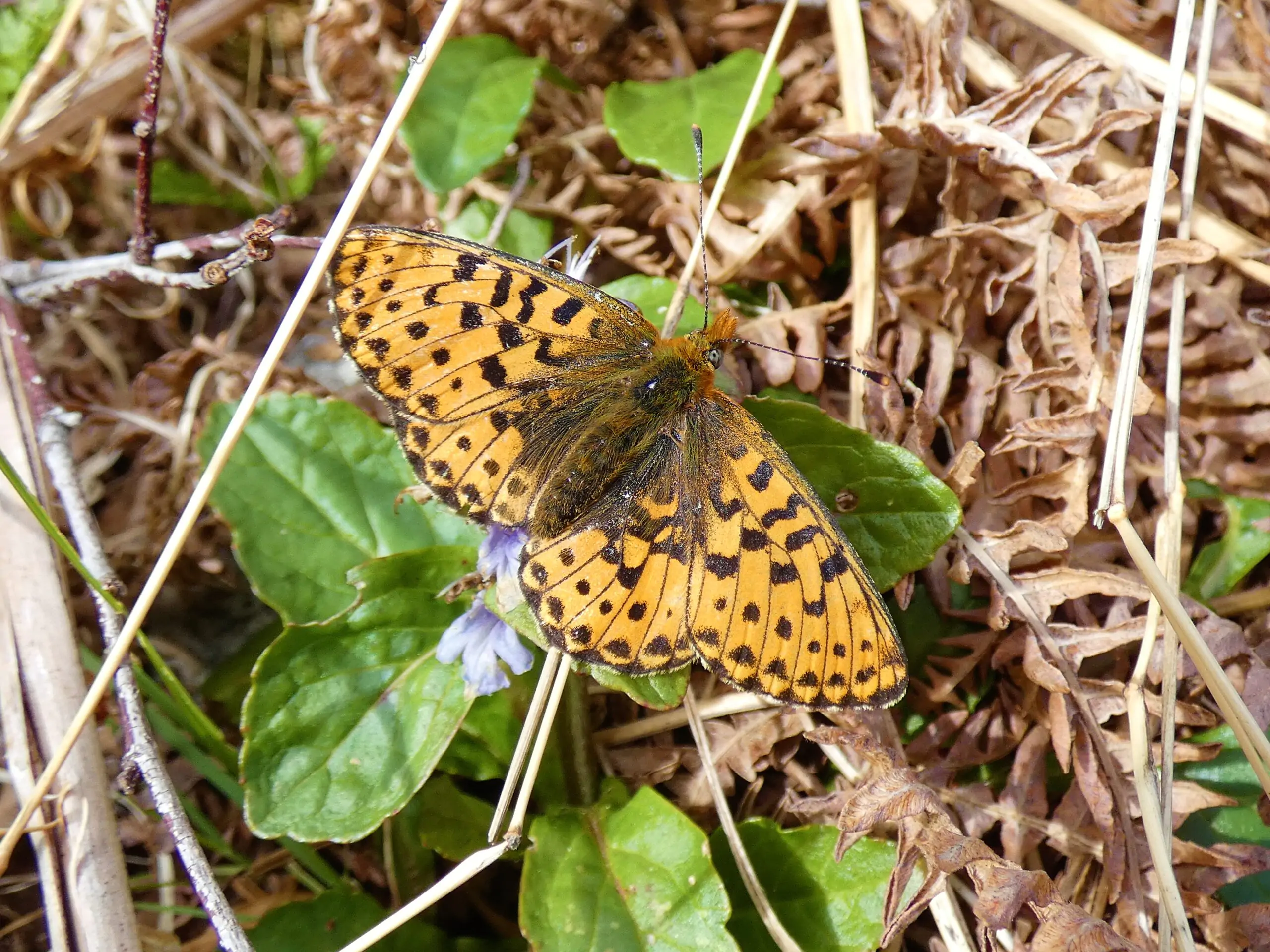
Pearl-bordered fritillary – Deeside is a stronghold for this nationally rare species
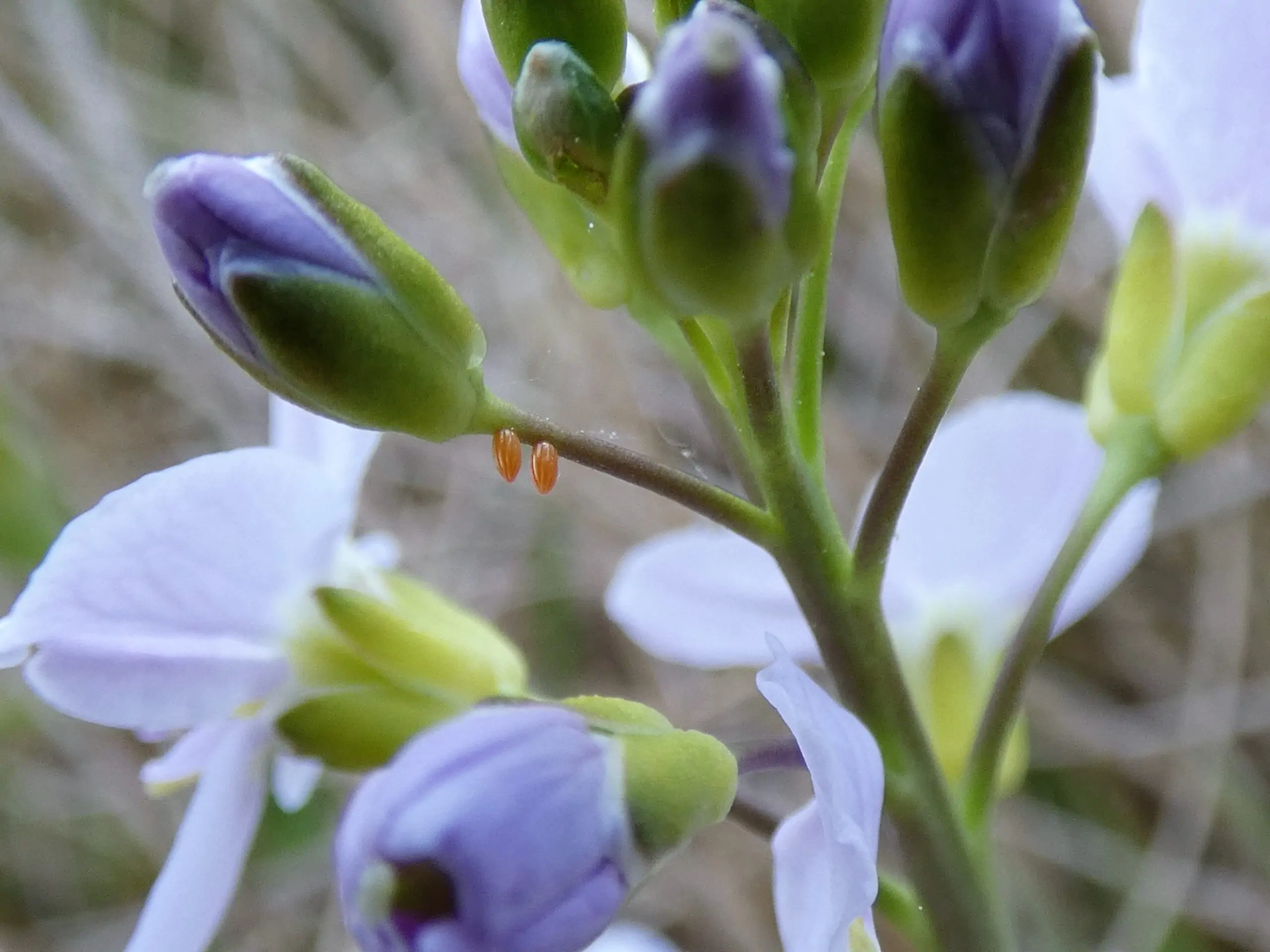
Orange-tip eggs – cuckoo flower is a favoured foodplant of this butterfly
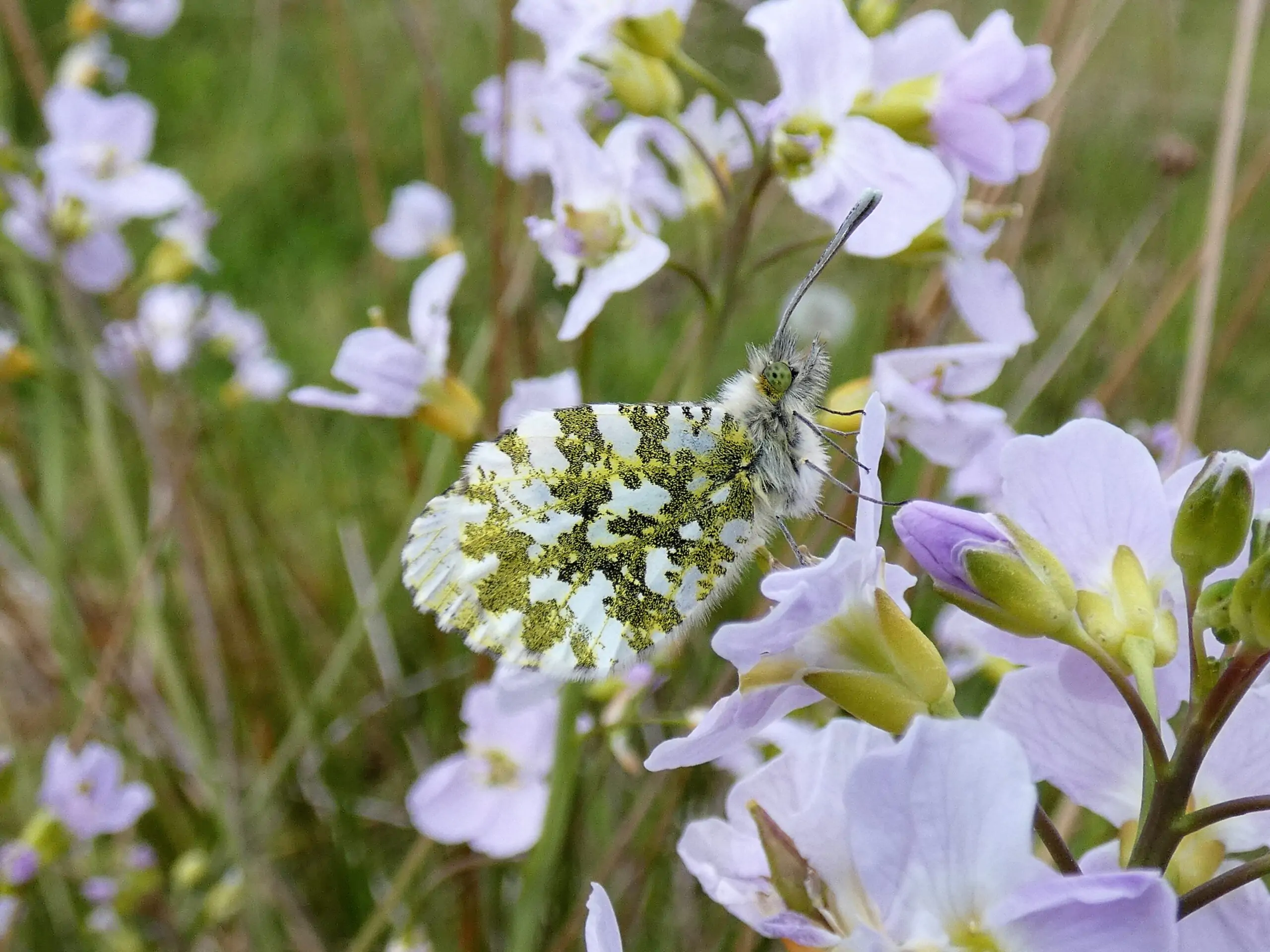
Orange-tip (female) – resting on cuckoo flower after laying eggs on it
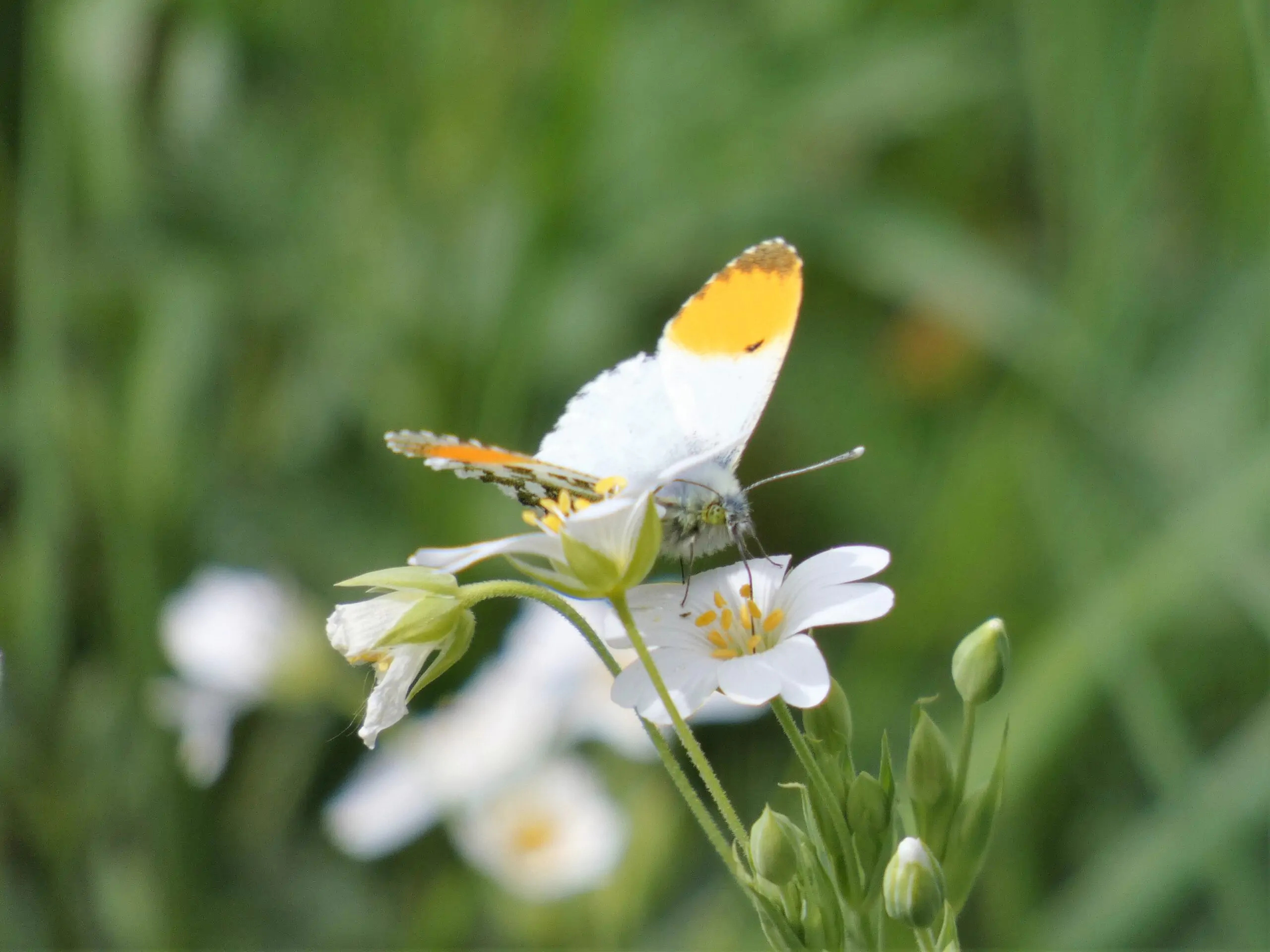
Orange-tip (male) – nectaring on greater stitchwort
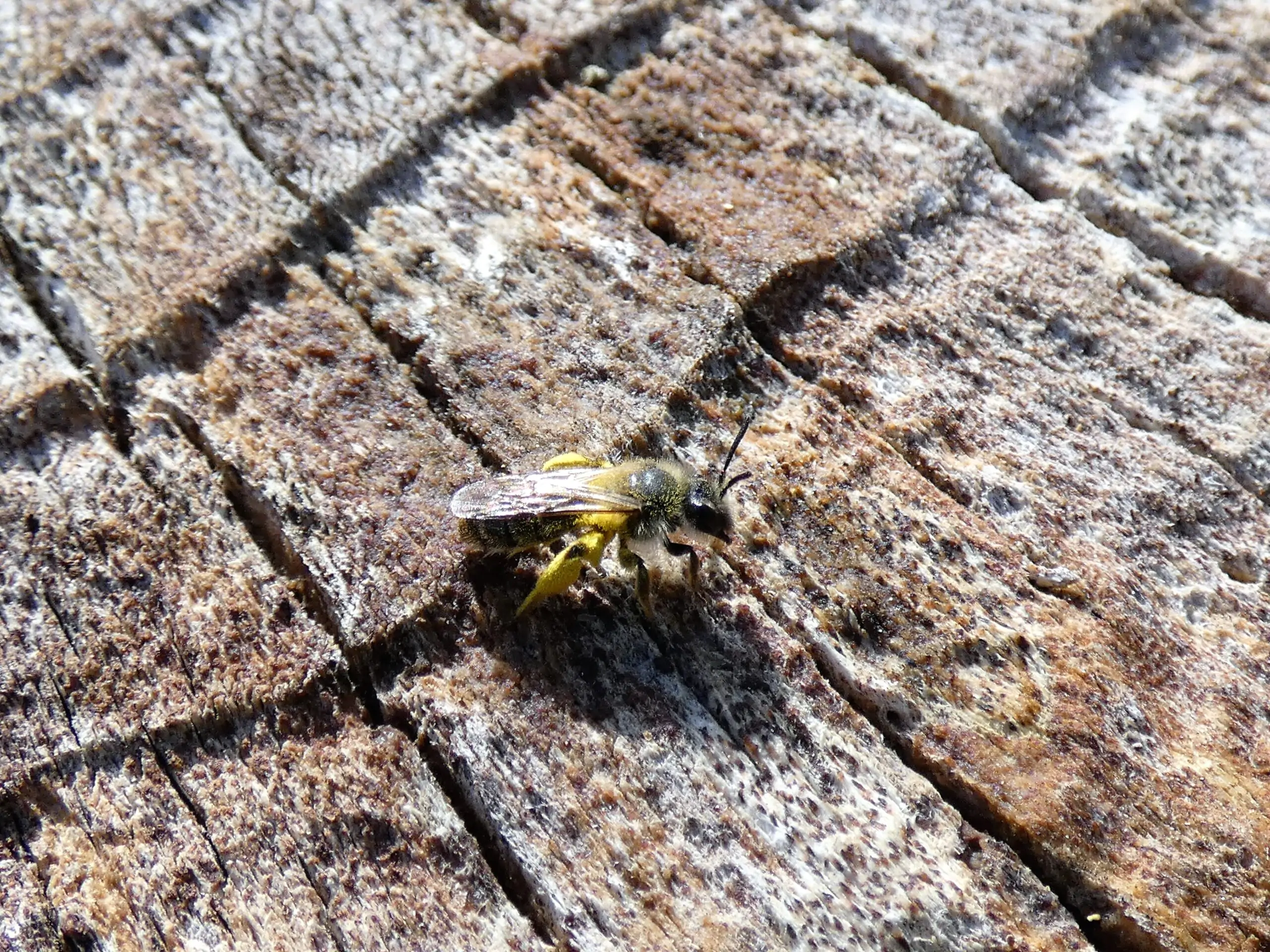
Andrena species mining bee – females dig stock nest chambers with pollen for larvae
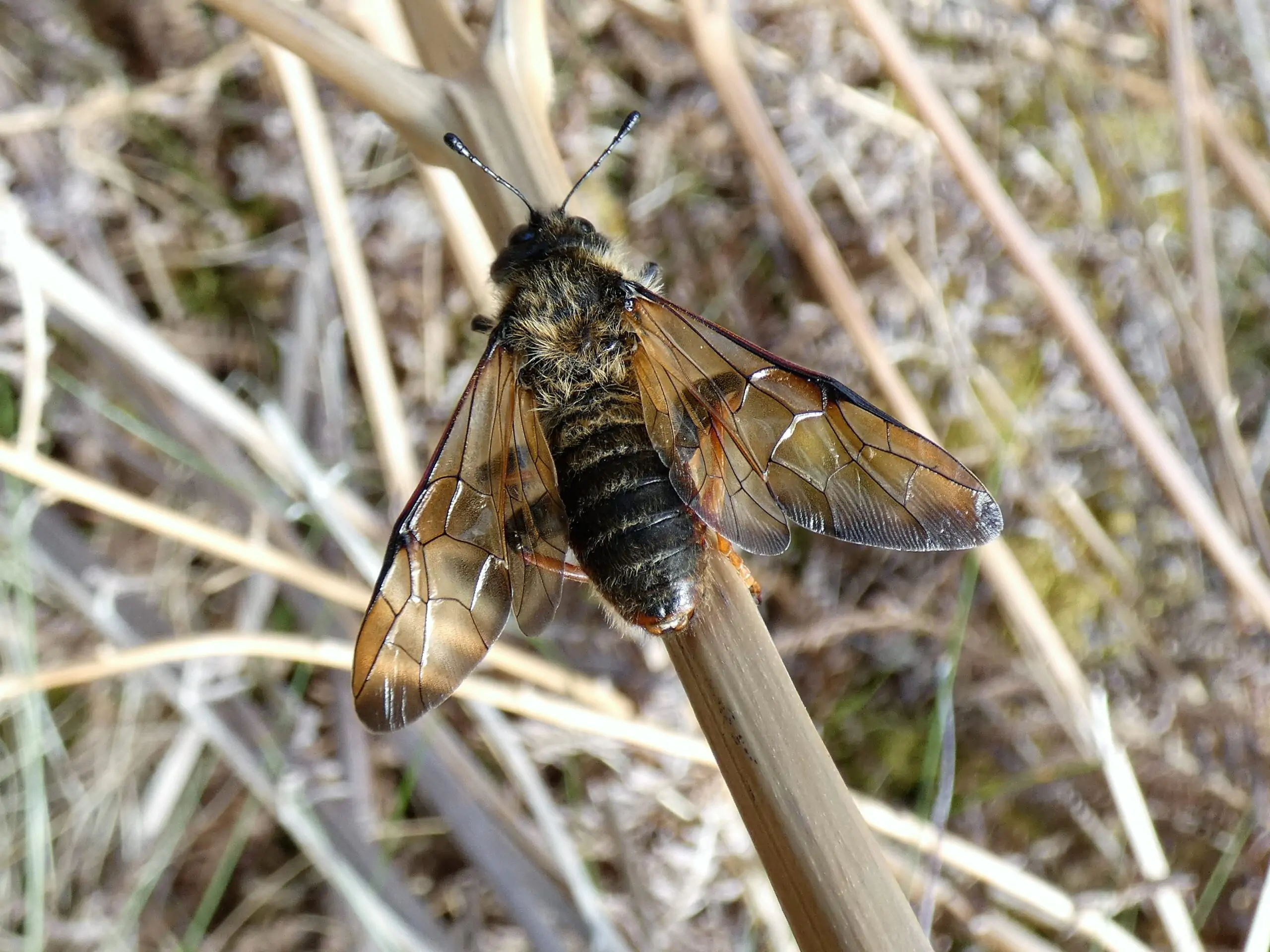
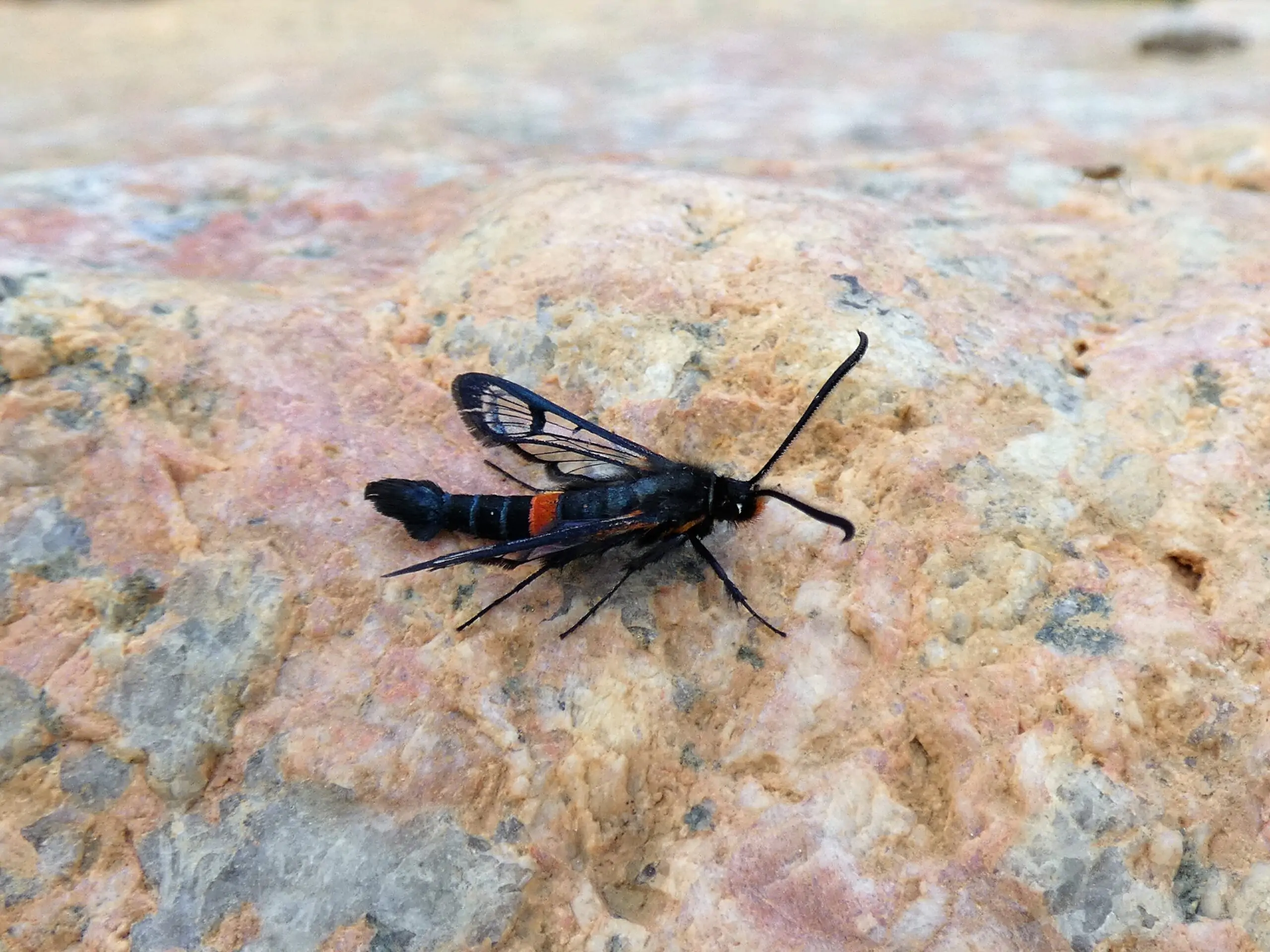
Large red-belted clearwing – day-flying wasp mimic moth lays eggs in birch stumps
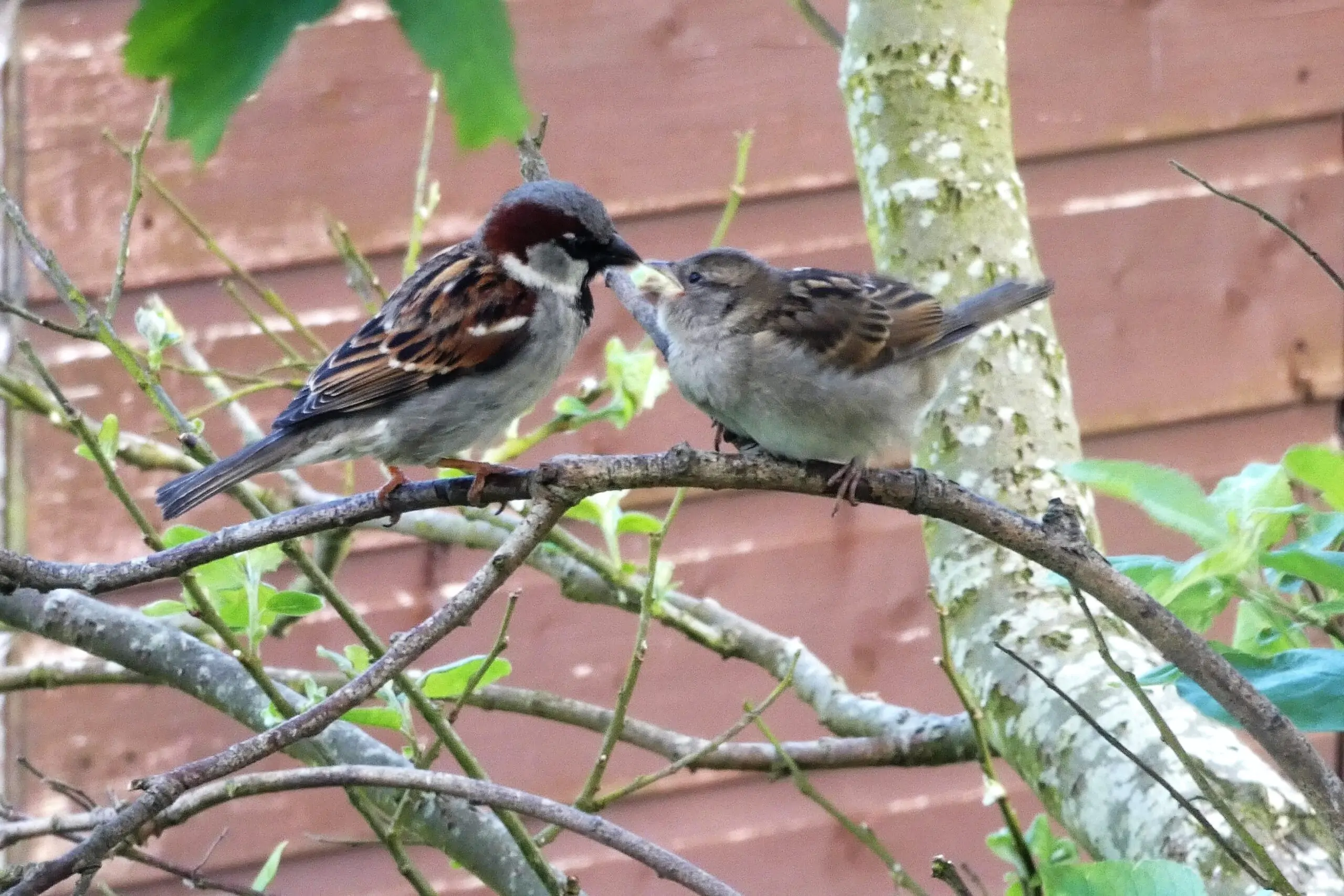
House Sparrow (male) chick – many young birds now fledged but still fed by parents
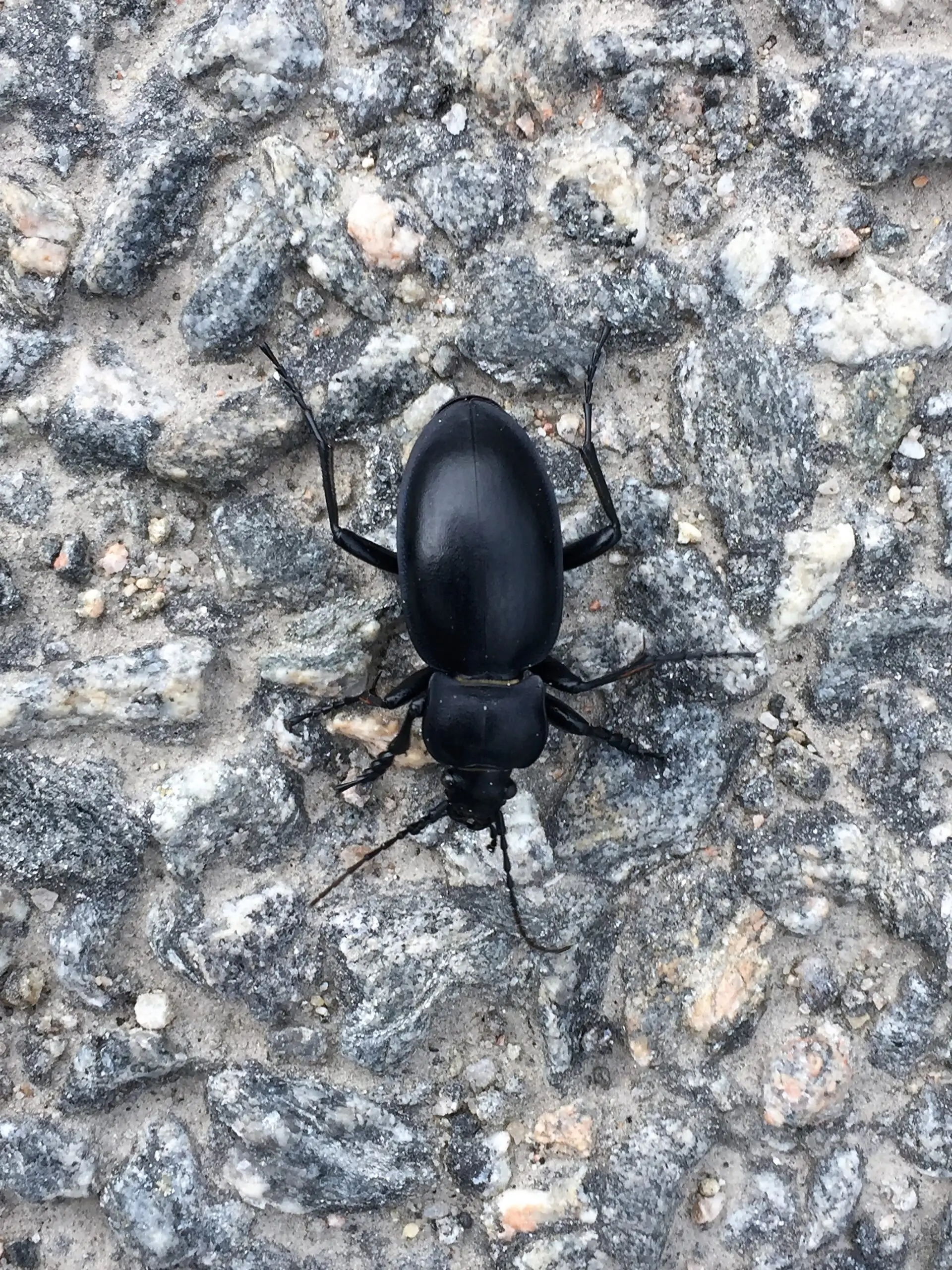
Carabus glabratus ground beetle – hunts other upland invertebrates mainly by night
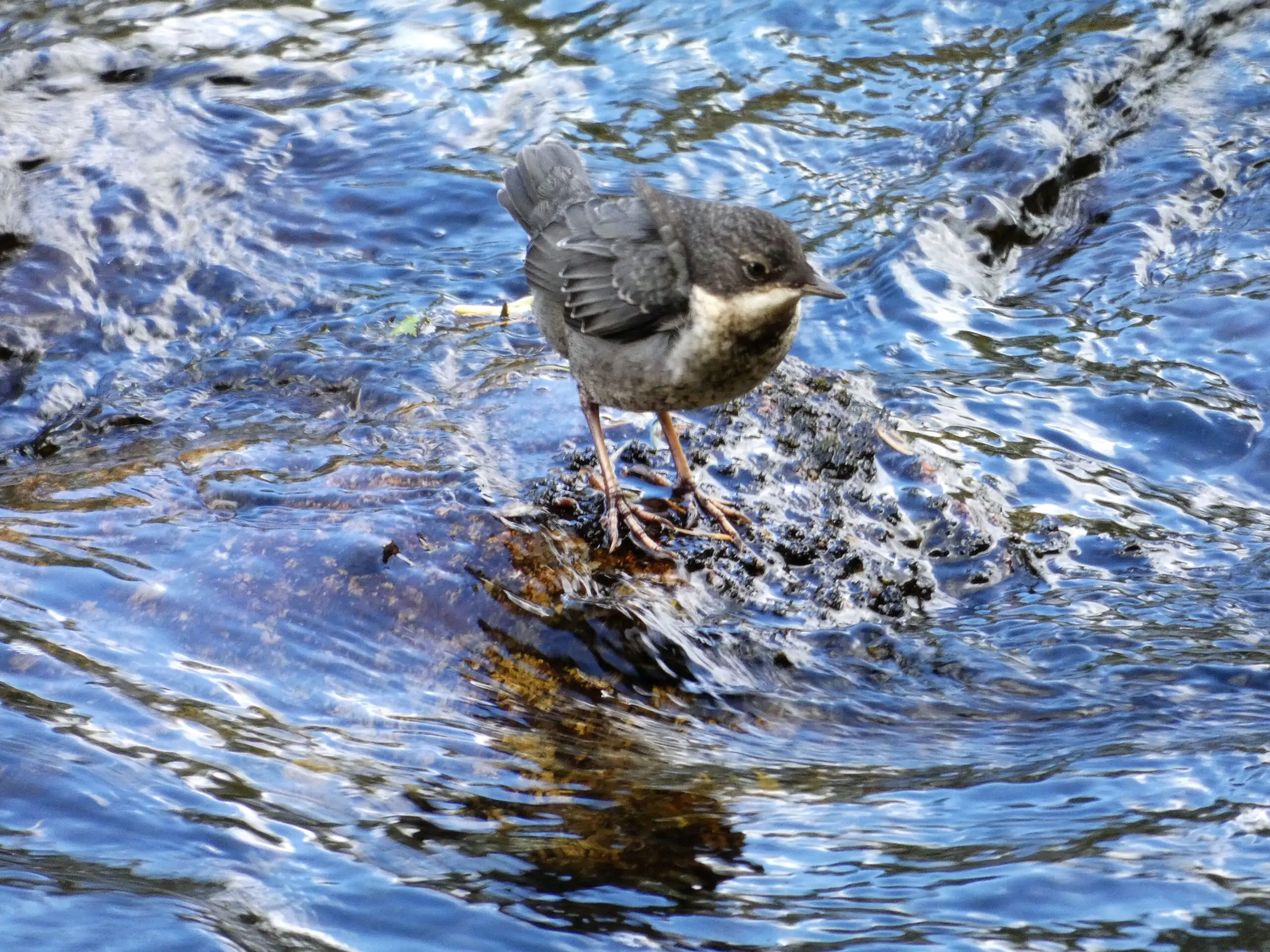
Dipper (juvenile) – dippers breed in early spring and may have second brood
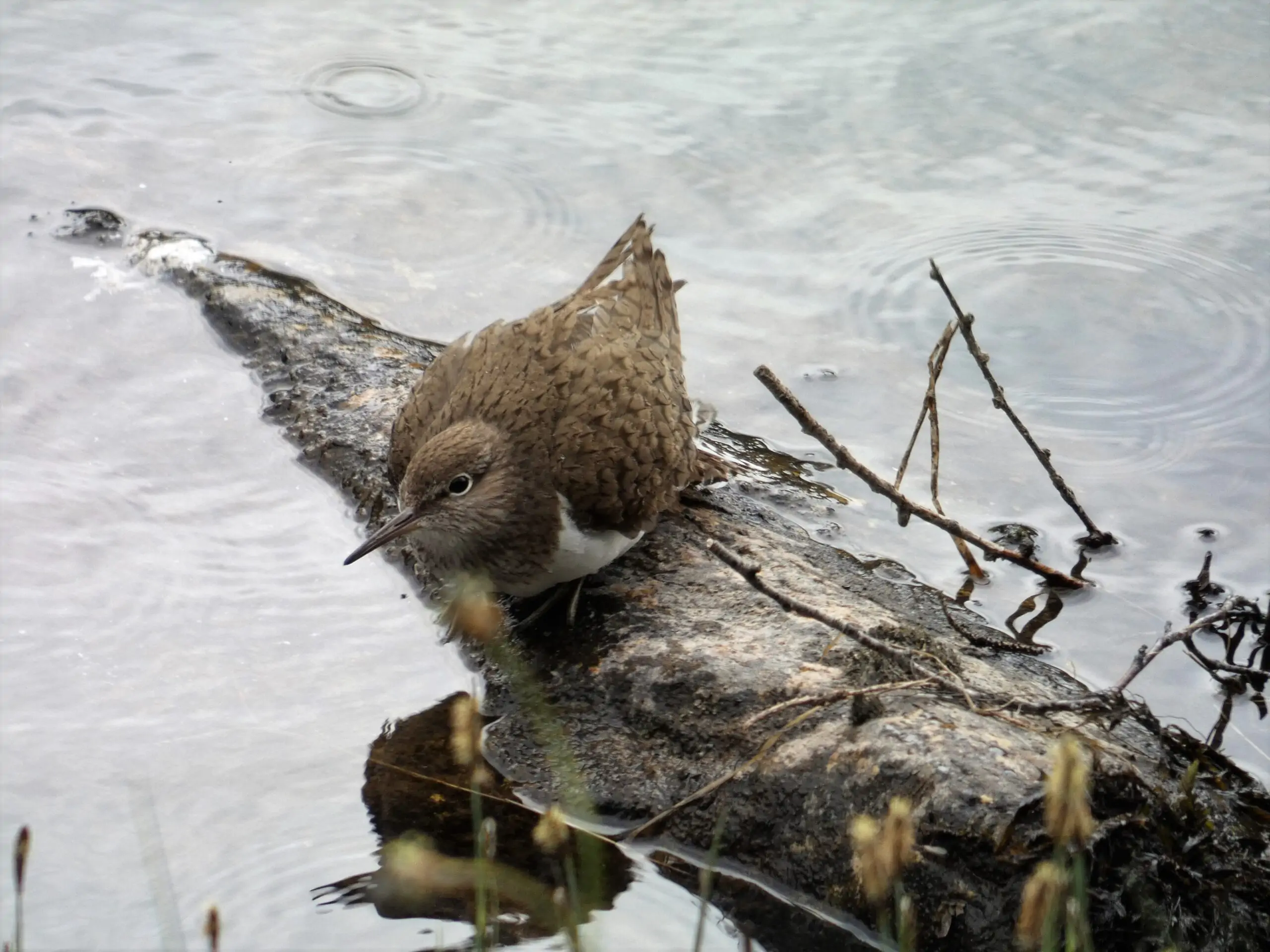
Common Sandpiper – summer visitor from Africa nests near water
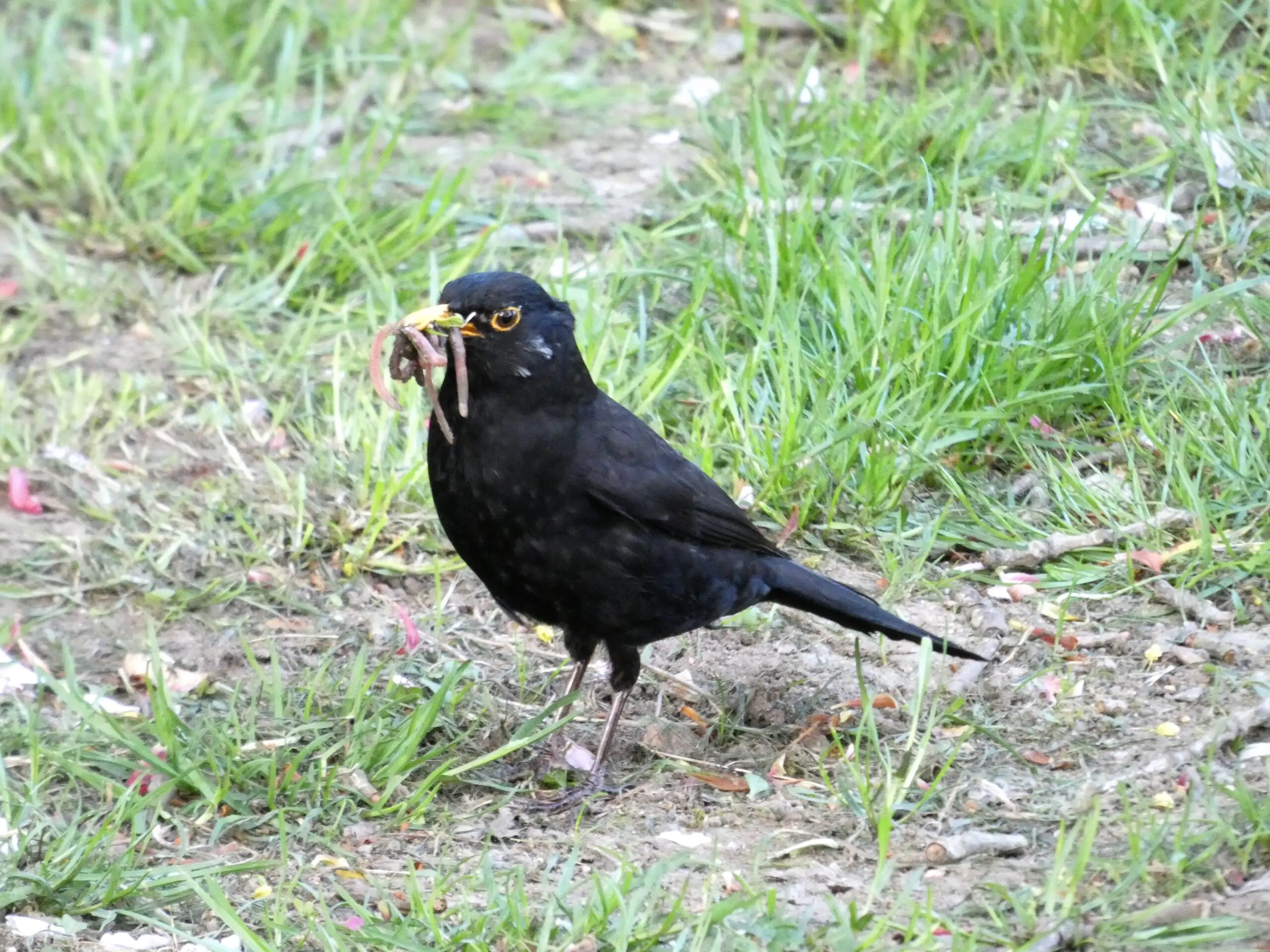
Blackbird (male) – a beakful of worms shows he has hungry chicks to feed!
“Choosing a selection of wildflowers to look for along the Dee in June is a joy, but it’s not easy as there are so many to choose from,” explains Aileen. “And of course, nature doesn’t follow calendar dates so we shouldn’t apply the ‘June flowering’ label too strictly – some of these wild plants are already flowering in May but last for several more weeks.
“Many other plants in their current green state are easy to miss amongst the grasses, but they’re racing to produce flowers and compete for the attention of bees, butterflies, moths and other insects that will carry their pollen to other flowers to fertilise their ovaries. Then the flower’s job is done – the petals fall, and the plant’s energy moves to producing seeds, taking the plant’s genes onwards to produce plants the next year,” she continues.
Not all plants command the work of insects for their reproduction. Many grasses have their pollen carried by the wind – as any hay fever sufferer knows only too well. Often overlooked, grass flowers are hugely varied and worth taking the time to admire too.
“I’ve chosen a selection of flowers that belong to several different wildflower families – plants that share similar features,” explains Aileen. “There are around 3,600 species of flowering plants in the British Isles, grouped in about 120 of these families. Once you’ve identified the family a given plant belongs to, it’s much easier to identify the plant itself – since 70% of these species belong to just 20 large families.”
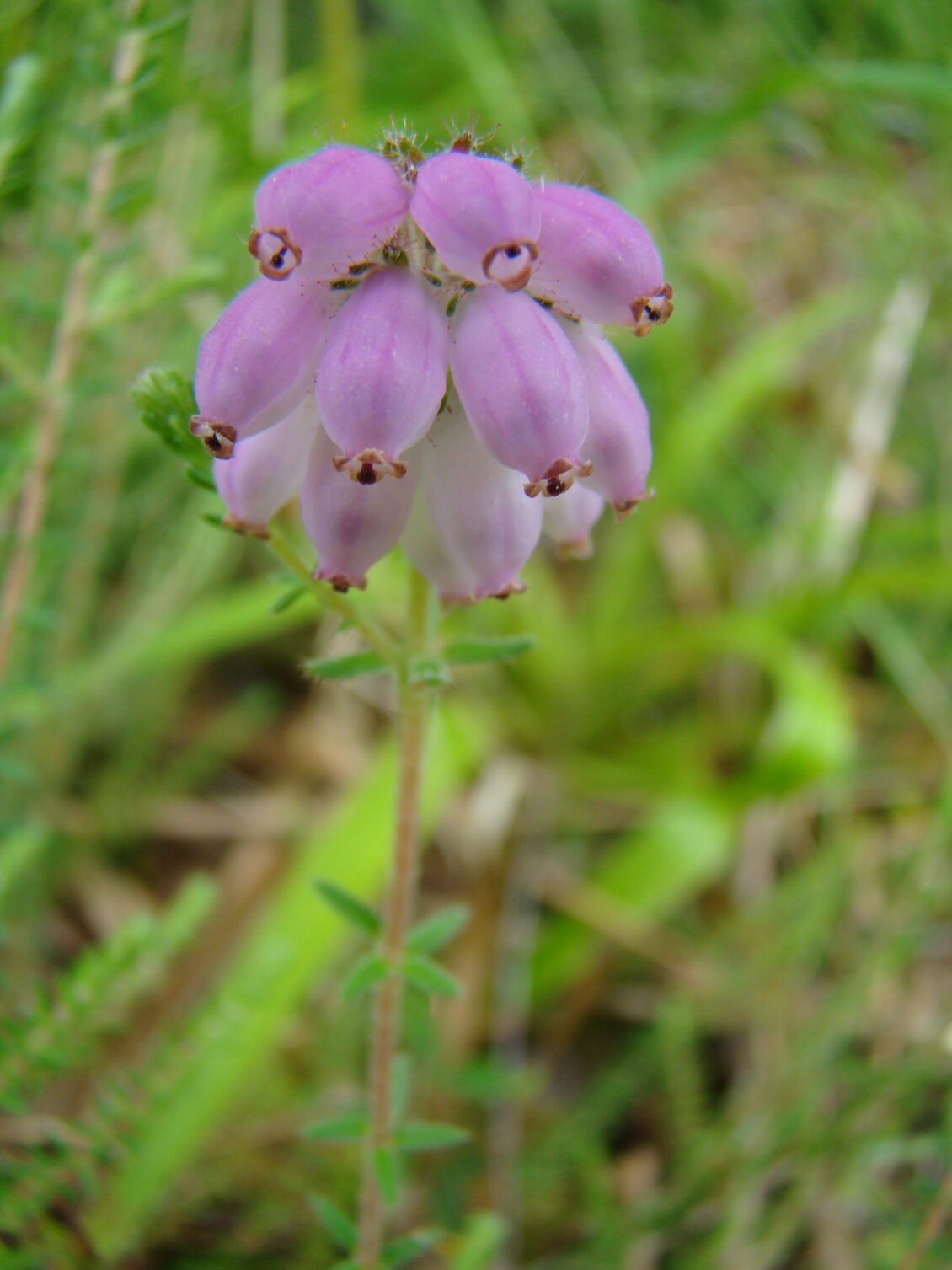
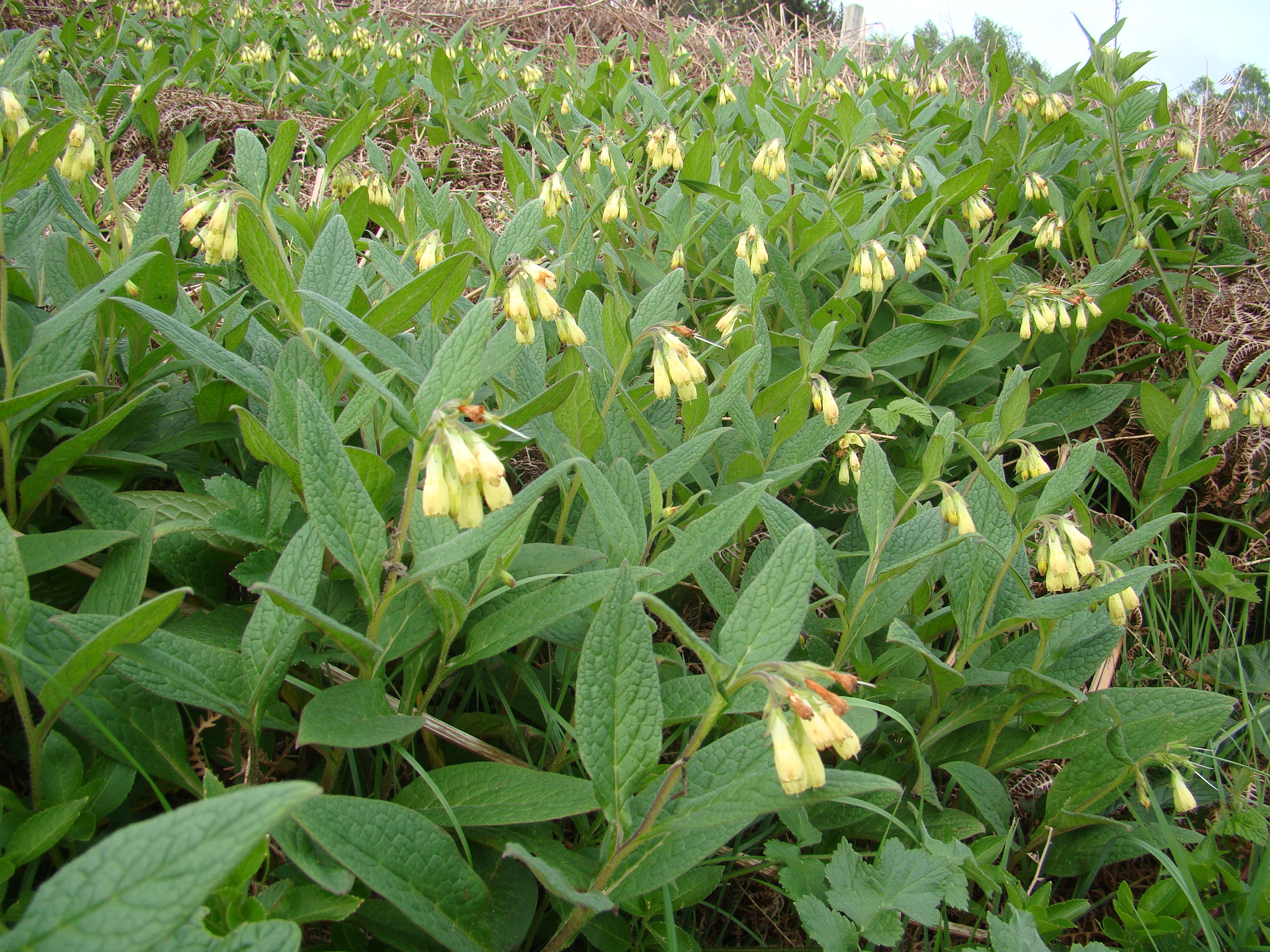
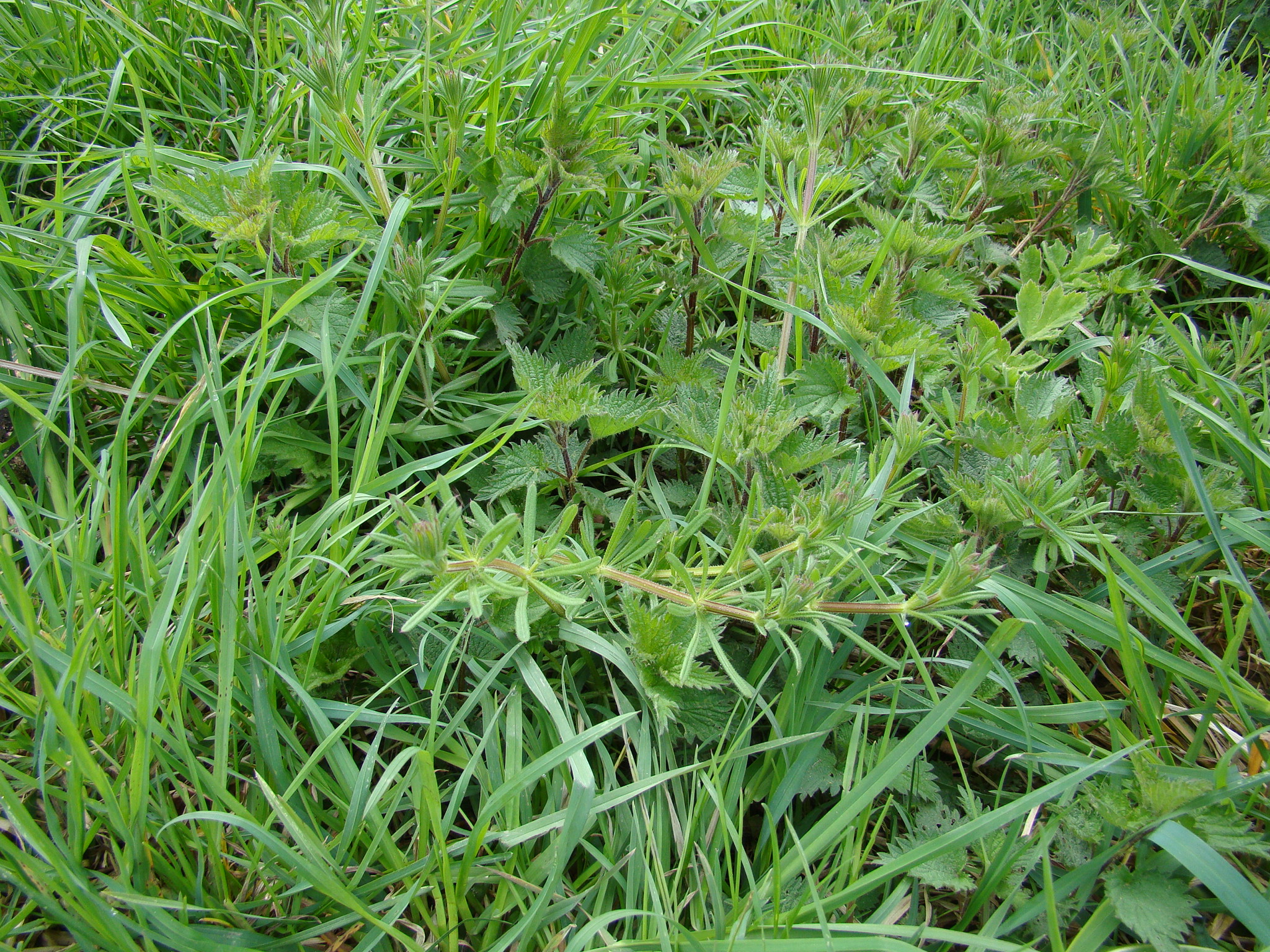
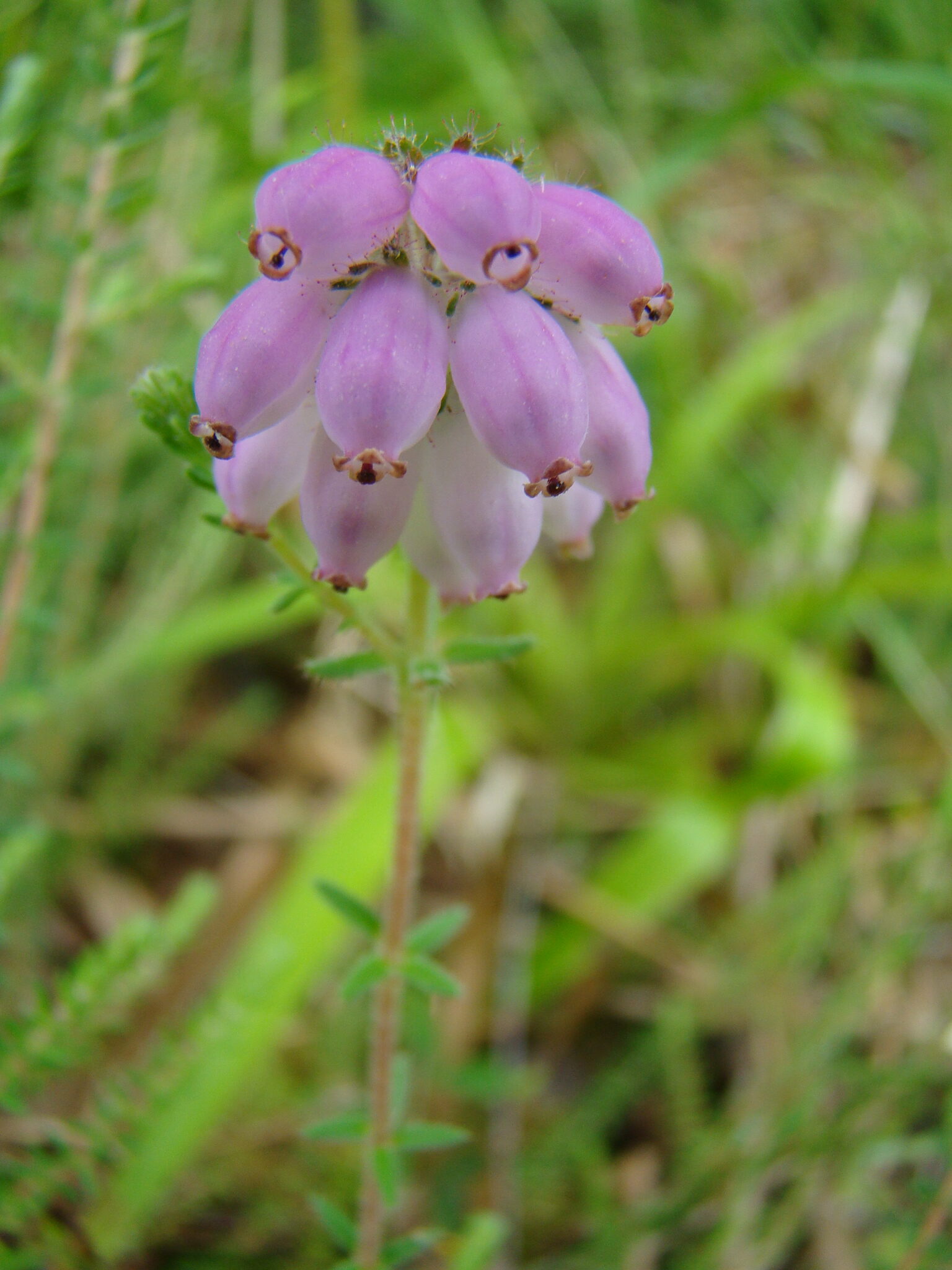
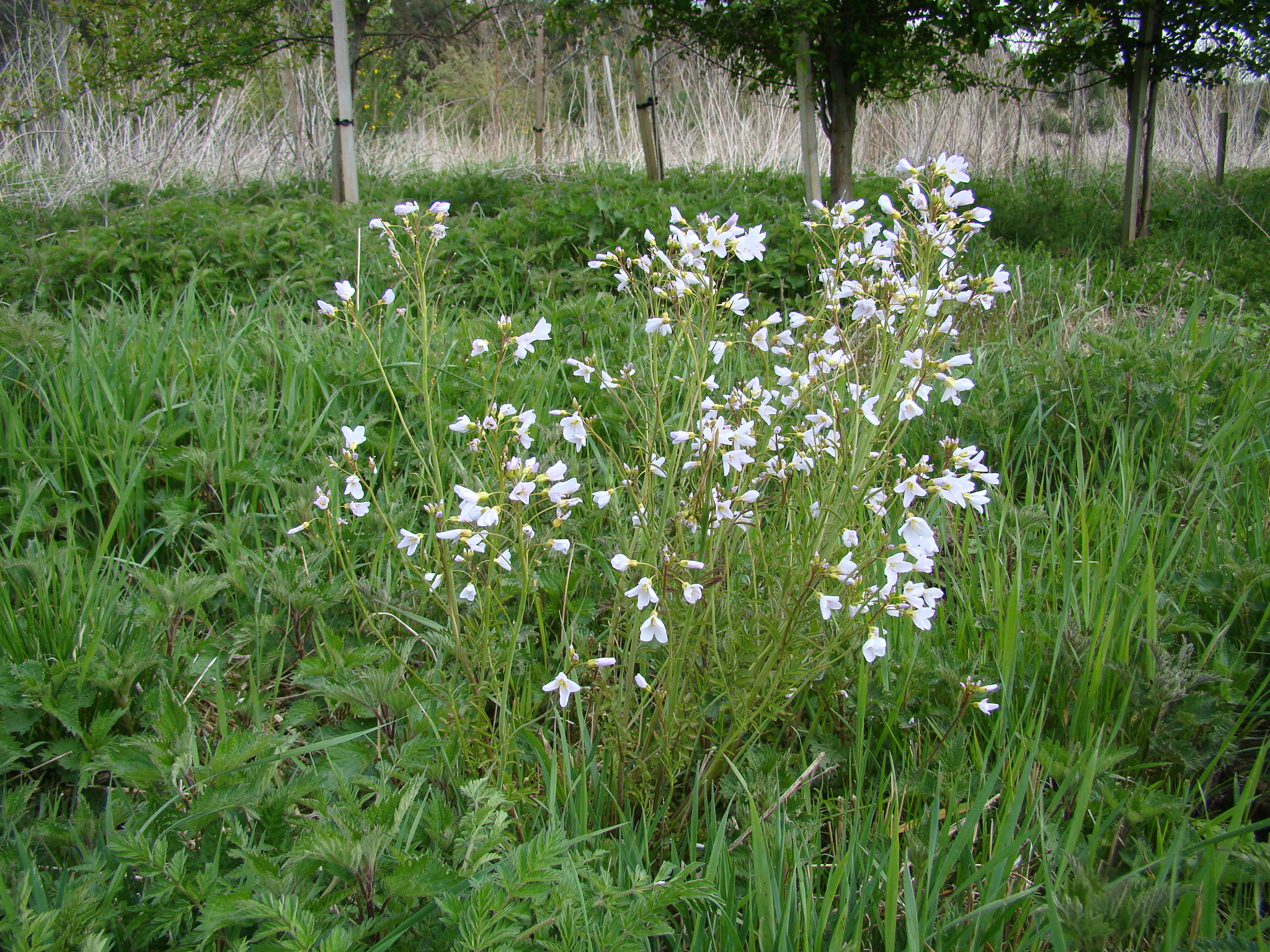
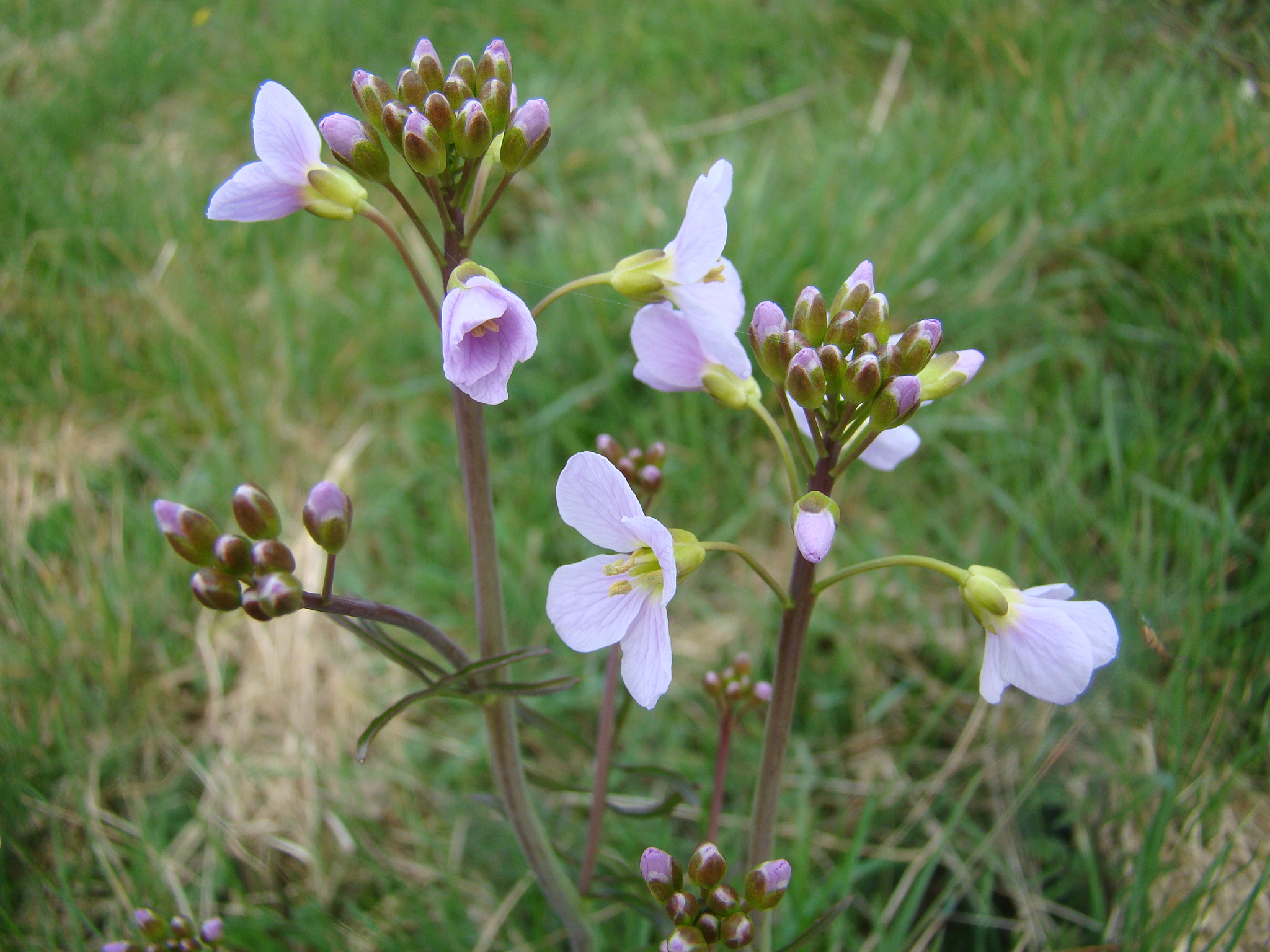
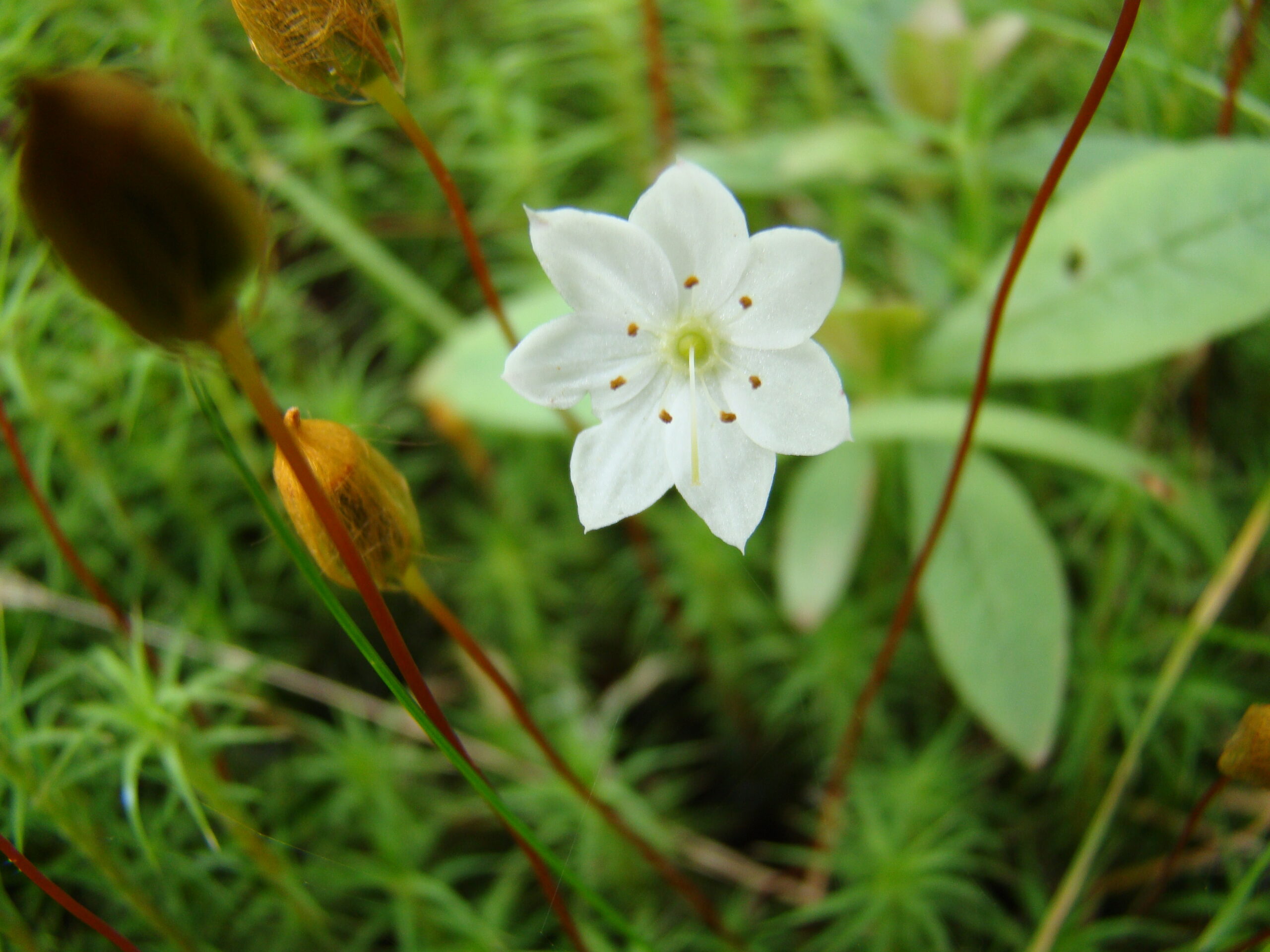
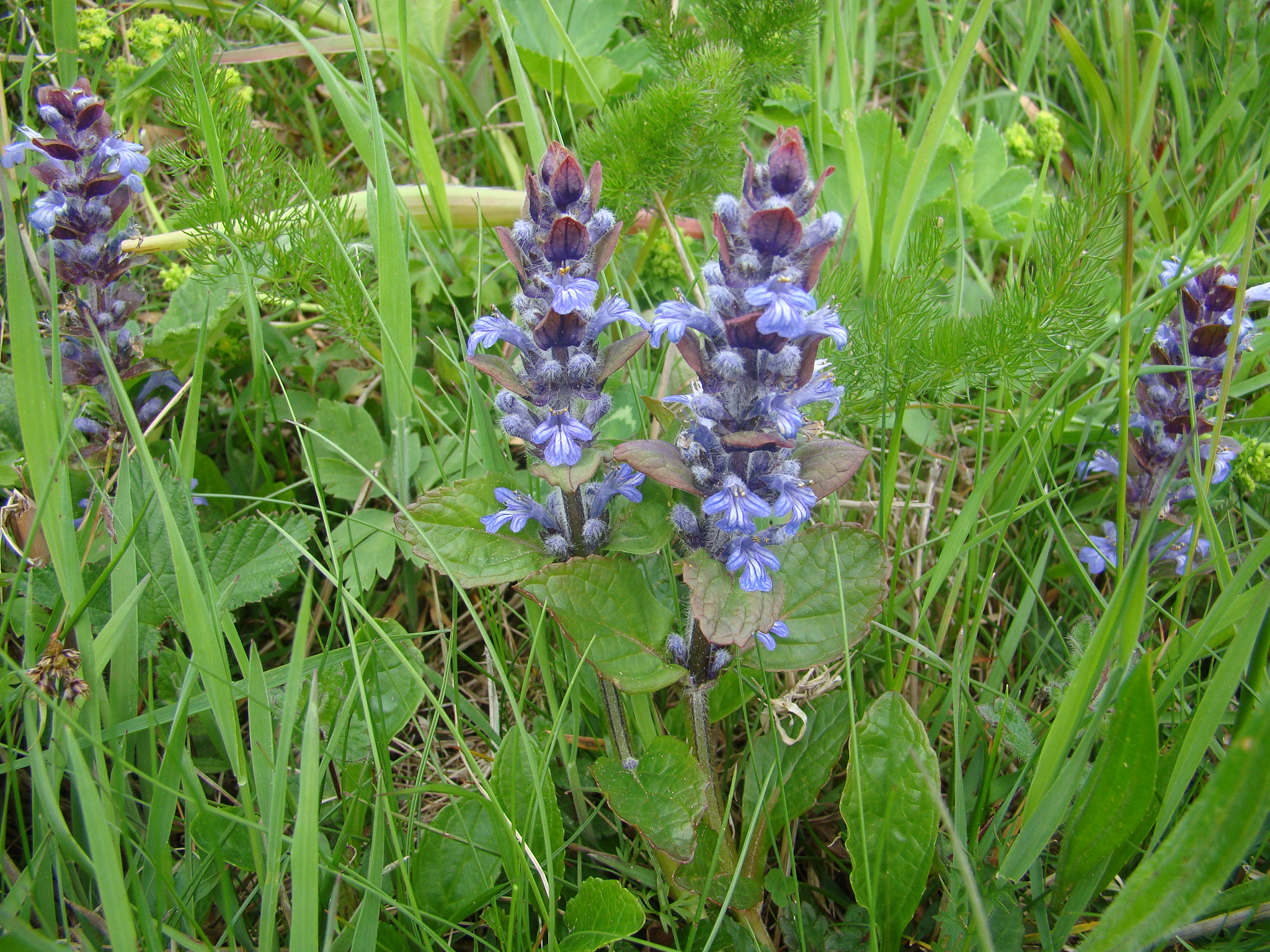
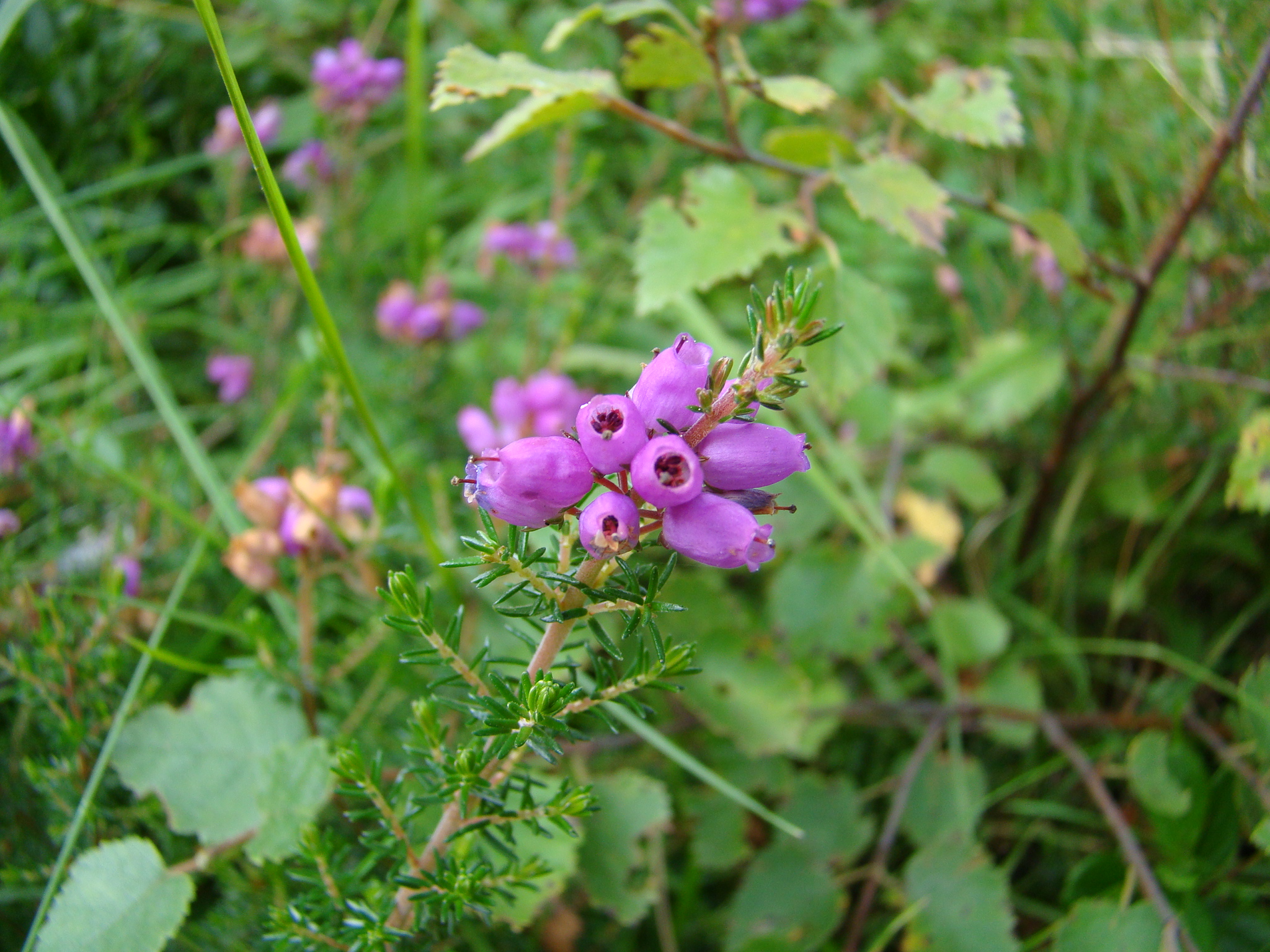
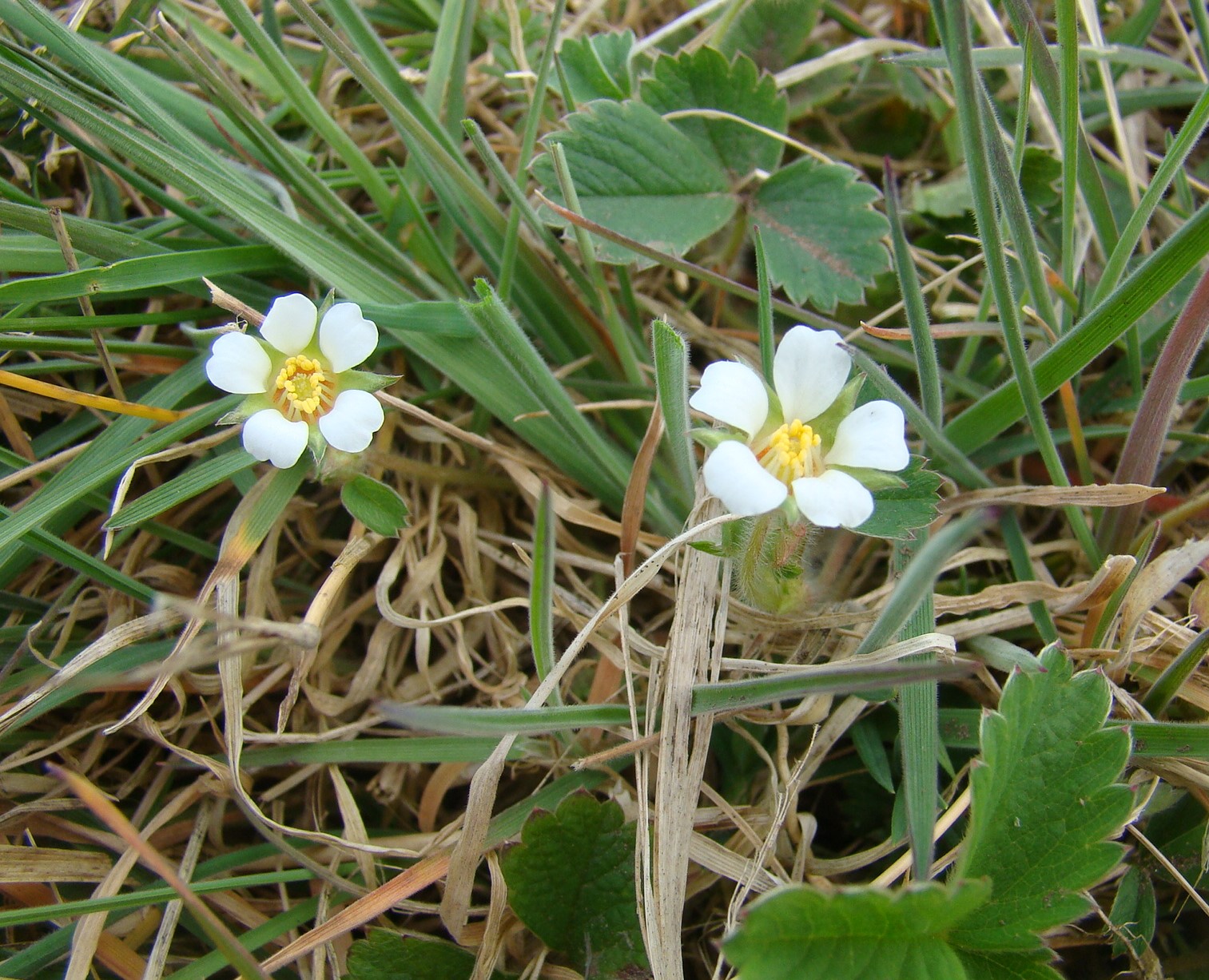
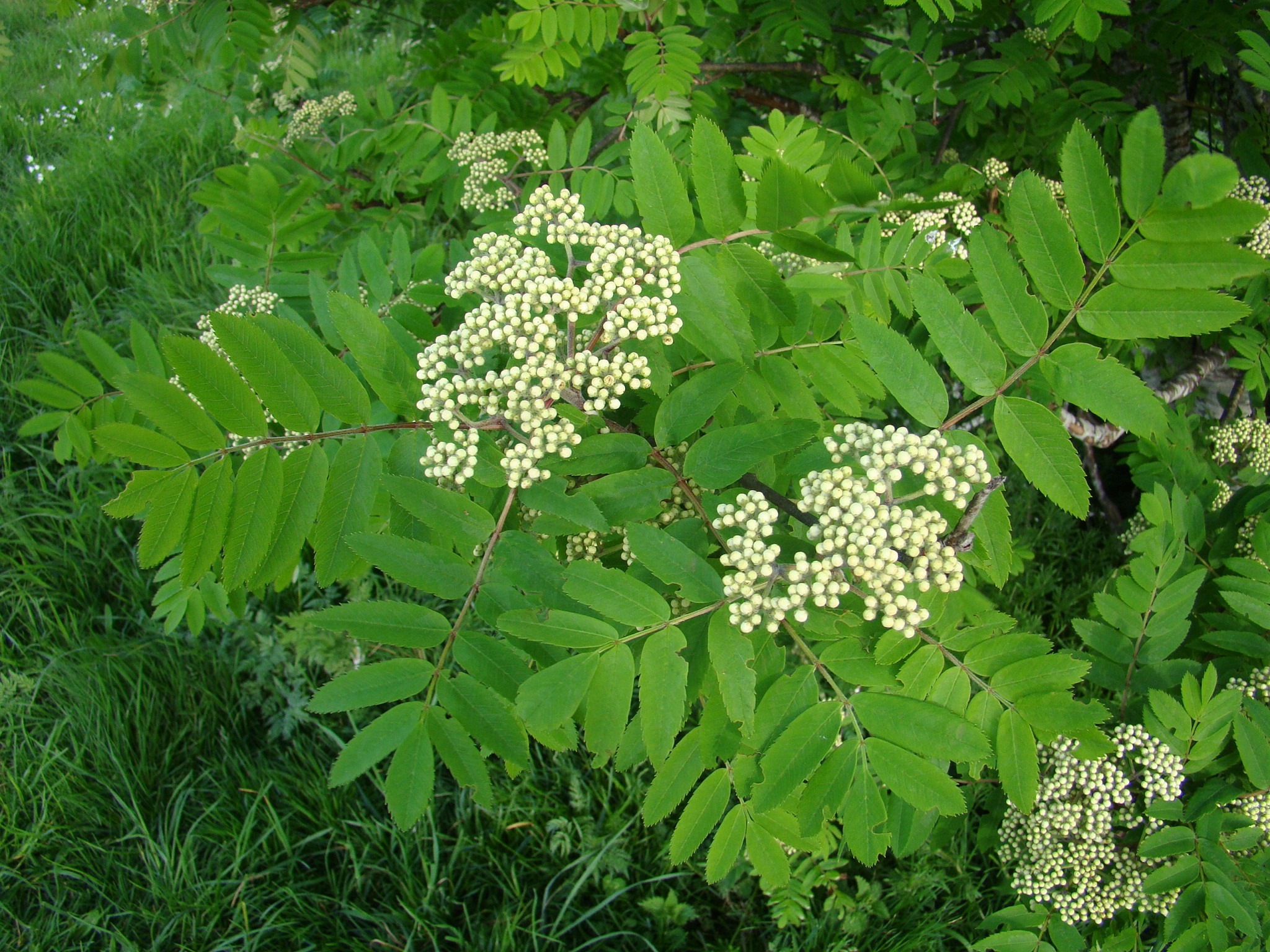
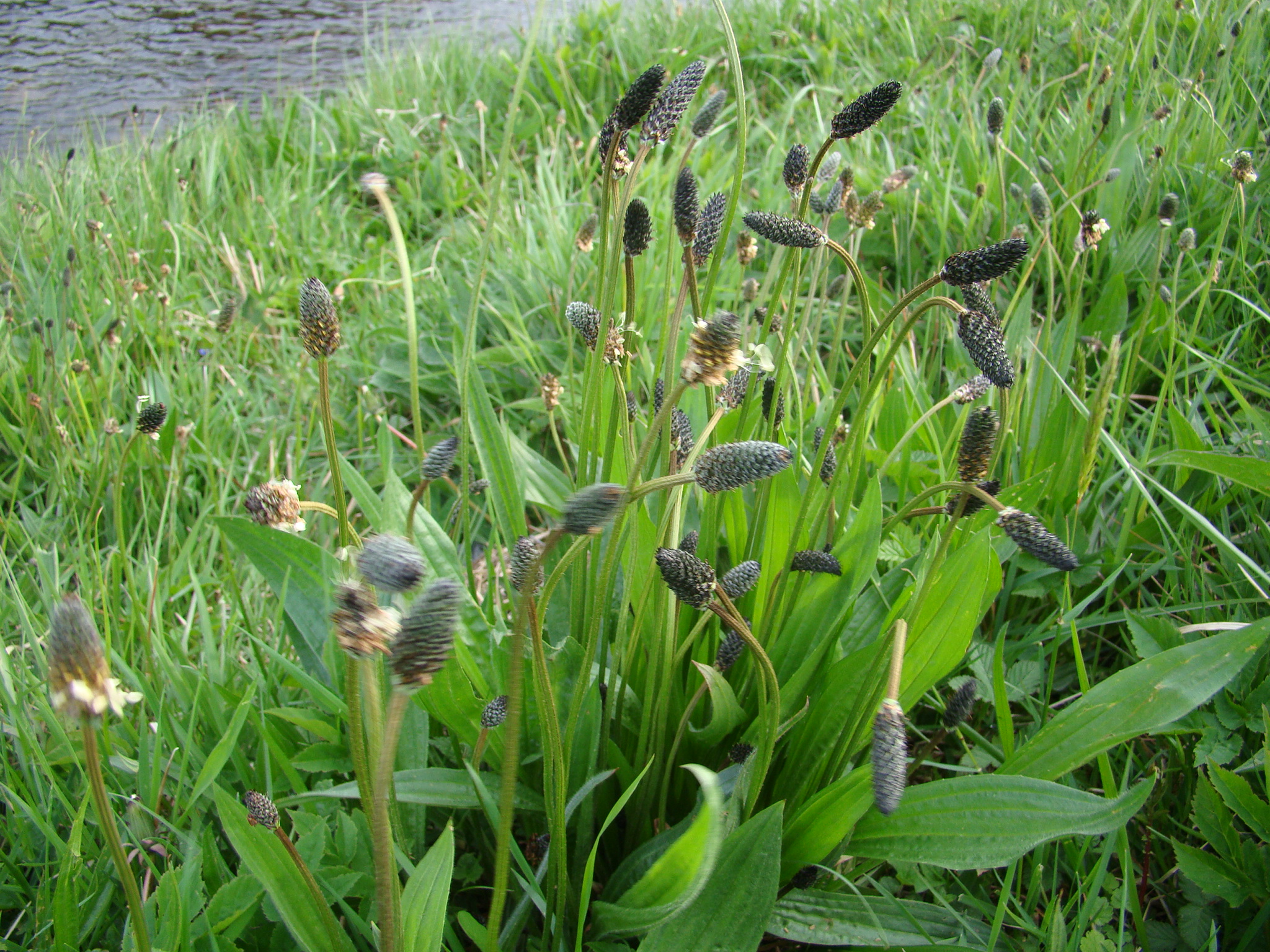
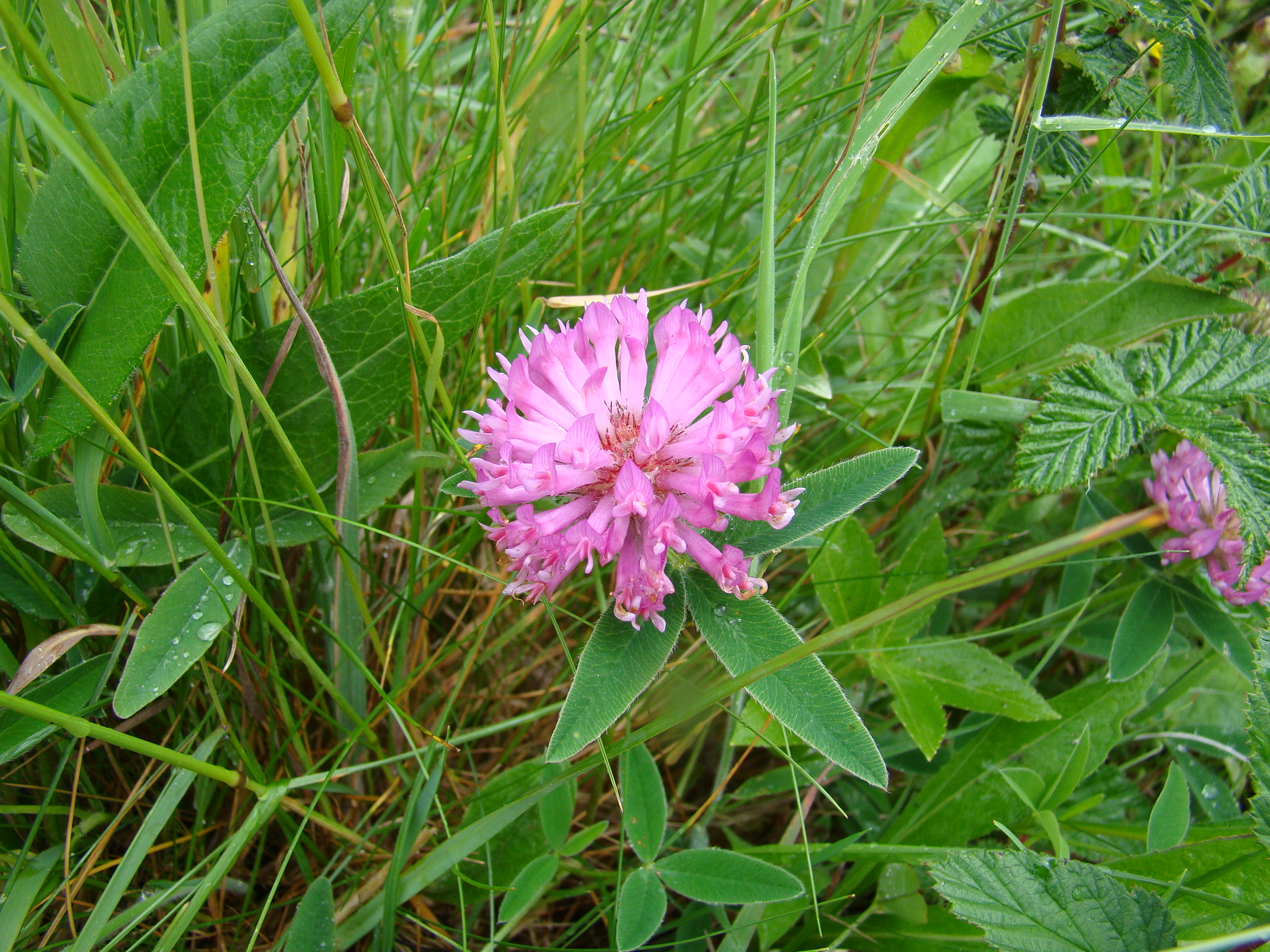
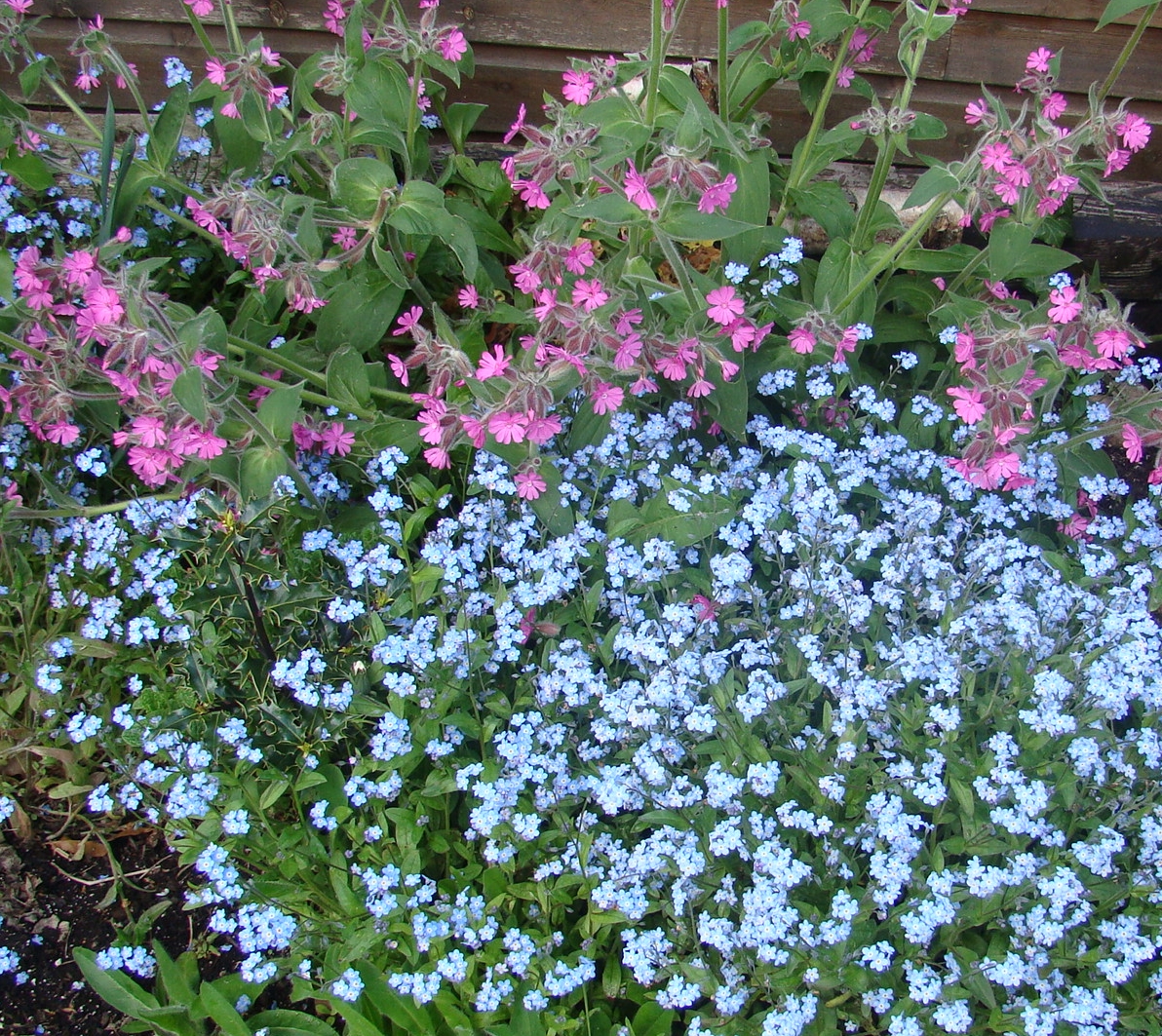
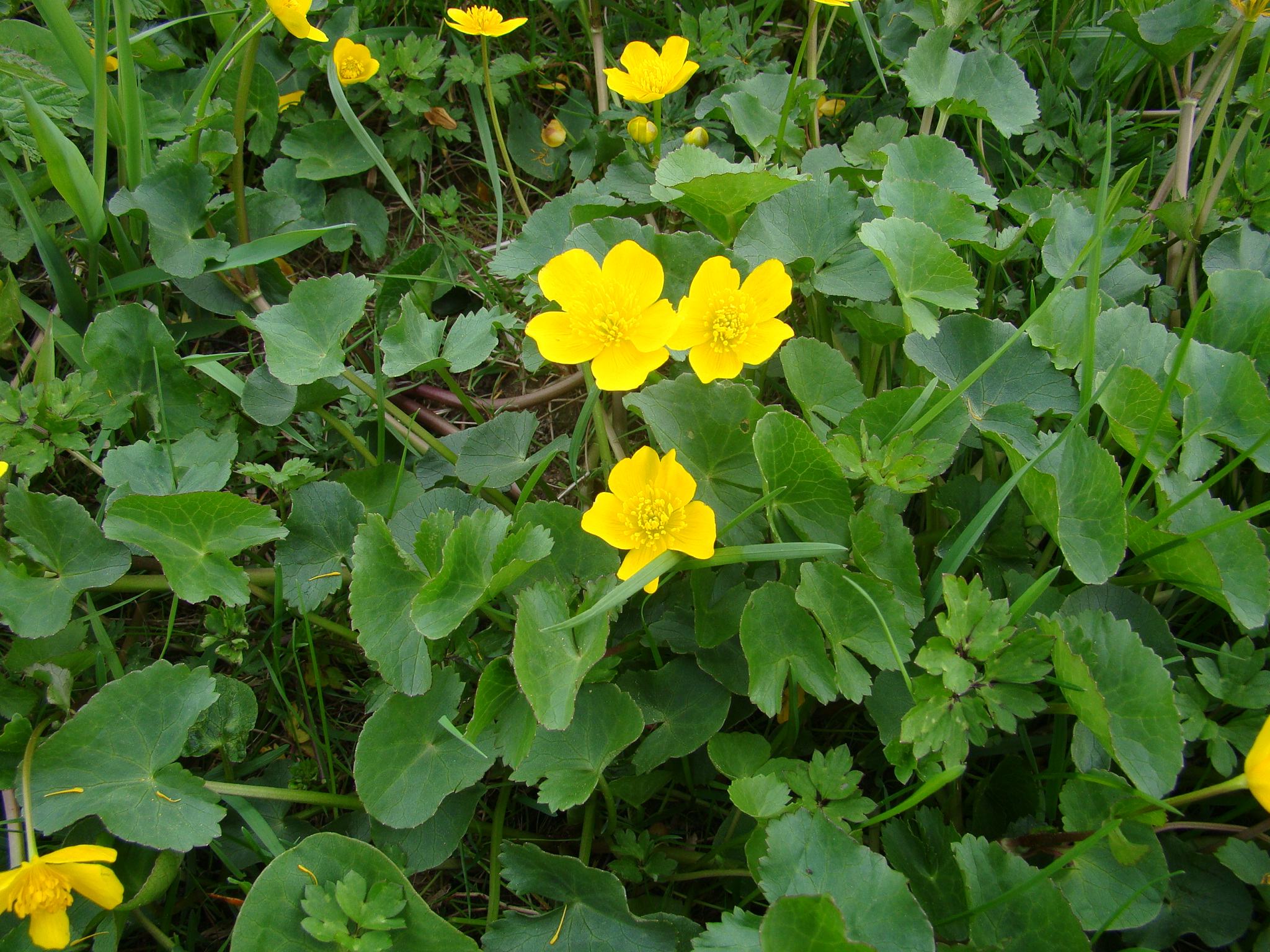
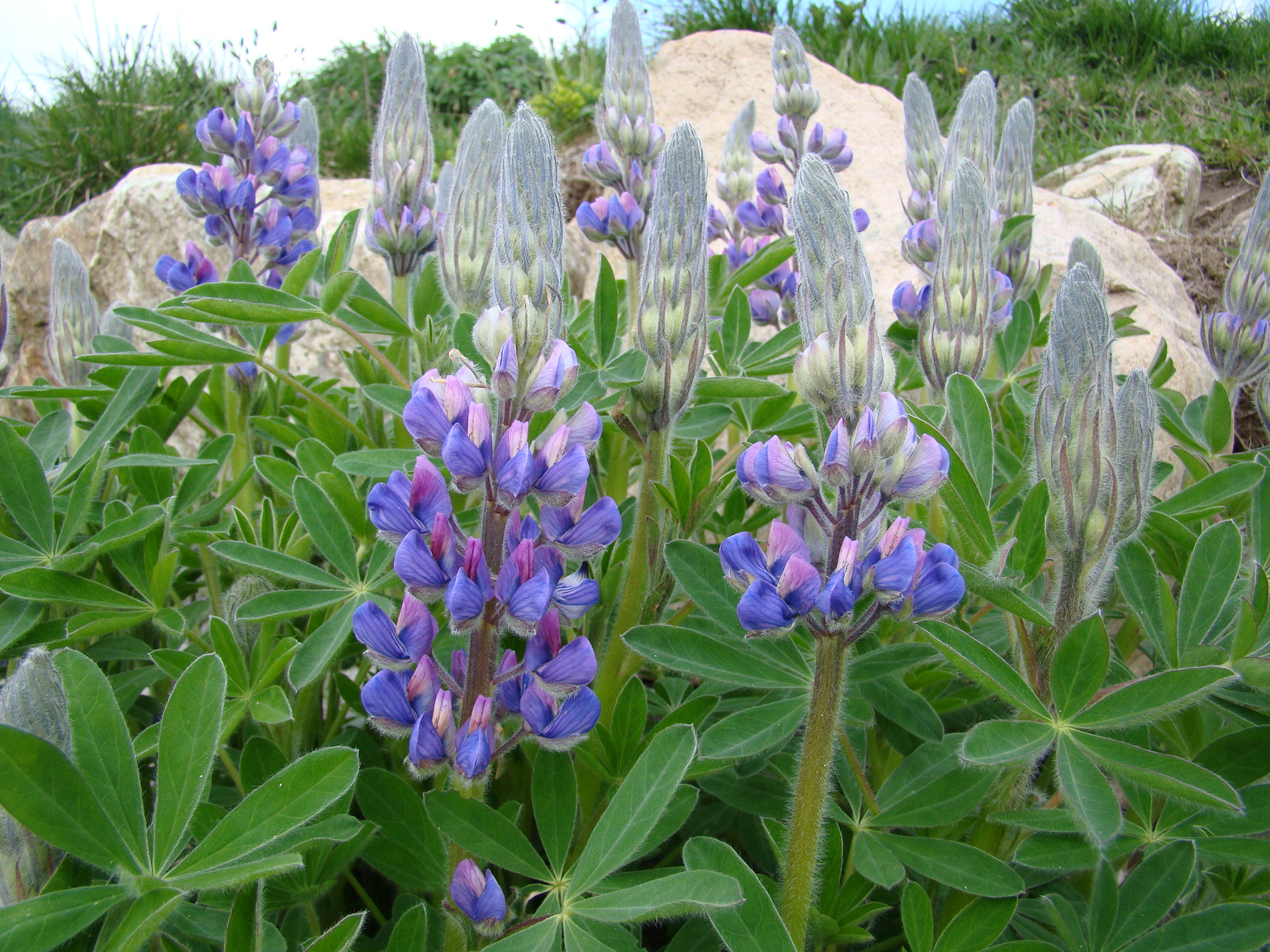
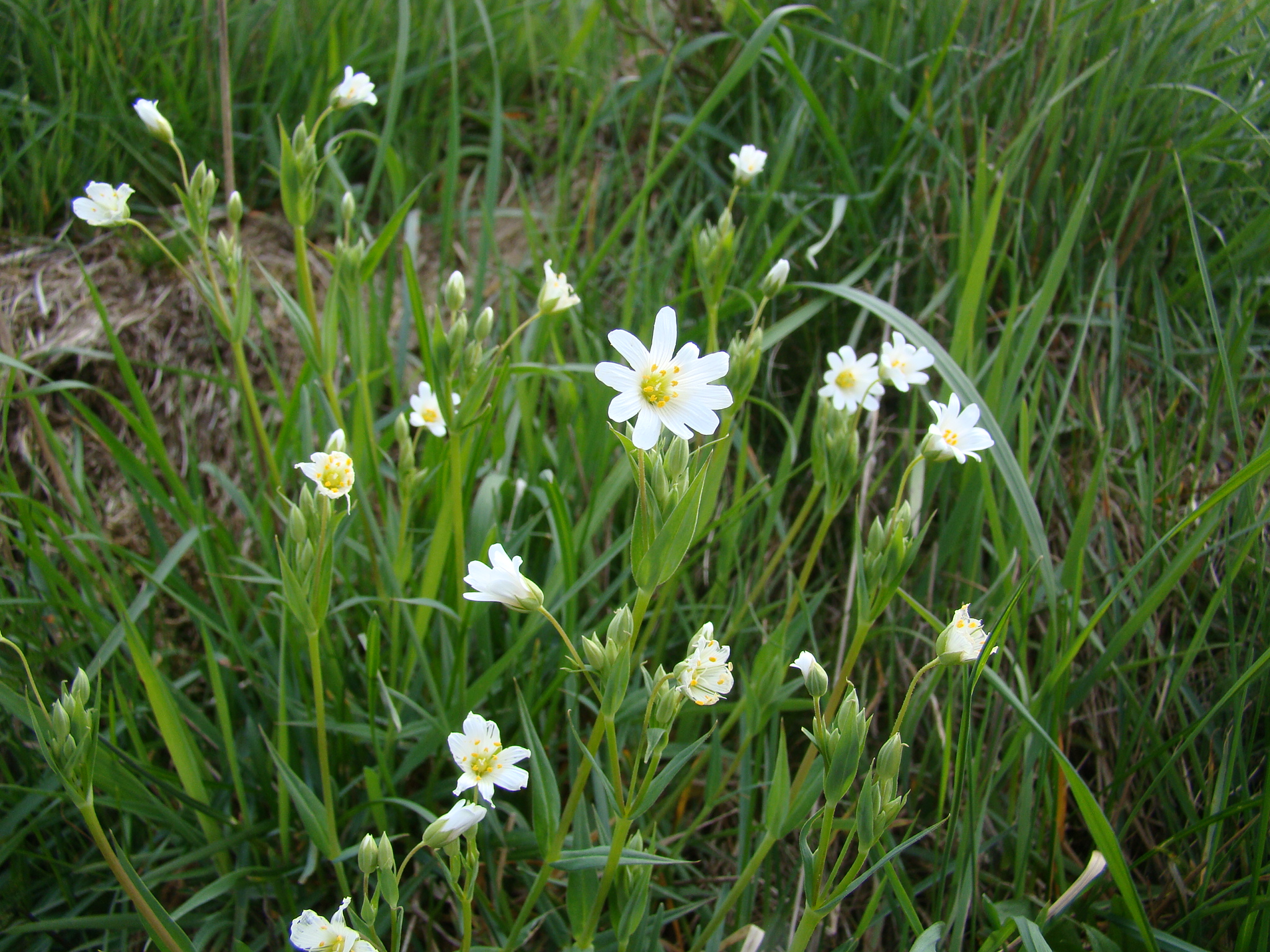
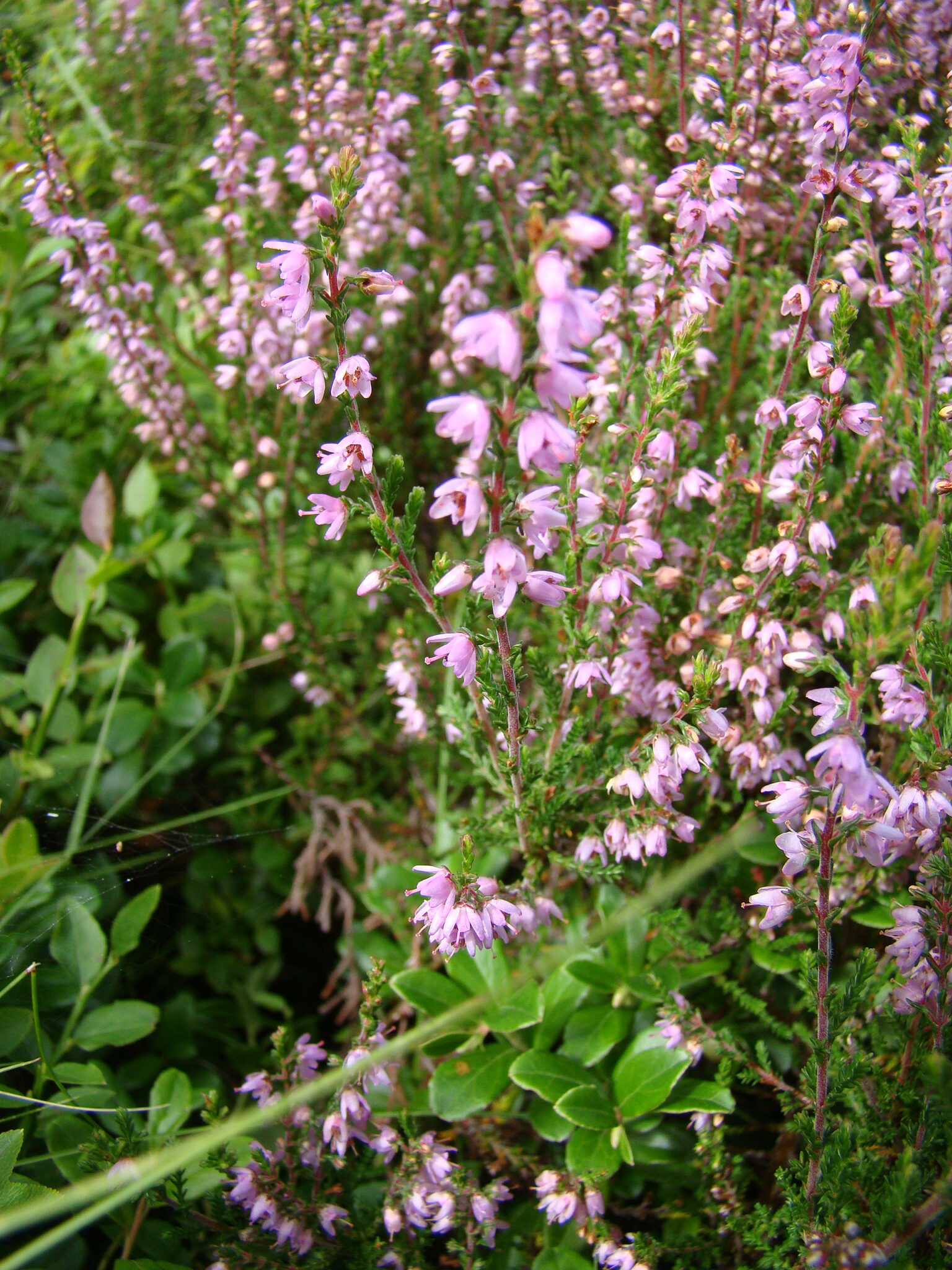
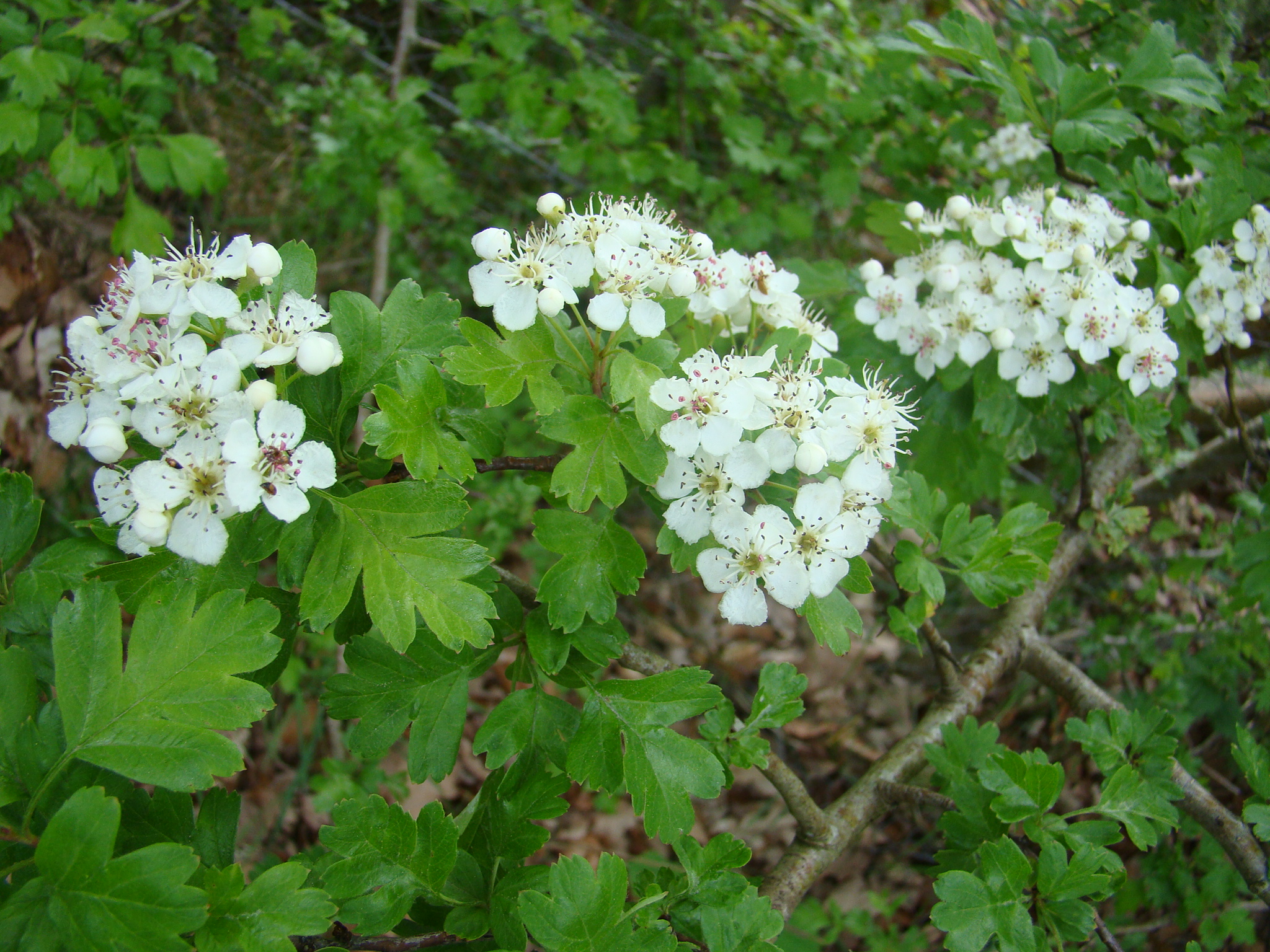
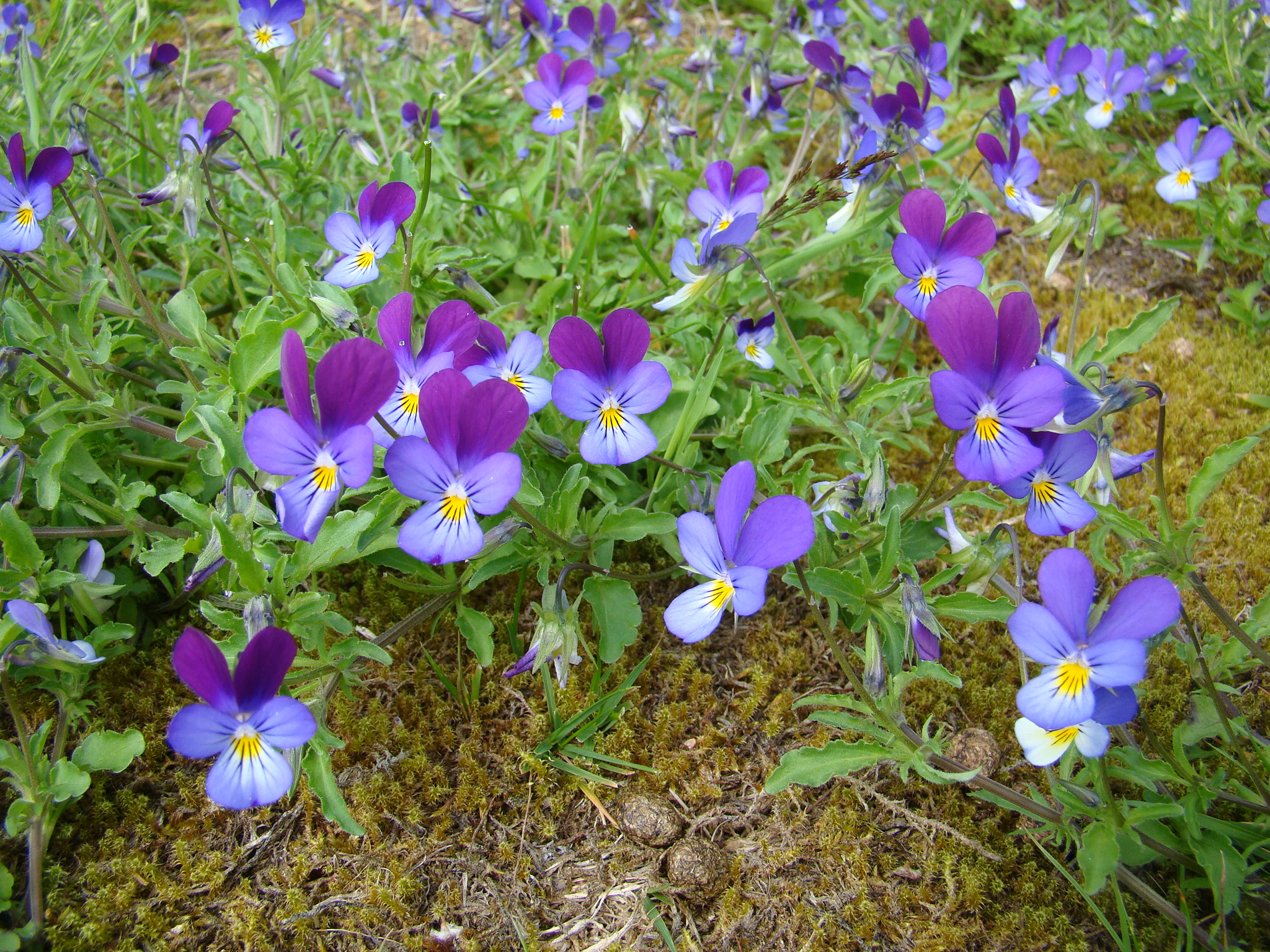
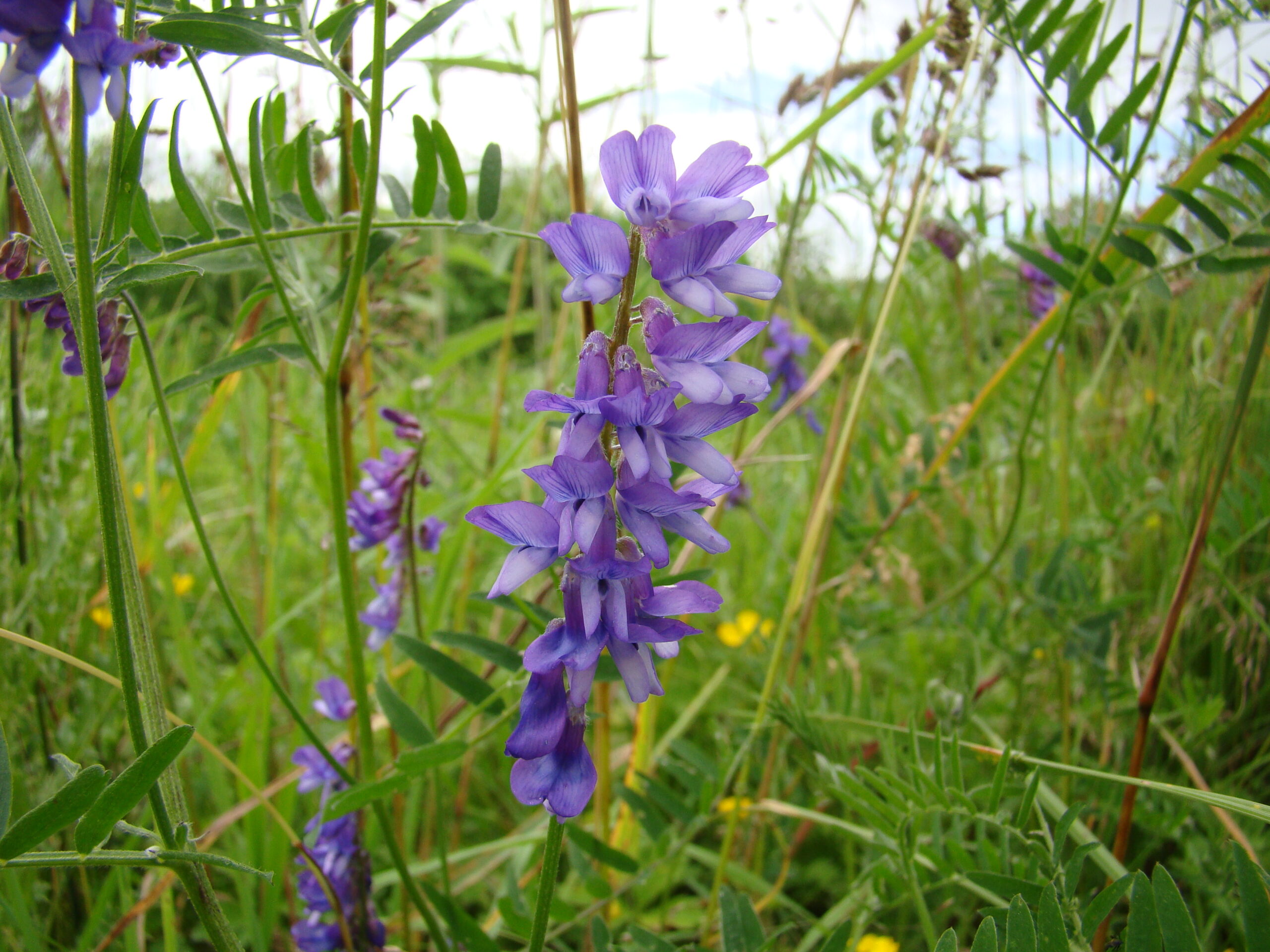
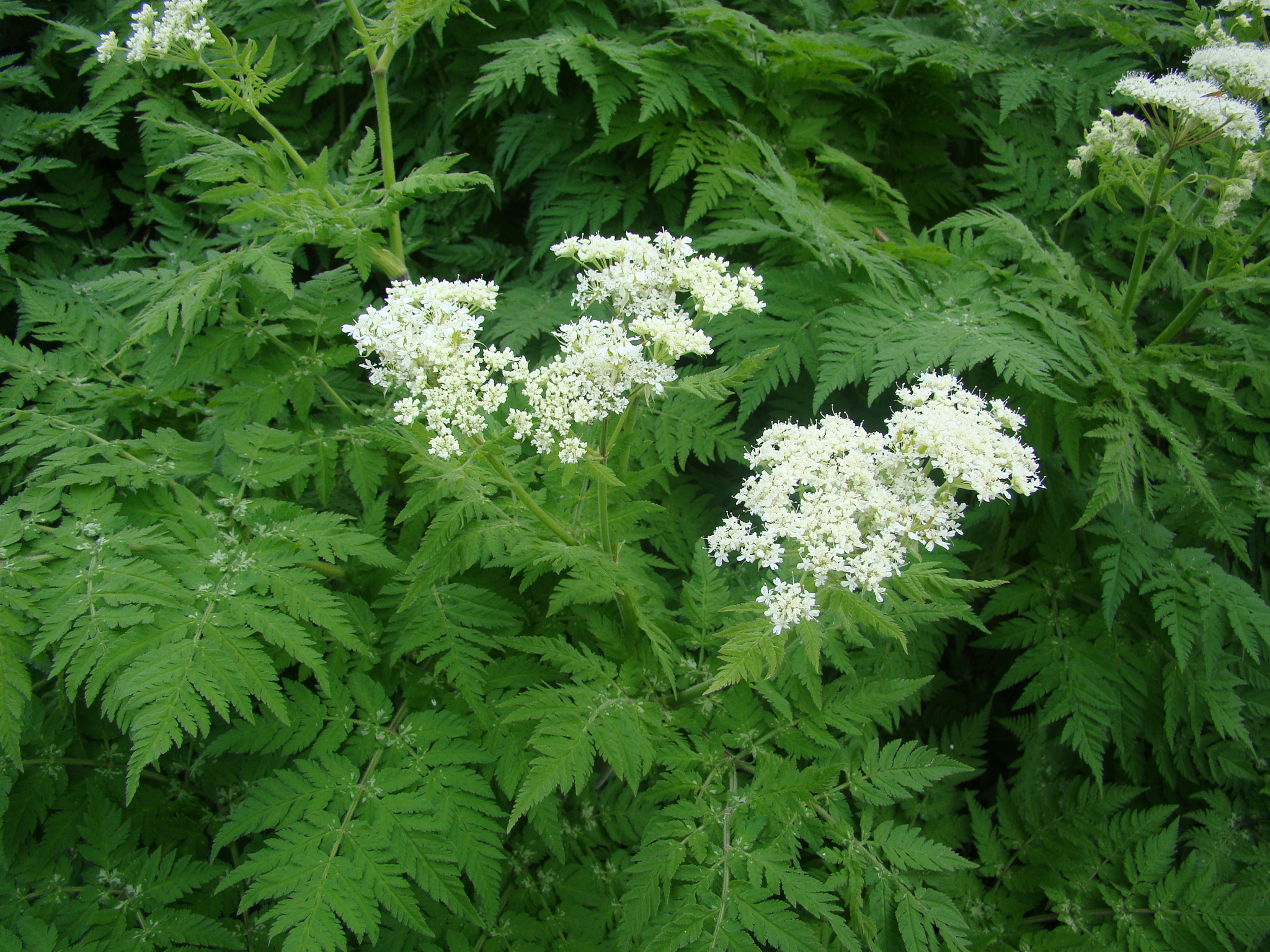
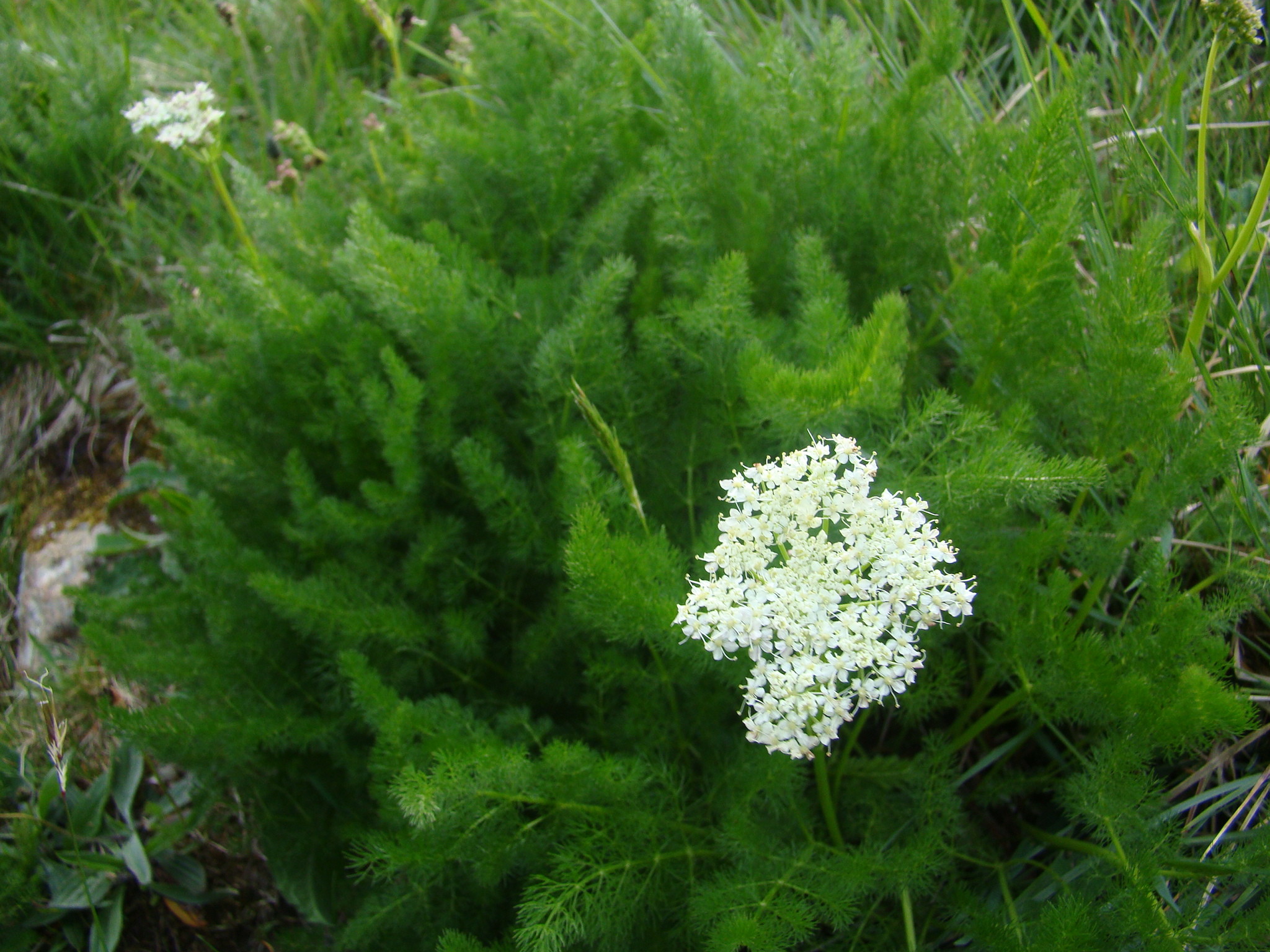
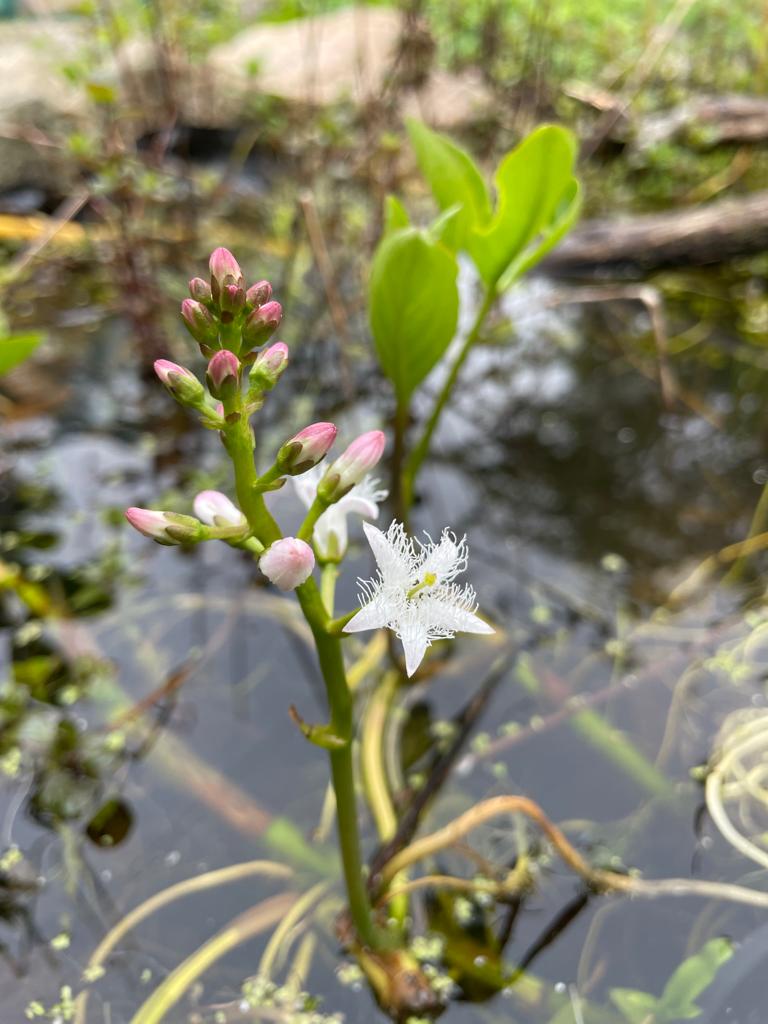
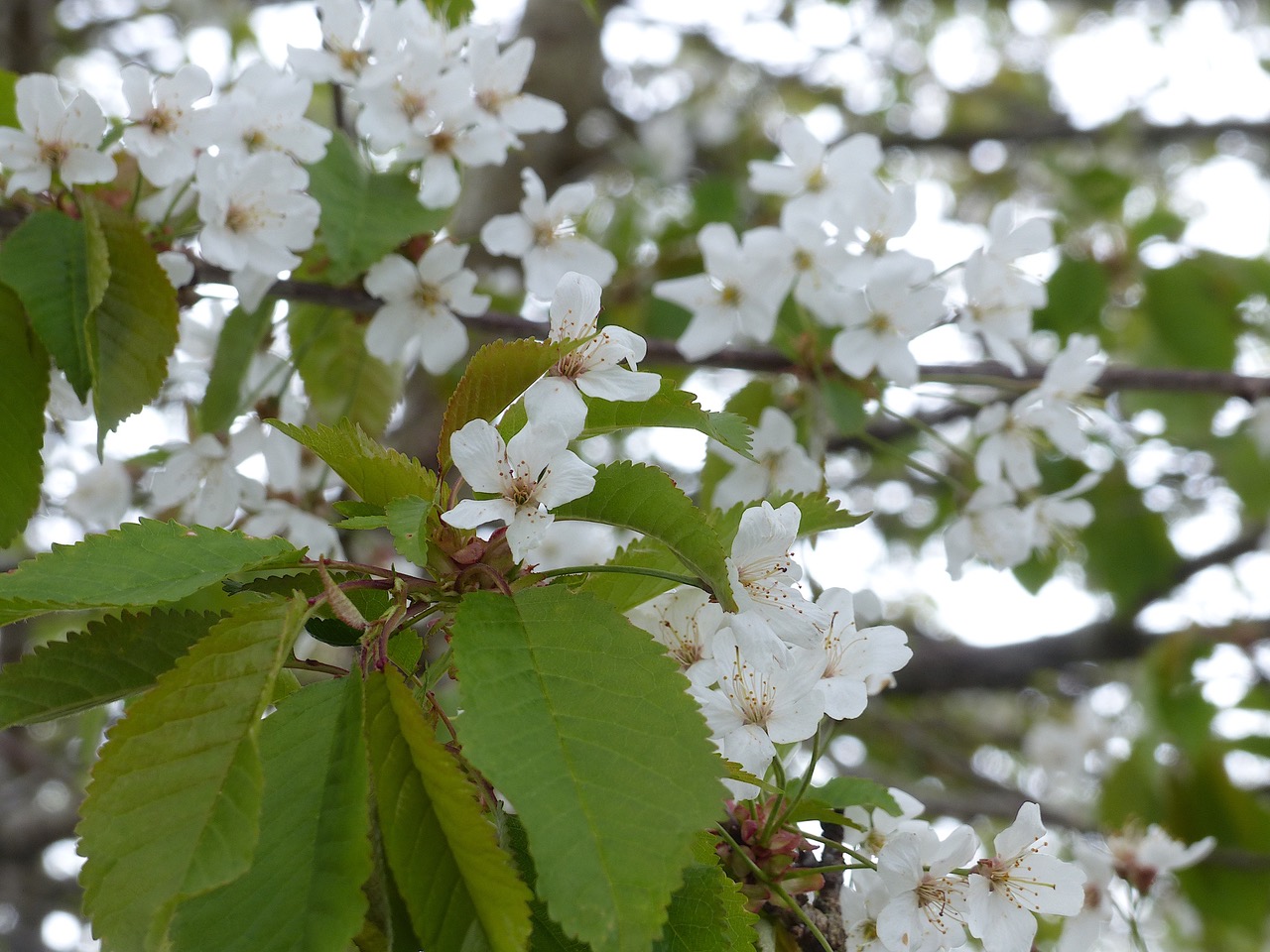
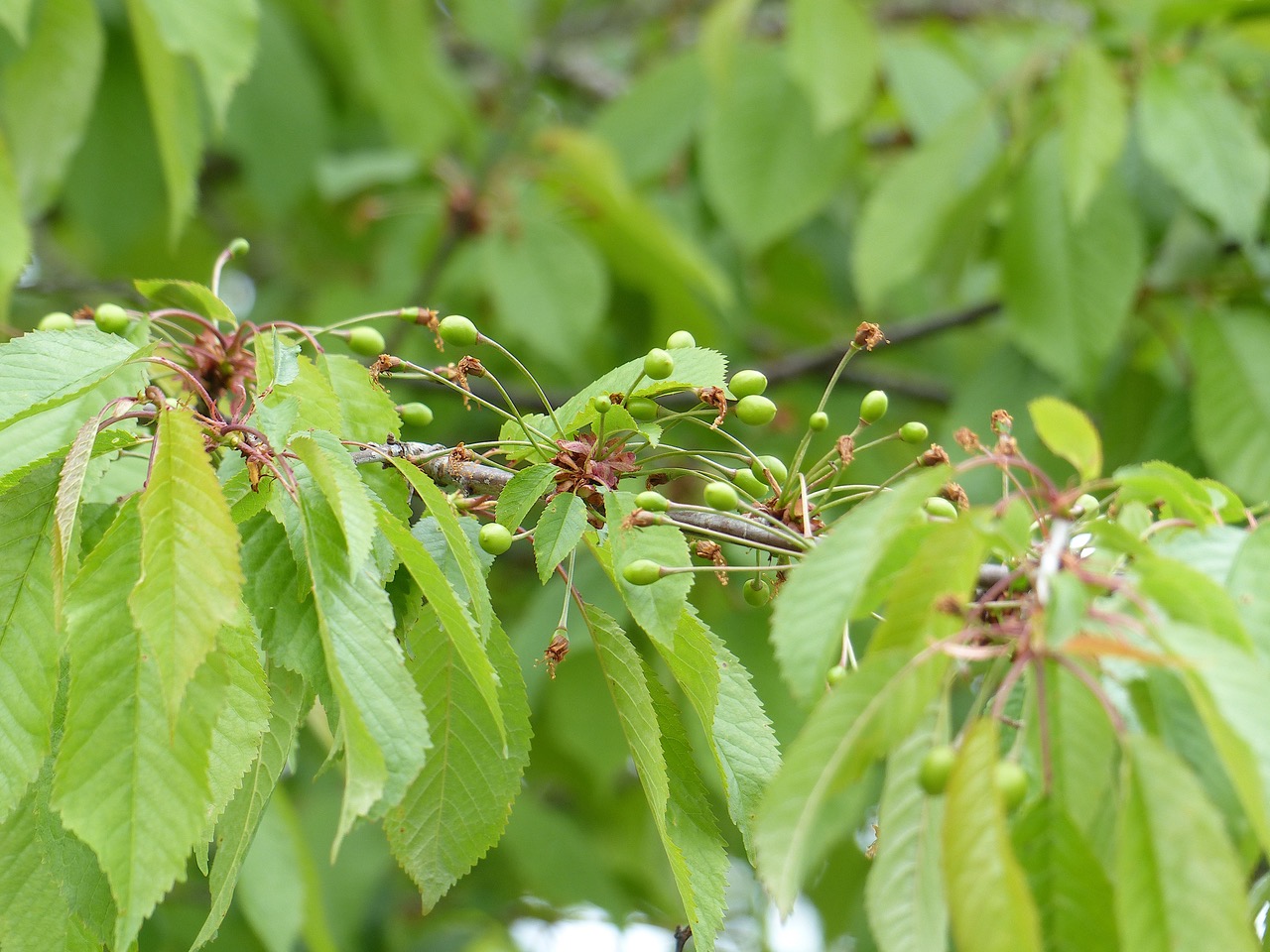
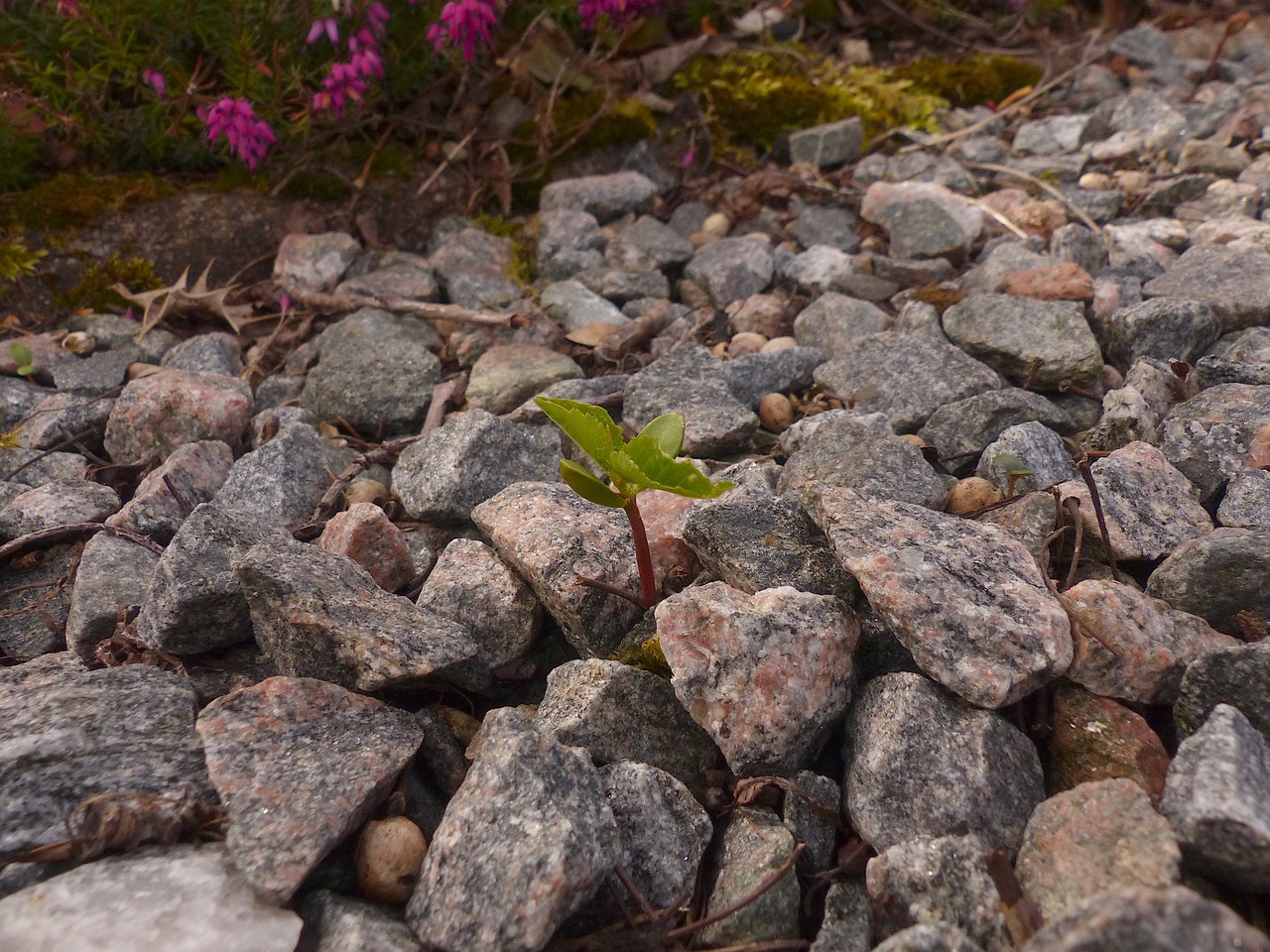
Comfrey is a member of the borage family, abundant along the riverside. A great food plant for insects to forage in the tubular flower bells. Nettles (family urticaceae) are important food plants for species such as the small tortoiseshell, peacock and red admiral butterflies which lay their eggs on the leaves. They have flowers which are not very noticeable but are present so that seeds can be produced. Known for the irritating skin rash they deliver, nettles spread very successfully by underground stems which are strong survivors of any attempts to thwart their growth!Cross leaved heathCuckooflowerThe cuckoo flower, also known as lady’s smock or milkmaids, is in the brassica or crucifer family. It prefers damp, wet places and appears around the same time as cuckoos arrive to breed. It’s an important flower for orange-tip butterflies who lay their eggs on it. In the primrose family, this delicate-looking, delightful flower is chickweed wintergreen. It’s not a chickweed, nor a wintergreen! Bugle, a labiate, spreads through other plants and projects its flower spikes skywards. It’s an important food for bumblebees, green-veined white butterflies, Silver Y moths and common carder bees .Bell heather: There are many similar-looking plants in the ericaceae family such as bell heather, heather or ling, blaeberry (bilberry), cowberry, crowberry, bearberry and cross-leaved heath. It’s fun to look for the differences between them and learn to identify them. They feel very Scottish but occur widely in moorland and heathland.The barren strawberry – and subtly different wild strawberry – are members of the rose family. Rowan: the rowan’s flowers are a precursor to its berriesRibwort plantain is in the plantain family – often used as ‘soldiers’ in a game where one person tries to knock the head off their opponent’s soldier!Red and white clover are very common and great flowers for feeding bees and other insects.Red campion and forget-me-nots: A member of the chickweeds, pinks and campion family, red campion is an important food for a wide variety of bees, butterflies and moths.Forget-me-nots belong to the borage family, with their small, stunning, brilliant, bright, blue flowers.Marsh marigold or Kingcup: a member of the buttercup family, favouring damp, wet places. Other members are meadow buttercup and creeping buttercup. Meadow buttercup make up ‘fields of gold’ in summer grass pastures.The hair-covered stems and leaves holding the droplets of rain make the glamorous, blousy lupins shine like jewels by the river.Lesser stitchwort is abundant along banks and fences right now, and red campion are in the chickweeds, pinks and campion family. Red campion is an important food for a wide variety of bees, butterflies and moths.Heather or ling: Occurring widely in moorland and heathland, heather is in the ericaceae family. A member of the rose family, hawthorns make great wildlife-supporting hedges, providing food, shelter from predators and nesting places.The cheerful wild pansy belongs to the pansies and violets family, a feast for the eyes when you find a gathering of these in grassy or sandy grass areas.The legumes – comprising peas, vetches and clovers – is a large family. The tufted vetch spreads its bright, mauve flowers and primly arranged leaves using clutching and grasping tendrils, boldly making its way through other plants. Sweet cicely is an umbellifer – and June is the perfect time to see them, with lush foliage and a strong smell of aniseed.Spignel is a rather exotic looking umbellifer with its green froth of leaves. The intricate starry flowers of bogbeanGean flowersGeansGean seedling


 Ambitious recovery programme launched as unprecedented decline in pearl mussel highlights fragile River Dee
 DeeWatch December