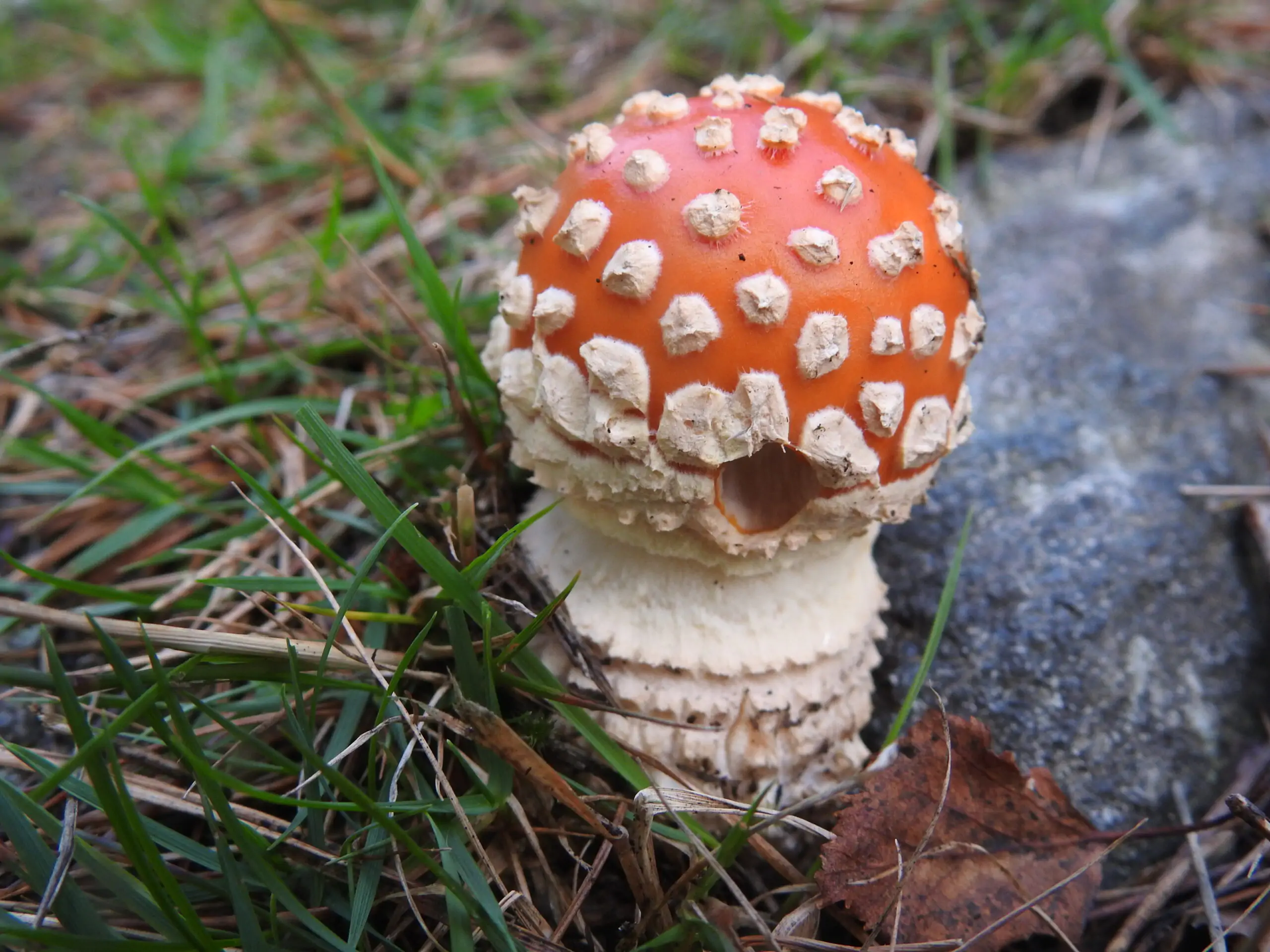
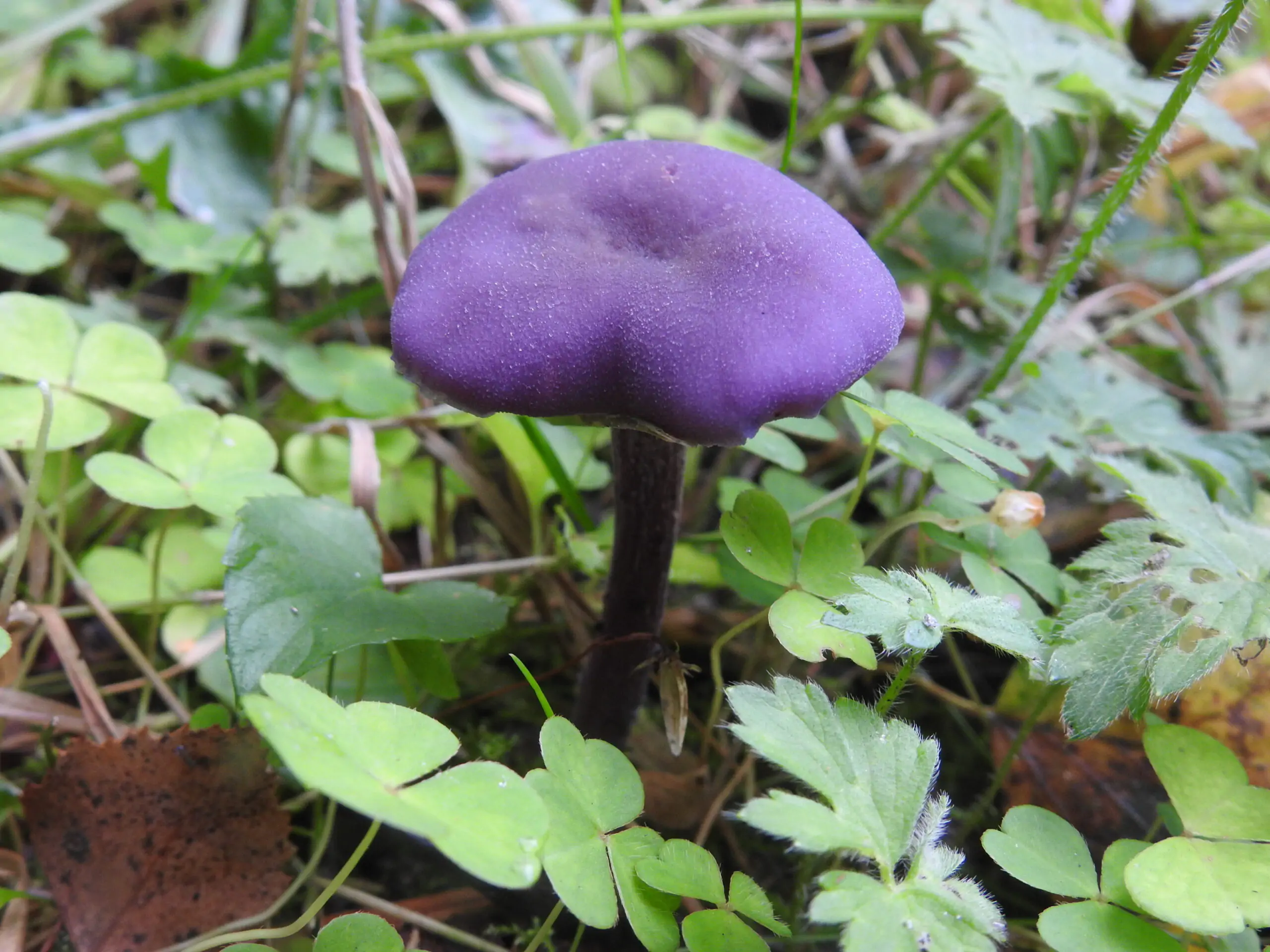
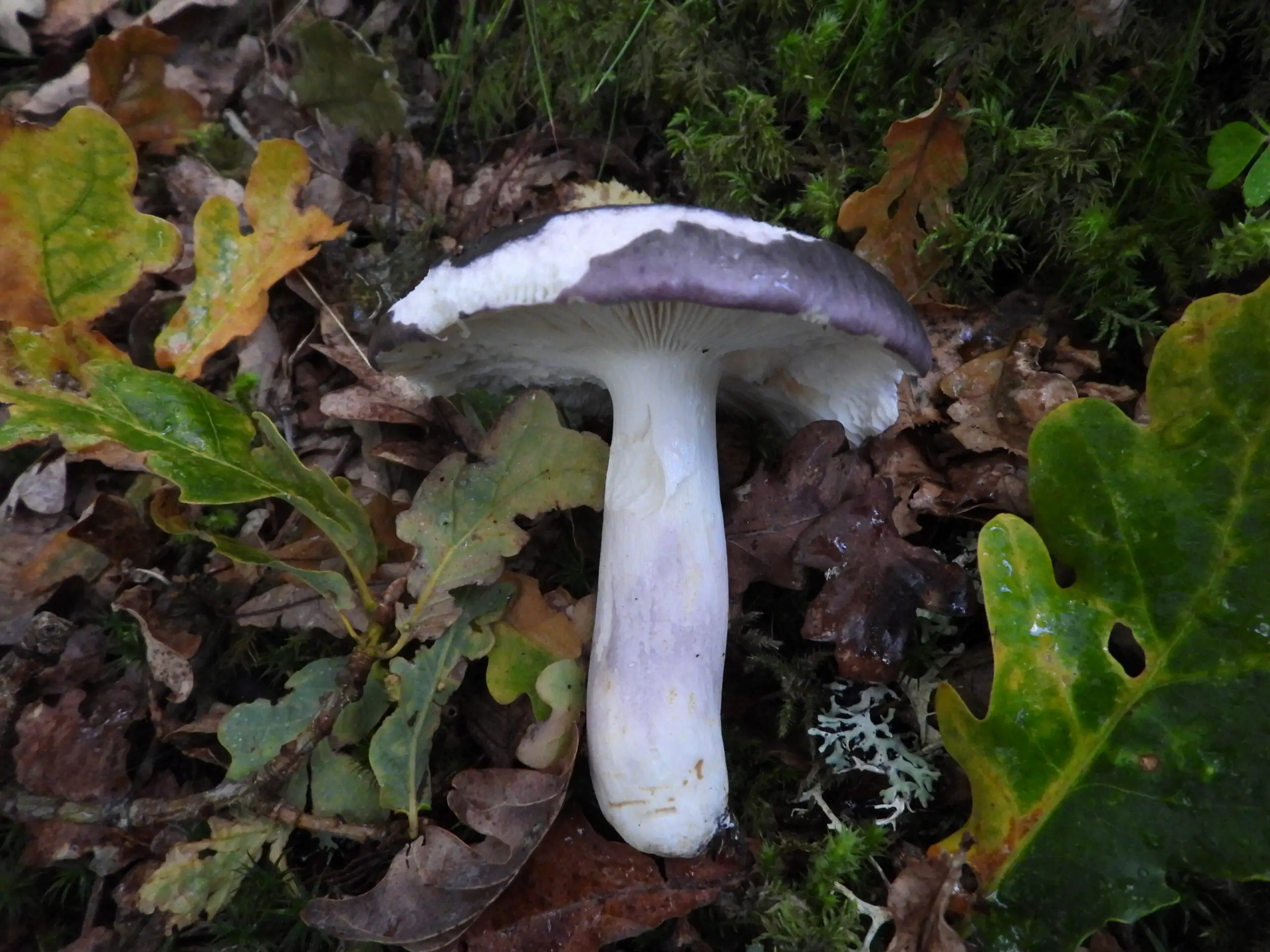
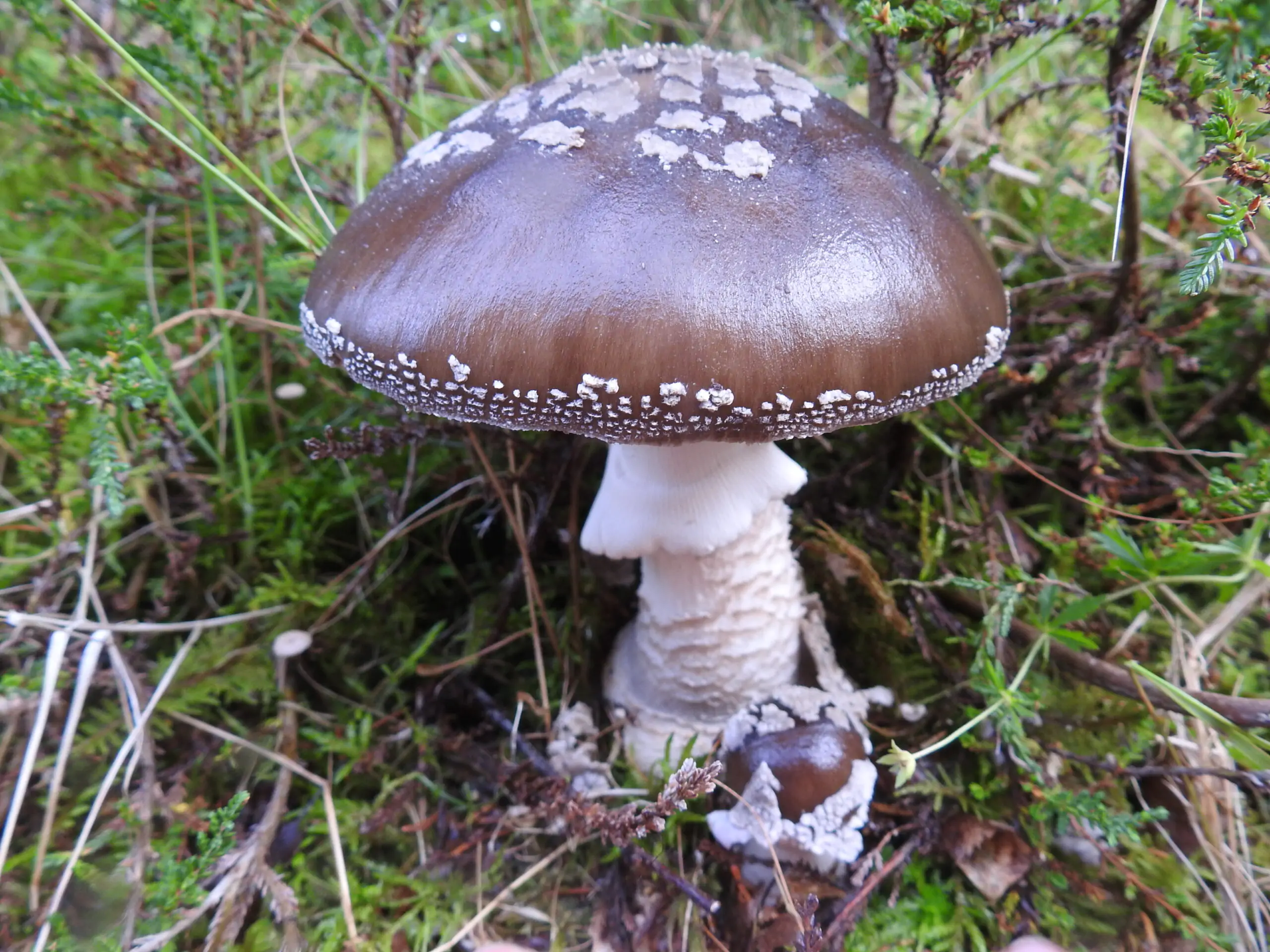
Leaves are beginning to turn, the days are cooler and shortening, and a stiff breeze has us reaching for extra layers – October is here and it’s feeling Autumny! With swallows getting ready to head south and leave us, and geese heading south to join us, seasonal wildlife migrations are happening across the planet – and many species are changing their migrational habits in response to climate change.
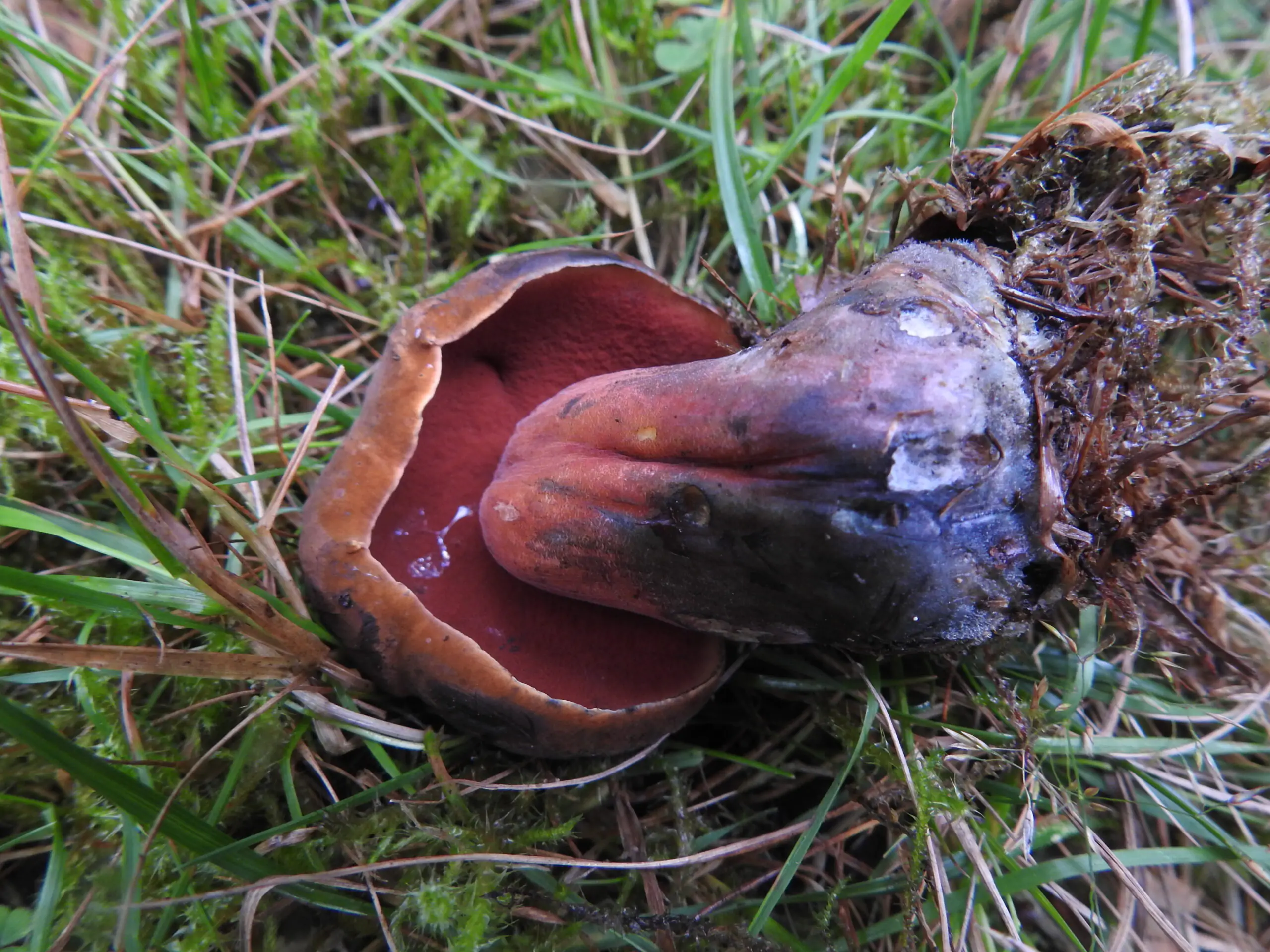
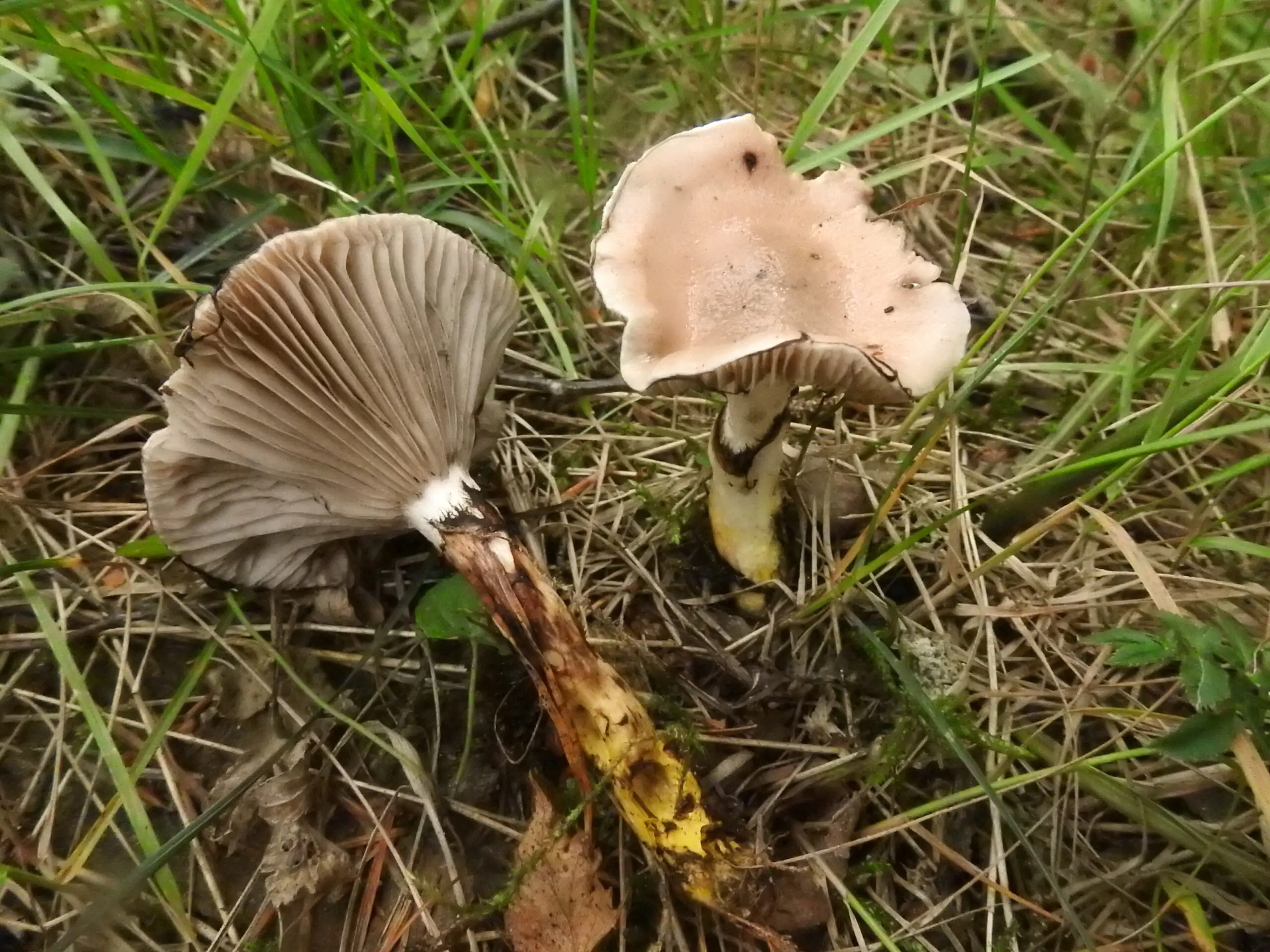
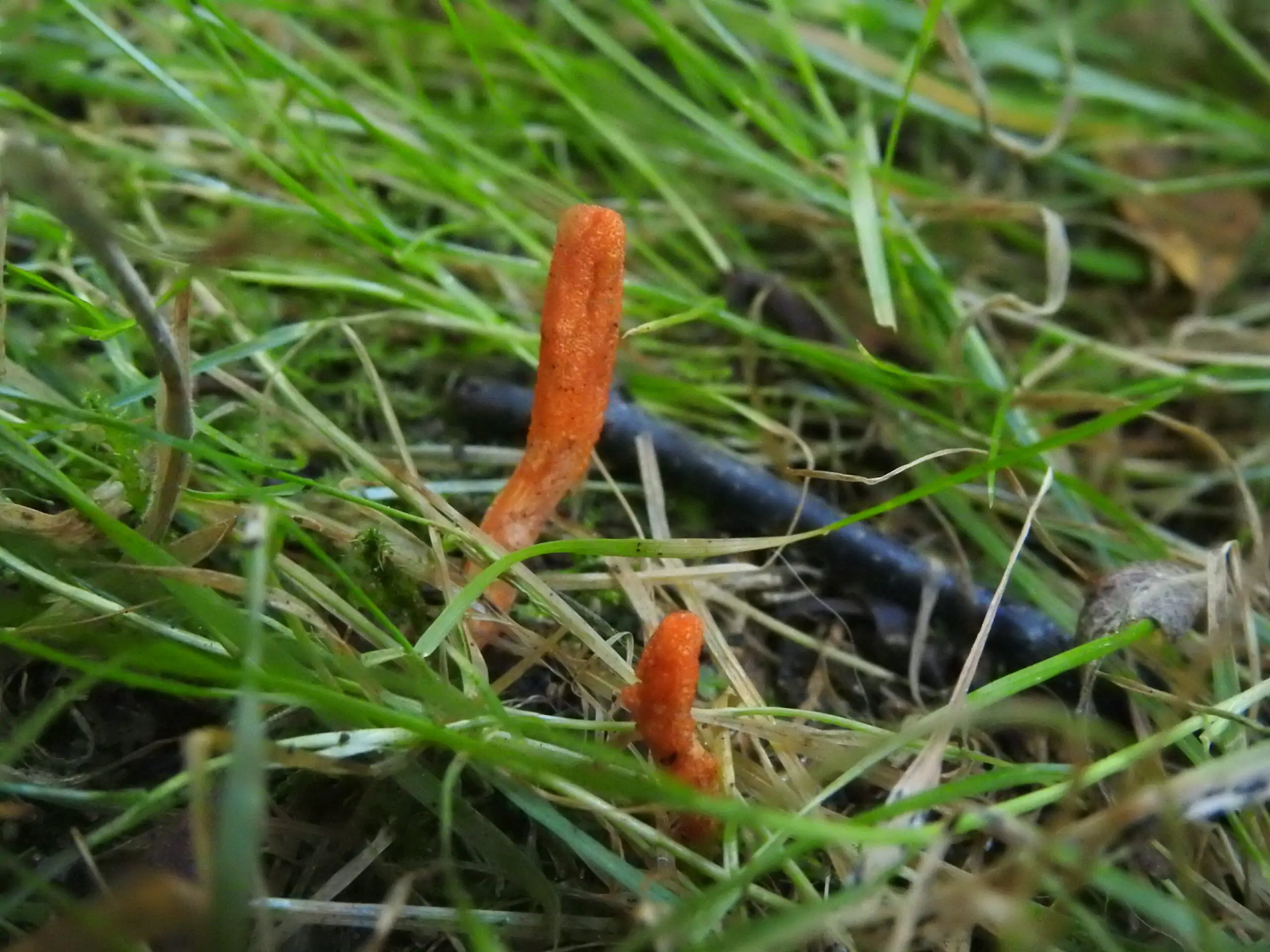
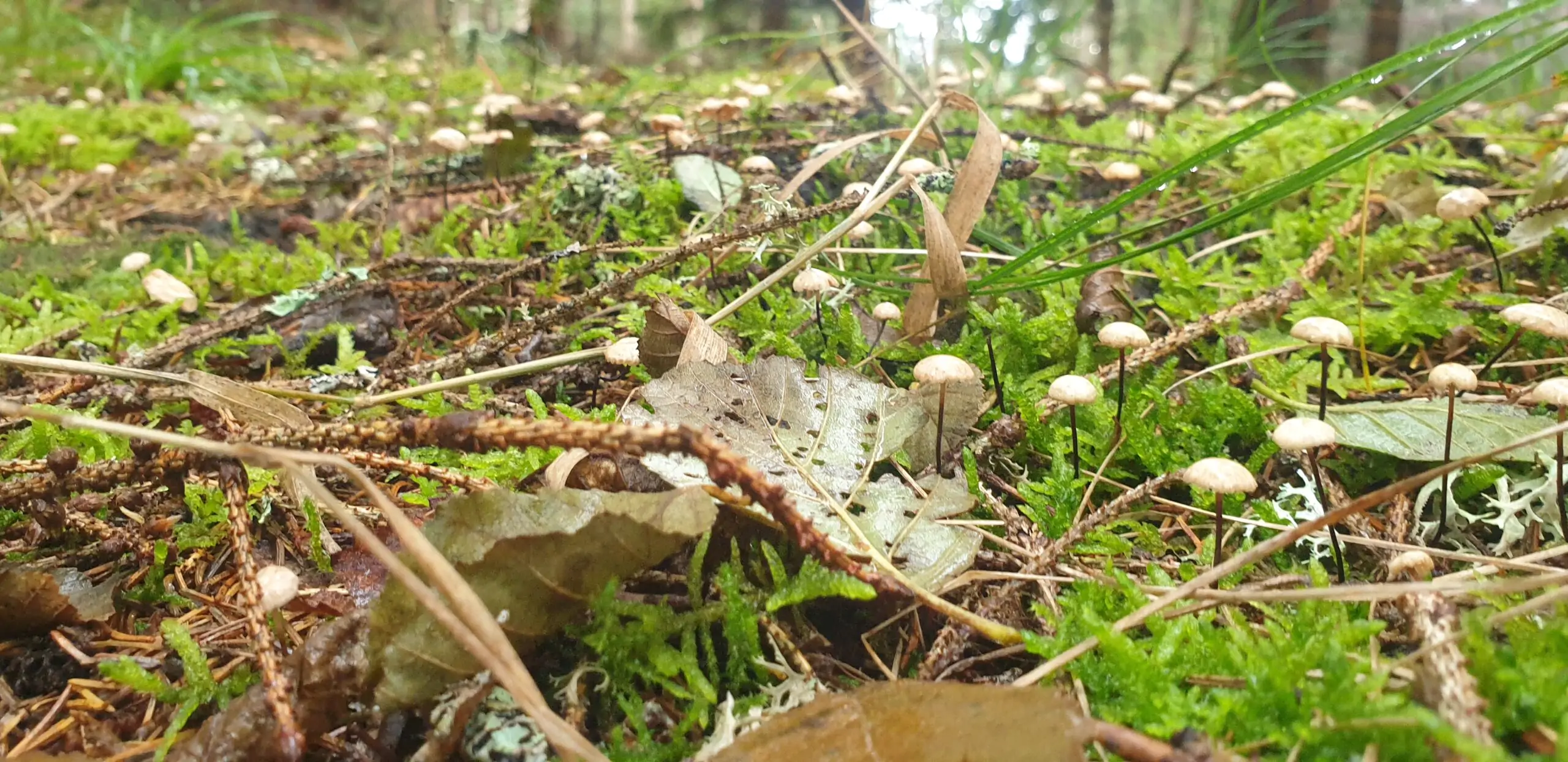
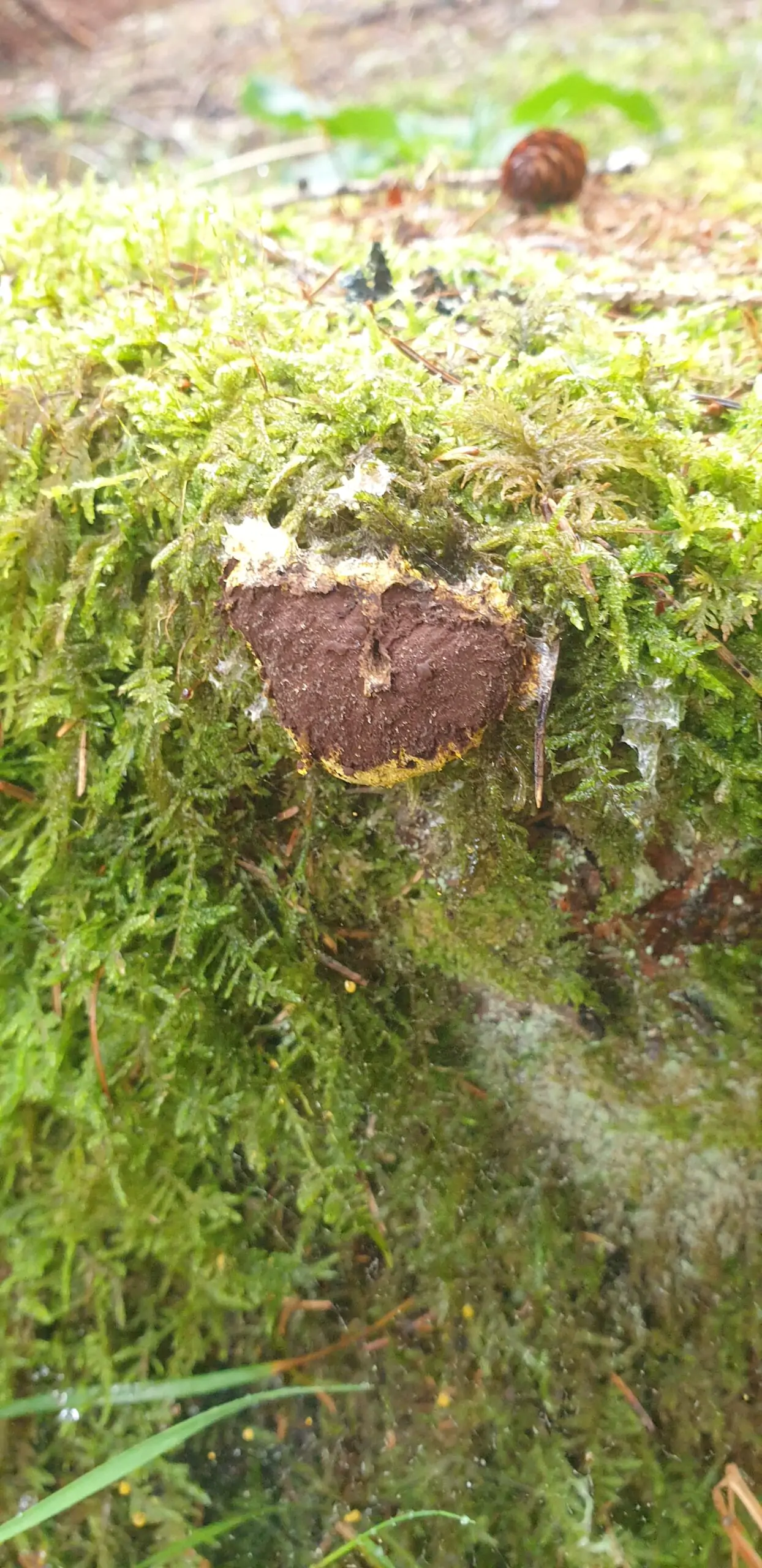
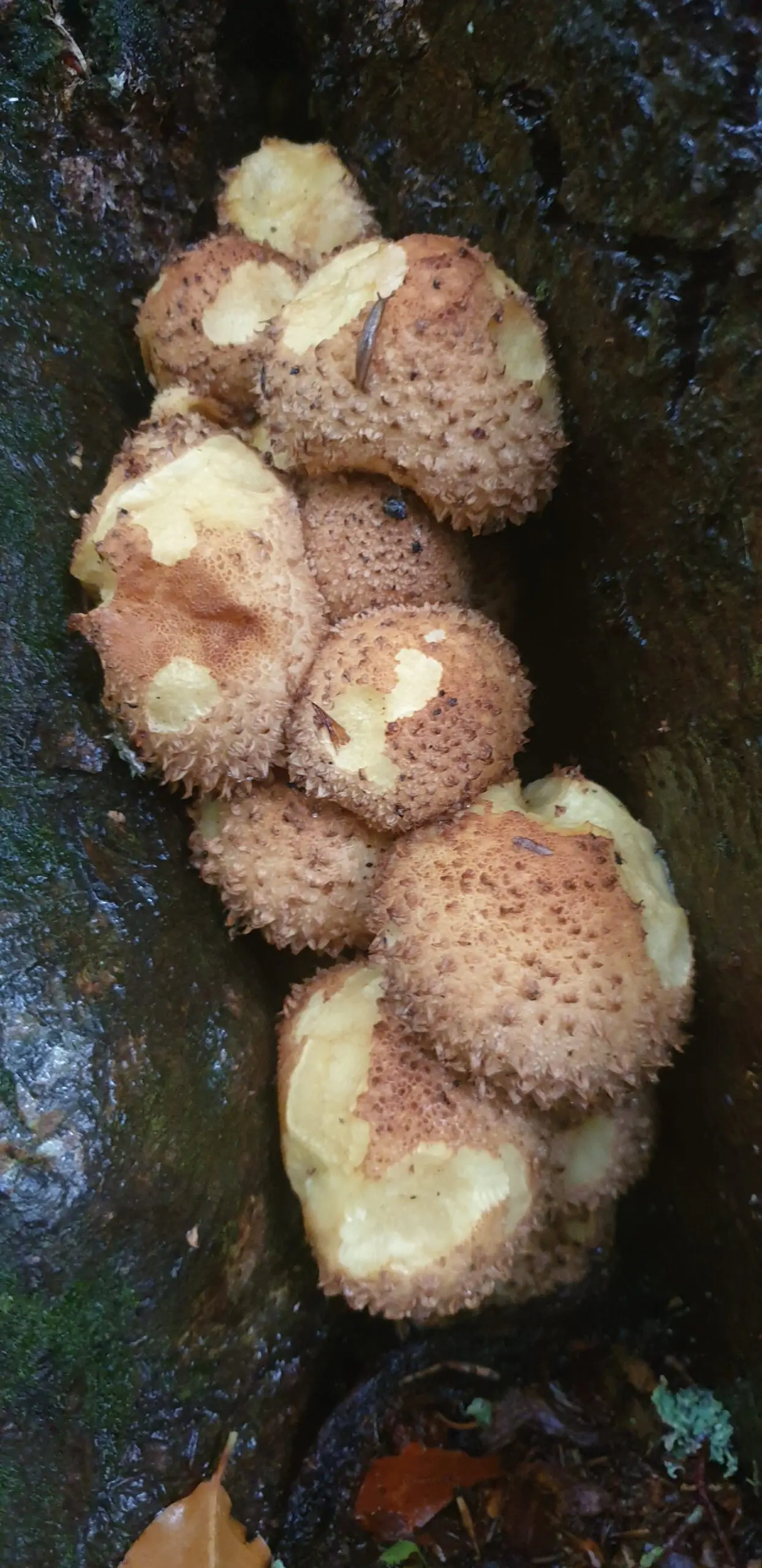
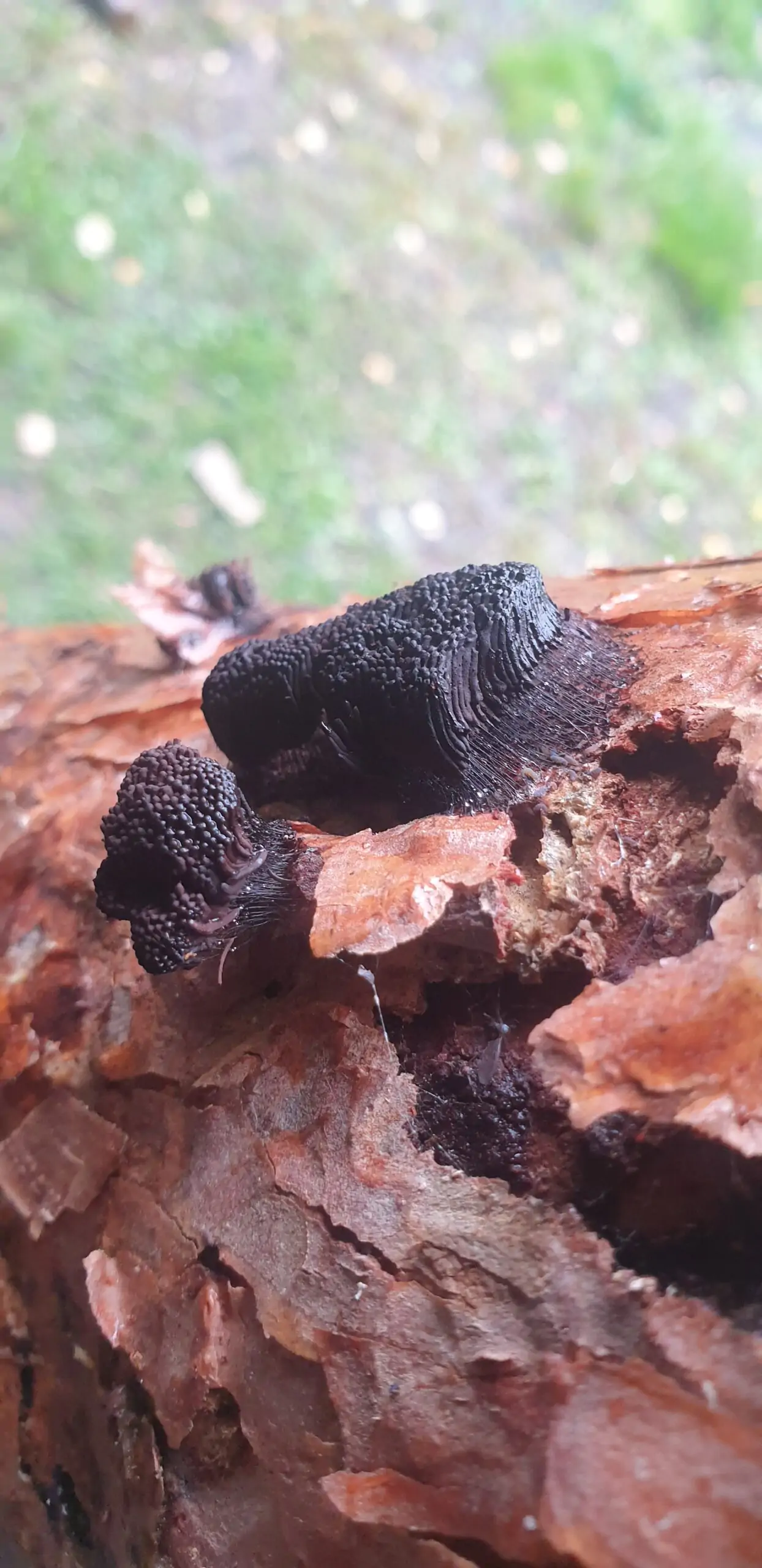
Meanwhile on Deeside our focus on fungi continues – and we’re lucky to have so many spectacular species, colours and textures to enjoy in the Dee catchment: several really gloopy species, the aptly named slimy spike and the tacked milkcap, and bright colours of the amethyst deceiver, brittlegills and the fairytale-famed fly agaric. This also seems to be a good year for the more sinister scarlet caterpillar club, a beautiful granular orange club, only a couple of centimetres high, found in grasslands alongside the Dee, as well as grassy areas in woodlands. This fungi feeds and grows on the pupa or a caterpillar of various moth species, especially the hairy caterpillars and if you dig down into the soil just a little way you may well find the mummified corpse!
Remember to send any sightings to NESBReC – all wildlife records are valuable, and citizen science plays a key part in helping to monitor the effect of climate change.
Here’s what our rangers have spotted recently while out and about in the catchment:
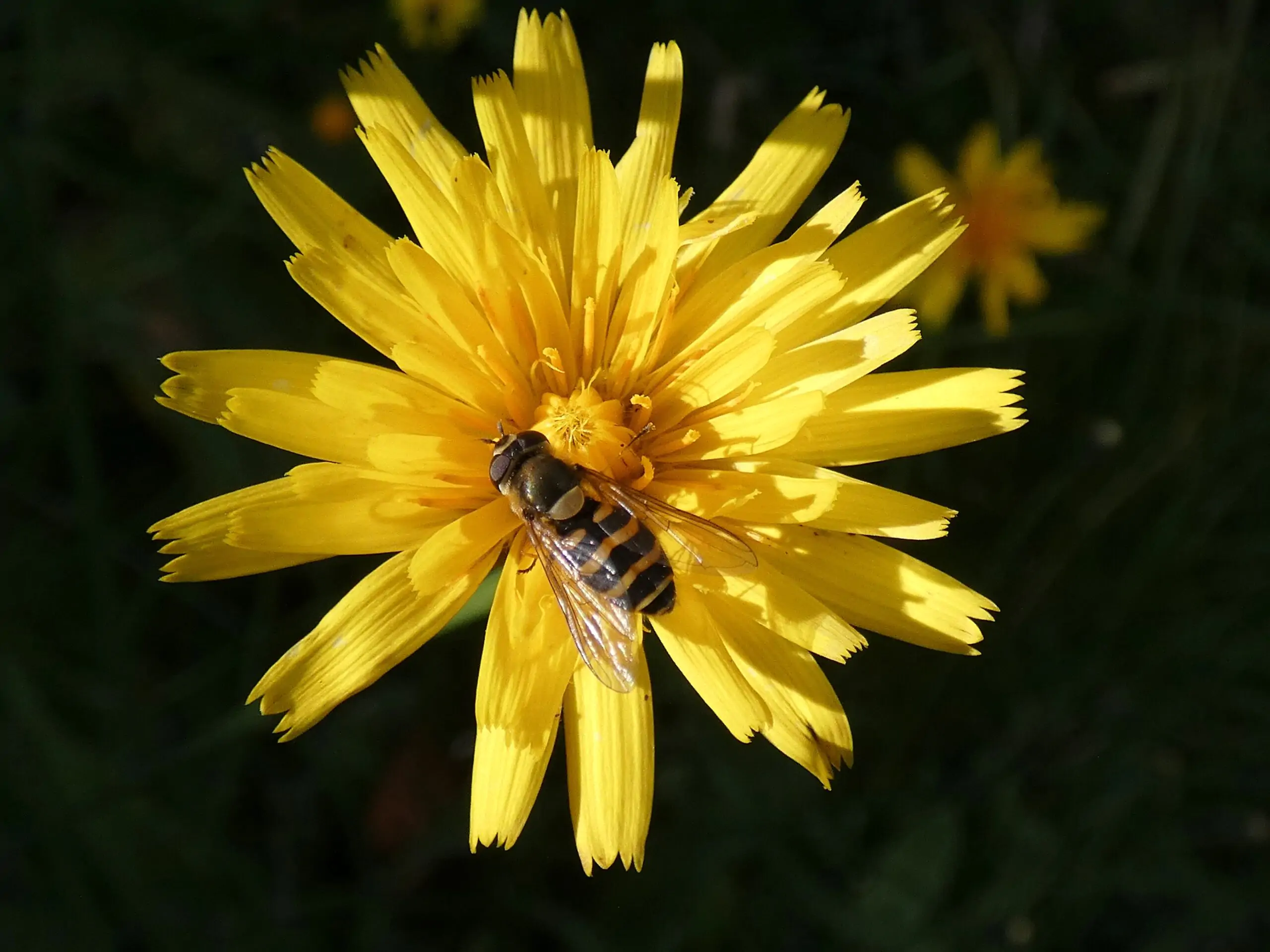
Syrphus species hoverfly nectaring on cat’s-ear – its larvae eat aphids
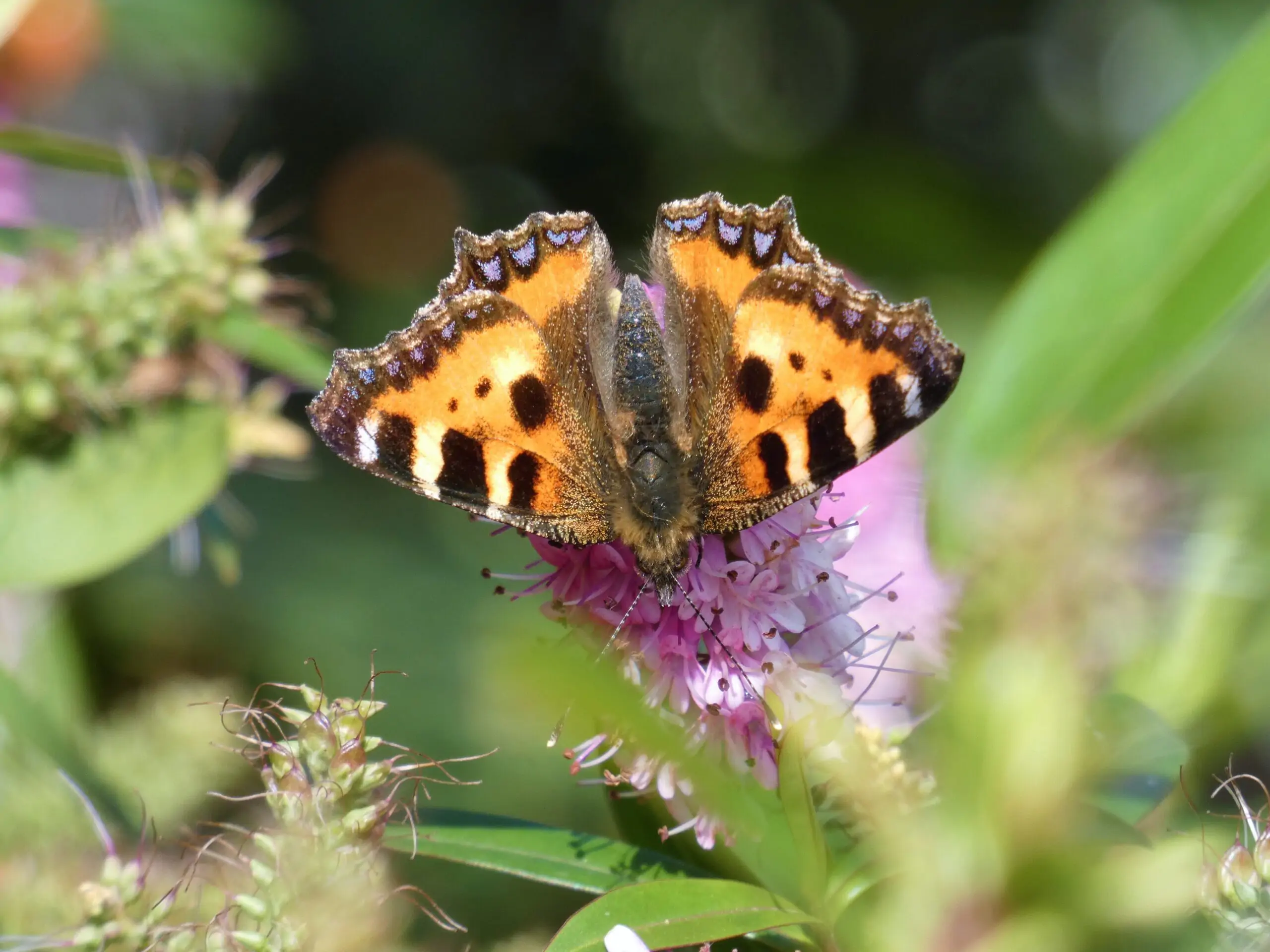
Small tortoiseshell butterfly – most now hibernating but a few still stocking up on nectar
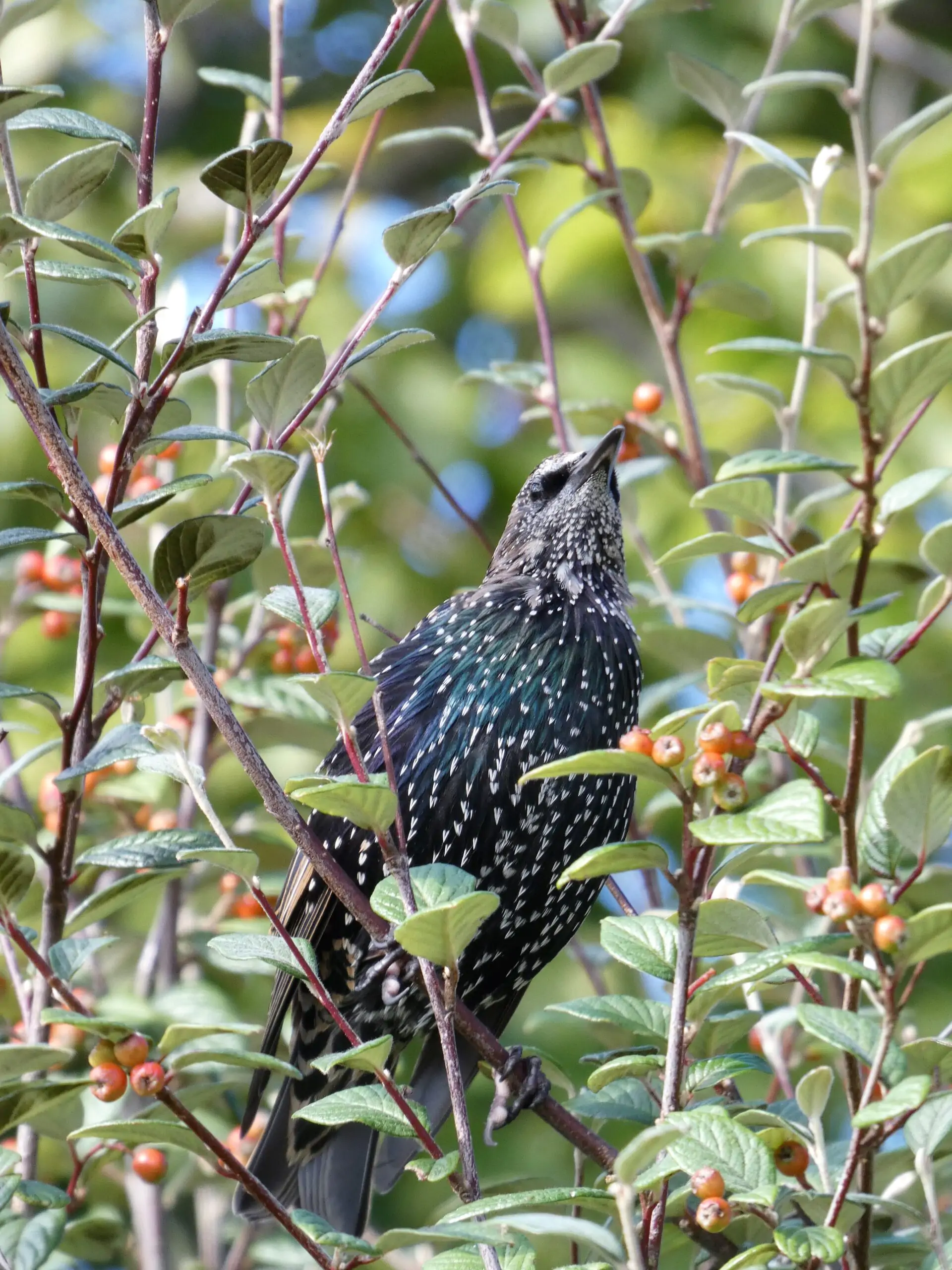
Starling – juvenile with brown head but developing iridescent adult plumage
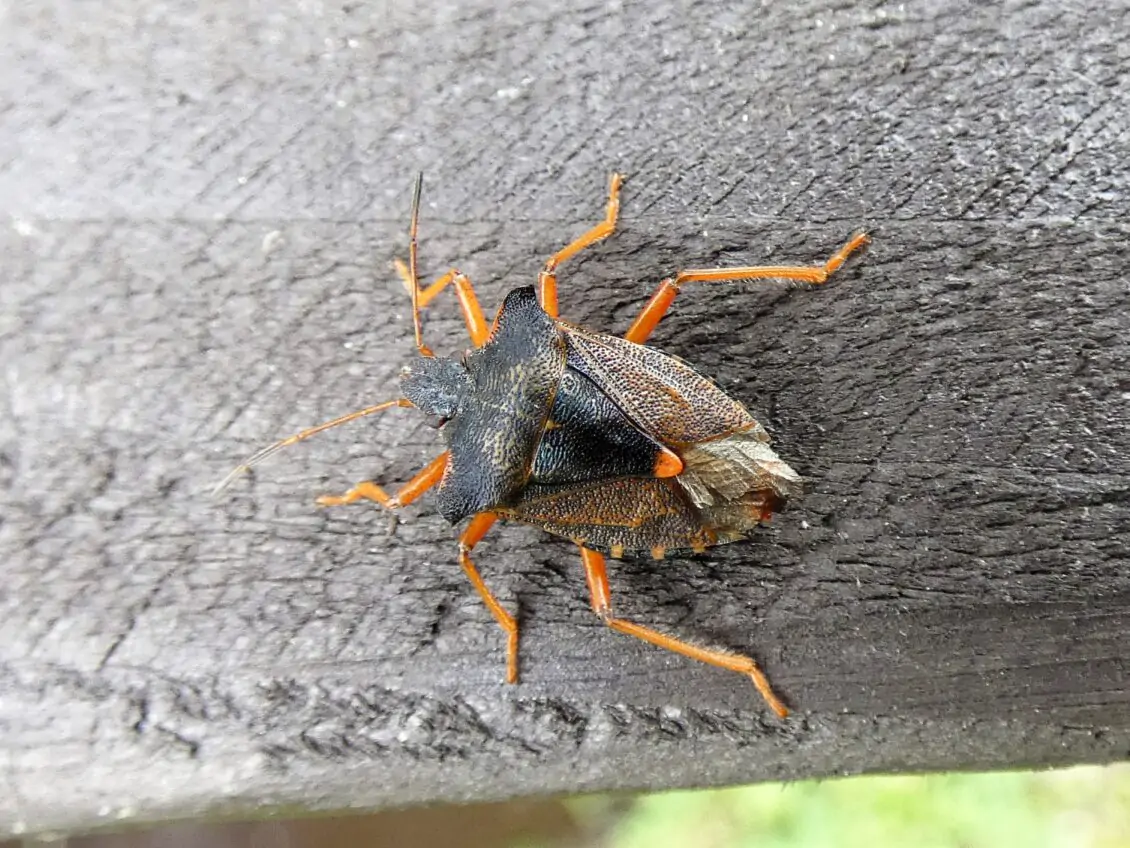
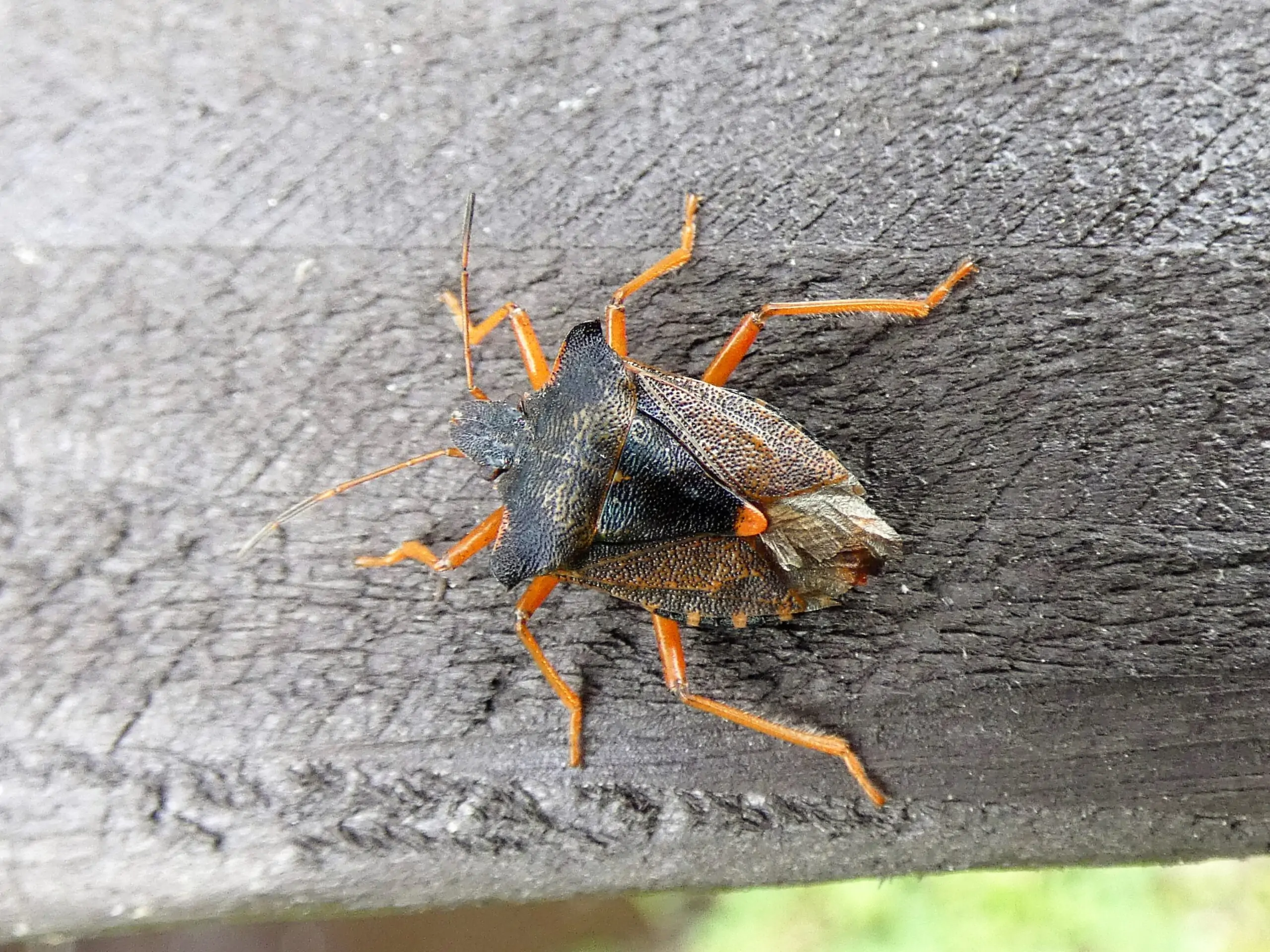
Red-legged shieldbug – pierces plants to suck sap but can also feed on other insects
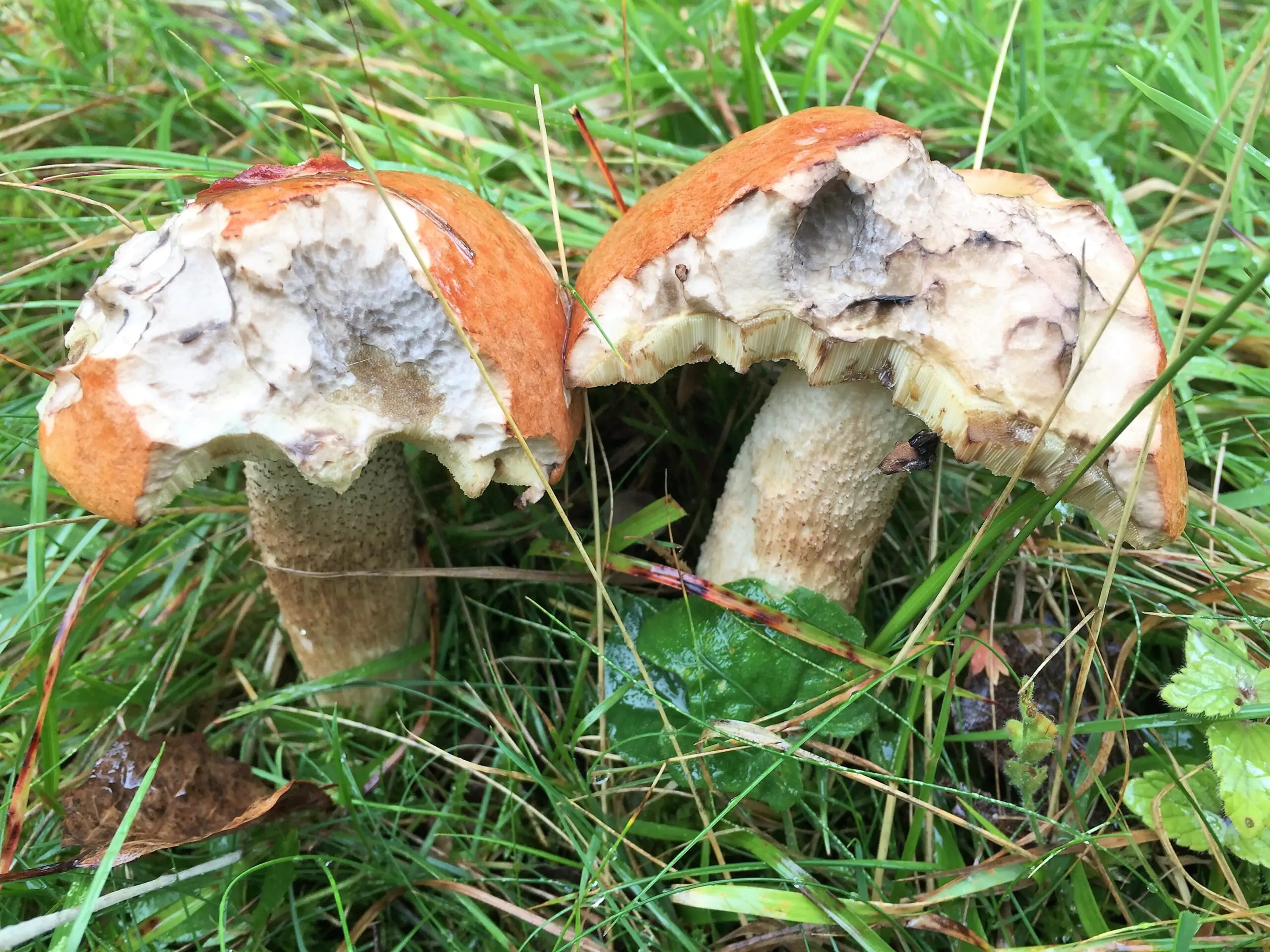
Orange Birch Boletes – such fungi are food for many animals as tooth-marks show
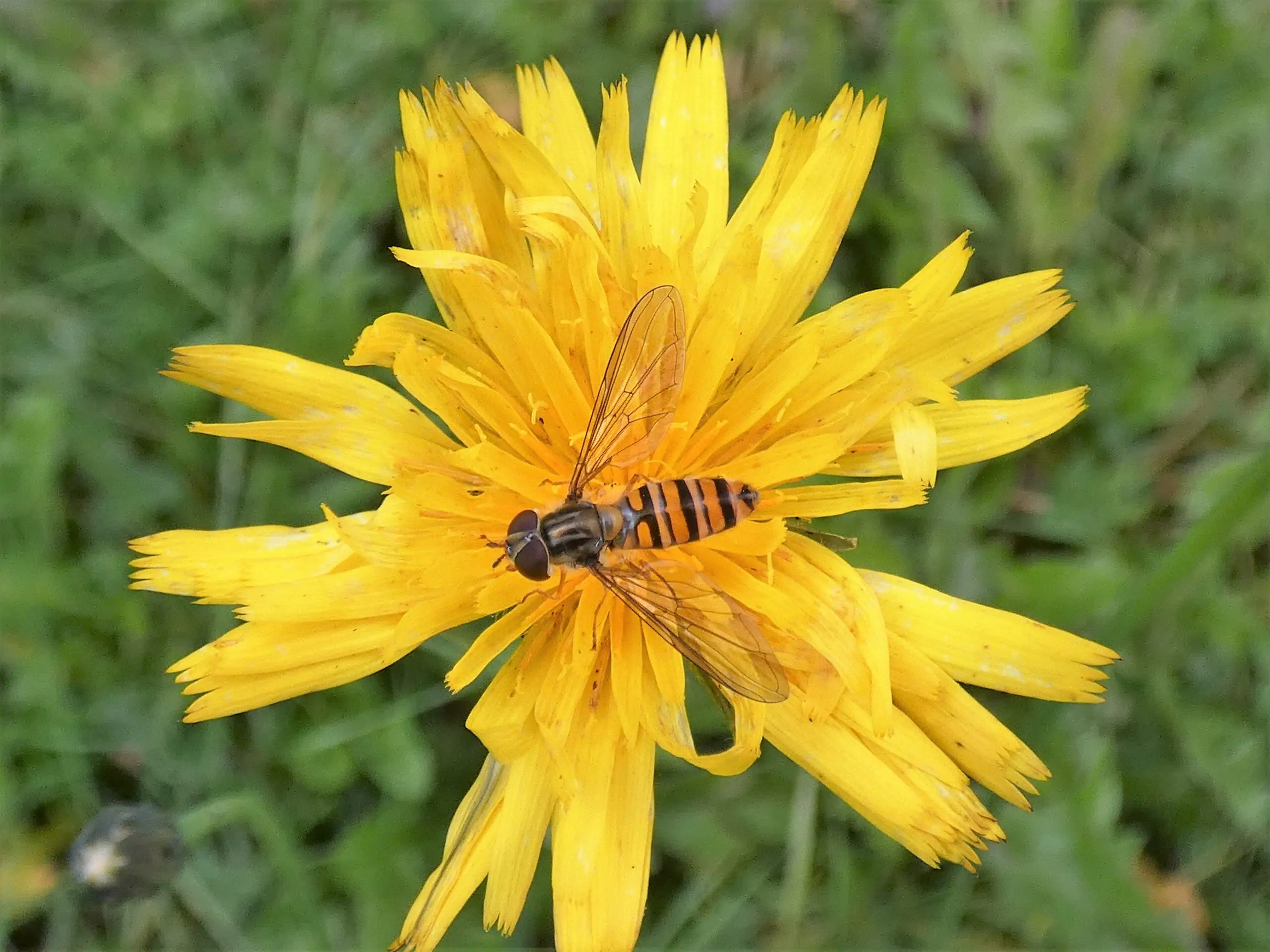
Marmalade Hoverfly nectaring on cat’s-ear, a common species with numbers boosted by migrants
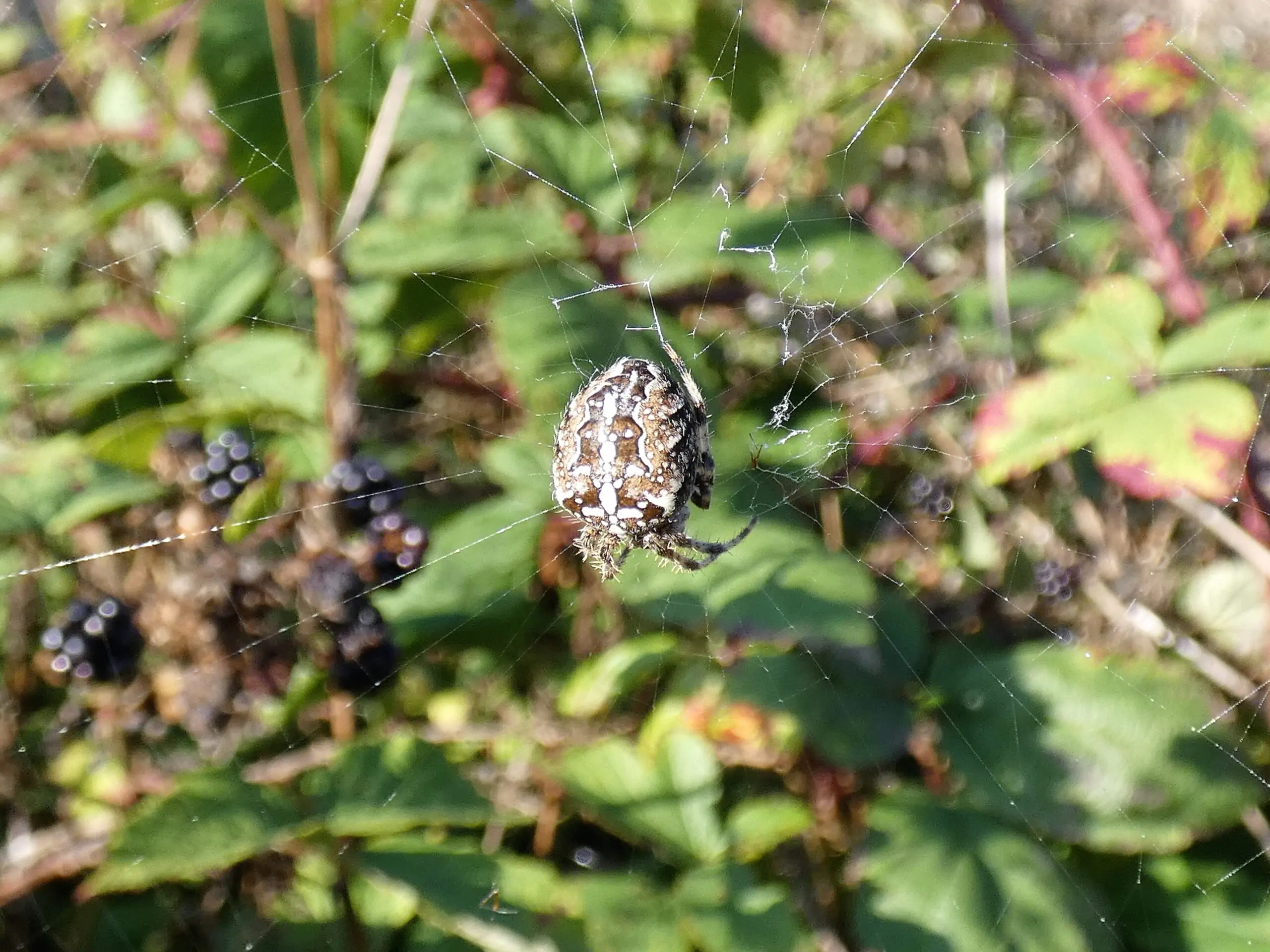
Garden Cross Spider – reaching maturity in autumn, large females can be seen in their orb webs
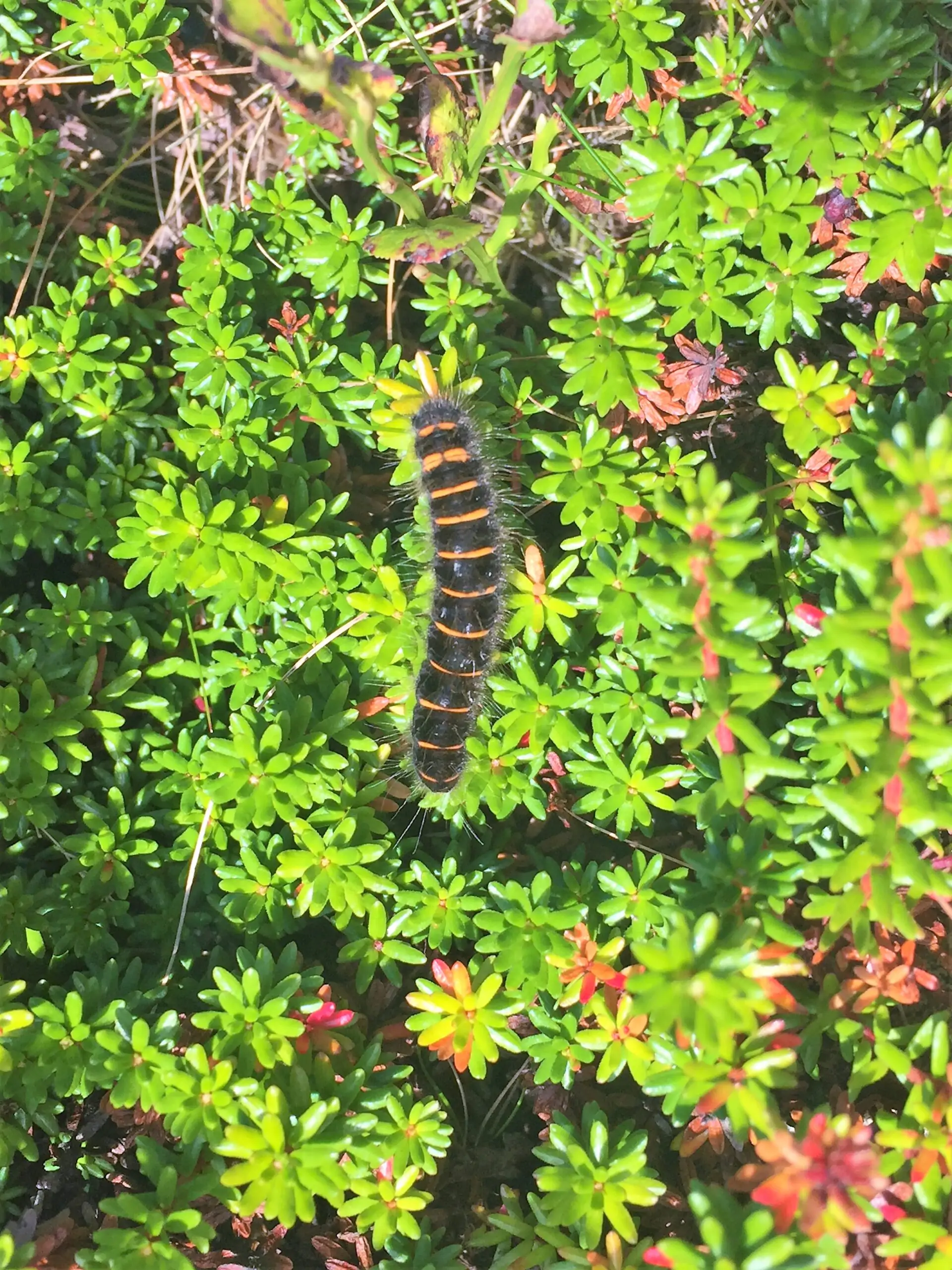
Fox moth caterpillar on crowberry, one of its many foodplants, will overwinter before pupating in spring
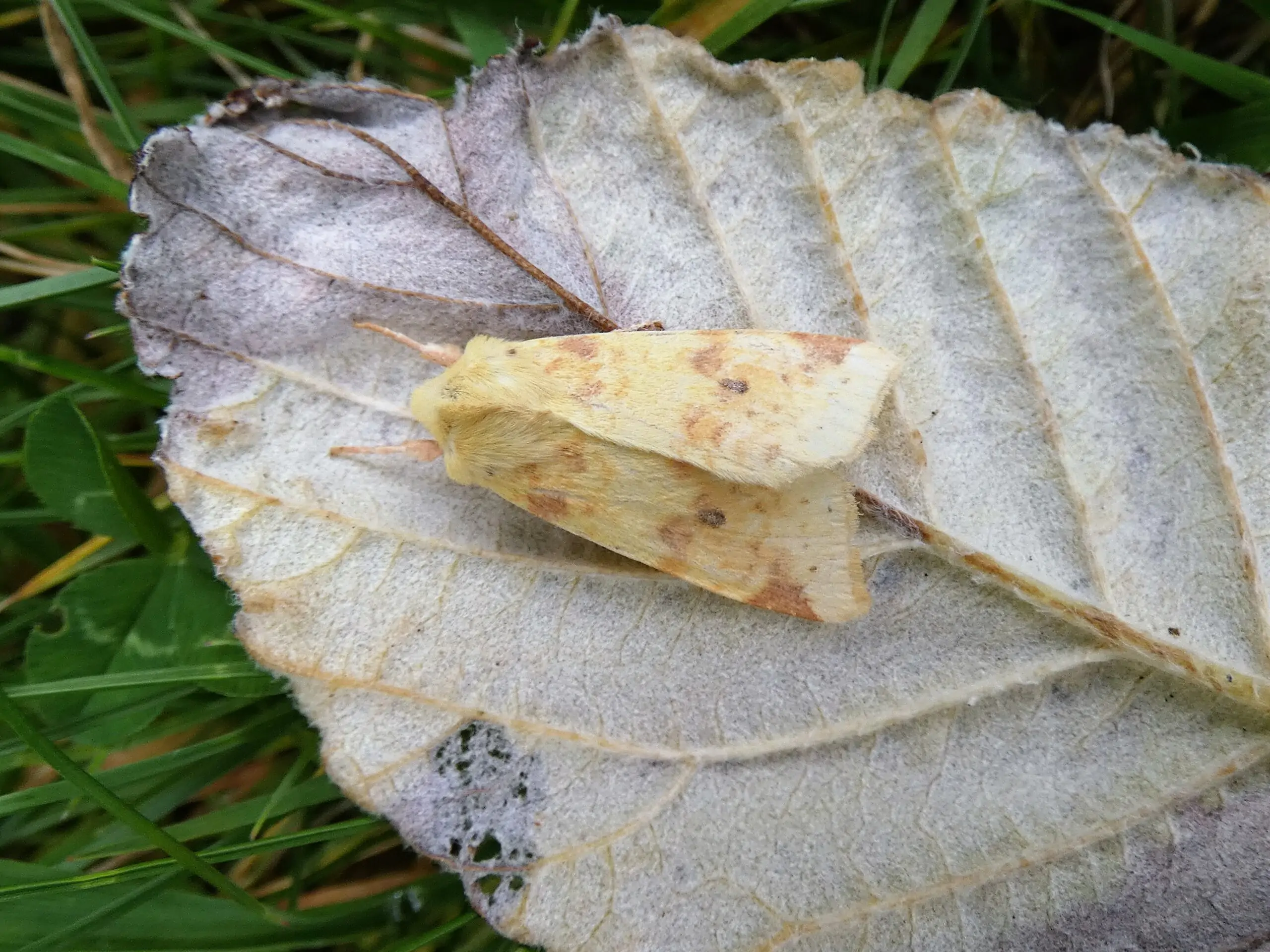
Sallow moth – camouflaged with yellowing leaves – named after one of its larval foodplants
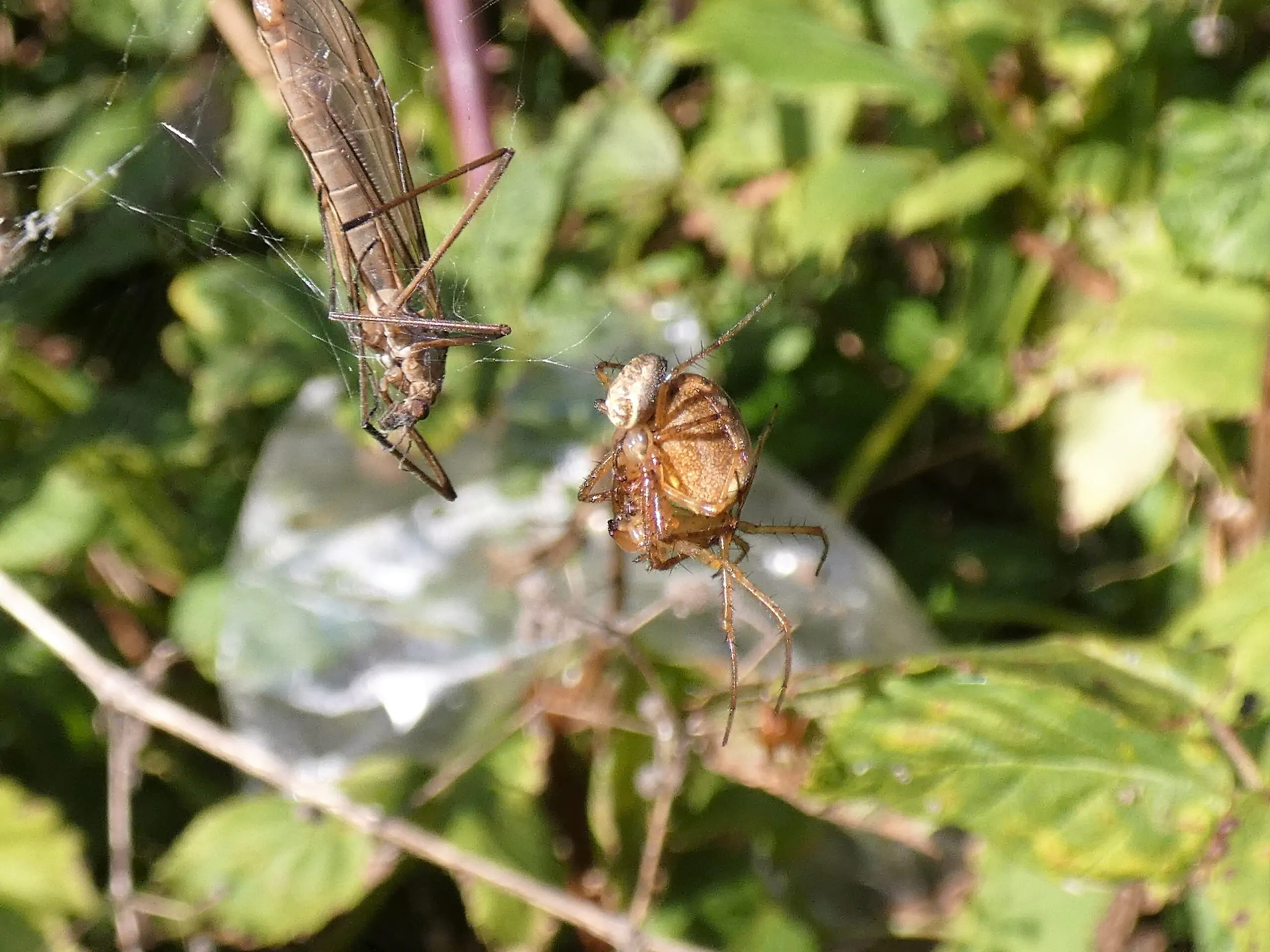
Orb-weaver spiders mating – bigger females may eat their mates but she’s already caught a crane-fly
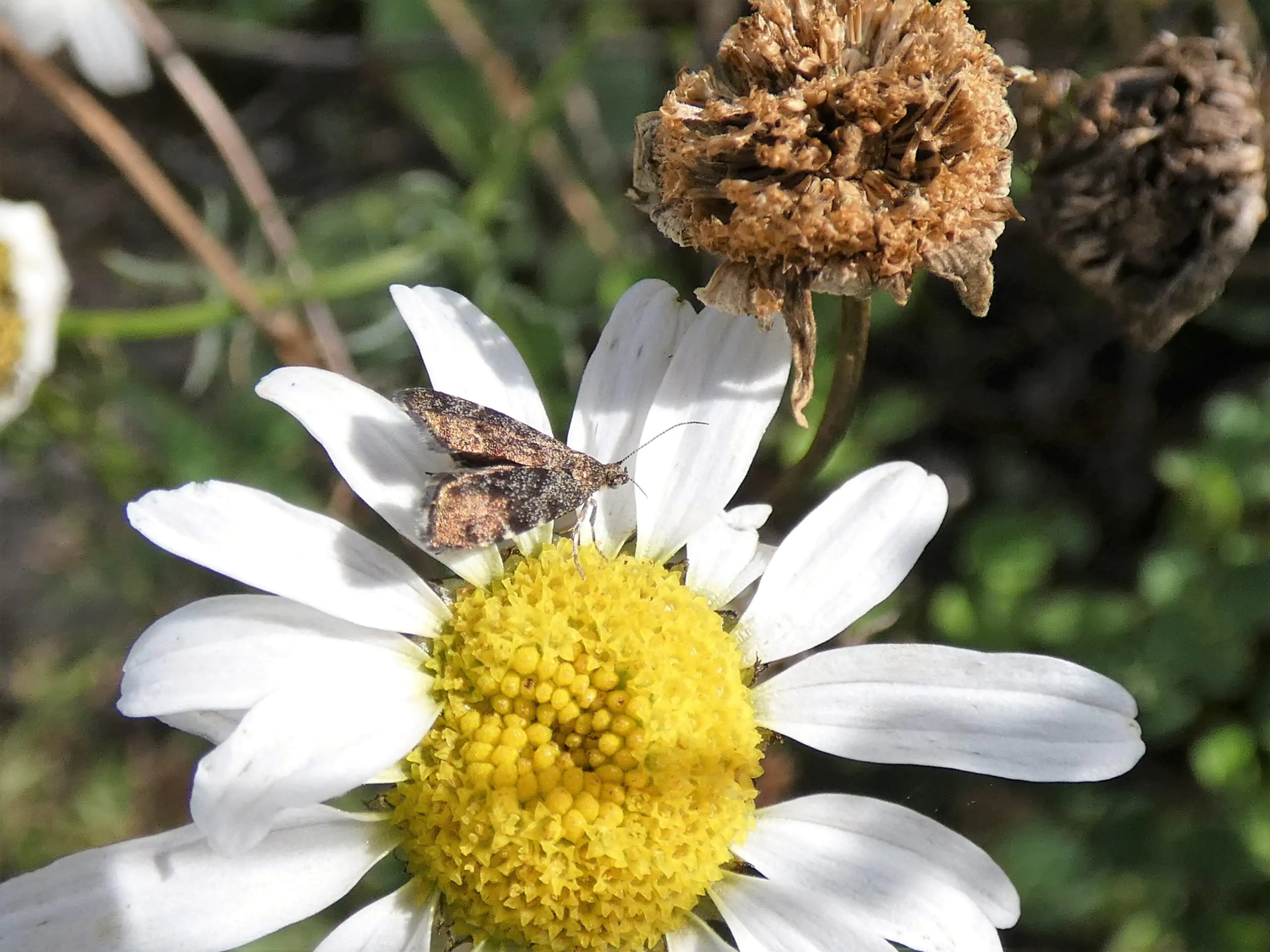
Nettle-tap moth on ox-eye daisy – seen scuttling about flowers, its caterpillar eats nettles
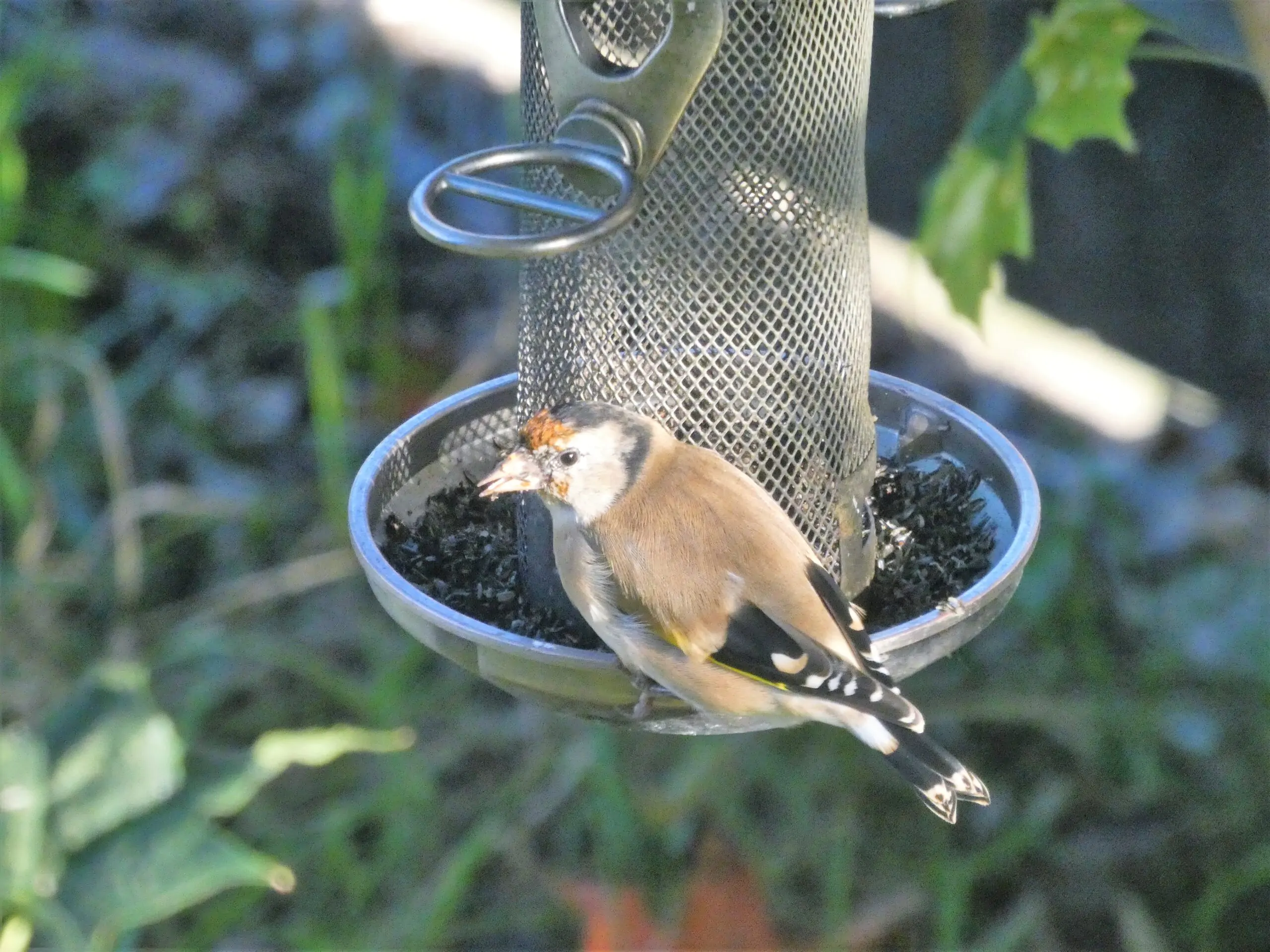
Goldfinch – juvenile growing adult red face feathers, they soon learn to use seed feeders to supplement diet
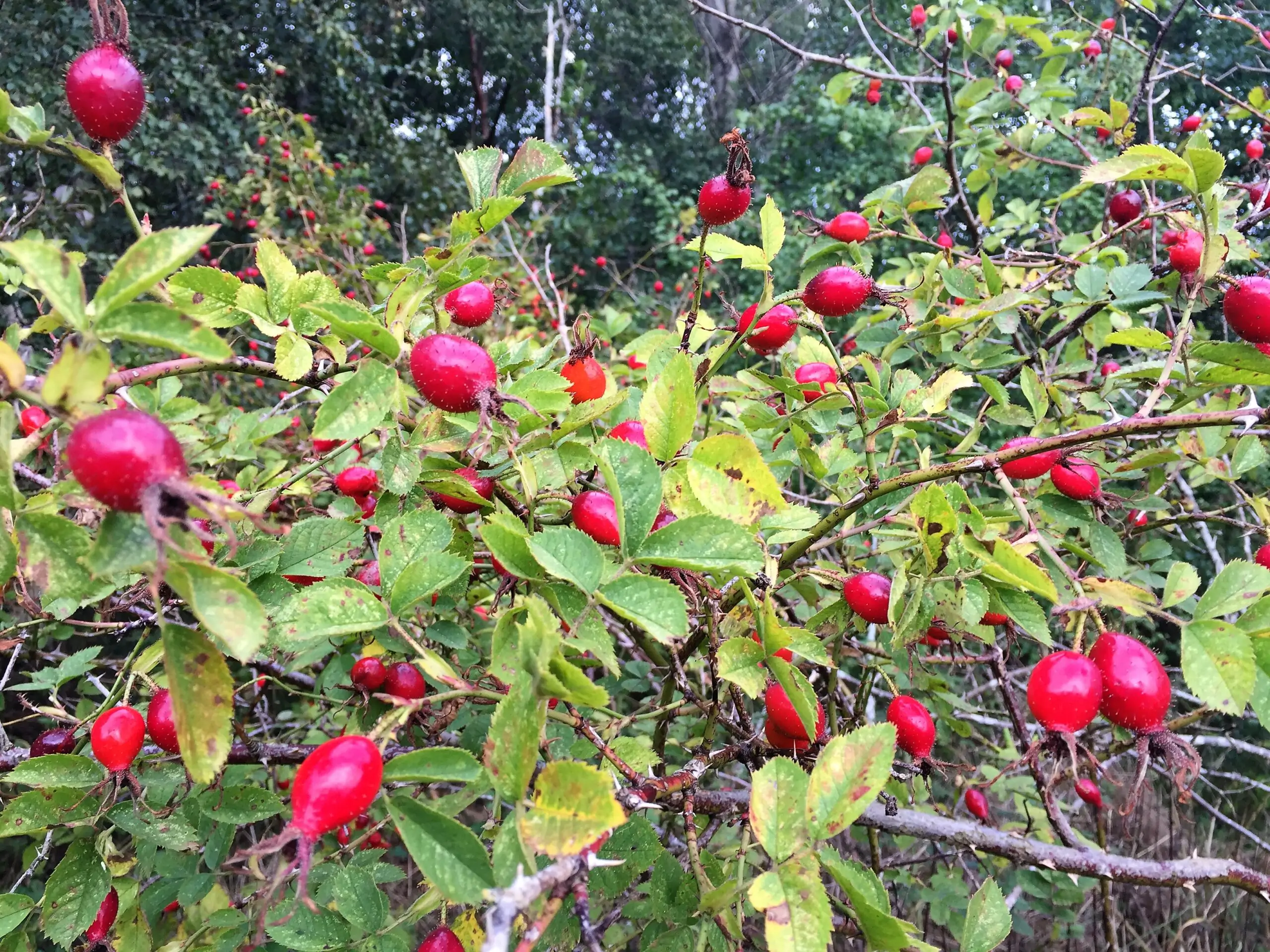
Dog Rose hips – their red colour advertises their edibility to birds that will aid seed dispersal
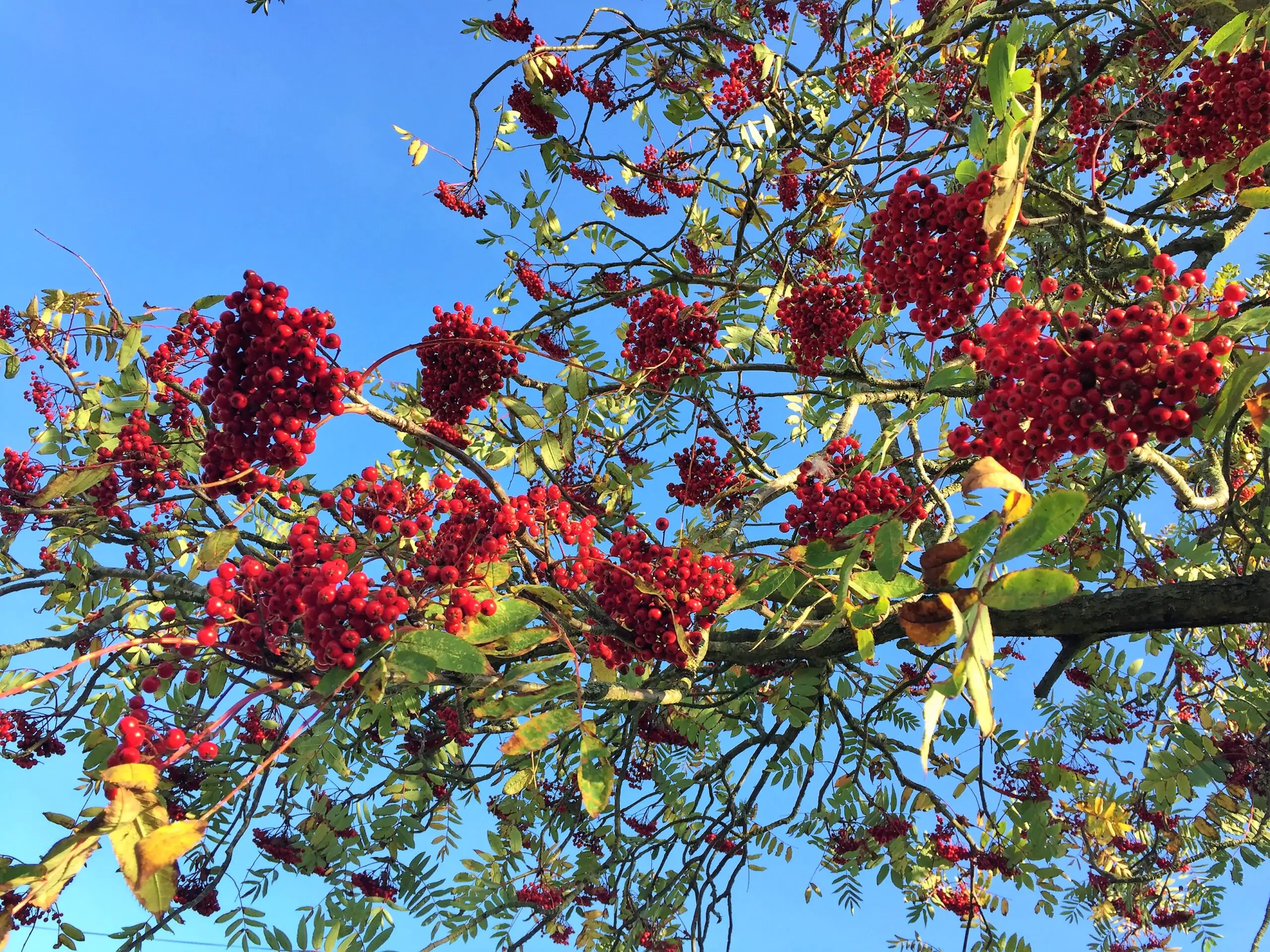
Rowan berries – good crop to feed birds including migrant thrushes arriving for winter
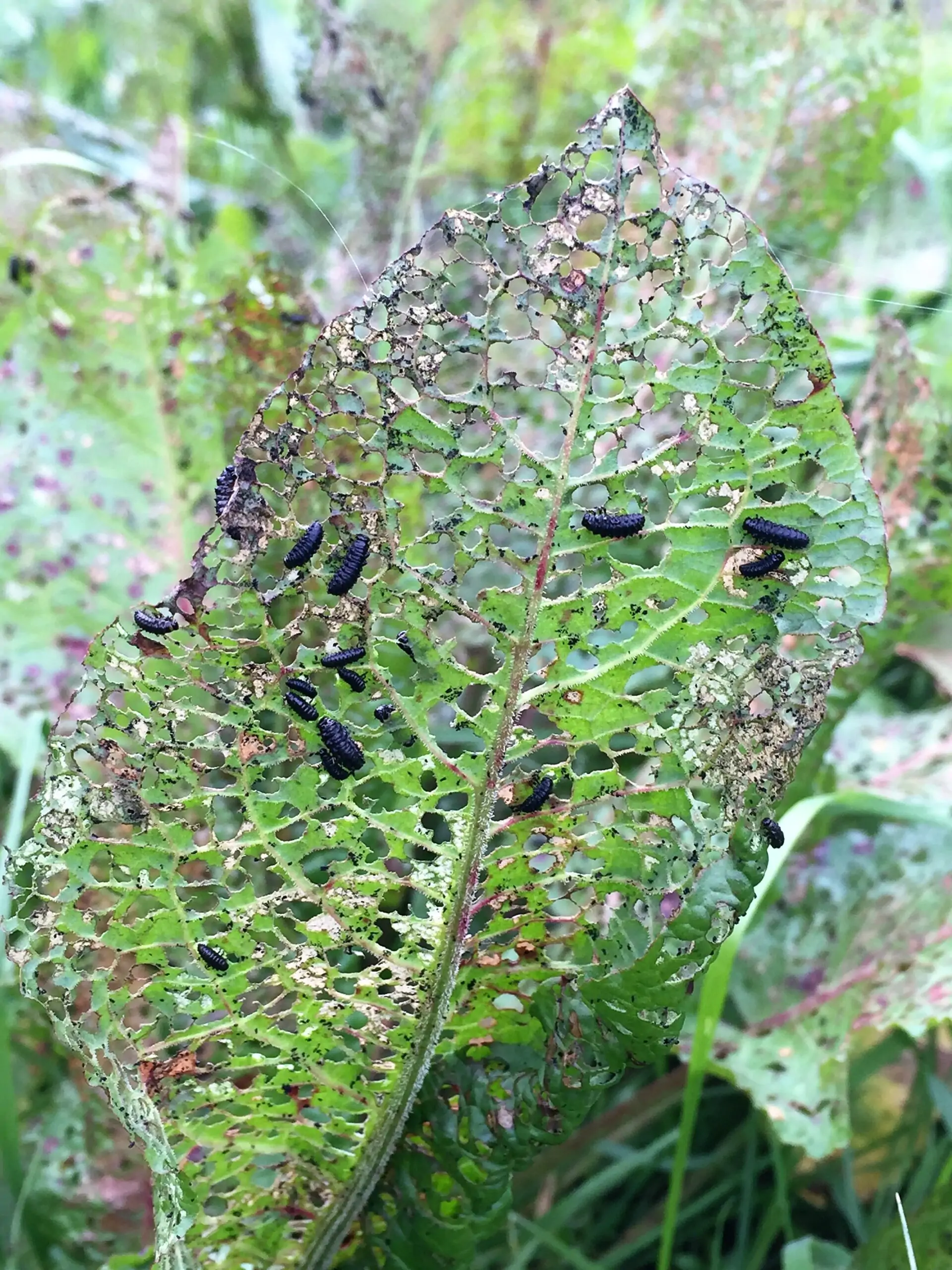
Green Dock Beetle larvae – creating lace-like pattern as they feed, adults have shiny metallic gold-green wing-cases
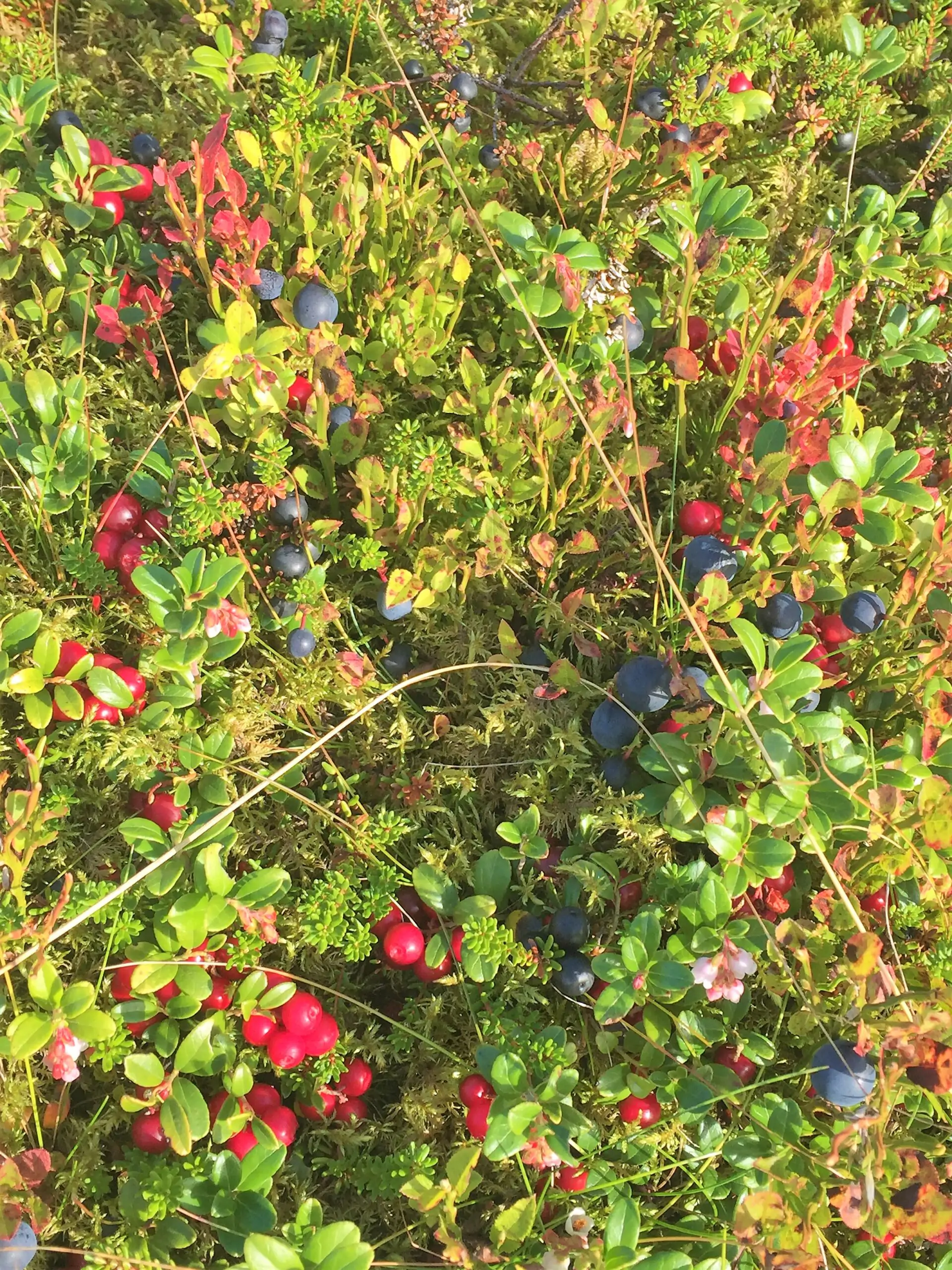
Blaeberry, cowberry & crowberry – tapestry of leaves and berries to feed many moorland creatures


 Ambitious recovery programme launched as unprecedented decline in pearl mussel highlights fragile River Dee
 DeeWatch December