

 Ambitious recovery programme launched as unprecedented decline in pearl mussel highlights fragile River Dee
 DeeWatch December
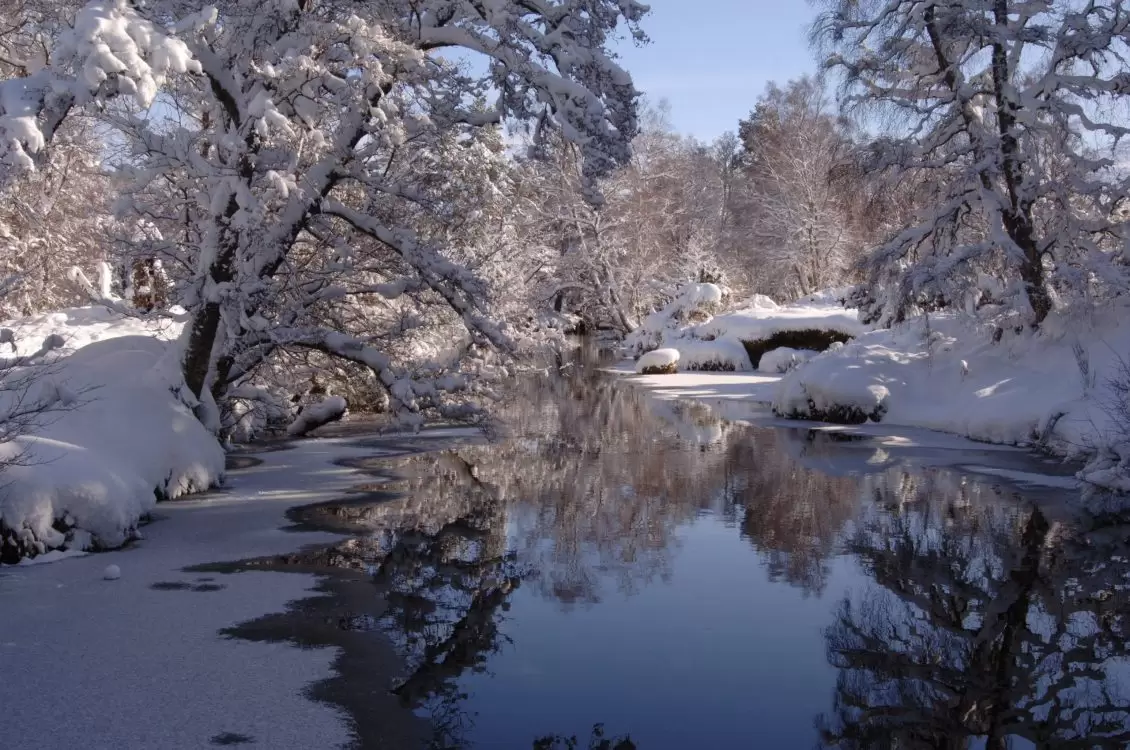
For many of us, the beauty of a winter-white landscape is magical, and for our ski centres snow is clearly essential. For others, the treacherous conditions and inconvenience it brings can’t give way to Spring soon enough. Few of us realise that snowmelt is in fact the essential lifeblood of the River Dee though, and that its whole character would be fundamentally changed if wintertime was less snowy high in the mountains.
The Cairngorms have the snowiest climate in Britain and experience substantial accumulations during most winters. Snow rarely stays where it falls – most is blown onto sheltered slopes where it forms deep drifts, usually on north and north-east facing hills. Thaws consolidate these snowbeds, bonding their layers, which build up in a cycle of freezing and melting. Snowbeds can last well into late spring and summer, and in some shaded gullies are persistent year-round.
In the spring, melting snow is the major source of water to the Dee, far more important than rainfall. On average, the Dee’s flow is equivalent to an Olympic swimming pool every minute and during an average spring, the great majority of this comes from melted snow. In winters with little snow accumulating in the hills, spring flows will therefore be much lower than normal.
High spring flows are vital to the river and its inhabitants. Salmon return to the river all year round, and the spring salmon run is especially important in the Dee. They have a homing instinct that draws them back to where they hatched, and fish that return early in the year migrate to spawning grounds in the uppermost reaches of the river. Snowmelt flood events trigger the upstream movement of these fish, as well as the downstream migration of ‘smolts’ heading for the sea.
Snowmelt also helps to protect the river from the effects of droughts, which are harmful for aquatic life because shallower water warms up more easily, and warmer water holds less oxygen. By maintaining flows well into the summer, snowmelt keeps the river level higher, benefiting a wide range of sensitive aquatic life that would otherwise struggle. And it’s not just the wildlife that depend on flows in the river – every day the Dee supplies domestic water to Aberdeen and over half of Aberdeenshire. Without snowmelt, supplies to some 300,000 people could be put under considerable strain.
What will the climate emergency mean for snow in the mountains and its ability to feed the river?
It seems inevitable that less snow will fall and that it won’t stay for so long. Since 1969 there has been an overall decline in snow cover in the Cairngorms National Park with a warming trend leading to an earlier onset of spring melting. The declining snow cover is projected to continue and accelerate and the fragile, sub-arctic ecosystems such as the Cairngorms – and the rivers they feed – are increasingly at risk. So I for one will be welcoming the snow this winter, knowing that it will sustain the river and its wildlife well into next summer.
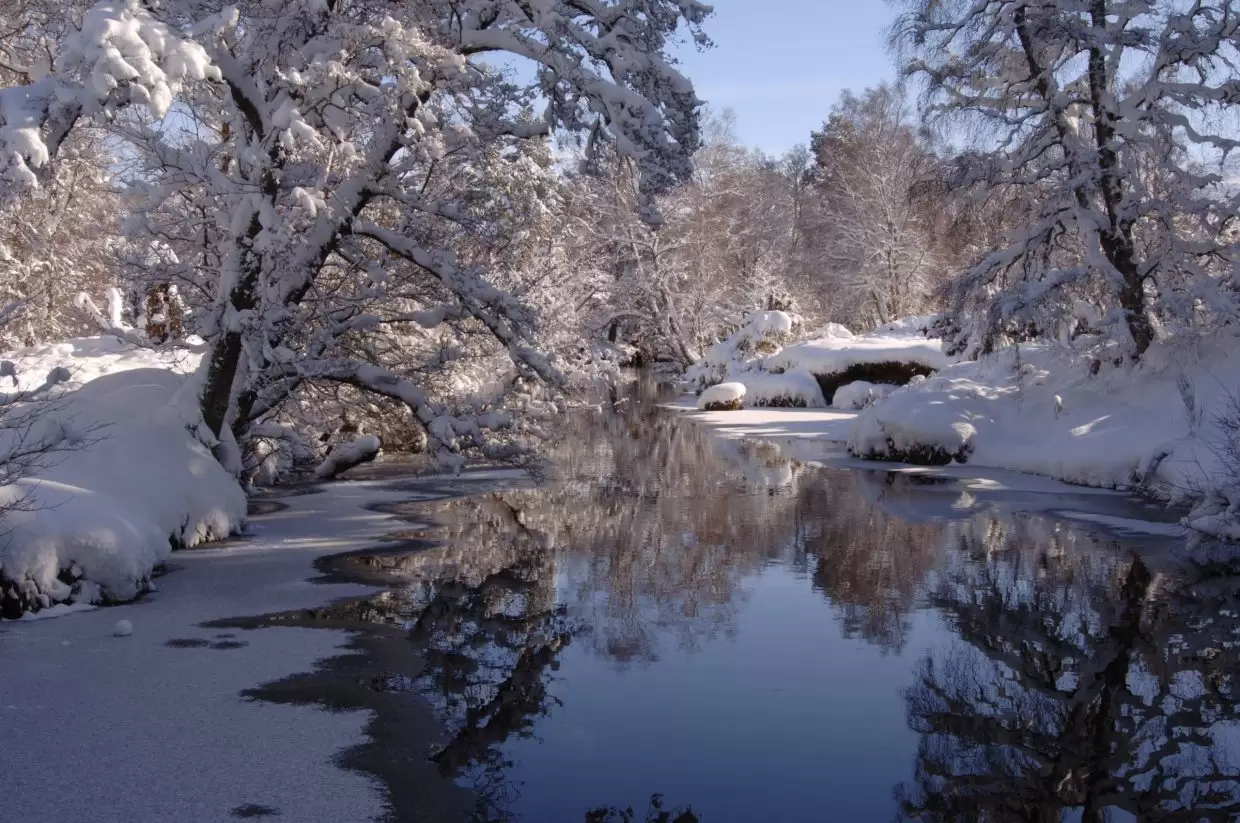
Snow covered trees along a stream side 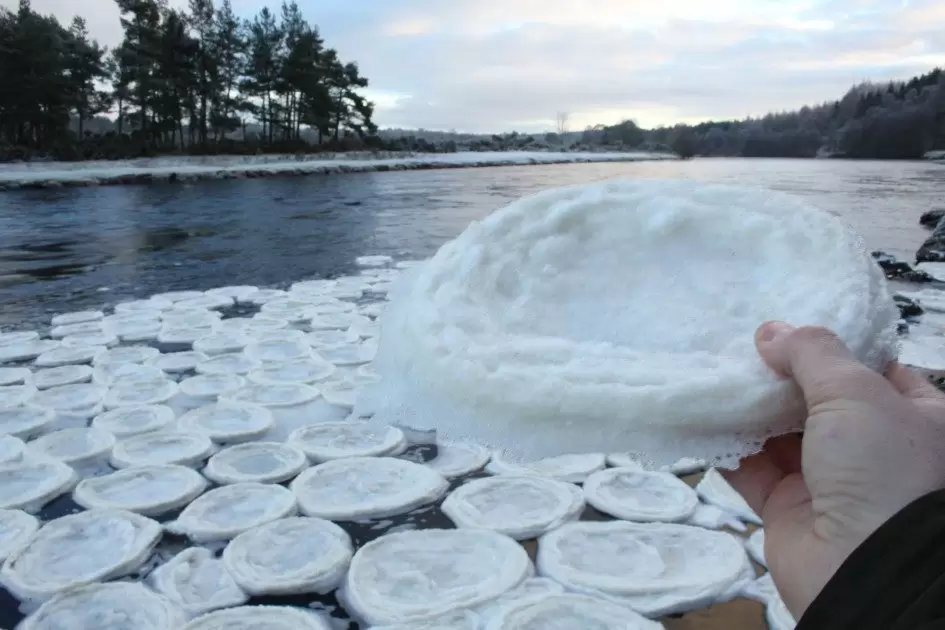
Ice pancakes 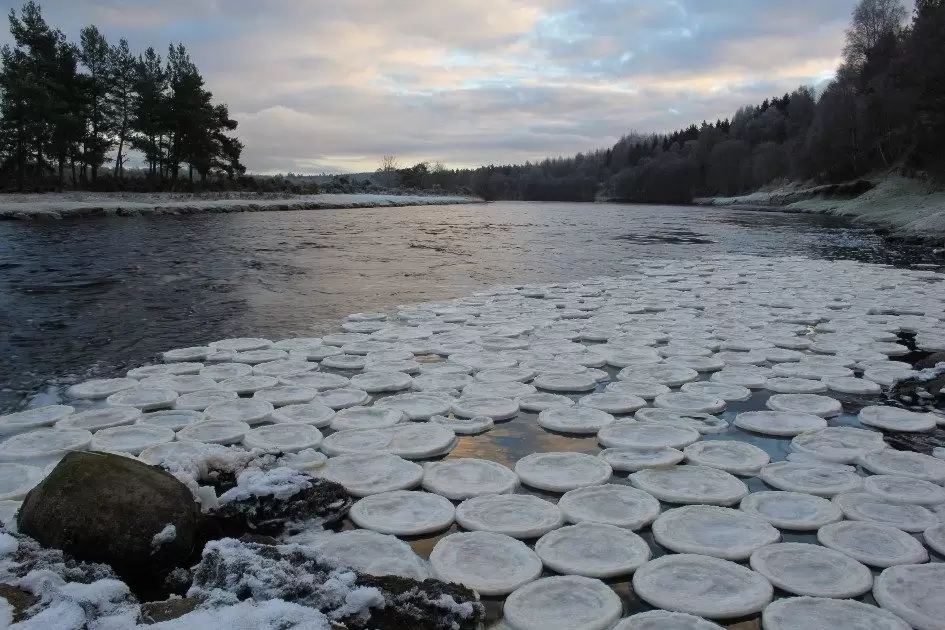
Ice pancakes