

 Ambitious recovery programme launched as unprecedented decline in pearl mussel highlights fragile River Dee
 DeeWatch December
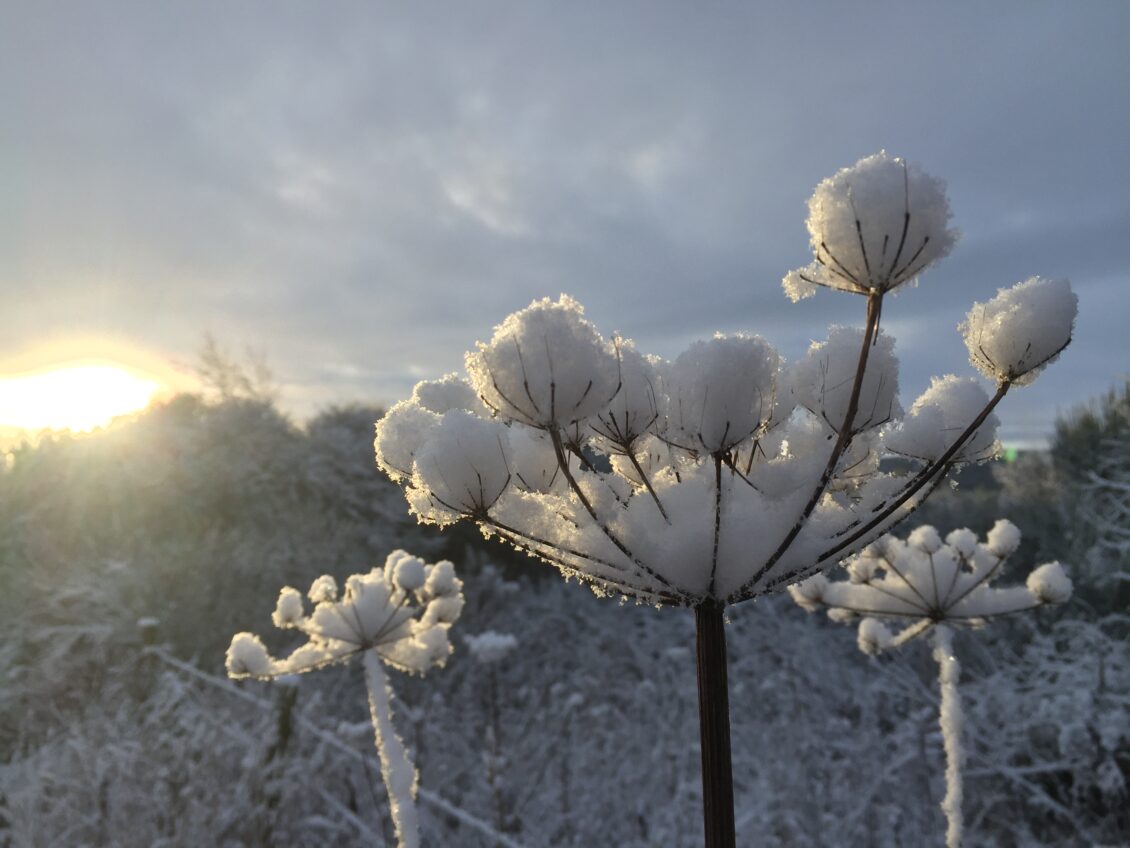
In February…
Wrap up, get out there and enjoy the transition! From longer days to blooming buds, there are plenty of signs that Spring is on the way.
Look out and listen for:
Birds
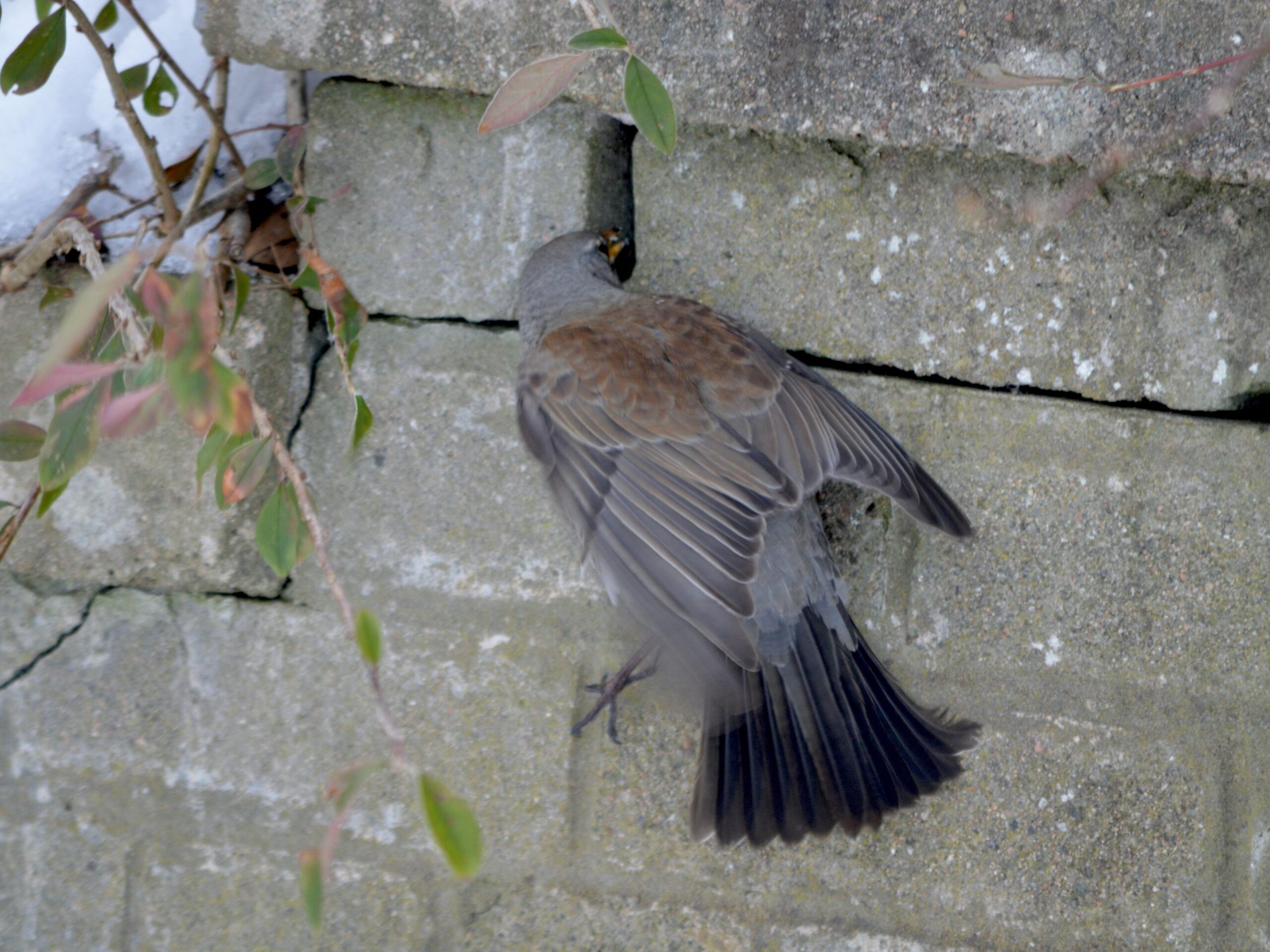
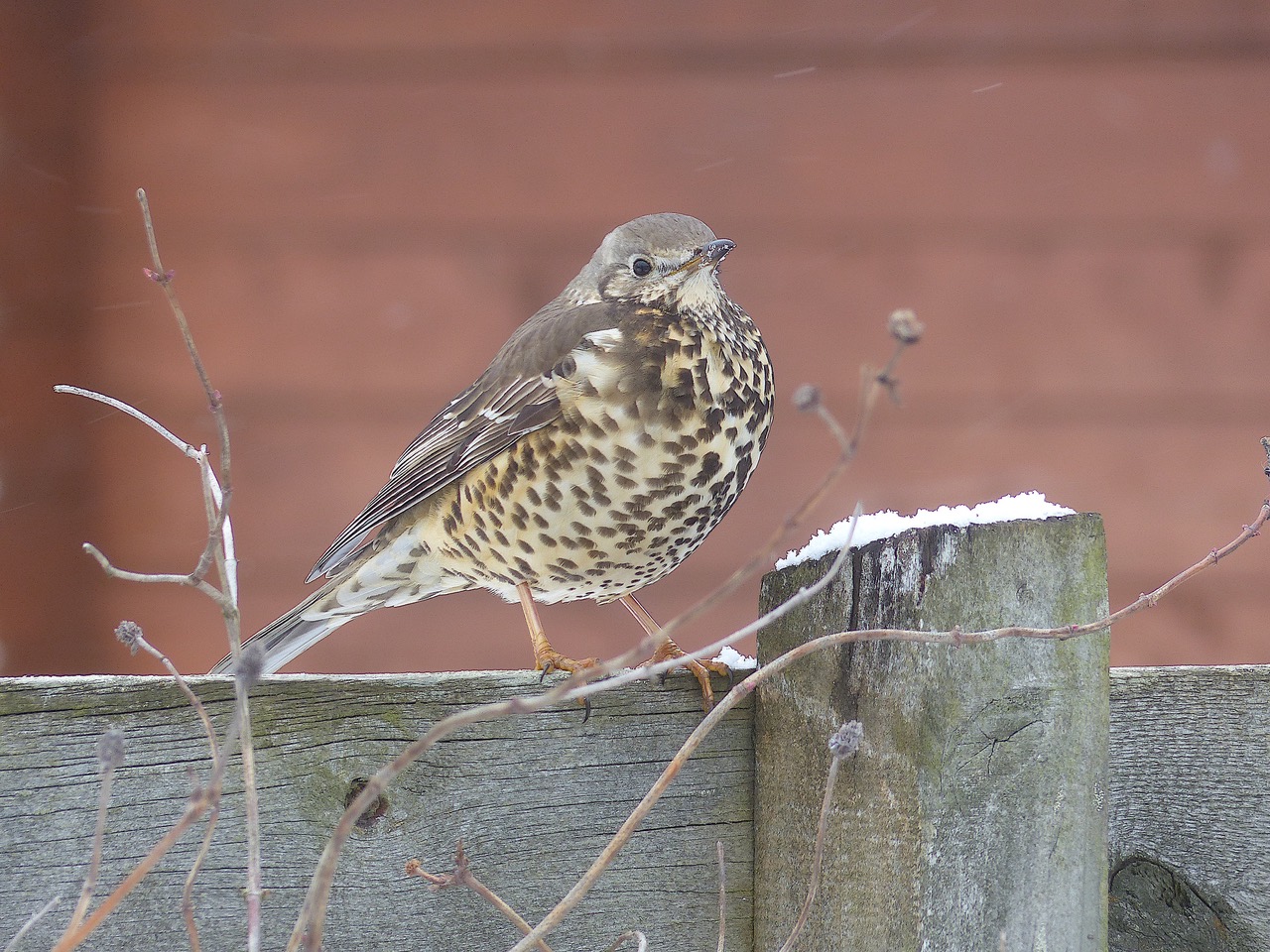
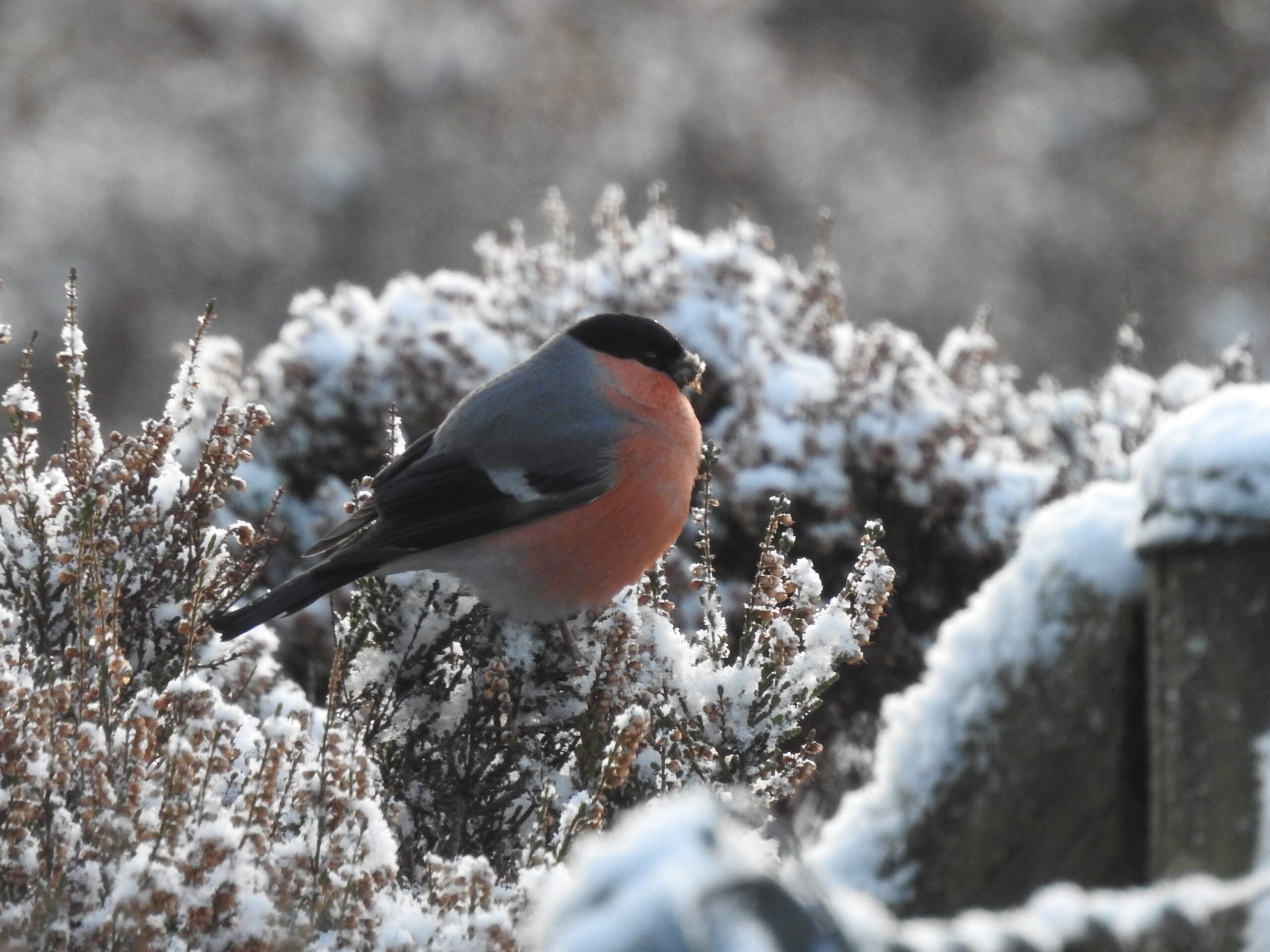
Birds are getting noisier this month – look out for starlings, bullfinches and tree creepers, and listen out for the great tit’s ‘teacher, teacher, teacher’ call, and the minor key of the mistle thrush song. The mistle thrush is widespread throughout the catchment – look right atthe tops oftreesor on power lines. February is also a good time to hear great spotted woodpeckers drumming – they drum to attract a mate but also to defend their territories. Hearing them is easy– spotting them can be trickier!
Crossbills are early nesters so listen out for their chip, chip, chip’call in pinewoods, around Dinnet, Glen Tanar and Scolty. They can be hard to spot, often feeding on conifer seeds high up in the trees. Look out for the characteristic shape of their bill – designed for gettinginto tough pinecones.
In lower stretches of the Dee where water is slow moving, you mightcatch sight of a kingfisher(Toni pic KF3). Look out for the telltaleflash of bright turquoise,and maybe a streak of orange plumage speeding along the river, and listen for theshrill ‘cheee’ whistle. There’sonly one species of kingfisher in the UK, and they’re rare in north east Scotland. Feeding on small fish and aquatic insects, they perch on branches overhanging slow or still stretches of the Dee and its tributaries.
Stilllower inthe catchment, look out foroystercatchers returning inland to breed, appropriatelyround about Valentine’s Day! Depending on the weather, you may hear their piping callsfrom roof tops.
Butterflies, moths & other minibeasts
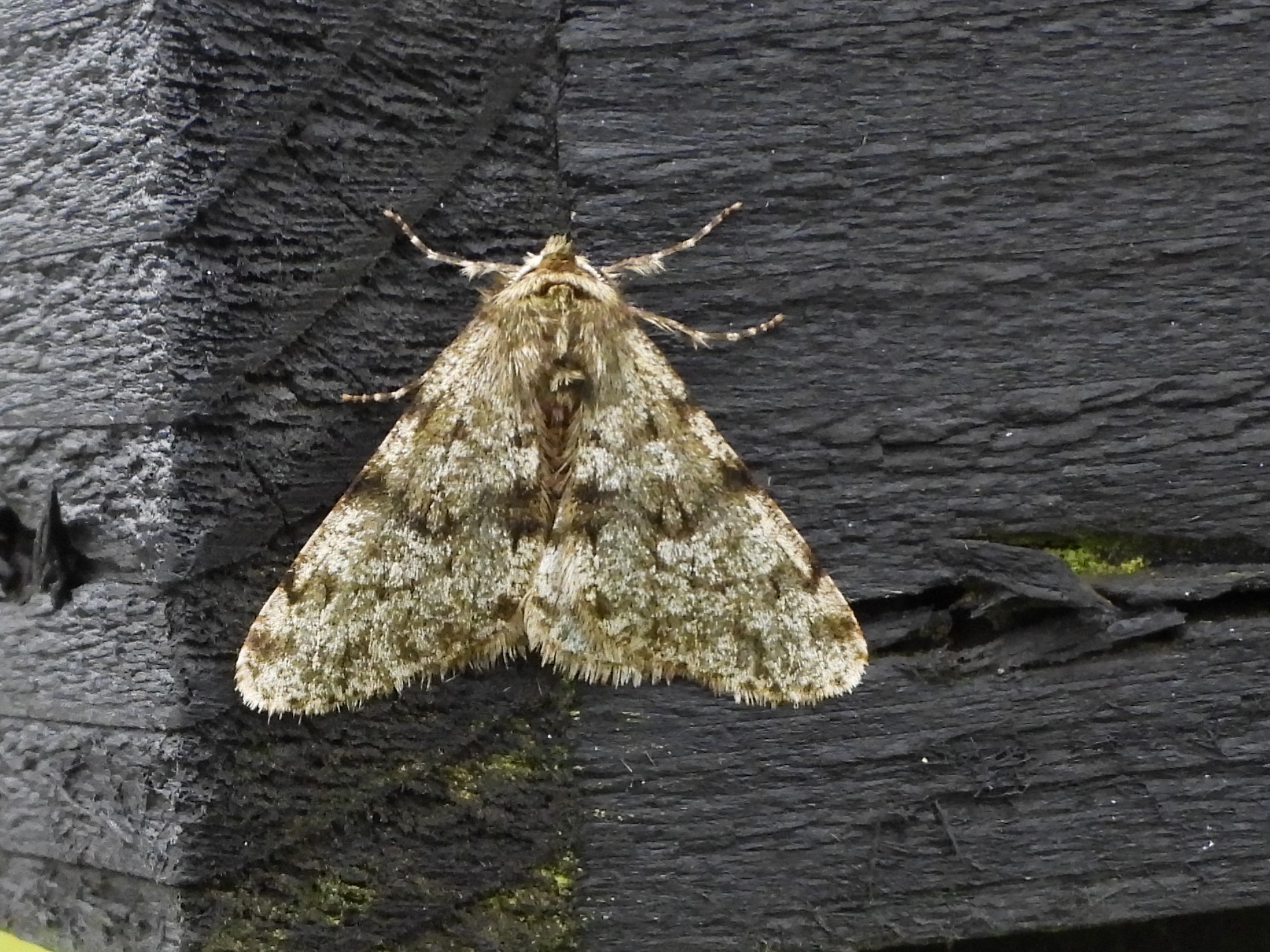
February is still a quiet month for moths, but dotted borders are emerging now – the male has a string of dots along the border of his forewings. The female is flightless, like various other moth species that breed in winter.
On mild, sunny days, you may see some overwintering butterflies making an early appearance – small tortoiseshells are often the first to stir, but will usually go back to dormancy in cool, sheltered, dark places until spring arrives properly.
Mammals & other larger animals
Higher in the catchment, and especially on a sunny day, you might catch sight of an adderas they wake from their winter hibernation.Frogs and toads begin to make their way to ponds this month to lay their spawn depending on the weather – look out for them near ponds or water. Frogs are a bit earlier than toads, and toads lay in double strings rather than a single blob of spawn as frogs do. Be careful where you tread near water, to avoid squashing anything!
Badgers are being born this month, though you won’t see them as the cubs don’t leave their setts for a few more months. In the garden look out for mice under bird feeders, taking advantage of any spilled food.
Trees, flowers, fruits & fungi
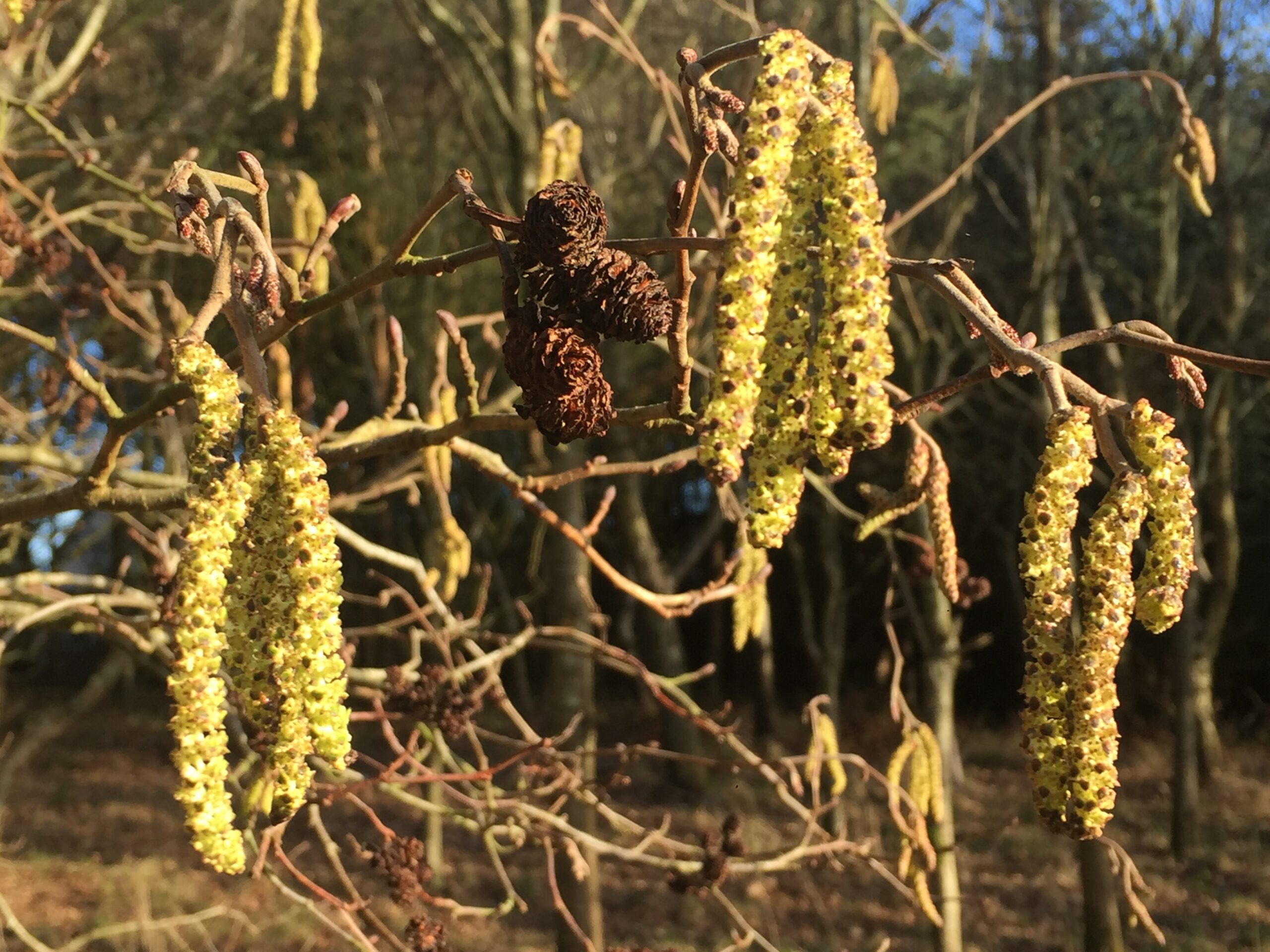
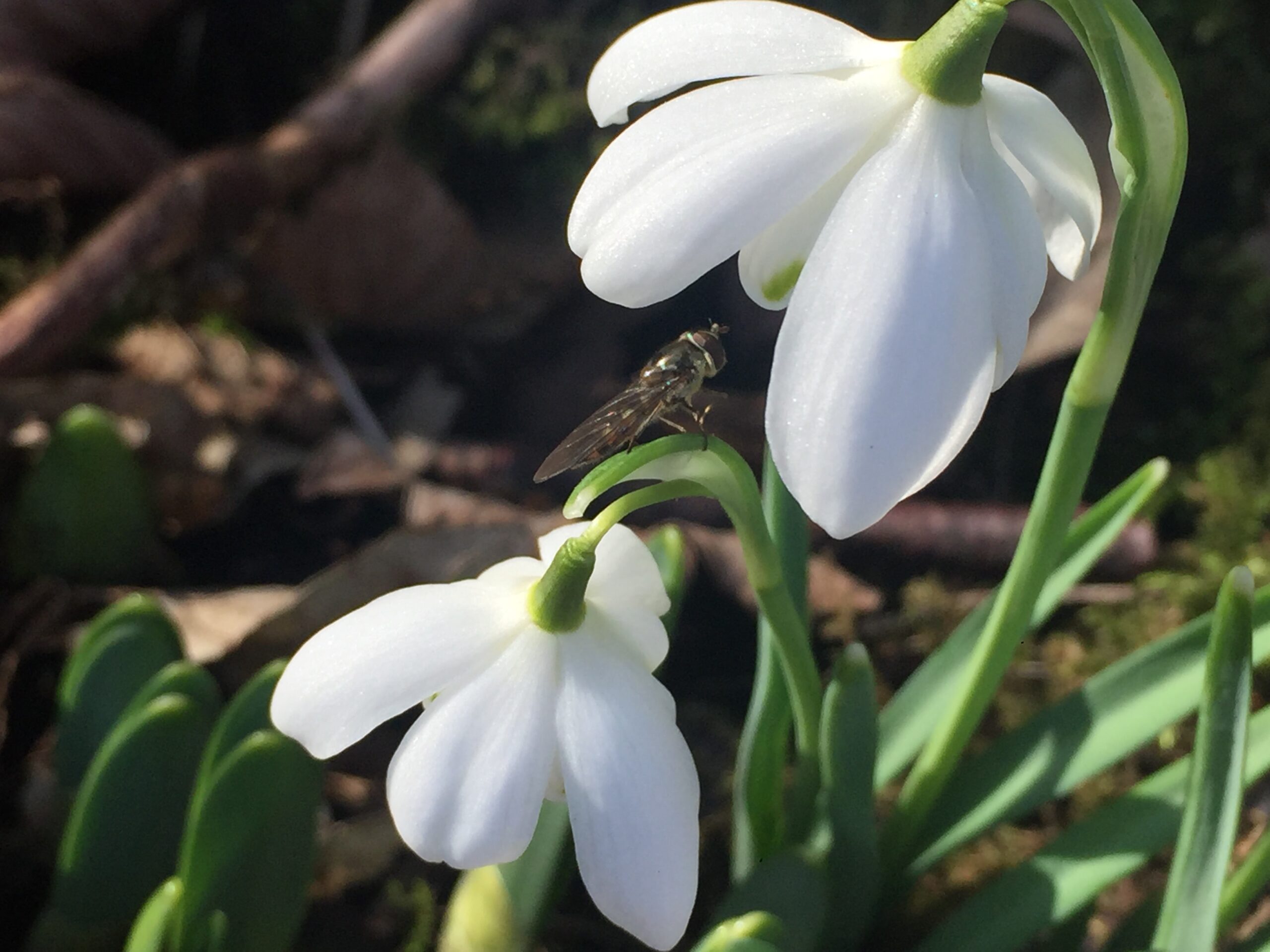
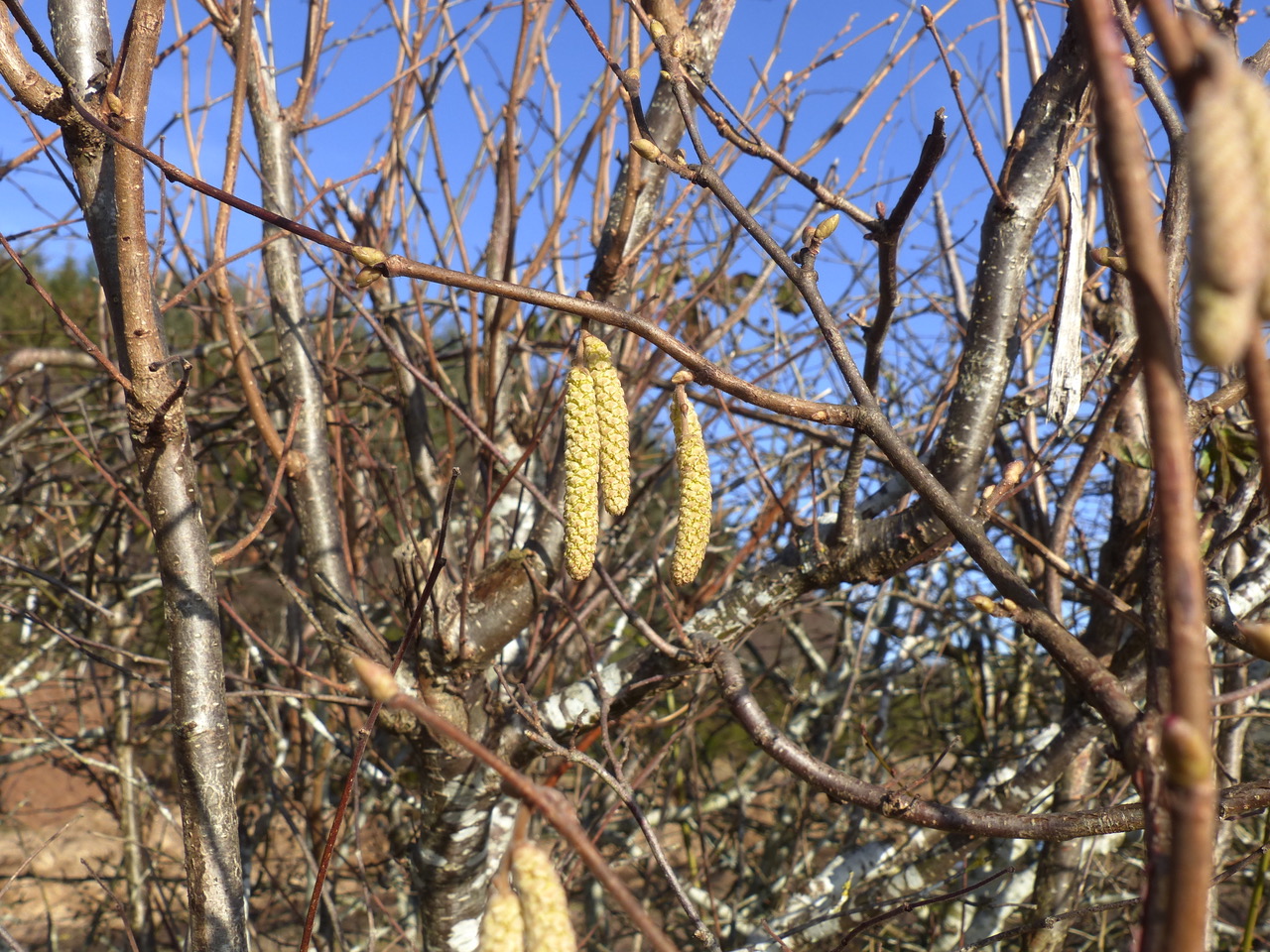
Willow catkins aboundespecially in mild weather – these are a great early source of nectar for bees. Look out for snowdrops especially on riverbanks, and make sure you get close enough to enjoy their honey scent! Later in the month, the first crocuses will appear –these are not a native species, but they too provide the first pollinators of the year with some much-needed pollen and nectar. Also look out for the yellow flowers of winter aconite – also not native,but a colourful reminder that Springis on the way.
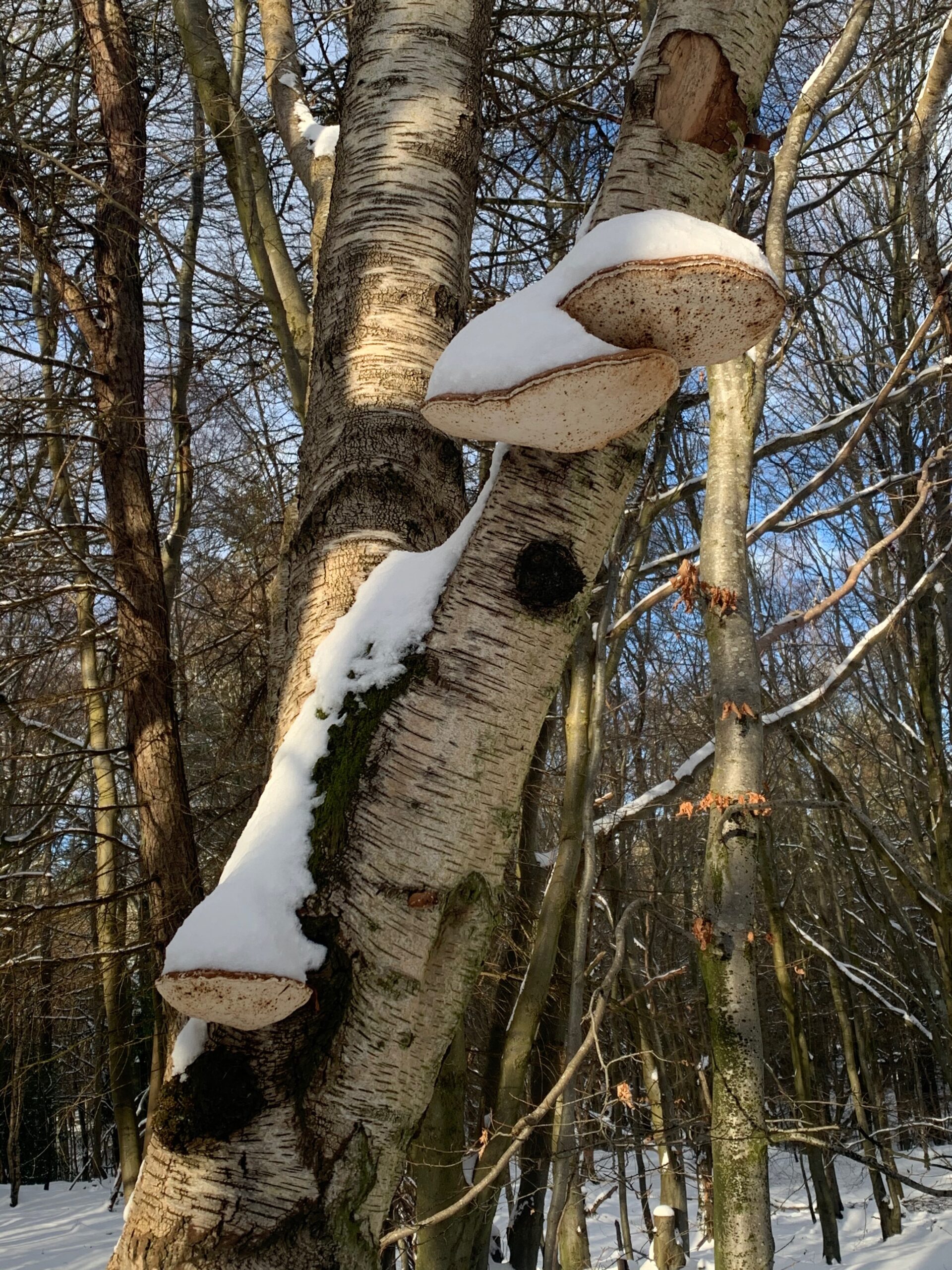
Tree blossom is another important food source in the coming months – already present on stretches of the Deeside Way. While trees are still leafless it’s a good time to see fungi such as birch bracket or hoof fungus, traditionally used forfire lighting.
Winter is a good time to examine the dead trees in our woods – if you look closely you’ll often see small holes in dead wood. About 1-2mm in diameter, they could be the holes made by insects like female wood wasps, when they lay their eggs deep in the branch. As the eggs change into grubs, woodpeckers will dig them out to eat or feed to their young.
On the river
Look out for a kingfisher zipping by, a stonefly hovering near, or some snowdrops on the riverbanks. Keep your eyes peeled for this fellow too – the Northern February Red Stonefly, particularly special as it’s found nowhere else in the world outside the UK. Their young live in rivers.
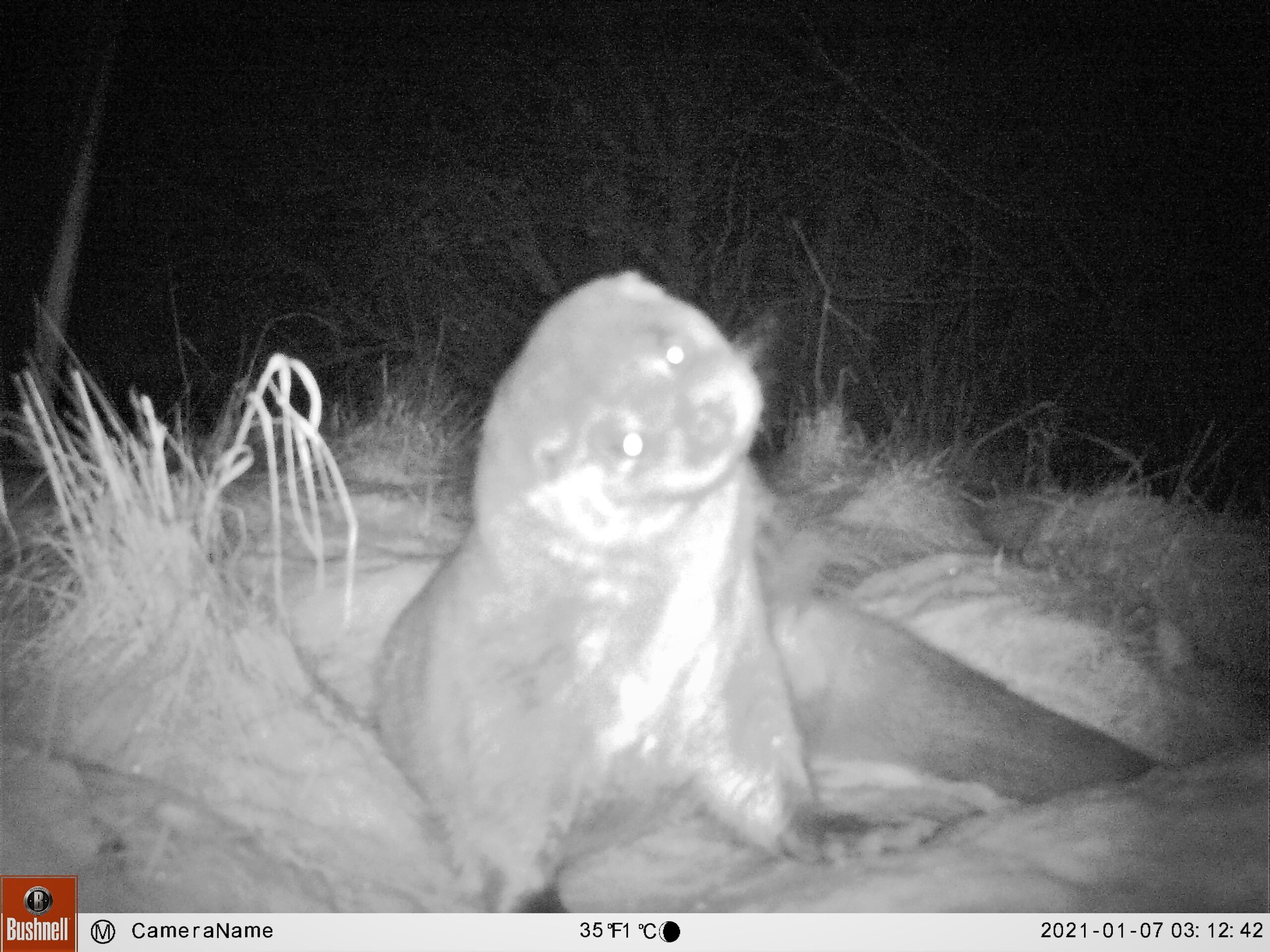
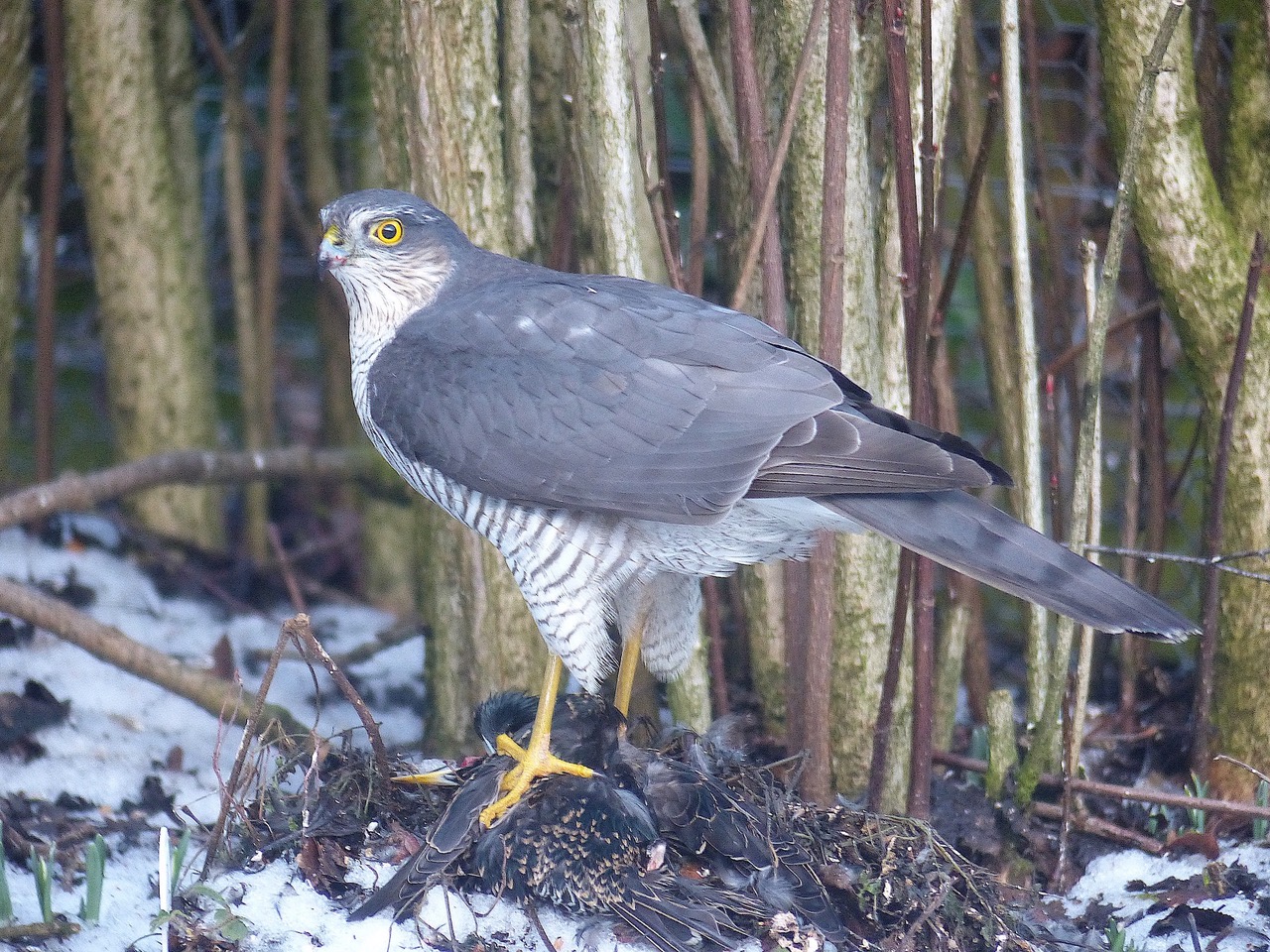
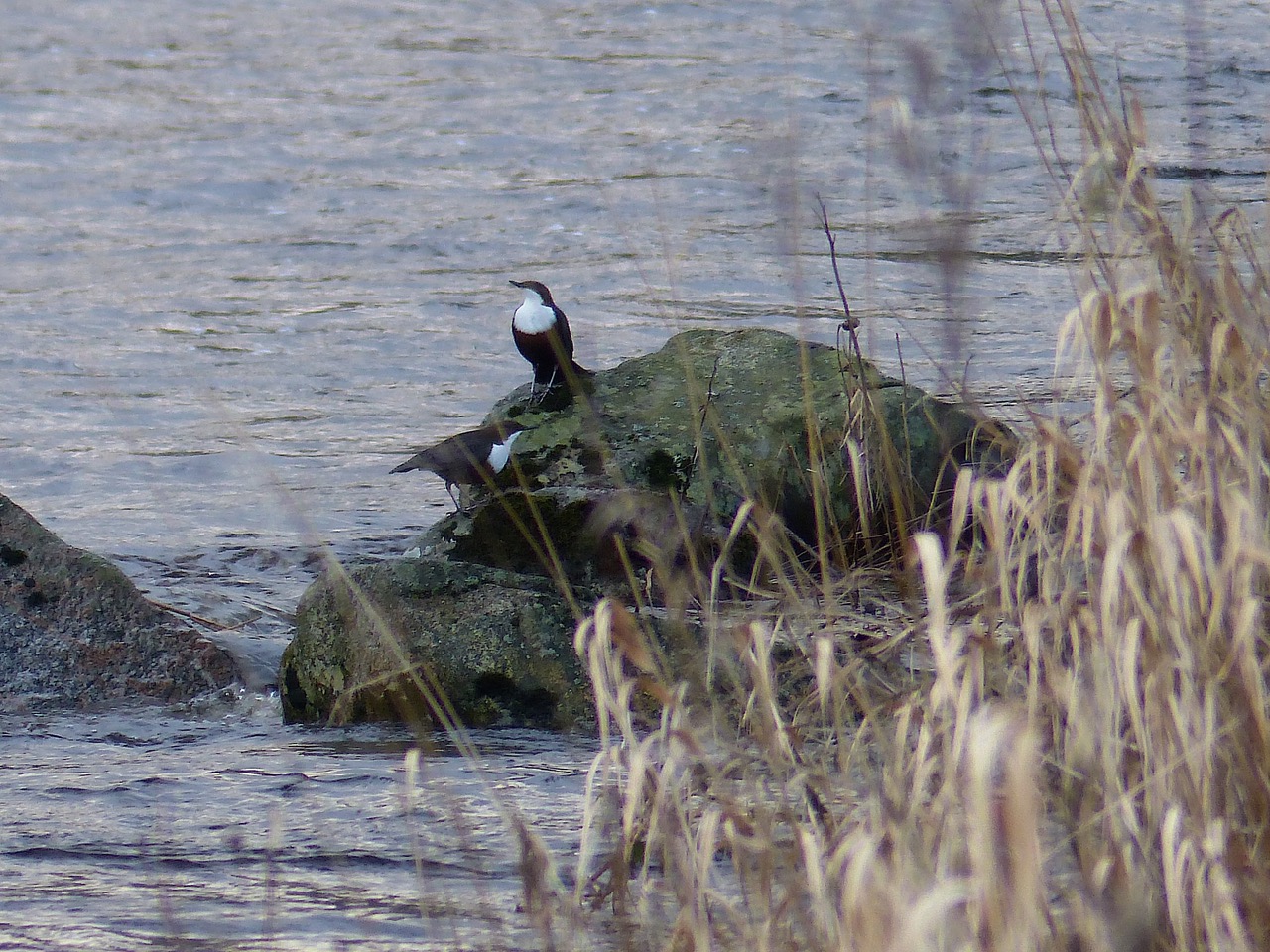
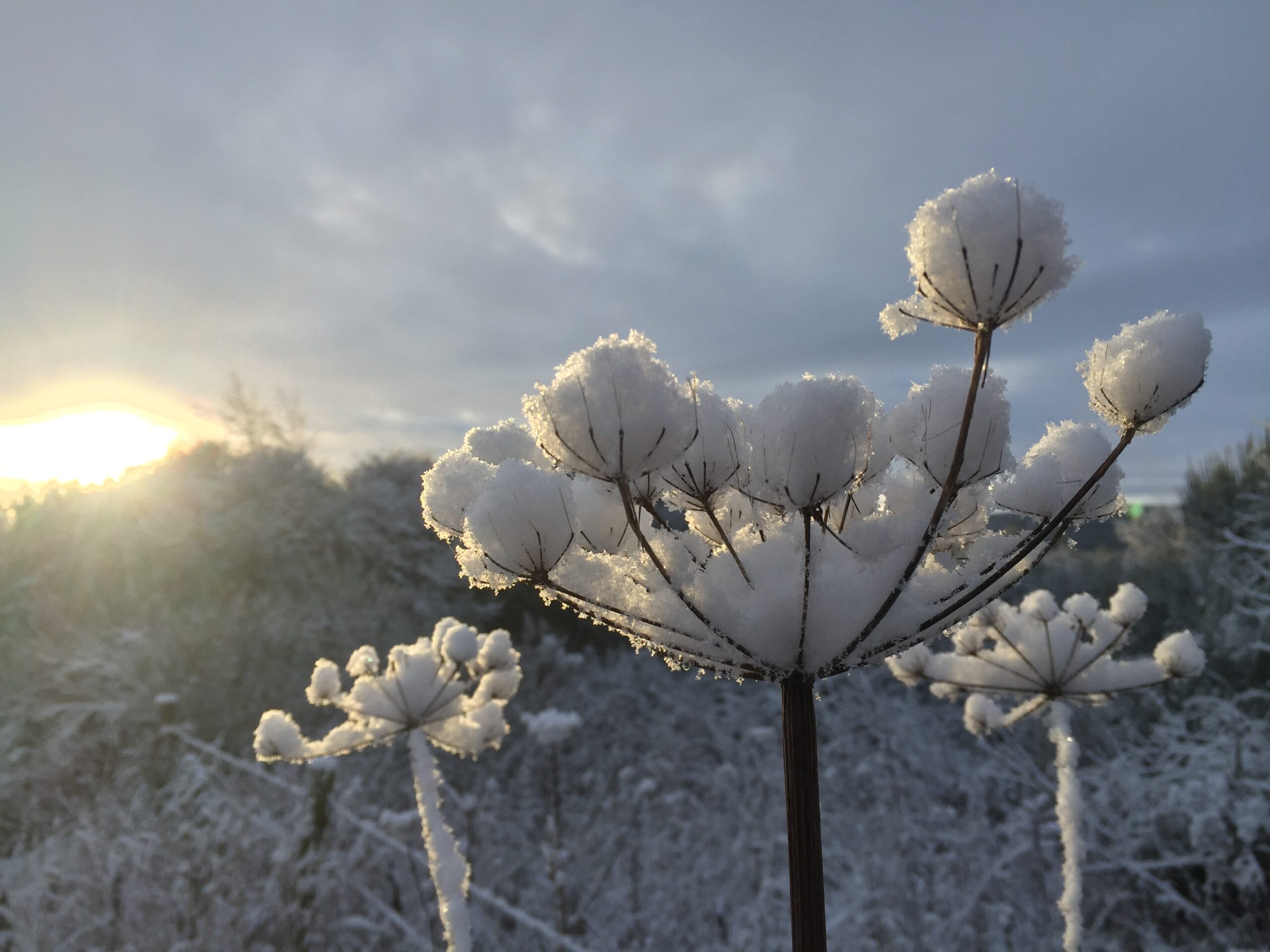
What we’ve seen recently…
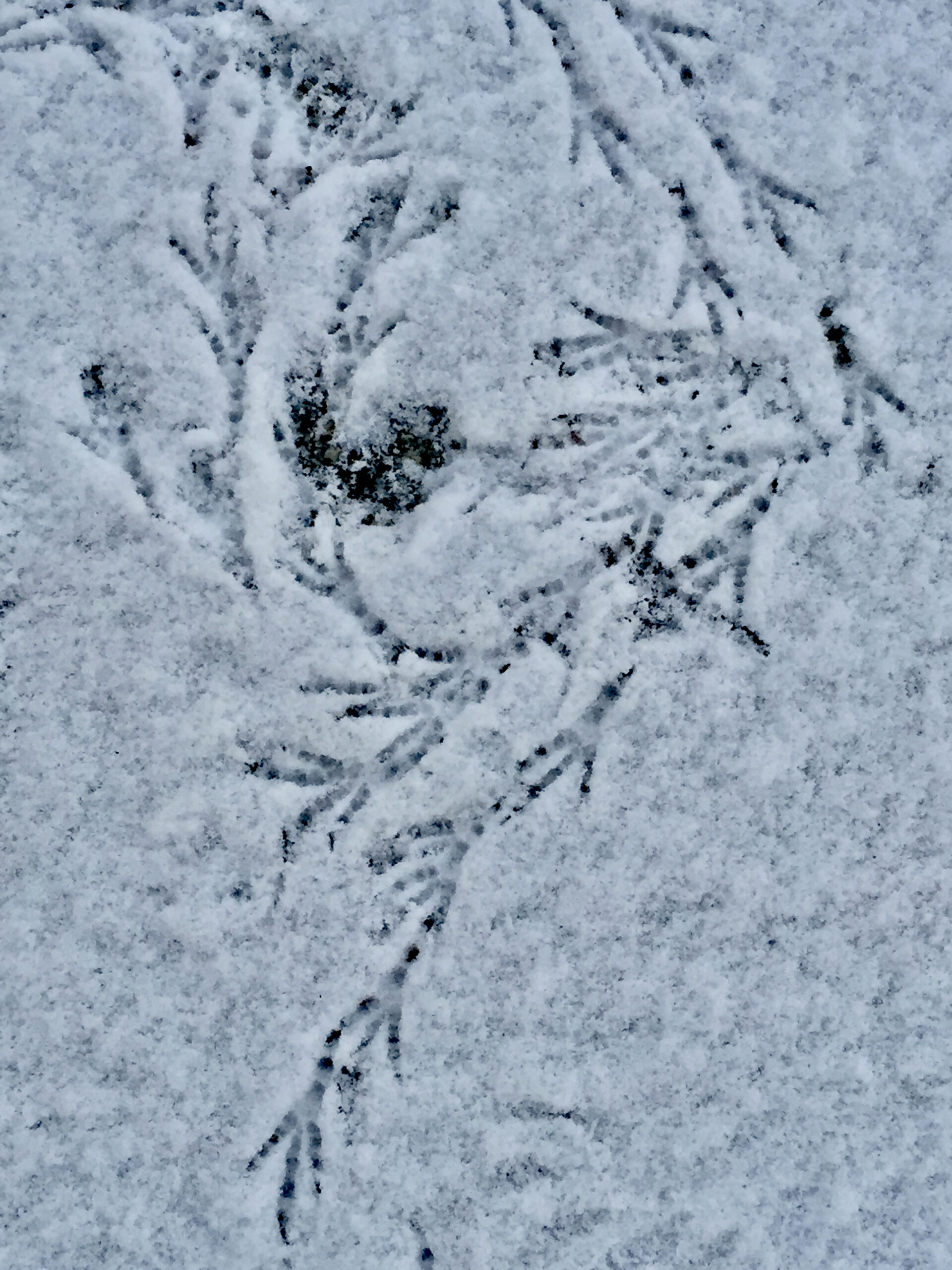
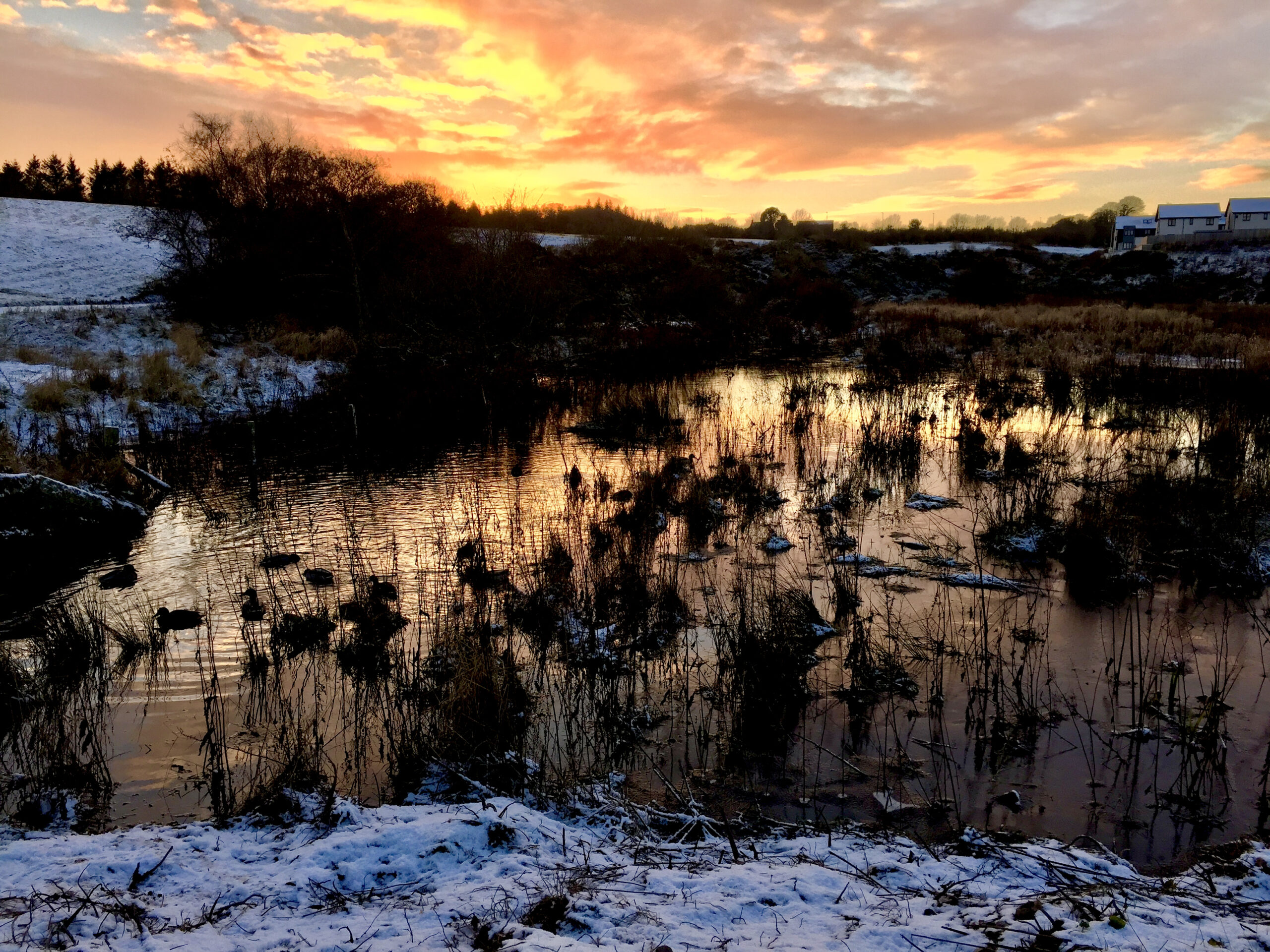
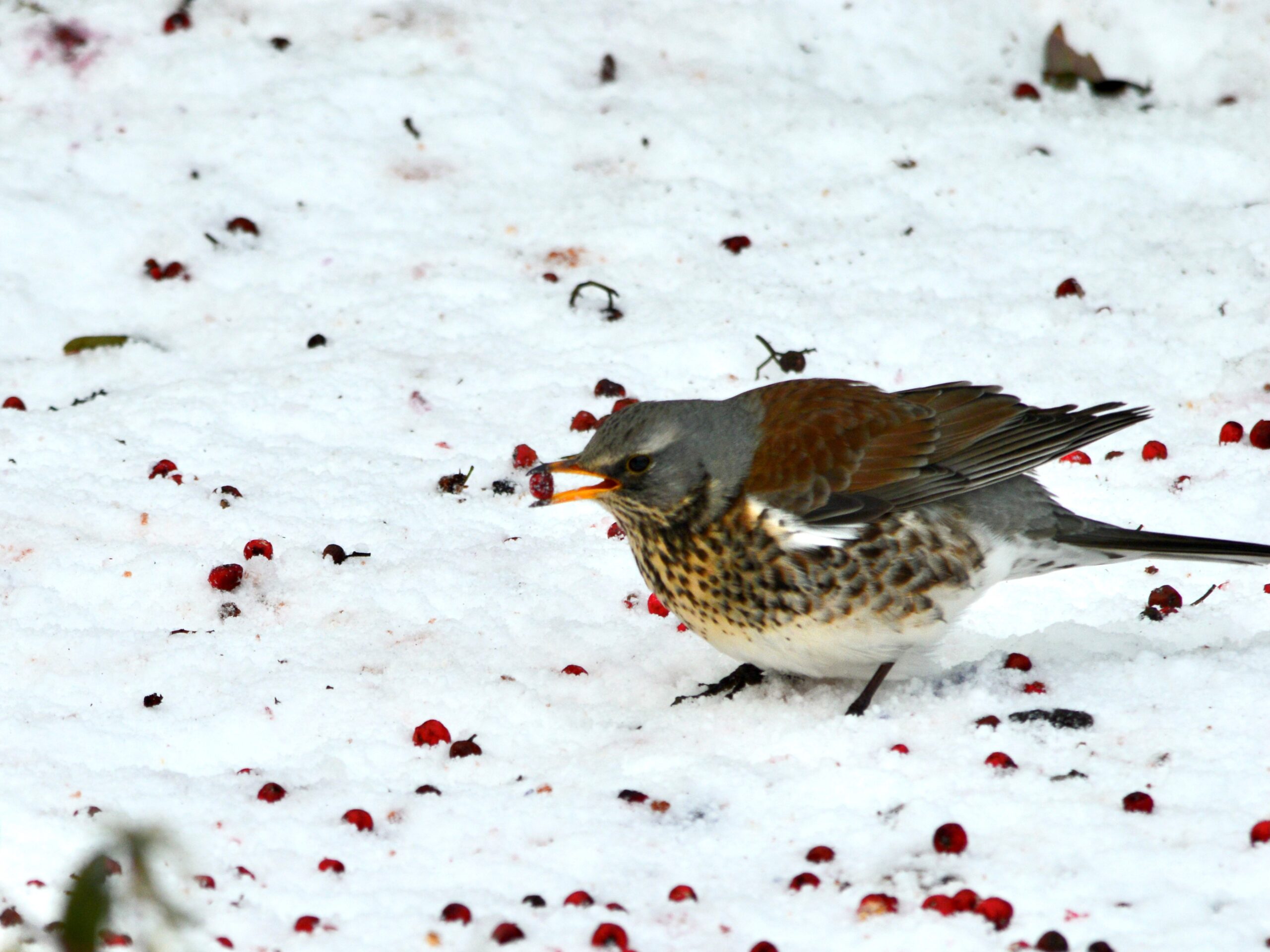
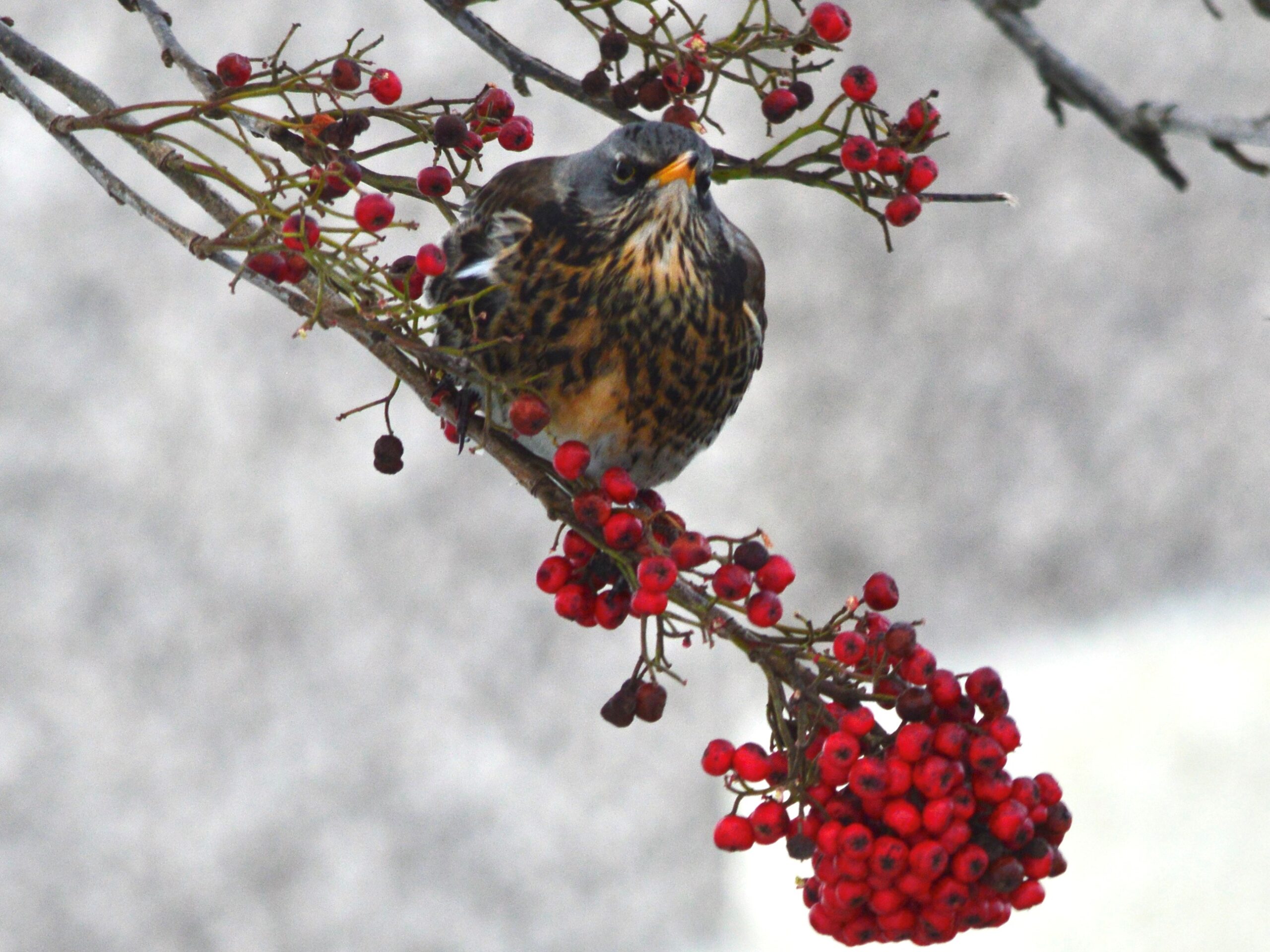
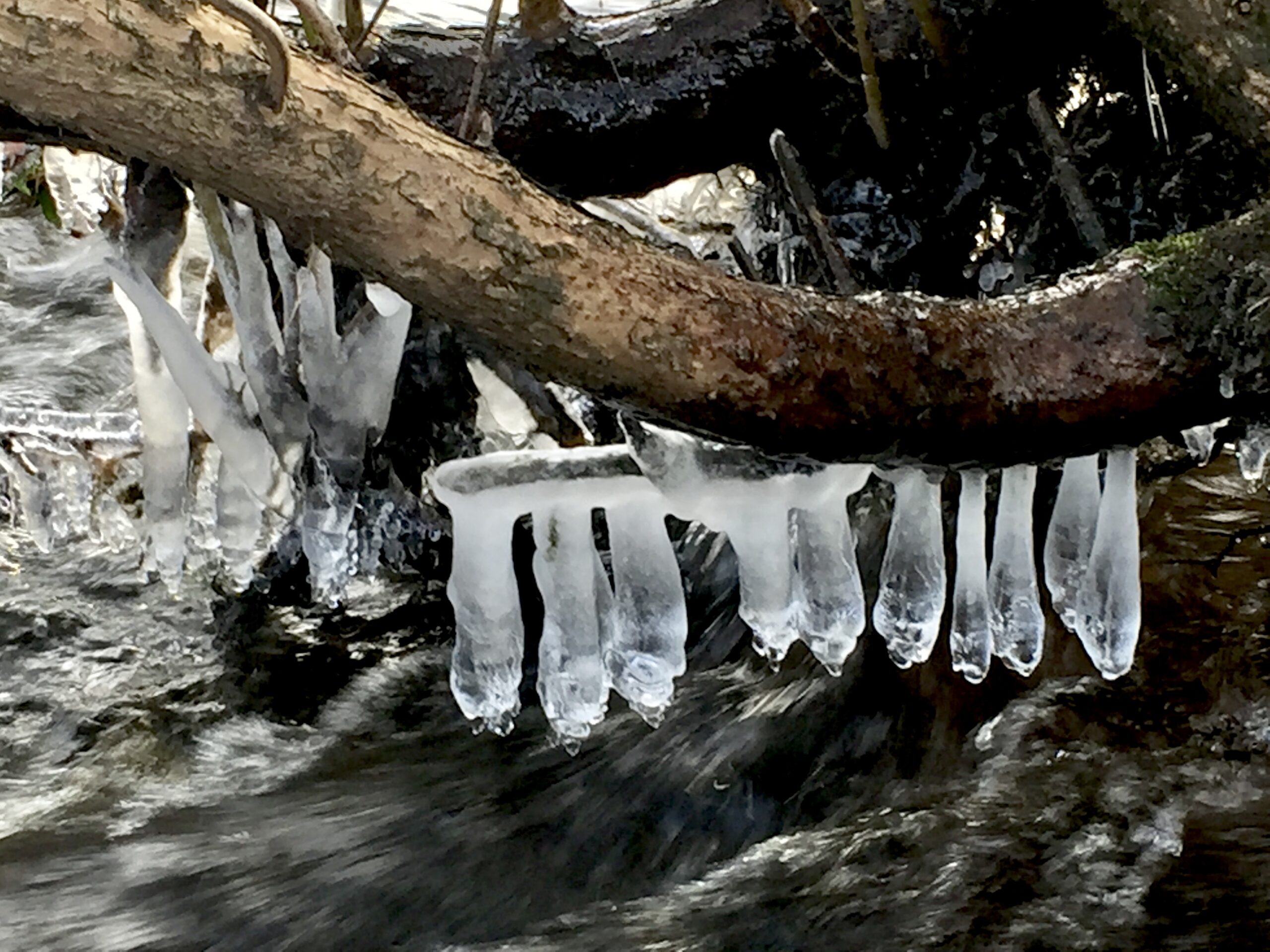
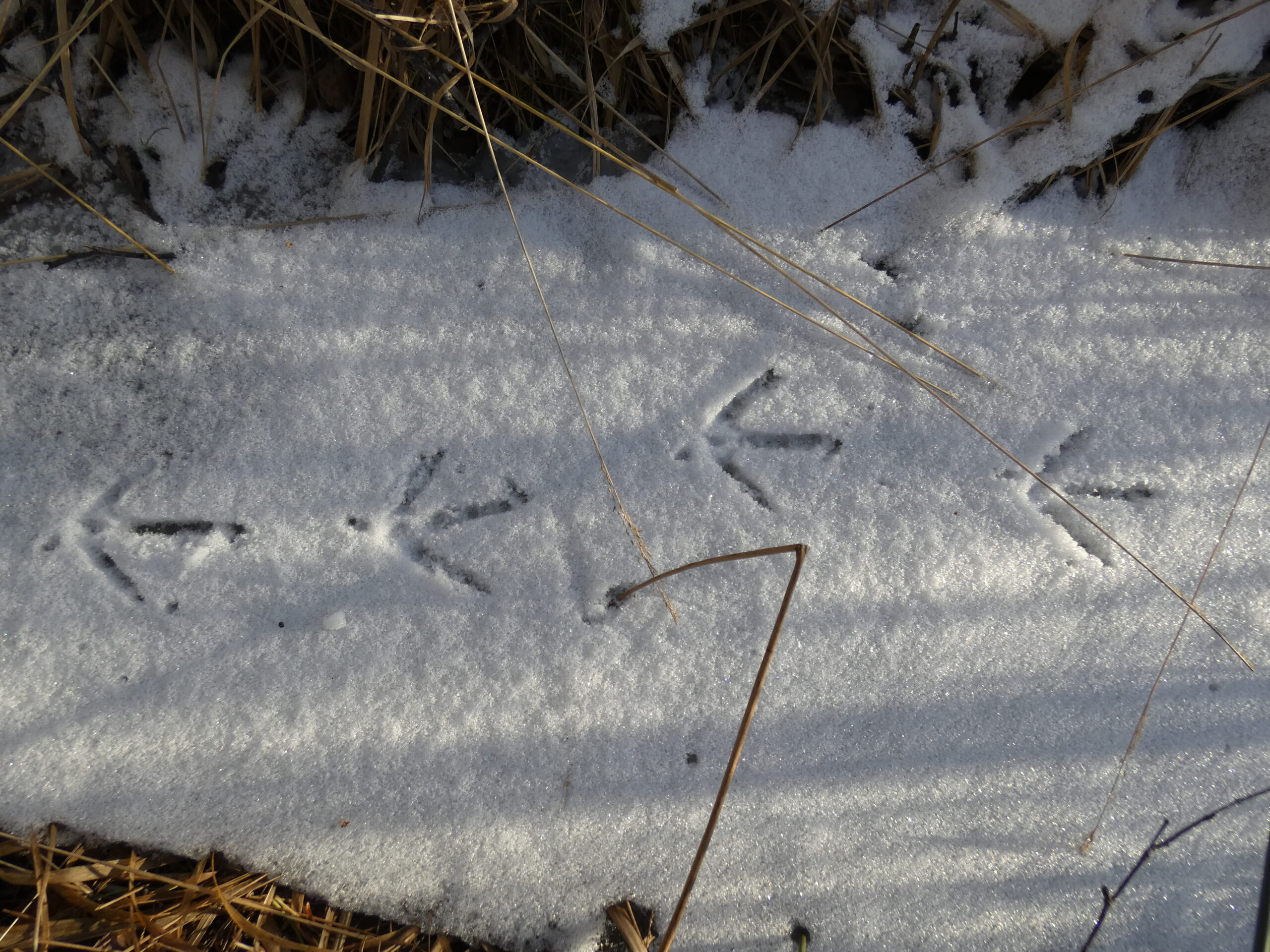
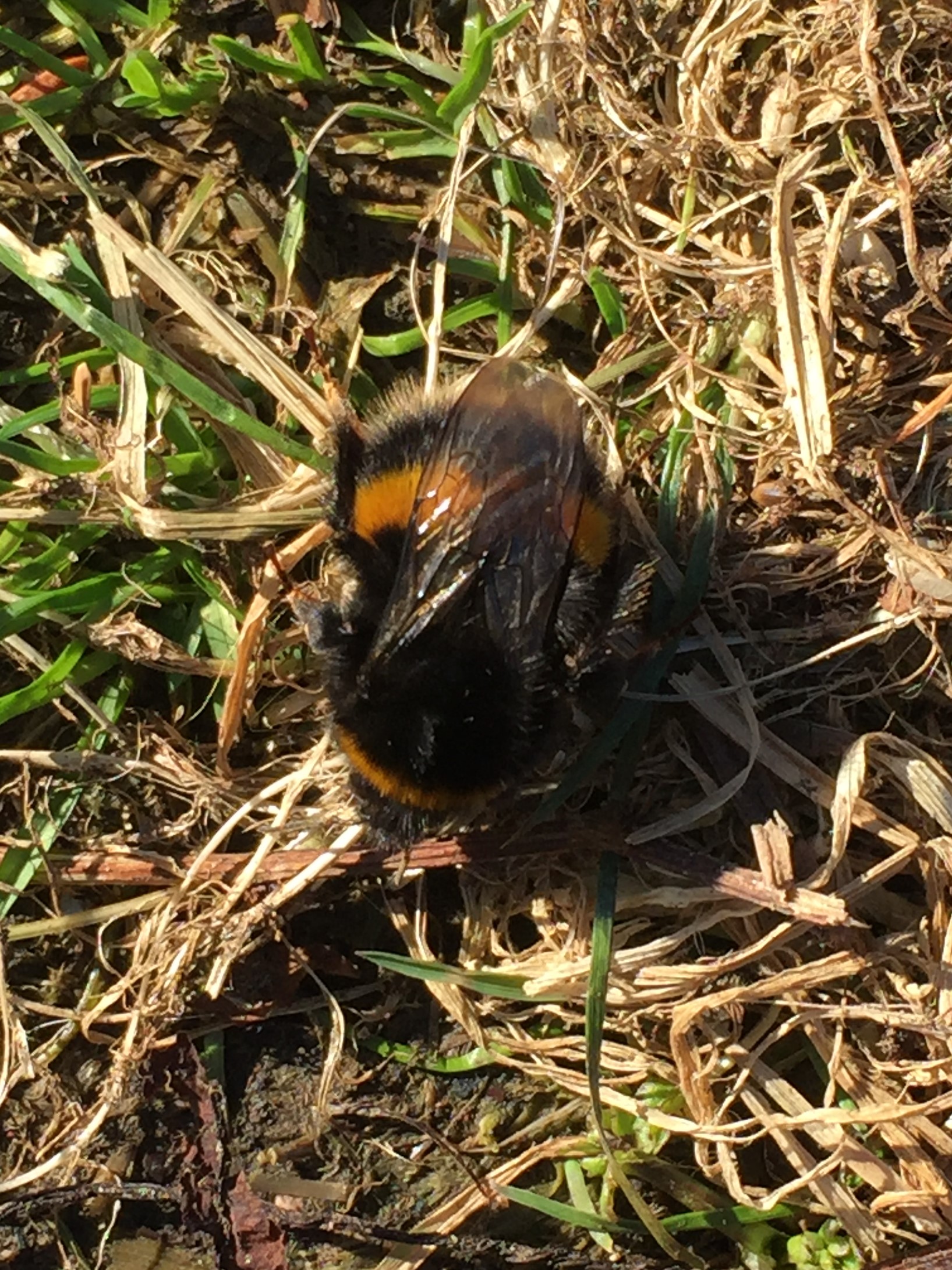
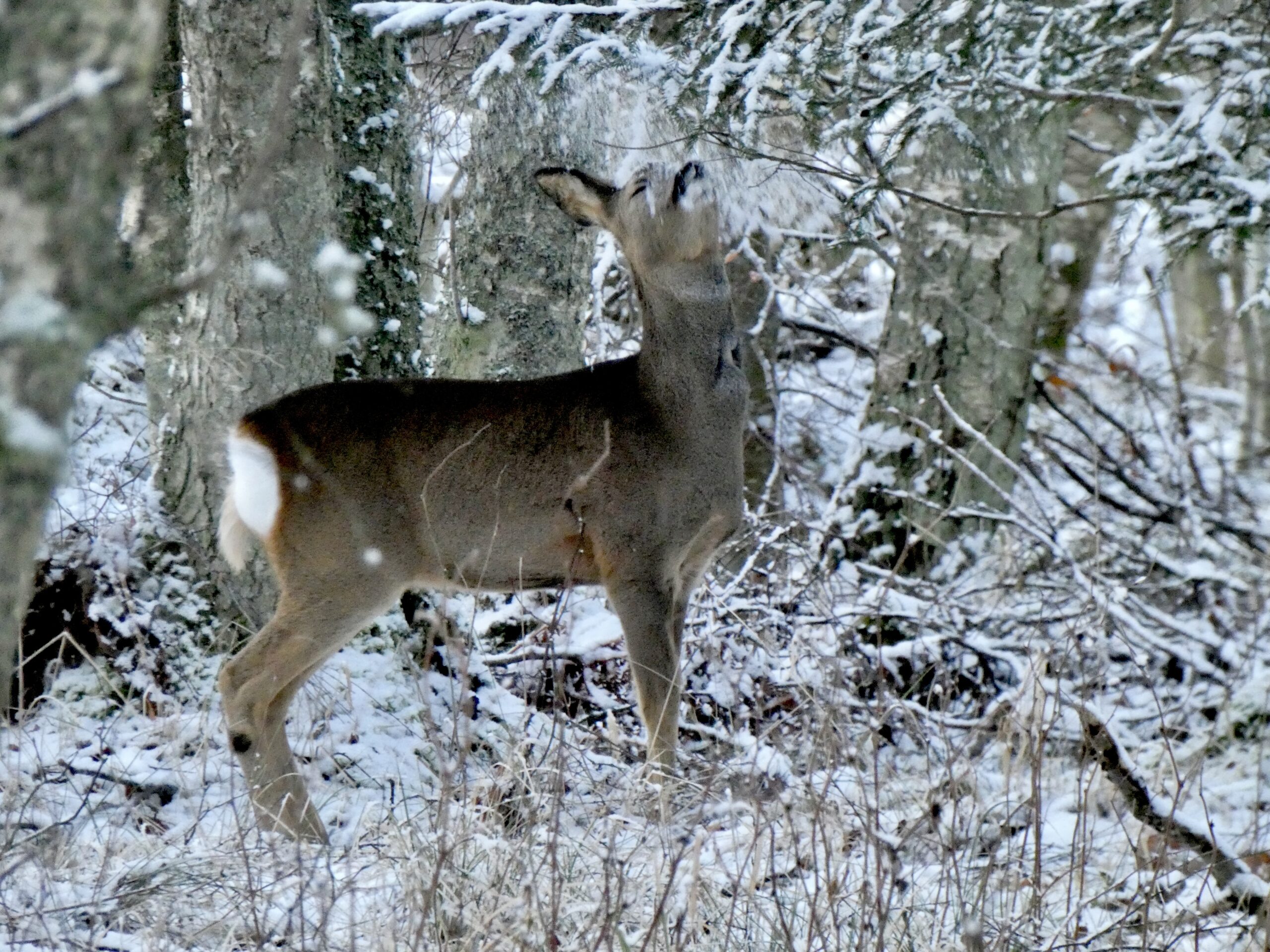
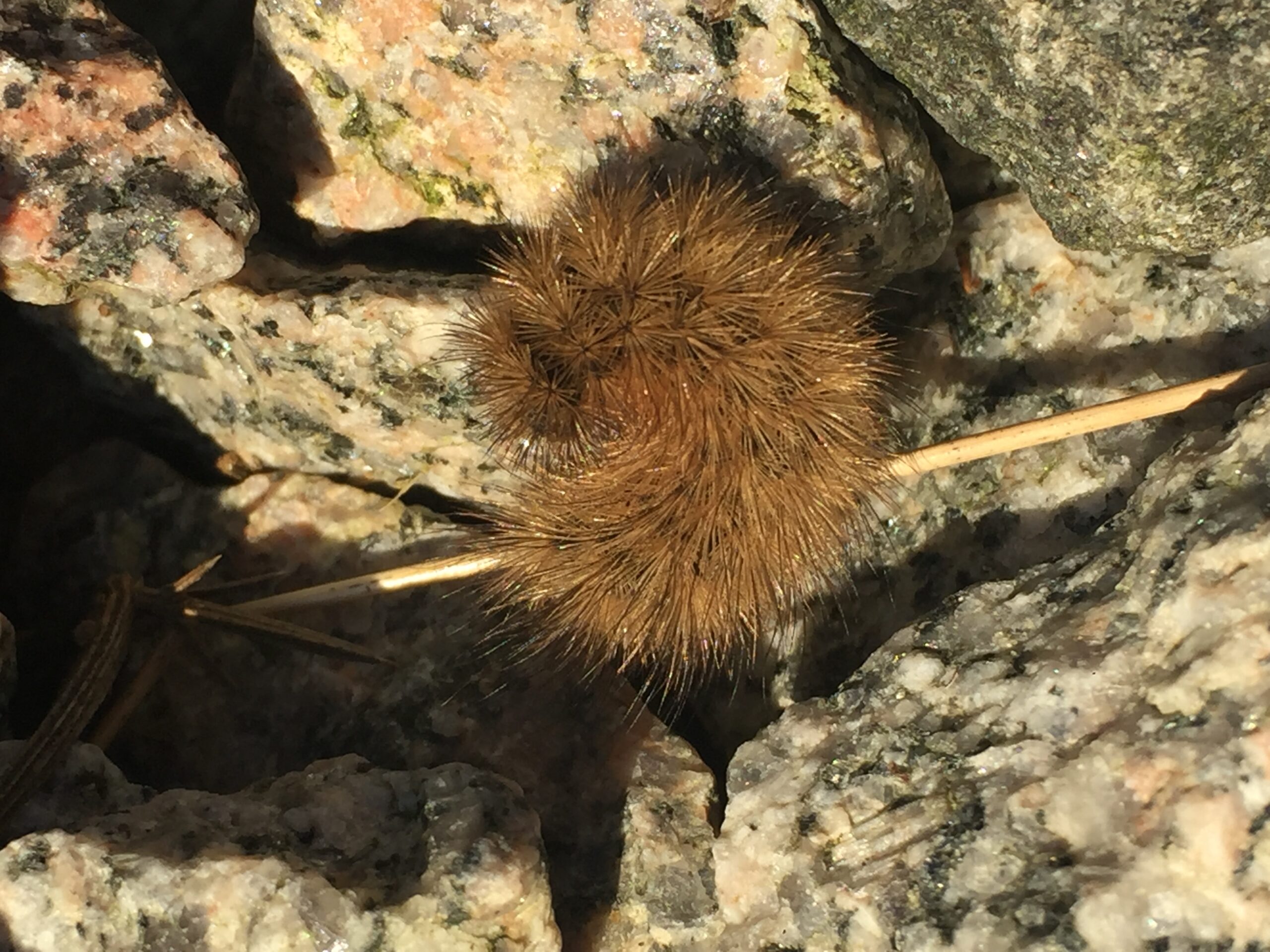
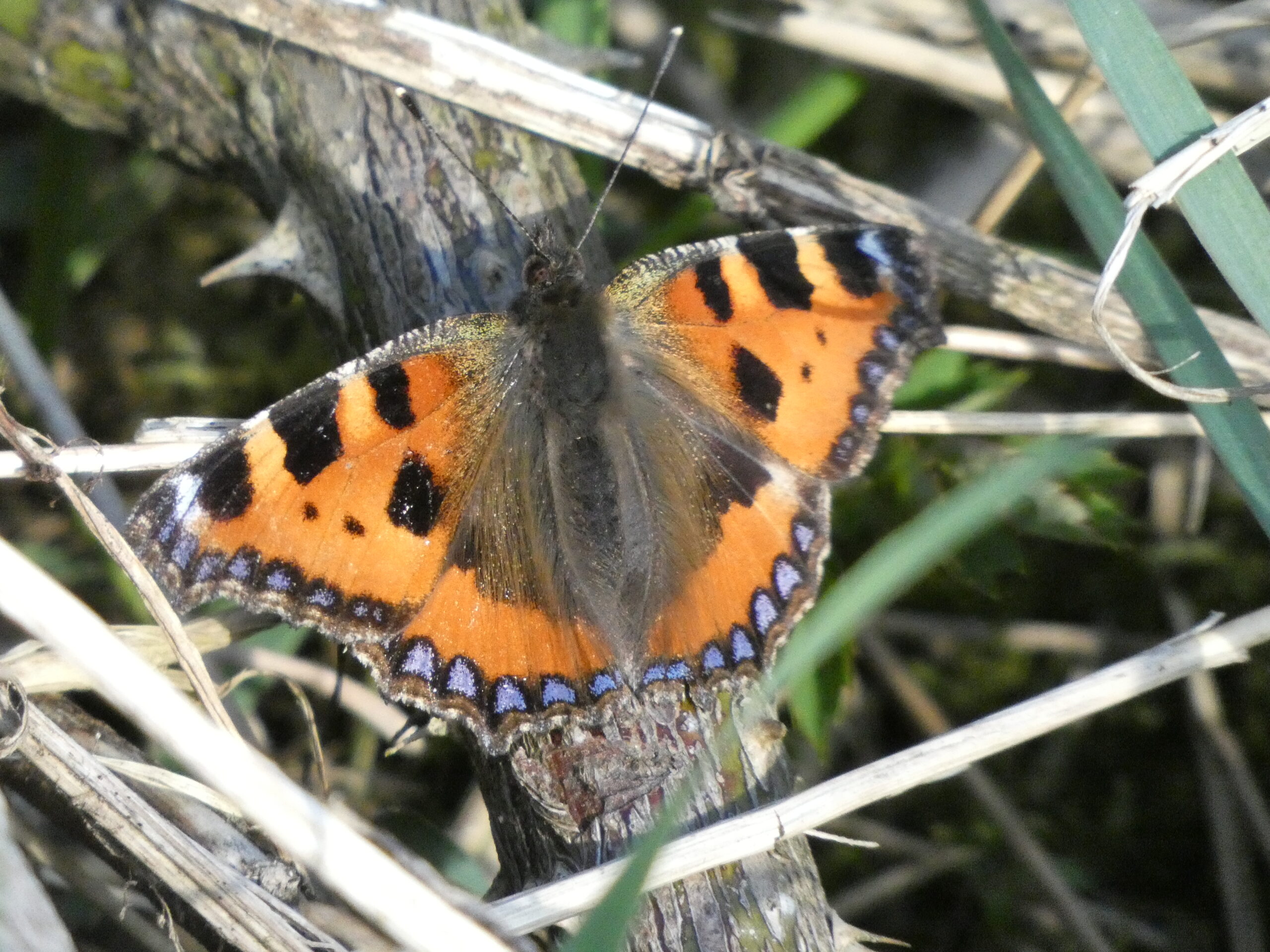
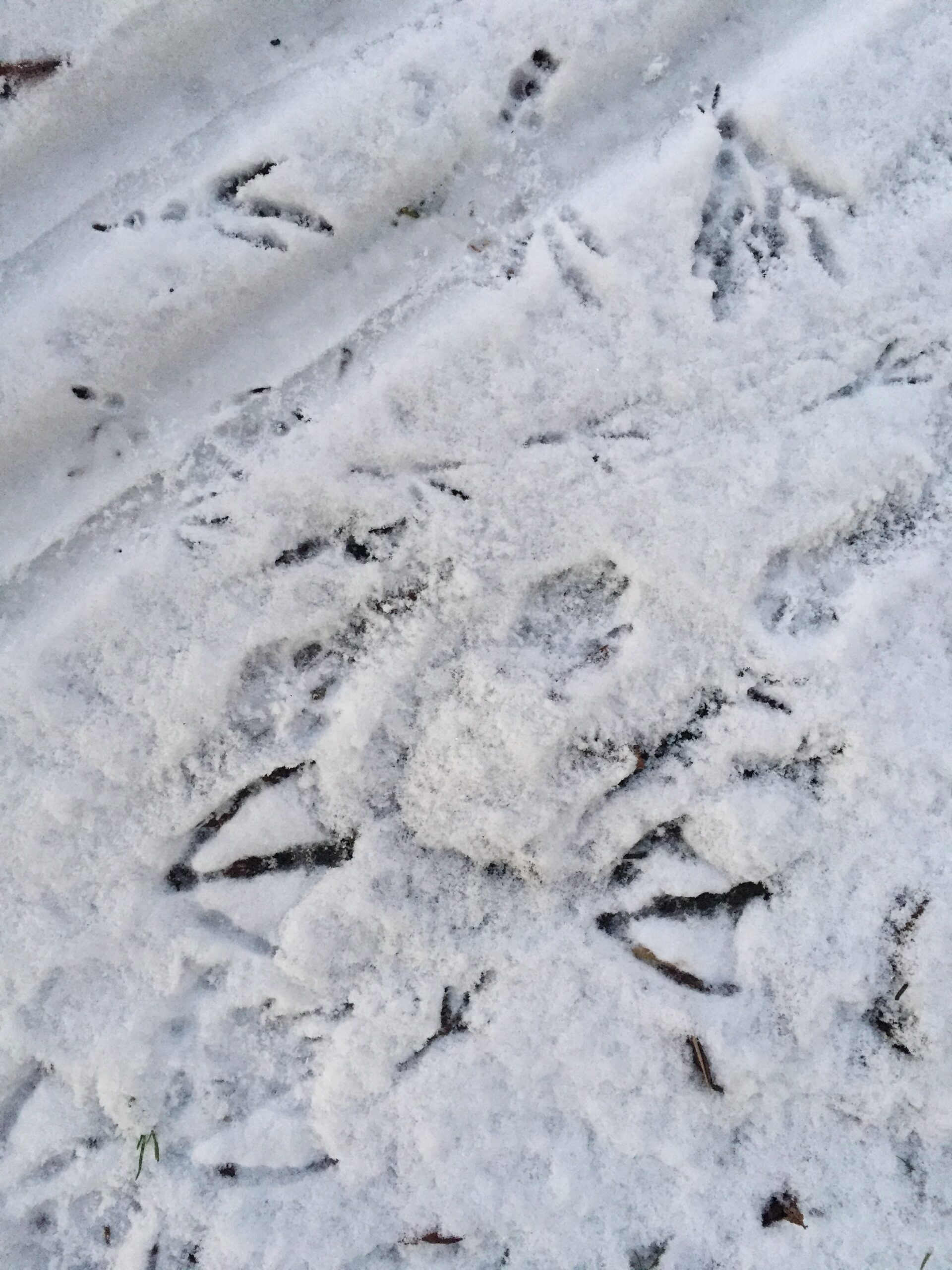
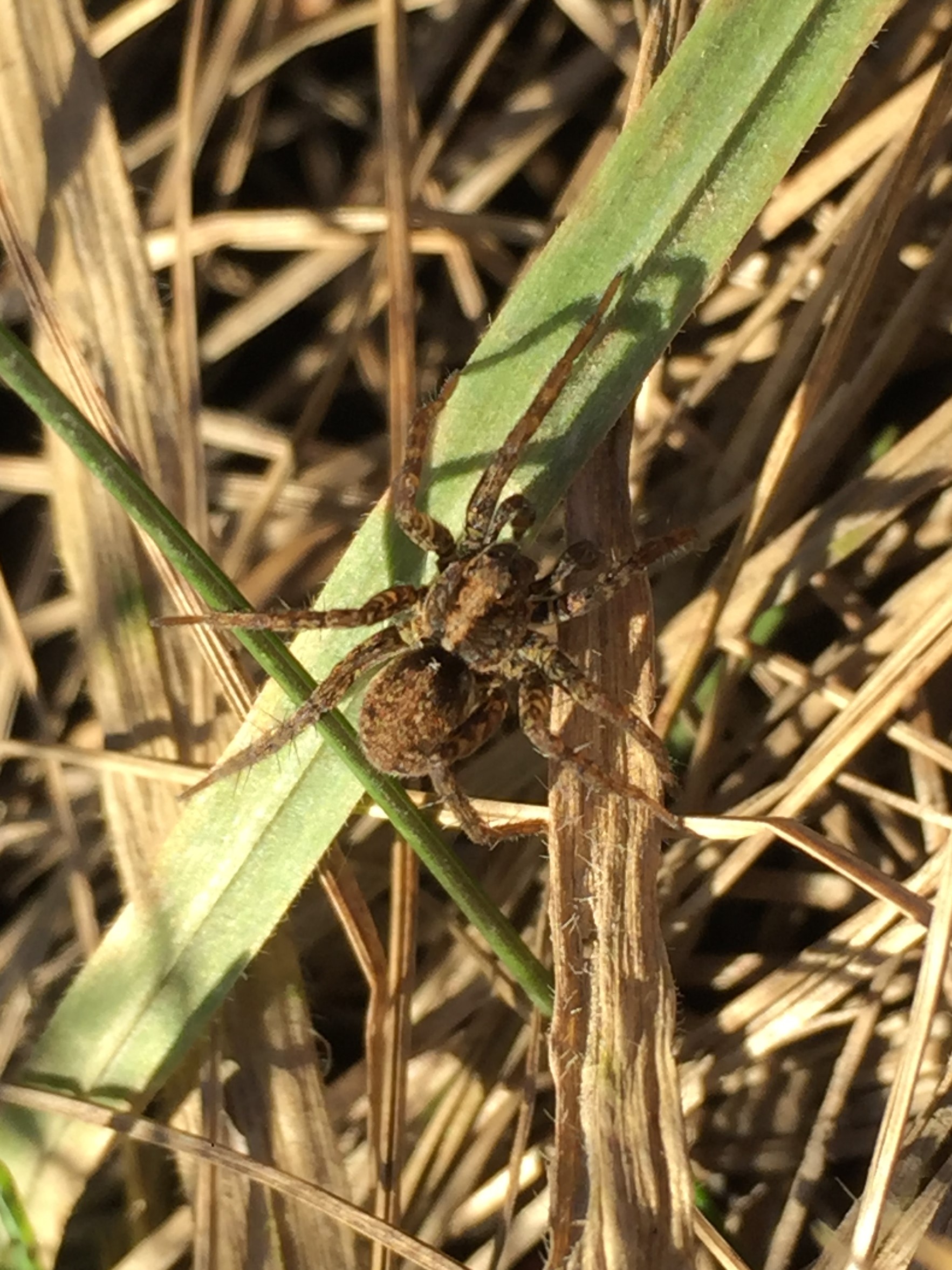

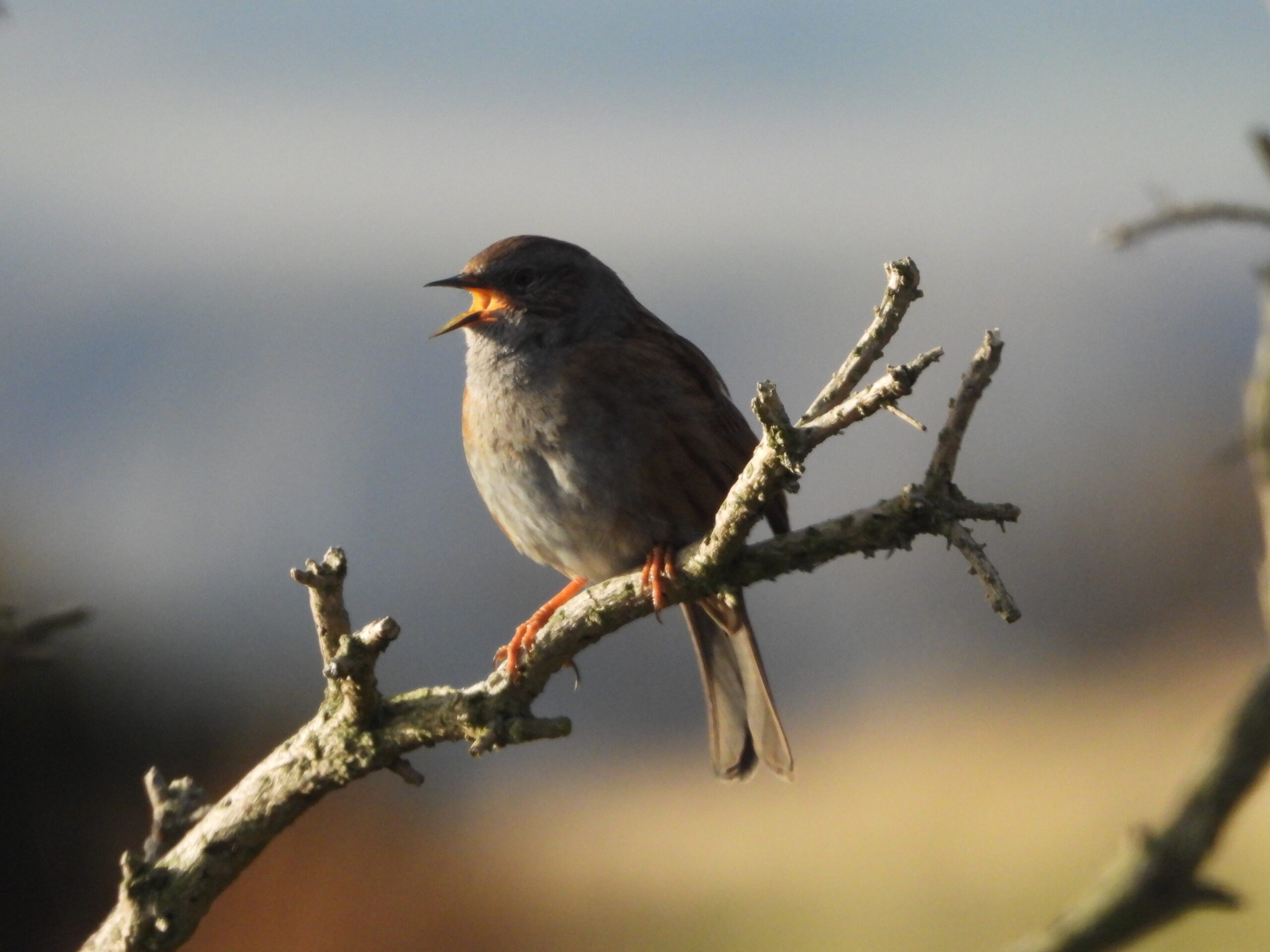
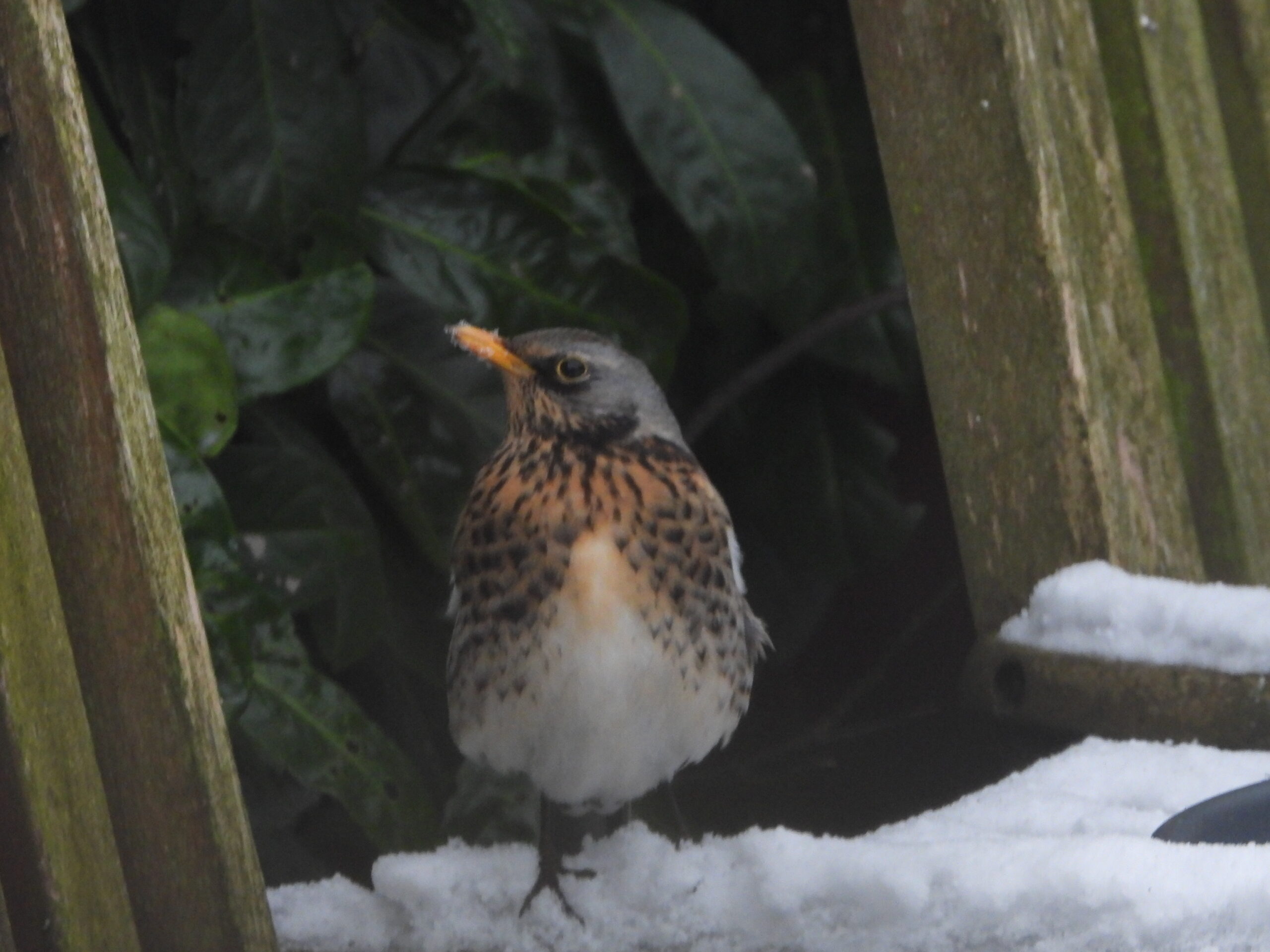
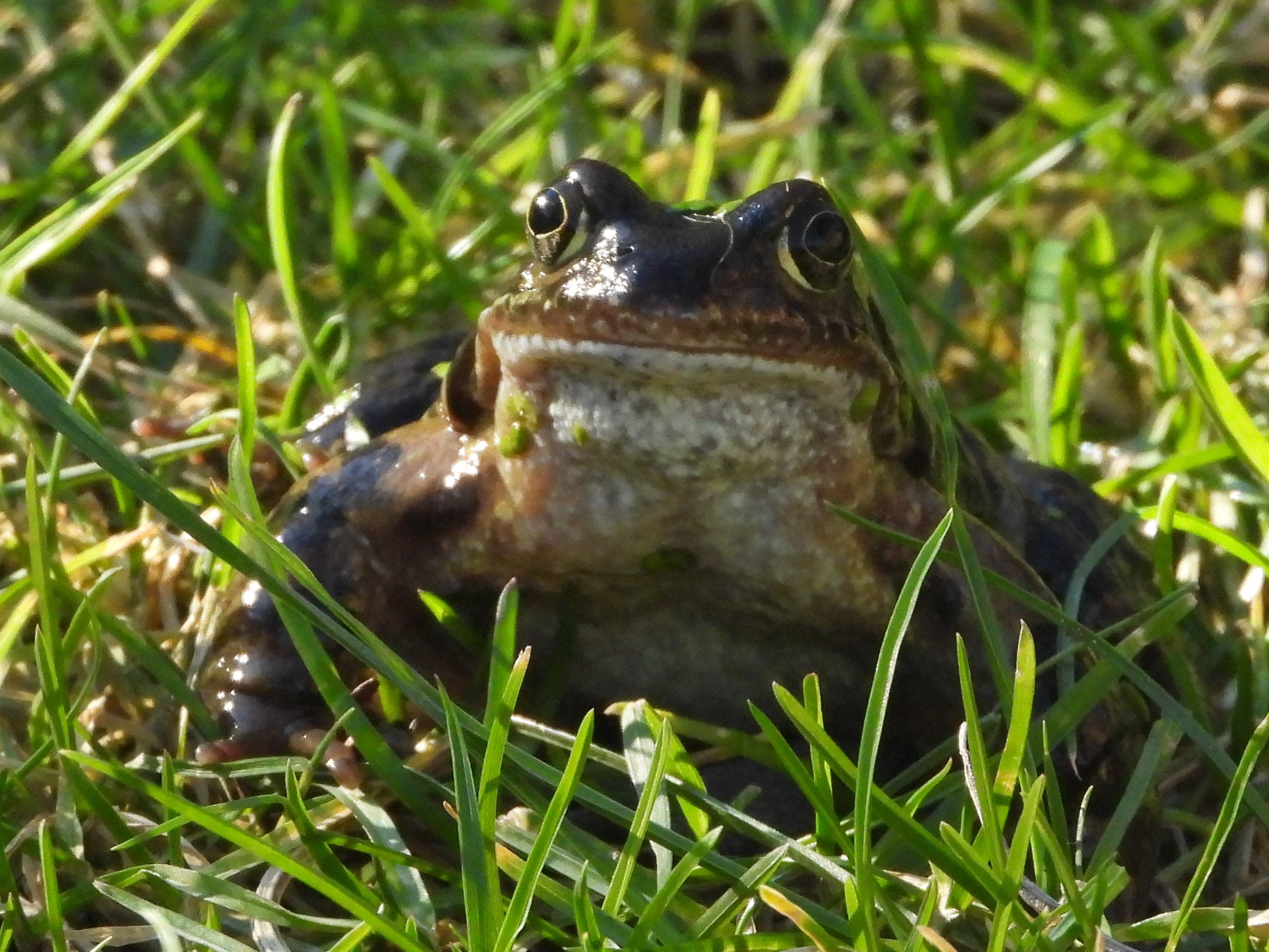
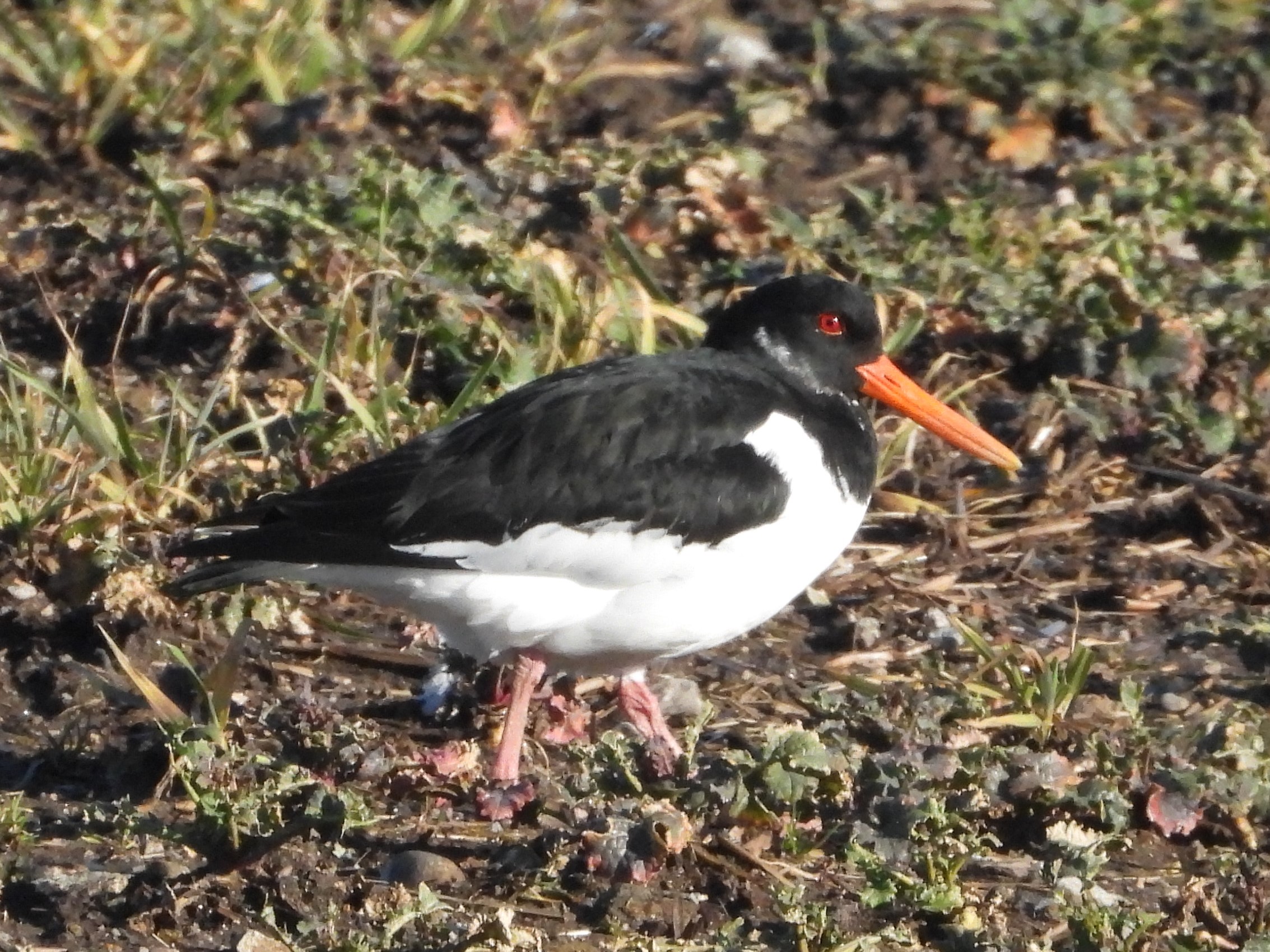
You can also check out the following links for the latest lowdown on what’s going on in Deeside’s nature:
https://www.facebook.com/Aberdeen-City-Council-Countryside-Ranger-Service-280078812133223/
https://www.facebook.com/AberdeenshireCouncilRangerService/
https://www.facebook.com/muirofdinnetnnr/
https://www.facebook.com/GlenTanarRangerService/
https://www.facebook.com/balmoralcastle/