

 Ambitious recovery programme launched as unprecedented decline in pearl mussel highlights fragile River Dee
 DeeWatch December
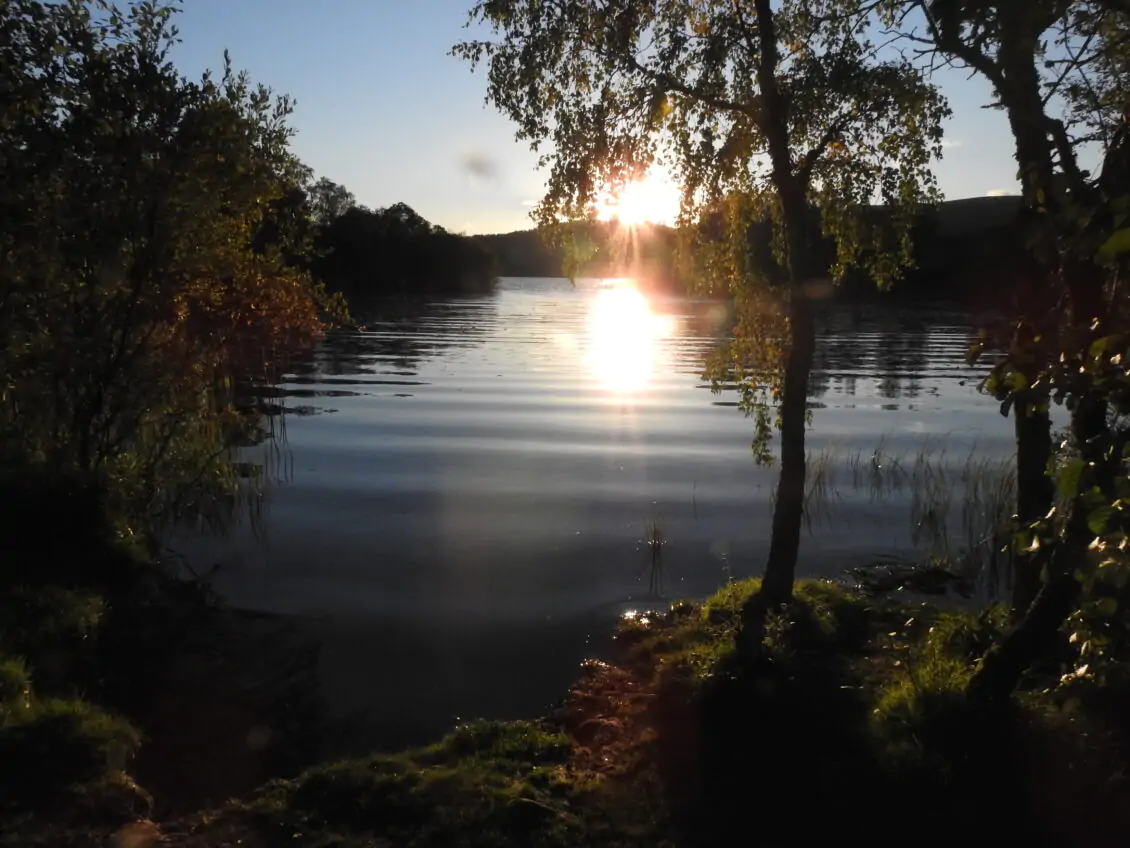
November is usually a no-longer-summer-and-not-quite-winter sort of a month. The weather – especially the temperature – can speed things up or slow them down. The clock-change also triggers changes in nature, with the shorter days affecting the behaviour of many plants and animals.
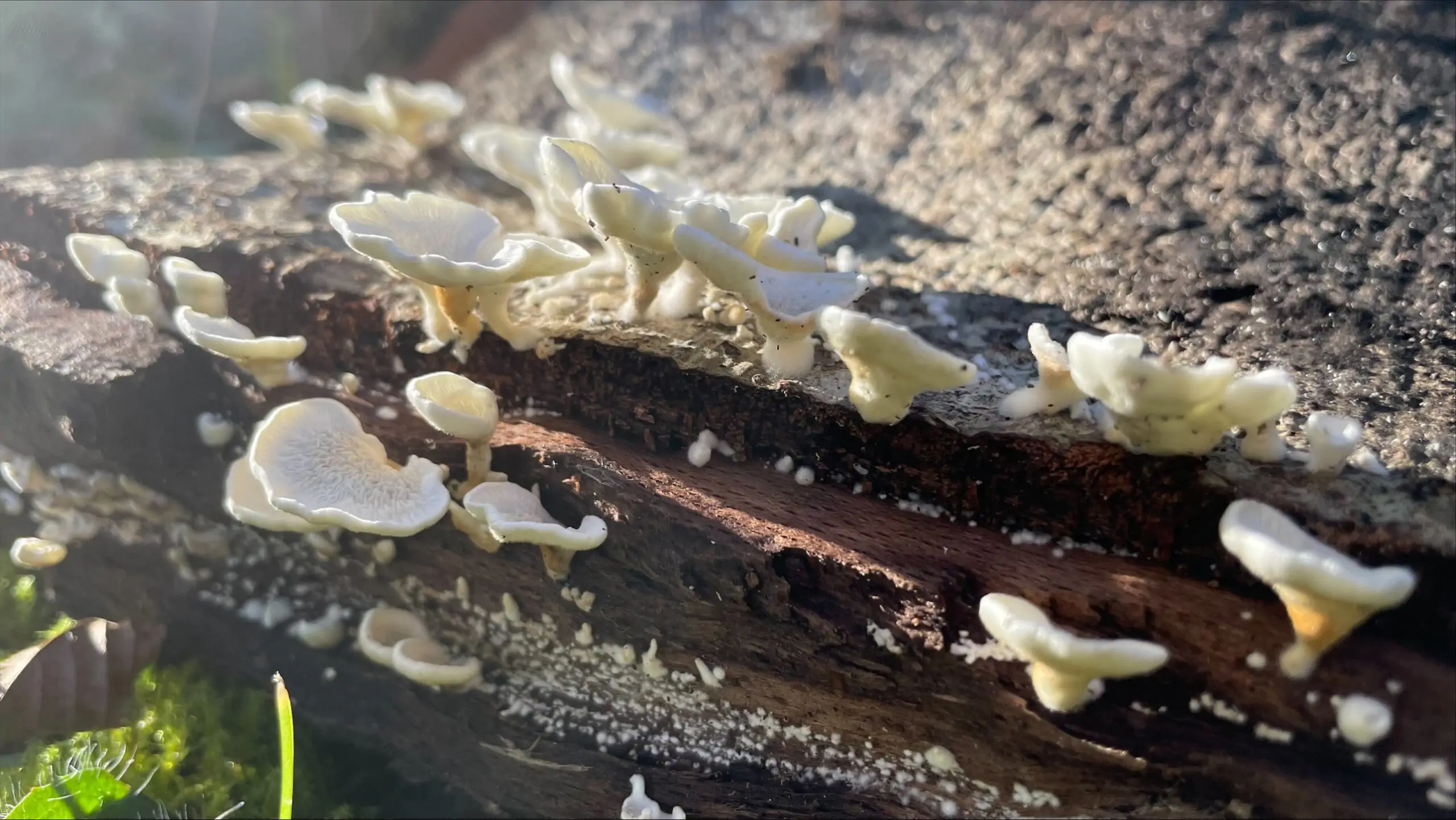
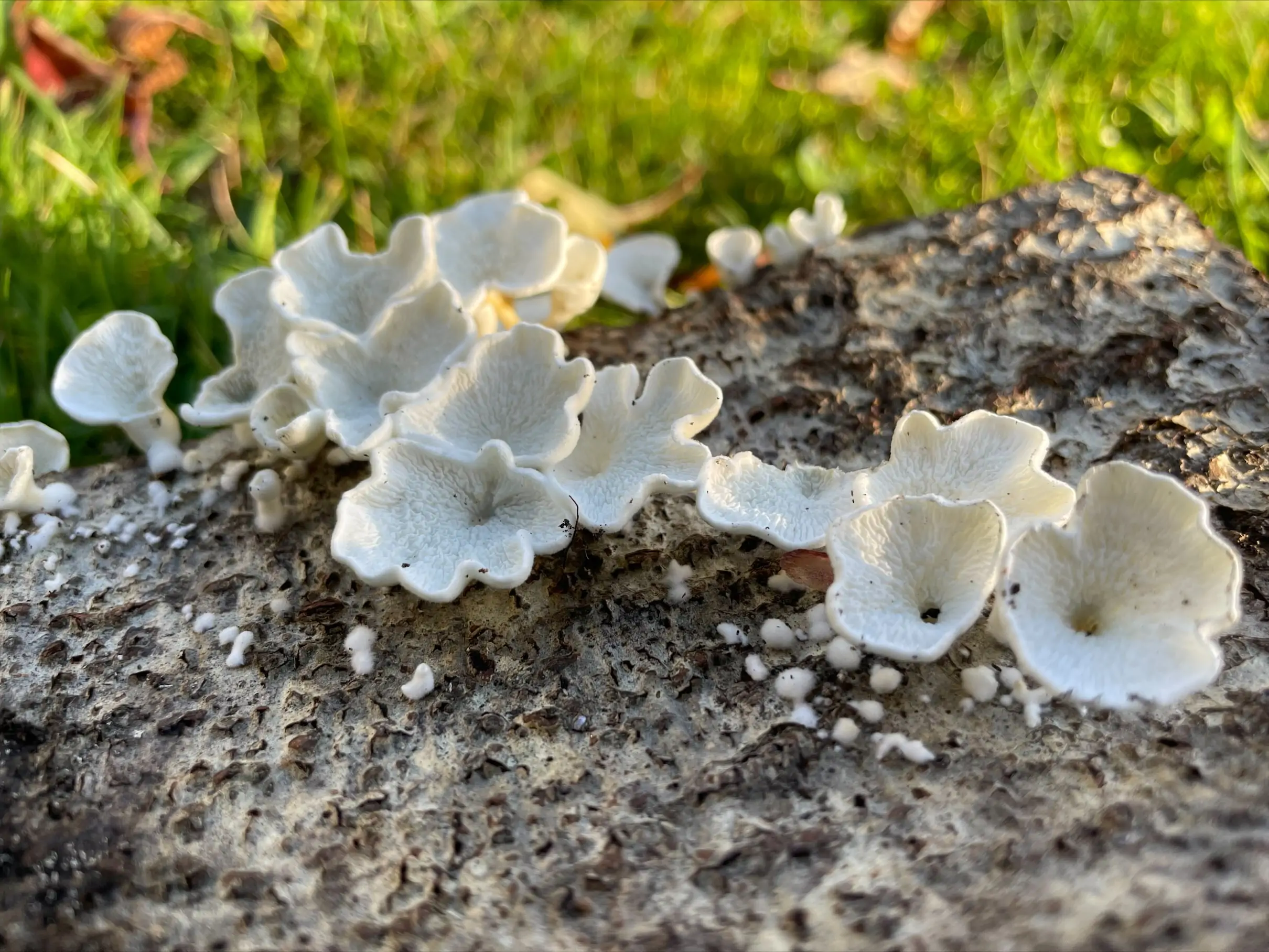
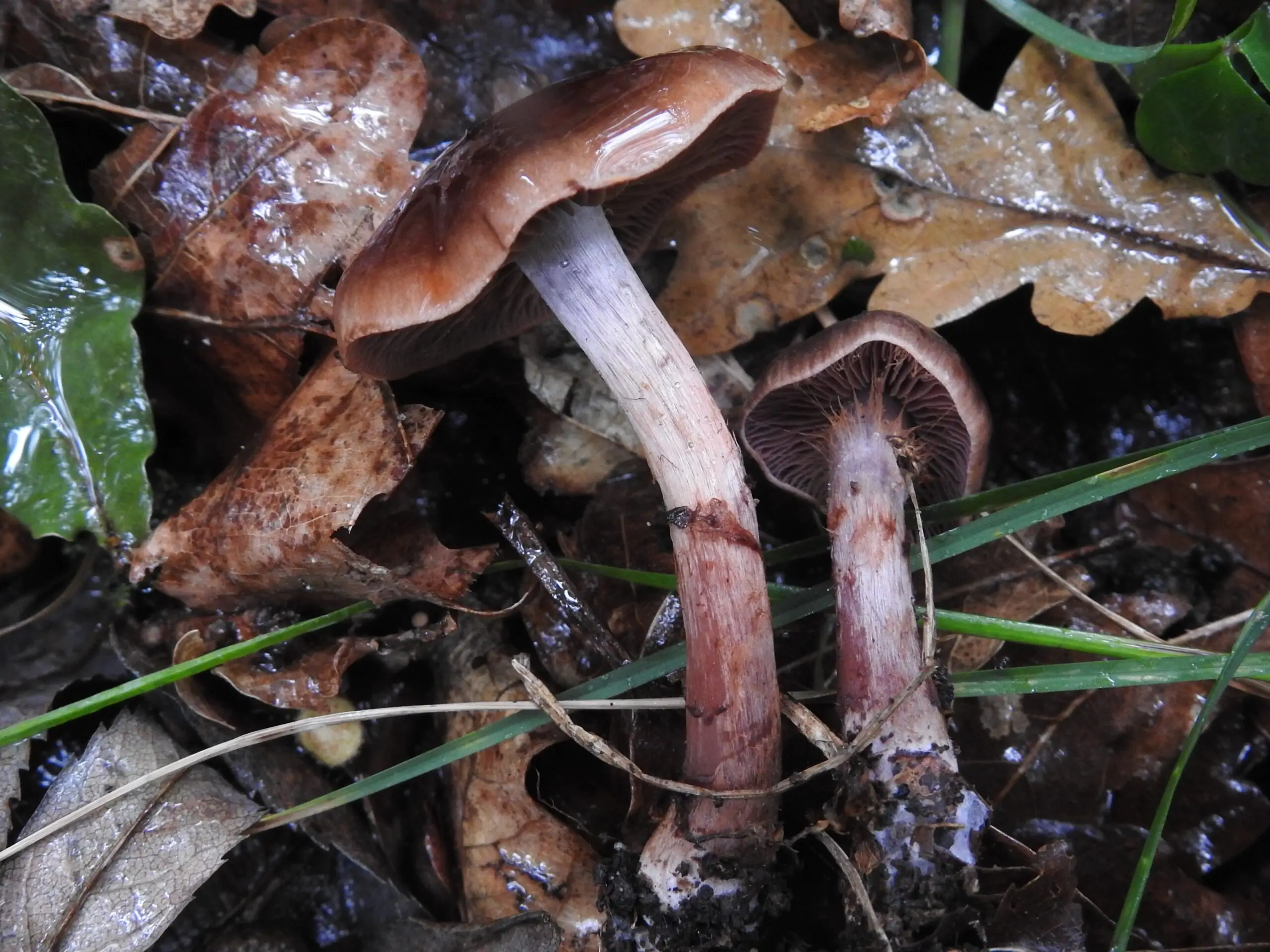
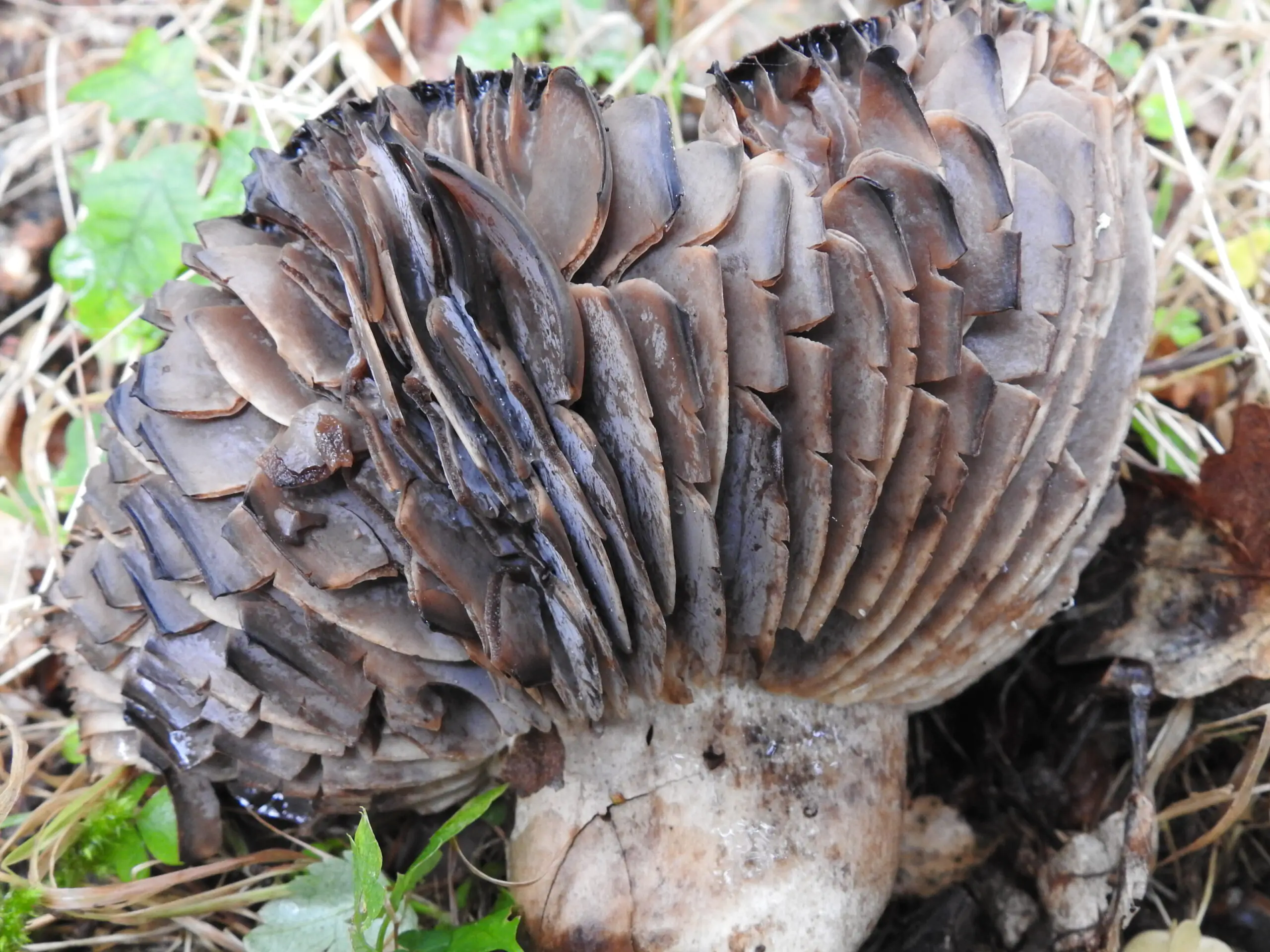
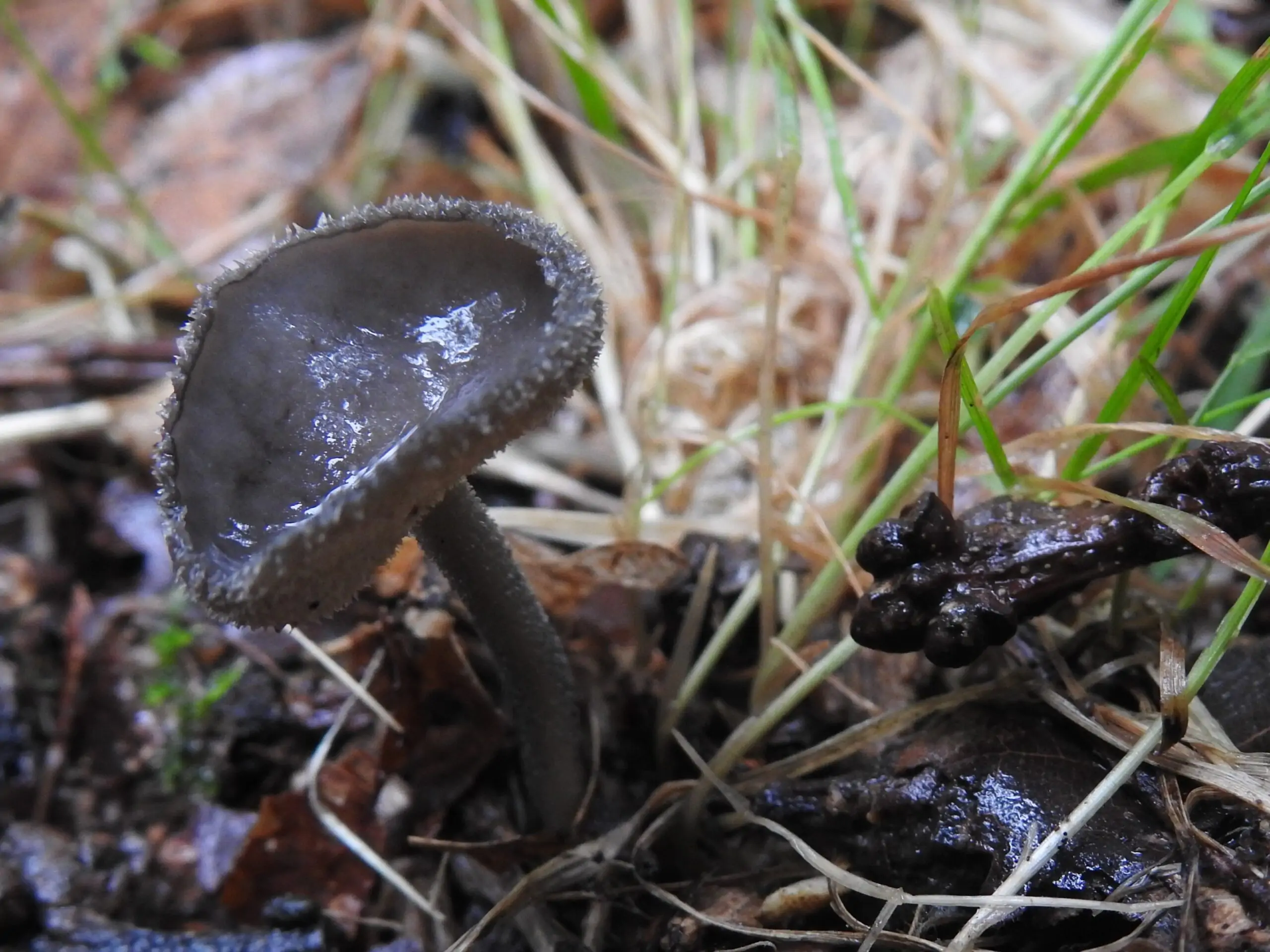
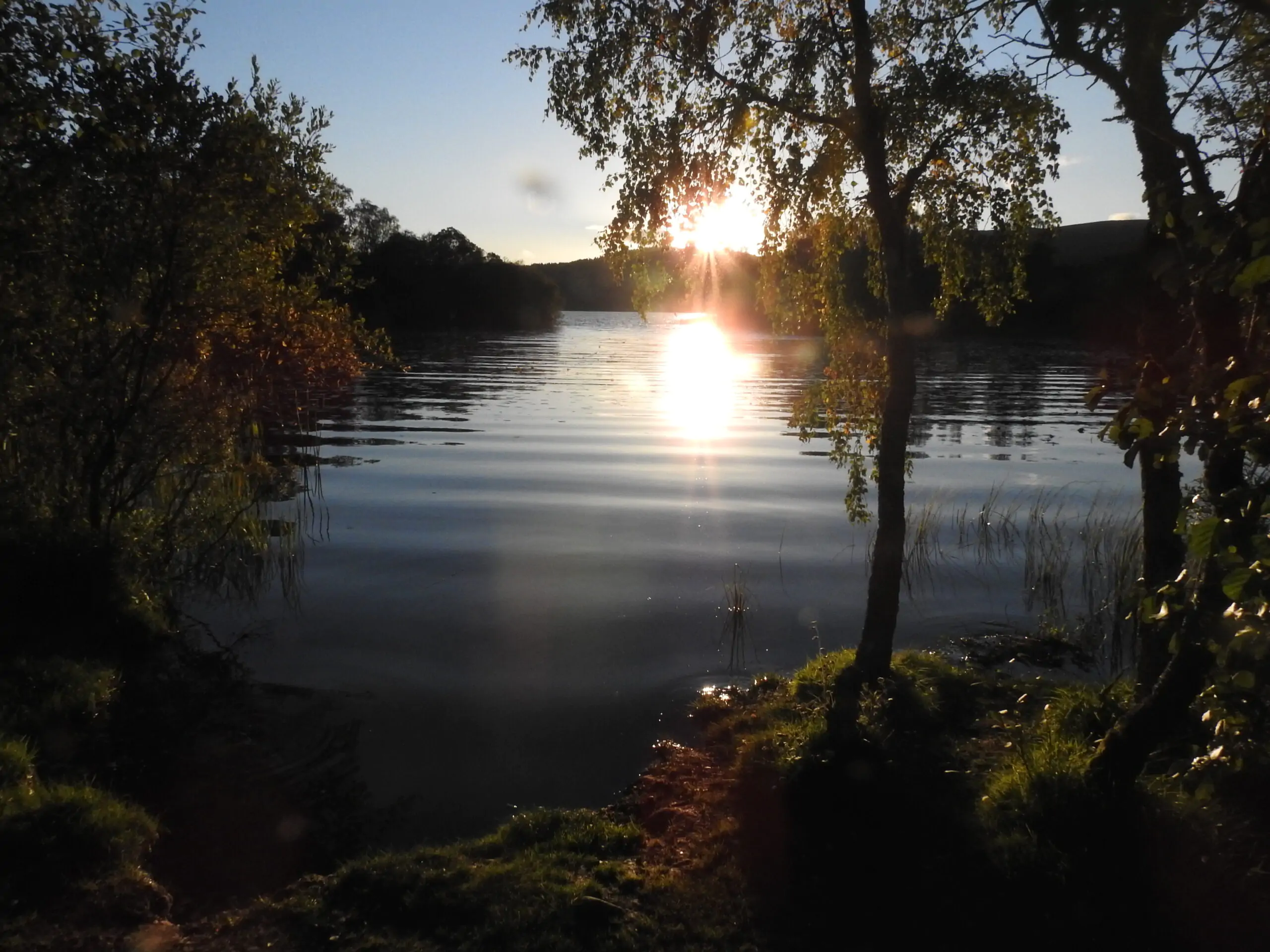
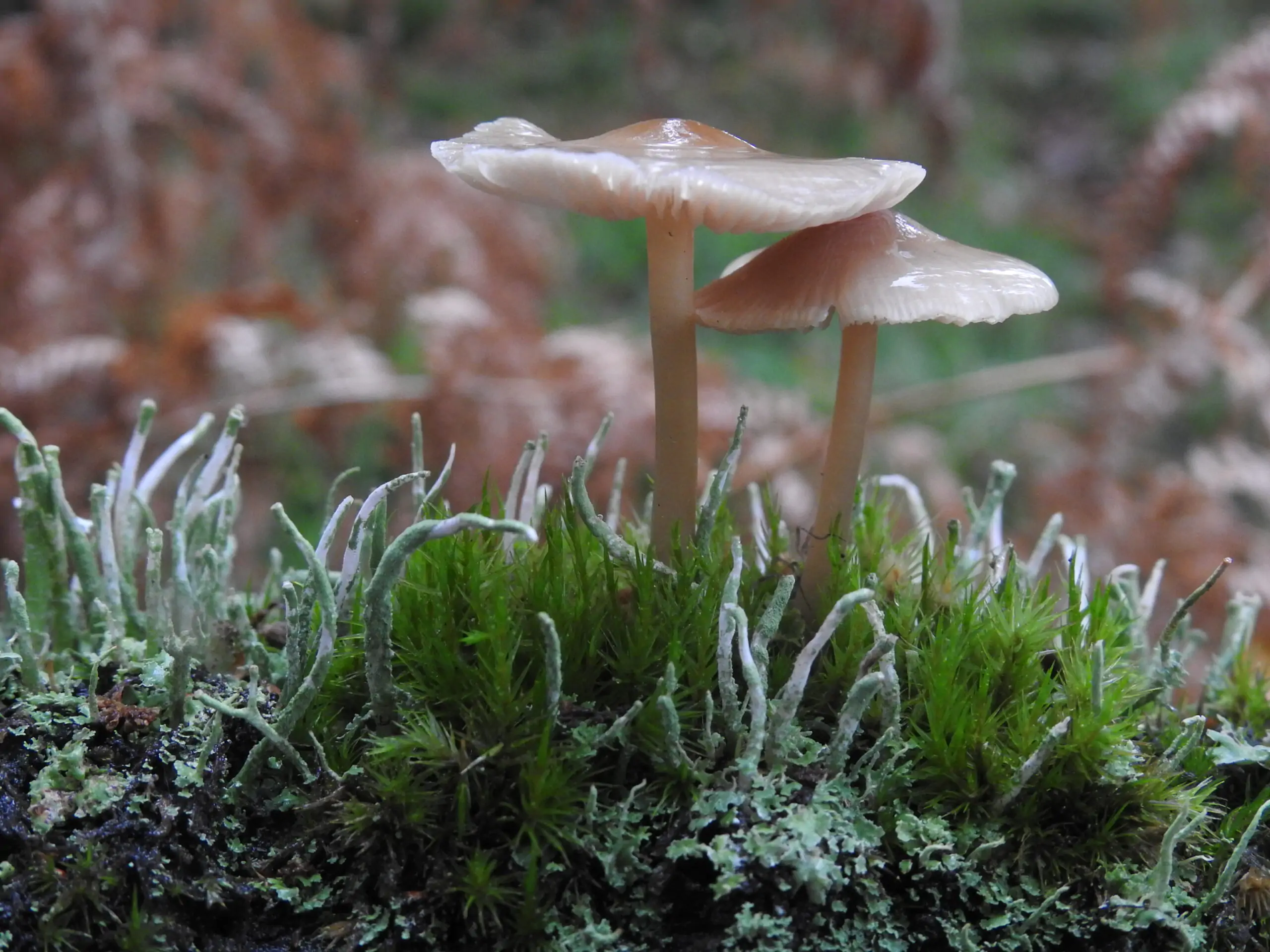
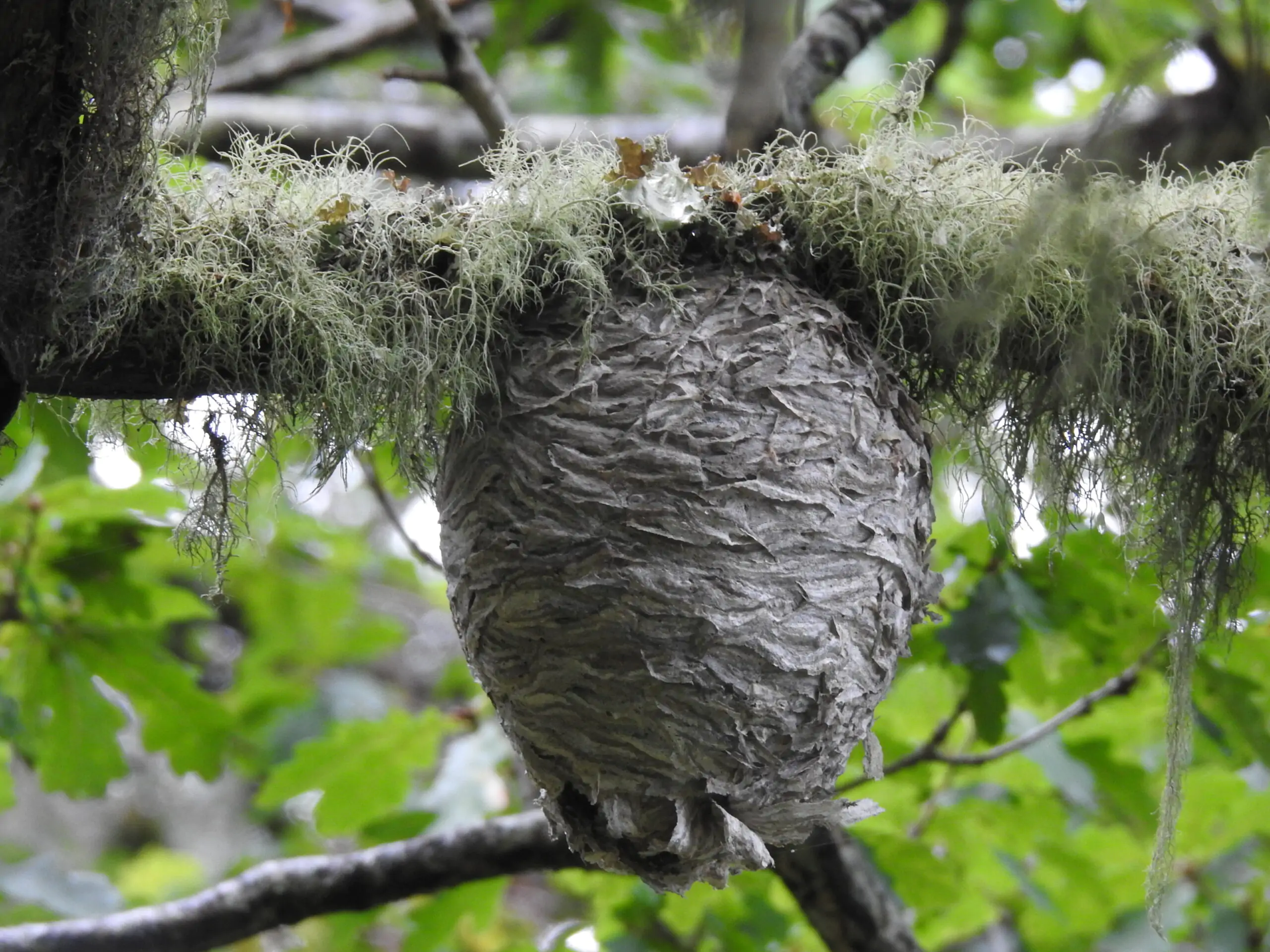
Here’s what we’ve seen recently:
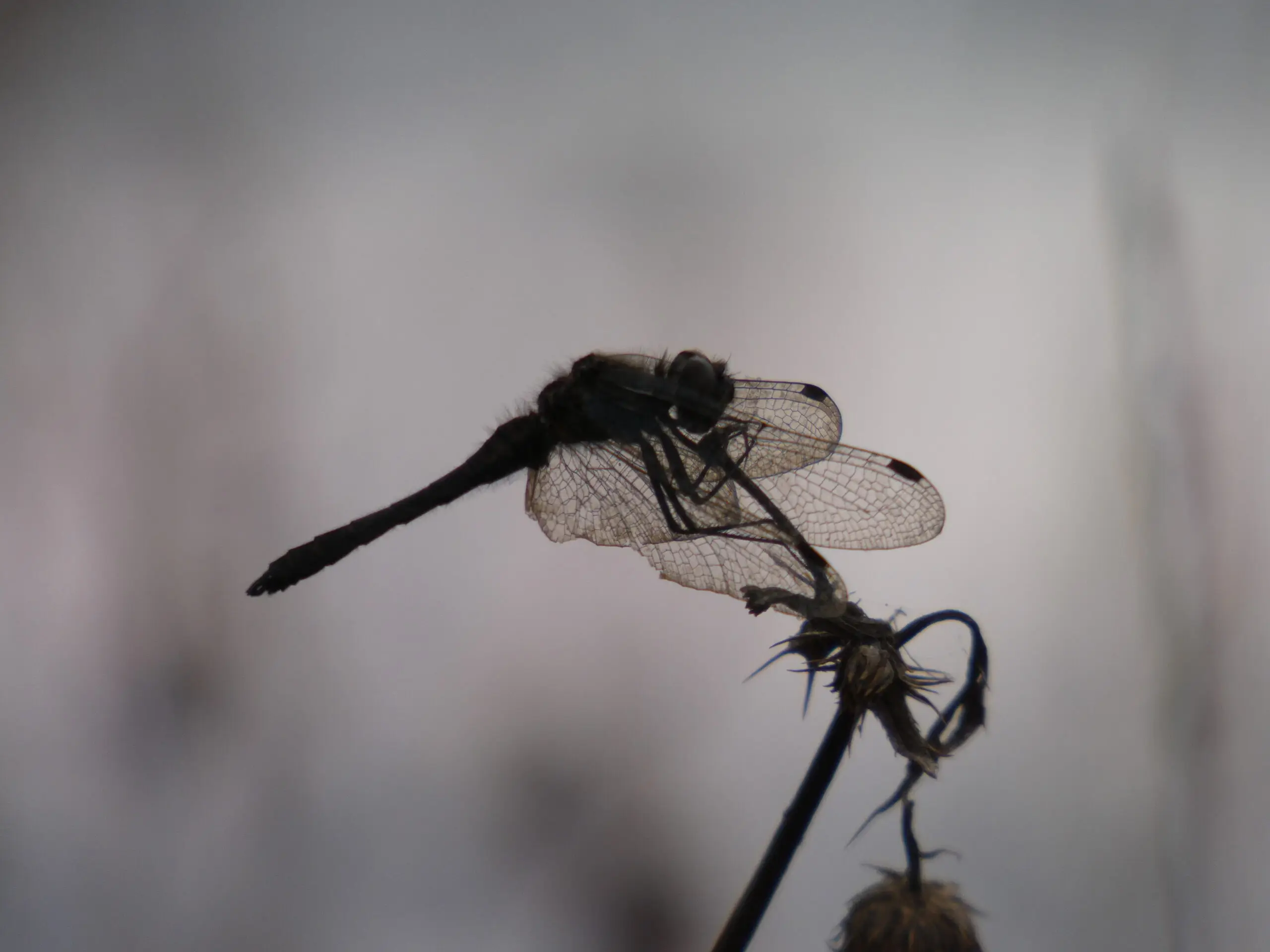
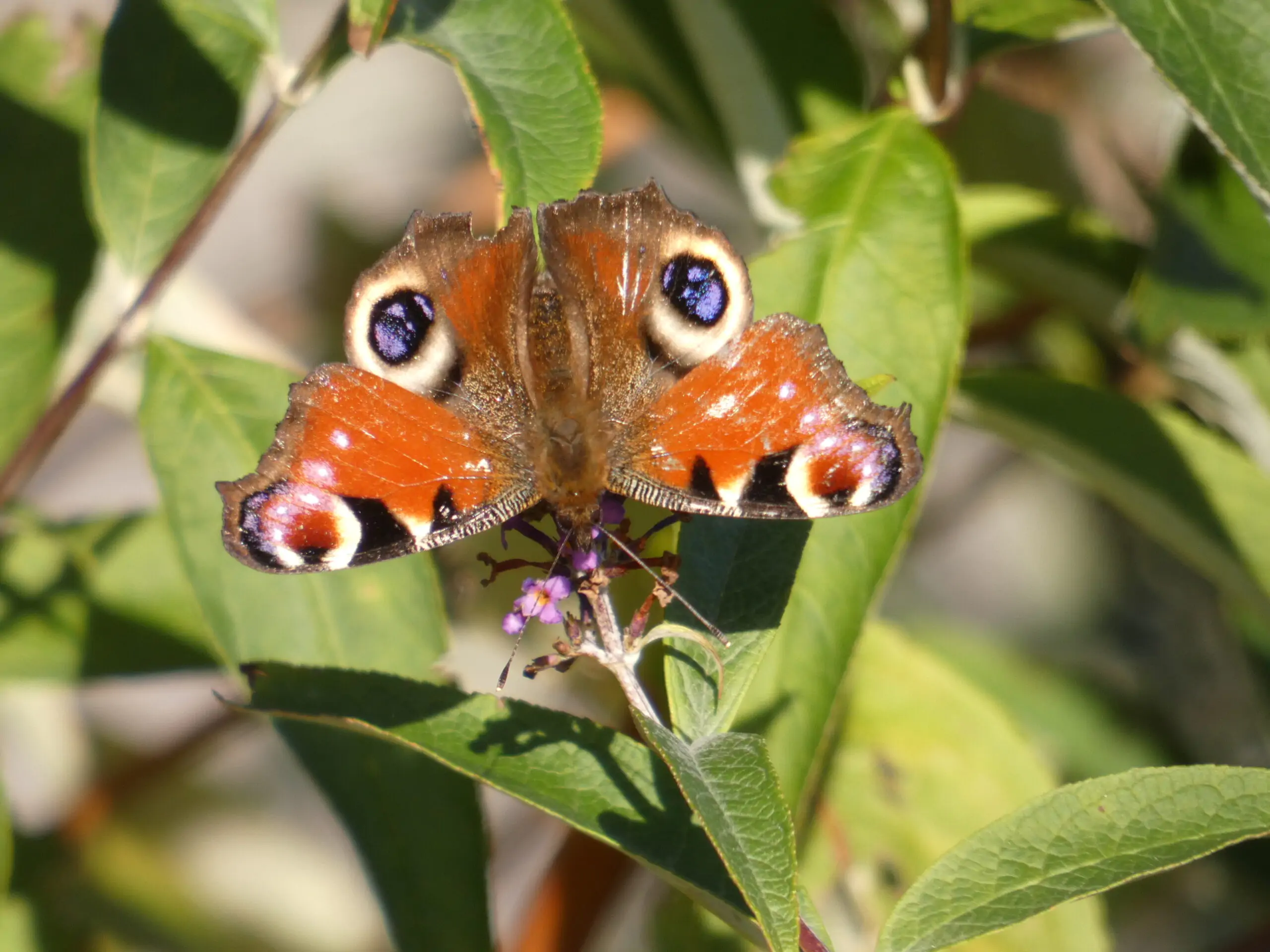
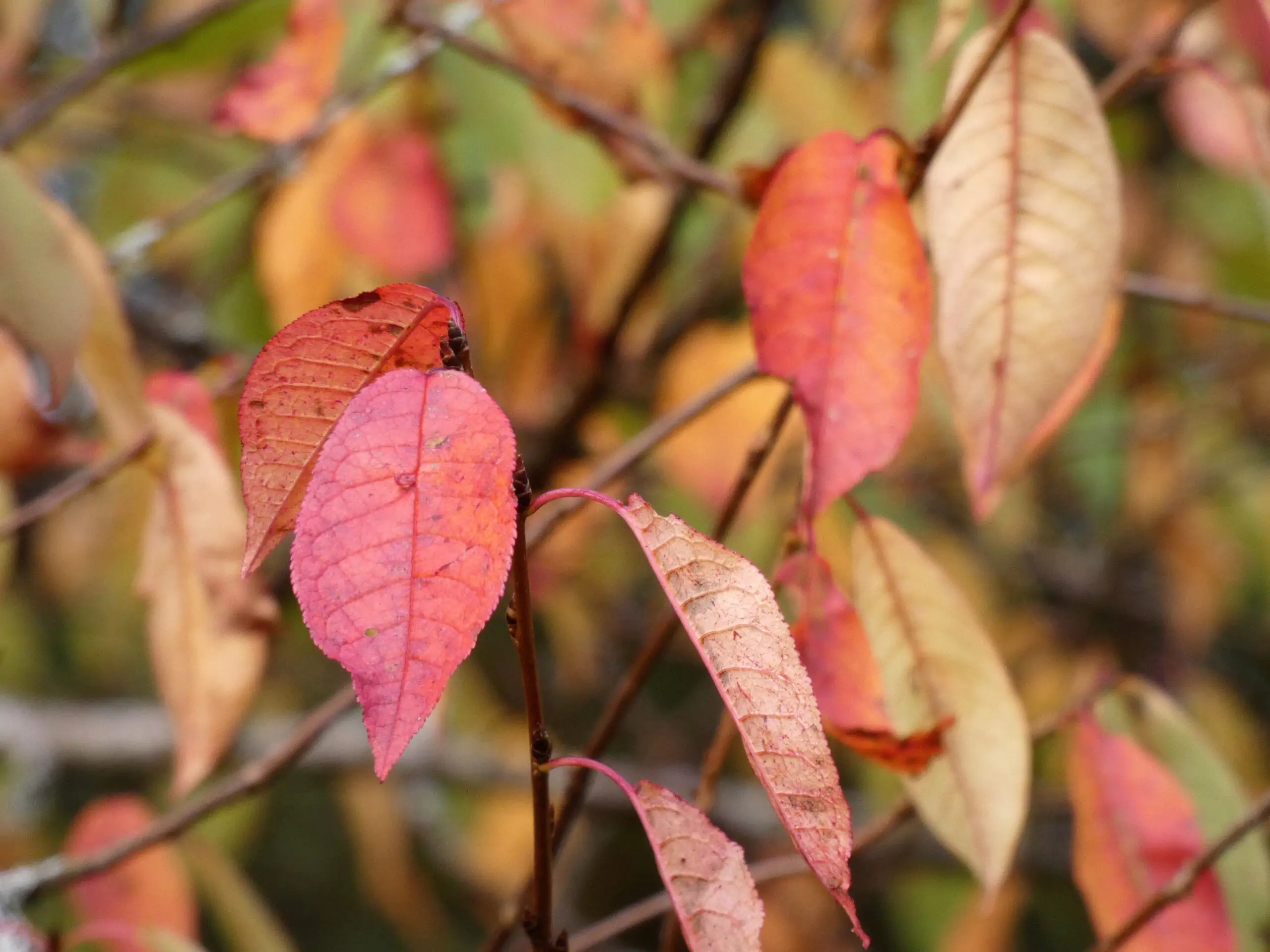
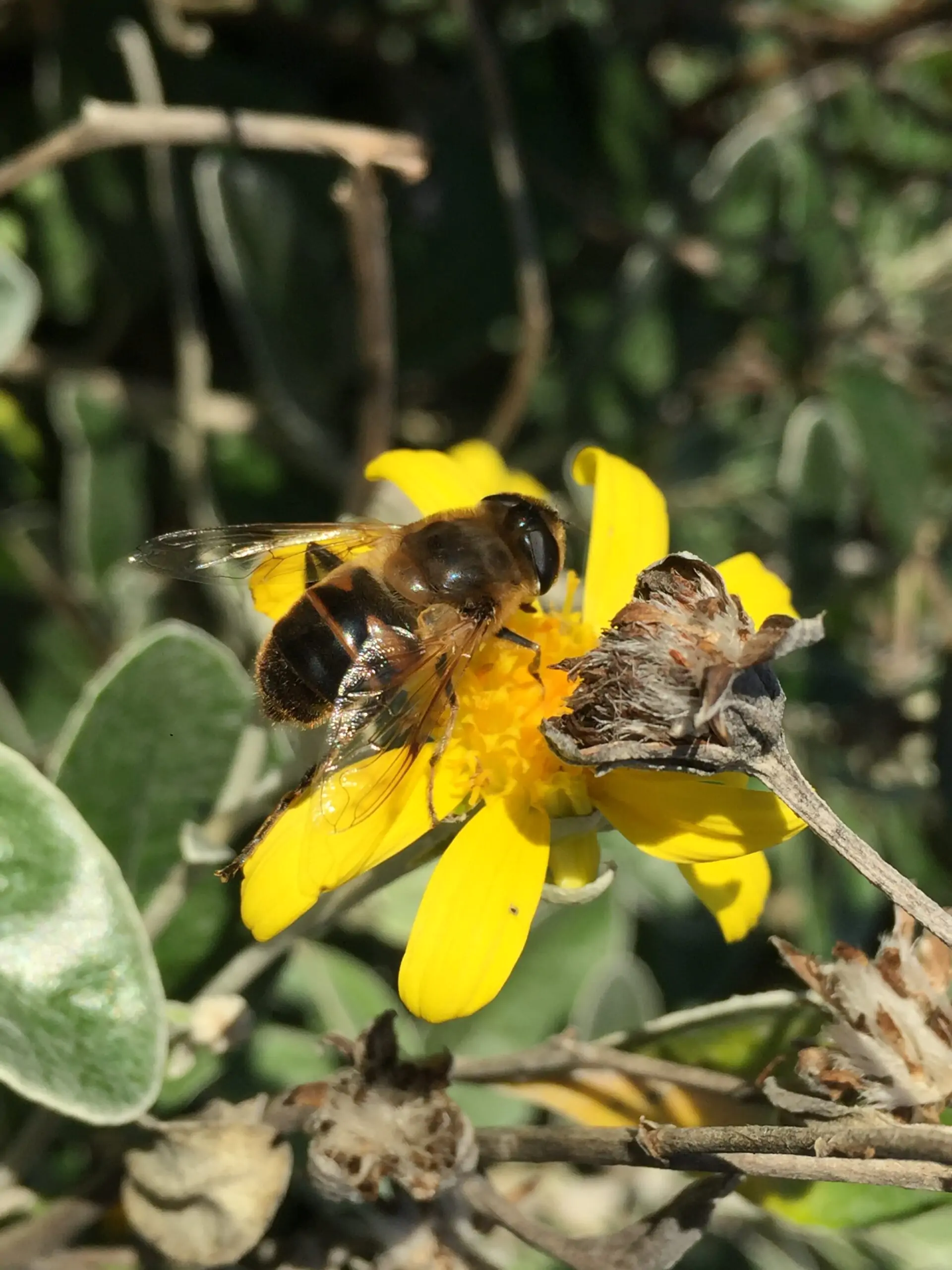
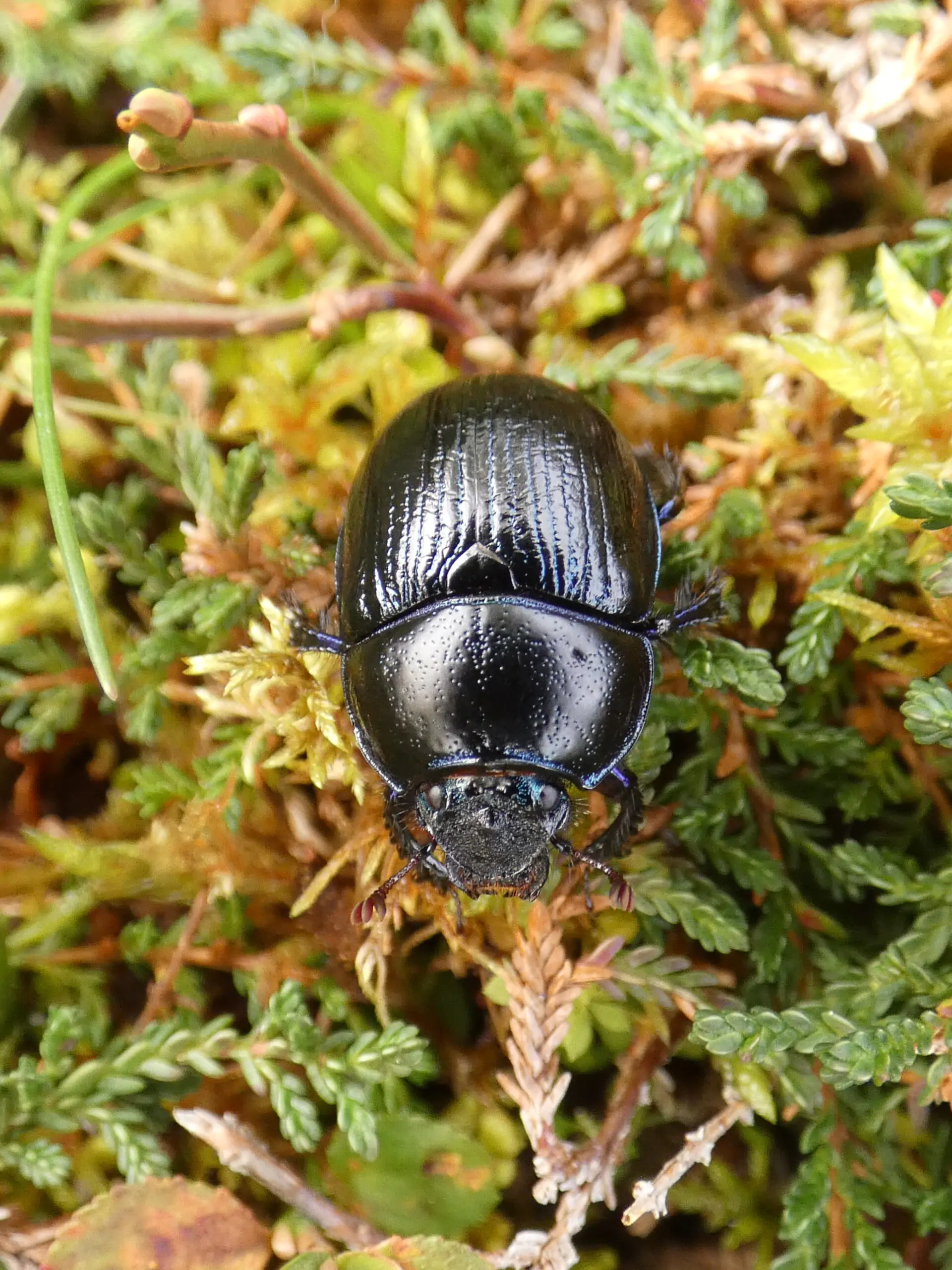
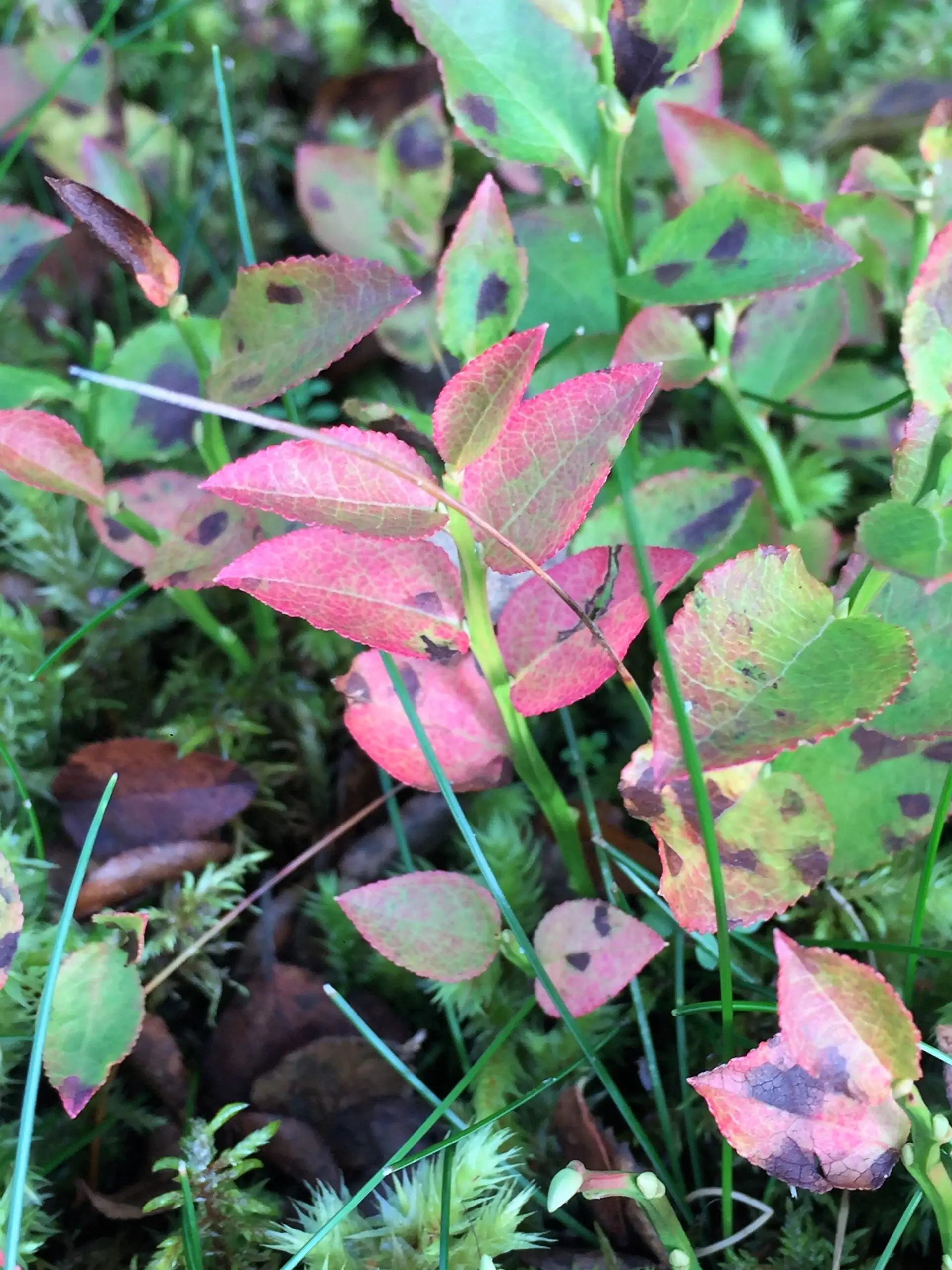
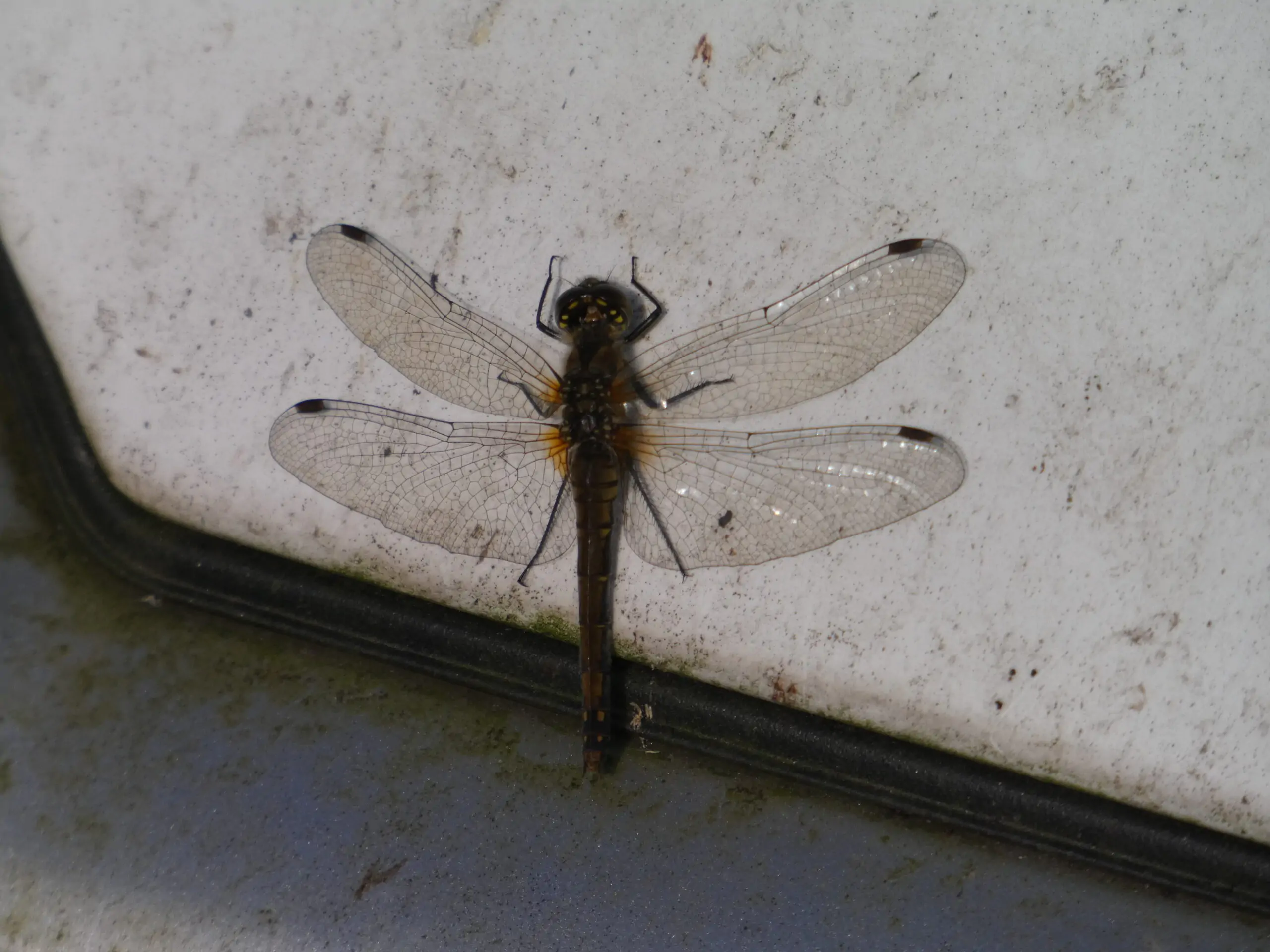
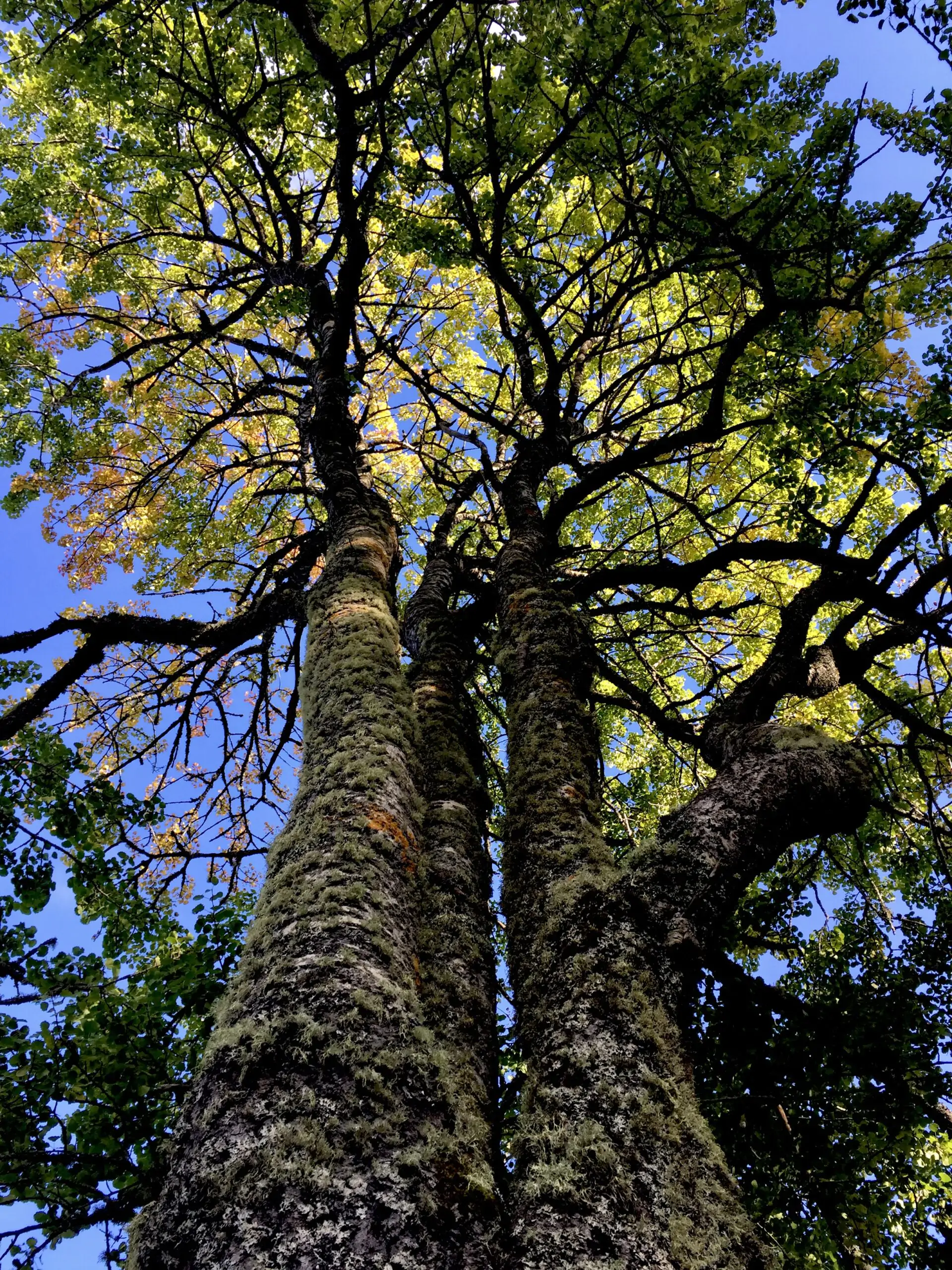
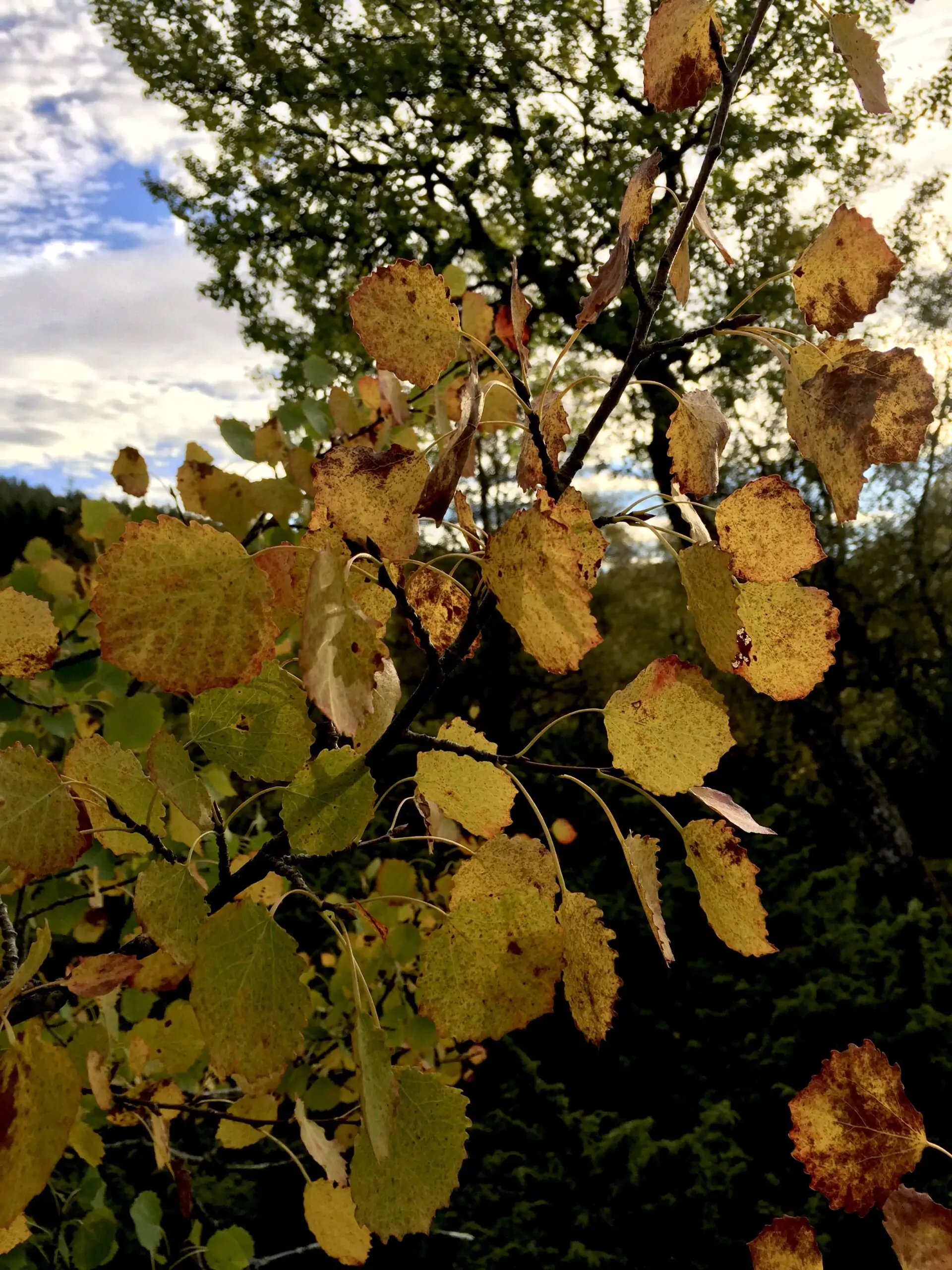
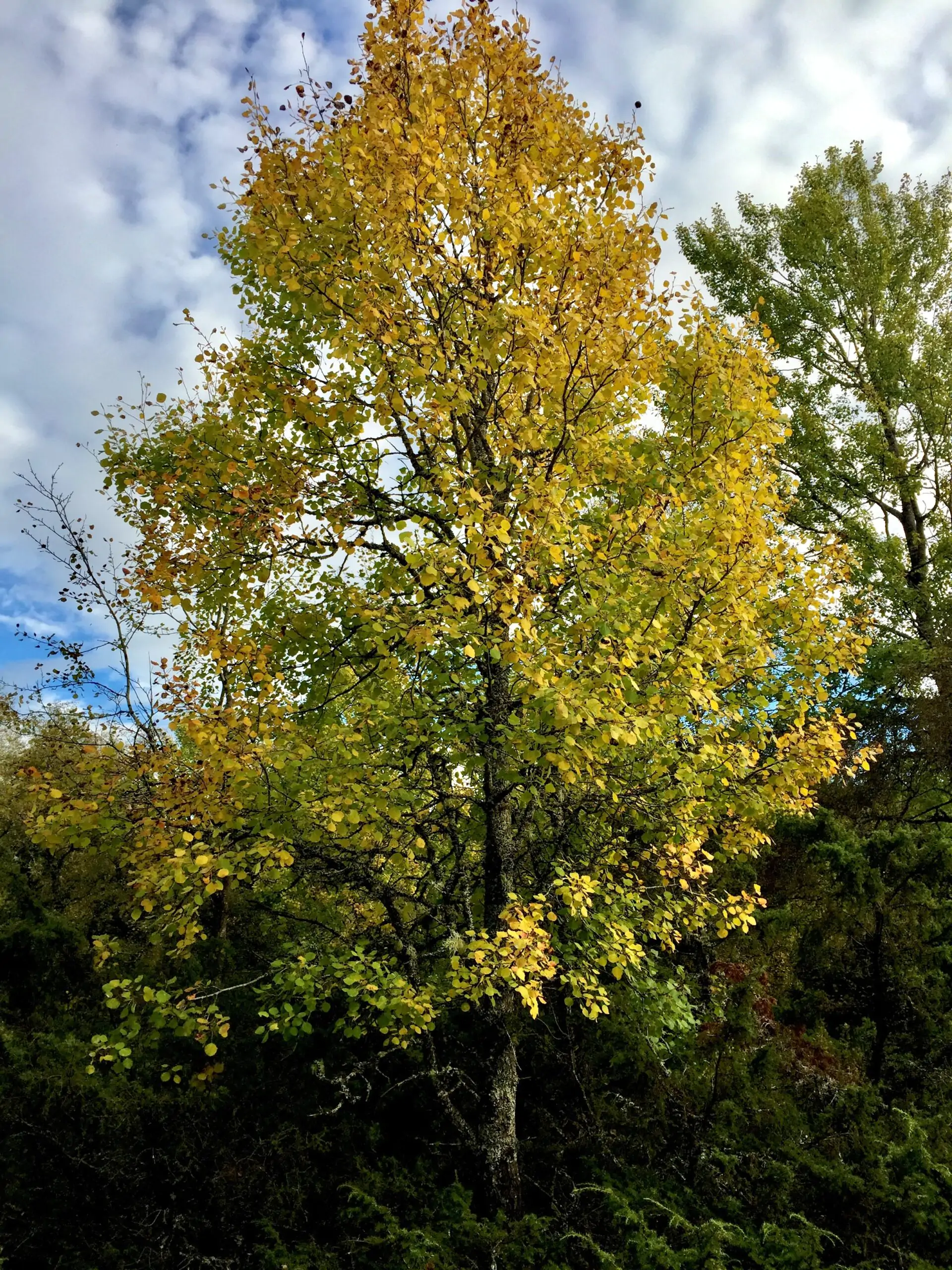
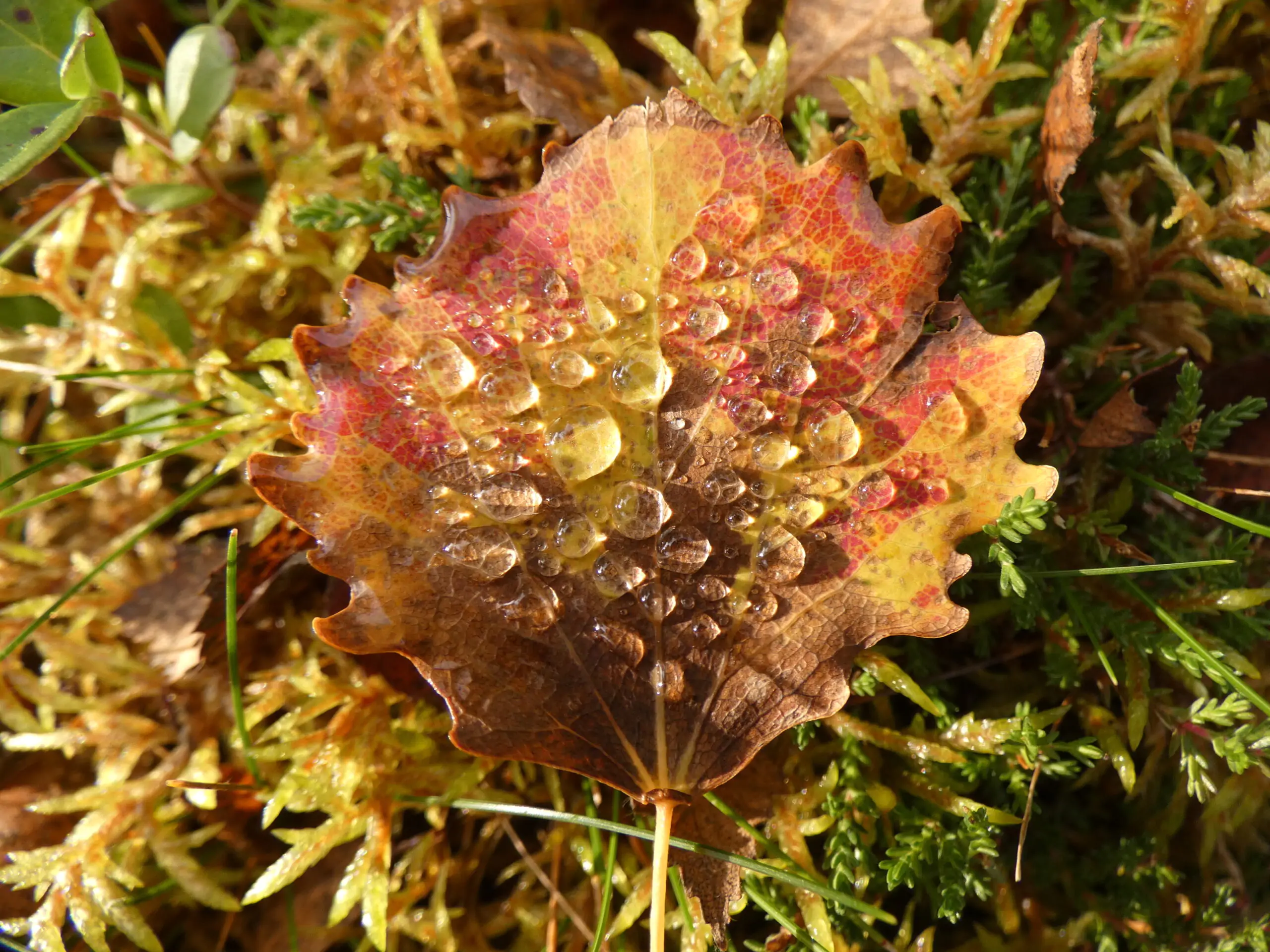
In the coming weeks, look out and listen for:
Birds
In November, some of the wildlife we usually see out in the woods and elsewhere start to make more frequent visits to our farms, school grounds and gardens, looking for food. Having a bird feeder is a great way of getting a closer look, soyou can get better at recognising them.
Look out for the threatening presence of a sparrowhawk around bird feeders – they like to fly at speed silently using the cover of a wall or hedge then swoop over in a surprise attack on the unsuspecting potential food source. Some people putting out food don’t like to see these predators take their garden birds – but they have to eat too! Adult females are usually one third larger than the male and can catch bigger prey items and a woodpigeon makes a very good meal. If you don’t see a sparrowhawk, you might just find a pile of plucked feathers as evidence of this top predator in your neighbourhood.
Birds such as redwing and fieldfare that arrived from Scandinavia last month may still be here, before having to move on once most of the berries have gone. Resident thrushes and starlings may also be taking advantage of the bounty while they can. Many of the birds we haven’t seen for some time like robin, greenfinch, goldfinch and siskin are becoming common sights again – especially if you put up bird feeders. You may even see some of our more exotic winter visitors such as waxwing – with their flashy plumage, they fit right in during trick-or-treating season! Try to avoid being too quick to tidy up your garden – remember it’s a wildlife larder!
There are still plenty of geese around. You can see and hear them as they fly to and from their overnight roosts – in places like Loch Kinord and Dinnet – to their daytime feeding grounds on grass, stubble and sometimes even fields with a recently lifted crop of potatoes.
You may hear the hoot of a tawny owl or two this month – during autumn, they make more noise than all the other owl species put together! The extra hooting, or ‘kee-wick’-ing is down to territory – young birds are reaching maturity and looking for new homes, while older birds are fighting to hold on to their patch.
Butterflies, moths & other minibeasts
Fewer moths are on the wing in November, though some that overwinter as adults can be active in mild weather, such as the stick-camouflaged sword-grass or the intricately patterned autumn green carpet. Some others are only around in autumn, such as the appropriately named autumnal moth, and in very similar shades of grey, the November moth (more commonly spotted in October, despite its name).
Mottled and scarce umbers that are also around now have flightless females with stunted wings, so don’t travel far toconserve energy, relying on their pheromones – a cocktail of chemical scents – to attract males and lay their eggs on various broadleaved trees. Look out for the male mottled umbers with their colour variations, some with very beautiful forms. Scarce umbers are paradoxically quite common, but no less attractive, with their golden-yellow wings.
Many late autumn moths do not feed as adults since there is little in the way of nectar or fruit to feed on, so with only the energy store retained from the caterpillar stage, they have to find a mate in the few days they have before their ‘batteries’ run out.
Now that many deciduous trees have shed their leaves, look on the ground for brown leaves with green patches – a tiny leaf-miner moth caterpillar may still be feeding between the layers of the leaf and keeping part of it fresh – research suggests this may be caused by bacteria living with the leaf-miners that change the host tree’s physiology, allowing photosynthesis to continue in part of the leaf. If you find such a ‘green island’, look closely for a trail of ‘frass’ (insect poo!) left by the caterpillar as it mines the leaf – different species leave distinctive feeding patterns from which they can be identified.
Ladybirds are in hibernation now so look out for them, sometimes in large numbers! Orange ladybirds typically hibernate on tree trunks at about head height or lower, and some years you see masses of them on the shady side of old sycamore trees, tucked into crevices in the scaly bark. Seven-spot ladybirds are easy to see, and tend to hibernate on exposed fence posts, tucked into crevices in the wood or clustered on conifer branches.
Mammals & other larger animals
As the season changes from autumn to winter, our wildlife is busy preparing. Voles have been piling on some extra pounds by eating the seeds inside wild cherry stones Keep your eyes peeled for other signs of animals feeding, like this cone whose scales have most likely been chewed off by a squirrel, keen to get at the seeds. When mice remove the scales, they usually make a neater job of it!
Look out for the tufts on red squirrels’ ears this month – although present most of the year, they are moulted in late summer and regrow in early autumn, and most obvious in winter months.
Trees, flowers, fruits & fungi
Some wildflowers are still adding a bit of colour with harebell and yarrow still in bloom across the catchment. Deciduous trees are losing most of their leaves this month – grab the last opportunity for some artistic autumn photos! Higher up the catchment, larch trees are a blaze of glorious gold, before finally dropping the last of their needles for the winter. The evergreens now become an even more important source of food for birds and animals.
There are still fungi around in November – some can survive freezing, and carry on growing when the weather turns milder again. Look out for the velvet shank, a lovely yellow-orange fungus that typically grows in a cluster on dead wood (with a stem covered in tiny hairs, giving it a velvety appearance), and the jelly ear fungus – also found on dead wood such as elm, sycamore and elder, and looks like a pinkish coloured ear. This can often be found in large troops over the winter.
You may have noticed lots of acorns underfoot as you walk through the woods on Deeside. “Mast” is the term used to describe the fruit of forest trees such as acorns and beech seeds, hence the term “Mast Year” when these fruits are in abundance. With a lot of acorns, you do of course see jays, and the Old Wood of Drum, at Drum Castle is a perfect place just now to take a walk, see the acorns for yourself and hear the raucous screeching of the jays. Hard to spot, these birds are much easier to locate by listening as they make their noisy way through the forest.
This is the time of year to spot earthstars, an amazing type of fungi. They are rare in the northeast of Scotland but may be increasing on mulch in gardens and roadside plantings. Most of the earthstars grow on organic matter, so are found on mulch and may be moved into an area with commercially obtained garden mulches and composts.
We are intrigued to find out more and would like you to help us find out more by photographing any you see and posting your photos with details of where they were found. You can also let Grampian Fungus Group know by emailing photos to Toni Watt on [email protected].
It’s not too late to see other fungi with many of our winter species fruiting now including mycenas or bonnets. These woodland species can often be seen well into November, small and fragile looking with bonnet shaped caps, and the much chunkier lepistas or blewits some with vivid purple colours. Even if it does get very frosty the velvet shank will still keep fruiting on dead wood and stacked logs, stopping temporarily during hard frosts and then continuing to grow again in milder weather.
On the River
Salmon are spawning this month, triggered by falling water temperatures, which drop first in the upper catchment. Look out for them near Polhollick Bridge, west of Ballater. By now, males have developed a hooked ‘kype’ at the tip of their lower jaw, partly for display and partly to help them jostle for position to fertilise females’ eggs as they are laid in ‘redds’ – pits they dig in the river’s gravelly bed. You can find out more about their fascinating life cycle here: