

 Ambitious recovery programme launched as unprecedented decline in pearl mussel highlights fragile River Dee
 DeeWatch December
The clocks go back this month, bringing shorter days and longer nights. We may even catch glimpses of the first snows on the hilltops. Frosts are already common at the Dee’s source high in the Cairngorm mountains, where snow may arrive any day. Heading eighty miles east through the catchment to the coast reveals a very different picture – spectacular leafy displays of red, orange, russet and gold across the lower catchment’s woodlands, that may not see snow before December. October can be a month of contradictions – we’ve had some mild mornings but we’re also seeing the first piles of fallen leaves gathering, while bees squeeze onto the last flowers of the Buddleia bushes in gardens.
Here’s what we’ve seen recently:
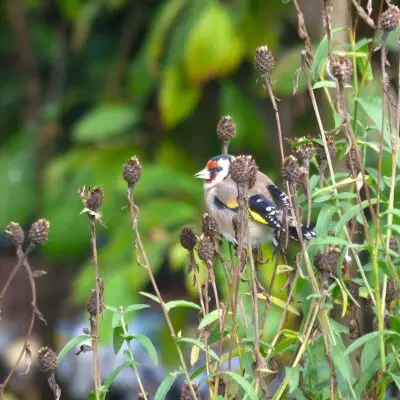
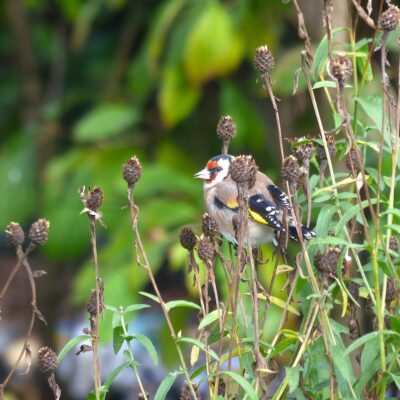
A goldfinch feasts on the seeds of knapweed 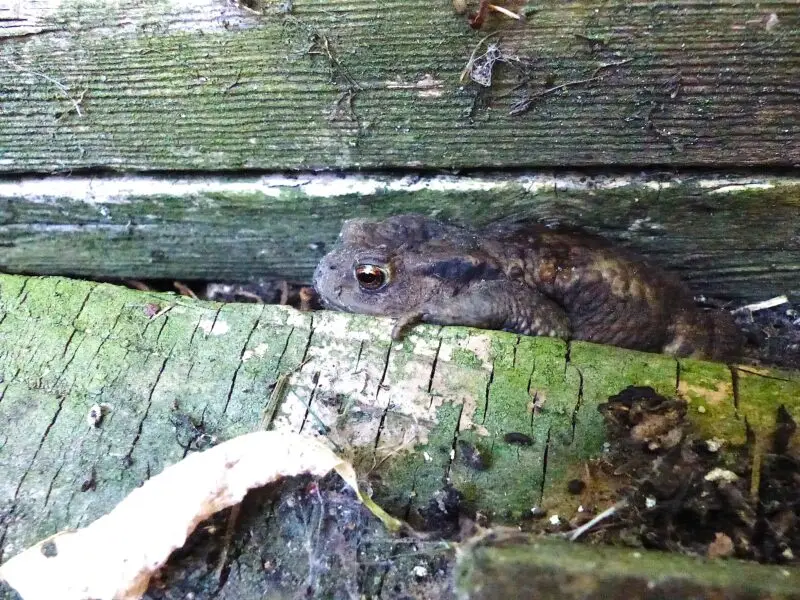
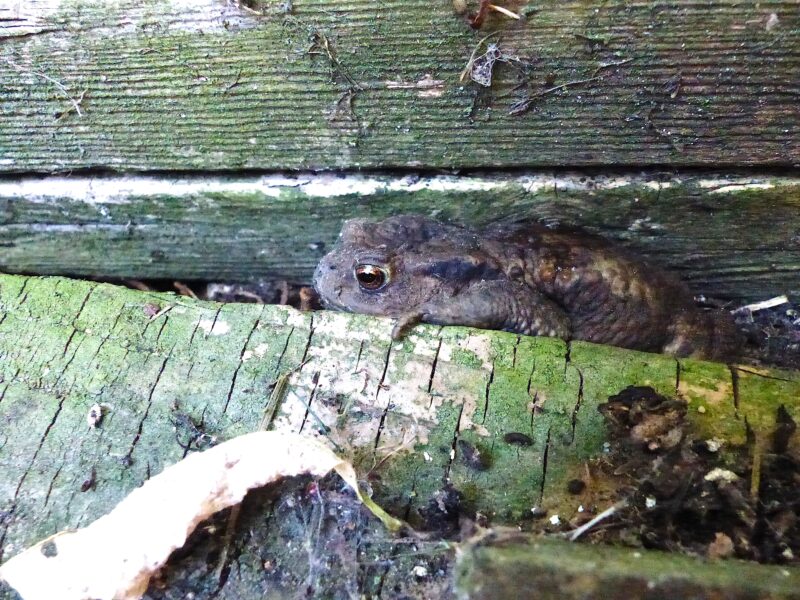
Make space for nature in your garden! This toad is taking shelter under some pieces of wood 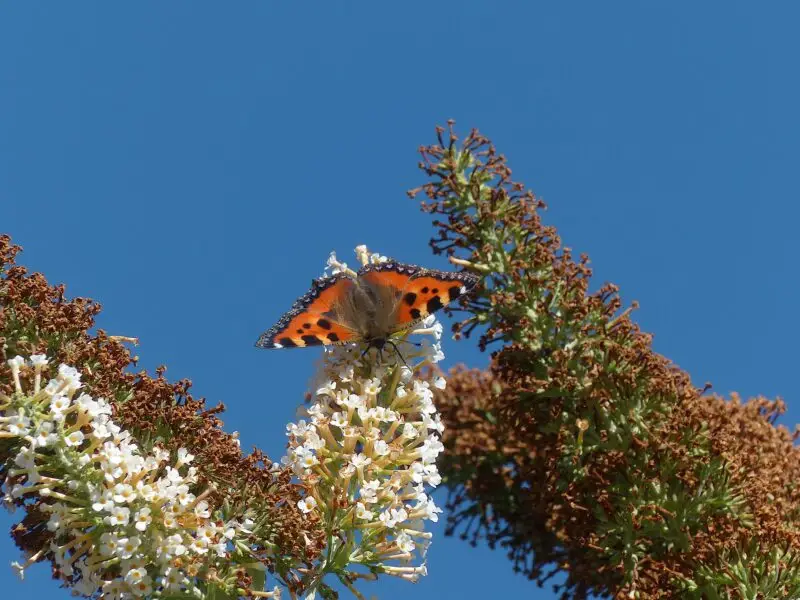
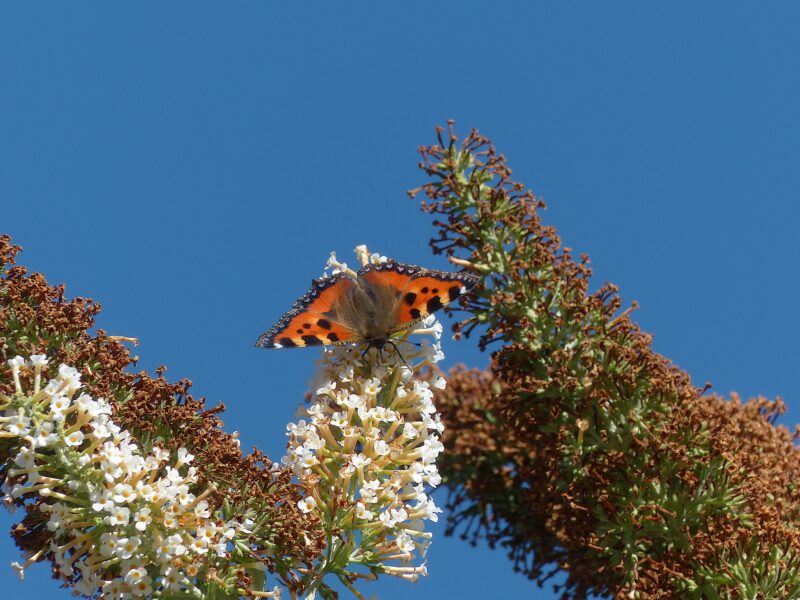
Butterflies like this Common Tortoiseshell will be looking for a sheltered spot in your shed or elsewhere to hibernate through the Winter 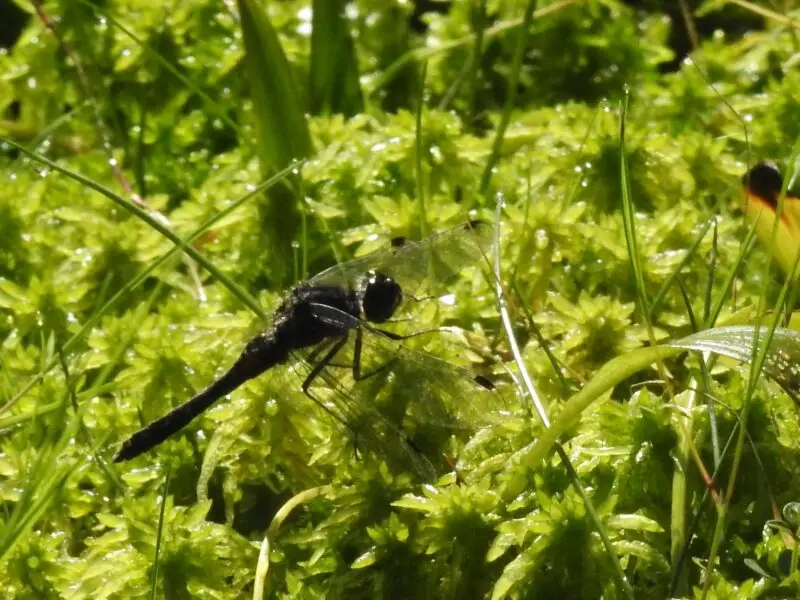
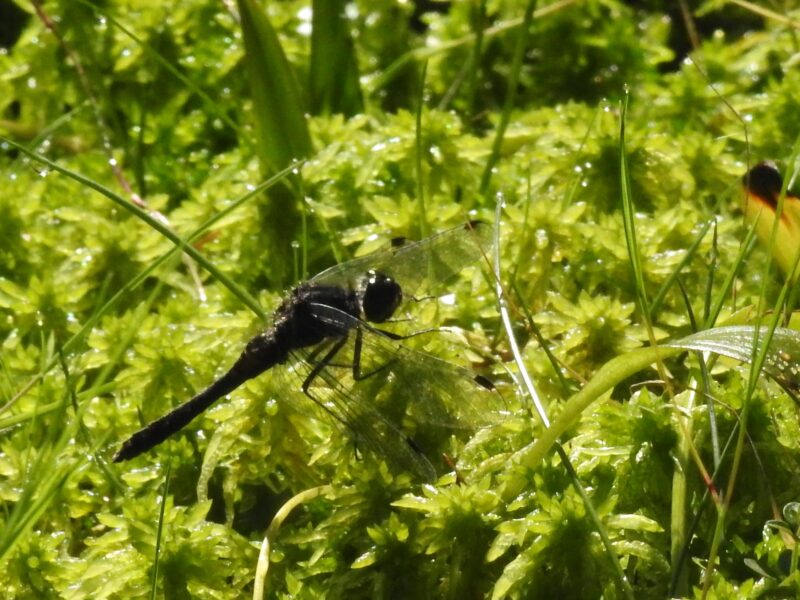
Black darter 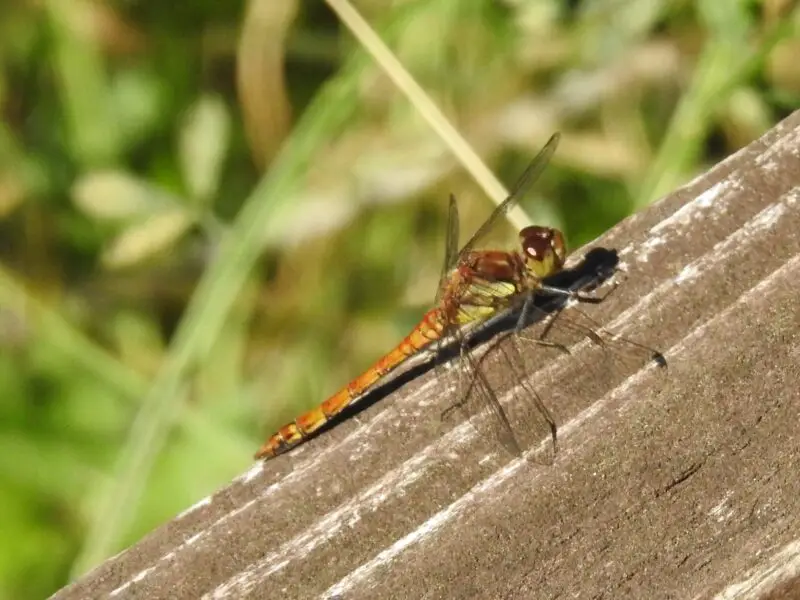
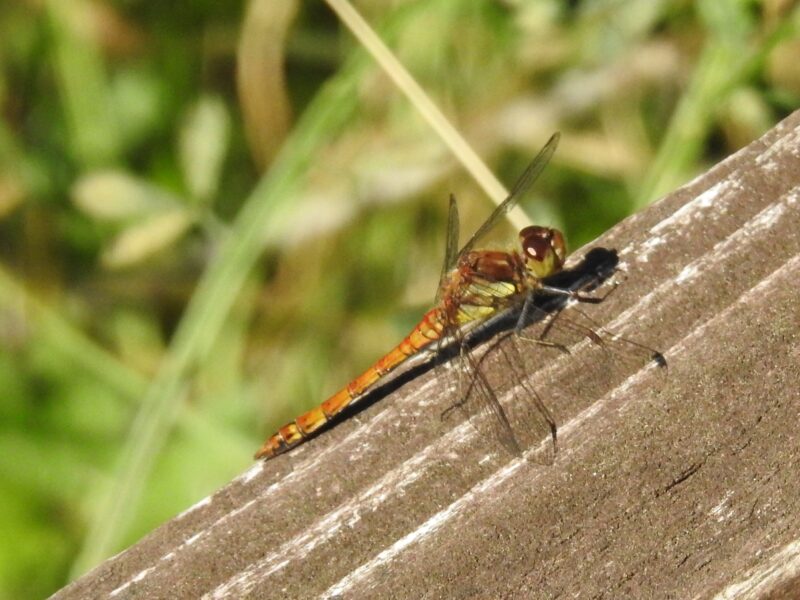
Common darter 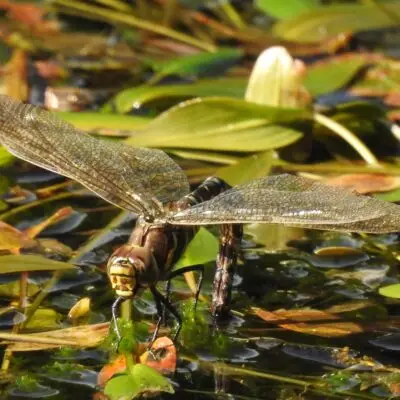
Common hawker egg-laying 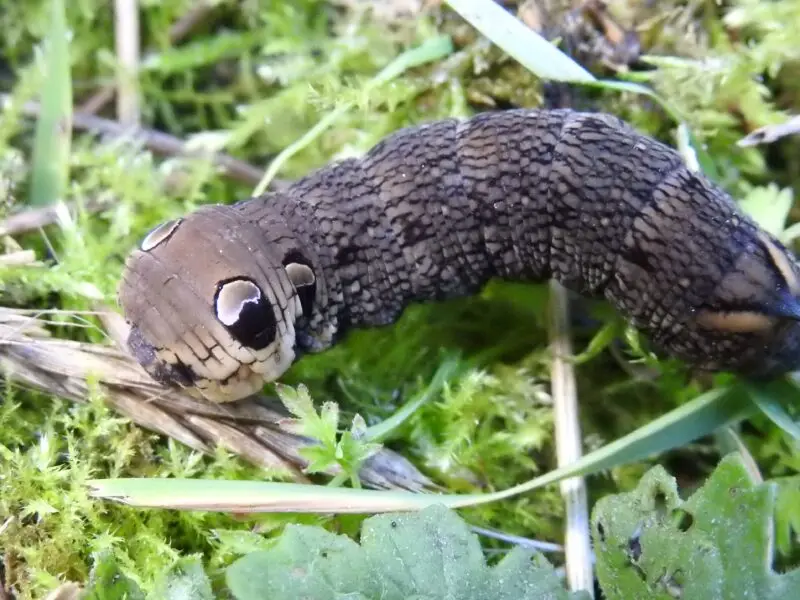
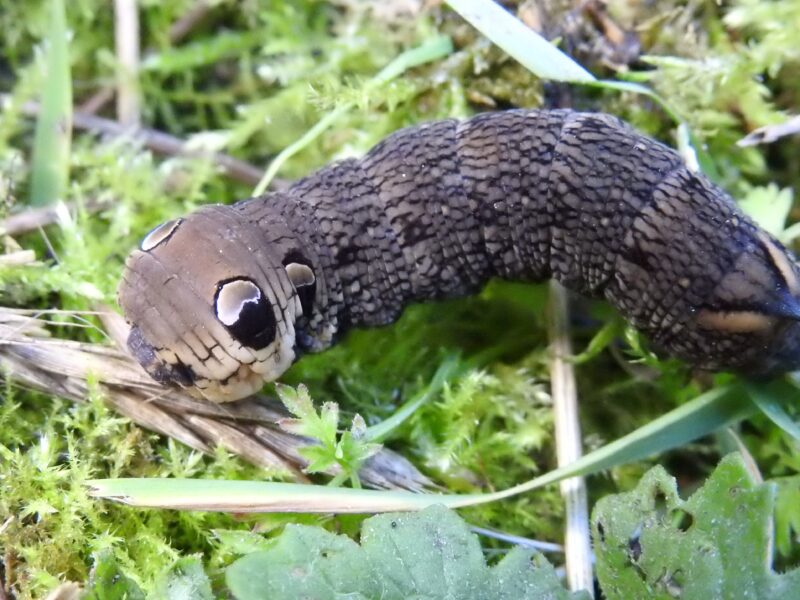
Elephant hawk moth caterpillar 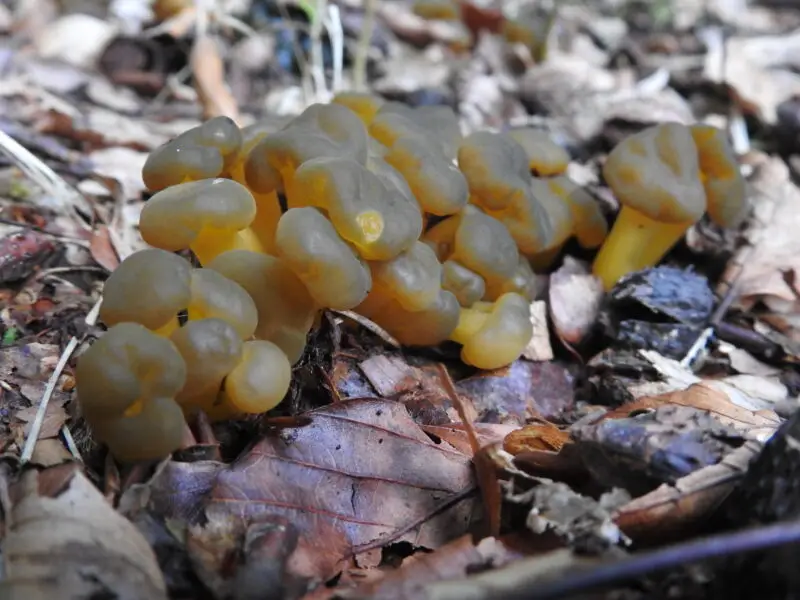
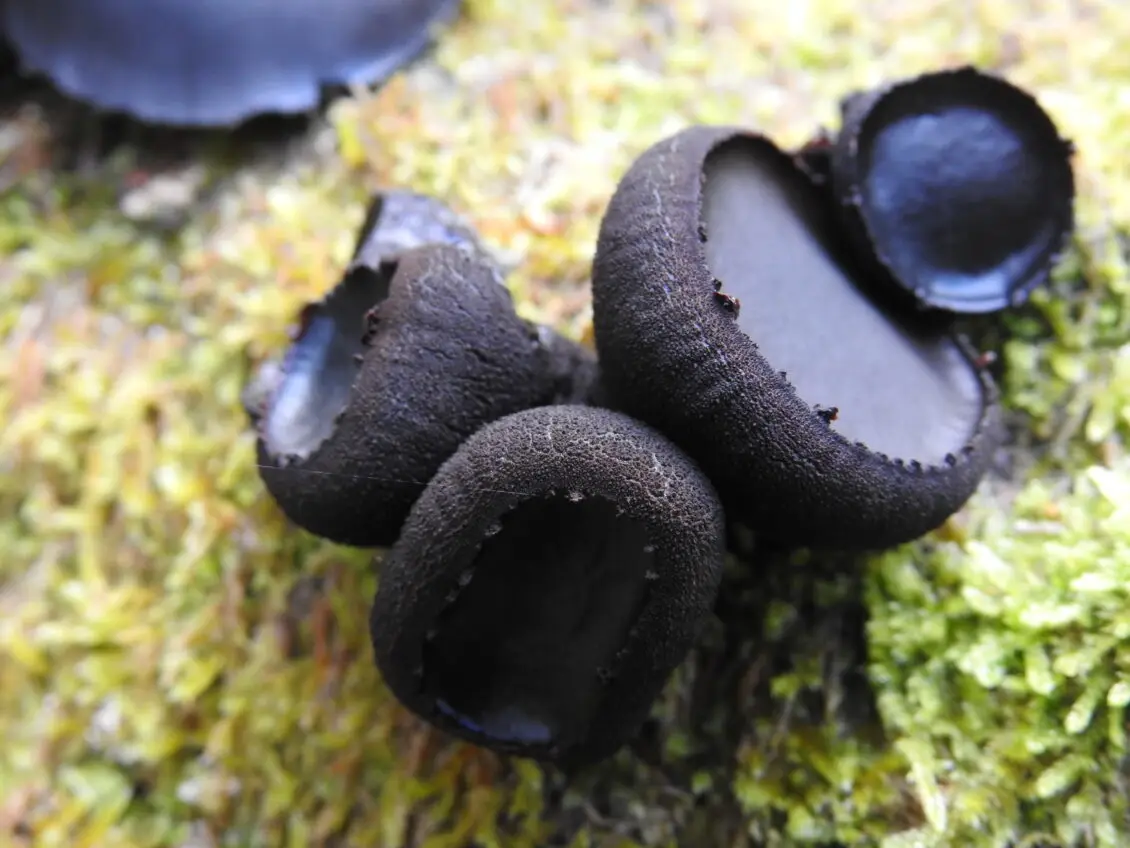
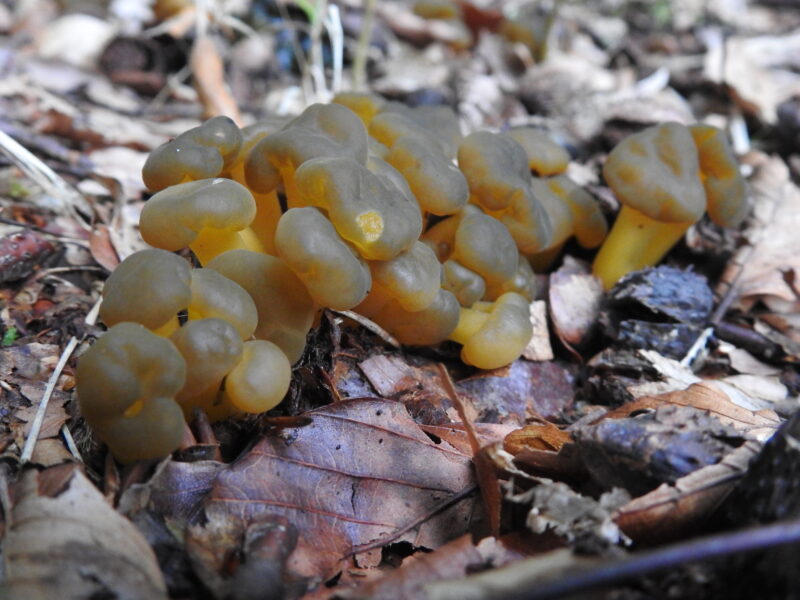
Jelly babies are amazing jelly-like fungi found in deciduous woods 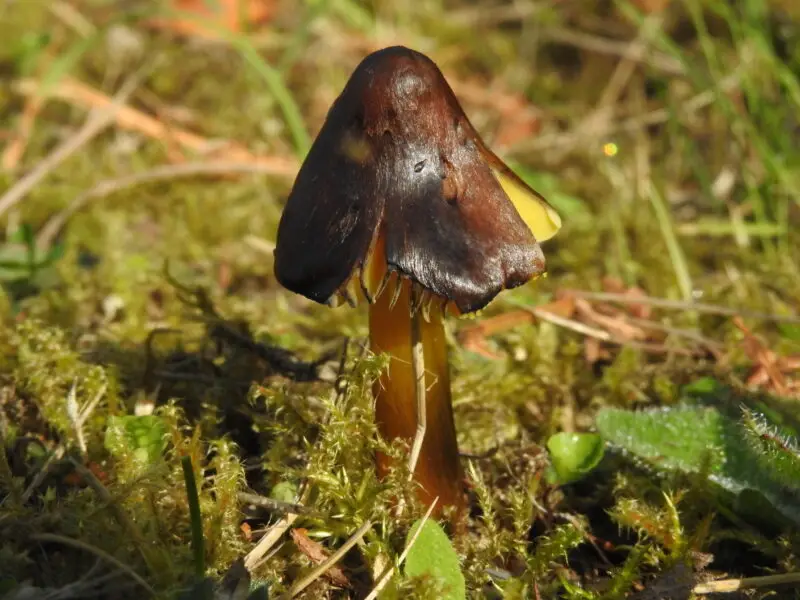
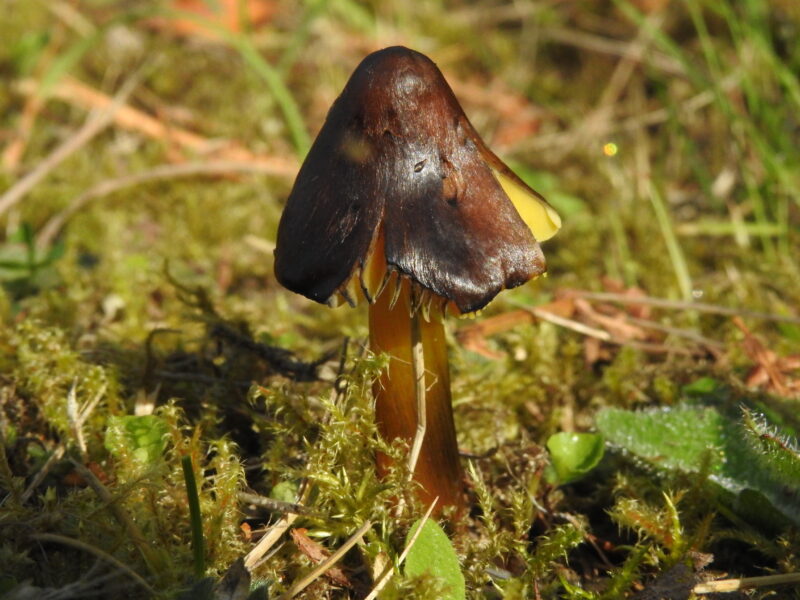
Waxcaps are appearing now including the blackening waxcap which really does turn from orange/red/yellow colours to black 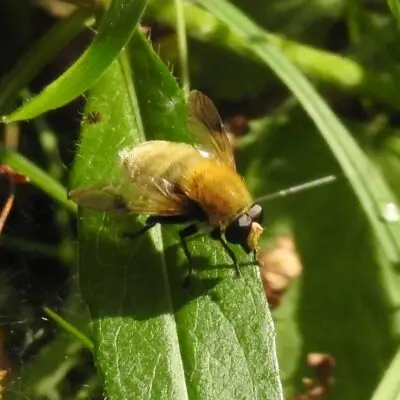
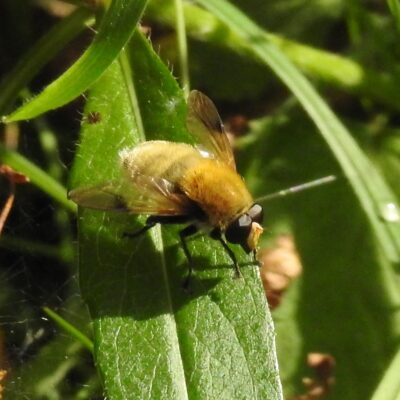
Bumblebee mimic hoverfly 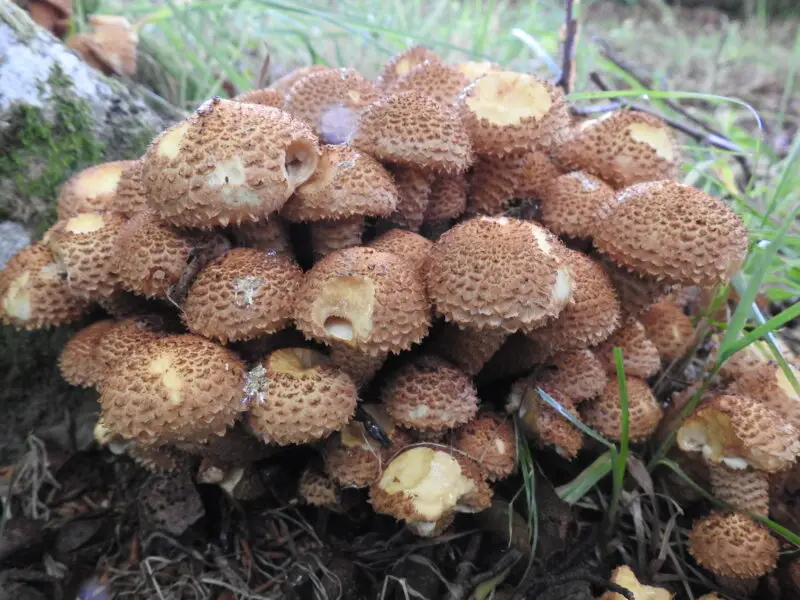
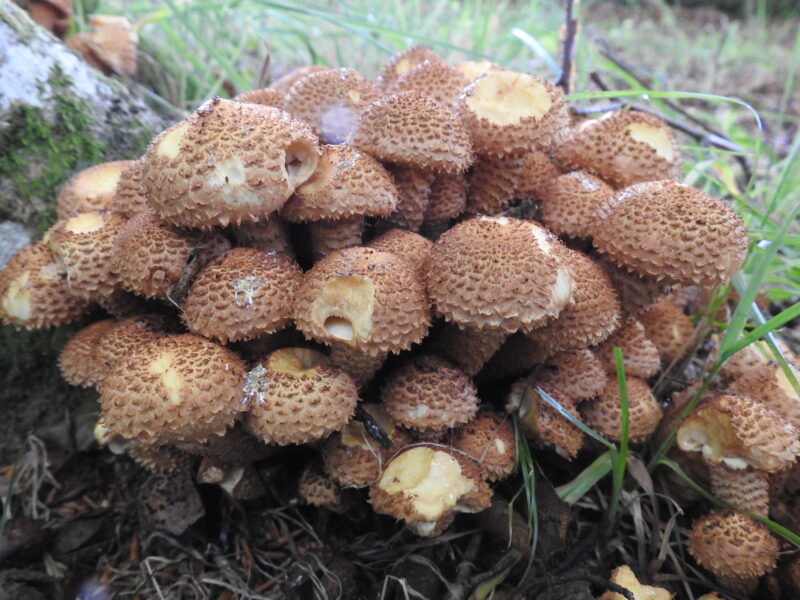
Shaggy scalycap is found in clusters at the base of deciduous trees and is a weak parasite 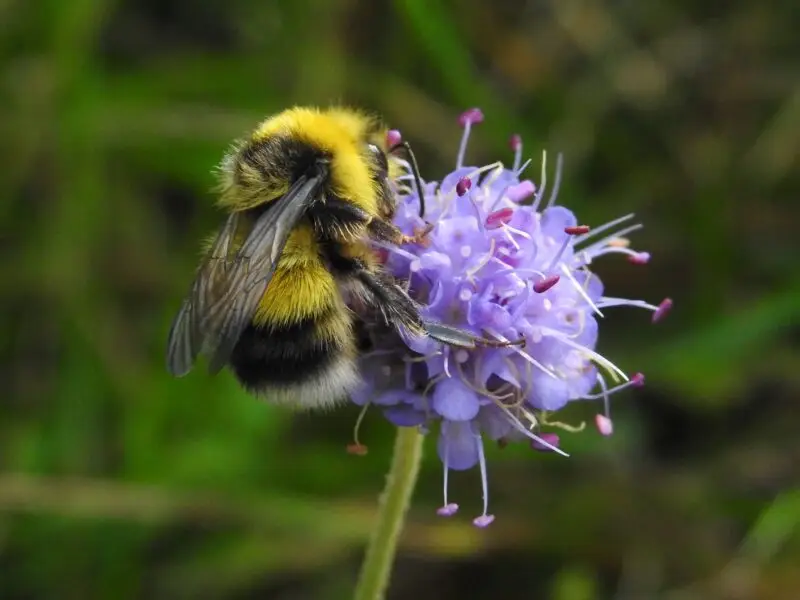
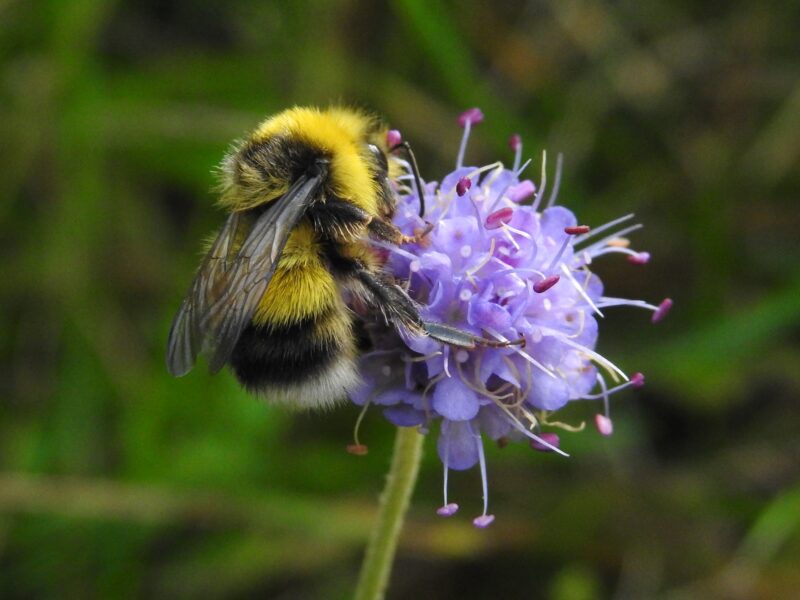
There have been a lot of very yellow white-tailed bumblebees this year with so much yellow on their bodies and face 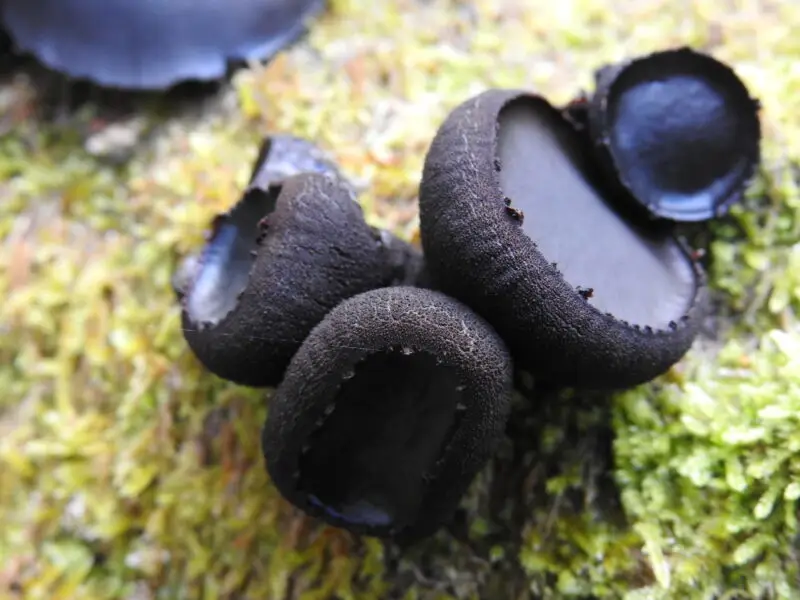
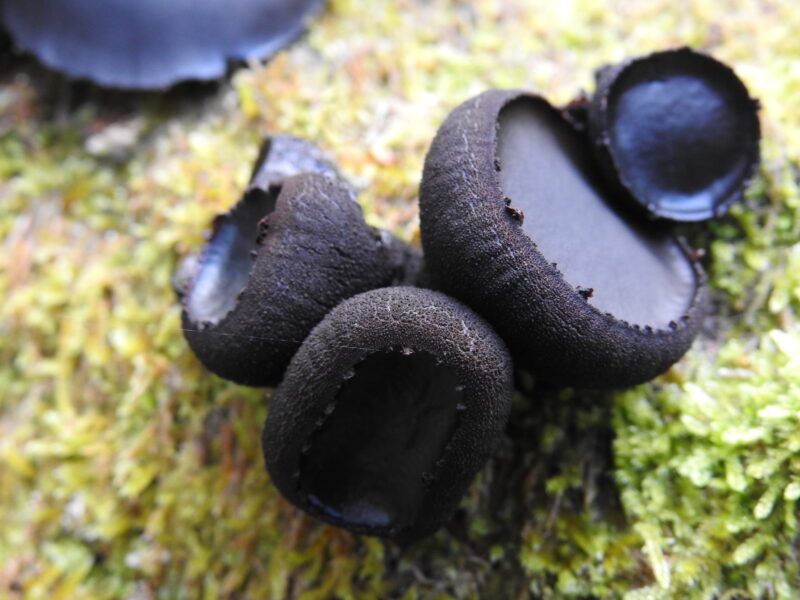
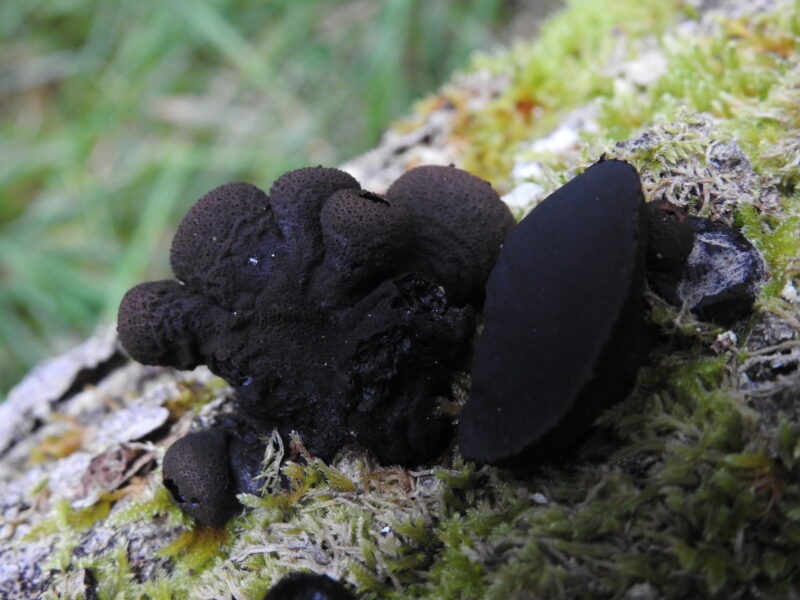
Batchelors buttons are found all up Deeside on old dead fallen oak trunks 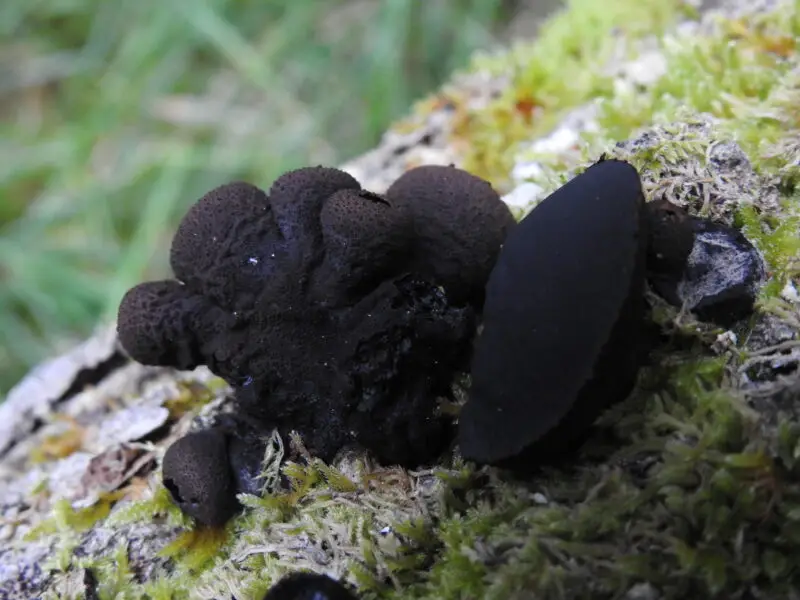
A fantastic month for fungi, batchelors buttons are found all up Deeside on old dead fallen oak trunks 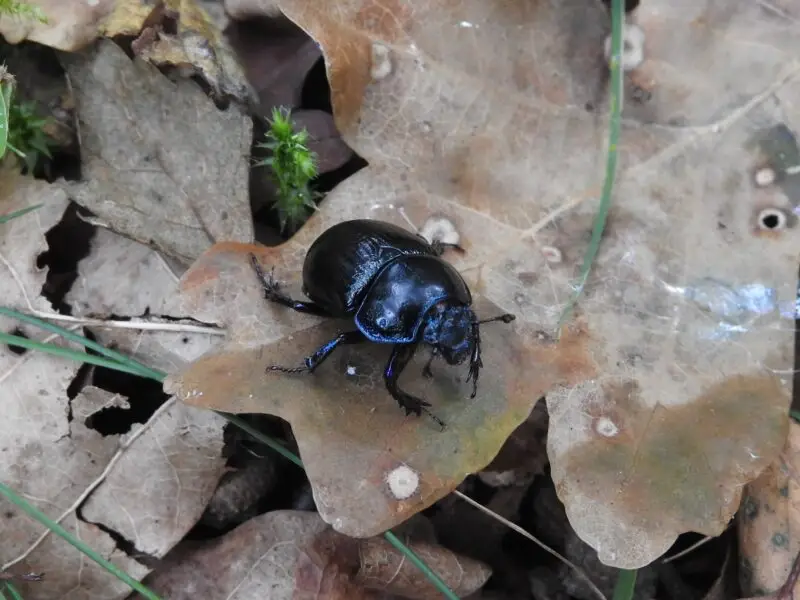
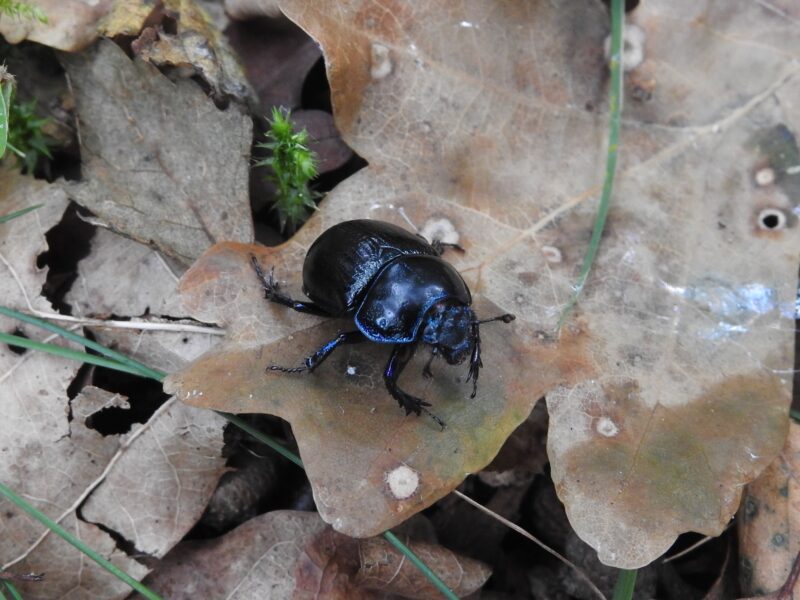
The ancient and slow dor beetle, often seen stuck on the back of an elephant hawkmoth caterpillar 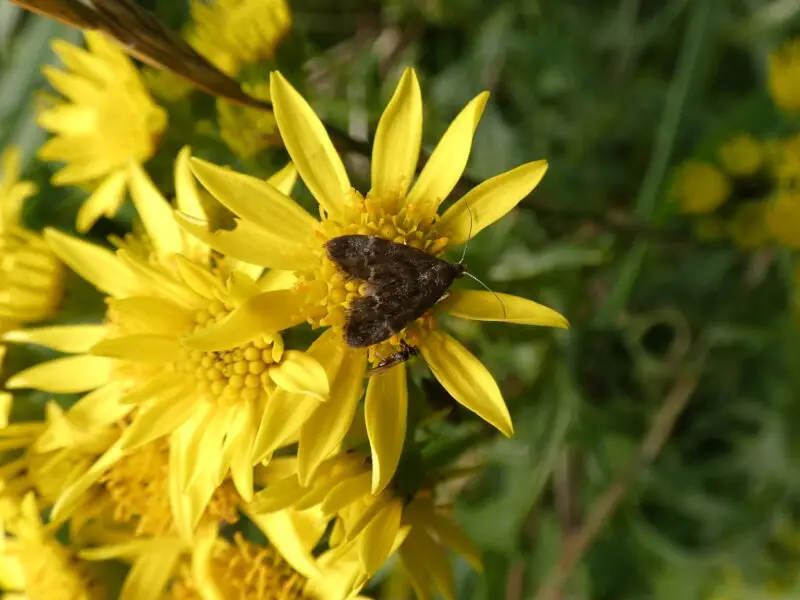
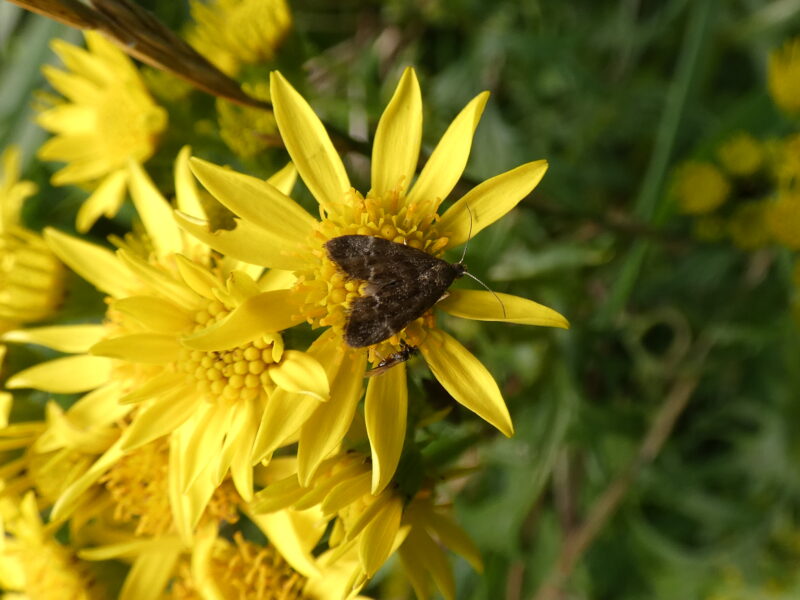
Nettle-tap on ragwort – this tiny moth scuttles around flowers feeding on nectar, its caterpillars eat nettles 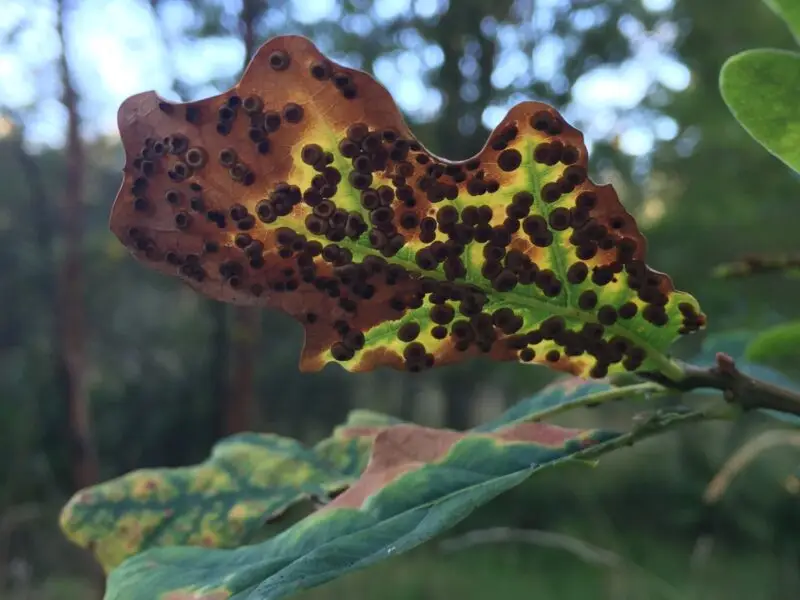
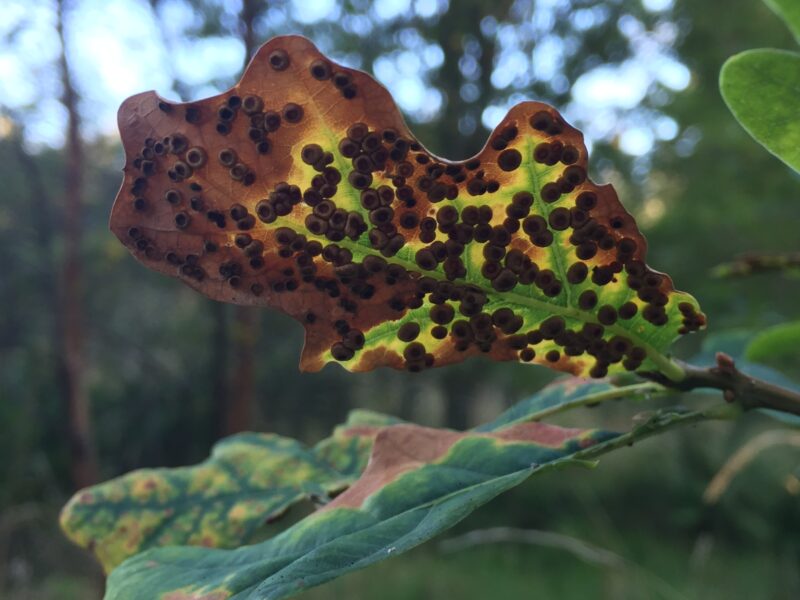
Oak spangle galls – the disc-shaped galls are formed by larvae of a tiny wasp as they feed on leaf tissues 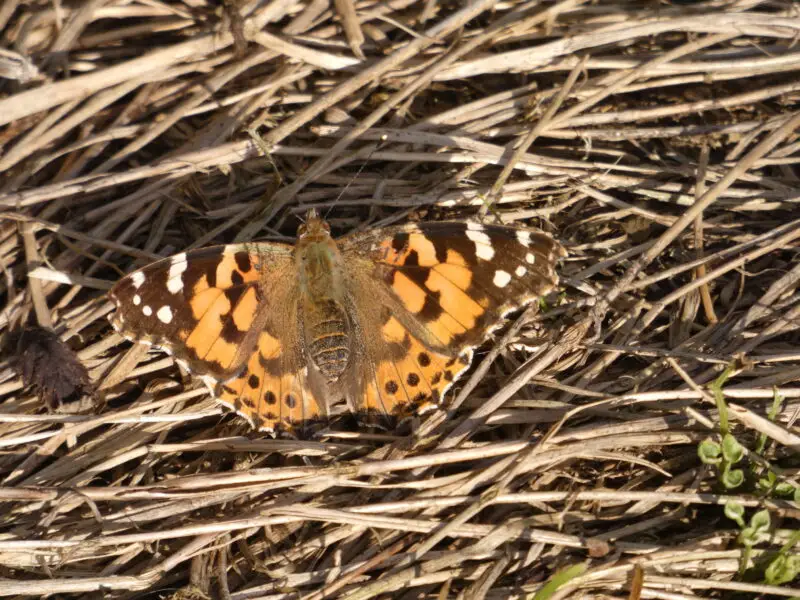
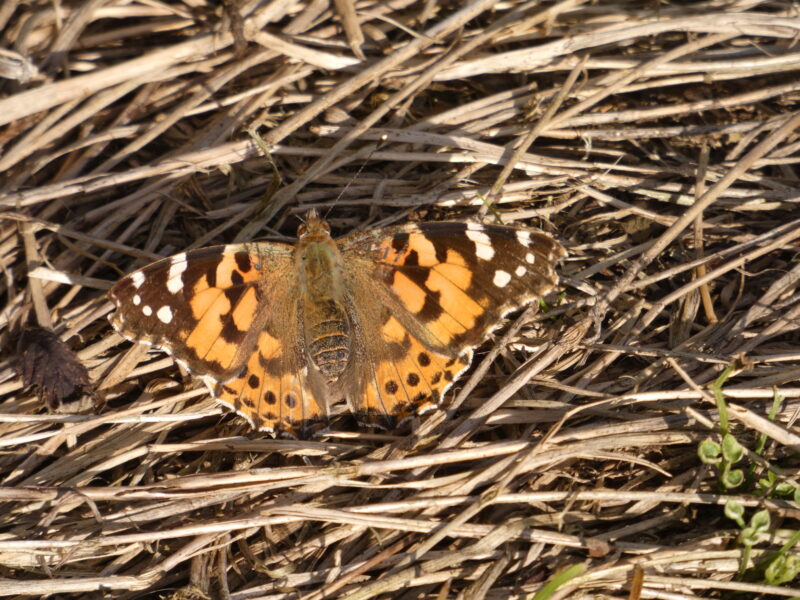
The painted lady butterfly migrates back to the continent & North Africa in autumn, unseen on high-level air currents 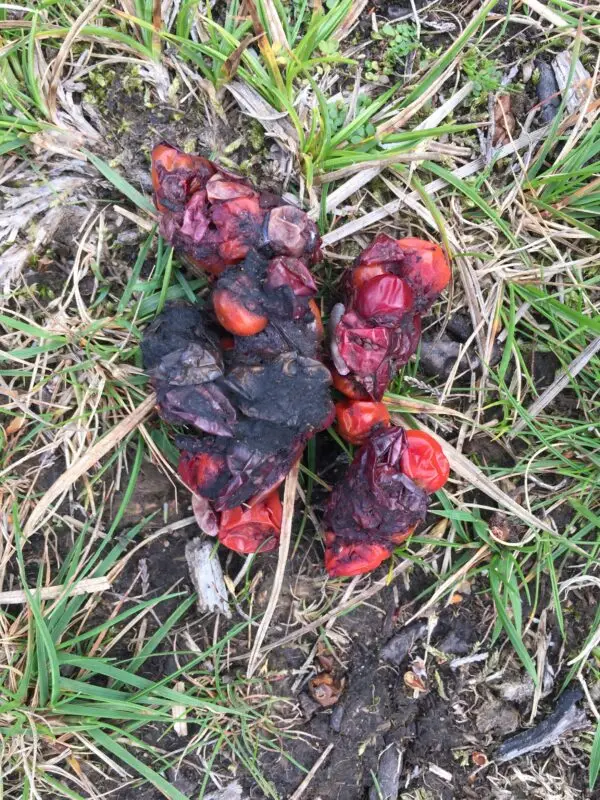
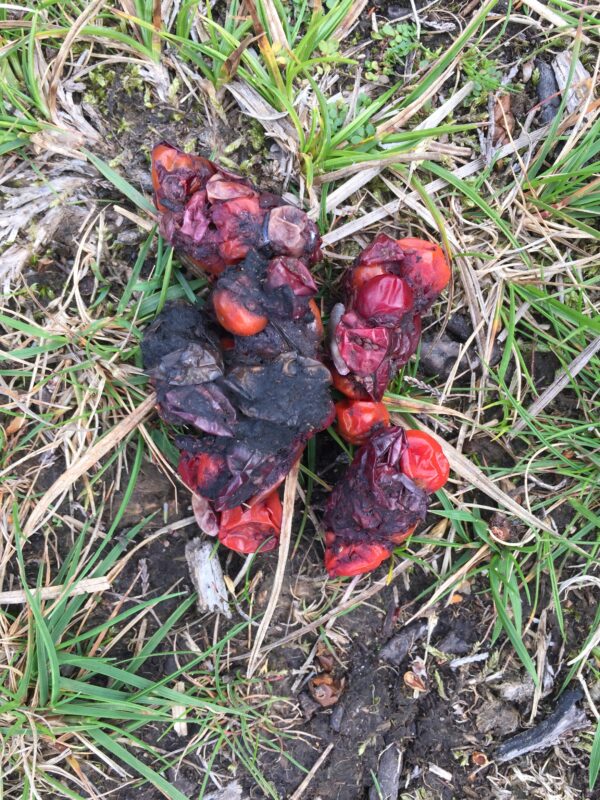
Pine marten scat – in autumn, these territorial markers reveal that their omnivorous diet includes rowan berries! 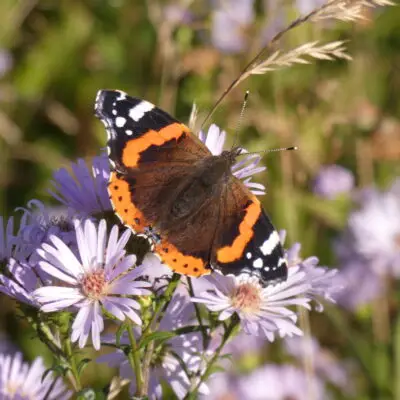
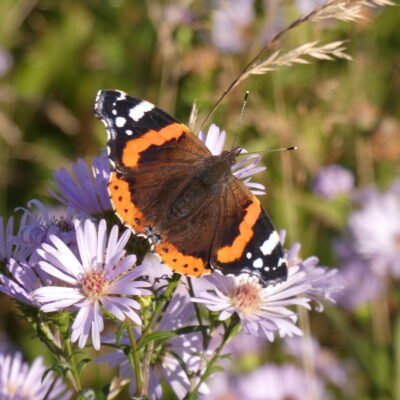
Red admiral – this migrant butterfly lingers well into autumn, feeding on late flowering plants & fruit 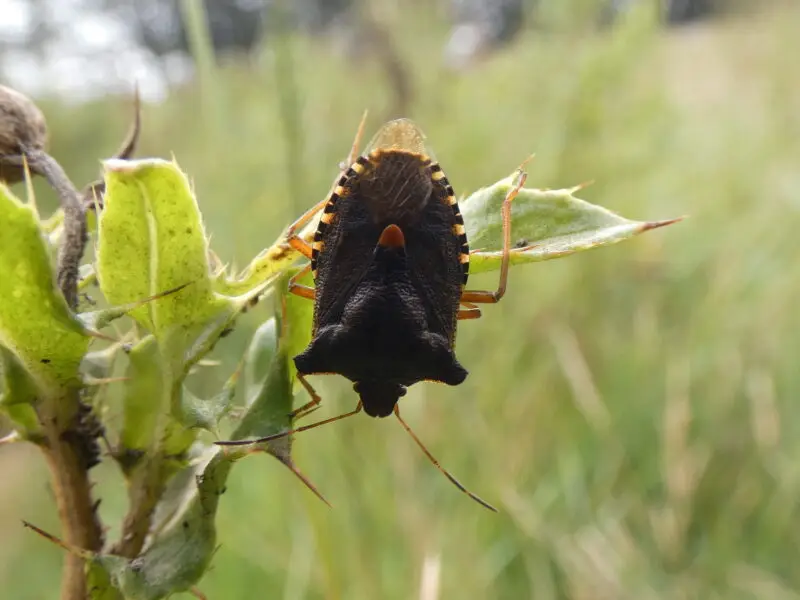
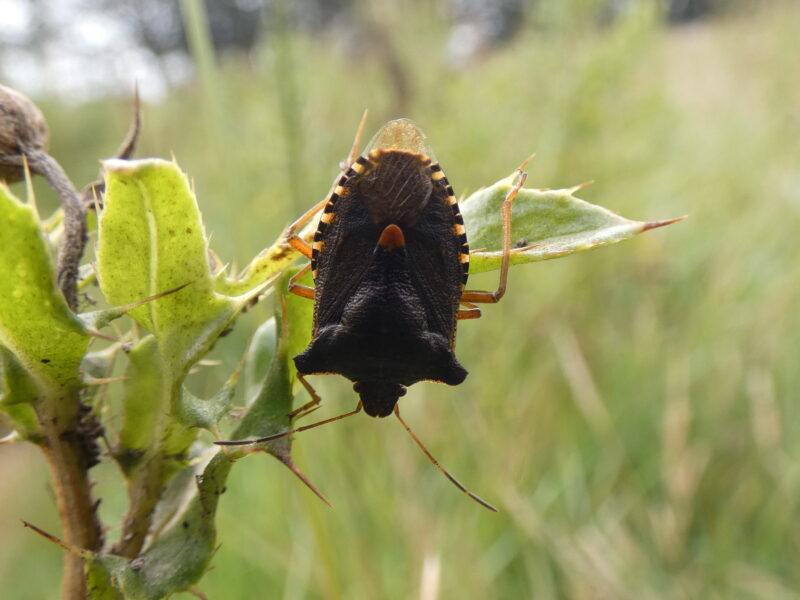
Red-legged shieldbug – has piercing & sucking mouthparts to feed on plant sap but sometimes other insects 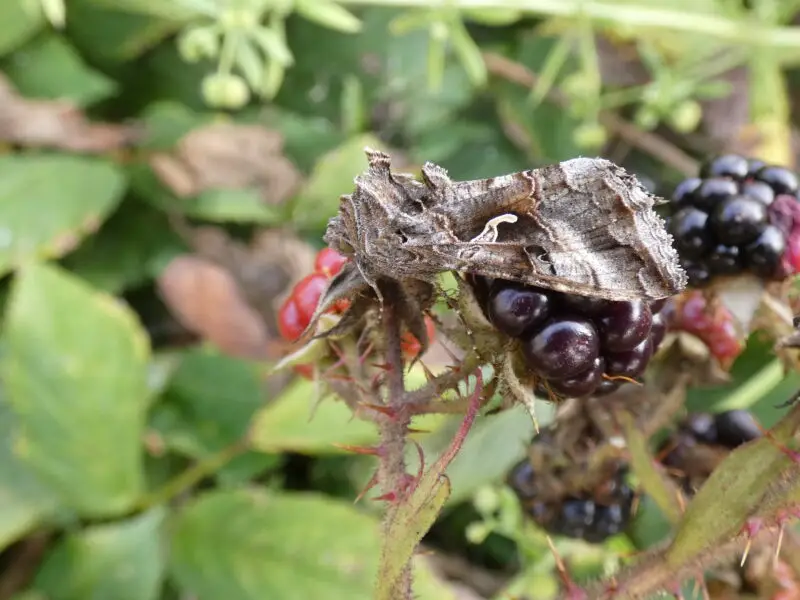
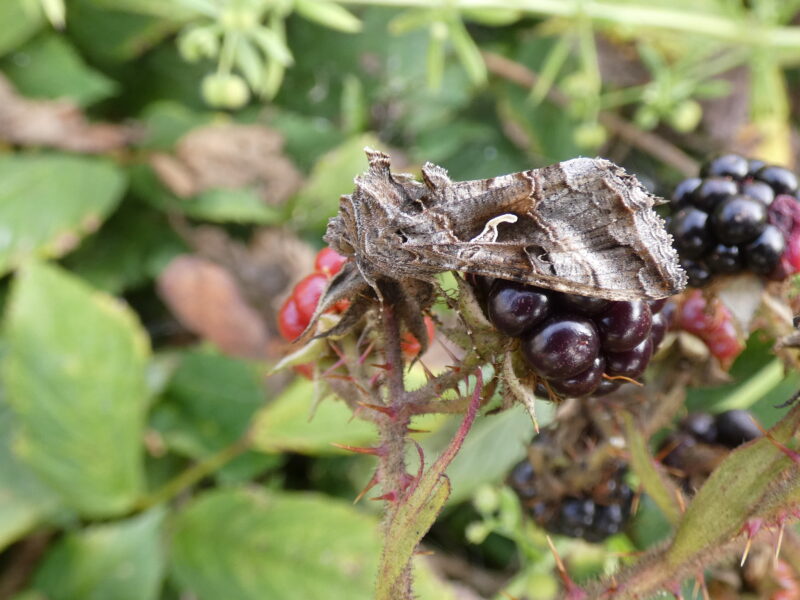
Silver Y on bramble – named after its wing mark, this migrant moth flies by day & night, refuelling on flowers & overripe fruit 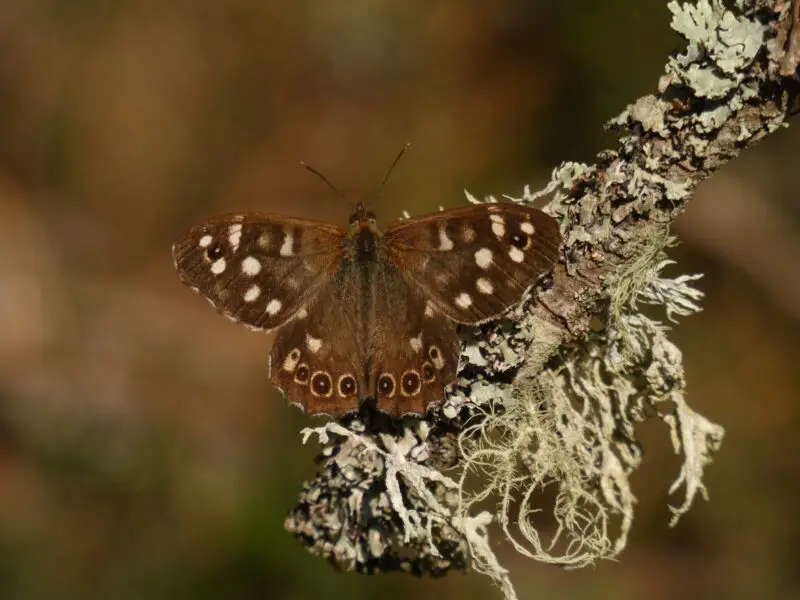
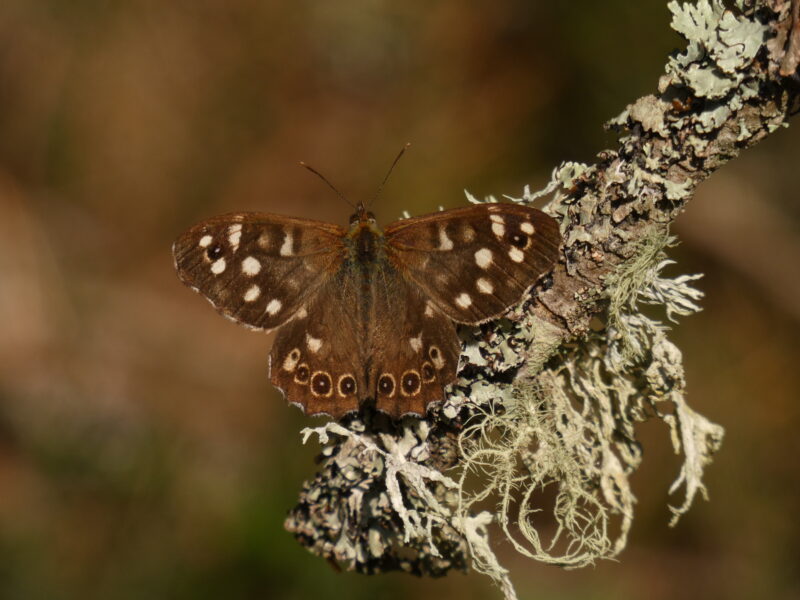
Speckled wood – this woodland butterfly can be seen well into autumn & has spread through Deeside in recent years 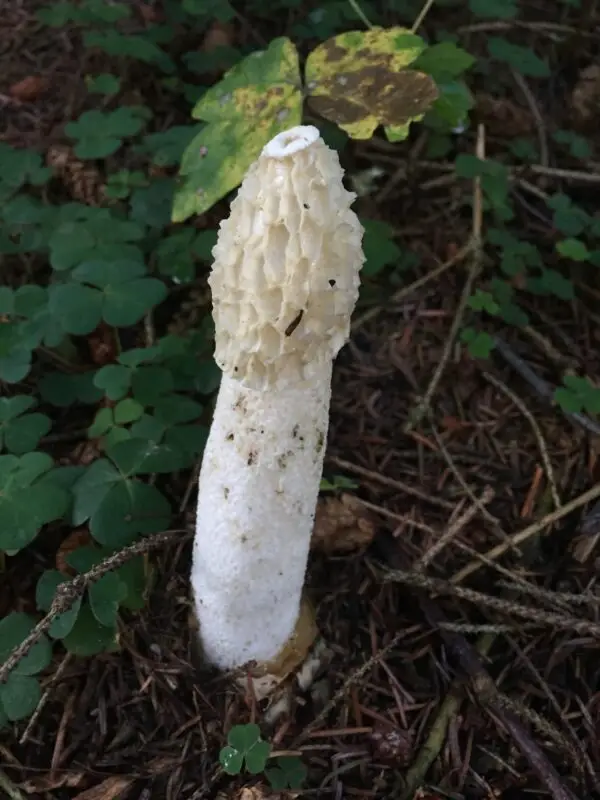
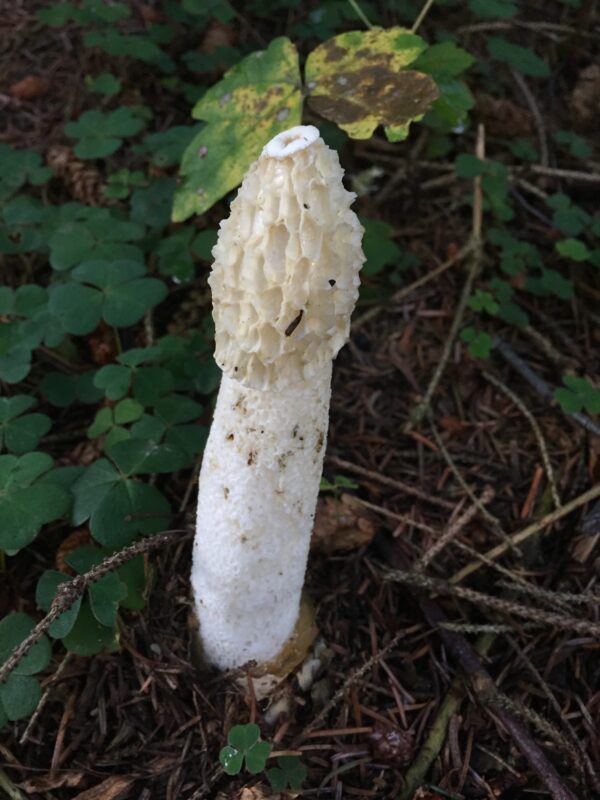
Stinkhorn – the pungent foul smell of this fungus attracts flies to spread its spores and reproduce 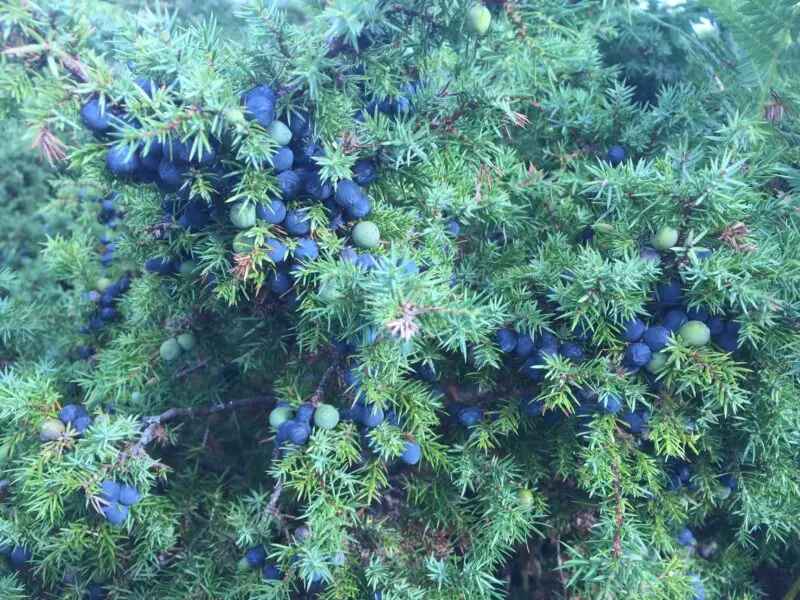
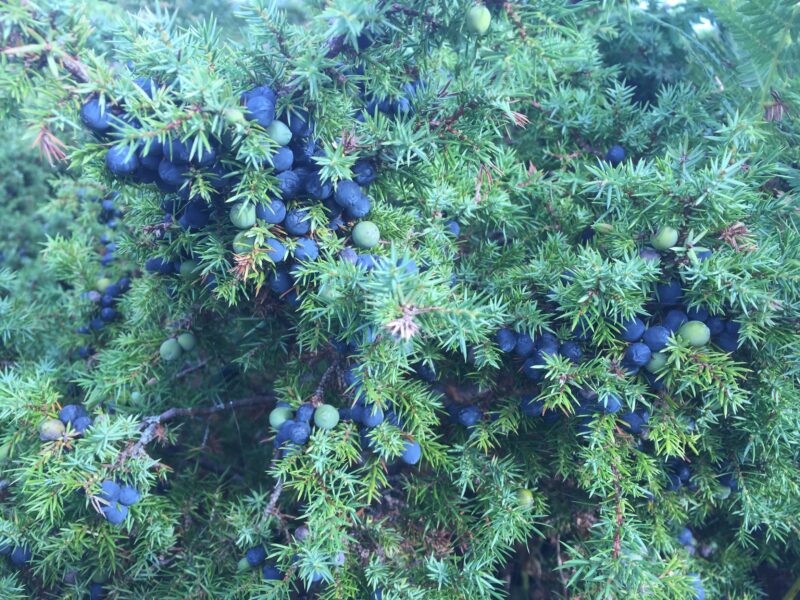
Juniper berries – used to flavour gin, they are actually cones borne on female trees & take 18 months to ripen to blue-black 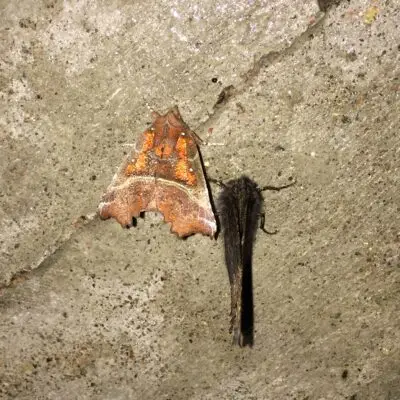
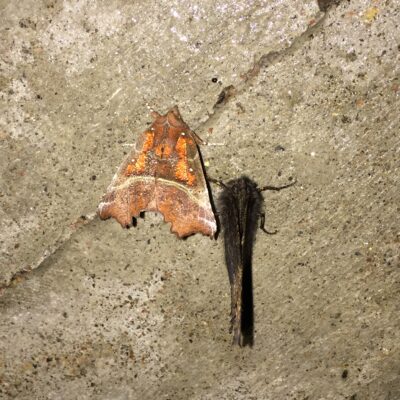
Herald & small tortoiseshell – some moths & butterflies are already hibernating in cool, dark places, in this case a WW2 pill-box 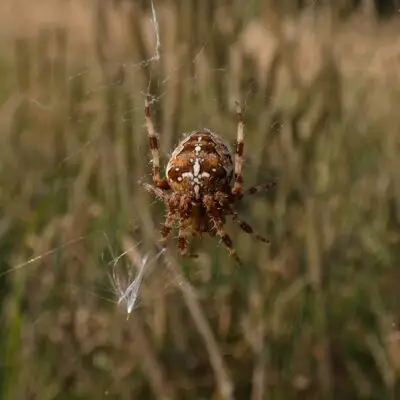
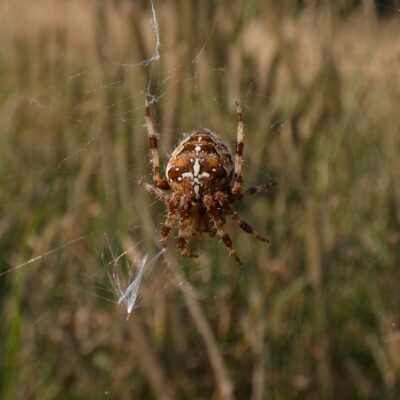
Garden cross spider (female) – she spins a large orb web to catch insects; the anchoring silk strands can span a few metres 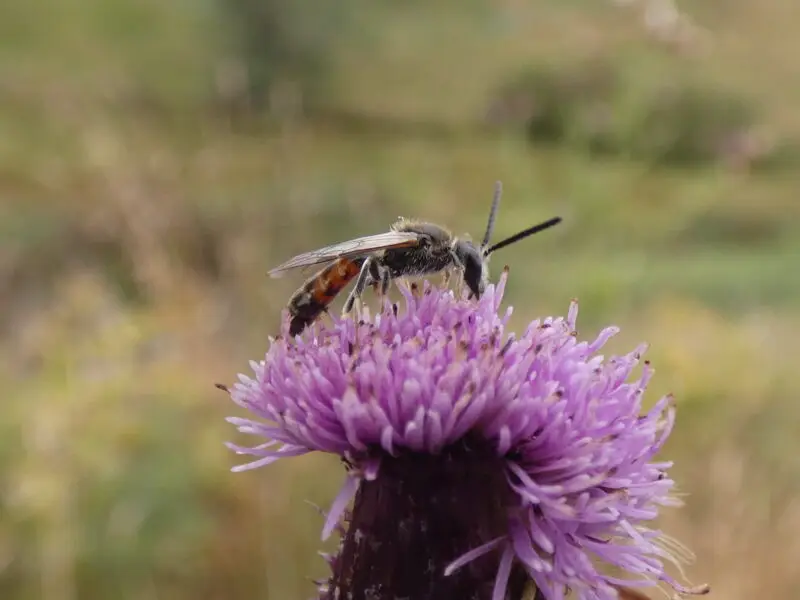
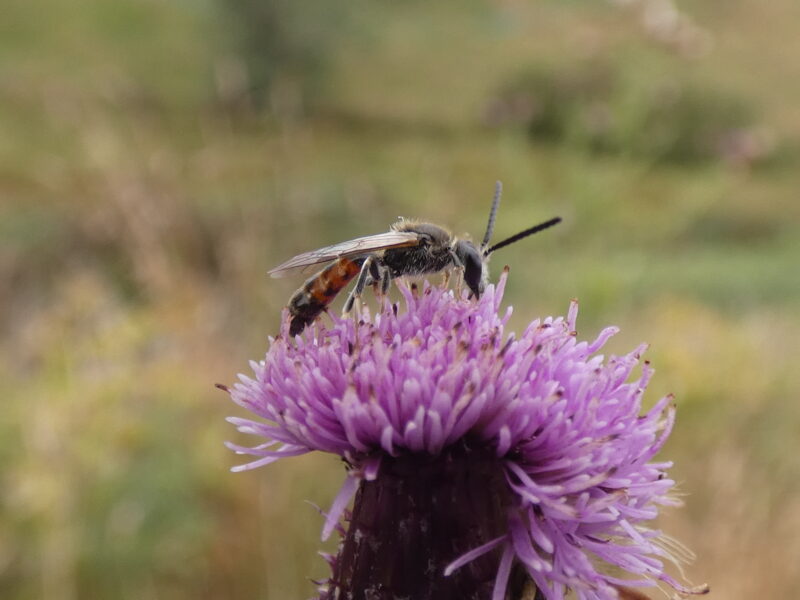
Furrow bee species (male) on creeping thistle – males often sleep on flowers; fertilised females overwinter to nest in spring 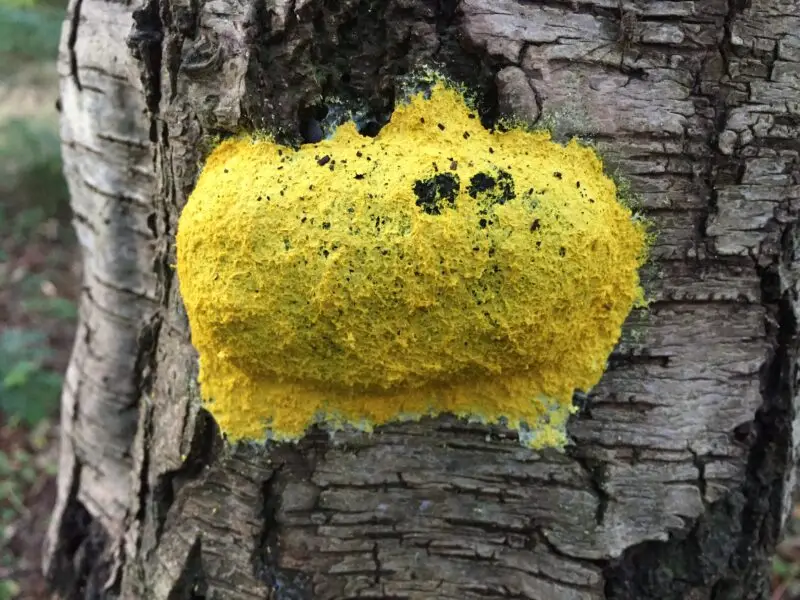
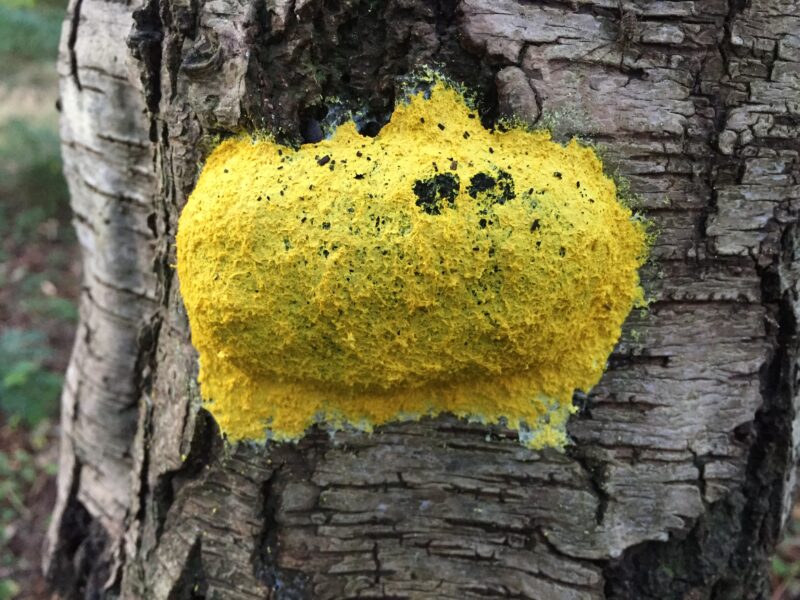
Dog vomit or scrambled egg slime mould – it grows from spores in mild, wet conditions, feeding on decaying organic matter 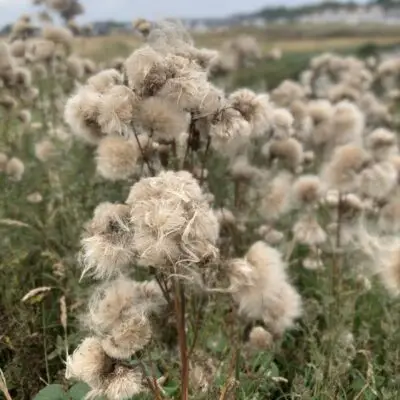
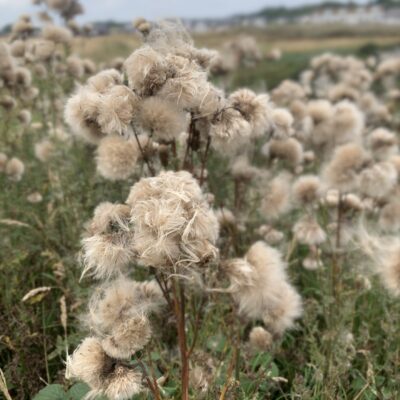
Creeping thistle seed-heads – the seeds provide food for birds like goldfinches & readily disperse on the wind 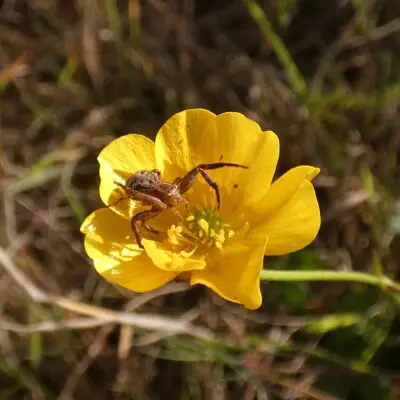
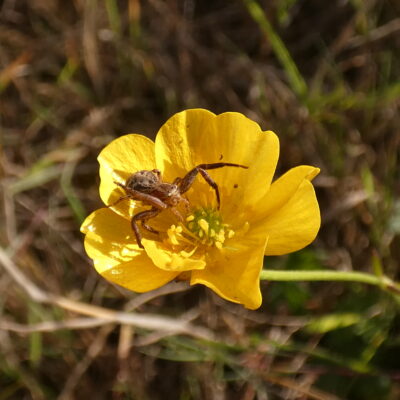
Crab spider species on buttercup – these hunting spiders lie in wait on flowers to pounce on unsuspecting pollinating insects 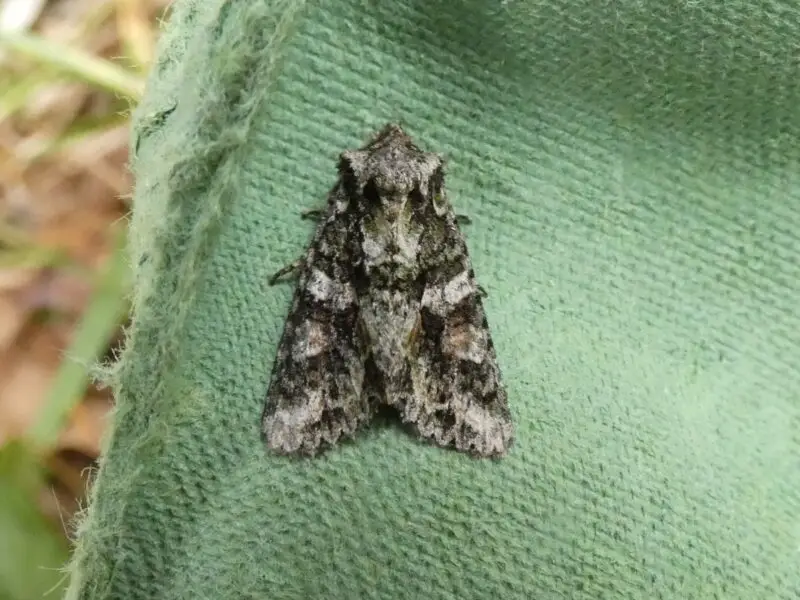
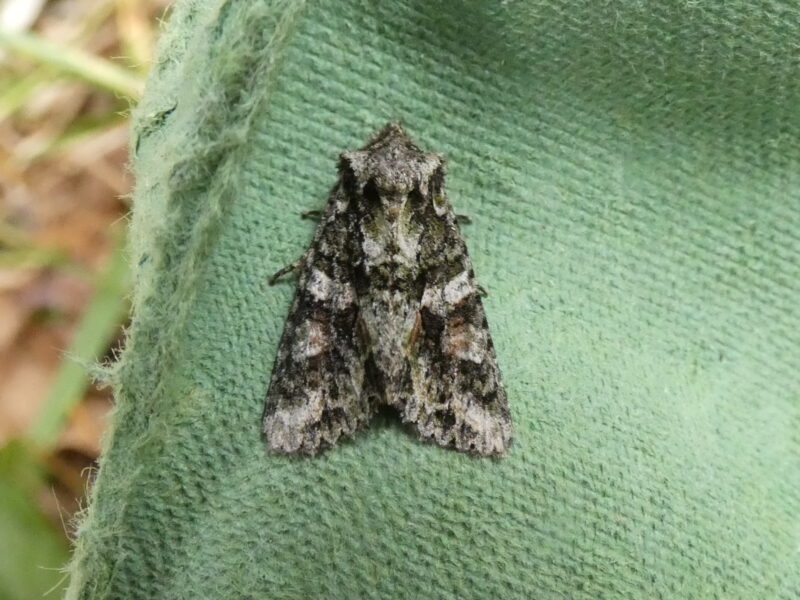
Brindled green – the cryptic camouflage of this moth blends in with lichen-covered bark of oaks, its caterpillar foodplant 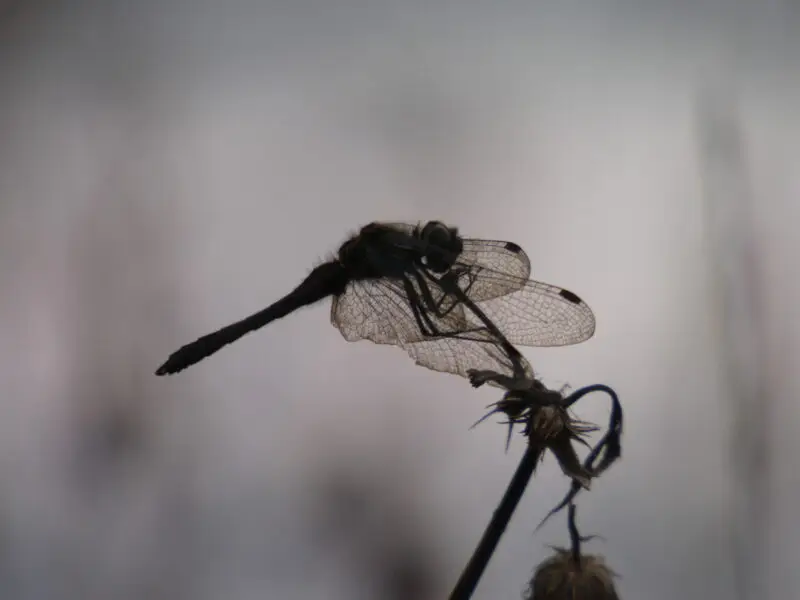
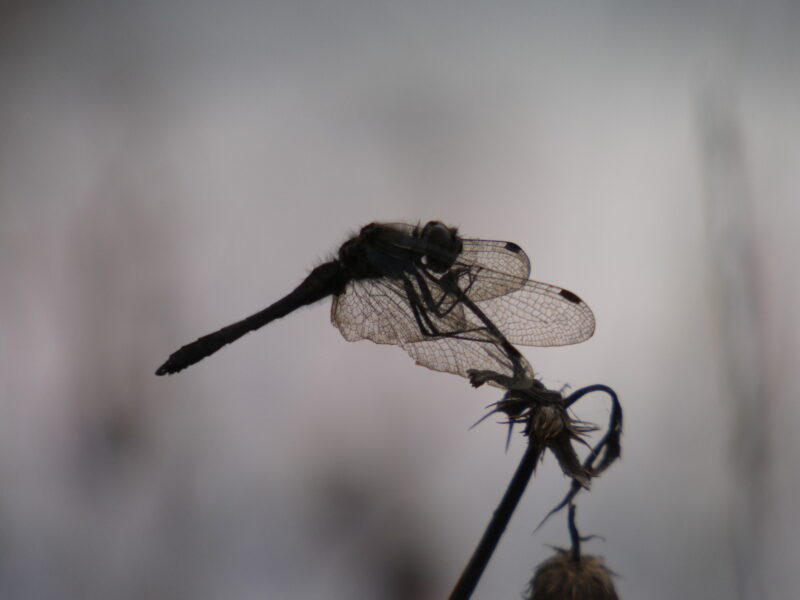
Black darter (male) – this small dragonfly is an aerial hunter of other insects, it breeds in pools on bogs & moors (HR)
Look out and listen for:
Birds
Redwings and fieldfares fly over from Scandinavia this month. These attractive finches are a northern equivalent of our chaffinch, and can often be seen under beech trees, feeding on beech mast. They’ll feed voraciously on rowan berries and apples too. You can encourage them into your garden with apples – and the blackbirds will thank you for it as well.
Blackbirds and other familiar garden birds such as robins can also be winter visitors from the north, while some of the individuals that breed here in spring move further south. Starling flocks may also be supplemented by their continental cousins – they also love berries like rowans, as well as feeding on soil minibeasts, not to mention squabbling noisily over fat balls in garden birdfeeders!
Pink-footed and greylag geese are also still arriving from the Arctic this month – you may hear them first – and look up to see the characteristic V-shaped skeins flying over to winter further south, roosting on lochs such as Loch of Skene or feeding in fields. The Howe of Cromar by Tarland can be a good place to see them on passage, as well as waders like snipe and golden plover, particularly when the fields flood after rain. Swallows will disappear on their long migration south – though it’s always harder to notice something leave than arrive! You may just realise, in late October, that you’ve not seen one for a while.
Jays continue to collect acorns to store for winter and other resident birds are stocking up on seeds or invertebrates while they’re still plentiful. Tawny owls are at their most vocal on autumn nights, when this year’s young are dispersing from their parents’ territory.
Easterly winds at this time of year can bring rare migrant birds to the catchment’s coast. If you head for Girdle Ness lighthouse in Torry – a well-known migrant hotspot for tiny scraps of life blown across the North Sea – you may be rewarded with a sighting. Our resident goldcrests are often boosted by big ‘falls’ of these birds from Scandinavia – it’s one of the everyday miracles of the natural world that a creature weighing less than a 20p coin can survive a storm-tossed North Sea crossing.
Even more remarkable are birds like yellow-browed warblers, found here most autumns. These 7g featherweights come all the way from Siberia. Known as ‘Siberian Sprites’, they normally winter in South East Asia but many make it to our coasts over the winter months. They may be colonising new habitats…or just lost!
Butterflies, moths & other minibeasts
Fox moth caterpillars can be plentiful in moorland areas, where they bask in any available sunshine. The smaller, ginger or black-haired caterpillars of the ruby tiger moth are also found sunbathing on fine days. Both species are about fully fed by now (on various plants) but remain as caterpillars into next spring.
Butterflies like peacock and small tortoiseshell hibernate as adults so now is the time you often find them inside your shed or garage, probably looking for “winter quarters”. If you find a butterfly resting indoors in a room that will be heated, gently move it to a more suitable location now if you can, such as a shed or outhouse, where it hopefully won’t stir until spring.
Herald moths are fully entering overwintering sites this month, opting for cool, slightly damp, dark places like culverts, icehouses and souterrains. They are one of the UK’s longest-living moths in the adult stage, lasting from August until the following June – but are dormant for about six months of this time, conserving energy to mate in spring.
There are still quite a few moths on the wing this month such as the beautiful, lichen-camouflaged merveille du jour – loosely translates as ‘the best thing I’ve seen all day’ – if you manage to spot one! The caterpillars eat oak leaves, so if you live near any Deeside oak woods, you may be lucky to see one attracted to light or sugar – using the recipe mentioned in last month’s Deewatch. Like many other pollinating insects in autumn, they feed on over-ripe berries and ivy blossom.
One beastie we should happily begin to see less of this month is the midge, with the arrival of the first frosts. As long as there are still flowers out, a few insects such as hoverflies will still be active. Often mistaken for wasps, hoverflies are entirely harmless and important pollinators of crops – there are around 200 species in the UK! New queens from nests of social wasps and bumblebees, if not already hibernating, will be seeking sheltered spots such as log piles or underground burrows.
Mammals & other larger animals
The ‘roar of the reds’ – the red deer rut – is in full swing this month. With fully-grown antlers and in shaggier winter coats, rutting stags are a dramatic sight – and sound – to behold, roaring out their challenges to each other in a bid for the position of dominant male. The UK’s largest native land mammal, the red deer can weigh up to 190kg. Glen Muick or Glen Clunie can be good places to see and hear them, though activity depends on deer numbers and the weather (frosty conditions are best), and tends to increase after dark.
October is a great time to spot red squirrels, busy stashing food for the winter, as they don’t hibernate. Hedgehogs may start to hibernate this month, but can remain active for longer in mild weather, when prey such as beetles, worms and slugs are still available. Hedgehogs are declining, but there are things you can do to help them: https://www.hedgehogstreet.org/help-hedgehogs/
Bats are also building up fat reserves from flies and moths and some may still be mating, before seeking suitable hibernation sites and beginning periods of torpor.
Trees, flowers, fruits & fungi
Trees are at their best in October. The contrast in autumn colours can be beautiful – silver birches, oaks, larch and scots pines – with their dropped leaves and needles providing a layer of nutrient-rich leaf litter invaluable for the entire ecosystem. Birch catkins are now ripe in the upper catchment areas around Mar Lodge, and releasing their seed, andjuniper and rowan berries are ripening and providing a vital food source to birds and other species.
Trees like oak, hazel and rowan are still loaded with fruit – both resident and visiting wildlife will be making the most of that, so it’s always worth a quiet watch and wait to see what turns up. Far from being a sign of bad weather to come, abundant berries on rowans is a sign of how good the conditions were when the flowers were produced and pollinated earlier in the year.
Of course it’s not just trees – many of our native flowering plants still have plenty of seed, indeed some are still in flower, so all the seed-eating birds and insects still on the go are making the most of it.
Yarrow, with its carrot-like leaves and clusters of tiny flowers, can flower as late as November. Although usually white, pink flowered specimens are often seen in grassy areas such as rough pasture, road verges and riverbanks. The plant has been used for centuries to stem the blood flow from wounds with common names such as ‘nosebleed plant’ or ‘soldier’s woundwort’.
There is still time to enjoy the many fungal colours, shapes and forms of autumn before the frosts start, depending on where you are in Deeside, particularly after wet weather. Look out for Fly Agarics (Amanita muscaria), in pine and birch woods, starting as warty golf balls and opening out to proper fairy tale fungi, well worth practising your photography skills on.
Grassland fungi are also beginning to appear. These specialised fungi prefer undisturbed, short grassland, untouched by fertilisers or ploughing. Lawns, old pasture and even cut grassland round houses and buildings can reward you with the very slimy green parrot waxcaps (Gliophorus psittacinus), pointy orange and red waxcaps that slowly blacken as they age, the Blackening waxcaps (Hygrocybe conica), and the classic Pink Ballerinas (Porpolomopsis calyptriformis).
Other grassland specialities at this time of year are the small yellow brown, earthy powdercap (Cystoderma amianthinum), with a granular cap and a distinctive stem, granular below the ring and smooth above it, and the intriguing scarlet caterpillar club (Cordyceps militaris). This is a 3-4cm high orange-red fungal club that appears to grow out of the ground in longer grassland but is actually growing out of a moth or butterfly caterpillar which it is parasitising! These are quite common in some years so keep a look out for them.
The striking golden bootleg (Phaeolepiota aurea), appears to be rare but is probably very under recorded. This is a large golden mushroom with a veil across the gills, which breaks and hangs down as the mushroom opens out. It has been found in Deeside, and is fruiting now – look out for it by Kincardine O’Neil, in nutrient-rich soil and nettle beds in wooded areas.
On the River
A wander along the Dee is always rewarded with some fascinating wildlife finds. But be prepared to watch and…wait. You may spot a grey heron on the look out – be patient, for such a big bird it’s easy to miss. The salmon are still running this month – so keep your eyes peeled. You may even spot a freshwater pearl mussel like this one washed out of the riverbed during a spate.