Ambitious recovery programme launched as unprecedented decline in pearl mussel highlights fragile River Dee
 DeeWatch December
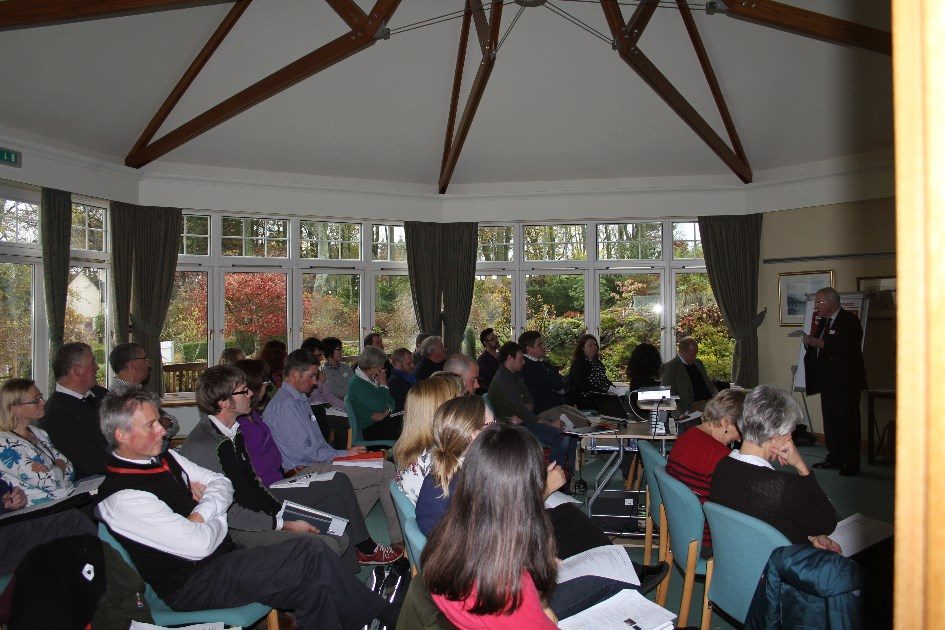
The Partnership gathered for its fourth seminar at Douneside House in Tarland last week. Over 40 delegates, representing a wide range of partner organisations, met to share progress on an impressive array of initiatives and activities.
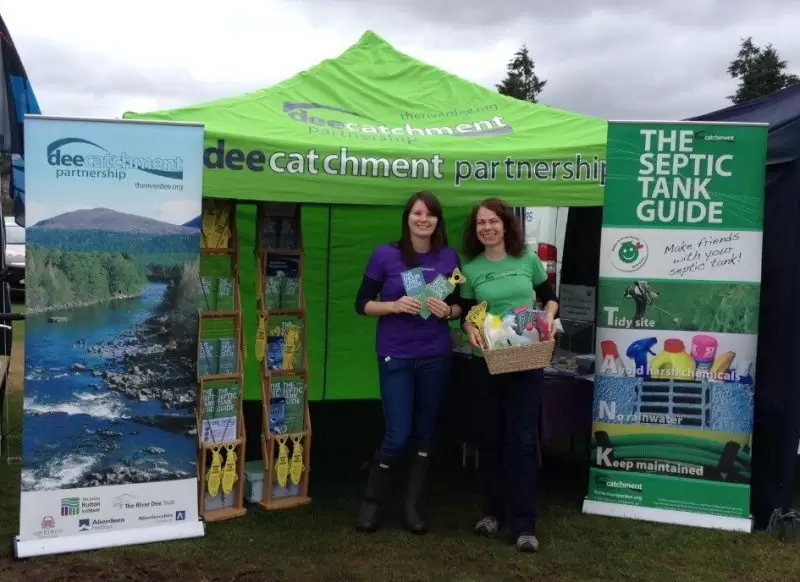
First on the agenda was river restoration, with staff from SEPA and the James Hutton Institute explaining how improvements to river beds and banks can reduce the risk of flooding. Next up was the topic of invasive non-native species (INNS). SNH explained the strategic approach to tackling INNS in Grampian with the River Dee Trust giving more details on work on Deeside, including an eradication programme from Drumoak to the harbour which is being funded by the AWPR. The Dee Catchment Outreach Officer described a varied range of education and awareness work, including the Yellow Fish project which highlighted the importance of keeping pollutants out of the drainage network in Deeside. Finally the Pearls in Peril project presented an impressive range of achievements, from the ambitious programme of streamside woodland planting in the upper Dee, to the recent removal of croys from the River Dee itself.
In the afternoon the delegates headed outdoors to see a selection of innovative water-related improvement measures in and around Tarland. The focus was on buffer strips, fenced off land along riverbanks which reduce the amount of soil, fertiliser and pesticide that gets washed into burns and rivers, greatly improving water quality. The strip of grass, and in some places trees, also provides habitat for wildlife, from beetles and butterflies to water voles and otters. The group saw the first buffer strip created in Tarland over 20 years ago, which now boasts many mature trees and then visited the Tarland Burn to see a more recent example created earlier this year. The contrast between the sites highlighted that these projects are long term investments in our natural heritage.
Elsewhere in Tarland the delegates visited the popular community wetland created by the Tarland Development Group and MacRobert Estate as part of the EU 3 Dee Vision Project in 2004. The wetland collects water from neighbouring fields and releases it slowly, helping to reduce flooding in the village during periods of heavy rainfall. It is also a haven for wildlife and an education resource for Tarland Primary School. Behind the wetland an earth bank called a 'bund' has been installed by the farmer to assist in managing the water running off the field by forming a barrier that prevents soil from washing into the wetland. This unassuming bank is a carefully engineered feature that will keep the wetland functioning efficiently and help to reduce flood risk.