

 Ambitious recovery programme launched as unprecedented decline in pearl mussel highlights fragile River Dee
 DeeWatch December
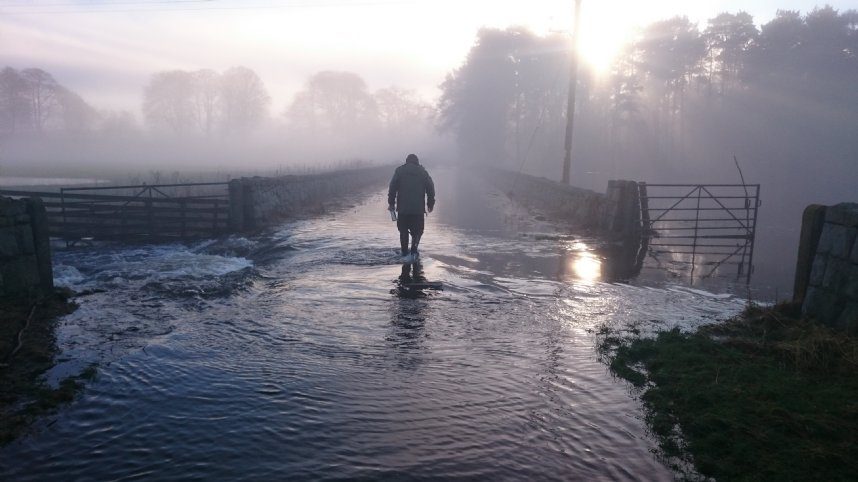
Natural Flood Management (NFM) involves techniques that work with the natural landscape to slow and store flood waters. In the face of a warming climate, a catchment-based approach to flood management in Deeside has much to offer. What happens in one part of the river system has knock-on effects. For example, by building embankments and installing extensive drainage networks, we are speeding up flows that will affect the catchment downstream. Similarly, by taking steps to hold back flows in the upper catchment, we can help to reduce flooding further down the river system. By pooling resources and enhancing our land management practices, we can help to manage the flow of water better, and do this alongside existing land uses.
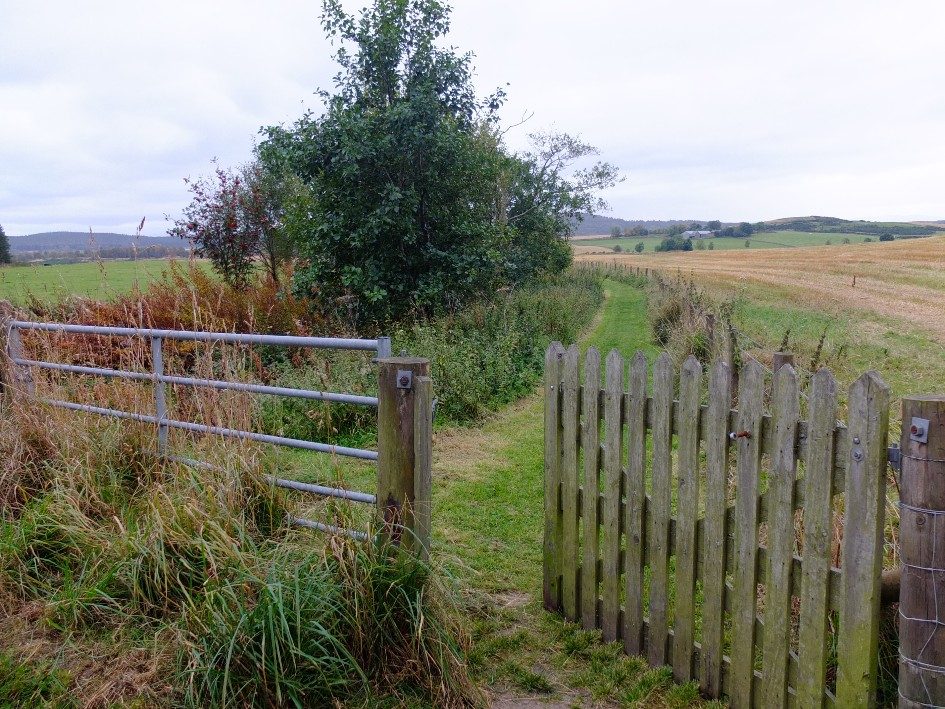
Improving water quality, flood protection and biodiversity in three sub-catchments
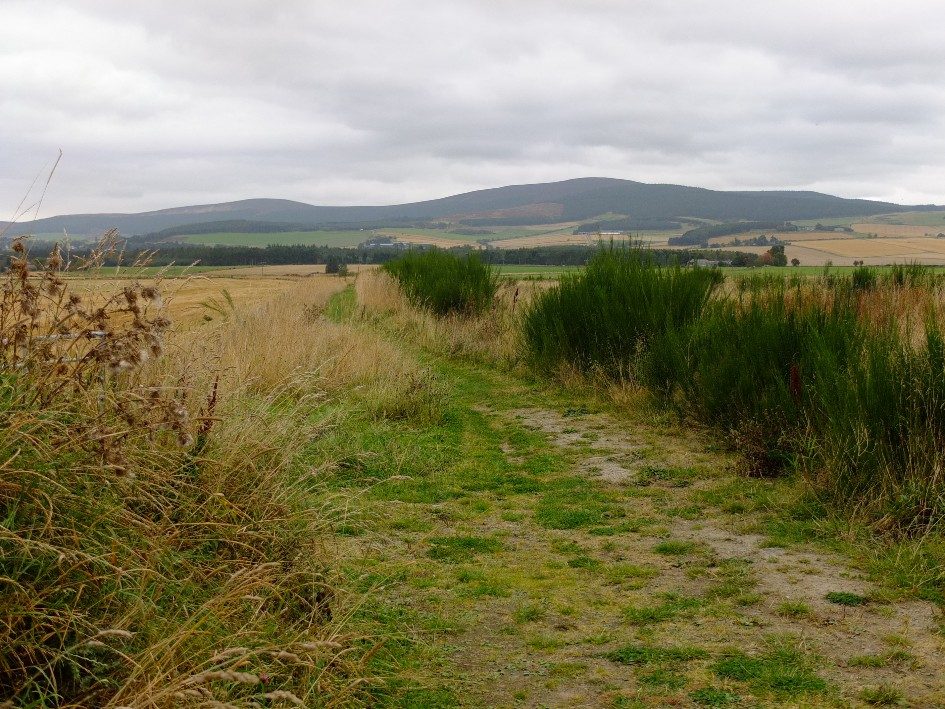
Farmers as water managers
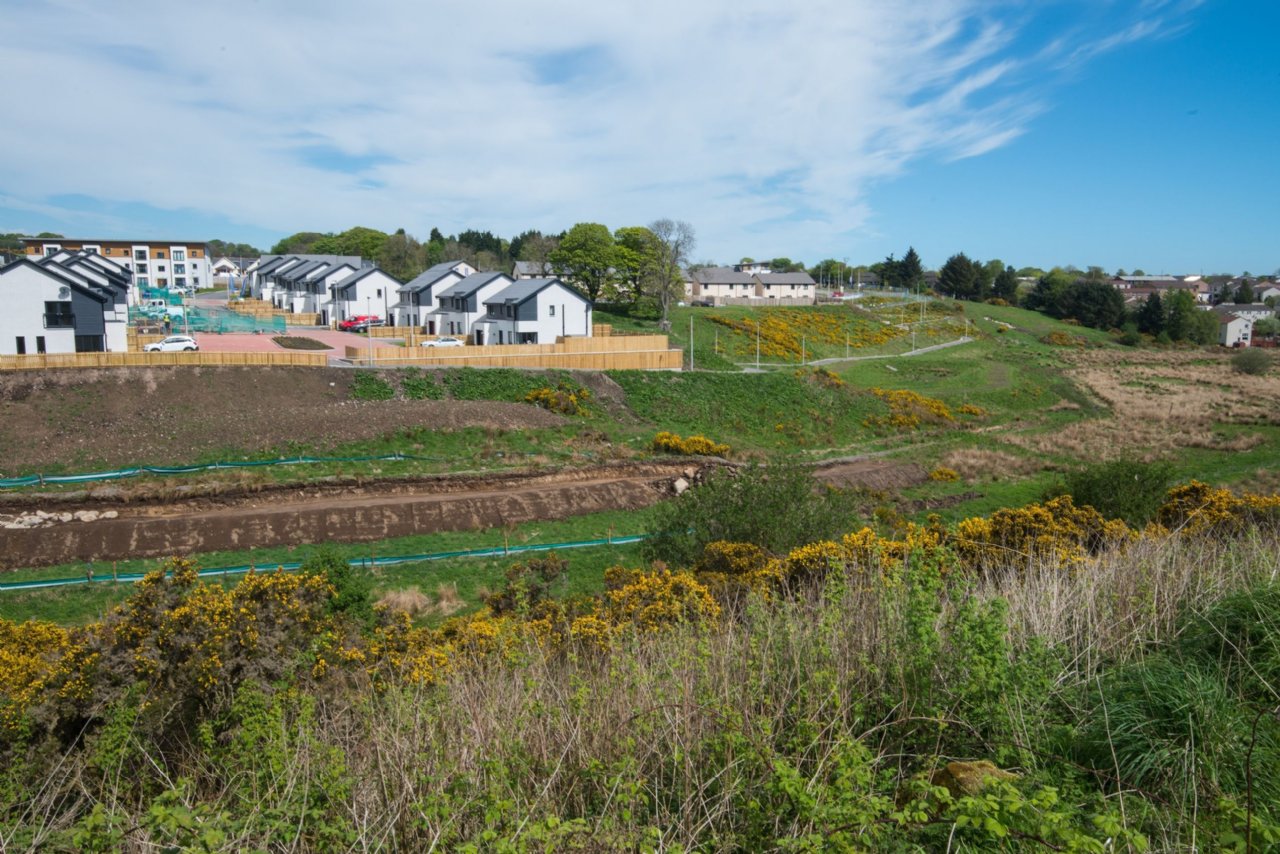
A new network of blue-green infrastructure sites for Aberdeen
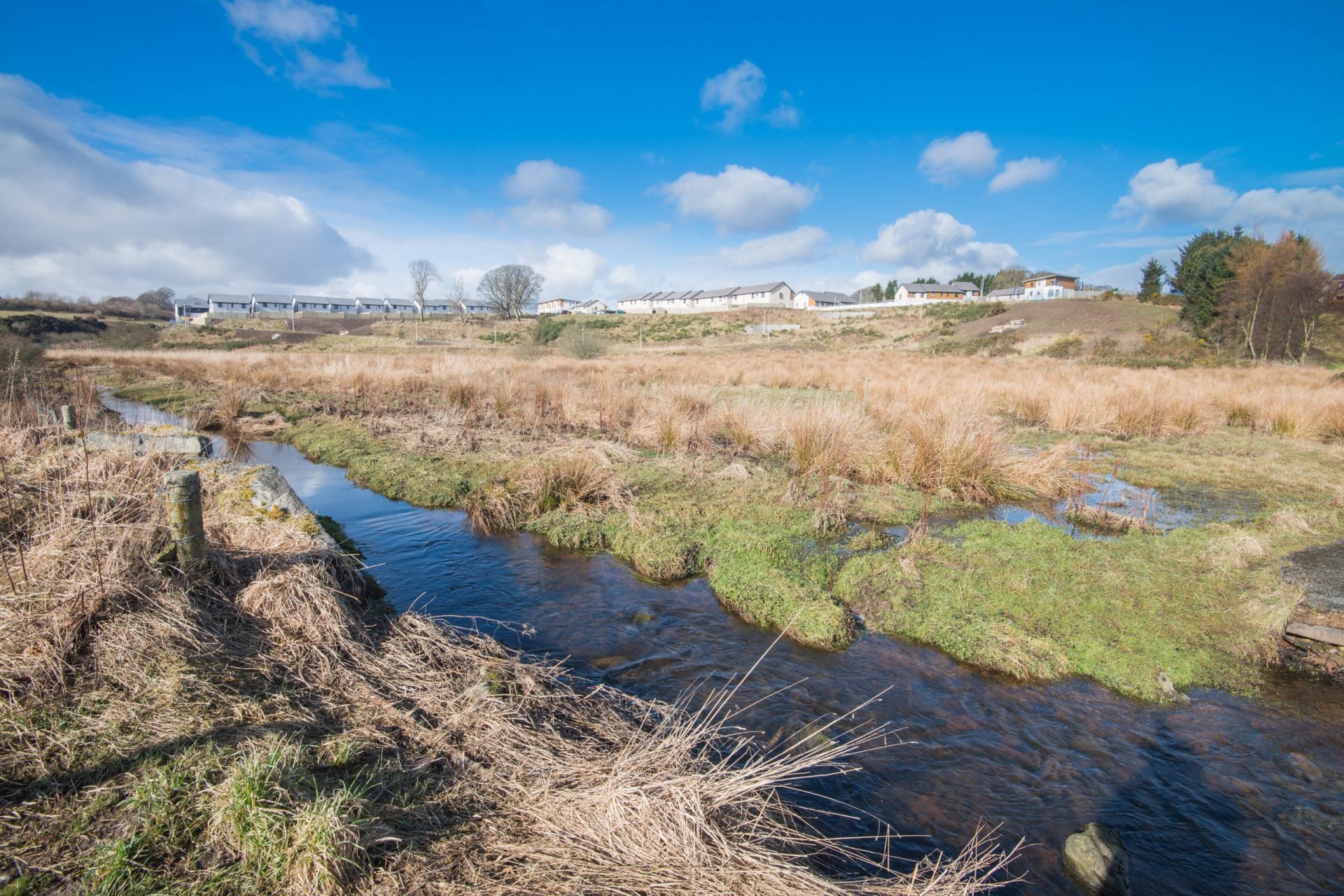
Enhancing a local nature reserve with the addition of BGI

This large-scale river valley restoration is returning a straightened agricultural stream to a natural meaning course, running through extensive wetlands and fully reconnected to its floodplain.
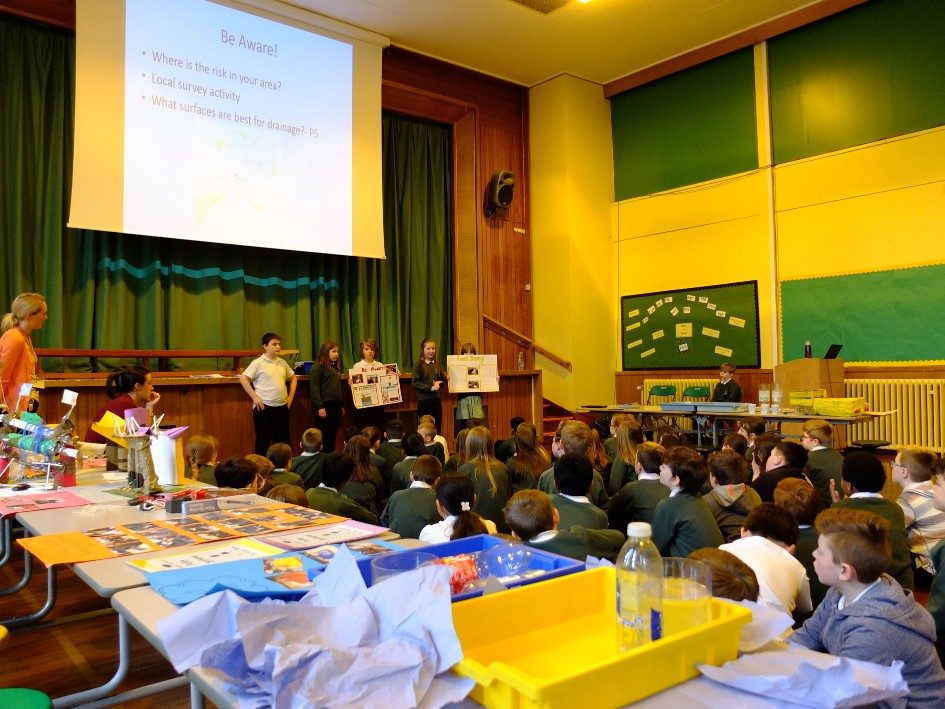
Tackling flooding issues with SuDS at a local primary school in the catchment

Returning a burn in the catchment to its former meandering glory
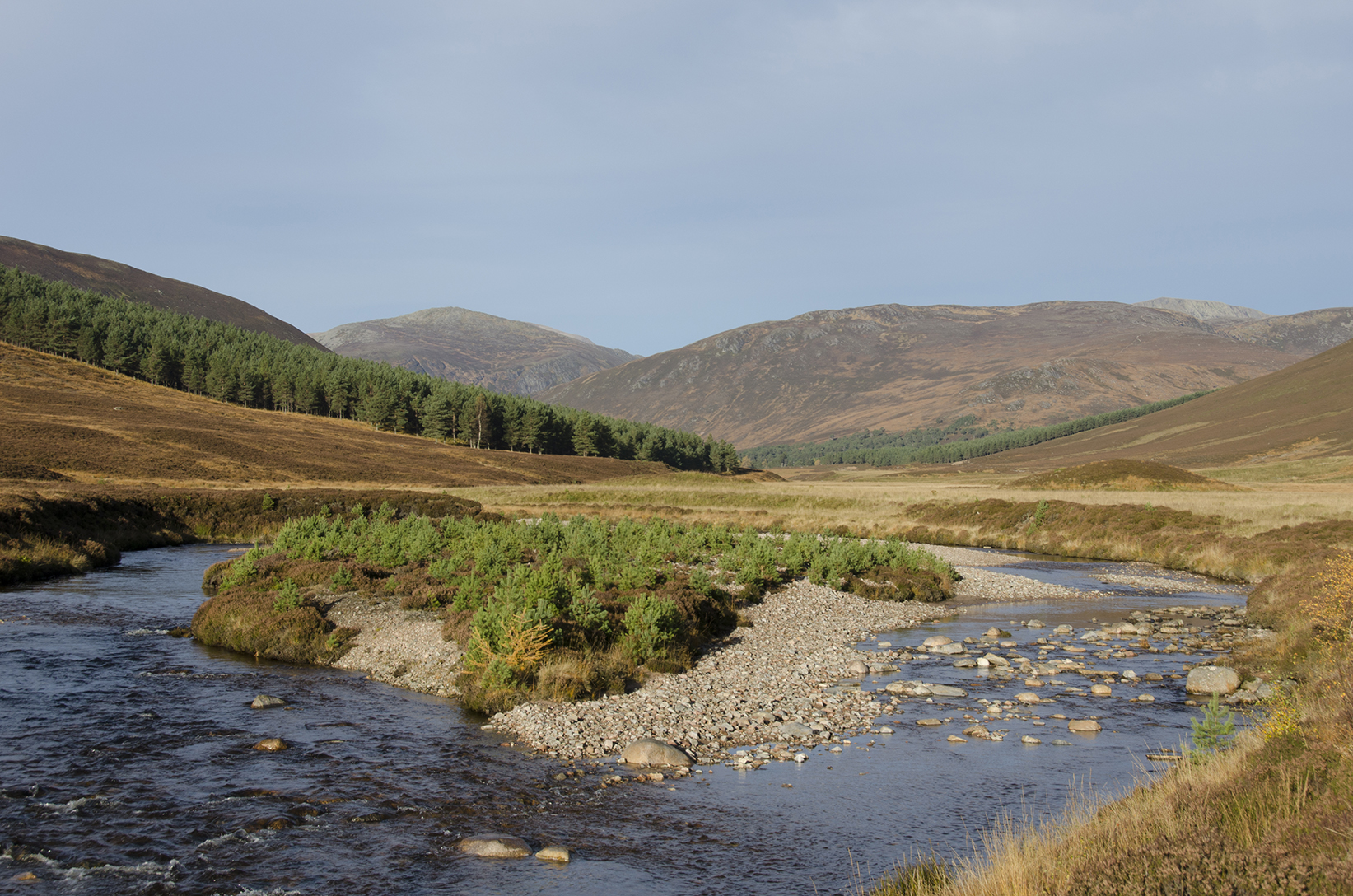
Establishing unfenced woodland
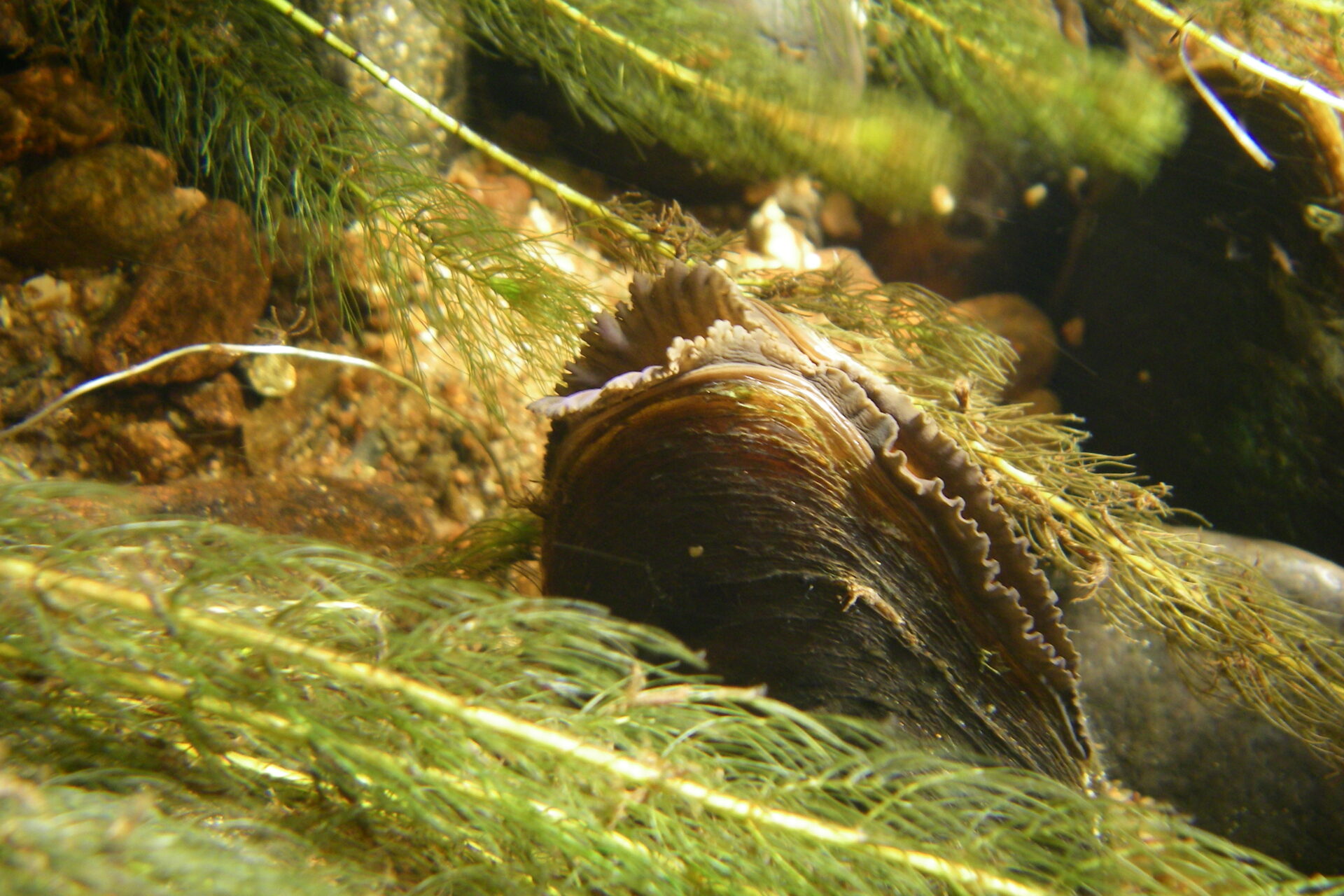
A nationwide project to safeguard important freshwater pearl mussel populations
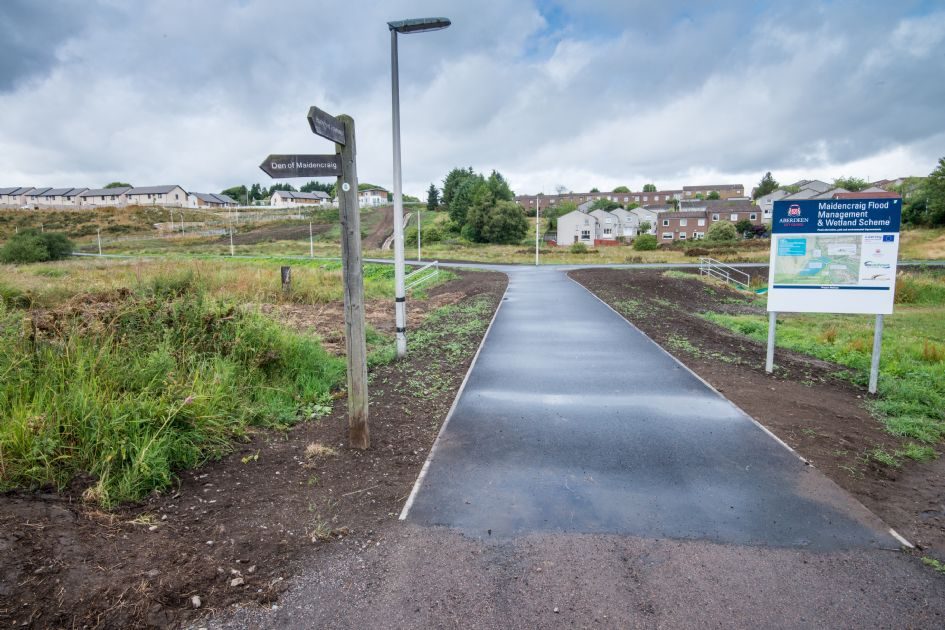
Designing SuDS into a new housing scheme
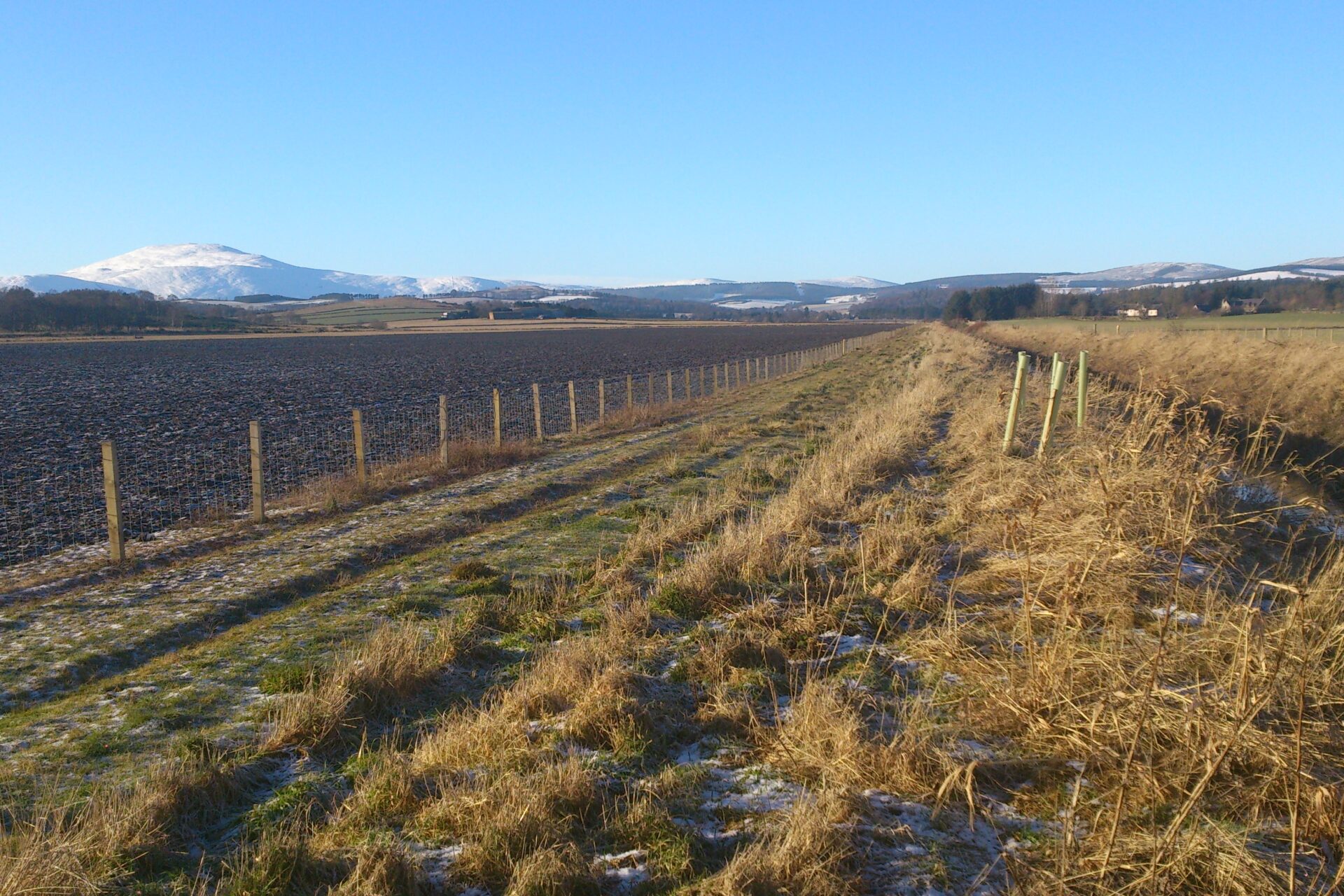
A design for stream and wetland restoration
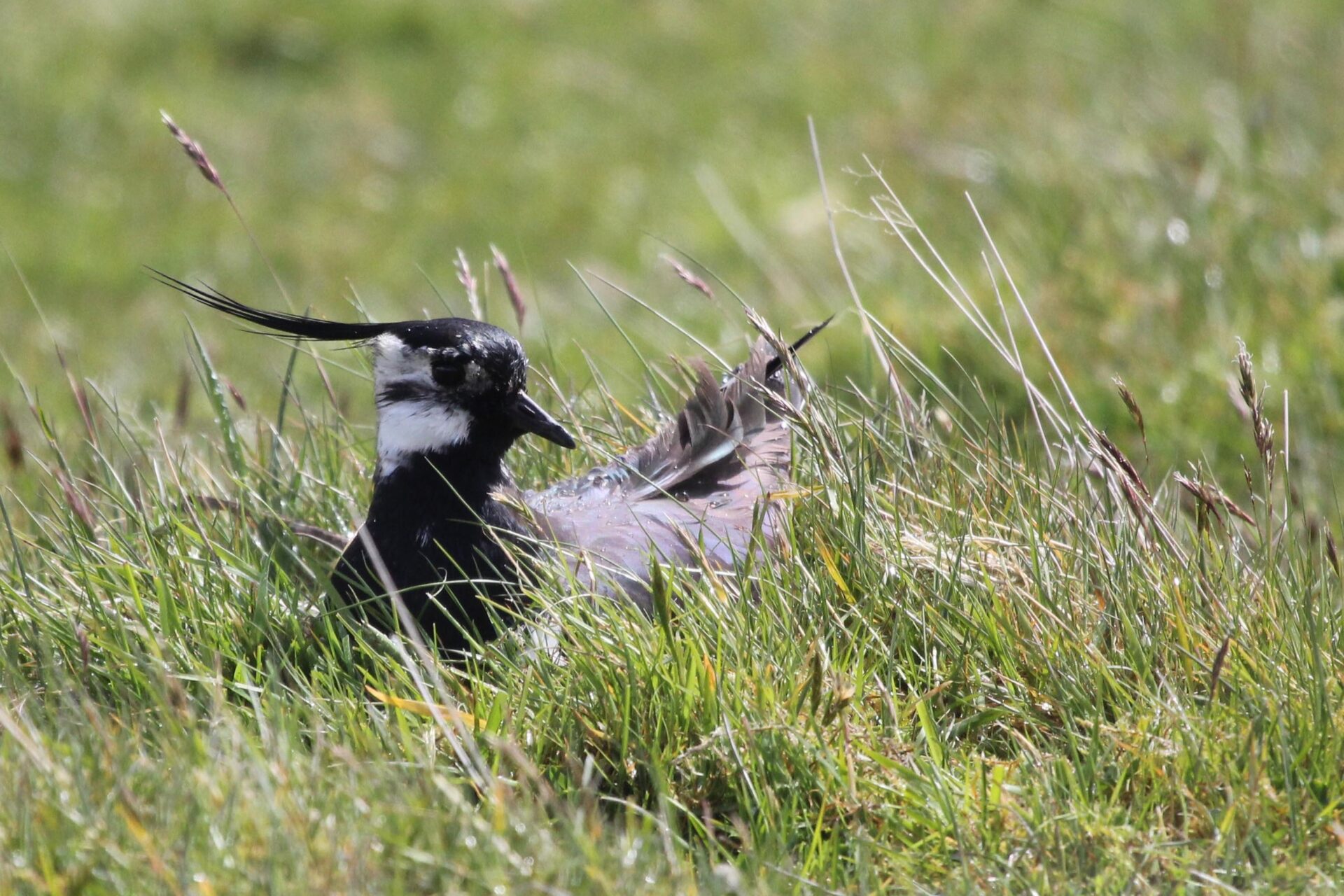
Restoring farmland wetlands for wildlife, environment and people

How we are returning trees to the riverbank