

 Ambitious recovery programme launched as unprecedented decline in pearl mussel highlights fragile River Dee
 DeeWatch December
The blossom is out, the birds are in full song and snow seems a distant memory – Spring has well and truly sprung in the Dee catchment. Take a peek below at the latest nature findings from our range of experts in the field, then read on to hear about some of the more problematic species to be found in Deeside.
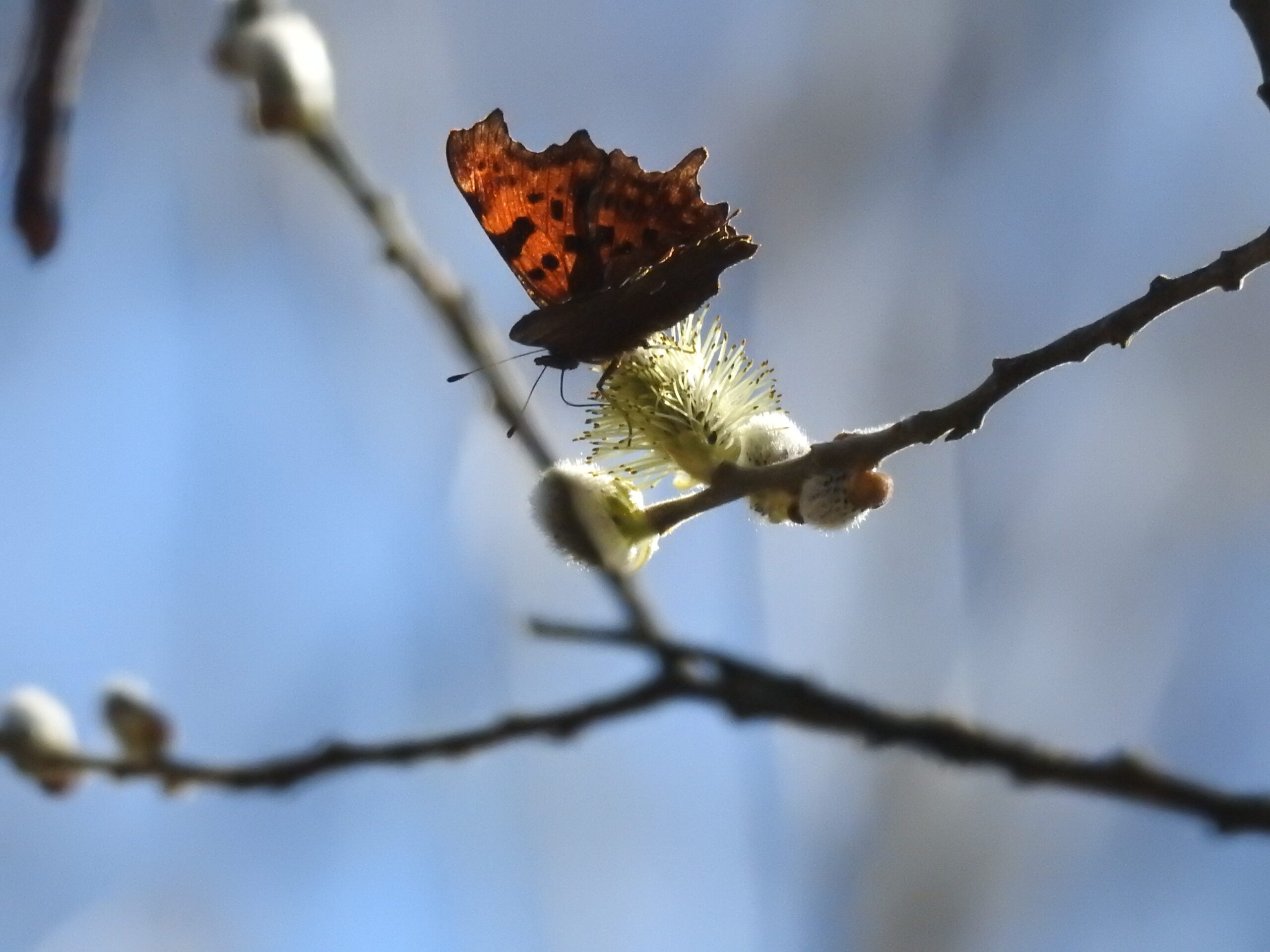
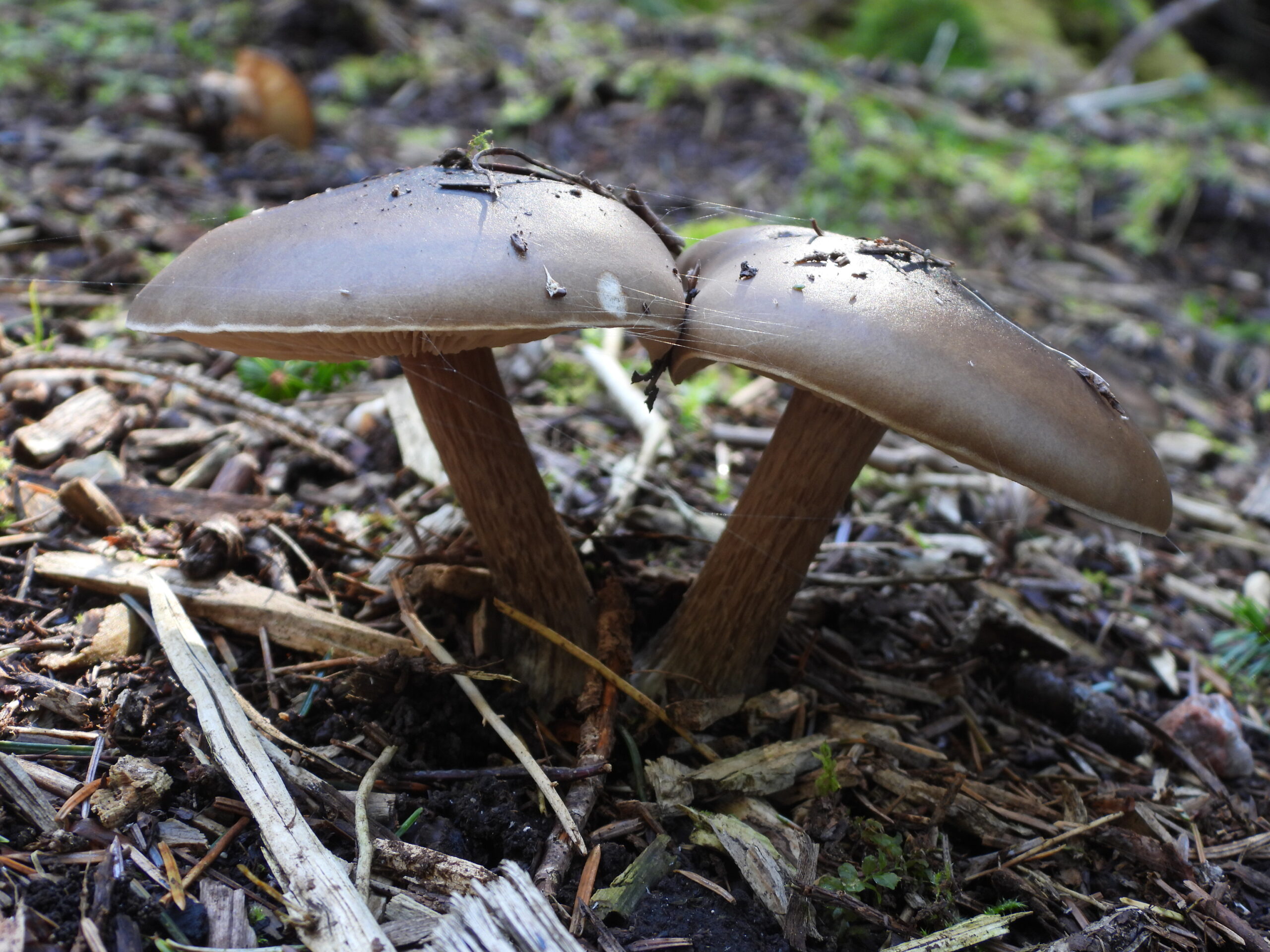
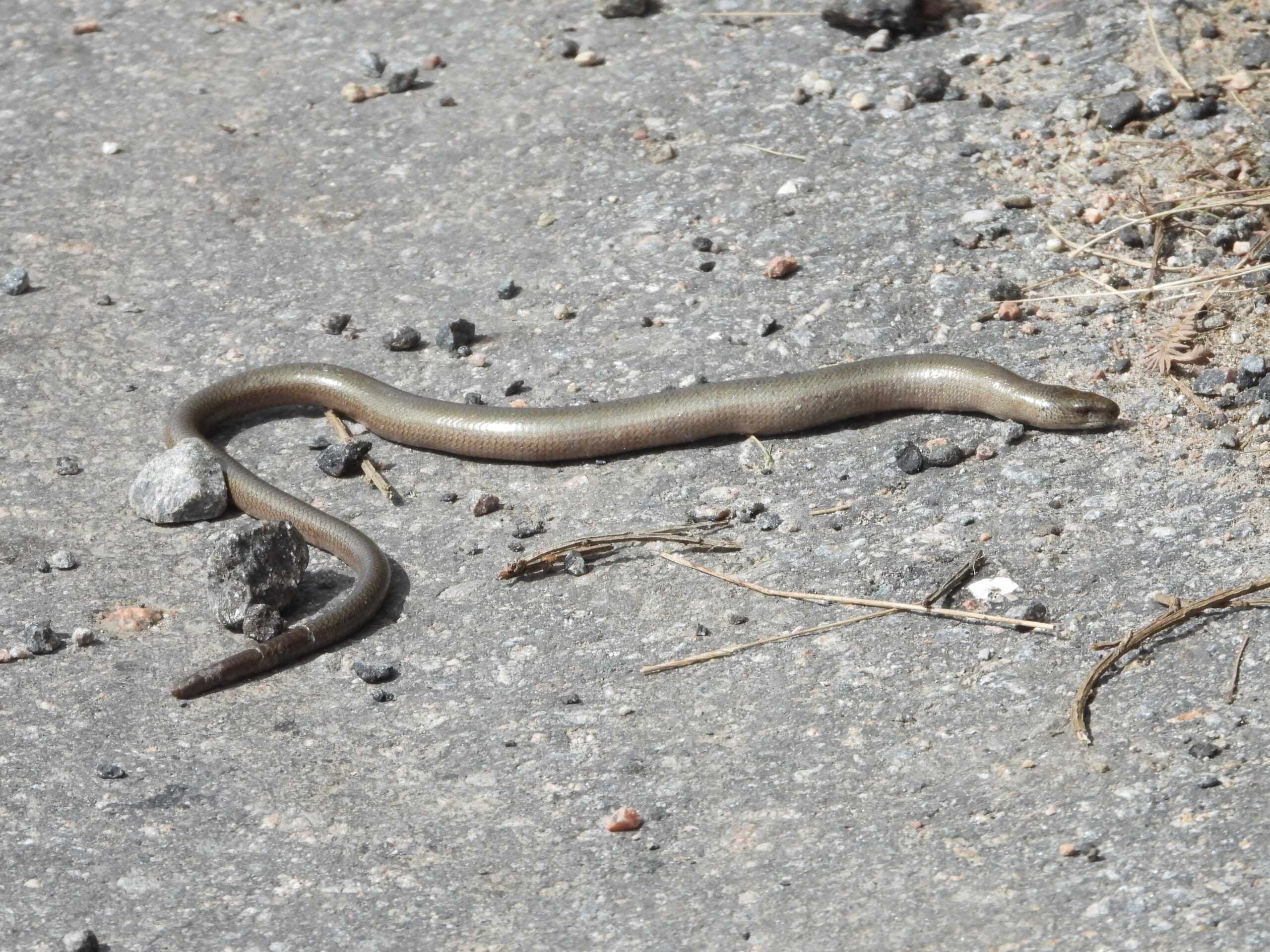
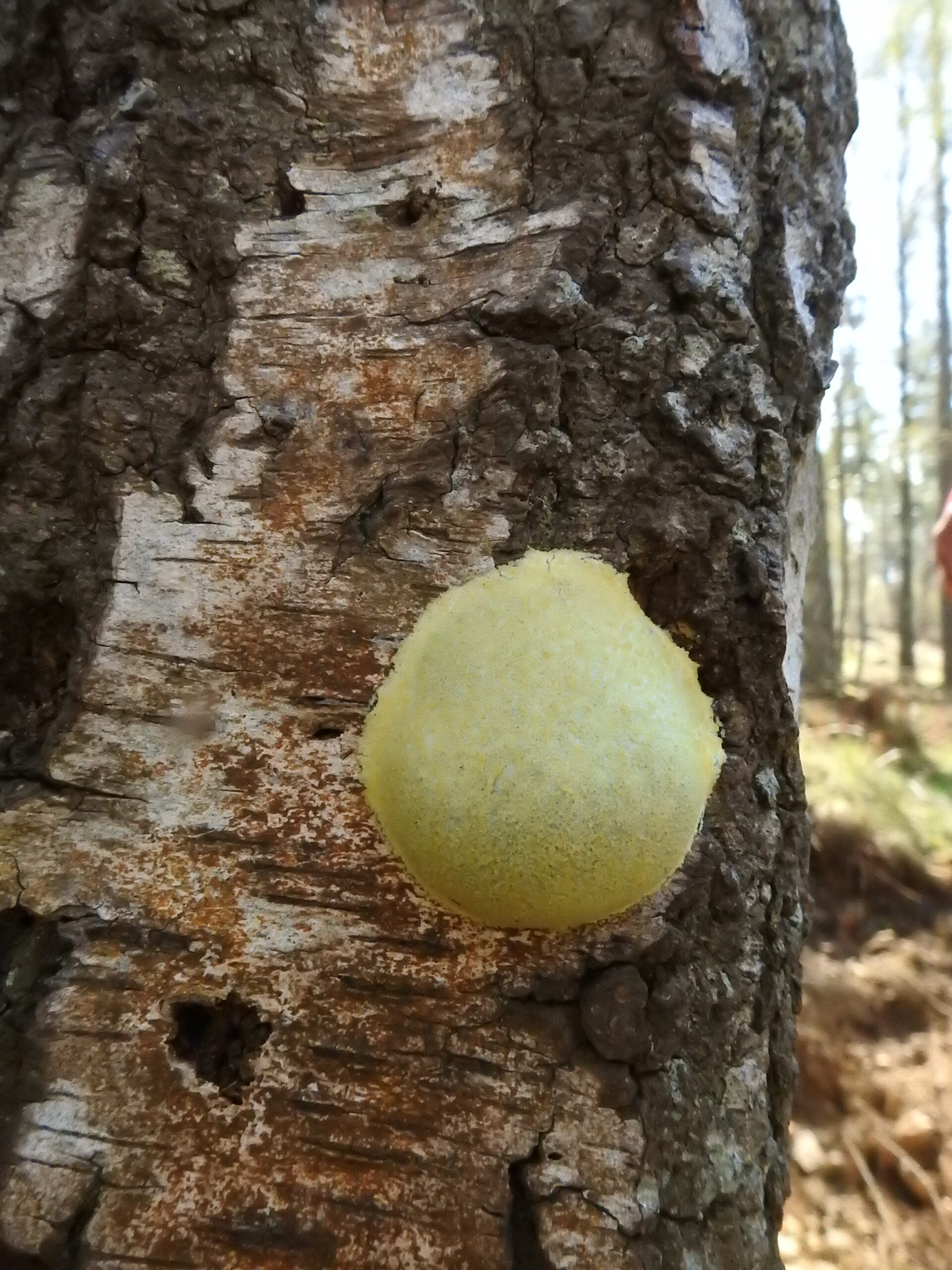
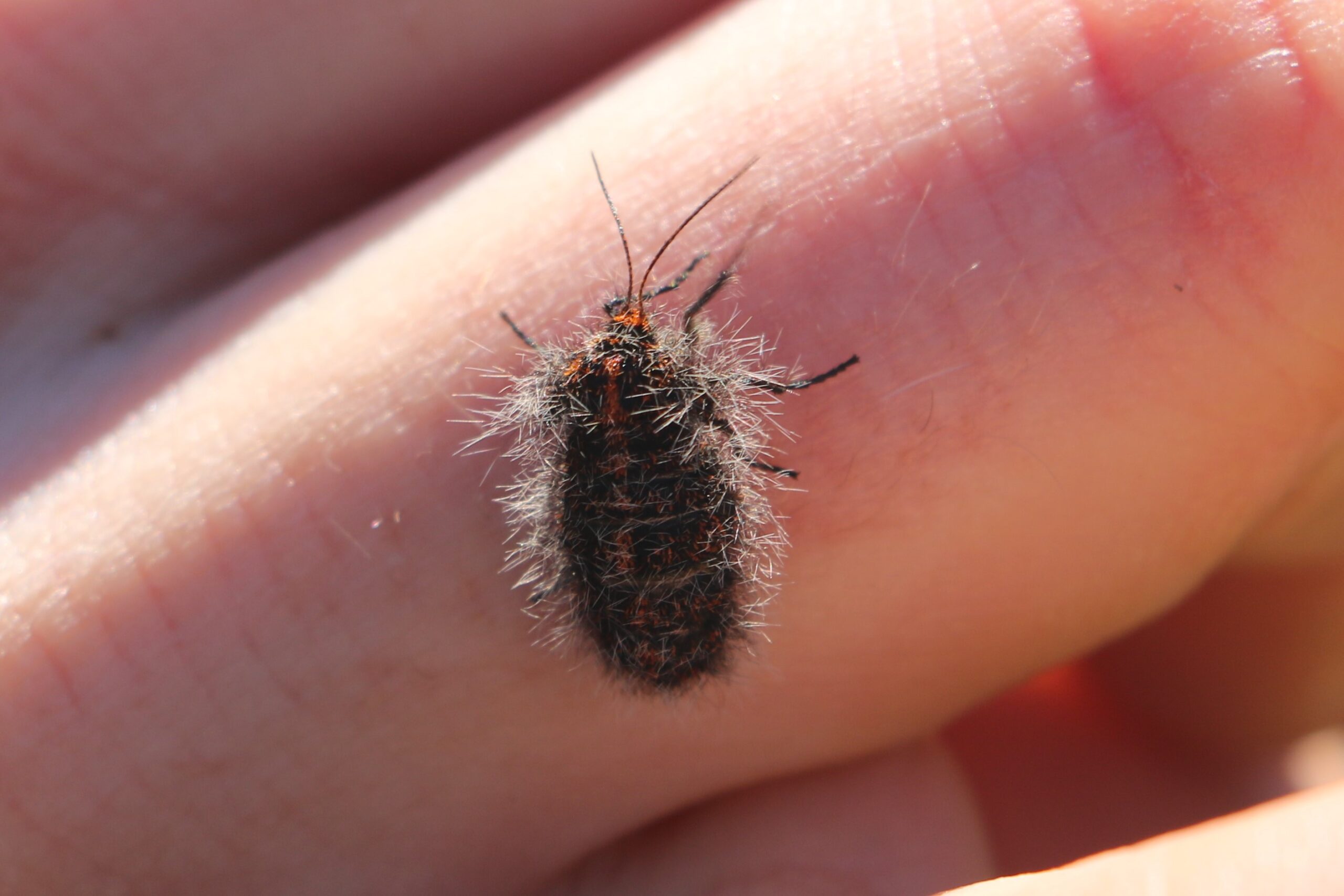
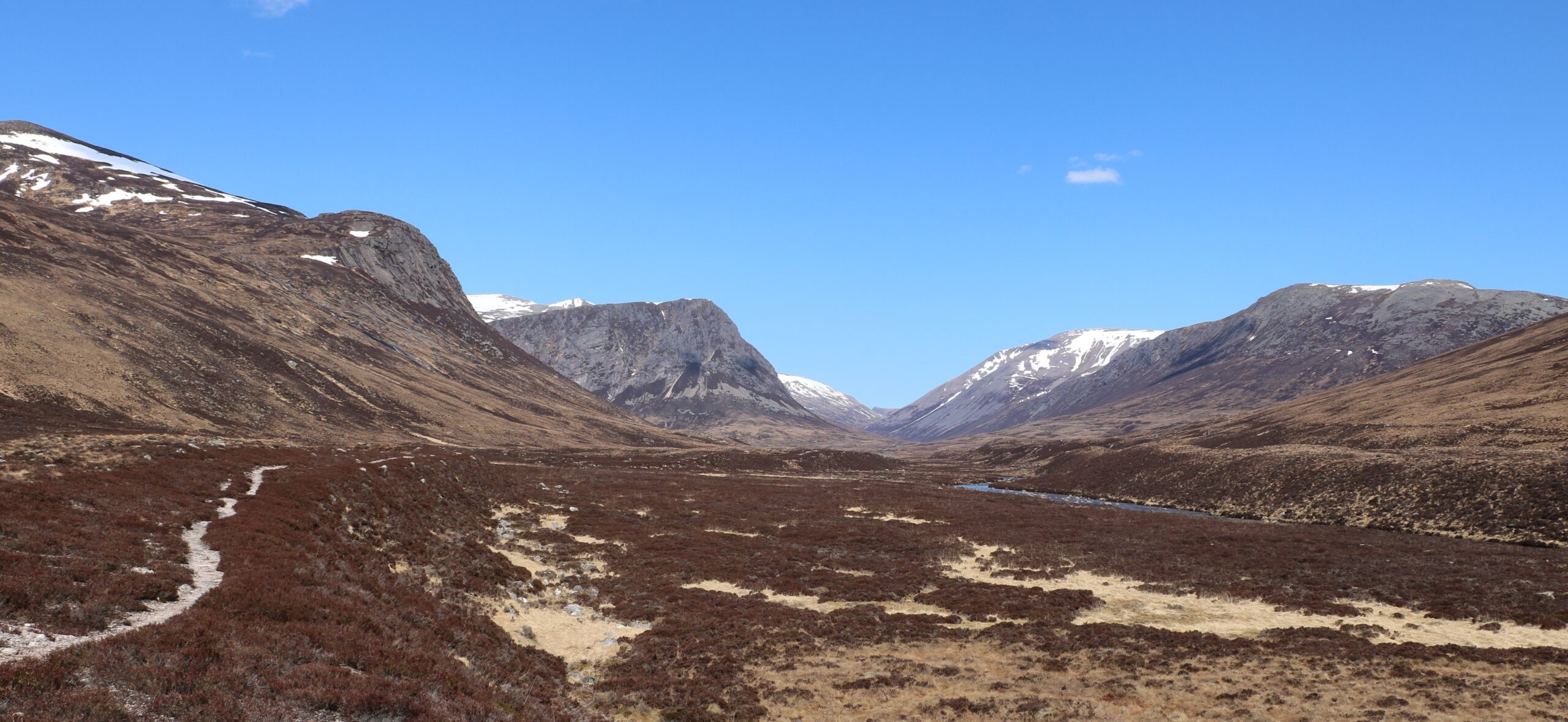
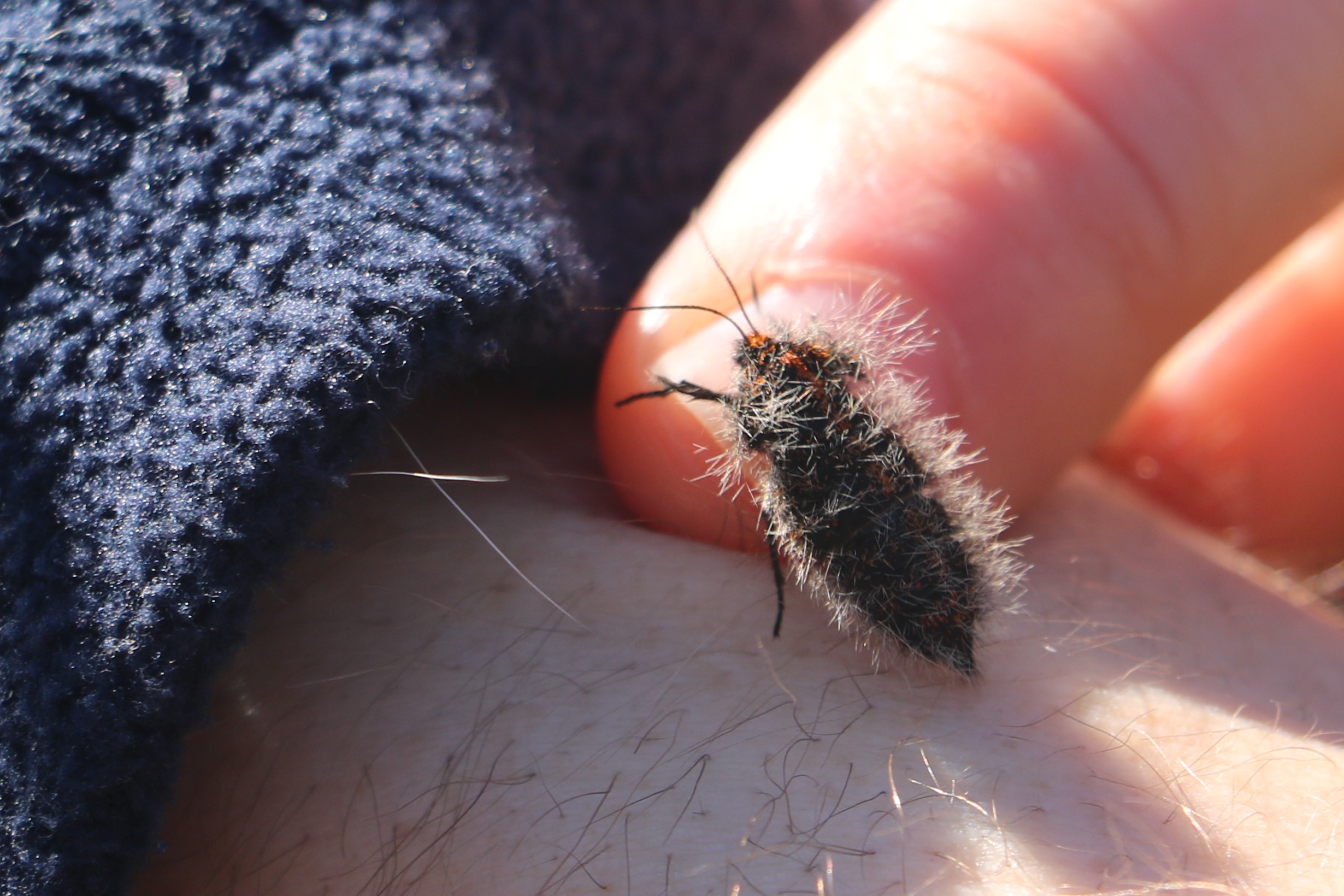
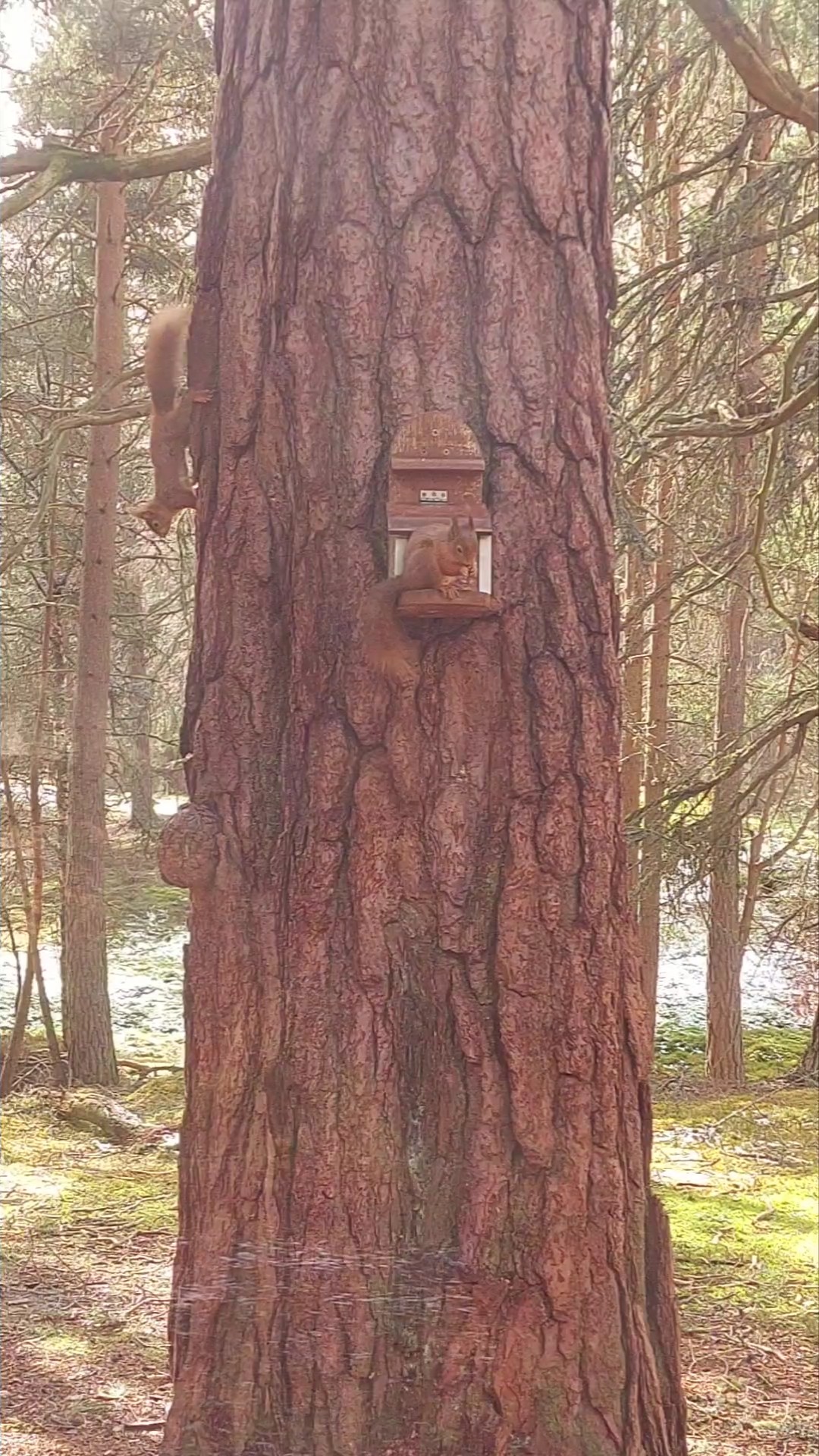
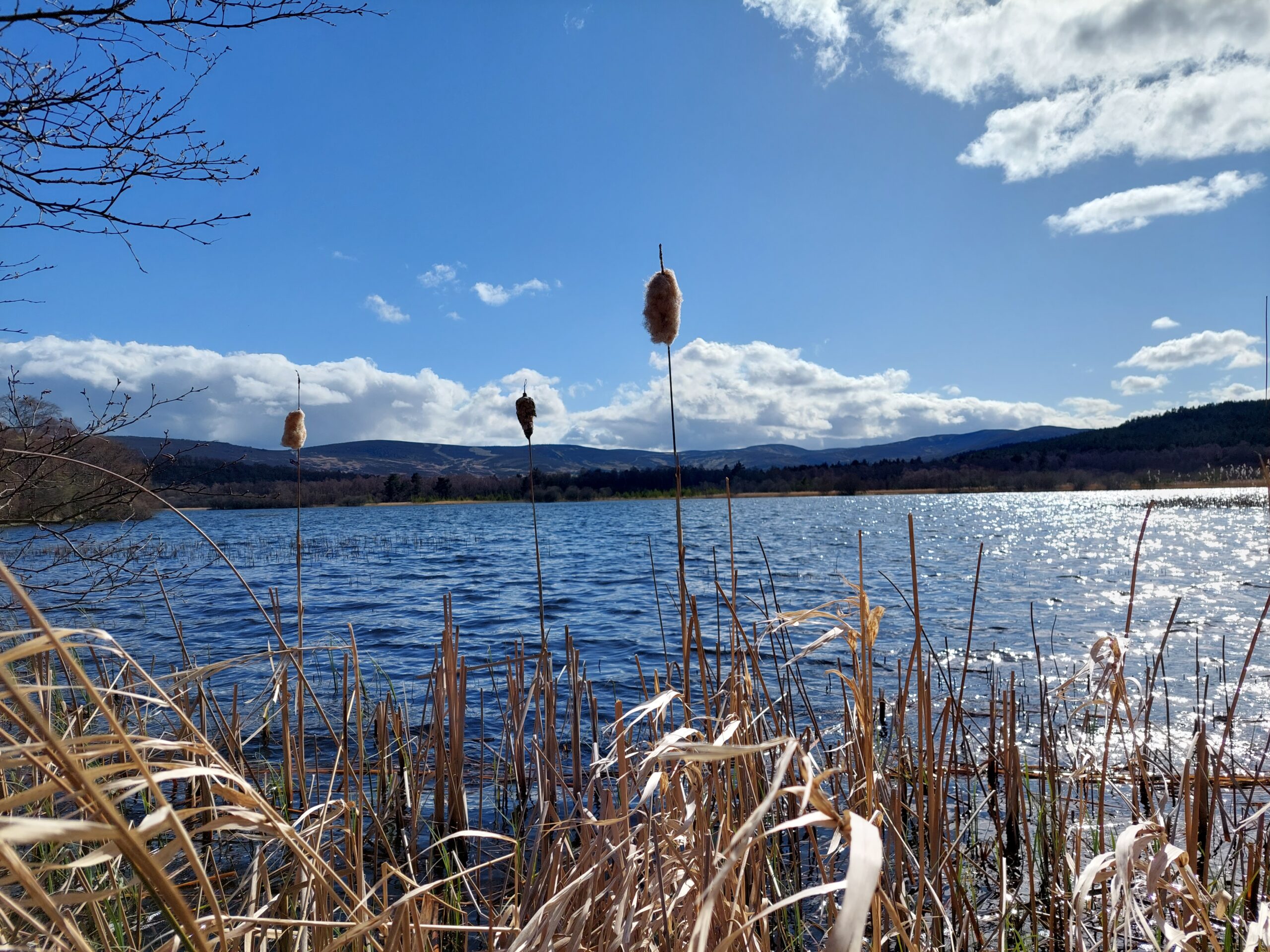
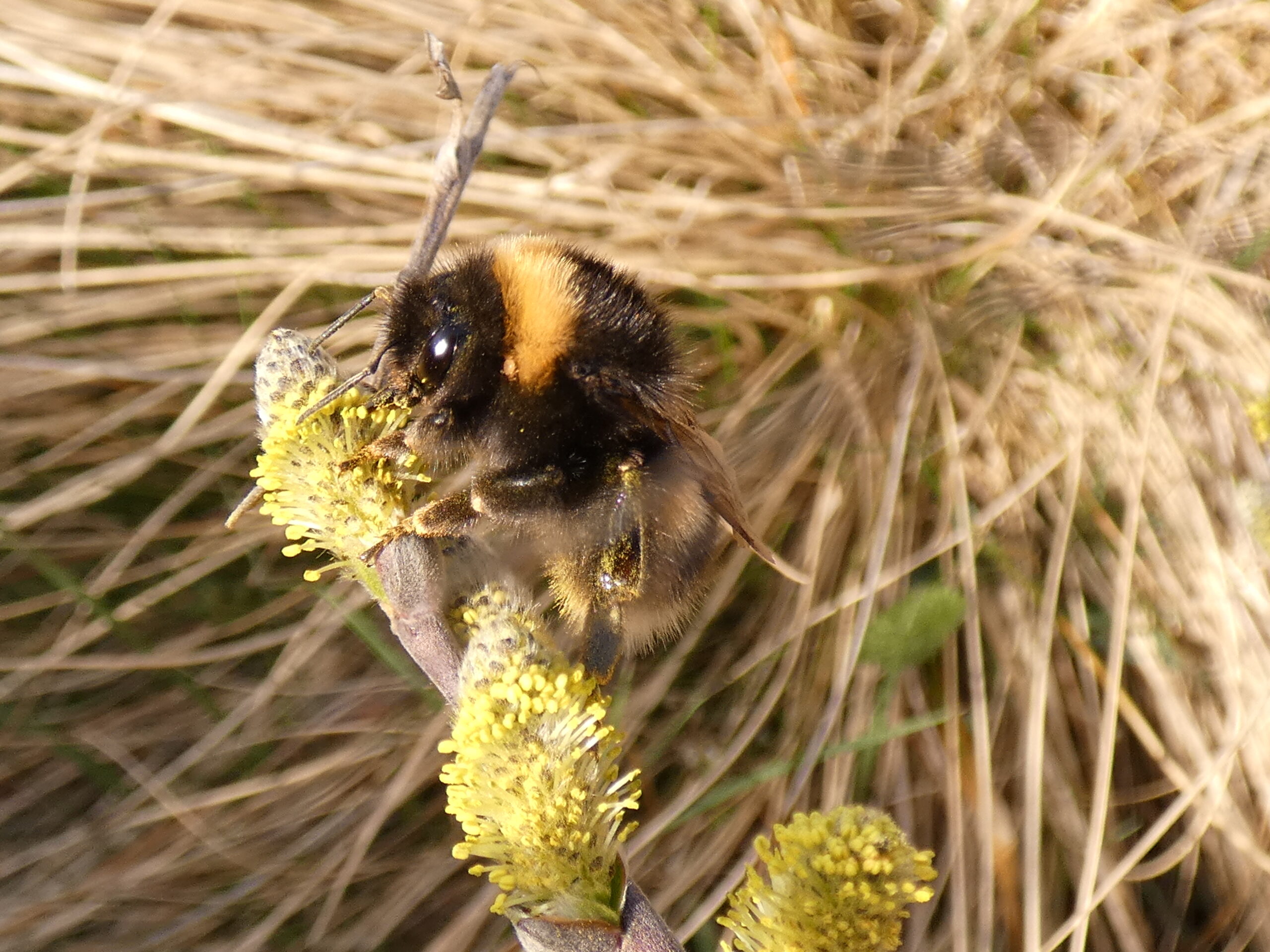
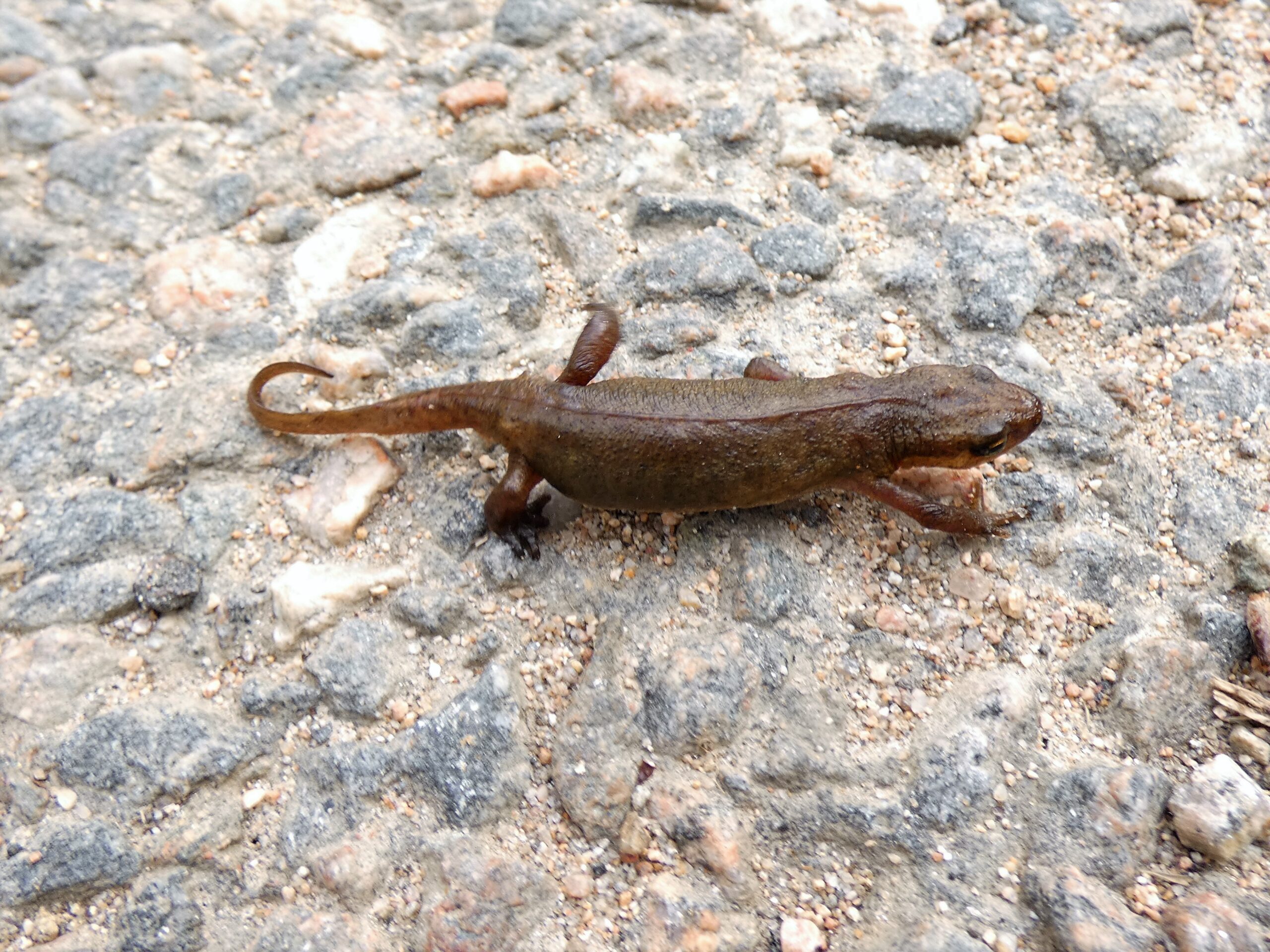
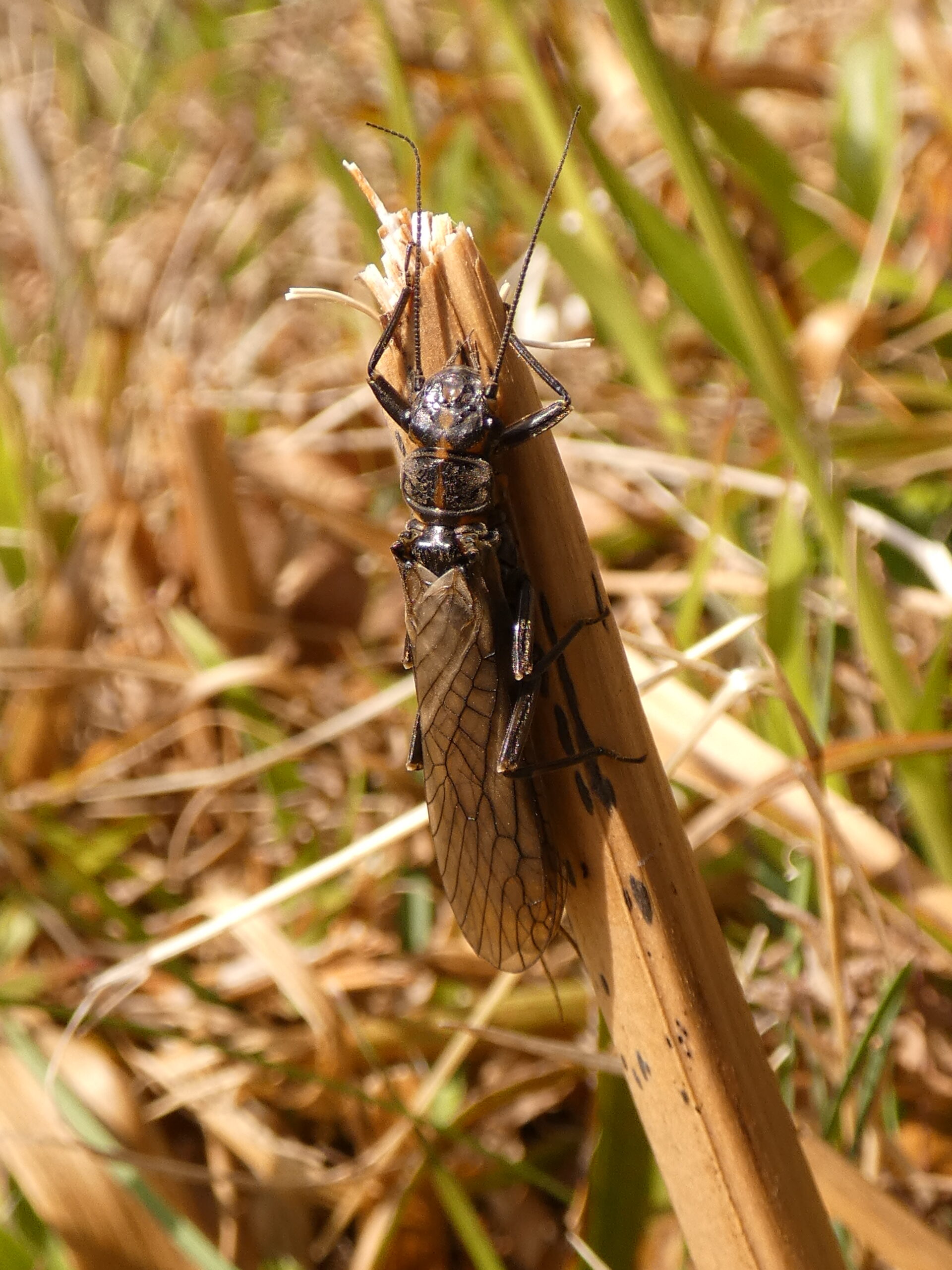
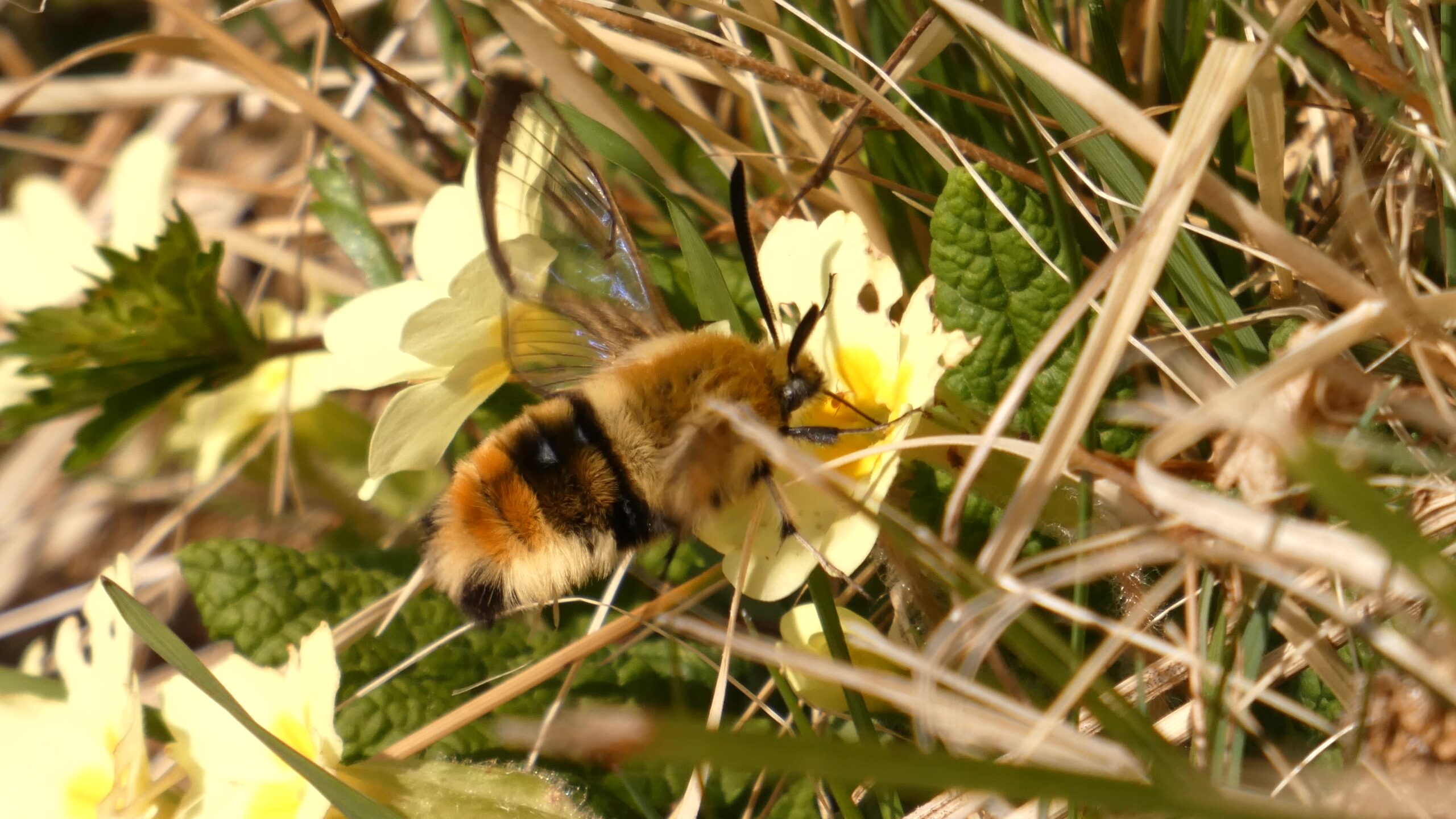
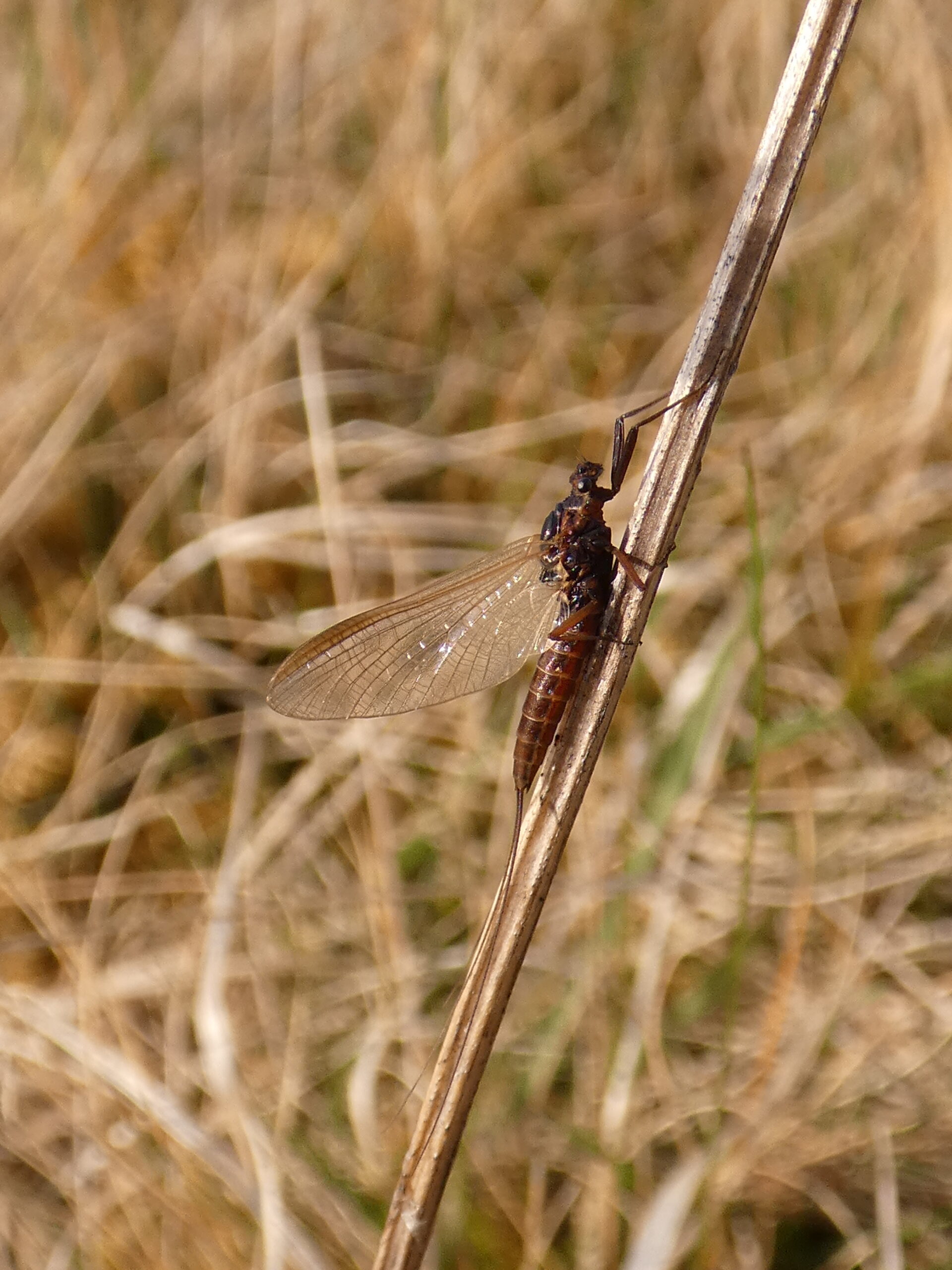
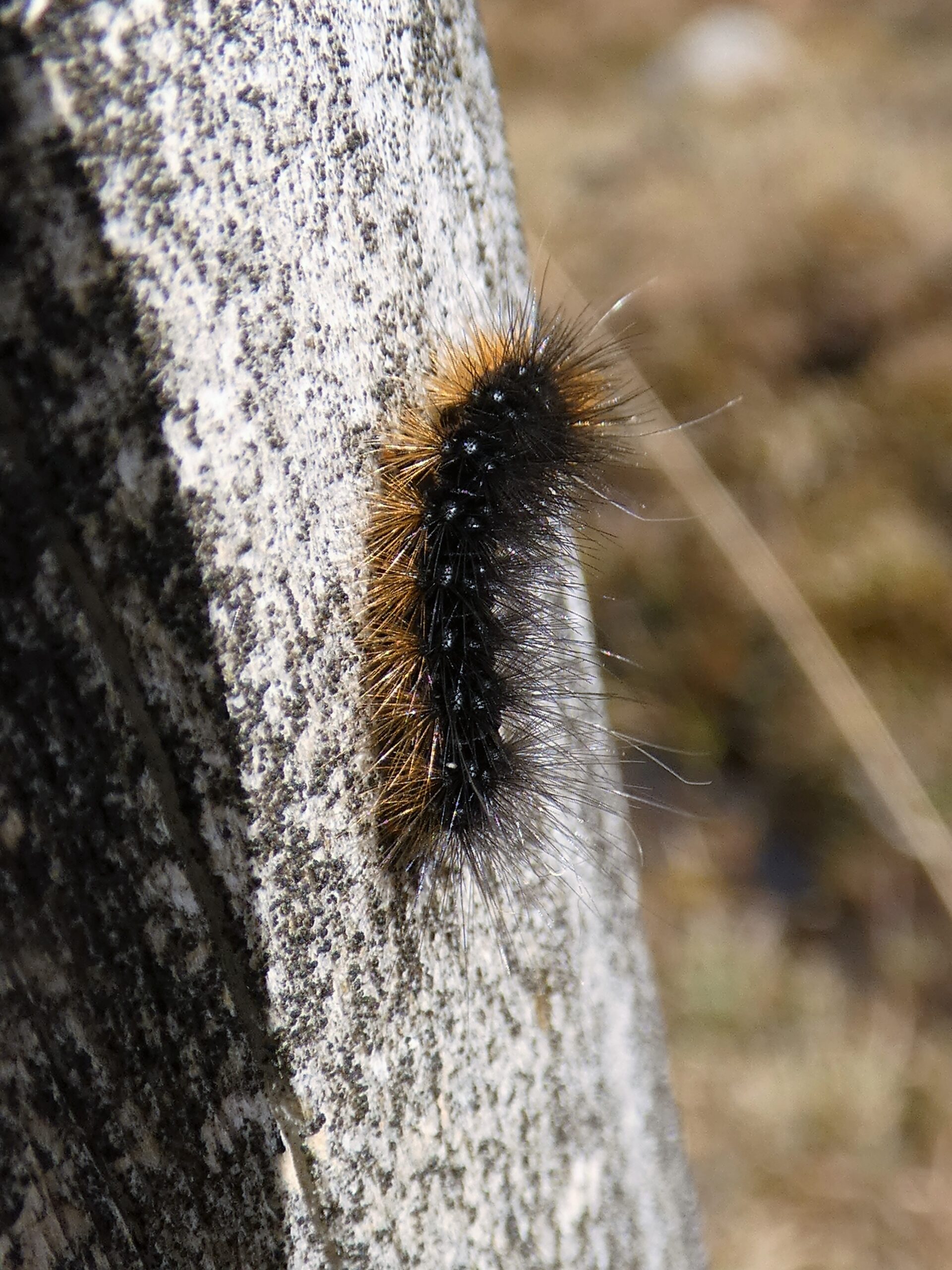
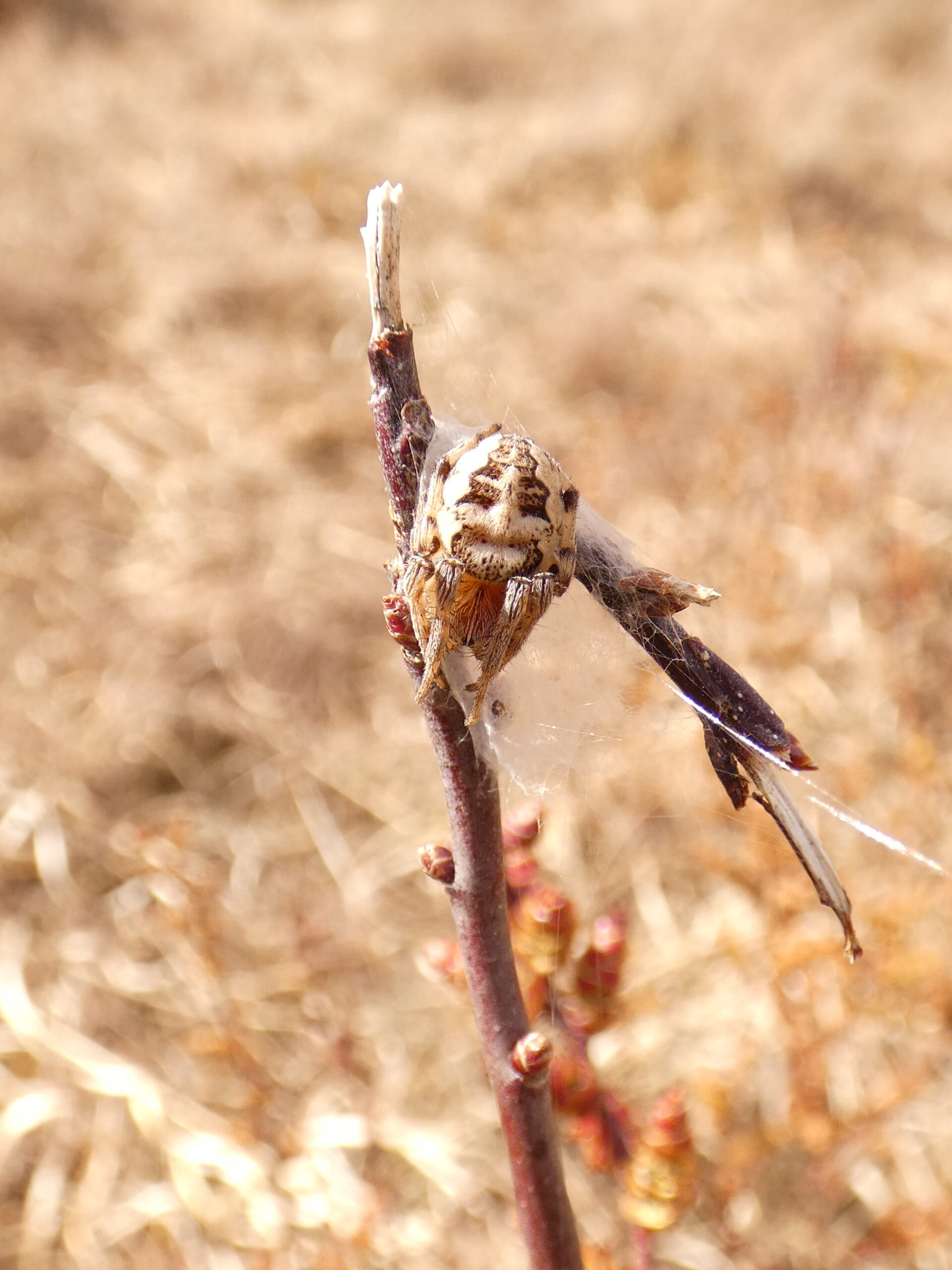
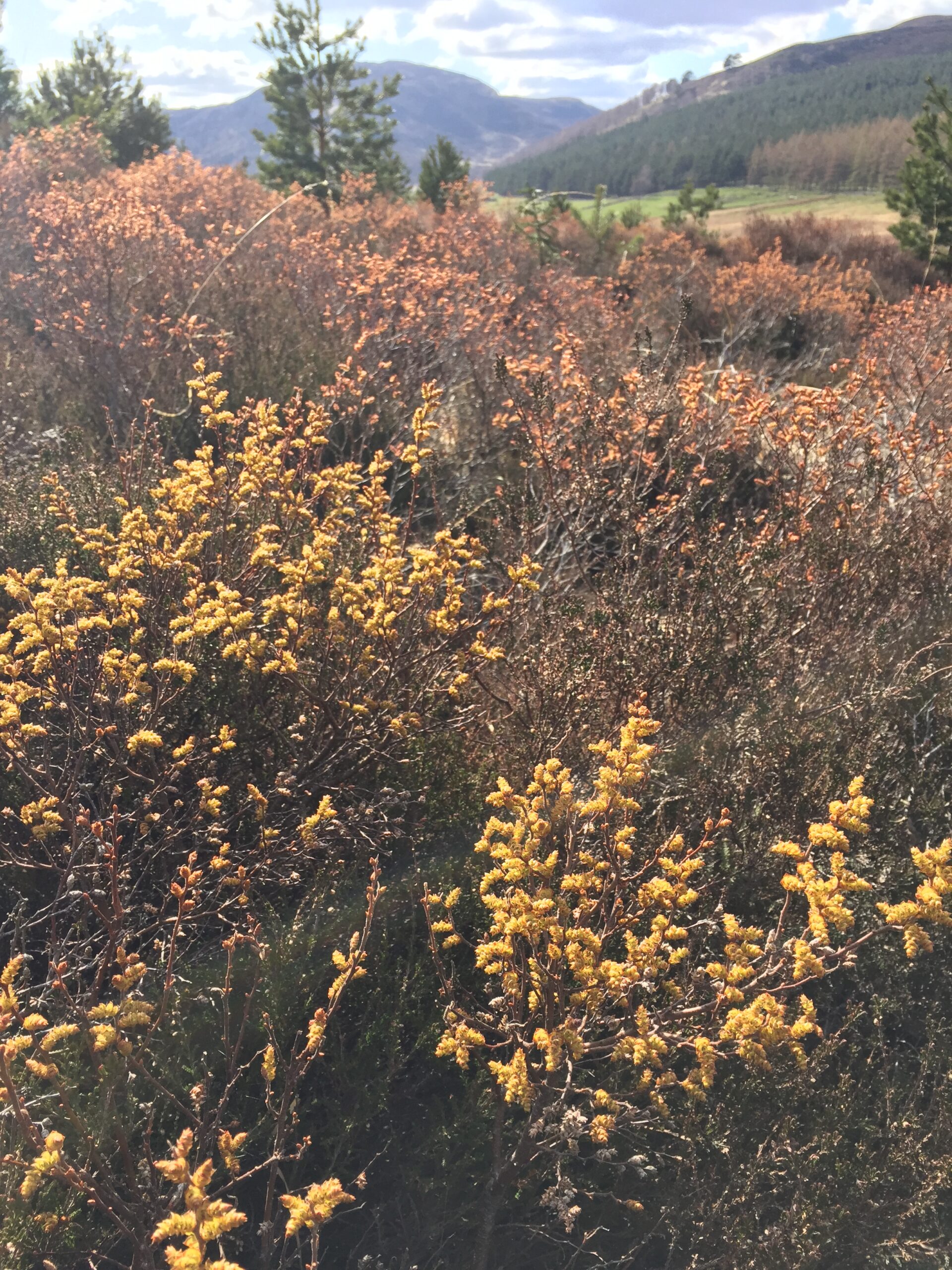
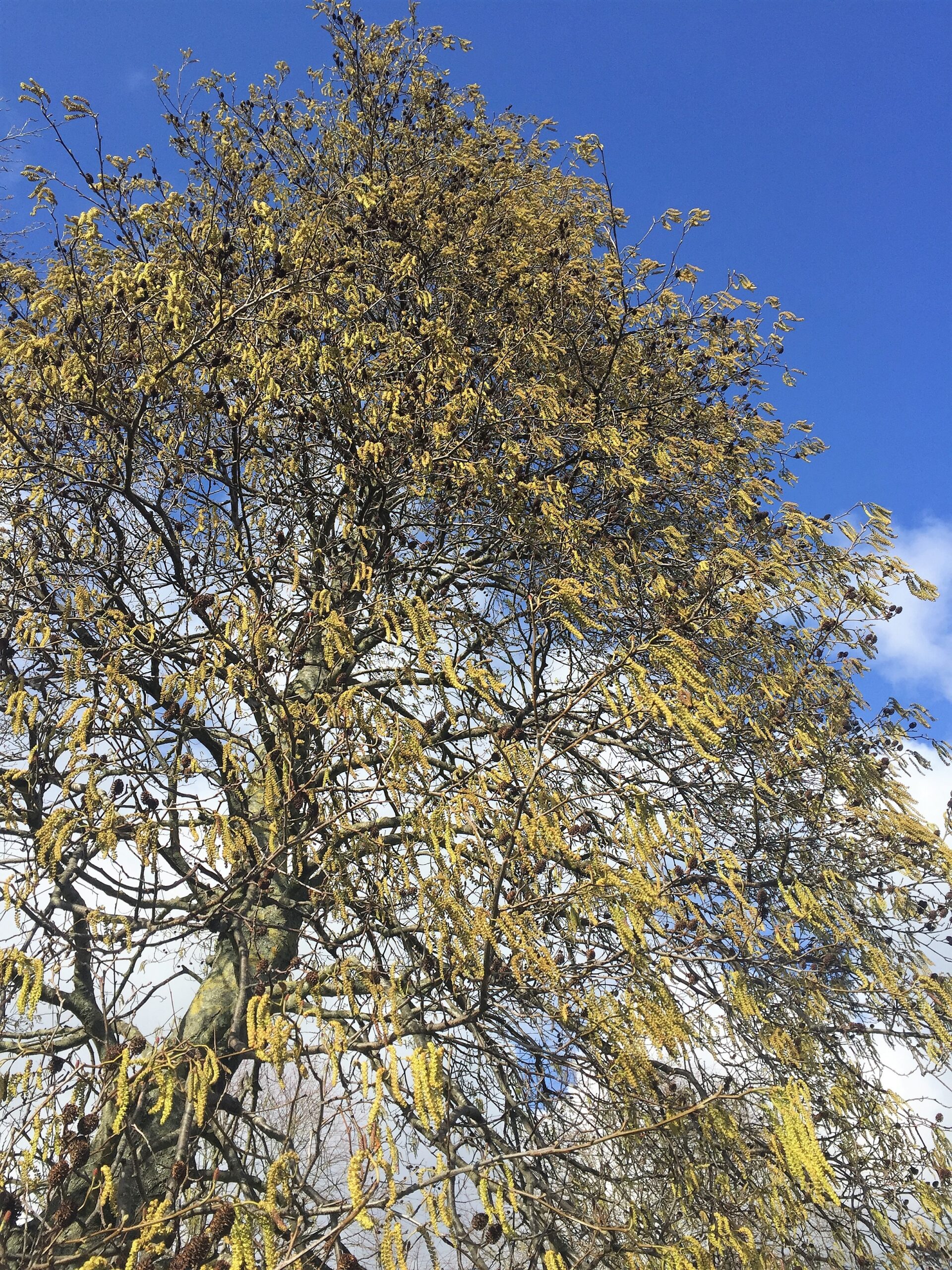
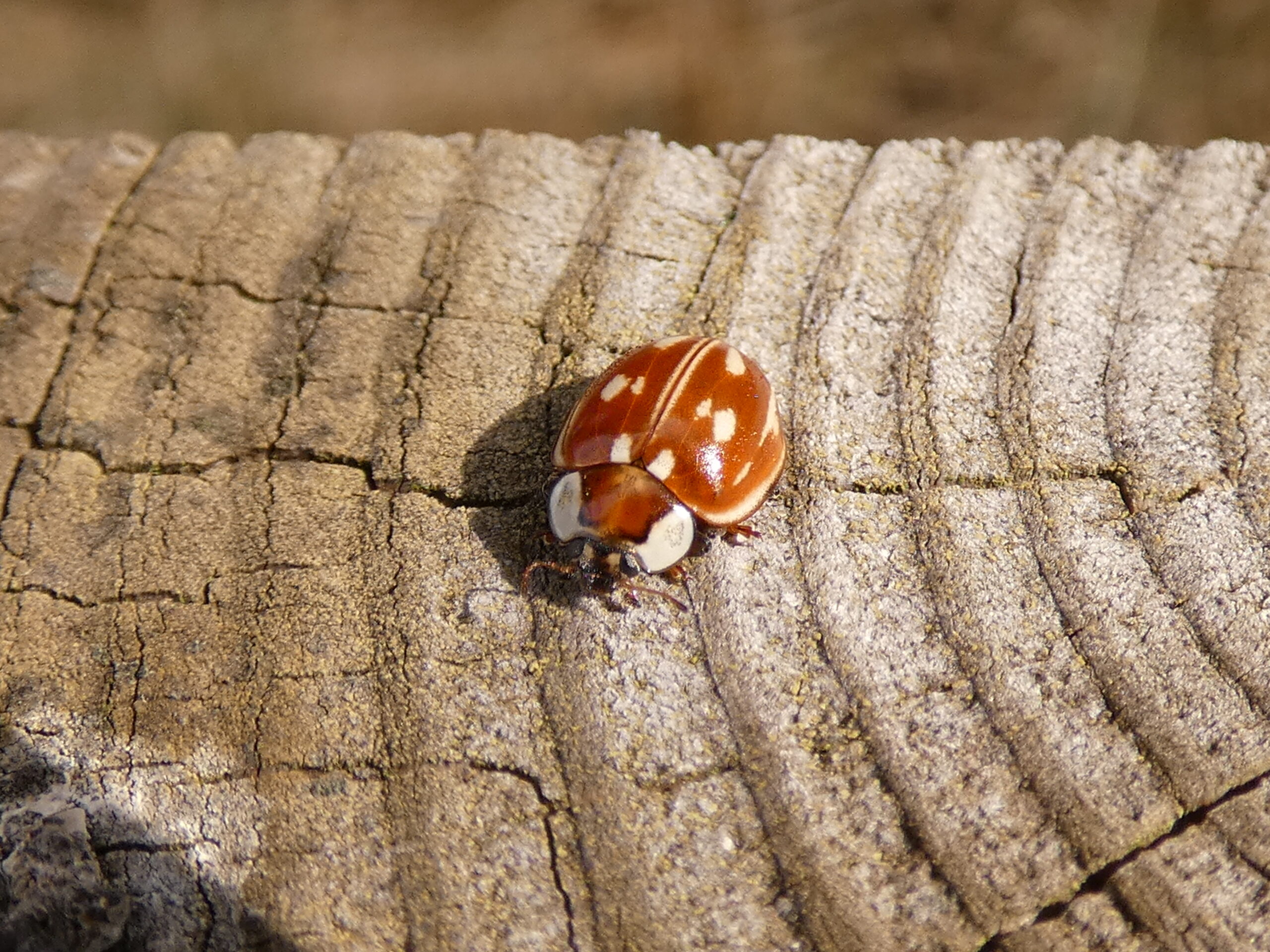
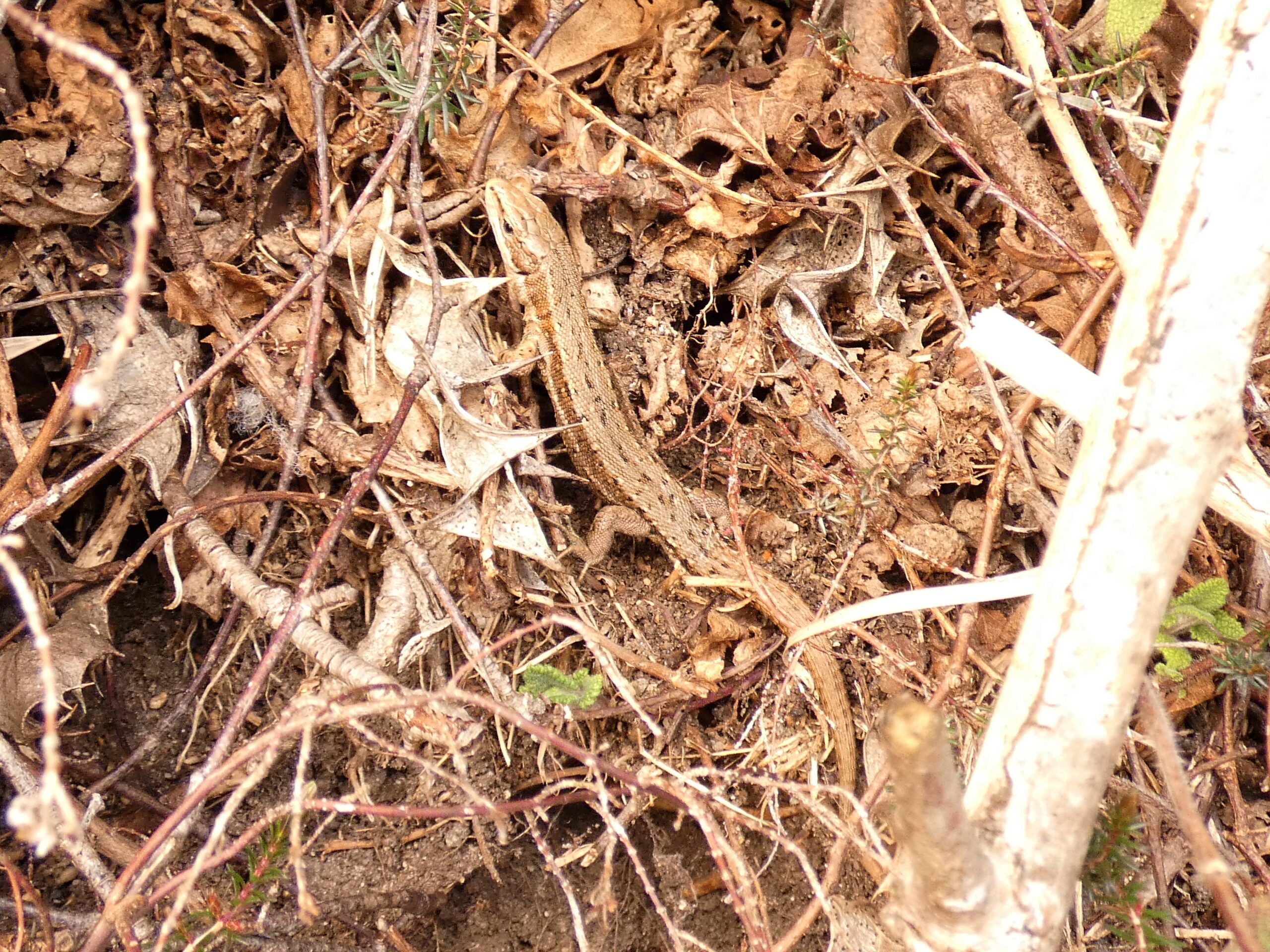
While most of the plants and animals emerging now are rightful residents of the North East, some of them are considerably less welcome – these so-called “invasive non-native species” have been introduced, either intentionally or accidentally, to areas outside their normal geographic range, and some of them cause problems because of how they spread. Invasive Non Native Species Week runs from 16-22 May, an annual national event aimed at raising awareness of their impact, and the simple things everyone can do to prevent their spread.
Chair of the Dee Catchment Partnership and the North East Non-Native Invasive Species (NENNIS) forum, Martin Auld, explains: “Invasive, non-native species can be plants or animals, but in the north east of Scotland we are focused mainly on plants. Not all of them are problematic – most are harmless. But some cause significant environmental issues, and as the second biggest threat to biodiversity after habitat destruction, they can greatly alter local ecology, by forming dense stands, threatening native plant species and causing riverbank erosion and flooding. The main culprits in the Dee catchment are giant hogweed, Himalayan balsam, and Japanese knotweed, with skunk cabbage, pirri-pirri bur and butter bur causing problems in some areas.”
These species are time-consuming and expensive to control, as Martin continues: “Non-native invasives are estimated to cost the UK around £2 billion in damage prevention every year, and if you have invasive species on your land, you have a responsibility to prevent their spread.”
Whether in our own gardens, or out and about in the countryside, how do we get rid of these invasive species? The first and most important step is recognition, as Martin explains: “If you know what you’re looking for, you can keep an eye out for invasive species in your garden or when out and about. If you can, report any sightings to the North East of Scotland’s Biological Records Centre, as these species can’t be tackled unless their location is known. Those with the necessary skills and experience can remove species themselves – there is extensive guidance available on the North East Non Native Invasive Species (NENNIS) website, including how to identify the six key culprits. And if you’re unsure, contact either of these authorities for advice.”
Established in 2017 to coordinate a collaborative approach to tackling the challenge posed by invasive plants in the region, NENNIS builds on a long history of controlling invasive plants in the Dee catchment and throughout Aberdeenshire. Hundreds of volunteers have since been trained in safe pesticide use across Scotland, to treat plants such as Giant Hogweed, Himalayan Balsam and Japanese Knotweed.
Invasive non-native species champion for Aberdeenshire Council, Councillor Annouk Kloppert, added: “Invasive, non-native species are a big problem, damaging forests, crops and infrastructure every year, and outcompeting and driving native species to extinction. We all have a role to play in helping to stop the spread of invasive species, whether in own gardens, or by reporting an unfamiliar plant while exploring the catchment.”
“The efforts of the River Dee Trust, and many other partners within the Dee Catchment Partnership, have gone a long way in recent years to tackling the problem here in Aberdeenshire, but there’s always more to be done,” adds Martin.
Anyone interested in volunteering to help tackle invasive species in the Dee catchment should contact the River Dee Trust’s Invasives Officer, Jan Simpson, on 07767848856 or [email protected]