

 Ambitious recovery programme launched as unprecedented decline in pearl mussel highlights fragile River Dee
 DeeWatch December
In the first of our monthly articles from the Dee Catchment Partnership, find out how the team have been working to help tackle the spread of non-native plants on the riverbanks at Garthdee in Aberdeen.
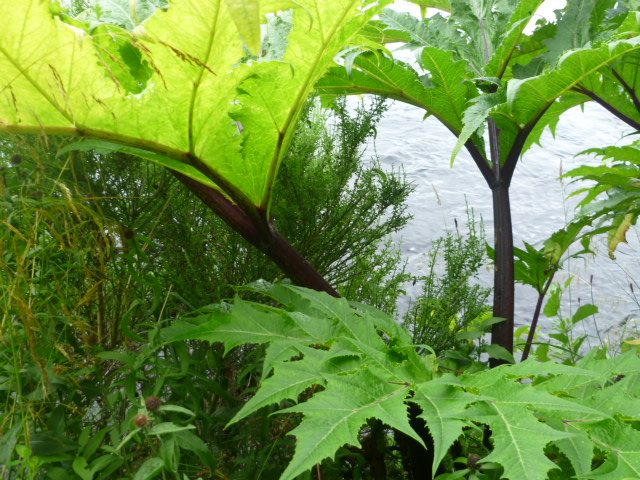
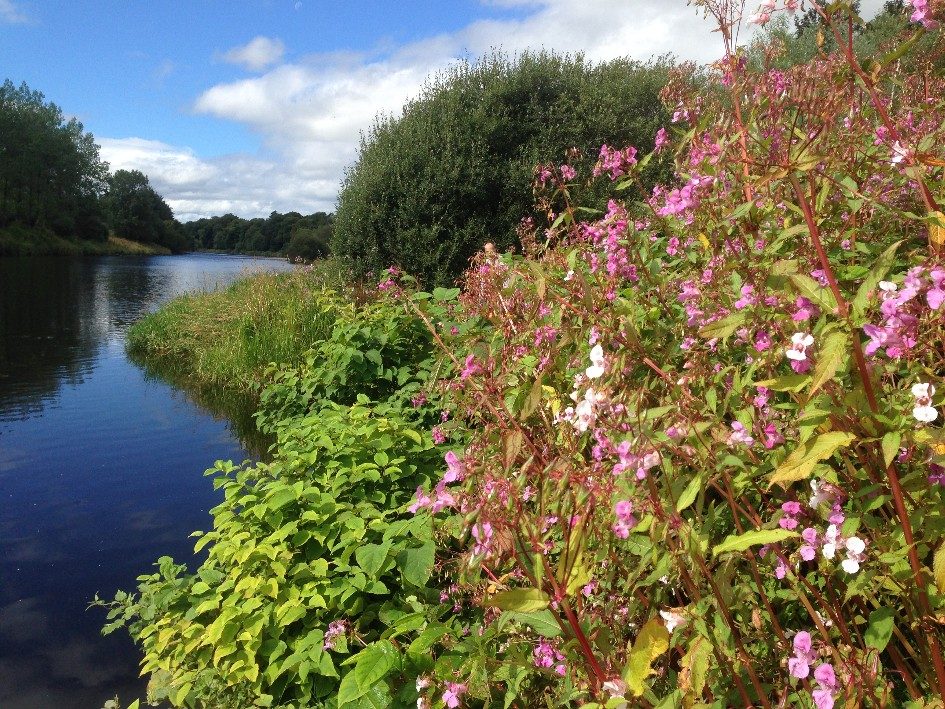
Non-native invasive plants and animals are a serious threat to Scotland’s biodiversity. Globally they have contributed to 40% of animal extinctions within the last 400 years, and Scotland and many countries now face complex and costly problems associated with tackling them. The Dee is no exception – plants such as Himalayan Balsam, Japanese Knotweed and Giant Hogweed are a particular problem here as they out-compete local plants and become dominant along our riverbanks.
On the banks of the Dee they are having serious consequences for the region’s ecology and economy and have been the focus of a succession of partnership projects in recent years. The Dee District Salmon Fishery Board and River Dee Trust have led the work on the ground, working systematically from Ballater to Aberdeen harbour, and continue to make major progress with the help of a dedicated army of volunteers.
Two new invasive projects are underway
To widen the scope across the region, the North East Non-Native Invasive Species (NNIS) Project was recently launched. Led by Aberdeenshire Council and partnered by the River Dee Trust, the project is a further step forward in the fight against the spread of these plants on the Dee and the Don. Aimed at co-ordinating work throughout the river catchments, the project focuses on engaging local communities, raising awareness and providing training and support to volunteers. Earlier this year, Scottish Natural Heritage was awarded Heritage Lottery funding for a national initiative called the Scottish Invasive Species Initiative (SISI), aimed at helping communities across Scotland to tackle invasive species.
These three projects – at the river, regional and national scale – are working closely and together they represent a joined up approach to tackling invasive species.
Raising awareness is the key to success
With an over-arching remit to facilitate and support the work of its various partners, the Dee Catchment Partnership has produced an information leaflet on non-native plant species to help people to spot and report them. Outreach Officer, Marina Piper, explains:
“The leaflet is available to download from our website, and should help people identify the target species, with images of the four main invasive plants found on the Dee’s banks, along with a description of the harm they cause.
“Himalayan Balsam is the main culprit on the Dee, with an estimated 40 hectares growing in the catchment before treatment began, of which around 14 have now been treated. Japanese Knotweed, with roots that can break through concrete, is also prevalent, but after several years of continual pesticide spraying its coverage has decreased by 90%. Himalayan Balsam and Giant Hogweed (whose sap causes severe burns on contact with skin) have actually increased since 2015 due to the flooding effects of Storm Frank, which spread the seeds far and wide across the catchment. Treatment of these plants has proved very effective however, so we’re confident of being able to control their spread.
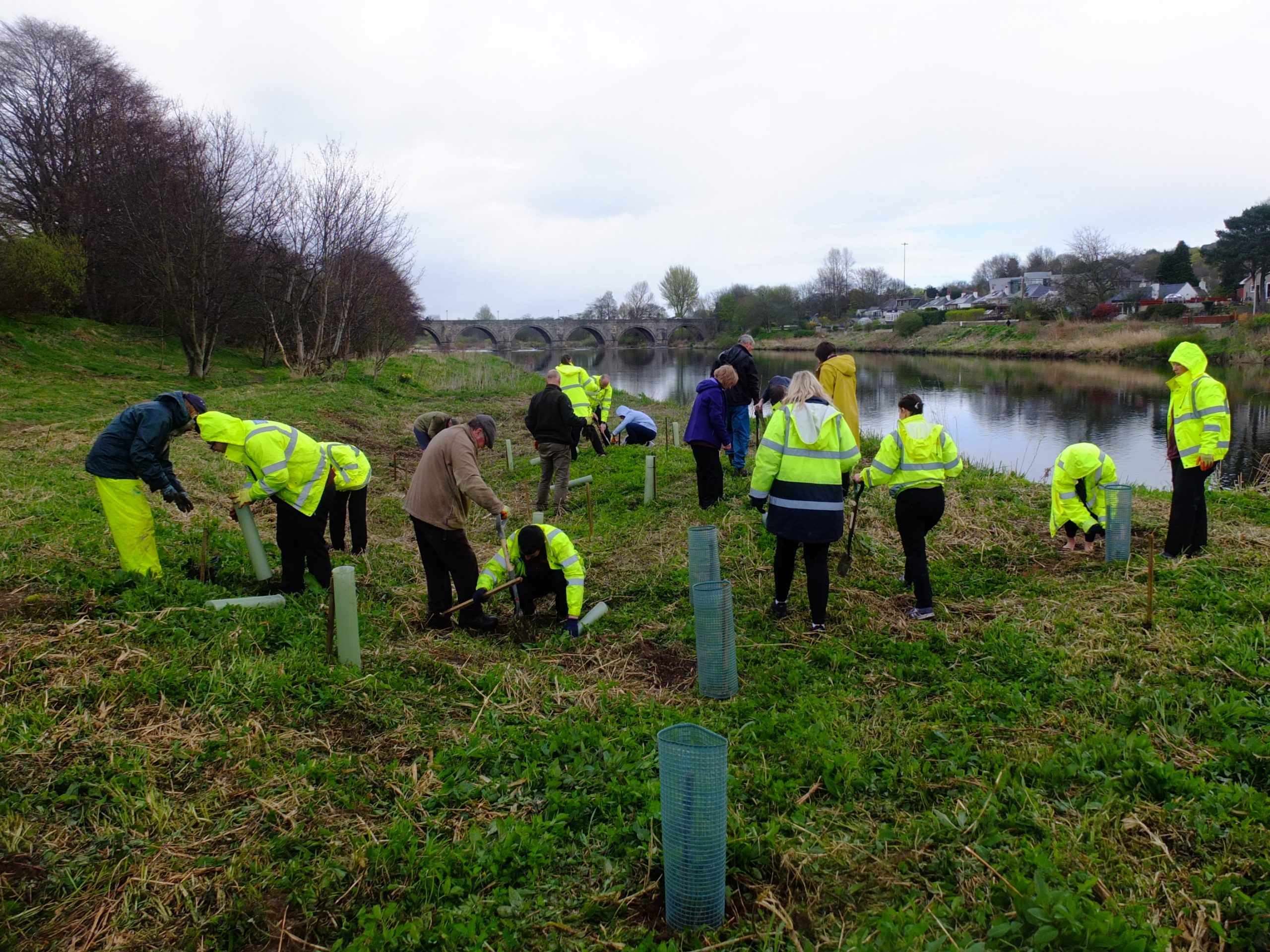
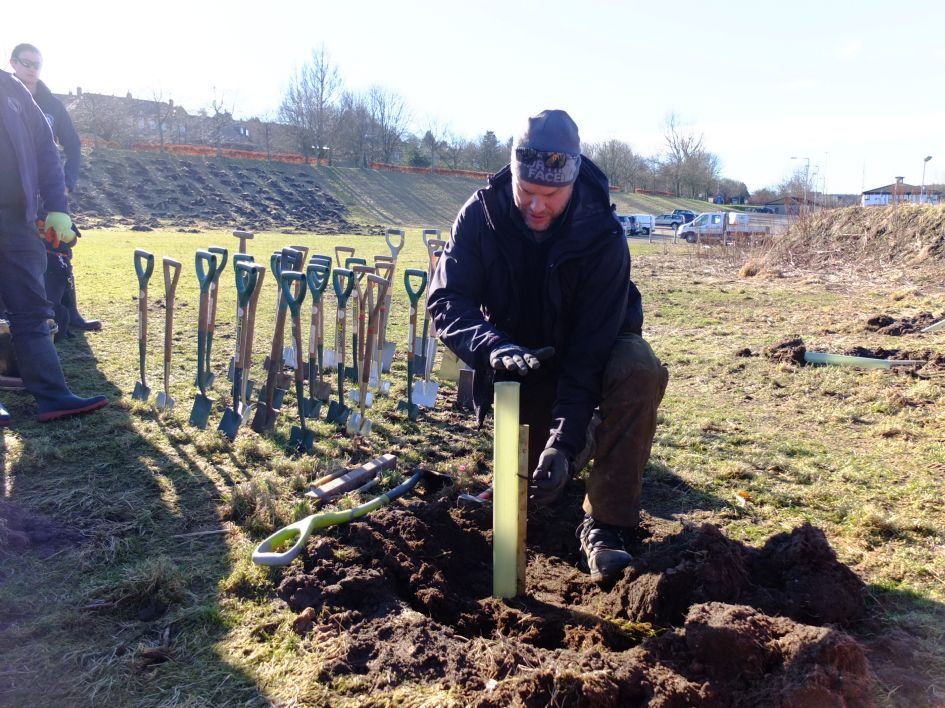
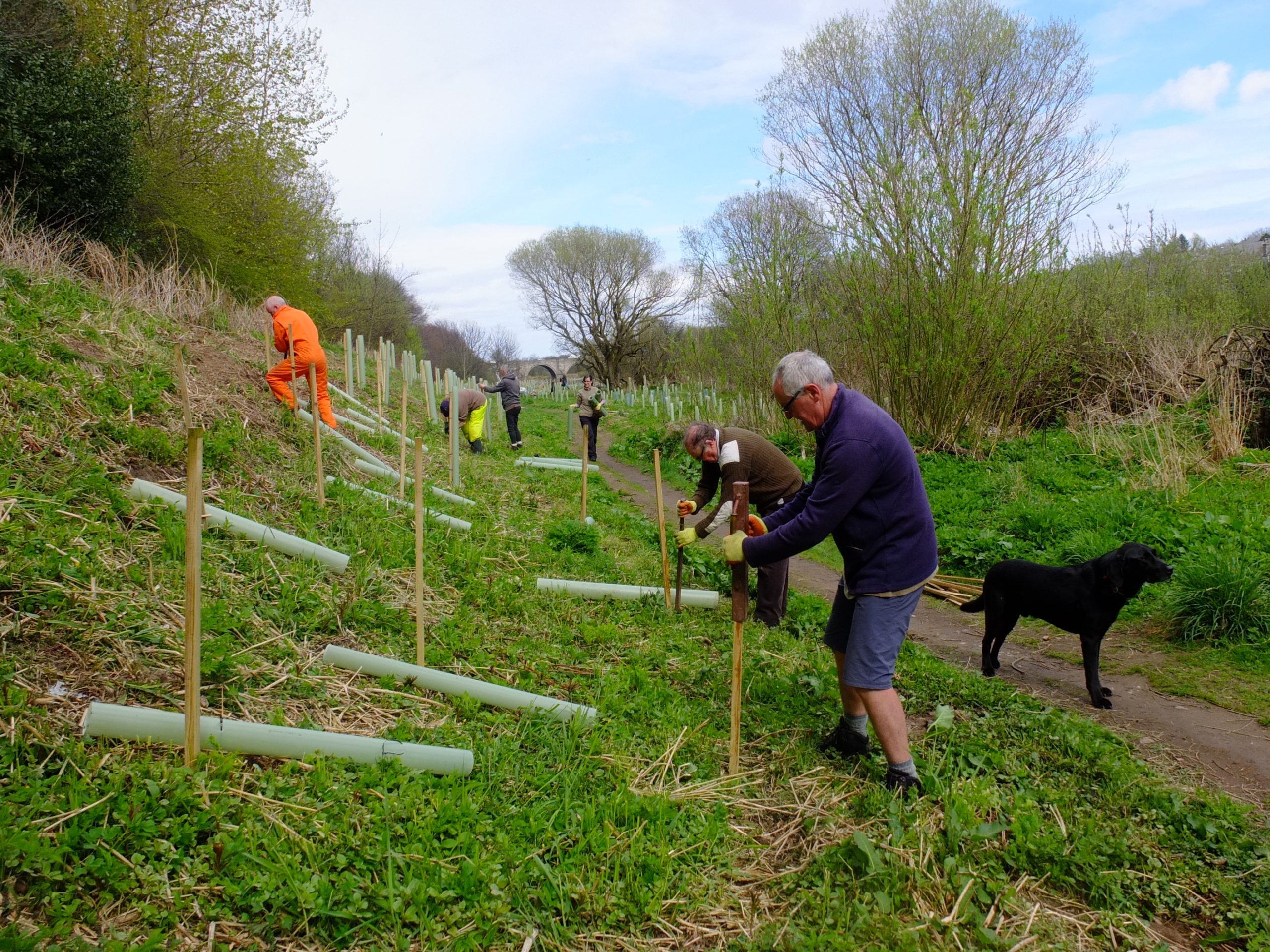
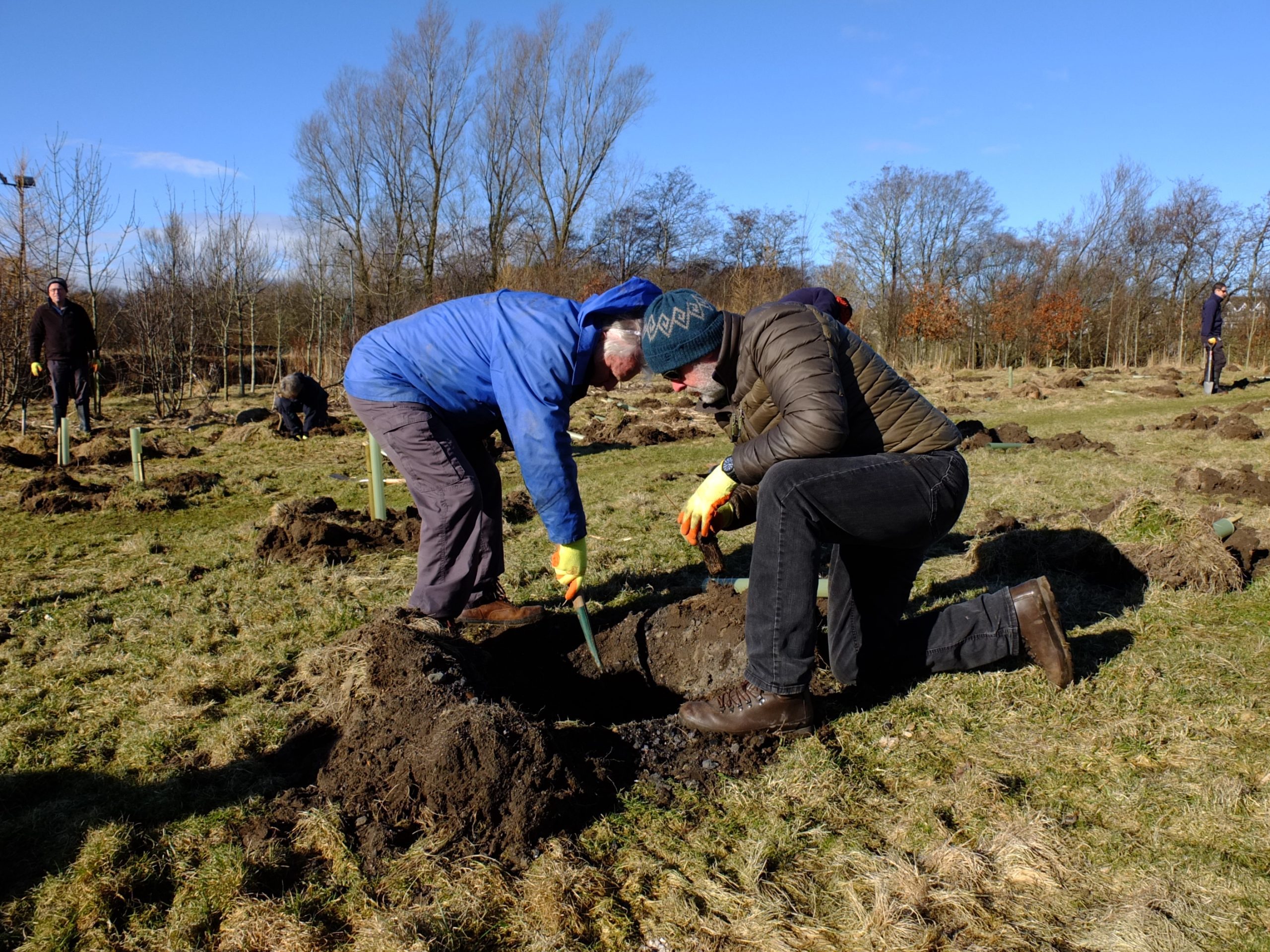
“In many areas, tree planting is the next step in returning the riverbanks to a healthy state in which a stable mix of plants and animals can thrive,” continues Marina. “We’ve been working with the River Dee Trust to plant trees where invasive plants have been treated or removed, and recently planted a thousand trees at Garthdee in Aberdeen. This will increase the stability of the banks, improve the local biodiversity and protect the site against flooding, and we’re extremely grateful to all the volunteers who helped out on the day.”
How you can help
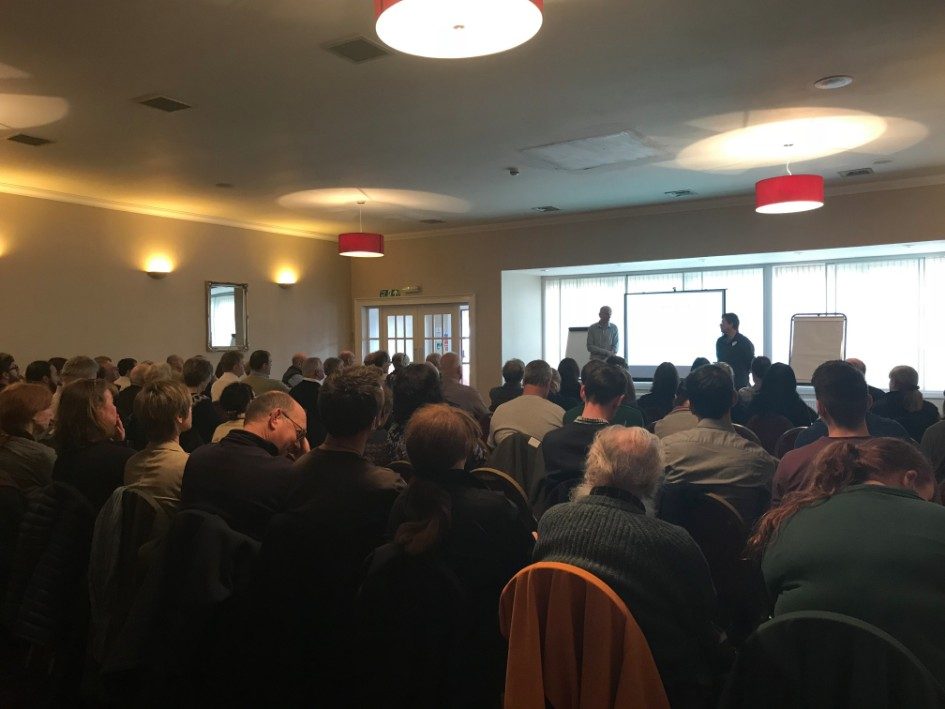
The River Dee Trust is optimistic about controlling the spread of these invasive plants on the river, and welcomes support from volunteers, as River Officer with the River Dee Trust, Calum Hislop, explains: “Our volunteers have been so important in the success we’ve had in tackling these plants, and we’re extremely grateful to them for their commitment to the cause and the obvious pride they take in their local river. The work is tough, but also great fun and very rewarding, and volunteers are given full training and can also gain national certifications for herbicide use in the process.”
You can help by knowing how to Recognise, Report and React when you spot a suspect plant. Report your sightings to the North East of Scotland Biological Records Centre http://www.nesbrec.org.uk and see our leaflet for more information http://www.deepartnership.org/userfiles/file/leaflets/INNS_guide-screen.pdf. Anyone wishing to get involved in helping to look after the Dee should email Calum Hislop of the River Dee Trust at [email protected]
ENDS
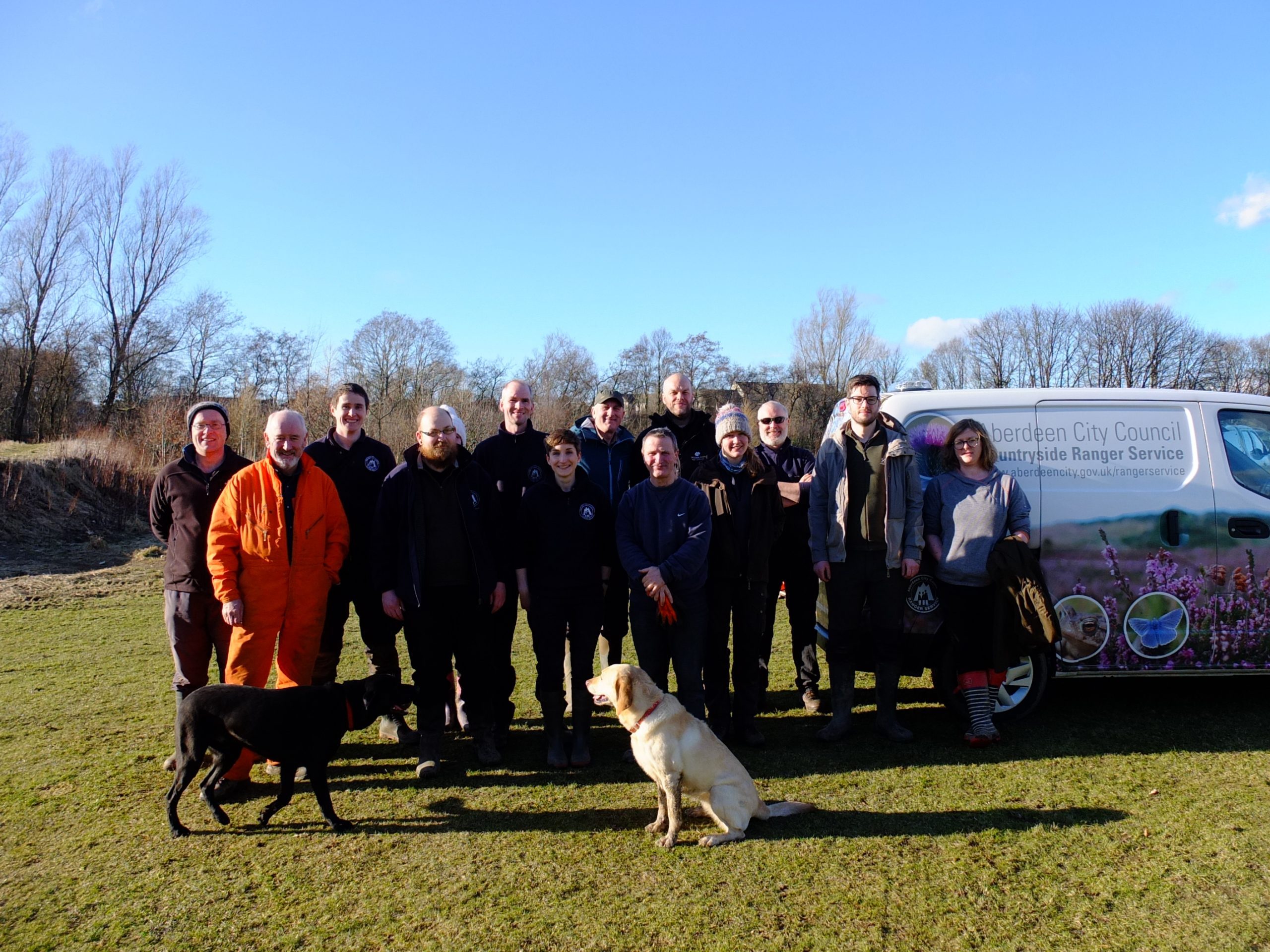
Suggested photo caption: Keeping invasive plants at bay: volunteers and staff from the Dee Catchment Partnership and River Dee Trust last week planted trees on the riverbanks at Garthdee, Aberdeen
Previous Deeside Piper Articles
Introducing the Dee Catchment Partnership – Intro Article
For further media enquiries please contact:
Sally Wallis
07961980152
013398 85436