

 Ambitious recovery programme launched as unprecedented decline in pearl mussel highlights fragile River Dee
 DeeWatch December
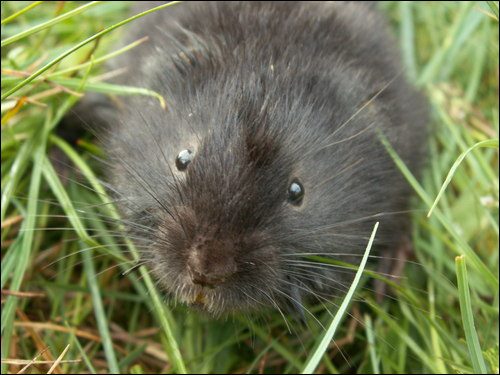
There is an urgent need to act now to avoid the biggest global-scale loss of species in more than 60 million years, in what has been described as the sixth mass extinction. Our catchment is teeming with life and our work centres around protecting this important and irreplacable biodiversity. From the Dee’s source high in the Cairngorms to the mouth of the river at Aberdeen, we are working together to protect and restore the catchment to prevent the loss of nature so that our distinctive biodiversity can thrive.
There is a rich array of habitats and many are of international importance. In particular, the catchment is home to:
- 20,000 hectares of blanket bog
- Sub-Arctic Alpine plateau of the Cairngorms
- Caledonian pinewoods
- Fertile farmland
- A stunning coastline
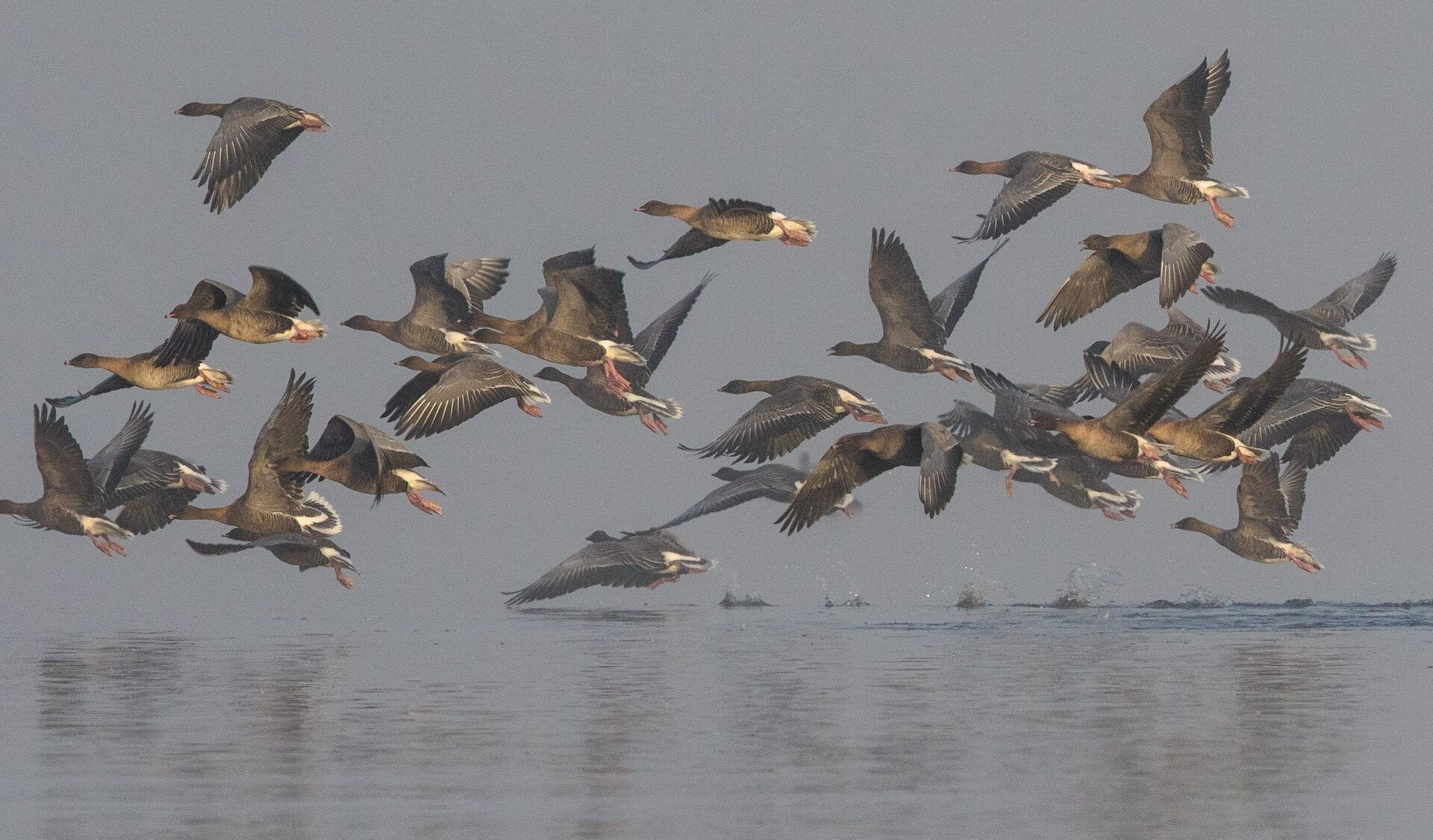
These exceptional habitats support a stellar wildlife cast. The river is home to Atlantic salmon, the critically endangered freshwater pearl mussel and rare insects such as the Northern February red stonefly. Otters make their homes throughout the river system, from the plateau to the harbour. In the mountains, golden eagles soar and sitings of mountain hare, ptarmagin and black grouse reward a day out in the hills. In Deeside’s native pinewoods there are pine martens, red squirrels and wildcats, as well as Scottish crossbill (the UK’s only endemic bird) and capercaillie. Wintering waders and wildfowl flock to our rivers and lochs, and provide the spectacular site of overwintering geese gathering to roost. The river system is home to an array of rare mosses and liverworts, fungi and plants – including twinflower, sundew, Scottish primrose and greenshield moss – and species-rich grasslands bloom on wild riverbanks.
As a result, the catchment is protected under a long list of designated sites. The River Dee and its tributaries, along with much of the surrounding landscape, are recognised as a Special Area of Conservation. A National Park covers half the catchment, which is also home to six National Nature Reserves, and 28 Sites of Special Scientific Interest.
Our work covers the River Dee, its tributary burns, lochs and wetlands, as well as water-related habitats and species.
Our projects that are working for Nature include:

Improving water quality through drain care
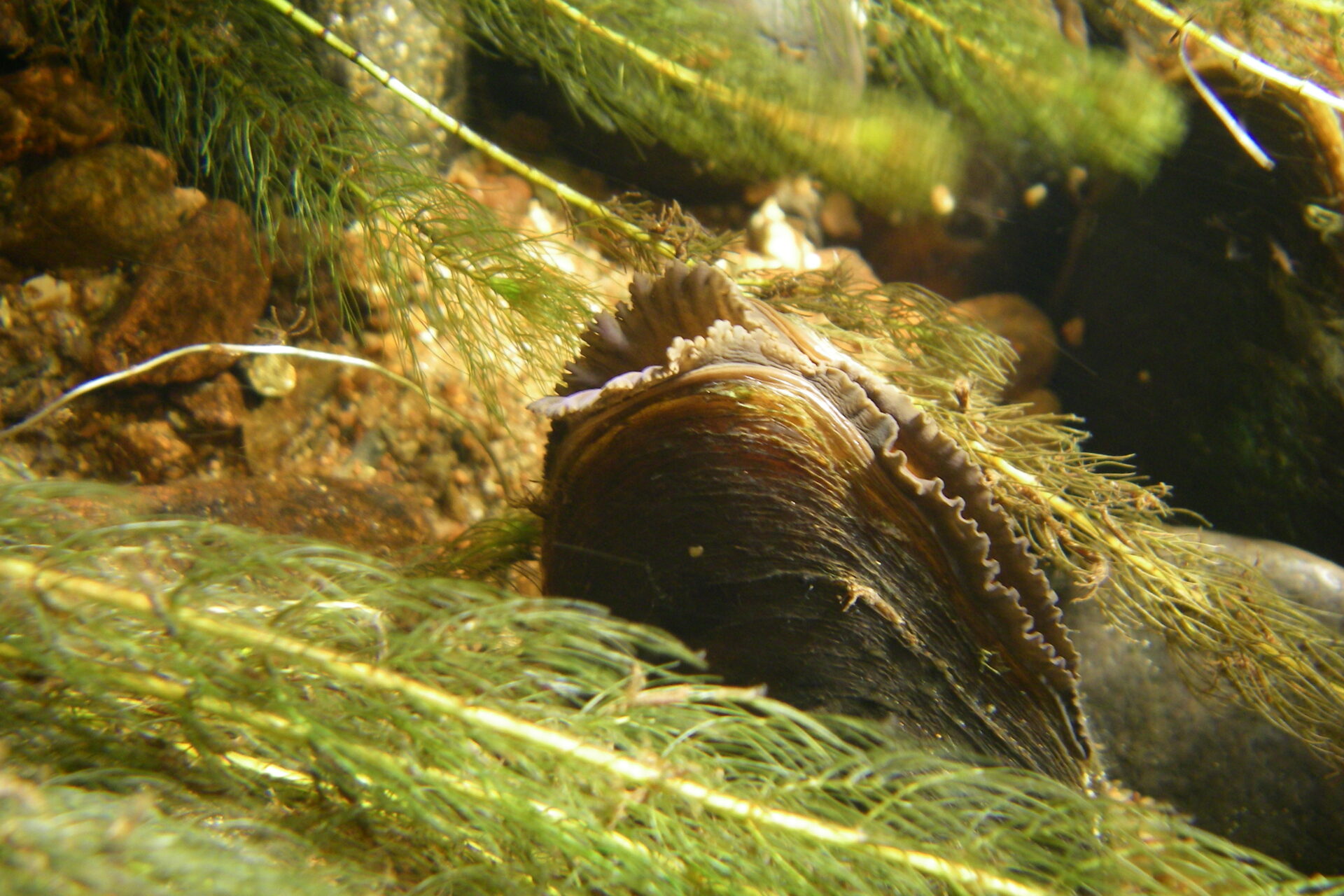
A nationwide project to safeguard important freshwater pearl mussel populations
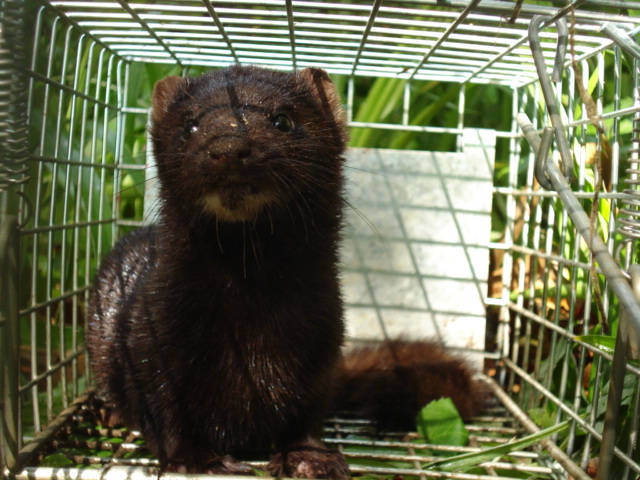
Controlling American mink populations to protect water voles

How we are returning trees to the riverbank
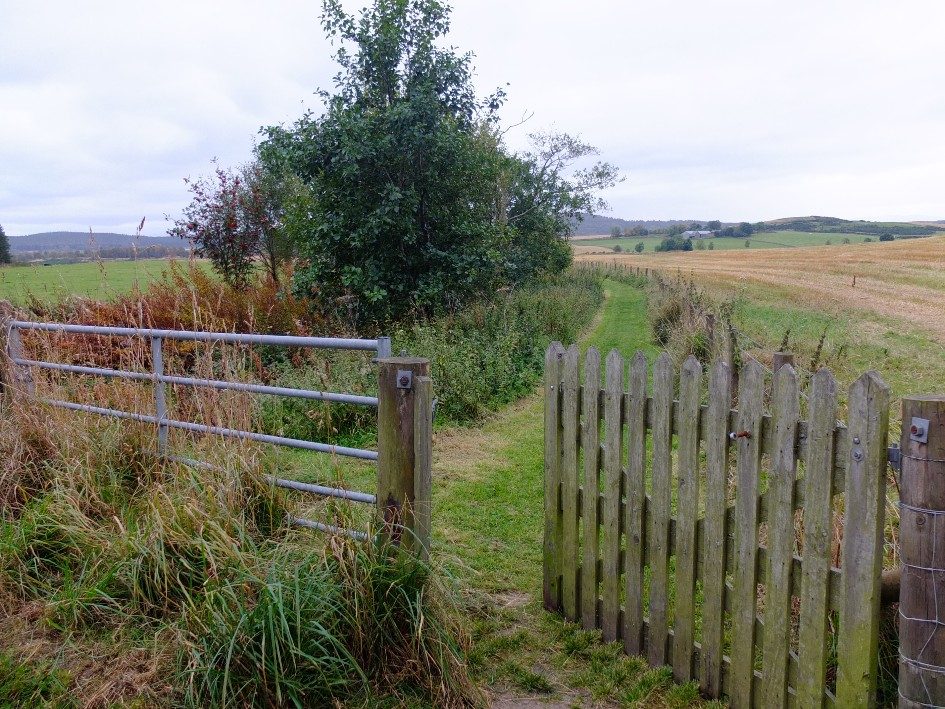
Improving water quality, flood protection and biodiversity in three sub-catchments
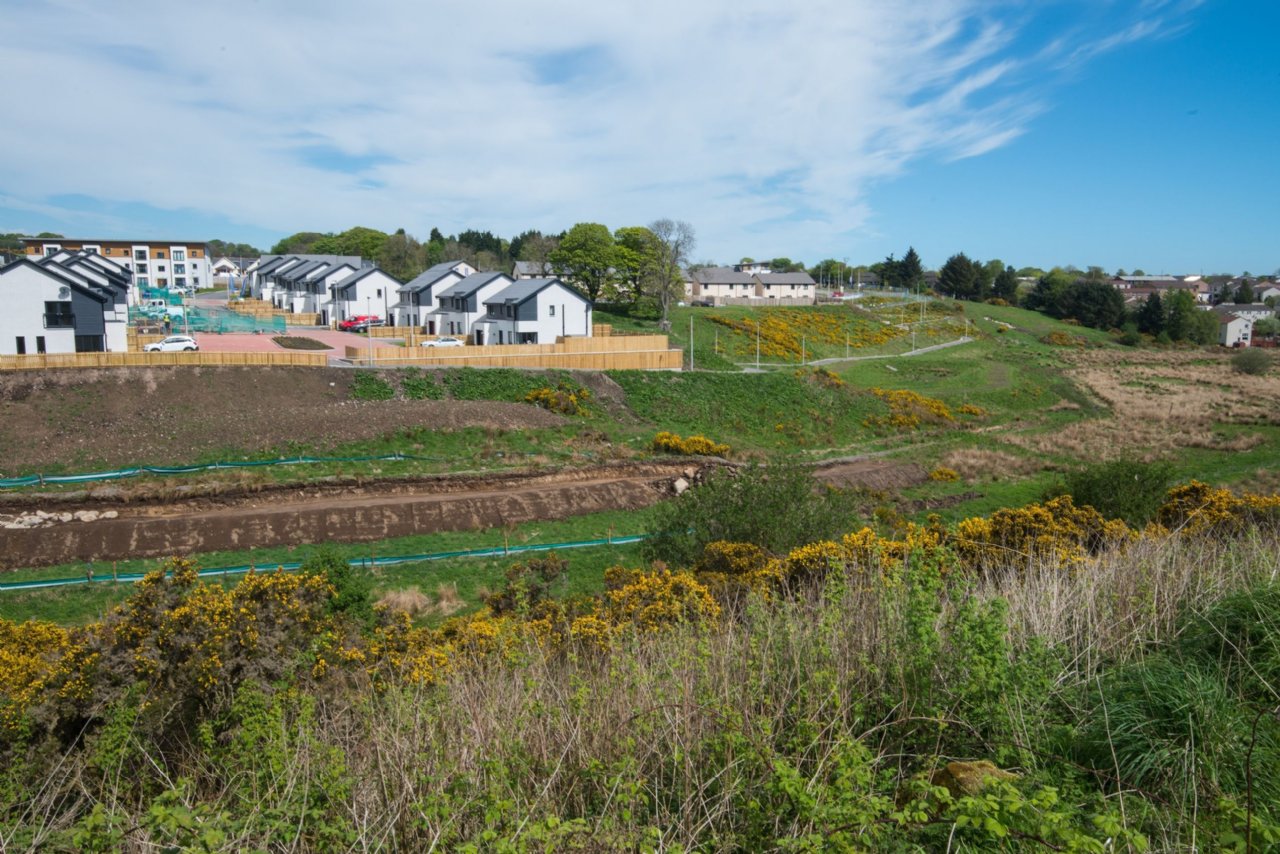
A new network of blue-green infrastructure sites for Aberdeen
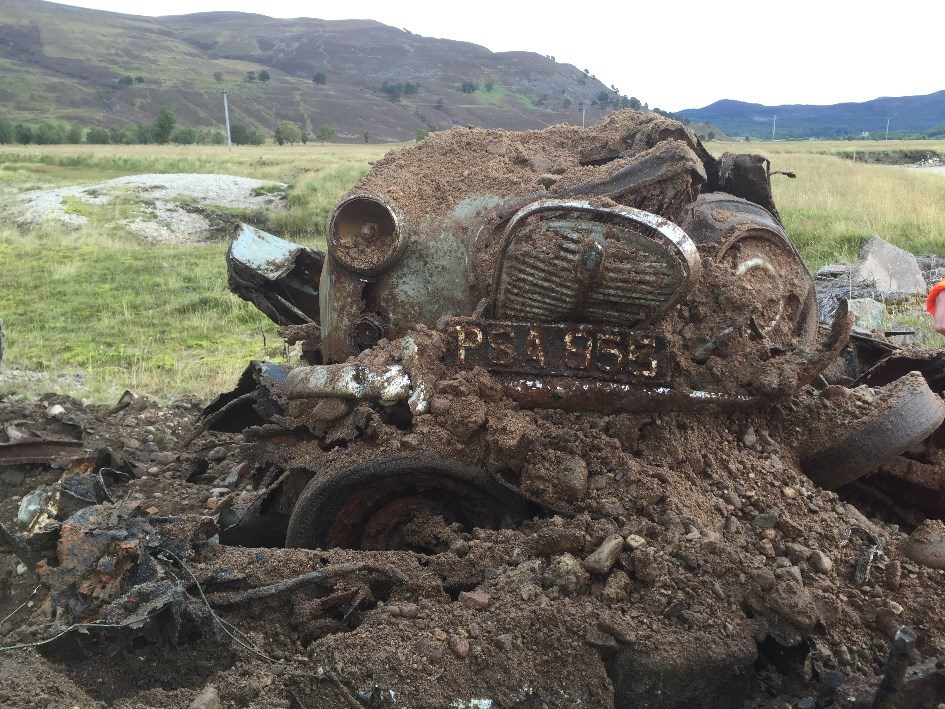
Removing a 31-year old eyesore and pollutant from the River Dee’s banks
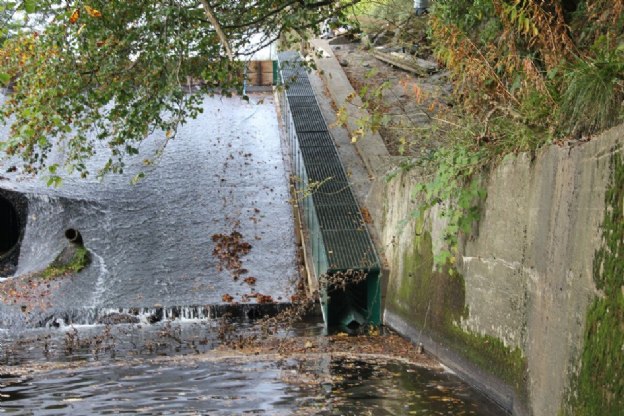
Opening up the Dee for salmon and trout with the Culter Dam Fish Pass

Returning a burn in the catchment to its former meandering glory
Promoting responsible septic tank ownership
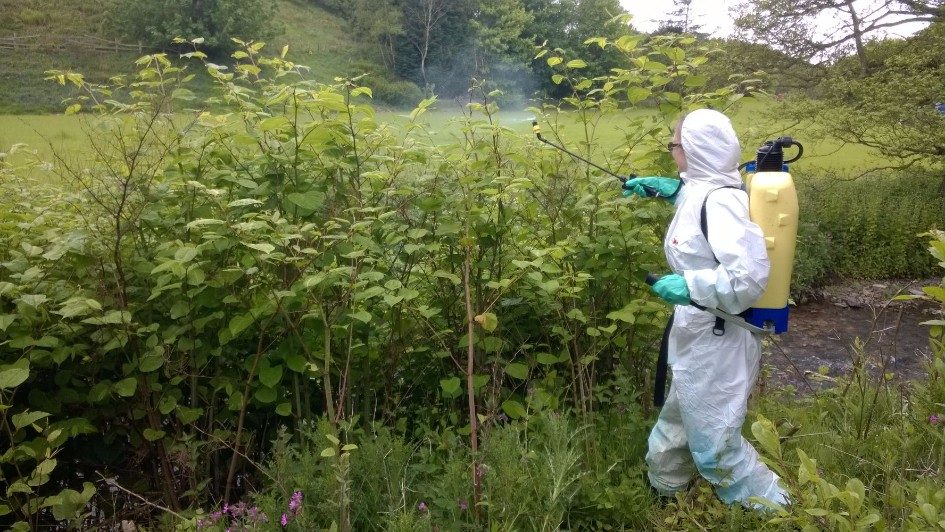
North East Non Native Invasive Species Project
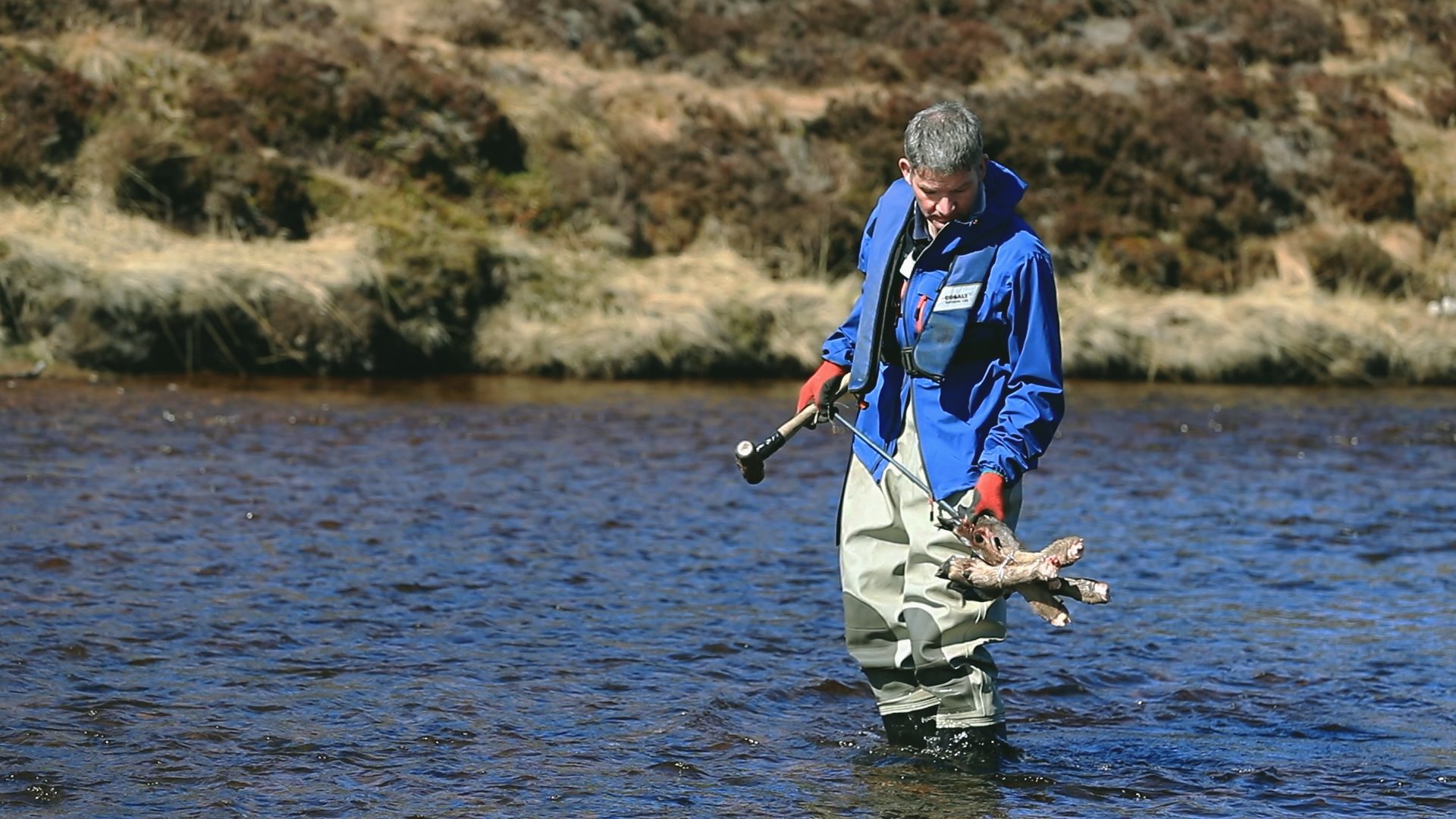
Boosting nutrient levels in upper tributary
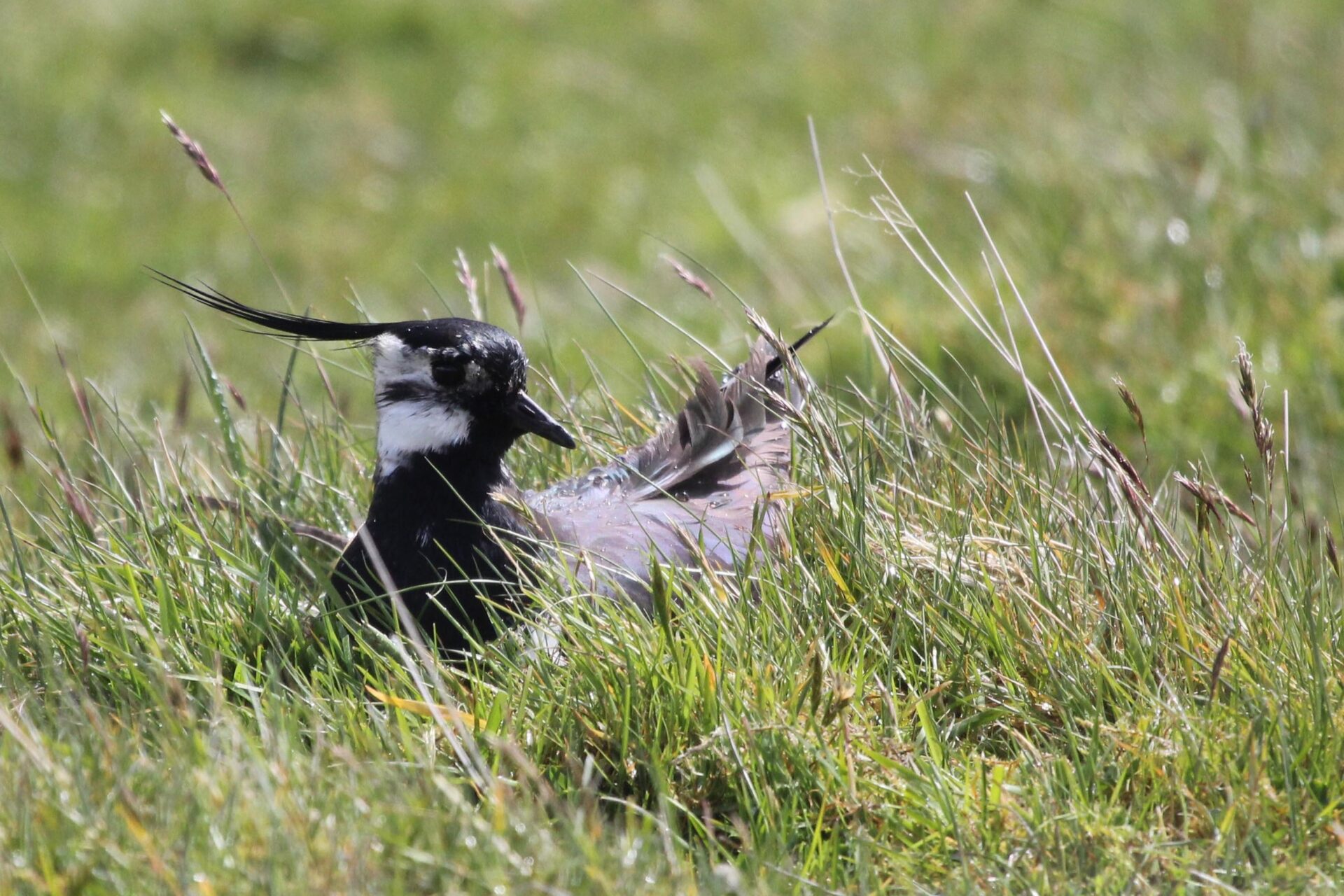
Restoring farmland wetlands for wildlife, environment and people

This large-scale river valley restoration is returning a straightened agricultural stream to a natural meaning course, running through extensive wetlands and fully reconnected to its floodplain.
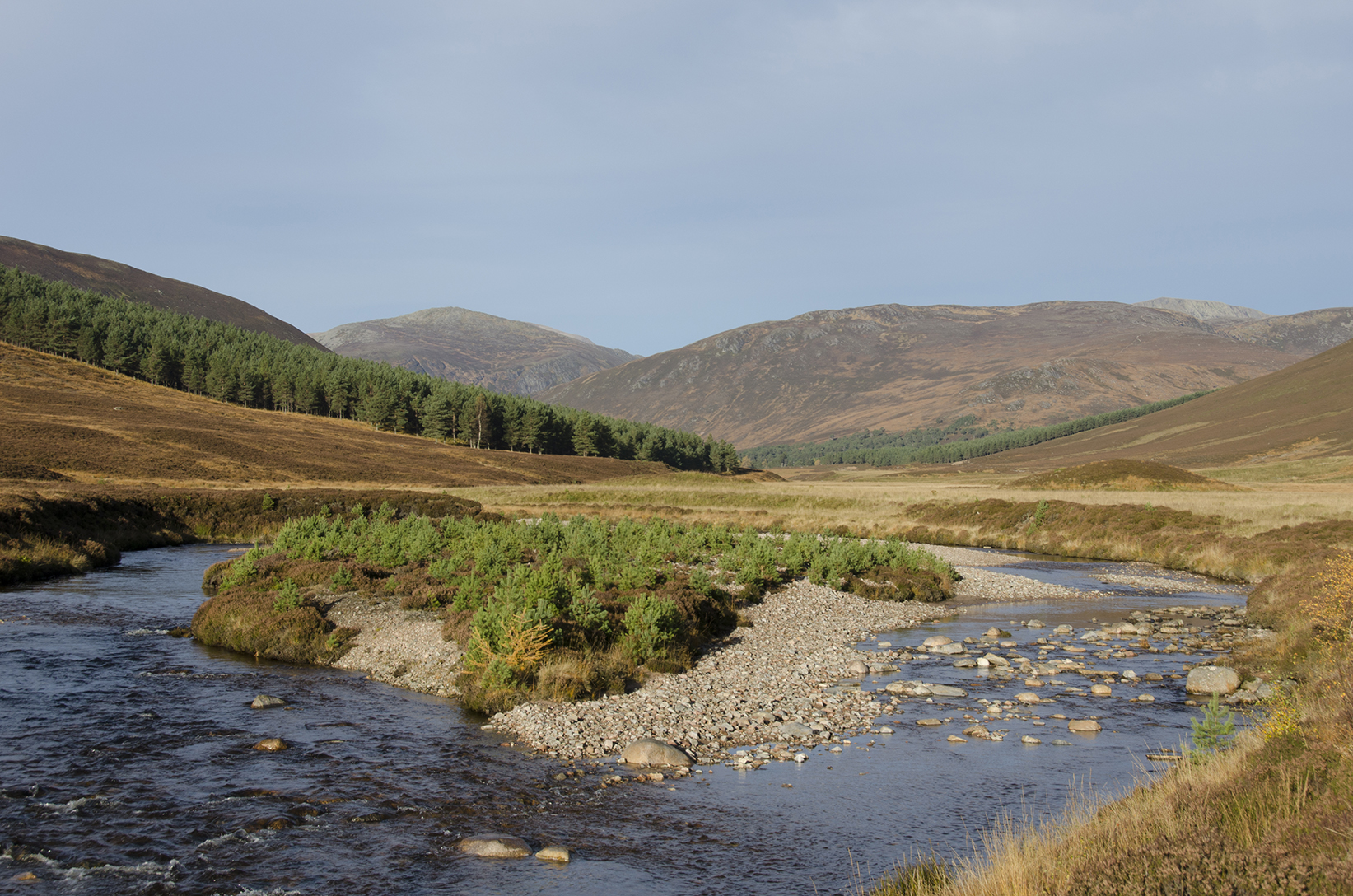
Establishing unfenced woodland
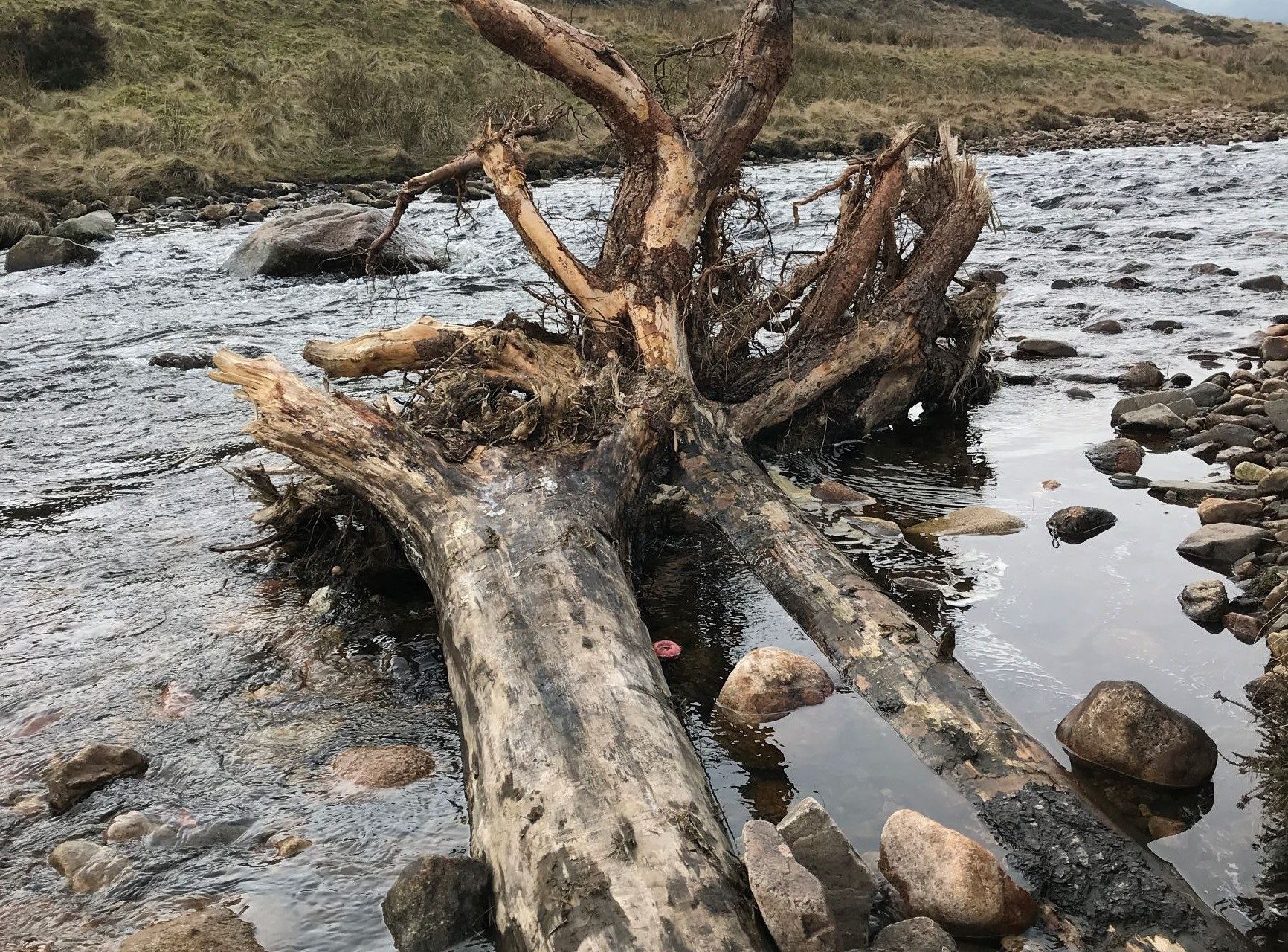
Using wood to improve habitats
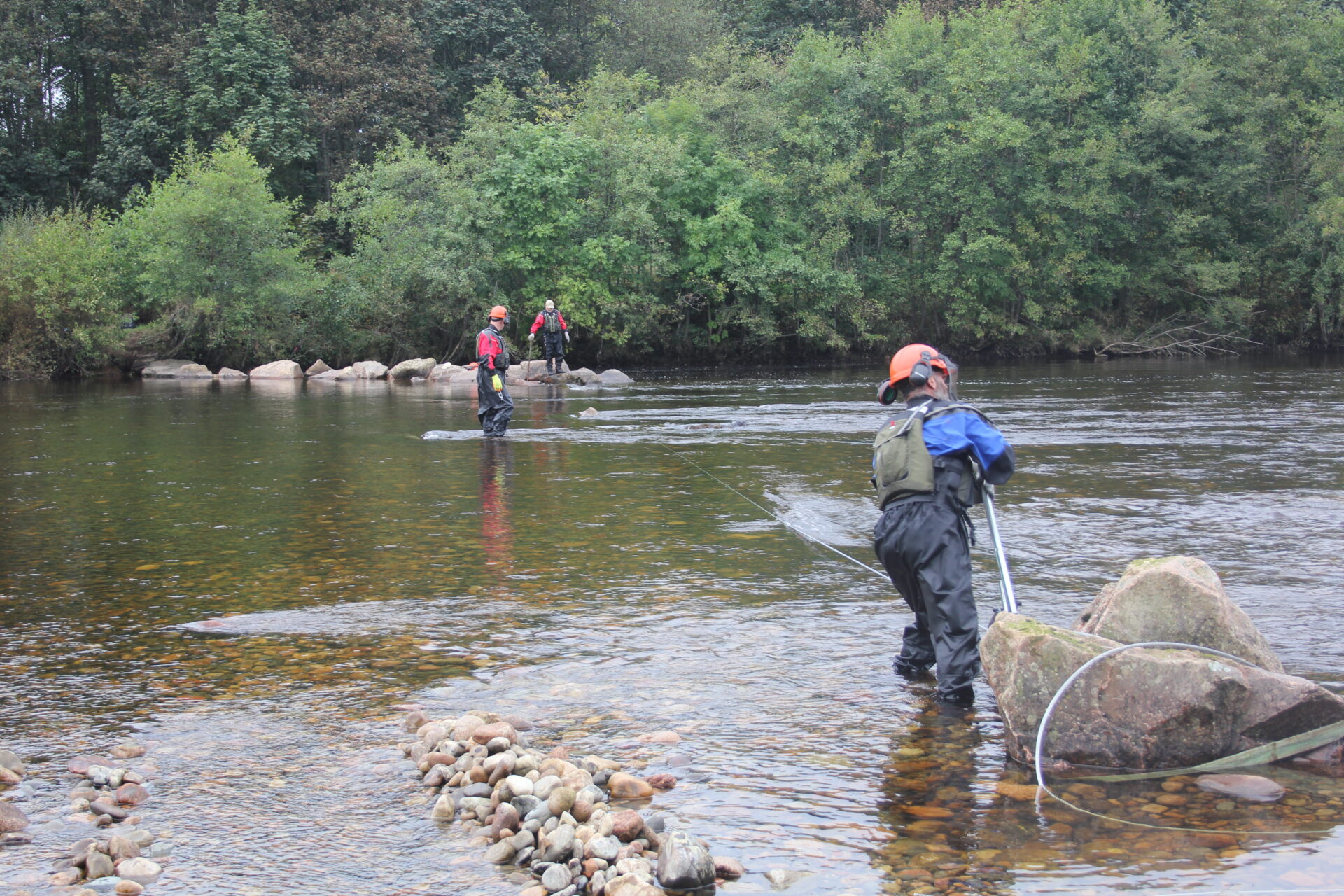
Removing in-stream flow deflectors
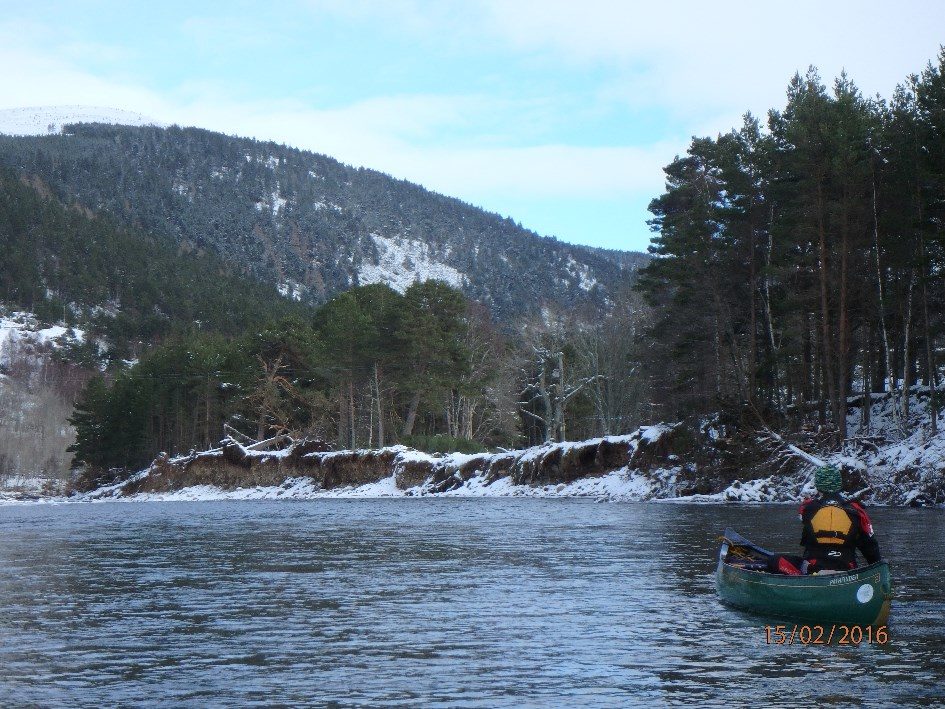
LiDAR and aerial photography after Storm Frank

A long-term control programme
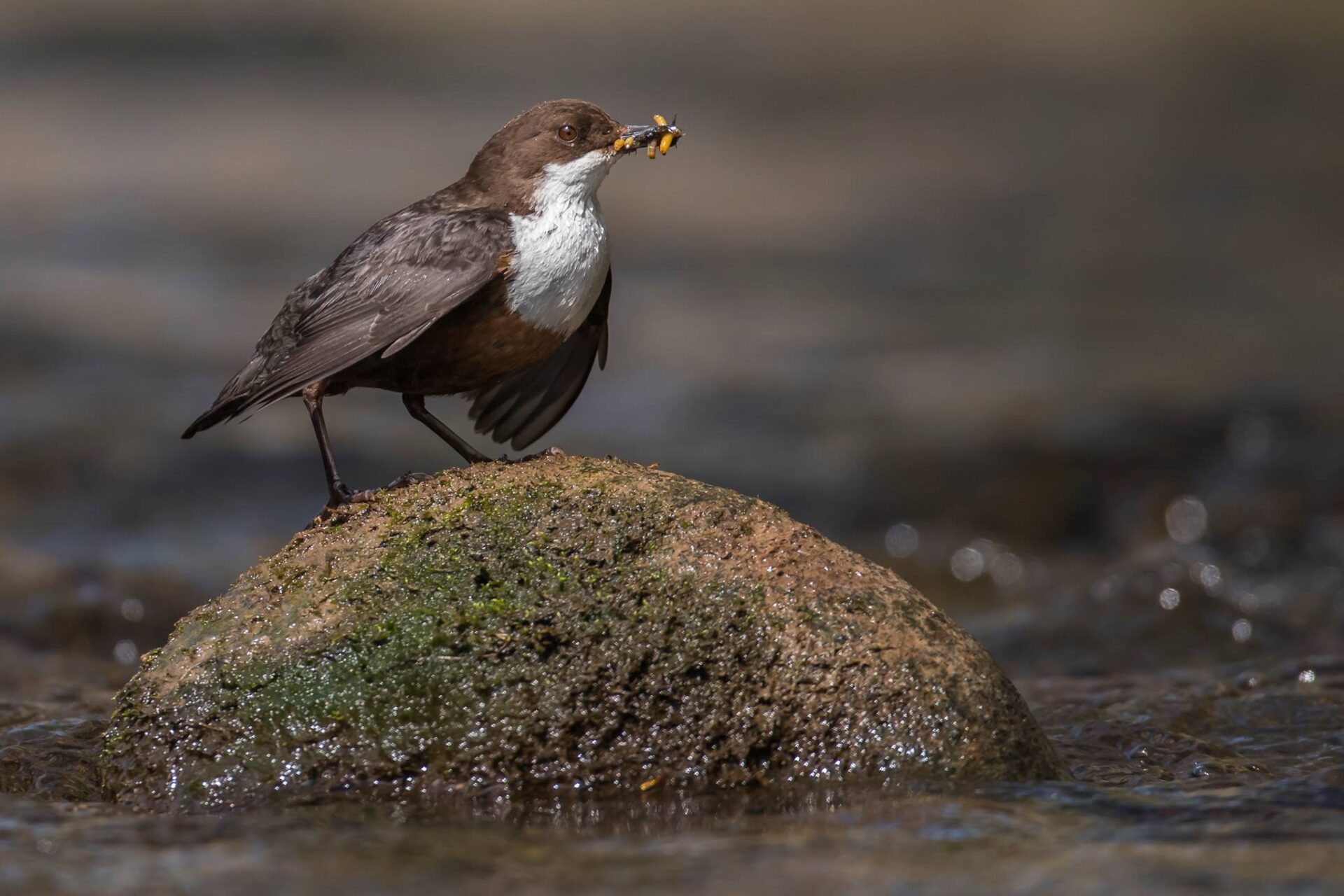
A film celebrating north east nature
The story of the Beltie Burn restoration
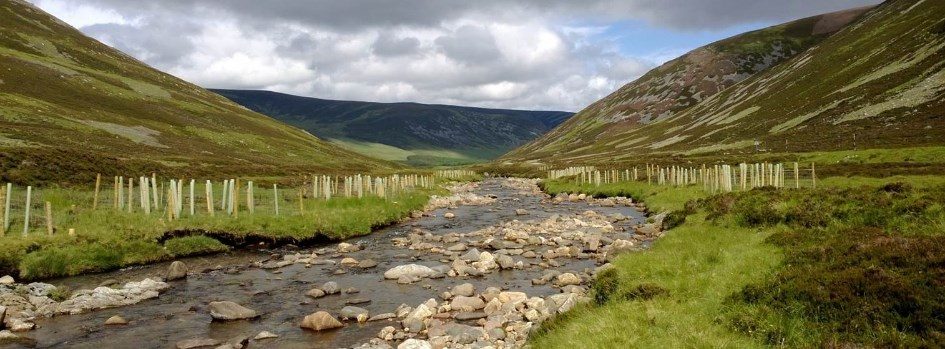
Evaluating the effects of trees on river temperature
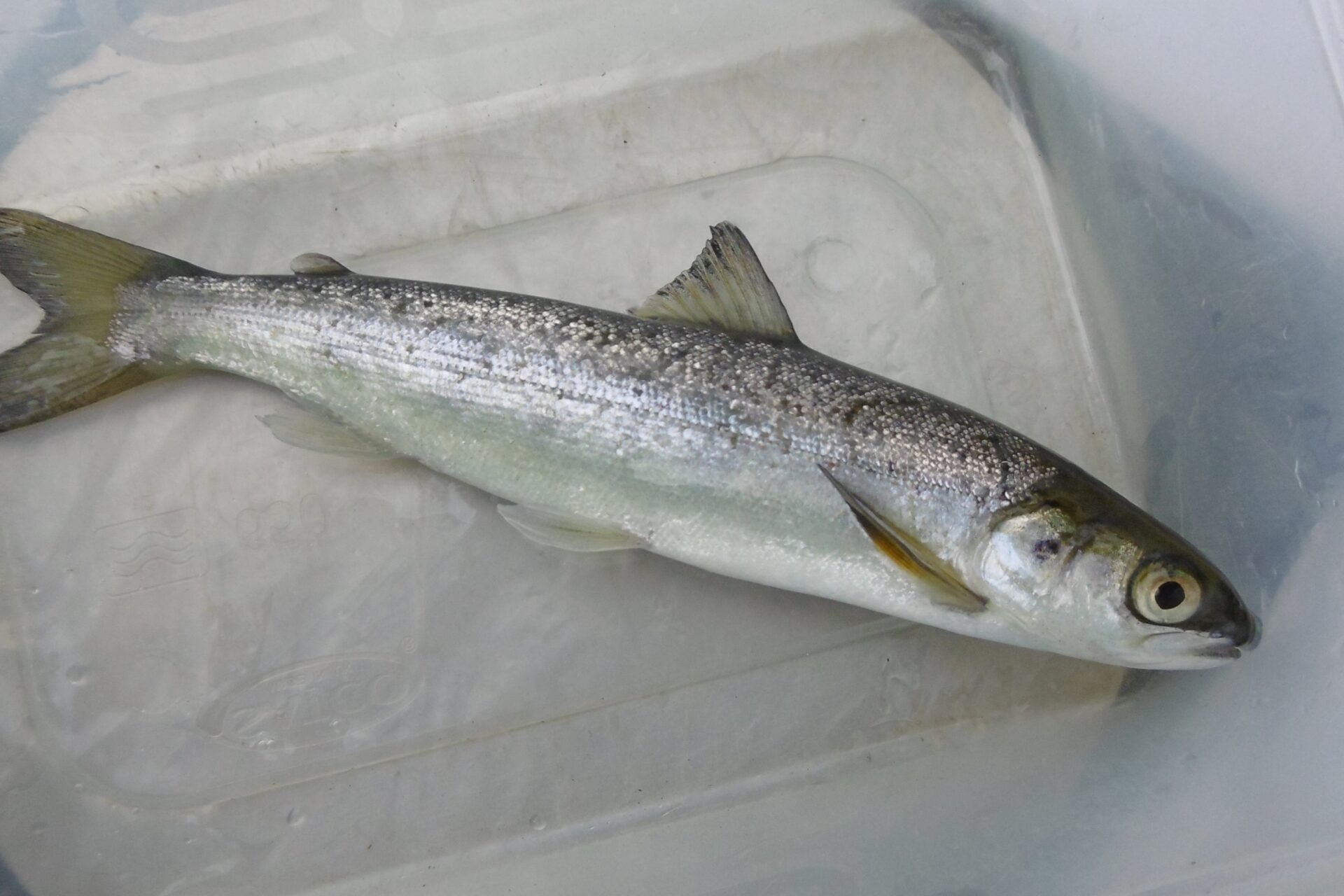
Assessing the success of young salmon heading to sea
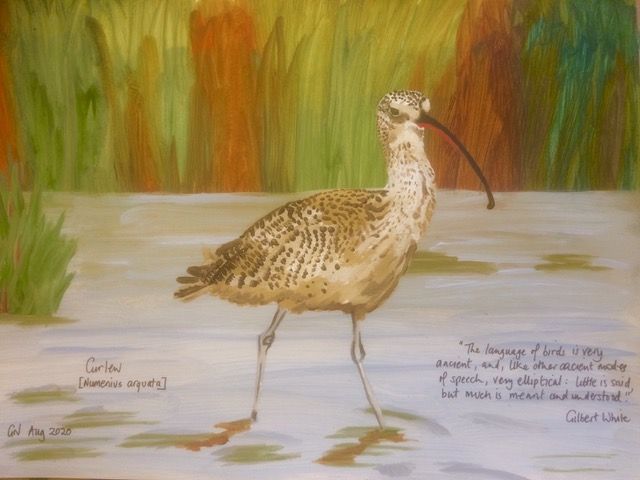
Artwork for the Tarland Wetlands Group
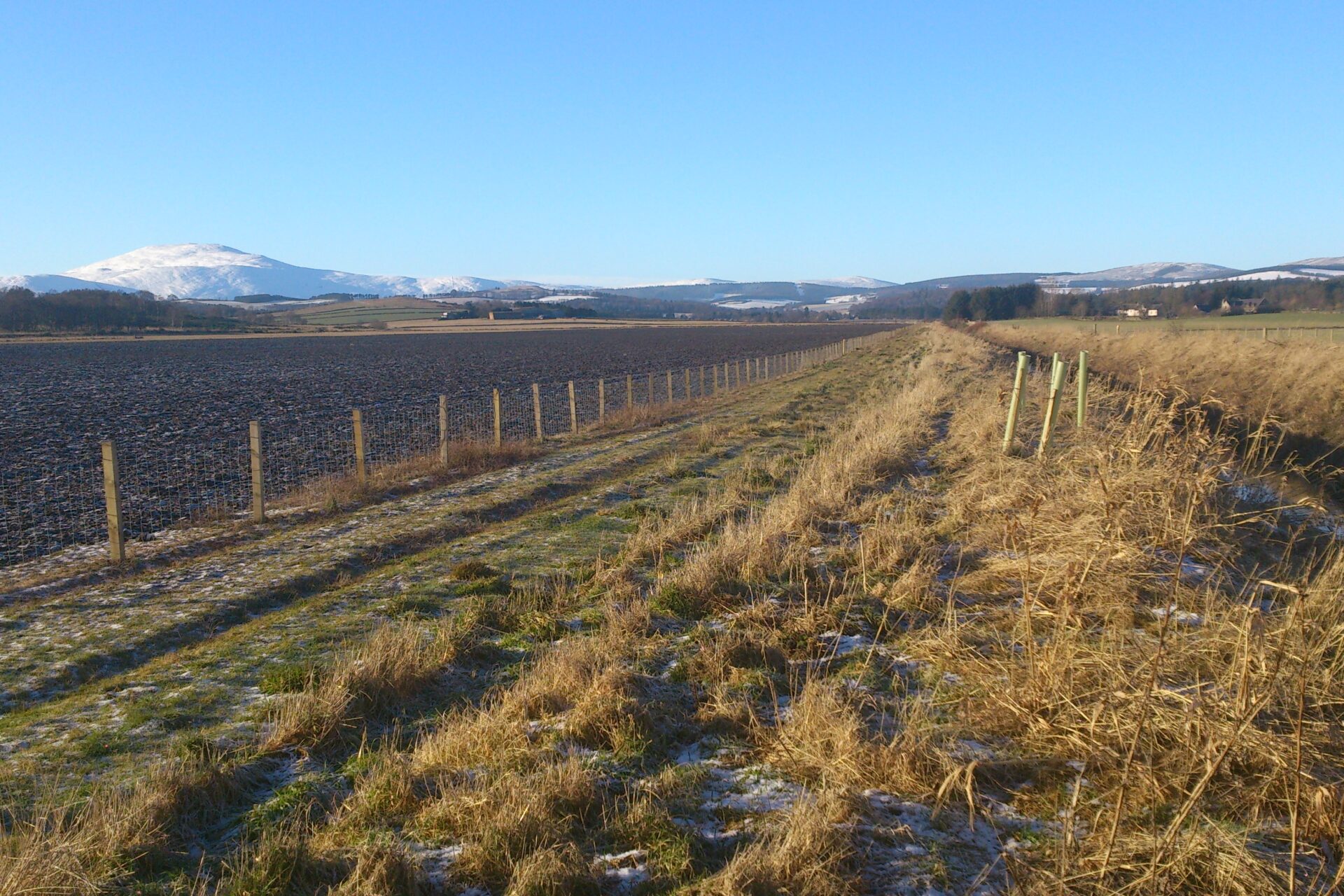
A design for stream and wetland restoration
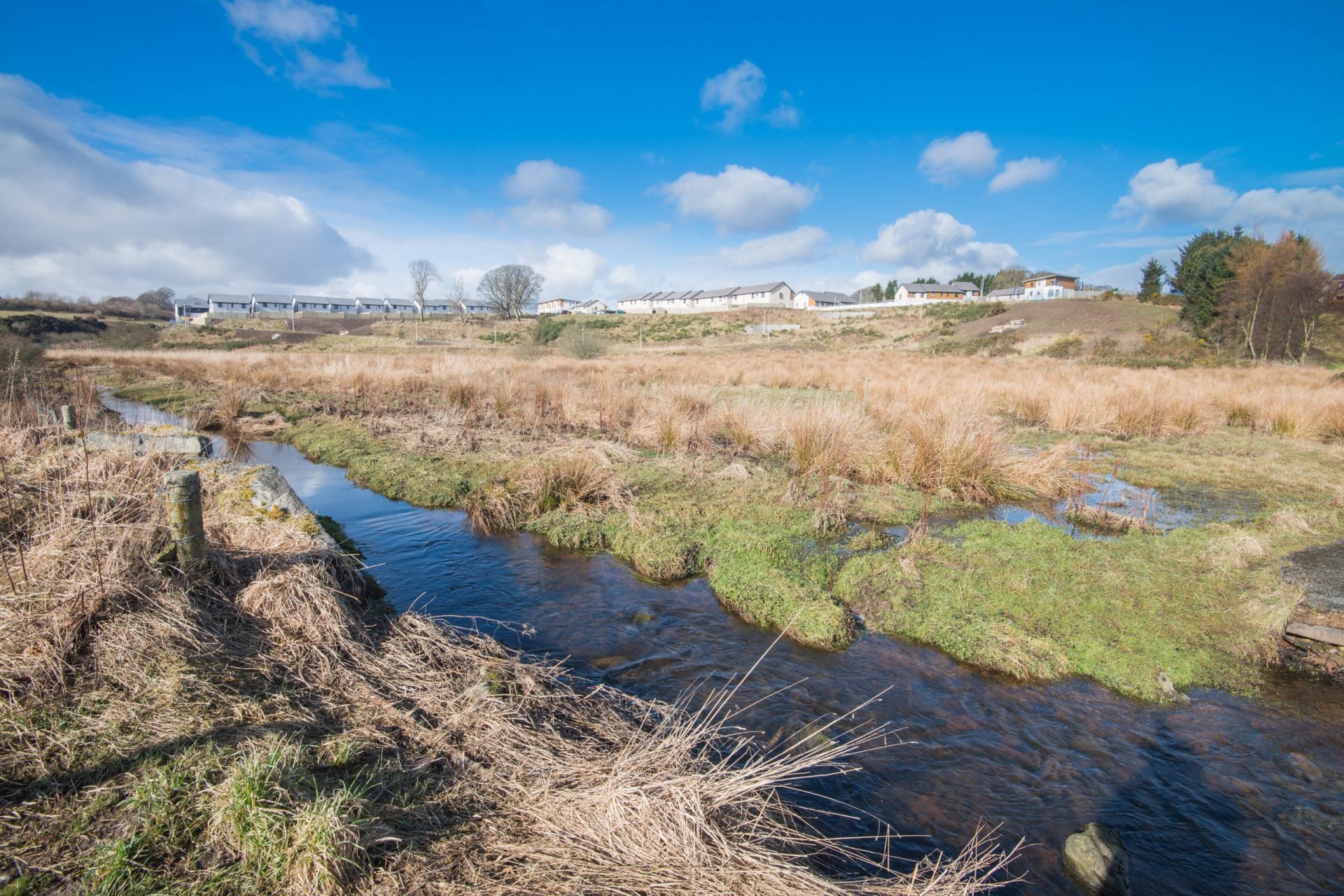
The Den Burn restoration project aims to enhance habitats for wildlife, improve water quality, and create a more attractive and accessible green space for people to enjoy.