

 Ambitious recovery programme launched as unprecedented decline in pearl mussel highlights fragile River Dee
 DeeWatch December
WATER QUALITY| WATER RESOURCES | RIVER ENGINEERING | HABITATS | SPECIES | ACCESS & RECREATION | SUB-CATCHMENTS
The improvements paved the way for a demonstration catchment showcasing techniques in natural flood management, buffer strips, and wetland creation.
EU Interreg 3 Dee Vision project, 2003-2006
Our work to manage sub catchments focused on two tributaries of the Dee (Tarland burn and Elrick burn) and two lochs (Loch Davan and Loch of Skene), selected for their respective vulnerabilities to intensive agriculture and point source pollution. The Tarland burn, Elrick burn and Loch Davan were targeted in a partnership project called 3-Dee Vision, which brought together local communities, land owners and public bodies. The work led to improvements in water quality, flood protection and biodiversity, and paved the way for a demonstration catchment that showcased techniques in natural flood management, buffer strips and wetland creation.
Loch of Skene, whose water quality suffers from nutrient enrichment from a variety of sources, lent itself equally well to a joined up approach, because of the diverse range of interests involved. A subsidiary project, the EU LIFE-Nature funded Conservation of Atlantic Salmon, was led by the Dee Fishery Board and improved in-stream habitats on the Beltie burn. Works involved installing rubble mats, coppicing areas of dense woodland to increase light penetration, establishing areas of riparian fencing, and setting up silt traps to reduce silt deposition in heavily farmed areas.
Key achievements
Projects on the ground
- 3 Dee Vision was an EU Interreg project which piloted the implementation of the Water Framework Directive. The project, which ran from 2003-2006, raised awareness of the river environment and encouraged good environmental practice amongst those living and working in the area.
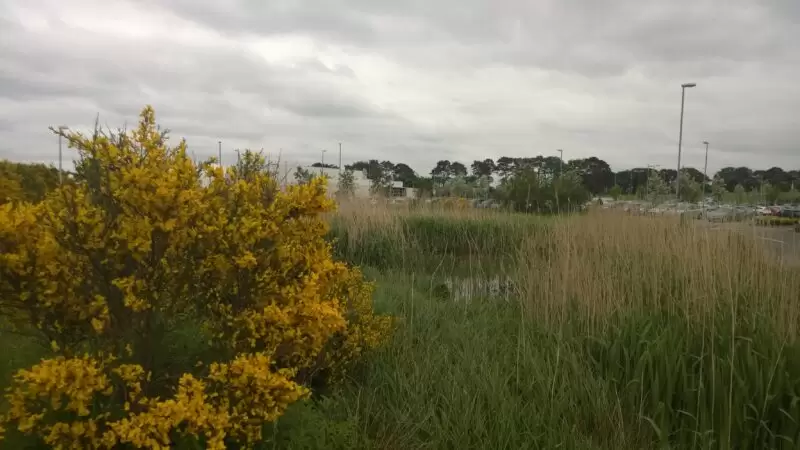
- Extensive water margins in Tarland and Loch Davan catchment through 3 Dee Vision and Pearls in Peril
- In the Tarland catchment, we developed a sustainable flood prevention scheme, with a wetland area to treat effluent and 5km of ‘buffer strips’ to reduce sediment run-off. This resulted in improved habitats for wildlife, particularly the water vole, and better water quality, with reductions in concentrations of phosphorus, nitrogen and organisms from faecal contamination by livestock, as well as an increase in fish density. This area is part of a long-term research study evaluating the effects of buffer strips on the water environment.
- Water vole reintroductions
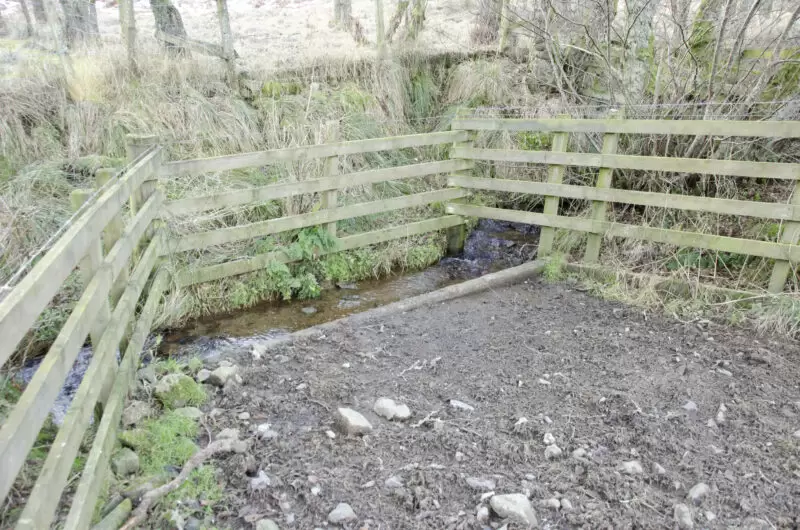
- At Loch Davan, we consulted with farmers and installed 31 on-stream waterings to prevent livestock poaching and reduce the impact of diffuse pollution on the environmentally designated loch.
- We also surveyed morphology and biodiversity along old meanders of the Logie Burn, which we later restored to a meandering course, using well-tested techniques. The new design traps more sediment in the burn so that any flooding will now occur in a part of the reserve that benefits wildlife and reduces sediment getting into the lochs, without affecting nearby farmers.
- The REFRESH Project aimed to develop sensible strategies for managing freshwaters in the face of environmental change throughout Europe. The project investigated the effects of different water protection measures under different climate change scenarios. A workshop was held in Dunecht in 2012 to discuss water quality problems in the Leuchar Burn / Loch of Skene catchment. The work investigated the cost-effectiveness of various measures that farmers might use to comply with the EU Water Framework (WFD) and Habitats Directives’ (HD) targets. Whether or not these measures are disproportionate was a key question. The work focused mainly on the impacts of agricultural land use and wastewater treatment works (WWTWs) in the Loch of Skene/Leuchar Burn Tarland Burn catchments).
- In the Elrick Burn catchment, we created a wetland area using a sustainable drainage system. The site is used as a demonstration of good practice providing multiple benefits in an industrial setting.
Research and monitoring
- We have been monitoring water quality in the Tarland catchment for the last 20 years as part of a research programme to evaluate the impact of water margins and other interventions.
- A paper is being prepared that summarises 20 years of buffer strip research in Tarland.
- The EU Interreg Aquarius project used local knowledge and modelling to identify a network of 100 retention areas for floodwaters.
- An options survey was undertaken, in which all landowners along the Tarland burn were consulted on their preferences for river restoration works, helping to establish a restoration plan for the whole of the main stem.
- Modelling work in three sub catchments in Tarland identified locations for short-term flood water storage.
- In the Loch of Skene catchment the EU Interreg REFRESH project studied landowner preferences for different measures.
- The EU Interreg REFRESH project report published in 2013 identified Nitrogen in Tarland and Phosphorus in Loch of Skene catchments as key pressures.
- We published a report summarising all the research and projects that have been undertaken in the Tarland catchment and presented these at a community meeting in 2019.
Raising awareness
- Community meetings.
- Numerous international workshop and site visits.
- Report on projects.
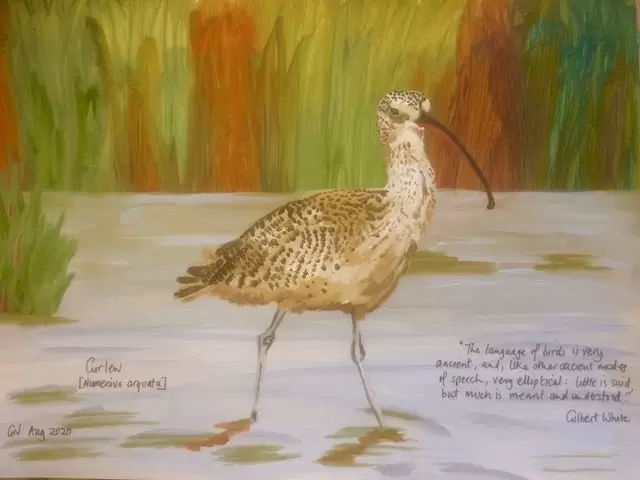
- Wetland and wader project art exhibition.
Planning, funding and regulation
What needs to be done?
- Works must be maintained and further developed in the improvements already achieved
- Capitalise on opportunities to promote the projects as demonstration sites, to provide successful examples of ongoing, integrated approaches to catchment management
- Communicate effects of all the improvements locally and nationally
- More community involvement and awareness
- Refresh interpretation
- Maintenance of measures
Our projects that support Sub Catchments objectives:
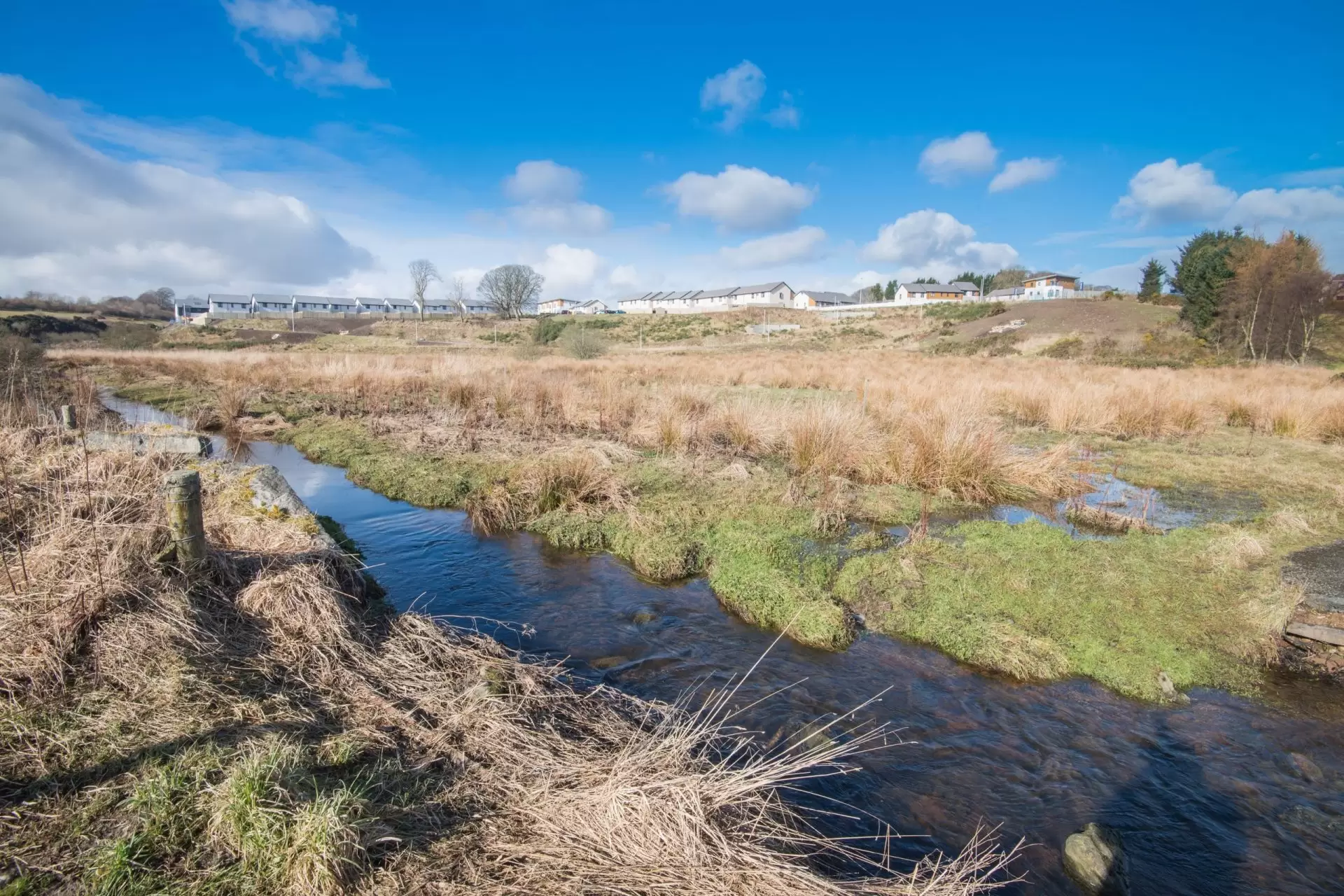
The Den Burn restoration project aims to enhance habitats for wildlife, improve water quality, and create a more attractive and accessible green space for people to enjoy.
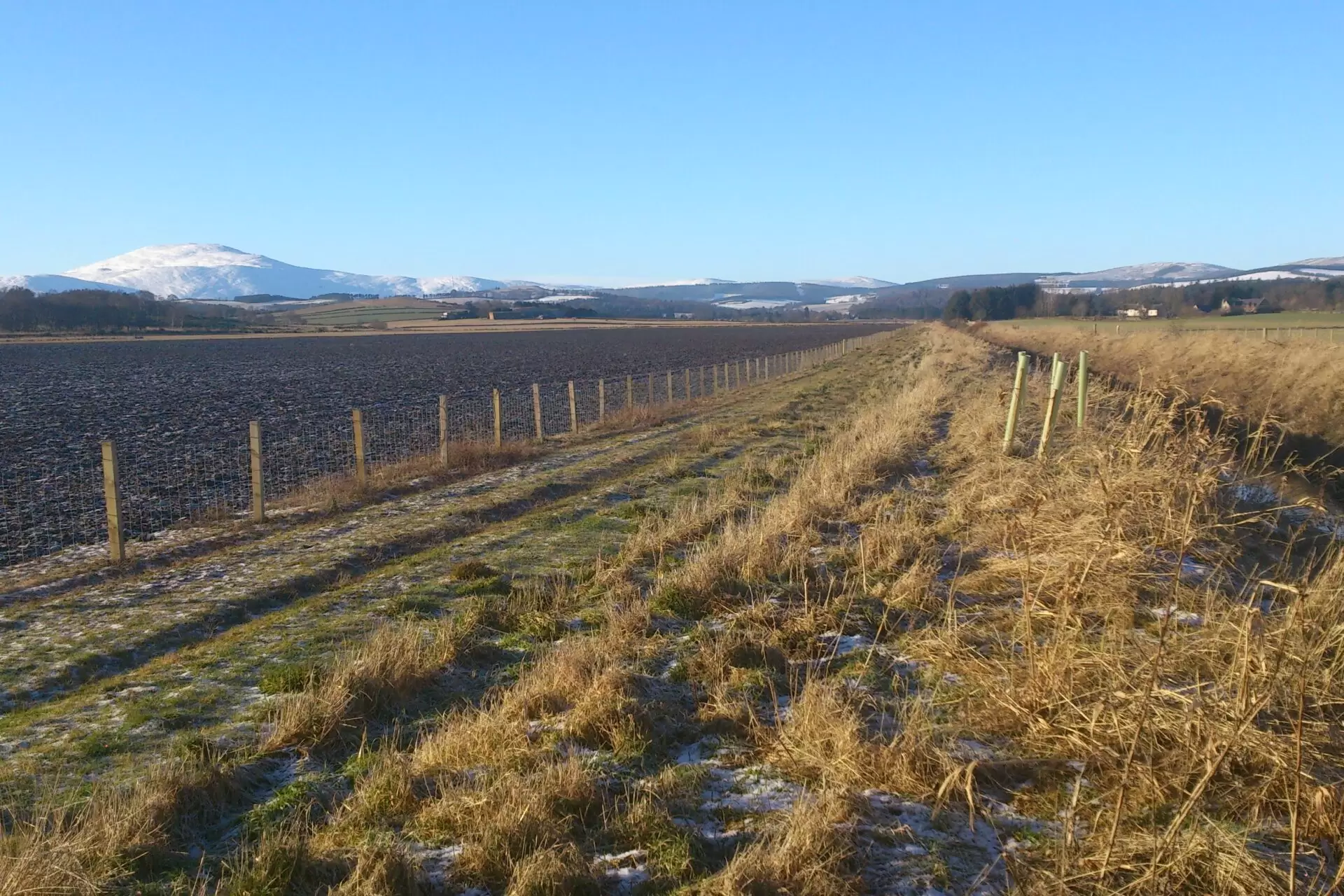
A design for stream and wetland restoration
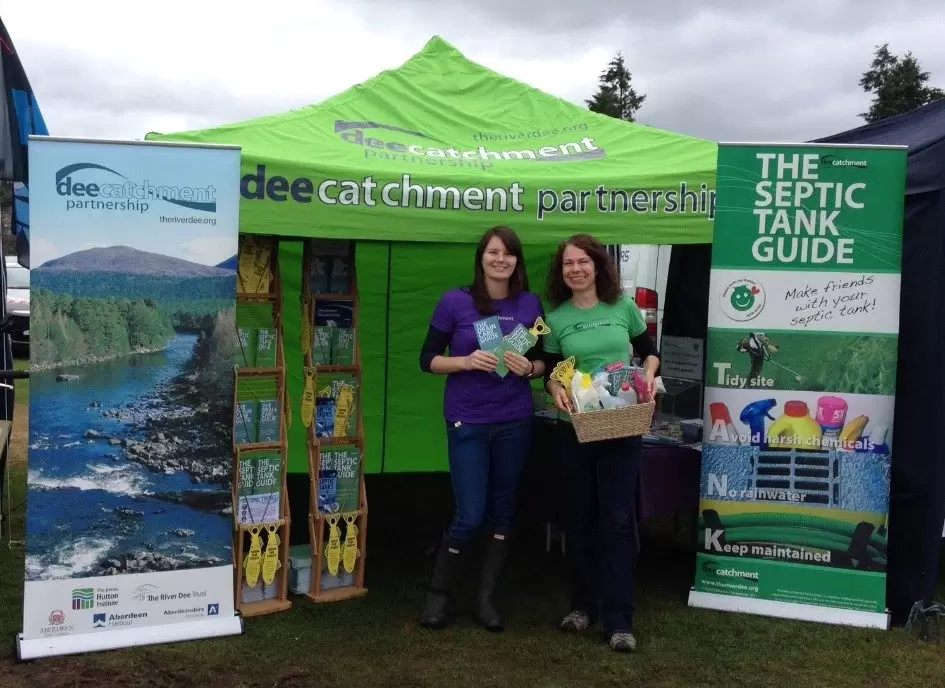
Shows, riverwalks, bioblitzes
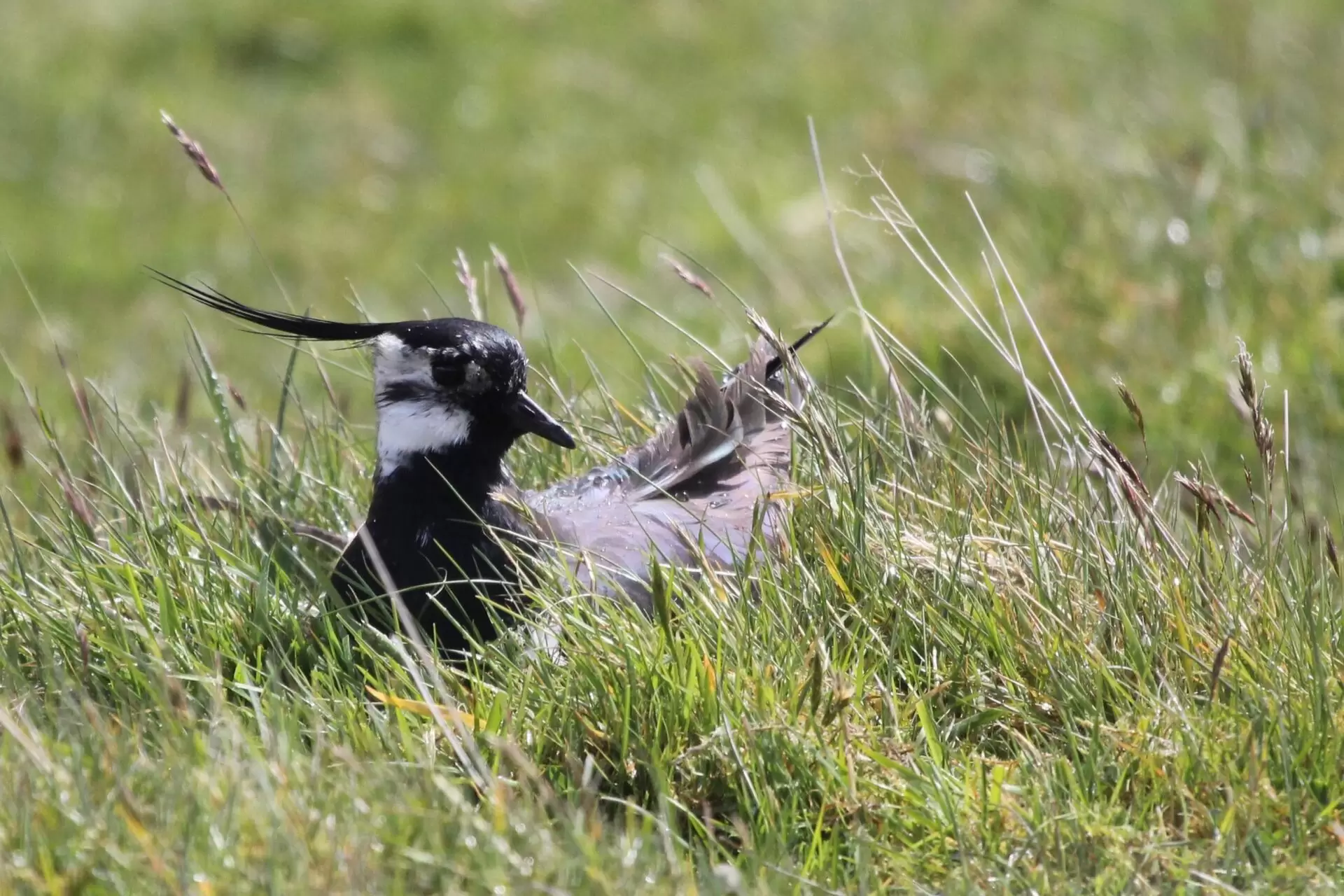
Restoring farmland wetlands for wildlife, environment and people
Promoting responsible septic tank ownership
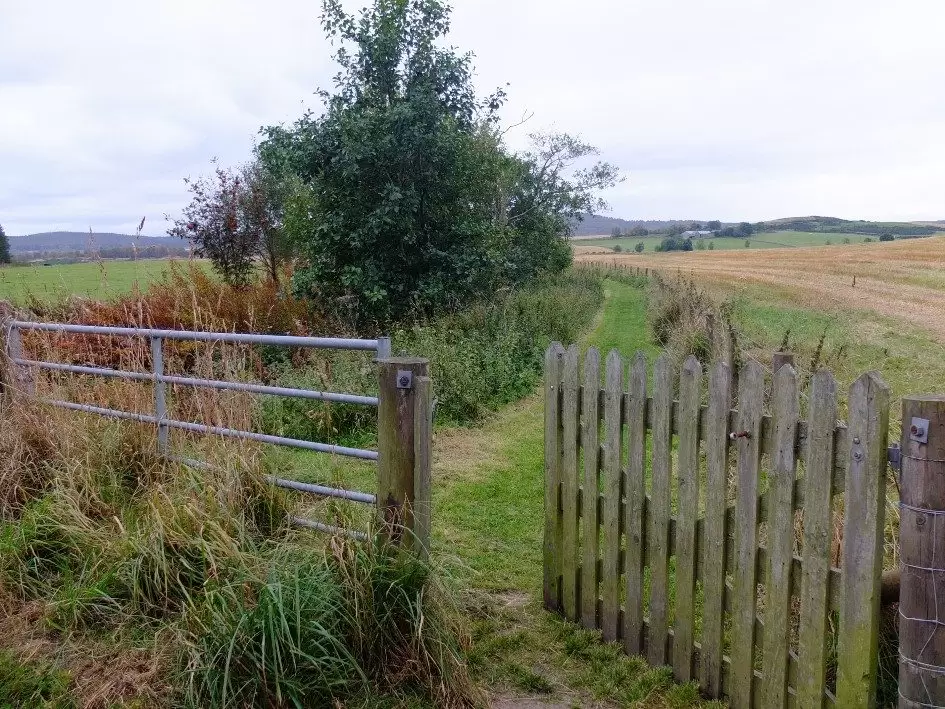
Trialling different water protection measures under different climate change scenarios in the Dee catchment
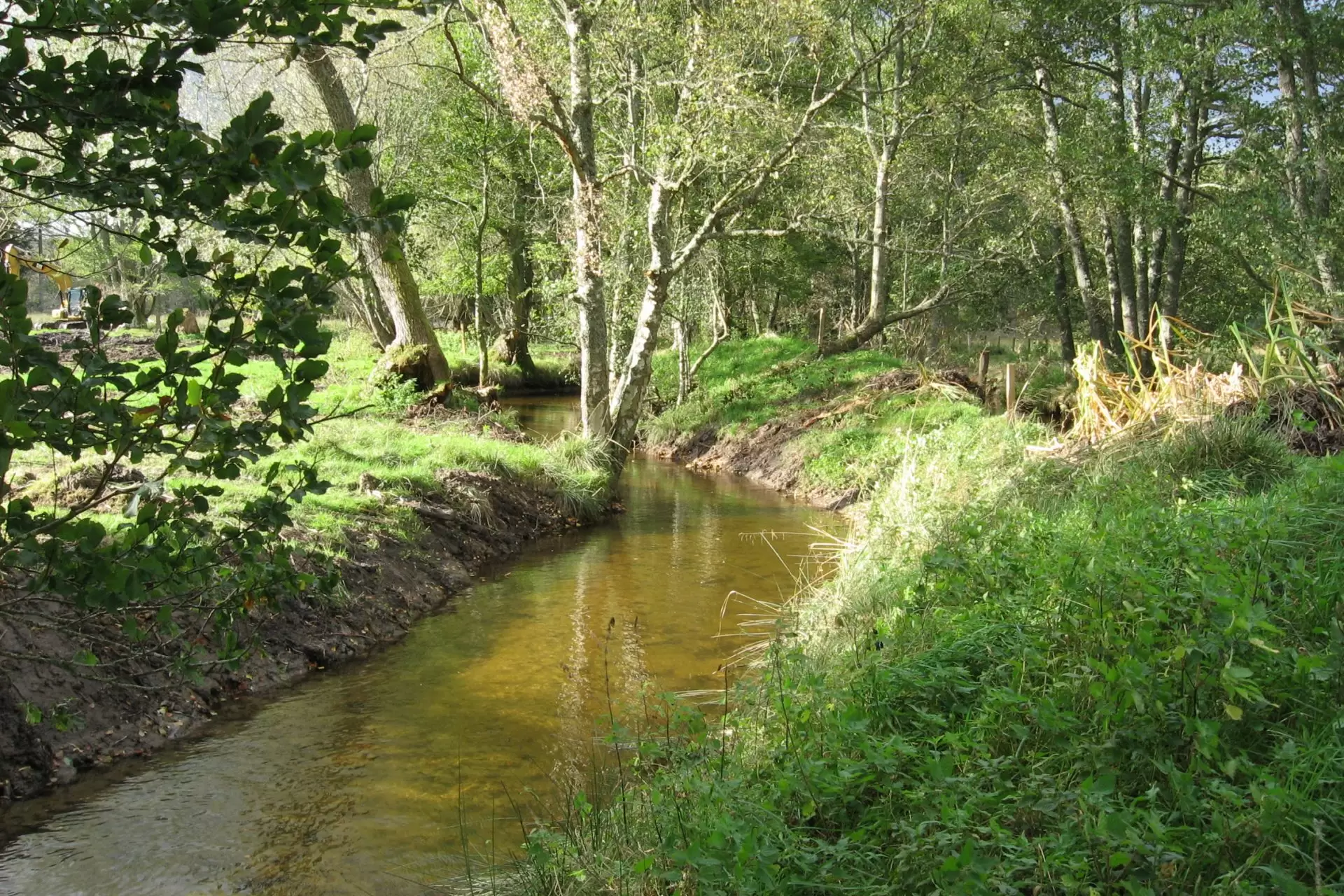
Returning a burn in the catchment to its former meandering glory
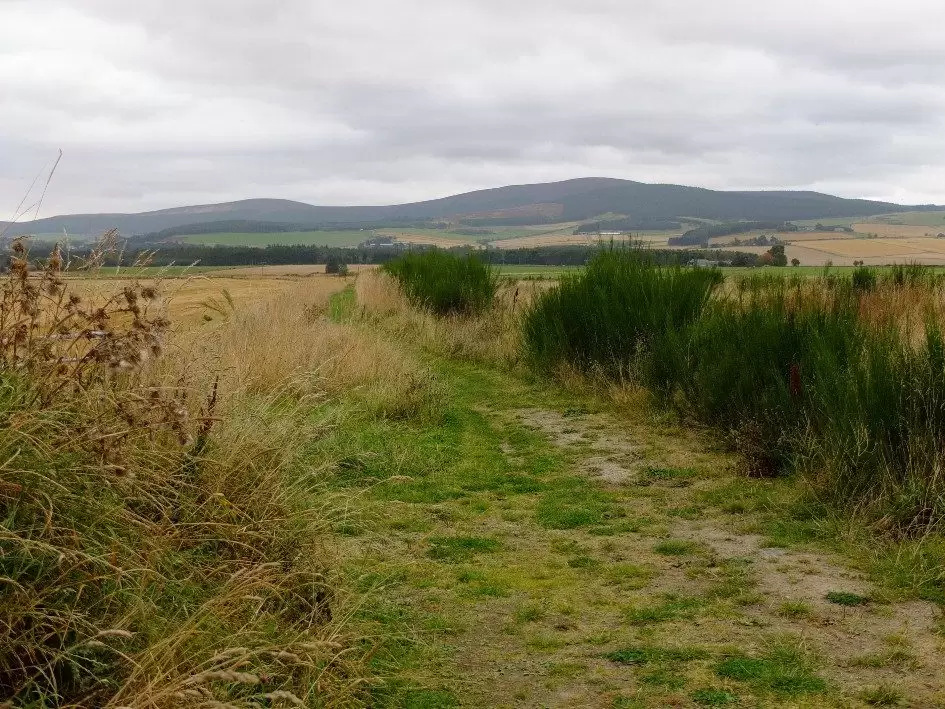
Farmers as water managers
Improving water quality, flood protection and biodiversity in three sub-catchments
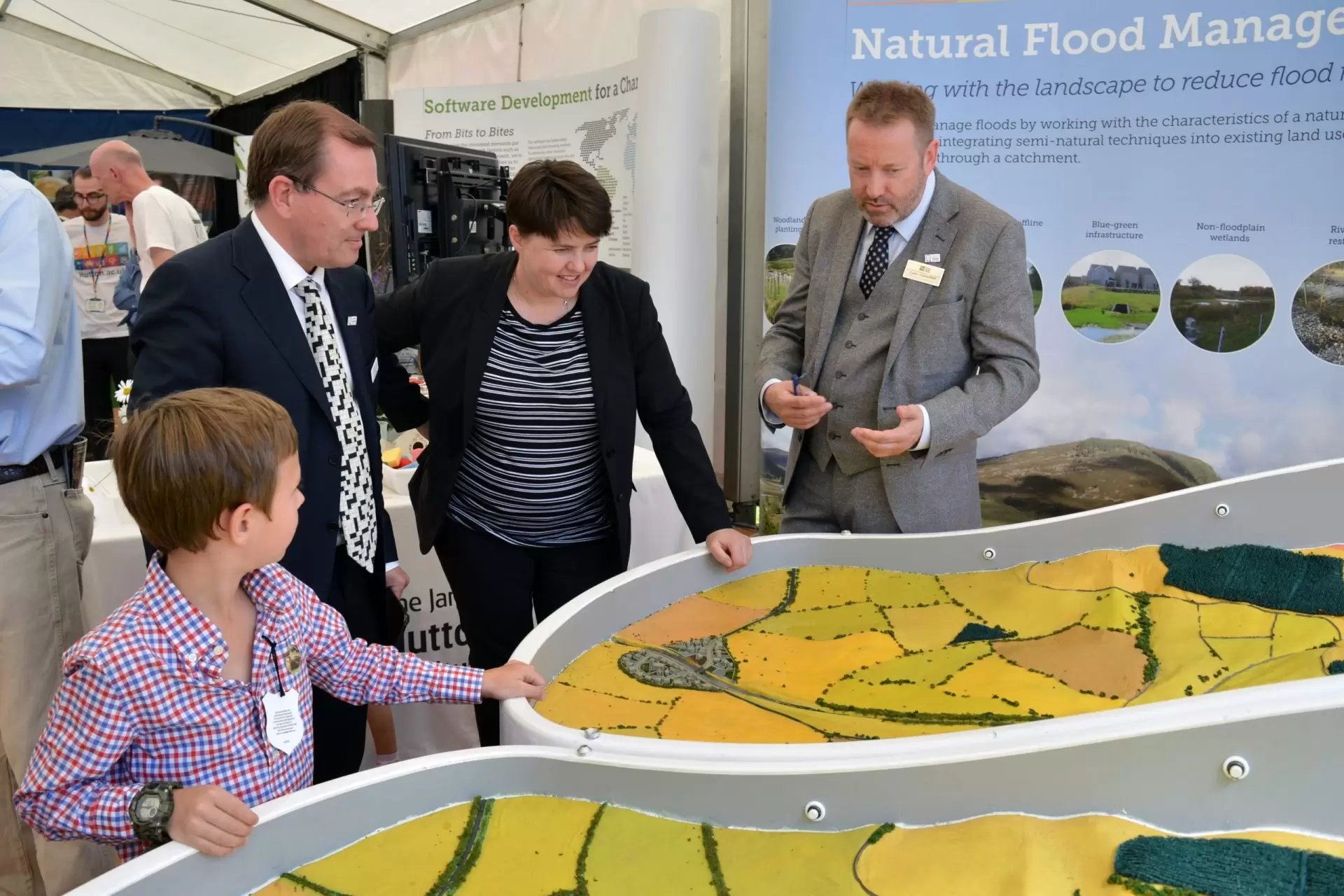
Models that show how river systems store water
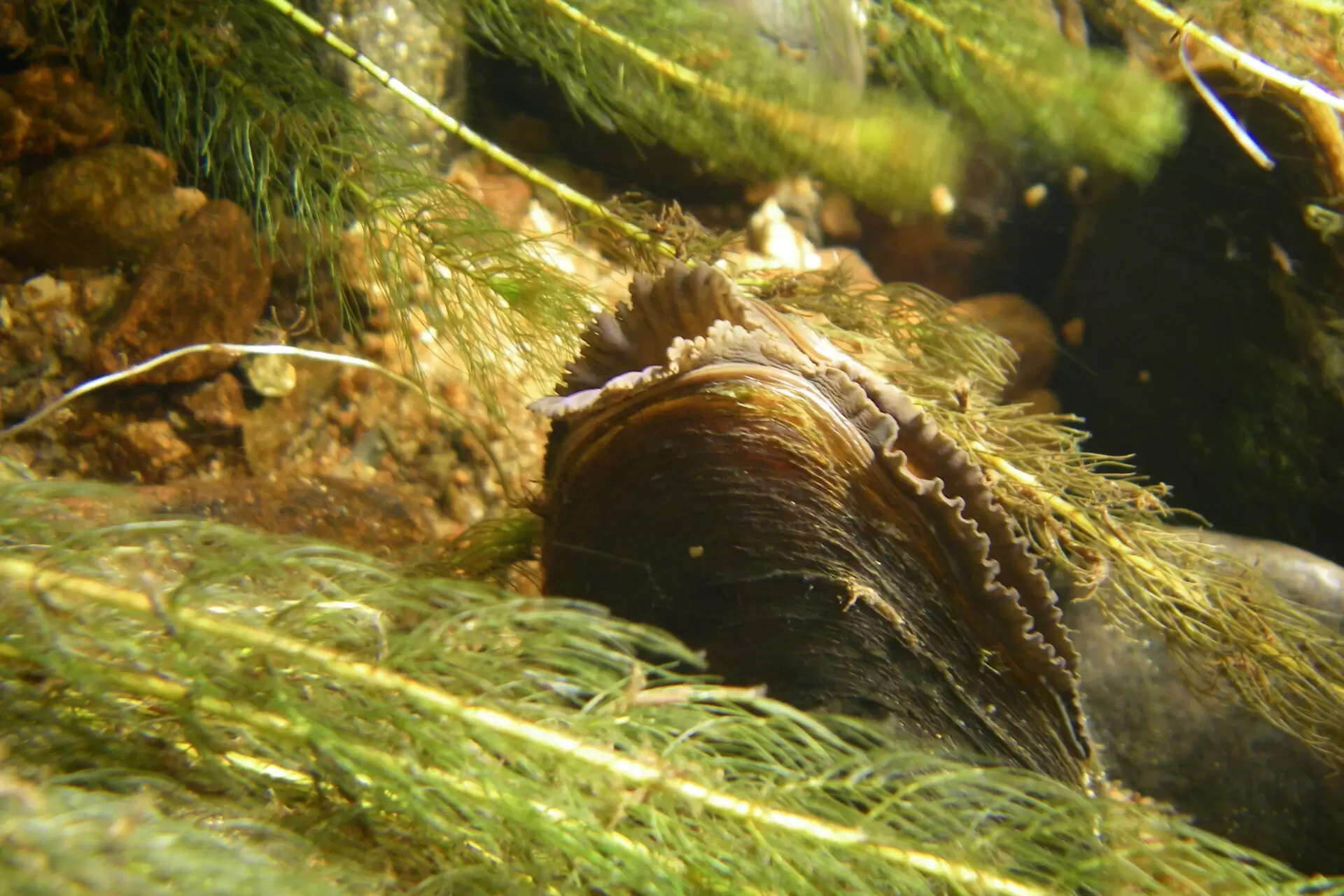
A nationwide project to safeguard important freshwater pearl mussel populations
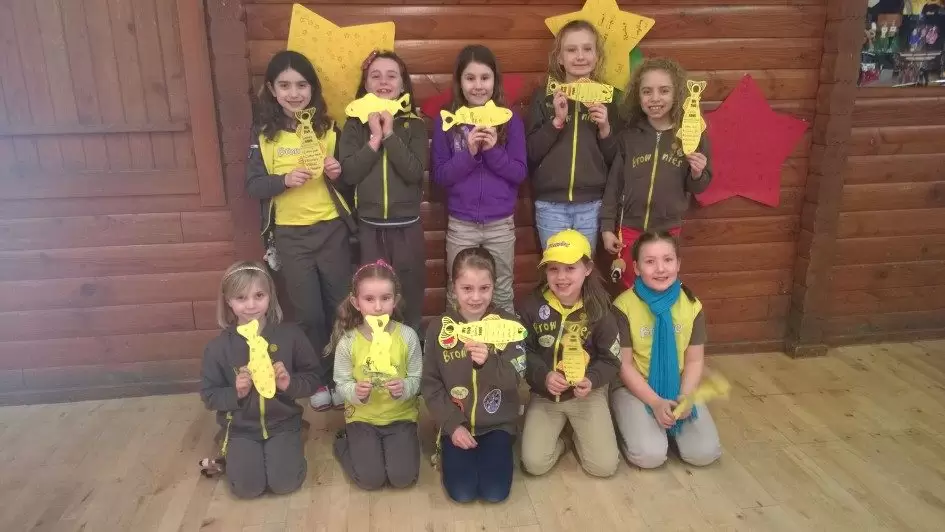
Improving water quality through drain care