

 Ambitious recovery programme launched as unprecedented decline in pearl mussel highlights fragile River Dee
 DeeWatch December
Water Quality| Water Resources | Development & Engineering | Habitats | Species | Access & Recreation | Sub Catchments
Our efforts combine to increase the extent and quality of water-related habitats in the catchment
From peatlands and native woodlands, through floodplains and bankside grasslands, to the burns and rivers themselves, improving habitats is central to our work. This section of the Dee CMP focusses on selected water-related habitats including upland and lowland wetlands, wet and riparian woodland, bankside grasslands, and urban watercourses.
All of our projects are linked to improving habitats. Whether the focus is on water quality, river restoration, access or raising awareness, our efforts combine to increase the extent and quality of the water-related habitats in the catchment. There have been significant projects dedicated to specific habitat types. The EU LIFE Pearls in Peril project took a catchment-scale approach to boosting pearl mussel habitat, while peatland restoration work has significantly improved degraded, upland wetlands.
Highlights
Projects on the ground
- Implementation of Arnhall Moss Management Plan 2013-18 with local community.
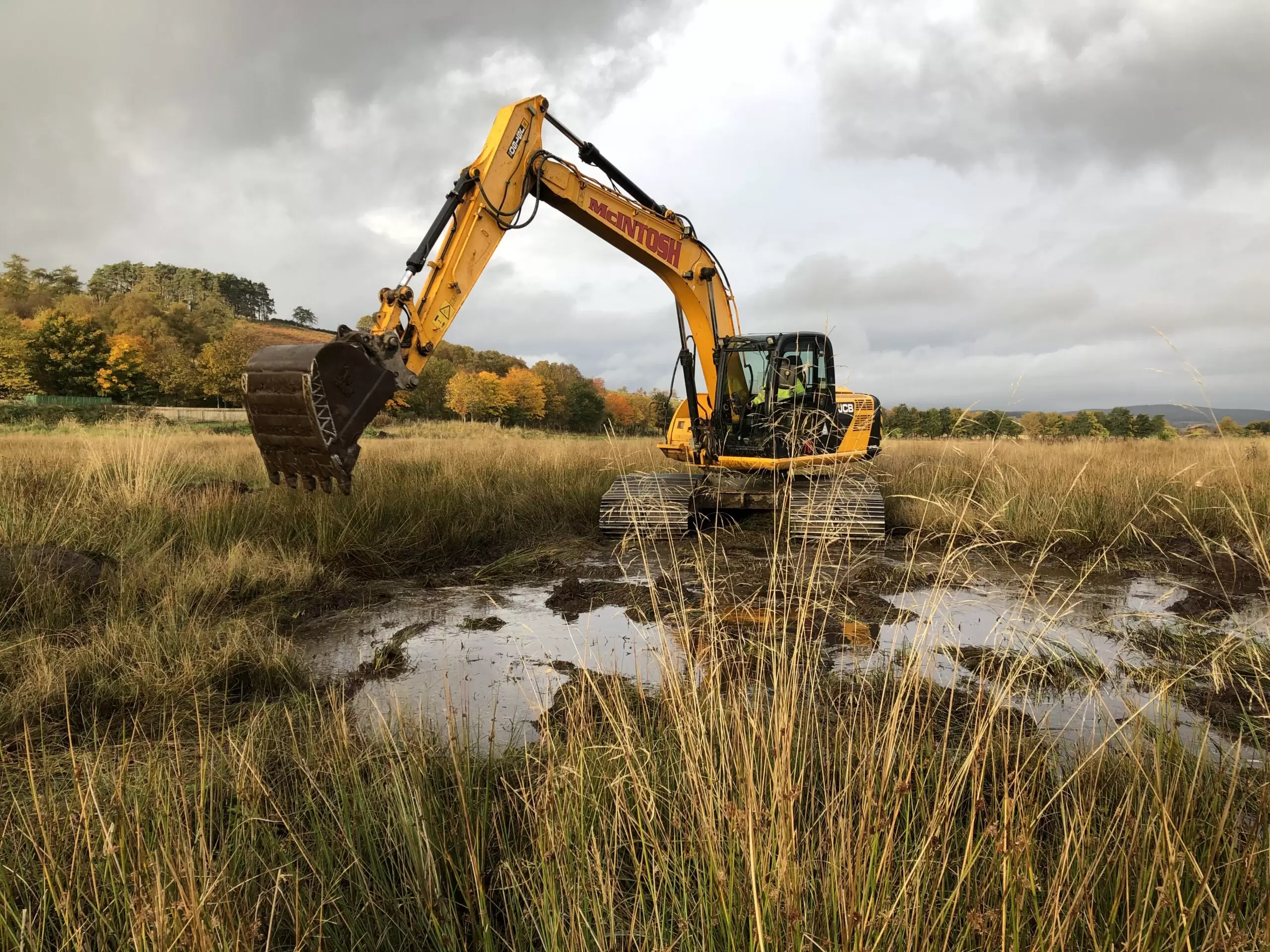
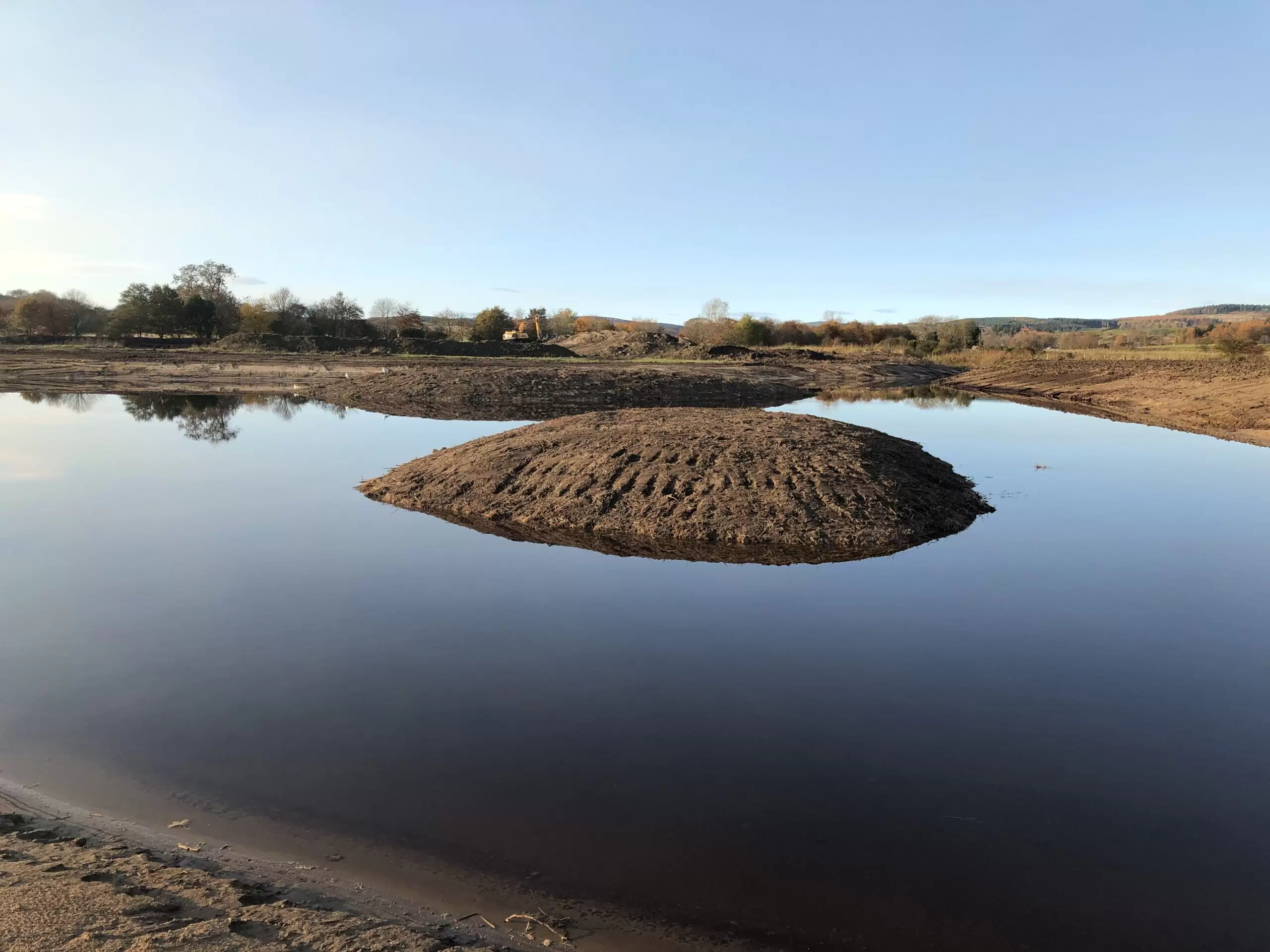
- Creation of Tarland Community Wetland, Mill of Gellan pond.
- 300 ha of peatland restored (Balmoral, Black Burn, 116ha; Mar, Carncreagach, 81ha,Mar Lodge, Cairn Geldie, 70ha).
- Mar Lodge car bank.
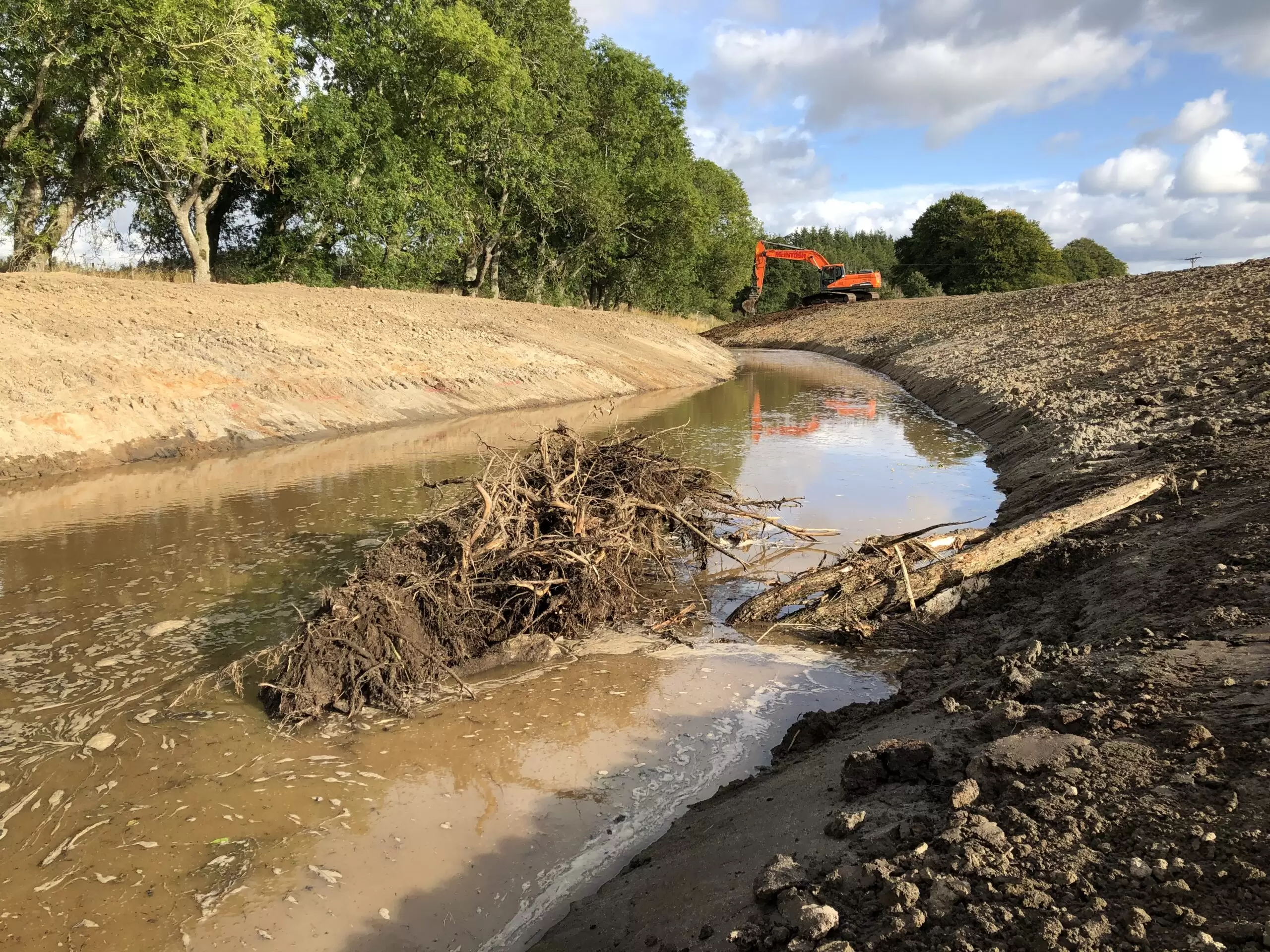
- Easter Beltie restoration – £220k Scottish Natural Heritage Biodiversity Challenge Fund grant for restoration of channel and floodplain near Torphins.
- Den burn restorations.
- SuDS installed at X sites (ACC, EU Interreg BEGIN).
- 5 year Invasive Non Native Species control project (Aberdeen Western Peripheral Route Offset Mitigation Fund – AWPR).
- 10 years of INNS projects; NENNIS and SISI projects; INNS forum
- Removal of 60m ‘car bank’ at Mar Lodge to reconnect Dee with floodplain at low flows.
- Croy removal (DDSFB, PIP)
- Logie Burn re-meandering (SNH)
- Peatland restoration
- Fish passes
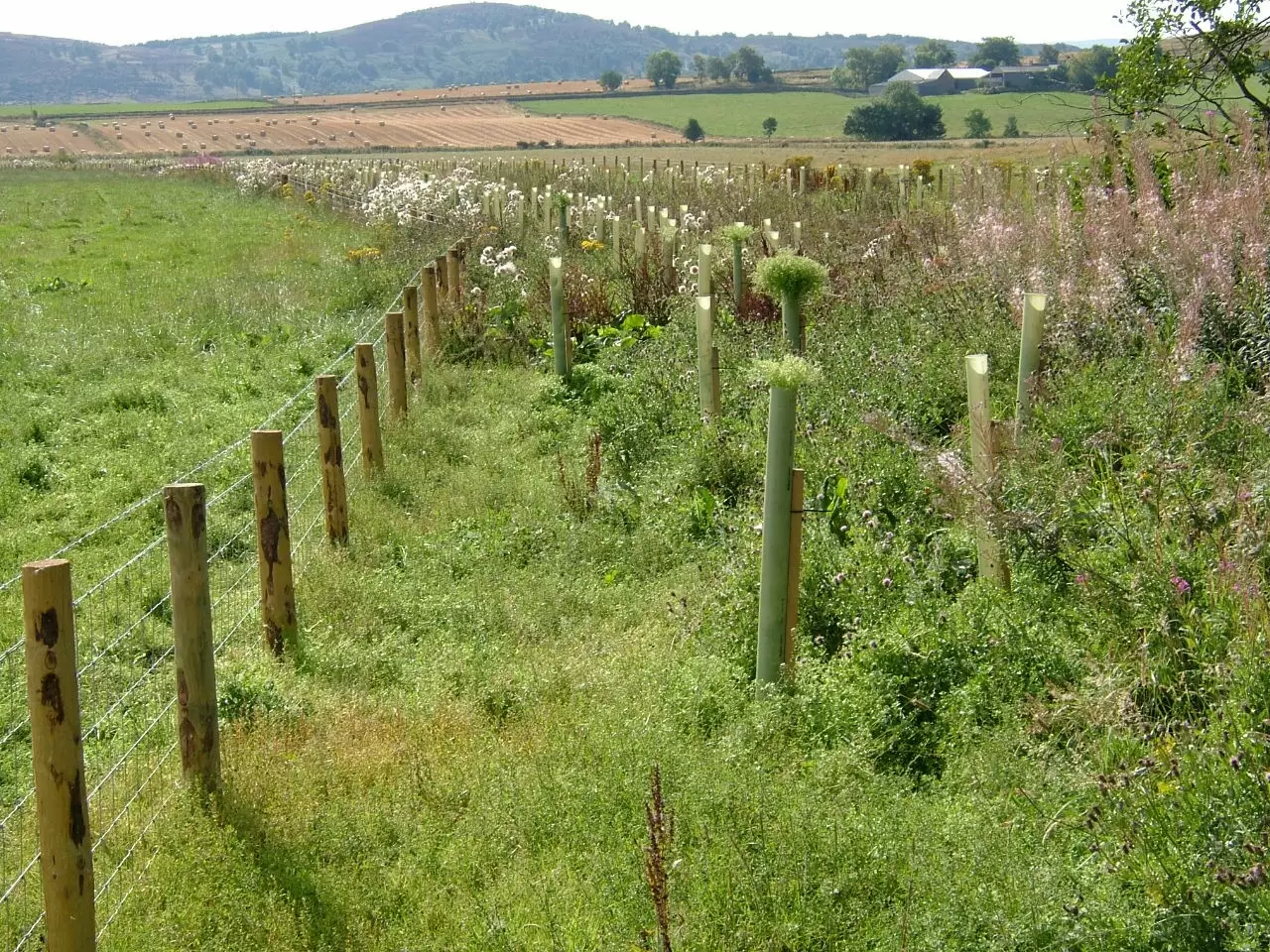
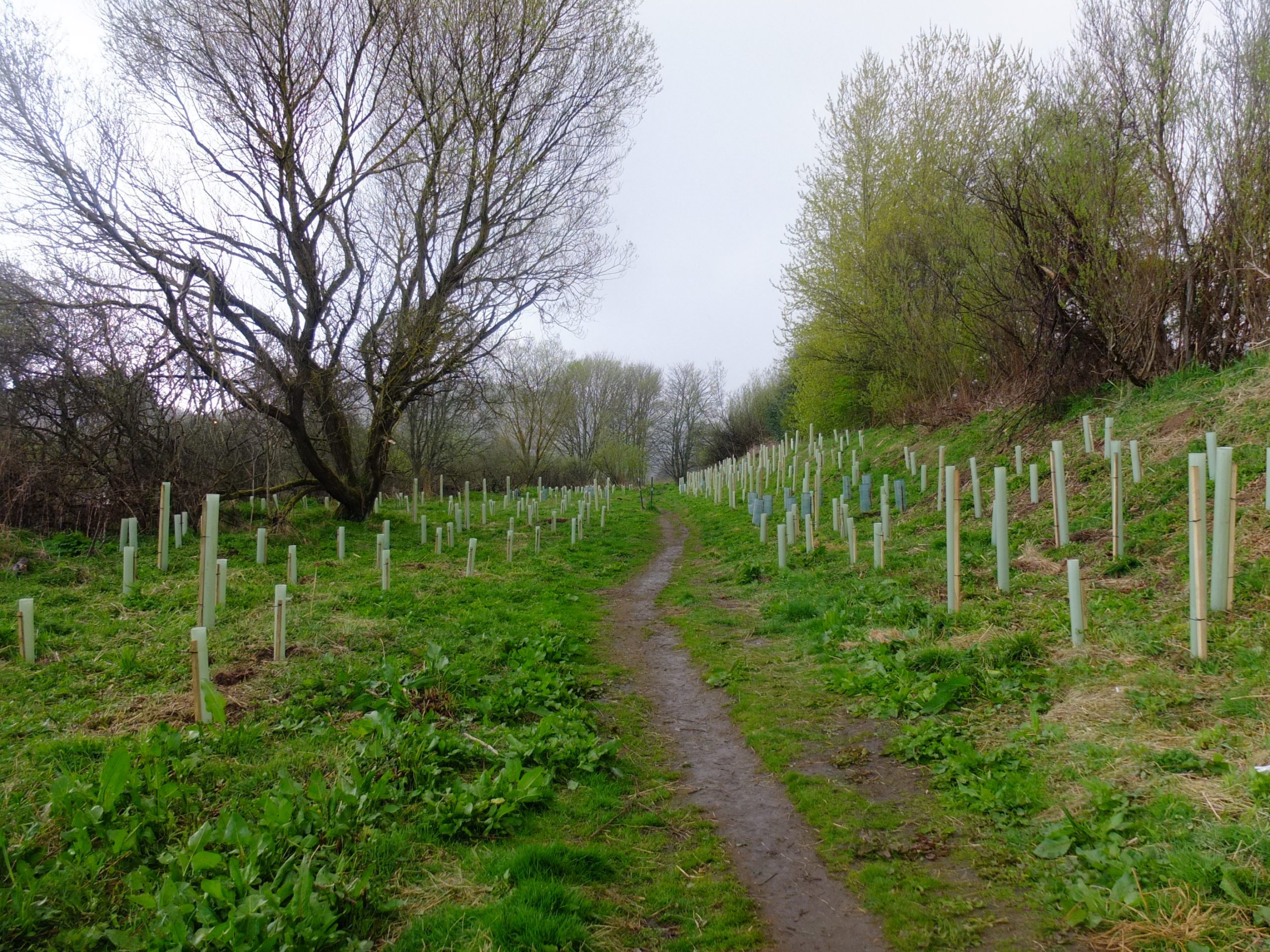
- Over 75km of riparian woodland planting in Dee catchment for climate change mitigation, pearl mussels etc (DDSFB); work commissioned by Carol Robertson considered the opportunities for expansion of riparian woodland in the upper Dee catchment.
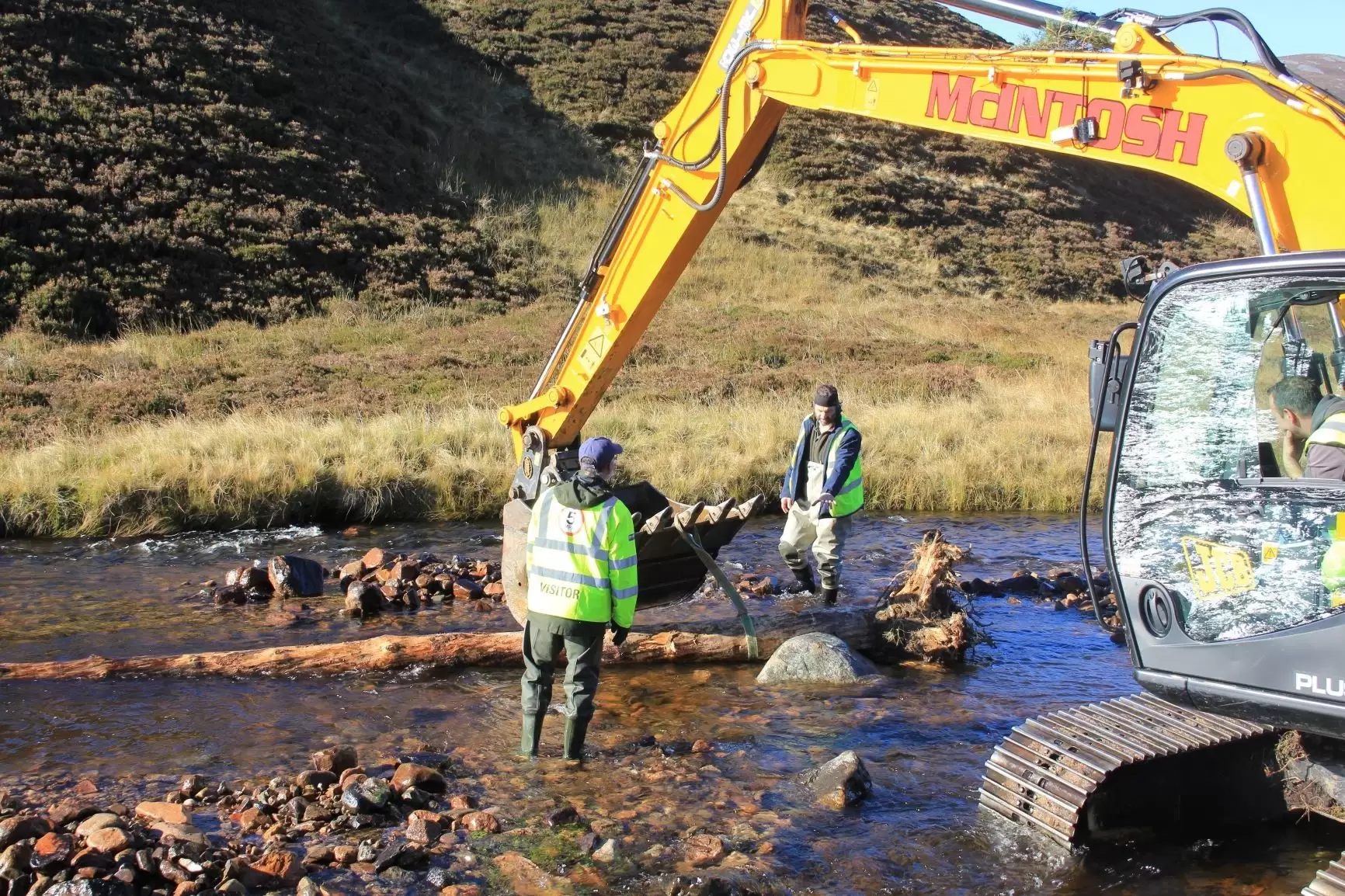
- Addition of large wood structures to the Gairn and Muick tributaries to create spawning habitats for salmon.
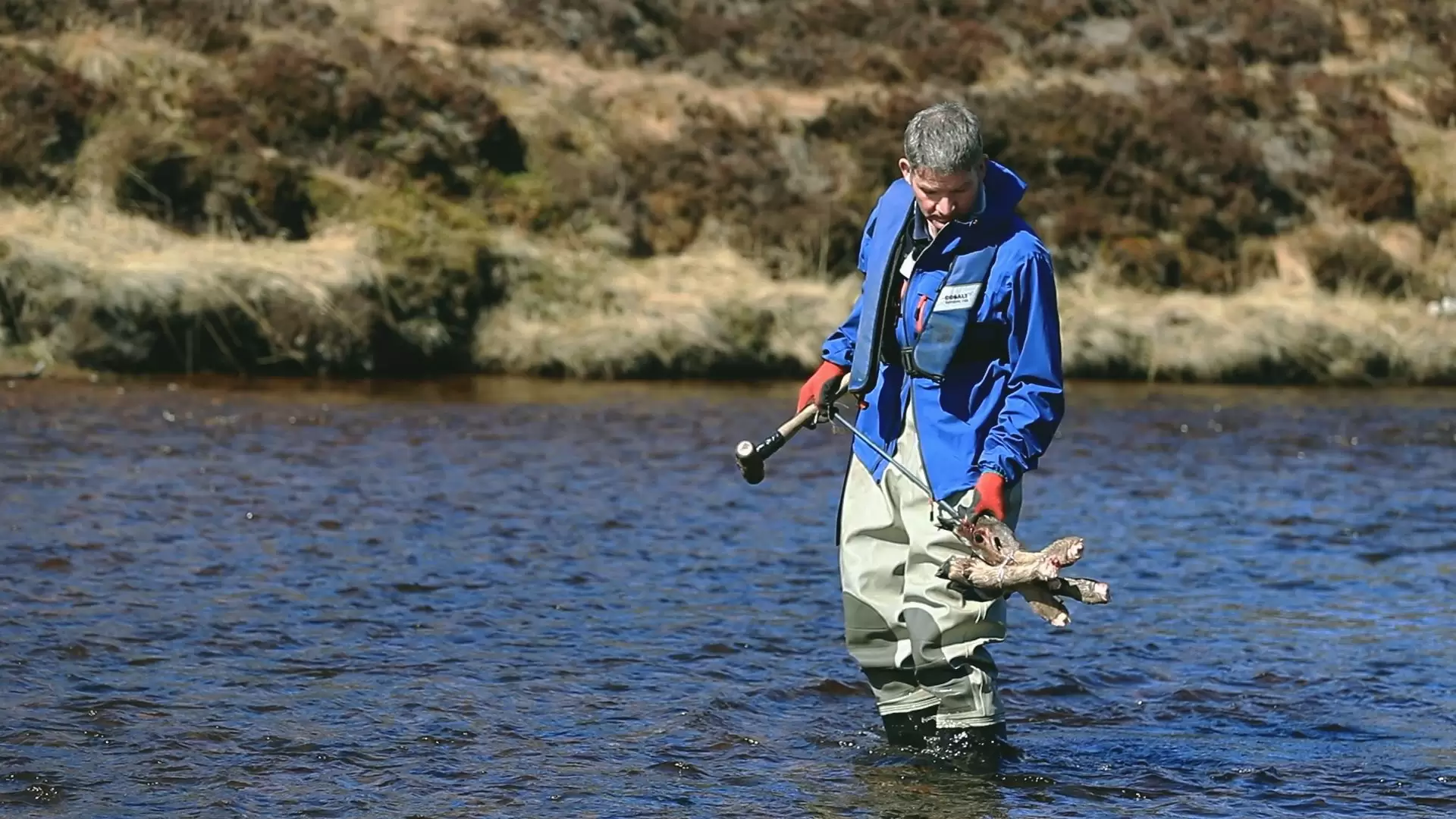
- Addition of deer legs to the Muick, to boost nutrients for the river’s ecosystem
- Included in FES Forest Design Plans where these sites occur on the National Forest Estate.
- Private landowners are offered grant support via SRDP Rural Priorities.
- The Lower Dee was surveyed for Local Nature Conservation Sites in 2010. These include areas of species rich grassland.
- AWPR Invasive Non Native Species project.
- Following a scoping study, a successful LEADER bid led to the 3 year North East Non Native Invasive species project
Research and monitoring
- The Wetland Inventory … (SEPA) Wetlands inventory on Scotland’s Environment Web (SEPA).
- Wetlands inventory on Scotland’s Environment Web (SEPA).
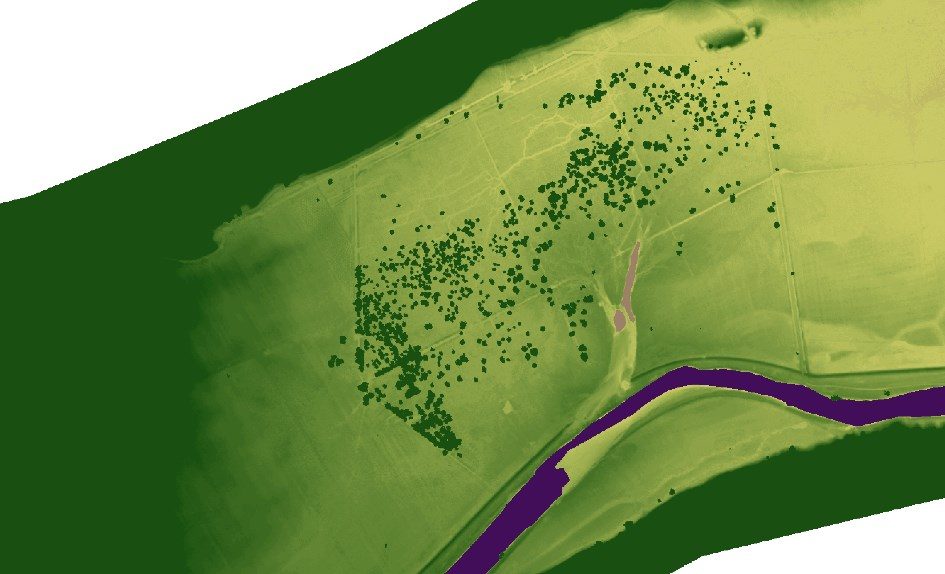
- Mapping of high water table riparian soils in Tarland (spatial data exercise) for guiding placement of buffer strips (JHI).
- Impacts of buffer strips – detailed ecological monitoring.
- A pearl mussel survey post Storm Frank showed that of the 12 SAC monitoring sites, habitats were badly affected, only 2 had mussels and these were greatly depleted.
- A model for planning woodland expansion for multiple benefits has been developed.
Raising awareness
- Ponds guidance.
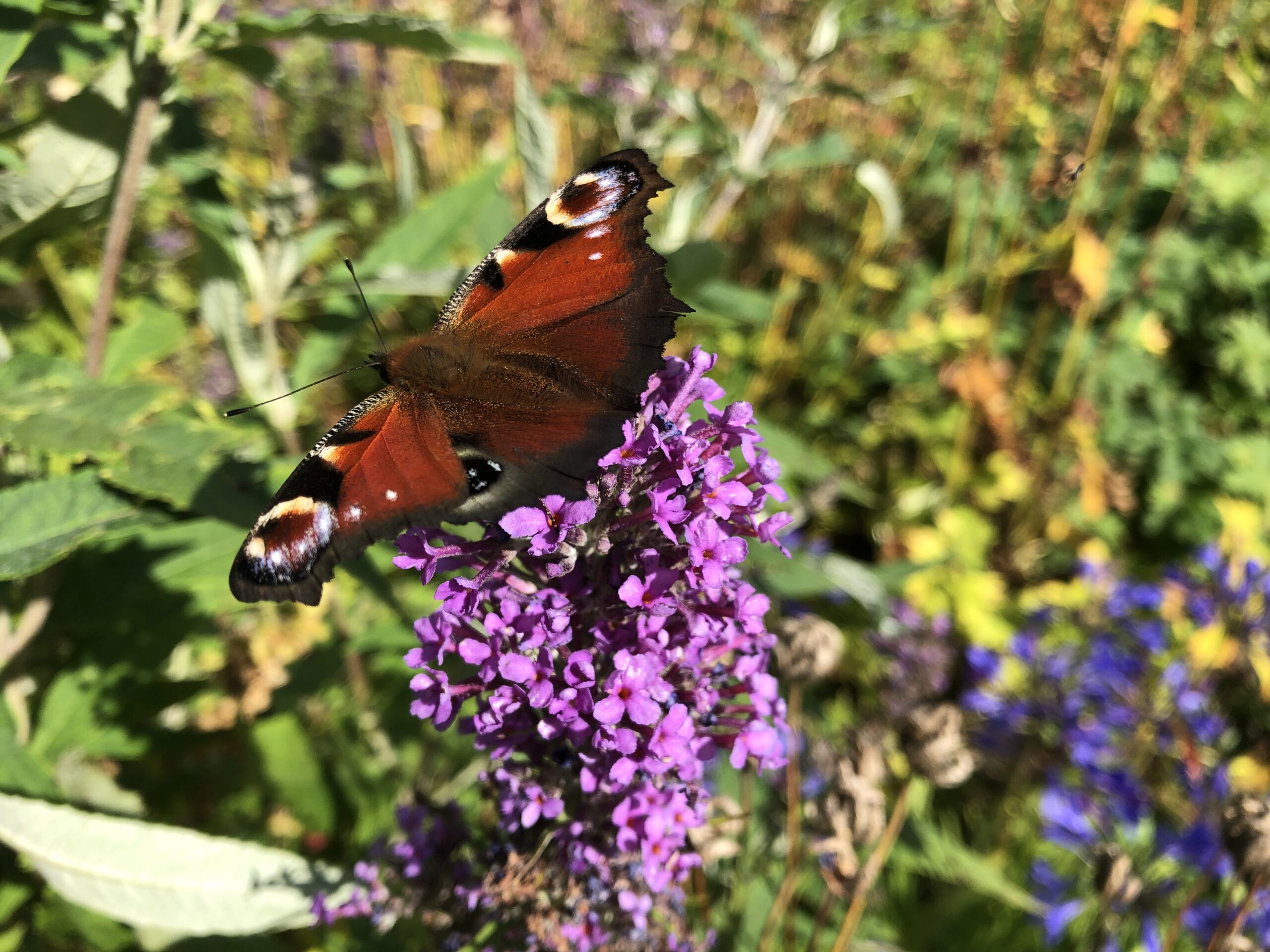
- Our monthly DeeWatch nature blog raises awareness of habitats and species on Deeside.
- INNS leaflets.
- NFM workshop and Outreach campaign (leaflet, workbook, Partnership workshop, models).
Planning and regulation
- Inclusion in FES Forest Design Plans where these sites occur on the National Forest Estate ensures protection
- Inclusion in NESBiP Wetland Habitat Action Plan
- LBAP Lochs and Ponds Action Plan
- FCS is chairing the Woodland Ecosystem Group within the North East LBAP
- FES and woodland creation guidelines minimise the impacts on wetlands and promote wet woodland/riparian planting and the uptake of grants for riparian planting in the Cairngorms National Park
What needs to be done
- More focus on lowland raised bogs.
- Continued understanding and promotion of NFM.
- Protection and enhancement of species-rich bankside grasslands.
- More work on urban habitats.
- Continued peatland restoration.
- Continued native woodland expansion.
- Mapping for wet and riparian woodlands.
Our projects that support Habitats objectives:
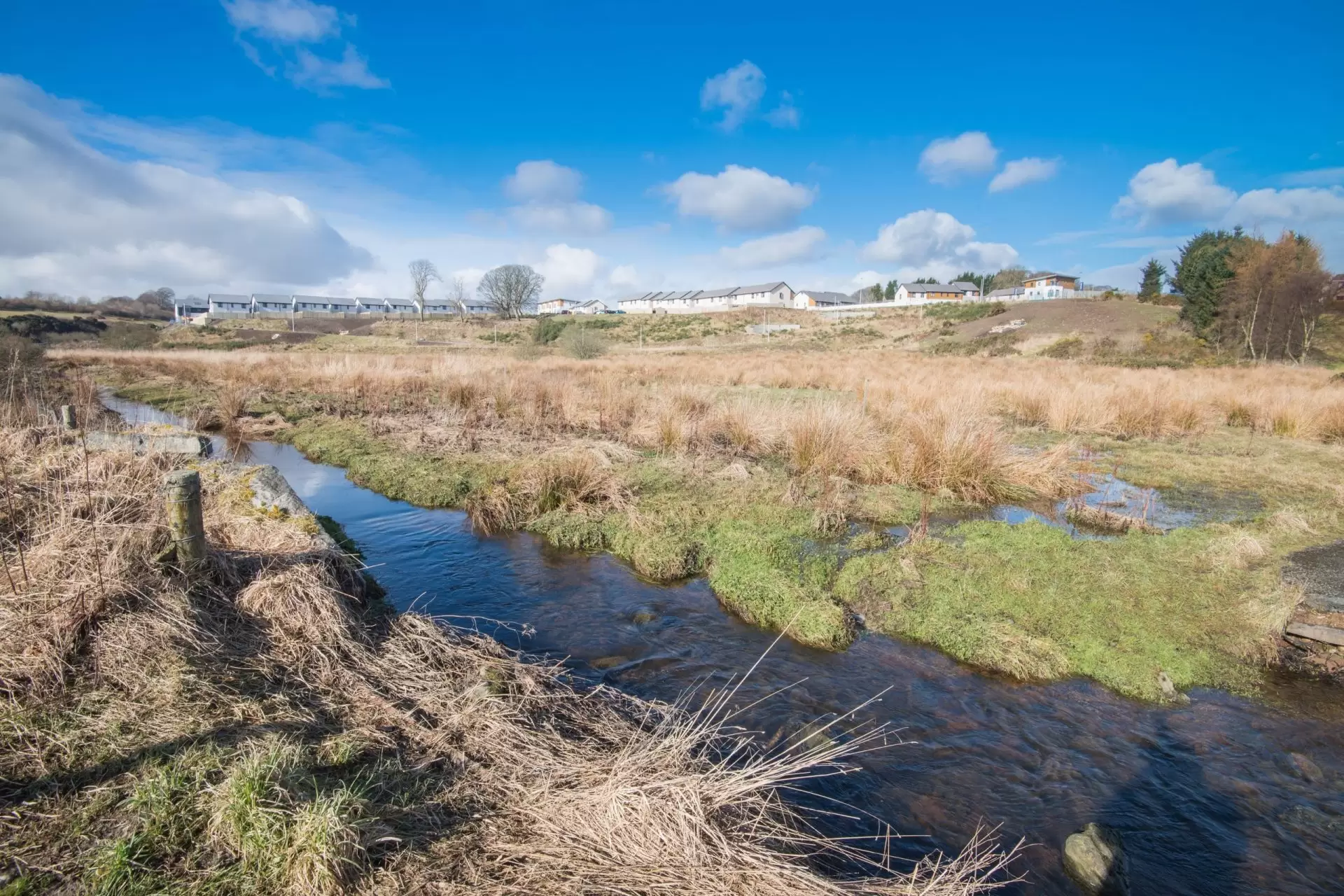
The Den Burn restoration project aims to enhance habitats for wildlife, improve water quality, and create a more attractive and accessible green space for people to enjoy.
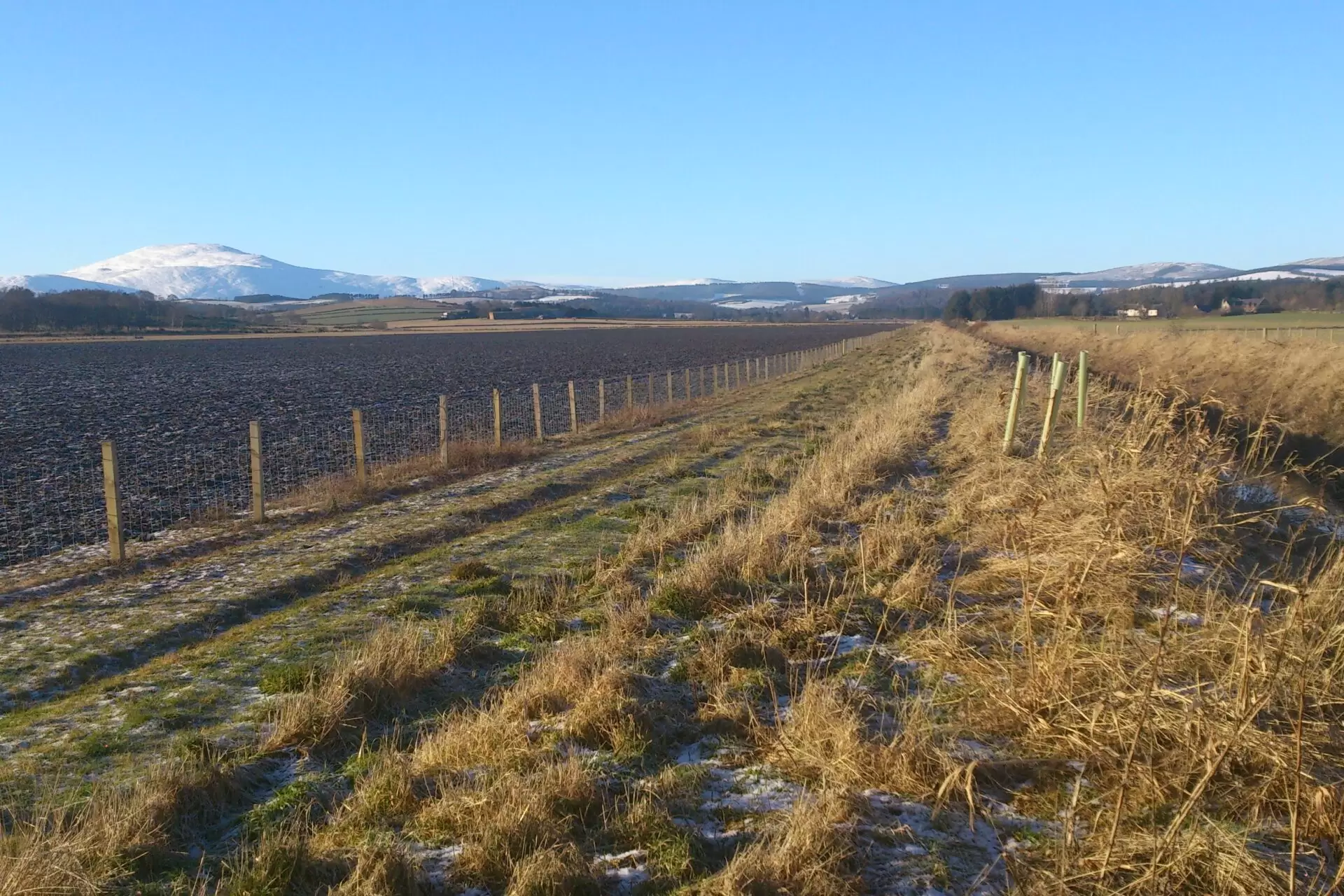
A design for stream and wetland restoration
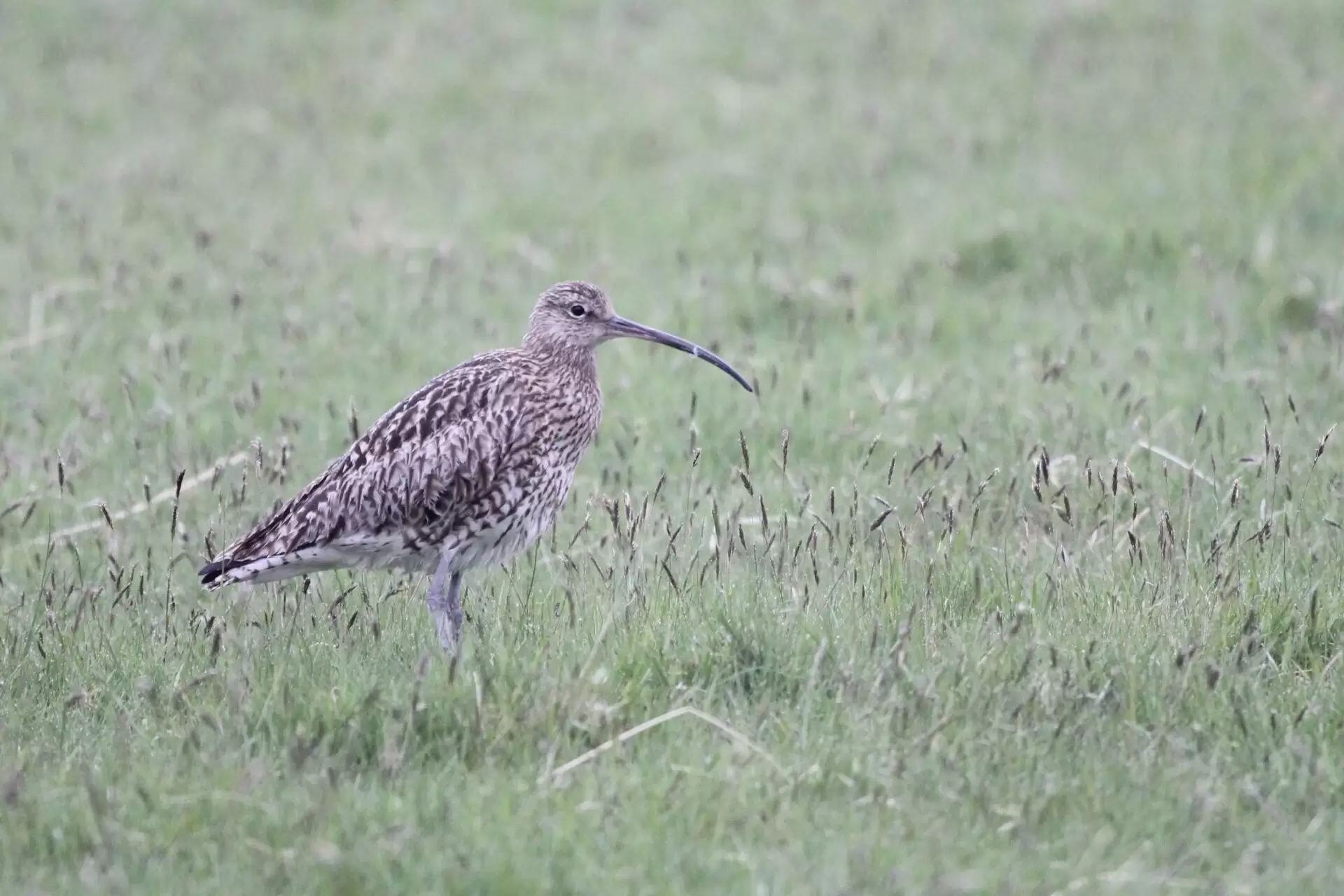
Revealing the secret lives of wildlife in and around the river
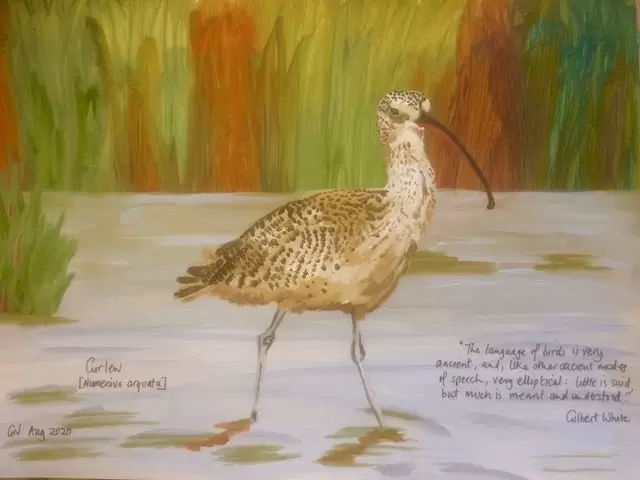
Artwork for the Tarland Wetlands Group
Assessing the success of young salmon heading to sea
Evaluating the effects of trees on river temperature

A guide to getting out and about on Deeside
The story of the Beltie Burn restoration
A film celebrating north east nature
Shows, riverwalks, bioblitzes
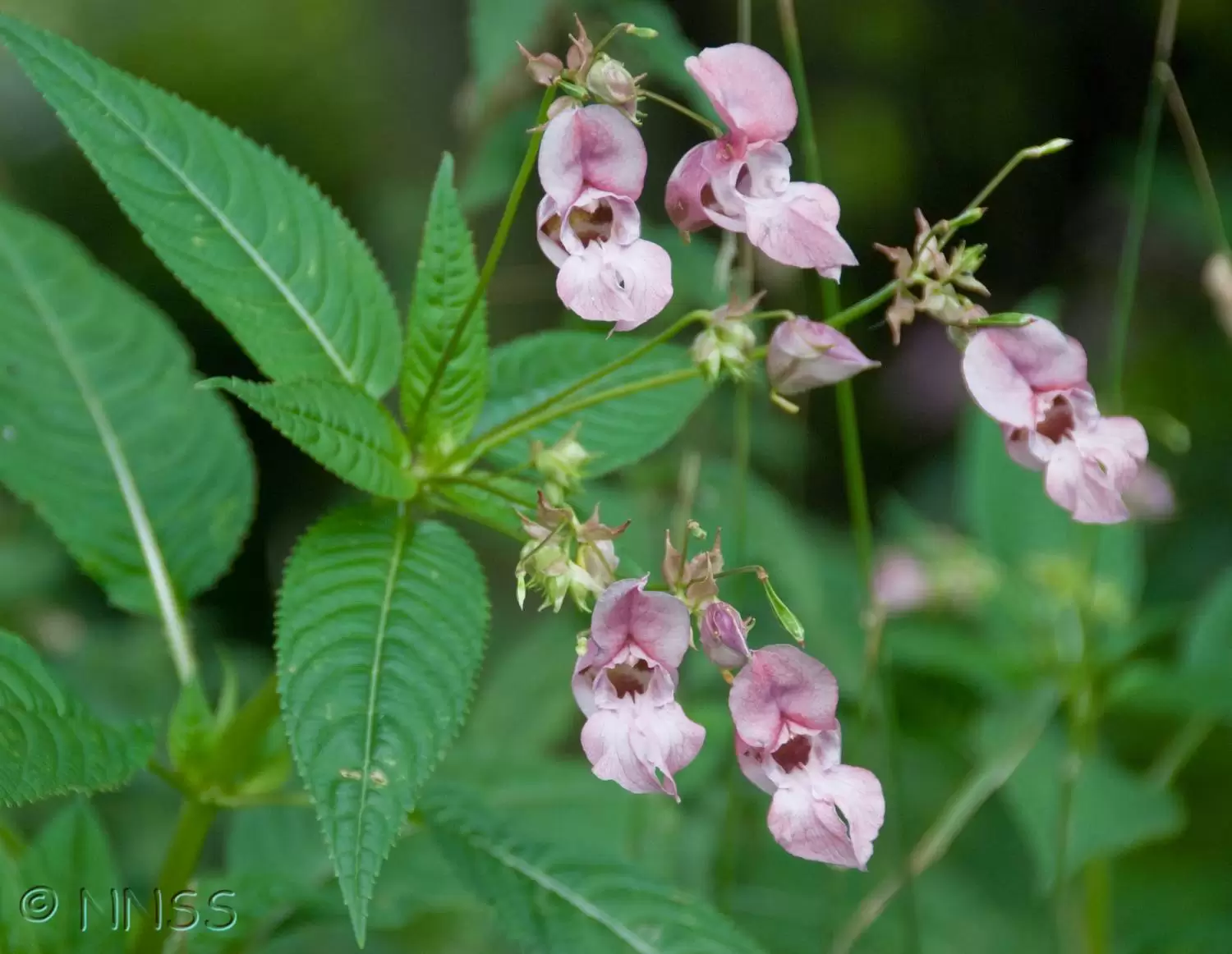
A long-term control programme
LiDAR and aerial photography after Storm Frank
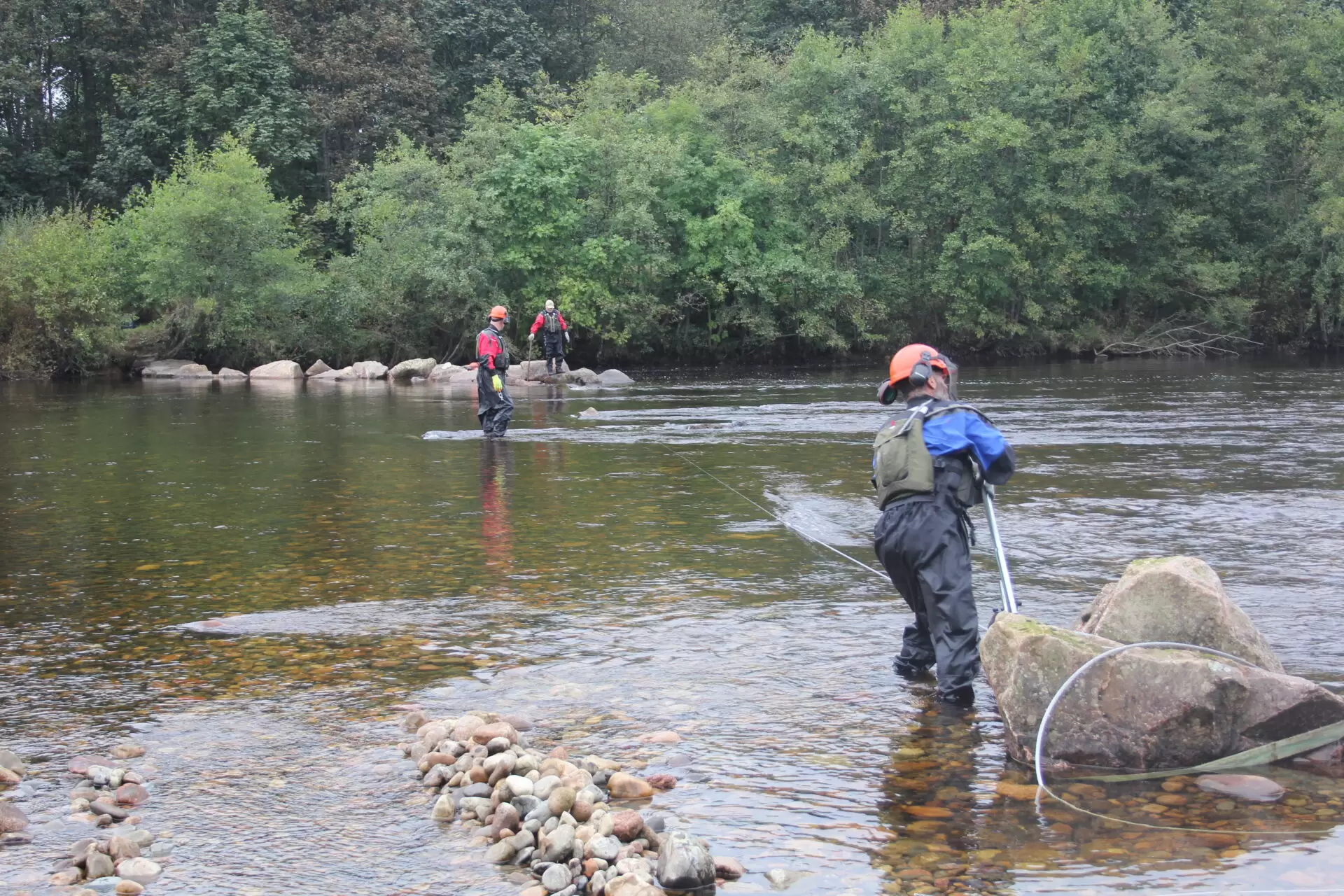
Removing in-stream flow deflectors
Informing EU policy on rural land use
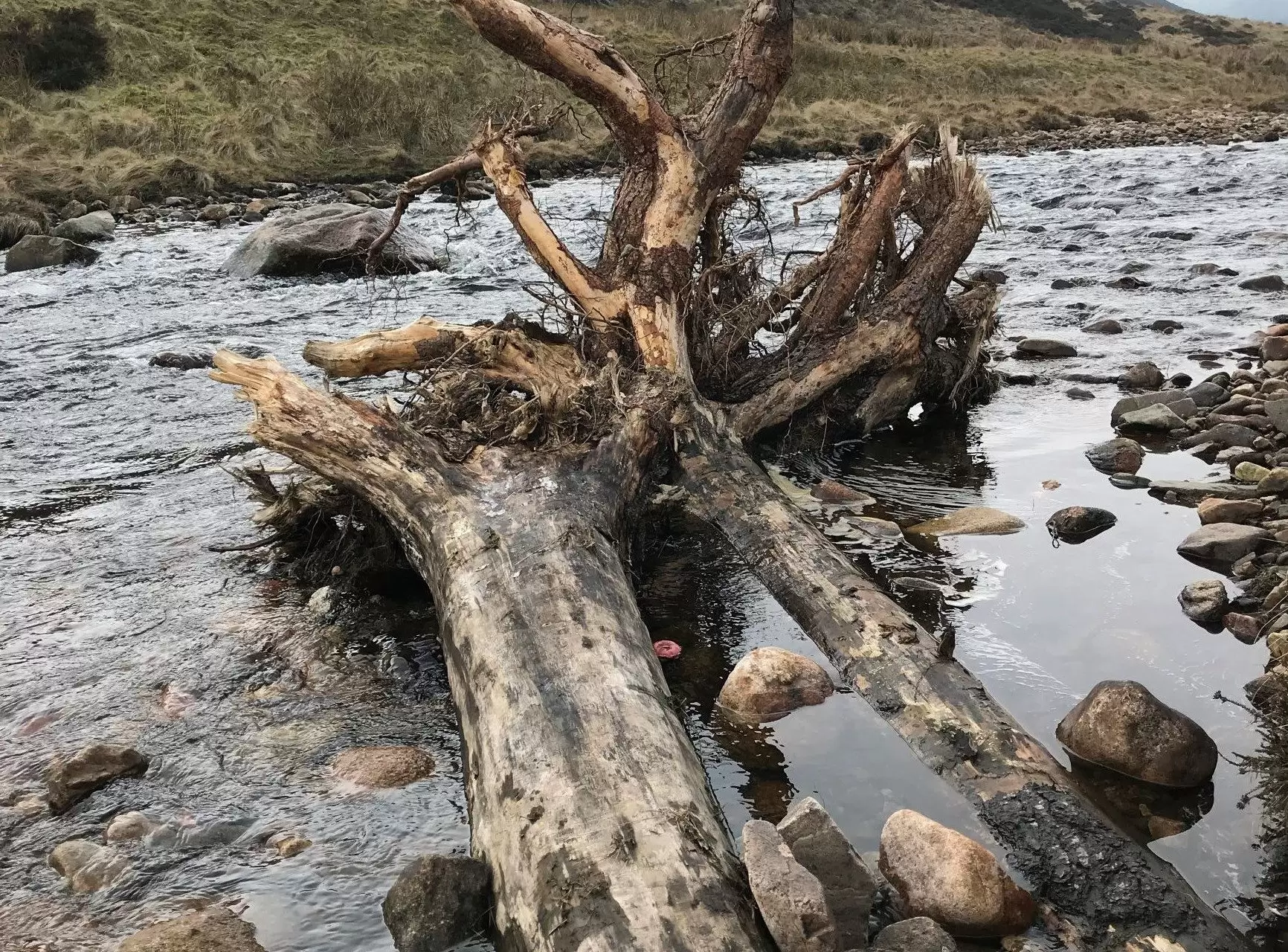
Using wood to improve habitats
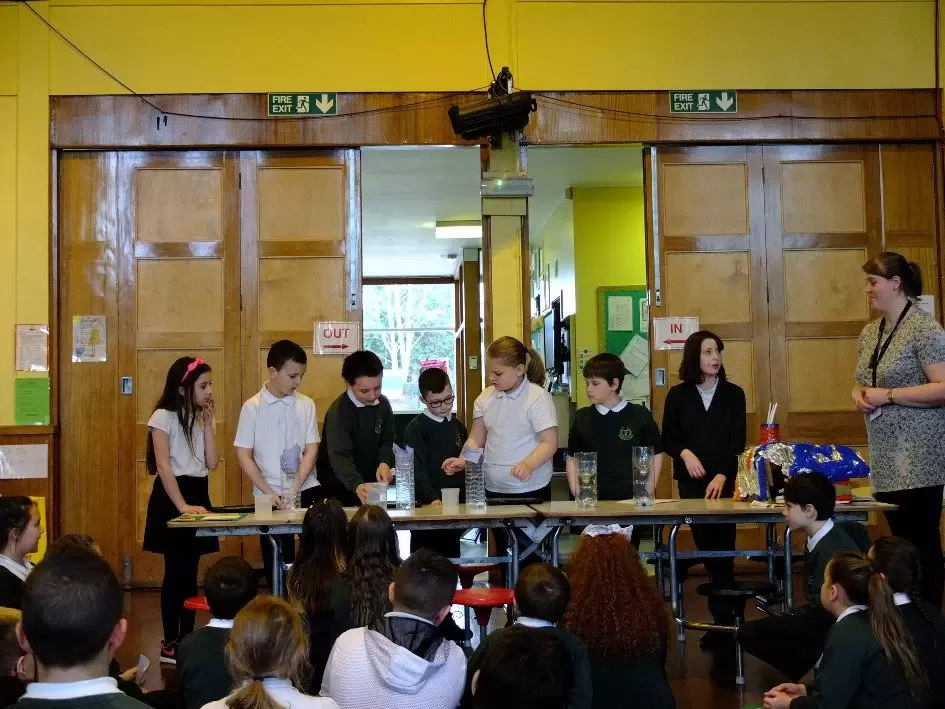
Creating a mural of the Dee in Tarland primary school playground
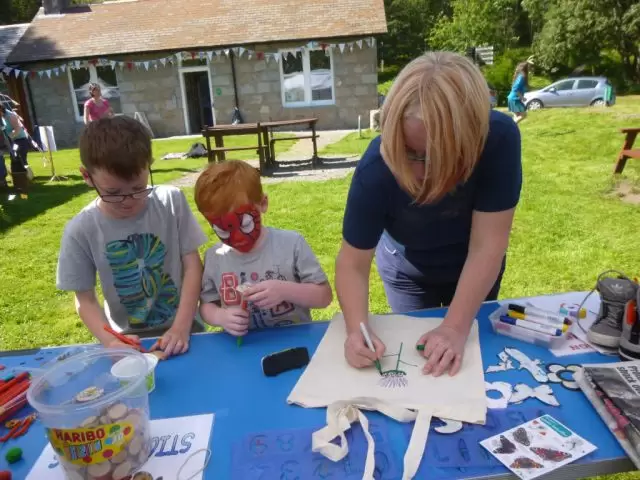
Countryside rangers work through the catchment to engage communities in nature

Establishing unfenced woodland
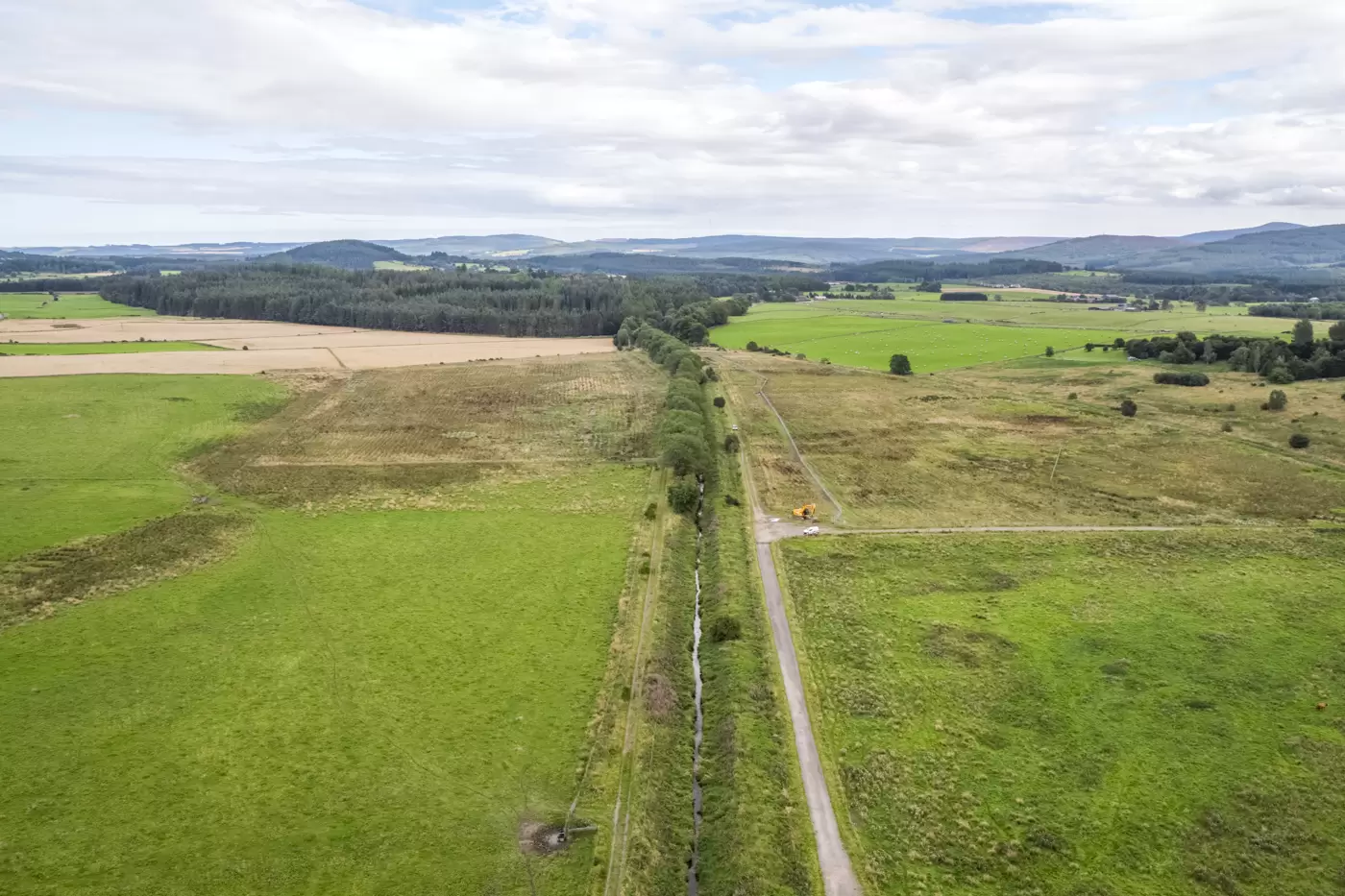
This large-scale river valley restoration is returning a straightened agricultural stream to a natural meaning course, running through extensive wetlands and fully reconnected to its floodplain.
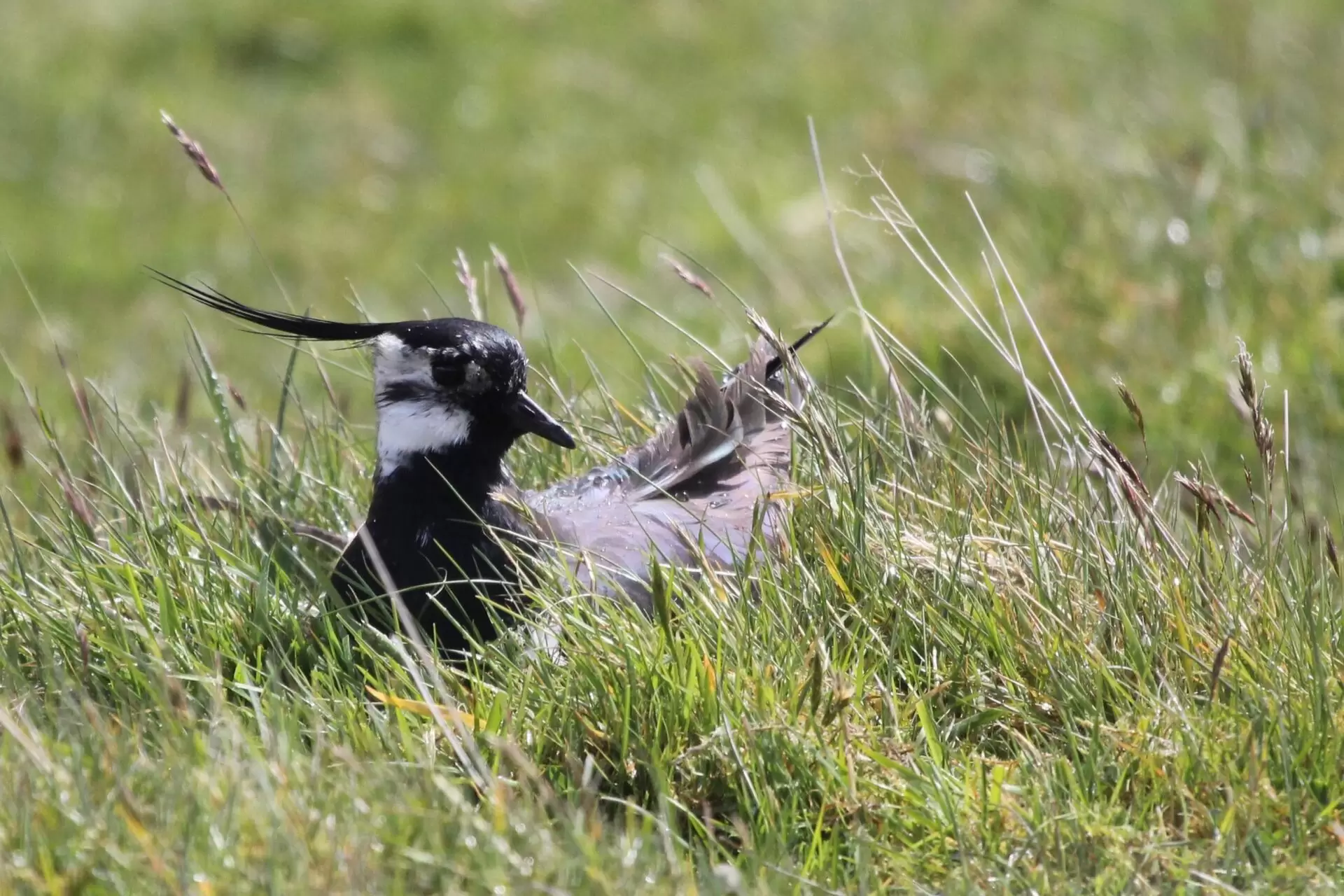
Restoring farmland wetlands for wildlife, environment and people
Boosting nutrient levels in upper tributary
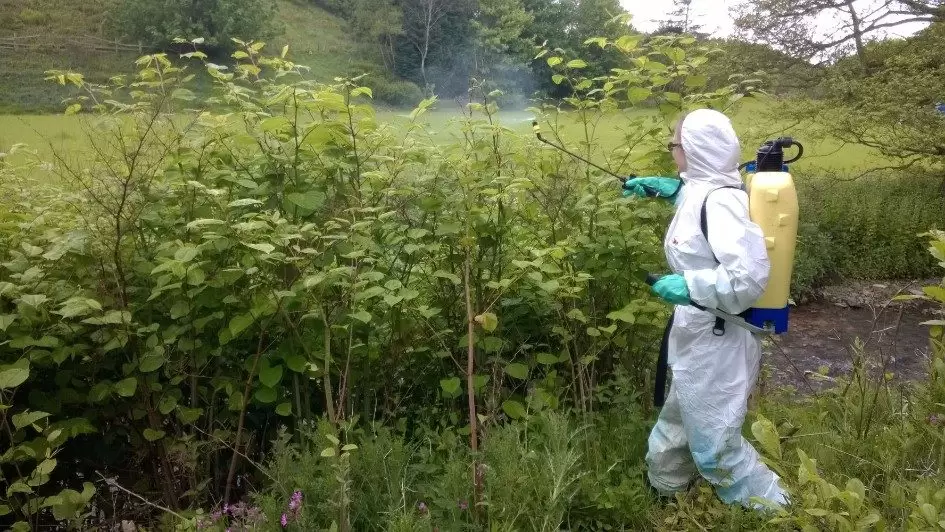
North East Non Native Invasive Species Project
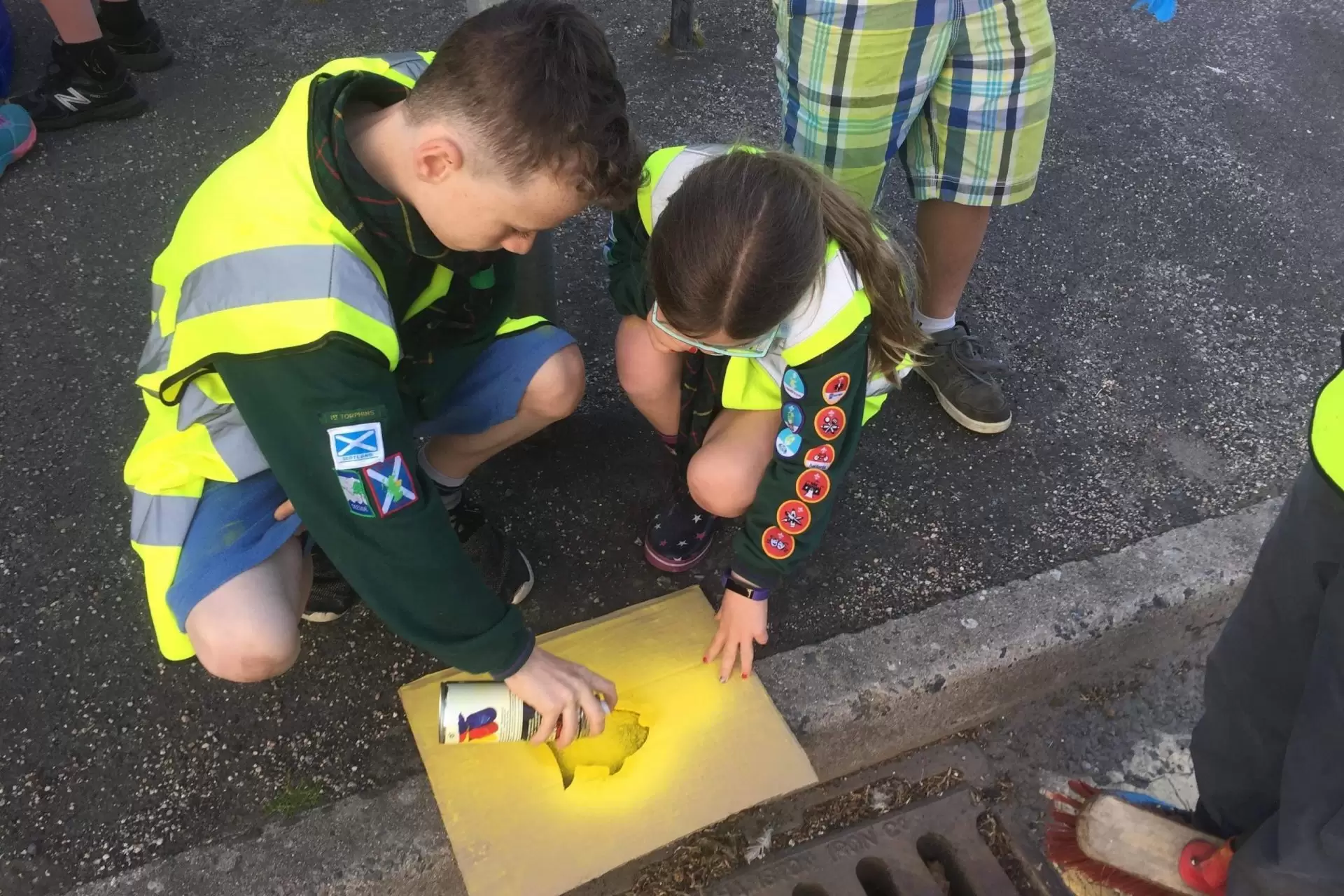
A UK-wide initiative promoting good household drain care
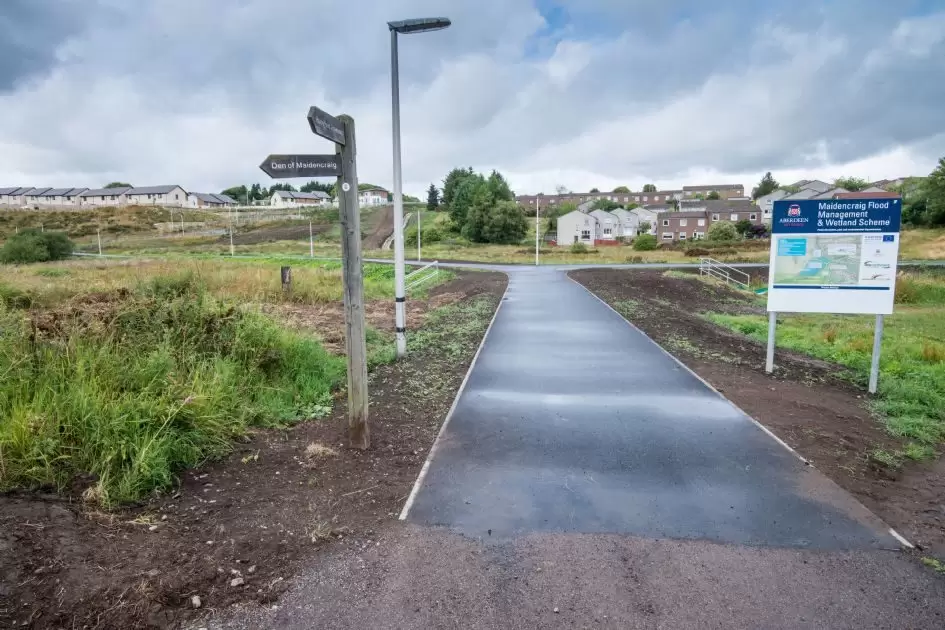
Designing SuDS into a new housing scheme