

 Ambitious recovery programme launched as unprecedented decline in pearl mussel highlights fragile River Dee
 DeeWatch December

Water quality | Water Resources | Development & Engineering | Habitats | Species | Access and Recreation | Sub Catchments
The climate crisis has moved to the top of the political agenda and there is a much wider understanding of the need to build a more resilient river system.
The Water Resources section of the Dee Catchment Management Plan (CMP) addresses issues that affect how much water is in the river system. The focus is on floods and droughts and how to reduce their severity, now and in future. Our projects concern the way land is managed to improve how effectively it is held in the landscape.
In the 15 years since the Dee CMP was published, Deeside has experienced extremes of flow many times. Both extreme flooding and severe droughts have been devastating for communities and businesses, and it is well understood that this pattern looks set to continue. The climate crisis has moved to the top of the political agenda and there is greater agreement around the need to build a more resilient river system, but how to do this needs further understanding. We have delivered projects that reduce runoff, improve water storage and build resilience throughout the catchment, from peatland restoration and reforestation in the headwaters, to river restoration and flood storage in Aberdeen City. Much of this work was delivered through three EU projects that brought substantial investment in climate measures: Pearls in Peril, Aquarius and BEGIN.
Our achievements

Projects
- Peatland restoration has taken place across 12 projects, covering a total of 720 hectares.
- A network of potential flood storage sites in the Tarland catchment have been developed through the EU Aquarius and EU 3 Dee Vision projects.
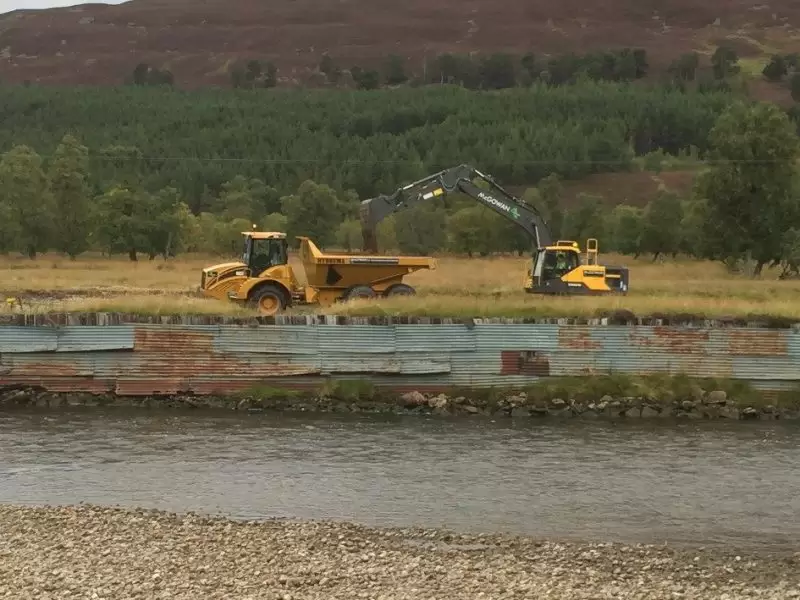
- River restoration projects at Mar Lodge, Garbhe Allt and Easter Beltie have reconnected floodplains.
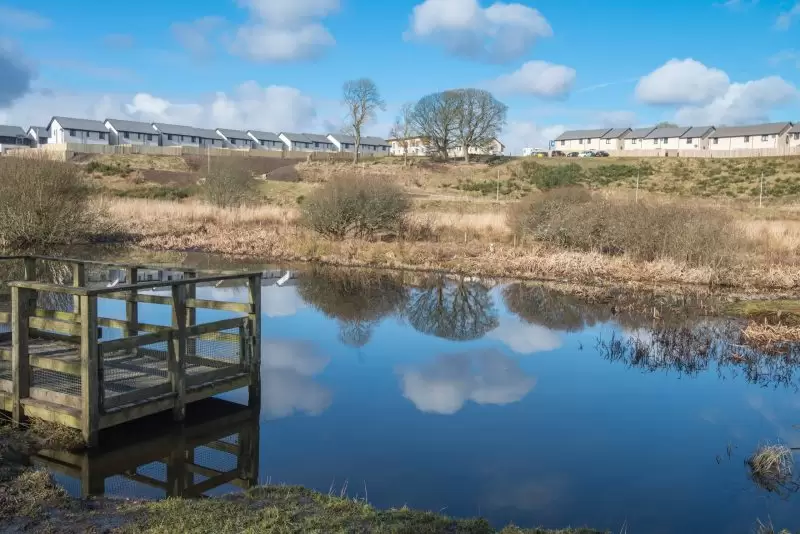
- City SuDS projects have been implemented at three sites in Aberdeen City (BEGIN).
- Scottish Water removed the abstraction pressure in Water of Dye and reduced allowable abstraction from the Dee.
Research activities
- The Dee District Salmon Fishery Board commissioned a study on the impacts of abstractions on flows during drought conditions.
- Scottish Water undertook a study to investigate the impact of abstractions in relation to the Water Framework Directive.
- Several modelling studies have identified where woodland creation will have most effect on reducing runoff, with work by James Hutton Institute, Cairngorms National Park Authority, Scottish Forestry, and Aberdeenshire Council.

Planning, funding and regulation
- Four of the catchment’s 56 Waterbodies are at Moderate status due to drinking water abstractions. Local Development Plans (Aberdeen City Council, Aberdeenshire Council, Cairngorms National Park Authority) consider the impacts of abstraction.
- As a responsible authority under the Flood Risk Management Act, Scottish Forestry has investigated ways to target woodland creation to achieve upland retention of water.
- SRDP – RDC-RP, LMO grants are being awarded to promote best practice. River Dee is a RDC-RP priority area.
- Aberdeenshire Council’s North East Scotland Flood Risk Management Plan has been published and is implementing actions to reduce flood risk. The five Potentially Vulnerable Areas of Ballater, Aboyne, Banchory and Torphins, Westhill and Aberdeen city, have been identified and are included within the Local Development Plan.
- Supplementary planning guidance on water resources has been produced to accompany the Local Plan. This is considered in all FGS, FP and EIA applications, flood risk identified in LIS reports.
- Whole catchment sustainable flood management approaches are being promoted as part of Flood Risk Management work within SEPA.
- Flood Management Plans are being prepared for settlements as the need is identified. Ballater’s is in preparation, with Aboyne and Tarland to be covered in next cycle, 2022-27. Flood protection schemes only implemented following studies and subject to Scottish Government funding.
Outreach activities
- We ran a three-year outreach programme to introduce and promote the concept of Natural Flood Management (NFM).
- To support this campaign we produced a leaflet and education materials, and commissioned flood models to enable hands-on discussions about managing flows.
- We attended events throughout the catchment, in the north east and the Royal Highland Show.
- We ran NFM workshops for land managers in the catchment and presented the concept at meetings with farmers and land managers.
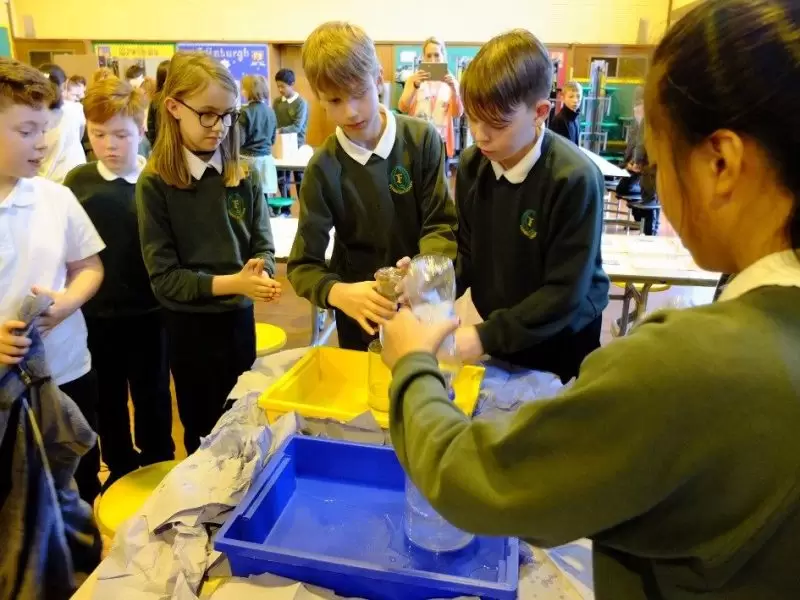
- We ran a wide range of flood-awareness activities in schools in Aberdeen City and at events in the catchment.

What needs to be done?
- Establish a thorough understanding of future abstraction requirements/supply under climate projections.
- Consider retro-fitting surface water management in urban areas.
- Identify lost wetlands and make feasibility studies for their restoration.
- Identify and protect wetlands that are vulnerable to drainage or over-abstraction.
- Implement a strategy for promoting water conservation in the catchment.
- Promote floodplain storage initiatives as alternative water sources for irrigation for land management purposes.
- Review implementation of flood risk policy for 2021 Aberdeenshire Local Development Plan.
- Gather more data on the effectiveness of Natural Flood Management to guide and encourage its use.
Our projects that support Water Resources objectives:
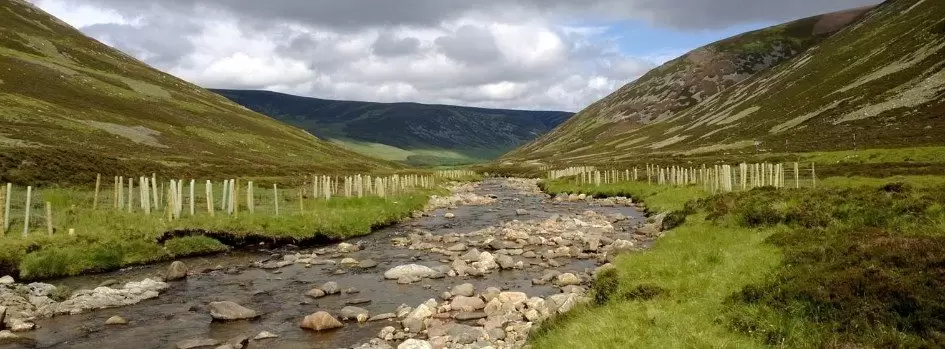
Evaluating the effects of trees on river temperature
The story of the Beltie Burn restoration
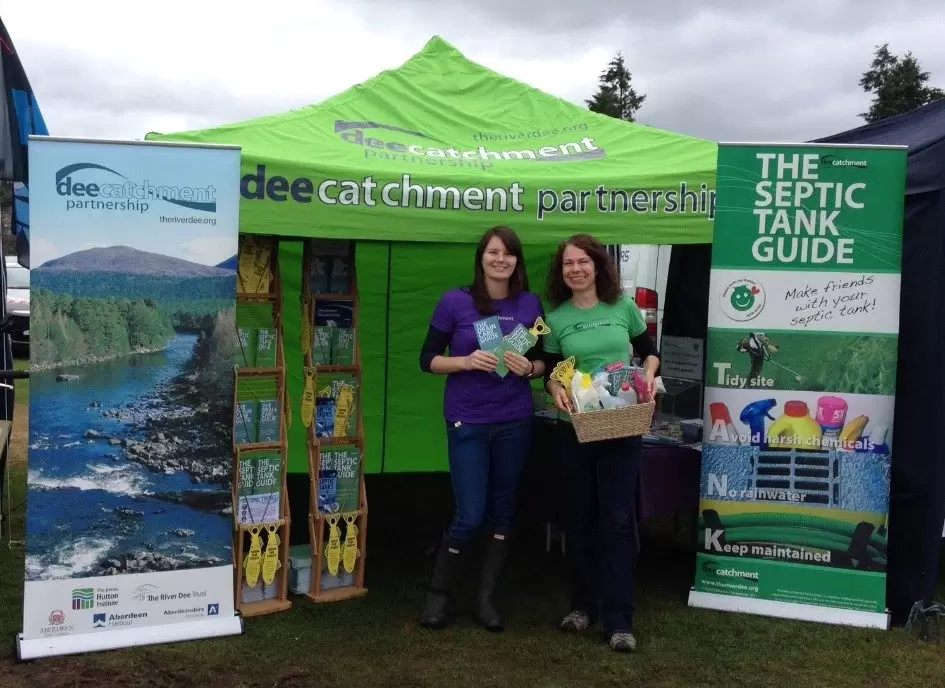
Shows, riverwalks, bioblitzes
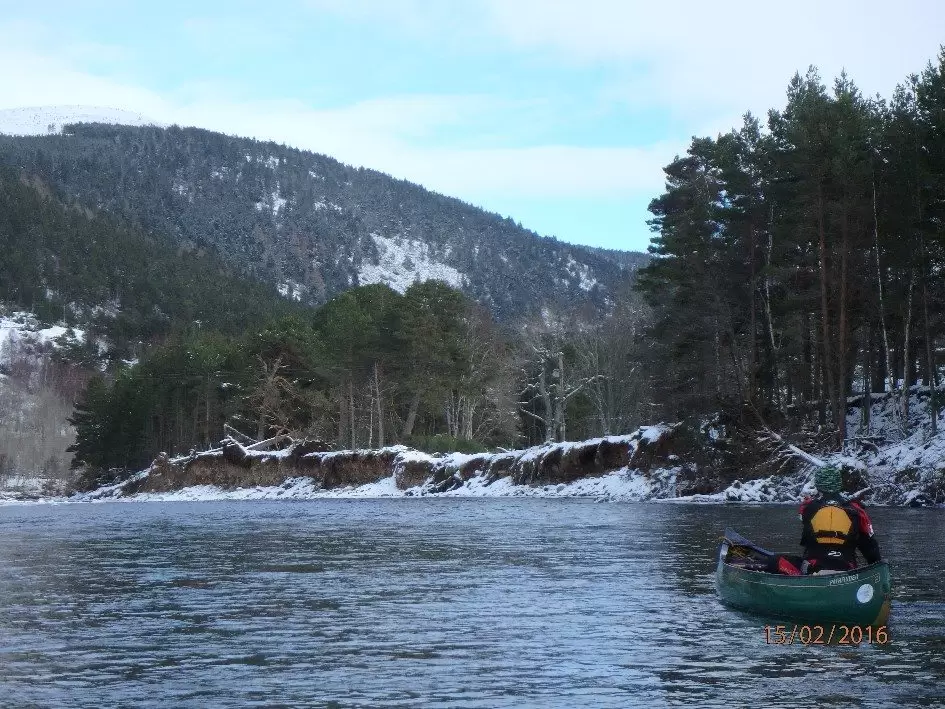
LiDAR and aerial photography after Storm Frank
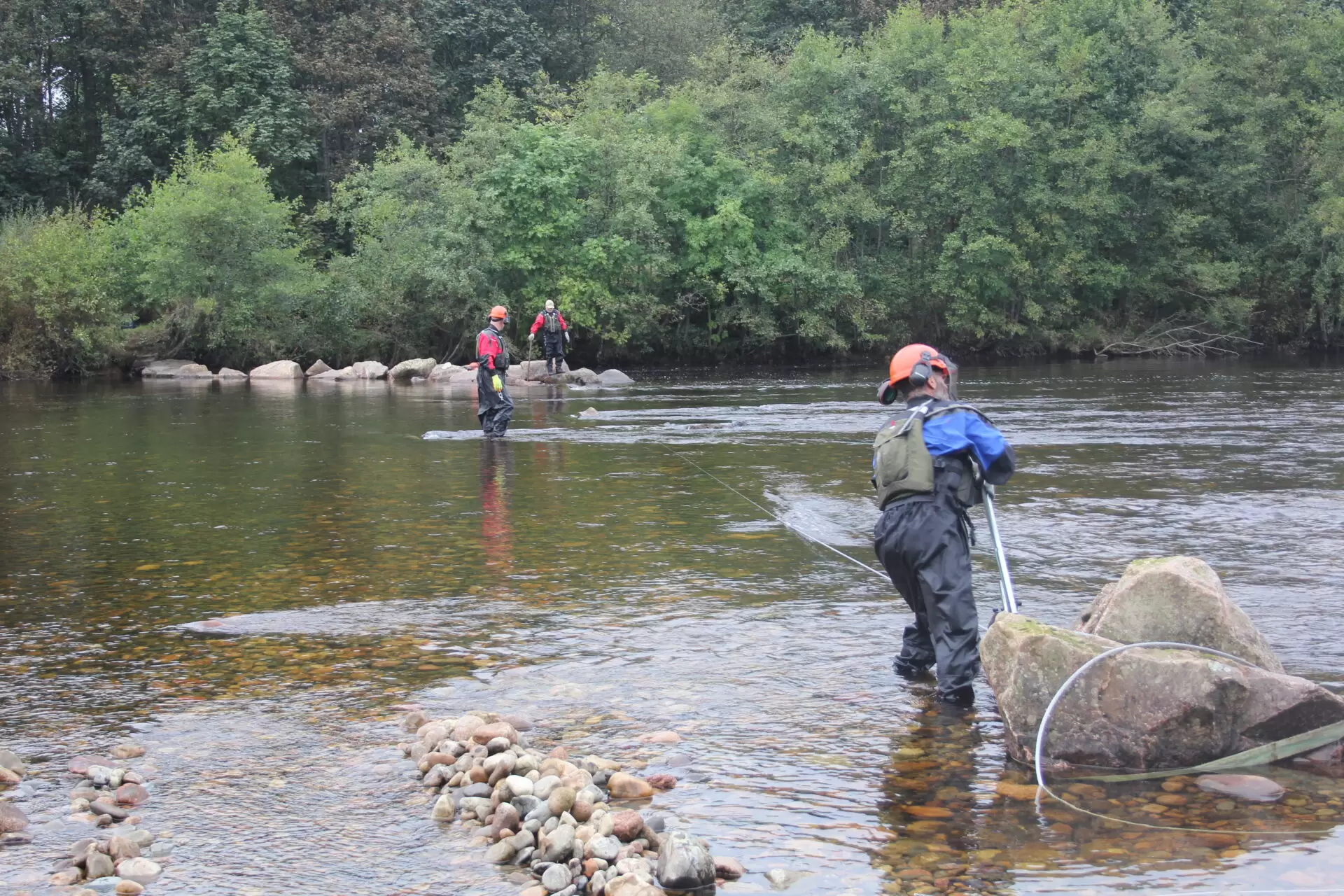
Removing in-stream flow deflectors
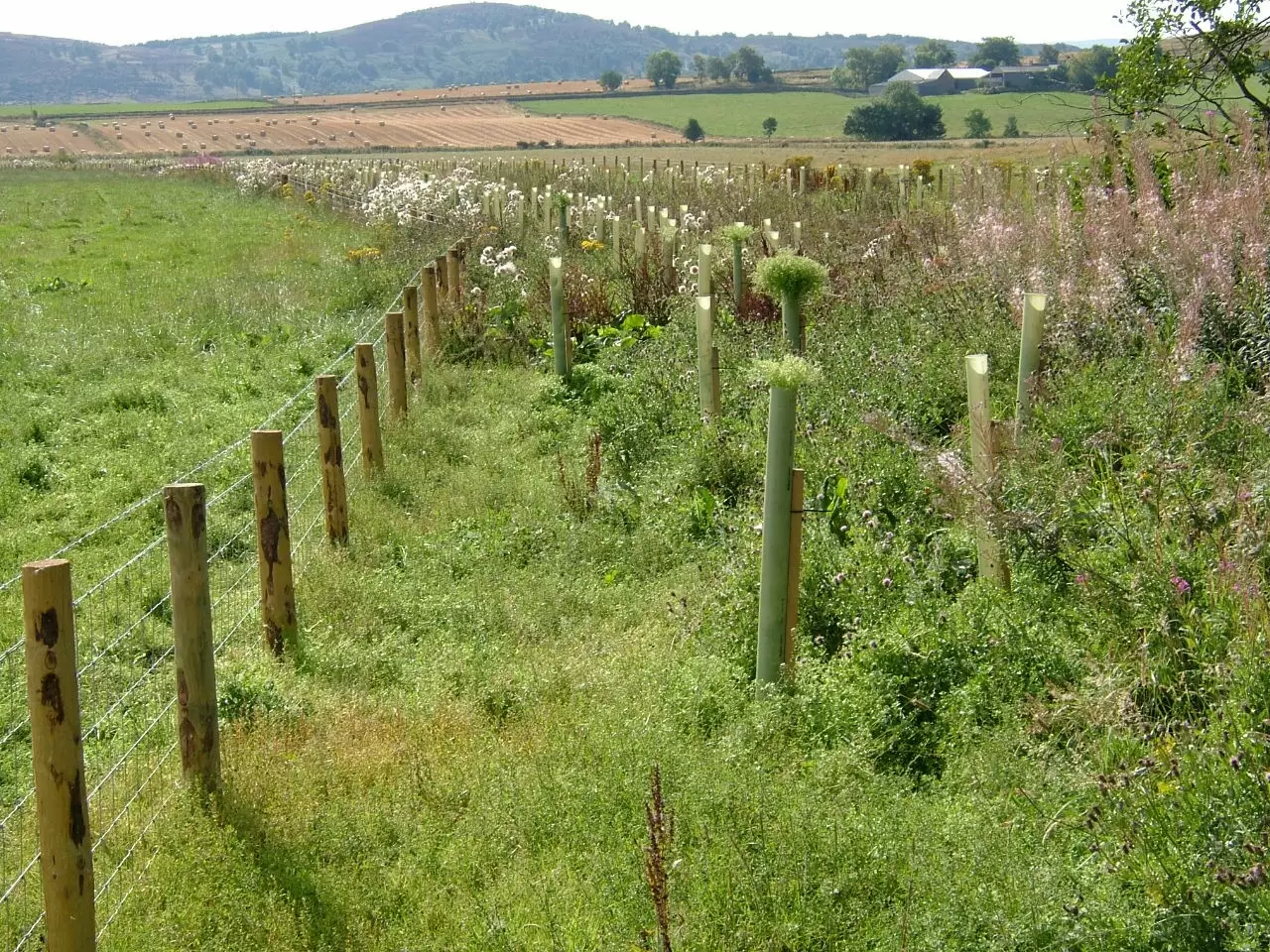
Informing EU policy on rural land use
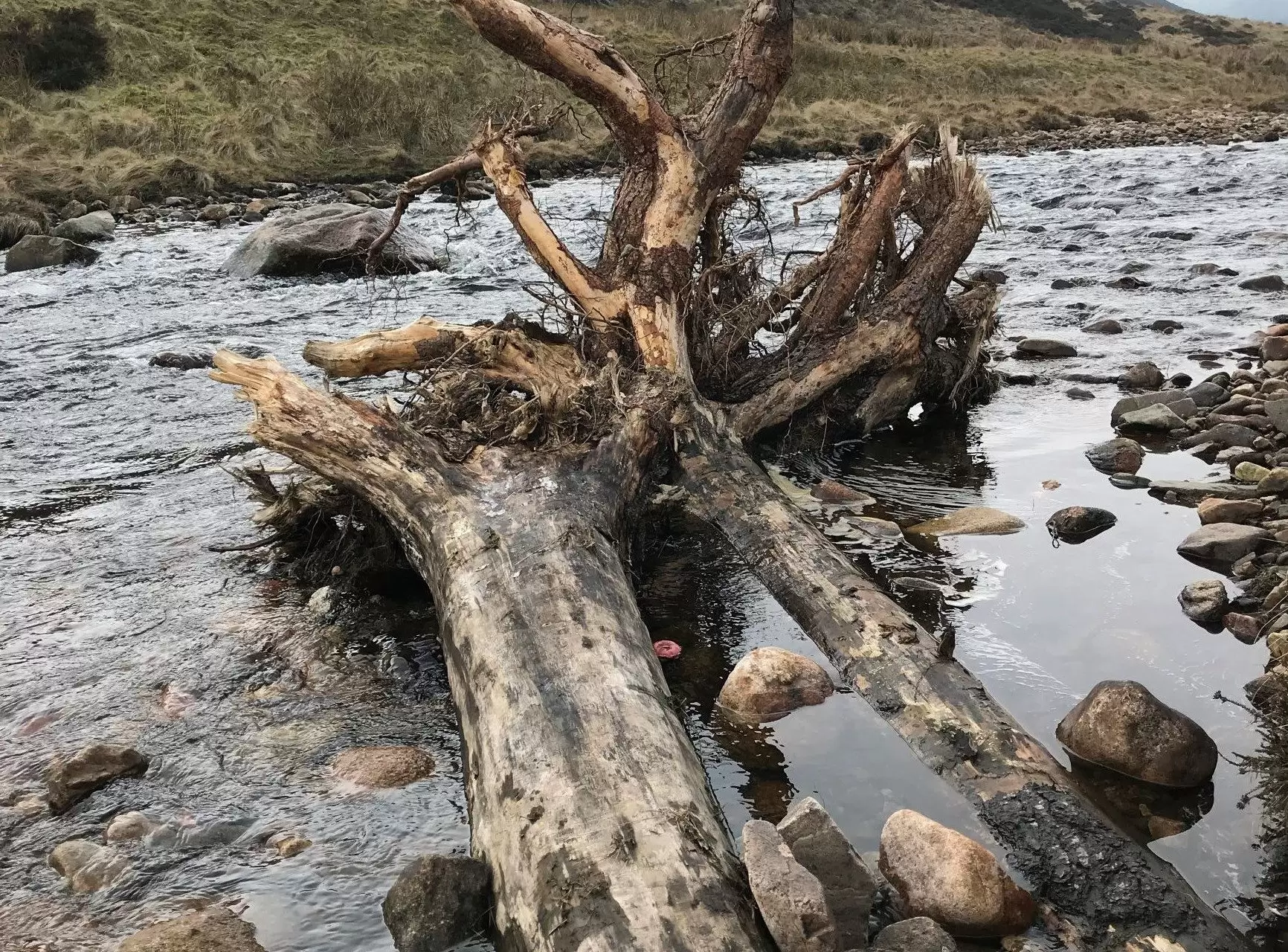
Using wood to improve habitats

Establishing unfenced woodland
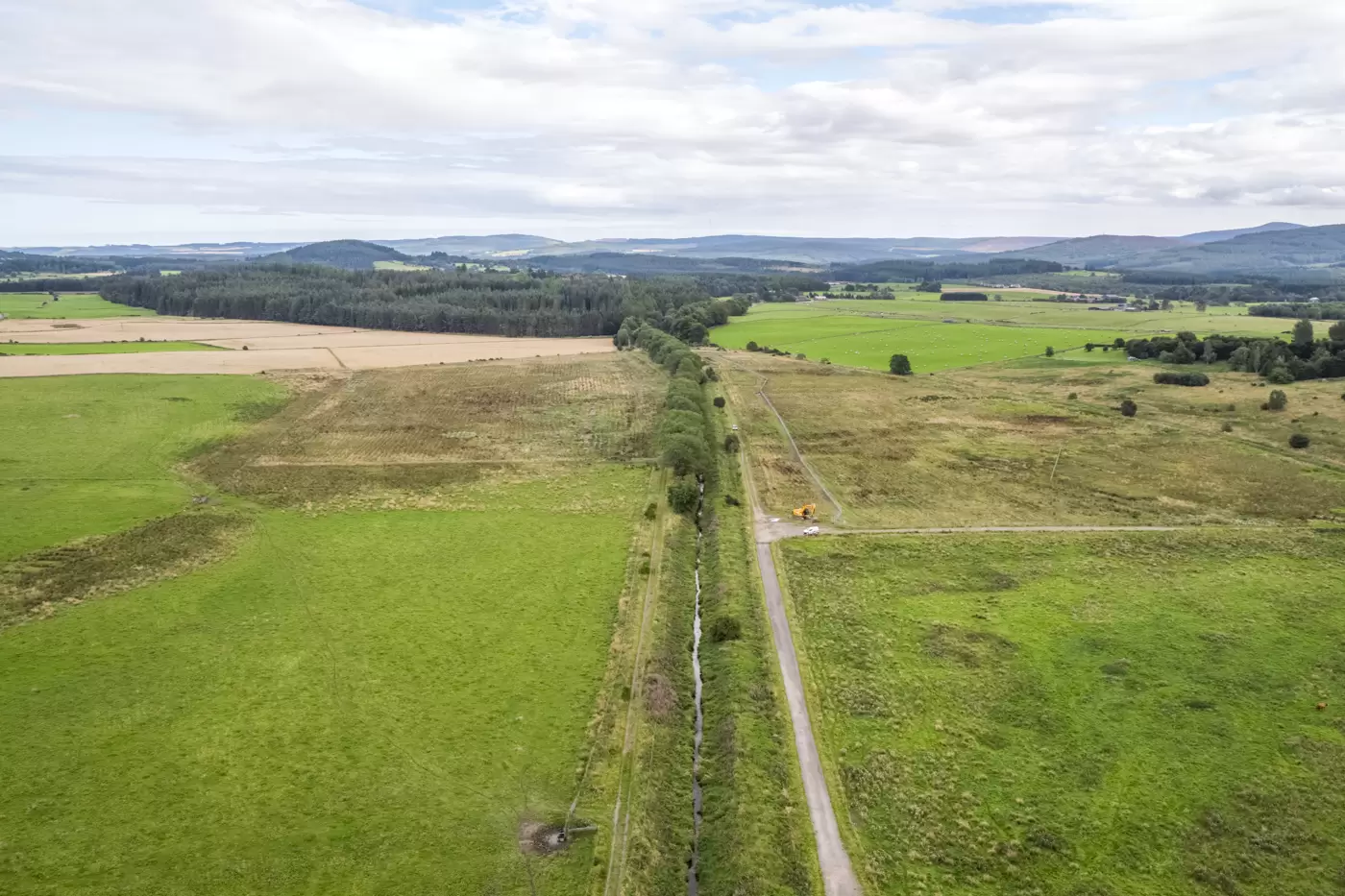
This large-scale river valley restoration is returning a straightened agricultural stream to a natural meaning course, running through extensive wetlands and fully reconnected to its floodplain.
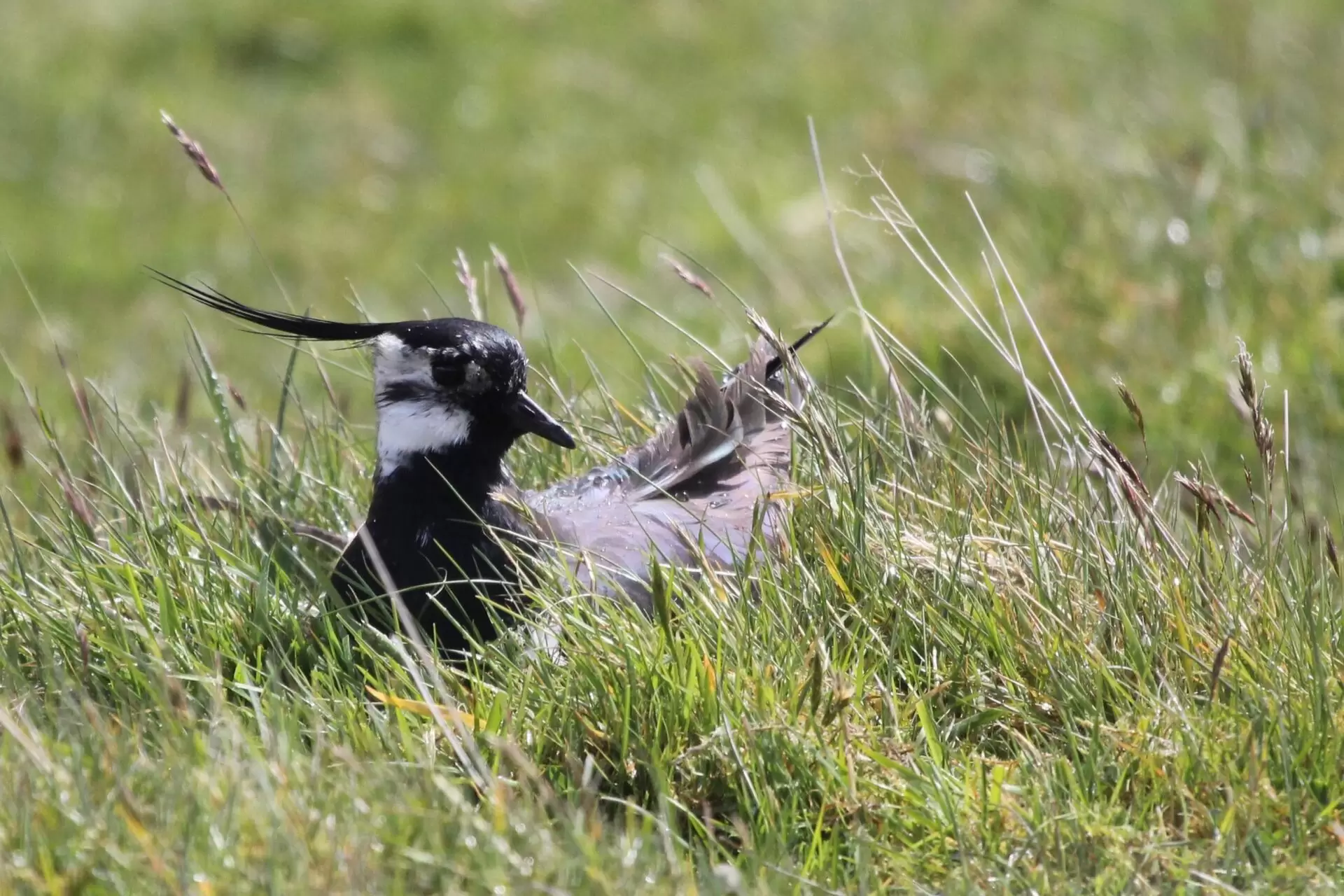
Restoring farmland wetlands for wildlife, environment and people
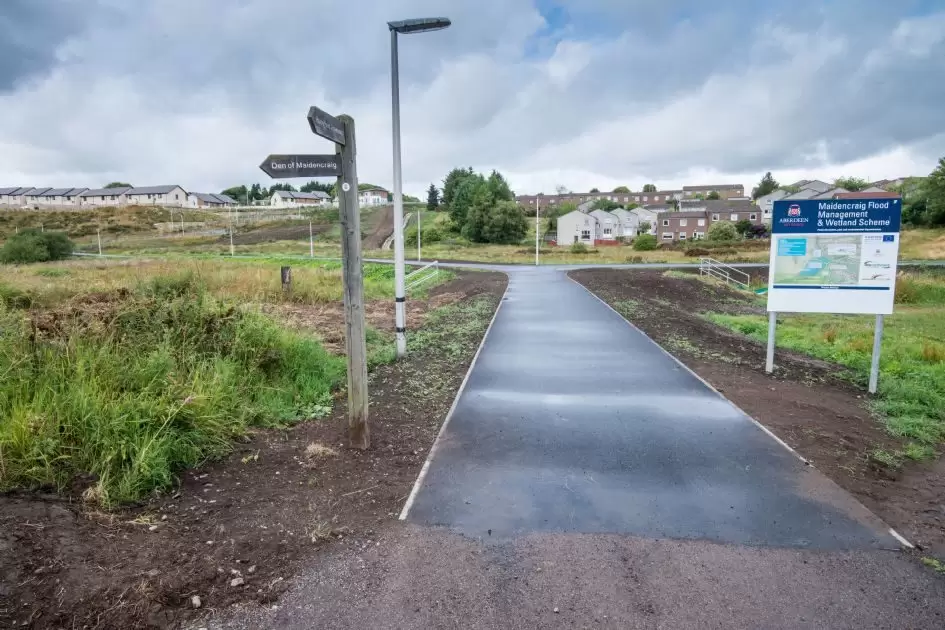
Designing SuDS into a new housing scheme
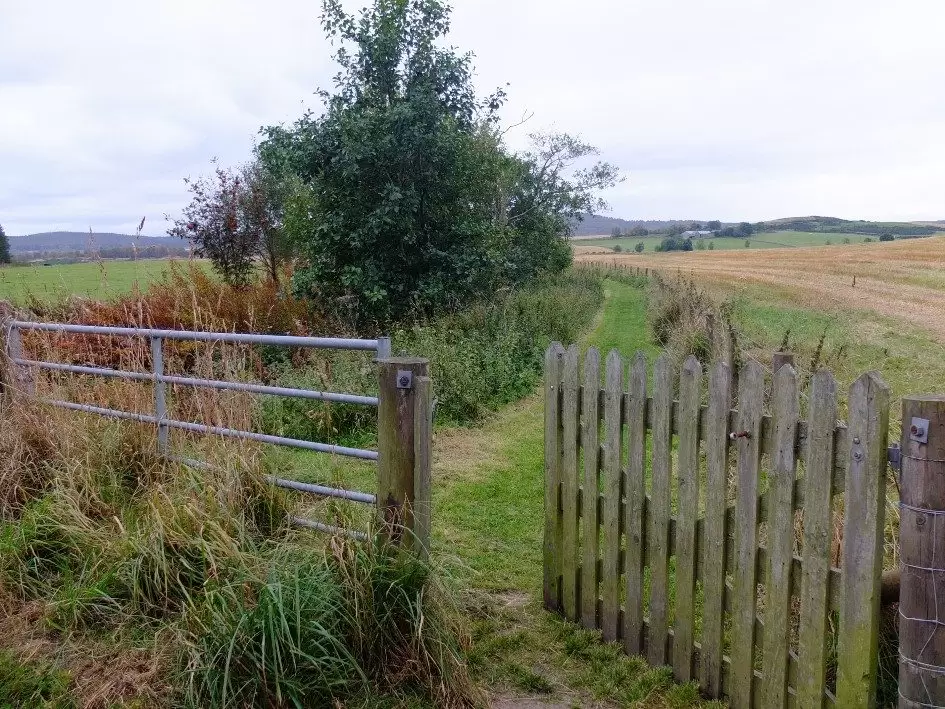
Trialling different water protection measures under different climate change scenarios in the Dee catchment
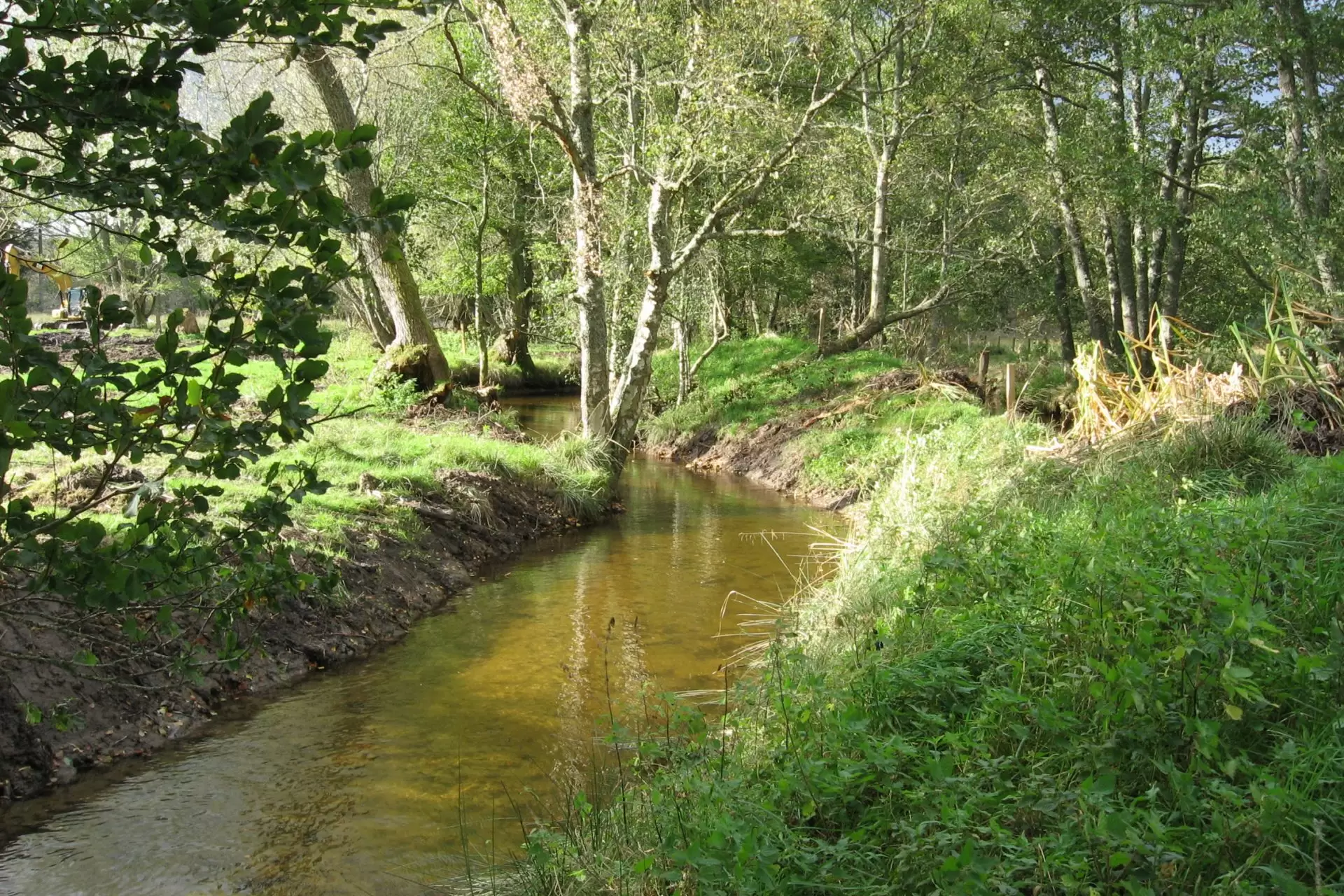
Returning a burn in the catchment to its former meandering glory
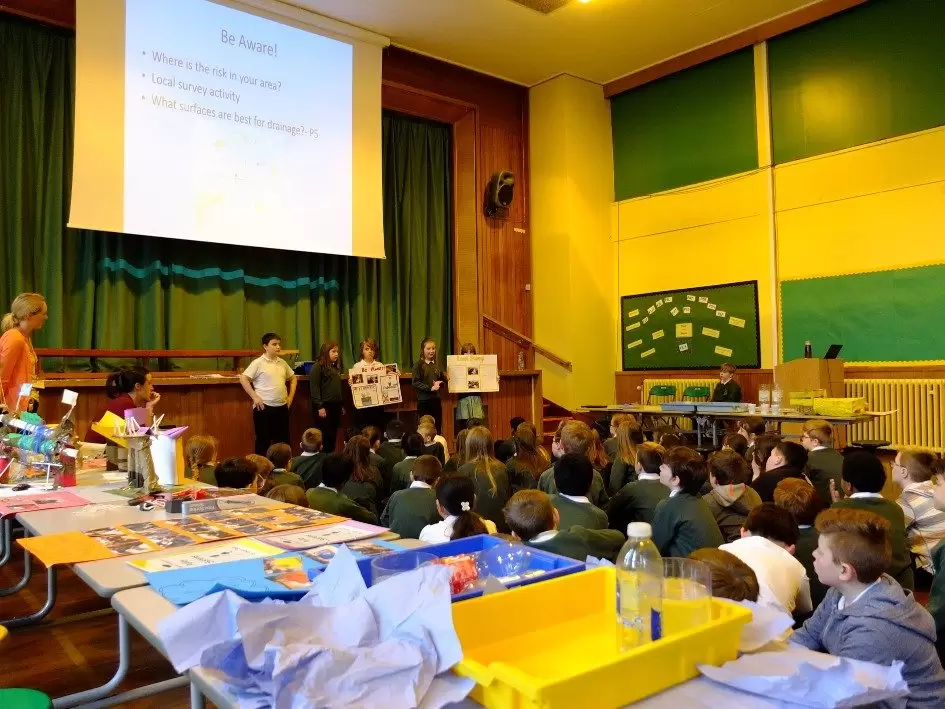
Tackling flooding issues with SuDS at a local primary school in the catchment
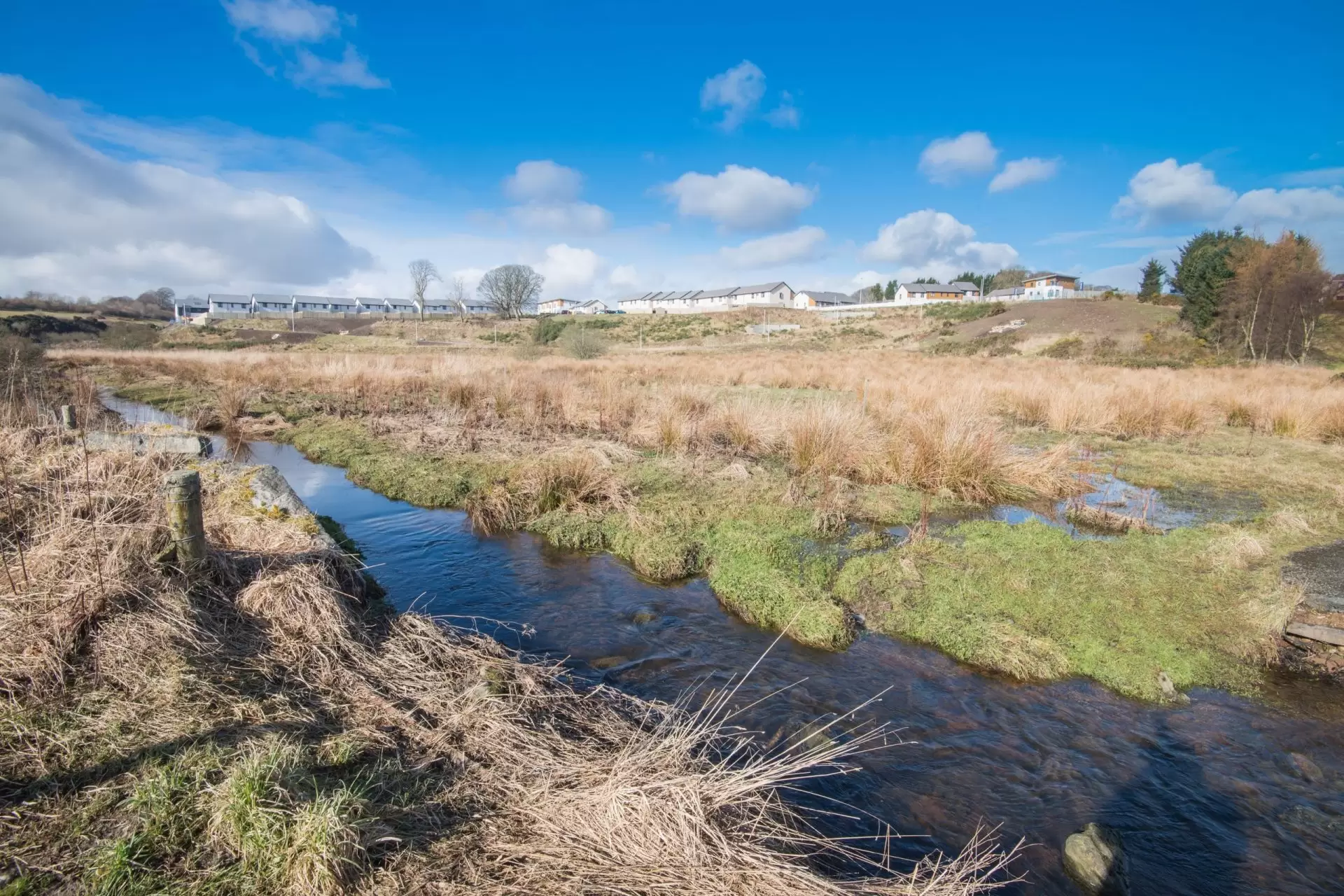
Enhancing a local nature reserve with the addition of BGI
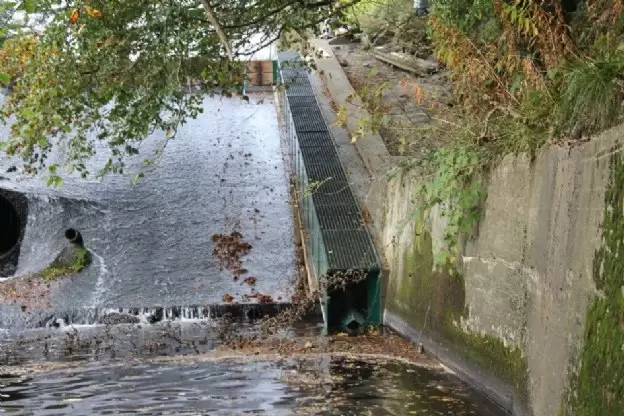
Opening up the Dee for salmon and trout with the Culter Dam Fish Pass
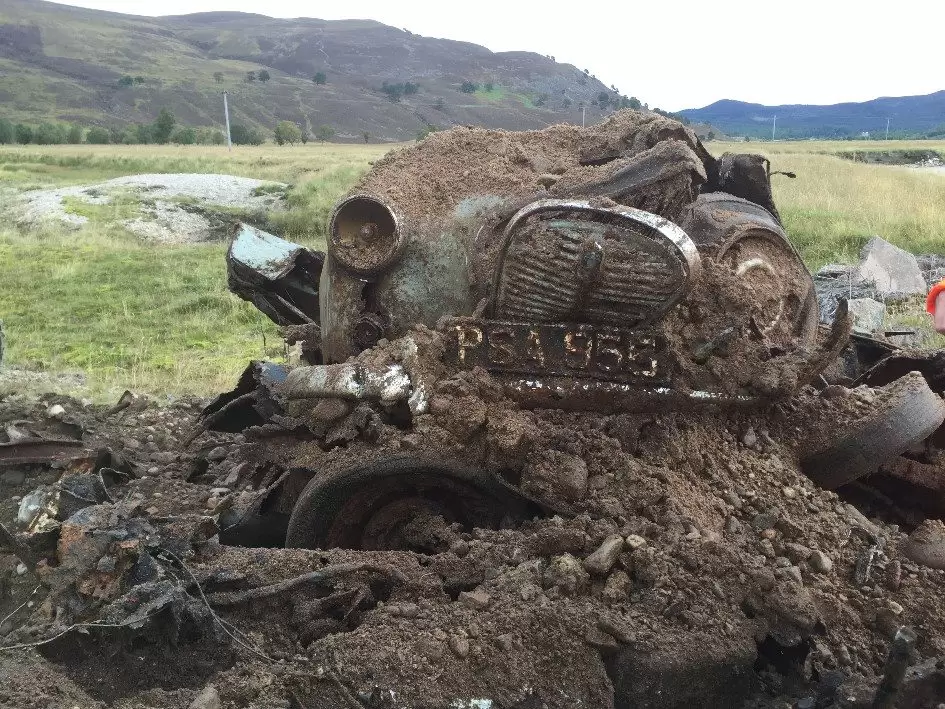
Removing a 31-year old eyesore and pollutant from the River Dee’s banks
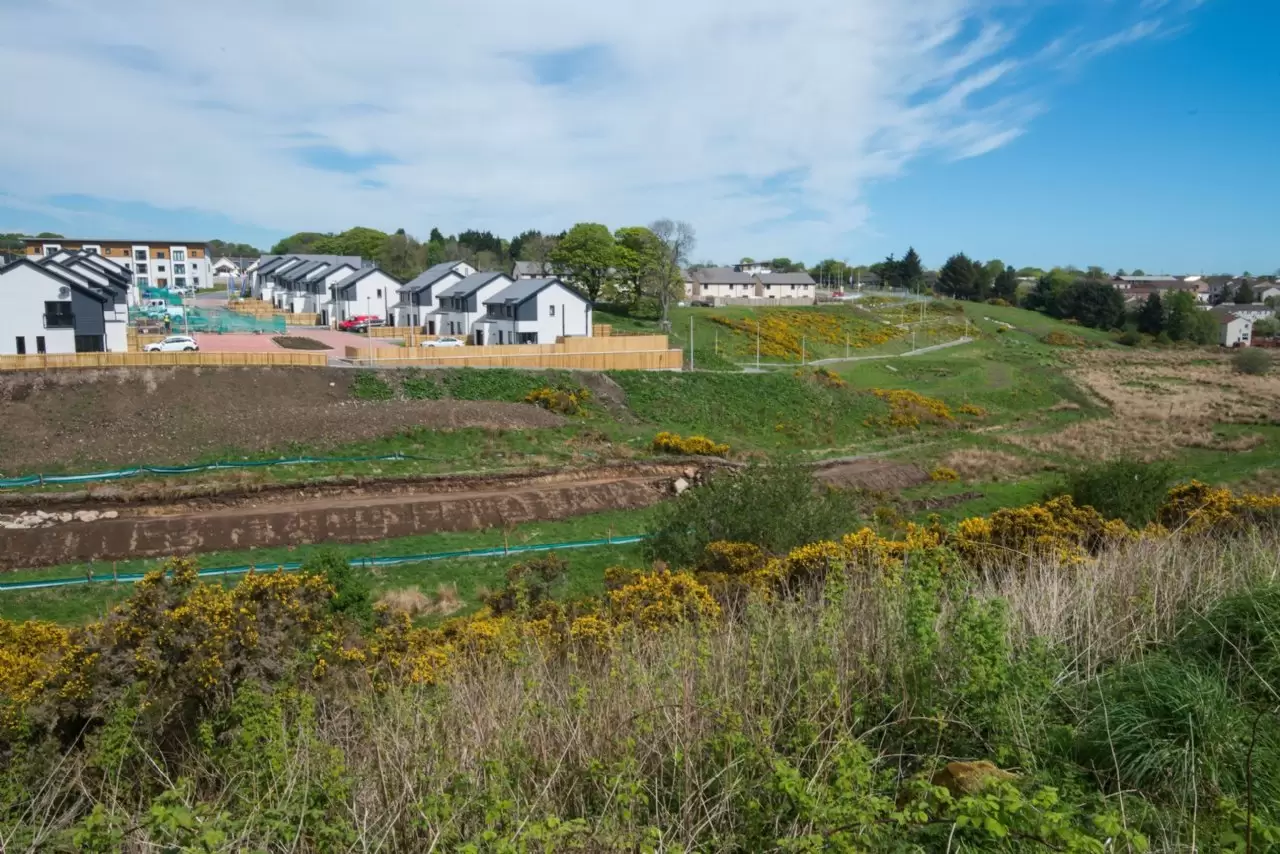
A new network of blue-green infrastructure sites for Aberdeen
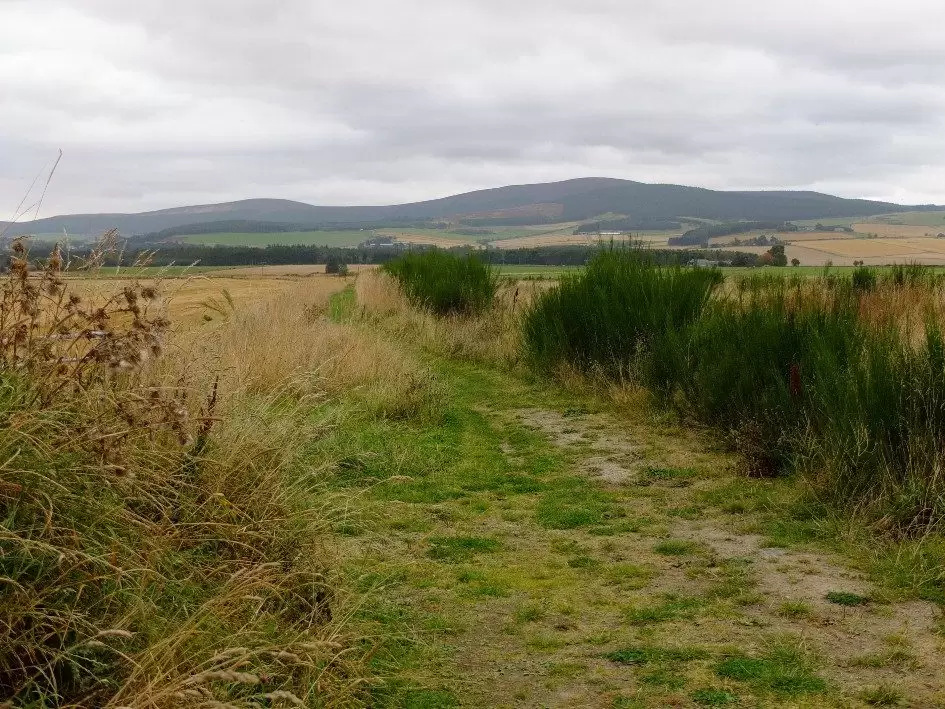
Farmers as water managers
Improving water quality, flood protection and biodiversity in three sub-catchments
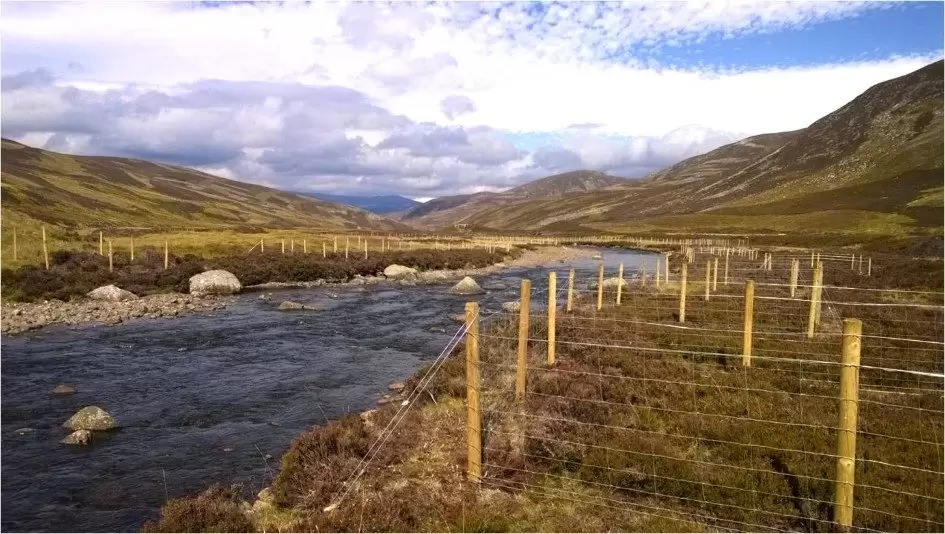
How we are returning trees to the riverbank
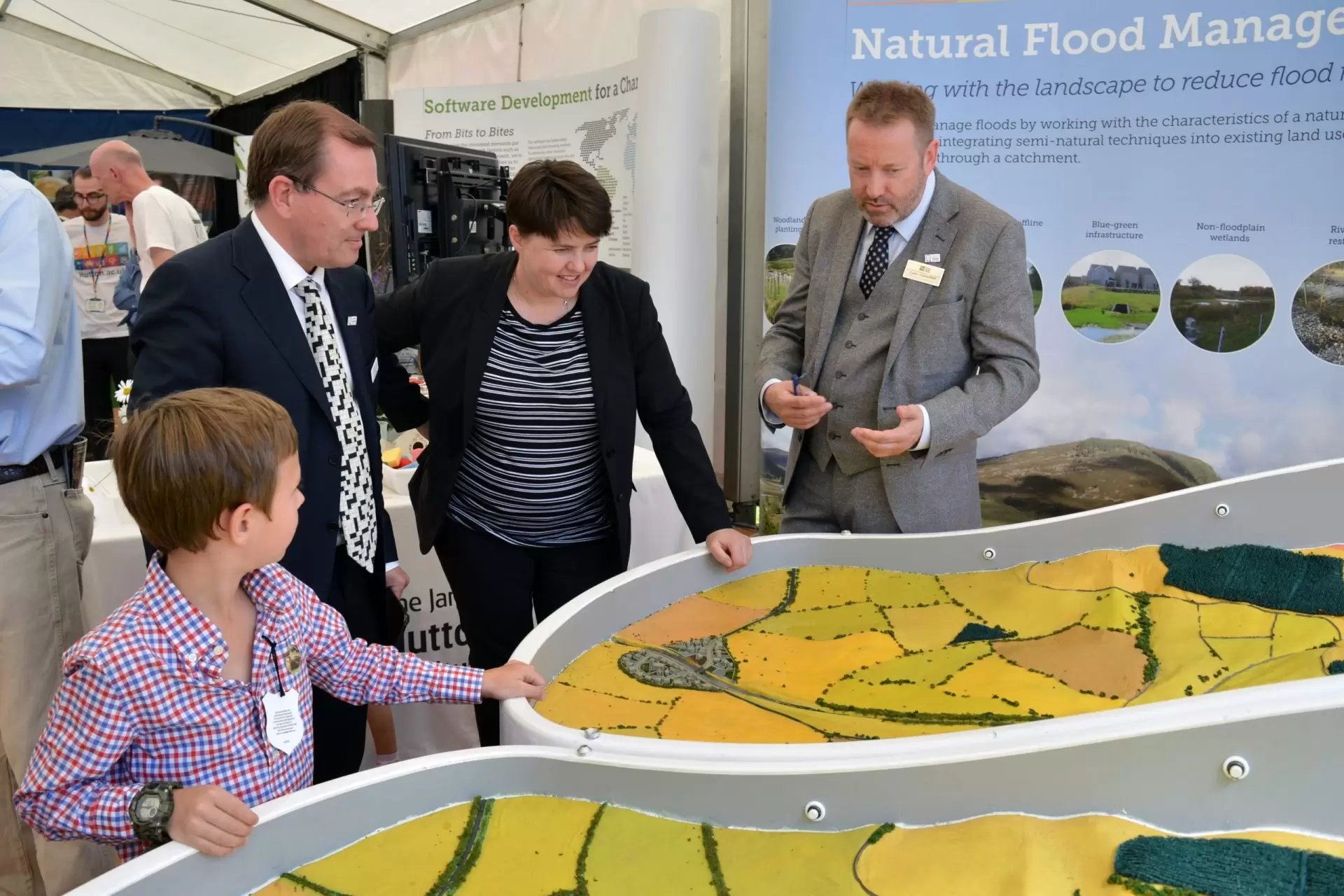
Models that show how river systems store water
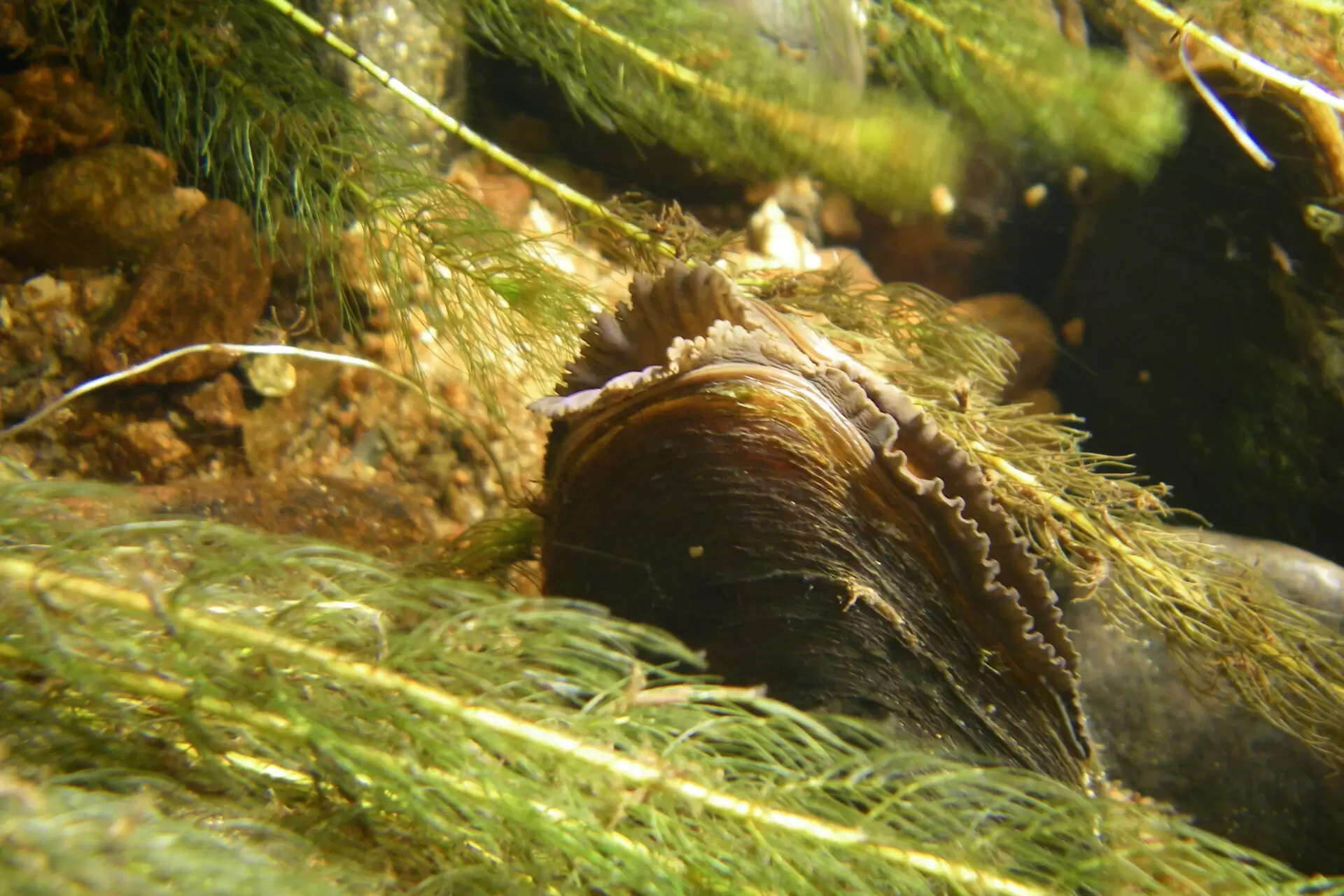
A nationwide project to safeguard important freshwater pearl mussel populations