

 Ambitious recovery programme launched as unprecedented decline in pearl mussel highlights fragile River Dee
 DeeWatch December
Water Quality| Water Resources | Development & Engineering | Habitats | Species | Access & Recreation | Sub Catchments
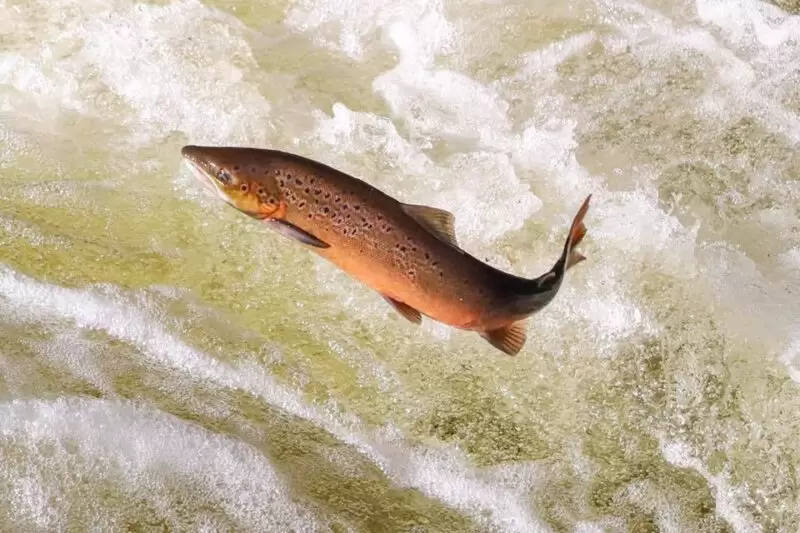
On the last day of the project salmon spawned in the newly restored channel, the first spawning in that area since monitoring began
Easter Beltie restoration, 2020
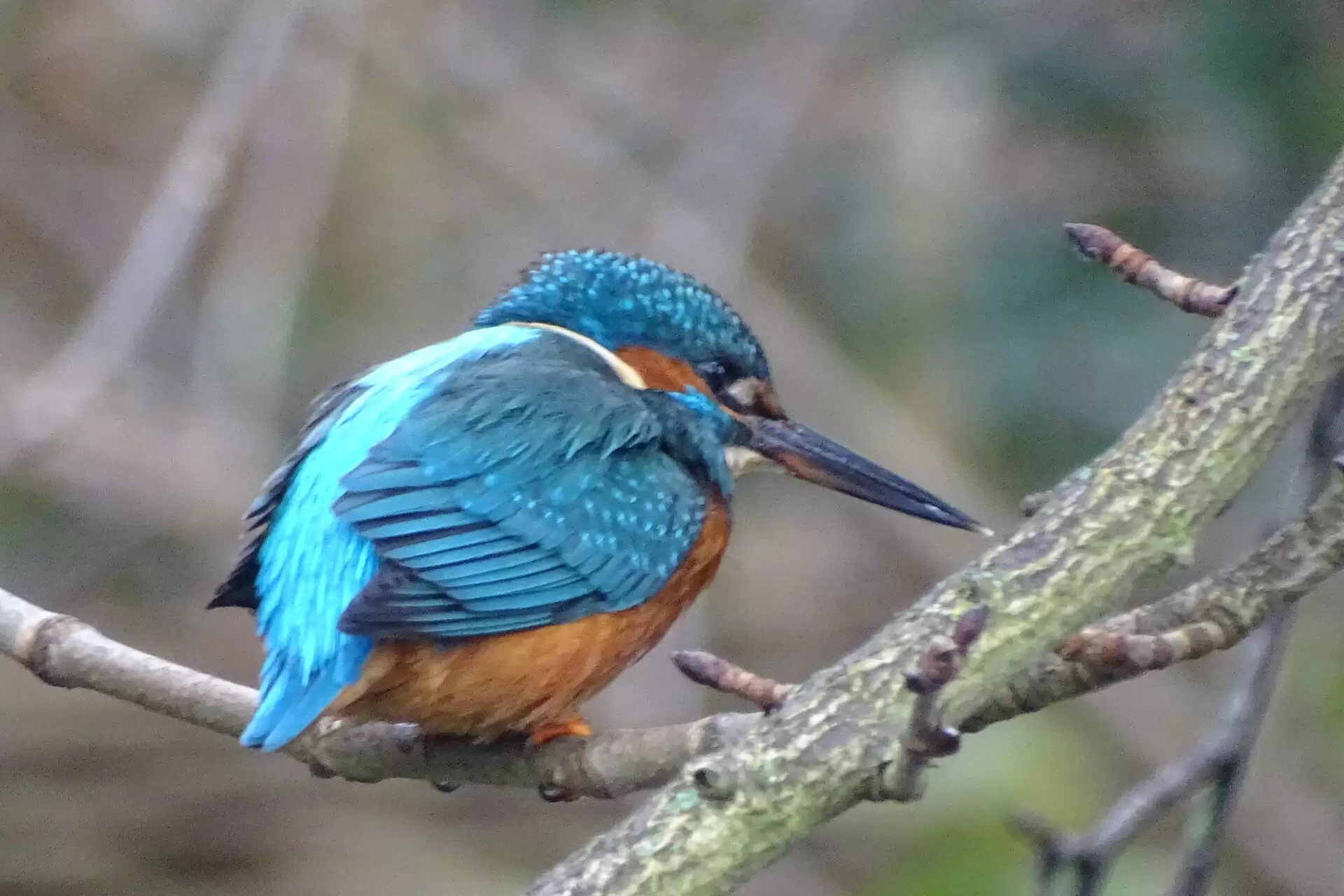
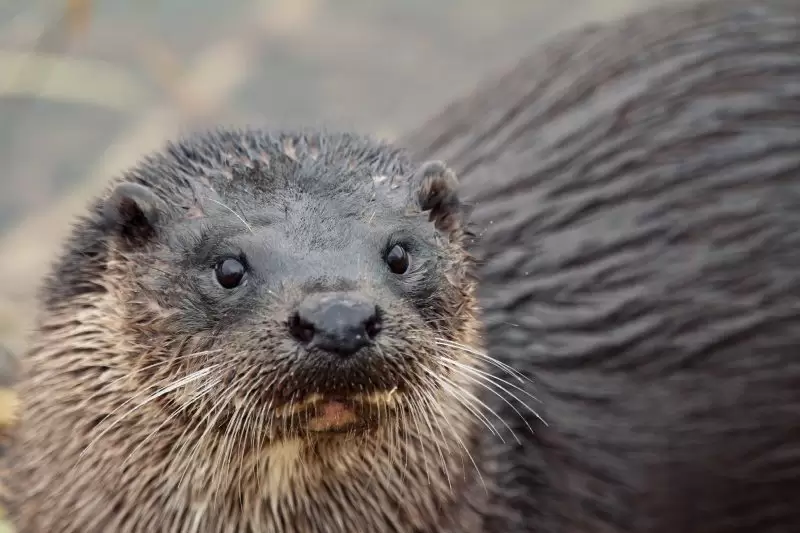
Nature is thriving in the Dee catchment. Home to many species of international importance, the river system is designated as a Special Area of Conservation due to important Atlantic salmon, freshwater pearl mussel and otter populations. As well as these much-loved and highly-protected species there is an enormous variety in Deeside’s natural world, much of which has great economic importance, attracting visitors from all over the world.
All of our work benefits the catchment’s wildlife. From catchment-scale initiatives like expanding riparian woodland, to targeted campaigns on septic tank management, nature recovery is a central part of our work. When it comes to fish populations two bodies are tasked with their conservation, and the results of this work benefits the whole river system. Some projects have targeted individual species, usually through habitat restoration eg Pearls in Peril. Clearly there is considerable overlap with the Habitats section so below we have highlighted projects that focus on particular elements of a species.
Our achievements
Projects on the ground
- The £3.4m EU LIFE Pearls in Peril Project was run across the UK and achieved catchment-scale habitat improvements for pearl mussels and Atlantic salmon in Deeside, including over 100km of riparian woodland, floodplain connection at the car bank at Mar Lodge, and removed croys at 16 sites.
- Surveys identified XXX barriers to migrating fish. XX have been removed or eased some.
- Lot of work to do – straighten, reinforced.
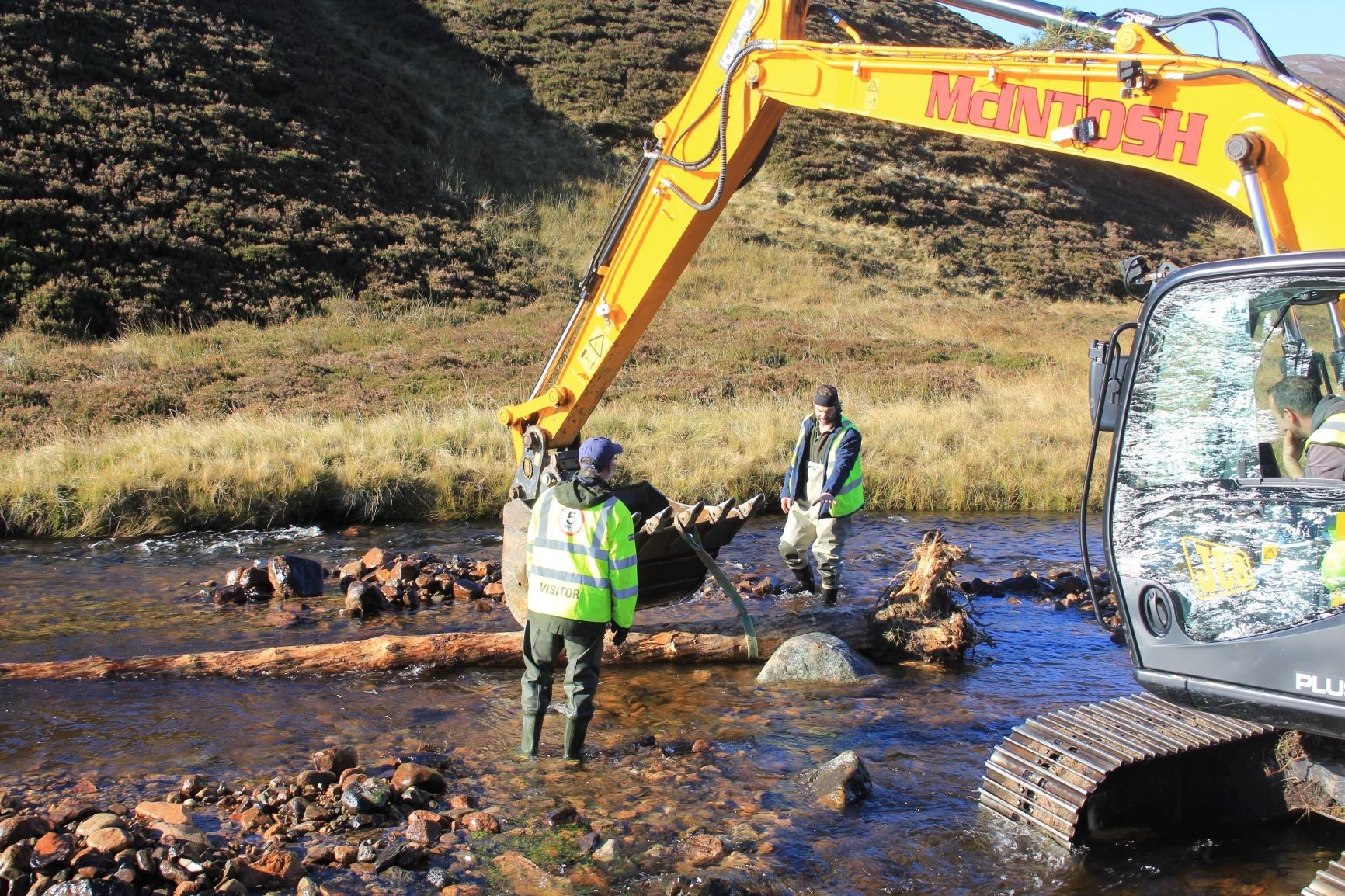
- The Easter Beltie restoration project has created 2km of new channel, 3 large wetlands and 6 islands. As well as creating habitat for fish, wader birds and a host of other wildlife the site will improve water quality downstream by catching silt.
- Dee District Salmon Fishery Board is running an acoustic tagging project to investigate smolt survival.
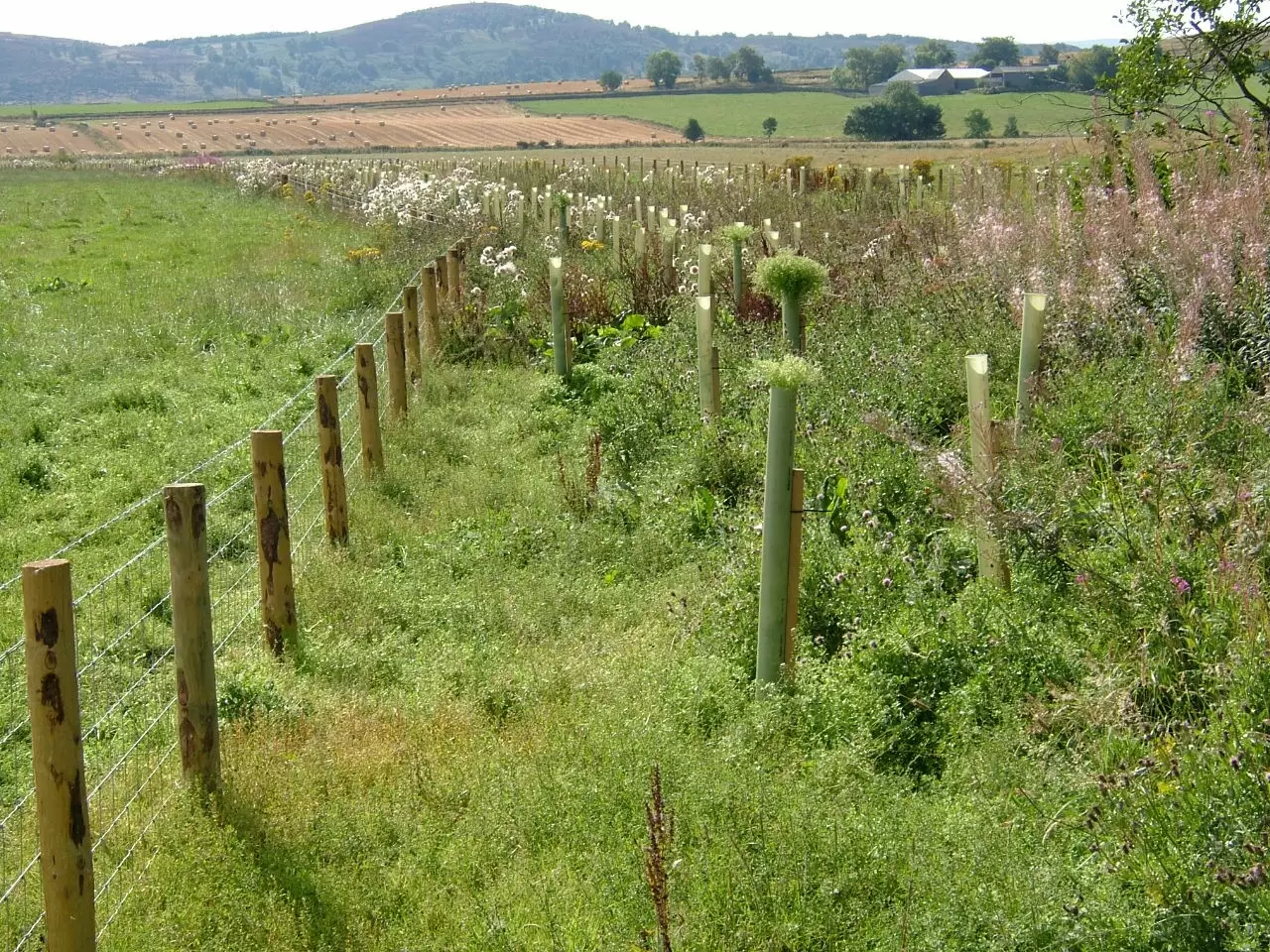
- Land management improvements include 55 km of buffer strips, 31 SRDP agri-environment schemes, over 100 km of riparian planting, and river restoration projects at Garbh Allt, Easter Beltie and Sluggain.
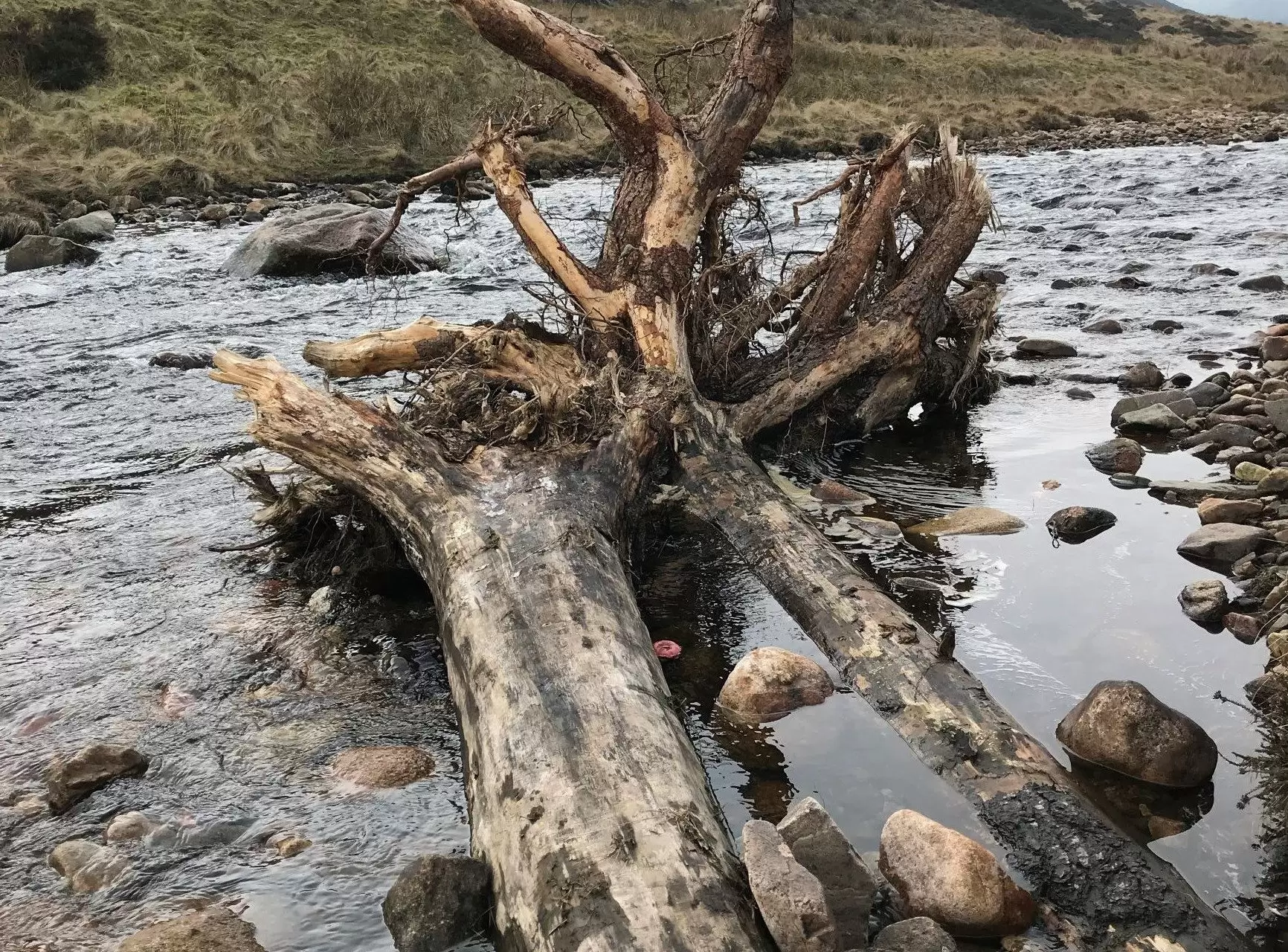
- Instream habitat improvements include large wood structures installed along Gelder and Gairn, dam removal.
- Removal of engineered structures including 16 cross and 19 barriers to fish passage.
- Translocation of Freshwater Pearl Mussel project undertaken in ?? When and where??
- The Upper Dee Riparian Scheme continued the Pearls in Peril work, supporting a further xxx trees
- The £140k LEADER-funded North-East Non-Native Invasive Species project is training volunteers in safe pesticide use, and vast areas of Aberdeenshire are being treated for invasive plants like Giant Hogweed, Himalayan Balsam, Japanese Knotweed and Pirri-Pirri Burr.
- The NE water vole conservation project and now the Scottish Mink Initiative. Monitoring rafts are in place in the catchment with control measures carried out when mink are detected. The Scottish Mink Initiative was a community based Initiative aiming to protect native wildlife including water vole by removing breeding American mink from north Scotland and the Highlands. It was a RAFTS led project with support from DDSFB and RDT for volunteer trapping groups.
Research and monitoring
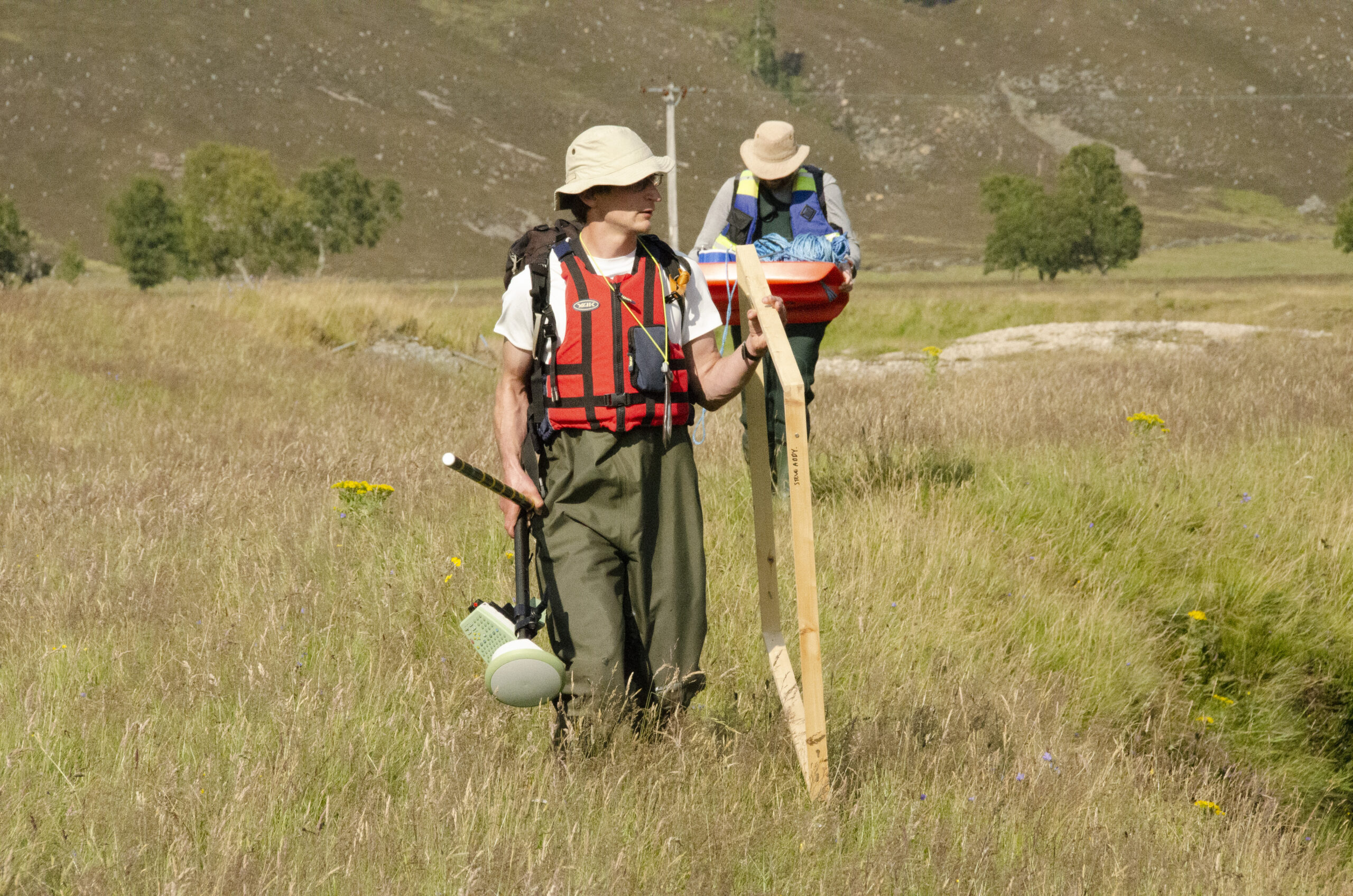
- A study on the effects of abstraction, especially at low flows, highlighted potential impacts on salmon and pearl mussels. The licence was reviewed DETAILS NEEDED
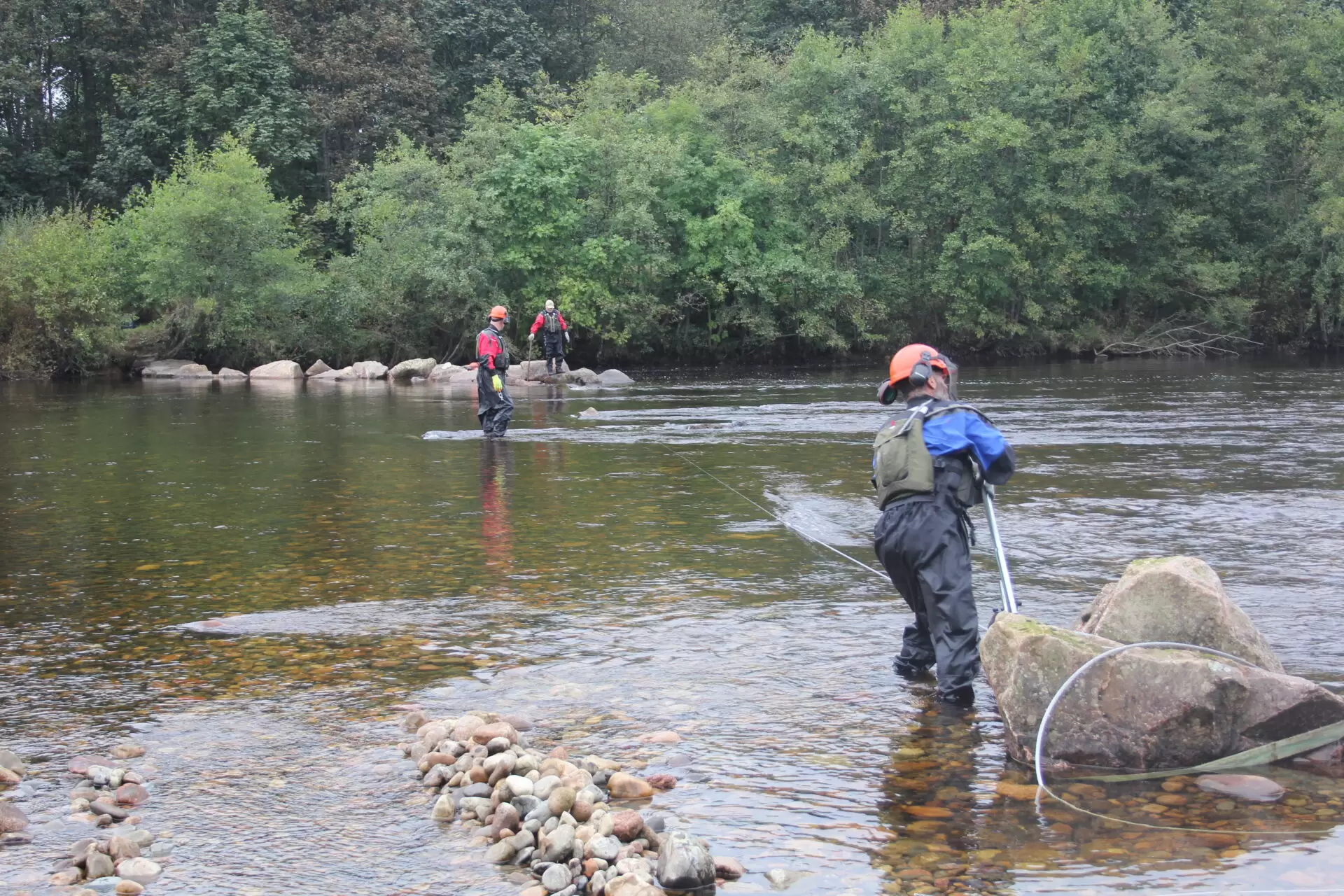
- Fish stocks are monitored using electrofishing surveys and smolt traps, with results reported annually by DDSFB. Fish species are also monitored as part of River Basin Management Planning work by SEPA. Fish samples are collected for disease testing by Marine Scotland Science.
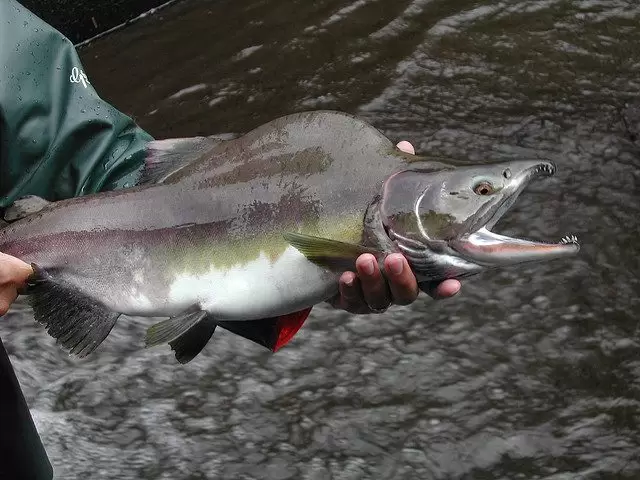
- The presence or absence of fish species is monitored annually by the River Dee Trust. Naturalised species such as perch cannot be removed but there is a Rapid Response Management plan for pink salmon, following its arrival in 2018. No other new non-natives have been found.
- The presence and distribution of non native invasive plants in the catchment has been mapped and is updated annually.
- Fish-eating bird populations are monitored six times per year; seals are also monitored and reported on.
- Otter surveys show presence throughout Dee catchment, with extensive areas of suitable habitat for feeding, resting and breeding, including watercourses with a high fish biomass, and islands and marshy areas for resting.
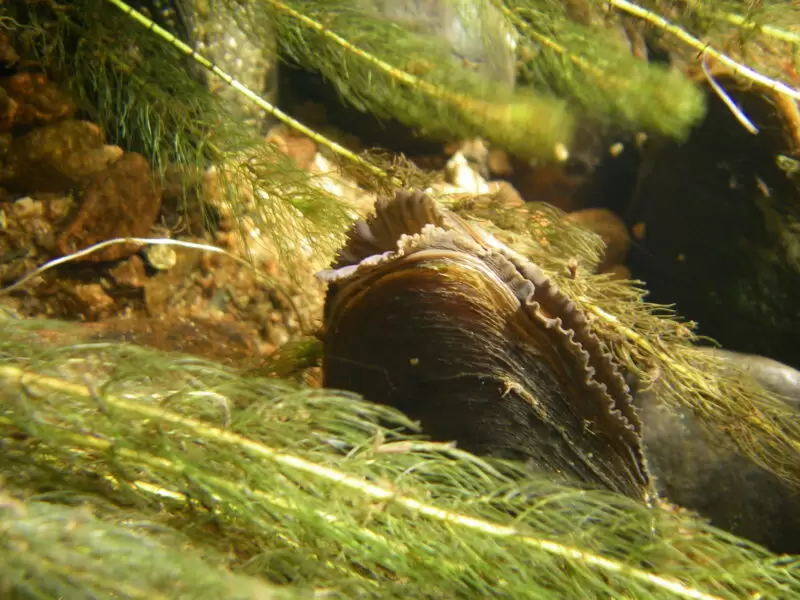
- Previously recorded from a location approximately 30 km from river source, to approximately 6-7 km upstream from its mouth, pearl mussel populations were surveyed at key locations after Storm Frank, revealing a greatly-depleted population and widespread habitat loss. Once one of the most important in the UK, with juveniles making up approximately 30% of the recorded population, there are strong concerns for the viability of the remaining population.
Raising awareness
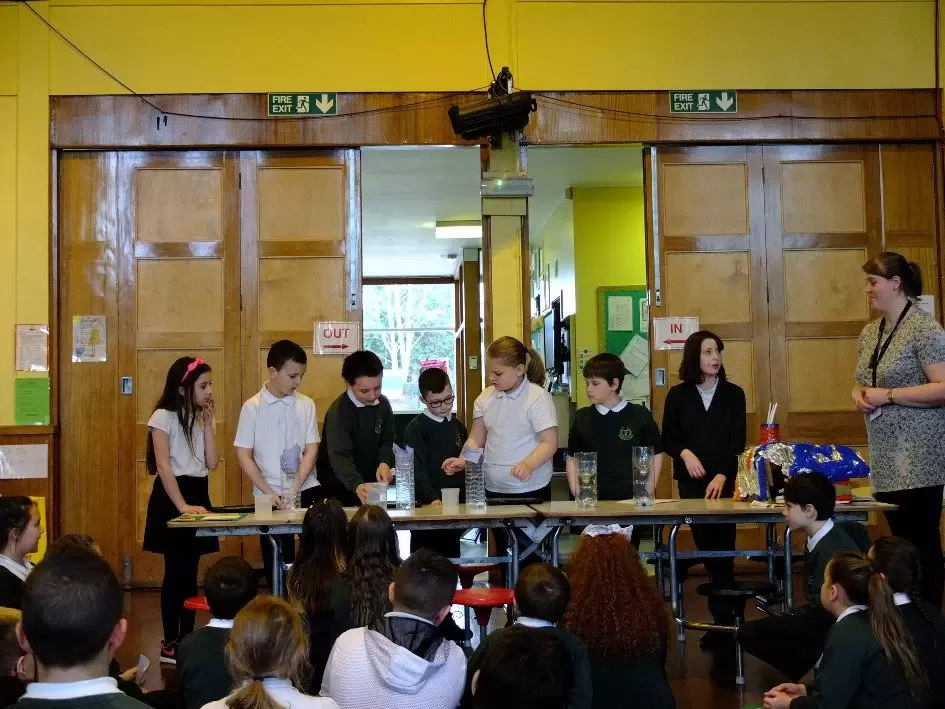
- School visits have been run by Pearls in the Classroom Project and Salmon in the Classroom.
- DeeSong, an environmental songwriting project, worked with 12 Deeside primary schools to celebrate Deeside’s natural world.
- We have held three annual Invasive Non Native Species Forum – a seminar day for sharing experience in the north east.
- The Cairngorms Non-Native fish leaflet was produced in 2006 to raise awareness of biosecurity.
- The NENNIS project produced INNS leaflets and posters that went on display in Deeside libraries. The NENNIS website has a wealth of information on identifying and controlling non native plants.
- A new leaflet to help gardeners avoid introducing or spreading invasive plants, especially adjacent to watercourses and other sensitive areas, and to encourage the responsible disposal of garden waste. These leaflets have been distributed around local garden centres.
- ACC Ranger Service has prepared an Ask a Ranger Video as part of their Ask a Ranger series. The video clip focuses upon the 6 most common INNS plants in the NE and provides some useful advice about these plants.
- The Biodiversity Champions initiative has been running in Aberdeenshire since 2016. At the moment we have 21 Aberdeenshire Councillors volunteering to Champion a range of species, habitats and topics which are considered to be facing particular challenges in the north east.
- Deeside MSP Alexander Burnett MSP is the National Species Champion for the freshwater pearl mussel.
- We produced RiverBank resource boxes for Deeside schools and ranger services and these were later updated and refreshed to align with the curriculum for excellence.
- The biodiversity partnership NESBiP produced a new film celebrating north east nature ‘Wild NE : Scotland’s Natural Gem’.
Planning, funding and regulation
- A biosecurity plan for fish disease has been developed and implemented by DDSFB.
- There are regulatory controls on abstraction, pollution, development disturbance and operations that would have adverse impact e.g. Planning Policy.
- Forest and Land Scotland promotes management of all woodlands for biodiversity. INFO NEEDED
- Aberdeenshire Council promotes the use of buffer strips in development sites to safeguard riparian habitats.

What needs to be done
- In 2016/17, Storm Frank killed thousands of freshwater pearl mussels and destroyed large areas of riverbed habitat. Surveys are urgently needed to establish the status of the remaining population. This would involve mussel and habitat surveys, plus glochidial monitoring using electrofishing.
- Based on the results of pearl mussel surveys, consider reinforcement of pearl mussel populations using fish infection and/or translocations.
- Undertake surveys for Northern February red stonefly nymphs – consider using citizen science.
- Identify potential beaver habitat and areas that could be improved for future colonisation.
- Ensure restoration projects consider suitability and include habitat for encouraging common cranes.
- Establish status of eels and ensure fish passes are suitable for their passage.

Our projects that support Species objectives:
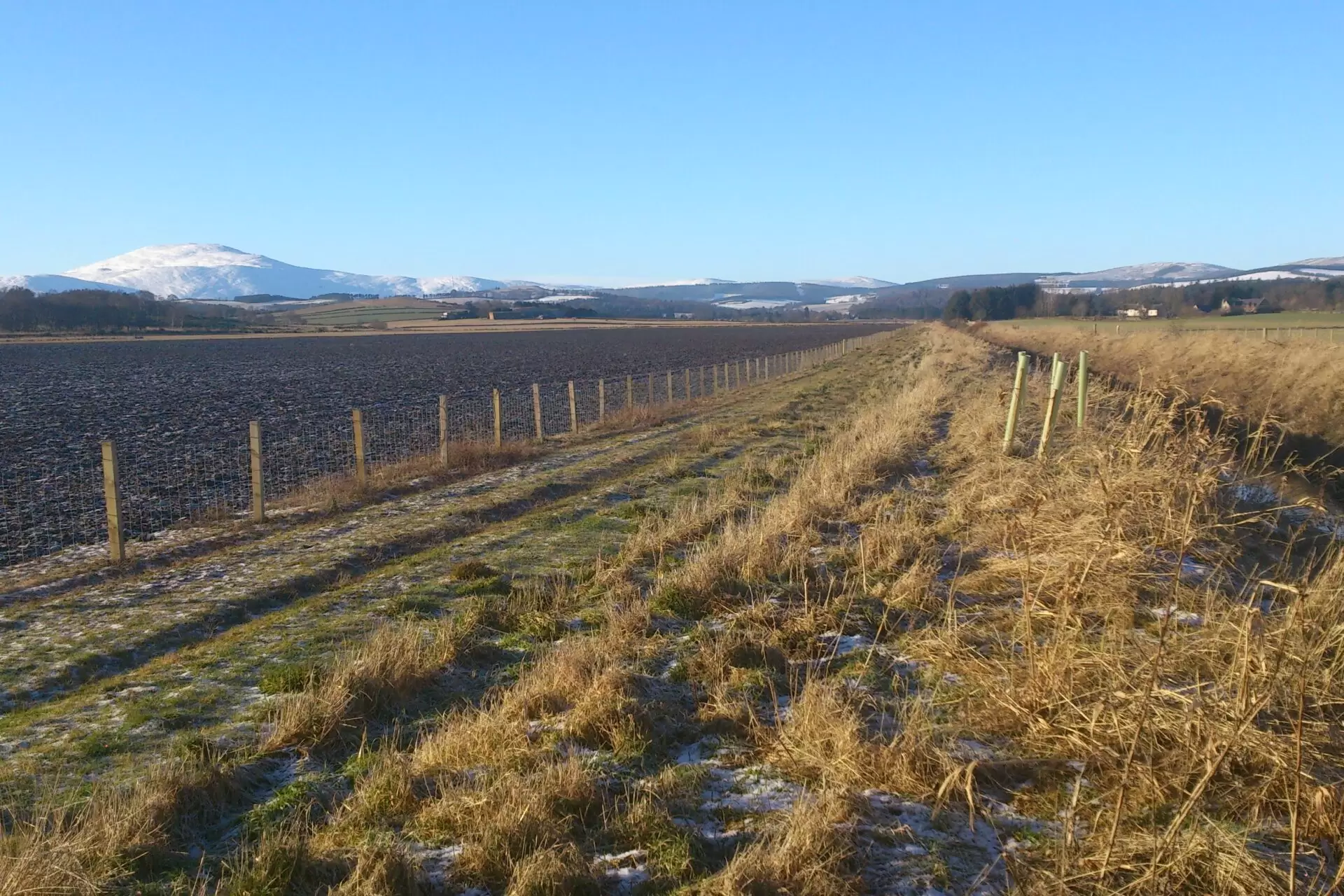
A design for stream and wetland restoration
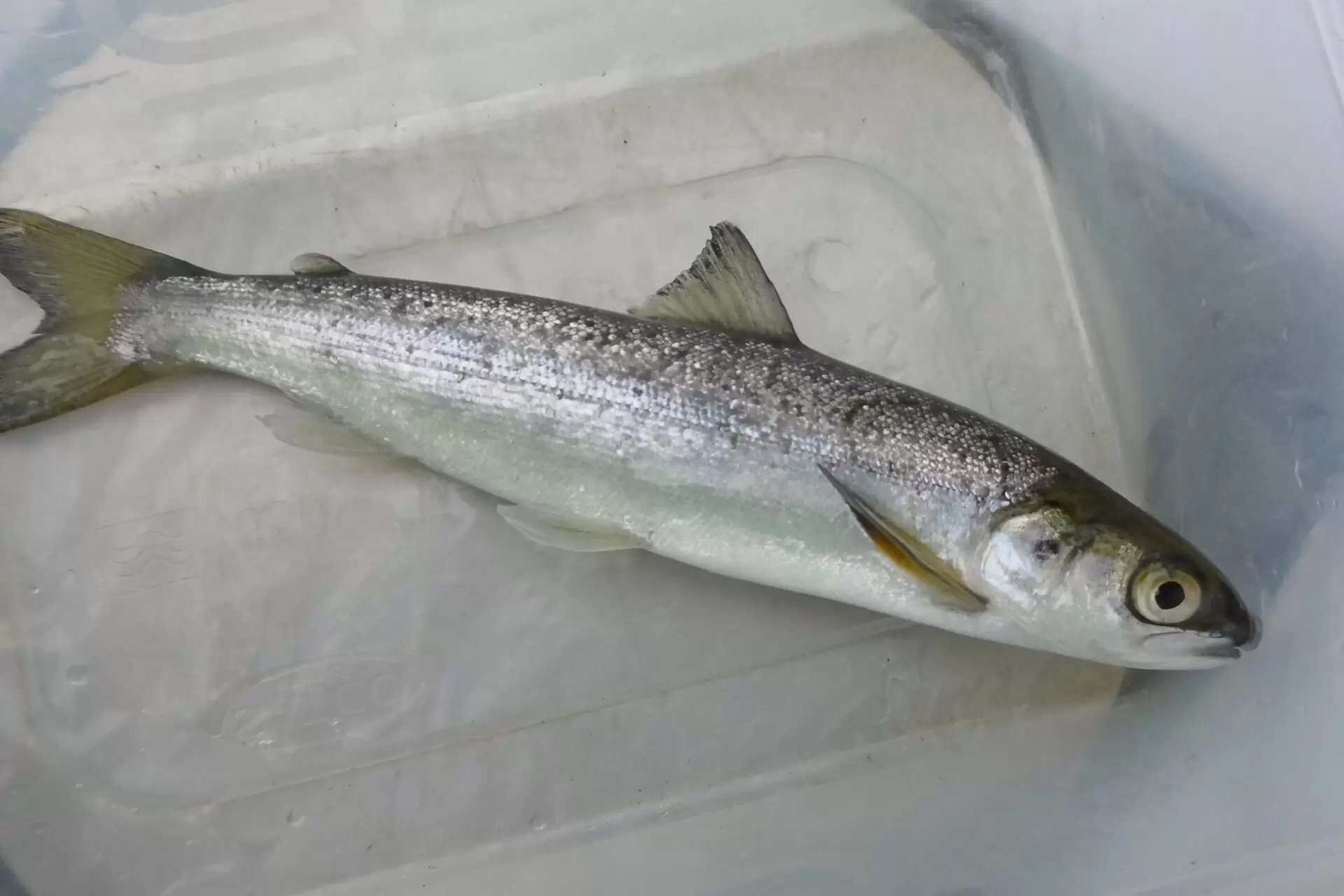
Assessing the success of young salmon heading to sea
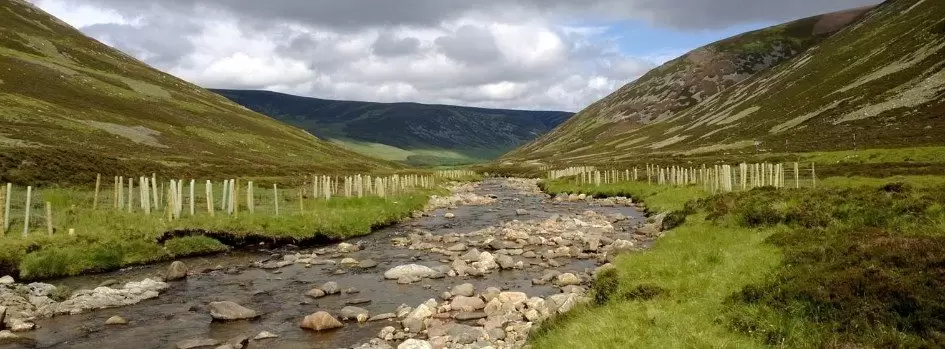
Evaluating the effects of trees on river temperature
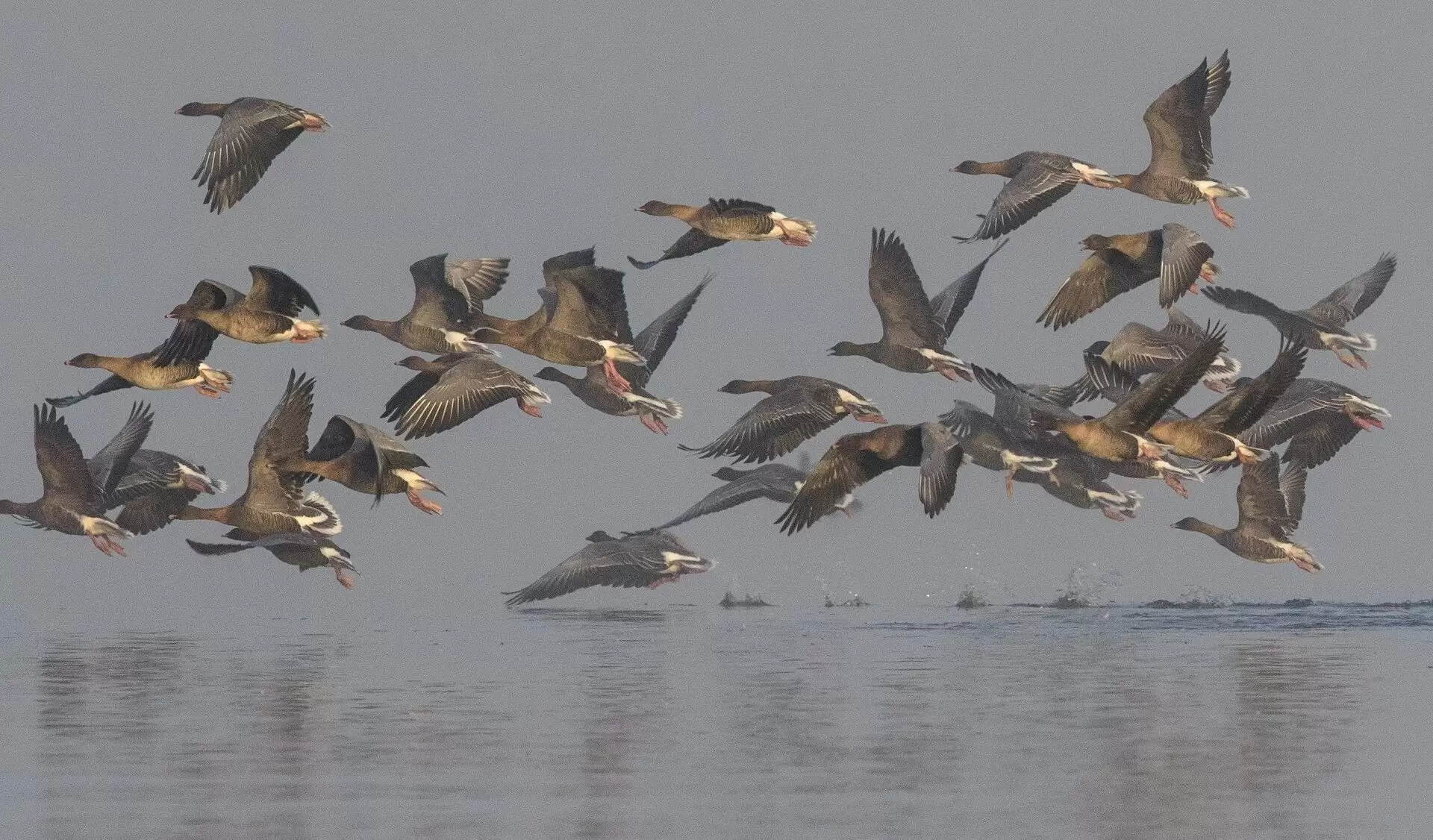
The story of the Beltie Burn restoration
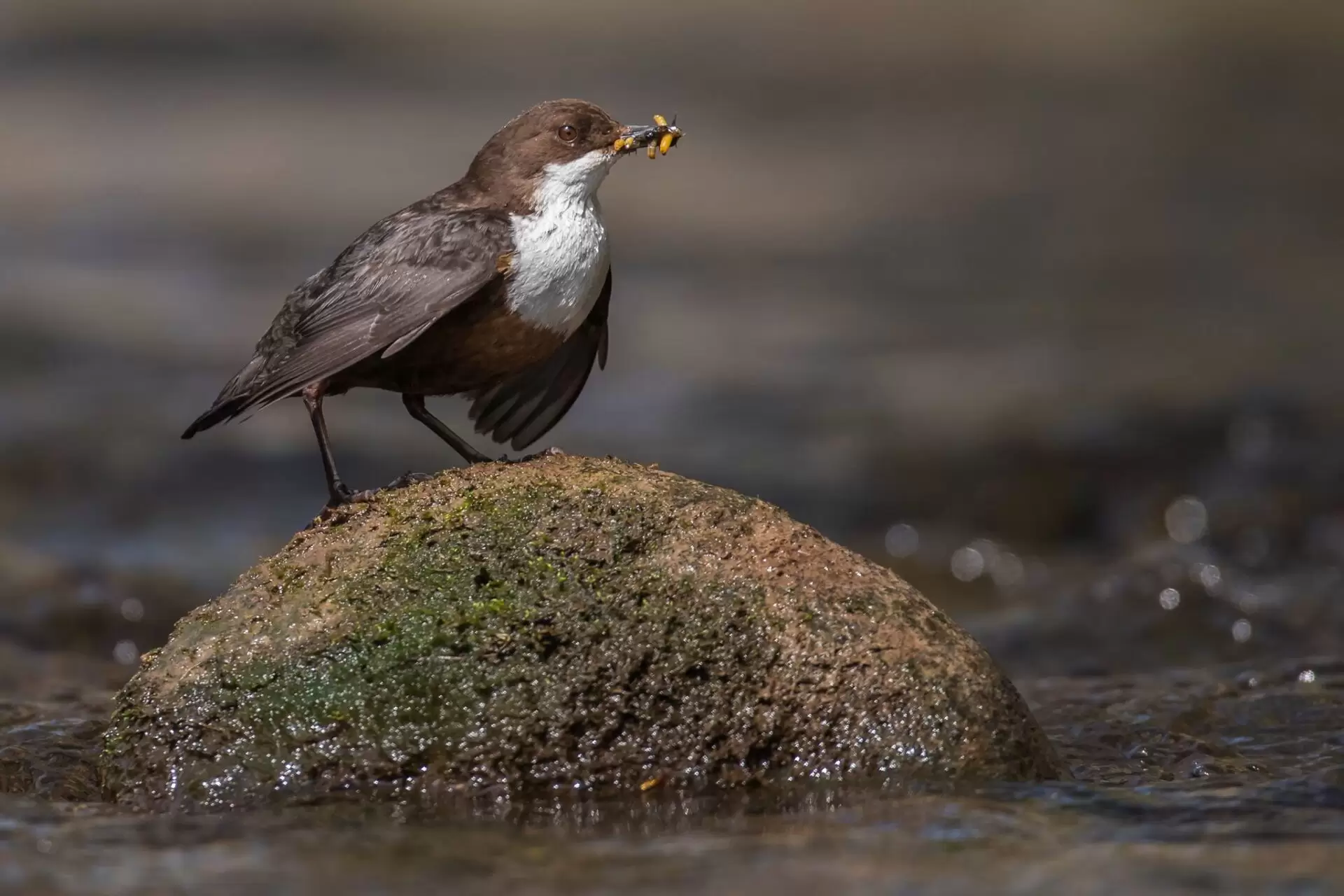
A film celebrating north east nature
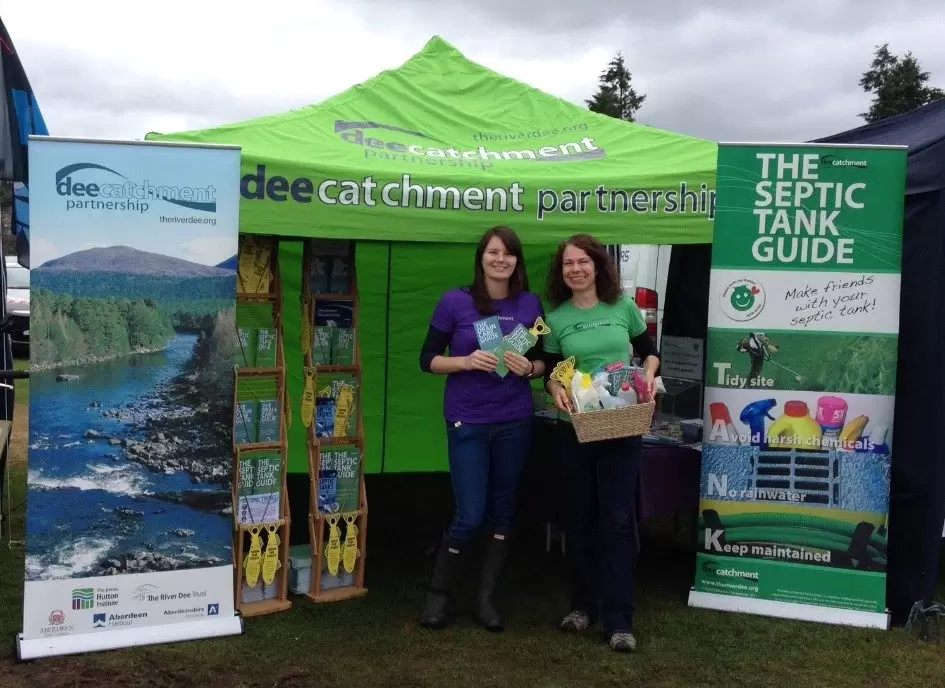
Shows, riverwalks, bioblitzes
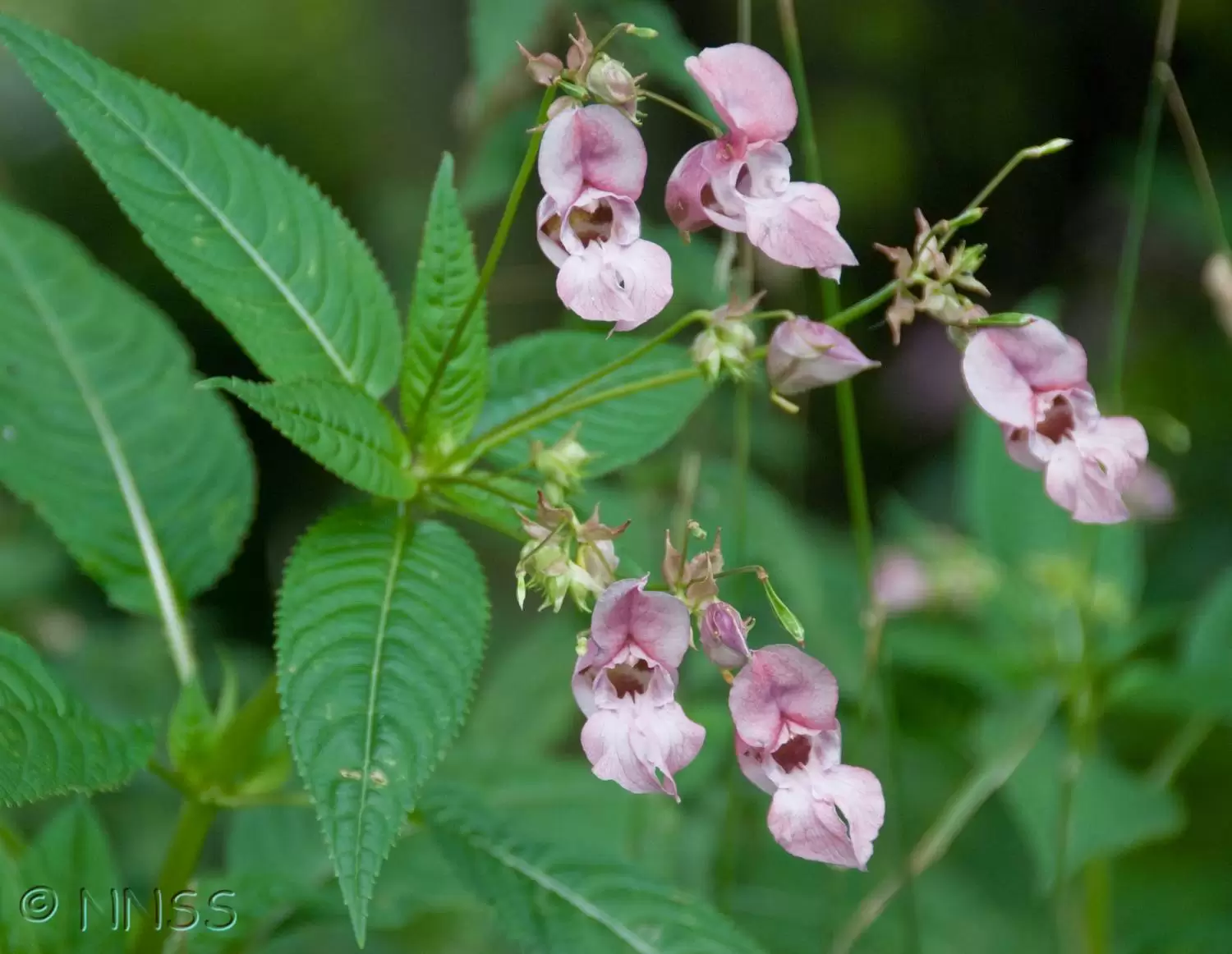
A long-term control programme
Removing in-stream flow deflectors
Informing EU policy on rural land use
Using wood to improve habitats
Creating a mural of the Dee in Tarland primary school playground
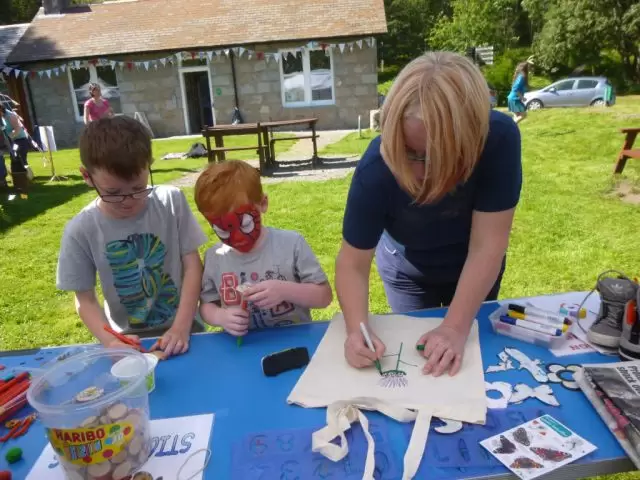
Countryside rangers work through the catchment to engage communities in nature

Establishing unfenced woodland
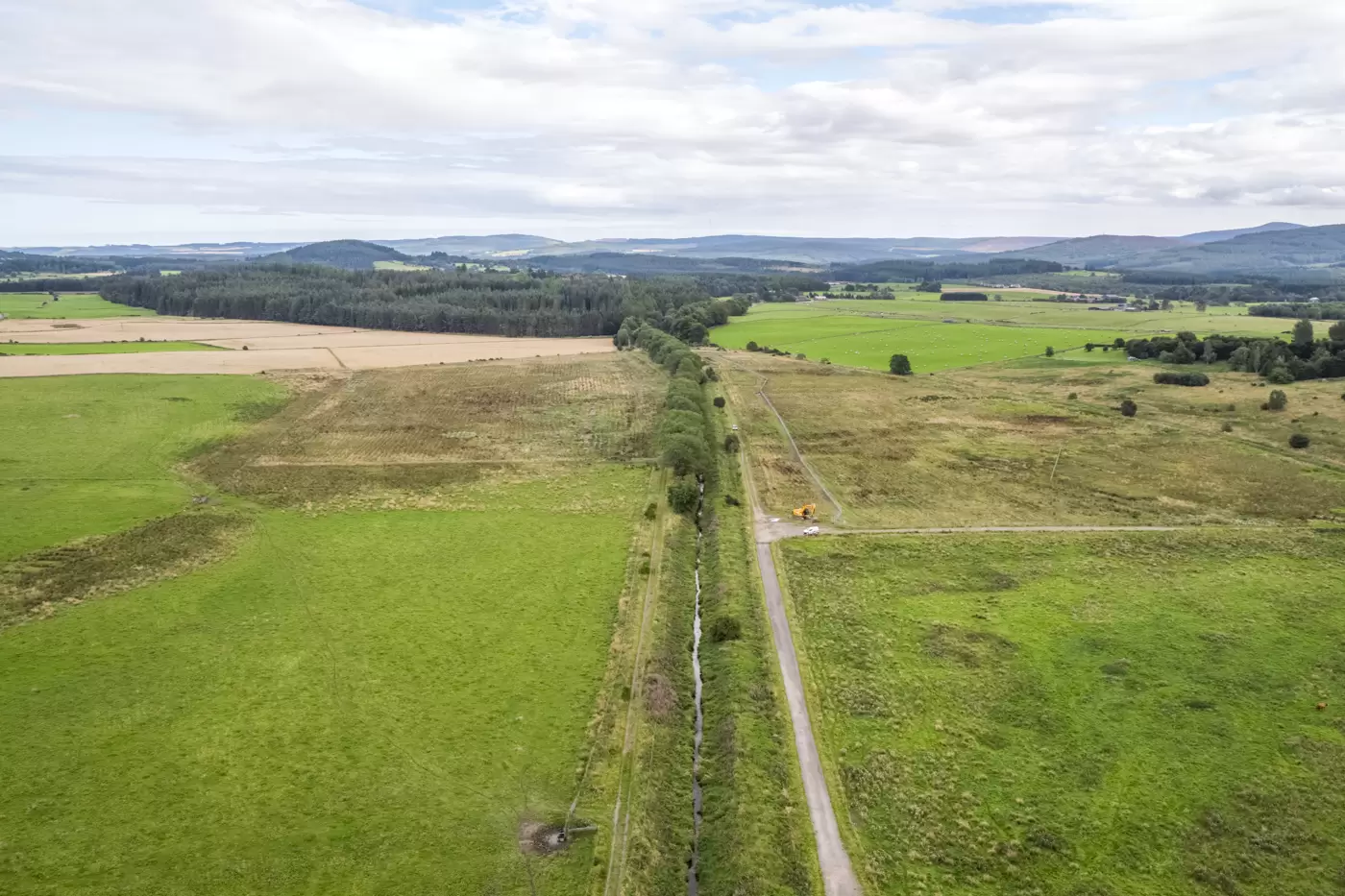
This large-scale river valley restoration is returning a straightened agricultural stream to a natural meaning course, running through extensive wetlands and fully reconnected to its floodplain.
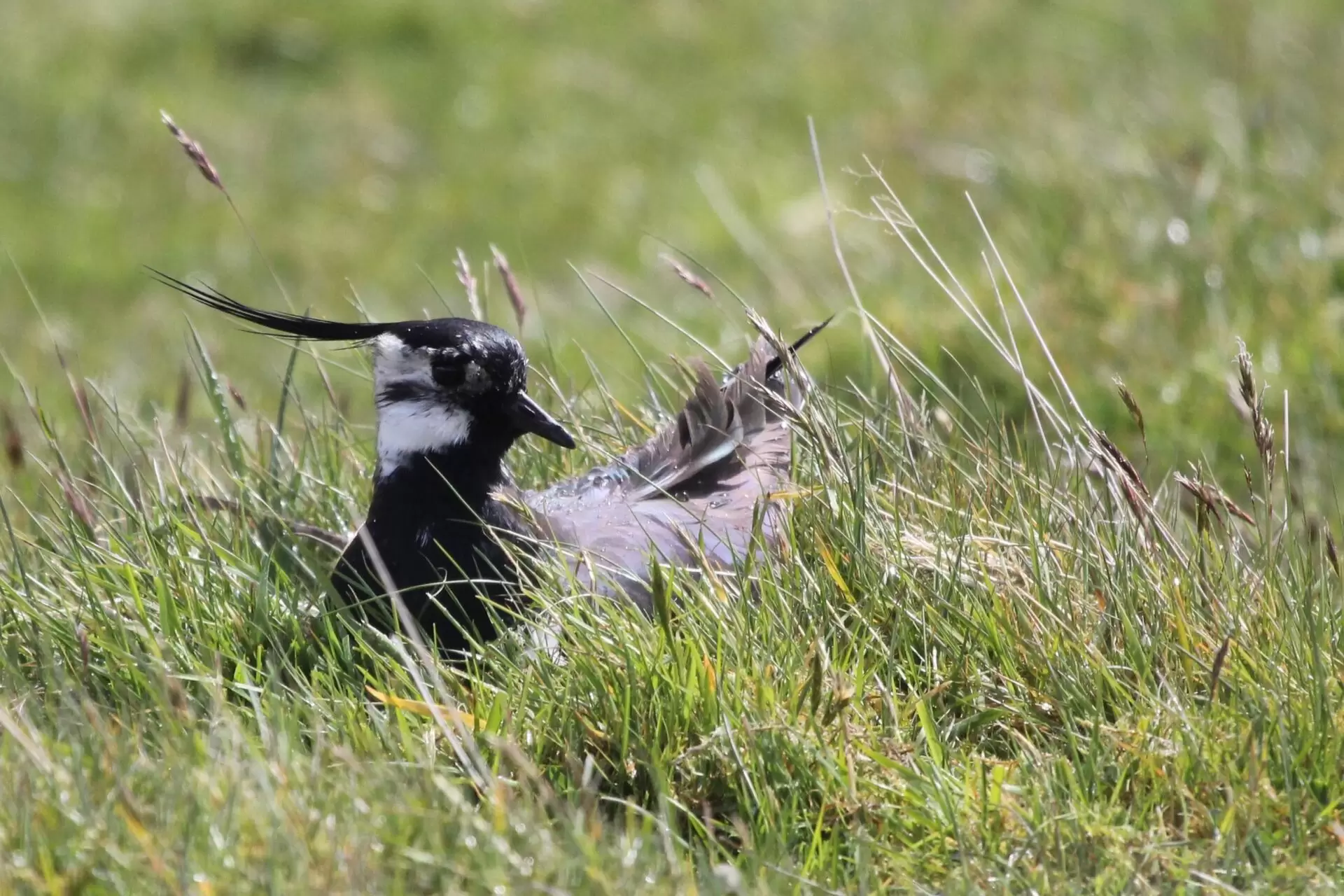
Restoring farmland wetlands for wildlife, environment and people
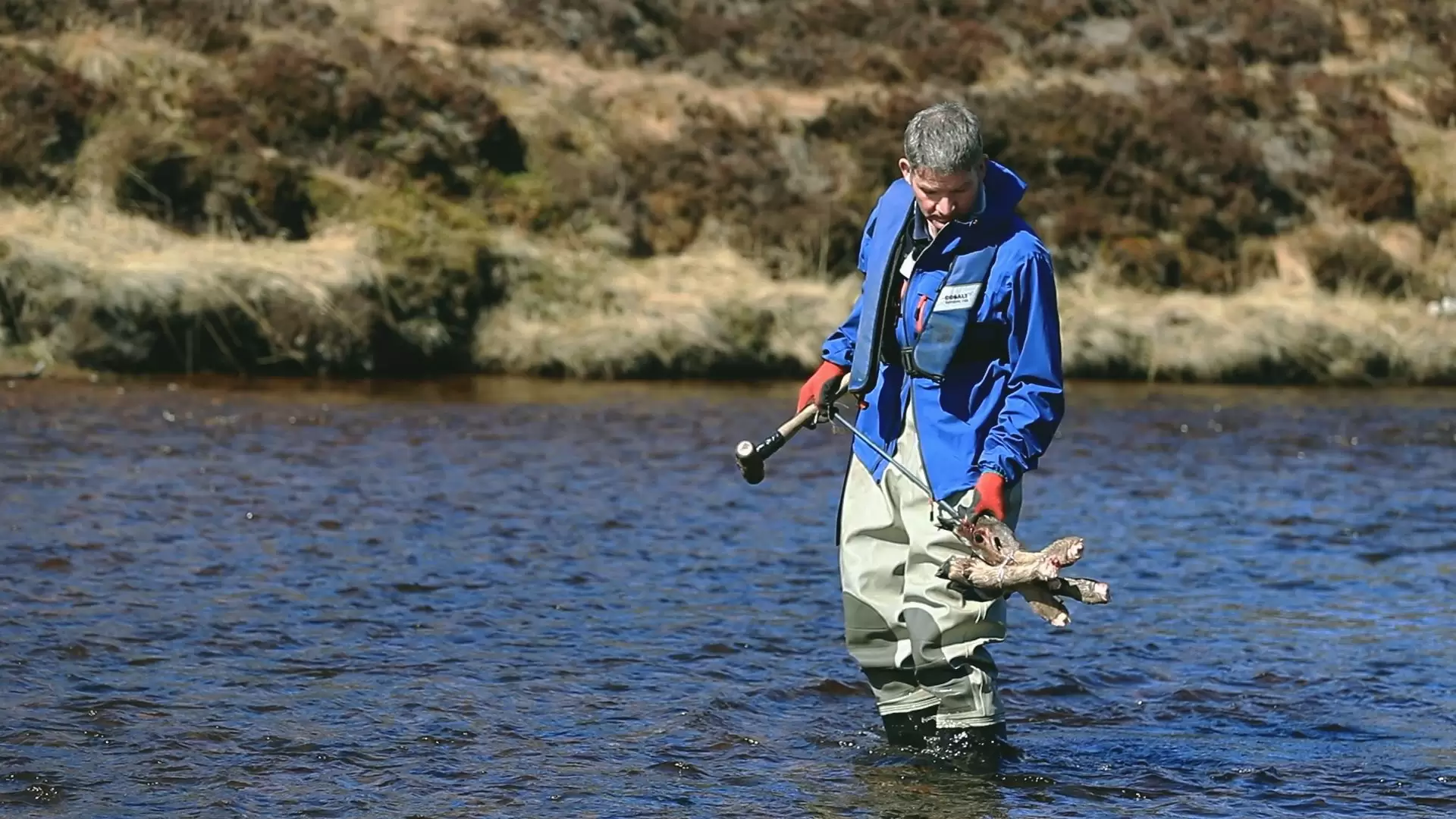
Boosting nutrient levels in upper tributary
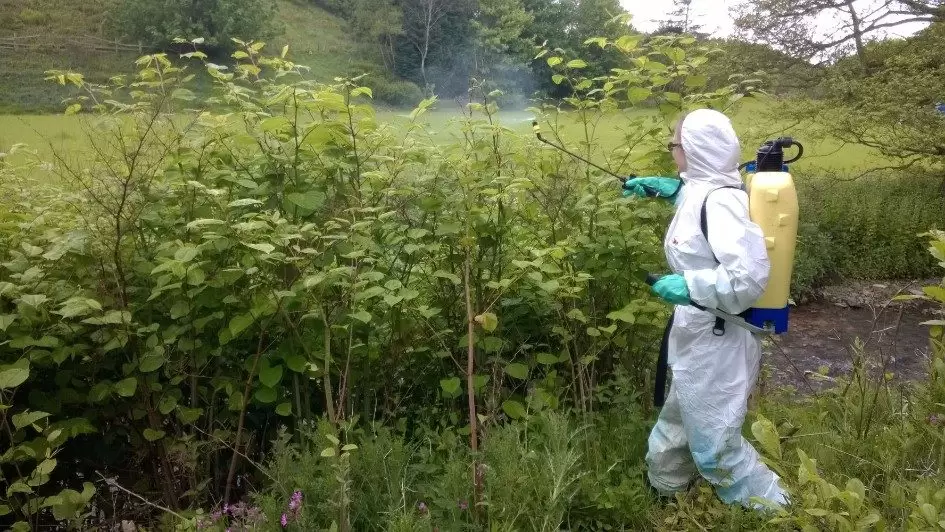
North East Non Native Invasive Species Project
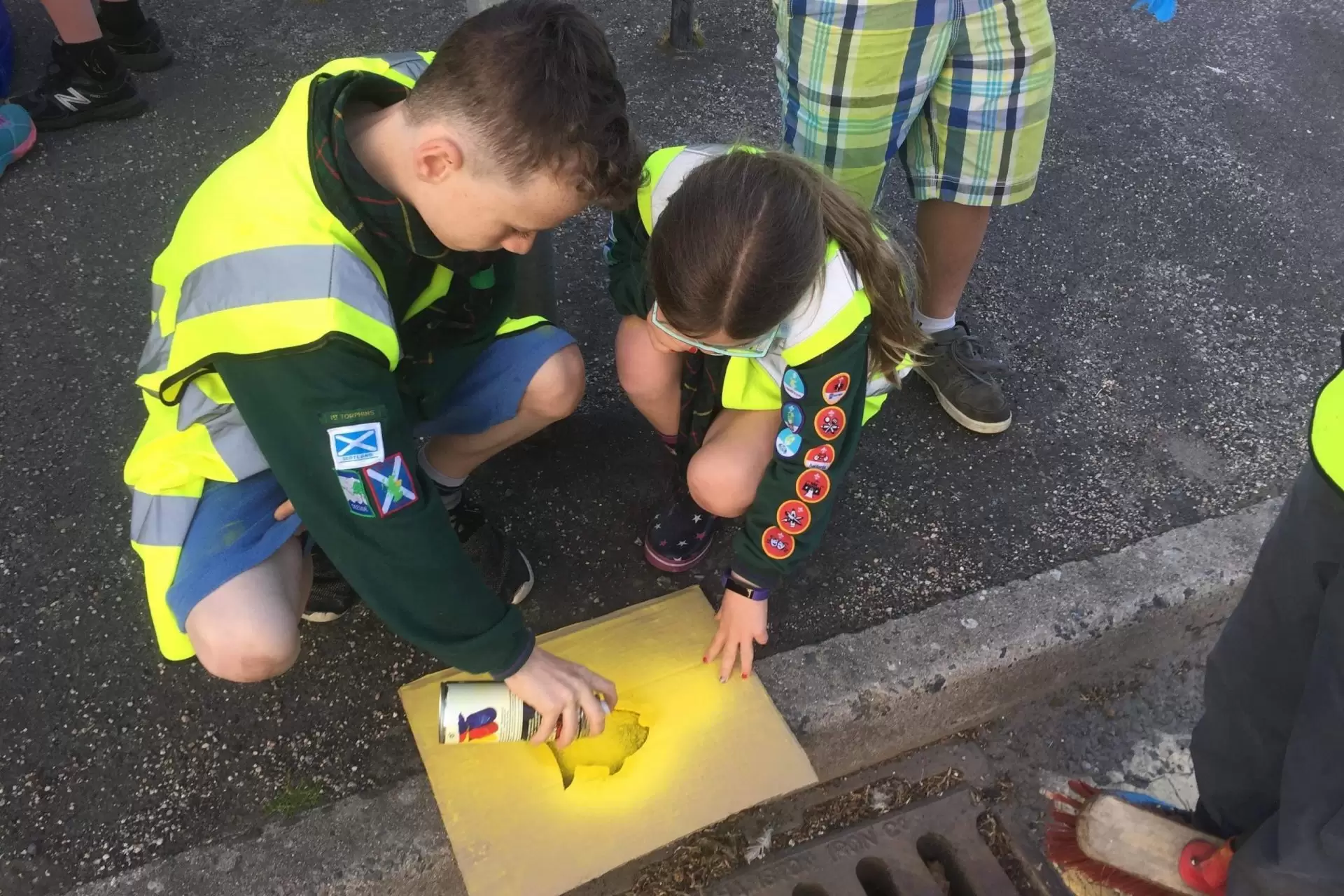
A UK-wide initiative promoting good household drain care
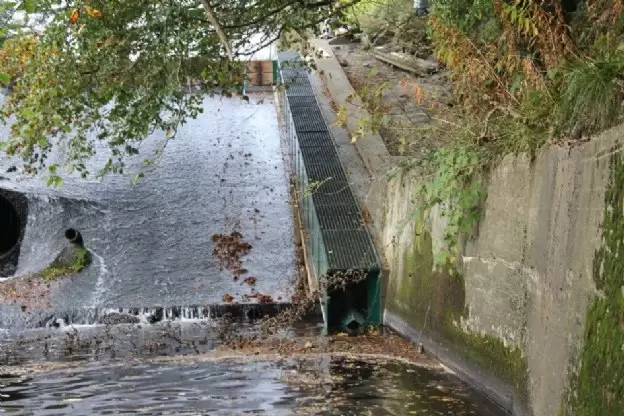
Opening up the Dee for salmon and trout with the Culter Dam Fish Pass
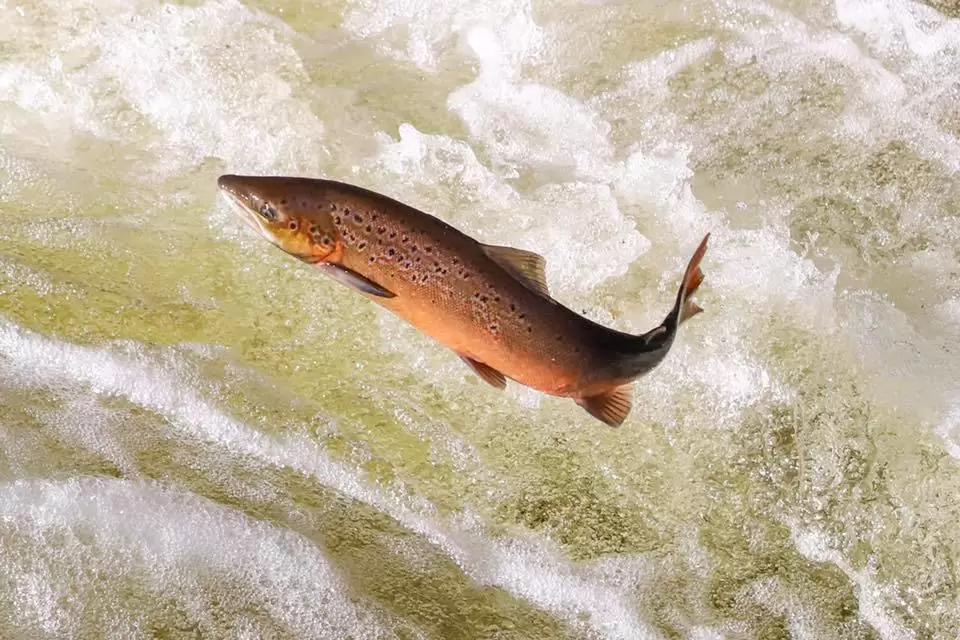
EU LIFE Project for salmon conservation and awareness
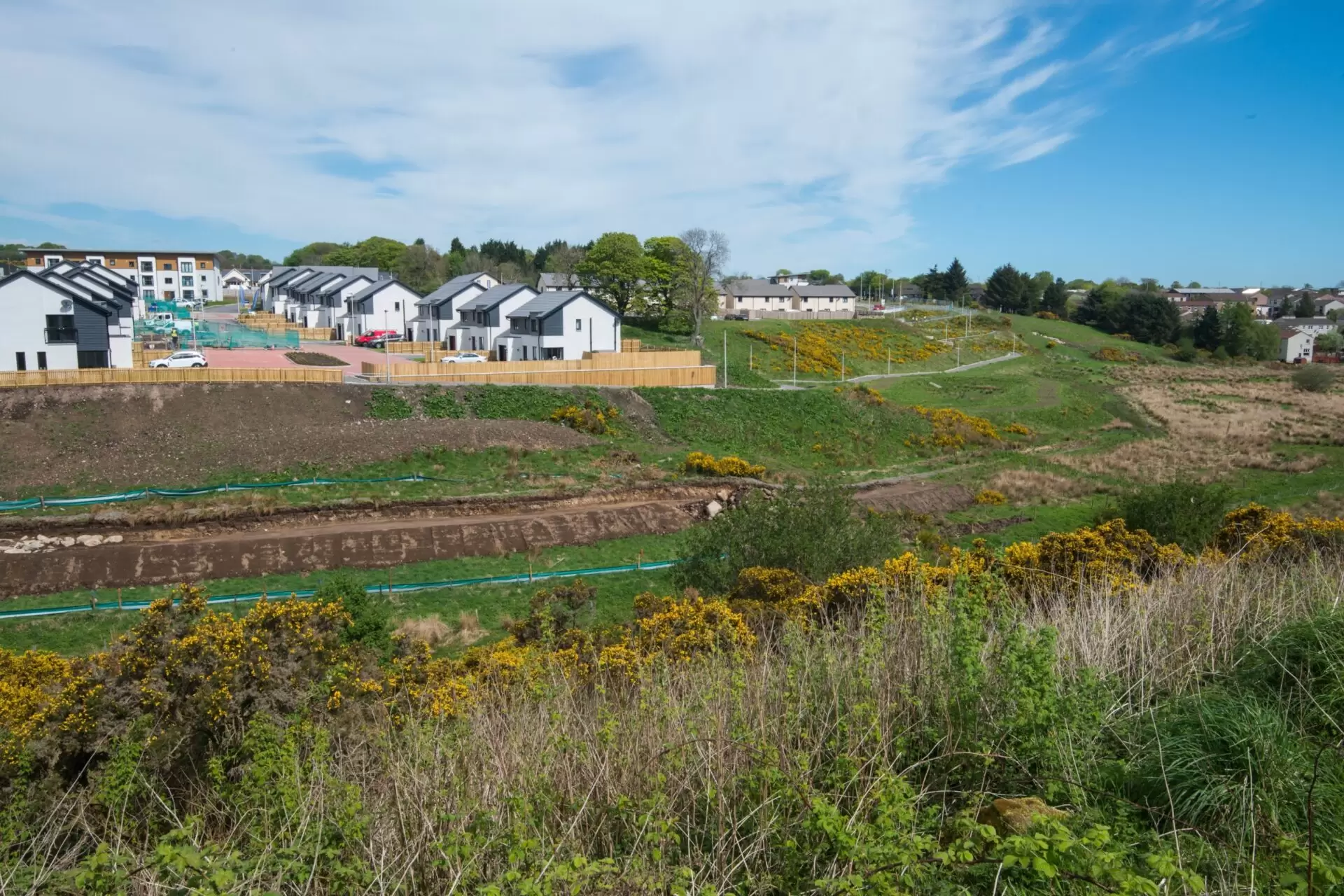
New planning guidance to protect watercourses from pollution during development works
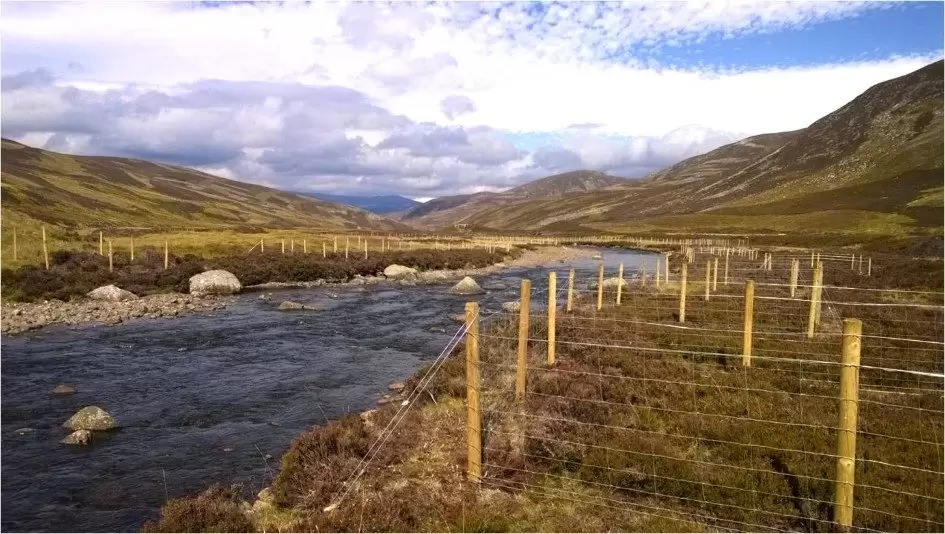
How we are returning trees to the riverbank
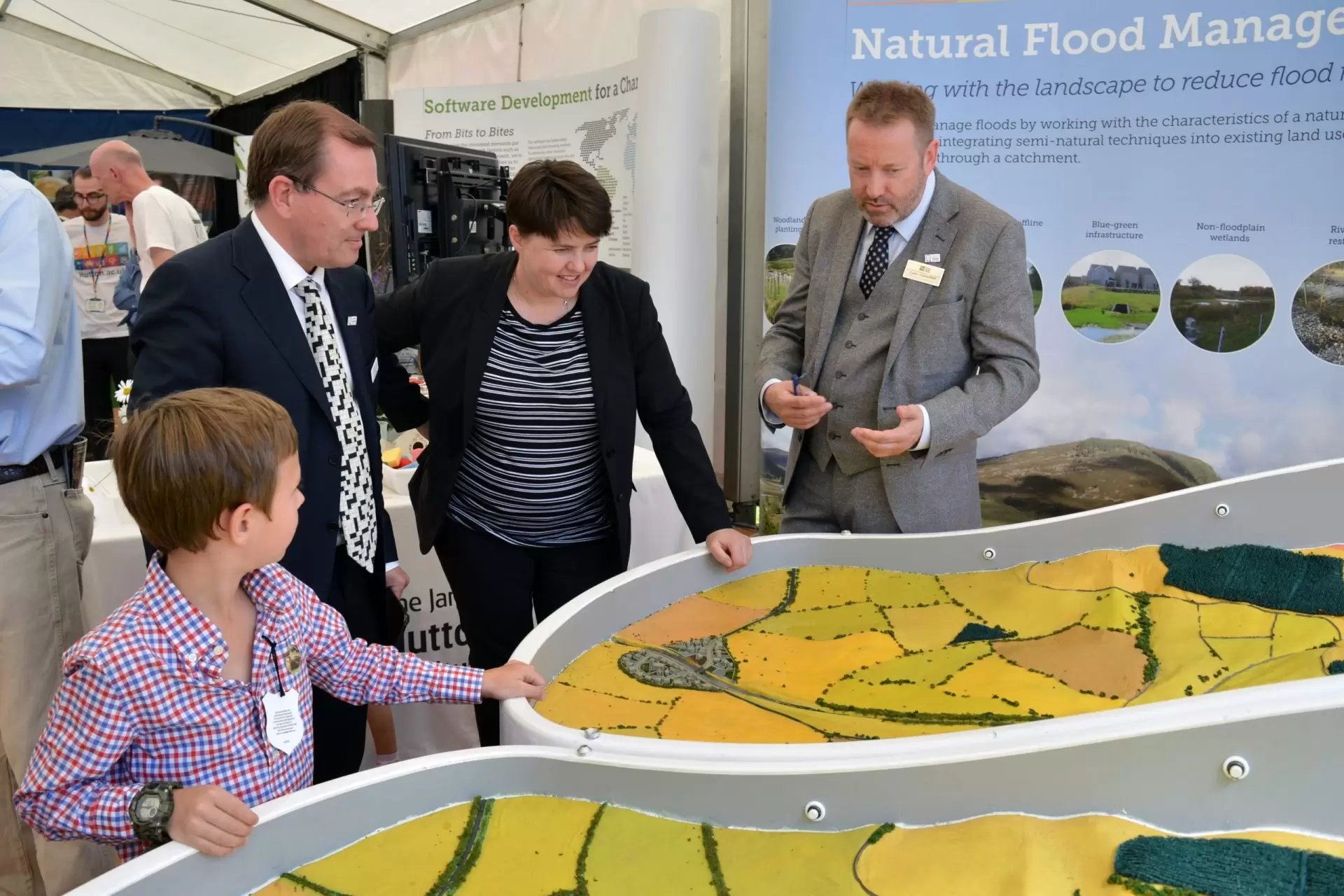
Models that show how river systems store water
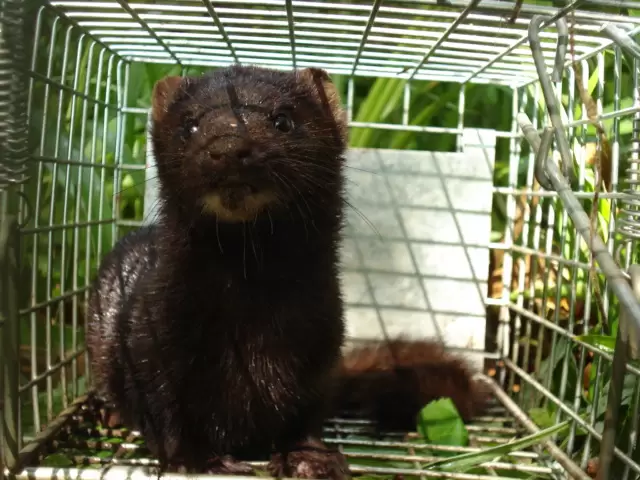
Controlling American mink populations to protect water voles
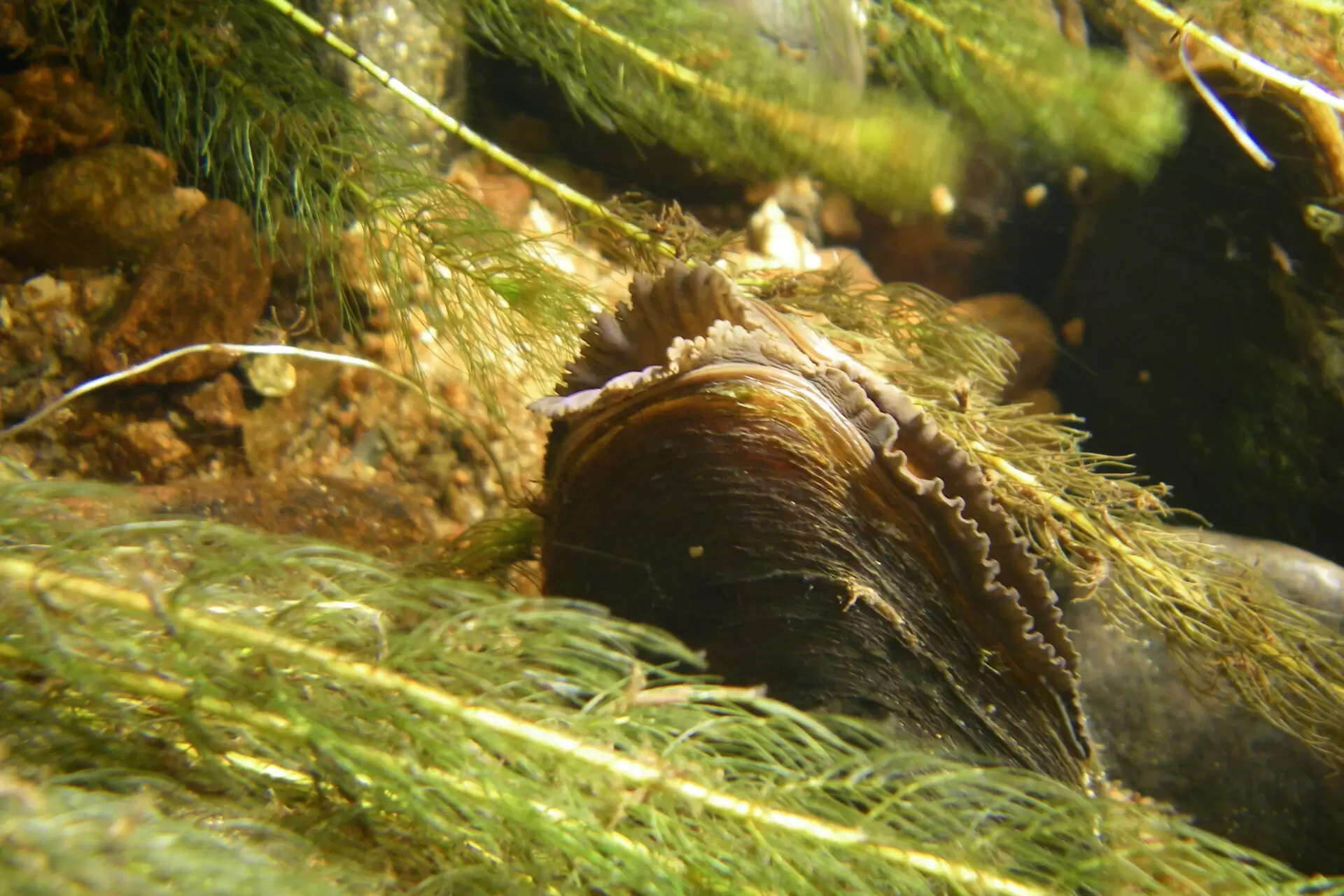
A nationwide project to safeguard important freshwater pearl mussel populations