

 Ambitious recovery programme launched as unprecedented decline in pearl mussel highlights fragile River Dee
 DeeWatch December
Water quality | Water Resources | Development & Engineering | Habitats | Species | Access and Recreation | Sub Catchments
Over half of the 88 miles of the main stem of the Dee have been structurally engineered
The Dee catchment, especially the main stem, has been modified extensively over the last 250 years. There have been significant changes to the river’s bed and banks in terms of their course and structure. River engineering affects flows and sediments, and promotes erosion and flooding – both locally and downstream. Removing or easing these structures is an essential part of building a catchment that can be resilient to the climate crisis and support the recovery of nature.
A detailed survey identified structures for easing or removal, and many of these were tackled in a number of successful projects detailed below. There is still plenty of work to be done in this area however – to undo the effects of straightening or reinforcing, for example. Removing or remediating all the obstructions on the Dee is estimated to produce 1,364 extra spawning fish in the river.
Our achievements
Projects on the ground
- The impact of engineering works has been removed or reduced at sites throughout the catchment thanks to a range of significant projects.
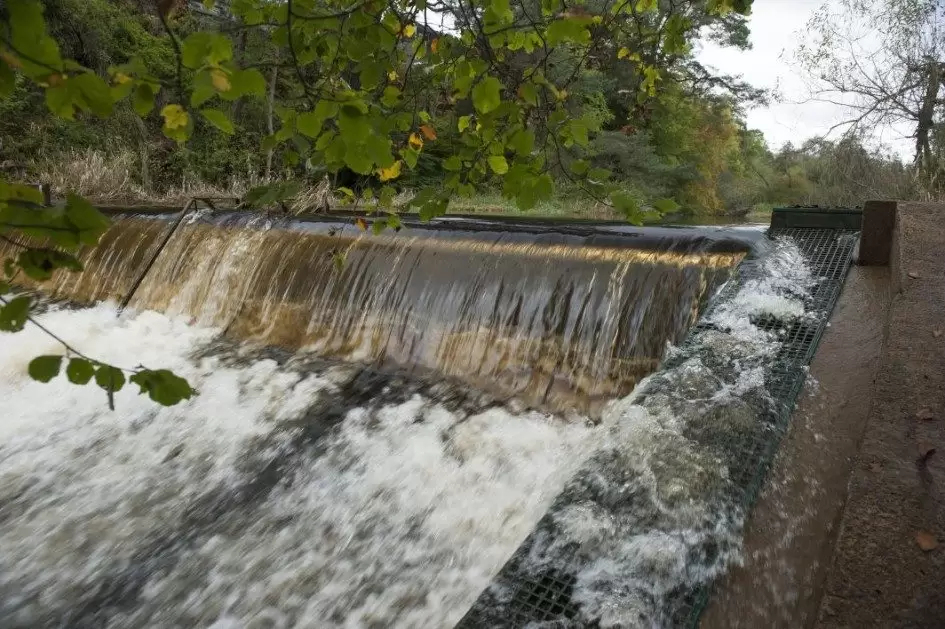
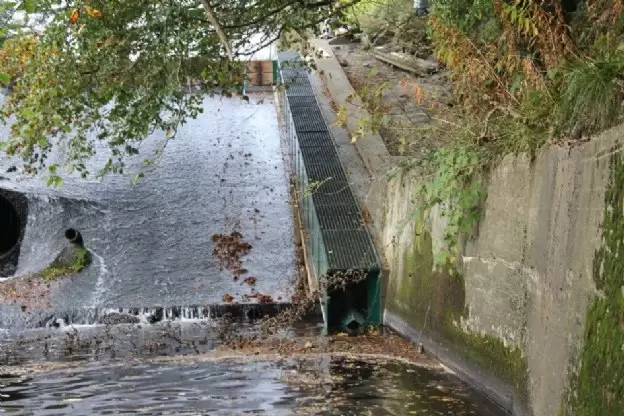
- Over thirty obstructions to fish migration have been removed. 76 miles of habitat have been opened up for salmon and sea trout on the River Dee with the completion of a fish pass on the Culter Dam at Peterculter, the largest man-made obstruction on the River Dee. Fish passes are present at Waterton Loch and Loch of Skene.
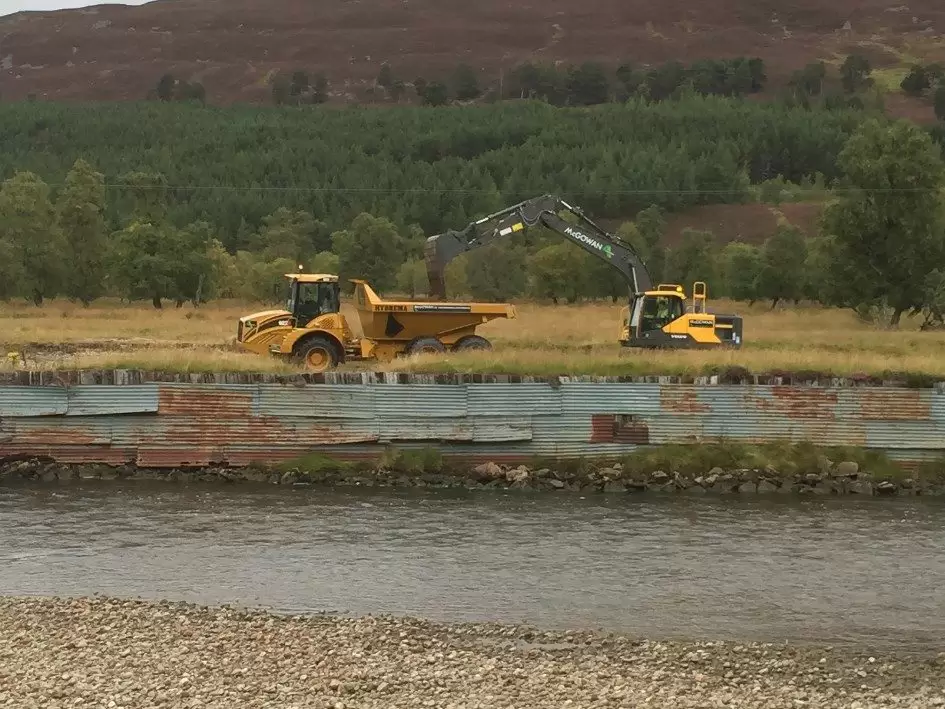
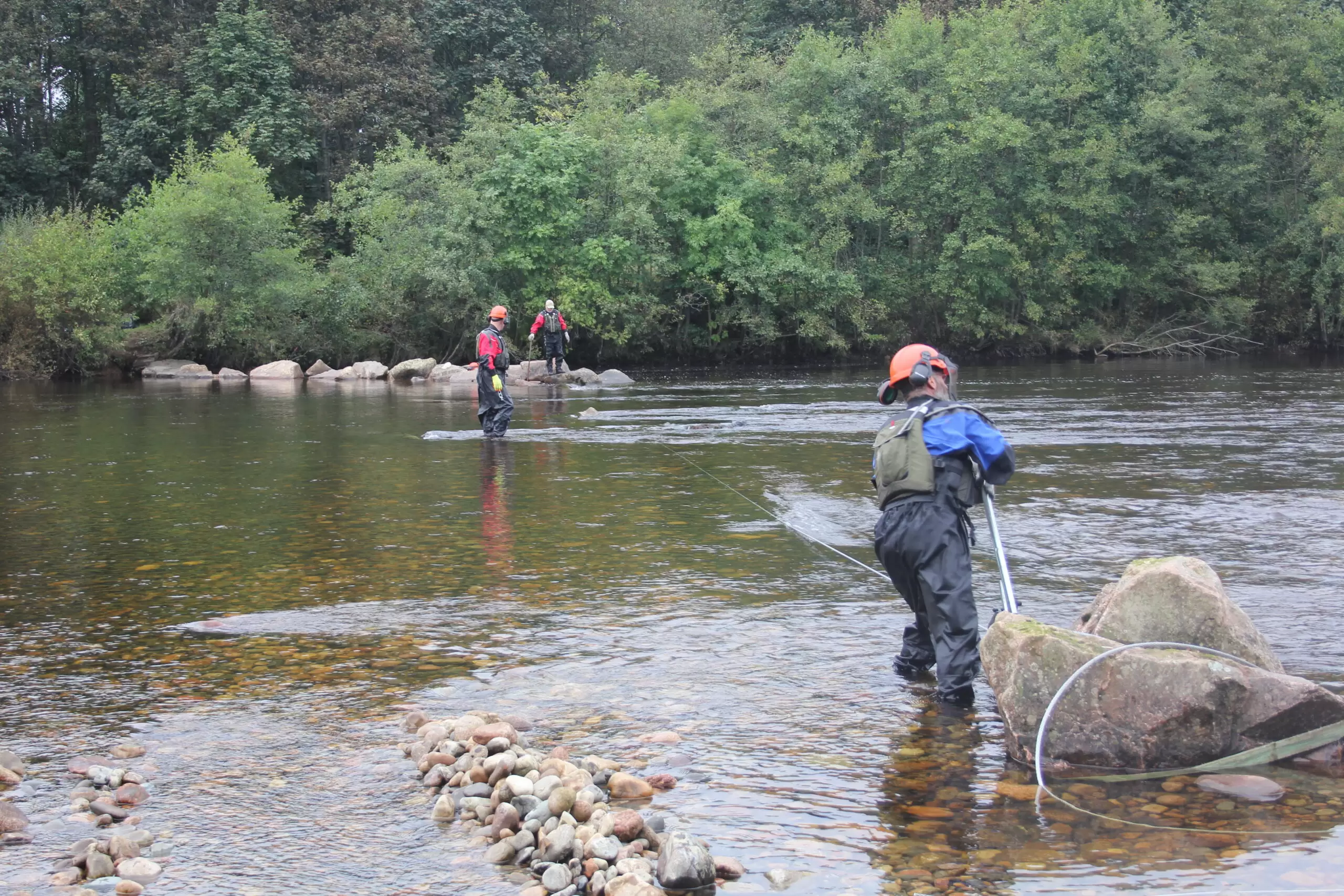
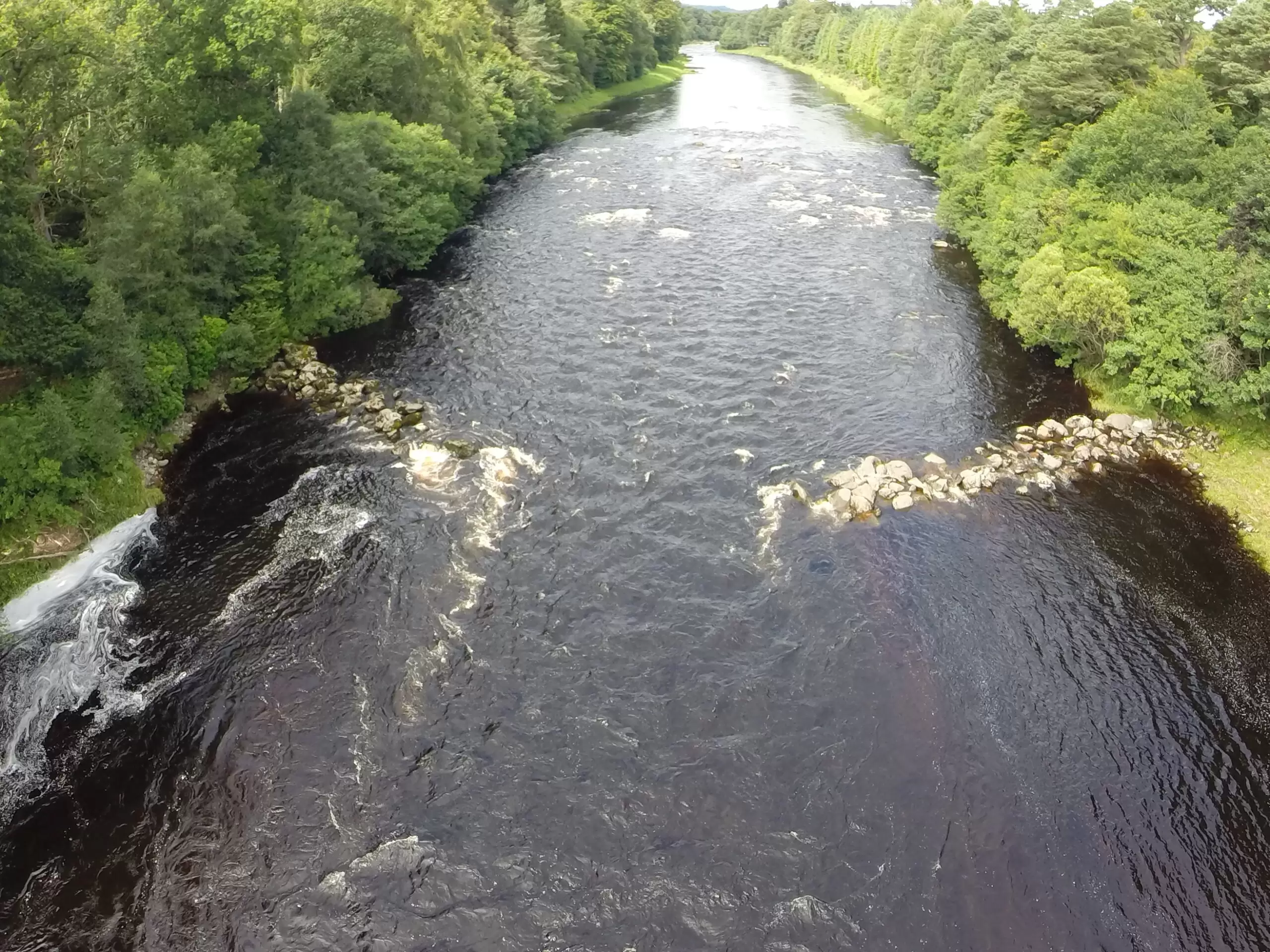
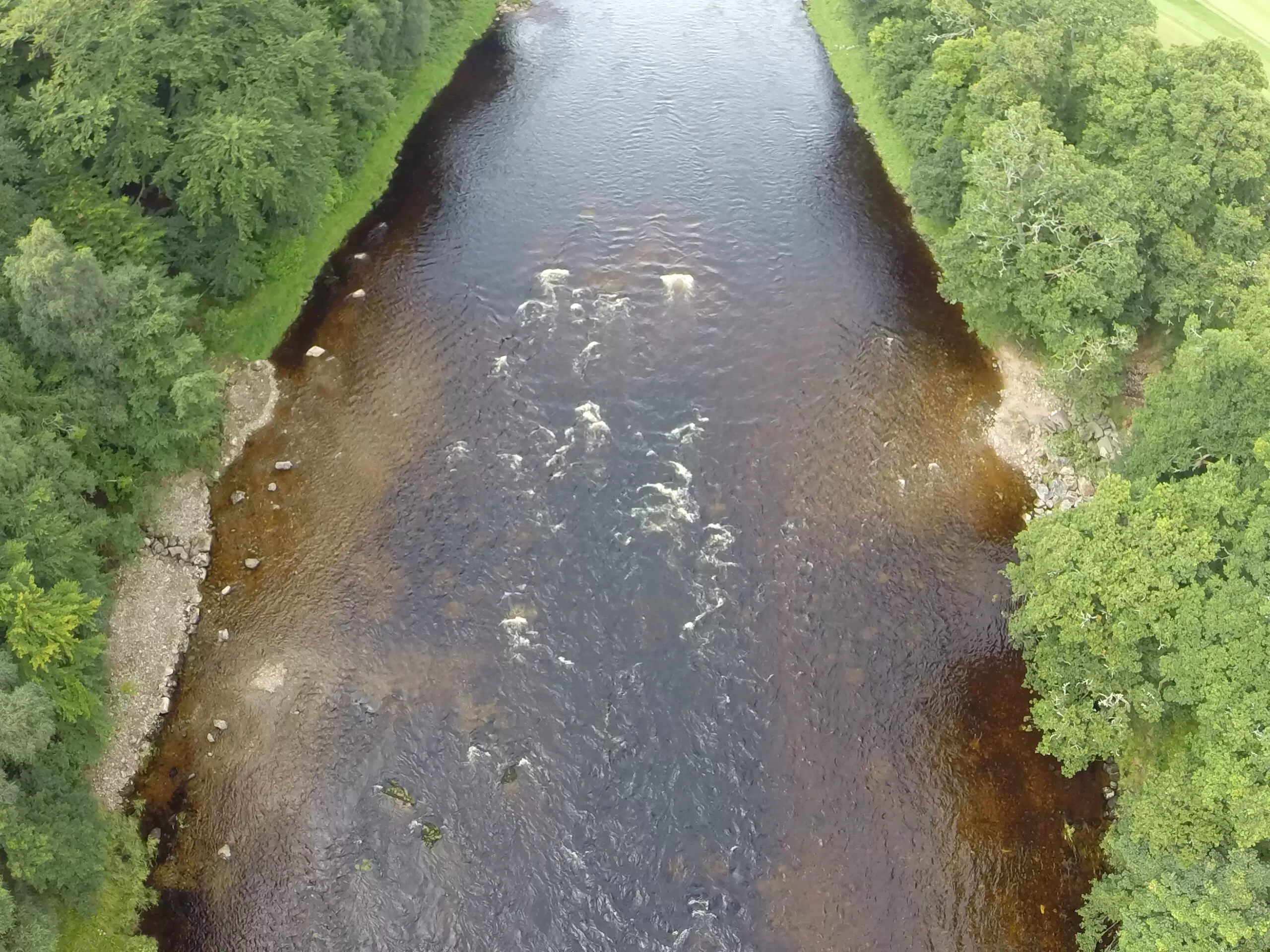
- Croys have been removed at 16 sites through the EU LIFE Pearls in Peril project.
- Re-meandering projects on the Logie Burn and at Easter Beltie have removed channel engineering from 4 km of stream, reconnecting the floodplain and recreating a meandering course.
- The removal of the car bank at Mar Lodge Estate eliminated a pollution source, reconnected the floodplain at lower flows and removed an eyesore.
- Soft engineering techniques eg. willow spilling have been developed and demonstration projects undertake .
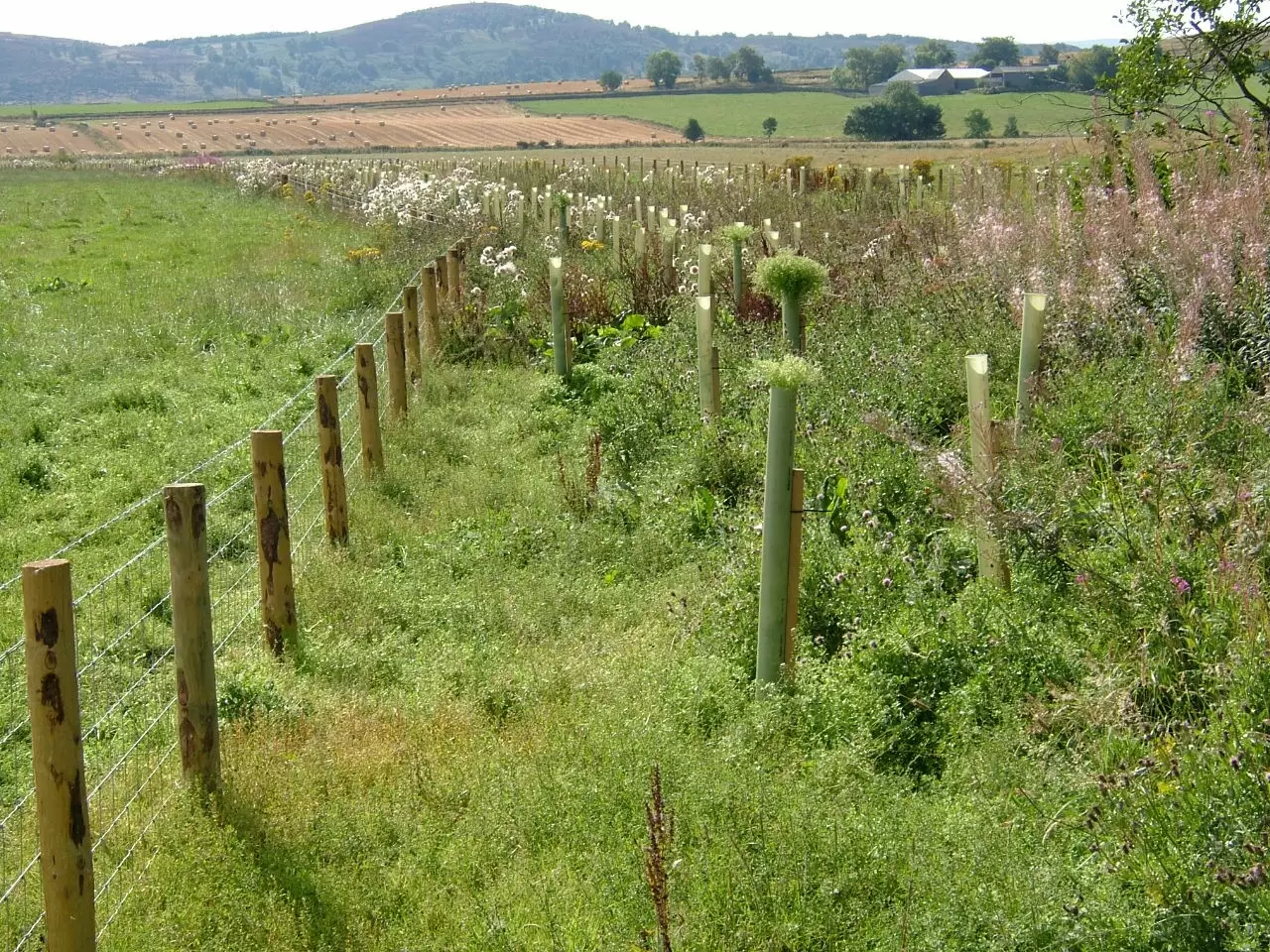
- The Upper Dee Riparian Initiative has planted over 250,000 trees, creating 100km of riparian woodland. A range of techniques are used – fencing, enclosures and mob planting.
Research and monitoring
- River Dee Trust survey of existing barriers in 2007.
- Main stem audit.
- Storm Frank survey, LIDAR, photographs, data provision.
Planning, funding and regulation
- Regulatory systems to ensure sustainable engineering works take place eg. Planning process , Habitats Regulations, SEPA CAR licence.
- Local Development plans have policies on SuDS and requirements for Pollution Prevention Plans as part of new development planning.
- SEPA regulatory process in place for ensuring protection of water quality and quantity.
- Planning conditions and enforcement help to ensure adherence.
- Best practice in river engineering works is promoted by all regulatory authorities.
- The expansion of riparian woodland is promoted by all partners.
Raising awareness
- Sustainable agricultural techniques are widely promoted in our outreach work e.g. using buffer strips along rivers, and a NFM workshop for farmers and land managers.
- The publicity around projects such as the car bank removal, Easter Beltie restoration, and the Croy removal gave opportunities to promote messages about engineered structures.
What needs to be done?
- Remove the remaining obstacles on the Culter catchment to open up the full 125km of river to spawning salmon and sea trout.
- Review the remaining sites where engineering pressures are significant and prioritise action.
- Redouble promotion of soft techniques and highlight outdated techniques.
Our projects that support Development and Engineering objectives:
A design for stream and wetland restoration
The story of the Beltie Burn restoration
Shows, riverwalks, bioblitzes
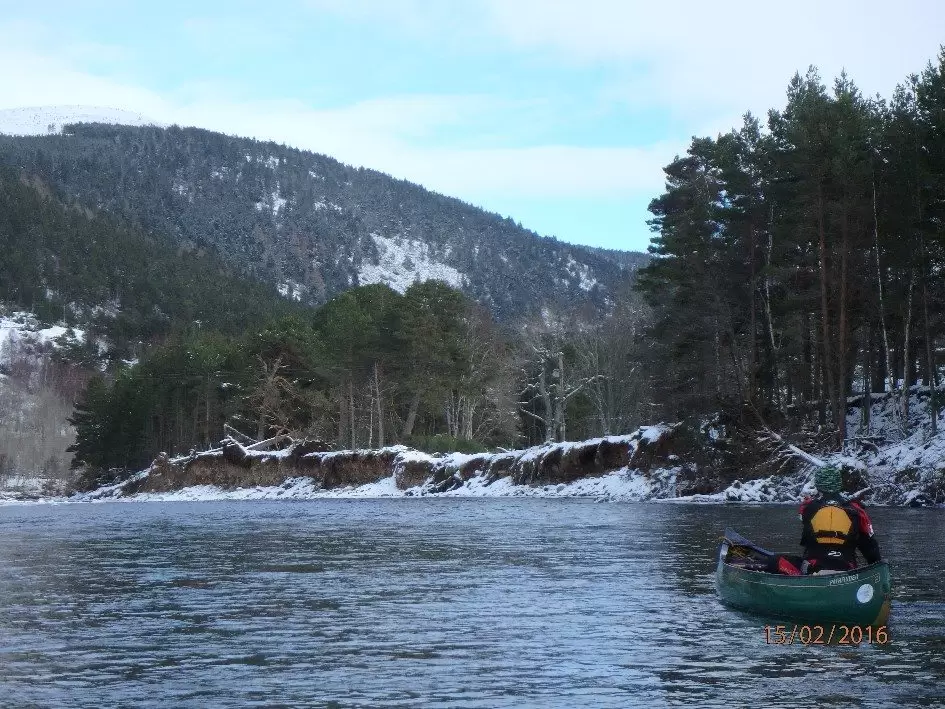
LiDAR and aerial photography after Storm Frank
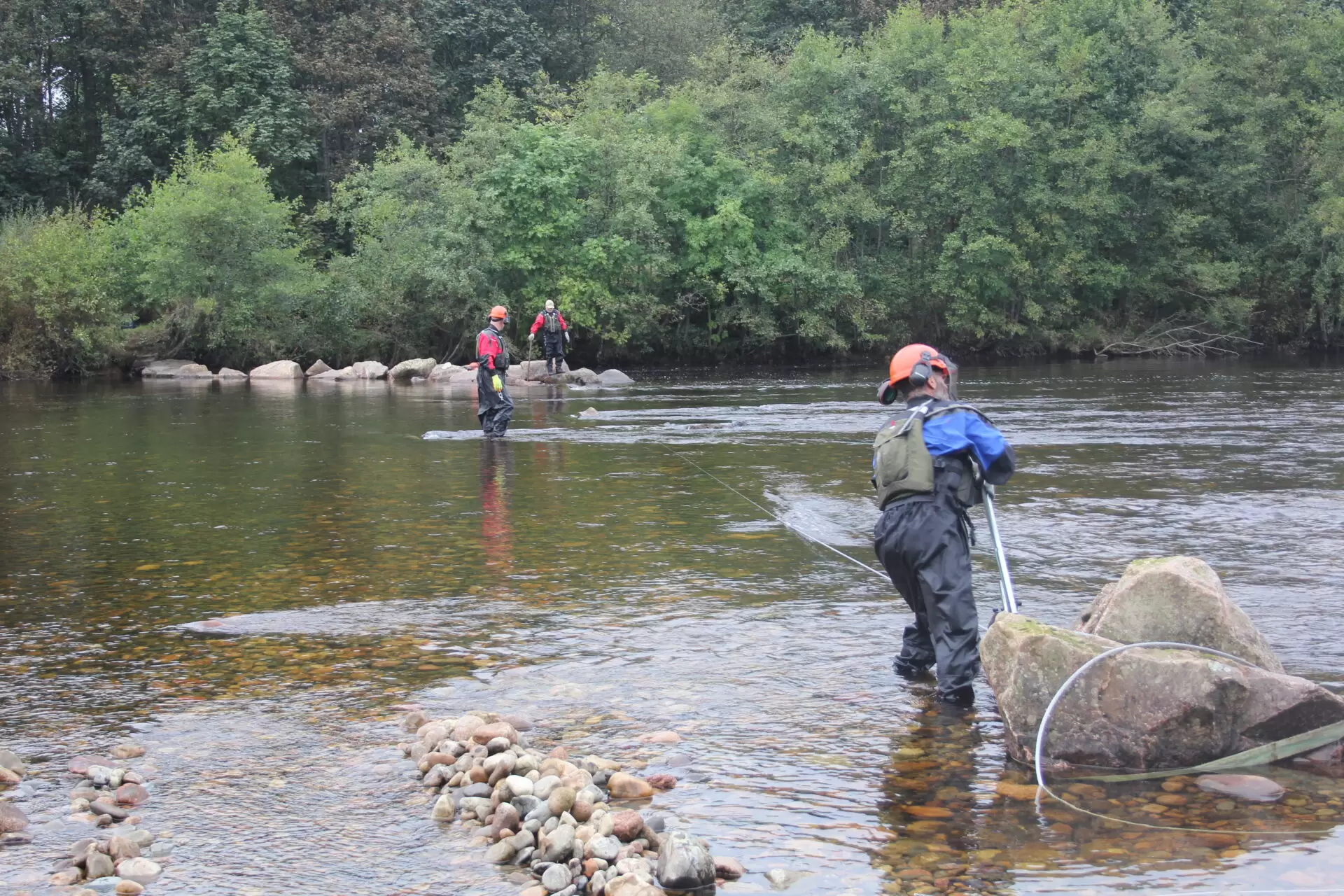
Removing in-stream flow deflectors
Informing EU policy on rural land use
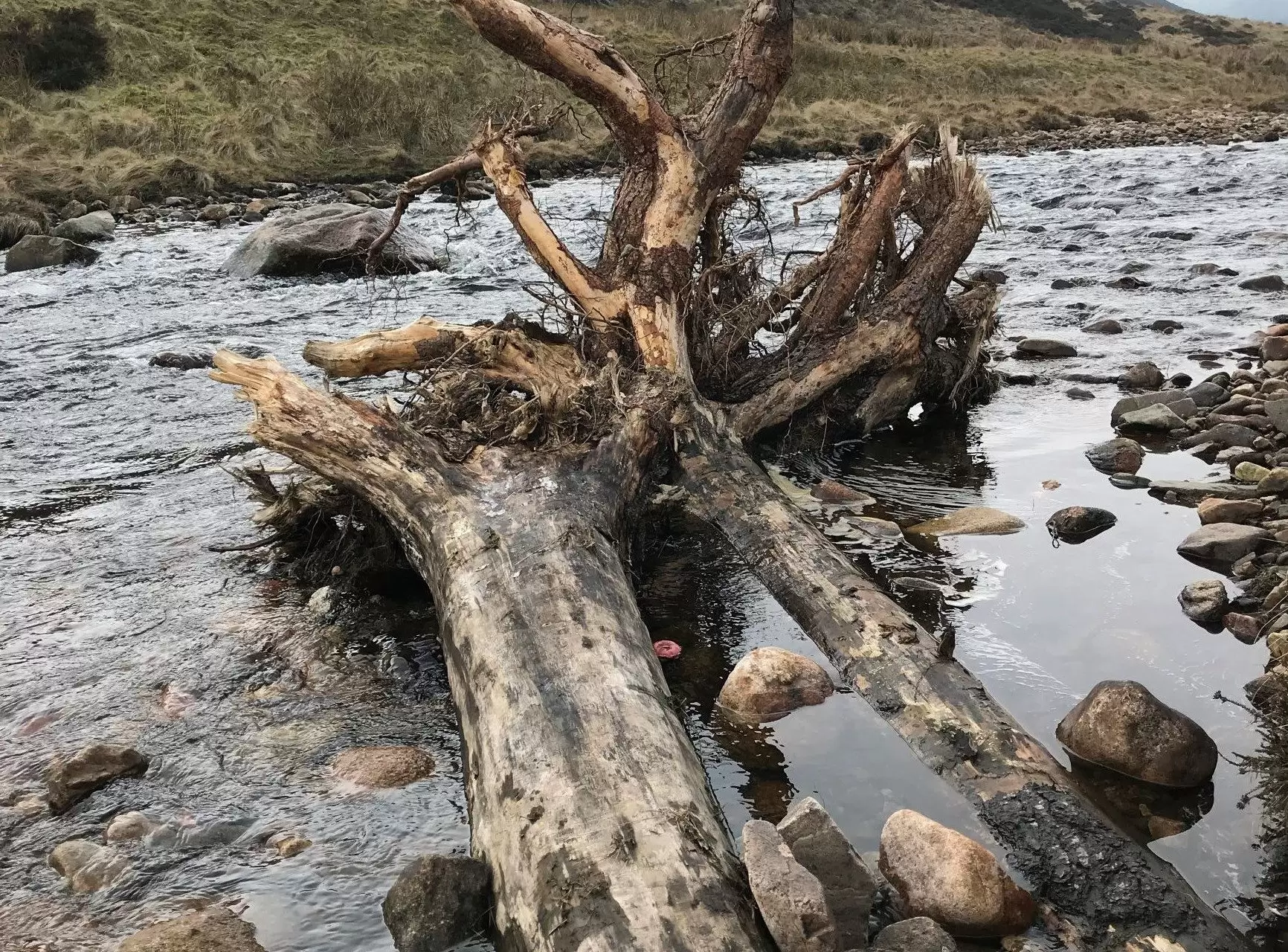
Using wood to improve habitats
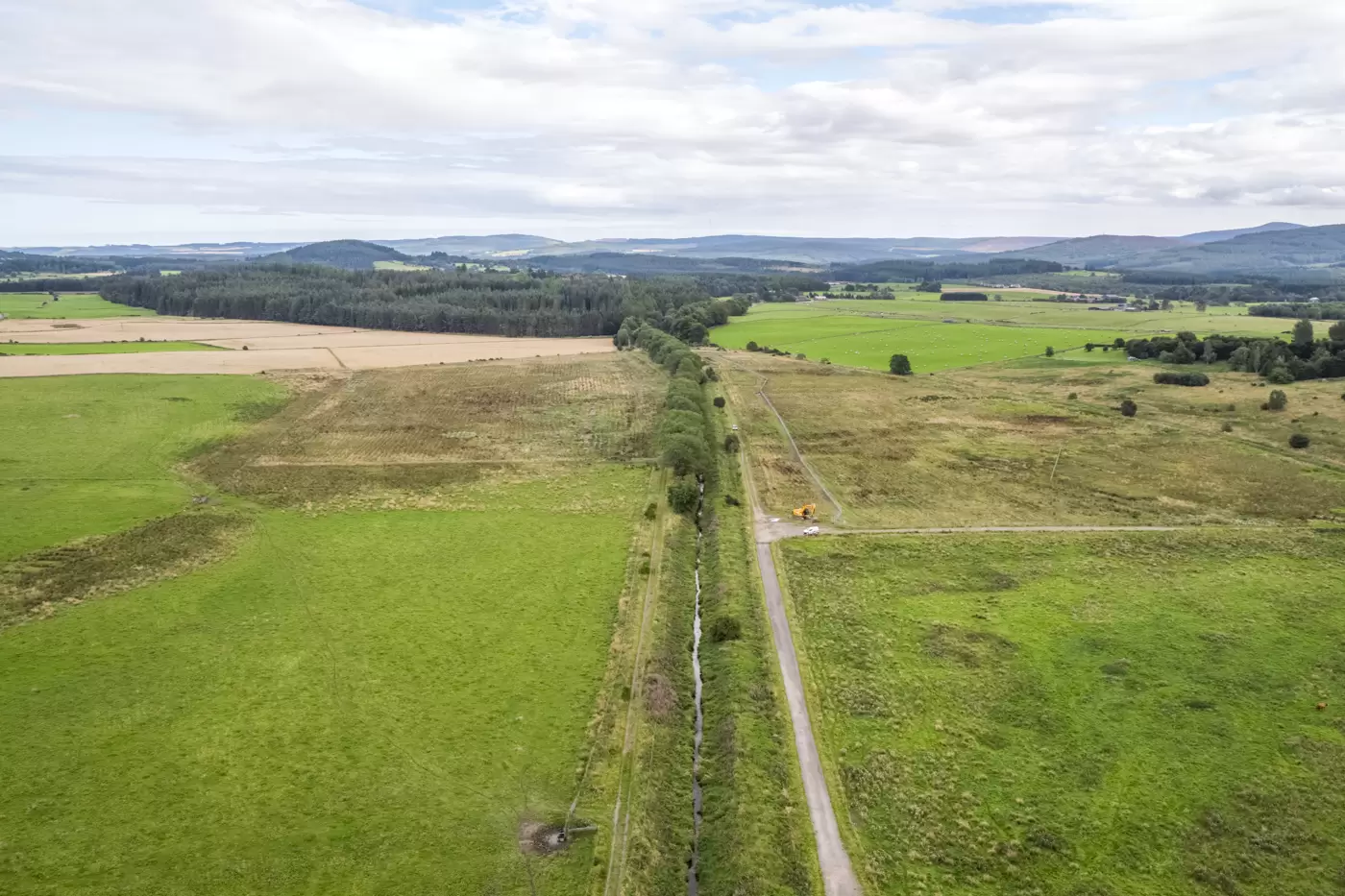
This large-scale river valley restoration is returning a straightened agricultural stream to a natural meaning course, running through extensive wetlands and fully reconnected to its floodplain.
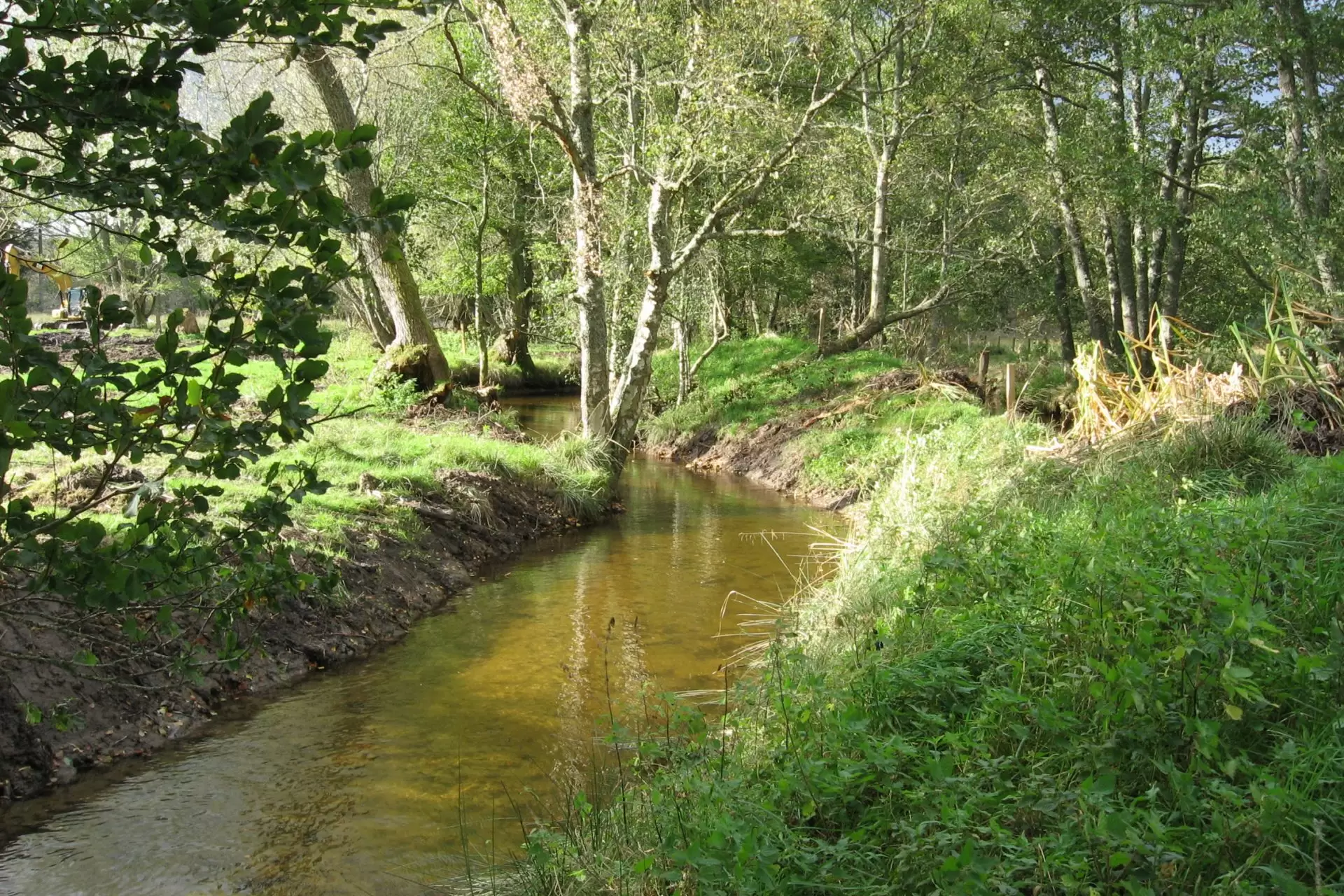
Returning a burn in the catchment to its former meandering glory
Opening up the Dee for salmon and trout with the Culter Dam Fish Pass
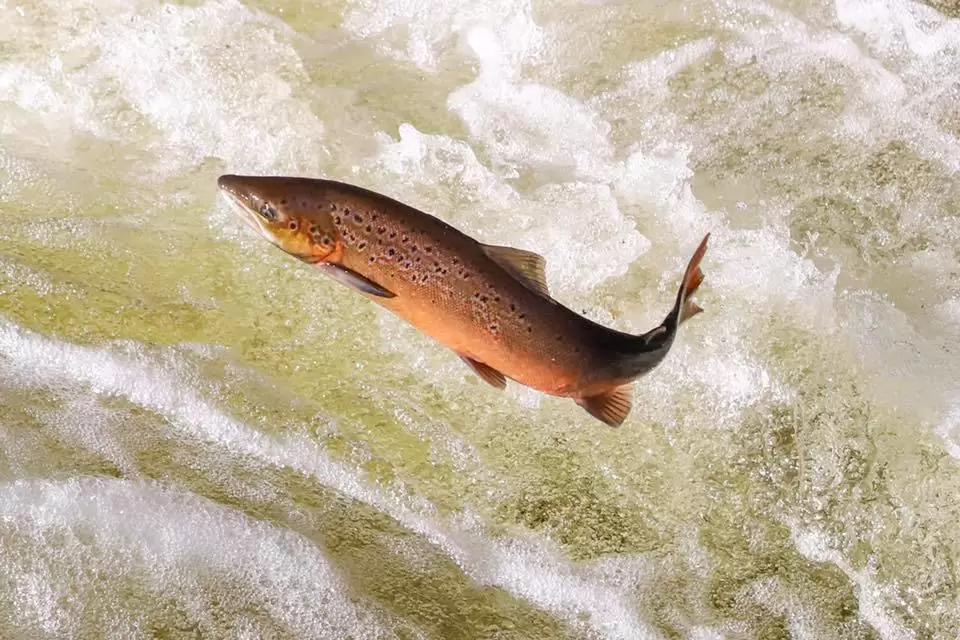
EU LIFE Project for salmon conservation and awareness
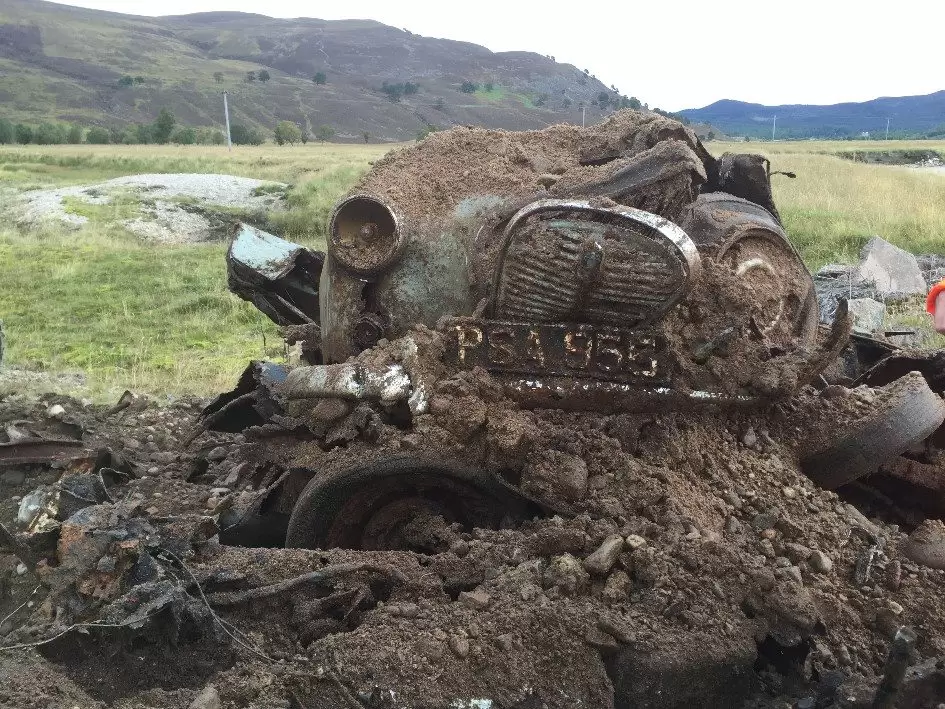
Removing a 31-year old eyesore and pollutant from the River Dee’s banks
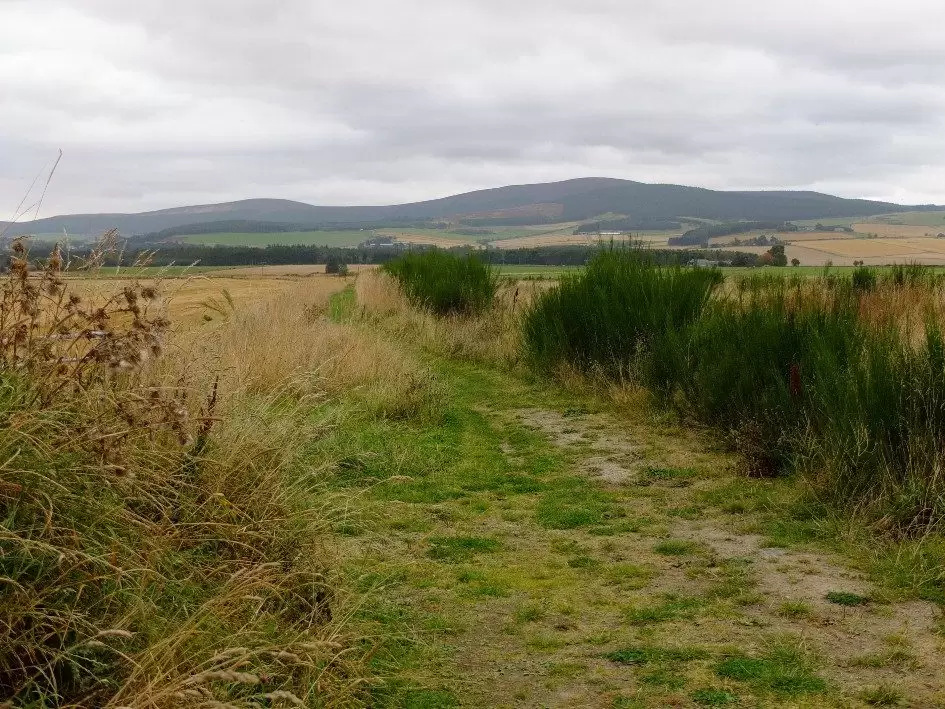
Farmers as water managers
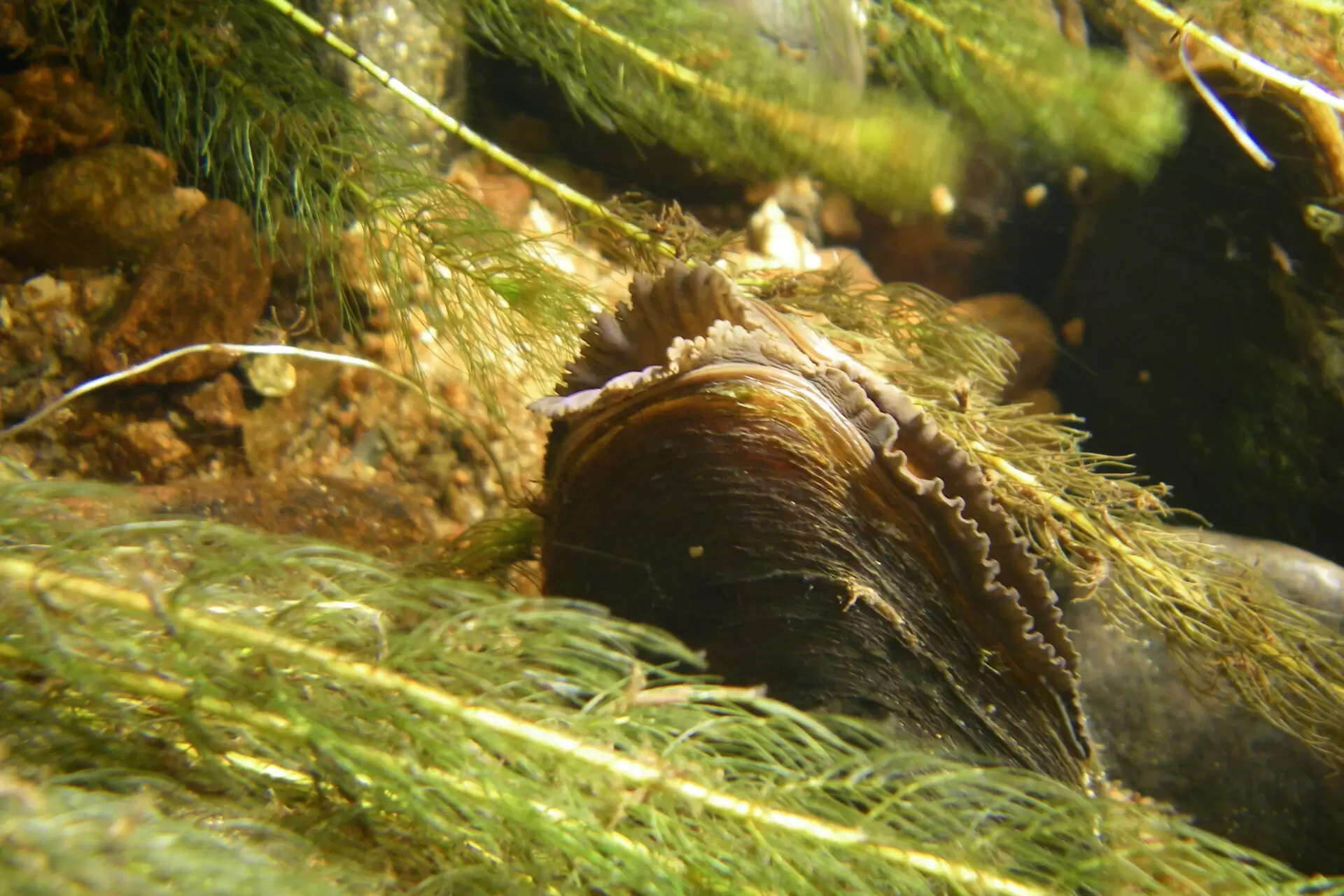
A nationwide project to safeguard important freshwater pearl mussel populations