

 Ambitious recovery programme launched as unprecedented decline in pearl mussel highlights fragile River Dee
 DeeWatch December
Water quality | Water Resources | Development & Engineering | Habitats | Species | Access and Recreation | Sub Catchments
Improving water quality through the river system has been a focus of our work since 2005 and remains an important priority
To achieve the excellent water quality that is vital for a healthy river, activities throughout the catchment must be well-managed. The Water Quality section of the Dee Catchment Management Plan covers a broad range of topics, including diffuse pollution, woodland management, and septic tank issues. Improving water quality through the river system has been a focus of our work since 2005 and remains an important priority.
Significant water quality improvements have been achieved, with 54 of the Dee’s 57 Waterbodies classified at Good or High status. These improvements result from uptake of agri-environment schemes, three EU projects that targeted water quality issues, and new regulation resulting from the Water Framework Directive. Changes on the ground have been extensive: water margins are now a standard protection measure, all waste water treatment plants have been upgraded, forestry management guidelines bring greater protection to watercourses and significant funding has enabled large-scale peatland restoration.
Key achievements
Projects on the ground
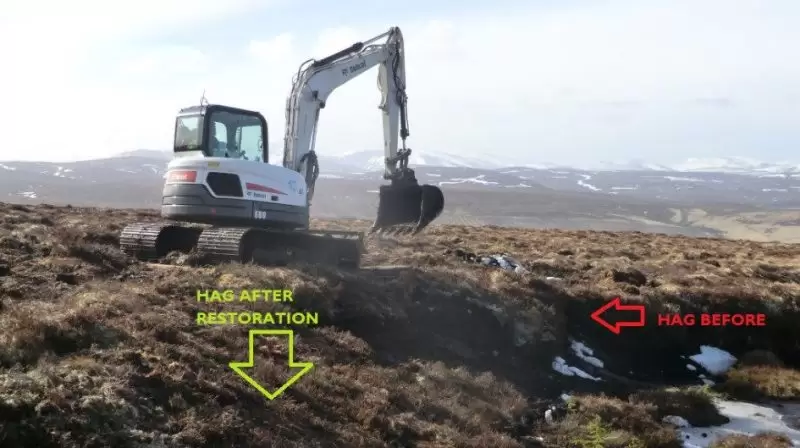
- 720 ha of peatland restored (Balmoral, Black Burn, 116ha; Mar, Carncreagach, 81ha,Mar Lodge, Cairn Geldie, 70ha).
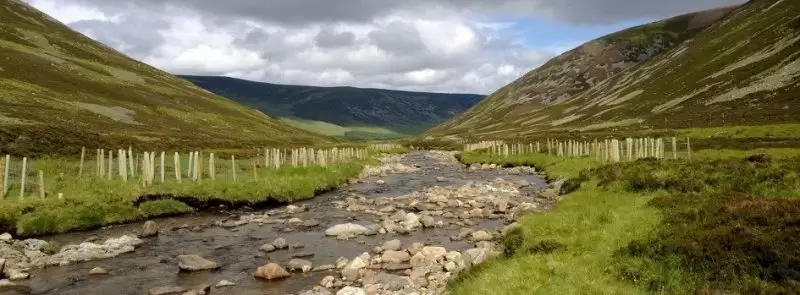
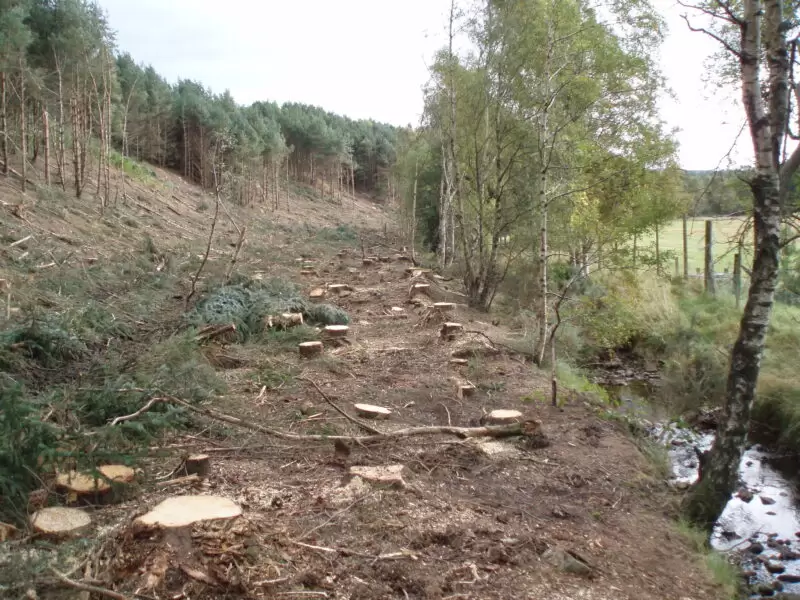
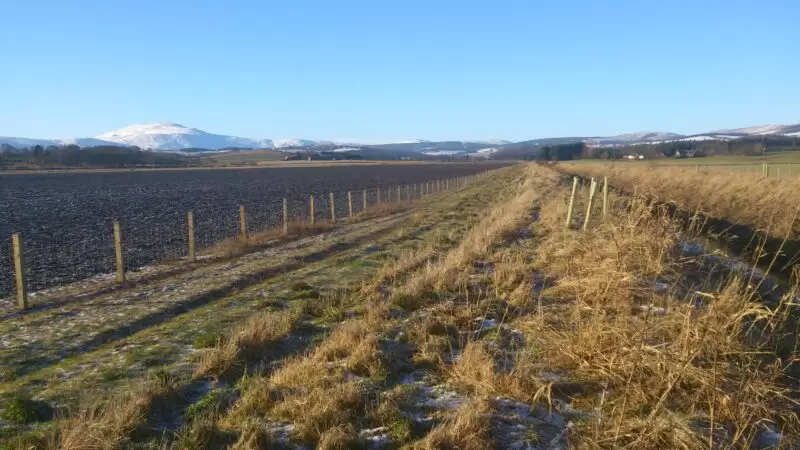
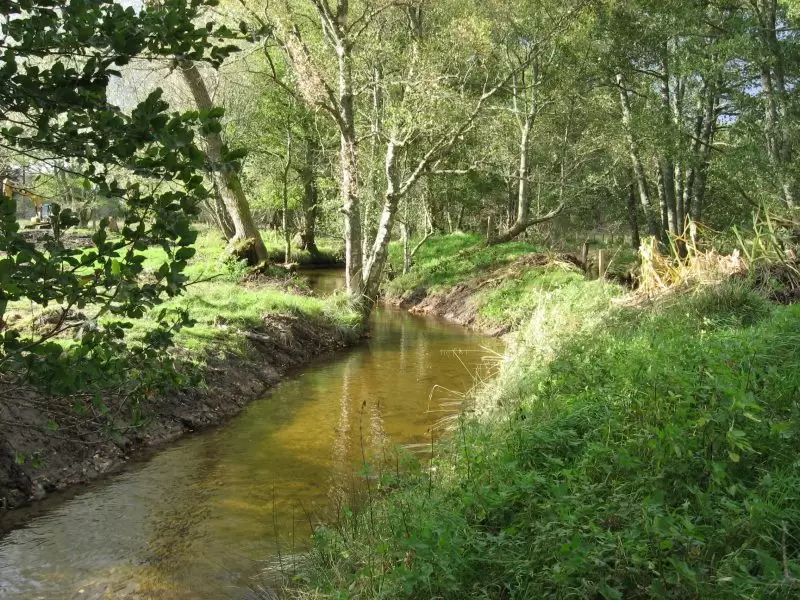
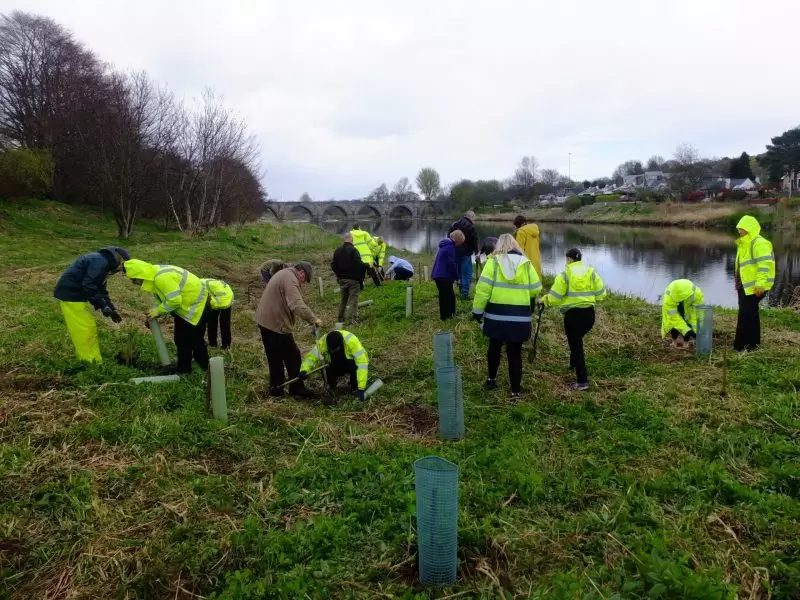
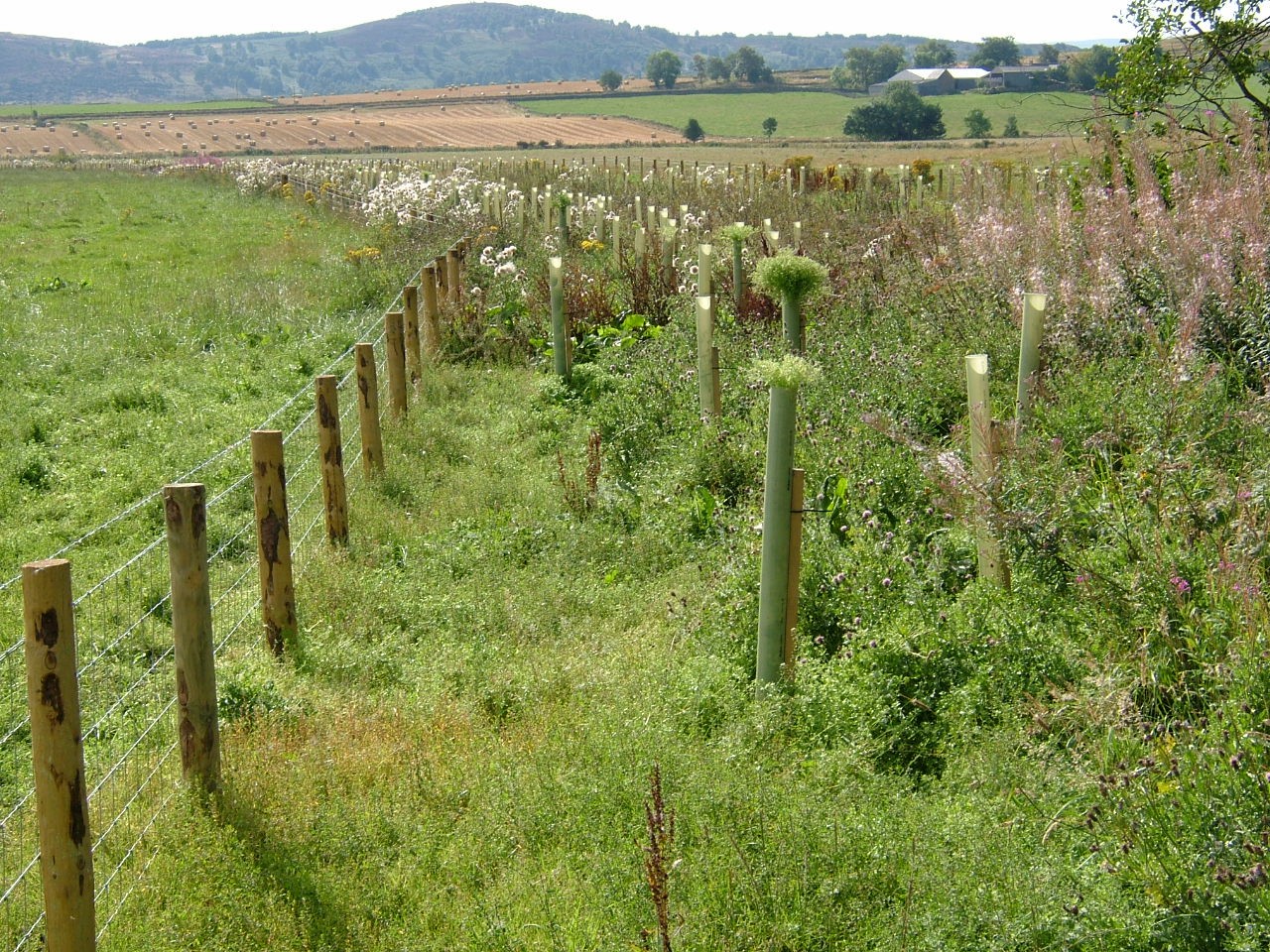
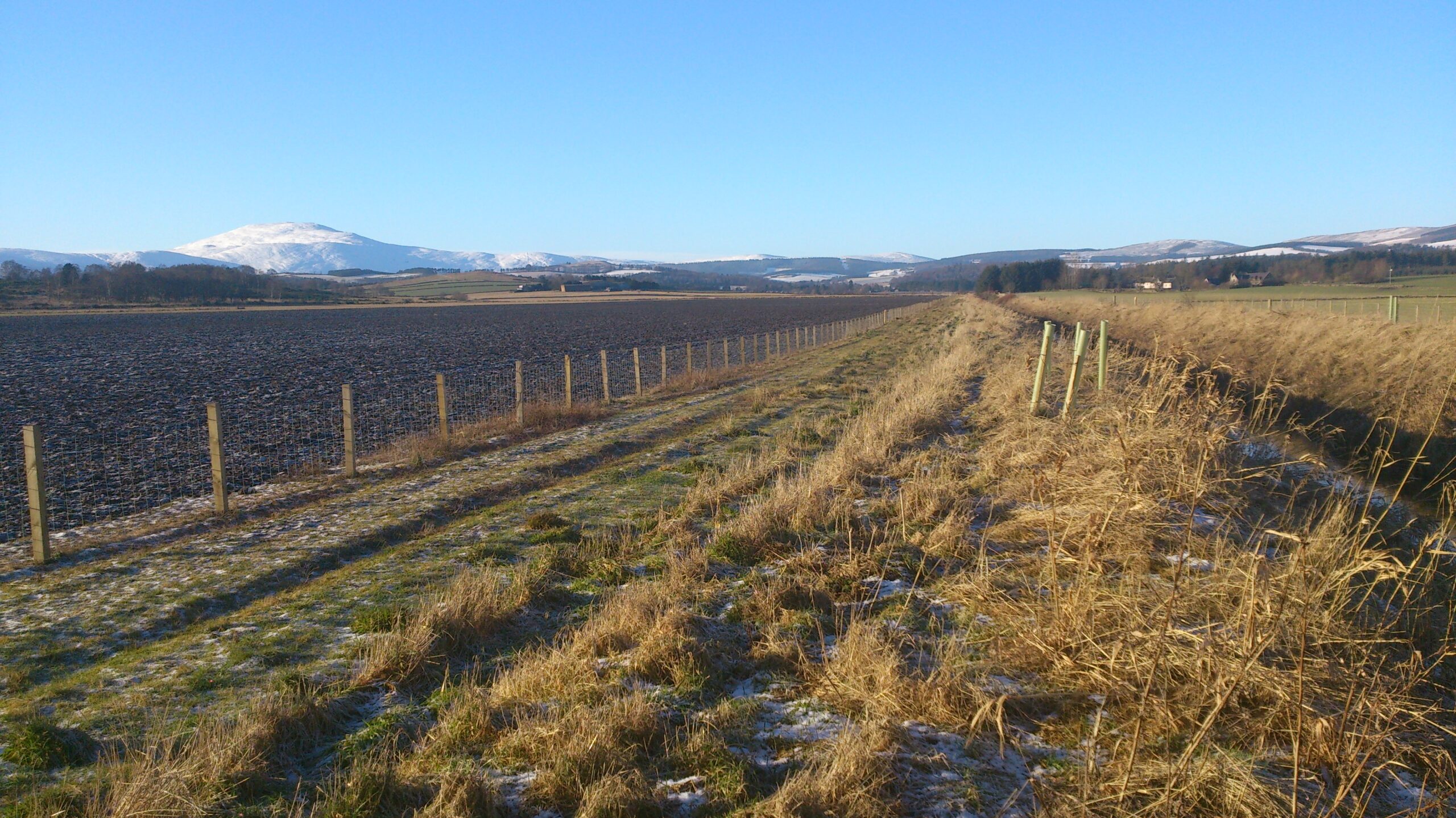
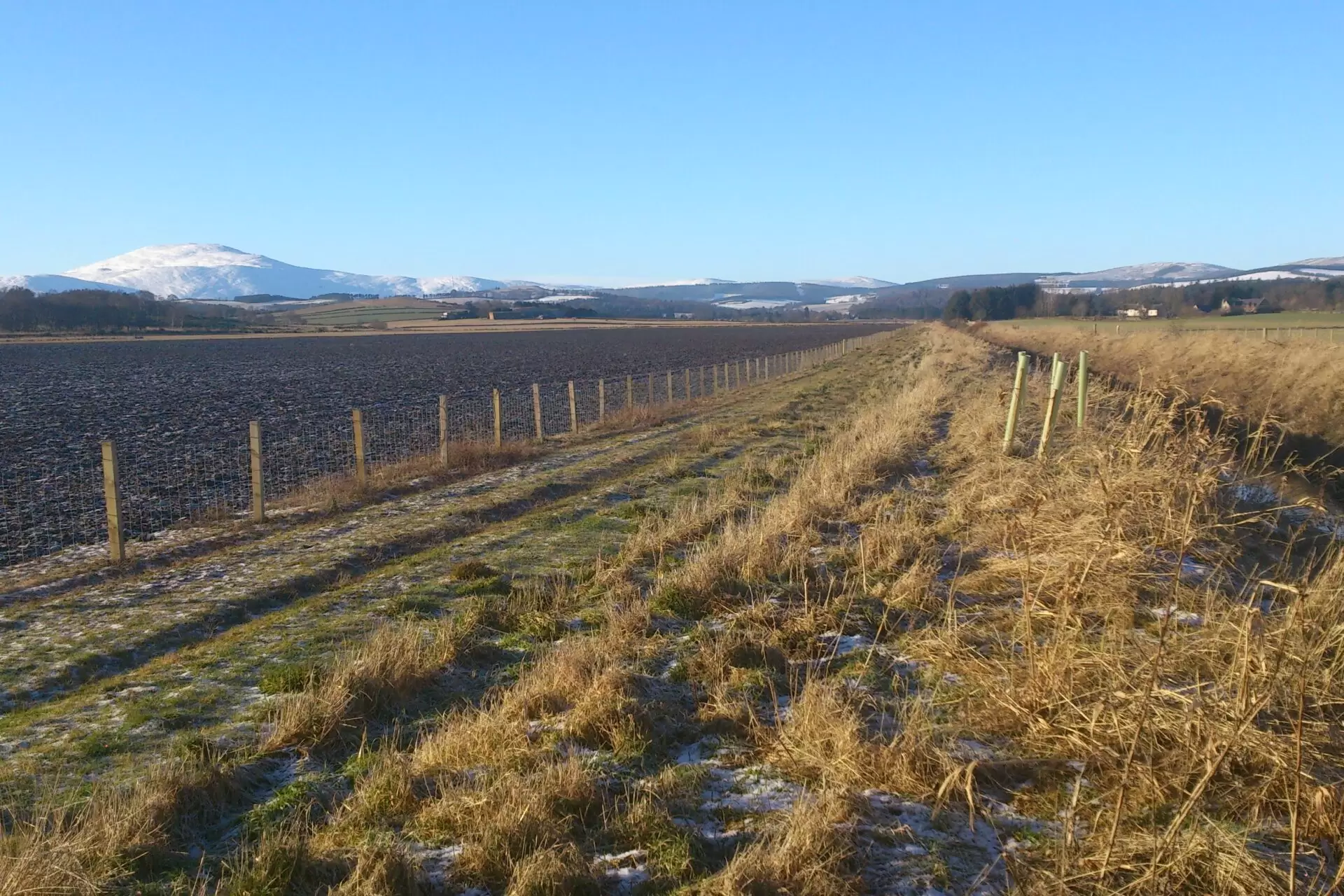
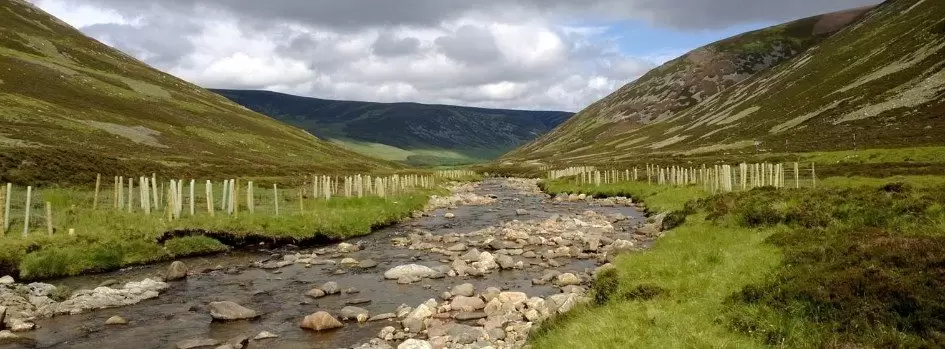
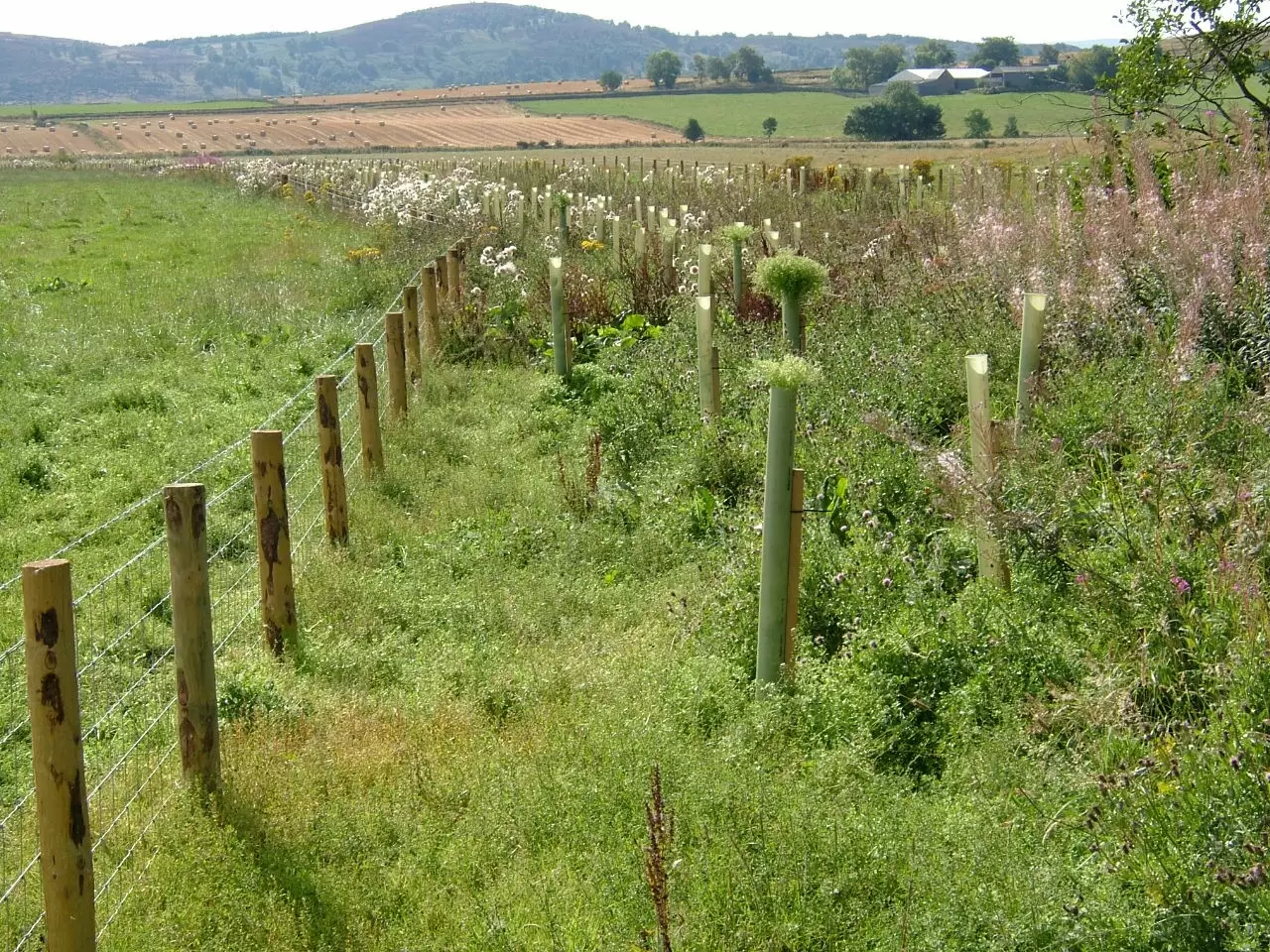
- The Upper Dee Riparian Initiative has planted over 250,000 trees in over 100km of riverbank planting, towards a target of 1 million. A detailed planting plan has been developed in partnership with estates in the upper catchment and this has been implemented through several funding initiatives, using a range of techniques including fencing, small enclosures and mob planting. Established plantation woodland is being restructured throughout the catchment to reduce dense shade and encourage natural vegetation.
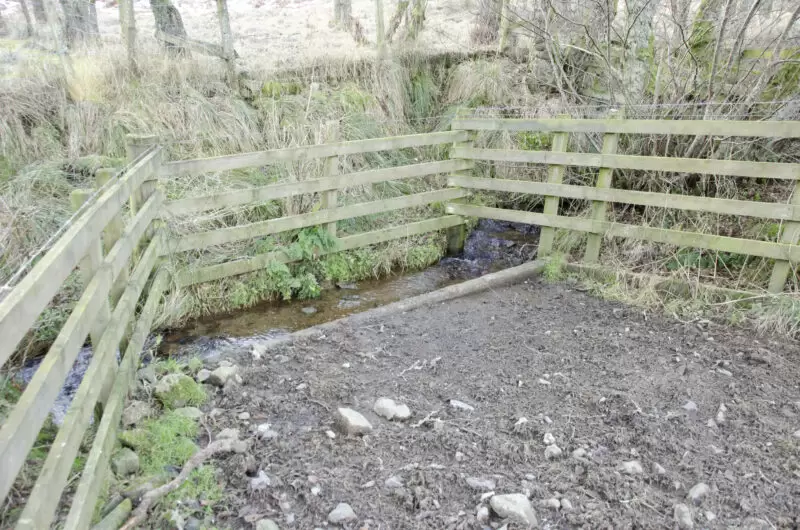
- We have created over 300km of buffer strips, mainly in the middle and lower catchment, through funding secured through SRDP and the EU LIFE Pearls in Peril (PIP), EU Interreg 3 Dee Vision, EU Interreg CASS projects. The Pearls in Peril project created over 45km of water margins in the middle catchment, including 10m-wide examples on the Tarland Burn.
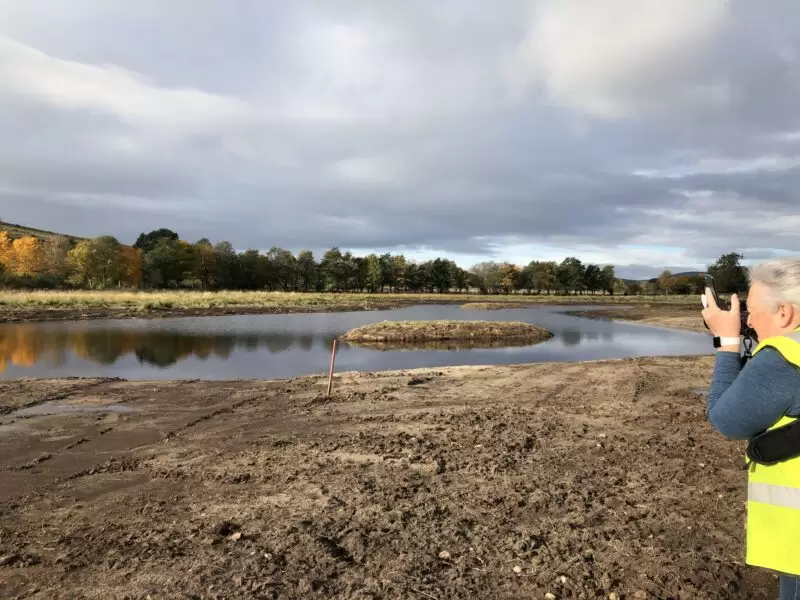
- EU 3 Dee Vision project tackled water quality in three sub catchments, installing buffer strips, waterings, and treatment wetlands.
- The James Hutton Insitute has developed new ‘BufferTech’ or ‘Intelligent’ water margins that intercept and treat the runoff from field drains and provide biomass from vegetation growth.
- Our guidance on the use of buffer strips for development is now Supplementary Planning Guidance.
- In Tarland a range of improvements have been made – as well as installing XXkm of water margins, a large septic tank discharge was removed from the Tarland Burn, and the Tarland WWTW outfall was diverted to a wetland.
- The Dee was chosen as one of the first 14 Diffuse Pollution Priority Catchments identified by SEPA. A three-tier targeted approach was taken to identify and address issues: 1) Intensive catchment walking to establish an evidence base; 2) raising awareness amongst stakeholders and land managers; 3) individual farm visits to provide guidance.
- The 2018 Cairngorms Forest Strategy was developed through a detailed process of modelling and consultation to show where woodland could be established for greatest environmental benefit.
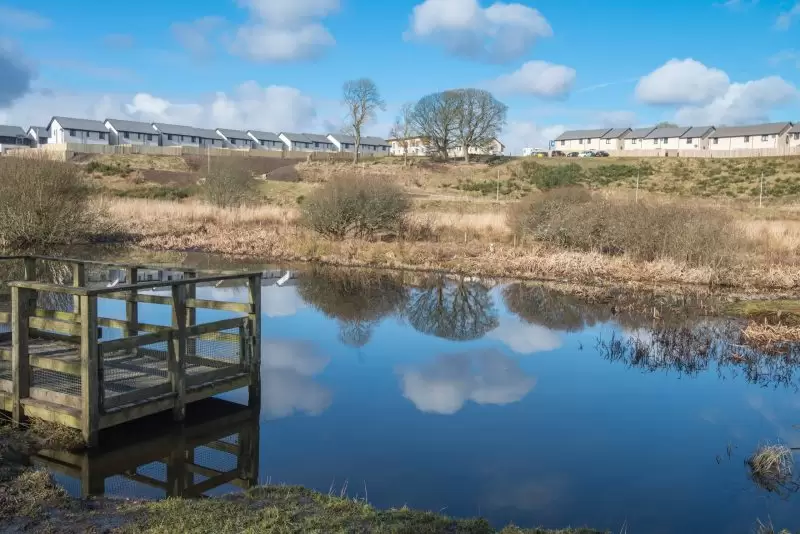
- Aberdeen City Council developed three blue-green infrastructure sites in Aberdeen (Maidencraig, Fernielea and Summerhill) as part of the EU Interreg BEGIN project, with additional funding for capital works being supplied through Aberdeen City Council, Bancon Homes and by Sustrans Community Links Programme. These sites combine improvements for water quality, flood storage, wildlife and recreation.
- A Dee Catchment Partnership group scoped opportunities for channel improvement at Western Park and Denburn at Kingsgate (see report). Aberdeen City Council subsequently opened up constrained channels in the Den Burn.
Monitoring and research
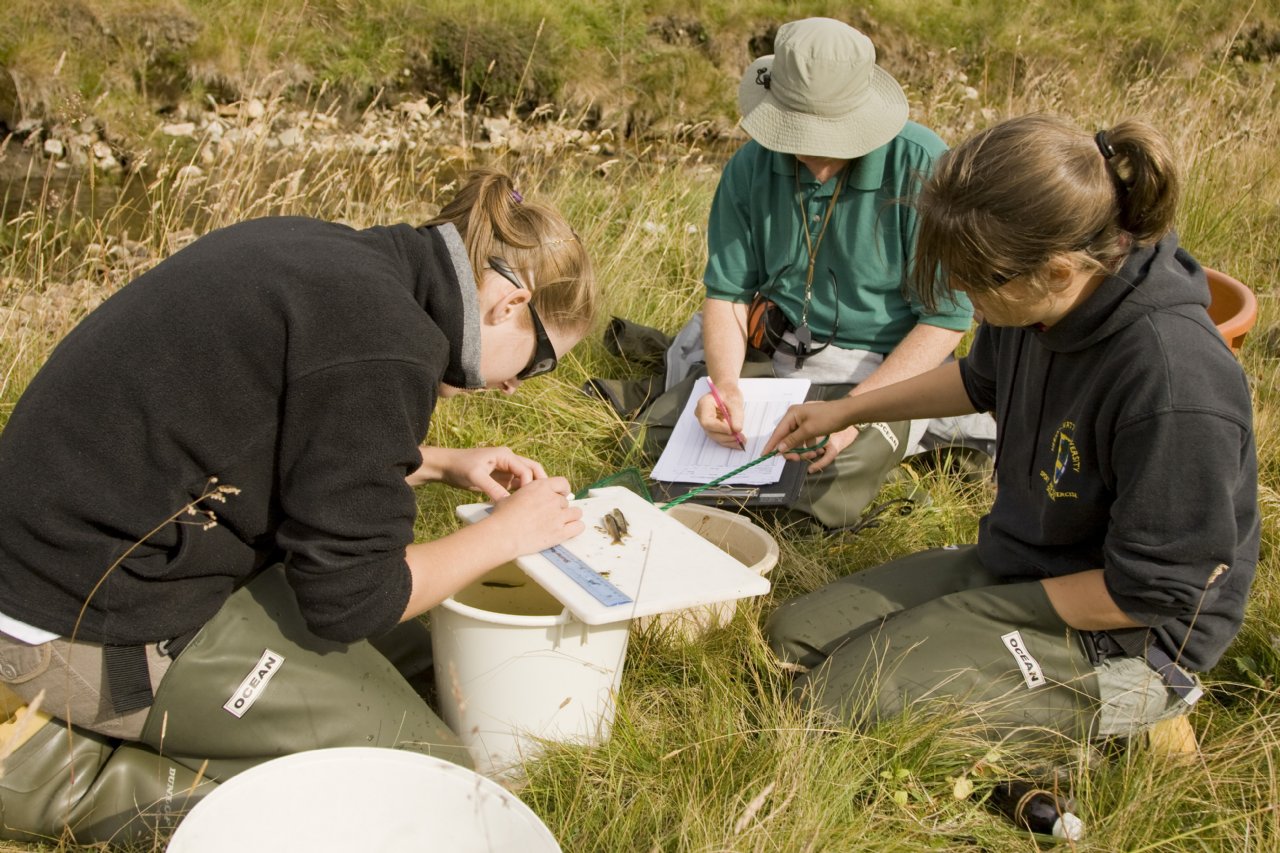
- There have been three cycles of River Basin Planning under the Water Framework Directive which established annual monitoring and classification of water quality in the Dee’s 56 Waterbodies.
- The James Hutton Institute has a long-term research programme based in the Tarland Demonstration Catchment to evaluate the environmental benefits of water margins. New research on pharmaceuticals is developing techniques for detecting these continents.
- Aberdeen City Council reports on Bathing Water Quality in line with the Bather Waters Directive Standards. In 2019 Aberdeen was graded as ‘Good’ under the Scottish Water Bathing Water Strategy.
Raising awareness
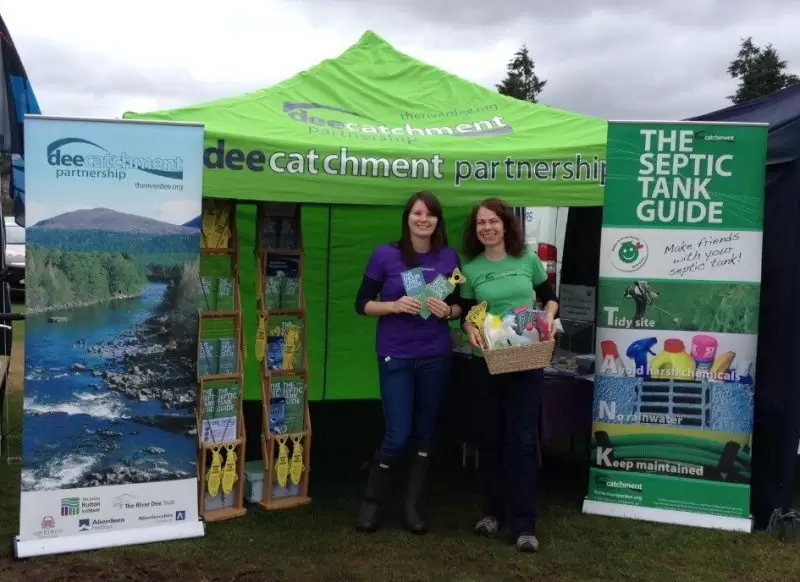
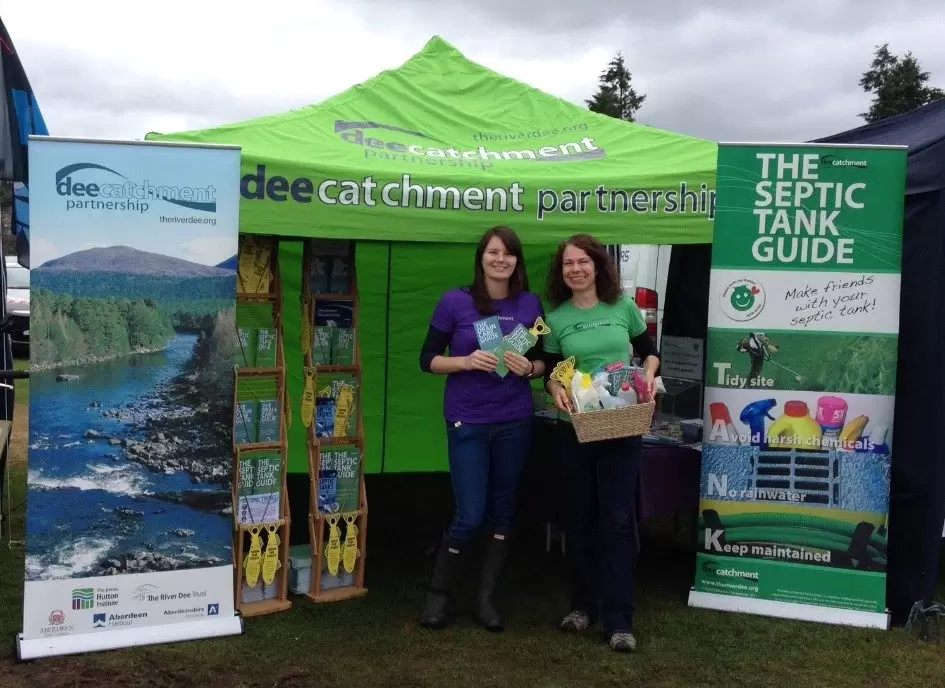
- We produced new guidance on Septic Tank Management and Drain Care. Our Septic Tank Guidance Leaflet is now UK standard guidance and has been translated into Welsh. We have run numerous septic tank campaigns with stands at events, schools and youth group projects.
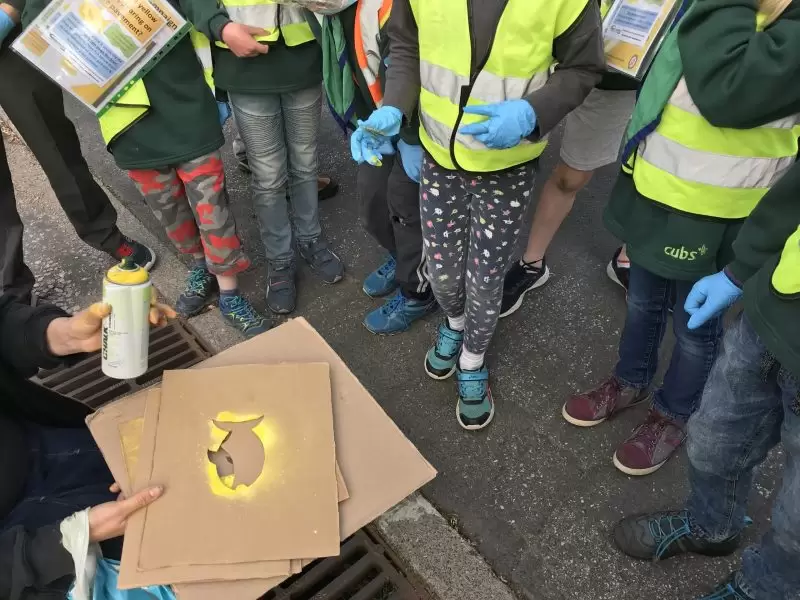
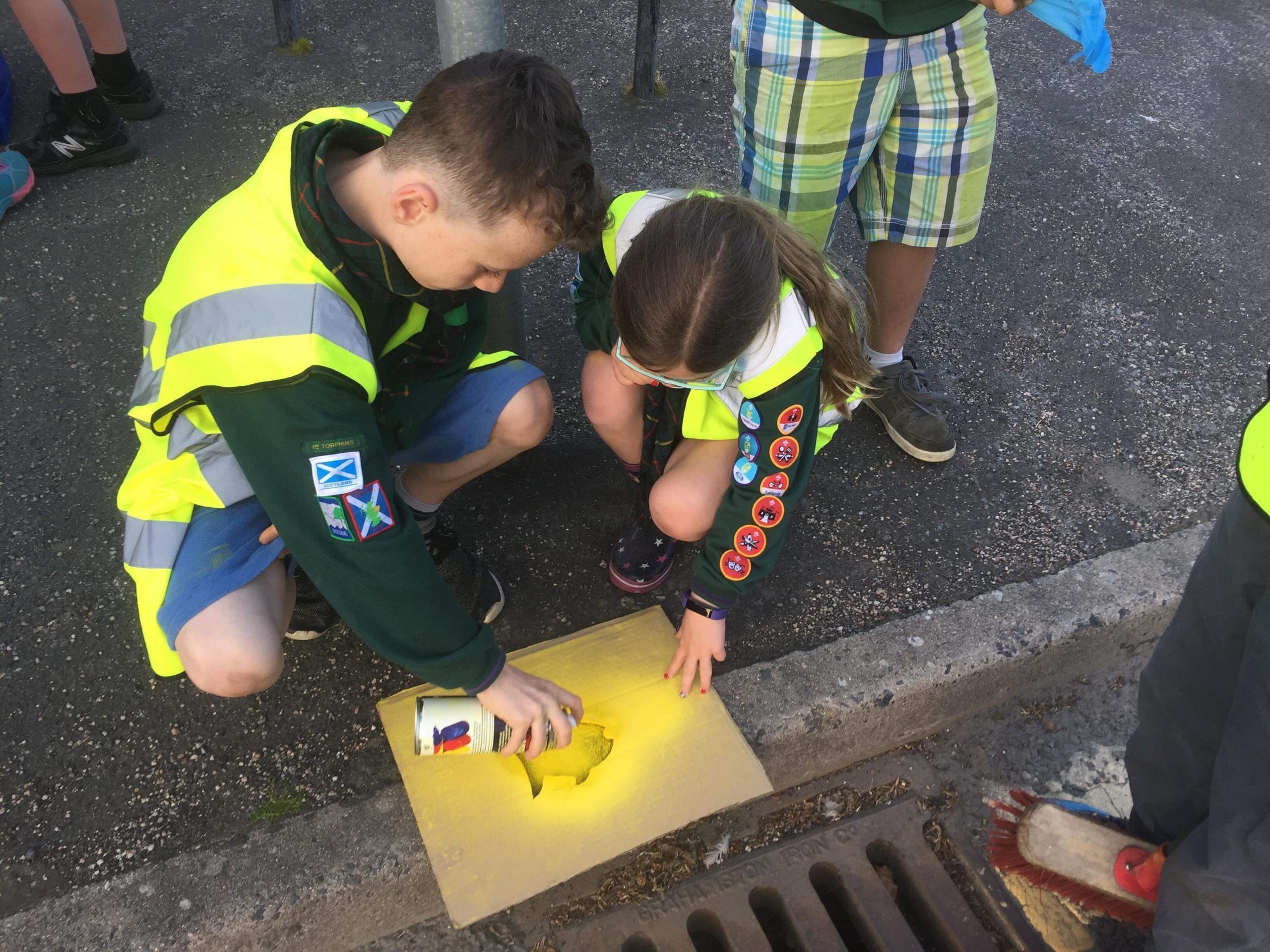
- To further educate on Drain Care we developed a Yellow Fish Project to raise awareness of water quality issues in Aberdeen Harbour. This was extended to Westhill, Torphins and Banchory.
- We produced pocket-books for self-audit of farm and forestry practices to assist in meeting diffuse pollution regulations.
- We ran two workshops including visits to live felling sites to educate on best practice for the Forest and Water Guidelines.
Planning, funding and regulation
- SEPA’s Catchment Walks surveyed XXXkm, identified two GBR breaches per km, visited xxx farms – figures from Roy.
- Any development works in Aberdeen Harbour now require specific Environmental Plans that Dee District Salmon Fishery Board is consulted on.
- A grant scheme has been established for land managers to gain access to technical support for Scottish Rural Development Plan (SRDP) applications and financial support for non-SRDP eligible infrastructure.
- Since 2012, 31 SRDP agri-environment schemes have been drawn up for farms as well as DRHP-funded buffer strip fencing, totalling 56.6km, with a further 25.5km pending RPID approval – need figures beyond late 2019.
- In 2011 Crow’s Nest landfill site was completed and capped to reduce rainwater percolation and leachate production.
What needs to be done?
- Relocate road salt Ballater Depot – no timescales for this at present.
- Produce guidance for householders on how to maintain SuDS features within their curtilage.
- Investigate the ongoing barriers to SuDS design and adoption.
- Septic tank monitoring is required.
Our projects that address Water Quality issues:
A design for stream and wetland restoration
Evaluating the effects of trees on river temperature
The story of the Beltie Burn restoration
Shows, riverwalks, bioblitzes
Informing EU policy on rural land use
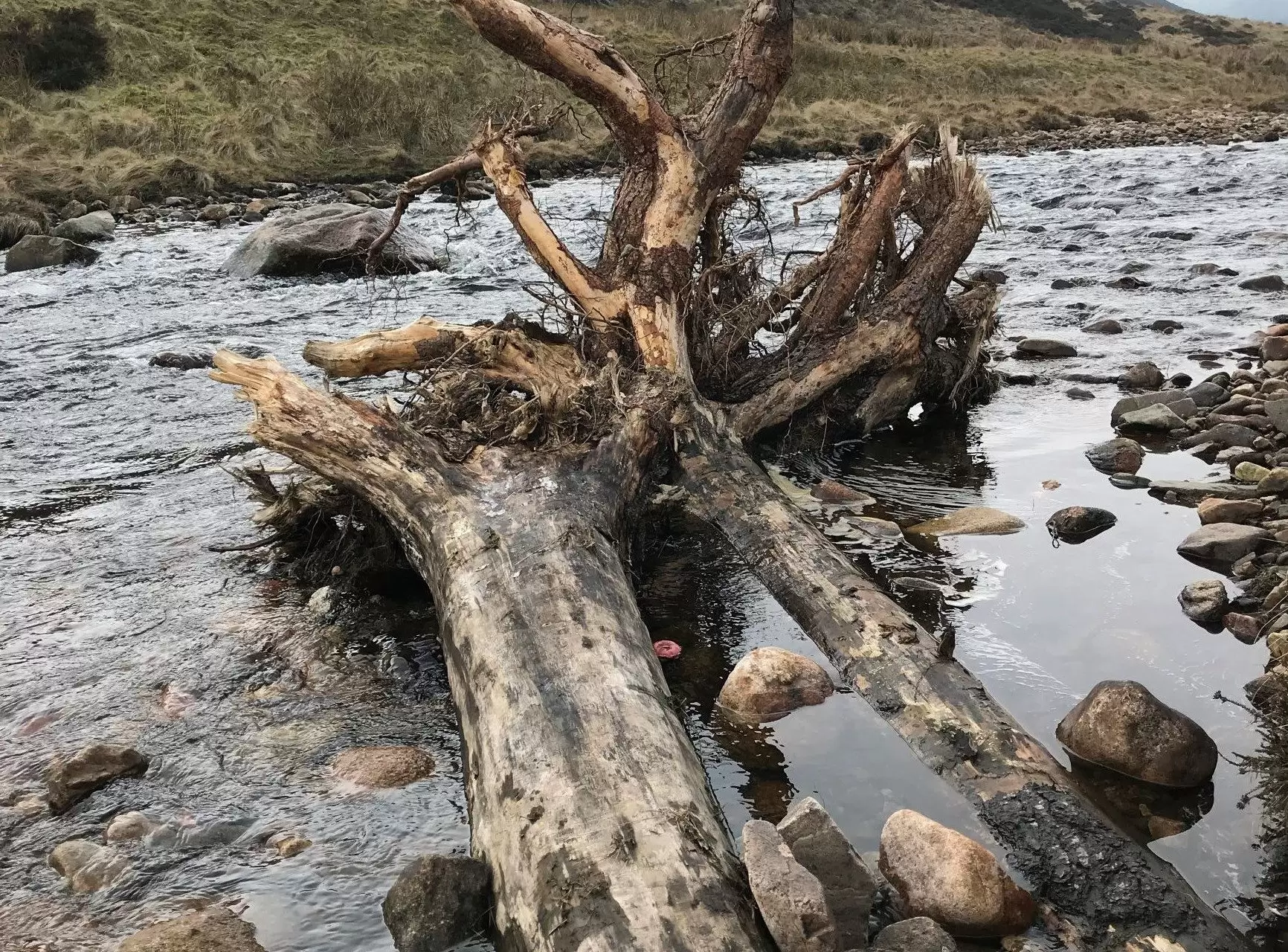
Using wood to improve habitats

Creating a mural of the Dee in Tarland primary school playground

Establishing unfenced woodland
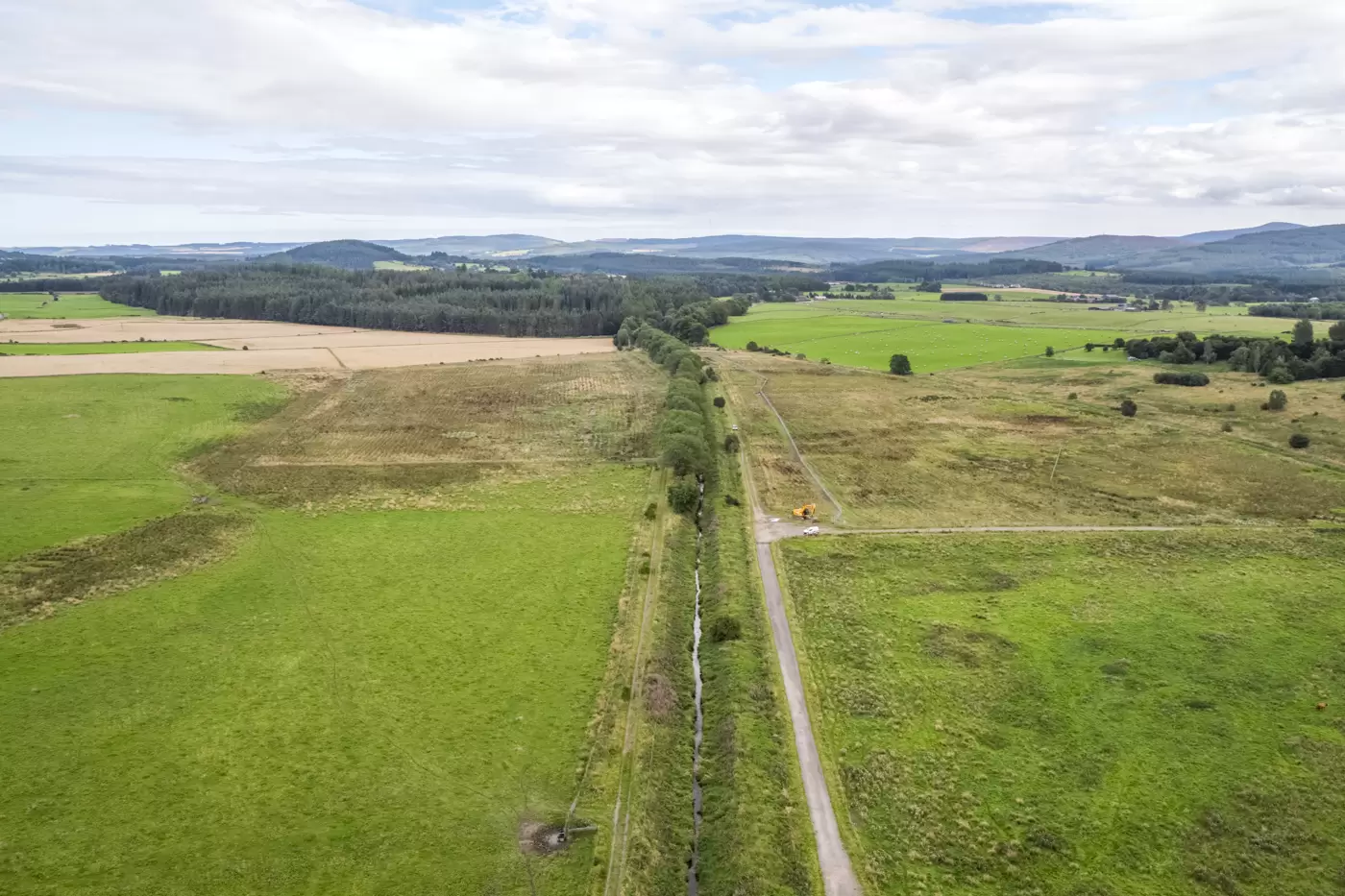
This large-scale river valley restoration is returning a straightened agricultural stream to a natural meaning course, running through extensive wetlands and fully reconnected to its floodplain.
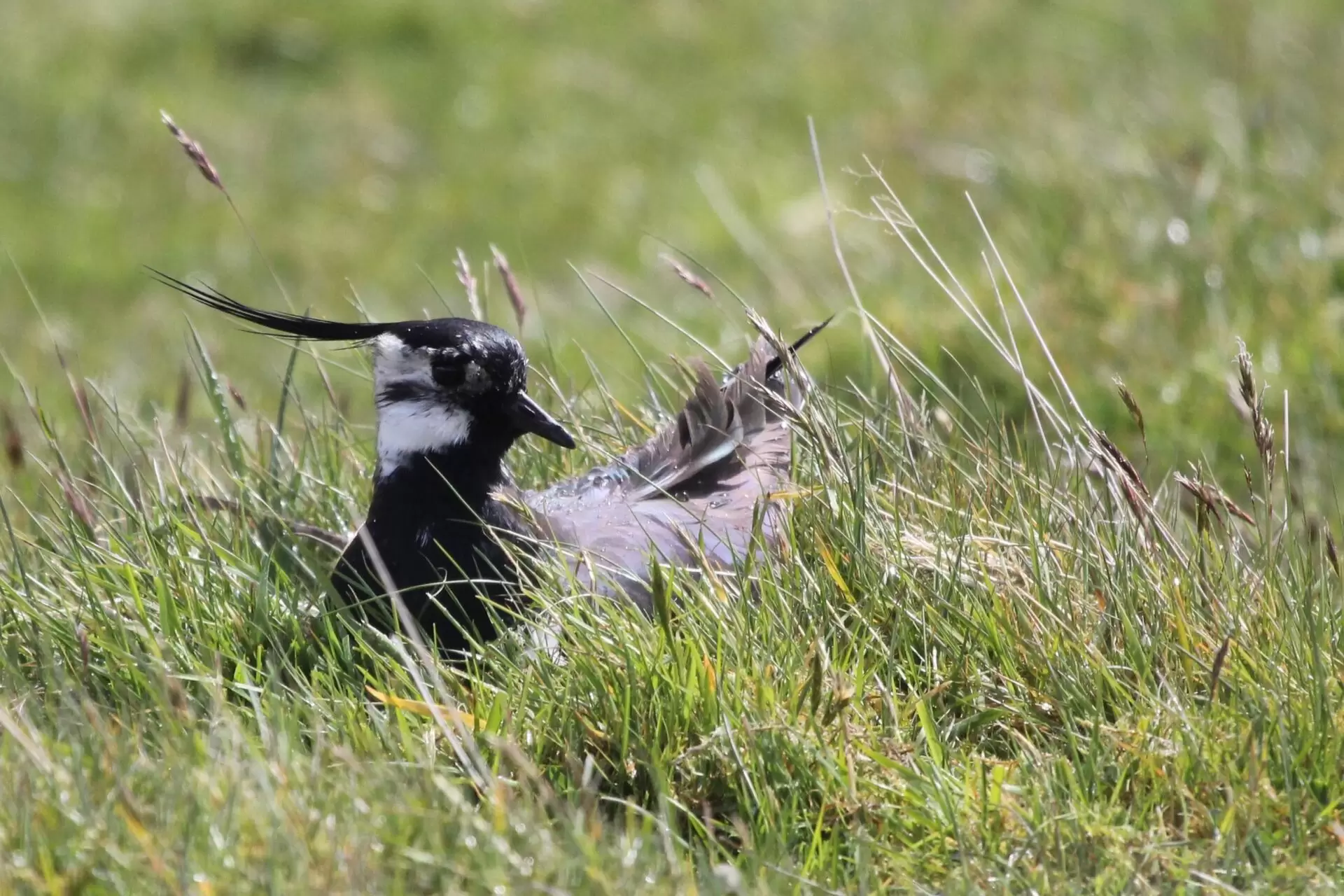
Restoring farmland wetlands for wildlife, environment and people
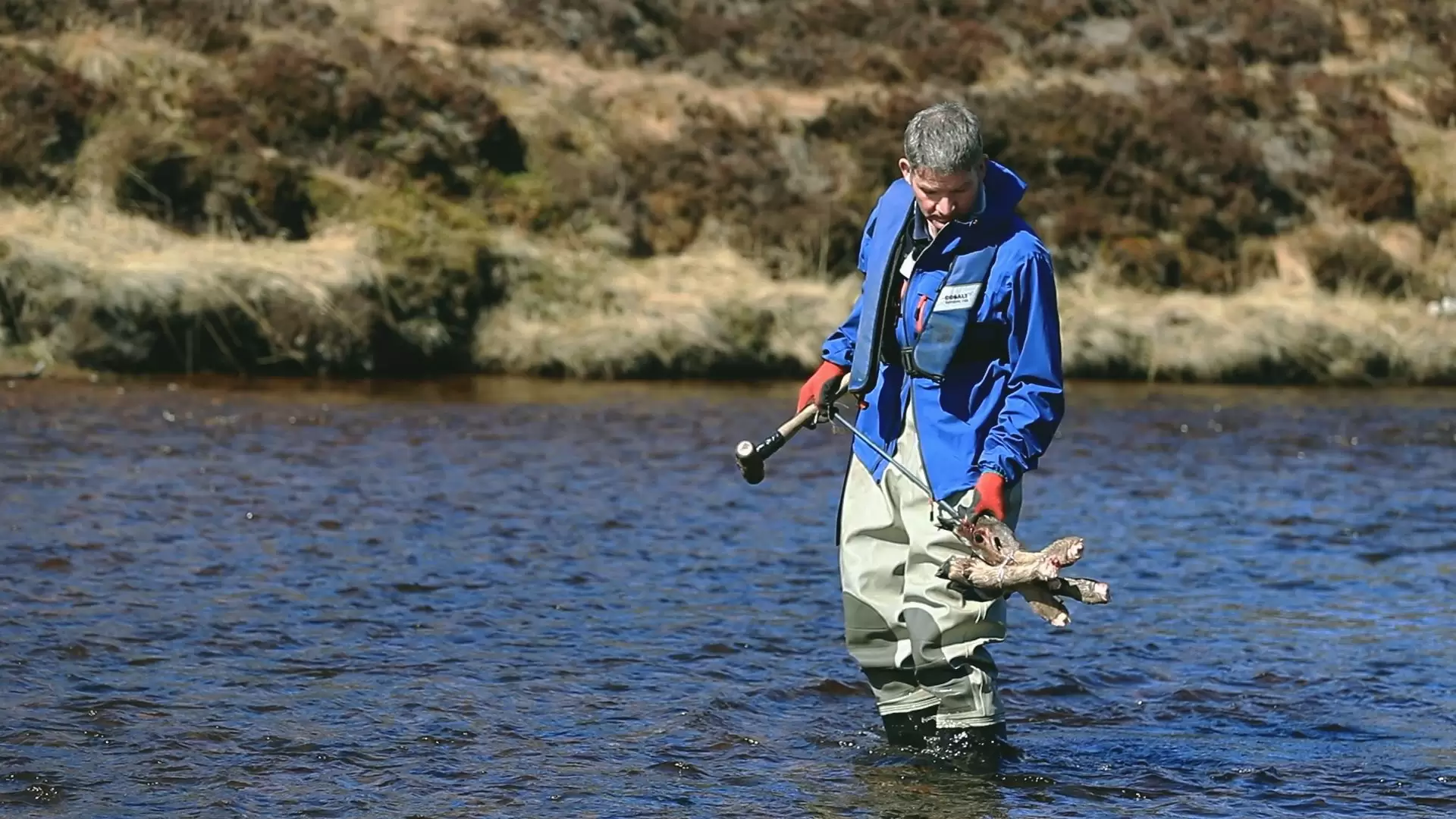
Boosting nutrient levels in upper tributary
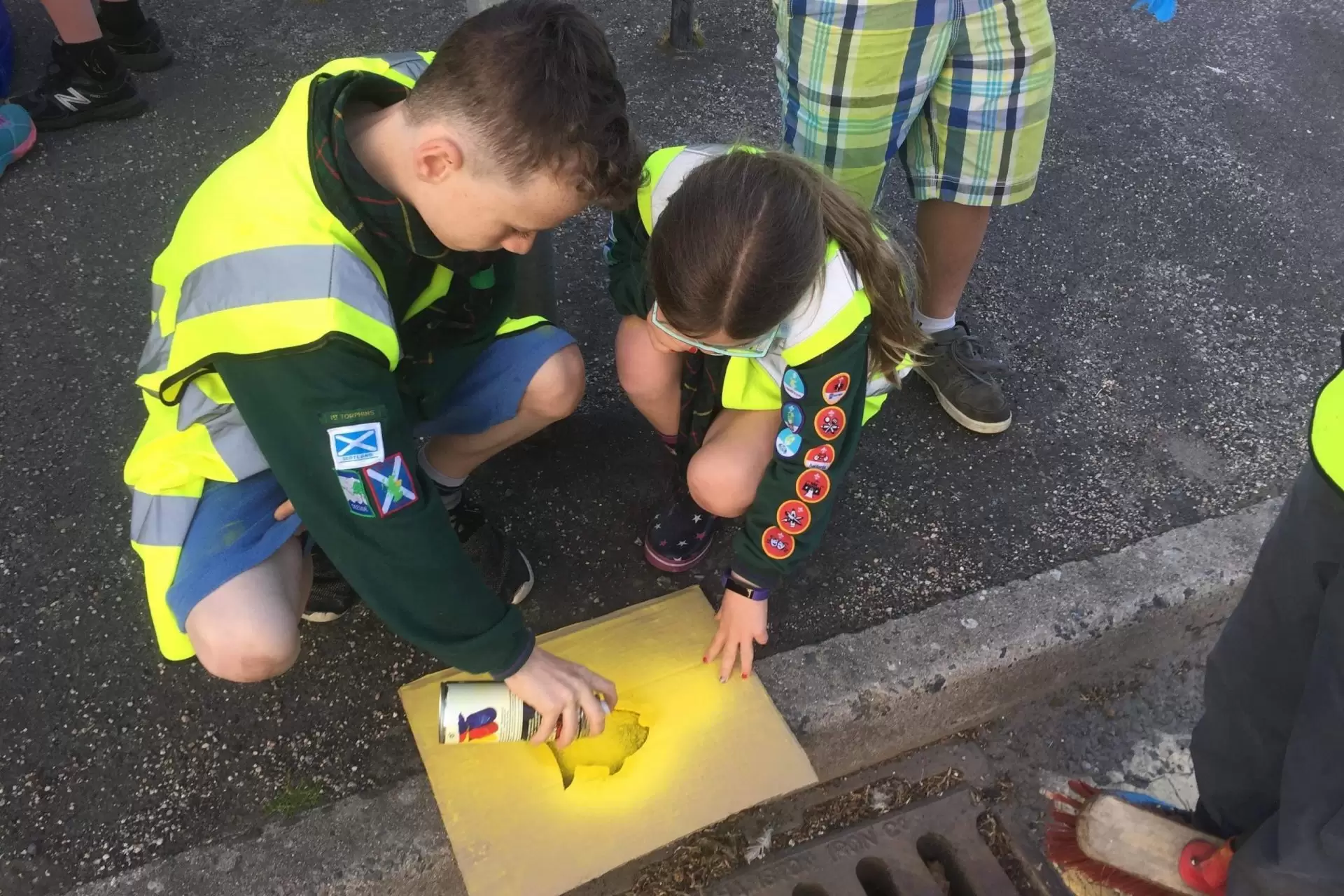
A UK-wide initiative promoting good household drain care
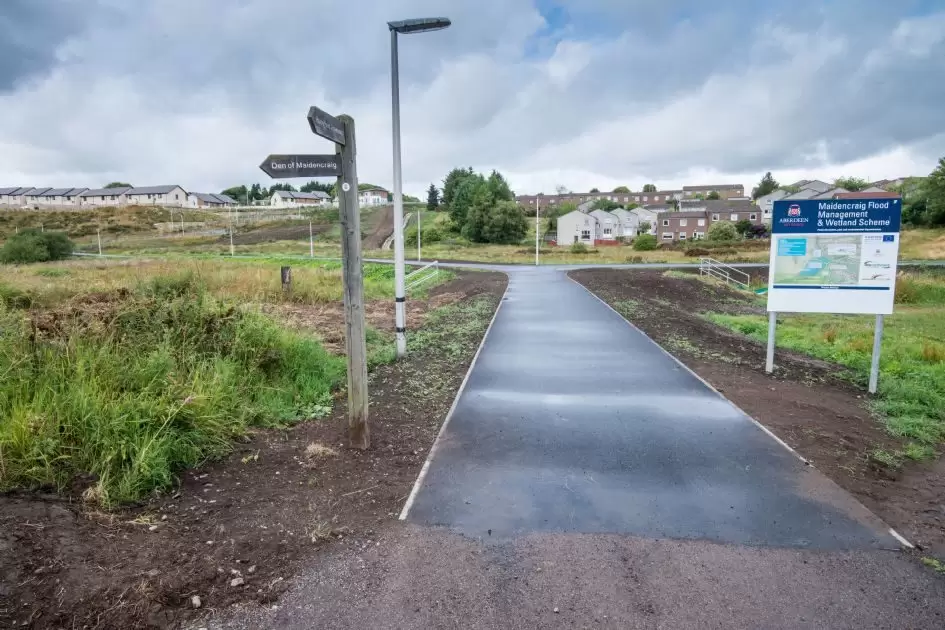
Designing SuDS into a new housing scheme
Promoting responsible septic tank ownership
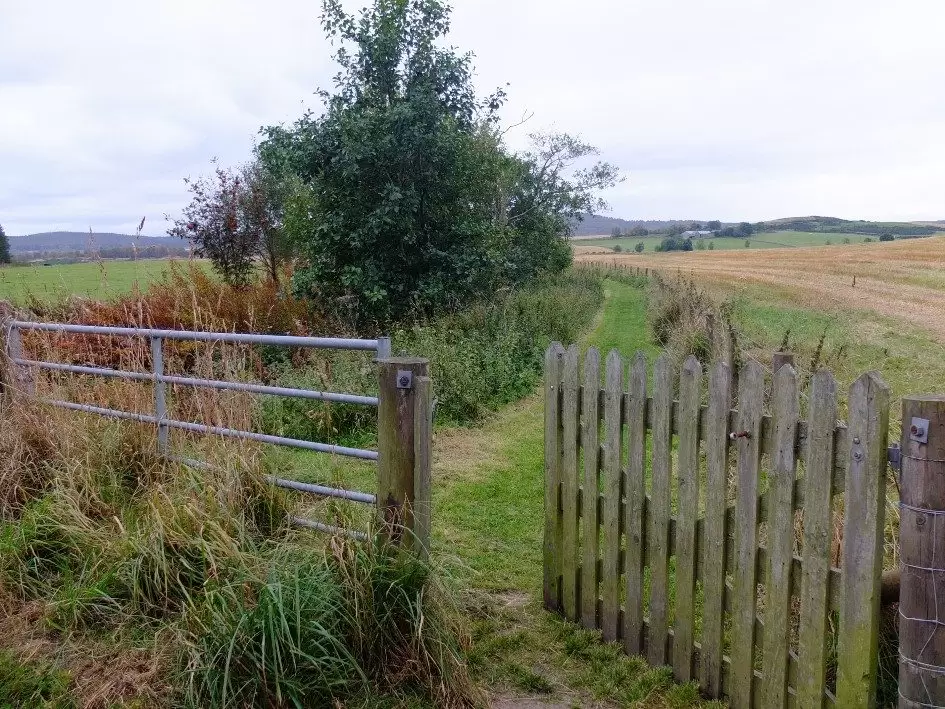
Trialling different water protection measures under different climate change scenarios in the Dee catchment
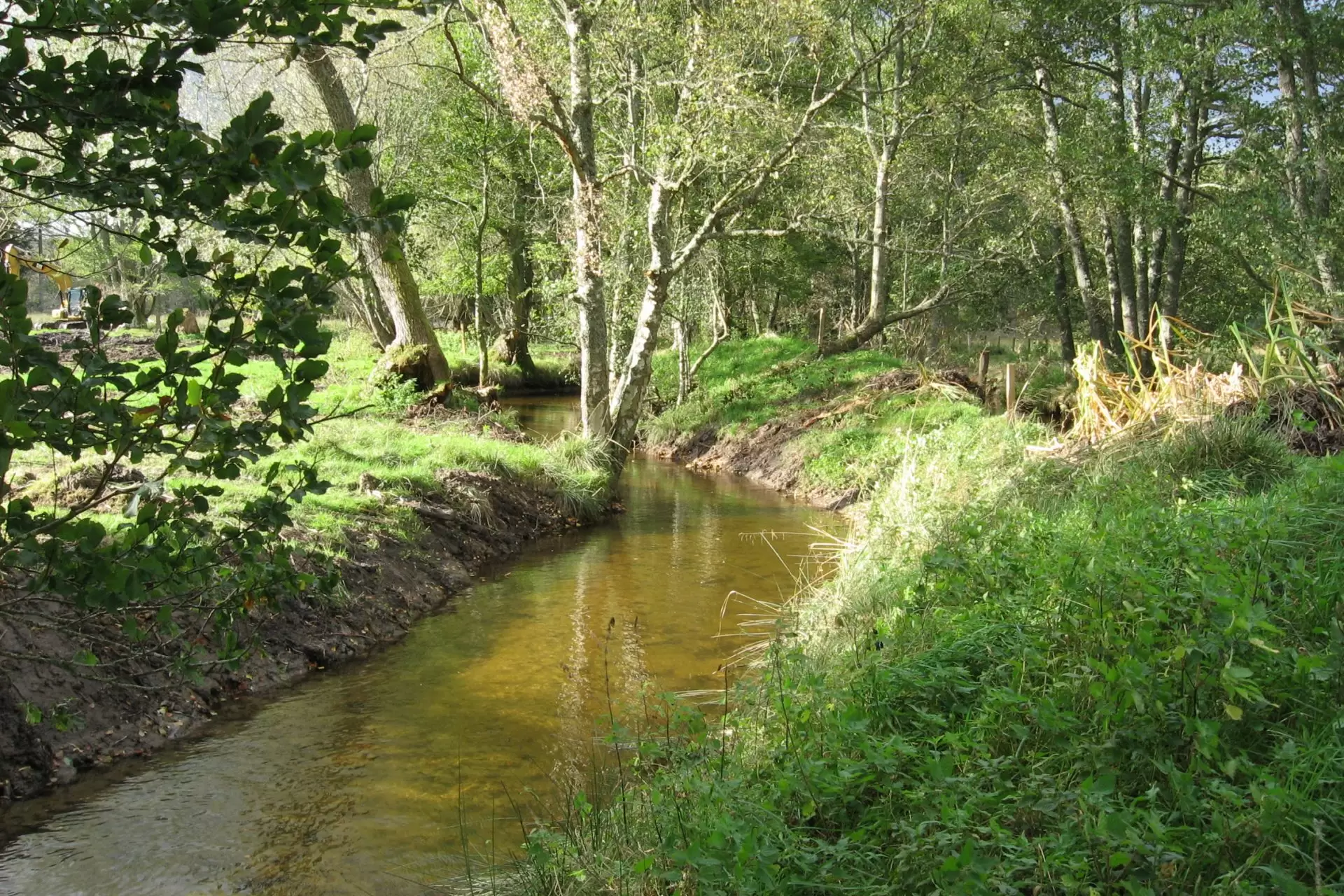
Returning a burn in the catchment to its former meandering glory
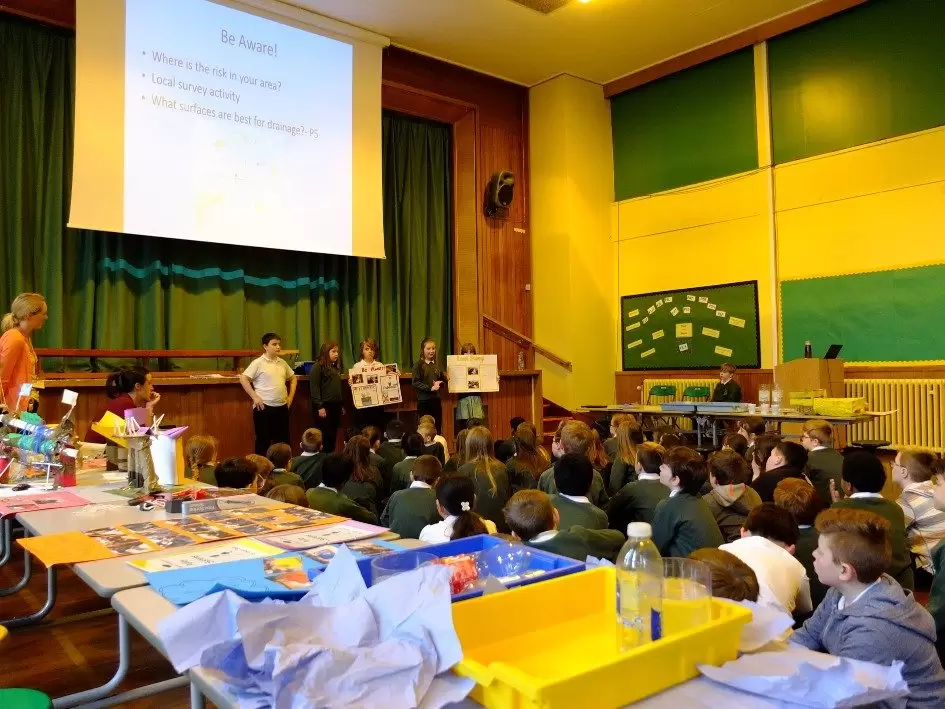
Tackling flooding issues with SuDS at a local primary school in the catchment
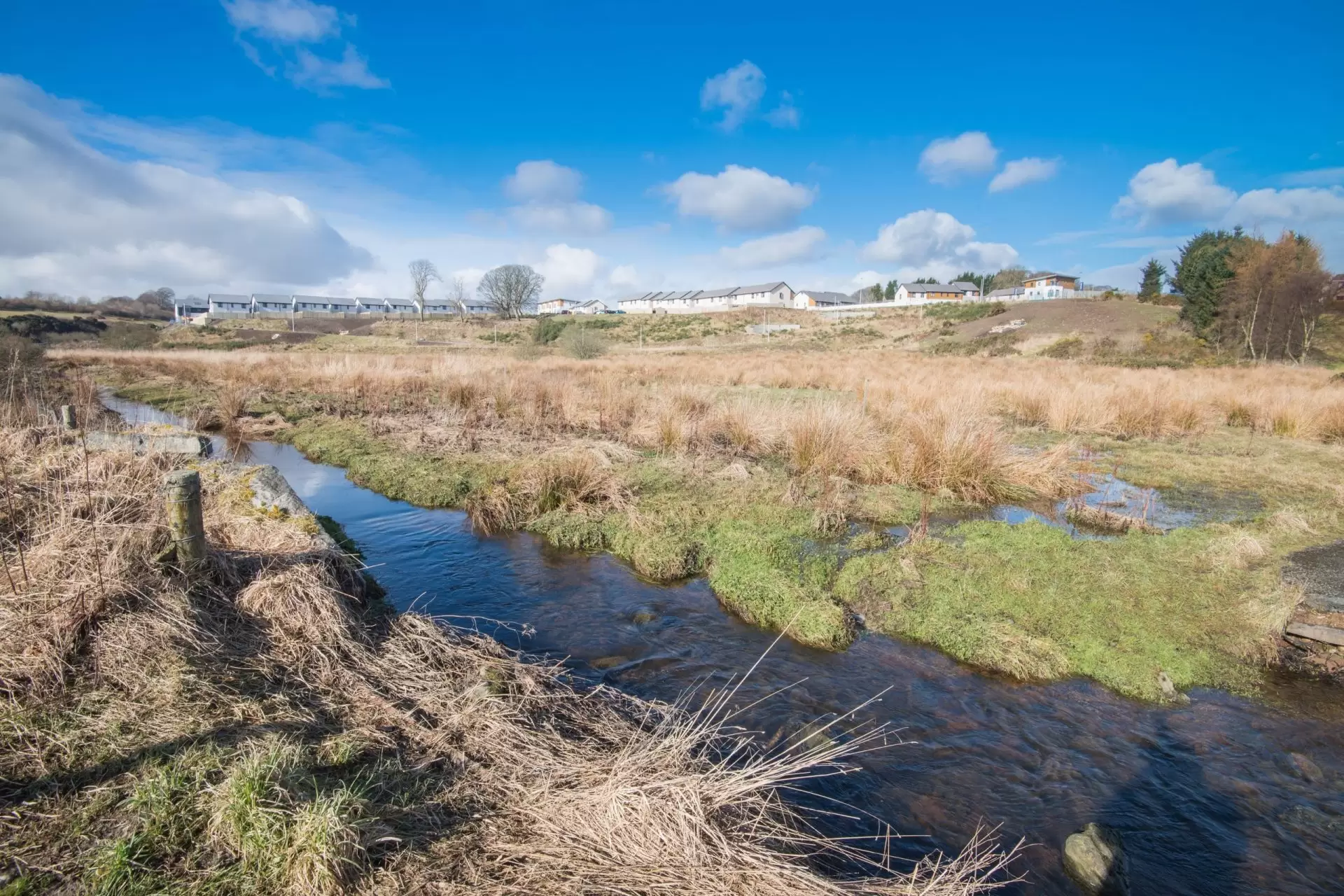
Enhancing a local nature reserve with the addition of BGI
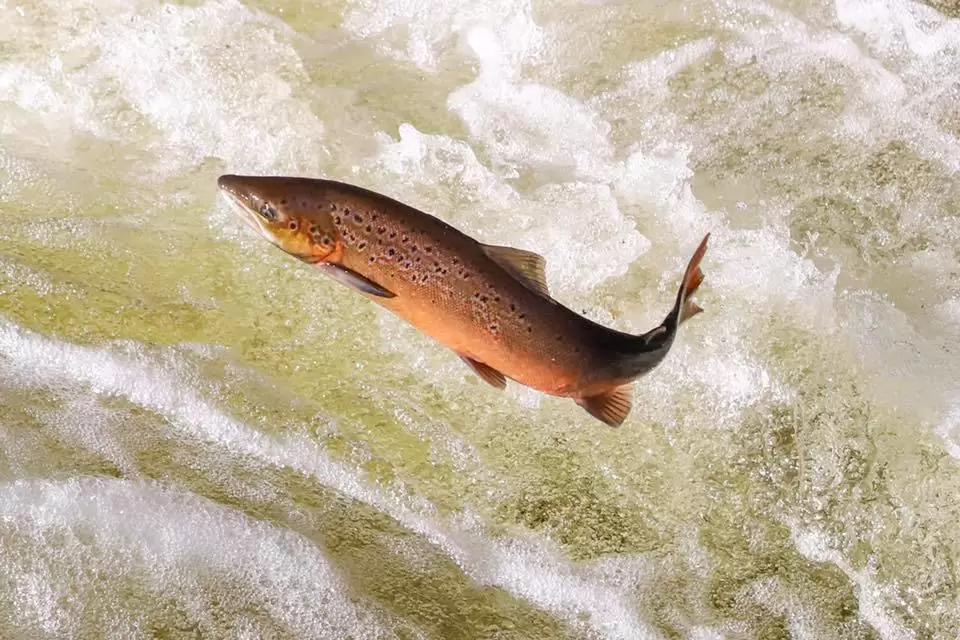
EU LIFE Project for salmon conservation and awareness
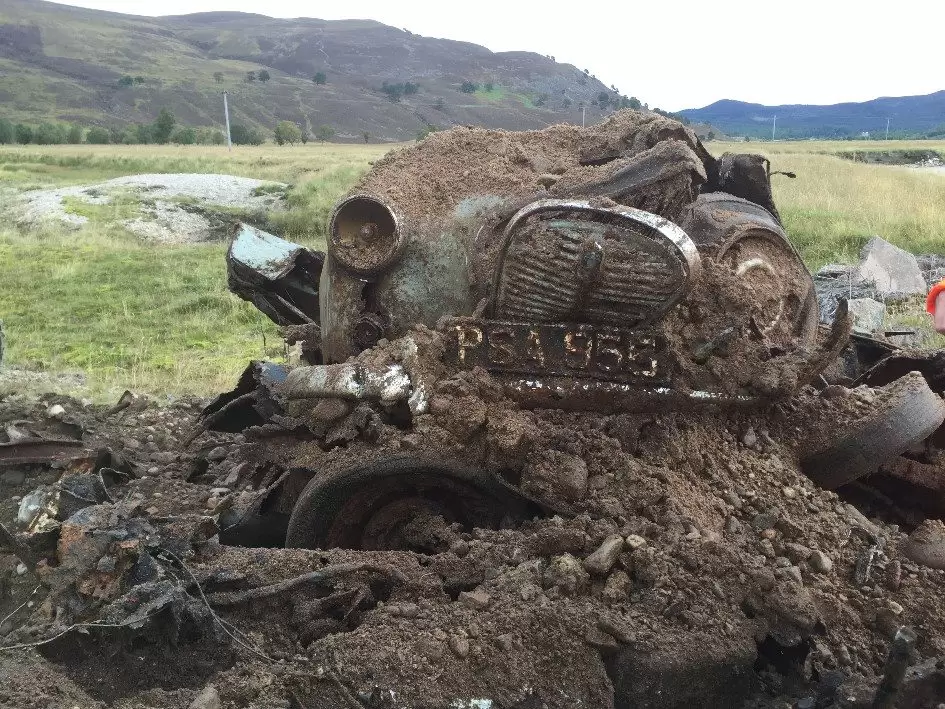
Removing a 31-year old eyesore and pollutant from the River Dee’s banks
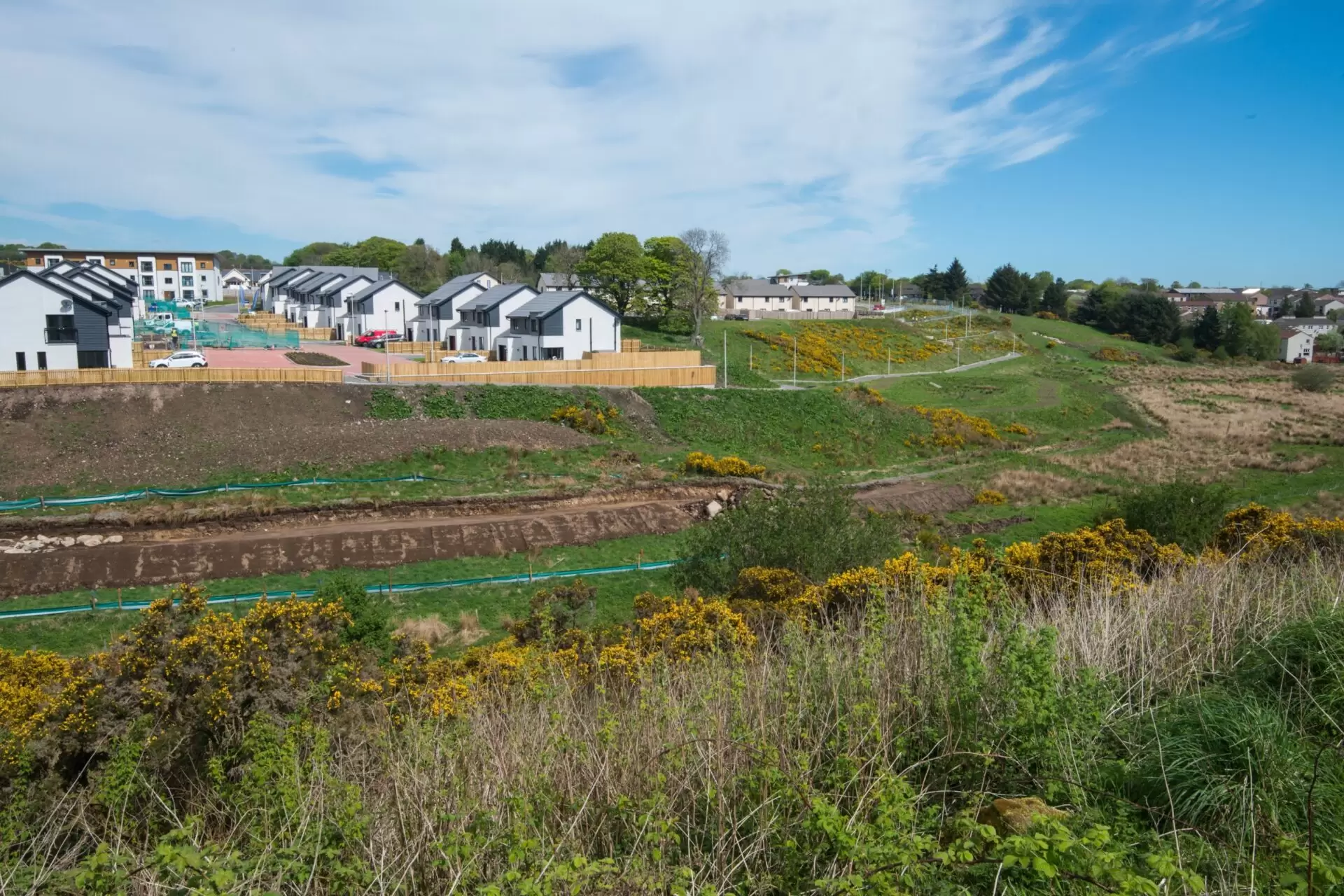
New planning guidance to protect watercourses from pollution during development works
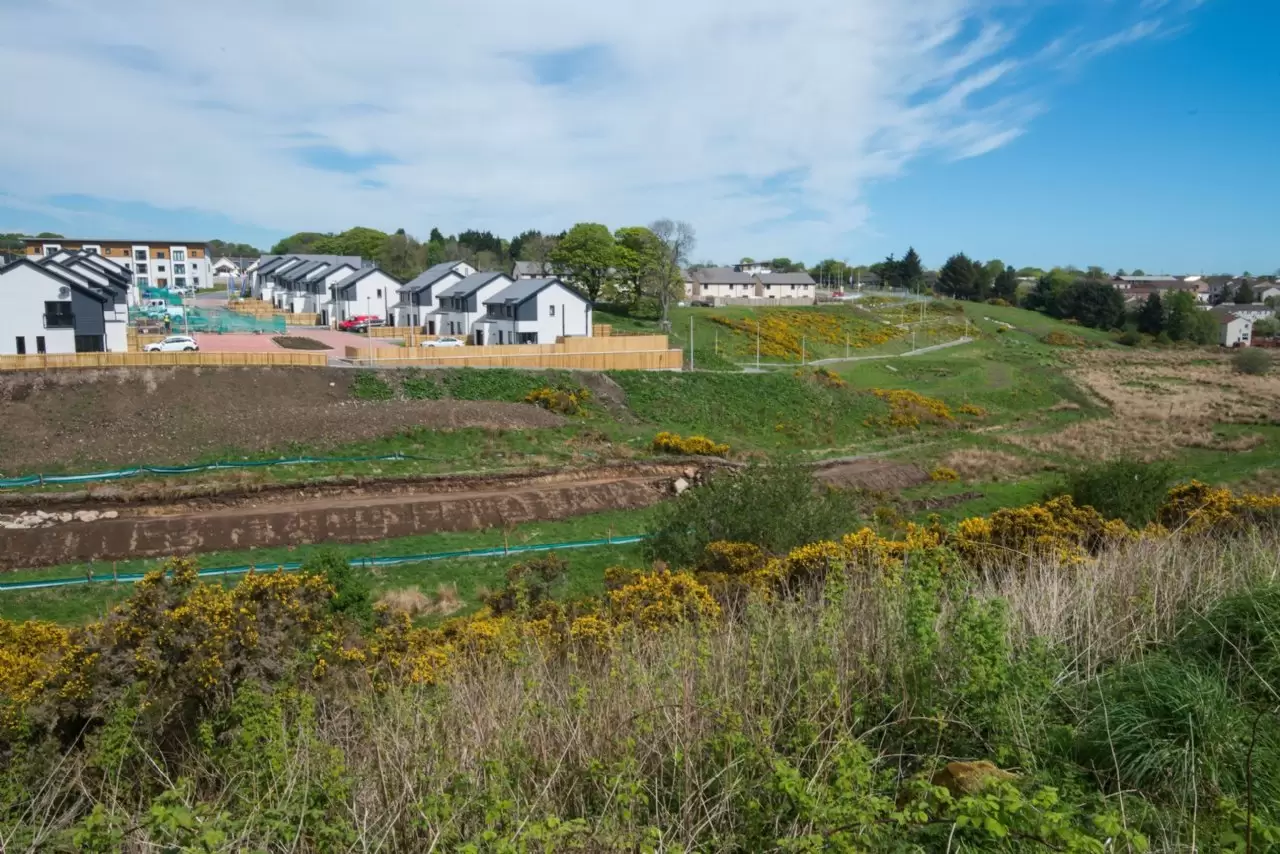
A new network of blue-green infrastructure sites for Aberdeen
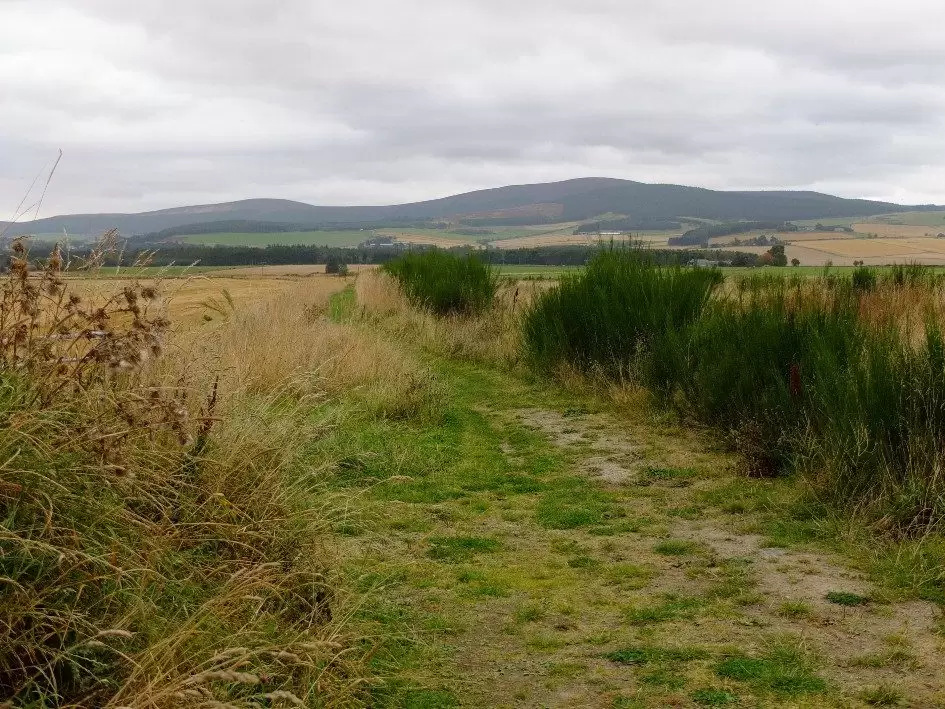
Farmers as water managers
Improving water quality, flood protection and biodiversity in three sub-catchments
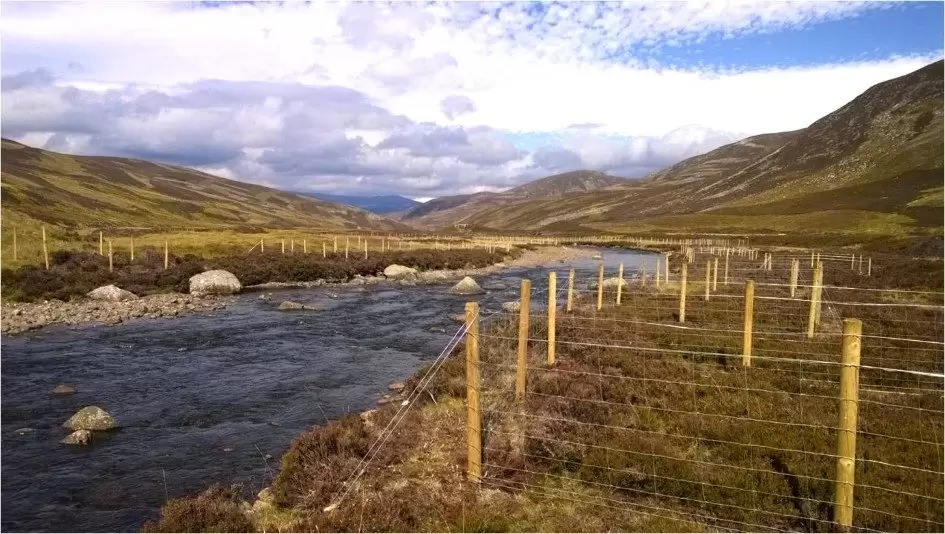
How we are returning trees to the riverbank
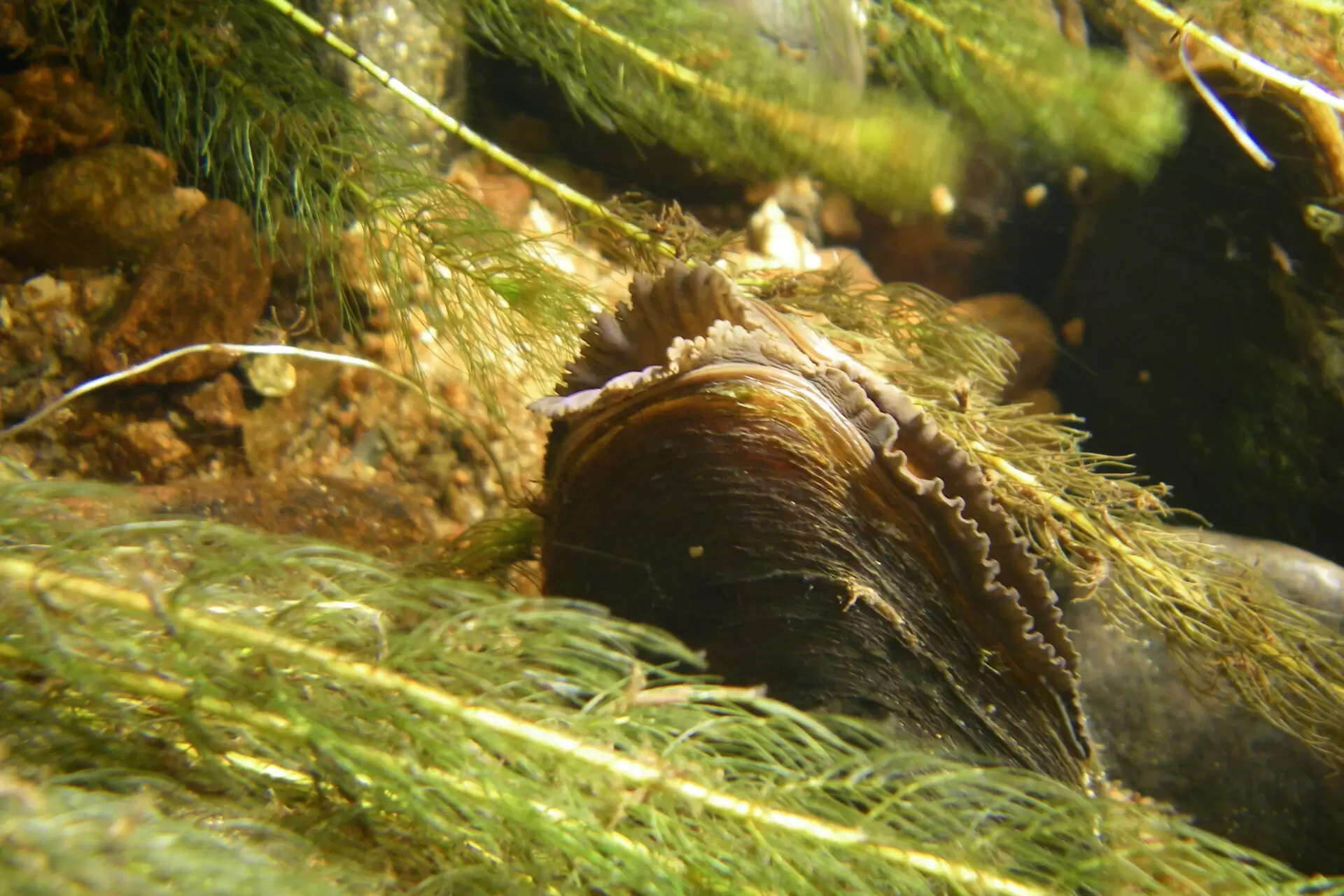
A nationwide project to safeguard important freshwater pearl mussel populations
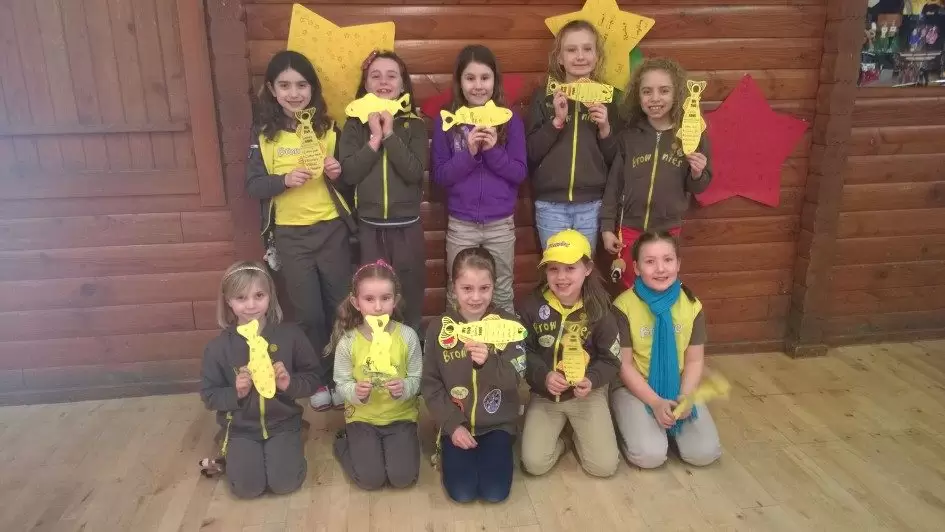
Improving water quality through drain care